Lately, there's been a surge in demand for dependable power solutions, and that’s really pushing the growth of Dual Power Automatic Transfer Switches. If you look at what MarketsandMarkets has to say, the global market for automatic transfer switches is expected to hit around $1.67 billion by 2026 — that's a pretty solid growth rate of about 6.5% per year. Big names like Caterpillar and Eaton are really leading the charge, offering innovative tech that helps keep the power on when it counts most.
Basically, a Dual Power Automatic Transfer Switch can switch seamlessly between two power sources, making sure there’s no unexpected downtime. This is super important for places like hospitals or data centers, where power interruptions can be disastrous. Experts in the field point out that roughly 30% of outages in these critical sectors are caused by failures in how switches transition between power sources. That just highlights how essential it is to have really reliable switchgear.
But, let’s be real — it’s not always perfect. Setting up these switches involves considerations like load management and proper installation. Plus, there are questions around compatibility and ongoing maintenance that need to be addressed. The industry’s constantly evolving, and staying up-to-date with new tech improvements is key. So, if you're involved in this area, it’s a good idea to keep an eye on your options and pick solutions that really fit your specific needs. All in all, finding the best power backup isn’t simple — but it’s definitely worth the effort to get it right.

Overview of Dual Power Automatic Transfer Switches
Dual power automatic transfer switches (ATS) play a crucial role in maintaining uninterrupted power supply. These systems automatically switch to a backup power source when the primary source fails. According to industry reports, the global automatic transfer switch market is projected to reach $2 billion by 2026, driven by the demand for reliable electrical systems.
Choosing the right ATS requires understanding various specifications and features. Automatic transfer switches come in different configurations, such as open-transition, closed-transition, and soft-loading. Each serves distinct operational needs. The selection must match the electrical load and capacity of the facility. Overestimating needs can lead to excessive costs.
Tips: Always consult with a certified electrician. They can provide insights based on your specific requirements. Regular maintenance of ATS systems is essential for reliability. Failing to do so could lead to unanticipated failures. Ensuring compliance with industry standards can save time and resources in the long run.
Selecting the best dual power ATS solution involves careful consideration. Evaluating power quality and load requirements is key. Some users find it challenging to keep up with technological advancements. Embracing innovation while addressing existing system limitations can enhance overall performance.
Key Features to Consider in Dual Power ATS Solutions
When selecting a dual power automatic transfer switch (ATS), key features play a crucial role. Reliability is paramount. An ATS must operate flawlessly during power outages. It should have quick response times to ensure continuous power supply. A delay in switching can lead to significant operational disruptions. The ability to handle diverse loads is also essential. Different facilities have varying power needs, and an effective ATS must accommodate that.
User-friendliness is another important aspect. The best ATS solutions offer monitoring features. These allow users to track power flow and performance with ease. Clear interfaces simplify operation and maintenance. However, while seeking advanced features, it is vital to ensure that complexity does not hinder usability. Striking a balance between sophistication and simplicity is essential.
Integration capabilities are worth considering. A seamless fit with existing systems enhances functionality. Open communication protocols facilitate integration and future upgrades. As technology progresses, the ATS should adapt without major overhauls. Additionally, exploring feedback from actual users can guide informed decisions. Real-world experiences often highlight nuances that technical specifications overlook.
Types of Dual Power Automatic Transfer Switches Available
When considering dual power automatic transfer switches (ATS), understanding the available types is crucial. A dual power ATS plays a vital role in ensuring continuous power supply. The most common types include open transition, closed transition, and soft loading switches. Each type caters to specific operational needs and scenarios.
Open transition switches switch between sources without an electrical connection during the transfer. This can lead to brief outages, which may not be suitable for critical applications. In contrast, closed transition switches provide a seamless transition. They allow both power sources to connect momentarily, greatly reducing downtime. Research indicates that closed transition switches can ensure a shift in less than 1 second in many cases.
Soft loading switches serve as a hybrid option. They maintain a stable connection during transfers, allowing for gradual load sharing. This type is increasingly popular in industrial settings due to its ability to minimize wear on generators. However, installations can be complex, requiring specialized knowledge. The choice of ATS type often depends on individual project requirements and operational priorities. It's essential to analyze each option thoroughly for optimal performance and reliability.
Installation Considerations for Dual Power ATS Systems
When installing dual power automatic transfer switch (ATS) systems, several considerations are critical.
Proper planning is essential. Ensure adequate space for the ATS and its components. The layout should allow easy access for maintenance and operation.
Safety protocols must be in place to protect against potential electrical hazards.
Wiring choices are also vital. The cable gauge should correspond to the system's load requirements. Using inappropriate wiring can lead to overheating and malfunctions.
Consideration of grounding is equally important. Poor grounding can cause equipment failure and pose safety risks.
Environmental factors may impact ATS performance. Locations prone to flooding or extreme temperatures require additional protection measures.
Regular inspections can help identify potential issues before they become serious. These aspects highlight the complexity of installing dual power ATS systems.
Each installation is unique and may require a tailored approach.
Reflecting on past installations can yield valuable lessons for future projects.
Top Brands and Models for 2026 Dual Power ATS Solutions
In 2026, choosing the right dual power automatic transfer switch (ATS) solutions is crucial for reliable energy management. The global market for ATS solutions is projected to reach around $1.5 billion. This growth is driven by increasing demand for uninterrupted power supply systems across various sectors. Data indicates that industries relying heavily on constant electricity, such as healthcare and data centers, place high value on robust ATS systems.
Assessing the top brands and models involves looking at their efficiency, load capacity, and performance reliability. A significant point of reflection is the effectiveness of these switches during unexpected power outages. Many dual power ATS solutions now incorporate smart technology to monitor and manage power loads in real-time. Yet, some users report challenges with installation and compatibility with existing systems.
Industry experts emphasize the importance of proper maintenance to avoid unplanned downtimes. Maintenance windows can be overlooked, which affects long-term reliability. Potential buyers should analyze user reviews to identify common faults or advantages. Balancing features and cost will be vital for making informed purchasing decisions in this evolving market.
2026 Best Dual Power Automatic Transfer Switch Solutions
| Model |
Voltage Rating |
Current Rating |
Transfer Time |
Number of Poles |
Features |
| Model A1234 |
120/240V |
200A |
2-5 seconds |
4 |
Smart monitoring, remote control |
| Model B5678 |
480V |
400A |
1-3 seconds |
3 |
Generator ready, automatic test |
| Model C9101 |
240V |
100A |
2-6 seconds |
2 |
Quiet operation, compact design |
| Model D3456 |
120/208V |
300A |
3-7 seconds |
4 |
Dual power input, easy installation |
Maintenance Tips for Enhanced Performance of Dual Power ATS
When maintaining a dual power automatic transfer switch (ATS), routine checks are crucial. Regular inspections help catch potential issues early. Look for signs of wear, grime, and corrosion. Pay close attention to the connections and terminals. Loose connections can lead to inefficiencies or failures.
Tips for enhancing ATS performance include cleaning the internals frequently. Dust and debris can obstruct optimal functioning. Ensure the transfer switch is well-ventilated. Heat buildup can shorten its lifespan. It’s also wise to test the switch under load conditions periodically. This step confirms that the ATS performs well under real-world demands.
Don’t overlook the importance of software updates. Many modern ATS units come with monitoring features. Failing to update the software can hinder performance. Regular training for staff can also ensure they understand the system well. A misinterpretation during a power event can have serious consequences.
2026 Best Dual Power Automatic Transfer Switch Solutions
In the context of Dual Power Automatic Transfer Switch (ATS) solutions for 2026, the chart demonstrates key performance metrics such as efficiency, reliability, maintenance frequency, and user satisfaction.
Future Trends in Dual Power Automatic Transfer Switch Technology
The dual power automatic transfer switch (DPA ATS) technology is rapidly evolving. As we look toward 2026, several trends are shaping its future. Innovations in smart technology are a significant factor. These switches now feature advanced communication systems. They can integrate seamlessly with home automation networks. Users can monitor and control their power sources through mobile apps.
Another trend is the increased emphasis on efficiency. New designs focus on reducing energy loss during transfers. This makes these systems more reliable for critical applications. Industry experts note that better load management features enhance performance. Additionally, the interest in sustainable energy sources is growing.
DPA ATS technology is adapting to facilitate reliance on solar and wind power.
Challenges still exist in implementation. Many systems require a steep learning curve for operators. There are also concerns about compatibility with older infrastructure. While these devices promise higher reliability, initial costs remain a barrier for some. Balancing affordability while maintaining high-tech features is an ongoing discussion. Ultimately, the future of dual power automatic transfer switches seems bright, yet requires thoughtful advancement.
Leveraging Industry Insights: Enhancing Efficiency with CB ATS YEQ2Y-63 in Modern Power Management Systems
In the realm of modern power management systems, efficiency and reliability are paramount. The introduction of innovative products like the YEQ2Y-63 model circuit breaker enhances operational capabilities significantly. With a rated voltage of AC400V and the ability to handle rated currents ranging from 100A to 800A, this device is tailored for diverse industrial applications, ensuring that power systems run smoothly under varying loads. The versatile design comes in both 3-pole and 4-pole configurations, catering to different wiring requirements and enabling flexibility in installation.
The YEQ2Y-63 not only meets rigorous standards but also holds various certifications, including CE, CB, and CCC, assuring users of its safety and performance in demanding environments. Its motor-type drive mode is designed to optimize energy distribution, making it an integral component in enhancing the efficiency of power management systems. By leveraging such advanced technologies, industries can improve their operational efficiency, mitigate risks of outages, and ultimately contribute to sustainable energy practices. This advancement marks a significant step forward in modernizing power management systems, allowing businesses to thrive in a competitive landscape.
FAQS
Wiring must match the system's load requirements. Inappropriate wiring can lead to overheating issues.
Proper grounding is essential. Poor grounding may cause equipment failure and create safety risks.
Locations prone to flooding or extreme temperatures may need extra protection measures for effective performance.
Inspections help identify potential issues early. This prevents minor problems from becoming serious.
Smart technology integration is a key trend. Users will monitor power sources via mobile apps.
New designs aim to reduce energy loss during transfers. This helps improve the reliability of critical applications.
Operators often face a steep learning curve. Compatibility with older systems can also be a concern.
Initial costs can be a hurdle for many users. Balancing affordability and high-tech features is crucial.
Reflecting on past experiences can provide valuable lessons. Each installation may require a unique approach.
Conclusion
The article provides a comprehensive overview of Dual Power Automatic Transfer Switch (ATS) solutions for 2026, addressing their critical features, types, and installation considerations. Dual Power Automatic Transfer Switches are essential for ensuring uninterrupted power supply by switching between different power sources automatically during outages or maintenance.
Key features to consider include reliability, speed of transfer, and compatibility with existing systems. The article discusses various types available in the market, such as open transition and closed transition switches, highlighting their specific advantages. Additionally, it outlines important installation practices and maintenance tips to enhance performance, ensuring that users can maximize the efficacy and lifespan of their Dual Power ATS systems. Lastly, it touches on future trends in technology that may influence the evolution of Dual Power Automatic Transfer Switches, preparing consumers for upcoming innovations in the field.

 PC ATS YECT1-2000G
 PC ATS YES2-63~250GN1
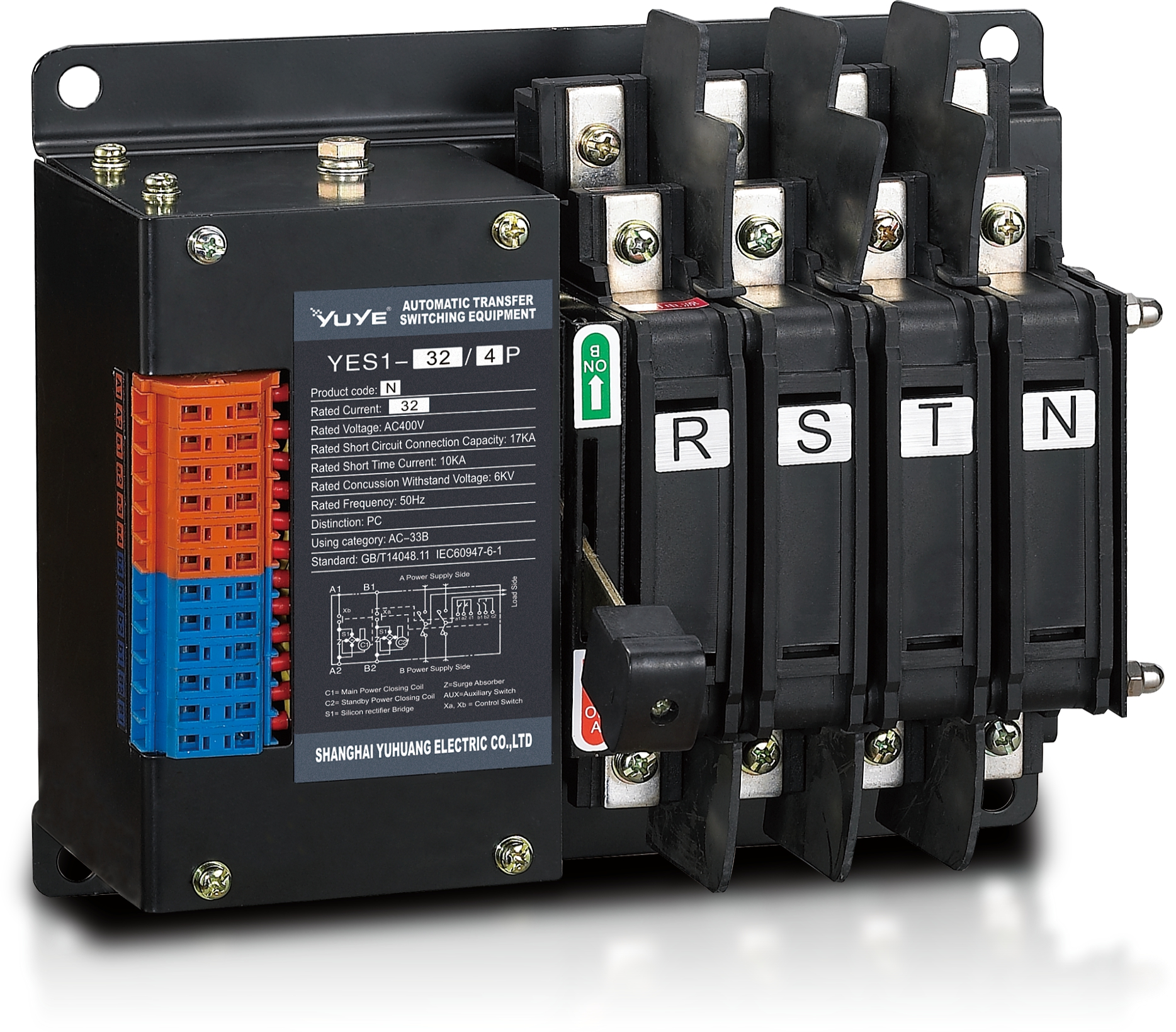 Solenoid-type ATS YES1-32~125N
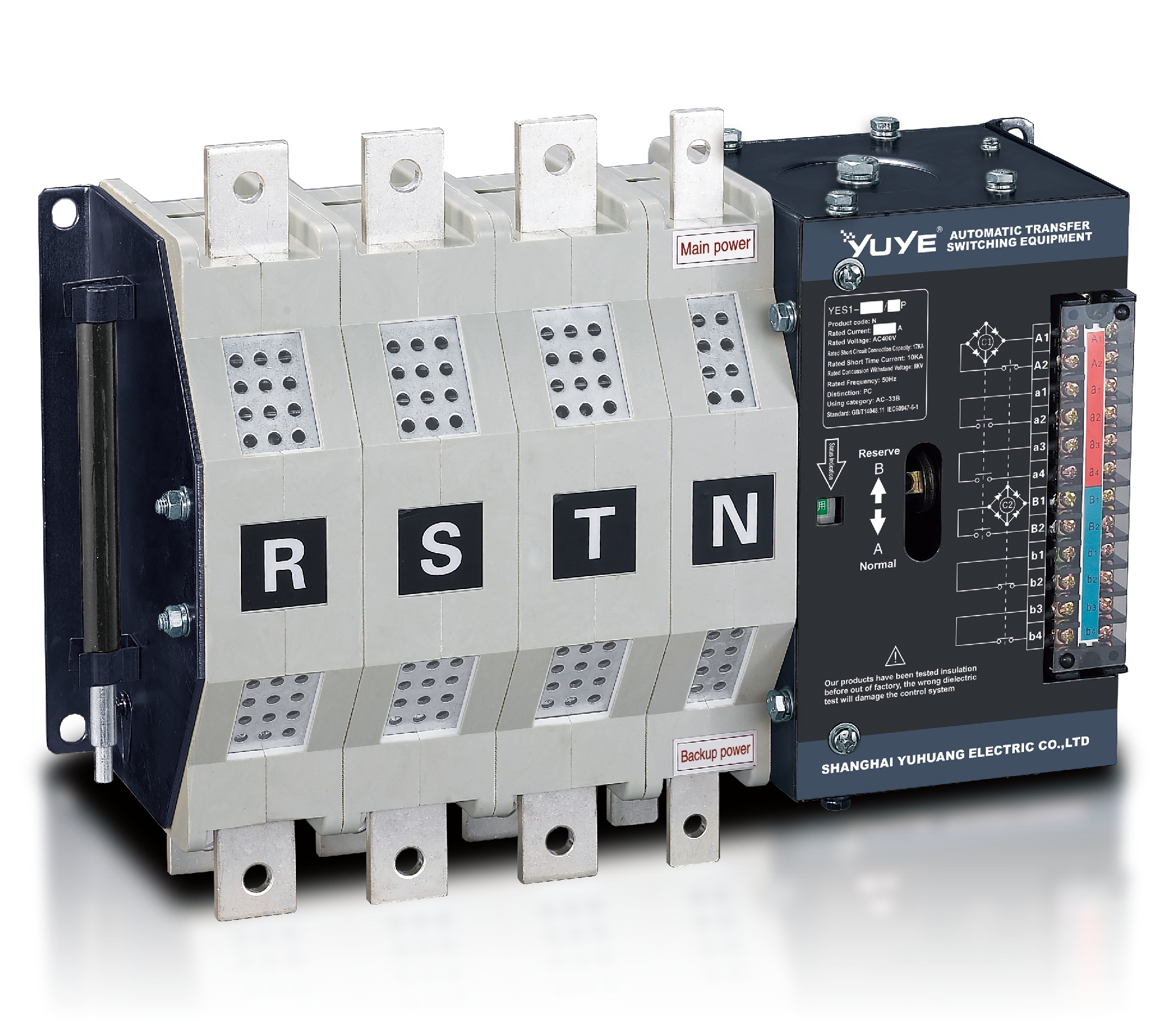 Solenoid-type ATS YES1-250~630N/NT
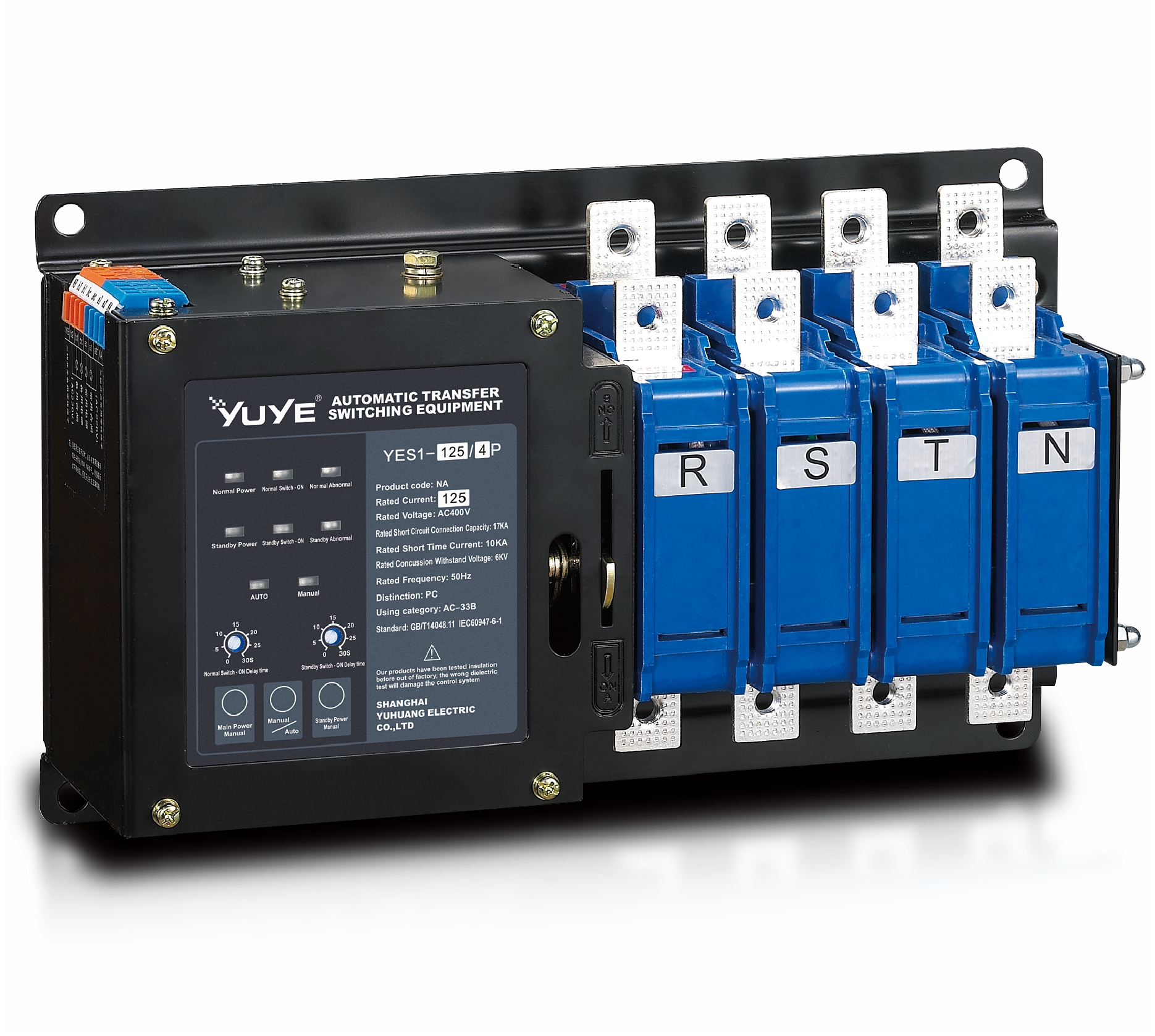 Solenoid-type ATS YES1-32~125NA
 Solenoid-type ATS YES1-63~630SN
 Solenoid-type ATS YES1-1250~4000SN
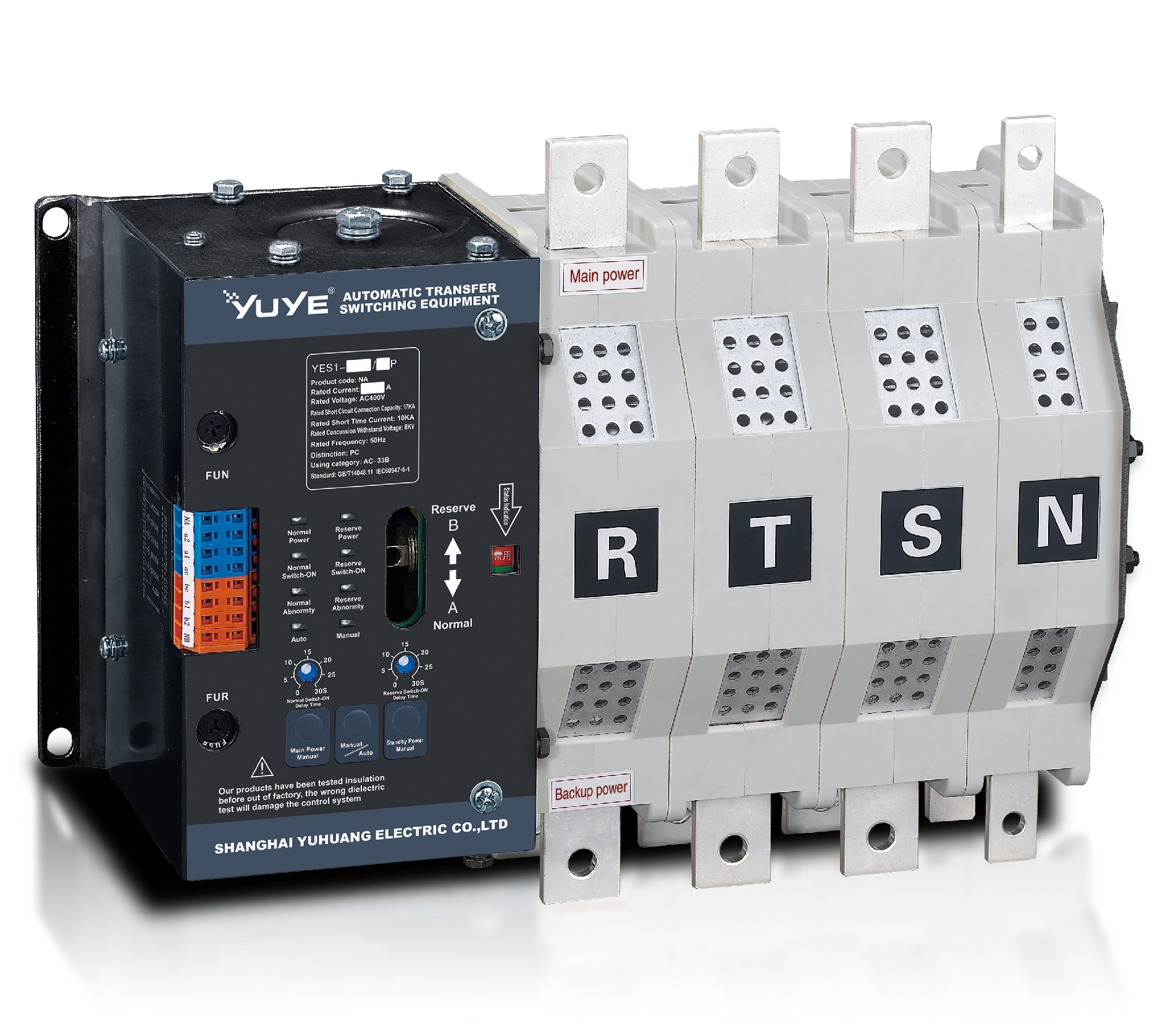 Solenoid-type ATS YES1-250~630NA/NAT
 Solenoid-type ATS YES1-63NJT
 PC ATS YES1-100~1600GN1/GN/GNF
 PC ATS YES1-2000~3200GN/GNF
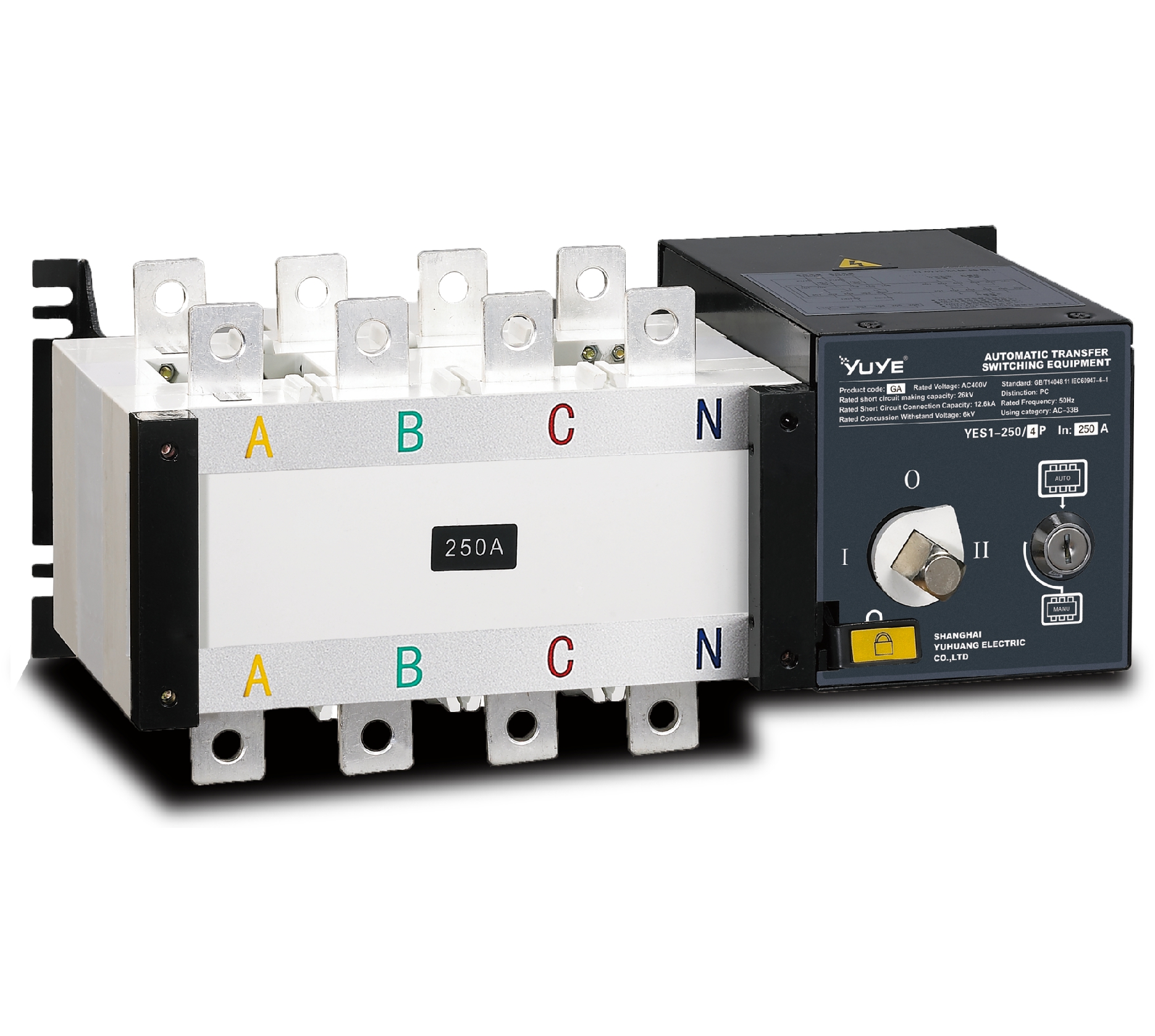 PC ATS YES1-100~3200GA1/GA
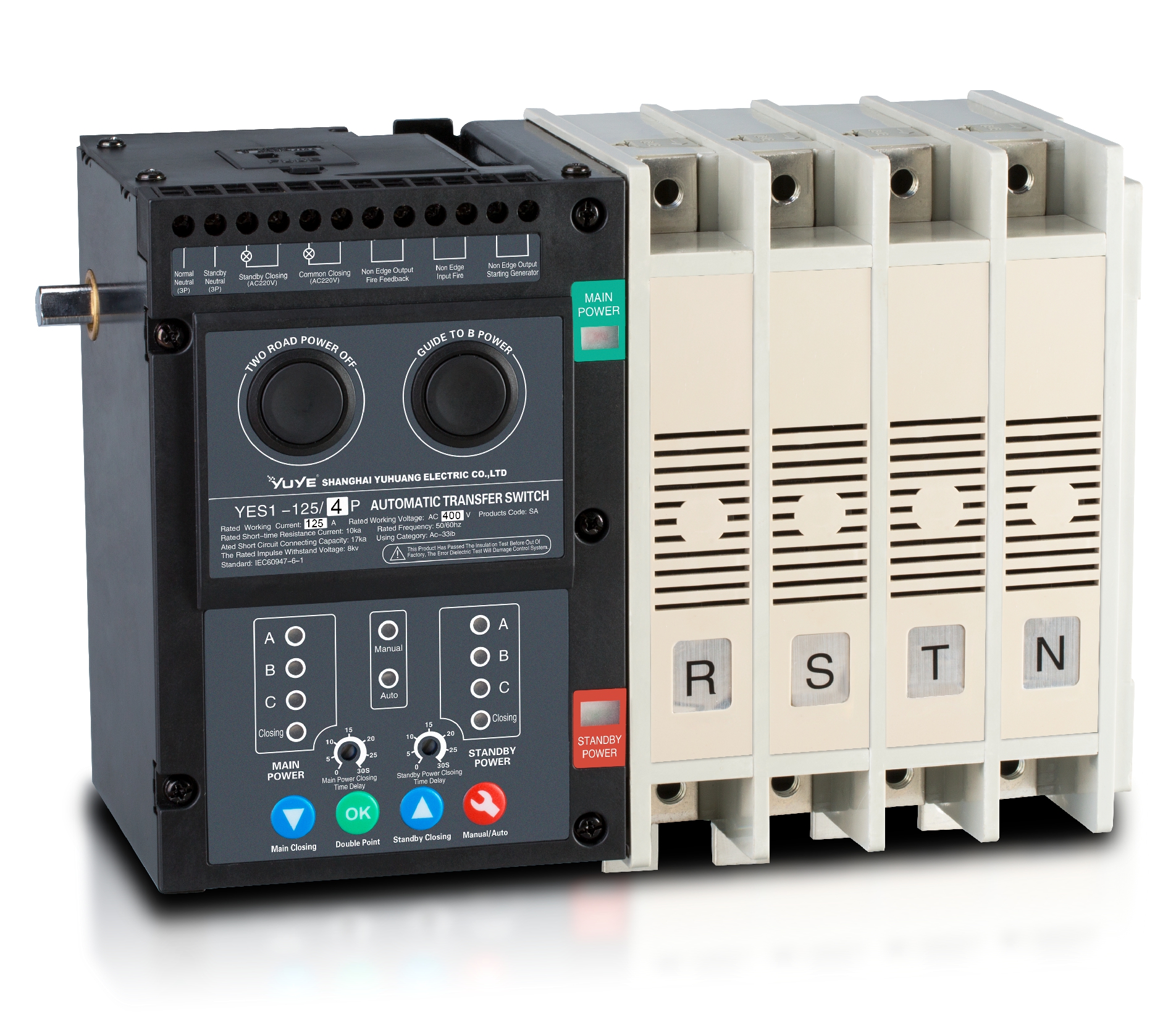 Solenoid-type ATS YES1-63~630SA
 Solenoid-type ATS YES1-63~630L/LA
 Solenoid-type ATS YES1-63~630LA3
 Solenoid-type ATS YES1-63MA
 PC ATS YES1-630~1600M
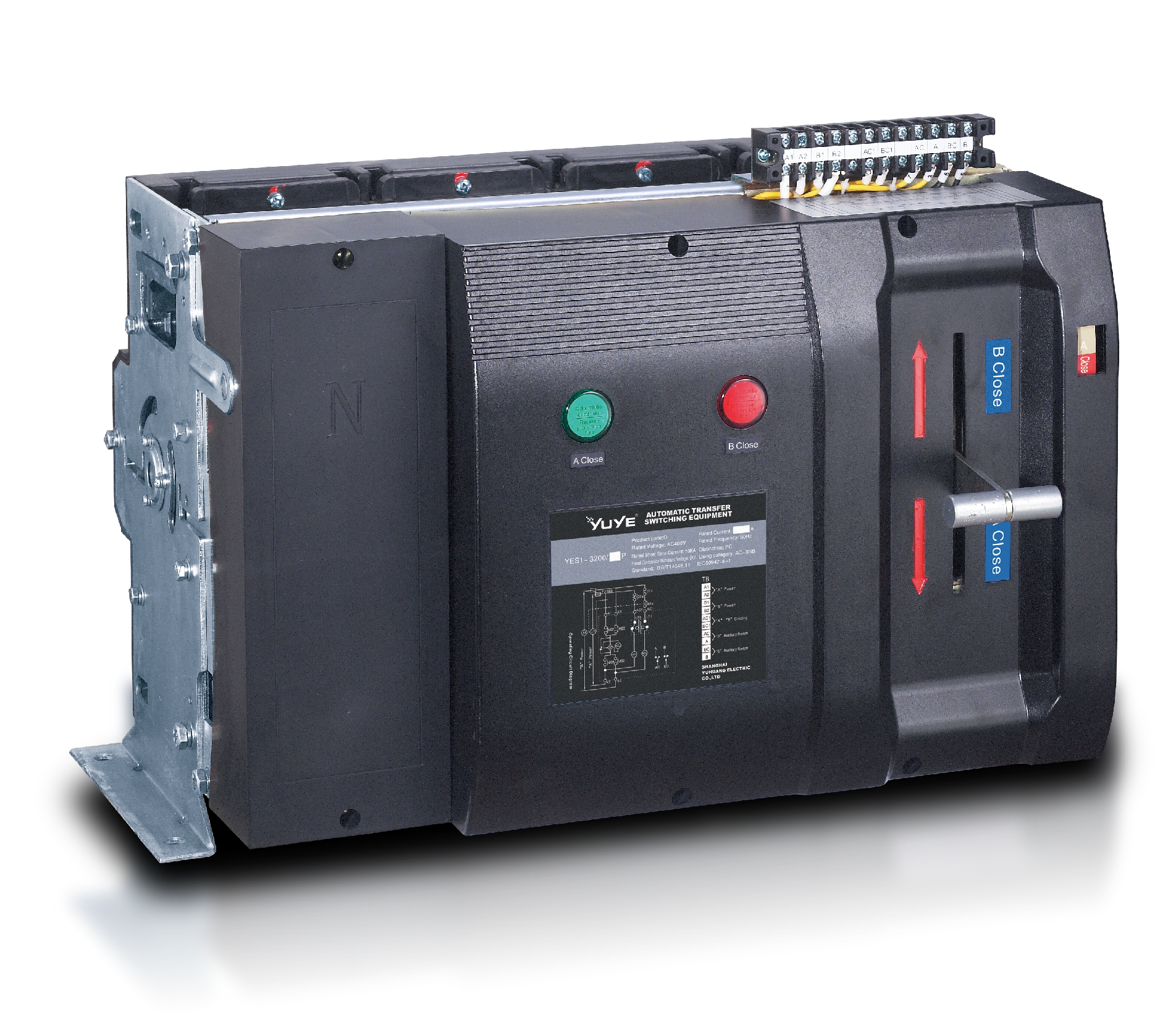 PC ATS YES1-3200Q
 Solenoid-type ATS YES1-4000~6300Q
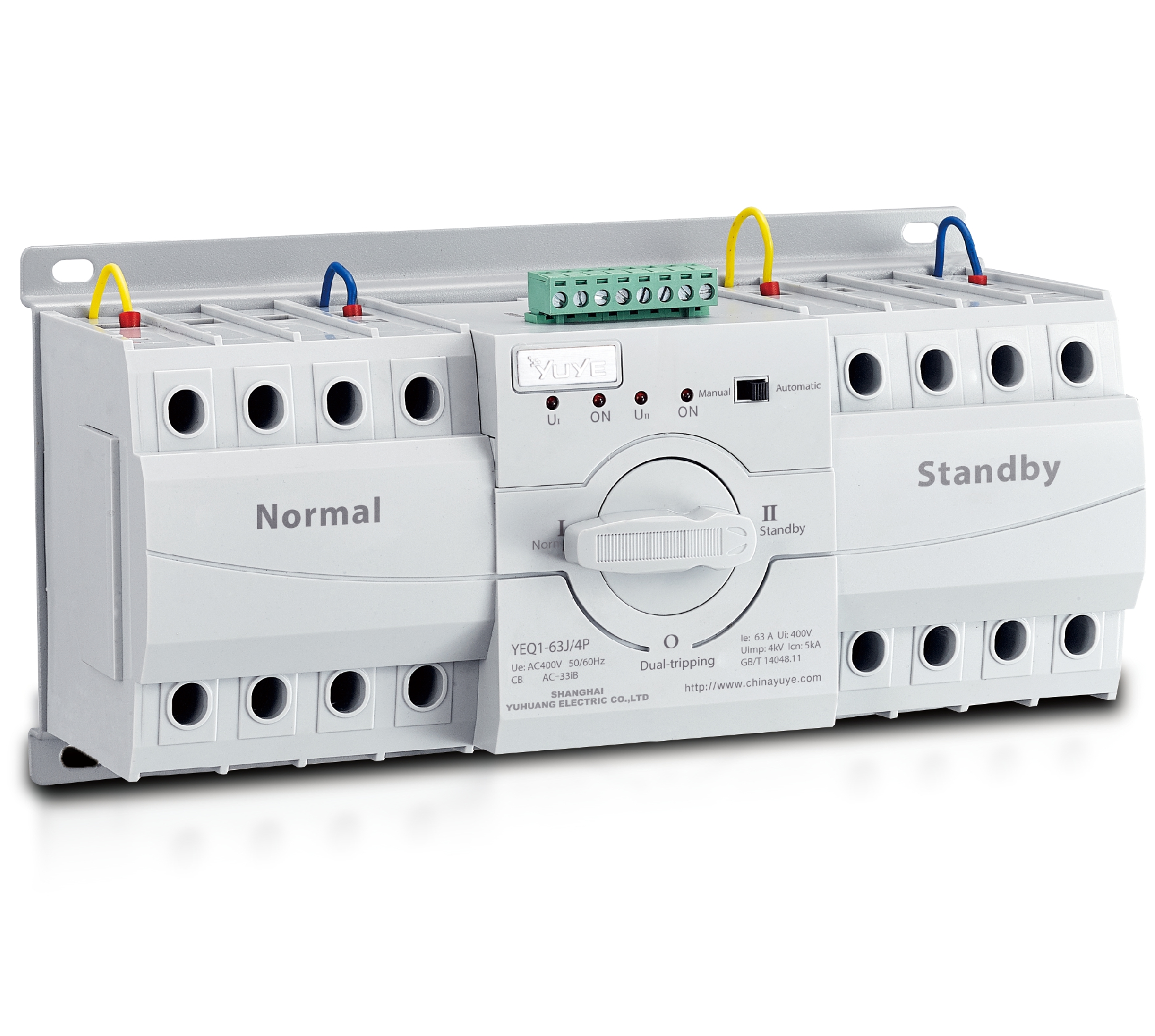 CB ATS YEQ1-63J
 CB ATS YEQ2Y-63
 CB ATS YEQ3-63W1
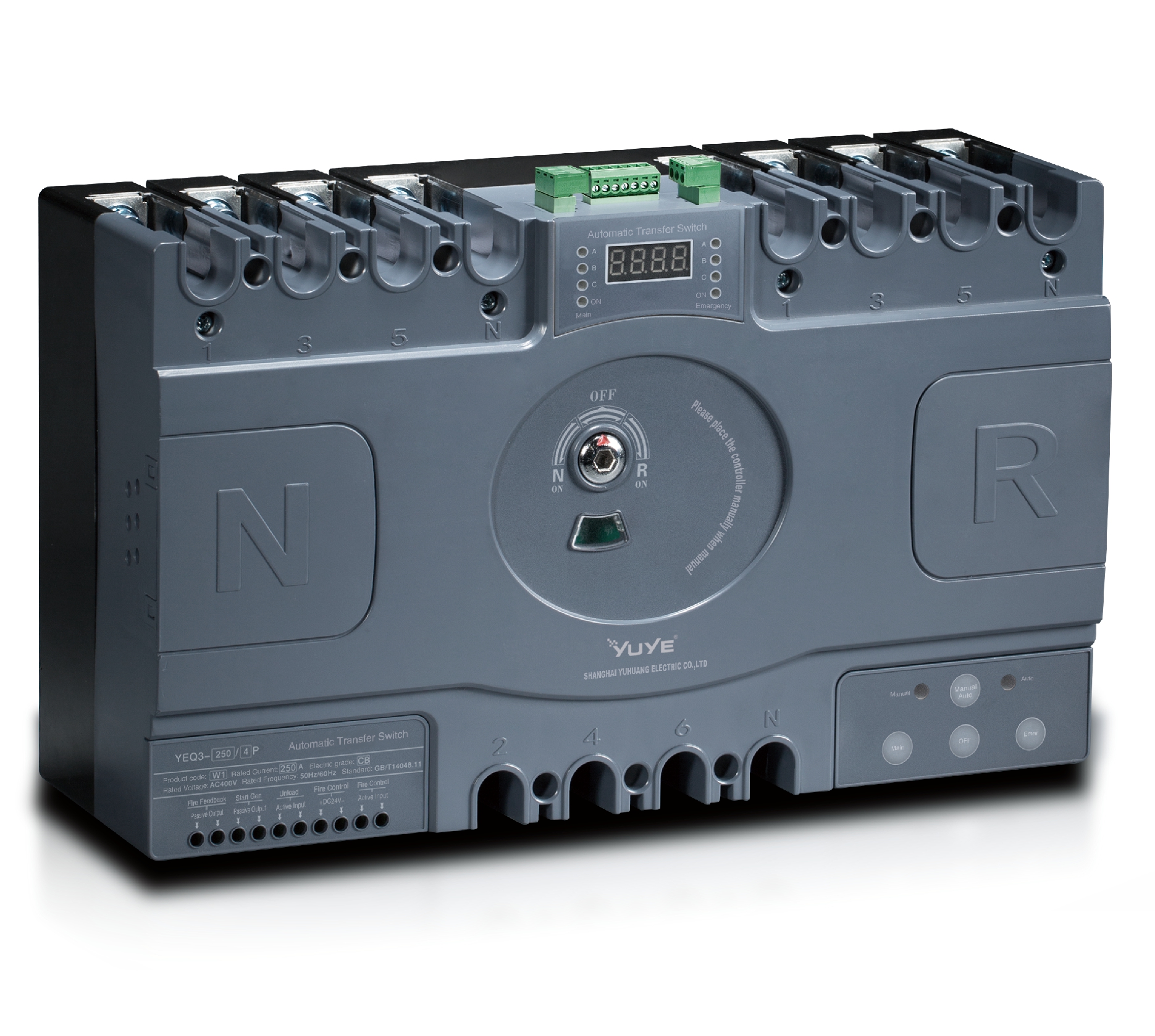 CB ATS YEQ3-125~630W1
 ATS controller Y-700
 ATS Controller Y-700N
 ATS Controller Y-701B
 ATS Controller Y-703N
 ATS Controller Y-800
 ATS Controller W2/W3 Series
 ATS switch Cabinet floor-to-ceiling
 ATS switch cabinet
 JXF-225A power Cbinet
 JXF-800A power Cbinet
 YEM3-125~800 Plastic Shell Type MCCB
 YEM3L-125~630 Leakage Type MCCB
 YEM3Z-125~800 Adjustable Type MCCB
 YEM1-63~1250 Plastic Shell Type MCCB
 YEM1E-100~800 Electronic Type MCCB
 YEM1L-100~630 Leakage Type MCCB
 Miniature circuit breaker YEMA2-6~100
 Miniature circuit breaker YEB1-3~63
 Miniature circuit breaker YEB1LE-3~63
 Miniature circuit breaker YEPN-3~32
 Miniature circuit breaker YEPNLE-3~32
 Miniature circuit breaker YENC-63~125
 Air Circuit Breaker YEW1-2000~6300
 Air Circuit Breaker YEW3-1600
 Load isolation switch YGL-63~3150
 Load Isolation Switch YGL2-63~3150
 Manual Changeover Switch YGL-100~630Z1A
 Manual Changeover Switch YGLZ1-100~3150
 YECPS2-45~125 LCD
 YECPS-45~125 Digital
 CNC Milling/Turning-OEM
 DC relay MDC-300M
 DC Isolation Switch YEGL3D-630


