These days, having a reliable power source is more important than ever. A 100A Automatic Transfer Switch (or ATS for short) is pretty much essential when it comes to making sure your power stays steady without any hiccups. Whether you're a business owner or just a homeowner, everyone’s on the lookout for smooth, hassle-free solutions to handle their electricity needs. But let’s be honest — choosing the right ATS isn’t always straightforward, especially with so many options out there from all around the world.
When you're shopping for the best 100A Automatic Transfer Switch, there are a few key things to keep in mind. First off, you wanna focus on quality and reliability — those are a given. Big names like Generac, Eaton, and Schneider Electric are known for making solid, dependable products. That said, not every brand suits every situation. Each one has its own set of features, and that can sometimes make the decision process kinda overwhelming.
Also, don’t forget to check out what’s involved in installation. It’s easy to overlook this but understanding your system’s specific needs can save you a lot of headaches later on. Missing that step might lead to compatibility issues down the line. Doing your homework — like reading product specs and customer reviews — can really help you get a clearer picture of what’s out there. Ultimately, your goal should be finding a 100A ATS that checks all the boxes — reliable, efficient, and within your budget. It’s all about making a smart choice that works for you.

Overview of Automatic Transfer Switches and Their Importance
Automatic Transfer Switches (ATS) play a crucial role in power management. These devices ensure that electrical systems switch seamlessly between main power and backup generators. In today's world, where reliability is key, their importance cannot be overstated. When the grid fails, an ATS provides instant support, often within seconds. This quick response helps maintain essential operations in homes and businesses alike.
Understanding how ATS work can highlight their value. They monitor the incoming electricity and act when disruptions occur. However, not all ATS are created equal. Some users might overlook the necessity of proper sizing and configuration. A 100A ATS, for instance, may seem suitable on paper. Yet, if it’s not matched with the load requirements, it can lead to failures or performance issues. It's vital to respect these details to ensure reliable operation.
In diverse applications, such as data centers and healthcare facilities, ATS units must be dependable. The wrong choice can disrupt critical processes, having severe consequences. With the advancement in technology, buyers have more options than ever. However, careful consideration of specifications and installation is essential. A flawed approach can lead to missed opportunities for improvement and efficiency.
Key Features to Consider When Choosing a 100A Automatic Transfer Switch
When selecting a 100A automatic transfer switch (ATS), consider several key features. First, look at the switch type. Manual and automatic options have different usages. Automatic ones offer convenience and efficiency during power outages. They activate without user intervention, ensuring a reliable power supply.
Next, evaluate the switching speed. A faster switch responds quickly to power interruptions. This reduces downtime, which is crucial for businesses. The installation and compatibility with existing systems are also vital. A switch that integrates seamlessly saves time and effort.
Another aspect to think about is safety features. Look for options with surge protection and overload safeguards. These features help prevent damage during unexpected electrical incidents. Keep in mind that not all models are created equal. Some may lack the reliability needed for critical applications. Test the switch under various conditions to ensure its performance. Ultimately, your choice should balance quality and price, while aligning with your specific needs.
Comparison of Key Features in 100A Automatic Transfer Switches
Top Manufacturers of 100A Automatic Transfer Switches Worldwide
The global market for automatic transfer switches (ATS) is growing. According to industry reports, the demand for 100A automatic transfer switches is increasing, especially in commercial applications. These devices are essential for ensuring continuous power supply during outages. Their reliability affects numerous sectors, from healthcare to data centers.
Several key manufacturers dominate the 100A ATS market. These companies focus on innovation and high standards of quality. A recent survey indicated that over 70% of end-users prioritize reliability when selecting ATS. Furthermore, the preference for compact designs is evident. Many buyers want a product that combines efficiency with limited space requirements.
Emerging markets are also showing interest in this technology. However, challenges remain. Issues such as installation complexity and maintenance concerns can impact the user experience. Many organizations are still adapting to the advancements in ATS technology. A more detailed understanding of these systems is critical for making informed decisions. The evolving market landscape presents both opportunities and obstacles, emphasizing the need for reliable and efficient solutions in the power management sector.
Comparative Analysis of Best-Selling 100A Automatic Transfer Switch Models
When considering a 100A Automatic Transfer Switch (ATS), buyers face various options. Each model has unique features that cater to different needs. A thorough comparative analysis reveals critical factors to help guide your decision. Look for options with reliable build quality. The materials used can influence longevity and performance.
Ease of use is paramount. Some switches provide intuitive interfaces, while others might have clearer instruction manuals. Simplicity can save time during installation and operation. Monitoring capabilities vary greatly too. Some models allow for real-time tracking of power usage. This feature enhances reliability and efficiency.
Not all ATS are created equal. Some may not meet specific standards, which could pose risks. Checking third-party certifications can ensure safety. Additionally, user reviews often highlight common issues. Learning from these experiences can prevent costly mistakes. It's important to weigh the pros and cons of each choice carefully.
Installation and Maintenance Guidelines for 100A Automatic Transfer Switches
When installing a 100A Automatic Transfer Switch (ATS), careful planning is crucial. According to recent industry data, improper installation can lead to a failure rate of 15% in ATS systems. This highlights the importance of adhering to manufacturer guidelines and local electrical codes. Keep wiring neat and organized to avoid potential issues later. Consider the environment, as moisture can affect connections.
Regular maintenance is not just advisable, it is necessary. Surveys show that 70% of ATS failures are due to lack of maintenance. Schedule inspections every six months. Check for signs of wear, such as discoloration on terminals. Clean connections regularly to ensure optimal performance.
While self-installation may save costs, it can lead to serious risks. Many users underestimate the complexity involved. Engaging a certified electrician mitigates risks. Always document your installation and maintenance activities. This record can be invaluable for troubleshooting and future inspections. In summary, investing in proper installation and maintenance practices ensures the reliability of 100A ATS systems.
Cost Factors and Budgeting Tips for Global Buyers of Automatic Transfer Switches
When considering automatic transfer switches (ATS), cost is a primary concern for buyers worldwide. Comprehensive studies indicate that the price of a 100A ATS can range from $500 to $2,500, depending on features and specifications. Key cost factors include installation complexity, necessary accessories, and brand reputation. Buyers should evaluate their unique requirements, as opting for high-end features may not always be justifiable.
Budgeting effectively is crucial for global buyers. An estimated 20% of buyers encounter unforeseen expenses related to installation or maintenance. This highlights the importance of thorough research and pre-purchase planning. Obtaining quotes from multiple suppliers and considering the hidden costs can develop a more realistic budget. It’s advisable to reserve 10-15% of the total budget for unexpected expenses.
Proper budgeting can enhance operational reliability. According to industry reports, regular maintenance can extend the lifespan of ATS systems by over 30%. Therefore, factoring in ongoing maintenance costs is vital. Buyers must weigh initial investments against long-term savings. Choosing the right ATS requires balancing upfront costs and future operational needs, which can be a challenging but necessary task.
User Reviews and Ratings of Popular 100A Automatic Transfer Switch Options
When considering a 100A Automatic Transfer Switch (ATS), user reviews present critical insights. Many buyers emphasize reliability and response time. In industry data, nearly 40% of users report that prompt power restoration is a top priority. A switch that does not perform under pressure can cause significant disruptions. Studies indicate that transfer switches with test reports and certifications generally receive higher ratings.
Factors affecting ratings include ease of installation and user interface. Approximately 65% of consumers prefer switches that are simple to set up. A complicated installation process can lead to frustration. User feedback suggests that clear instructions and accessible customer support make a difference. A common complaint revolves around switches that are difficult to operate, resulting in confusion during emergencies.
Additionally, durability weighs heavily on user satisfaction. Research shows that 80% of negative reviews stem from hardware failures after short periods of use. This highlights the importance of assessing materials and build quality. Users recommend thorough research before making a purchase. Detailed reviews often highlight both strengths and weaknesses, serving as a vital resource for potential buyers.
Comprehensive Guide to the Manual Changeover Switch YGLZ1-100~3150: Features, Benefits, and Applications
The Manual Changeover Switch YGLZ1-100~3150 is a vital component in modern electrical systems, designed to ensure reliable operation and safety. This guide emphasizes its key features, benefits, and applications that make it an essential choice for both residential and industrial uses. The switch is recognized for its capacity to manage loads effectively, with a rated current size ranging from 100A to 3150A, making it versatile for a variety of electrical setups.
One of the significant benefits of the YGL series Isolator, particularly in high-demand scenarios, is its compliance with IEC60947-3 standards. This adherence ensures that it can seamlessly handle alternating current at a frequency of 50Hz and a rated voltage of up to 400V. The switch is designed primarily for infrequent switching operations and can facilitate electrical isolation in power systems, enhancing the overall safety of the electrical circuit. Its rated characteristics, including the AC-22B and AC-21B usage categories, indicate its effectiveness in applications involving frequent load breaking while maintaining low voltages, thus promoting operational efficiency.
The applications of the YGLZ1-100~3150 are extensive, especially in sectors where high operational integrity is required. From commercial power distribution systems to industrial automation, this changeover switch plays a critical role in ensuring uninterrupted power supply and protecting circuits from overload or fault conditions. According to industry reports, the demand for reliable manual changeover switches is projected to grow, driven by the rapid expansion of renewable energy systems and the increasing need for effective load management in both existing and new electrical infrastructures. The versatility and robust performance of the YGLZ1-100~3150 make it a preferred choice for many engineers and electrical system designers.
FAQS
Automatic Transfer Switch?
Extremely important. Intuitive interfaces and clear manuals can save time. Simplicity aids installation and operation.
Yes, they vary widely. Real-time tracking enhances reliability. This feature can improve efficiency substantially.
Look for third-party certifications. They ensure safety and compliance. Not all models meet essential standards.
User reviews highlight common issues. Learning from others' experiences avoids costly mistakes. Pay attention to shared problems.
Prices range from $500 to $2,500. Features and specifications affect cost significantly. Assess what suits your needs best.
Effective budgeting helps avoid unforeseen expenses. Set aside 10-15% for unexpected costs. It’s a wise strategy for planning.
Proper maintenance can extend lifespan over 30%. Factor these ongoing costs into your budget. This can yield long-term savings.
Balancing upfront costs and future needs can be tough. Understanding hidden costs is essential for informed decisions.
Not necessarily. High-end features may not always justify costs. Evaluate whether they meet your unique requirements.
Conclusion
The article titled "100A Automatic Transfer Switch Best Options for Global Buyers" provides a comprehensive overview of 100A Automatic Transfer Switches (ATS) and highlights their critical role in ensuring reliable power supply during outages. It details the key features to consider when selecting an ATS, such as switching speed, durability, and compatibility with various power sources. Additionally, the article emphasizes the importance of choosing reputable manufacturers and offers a comparative analysis of the best-selling models in the market.
Furthermore, the guide provides essential installation and maintenance tips to enhance the longevity and performance of the 100A Automatic Transfer Switch. It also discusses cost factors and budgeting strategies to assist global buyers in making informed decisions. Lastly, user reviews and ratings are analyzed to give insights into the performance and satisfaction levels associated with popular 100A Automatic Transfer Switch options, ensuring that buyers can make choice based on real-world experiences.

 PC ATS YECT1-2000G
 PC ATS YES2-63~250GN1
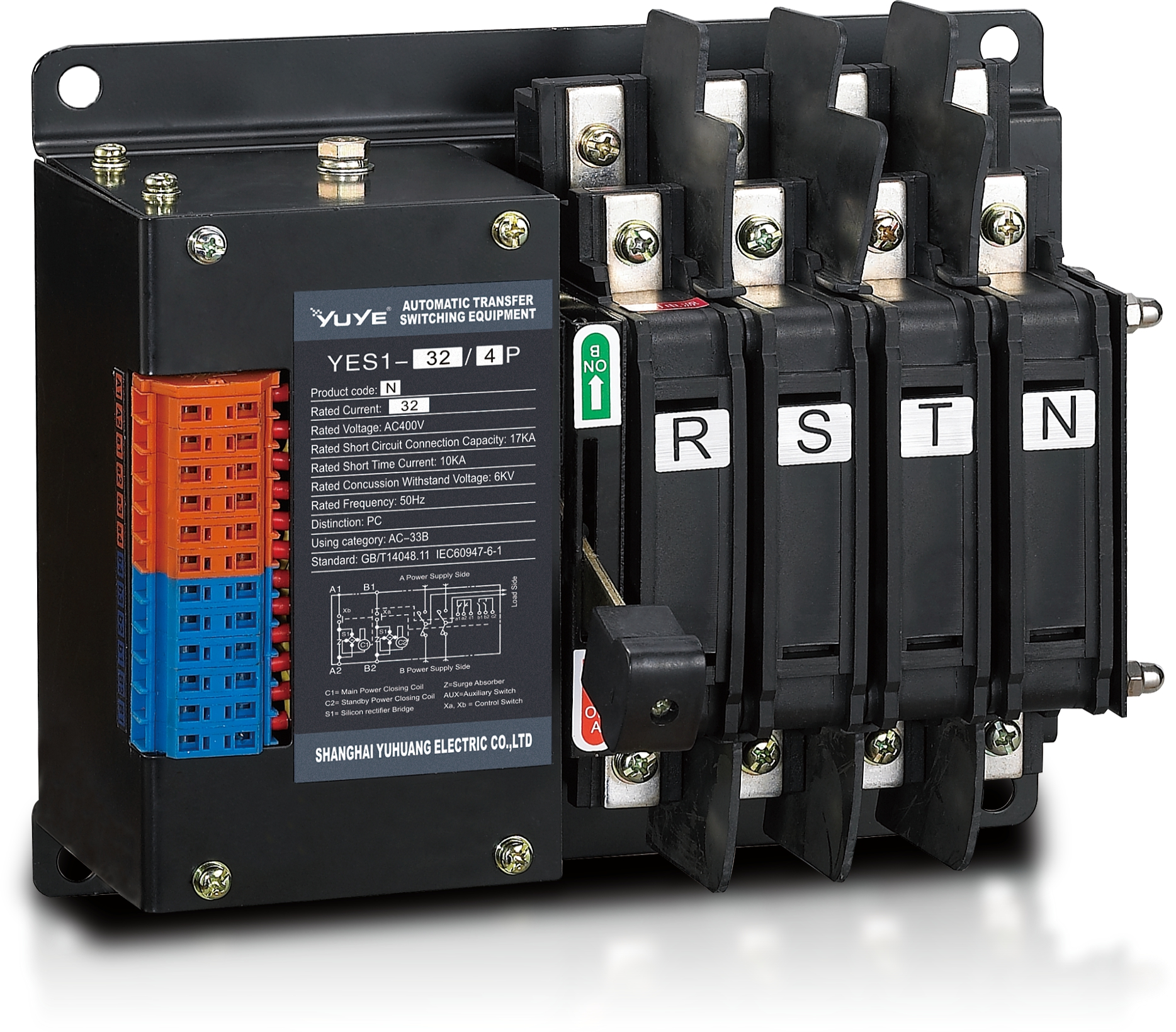 Solenoid-type ATS YES1-32~125N
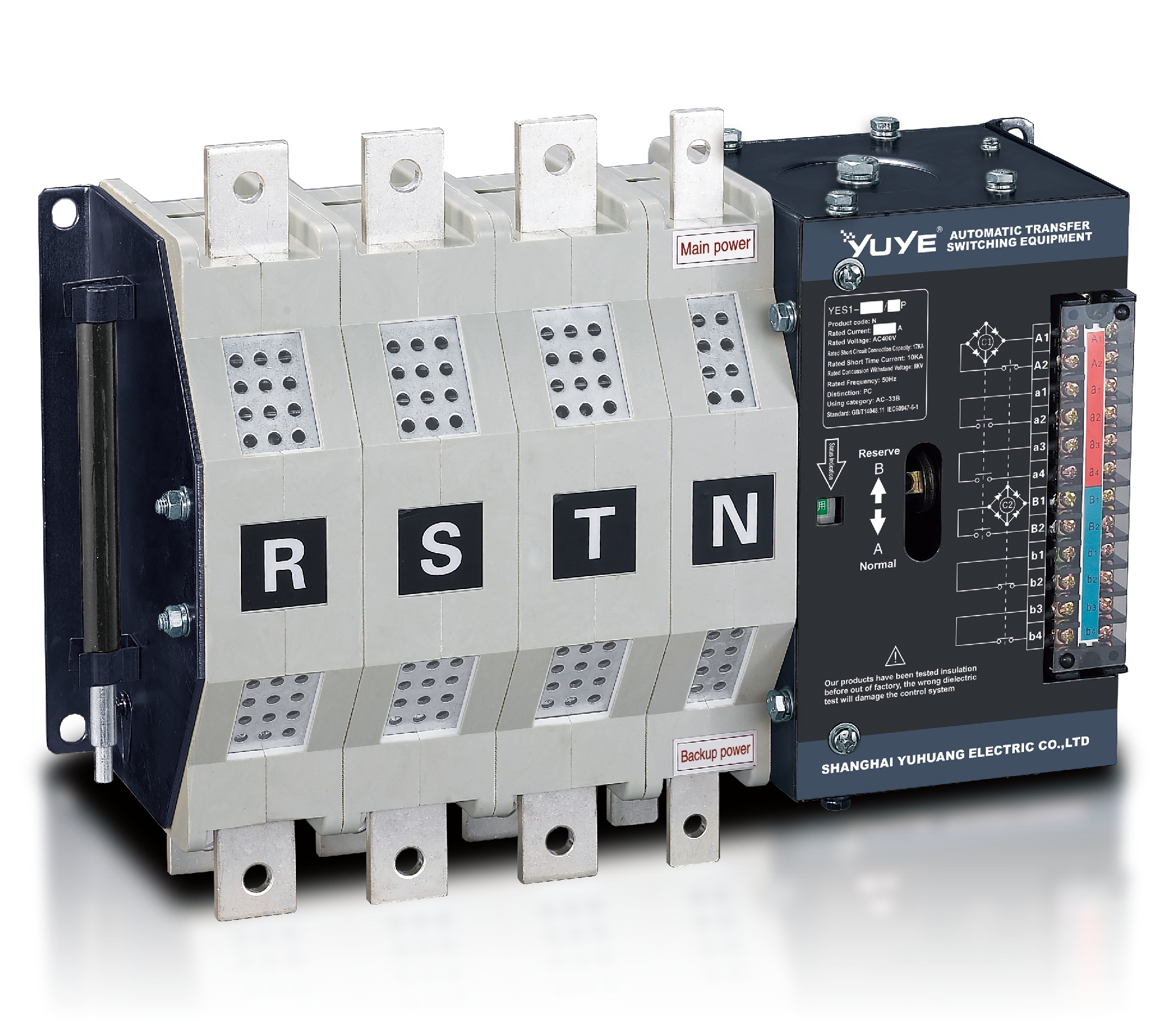 Solenoid-type ATS YES1-250~630N/NT
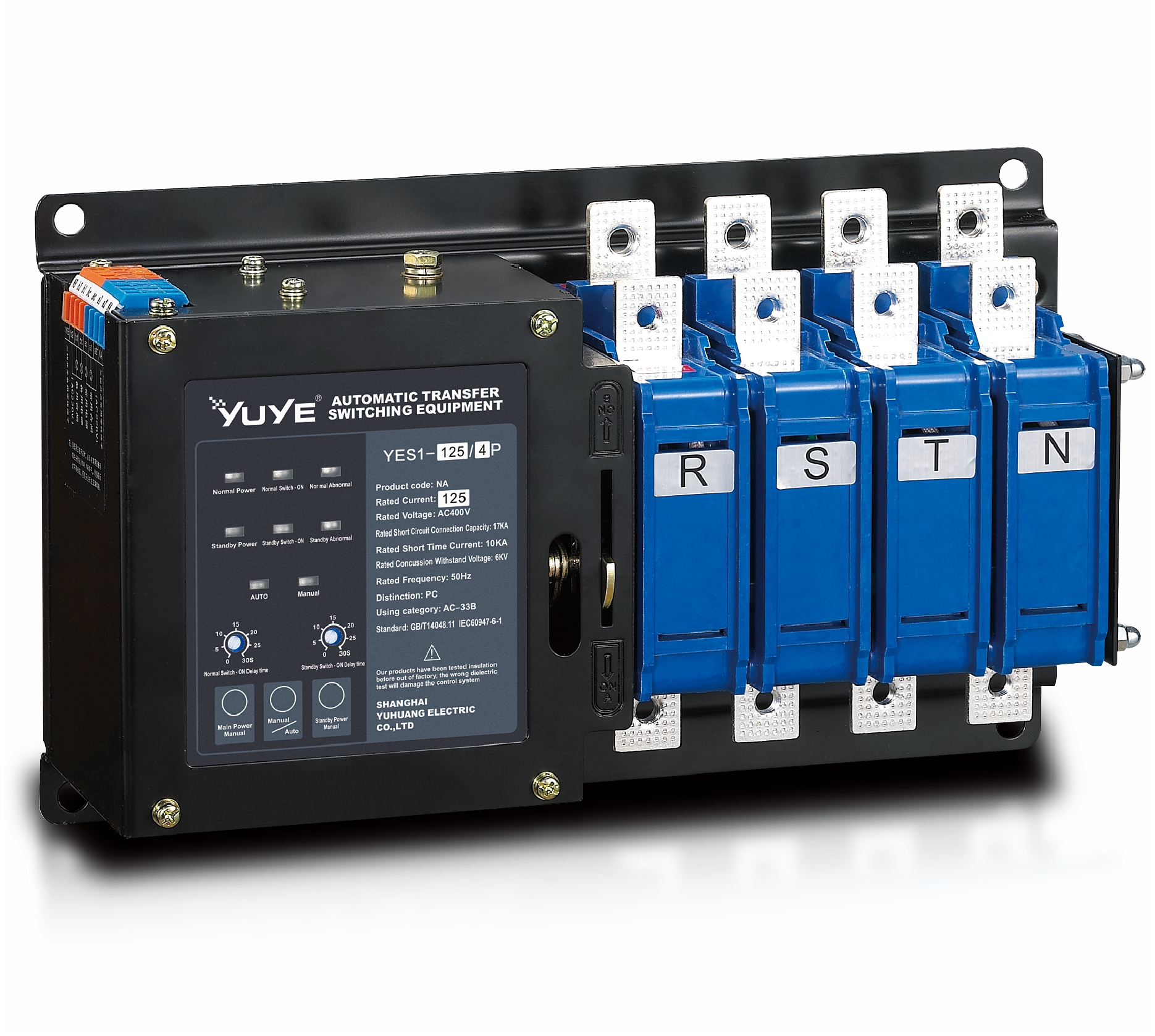 Solenoid-type ATS YES1-32~125NA
 Solenoid-type ATS YES1-63~630SN
 Solenoid-type ATS YES1-1250~4000SN
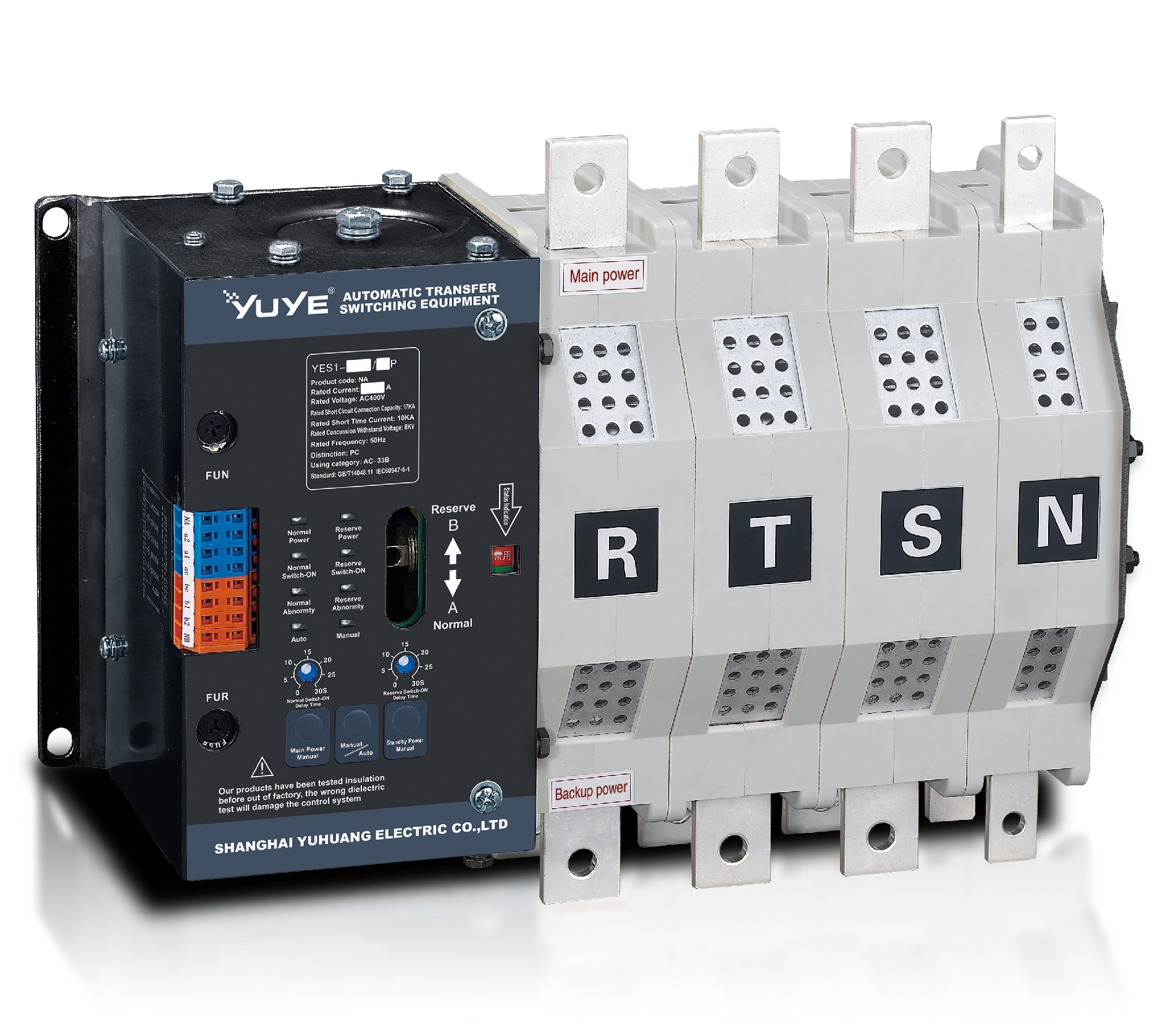 Solenoid-type ATS YES1-250~630NA/NAT
 Solenoid-type ATS YES1-63NJT
 PC ATS YES1-100~1600GN1/GN/GNF
 PC ATS YES1-2000~3200GN/GNF
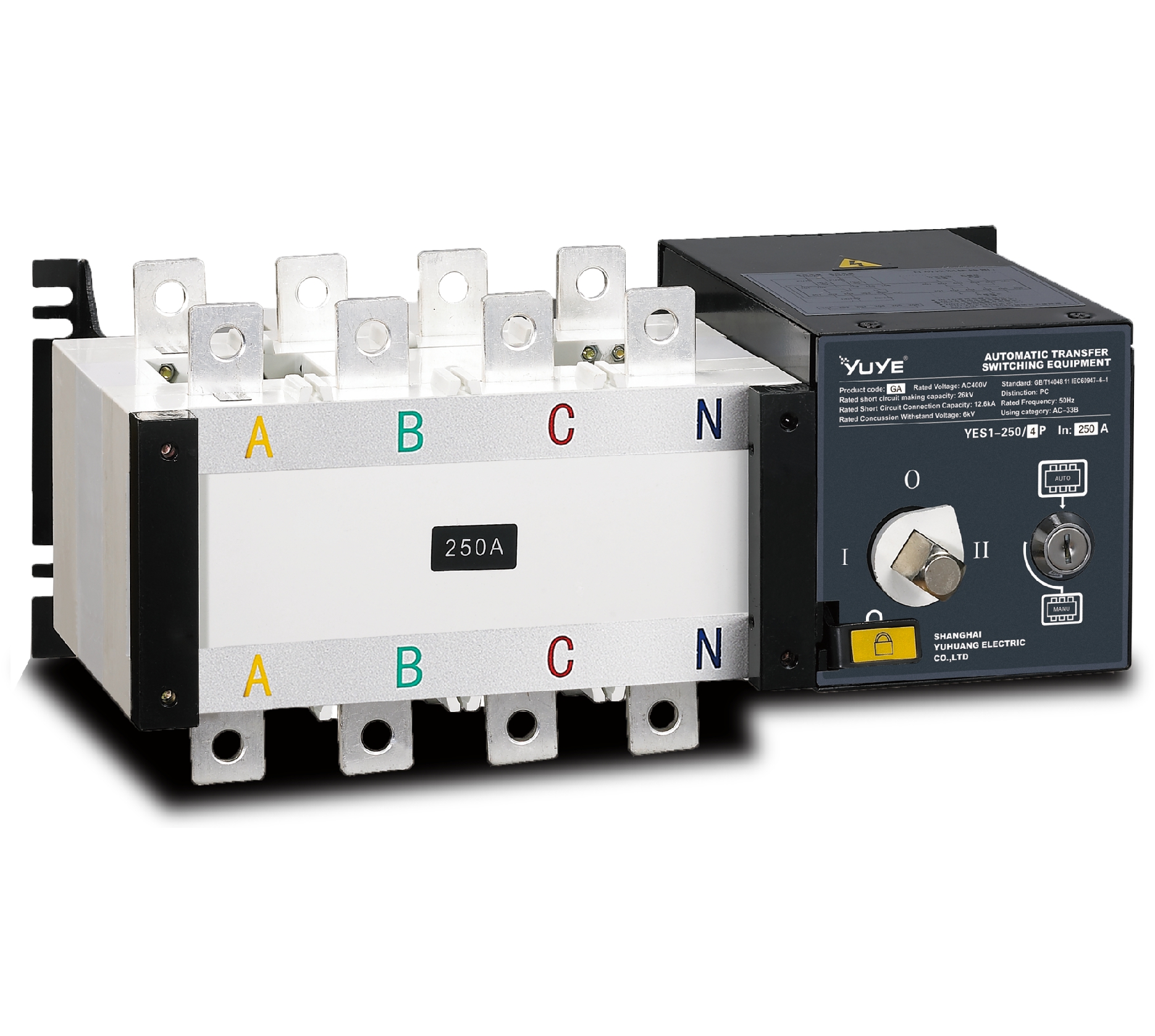 PC ATS YES1-100~3200GA1/GA
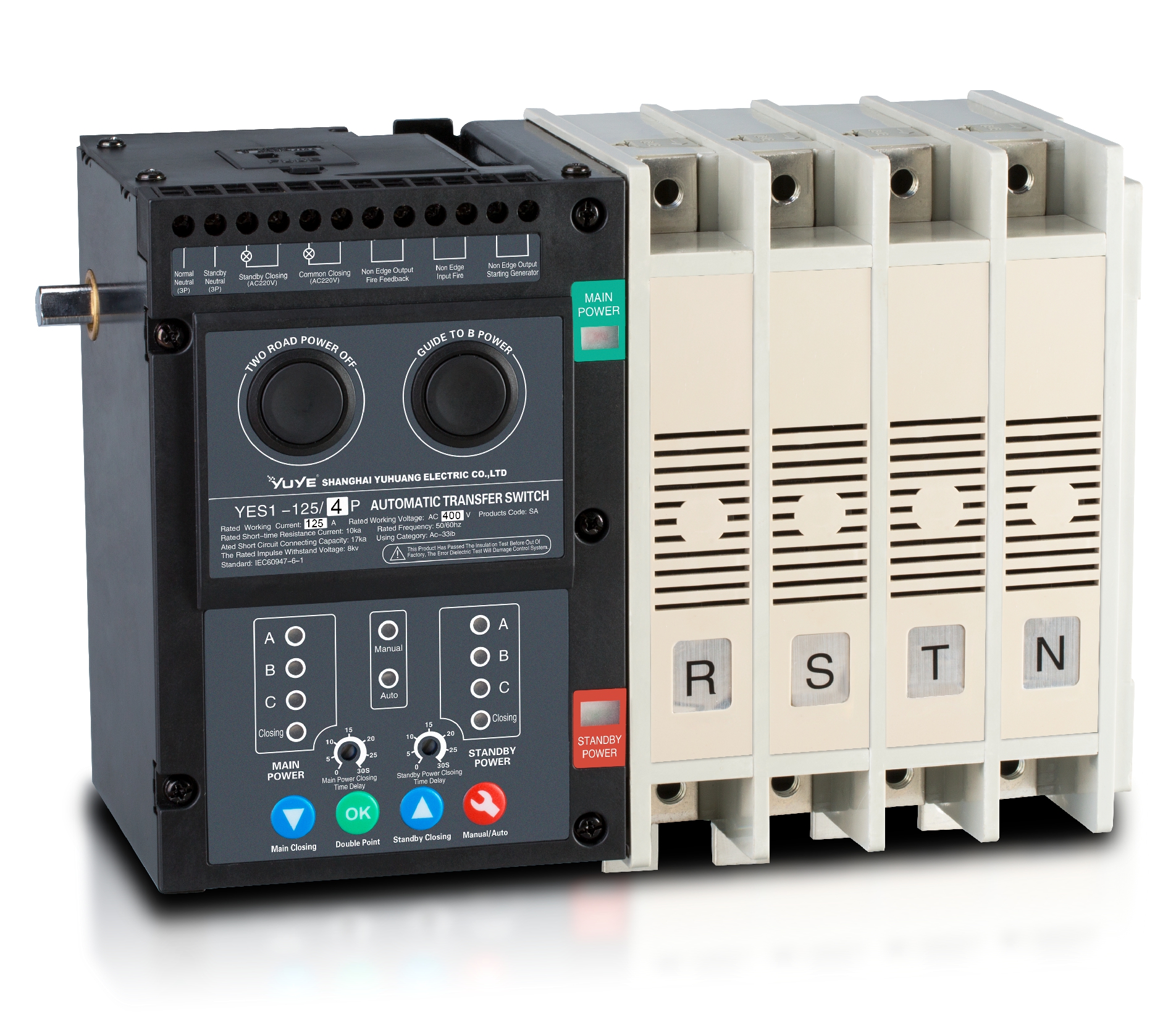 Solenoid-type ATS YES1-63~630SA
 Solenoid-type ATS YES1-63~630L/LA
 Solenoid-type ATS YES1-63~630LA3
 Solenoid-type ATS YES1-63MA
 PC ATS YES1-630~1600M
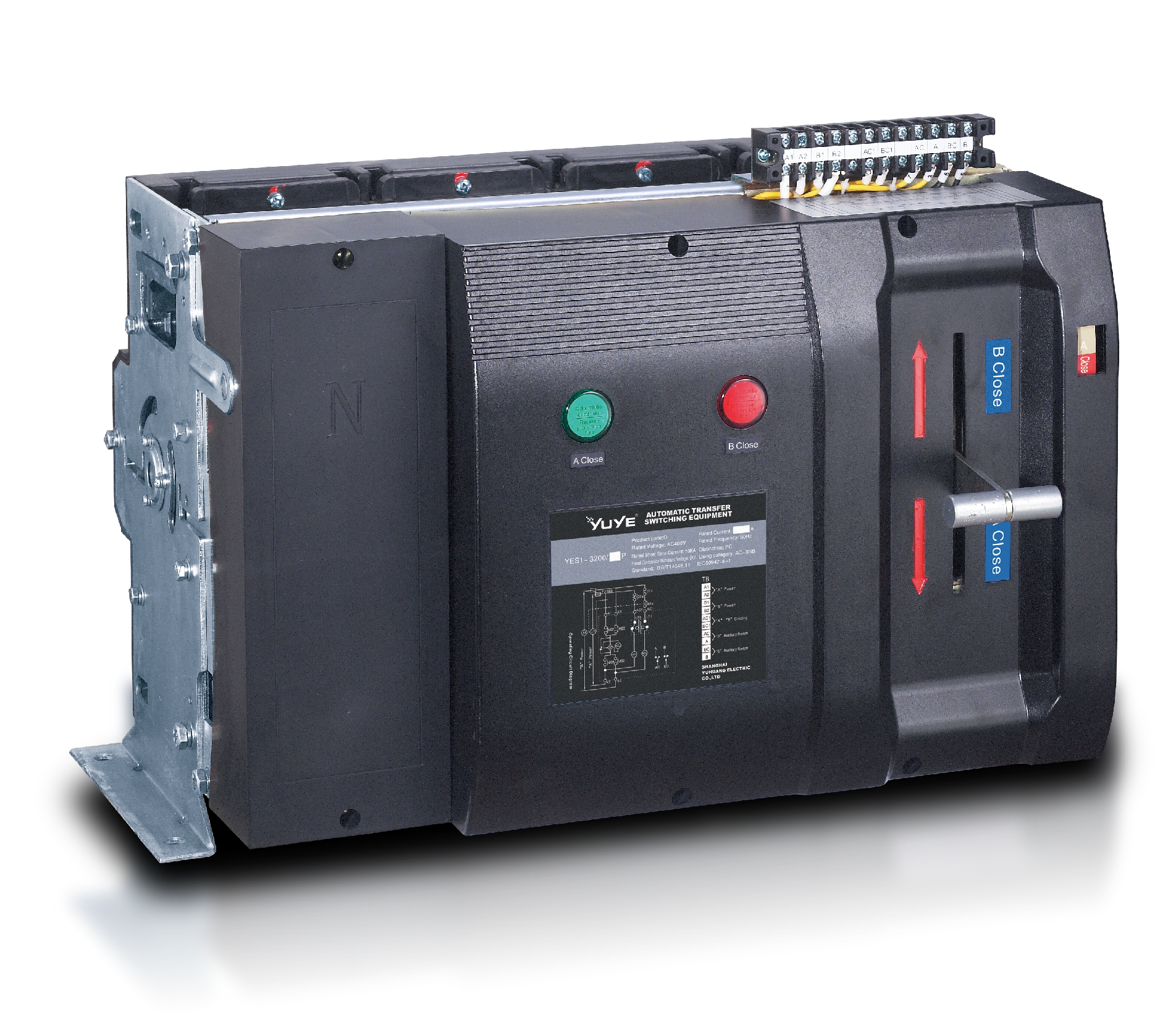 PC ATS YES1-3200Q
 Solenoid-type ATS YES1-4000~6300Q
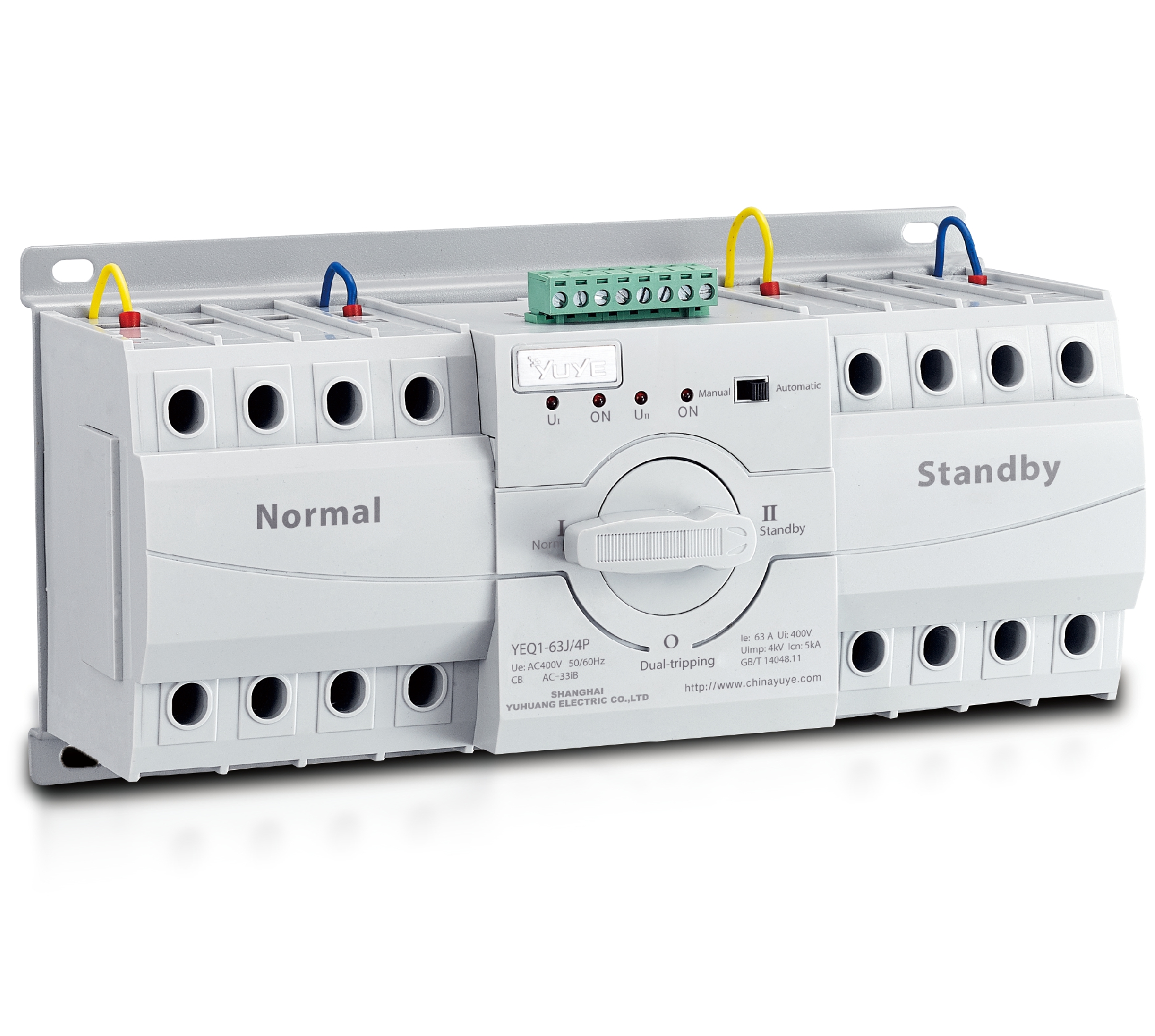 CB ATS YEQ1-63J
 CB ATS YEQ2Y-63
 CB ATS YEQ3-63W1
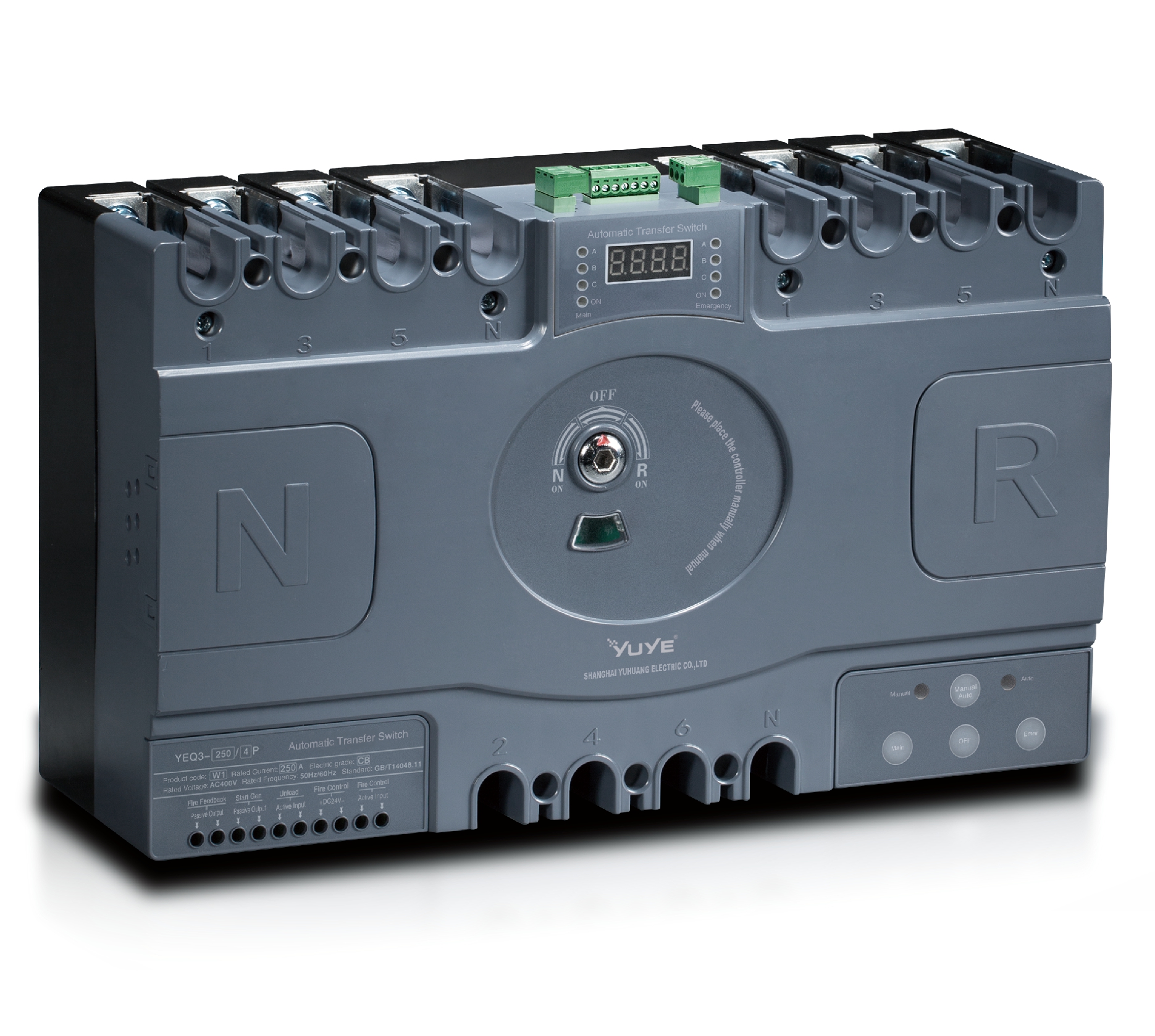 CB ATS YEQ3-125~630W1
 ATS controller Y-700
 ATS Controller Y-700N
 ATS Controller Y-701B
 ATS Controller Y-703N
 ATS Controller Y-800
 ATS Controller W2/W3 Series
 ATS switch Cabinet floor-to-ceiling
 ATS switch cabinet
 JXF-225A power Cbinet
 JXF-800A power Cbinet
 YEM3-125~800 Plastic Shell Type MCCB
 YEM3L-125~630 Leakage Type MCCB
 YEM3Z-125~800 Adjustable Type MCCB
 YEM1-63~1250 Plastic Shell Type MCCB
 YEM1E-100~800 Electronic Type MCCB
 YEM1L-100~630 Leakage Type MCCB
 Miniature circuit breaker YEMA2-6~100
 Miniature circuit breaker YEB1-3~63
 Miniature circuit breaker YEB1LE-3~63
 Miniature circuit breaker YEPN-3~32
 Miniature circuit breaker YEPNLE-3~32
 Miniature circuit breaker YENC-63~125
 Air Circuit Breaker YEW1-2000~6300
 Air Circuit Breaker YEW3-1600
 Load isolation switch YGL-63~3150
 Load Isolation Switch YGL2-63~3150
 Manual Changeover Switch YGL-100~630Z1A
 Manual Changeover Switch YGLZ1-100~3150
 YECPS2-45~125 LCD
 YECPS-45~125 Digital
 CNC Milling/Turning-OEM
 DC relay MDC-300M
 DC Isolation Switch YEGL3D-630


