In today’s fast-moving business world, making sure you never lose power is more important than ever. A lot of companies are actually turning to the Power Automatic Transfer Switch (ATS) to keep things running smoothly when the lights go out. John Smith—he’s a real expert in power solutions and the CEO of EnergySafe Corp—says it best: “You really can’t afford downtime, so having a reliable transfer switch is a must for any business.” That just goes to show how crucial it is to invest in good quality systems.
These Power Automatic Transfer Switches are built to switch over seamlessly when there’s a power outage. They automatically flip to backup power, so your operations don’t come to a screeching halt. This can end up saving businesses a lot of headaches—and money—while keeping everything running smoothly. But, not all transfer switches are created equal. Some just don’t offer the kind of reliability that industries need.
Picking the right ATS isn’t something to take lightly. It’s about looking at the big picture—considering things like capacity, compatibility, and whether the brand has a solid reputation. Investing in a quality switch is a decision that really pays off in the long run. Bottom line: a poorly chosen system can cause more problems than it solves, so it’s worth taking the time to weigh your options carefully. Doing your homework now could make all the difference later on.

What is a Power Automatic Transfer Switch (ATS)?
A Power Automatic Transfer Switch (ATS) serves as a crucial component in ensuring uninterrupted power supply for businesses. It automatically switches the power source from the primary utility to a backup generator during outages. This seamless transition minimizes downtime, which can lead to significant financial losses. According to a recent industry report, organizations that experience just one hour of downtime can incur losses ranging from $100,000 to $5 million, depending on the sector.
The ATS is designed for reliability and efficiency. It continuously monitors the power supply, and when a failure is detected, it activates the generator within seconds. This quick response time is essential for critical operations, especially in sectors like healthcare and finance. The National Fire Protection Association (NFPA) states that over 80% of businesses recognize the importance of having emergency power solutions.
While the benefits are clear, challenges exist. Implementing an ATS involves considerations like proper sizing and maintenance schedules. A poorly sized ATS can lead to inefficiencies. Additionally, businesses often overlook regular testing, which is vital for ensuring the system works when needed most. Finding the right balance between investment and operational reliability remains a key concern for many organizations.
Key Benefits of Using an ATS for Businesses
A Power Automatic Transfer Switch (ATS) is vital for businesses. It ensures a seamless power supply during outages. According to a 2022 Energy Management report, businesses experience an average of 1.5 outages per year that last about 90 minutes. This can lead to significant losses. An ATS helps reduce downtime by instantly switching power sources, ensuring business continuity.
One key benefit of using an ATS is improved reliability. The same report indicates that 70% of businesses using ATS report fewer operational interruptions. This reliability fosters trust among clients and enhances company reputation. Cost savings are another important aspect. Many companies save on overall energy costs due to efficient power management. In fact, firms can reduce their energy bills by up to 15% with an ATS solution in place.
However, implementing an ATS requires upfront investment and planning. Some companies hesitate due to budget constraints. This can lead to missed opportunities for improvement. Detailed analysis is essential to mitigate risks and maximize benefits. A clear understanding of potential return on investment can guide businesses in making informed decisions.
How ATS Ensures Uninterrupted Power Supply
Automatic Transfer Switches (ATS)
play a crucial role in maintaining an uninterrupted power supply for businesses. They detect when the main power source fails. Once a blackout occurs, the ATS quickly switches to a backup generator. This process happens within seconds, ensuring essential operations continue. For many industries, this swift response is vital.
Power outages can disrupt operations, leading to financial losses. An ATS minimizes these risks by providing a seamless transition. It ensures that critical systems, like servers and communication networks, stay up and running. Such reliability is important, especially in sectors like healthcare and data management.
However, some businesses overlook the need for regular maintenance of their ATS. This can lead to unexpected failures during critical times. Understanding the importance of these devices can help prevent costly outages.
Choosing an ATS means investing in peace of mind. Businesses should consider the capacity needed and test the system regularly. They should not only install but also adapt an ATS as their power needs evolve. Reflection on power strategies and continuous improvements will aid in long-term reliability and efficacy.
Comparison of Manual vs. Automatic Transfer Switches
When considering power solutions for businesses, understanding the differences between manual and automatic transfer switches (ATS) is crucial. Manual transfer switches require human intervention during a power outage. This might delay the restoration of power and can lead to significant operational disruptions. On the other hand, automatic transfer switches take over immediately when they detect a power failure. This seamless transition helps ensure that business operations continue with minimal interruption.
Tips: Regularly test your ATS to ensure it functions correctly during outages. Schedule annual maintenance to catch any potential issues early.
While manual switches can be less expensive, they require trained personnel to operate. This can be challenging for businesses with limited staff. Automatic switches, while an initial investment, provide peace of mind. They reduce the risk associated with human error and ensure faster response times. Businesses often find that automatic systems lead to better reliability in their operations.
Tips: Evaluate your business's unique energy needs before choosing a transfer switch. Think about how often you experience outages and the impact on operations.
Comparison of Power Automatic Transfer Switch (ATS) vs. Manual Transfer Switches
Factors to Consider When Choosing an ATS
When selecting a Power Automatic Transfer Switch (ATS) for your business, several factors demand attention. Reliability is paramount. An ATS must ensure seamless transfer between primary and backup power sources. Look for switches that can handle your specific power requirements. This often means reviewing voltage ratings and load capacities in detail. Don’t overlook the importance of an ATS that can respond quickly during power outages. Timely switchovers are crucial for maintaining operations.
Consider the installation and maintenance aspects of your ATS. Some models may require professional installation, which can add to costs. Choose an ATS that is user-friendly and offers easily accessible service options. This can save you headaches in the long run. Durability is another key factor. An ATS should withstand environmental stresses, particularly in demanding industries. Examine materials and build quality carefully.
Lastly, think about the features that will best serve your needs. Do you require remote monitoring capabilities? Some switches allow you to track performance and alerts remotely. This can enhance your operational awareness significantly. Incorporating these insights into your decision can yield a better long-term investment. Each business has unique needs; take the time to evaluate them critically.
Maintenance and Durability of ATS Systems
When it comes to power supply in businesses, the durability and maintenance of Automatic Transfer Switches (ATS) are crucial. An ATS ensures a seamless transition between power sources. This transition must occur without fail, especially during outages. Over time, however, wear and tear can affect the system's performance, leading to unexpected downtime.
Regular maintenance is essential to keep ATS systems running efficiently. Routine inspections can identify signs of deterioration, such as corroded connections or faulty switches. Many businesses neglect these checks, assuming everything will function smoothly. This oversight can be costly. Informing staff about the importance of these checks helps foster a culture of accountability, encouraging proactive maintenance.
Durability is equally important. High-quality materials and design enhance the lifespan of ATS systems. However, even the best systems require regular care. Dust buildup can cause overheating, compromising performance. Some businesses avoid investing in cleaning equipment, opting instead for infrequent, reactive measures. This reactive approach may save money in the short term but can lead to larger issues later on. An ongoing commitment to maintenance ultimately ensures reliability and efficiency in power management.
Real-world Applications of ATS in Various Industries
Automatic Transfer Switches (ATS) have become essential in various industries. They ensure seamless power transfer during outages. In healthcare, ATS can be a matter of life and death. Hospitals rely on constant power for critical equipment. According to the American Society for Healthcare Engineering, 20% of patient safety incidents are related to power failures. An ATS guarantees that backup generators activate immediately, minimizing risks.
In data centers, the need for reliable power is just as critical. A report from the Uptime Institute states that 70% of data center outages are linked to power issues. An ATS helps prevent downtime by monitoring power supply and seamlessly switching to backup power when needed. This is crucial for maintaining uptime and meeting service level agreements.
Manufacturing facilities also benefit from ATS. A survey found that nearly 30% of manufacturers face production delays due to power interruptions. With an ATS in place, these facilities can switch power sources swiftly, reducing costly downtimes. However, businesses must consider the initial investment and maintenance costs associated with implementing ATS. Understanding these variables is key to making informed decisions.
FAQS
utomatic Transfer Switch (ATS)?
ATS activates within seconds during a power failure, which helps prevent significant financial losses for businesses.
Reliability ensures critical operations continue smoothly, especially in sectors like healthcare and finance.
Proper sizing, maintenance schedules, and regular testing are often overlooked but crucial for effectiveness.
Companies using ATS report fewer interruptions, leading to a positive reputation and trust from clients.
Firms can reduce their energy bills by up to 15% through efficient power management with an ATS.
Regular inspections prevent unexpected downtime and ensure the system remains functional during power failures.
Neglecting routine checks can lead to costly performance issues and may cause the system to fail when needed most.
While quality matters, even the best systems require ongoing care to prevent overheating and performance compromise.
A clear analysis of potential returns aids businesses in making informed decisions about ATS investments and improvements.
Conclusion
A Power Automatic Transfer Switch (ATS) is an essential device designed to ensure that businesses maintain a consistent power supply, automatically switching between the main power source and backup generators during outages. This technology not only minimizes downtime but also enhances operational efficiency, making it a preferred choice for many businesses. The ATS offers several key benefits, such as reliability, improved safety, and reduced manual intervention, which are critical for industries that require uninterrupted power.
When selecting a Power Automatic Transfer Switch ATS, factors such as power capacity, response time, and compatibility with existing systems must be taken into account. Furthermore, regular maintenance is necessary to ensure the durability and optimal function of ATS systems. Real-world applications span various industries, demonstrating the versatility and importance of ATS in safeguarding operations against power disruptions.

 PC ATS YECT1-2000G
 PC ATS YES2-63~250GN1
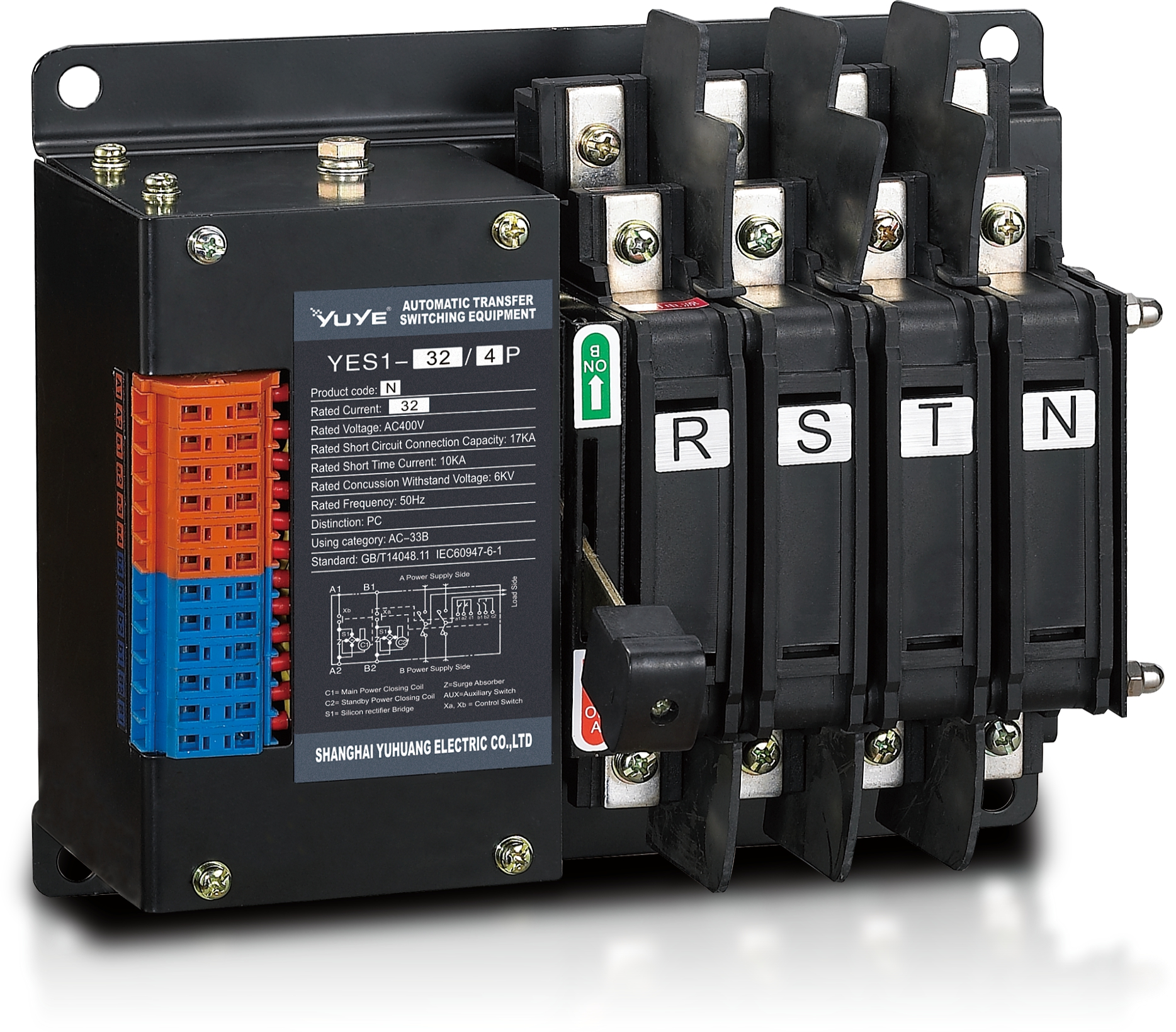 Solenoid-type ATS YES1-32~125N
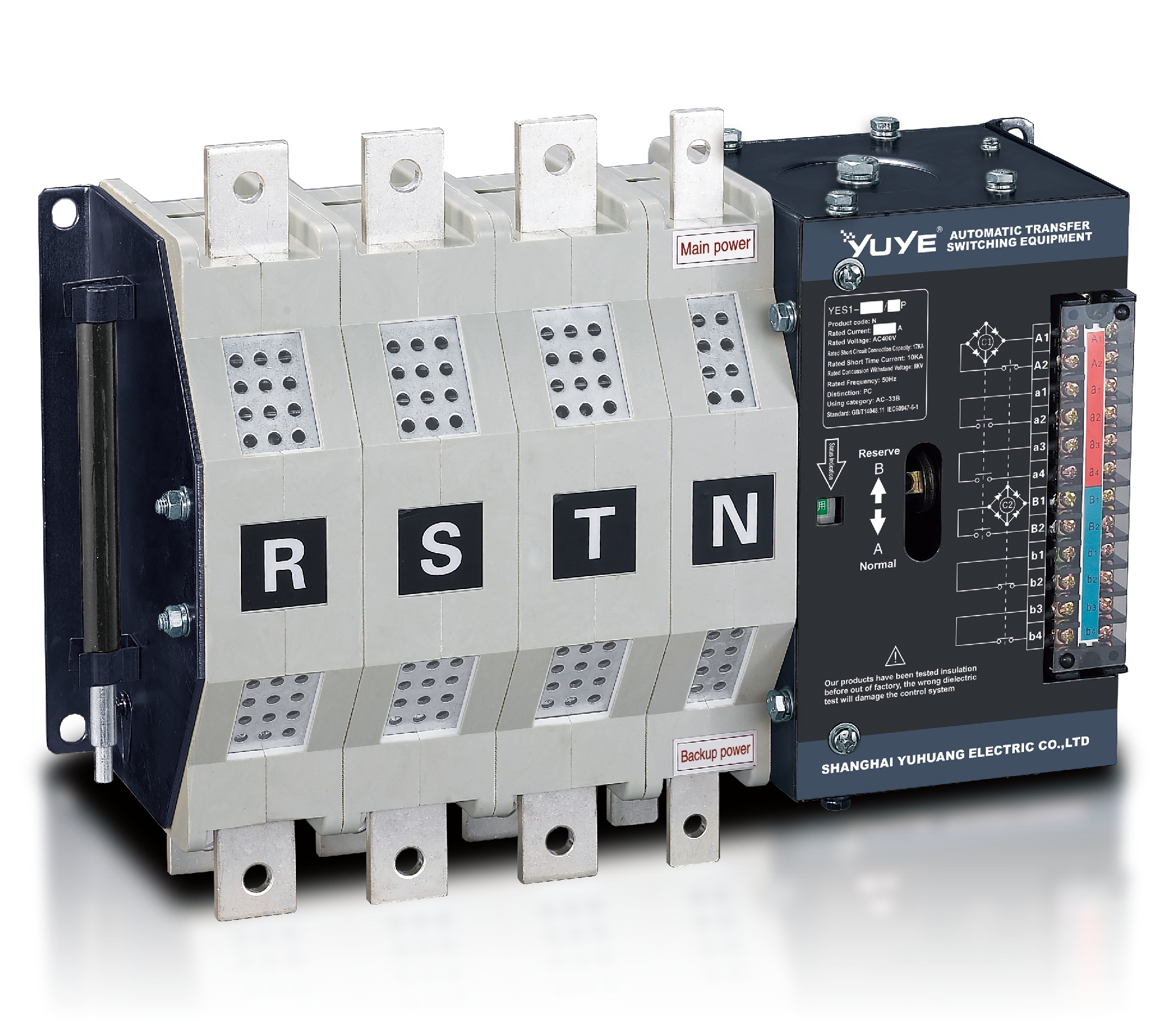 Solenoid-type ATS YES1-250~630N/NT
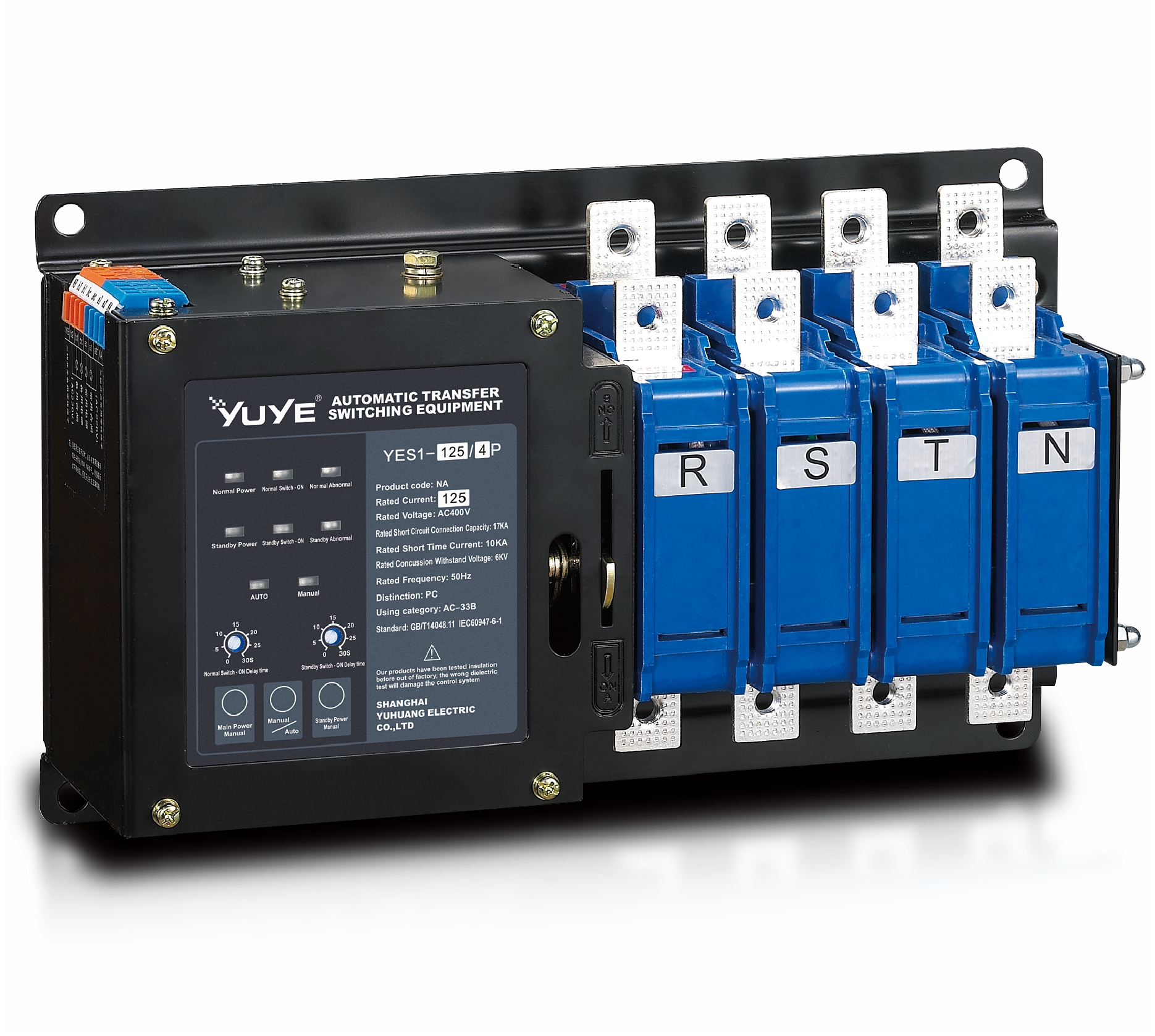 Solenoid-type ATS YES1-32~125NA
 Solenoid-type ATS YES1-63~630SN
 Solenoid-type ATS YES1-1250~4000SN
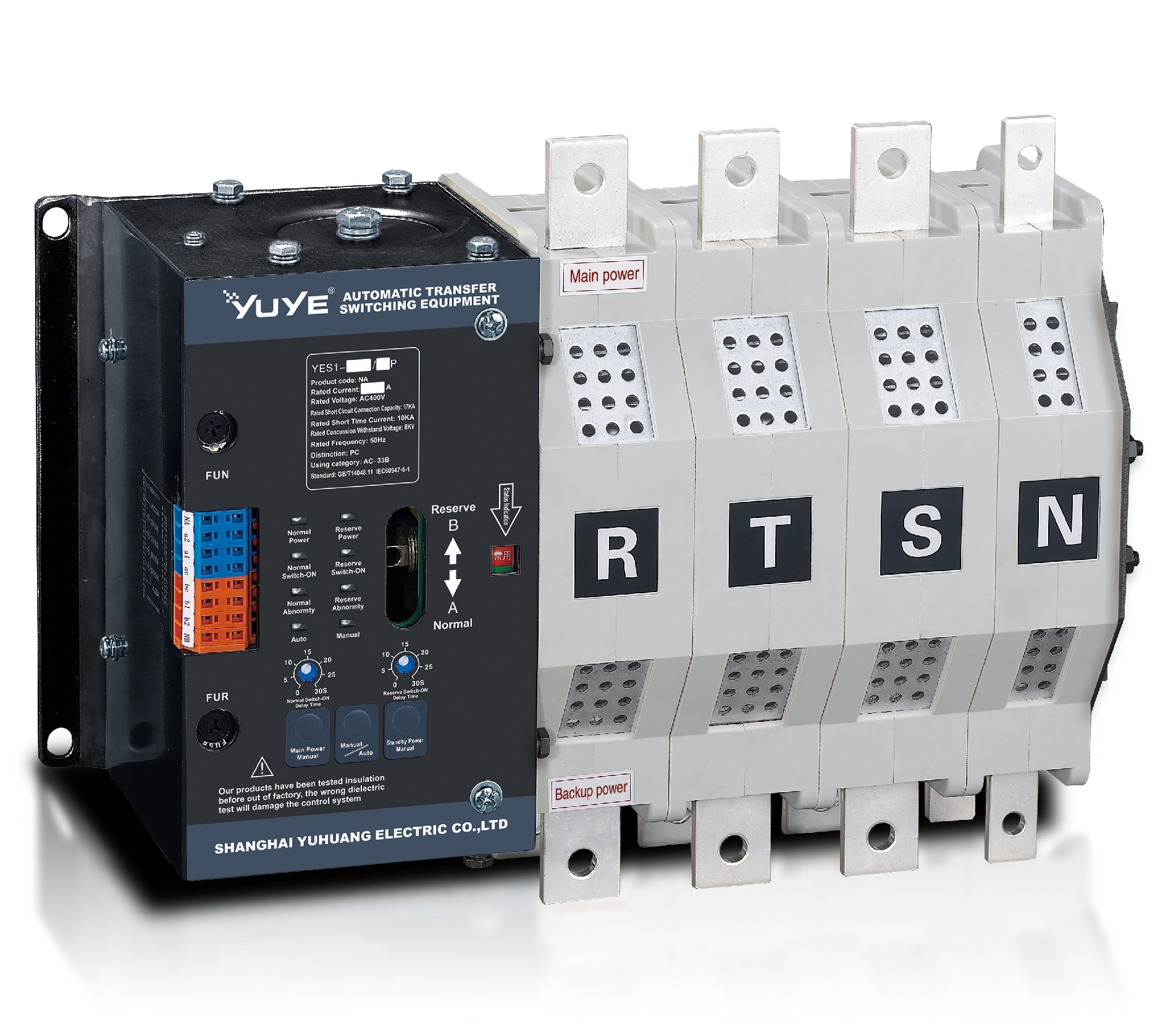 Solenoid-type ATS YES1-250~630NA/NAT
 Solenoid-type ATS YES1-63NJT
 PC ATS YES1-100~1600GN1/GN/GNF
 PC ATS YES1-2000~3200GN/GNF
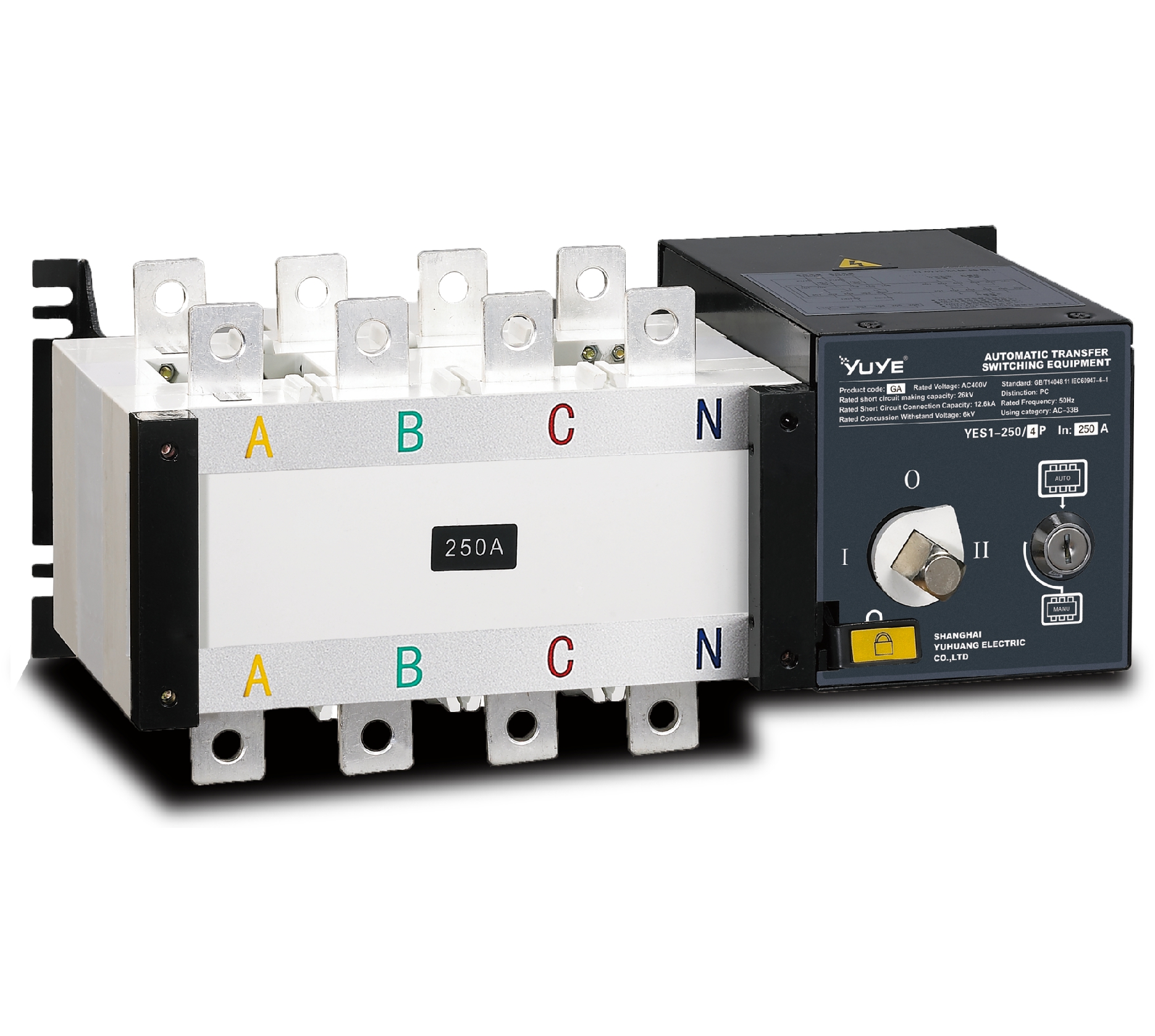 PC ATS YES1-100~3200GA1/GA
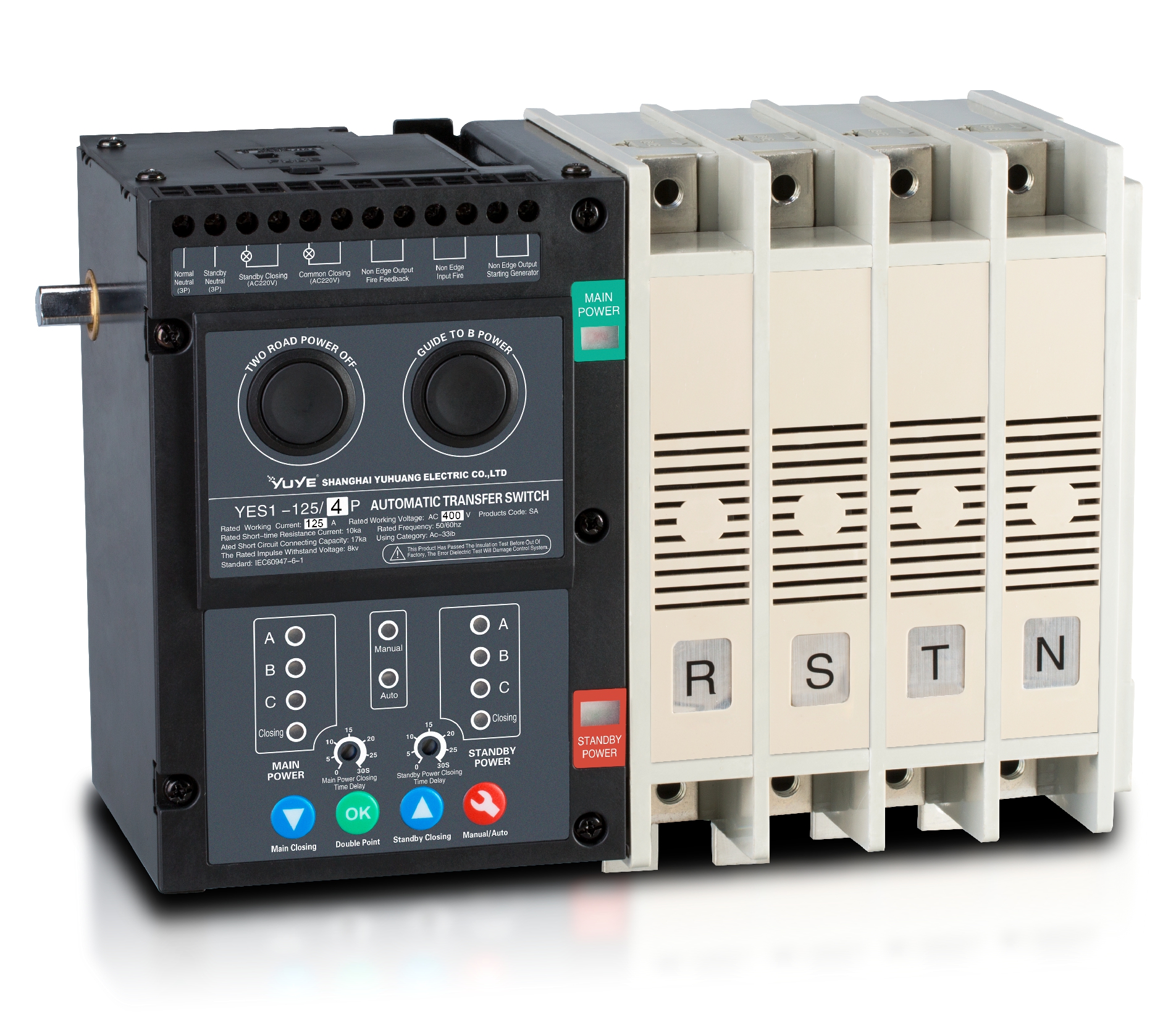 Solenoid-type ATS YES1-63~630SA
 Solenoid-type ATS YES1-63~630L/LA
 Solenoid-type ATS YES1-63~630LA3
 Solenoid-type ATS YES1-63MA
 PC ATS YES1-630~1600M
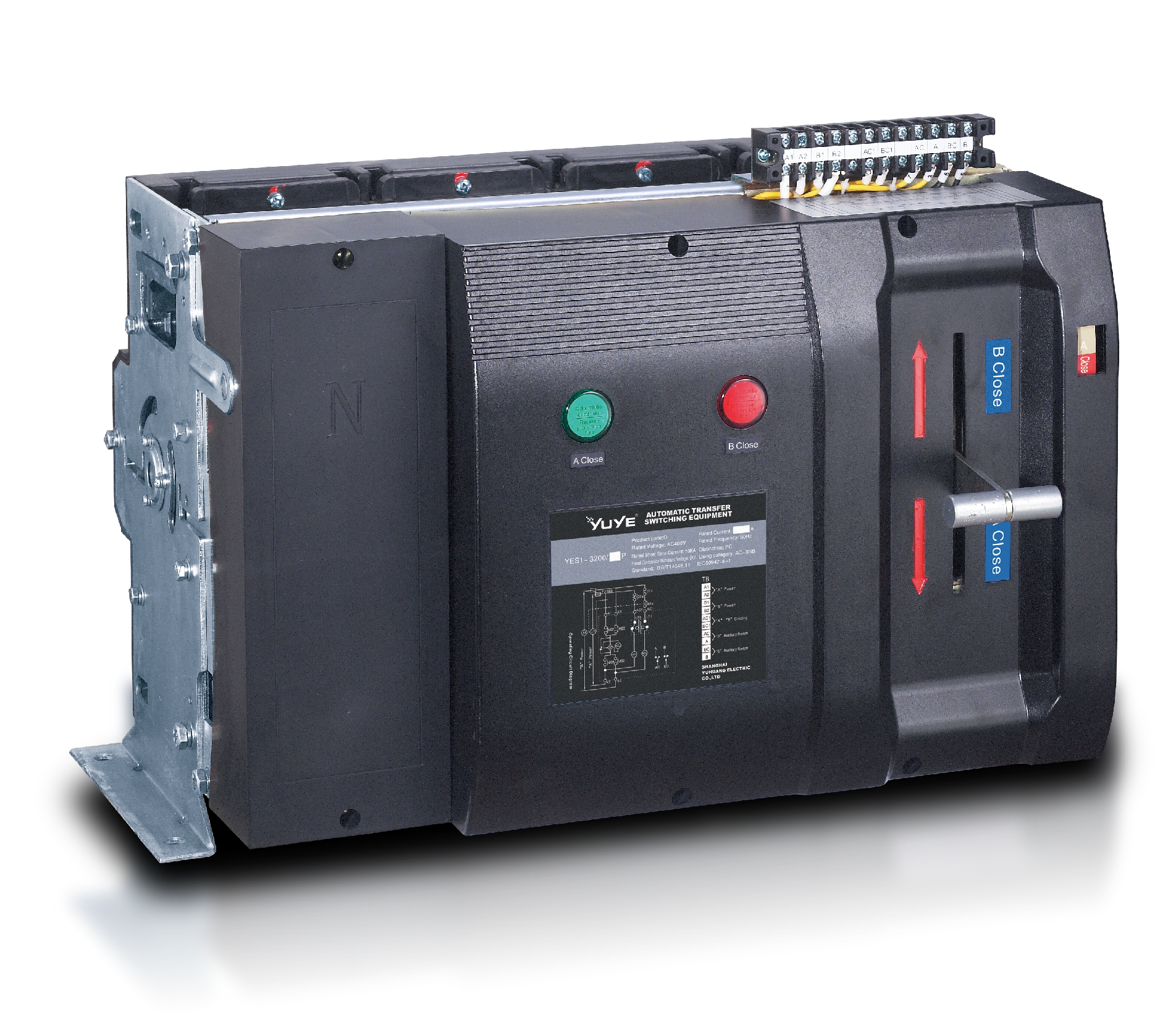 PC ATS YES1-3200Q
 Solenoid-type ATS YES1-4000~6300Q
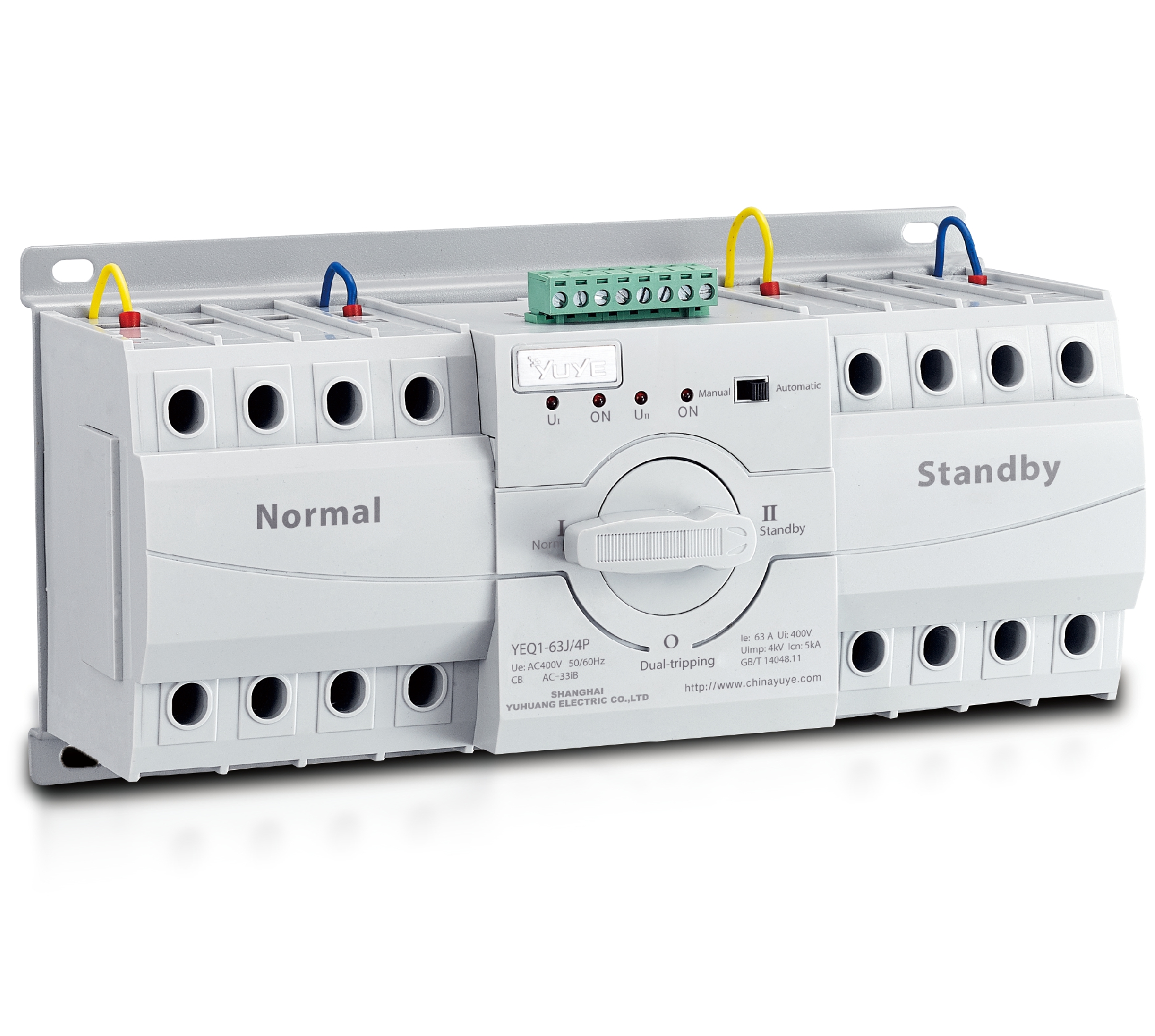 CB ATS YEQ1-63J
 CB ATS YEQ2Y-63
 CB ATS YEQ3-63W1
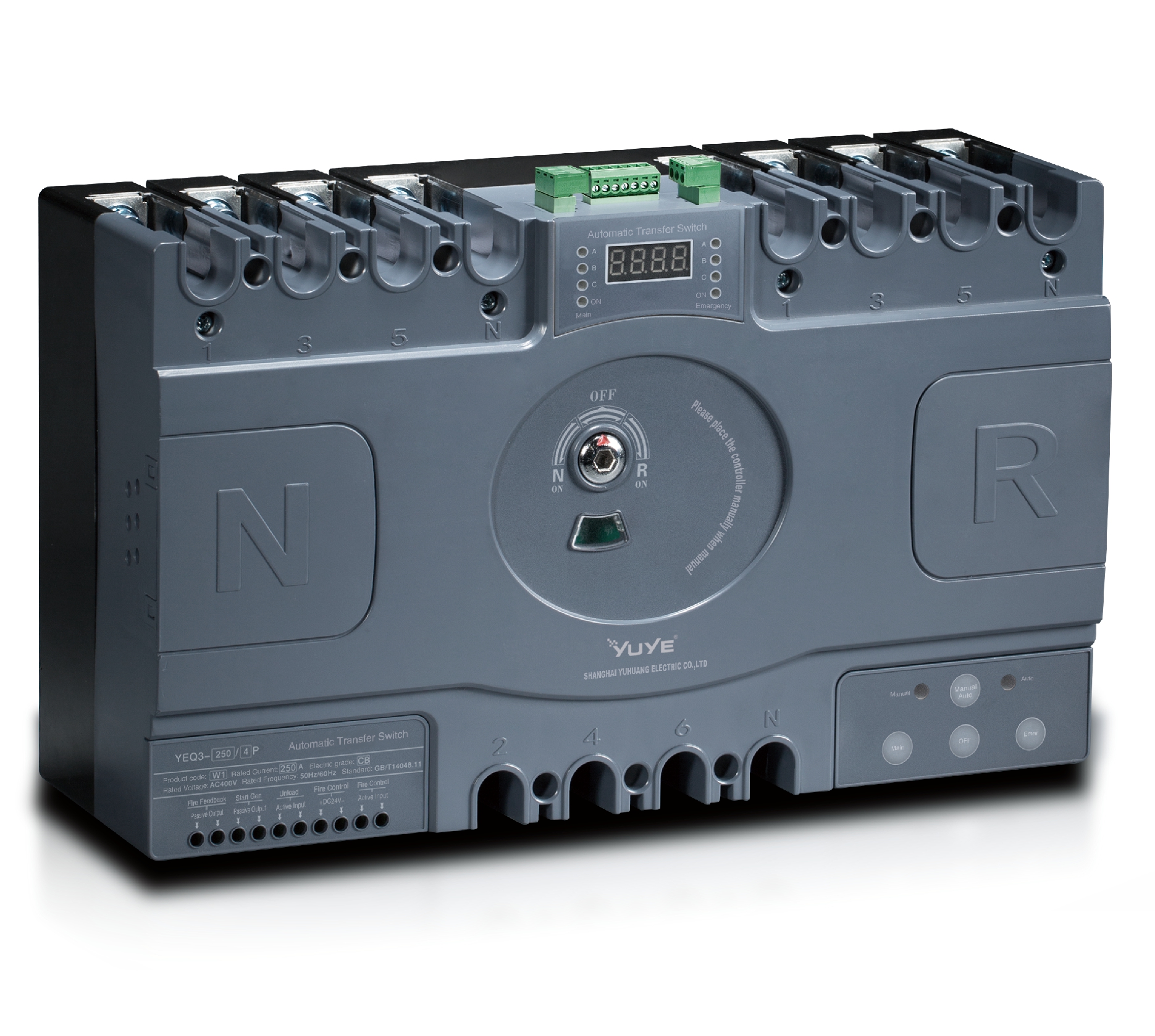 CB ATS YEQ3-125~630W1
 ATS controller Y-700
 ATS Controller Y-700N
 ATS Controller Y-701B
 ATS Controller Y-703N
 ATS Controller Y-800
 ATS Controller W2/W3 Series
 ATS switch Cabinet floor-to-ceiling
 ATS switch cabinet
 JXF-225A power Cbinet
 JXF-800A power Cbinet
 YEM3-125~800 Plastic Shell Type MCCB
 YEM3L-125~630 Leakage Type MCCB
 YEM3Z-125~800 Adjustable Type MCCB
 YEM1-63~1250 Plastic Shell Type MCCB
 YEM1E-100~800 Electronic Type MCCB
 YEM1L-100~630 Leakage Type MCCB
 Miniature circuit breaker YEMA2-6~100
 Miniature circuit breaker YEB1-3~63
 Miniature circuit breaker YEB1LE-3~63
 Miniature circuit breaker YEPN-3~32
 Miniature circuit breaker YEPNLE-3~32
 Miniature circuit breaker YENC-63~125
 Air Circuit Breaker YEW1-2000~6300
 Air Circuit Breaker YEW3-1600
 Load isolation switch YGL-63~3150
 Load Isolation Switch YGL2-63~3150
 Manual Changeover Switch YGL-100~630Z1A
 Manual Changeover Switch YGLZ1-100~3150
 YECPS2-45~125 LCD
 YECPS-45~125 Digital
 CNC Milling/Turning-OEM
 DC relay MDC-300M
 DC Isolation Switch YEGL3D-630


