In today’s fast-moving business world, being reliable is more important than ever. One key piece of tech that's really making a difference is the AC Automatic Transfer Switch. Honestly, this little gadget has become a real game-changer for tons of companies. It keeps the power running smoothly, which is super important if you want your business to keep going without a hitch.
Companies using an AC Automatic Transfer Switch often notice their operations are way more dependable. Basically, it’s like having a vigilant safeguard — it spots when power goes out and instantly switches over to backup generators. That quick response helps cut down on downtime, and let’s be real, downtime costs money and messes with productivity. Industries like healthcare, hospitality, you name it — everyone relies on this tech to keep things running smoothly.
That said, not every business fully gets how much of a difference this can make. Some folks might overlook how vital a stable power supply really is. Plus, setting it up isn’t always a walk in the park. Picking the right switch means figuring out exactly what your business needs — it’s gotta match up just right. All in all, the benefits are pretty clear, but you really want to put some thought into it to get the best results.

Understanding AC Automatic Transfer Switch Basics for Businesses
An AC Automatic Transfer Switch (ATS) is vital for business operations. It seamlessly transfers power between the primary source and backup generators. This setup ensures continuous operations during power outages. Understanding ATS basics can help companies choose the right system for their needs.
When considering an ATS, think about the power load. Carefully assess the critical systems that require backup. A well-defined load will help in selecting the proper capacity for the switch. Include all essential devices: computers, servers, and HVAC systems. This way, downtime can be minimized, enhancing overall productivity.
Tips:
- Regular maintenance is crucial. Inspect your ATS frequently to ensure it functions properly.
- Also, consider staff training on the system's operation. Knowledgeable employees can react swiftly during emergencies.
- This preparedness can reduce the risk of damage to your business operations, saving time and money.
Enhanced Reliability: The Role of ATS in Power Backup Solutions
In today's business landscape, power supply reliability is crucial. An Automatic Transfer Switch (ATS) plays a significant role in achieving this reliability. In a report by the Electric Power Research Institute (EPRI), it was found that nearly 70% of businesses experience at least one power failure each year. Such interruptions can lead to significant financial losses. The ATS ensures that backup power is supplied seamlessly, minimizing downtime and protecting critical operations.
When evaluating the effectiveness of ATS, its response time is notable. Data shows that an ATS can switch to backup power in less than a minute. This quick transition is essential for maintaining operations during outages. However, businesses must regularly test and maintain their ATS systems. Neglecting this can lead to failures in times of need. A well-functioning ATS not only safeguards against power failures but also contributes to enhanced operational efficiency.
Moreover, integrating an ATS can reduce the risk of human error. Manual switches are prone to operator mistakes during emergencies. However, an ATS automates the process, ensuring an immediate response to power loss. In a case study by the Institute of Electrical and Electronics Engineers (IEEE), automation reduced outage-related losses by over 30%. This highlights the importance of incorporating reliable systems like ATS in power backup strategies. Without such measures, businesses expose themselves to unnecessary risks, potentially jeopardizing their operations and financial health.
Top 10 Benefits of AC Automatic Transfer Switch for Businesses
| Benefit |
Description |
| Enhanced Reliability |
Ensures consistent power supply during outages to maintain operations. |
| Automatic Operation |
Automatically switches power sources without human intervention. |
| Reduced Downtime |
Minimizes business interruption during power failures. |
| Improved Safety |
Reduces risks associated with manual switching procedures. |
| Cost Efficiency |
Prevents financial losses related to power outages. |
| Scalability |
Easily accommodates future electrical needs as businesses grow. |
| Flexible Integration |
Can be integrated with various power sources, including generators. |
| Monitoring Capabilities |
Provides real-time monitoring and status updates for power sources. |
| Regulatory Compliance |
Helps meet industry standards and regulations for power management. |
| Longer Equipment Life |
Protects sensitive equipment from power surges and outages. |
Cost Efficiency: How ATS Reduces Operational Downtime Costs
AC Automatic Transfer Switches (ATS) significantly boost cost efficiency for businesses. They minimize operational downtime during power outages, which can be costly. With an ATS, power transitions seamlessly between the primary source and a backup generator. This automatic switch ensures that critical systems remain online, reducing the risk of productivity loss. Companies can avoid revenue dips caused by downtime.
Managing operational costs is crucial. An ATS helps maintain continuous power supply, which directly correlates with lower expenses. Companies should maintain their ATS regularly to ensure optimal performance. Regular checks can catch potential issues before they escalate into major failures.
For effective implementation, consider these tips: ensure your ATS is appropriately sized for your load demands. An undersized switch can fail during peak loads, leading to unexpected outages. Regularly train staff on ATS operations as familiarity breeds confidence in emergency situations. A well-trained team can reduce response time, further minimizing downtime. Keeping detailed records of power usage helps understand patterns and predict future needs.
Seamless Power Transition: Benefits of Automatic Switching During Outages
Automatic transfer switches (ATS) play a vital role in ensuring uninterrupted power supply during outages. Businesses rely heavily on consistent power for operations. The seamless power transition achieved by ATS minimizes downtime. According to the Institute of Electrical and Electronics Engineers (IEEE), power interruptions can cost businesses thousands of dollars in lost productivity. An ATS can reduce this risk significantly.
When the main power source fails, an ATS swiftly switches to a backup generator within seconds. This rapid response is crucial for sensitive operations, such as data centers and hospitals. For instance, a report from the U.S. Department of Energy indicates that hospitals using ATS maintain patient care continuity during outages, ultimately saving lives. It's important to note that not all ATS systems are created equal. Some may have latency issues, leading to potential operational hiccups.
Regular testing and maintenance of ATS are necessary to ensure reliability. A power system's effectiveness can diminish if not properly checked. This oversight can lead to critical failures when least expected. For companies, investing in ATS offers a safeguard against uncertainties. However, without proper vigilance, even the best systems may fall short.
Increased Safety: ATS Features that Protect Equipment and Personnel
Automatic Transfer Switches (ATS) are essential for enhancing safety in business operations. One primary function is their ability to detect power failures. When disruptions occur, an ATS promptly transfers power to backup sources. According to data from the U.S. Department of Energy, outages can cost businesses over $150 billion annually. This figure underscores the importance of reliable power management systems.
In addition to maintaining power, ATS units often include surge protection features. These features shield sensitive equipment from voltage spikes that may occur during power restoration. A surge event can damage computers and machinery, leading to costly repairs or replacements. The International Electrotechnical Commission reports that improper handling of power surges can increase failure rates by 30%. An ATS helps mitigate these risks, providing a safer work environment.
Furthermore, ATS systems can help promote personnel safety. They reduce the need for manual intervention during outages, minimizing the risk of accidents. Automatic systems can manage power loads better, ensuring operational continuity without human error. However, it’s essential to regularly test and maintain these systems.
Neglecting maintenance can lead to failures when they are most needed. Regular inspections can catch potential issues early, reinforcing both equipment and worker safety.
Scalability and Flexibility: ATS Options for Growing Businesses
In today's rapidly evolving business landscape, scalability and flexibility are critical for growth. AC Automatic Transfer Switches (ATS) offer unique solutions tailored to meet these dynamic demands. A recent study from the Power Industry Association highlighted that businesses leveraging ATS options witnessed a 30% reduction in downtime. This reliability allows companies to adapt to fluctuating operational needs without interruptions.
For growing businesses, the ability to switch between power sources enhances versatility. ATS devices can seamlessly transition from grid power to backup generators. This capability ensures continuity even during unexpected outages, which affects nearly 80% of companies annually, according to a survey by the Business Continuity Institute. Having such systems in place allows businesses to focus on their core operations, rather than power management.
However, it’s vital to consider that not all ATS solutions are created equal. Organizations should assess their current and future power requirements carefully. Some systems might over-promise on efficiency, leading to increased operational costs. Finding the right balance is essential for maximizing utility and minimizing waste. As companies scale, their electrical demands often shift, necessitating a critical evaluation of existing ATS setups to ensure alignment with long-term goals.
Regulatory Compliance: Meeting Standards with Automatic Transfer Switches
Automatic transfer switches (ATS) are essential for businesses to ensure regulatory compliance. They provide a seamless power source during outages, a critical aspect of maintaining operations. According to a report by the National Fire Protection Association, over 25% of companies experienced operational disruption due to power failures. This statistic emphasizes the necessity for effective backup solutions.
In many jurisdictions, regulations mandate reliable power supply systems for certain industries. Failure to comply can lead to severe penalties and loss of business reputation. The Automatic Transfer Switches must meet standards outlined in the National Electric Code (NEC) and other industry regulations. These compliance requirements help mitigate risks related to downtime. Non-compliance not only threatens safety but also impacts financial health.
Companies looking to enhance their power reliability should focus on the specifics of ATS. Proper installation, regular maintenance, and compliance checks are vital. An industry study indicates that 40% of businesses fail to conduct routine maintenance, putting them at risk. Recognizing these challenges can lead to better preparedness and compliance, ensuring that regulatory standards are consistently met while safeguarding business operations.
Comprehensive Guide to Load Isolation Switch YGL2-63~3150: Features, Advantages, and Applications
The YGL2-63~3150 load isolation switch is a versatile and reliable device designed to ensure safety and functionality in electrical systems. With a rated current capacity ranging from 63 to 3150 amperes, it meets diverse operational demands across various applications. The switch is engineered for rated voltage levels of 230 and 400 volts, complying with the IEC 60947-3 standard, which emphasizes its robust construction and reliability.
A significant advantage of the YGL2-63~3150 model is its availability in multiple pole configurations—2-pole, 3-pole, and 4-pole options—allowing users to select the appropriate model based on their specific electrical setup. This flexibility makes it suitable for a wide range of applications, from residential electrical systems to larger industrial environments where high current isolation is crucial. The switch ensures safe maintenance and operation by effectively isolating electrical circuits, thus enhancing overall system safety and performance.
FAQS
C Automatic Transfer Switch (ATS)?
Knowing the power load helps choose the right ATS capacity. Include all critical systems for better efficiency.
Consider essential devices like computers, servers, and HVAC systems. They need reliable backup during power failures.
Regular inspections are crucial for effective operation. Routine maintenance prevents unexpected failures and downtime.
Trained employees can act quickly during power outages. Their preparedness reduces risks and can save costs.
ATS must meet standards like the National Electric Code. Compliance helps avoid penalties and ensures safe operations.
About 40% of businesses skip regular maintenance checks. This oversight can increase risks and lead to operational issues.
Non-compliance can result in severe penalties and damage to reputation. It also poses risks to safety and finances.
An effective ATS minimizes downtime during outages. This reliability enhances overall business productivity and efficiency.
Focus on installation, maintenance, and compliance checks. Recognizing challenges helps ensure better preparedness and reliability.
Conclusion
The article "Top 10 Benefits of AC Automatic Transfer Switch for Businesses" outlines the essential functions and advantages of AC Automatic Transfer Switch (ATS) systems, which are crucial for ensuring reliable power solutions for businesses. It begins by explaining the fundamentals of ATS and how these systems enhance reliability in power backup solutions, ultimately reducing operational downtime costs. The seamless transition of power during outages is highlighted as a significant benefit, along with the increased safety measures that protect both equipment and personnel.
Moreover, the flexibility and scalability of ATS options cater to the dynamic needs of growing businesses, while compliance with regulatory standards ensures that these systems meet necessary operational requirements. Through these features, the AC Automatic Transfer Switch proves to be an invaluable asset for companies looking to maintain uninterrupted service and optimize their operational efficiency.

 PC ATS YECT1-2000G
 PC ATS YES2-63~250GN1
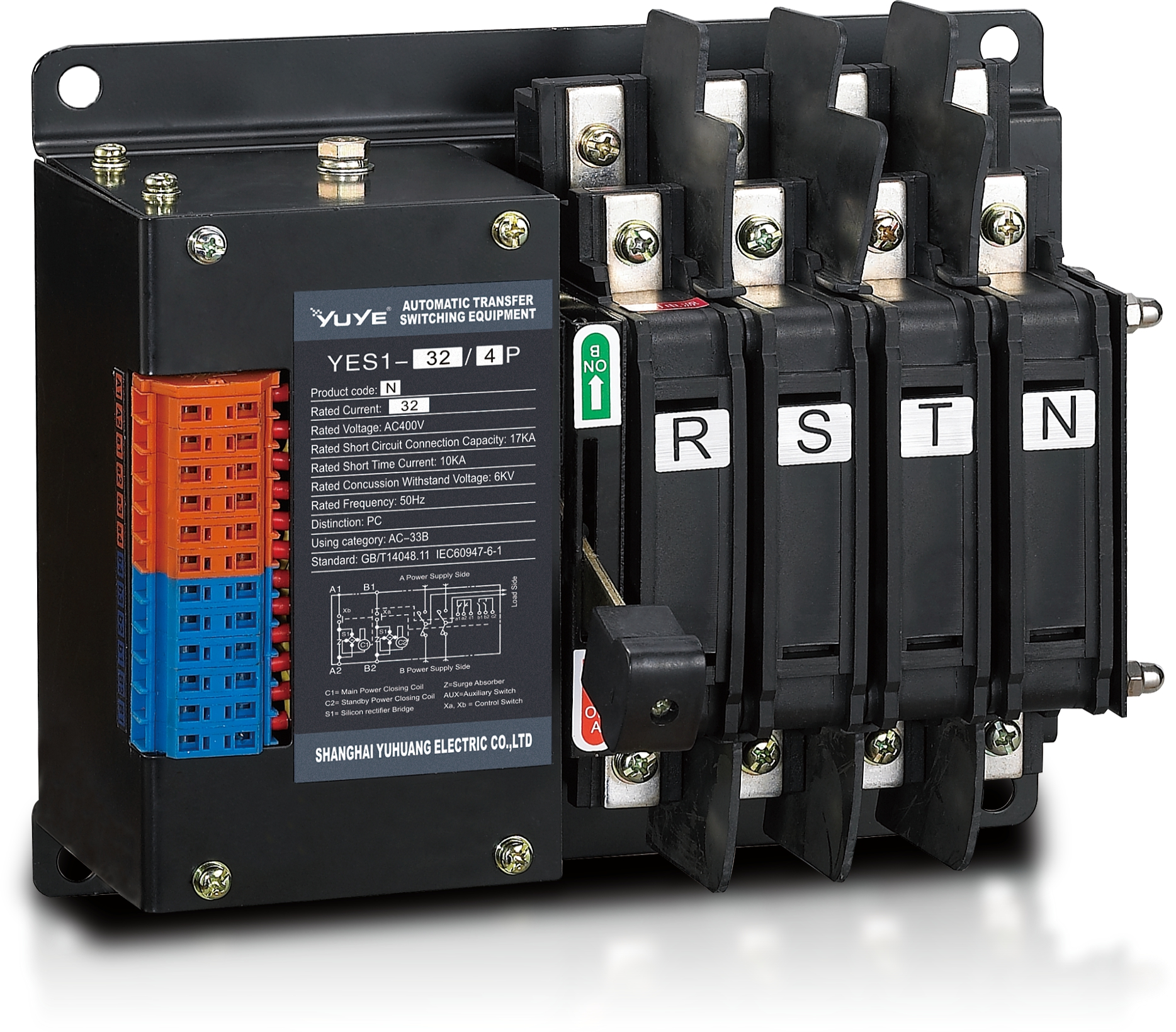 Solenoid-type ATS YES1-32~125N
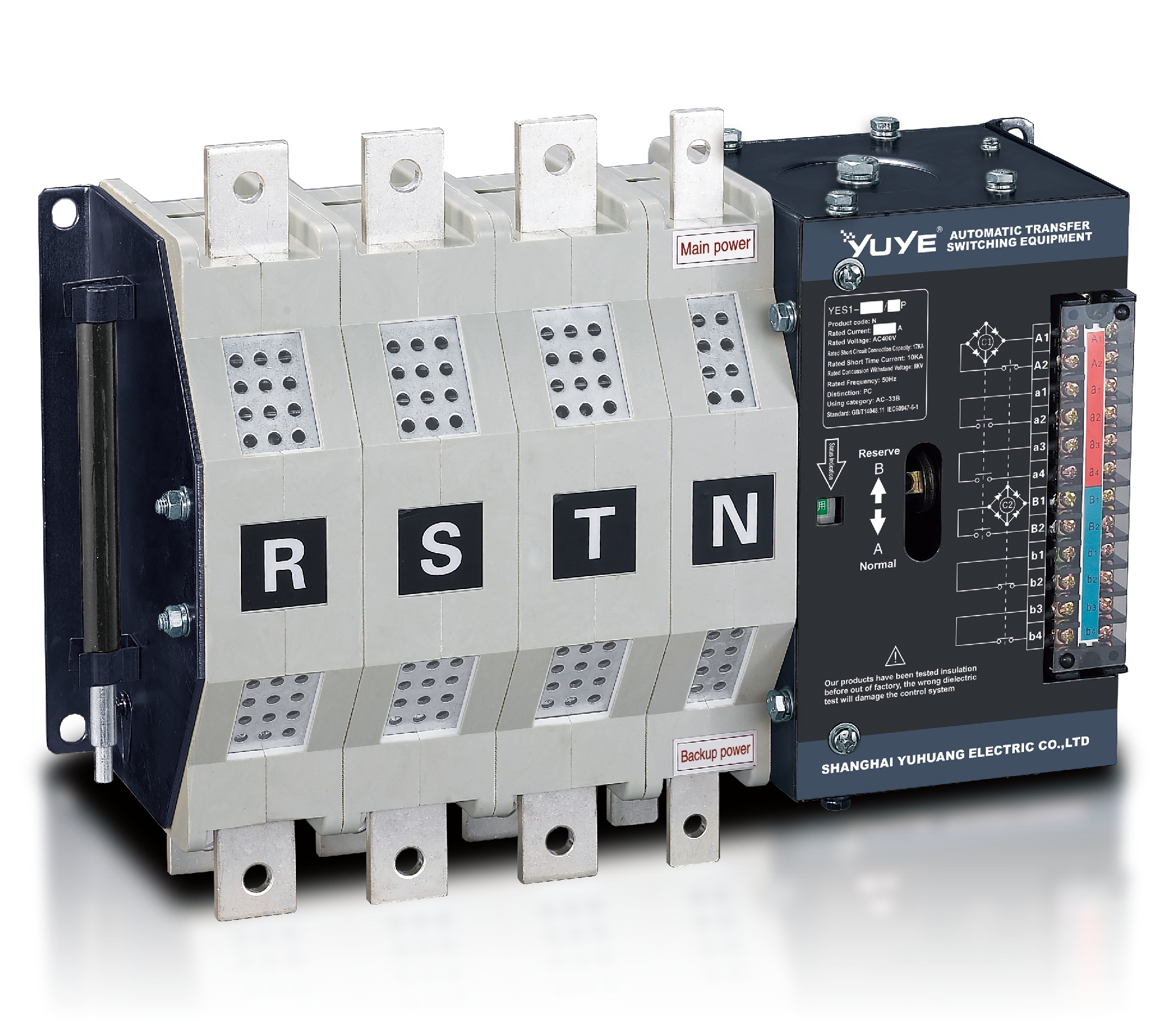 Solenoid-type ATS YES1-250~630N/NT
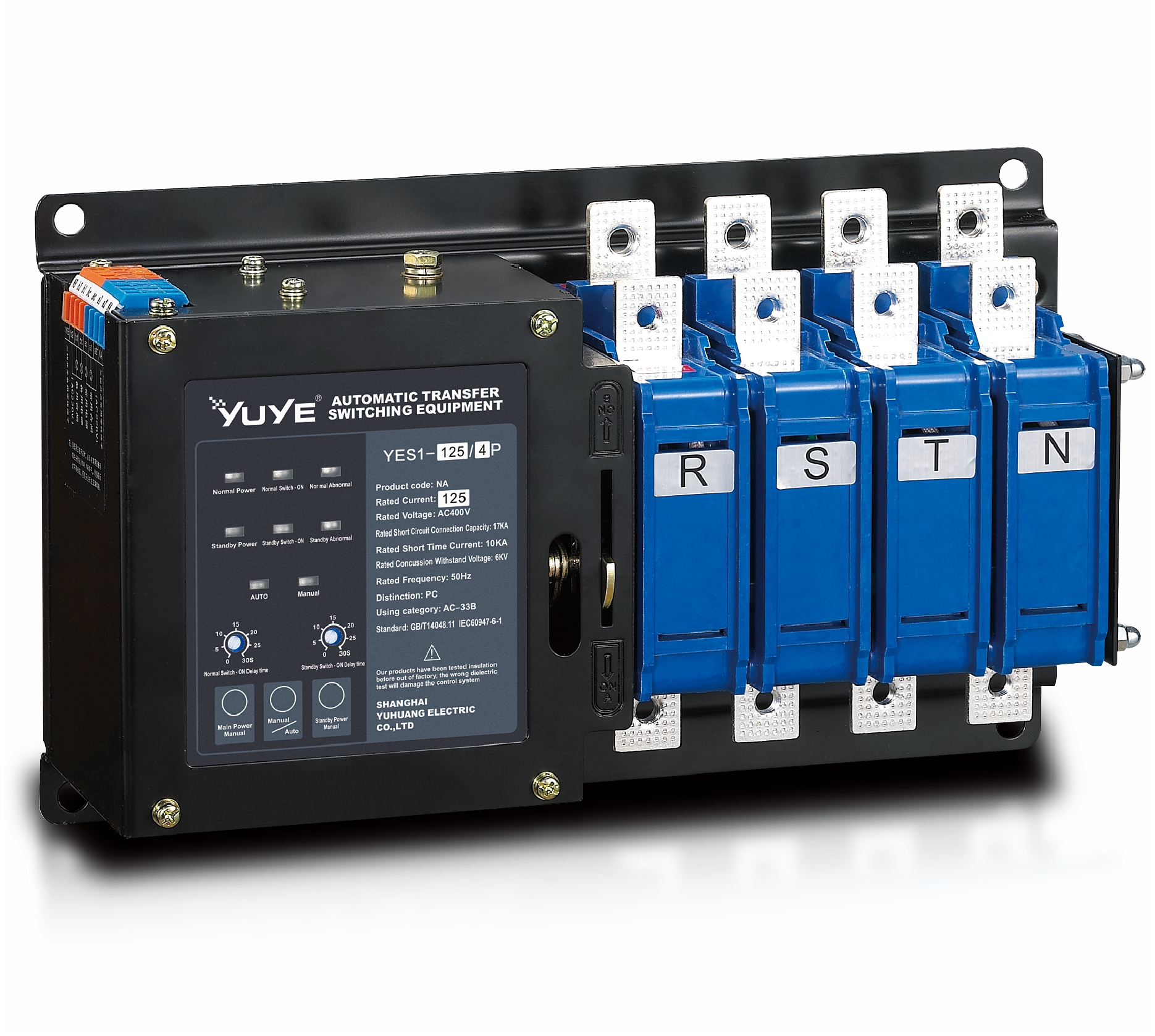 Solenoid-type ATS YES1-32~125NA
 Solenoid-type ATS YES1-63~630SN
 Solenoid-type ATS YES1-1250~4000SN
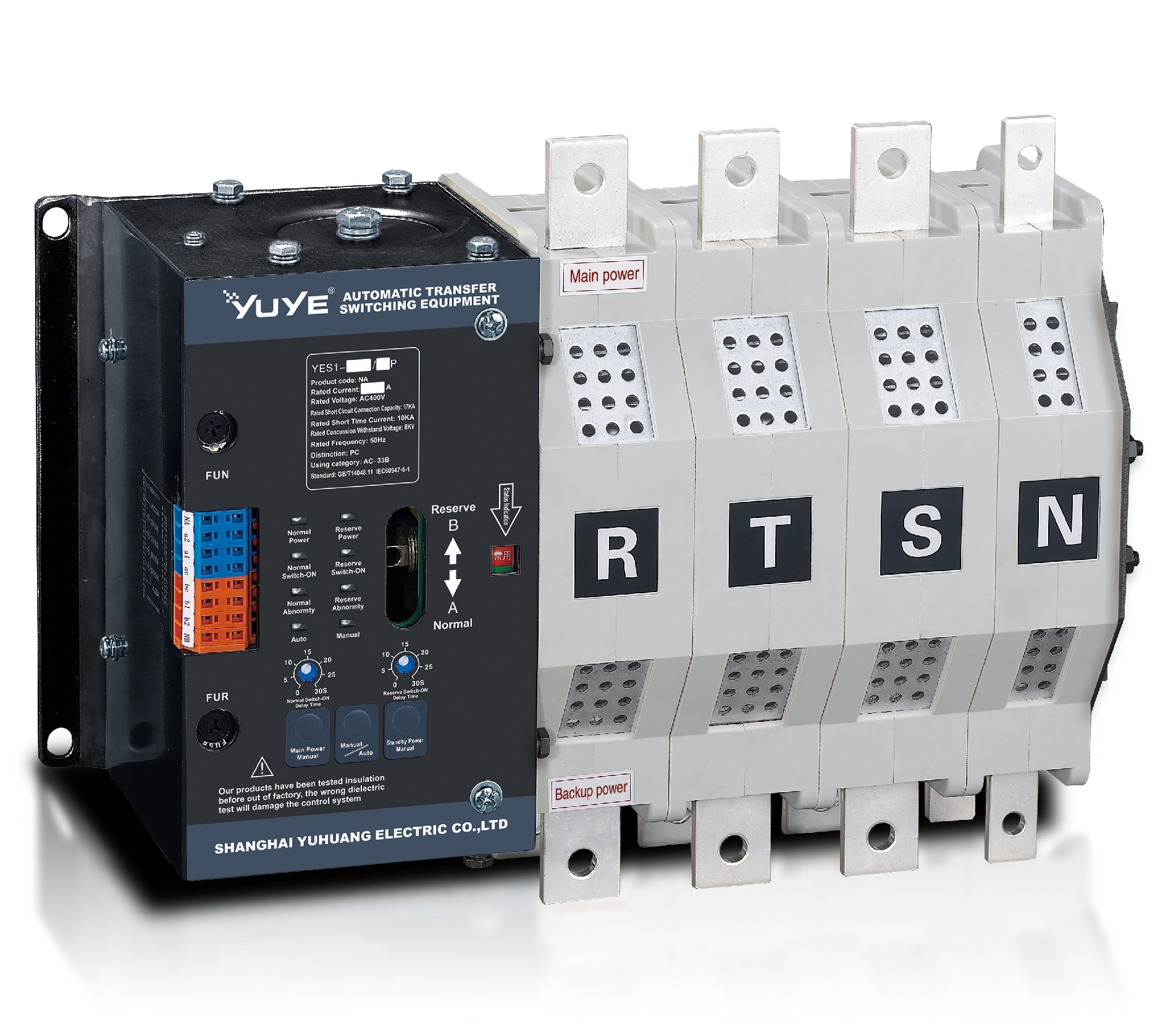 Solenoid-type ATS YES1-250~630NA/NAT
 Solenoid-type ATS YES1-63NJT
 PC ATS YES1-100~1600GN1/GN/GNF
 PC ATS YES1-2000~3200GN/GNF
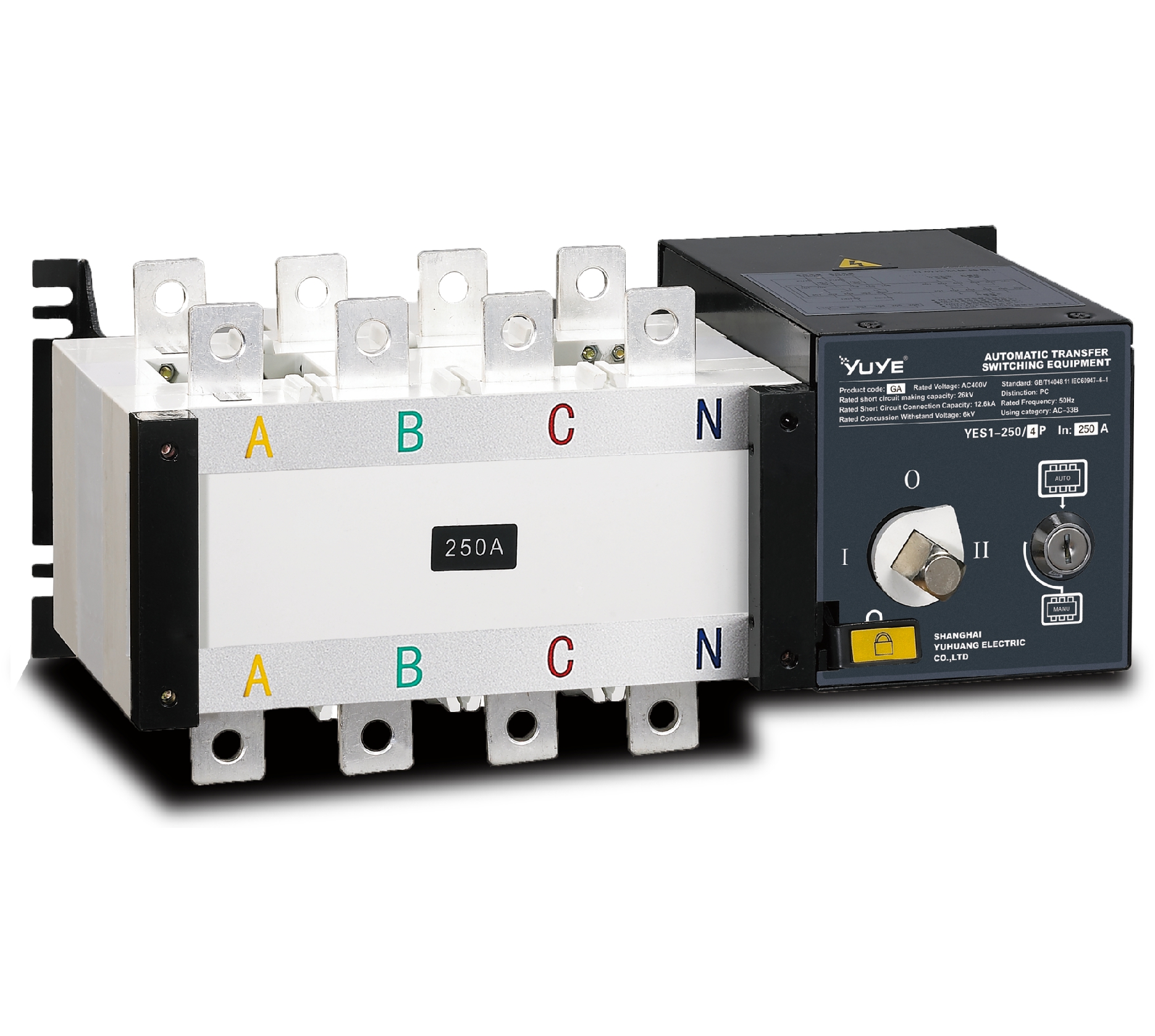 PC ATS YES1-100~3200GA1/GA
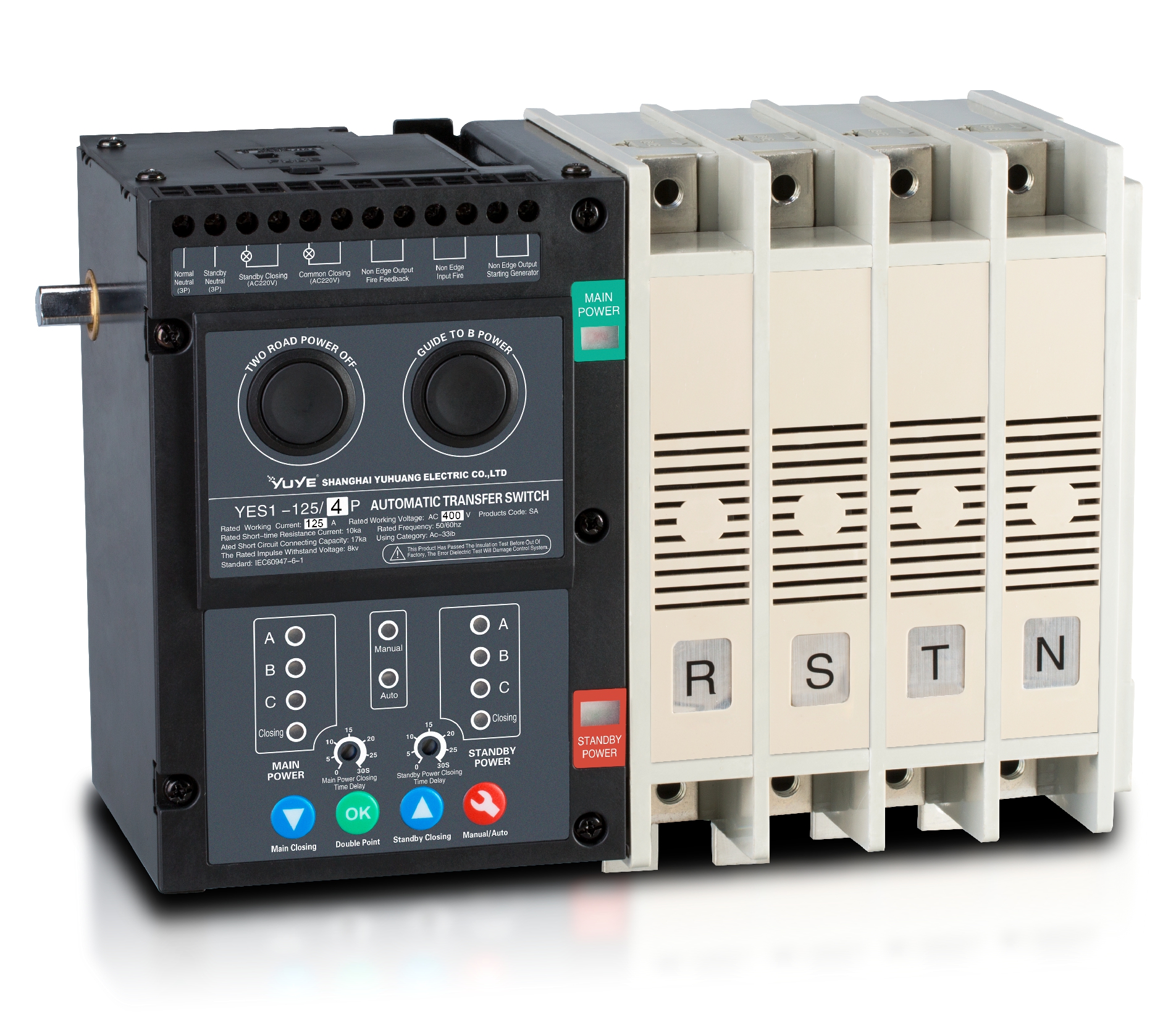 Solenoid-type ATS YES1-63~630SA
 Solenoid-type ATS YES1-63~630L/LA
 Solenoid-type ATS YES1-63~630LA3
 Solenoid-type ATS YES1-63MA
 PC ATS YES1-630~1600M
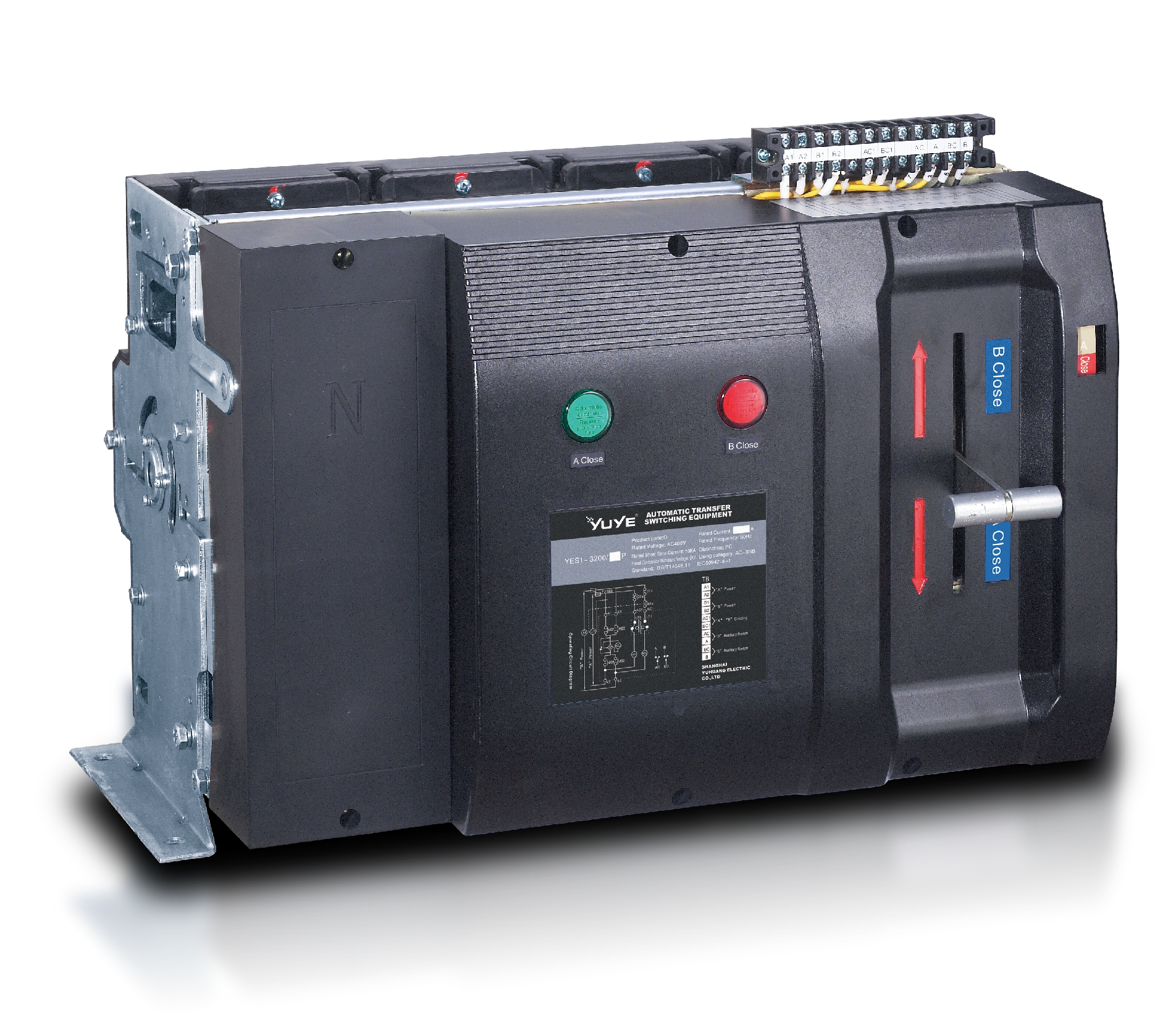 PC ATS YES1-3200Q
 Solenoid-type ATS YES1-4000~6300Q
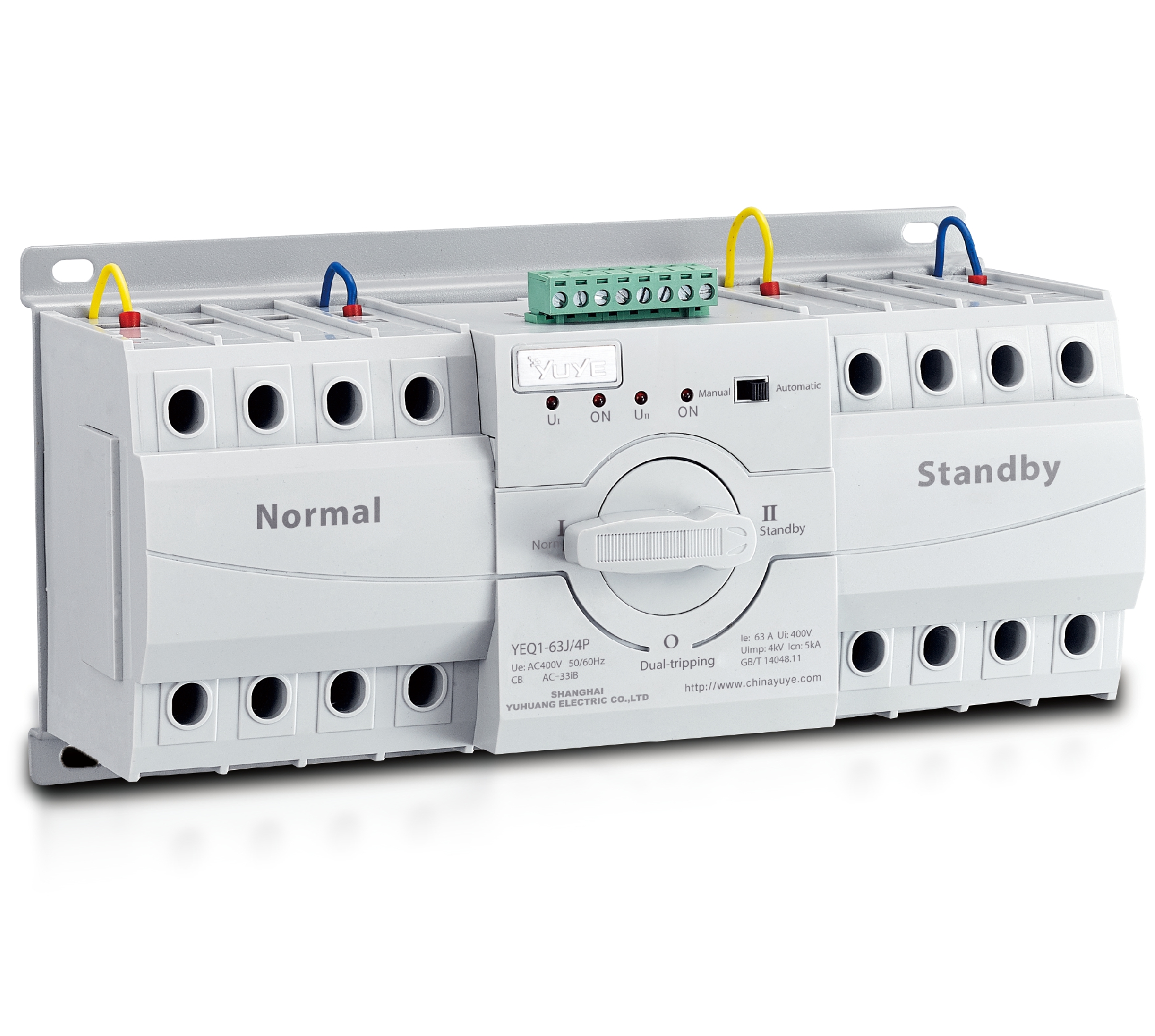 CB ATS YEQ1-63J
 CB ATS YEQ2Y-63
 CB ATS YEQ3-63W1
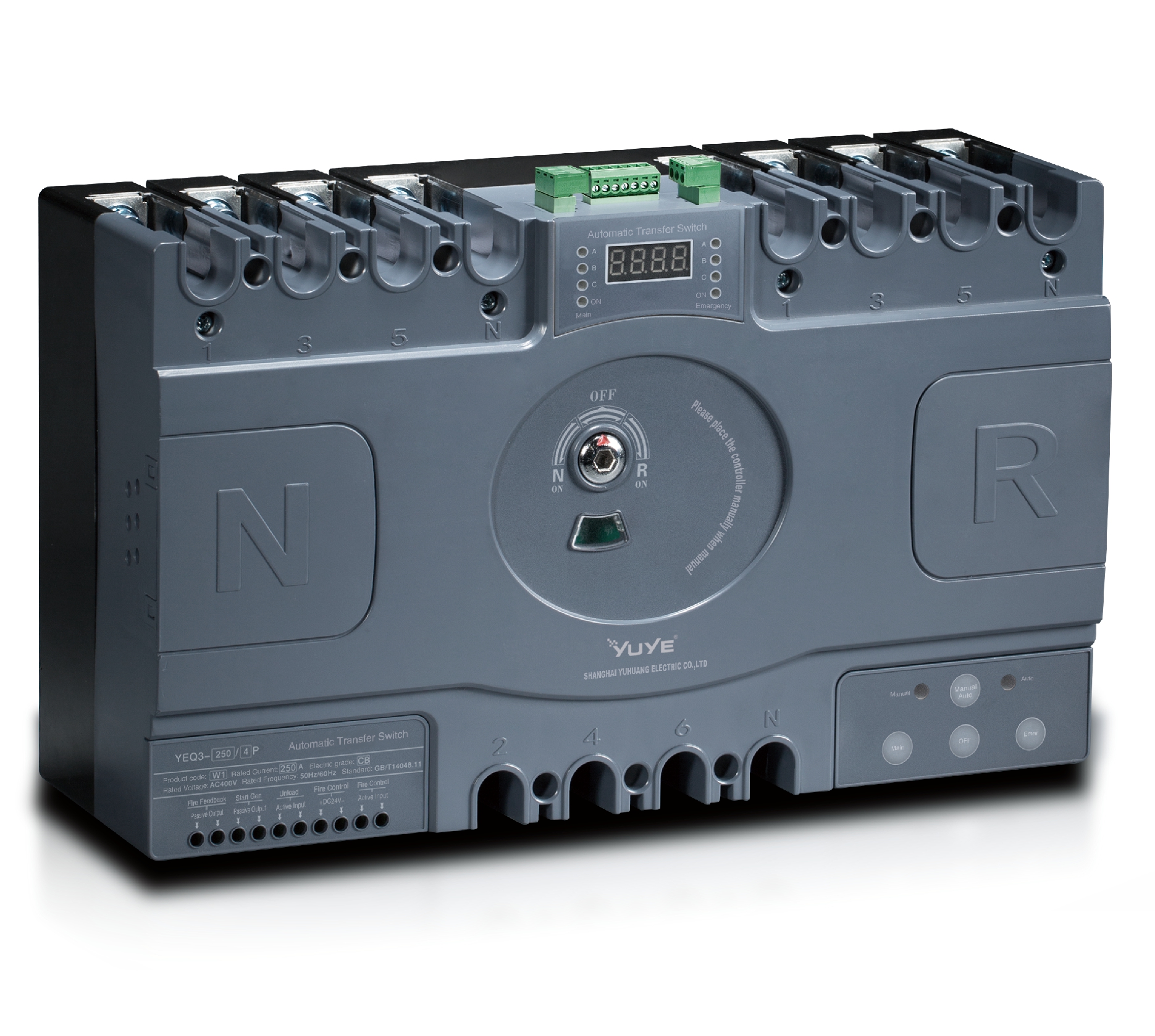 CB ATS YEQ3-125~630W1
 ATS controller Y-700
 ATS Controller Y-700N
 ATS Controller Y-701B
 ATS Controller Y-703N
 ATS Controller Y-800
 ATS Controller W2/W3 Series
 ATS switch Cabinet floor-to-ceiling
 ATS switch cabinet
 JXF-225A power Cbinet
 JXF-800A power Cbinet
 YEM3-125~800 Plastic Shell Type MCCB
 YEM3L-125~630 Leakage Type MCCB
 YEM3Z-125~800 Adjustable Type MCCB
 YEM1-63~1250 Plastic Shell Type MCCB
 YEM1E-100~800 Electronic Type MCCB
 YEM1L-100~630 Leakage Type MCCB
 Miniature circuit breaker YEMA2-6~100
 Miniature circuit breaker YEB1-3~63
 Miniature circuit breaker YEB1LE-3~63
 Miniature circuit breaker YEPN-3~32
 Miniature circuit breaker YEPNLE-3~32
 Miniature circuit breaker YENC-63~125
 Air Circuit Breaker YEW1-2000~6300
 Air Circuit Breaker YEW3-1600
 Load isolation switch YGL-63~3150
 Load Isolation Switch YGL2-63~3150
 Manual Changeover Switch YGL-100~630Z1A
 Manual Changeover Switch YGLZ1-100~3150
 YECPS2-45~125 LCD
 YECPS-45~125 Digital
 CNC Milling/Turning-OEM
 DC relay MDC-300M
 DC Isolation Switch YEGL3D-630


