As more and more people really need reliable, uninterrupted power, the importance of AC Automatic Transfer Switches (or ATS for short) has become front and center in making sure backup systems work smoothly. I mean, according to a report from Global Market Insights, the ATS market is expected to hit over 4 billion USD by 2026. That’s largely because power infrastructure is getting better and there’s a big push for smarter energy management. One Two Three Electric Co., Ltd. is a pretty reputable player in this space—they specialize in making top-notch Moulded Case Circuit Breakers and Air Circuit Breakers. They really get how crucial it is to have these AC Automatic Transfer Switches in modern electrical setups. These little devices make sure there’s a smooth switch between your main power and backup sources, which is a huge deal for keeping homes, businesses, and industries up and running without a hitch. With power outages becoming more common and everyone relying more on tech than ever before, investing in quality AC Automatic Transfer Switches isn’t just smart—it’s pretty much necessary to keep things running smoothly and avoid costly downtime.

The Role of AC Automatic Transfer Switches in Modern Power Backup Systems
Automatic Transfer Switches (or ATS for short) are honestly a game-changer when it comes to backup power systems these days. They make switching between your main power source and backup generators feel almost instant—no noticeable interruption. If you’ve seen reports from places like Grand View Research, they say the global market for these switches is actually growing pretty fast, at around 6.5% annually from 2021 to 2028. That’s mainly because more and more industries realize how crucial it is to have reliable power, whether it’s hospitals, data centers, or telecom hubs. Basically, ATS units kick in the moment there’s a power outage, detecting problems and switching over automatically. This means less downtime, safer operations, and fewer worries about sensitive tech shutting down unexpectedly.
On top of all that, ATS systems aren’t just about keeping the lights on—they also help save energy. The International Energy Agency points out that modern, smarter ATS models can cut down energy waste during those switchovers. For example, if you have a good unit, it can switch over in under 30 seconds. That quick reaction not only protects your equipment but also helps in terms of sustainability since it reduces unnecessary power fluctuations and waste. As businesses and critical infrastructure keep pushing for more resilience and smarter energy use, it’s clear that AC Automatic Transfer Switches are more important than ever—that’s just the way things are heading.
Understanding the Importance of AC Automatic Transfer Switches for Reliable Power Backup Systems
| Parameter |
Description |
Importance |
| Switching Time |
Time taken for the switch to transfer power during an outage |
Critical for minimizing downtime and keeping essential systems running |
| Load Capacity |
Maximum electrical load the switch can handle |
Ensures that the power backup system can support all required devices |
| Control Circuit Type |
The technology used for controlling the transfer switch operations |
Affects reliability and efficiency of power switching |
| Maintenance Requirements |
Frequency and type of maintenance needed to keep the system operational |
Essential for ensuring long-term reliability and performance |
| Safety Features |
Built-in features that protect against electrical hazards |
Critical for preventing accidents and ensuring safe operation |
| Integration Capability |
Ability to work with other systems and components in the backup setup |
Enhances overall system functionality and reliability |
Key Features to Look for in AC Automatic Transfer Switches
When you're on the hunt for Automatic Transfer Switches (ATS) for your backup power setup, there are a few key features you definitely want to pay attention to.
 First off, speed matters—ideally, the switch should kick in within 30 seconds or less, so your power stays smooth without any annoying glitches. According to a helpful report from the National Electrical Manufacturers Association (NEMA), a quick-responding ATS can really cut down downtime, especially for critical stuff like data centers or hospitals that can’t afford to be offline for long.
Another thing to consider is how well the switch handles load management. Today’s modern ATS units often come with smart load sensing tech, which helps distribute power efficiently and prevents overloads when switching between the main supply and backup generators. The IEC highlights that having load management features totally boosts overall reliability — super important for places that need continuous operation, like data centers or busy offices.
And don’t forget about diagnostic tools and remote monitoring. These features are becoming a must-have because they give you real-time info about your system, making it easier to catch issues early and do maintenance before things go wrong. Basically, the industry is leaning more and more towards predictive power management, so having these capabilities in your ATS can make all the difference.
Benefits of Incorporating Automatic Transfer Switches in Backup Solutions
Adding Automatic Transfer Switches (ATS) into backup power setups is pretty much essential if you want to keep the lights on during power outages. These nifty devices kick in automatically, switching your power source from the main supply to backup options like generators—no need to get up and do it manually. That smooth switch not only makes your whole system more reliable, but it also helps protect your sensitive equipment from sudden power cuts. If you run a business that needs to keep running no matter what, this feature is pretty much a game-changer.
At One Two Three Electric Co., Ltd., they’re known for their top-notch manufacturing of advanced electrical solutions. They supply solid circuit protection gear like moulded case circuit breakers and air circuit breakers. When you combine these products with an ATS, it really boosts the performance and safety of your backup power system. This combo basically ensures your organization gets power quickly and efficiently, even when everything else is up in the air. By adding ATS, companies can shield themselves from the unpredictability of power supply and build more resilient operations—that peace of mind is priceless, really.
How AC Automatic Transfer Switches Enhance Power Reliability and Efficiency
Automatic Transfer Switches (ATS) for AC power are pretty much essential when it comes to making sure things stay up and running smoothly, especially in backup power setups. Basically, they detect when the main power’s out and automatically switch over to a secondary source — no need for someone to manually flip a switch or get involved. This kind of automation is a game-changer for data centers and other facilities that can’t afford any downtime. You’ve probably noticed, too, that the market for transfer switches and switchgears is booming — which just goes to show how critical they really are. The reliability these switches bring matches perfectly with today’s high standards for performance and safety in electrical systems.
And, as the whole energy scene keeps changing — like with portable power stations and smarter energy tech — the importance of AC Automatic Transfer Switches keeps growing. They do more than just switch power seamlessly; they also help us keep up with the increasing demand for energy efficiency. As new, smarter power solutions come out, with features designed to squeeze out more performance, ATS will be more vital than ever. So, if you’re serious about making sure your power stays uninterrupted and your systems stay efficient, investing in a good-quality automatic transfer switch really isn't something to skimp on.

Common Applications for AC Automatic Transfer Switches in Various Industries
AC Automatic Transfer Switches (or ATS for short) are pretty essential when it comes to keeping the power running smoothly across a bunch of industries. You’ll mostly find them in places like hospitals, data centers, and factories — basically, anywhere that can't afford to lose power. These switches automatically kick in and switch to an alternative power source if the main one goes out. That’s a game-changer, especially for stuff that totally depends on having a constant power supply. Think about hospitals—any outage could mean serious issues like data loss or even risking patients’ safety. Sometimes, it’s almost scary how quickly things can go sideways without backup power in those settings.
In the energy world, you’re starting to see more and more of these advanced AC automatic transfer switches popping up. The newer smart models are pretty impressive—they’re designed to distribute energy more efficiently and even work seamlessly with renewable energy sources like solar or wind. Industries are really starting to embrace these tech upgrades, customizing them to fit their unique needs. From large office buildings to critical infrastructure projects, the versatility of ATS is pretty remarkable. Basically, by providing reliable backup power, AC transfer switches don’t just keep things running—they boost the overall resilience of operations and fit nicely into broader energy management plans.
Maintenance and Best Practices for AC Automatic Transfer Switch Longevity
Automatic Transfer Switches, or ATS for short, are really the unsung heroes when it comes to keeping power running smoothly during outages. If you wanna get the most out of your AC Automatic Transfer Switches and make sure they last as long as possible, regular maintenance is key—trust me on that. I read somewhere that doing consistent inspections can lower the chances of equipment failure by up to half, which is pretty impressive! That really drives home how important it is to stay ahead of any issues before they become big problems.
So, what should you be doing? Well, it's smart to check those mechanical parts regularly, make sure all the electrical connections are tight, and test how well the switch actually works. The experts at the National Fire Protection Association suggest giving your ATS a thorough check-up at least once a year. That way, you can catch small issues early, before they turn into costly repairs.
Also, keeping the unit clean and free of dust or debris isn’t just about neatness—it’s actually a big help in preventing overheating, which is a common cause of breakdowns. Follow these simple tips, and you'll not only keep your system running smoothly when you need it most, but you'll also save money in the long run by avoiding big repairs or replacements down the line.
FAQS
C Automatic Transfer Switch (ATS) during power outages?
Load management is important because it allows for efficient distribution of power, preventing overloads during transitions between the main power supply and backup generators.
Built-in diagnostics provide real-time insights into system health, facilitating proactive maintenance and improving overall reliability.
ATS are crucial in data centers as they ensure continuous uptime by automatically transferring power during outages, minimizing disruptions to critical systems.
The integration of smart energy solutions enhances the efficiency of ATS, maximizing performance and ensuring reliable power supply in modern electrical infrastructures.
High-quality automatic transfer switches ensure uninterrupted power supply, enhance operational efficiency, and align with the increasing demand for reliable power backup systems.
The National Electrical Manufacturers Association (NEMA) and the International Electrotechnical Commission (IEC) emphasize these features as critical for reducing downtime and enhancing reliability.
ATS provide seamless transitions to backup power sources, supporting the growing demand for energy efficiency and reliable power supply as the energy landscape evolves.
Conclusion
Automatic Transfer Switches (or ATSWs, as folks like to call them) are pretty much a lifesaver in today's power backup setups. They make sure your lights stay on even when the power grid goes down. Basically, they switch your load smoothly from the main source to a backup generator – no fuss, no interruption. When you're choosing an ATSW, you'll want to look at things like how fast it responds, how much load it can handle, and how easy it is to operate. Adding these switches into your backup plans really pays off — you get less downtime, and it’s safer too, especially in sensitive places like hospitals, telecom hubs, or busy offices.
To keep your ATSWs working like a champ, regular check-ups and good maintenance are key. Not only do they give you peace of mind with reliable backup power, but they also help keep your whole electrical system stable and safe. At One Two Three Electric Co., Ltd., we’re all about crafting top-notch power management solutions, including ATSWs, to make sure critical systems stay up and running without a hitch.

 PC ATS YECT1-2000G
 PC ATS YES2-63~250GN1
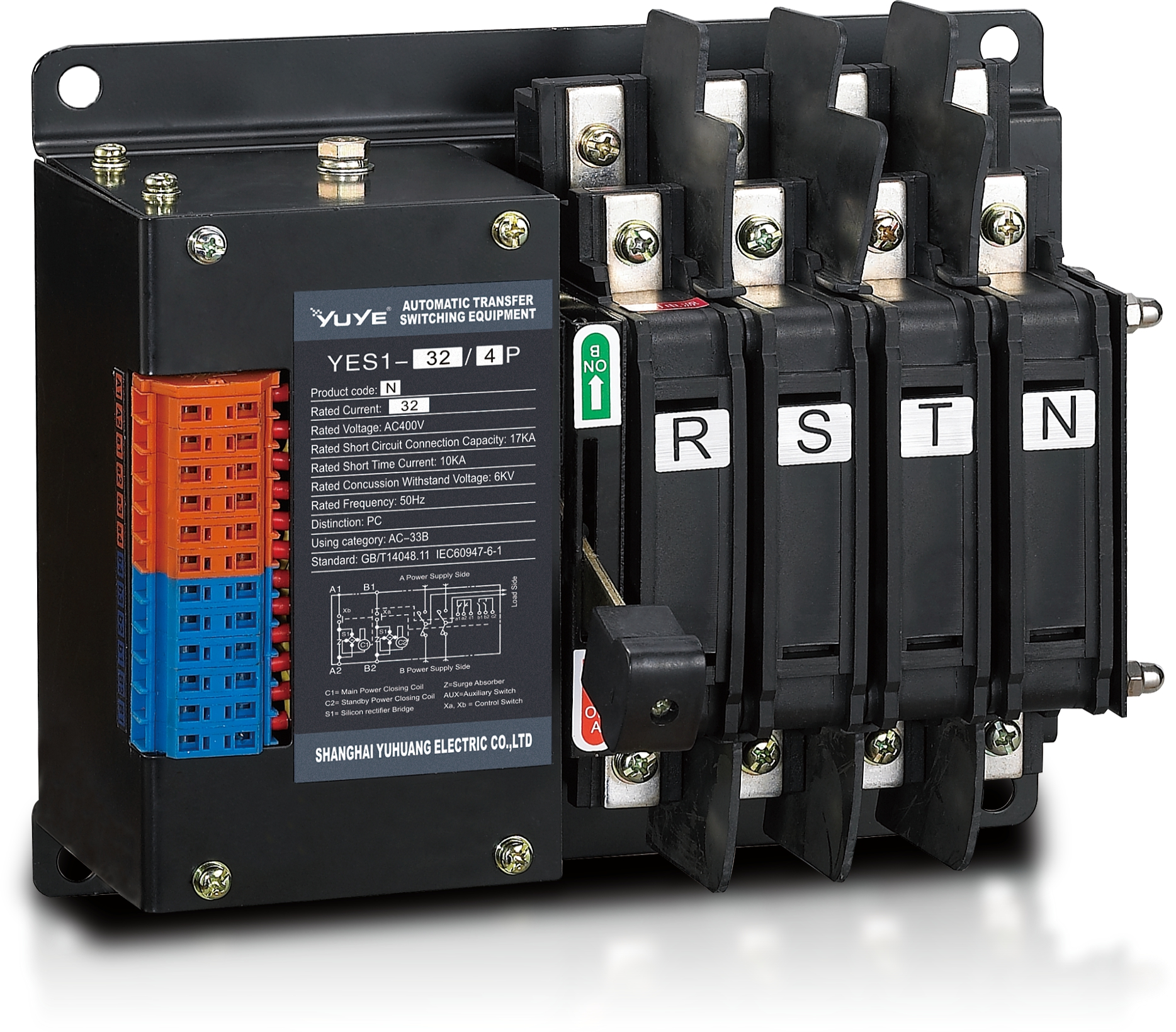 Solenoid-type ATS YES1-32~125N
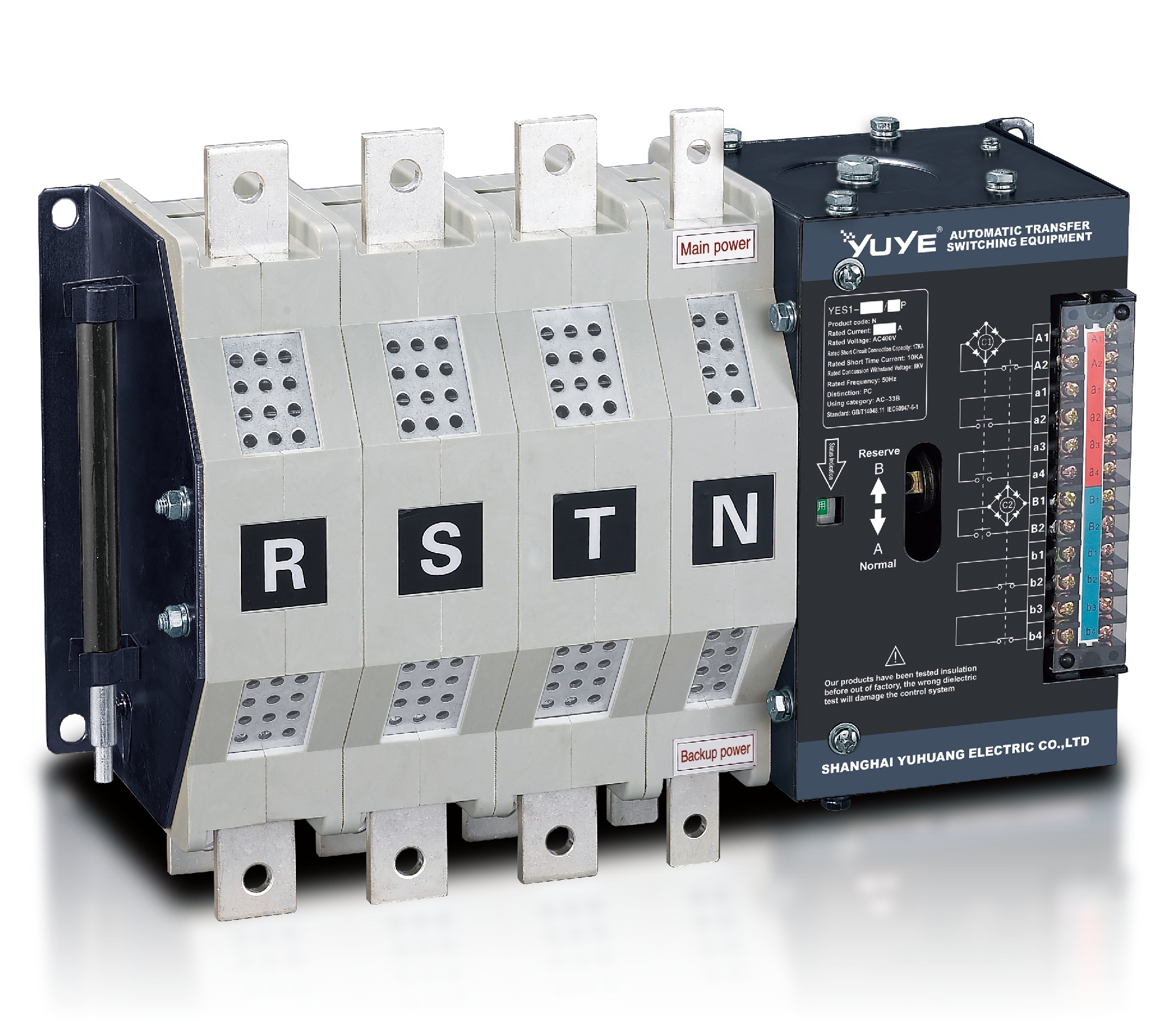 Solenoid-type ATS YES1-250~630N/NT
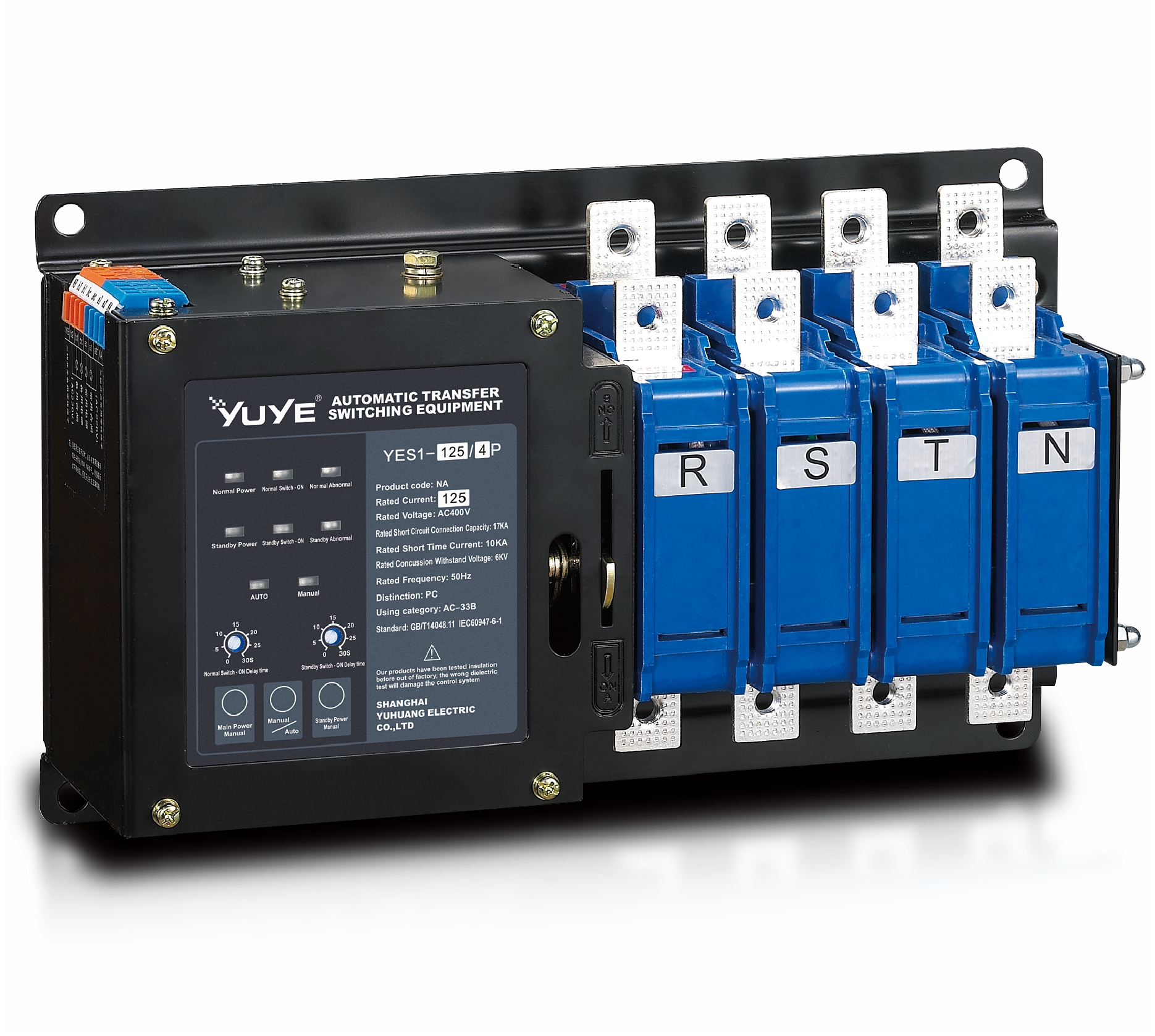 Solenoid-type ATS YES1-32~125NA
 Solenoid-type ATS YES1-63~630SN
 Solenoid-type ATS YES1-1250~4000SN
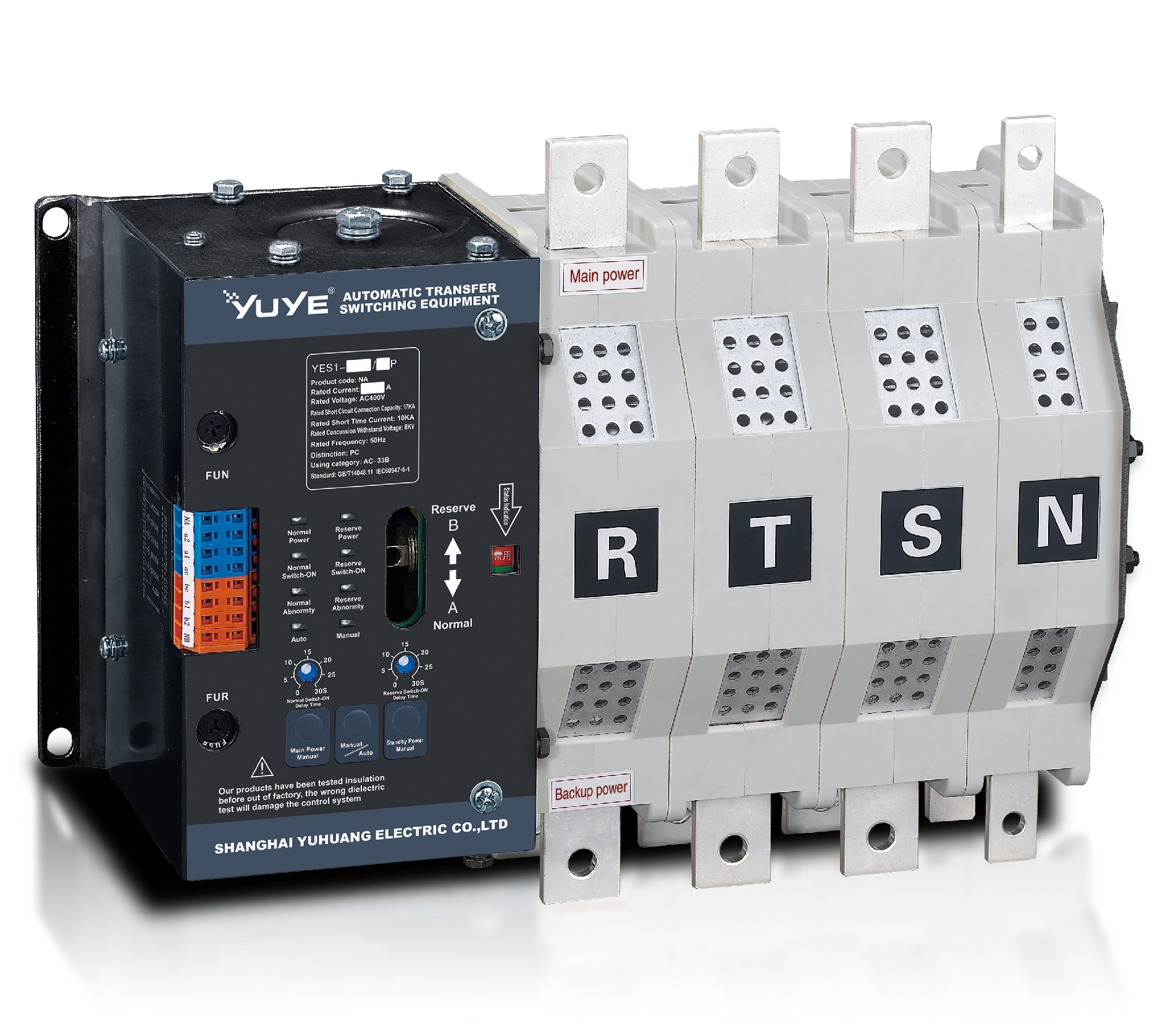 Solenoid-type ATS YES1-250~630NA/NAT
 Solenoid-type ATS YES1-63NJT
 PC ATS YES1-100~1600GN1/GN/GNF
 PC ATS YES1-2000~3200GN/GNF
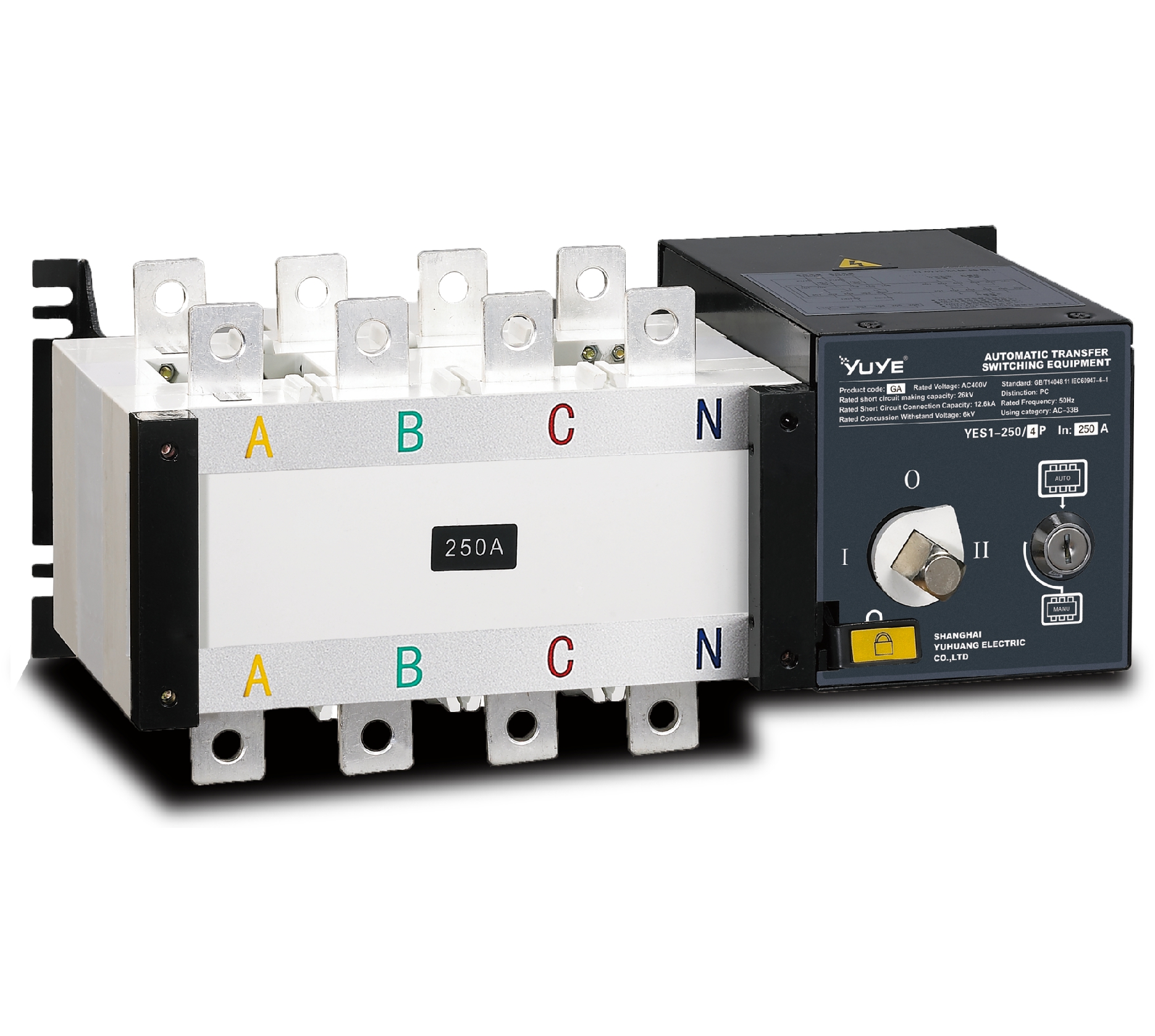 PC ATS YES1-100~3200GA1/GA
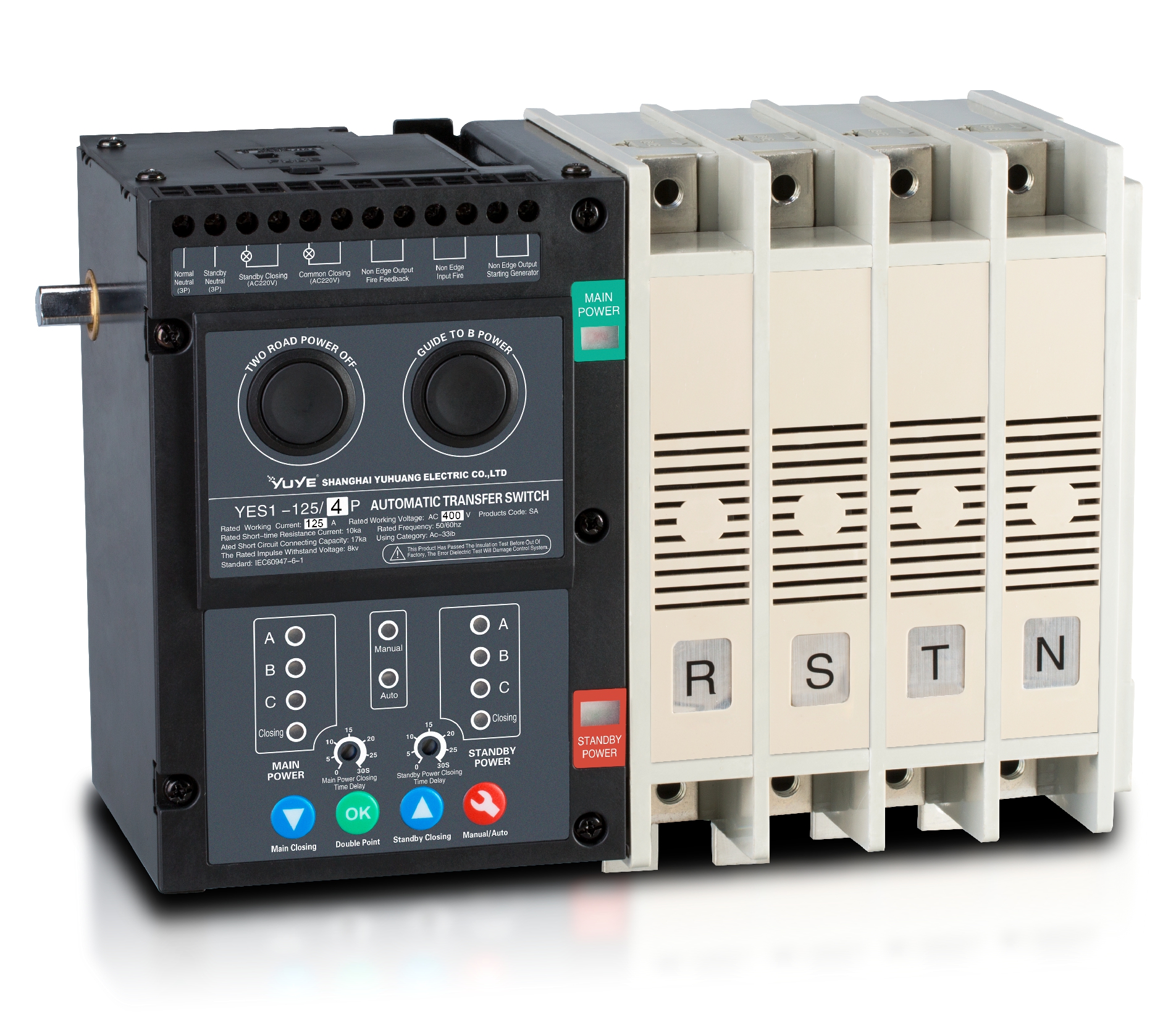 Solenoid-type ATS YES1-63~630SA
 Solenoid-type ATS YES1-63~630L/LA
 Solenoid-type ATS YES1-63~630LA3
 Solenoid-type ATS YES1-63MA
 PC ATS YES1-630~1600M
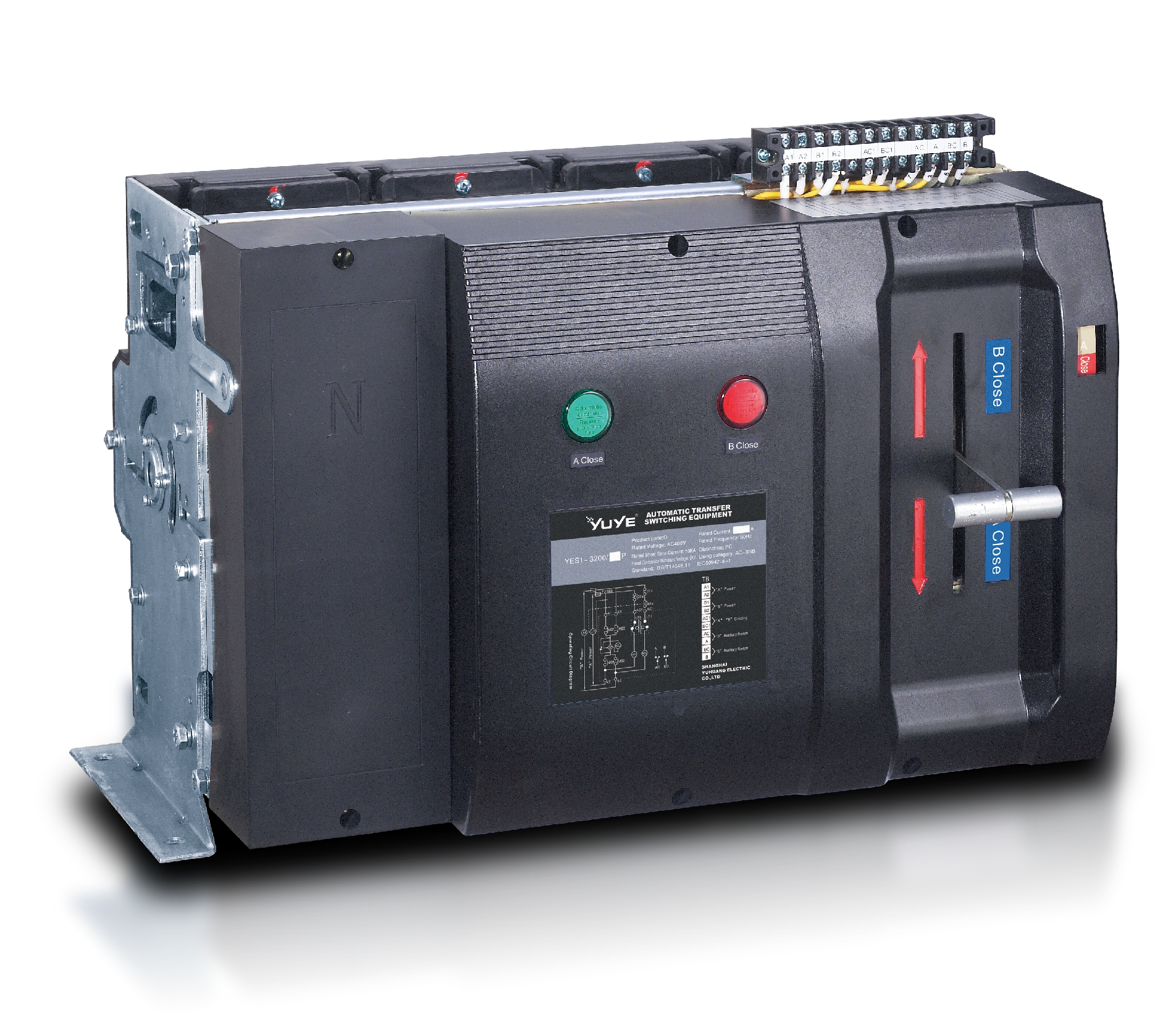 PC ATS YES1-3200Q
 Solenoid-type ATS YES1-4000~6300Q
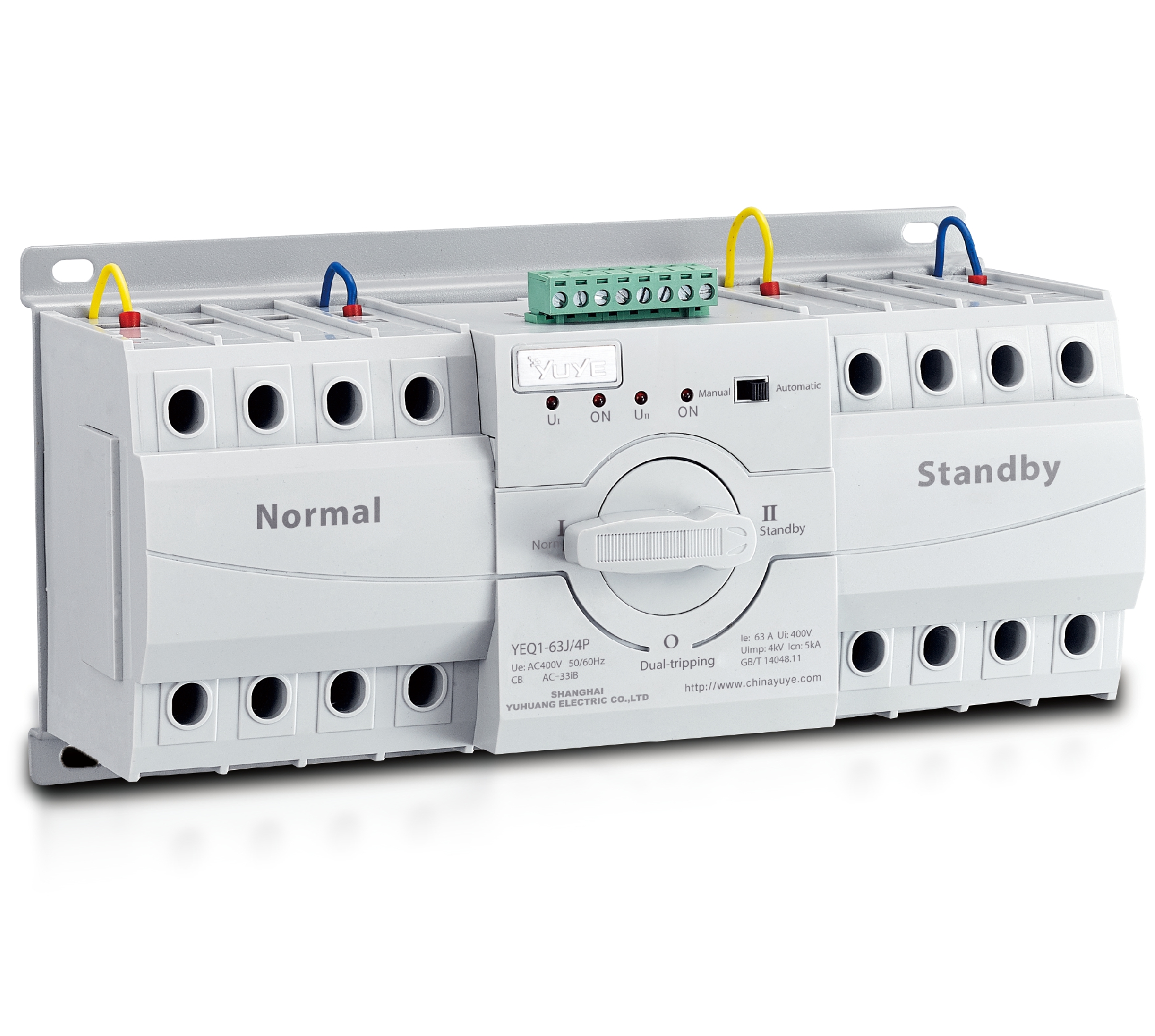 CB ATS YEQ1-63J
 CB ATS YEQ2Y-63
 CB ATS YEQ3-63W1
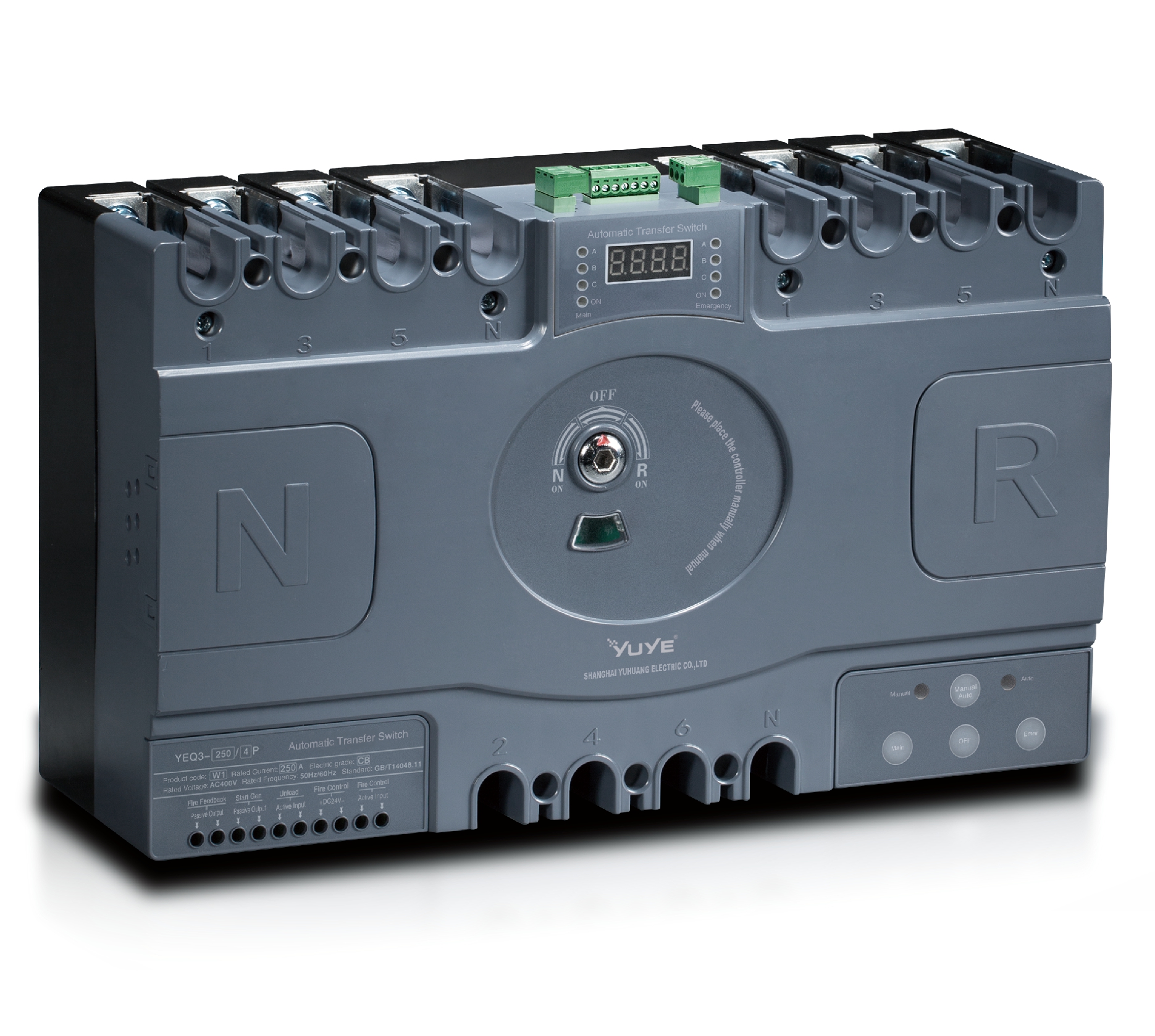 CB ATS YEQ3-125~630W1
 ATS controller Y-700
 ATS Controller Y-700N
 ATS Controller Y-701B
 ATS Controller Y-703N
 ATS Controller Y-800
 ATS Controller W2/W3 Series
 ATS switch Cabinet floor-to-ceiling
 ATS switch cabinet
 JXF-225A power Cbinet
 JXF-800A power Cbinet
 YEM3-125~800 Plastic Shell Type MCCB
 YEM3L-125~630 Leakage Type MCCB
 YEM3Z-125~800 Adjustable Type MCCB
 YEM1-63~1250 Plastic Shell Type MCCB
 YEM1E-100~800 Electronic Type MCCB
 YEM1L-100~630 Leakage Type MCCB
 Miniature circuit breaker YEMA2-6~100
 Miniature circuit breaker YEB1-3~63
 Miniature circuit breaker YEB1LE-3~63
 Miniature circuit breaker YEPN-3~32
 Miniature circuit breaker YEPNLE-3~32
 Miniature circuit breaker YENC-63~125
 Air Circuit Breaker YEW1-2000~6300
 Air Circuit Breaker YEW3-1600
 Load isolation switch YGL-63~3150
 Load Isolation Switch YGL2-63~3150
 Manual Changeover Switch YGL-100~630Z1A
 Manual Changeover Switch YGLZ1-100~3150
 YECPS2-45~125 LCD
 YECPS-45~125 Digital
 CNC Milling/Turning-OEM
 DC relay MDC-300M
 DC Isolation Switch YEGL3D-630


