In today's world, having a reliable electric supply is pretty much essential—whether you’re at home or running a business. An Automatic Transfer Switch 220v really plays a big part in making sure that power stays steady. Basically, it switches things over smoothly during outages, protecting your sensitive equipment and keeping your critical power running without a hitch.
Now, picking the right Automatic Transfer Switch 220v can feel a bit overwhelming with so many options out there. It’s really important to get a handle on the features—some switches come with fancy monitoring, while others focus on quick switching and efficiency. Brands like Generac and Eaton have really earned their spot as reliable names, but not every model is perfect for every situation.
It’s a good idea to think about what your specific needs are—some switches might be too small in terms of power capacity, or they might lack important safety features. Taking a little time to compare and evaluate these options can save you headaches later on. A careful, thoughtful choice leads to a better overall experience. So, weighing the pros and cons is key. This guide should help you navigate those top choices and find the best fit for you.

Understanding Automatic Transfer Switches and Their Importance
Automatic transfer switches (ATS) play a critical role in ensuring a reliable power supply. Their primary function is to switch the power source from a primary grid to a backup source, such as a generator, during outages. According to industry reports, the global ATS market is expected to grow by 6% annually, highlighting the increasing demand for uninterrupted power solutions. Efficient power management is essential in critical settings like hospitals and data centers, where even a moment of downtime can cause severe consequences.
However, not all transfer switches are designed with the same level of expertise or safety features. Many consumers may overlook crucial aspects like transfer time and load capacity. The Institute of Electrical and Electronics Engineers (IEEE) suggests that inadequate understanding of these parameters can lead to incorrect installations that compromise safety. Data shows that improper ATS installations can result in electrical failures, further emphasizing the importance of proper selection and understanding of these switches. Awareness and education regarding these systems are vital for users aiming to protect their investments and ensure a stable power supply.
Key Features to Consider When Choosing a 220V Automatic Transfer Switch
When selecting a 220V Automatic Transfer Switch (ATS), several key features must be considered. According to a report by the International Electrotechnical Commission, the efficiency of automatic transfer switches can significantly impact overall energy costs. An important specification is the switch's transfer time, which can range from 5 to 30 seconds. Faster transfer times ensure that essential systems remain powered without significant interruption.
Another vital factor is the load capacity. A report from the National Electrical Manufacturers Association indicates that proper load sizing prevents overheating and ensures longevity. Many switches fail because of incorrect load calculations. Users should evaluate their total load requirements, including peak demand scenarios to prevent inefficiencies.
The ease of installation and maintenance is an area often overlooked. Complicated setups can lead to installation errors. Additionally, access to replacement parts and technical support boosts reliability. Ensure that the ATS has clear user documentation and a reputation for service. Addressing these points can reduce troubleshooting time and minimize system downtime, which is critical in emergency situations.
Top 10 Automatic Transfer Switches for Home and Business Use
When it comes to ensuring a seamless power supply for homes and businesses, automatic transfer switches (ATS) are essential. Data from industry reports reveal that the global ATS market is projected to grow significantly, emphasizing their importance. These devices switch power load from the primary source to a backup source automatically during outages, minimizing disruptions.
Homeowners need to consider several factors when choosing an ATS. For instance, the switch capacity should match the power requirements. A report by the National Electric Code emphasizes that an undersized switch can lead to overheating or failure. Also, consider the switching speed; faster ATS reduce downtimes effectively.
Tips: Always check local codes. Ensure compliance with safety standards. Regular maintenance is crucial for reliable operation. Every installation should undergo a thorough inspection to prevent potential issues. This practice not only enhances safety but extends the lifespan of the equipment. Failure to follow these steps can lead to expensive repairs and safety hazards.
Comparative Analysis of the Best 220V Automatic Transfer Switch Brands
When selecting an automatic transfer switch (ATS) for 220V applications, buyers face a myriad of options. Recent industry analysis indicates a growing demand for reliable ATS devices, particularly in sectors like healthcare and data centers, where uptime is critical. According to a 2022 market report, the global ATS market is projected to grow at a CAGR of 6% through 2028. This growth emphasizes the need for quality and performance in ATS devices.
Key features to consider include switching speed and load capacity. The best ATS options typically engage within seconds, ensuring seamless power transitions. Reports show that systems with a transfer time of less than 10 seconds significantly reduce the risk of downtime. However, not all switches meet this benchmark, and some less-known options may compromise on speed and reliability.
Buyers often overlook warranty and support services. A robust warranty can indicate manufacturer confidence in their product. Yet, many smaller brands offer limited support, which could be a risk. Potential users may focus solely on cost. This approach can lead to regrettable choices when reliability is compromised. Investing in a quality ATS should prioritize overall longevity and customer service.
Top 10 Automatic Transfer Switch 220V Options for Buyers
| No. |
Model |
Amperage |
Voltage |
Transfer Time (seconds) |
Features |
| 1 |
Model A |
60A |
220V |
1 |
Smart monitoring |
| 2 |
Model B |
80A |
220V |
2 |
Compact design |
| 3 |
Model C |
100A |
220V |
3 |
User-friendly interface |
| 4 |
Model D |
60A |
220V |
2 |
Weather resistant |
| 5 |
Model E |
125A |
220V |
1 |
Automatic monitoring |
| 6 |
Model F |
200A |
220V |
3 |
Heavy-duty construction |
| 7 |
Model G |
50A |
220V |
1.5 |
Scalable design |
| 8 |
Model H |
80A |
220V |
1 |
Backup power alert |
| 9 |
Model I |
100A |
220V |
2 |
Remote control |
| 10 |
Model J |
125A |
220V |
1 |
Dual power input |
Installation and Maintenance Tips for Automatic Transfer Switches
When installing an automatic transfer switch (ATS),
careful consideration is essential. According to the National Electrical Code (NEC), proper grounding is vital for safety.
Grounding prevents electrical shocks and equipment damage. Inadequate grounding can lead to significant hazards,
so ensure your ATS is correctly grounded to meet industry standards.
Routine maintenance is also critical for optimal performance. The Institute of Electrical and Electronics Engineers (IEEE) suggests conducting regular inspections every six months.
Check connections, conduits, and the overall condition of the ATS. Loose connections often cause failures. A recent study indicated that
30% of power outages are linked to equipment failures due to poor maintenance practices.
Another aspect to consider is the environment where the ATS is installed. Dust, moisture, and temperature fluctuations
can affect functionality. An ATS installed in a clean, dry area typically lasts longer. Investing in protective enclosures can significantly enhance performance.
A report by the Electrical Contractors Association highlights that proper environmental conditions can extend the longevity of electrical components by up to
50%.
Common Problems and Troubleshooting for Automatic Transfer Switches
Automatic transfer switches (ATS) play a crucial role in today's electrical systems. They ensure a seamless transition between primary and backup power sources. However, common issues can arise, necessitating proper troubleshooting. For instance, a switch may fail to operate. This can be due to an inadequate power supply or incorrect wiring. Ensuring that all connections are secure and functional is vital.
Moreover, frequent circuit trips are an issue worth noting. This might result from overloads or a short circuit. Checking the load capacity of the ATS is essential. It’s often helpful to analyze which devices use power during a transfer. Another concern is the switch engaging randomly. This may stem from fluctuations in power source voltage. Keeping a close eye on voltage levels can help prevent this problem.
Routine maintenance can mitigate many issues. Regular inspections of the ATS can help identify wear or damaged components early. It is advisable to perform testing to verify functionality. Users should document any irregular behavior. This record can be invaluable for technicians during repairs. Addressing these problems expediently can significantly enhance the reliability of the system.
Cost Considerations and Budgeting for Your Automatic Transfer Switch Purchase
Understanding the costs associated with purchasing an automatic transfer switch (ATS) for 220v systems is essential for effective budgeting. Reports indicate that ATS prices can range from $200 to $2,500. Factors influencing these costs include switch capacity, installation complexity, and additional features. For instance, a standard 30-amp switch might sit at the lower end of the scale, while a more robust 200-amp switch can significantly increase your expenses.
Installation costs can also vary widely. Professional installation might add 20% to 50% to the initial purchase price. Depending on local labor rates, this can convert into a notable financial consideration. Skilled electricians often charge between $50 and $100 per hour, emphasizing the importance of selecting a qualified technician. Budgeting for both the switch and its installation ensures a smooth integration into your electrical system. It’s crucial to allocate funds for potential unforeseen expenses as well.
In addition to direct costs, consider maintenance and lifecycle expenses. Some switches require more frequent upkeep, which may inflate long-term costs. Understanding these factors helps in making an informed decision. It is essential to weigh the upfront savings of a less expensive switch against any potential long-term costs.
Enhancing Electrical Safety and Efficiency: A Comprehensive Guide to the Air Circuit Breaker YEW3-1600
The Air Circuit Breaker YEW3-1600 is designed to enhance electrical safety and efficiency across various applications. With a rated operating voltage of 50Hz, AC400V, and AC690V, it offers versatility for different operational environments. The circuit breaker is available in both draw type and fixed type configurations, allowing for customization based on specific installation needs. This adaptability not only maximizes safety but also ensures optimal performance, accommodating rated currents ranging from 200A to a robust 1600A.
Compliance with rigorous international standards such as GB/T 14048.2-2016 and IEC60947-2 underscores the YEW3-1600's reliability as a multi-functional electrical conversion switchgear. With a rated insulation voltage of AC1000, the product is engineered to meet demanding electrical safety requirements. According to industry reports, implementing high-quality air circuit breakers can significantly reduce electrical hazards, with statistics indicating that proper installation and maintenance can lower the risk of electrical fires by over 30%. This highlights the critical importance of selecting superior circuit breakers like the YEW3-1600 for construction and industrial applications where safety and efficiency are paramount.
By integrating advanced technology and adhering to essential safety standards, the YEW3-1600 serves as an essential component in contemporary electrical systems, ensuring both user safety and operational effectiveness. In a world increasingly reliant on efficient electrical management, choosing the right equipment is crucial for both cost-effectiveness and risk mitigation in electrical operations.
FAQS
In places like hospitals, downtime can have severe consequences on patient safety.
Transfer time and load capacity are crucial for proper performance and safety.
Incorrect installations may lead to electrical failures and safety risks for users.
The best ATS devices switch power within 10 seconds to prevent downtime.
Warranty and customer support are essential for ensuring long-term reliability.
Limited support from smaller brands can lead to difficulties after purchase.
Understanding ATS features helps protect investments and ensures a stable power supply.
It may lead to inadequacies in performance and overall dissatisfaction.
Many focus solely on price instead of performance and longevity.
Conclusion
Automatic Transfer Switches (ATS) play a crucial role in ensuring a seamless transition of power supply, particularly for 220V systems in both residential and commercial settings. Understanding the importance of these devices is essential for users looking to maintain uninterrupted power, especially during outages. When selecting an Automatic Transfer Switch 220v, key features such as transfer speed, load capacity, and safety mechanisms should be prioritized to meet specific needs.
This article provides a thorough analysis of the top 10 Automatic Transfer Switch 220v options available for buyers, highlighting essential installation and maintenance tips to maximize efficiency. Additionally, it addresses common issues users may encounter and offers troubleshooting advice. Budgeting considerations are also explored, ensuring that buyers can make informed decisions that align with their financial plans while enhancing their power management capabilities.

 PC ATS YECT1-2000G
 PC ATS YES2-63~250GN1
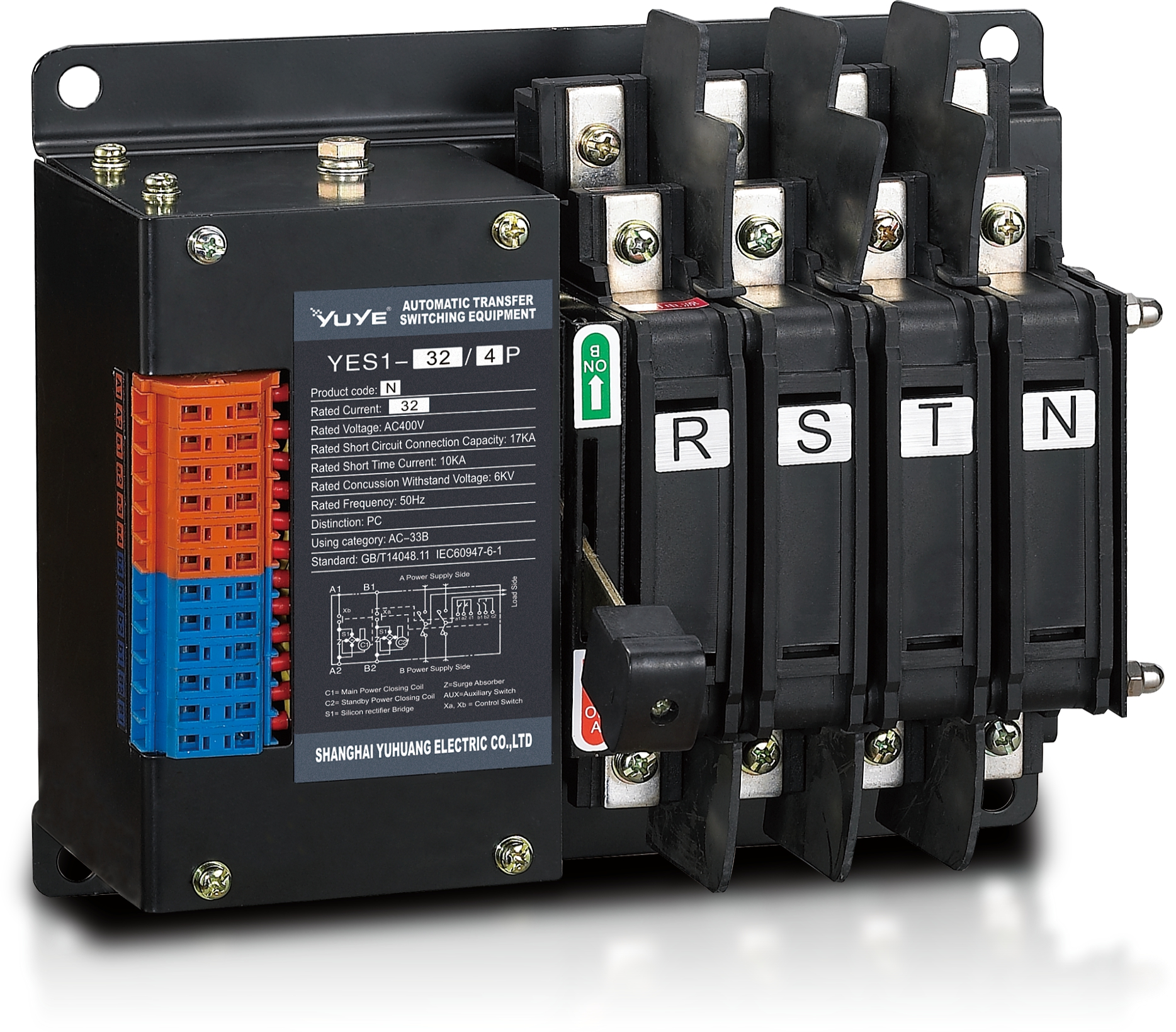 Solenoid-type ATS YES1-32~125N
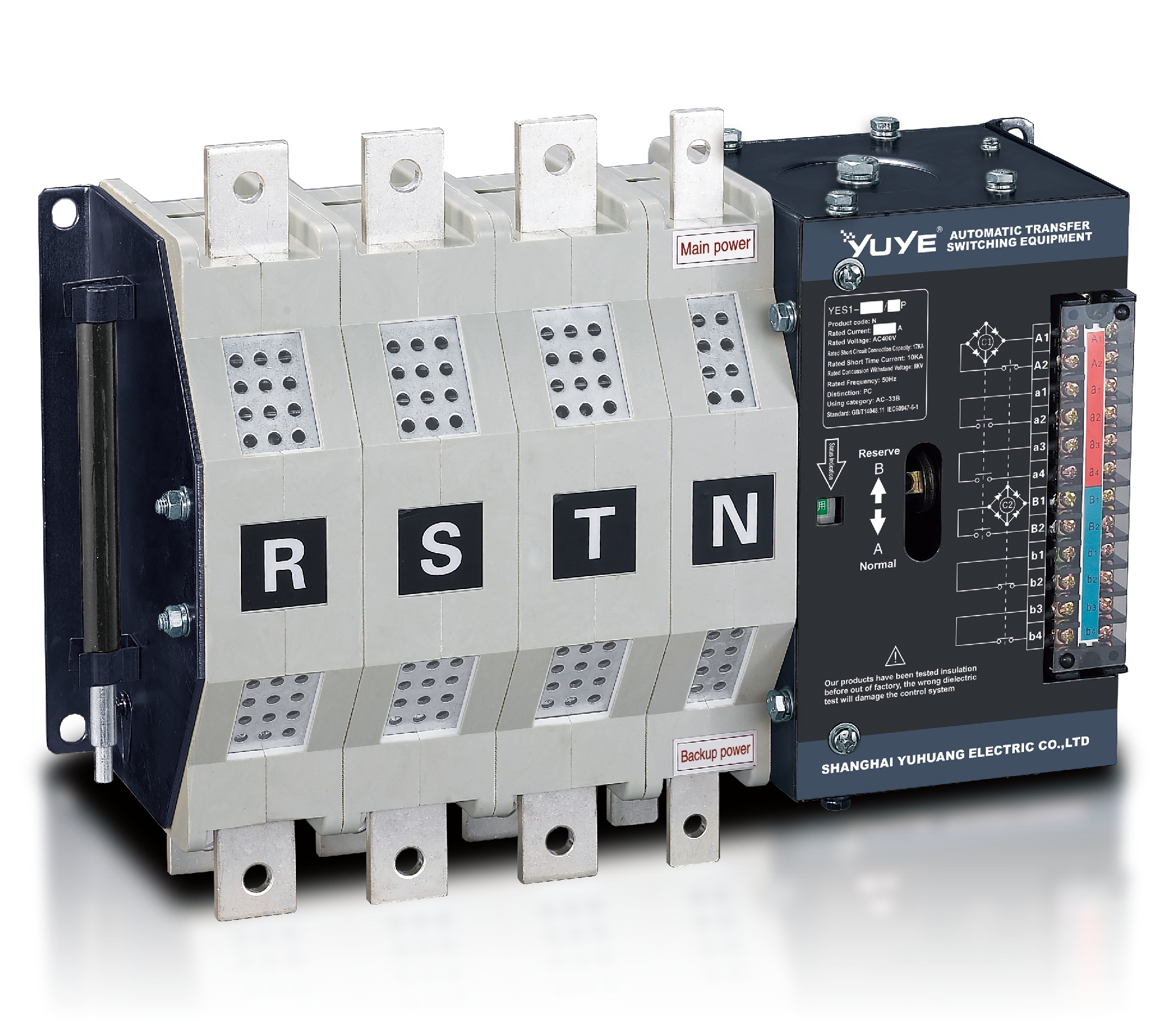 Solenoid-type ATS YES1-250~630N/NT
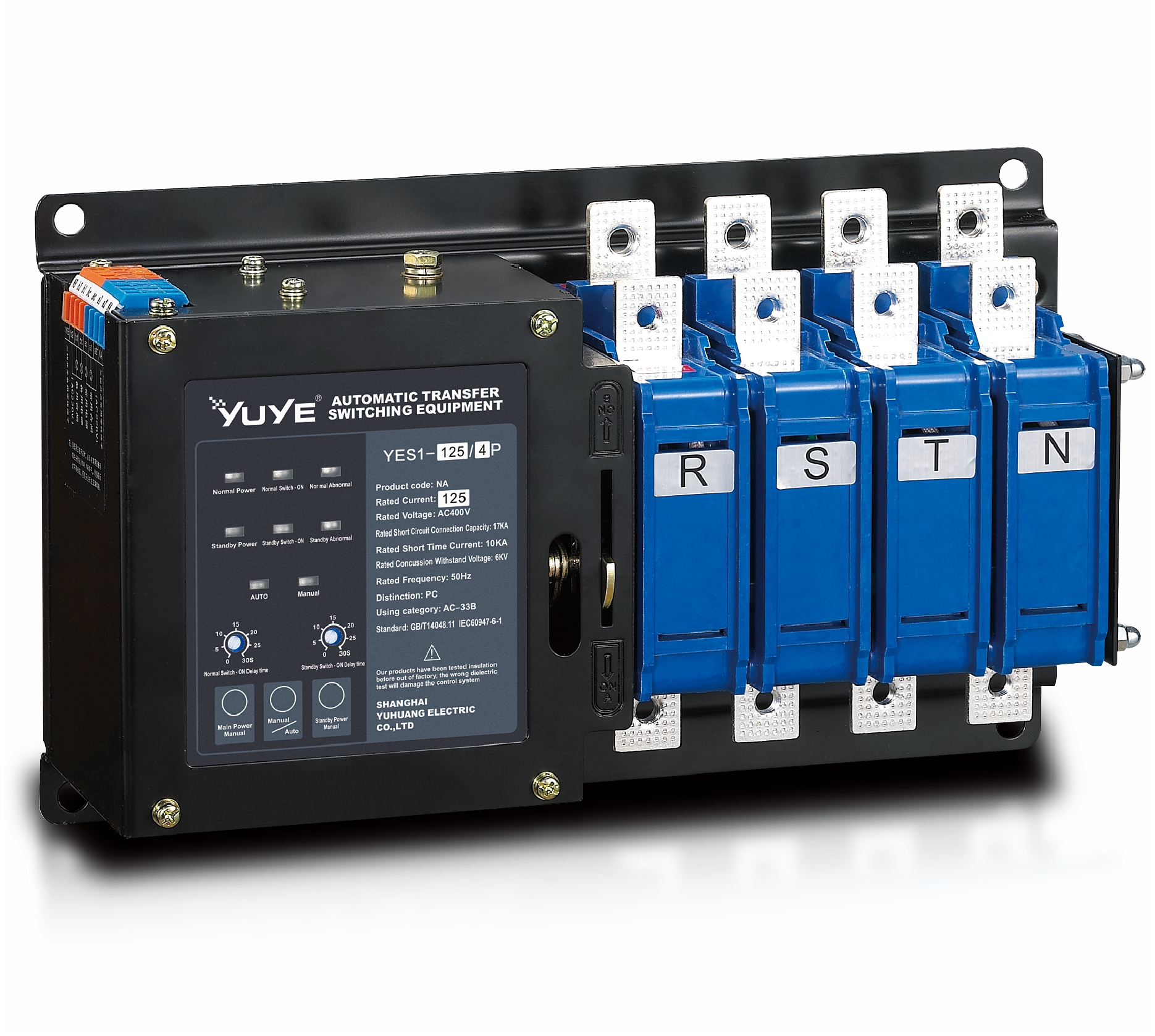 Solenoid-type ATS YES1-32~125NA
 Solenoid-type ATS YES1-63~630SN
 Solenoid-type ATS YES1-1250~4000SN
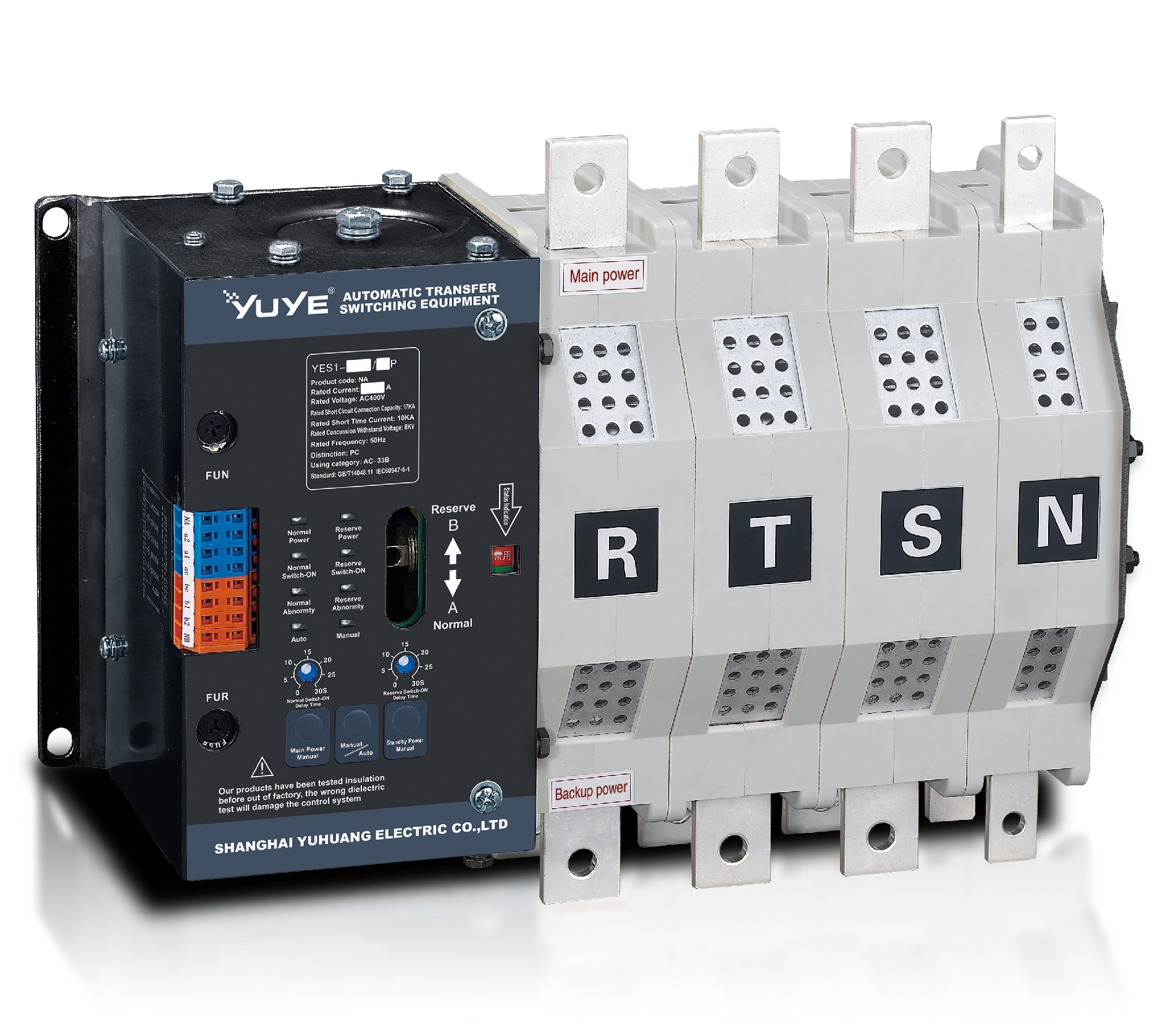 Solenoid-type ATS YES1-250~630NA/NAT
 Solenoid-type ATS YES1-63NJT
 PC ATS YES1-100~1600GN1/GN/GNF
 PC ATS YES1-2000~3200GN/GNF
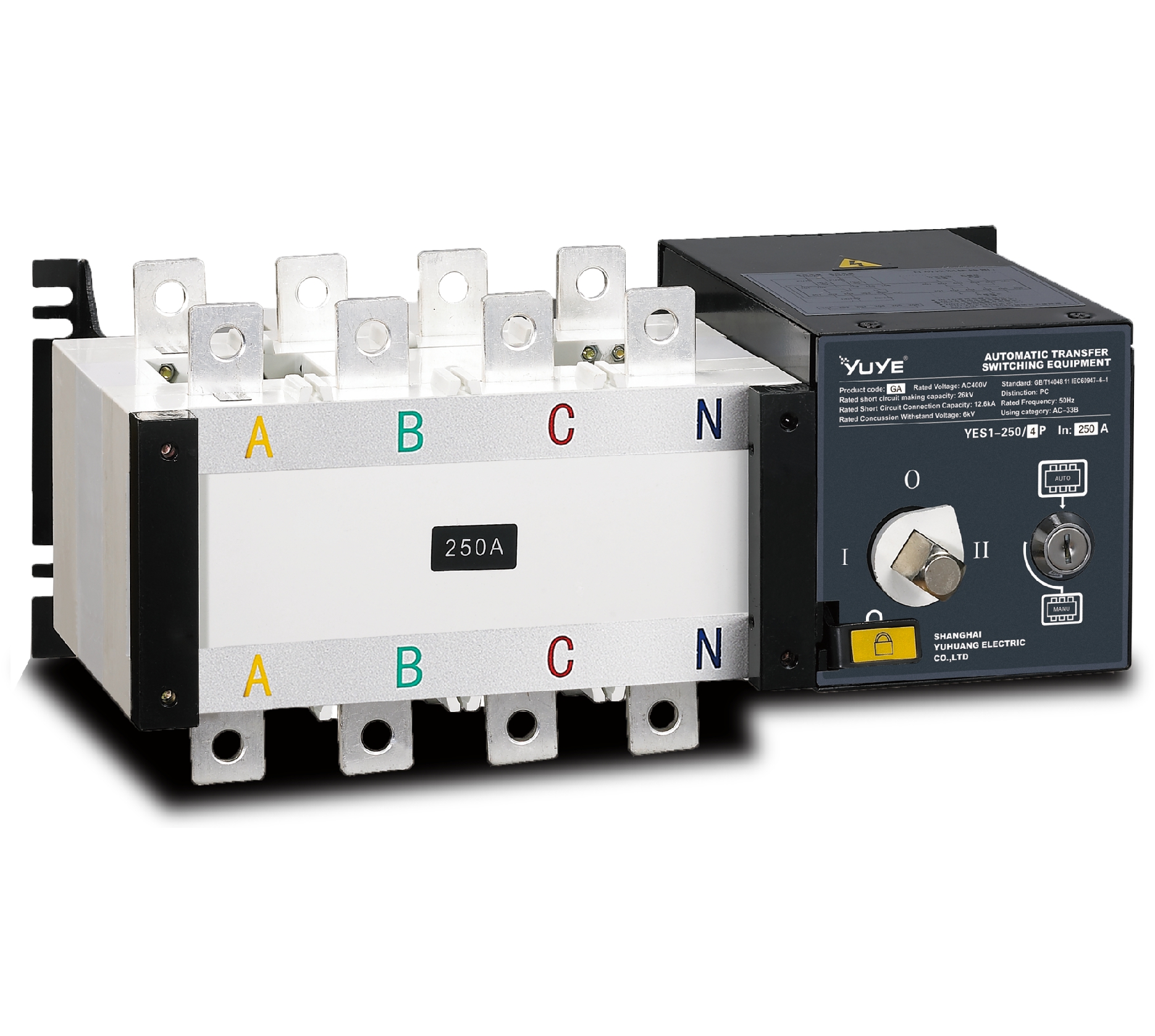 PC ATS YES1-100~3200GA1/GA
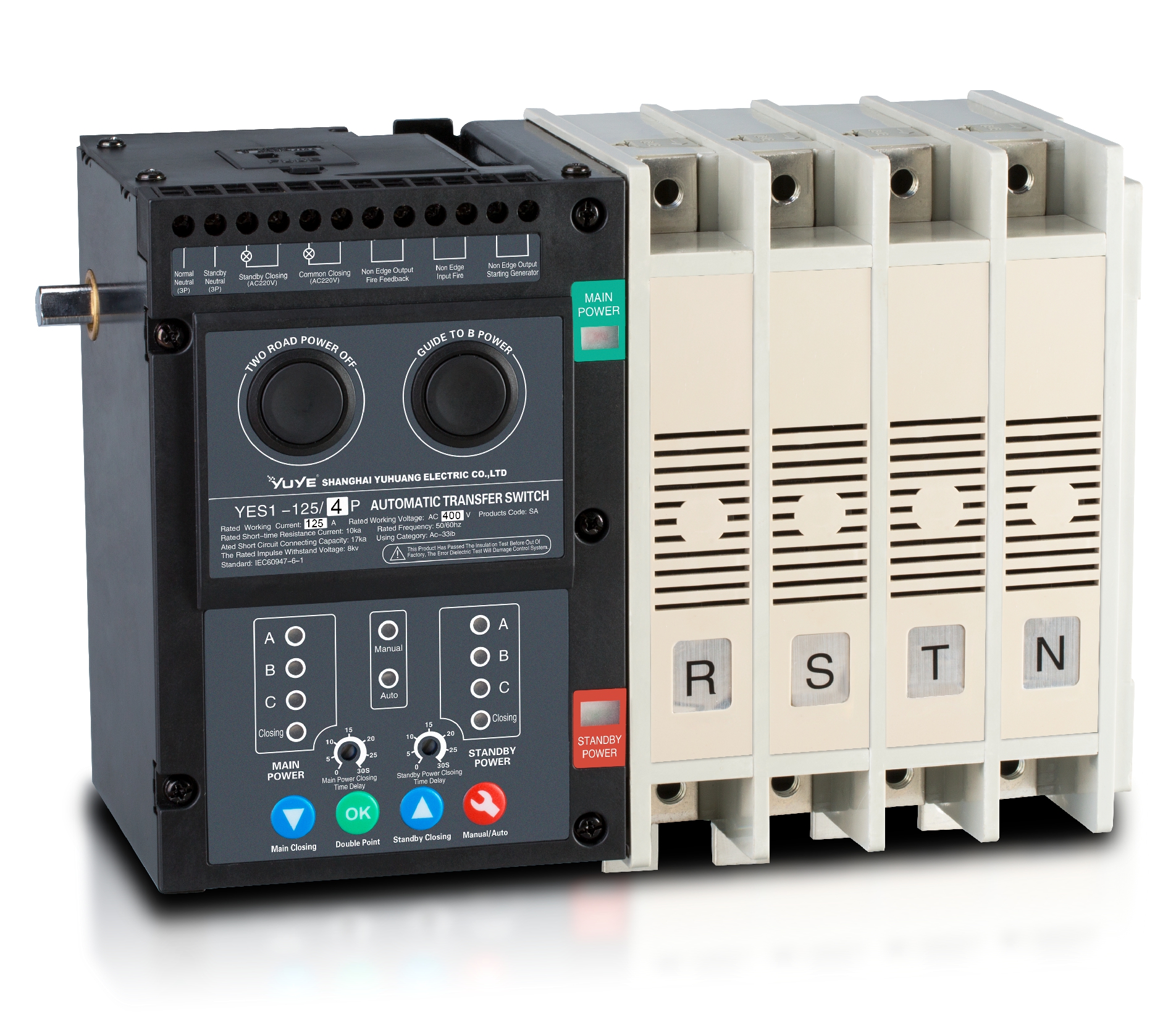 Solenoid-type ATS YES1-63~630SA
 Solenoid-type ATS YES1-63~630L/LA
 Solenoid-type ATS YES1-63~630LA3
 Solenoid-type ATS YES1-63MA
 PC ATS YES1-630~1600M
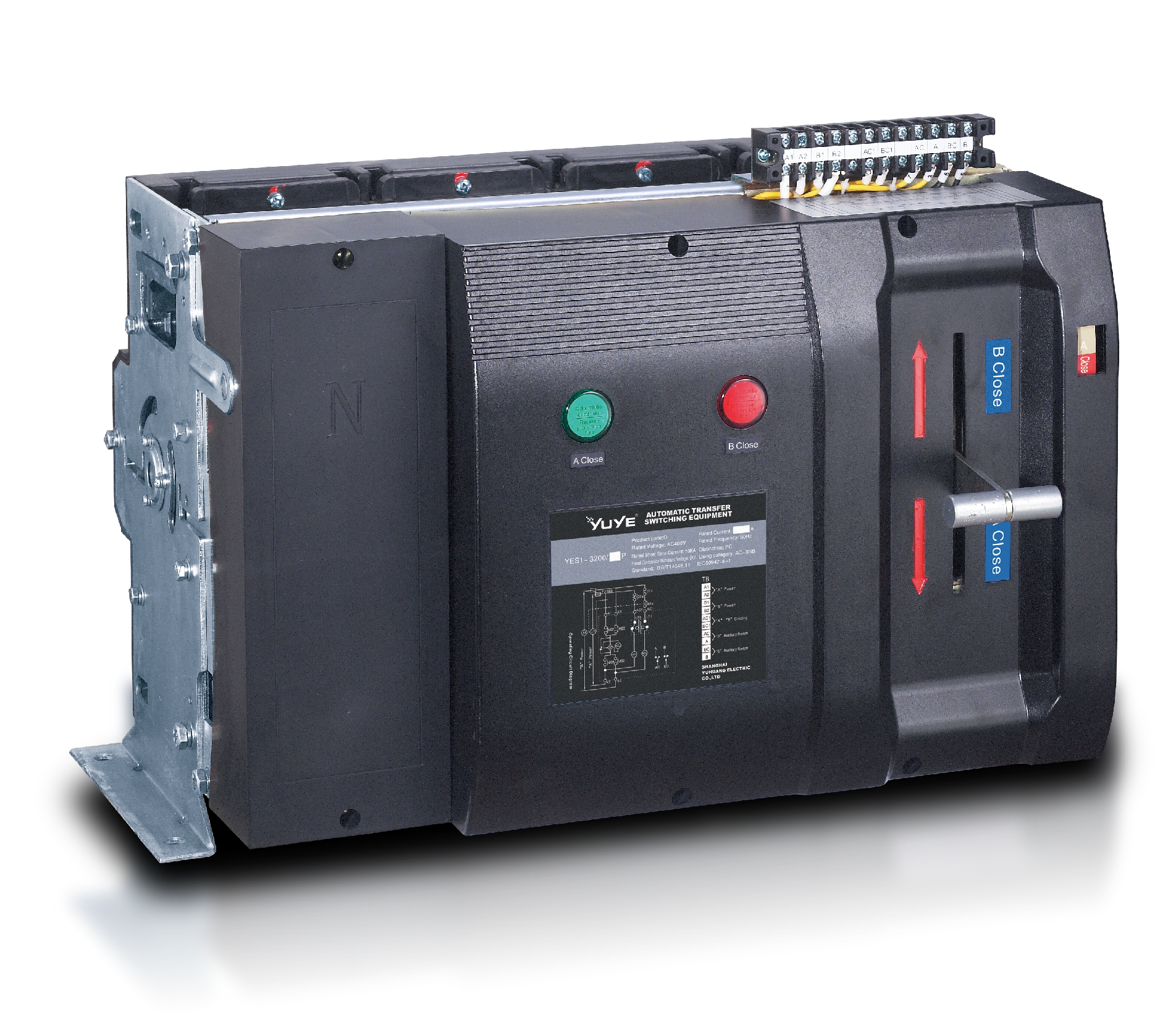 PC ATS YES1-3200Q
 Solenoid-type ATS YES1-4000~6300Q
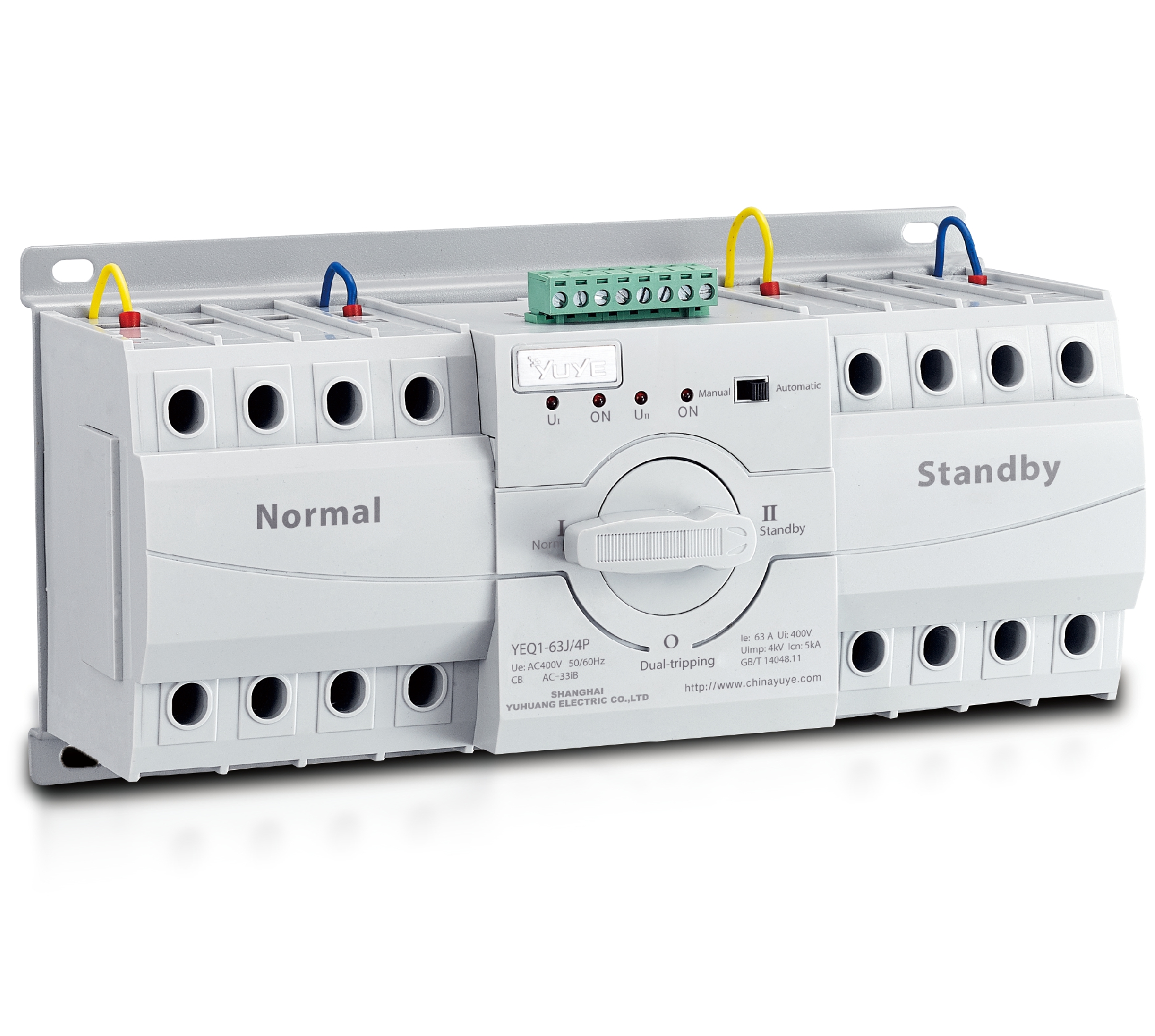 CB ATS YEQ1-63J
 CB ATS YEQ2Y-63
 CB ATS YEQ3-63W1
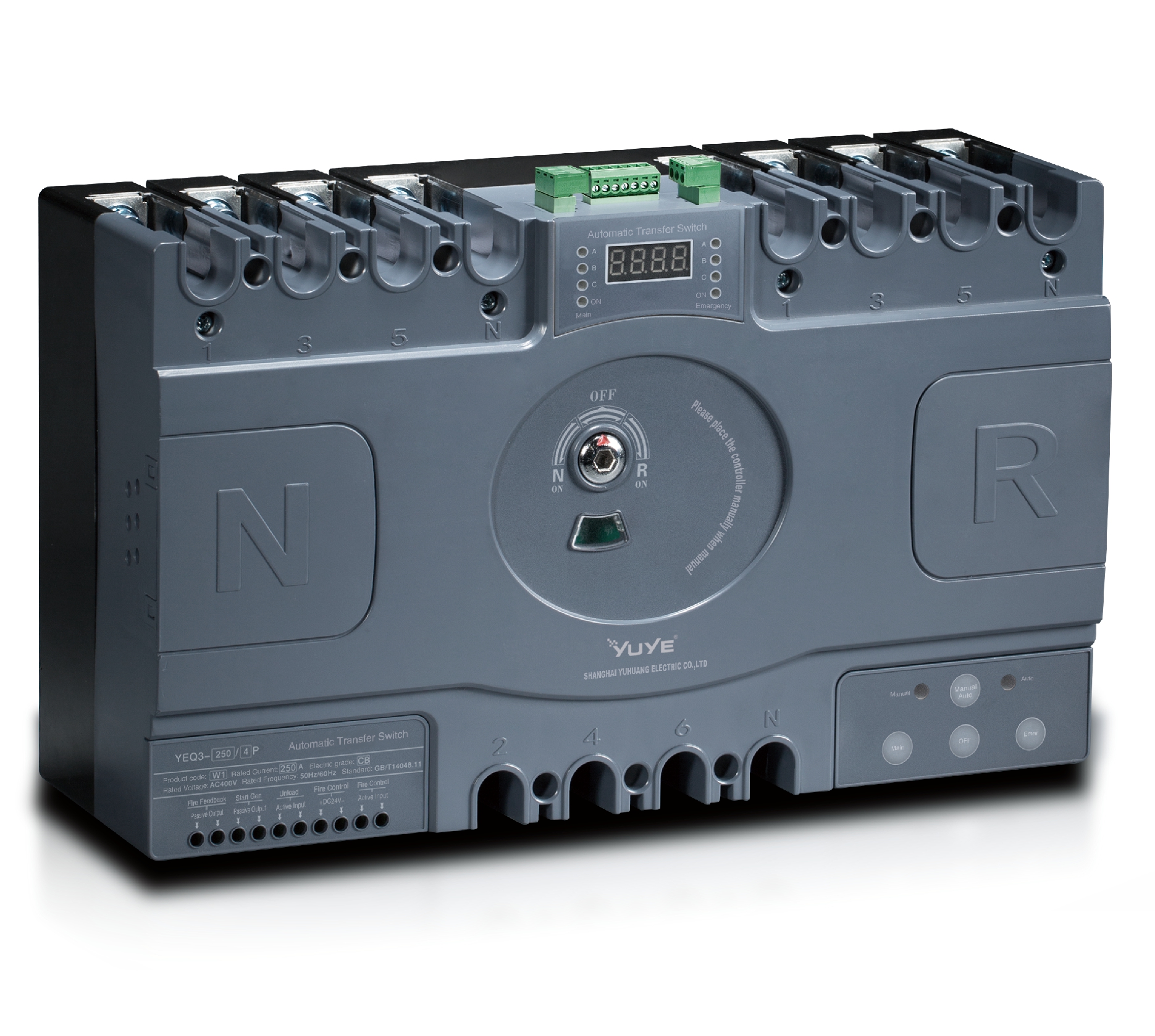 CB ATS YEQ3-125~630W1
 ATS controller Y-700
 ATS Controller Y-700N
 ATS Controller Y-701B
 ATS Controller Y-703N
 ATS Controller Y-800
 ATS Controller W2/W3 Series
 ATS switch Cabinet floor-to-ceiling
 ATS switch cabinet
 JXF-225A power Cbinet
 JXF-800A power Cbinet
 YEM3-125~800 Plastic Shell Type MCCB
 YEM3L-125~630 Leakage Type MCCB
 YEM3Z-125~800 Adjustable Type MCCB
 YEM1-63~1250 Plastic Shell Type MCCB
 YEM1E-100~800 Electronic Type MCCB
 YEM1L-100~630 Leakage Type MCCB
 Miniature circuit breaker YEMA2-6~100
 Miniature circuit breaker YEB1-3~63
 Miniature circuit breaker YEB1LE-3~63
 Miniature circuit breaker YEPN-3~32
 Miniature circuit breaker YEPNLE-3~32
 Miniature circuit breaker YENC-63~125
 Air Circuit Breaker YEW1-2000~6300
 Air Circuit Breaker YEW3-1600
 Load isolation switch YGL-63~3150
 Load Isolation Switch YGL2-63~3150
 Manual Changeover Switch YGL-100~630Z1A
 Manual Changeover Switch YGLZ1-100~3150
 YECPS2-45~125 LCD
 YECPS-45~125 Digital
 CNC Milling/Turning-OEM
 DC relay MDC-300M
 DC Isolation Switch YEGL3D-630


