Picking the right Automatic Transfer Switch (ATS) is super important when it comes to making sure your power stays reliable. Honestly, this isn’t just a small detail—it can really impact how smoothly your operations run and even your bottom line. A good ATS should kick in seamlessly when the power goes out, helping you avoid those annoying downtimes.
It’s really key to understand what you actually need before making a choice. Every facility has its own quirks, so what works for one might not work for another. Think about things like how much load the switch needs to handle, how quickly it switches over, and the environment it’s in. Not all ATS models are this one-size-fits-all kind of deal. Of course, digging into all the options can feel pretty overwhelming, but honestly, it’s a step you can’t skip.
Talking to experts can be a game-changer here. Companies like Generac and Eaton have tons of different options and loads of experience under their belts. Getting some advice from them can really help you find what’s best for your situation. Also, keep an eye on your future needs—things might grow and change, so it’s worth thinking long-term. Sure, balancing cost and quality can be tricky, but in the end, it’s all about setting yourself up for smooth, sustainable power management.

Understanding the Basics of Automatic Transfer Switches (ATS)
Automatic Transfer Switches (ATS) are essential for ensuring an uninterrupted power supply during outages. They automatically switch the power source from the main utility to a backup generator. Understanding their basics can help you make informed decisions. ATS systems vary greatly in terms of features and specifications. Knowing these differences is crucial for your specific needs.
Key components of ATS include control relays, switches, and sensors. The control relay manages the switching process. It monitors the primary power source and activates the generator when necessary. Sensors detect voltage and frequency fluctuations. This information is vital for seamless operation. Proper installation and maintenance enhance reliability, yet many overlook these aspects.
When selecting an ATS, consider your power requirements and usage scenario. Assess the load that needs to be transferred during an outage. This evaluation can prevent future surprises. Additionally, the installation site’s conditions play a vital role. Temperature extremes or moisture can affect performance. Gathering insights from experienced professionals can provide valuable perspectives, avoiding potential pitfalls in your choice.
Key Factors to Consider When Selecting an ATS for Your Needs
Choosing the right Automatic Transfer Switch (ATS) requires careful consideration of several factors. Load capacity is a primary concern. An ATS must handle both peak loads and normal operation requirements. Overloading an ATS can lead to system failures. A report from the Institute of Electrical and Electronics Engineers states that 30% of ATS failures stem from inadequate load calculations.
Another essential factor is the switching time. Standard ATS models can switch within 10 to 30 seconds during a power outage. However, critical systems may need a quicker response. For instance, healthcare facilities often require less than 2 seconds to maintain operations. This speed can significantly minimize disruption in sensitive environments.
Durability and installation type are equally important. A stationary ATS may suit one application, while portable units fit another, especially for temporary setups. The National Fire Protection Association highlights that over 20% of electrical fires are connected to improper installations. Ensuring compliance with safety standards and codes is crucial. Always consult an expert to avoid common pitfalls and enhance reliability.
Types of Automatic Transfer Switches: A Comprehensive Overview
Automatic Transfer Switches (ATS) are vital for ensuring reliable power backup. Choosing the right type can be daunting, especially with the diverse options available in the market. There are two primary types: open transition and closed transition ATS. Open transition switches connect to generators and main power asynchronously, causing brief outages during the switch. This is suitable for non-critical applications, where a quick transition time is not necessary.
On the other hand, closed transition ATS allows for a seamless transfer with no interruption. This type is essential for facilities requiring continuous power, like hospitals or data centers. According to the industry report by the Electrical Power Research Institute (EPRI), about 45% of organizations report frequent power outages. This highlights the need to select the appropriate ATS type based on critical load requirements.
A common mistake is underestimating the importance of sizing. An ATS must match generator capacity to prevent overloads. Also, failure to evaluate environmental conditions can lead to performance issues. According to recent studies, poorly chosen switches can increase maintenance costs by 30%. This should be considered when evaluating options.
How to Choose the Right Automatic Transfer Switch ATS? - Types of Automatic Transfer Switches: A Comprehensive Overview
| Type of ATS |
Functionality |
Application |
Voltage Rating |
Transfer Time |
| Open Transition ATS |
Immediate transfer without load |
Residential and small businesses |
120/240V |
Less than 30 seconds |
| Closed Transition ATS |
Transfer with load, minimizing interruptions |
Commercial and industrial applications |
208/480V |
Less than 10 seconds |
| Manual Transfer Switch |
Requires manual operation to switch |
Emergency back-up power for homes |
120/240V |
Manual switch time |
| Programmable ATS |
Automated switching based on schedules |
Data centers and critical facilities |
Multiple voltages available |
Customizable switching time |
Sizing Your ATS: How to Determine the Correct Capacity
Choosing the right Automatic Transfer Switch (ATS) involves understanding your power needs. Sizing your ATS is crucial. It determines how much load it can handle safely. Overestimating can lead to unnecessary costs. Underestimating may cause failures during outages.
To size your ATS, start by calculating the total wattage of your critical loads. Use a wattage meter or refer to equipment specifications. Don’t forget to include startup surges from larger appliances. These can significantly impact your ATS requirements. Aim for an ATS with a capacity exceeding your calculated wattage by 20-30%. This buffer allows for safety and future expansion.
Consider your installation environment. Will the ATS be outdoors or indoors? Each scenario requires different considerations for weatherproofing and ventilation. Always consult a qualified electrician or electrical engineer. Their insights can help prevent costly errors. Remember, even minor miscalculations in sizing can lead to serious issues.
Evaluating ATS Features: What to Look For
When evaluating automatic transfer switches (ATS), it's essential to consider specific features that align with your needs. An ATS plays a crucial role in ensuring a seamless power transition during outages. According to a report by the Electric Power Research Institute, around 70% of unplanned outages are due to equipment failure. Thus, robust features can significantly enhance reliability.
Look for an ATS with advanced monitoring capabilities. Real-time data on voltage, frequency, and load can help anticipate issues. An article from the Institute of Electrical and Electronics Engineers (IEEE) noted that monitoring can reduce the risk of failure by 40%. Additionally, consider the switch’s transfer speed. A faster transfer, ideally under 30 seconds, can mitigate risks associated with outages and prevent operational disruptions.
Build quality is another critical factor. A reliable ATS should withstand severe weather and temperature fluctuations. Features like corrosion resistance can extend lifespan. However, it's essential to reflect on the initial costs versus long-term savings. Choosing cheaper models might lead to higher maintenance expenses or failures in the long run. Prioritize features that enhance durability and performance to ensure consistent reliability in various environments.
Installation and Maintenance Tips for Your ATS
When installing an
Automatic Transfer Switch (ATS),
attention to detail is crucial. Regular maintenance ensures efficiency and reliability.
A study by the Electric Power Research Institute
highlights that regular inspections can reduce malfunction chances by up to
30%. This proactive approach can save costs and avoid unexpected outages.
Proper installation begins with selecting a suitable location. Avoid damp areas to prevent corrosion.
It’s important to keep the ATS accessible for maintenance. Ensure that the power supply connections are
tight. Loose connections can lead to significant energy losses and equipment damage.
Tips for long-term maintenance include periodic testing.
Schedule tests every six months to confirm functionality. Additionally, check for signs of wear or heat damage.
Keeping the area around the ATS clean helps in easy access and improves airflow. Remember, documentation of each
maintenance visit can create an insightful history. This information can be valuable during unforeseen events.
Common Applications of Automatic Transfer Switches in Various Industries
Automatic Transfer Switches (ATS) play a crucial role in ensuring continuous power supply across various industries. In healthcare facilities, for instance, uninterruptible power is vital. An ATS promptly shifts to backup generators during outages, maintaining essential operations. Hospitals rely heavily on this technology for life-support systems and surgical units. Any delays could lead to severe consequences.
Data centers also prioritize ATS for seamless operations. They host sensitive information and require constant power. An effective ATS can switch sources in seconds, preventing data loss and service interruption. However, implementing such systems comes with its challenges. Decisions on placement and maintenance can be tricky. Mismatches or technical errors can lead to unexpected downtimes, which could cost companies significantly.
Manufacturing industries often leverage ATS to protect machinery. An outage could halt production, leading to financial losses. It's vital to consider the specific needs of machinery when selecting an ATS. Not all switches are created equal. A thorough assessment of the electrical load is essential, as is understanding the operational dynamics of the facility. Choosing the right ATS is not just about efficiency; it’s about safeguarding operations and managing risks effectively.
Exploring Market Trends and Technical Specifications: The Rise of ATS Switch Cabinets in Power Management Solutions
The increasing complexity of power management solutions has driven the growing adoption of ATS switch cabinets. These cabinets stand out due to their dual circuit power input system, which incorporates automatic detection and various switching modes, catering to diverse operational needs. The broad capacity range of 63-4000A allows for flexible configurations based on back-end load requirements, making them suitable for various industries.
Furthermore, reliability is a crucial feature of ATS switch cabinets. The integration of renowned switch devices enhances their durability and performance, and added lightning protection ensures safety in unpredictable conditions. Intelligent monitoring capabilities are another highlight, featuring a user-friendly 4.3-inch touch screen that provides real-time data on current, power levels, and energy consumption. This level of visibility empowers users to make informed decisions about their energy usage.
Maintenance is simplified with support for both front and back side accessibility, allowing for efficient upkeep without significant downtime. The comprehensive quality certification guarantees that the product meets industry standards, reinforcing its position as a dependable choice in the power management landscape. As industries continue to evolve, ATS switch cabinets exemplify the necessary innovation to support growing energy demands.
FAQS
Correct sizing prevents failures during outages. Miscalculating can lead to serious issues and unnecessary costs.
Aim for a capacity exceeding your calculated wattage by 20-30%. This allows for safety and future needs.
Select a location away from damp areas. Accessibility for maintenance is important to ensure efficiency.
Schedule tests every six months. Check for signs of wear or heat damage regularly.
It creates a history of visits. This information can be valuable during unforeseen events.
Healthcare facilities, data centers, and manufacturing industries use ATS for continuous power supply.
Placement and maintenance decisions can be tricky. Technical errors could lead to unexpected downtimes.
Assess the specific needs of your machinery and understand operational dynamics to prevent financial losses.
Keeping the area clean improves airflow and allows for easier access. Regular checks are essential.
Conclusion
Choosing the right Automatic Transfer Switch (ATS) is crucial for ensuring reliable power supply during outages. Understanding the fundamentals of ATS, along with key factors such as load capacity, switching speed, and operational features, is essential in selecting a system that meets your specific needs. Different types of ATS are available, each suited for various applications, from residential to industrial settings.
When determining the correct size of your ATS, it's important to evaluate your power requirements accurately to avoid overloading. Additionally, consider the features that best enhance your system, such as remote monitoring capabilities and ease of maintenance. Proper installation and regular maintenance are vital to ensure optimal performance and longevity of your ATS. By comprehensively assessing these aspects, you can make an informed decision that secures a dependable power source for your operations.

 PC ATS YECT1-2000G
 PC ATS YES2-63~250GN1
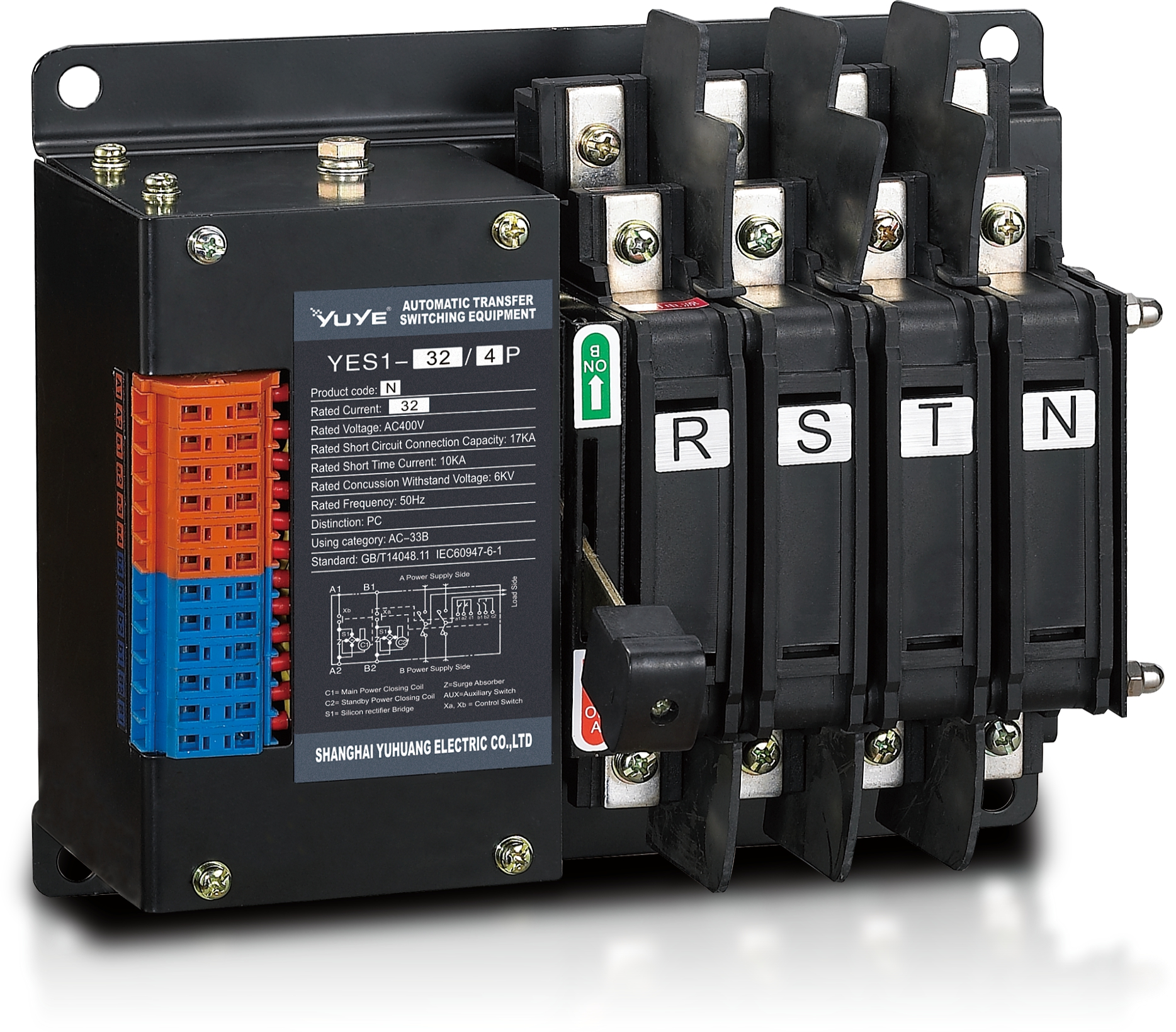 Solenoid-type ATS YES1-32~125N
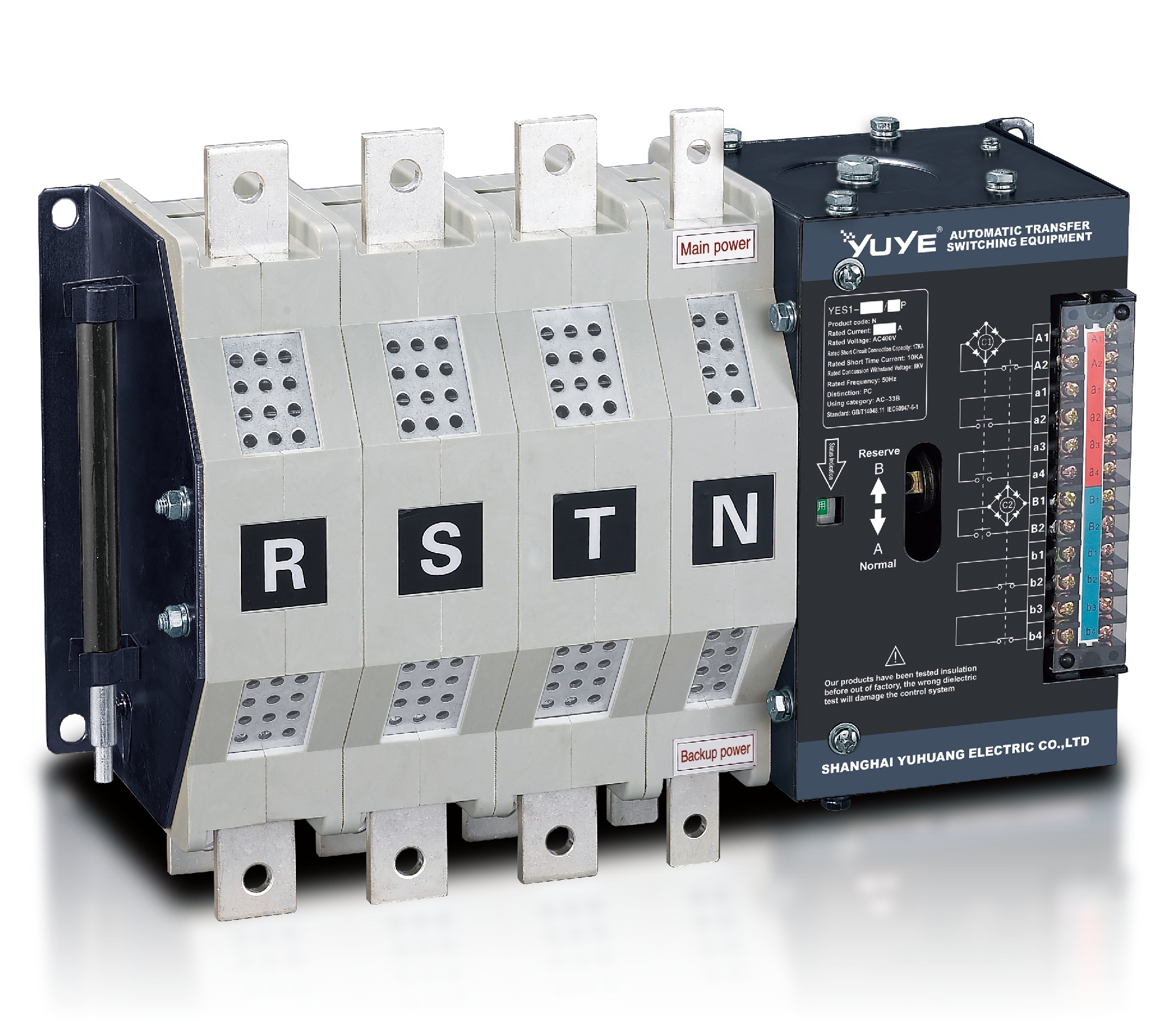 Solenoid-type ATS YES1-250~630N/NT
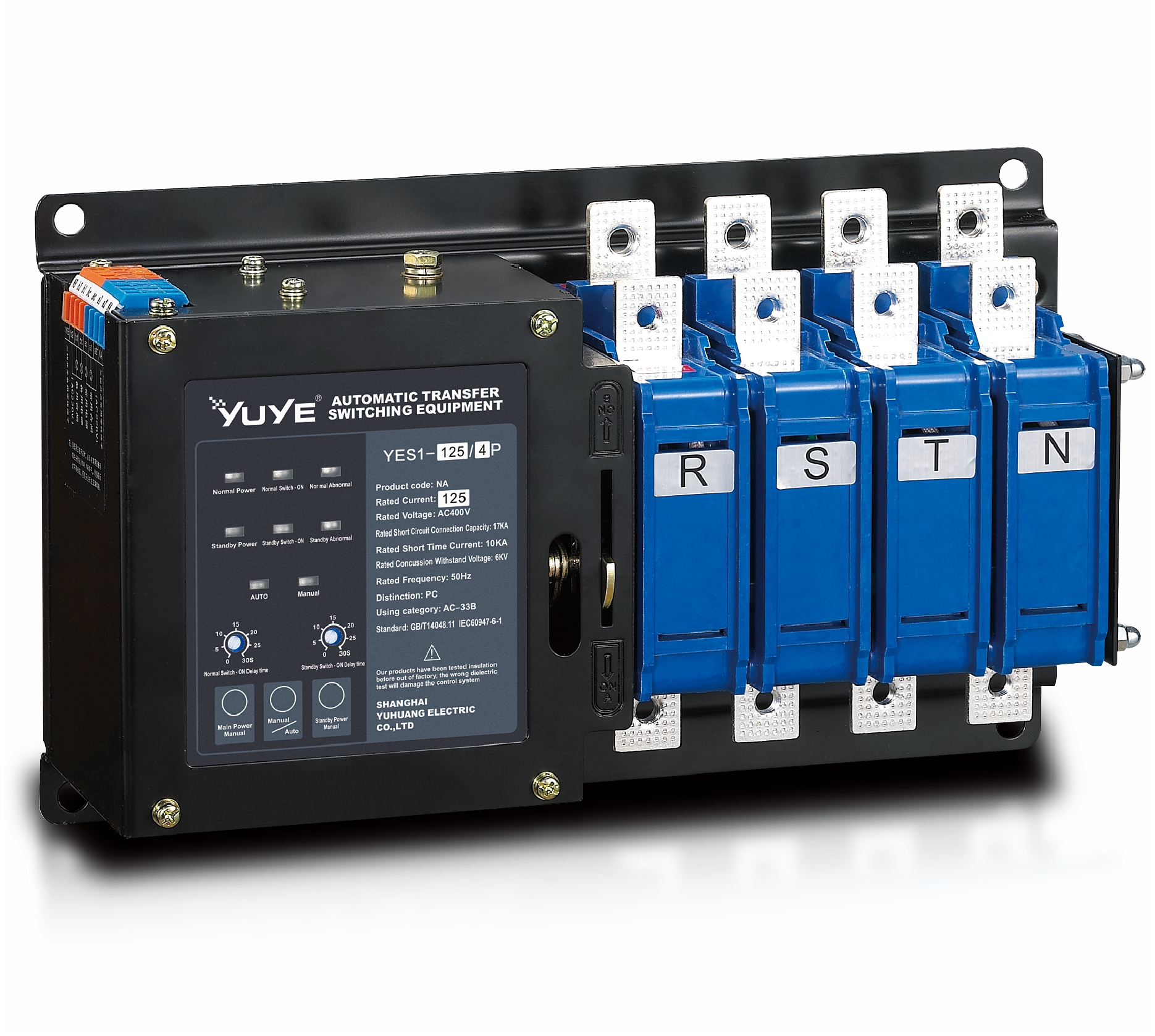 Solenoid-type ATS YES1-32~125NA
 Solenoid-type ATS YES1-63~630SN
 Solenoid-type ATS YES1-1250~4000SN
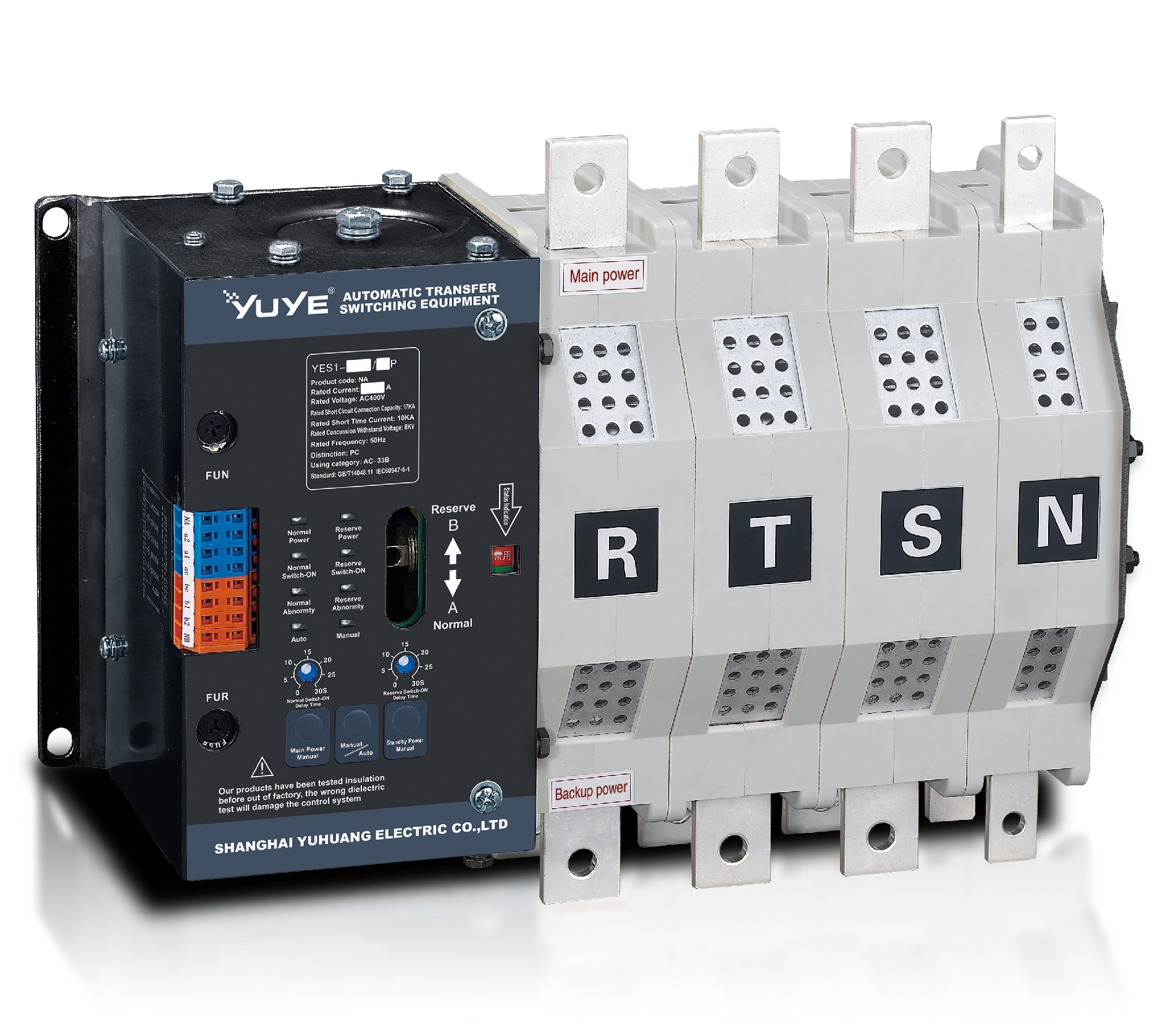 Solenoid-type ATS YES1-250~630NA/NAT
 Solenoid-type ATS YES1-63NJT
 PC ATS YES1-100~1600GN1/GN/GNF
 PC ATS YES1-2000~3200GN/GNF
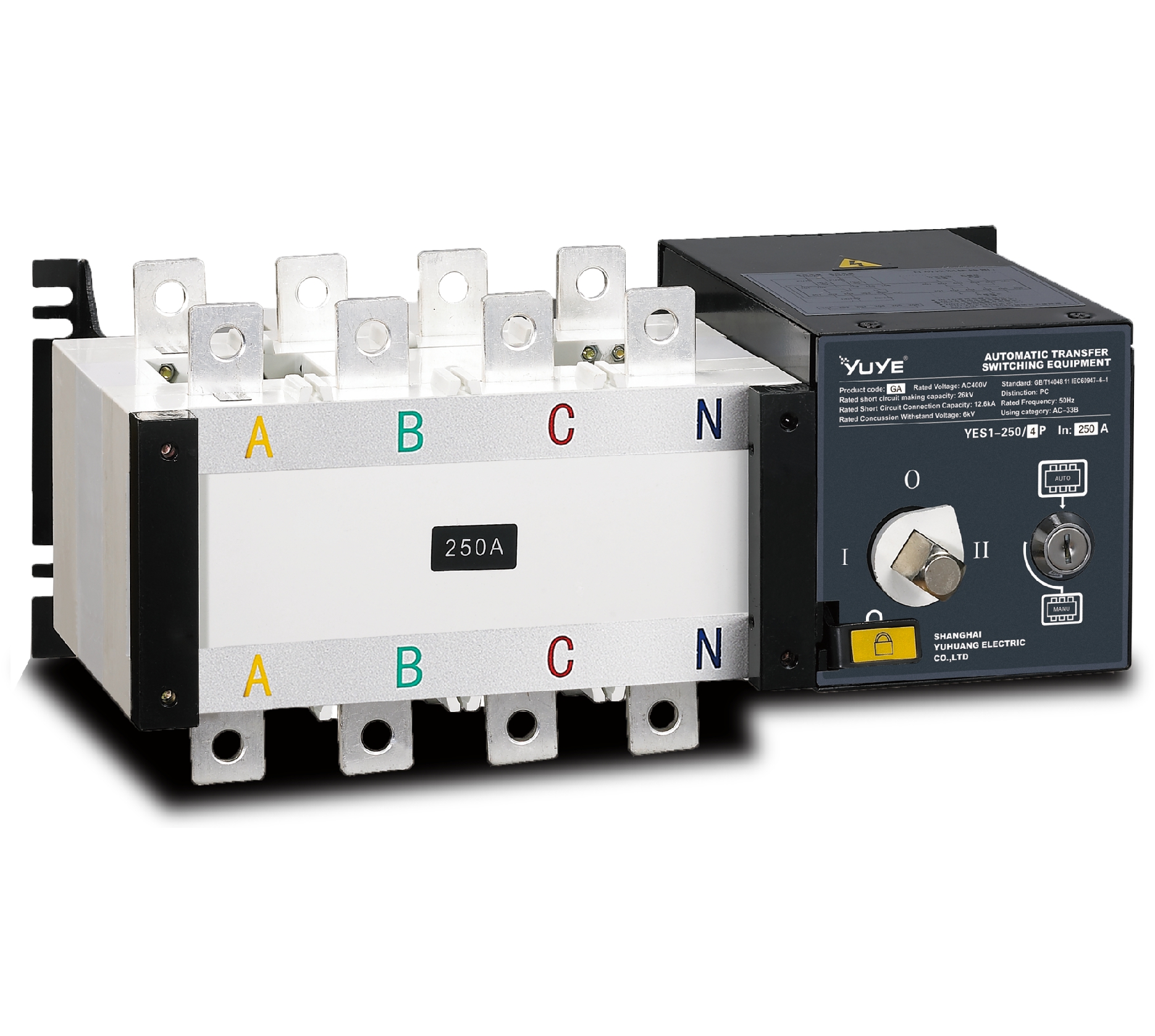 PC ATS YES1-100~3200GA1/GA
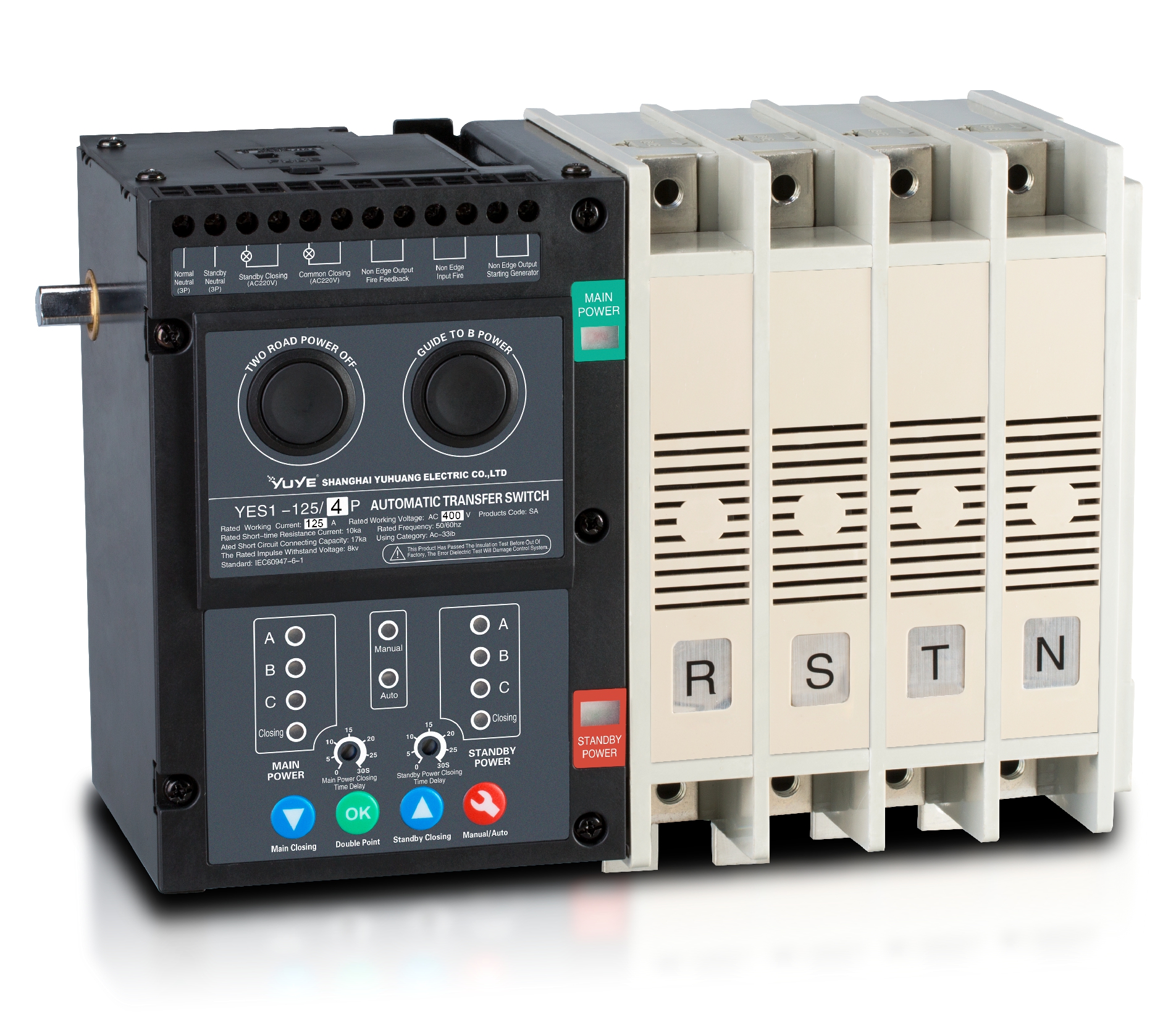 Solenoid-type ATS YES1-63~630SA
 Solenoid-type ATS YES1-63~630L/LA
 Solenoid-type ATS YES1-63~630LA3
 Solenoid-type ATS YES1-63MA
 PC ATS YES1-630~1600M
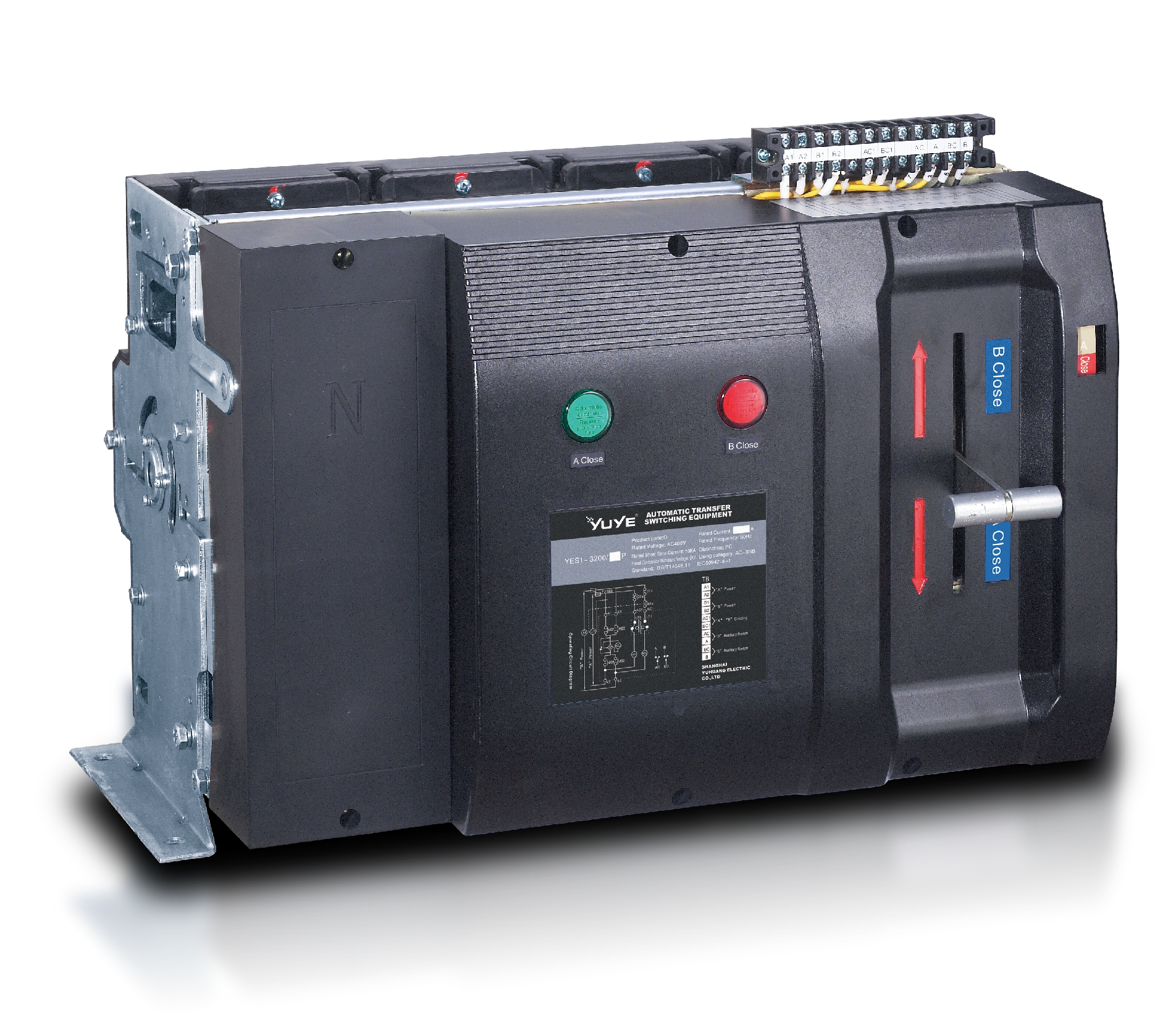 PC ATS YES1-3200Q
 Solenoid-type ATS YES1-4000~6300Q
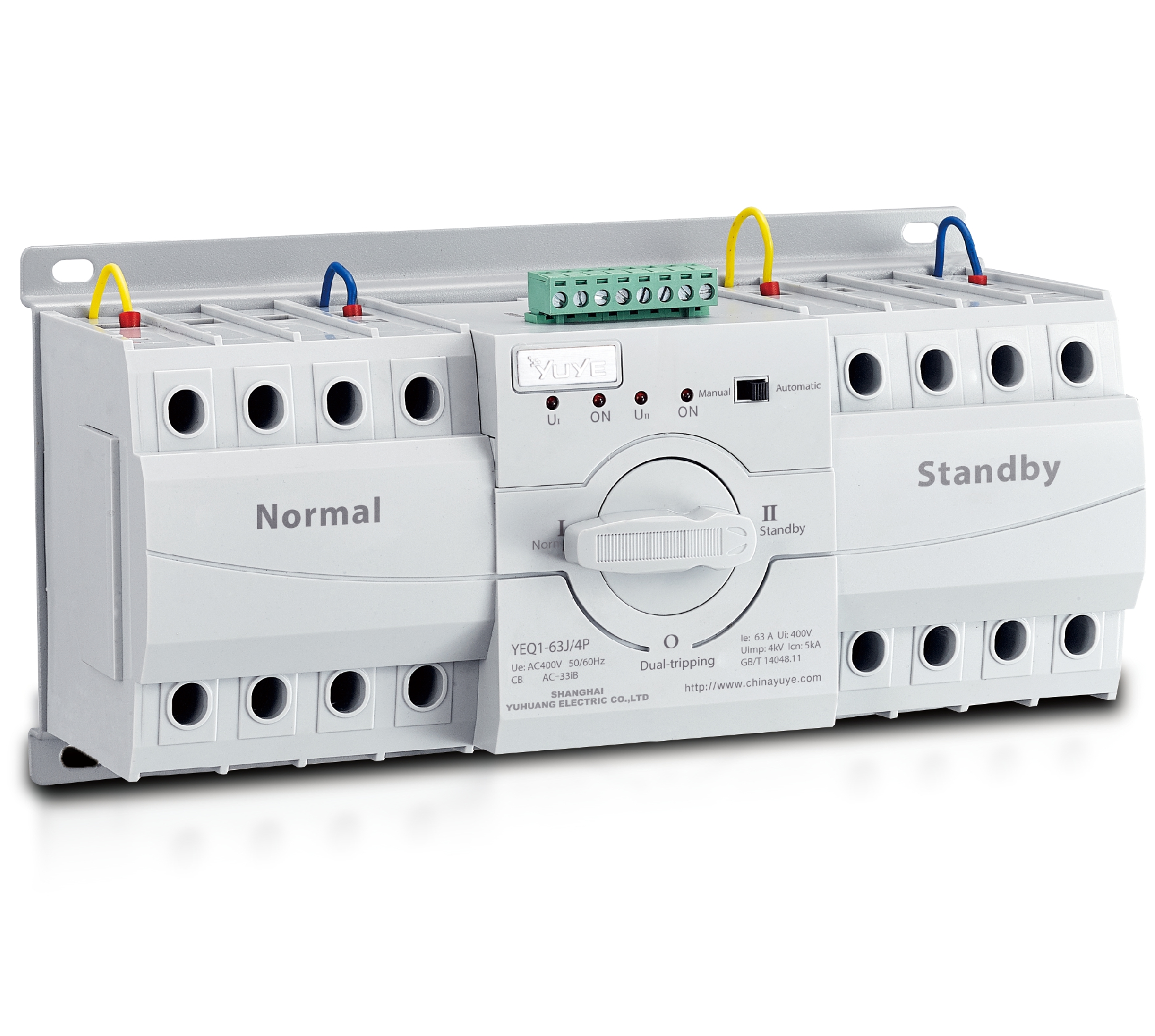 CB ATS YEQ1-63J
 CB ATS YEQ2Y-63
 CB ATS YEQ3-63W1
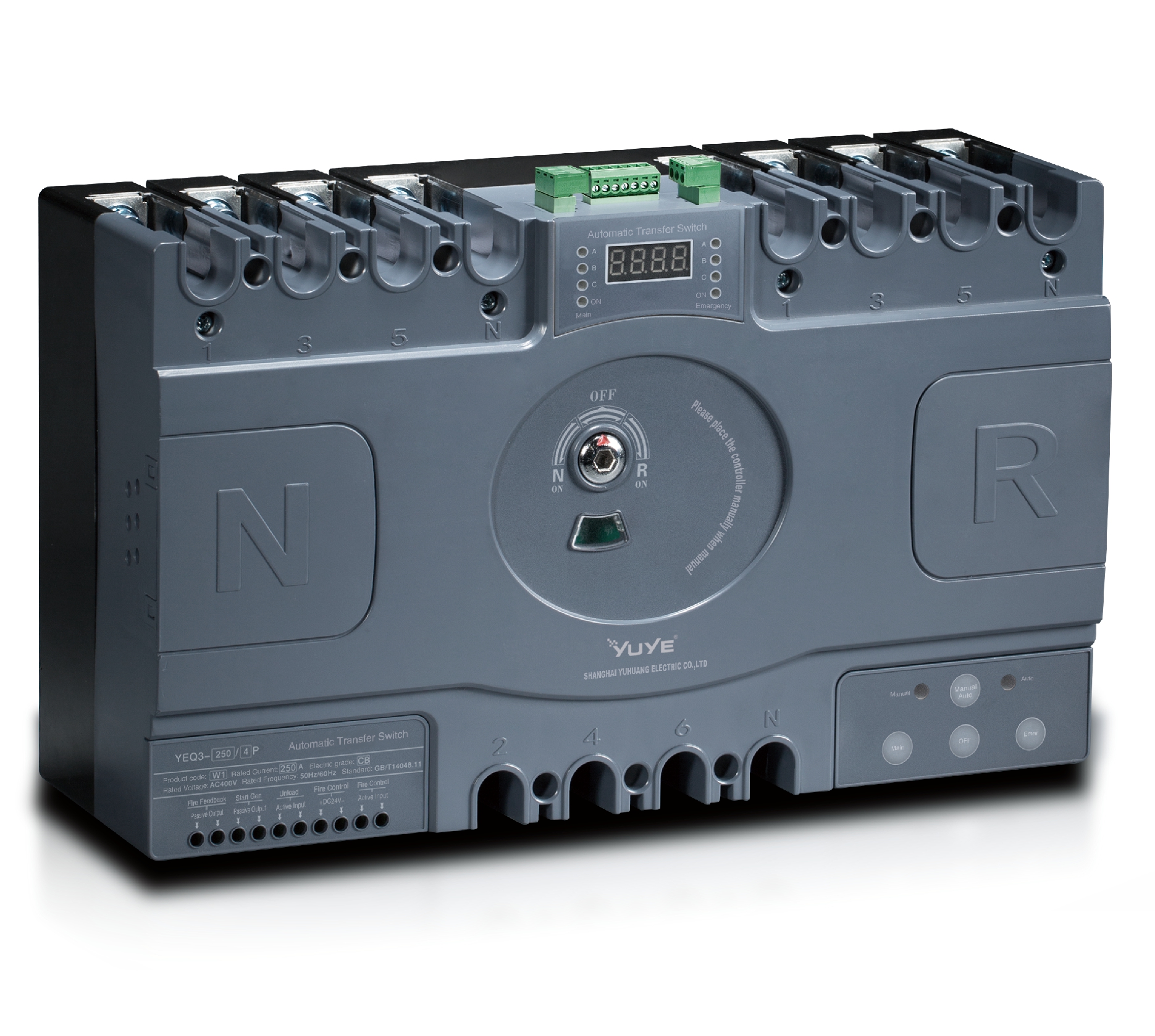 CB ATS YEQ3-125~630W1
 ATS controller Y-700
 ATS Controller Y-700N
 ATS Controller Y-701B
 ATS Controller Y-703N
 ATS Controller Y-800
 ATS Controller W2/W3 Series
 ATS switch Cabinet floor-to-ceiling
 ATS switch cabinet
 JXF-225A power Cbinet
 JXF-800A power Cbinet
 YEM3-125~800 Plastic Shell Type MCCB
 YEM3L-125~630 Leakage Type MCCB
 YEM3Z-125~800 Adjustable Type MCCB
 YEM1-63~1250 Plastic Shell Type MCCB
 YEM1E-100~800 Electronic Type MCCB
 YEM1L-100~630 Leakage Type MCCB
 Miniature circuit breaker YEMA2-6~100
 Miniature circuit breaker YEB1-3~63
 Miniature circuit breaker YEB1LE-3~63
 Miniature circuit breaker YEPN-3~32
 Miniature circuit breaker YEPNLE-3~32
 Miniature circuit breaker YENC-63~125
 Air Circuit Breaker YEW1-2000~6300
 Air Circuit Breaker YEW3-1600
 Load isolation switch YGL-63~3150
 Load Isolation Switch YGL2-63~3150
 Manual Changeover Switch YGL-100~630Z1A
 Manual Changeover Switch YGLZ1-100~3150
 YECPS2-45~125 LCD
 YECPS-45~125 Digital
 CNC Milling/Turning-OEM
 DC relay MDC-300M
 DC Isolation Switch YEGL3D-630


