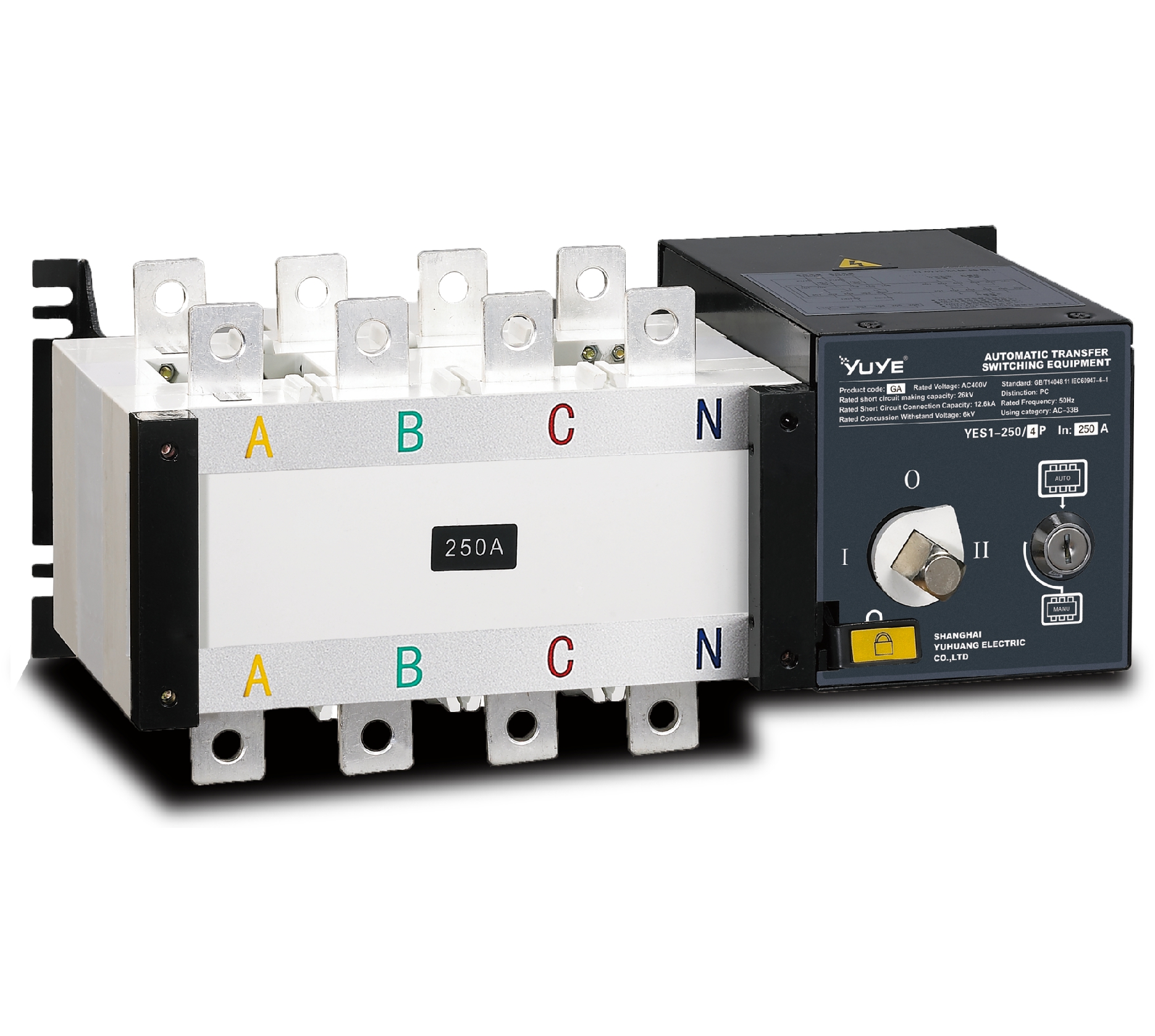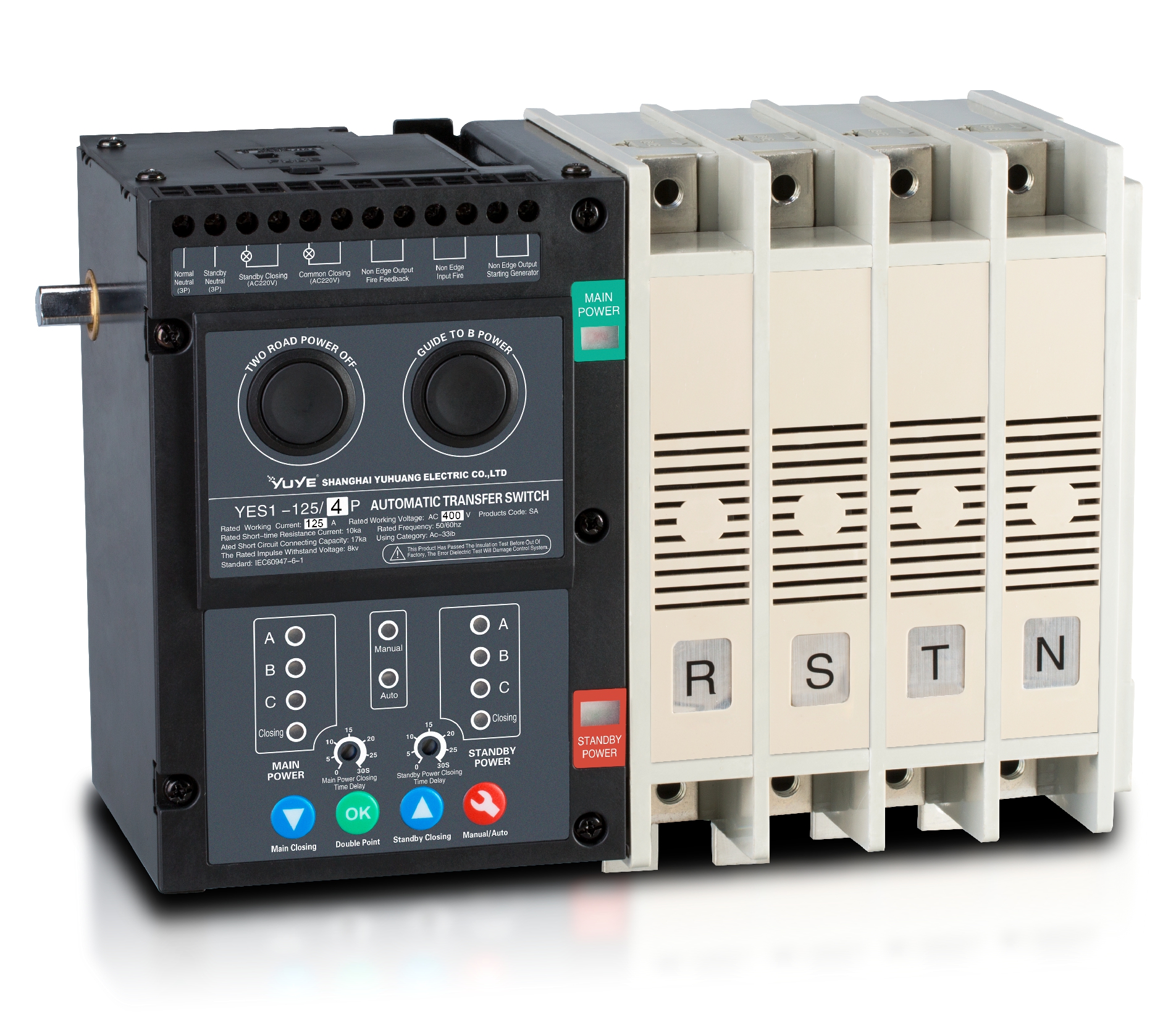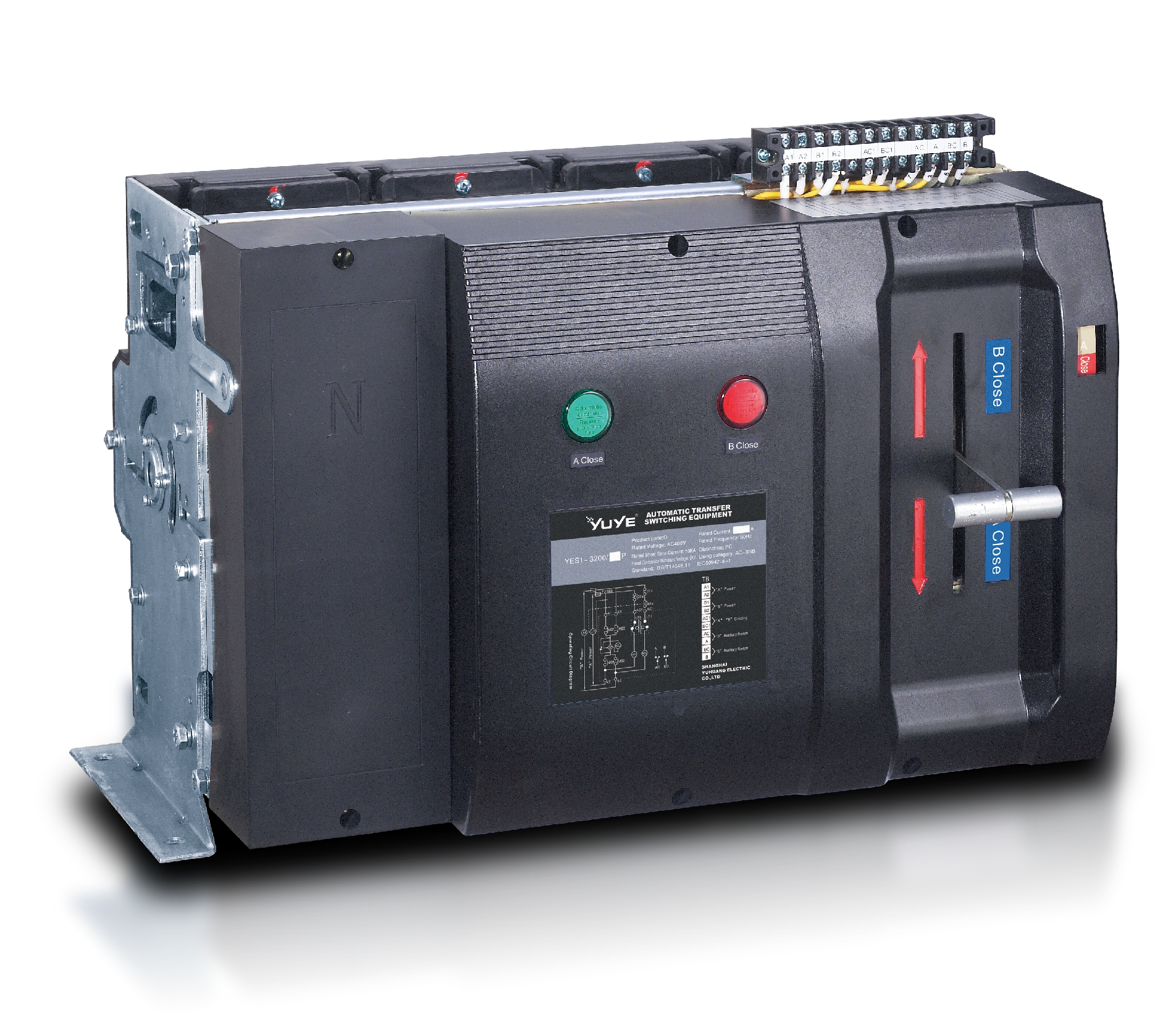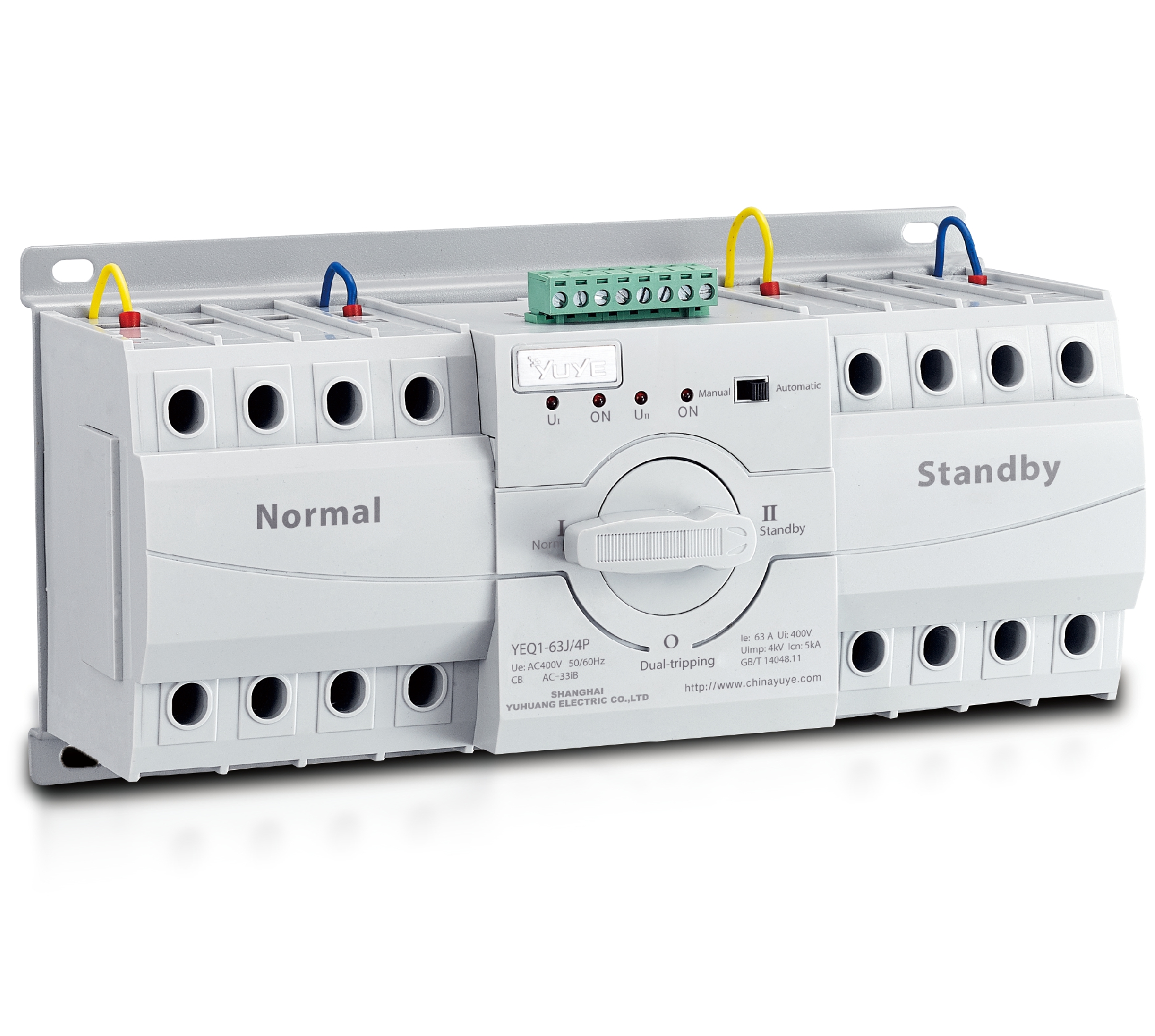
PC ATS YECT1-2000G
PC ATS YES2-63~250GN1
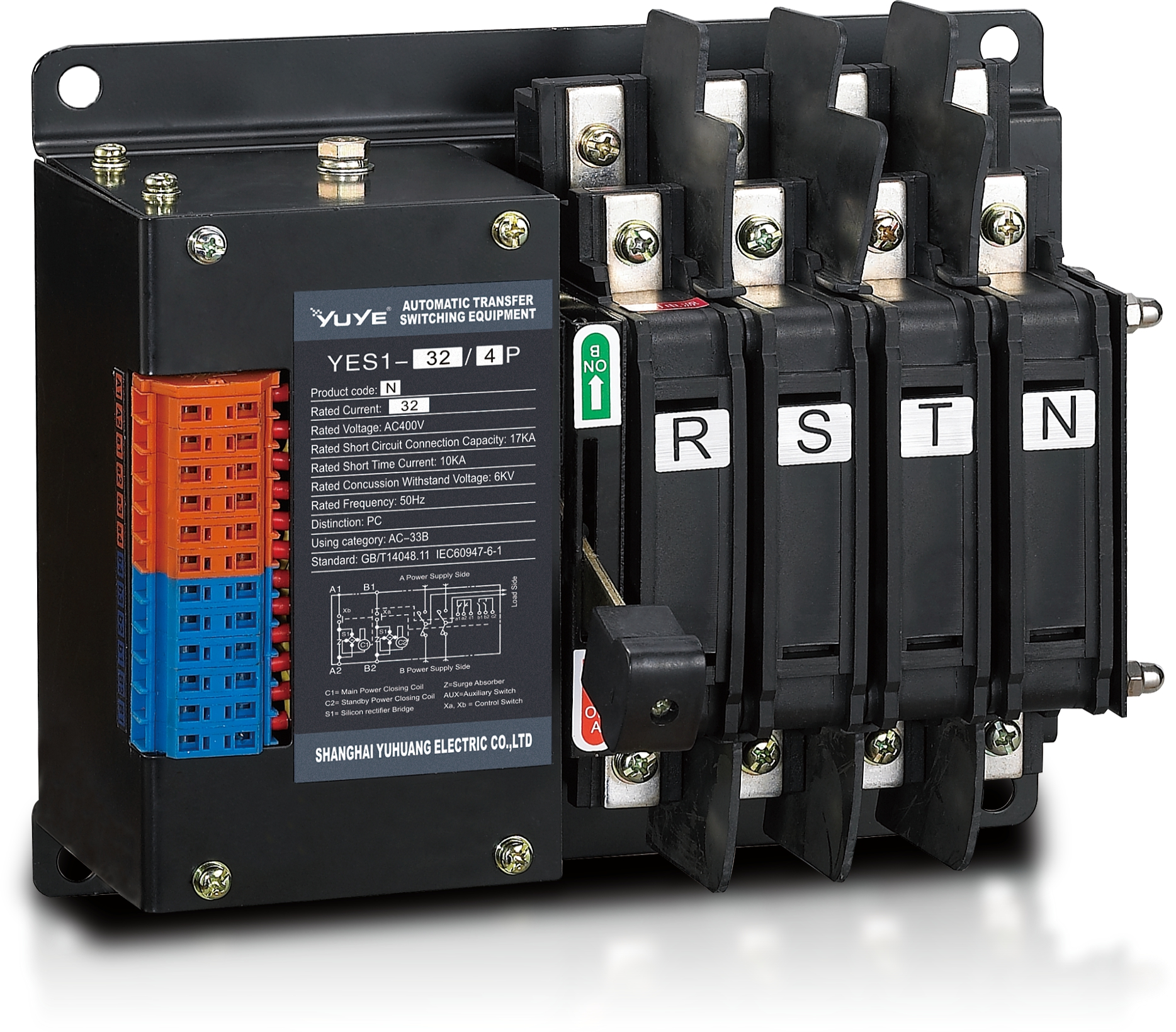
Solenoid-type ATS YES1-32~125N
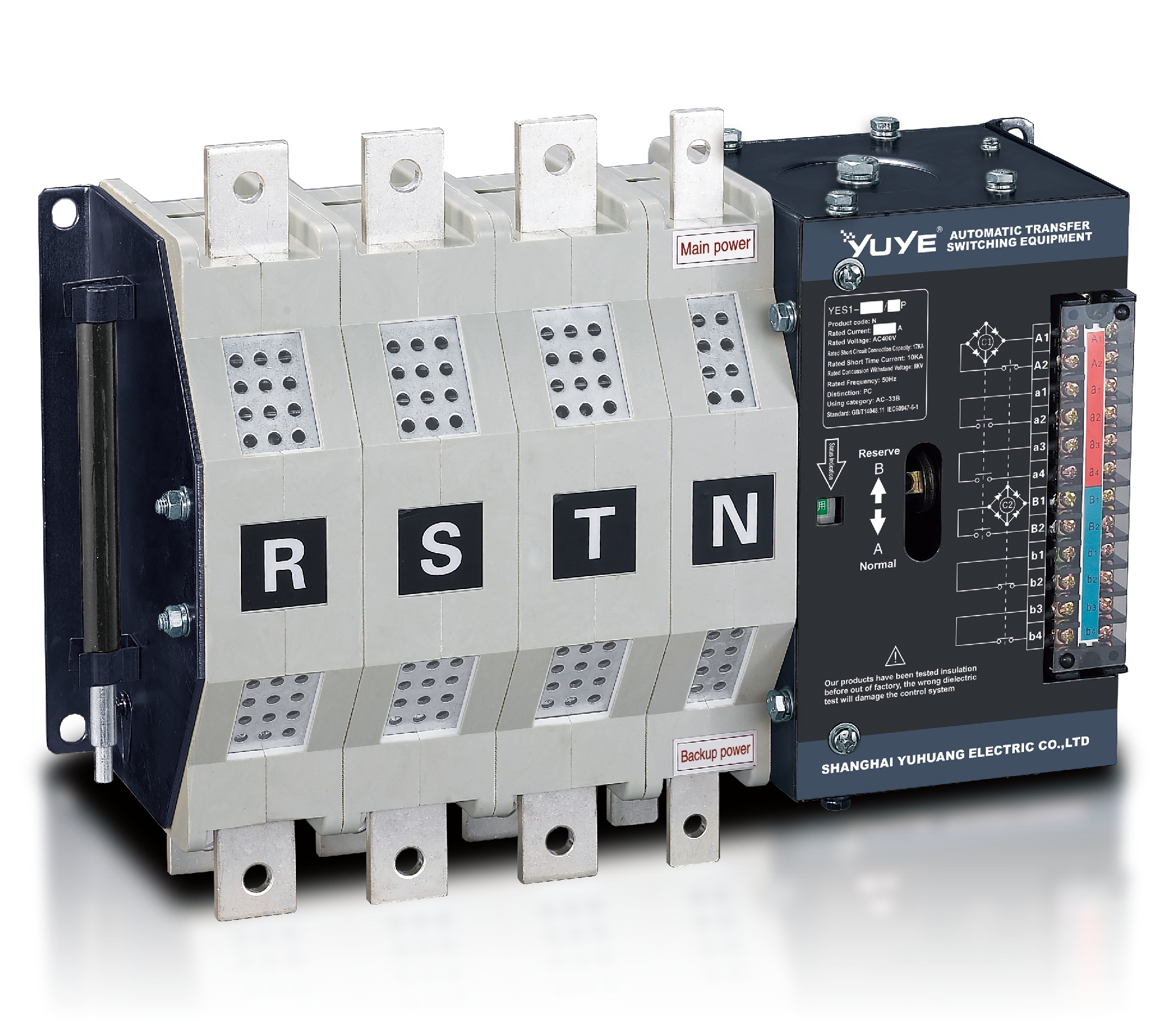
Solenoid-type ATS YES1-250~630N/NT
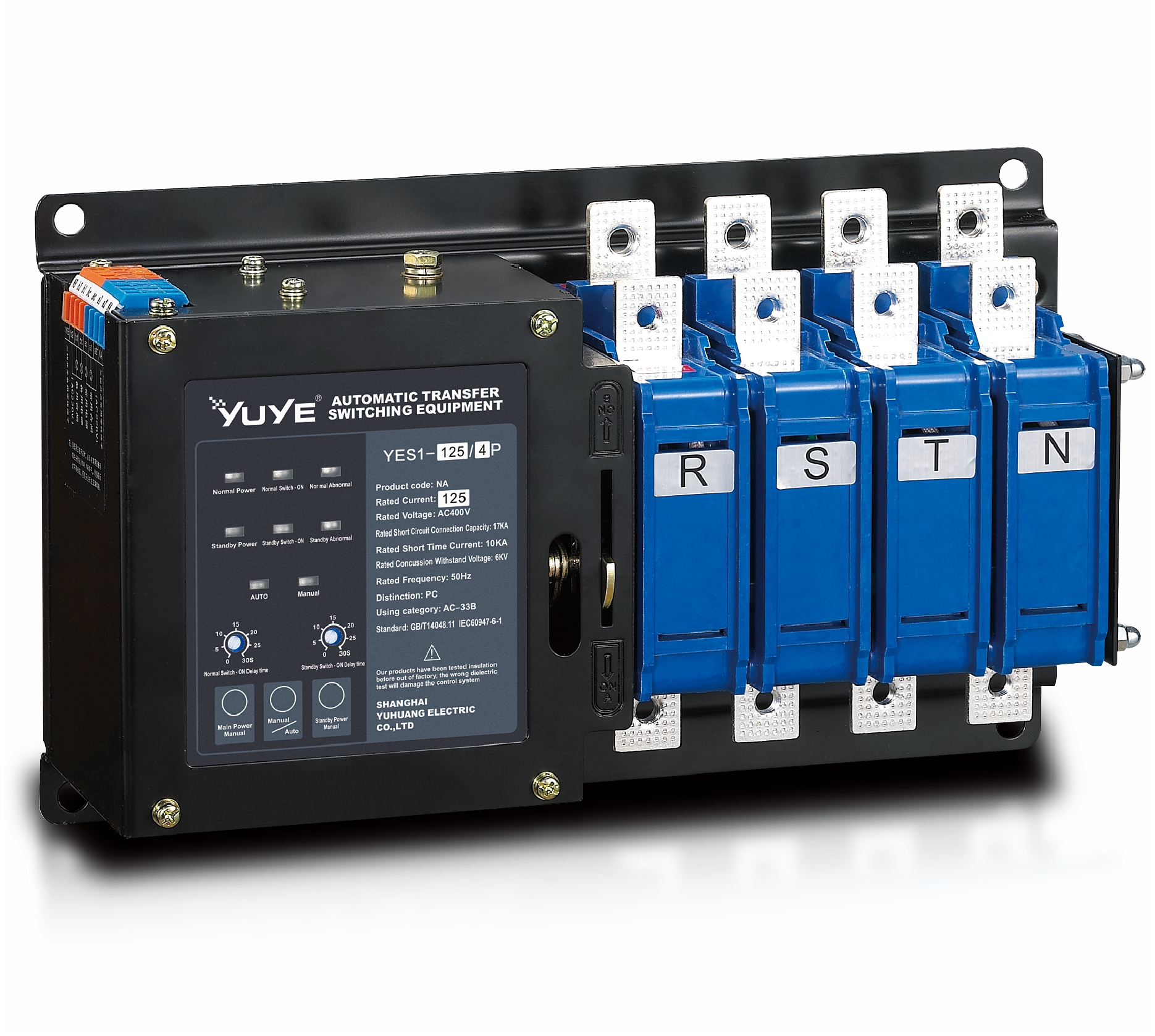
Solenoid-type ATS YES1-32~125NA
Solenoid-type ATS YES1-63~630SN
Solenoid-type ATS YES1-1250~4000SN
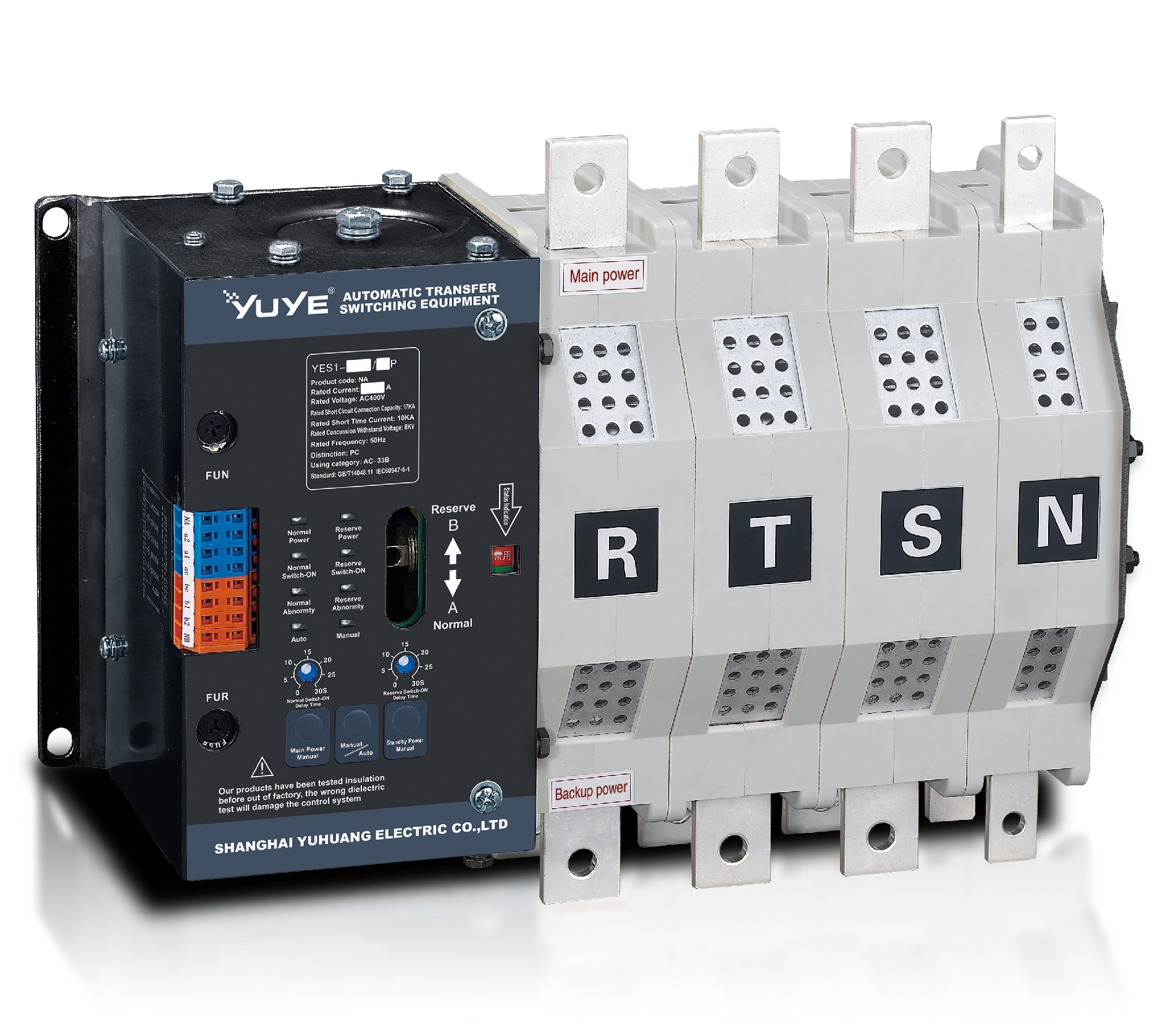
Solenoid-type ATS YES1-250~630NA/NAT
Solenoid-type ATS YES1-63NJT
PC ATS YES1-100~1600GN1/GN/GNF
PC ATS YES1-2000~3200GN/GNF
PC ATS YES1-100~3200GA1/GA
Solenoid-type ATS YES1-63~630SA
Solenoid-type ATS YES1-63~630L/LA
Solenoid-type ATS YES1-63~630LA3
Solenoid-type ATS YES1-63MA
PC ATS YES1-630~1600M
PC ATS YES1-3200Q
Solenoid-type ATS YES1-4000~6300Q
CB ATS YEQ1-63J
CB ATS YEQ2Y-63
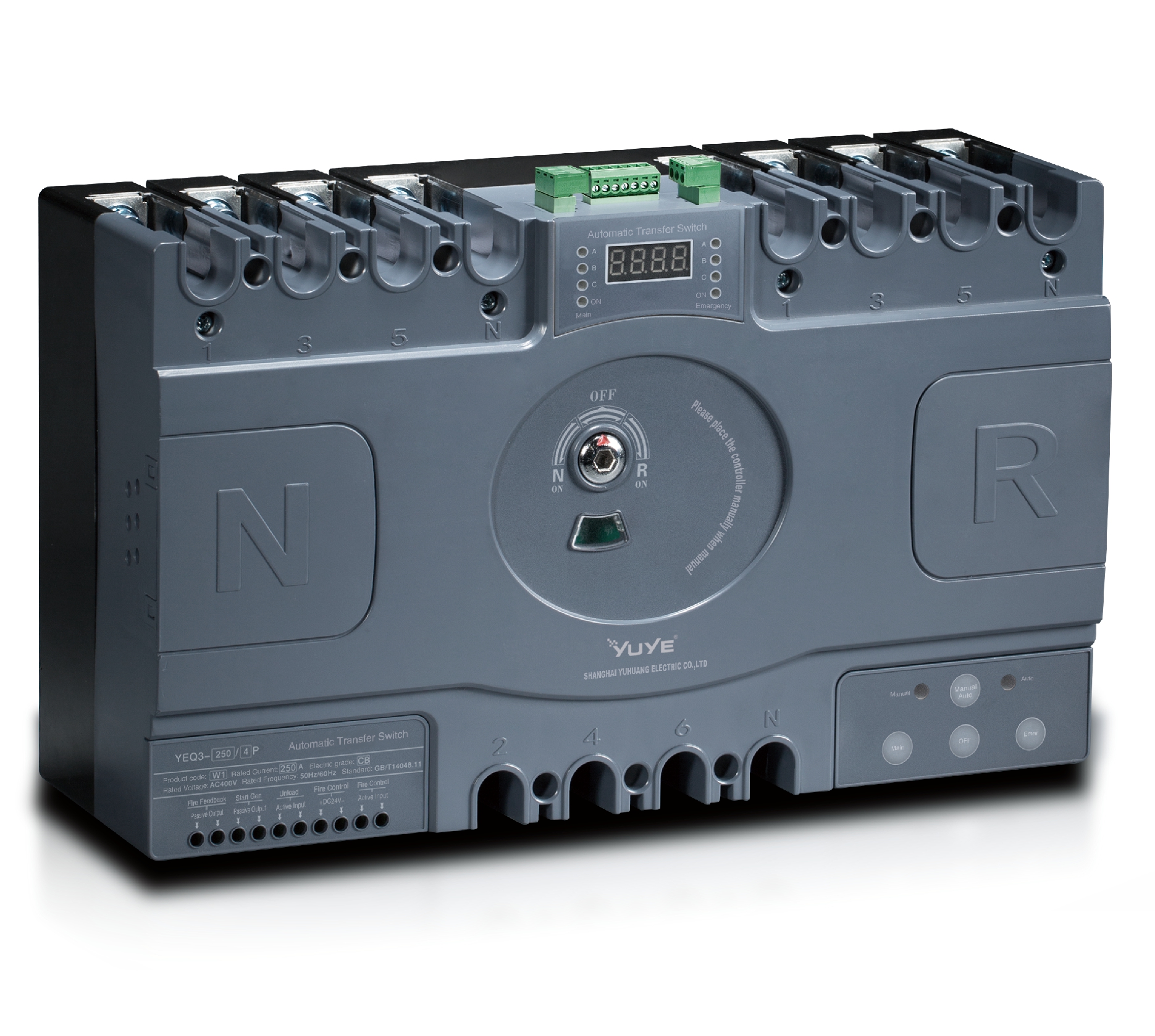
CB ATS YEQ3-63W1
CB ATS YEQ3-125~630W1
ATS controller Y-700
ATS Controller Y-700N
ATS Controller Y-701B
ATS Controller Y-703N
ATS Controller Y-800
ATS Controller W2/W3 Series
ATS switch Cabinet floor-to-ceiling
ATS switch cabinet
JXF-225A power Cbinet
JXF-800A power Cbinet
YEM3-125~800 Plastic Shell Type MCCB
YEM3L-125~630 Leakage Type MCCB
YEM3Z-125~800 Adjustable Type MCCB
YEM1-63~1250 Plastic Shell Type MCCB
YEM1E-100~800 Electronic Type MCCB
YEM1L-100~630 Leakage Type MCCB
Miniature circuit breaker YEMA2-6~100
Miniature circuit breaker YEB1-3~63
Miniature circuit breaker YEB1LE-3~63
Miniature circuit breaker YEPN-3~32
Miniature circuit breaker YEPNLE-3~32
Miniature circuit breaker YENC-63~125Picking the right Automatic Transfer Switch (ATS) supplier is super important if you want to keep the power running without any hiccups. I mean, folks like John Smith over at Power Solutions Inc. always say, "The right supplier can really make or break your system’s dependability." Nowadays, there's a whole bunch of different suppliers out there, each offering kinda different features and levels of support. So, it’s crucial to choose someone who doesn’t just deliver quality products but also genuinely gets what you need.
When you're vetting suppliers, don’t forget to look at their reputation and how they treat their customers. Experience really does matter—it can make or break your project’s success. But here’s the thing, not every shiny, highly-rated supplier is necessarily the perfect fit for your specific needs. Some might lack the expertise you require for certain applications.
And hey, don’t overlook the support they offer after you buy. It’s a huge deal—good customer support can save you a lot of headaches and money later on, especially during installation or maintenance. Taking all these factors into account will definitely help you make a smarter, more confident choice when selecting your ATS supplier.
Automatic transfer switches (ATS) are essential components in power management. They automatically switch to backup power sources during outages. Understanding how ATS operates helps in choosing the right supplier. ATS monitors the utility voltage and frequency. When these parameters deviate, it triggers the switch to a generator. This seamless transfer ensures minimal disruption.
Selecting a quality ATS supplier involves assessing their knowledge. Look for experience in the industry. Suppliers should provide detailed information about their products. Ask for technical specifications and installation guidelines. A reliable supplier offers support and maintenance services. They should have a solid reputation among users.
Tips for choosing an ATS supplier: Verify their certifications and industry affiliations. Always ask for references from previous customers. A provider with a strong track record will be more trustworthy. Evaluate their customer service response. Quick and effective communication is crucial in emergencies. Remember, not all suppliers offer the same level of quality and support. Reflect on your specific needs and preferences. This can lead to a more informed choice.
Choosing the right automatic transfer switch (ATS) supplier can significantly impact your operations. Reliable characteristics of suppliers can be identified through various means. One critical aspect is their industry experience. A supplier with over a decade in the market demonstrates stability and expertise. Industry reports indicate that suppliers with extensive experience often have better product quality and customer service.
Certifications matter as well. Look for suppliers with relevant industry certifications. These credentials indicate compliance with safety and performance standards. Reports also show that about 70% of clients prefer suppliers who are certified by recognized organizations. This factor can enhance trust among potential buyers.
Additionally, customer reviews and case studies are invaluable. Around 65% of users base their decisions on peer experiences. A supplier with positive feedback from past clients signals reliability. Still, be cautious of misleading reviews. Seek objective sources for evaluations. Diversifying your research can provide a more balanced view, ensuring informed decision-making.
When choosing an automatic transfer switch supplier, reputation is crucial. Start by searching for online reviews. These reviews can reveal how previous customers felt about their experiences. Look for common themes, both positive and negative. A well-reviewed supplier often indicates reliability.
Engage with forums and communities focused on electrical equipment. Here, customers share insights and advice. The discussions reveal not just the products but also the service quality. Notice any recurring issues mentioned by multiple users. This can point to reliable suppliers or red flags.
While reading reviews, consider the context of each comment. Not every review will be perfectly aligned with your needs. Some might be based on outdated experiences or unexpected technical problems. Be cautious and weigh the pros and cons thoughtfully. Your choice will impact your workflows, so it's worth the careful consideration.
When evaluating an automatic transfer switch (ATS) supplier, product quality and certification standards are essential. Reliable switches must meet strict performance criteria. Examine the certifications, such as UL or IEC, which denote adherence to safety and operational standards. Certification shows a commitment to quality; it also provides peace of mind.
Tips: Look for detailed test reports. These documents highlight the switch's durability and functionality in different environments. A quality supplier will gladly share this information. Also, check customer reviews. They often reveal real-world performance issues that may not be evident in product literature.
Product quality goes beyond certifications. Assess the materials used in the switch's construction. Durable, corrosion-resistant materials ensure longevity. Additionally, consider service options. A good supplier offers comprehensive support, including installation guidance and troubleshooting assistance. Questions around service record can help gauge reliability. Take your time to research this aspect thoroughly.
This bar chart evaluates the product quality scores of various automatic transfer switch suppliers based on certain criteria. A higher score indicates better quality standards and compliance with certification requirements.
When selecting an automatic transfer switch (ATS) supplier, understanding pricing models is crucial. Different suppliers offer various pricing structures. Some may charge upfront costs, while others adopt subscription or lease models. Analyze each option carefully. You don’t want to commit to a long-term lease only to find better pricing elsewhere.
Warranty offerings are equally important. A robust warranty indicates confidence in product quality. Review the warranty terms closely. Some suppliers may provide comprehensive coverage for years, while others might offer limited protection. It’s essential to weigh the potential costs of repairs without solid warranty support. Insufficient warranty coverage can lead to unexpected expenses. Suppliers with transparent policies tend to be more trustworthy.
Consider long-term versus short-term costs. A lower initial price may conceal higher replacement or maintenance expenses. Ask for detailed breakdowns of pricing and warranty clauses. This transparency helps avoid miscommunication down the road. Reliable suppliers are open about their offerings and willing to discuss concerns. Ensure you’re comfortable with their approach before making a commitment.
When selecting an automatic transfer switch supplier, evaluating
technical support and customer service is crucial.
A reliable supplier should offer accessible technical assistance. This includes
prompt responses to inquiries and effective troubleshooting. It’s important to assess whether they
have a dedicated support team. Consider how quickly they can provide service in emergencies.
Look for user reviews on customer experiences.
A consistent pattern of positive feedback is a good sign. If customers report
slow response times, it may indicate potential problems.
Communication methods also matter; suppliers should offer various channels, such as phone,
email, and chat options. Direct communication can lead to quicker resolutions.
Purchasing an automatic transfer switch is a significant investment.
The level of support a supplier offers can affect your operation. Reflect on their responsiveness during
your initial contacts. If you feel neglected at this stage, consider it a red flag.
Quality support should be part of a holistic service approach. Your satisfaction hinges on
their willingness to assist you throughout your project.
When selecting an automatic transfer switch (ATS) supplier, delivery times and the availability of replacement parts are critical factors. A reliable supplier should have clear timelines for product delivery. Delays can impact your operations significantly. Ask potential suppliers about their typical lead times. Evaluate whether they can meet your specific deadlines.
Consider the supplier’s inventory system. A robust inventory indicates they can provide spare parts when needed. This reduces downtime in case of failures. However, not all suppliers maintain extensive stock. Some rely on just-in-time delivery models, which can cause delays. Research their policies on sourcing and stocking parts. Knowing this can help you make an informed decision.
It's wise to read reviews and testimonials from current clients. They can provide insights into a supplier's reliability. Look for comments about delivery experiences and part availability. If several customers mention delays or a lack of crucial parts, reconsider your options. To ensure long-term support, a supplier with a solid track record can be invaluable.
TS)?
It checks utility voltage and frequency. Deviations trigger the switch to a generator.
Look for their industry experience, product details, and maintenance services offered.
Certifications ensure compliance with safety standards and enhance trust among customers.
Positive feedback indicates reliability. It’s crucial to check for objective sources though.
Quick and effective communication is vital during emergencies for timely support.
Be cautious of misleading reviews and lack of product information.
Suppliers with over a decade in the market usually provide better quality and service.
Yes, references from previous customers can verify the supplier's reliability.
Consider your operations and preferences to make an informed choice about the supplier.
When selecting the best Automatic Transfer Switch Supplier, it’s essential to start by understanding the functionality of automatic transfer switches and their critical role in ensuring seamless power transitions. Reliable suppliers should exhibit specific characteristics such as a solid reputation, positive customer reviews, and proven product quality backed by rigorous certification standards.
Furthermore, evaluating pricing models alongside warranty offerings can help in understanding the overall value. High-quality technical support and customer service are crucial for post-purchase satisfaction. Lastly, consider delivery times and the availability of replacement parts, as these factors can significantly impact maintenance and operational efficiency. Taking these aspects into account will ensure you choose a supplier that meets your needs effectively.