In today’s world, reliable power supply isn’t just a luxury—it’s pretty much essential. That’s where an ATS (Automatic Transfer Switch) really comes in handy. Basically, it switches the power source automatically, so if there’s a blackout or power failure, your stuff keeps running without missing a beat. I remember reading a report from Research and Markets that says the global market for these switches is expected to grow quite a bit—that’s pretty telling about how important they’ve become.
On top of that, the EIA shows that millions of people get hit with power outages every year. It’s honestly kind of shocking how widespread this problem is. That’s why having something like an ATS can really make a difference—it ensures a smooth switch between your main power and backup generators or batteries. Especially in businesses or factories where even a few minutes of downtime can cost a lot, this feature is a total lifesaver.
That said, it’s not all perfect. Some folks have mentioned that setting up and maintaining these switches can be a bit tricky. If you don’t install them properly or forget to do regular tests, failures could happen. Even though the technology behind ATS units is pretty advanced, not everyone really gets how to use or troubleshoot them, which can lead to problems. So, making sure everyone understands how to properly install and maintain these switches is key for getting the most out of them and avoiding issues down the line.

What Is an Automatic Transfer Switch (ATS)?
An Automatic Transfer Switch (ATS) is a crucial component in backup power systems. It allows a seamless switch between the main power supply and a backup generator. When a power outage occurs, the ATS detects it and automatically activates the generator. This process helps maintain operations for homes and businesses without interruption.
The ATS offers convenience, but it is not foolproof. Occasionally, it may fail to detect an outage or take time to switch. This delay can cause disruptions, especially in critical environments like hospitals. Moreover, regular maintenance is essential. Neglecting this can lead to malfunction, risking the entire power system's reliability.
Understanding an ATS's design helps us appreciate its role. It often includes control circuits, contactors, and load sensors. These components work together to ensure safety and functionality. Being aware of potential failures is important. Regular testing and inspections can prevent unexpected issues and improve overall performance.
The Role of ATS in Power Management Systems
Automatic Transfer Switches (ATS) play a crucial role in modern power management systems. They are essential for ensuring continuous power supply during outages. When the main power source fails, the ATS detects the issue and quickly switches to the backup power source. This action helps prevent disruptions in critical operations.
In power management, ATS devices help maintain system stability. They automatically monitor voltage levels and react to faults. This automation minimizes human error and speeds up the response time. In hospitals or data centers, any downtime can be catastrophic. An ATS guarantees that energy is always available. However, there are challenges in maintenance. Improper installation or lack of regular checks can lead to failures.
Still, the usefulness of ATS cannot be overstated. They ensure the reliability of power systems. ATS devices work silently in the background, embodying a profound blend of technology and necessity. In a world dependent on electricity, their role is pivotal yet often overlooked. It’s important to reflect on the balance between technology and its vulnerabilities.
How ATS Works: Transfer Mechanism Explained
An Automatic Transfer Switch (ATS) plays a critical role in ensuring uninterrupted power supply. It automatically senses when there is a power failure and initiates the transfer process. The mechanism is designed to switch the electrical load from the primary source to a backup source, like a generator. This ensures that essential services can continue without interruption.
The transfer mechanism operates through sensors that detect power loss. Enclosed in a sturdy casing, an ATS typically consists of contactors and control circuits. When an outage occurs, the ATS sends an initial signal to the backup generator to start. It takes about 10 to 30 seconds for the generator to stabilize. Once ready, the ATS seamlessly transfers the load to the generator. In 2022, reports showed that around 30% of businesses experienced significant downtime due to power outages, highlighting the importance of a reliable ATS system.
Despite its reliability, an ATS is not foolproof. Component failures can occur. Regular maintenance is necessary. Statistics from industry studies indicate that up to 25% of ATS failures could be attributed to inadequate servicing. Organizations must prioritize inspections and testing. This proactive approach can mitigate risks and ensure that the ATS functions correctly during critical moments.
Types of ATS: Open Transition vs. Closed Transition
Automatic Transfer Switches (ATS) are vital for seamless power management. They automatically switch from the main power source to a backup generator during outages. Understanding the types of ATS is crucial for efficient energy use.
Open Transition ATS is the most common type. It switches power without a brief overlap. This transition allows for a complete disconnect, which is why many prefer it. However, there is a risk of a brief power loss during the switch. For critical applications, this might not be acceptable.
Closed Transition ATS, in contrast, allows a smooth transition. It connects the generator and utility power simultaneously before making the switch. This method ensures there is no power interruption, making it ideal for sensitive equipment. But it can introduce complexity in the system.
Tips: Test your ATS regularly to ensure functionality. Look for signs of wear or failure. Consider your power needs when selecting between open and closed transition switches. Analyzing your specific situation can save time and money in the long run. Sometimes, the ideal switch is not the one that seems most convenient.
Key Features and Benefits of Using ATS
Automatic Transfer Switches (ATS) play a crucial role in power management. They seamlessly switch the electrical load from the primary power source to a backup generator. This ensures that there is no interruption during a power outage. The design is straightforward yet effective.
One key feature of an ATS is its ability to detect power failures instantly. When the main source fails, the ATS kicks in, activating the generator. This automatic response is vital in critical environments like hospitals and data centers. The benefits are numerous. Continuous power supply means no downtime. This can save money and protect sensitive equipment.
Another important aspect is monitoring. Modern ATS units can track energy usage and provide valuable data. However, there can be challenges. Proper installation is crucial. If not set up correctly, the switch may fail to operate effectively. Regular maintenance is often overlooked, leading to potential issues. Ensuring reliability requires ongoing attention to these systems.
Industry Standards and Compliance for ATS
Automatic Transfer Switches (ATS) play a crucial role in ensuring uninterrupted power supply. Their design must adhere to strict industry standards set by organizations like the National Electrical Manufacturers Association (NEMA) and the Institute of Electrical and Electronics Engineers (IEEE). According to a recent report by the Institute of Electrical and Electronics Engineers, compliance with these standards enhances safety and functionality. However, not all ATS manufacturers achieve full compliance, which raises concerns in critical applications.
One major standard is NEMA's ATS specifications, which dictate parameters for reliability and performance. For instance, the temperature ratings for ATS must align with NEMA guidelines to prevent overheating. It's interesting to note that studies show that nearly 30% of ATS systems fail due to improper installation or lack of maintenance. This statistic highlights a gap in awareness, particularly among smaller facilities, where the complexity of these switches may not be fully understood.
Moreover, ATS units must meet UL (Underwriters Laboratories) standards, which ensure they can handle specific fault conditions. A report indicated that facilities adhering to UL standards saw a 40% reduction in equipment malfunction compared to those that did not. However, many facilities still face challenges in verifying compliance due to the lack of transparency from manufacturers. This inconsistency can have serious impacts on operational reliability.
ATS Performance Metrics by Usage
This bar chart represents the performance metrics of an Automatic Transfer Switch (ATS) under different operational conditions such as standby power, normal power, maintenance mode, and testing phase. These metrics are crucial for understanding the efficiency and reliability of ATS systems in various scenarios.
ATS Applications in Critical Infrastructure and Healthcare
Automatic Transfer Switches (ATS)
play a crucial role in critical infrastructure and healthcare settings. These devices ensure a seamless transition between primary and backup power sources. When a power outage occurs, an ATS detects the failure and automatically switches to backup power. This rapid response is vital in environments where every second counts.
In hospitals, uninterrupted power is essential. Medical devices like ventilators and ECG machines rely on stable electricity. An ATS safeguards these operations, minimizing the risk of equipment failure. During a blackout, patients and staff can continue functioning without disruption. Yet, potential flaws in these systems exist. Regular testing and maintenance are often overlooked, risking reliability during emergencies.
Critical infrastructure, such as data centers and emergency services, also benefits from ATS technology. A sudden loss of power can lead to data corruption or loss of critical services. The need for consistent power drives many facilities to implement ATS solutions. However, understanding their limitations is necessary. Infrastructure managers must regularly evaluate performance to avoid complacency. Reliability should never be taken for granted in these high-stakes environments.
Maximize Your Space and Efficiency with the CB ATS YEQ3-63W1: A Comprehensive Guide
The CB ATS YEQ3-63W1 is engineered to provide maximum space efficiency and operational effectiveness, making it an ideal choice for modern electrical systems. With a rated voltage of AC400V and current ranging from 6A to 63A, it caters to a variety of applications, ensuring reliability and performance in diverse environments. Its 4-pole configuration and motor-type drive mode make it suitable for various industrial settings, enhancing operational flexibility while maintaining optimal space utilization.
According to industry standards, such as IEC 60947-6-1, the CB Class circuit breakers like the YEQ3-63W1 offer not only robustness but also compliance with international safety regulations. Certifications from bodies like CE, CB, and CCC further attest to the product's adherence to stringent quality benchmarks, ensuring that users can trust the performance and safety of their electrical installations. With growing demands for efficient electrical systems, this circuit breaker addresses the need for compact solutions without compromising on functionality, thus contributing significantly to energy management strategies.
Incorporating advanced design elements, the YEQ3-63W1 allows for seamless integration into existing systems, minimizing downtime during upgrades or installations. Its ability to optimize space utilization while delivering superior performance makes it an invaluable instrument for energy optimization in both commercial and industrial environments. As organizations increasingly pivot toward green technologies, the efficient use of electrical components like the YEQ3-63W1 is pivotal in achieving sustainability goals while enhancing system reliability.
FAQS
: It serves to enhance user experience through specific features.
Anyone looking to improve their daily tasks can benefit, including students and professionals.
It streamlines processes, saving time and effort in completing tasks.
Some users mention a learning curve, which requires time to adjust effectively.
Yes, it is adaptable for both home and office use, though settings may vary.
Users typically find daily use most effective but adjust based on personal needs.
Yes, assistance is offered, but response times may vary.
Troubleshooting guides are available, though some users might find them insufficient.
Yes, certain features can be adjusted, although full customization might be limited.
A community exists, but interaction levels vary; not all users may engage actively.
Conclusion
An ATS Automatic Transfer Switch is a crucial component in power management systems, designed to ensure seamless transitions between primary and backup power sources. It automatically detects power outages and engages the backup generator, allowing for continuous power supply, which is especially vital in critical infrastructure and healthcare settings.
The functioning of an ATS involves a transfer mechanism that can either be an open transition or closed transition, each serving various operational needs. Key features of ATS include reliability and swift response times, which contribute to its compliance with industry standards. By integrating an ATS, organizations can enhance their resilience against power disruptions and maintain operational continuity in essential services.

 PC ATS YECT1-2000G
 PC ATS YES2-63~250GN1
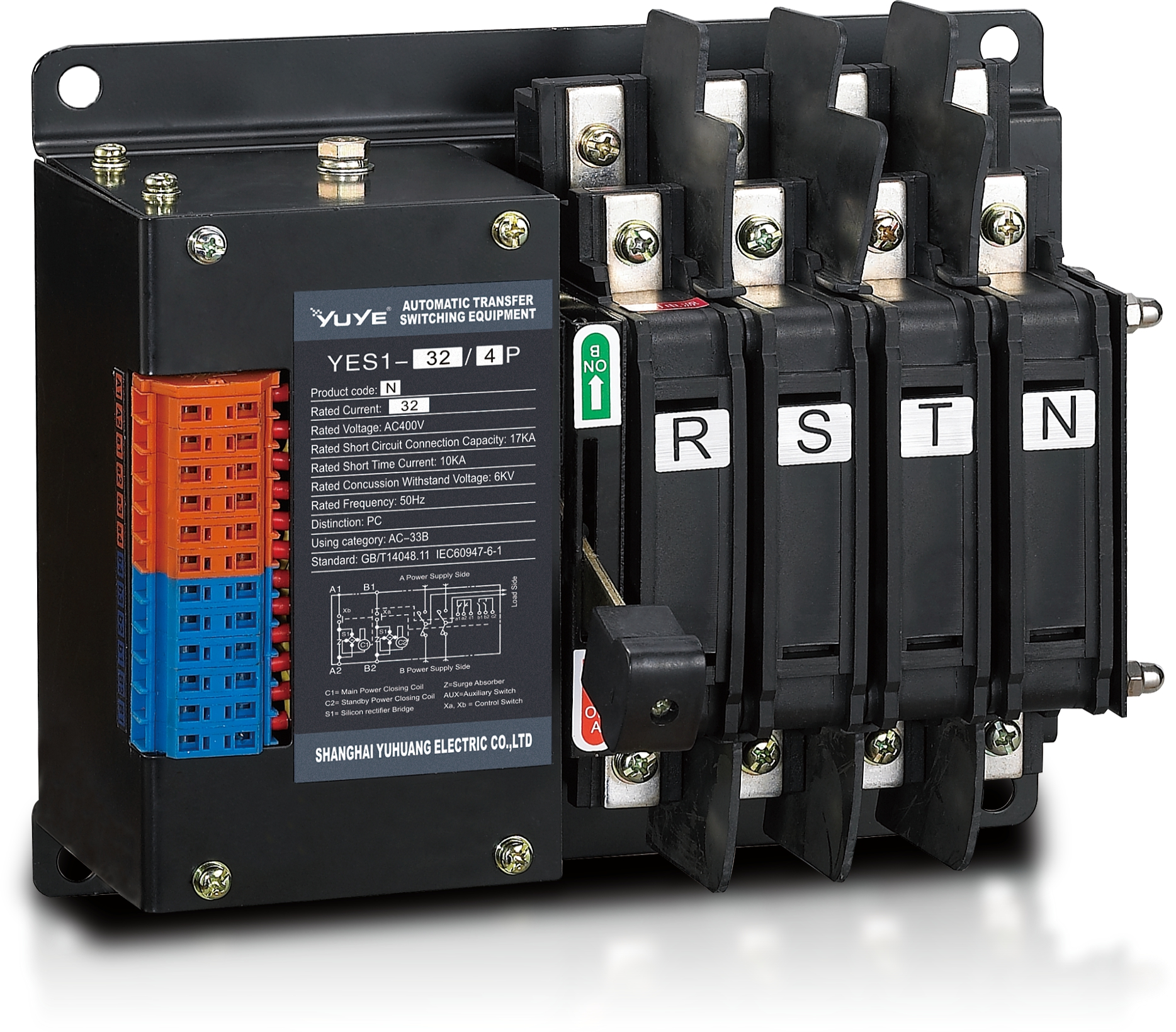 Solenoid-type ATS YES1-32~125N
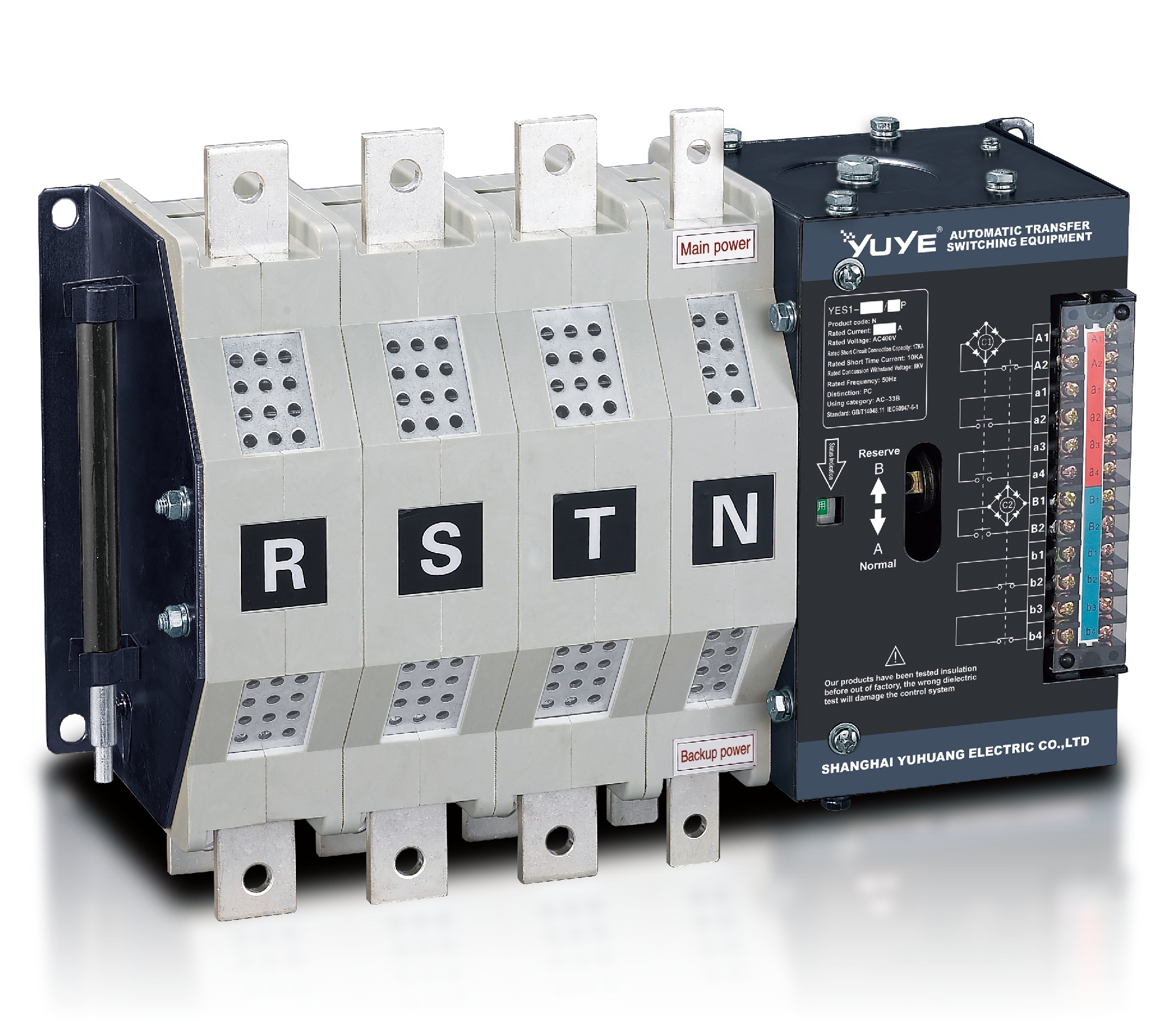 Solenoid-type ATS YES1-250~630N/NT
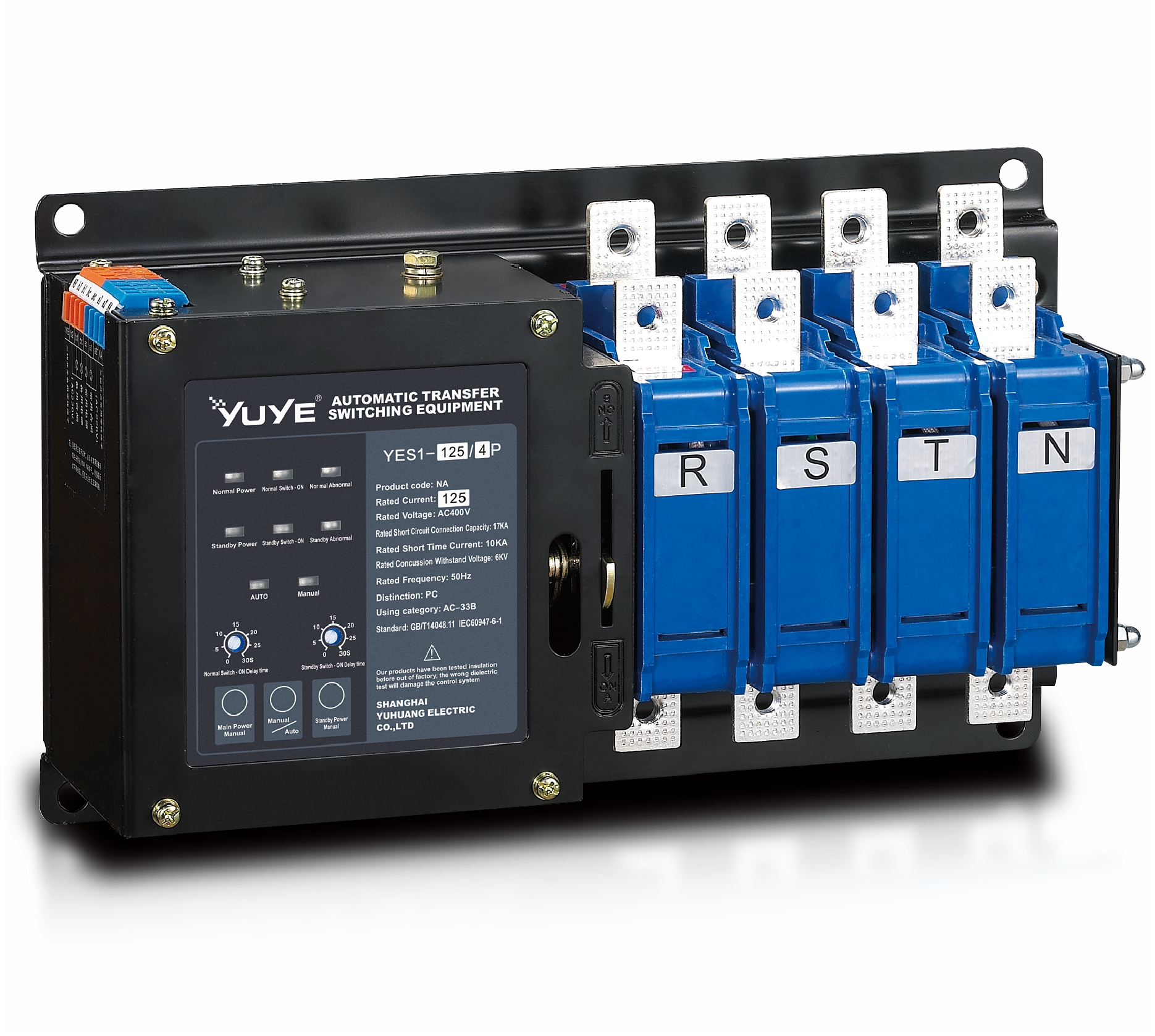 Solenoid-type ATS YES1-32~125NA
 Solenoid-type ATS YES1-63~630SN
 Solenoid-type ATS YES1-1250~4000SN
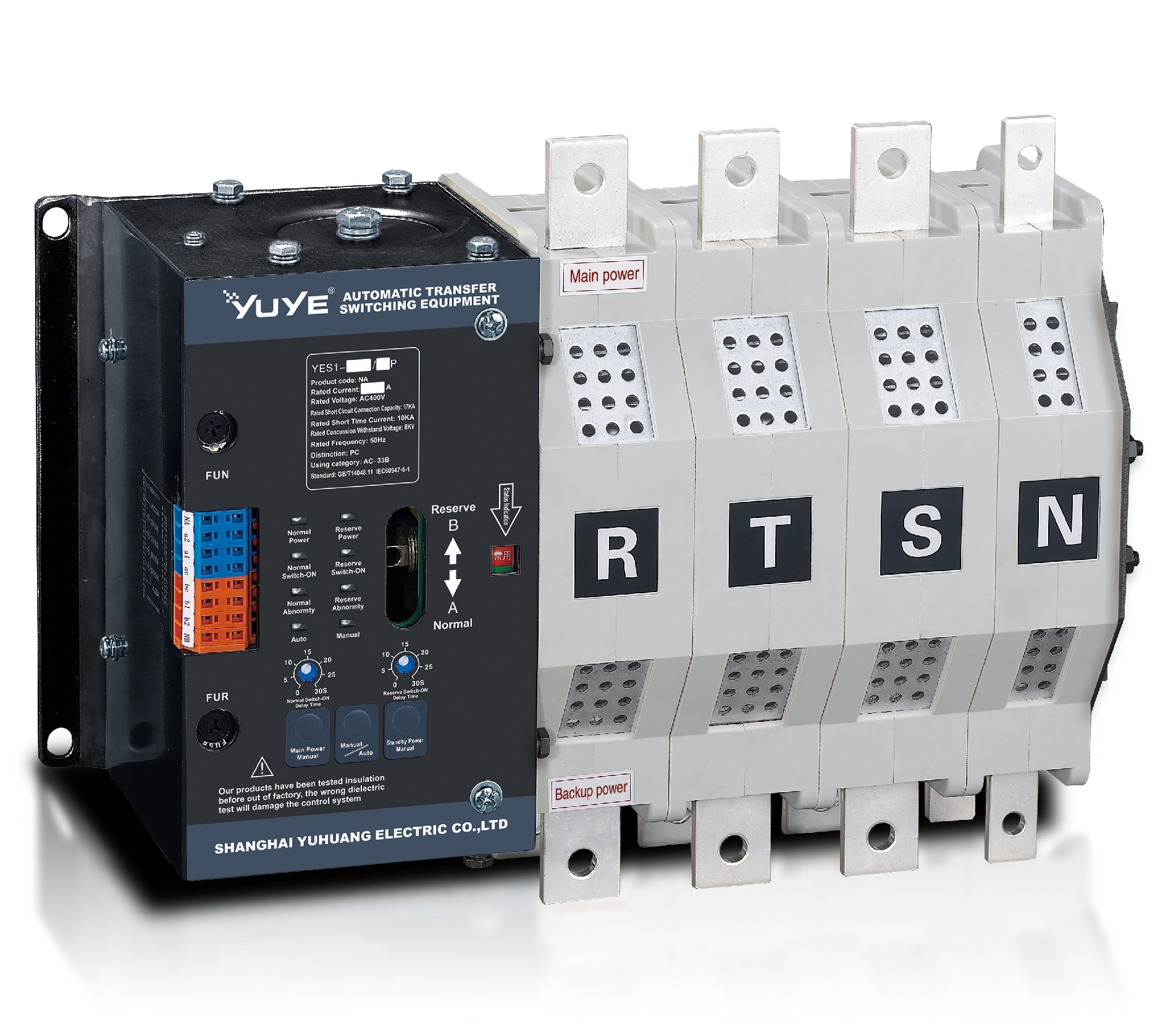 Solenoid-type ATS YES1-250~630NA/NAT
 Solenoid-type ATS YES1-63NJT
 PC ATS YES1-100~1600GN1/GN/GNF
 PC ATS YES1-2000~3200GN/GNF
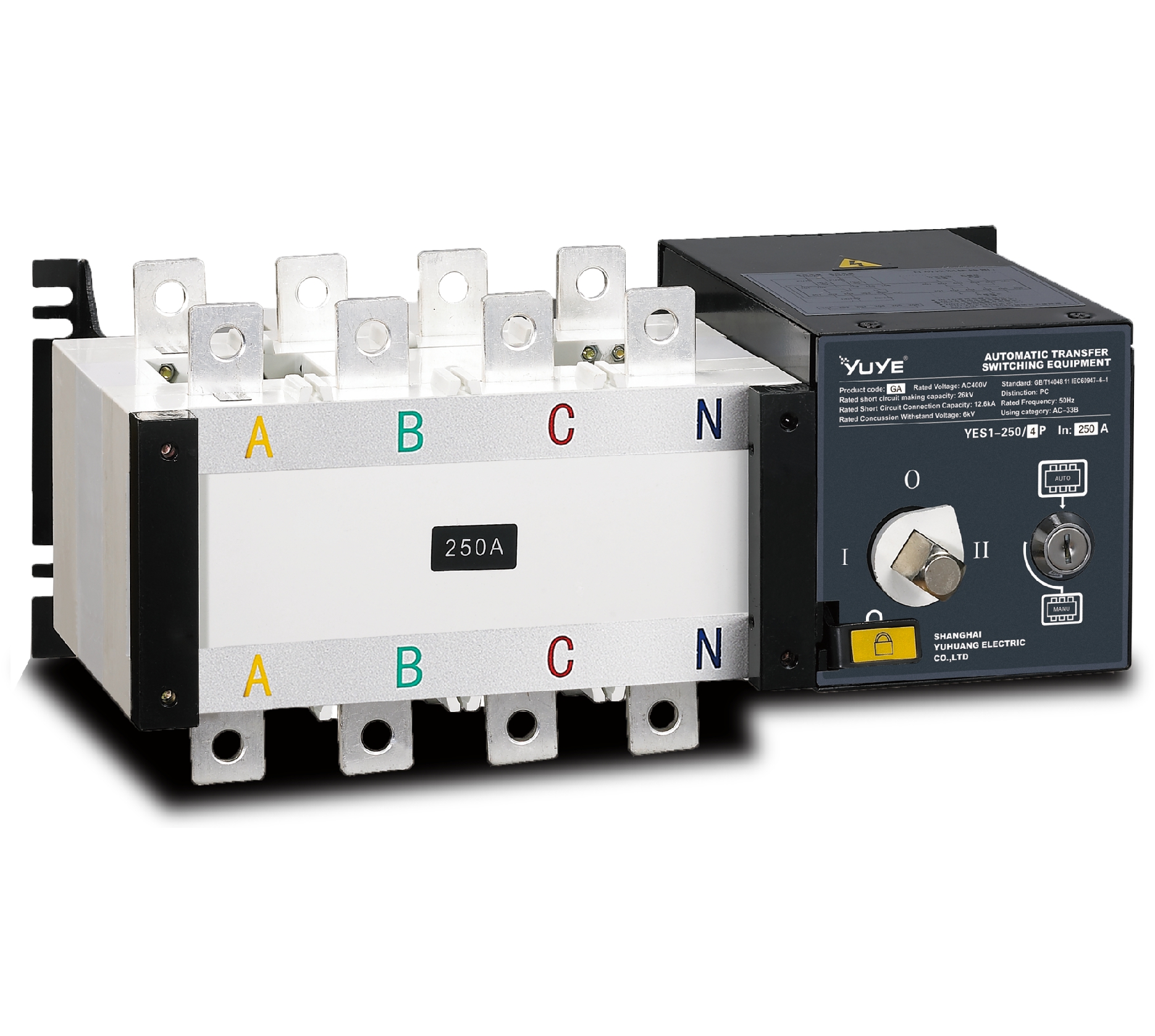 PC ATS YES1-100~3200GA1/GA
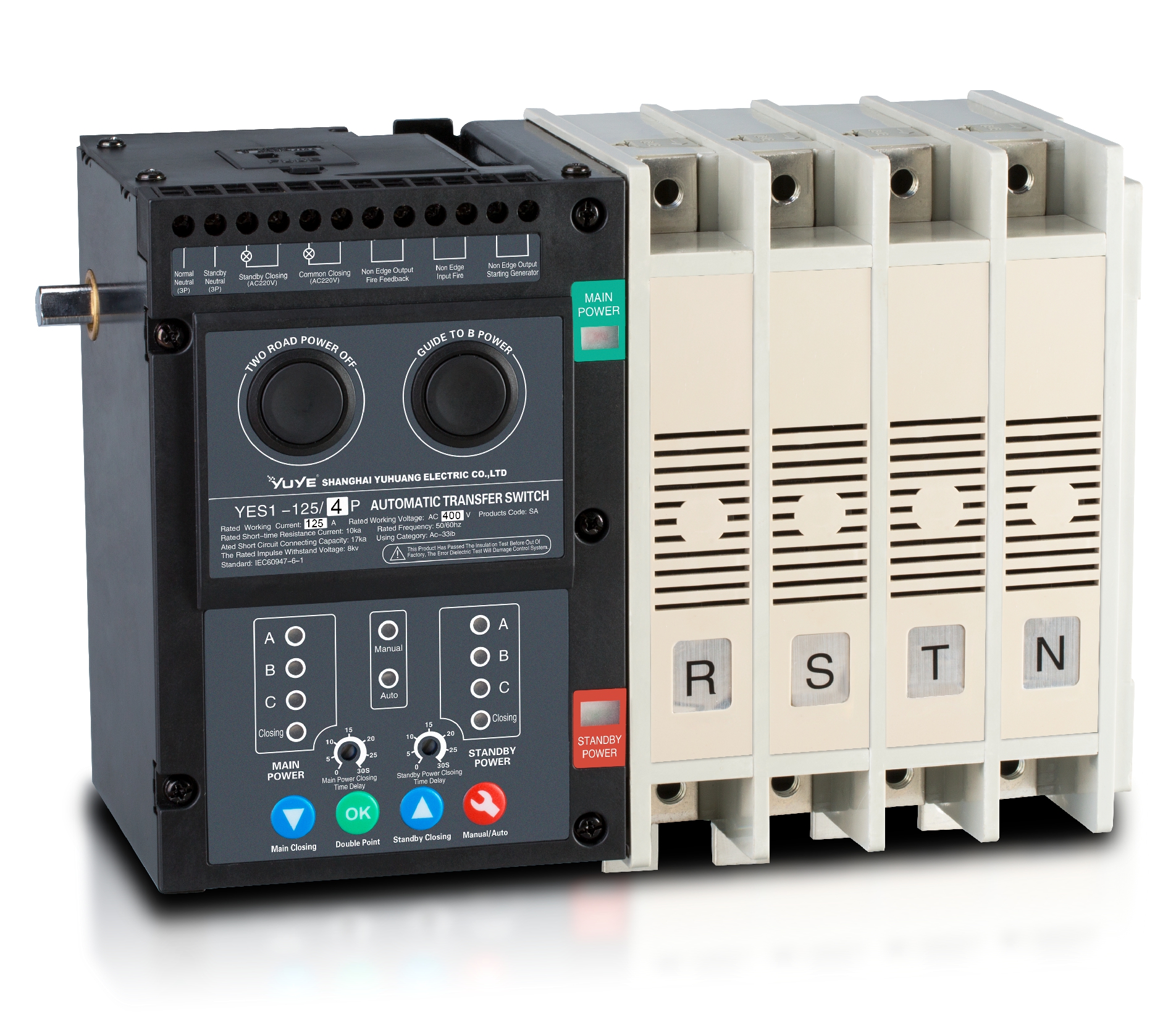 Solenoid-type ATS YES1-63~630SA
 Solenoid-type ATS YES1-63~630L/LA
 Solenoid-type ATS YES1-63~630LA3
 Solenoid-type ATS YES1-63MA
 PC ATS YES1-630~1600M
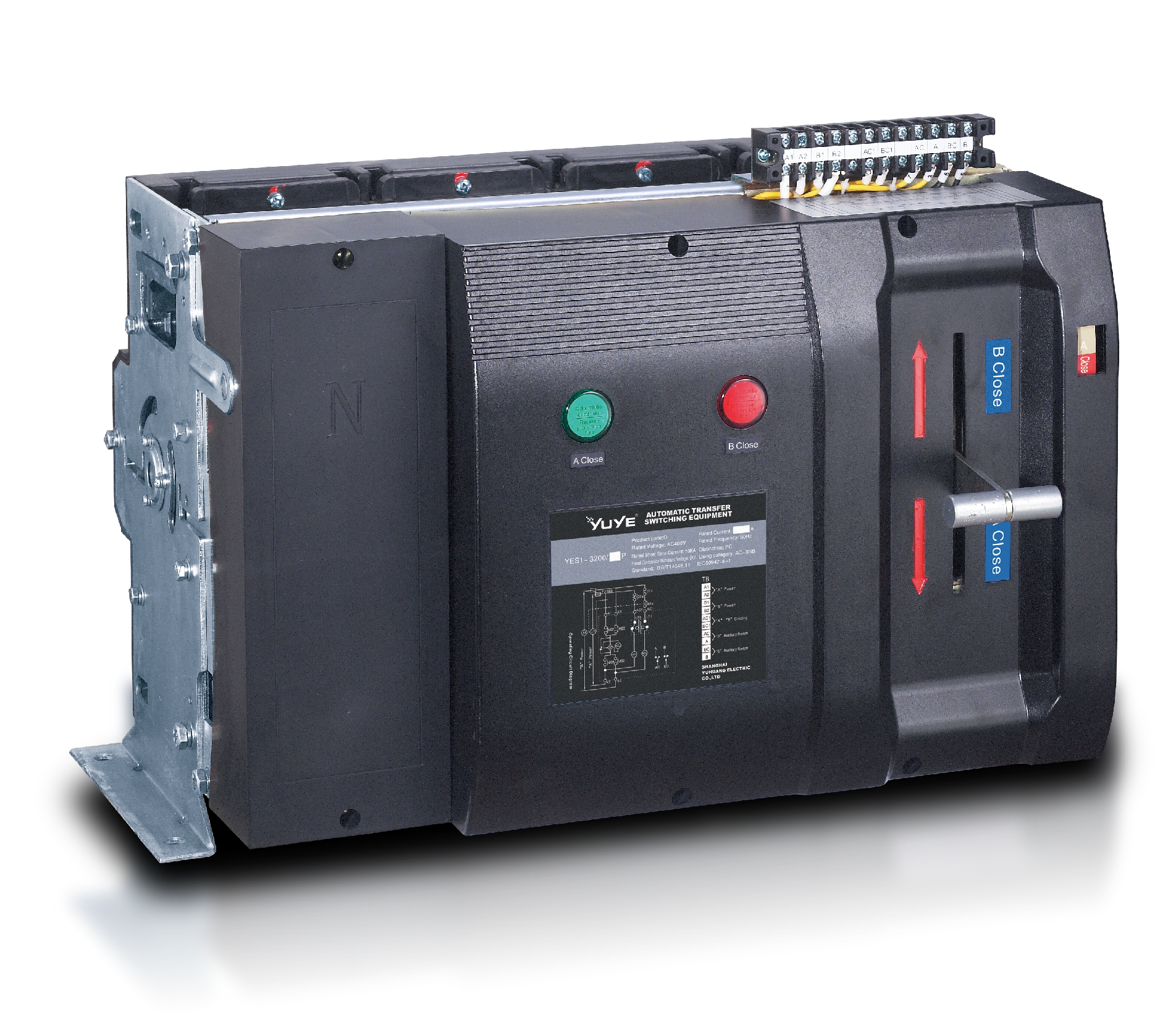 PC ATS YES1-3200Q
 Solenoid-type ATS YES1-4000~6300Q
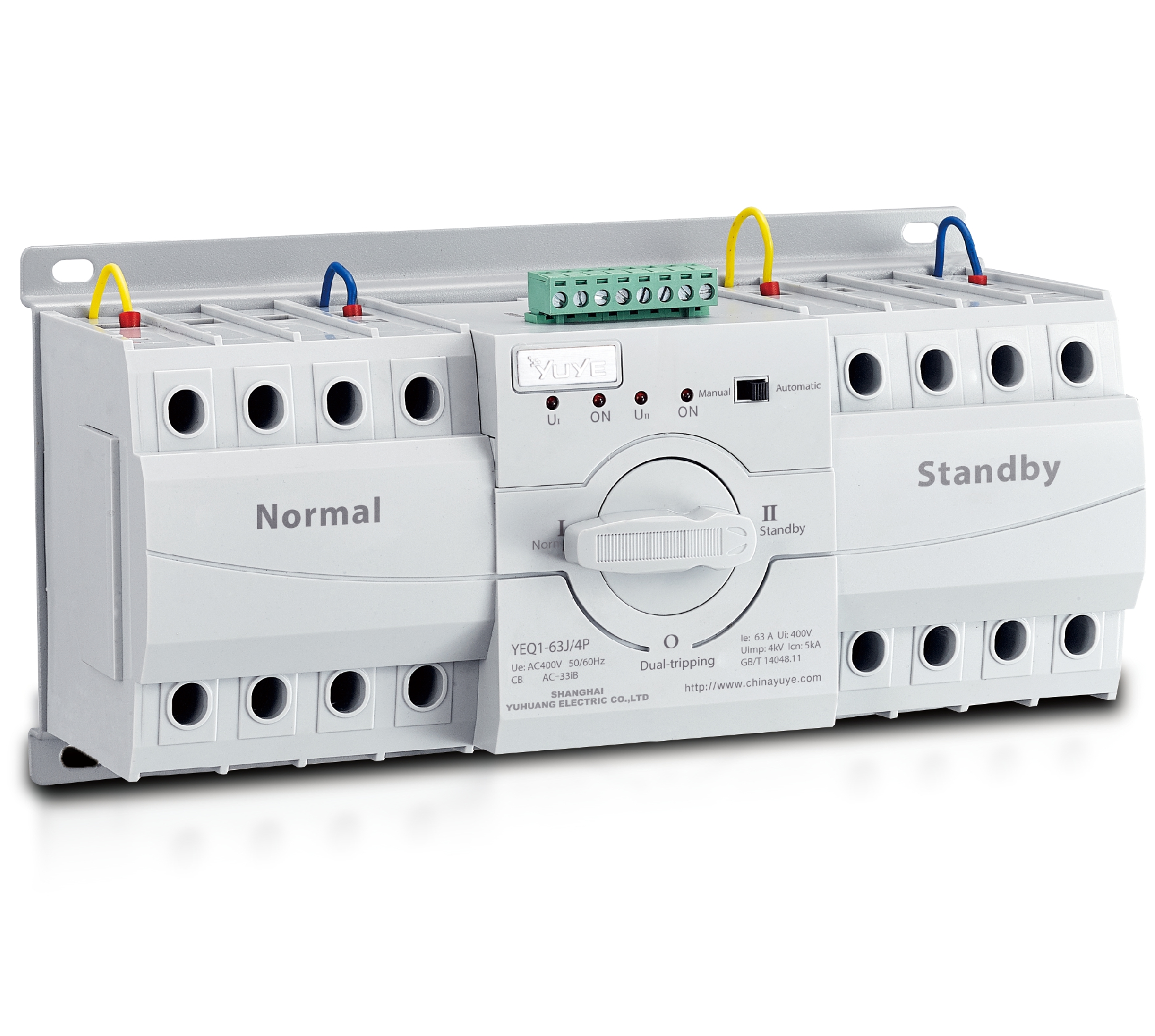 CB ATS YEQ1-63J
 CB ATS YEQ2Y-63
 CB ATS YEQ3-63W1
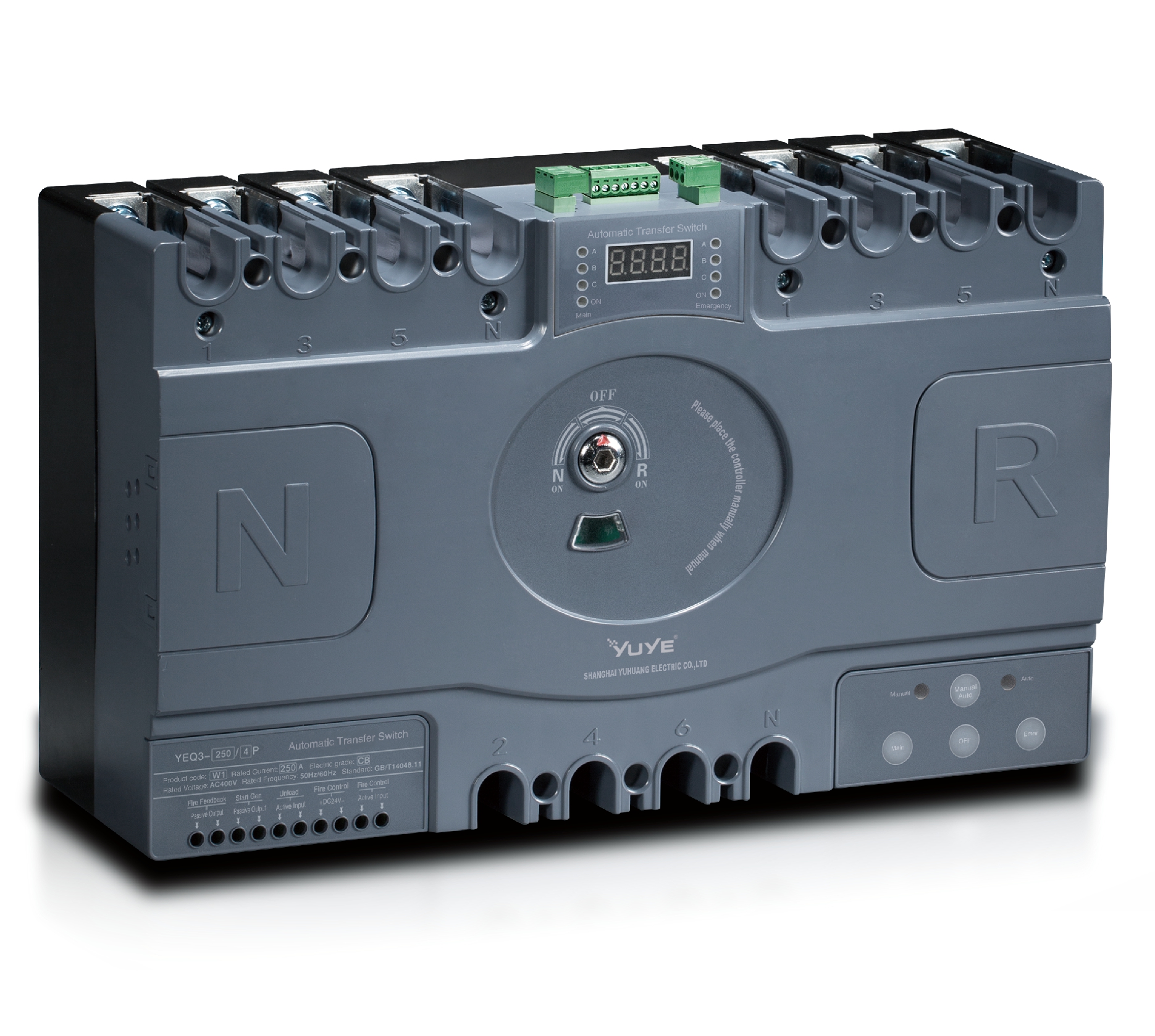 CB ATS YEQ3-125~630W1
 ATS controller Y-700
 ATS Controller Y-700N
 ATS Controller Y-701B
 ATS Controller Y-703N
 ATS Controller Y-800
 ATS Controller W2/W3 Series
 ATS switch Cabinet floor-to-ceiling
 ATS switch cabinet
 JXF-225A power Cbinet
 JXF-800A power Cbinet
 YEM3-125~800 Plastic Shell Type MCCB
 YEM3L-125~630 Leakage Type MCCB
 YEM3Z-125~800 Adjustable Type MCCB
 YEM1-63~1250 Plastic Shell Type MCCB
 YEM1E-100~800 Electronic Type MCCB
 YEM1L-100~630 Leakage Type MCCB
 Miniature circuit breaker YEMA2-6~100
 Miniature circuit breaker YEB1-3~63
 Miniature circuit breaker YEB1LE-3~63
 Miniature circuit breaker YEPN-3~32
 Miniature circuit breaker YEPNLE-3~32
 Miniature circuit breaker YENC-63~125
 Air Circuit Breaker YEW1-2000~6300
 Air Circuit Breaker YEW3-1600
 Load isolation switch YGL-63~3150
 Load Isolation Switch YGL2-63~3150
 Manual Changeover Switch YGL-100~630Z1A
 Manual Changeover Switch YGLZ1-100~3150
 YECPS2-45~125 LCD
 YECPS-45~125 Digital
 CNC Milling/Turning-OEM
 DC relay MDC-300M
 DC Isolation Switch YEGL3D-630


