Figuring out how much an automatic transfer switch will cost you can honestly feel a bit overwhelming. Like John Smith from PowerSafe Solutions pointed out, understanding the price factors involved can actually save you quite a bit of trouble and money down the line. It’s really about taking the time to figure out what you actually need before jumping into a purchase.
Prices for these switches can really vary a lot. Things like the switch’s capacity, the brand, and extra features play a big role in the overall cost. For example, a switch made for a home might be much cheaper than one meant for a commercial setup. But here’s the thing—comparing all those options isn’t just about finding the cheapest one. You want the best bang for your buck, something that actually meets your needs.
And if you’re on a tight budget, it definitely makes things trickier. It’s worth doing a bit of homework—checking out different vendors and options. The market can be kinda confusing and prices can change pretty quickly. Plus, sometimes folks forget to factor in hidden costs like installation or ongoing maintenance, which can sneak up on you. Taking the time to review all these aspects means you’re more likely to make a smart decision and get the right automatic transfer switch at a fair price.

Understanding Automatic Transfer Switch Basics
Automatic Transfer Switches (ATS) are essential for ensuring a continuous power supply during outages. They automatically transfer power from the main source to a backup generator when an interruption occurs. Understanding how these devices work is crucial for making informed decisions.
An ATS consists of various components, including a control system, transfer mechanism, and monitoring setup. When the main power goes out, the control system detects the loss and sends a signal to the transfer mechanism. This switch operates quickly, usually within seconds, to connect the backup power. This rapid response is vital, especially for sensitive equipment.
Choosing the right ATS requires careful consideration of your specific needs. Factors such as load capacity, voltage, and frequency are pivotal. Sometimes, potential buyers may overlook the importance of these factors, which can lead to mismatches between the switch and power requirements. Relying solely on online calculators can be misleading; professional consultation is often necessary. Exploring multiple options, including automatic and manual switches, may also be beneficial. Balancing cost and functionality is crucial for long-term effectiveness.
Factors Influencing Automatic Transfer Switch Prices
When evaluating the price of an automatic transfer switch (ATS), several key factors come into play. The capacity of the switch significantly influences expenses. Higher capacity switches generally cost more due to their ability to manage larger loads. Additionally, the operational features and technology integrated into the ATS can impact pricing. Advanced systems with smart technology tend to command higher prices but offer better efficiency and reliability.
Installation complexity is another element that should not be overlooked. A straightforward installation usually costs less, while intricate setups demand more labor and materials. It's crucial to assess potential installation challenges early in the decision-making process.
Tips: Always consult professionals for accurate assessments. They can provide insights tailored to your specific requirements. Consider monthly or yearly maintenance fees when budgeting. These costs, often overlooked, ensure your ATS operates at peak effectiveness. Ultimately, understanding these influencing factors will help you make an informed decision regarding your ATS investment.
Evaluating Your Power Needs for Accurate Pricing
Evaluating your power needs is crucial when determining the price of an automatic transfer switch (ATS). Start by assessing your electrical load requirements. Research indicates that residential homes typically need between 5 to 20 kW for essential appliances. If your home is larger or has specialized equipment, this number can jump significantly. Understanding your peak demand helps in selecting the right ATS, ensuring you don’t overspend on unnecessary capacity.
Consider the number of circuits you want to support. According to industry reports, a typical residential ATS may handle 4 to 10 circuits for essential equipment. The more circuits you require, the more expensive the ATS will be. Additionally, monitor your utility costs for a few months. This data can reveal trends and help project future power needs. It’s often overlooked that fluctuating energy consumption can lead to underestimating requirements, potentially leading to inadequate equipment selection. This might force you to compromise on functionality later.
Don't forget about installation costs, which can vary significantly. Experts suggest that professional installation may add 10% to 25% to the overall price. Understanding your electrical infrastructure's readiness is essential too. Outdated wiring might need upgrades, impacting your budget. Always consider potential future expansion and whether your ATS will meet evolving power demands. Having a clear picture of all these aspects allows you to make an informed decision and achieve cost-effective solutions.
Comparing Different Types of Automatic Transfer Switches
When choosing an automatic transfer switch (ATS), it's essential to understand the different types available. Major categories include
open-transition switches, closed-transition switches, and
bypass isolation switches. Open-transition switches are the most common and typically more affordable. They allow a brief interruption in power during the transfer.
Closed-transition switches eliminate this gap, but are often costlier.
According to a report by the Electrical Reliability Council, market trends indicate a growing demand for closed-transition switches due to their reliability.
Bypass isolation switches offer additional flexibility and safety but are generally the most expensive option.
As per industry analysis, costs can range from $500 to $5,000, depending on capacity and features.
Tip: Evaluate your power needs ahead of time.
Estimate the total load to ensure the selected ATS can handle it efficiently.
Installation costs might vary significantly based on your location and existing electrical infrastructure.
Always seek regional contractor insights to compare pricing effectively.
Tip: Consider maintenance costs when budgeting.
Some switches require more frequent checks, impacting overall long-term expenses.
Installation Costs Associated with Automatic Transfer Switches
When planning for an automatic transfer switch (ATS), installation costs can vary significantly. Factors such as system size, location, and complexity can influence pricing. On average, expect basic installation expenses to range from a few hundred to several thousand dollars. Additional costs may arise from necessary electrical upgrades or permits.
Hiring a qualified electrician is essential. Their expertise can help ensure your system operates safely and effectively. Installation complexity can differ based on your existing electrical setup. For larger systems or commercial applications, time and resources increase, leading to higher overall costs. Remember to factor in maintenance and potential repairs as part of your investment.
Every installation presents unique challenges. Issues may arise, such as dealing with outdated wiring or unexpected site conditions. Carefully assessing your needs and working with professionals can mitigate these risks. Gathering multiple quotes can also provide clarity on your budget and expectations. Understanding these components will lead to a more informed decision in selecting the right ATS for your needs.
Optional Features That Affect Pricing
When considering an automatic transfer switch (ATS), optional features can significantly influence pricing. It's crucial to understand what aspects matter most for your situation. Some switches come with advanced control interfaces, while others offer remote monitoring capabilities. These optional features can increase the initial cost but enhance functionality.
Tip: Always assess your specific needs before selecting features. For instance, if you do not require remote monitoring, it's wise to save that expense. Simple systems may suffice for residential use. However, businesses often benefit from more features due to their higher demand for reliability.
Additionally, consider your power requirements. Features like overload protection, which might seem unnecessary, can provide essential safeguards for sensitive equipment. If you only need basic transfer capabilities, a more cost-effective model could meet those needs. Evaluate the trade-off between features and price critically; sometimes, less is more.
Where to Purchase Automatic Transfer Switches and Price Comparisons
When considering where to purchase automatic transfer switches (ATS), prices can vary significantly. A report from the National Electrical Manufacturers Association indicates that prices range from $500 to over $5,000 depending on capacity and features. This discrepancy is influenced by the switch size, voltage ratings, and types of transfer methods. Many users overlook how these factors impact overall costs.
To make an informed decision, comparing prices from various suppliers is essential. Websites that aggregate data can help. They offer features to filter by specifications, making it easier to evaluate options. A comprehensive market analysis indicates that online retailers often present better deals due to lower overhead costs. However, it's crucial to consider shipping fees and warranty options when assessing these listings.
Do not forget the importance of after-sales support. While purchasing online may seem economical, local distributors may provide vital services that online stores cannot. The choice requires weighing short-term savings against potential long-term costs related to maintenance and service. Reflect on these factors carefully to ensure a balance between cost and reliability, which is critical for seamless power management.
Automatic Transfer Switch Price Comparison
Conclusion
Understanding the factors that impact Automatic Transfer Switch price is crucial for making an informed purchase decision. Key considerations include the basic functionality of automatic transfer switches, the specific power needs of your setup, and the various types available. Additionally, installation costs and optional features can significantly influence overall pricing.
To ensure you find the best deal, it is advisable to compare different models and their features, as well as to research where to purchase these switches. By evaluating your requirements and understanding the elements that affect Automatic Transfer Switch price, you can make a more accurate and cost-effective choice for your power management needs.

 PC ATS YECT1-2000G
 PC ATS YES2-63~250GN1
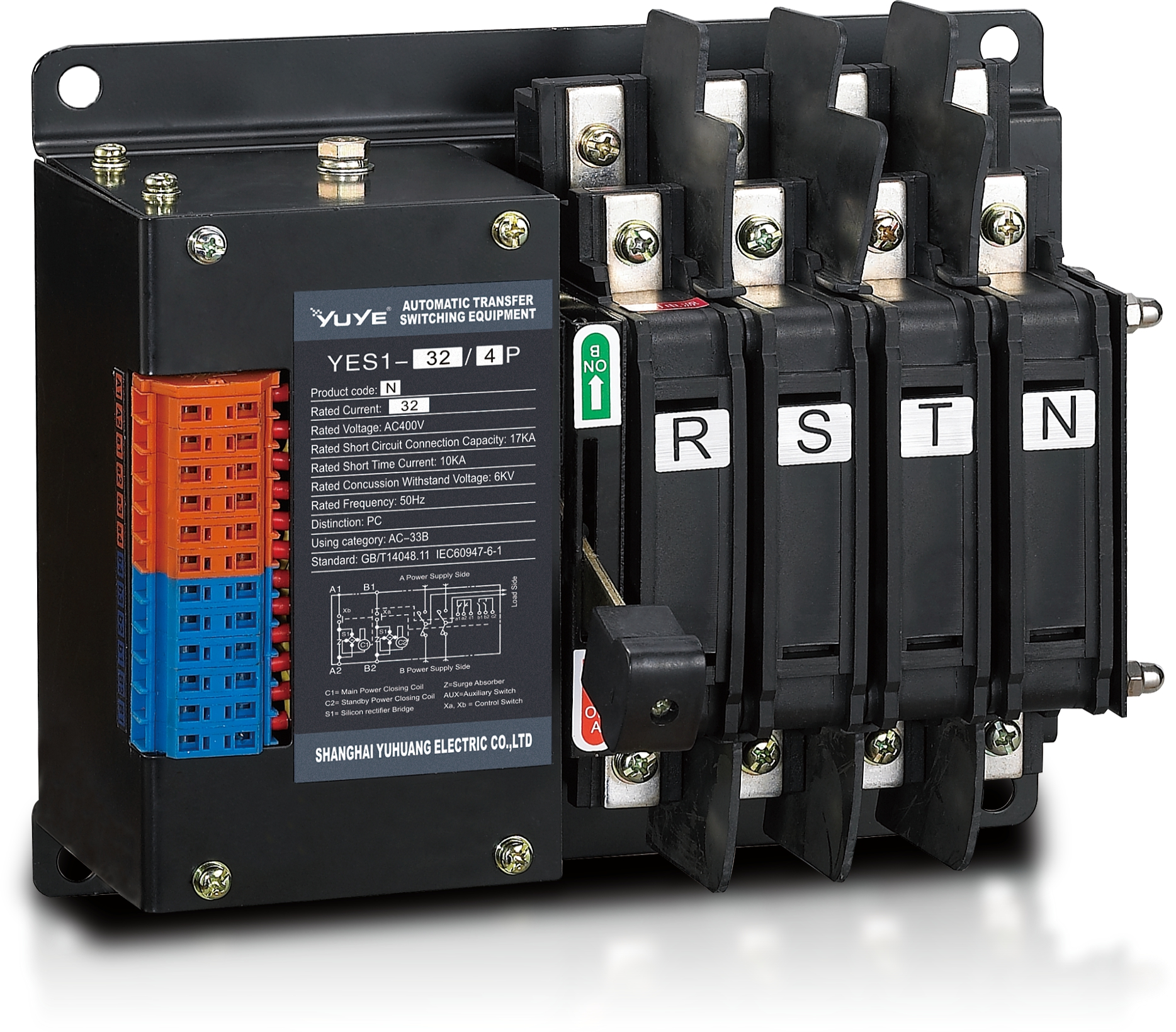 Solenoid-type ATS YES1-32~125N
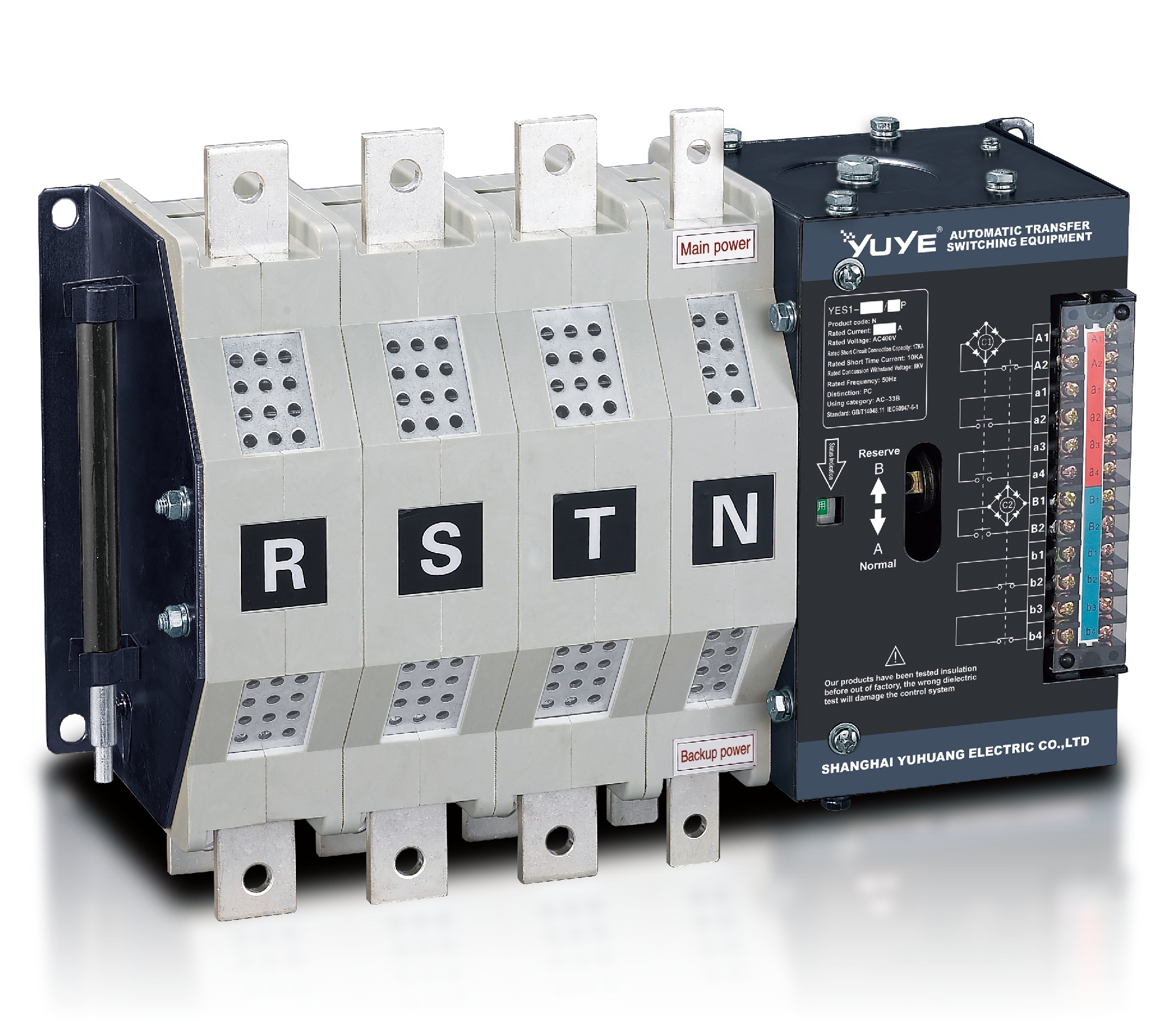 Solenoid-type ATS YES1-250~630N/NT
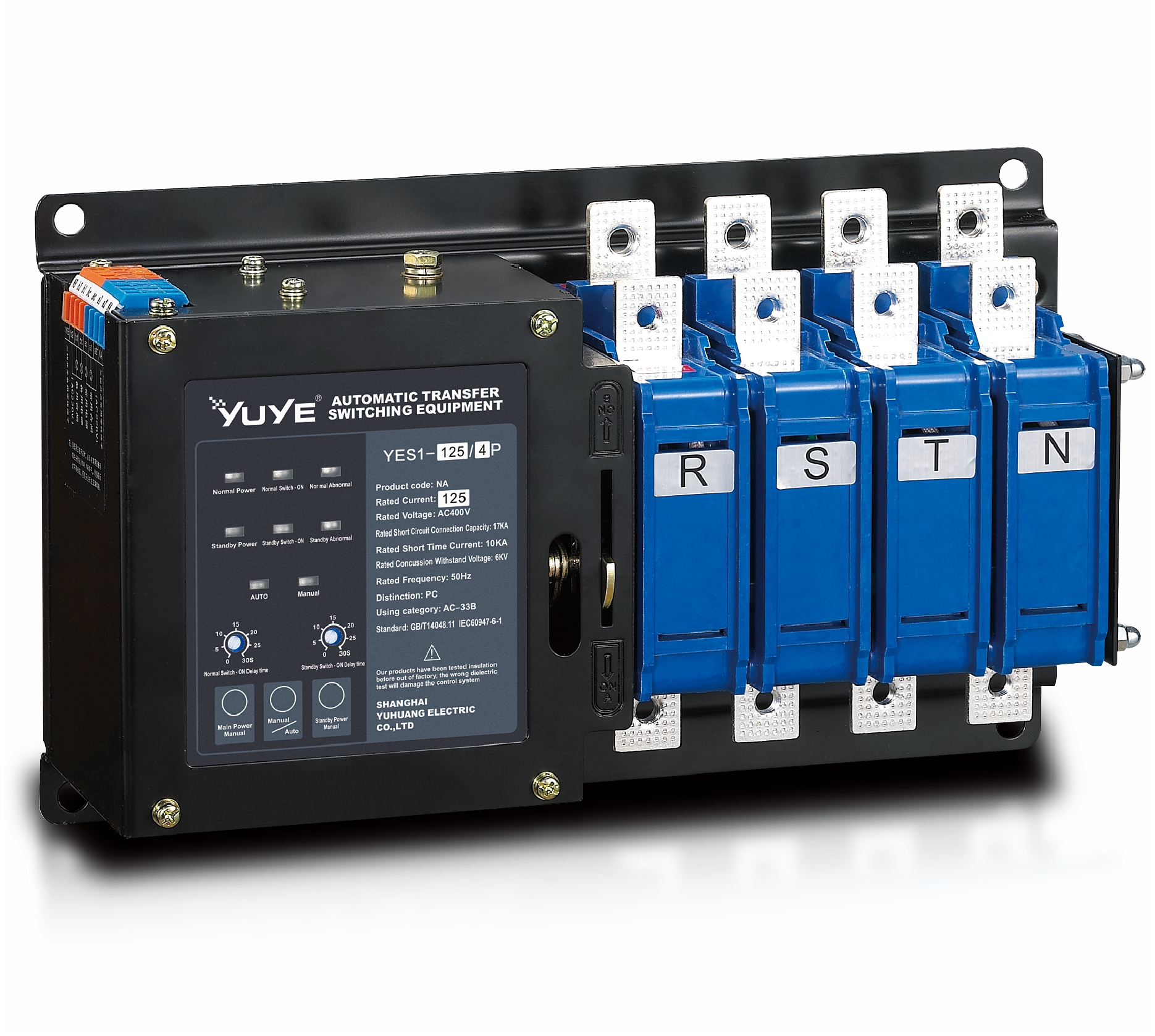 Solenoid-type ATS YES1-32~125NA
 Solenoid-type ATS YES1-63~630SN
 Solenoid-type ATS YES1-1250~4000SN
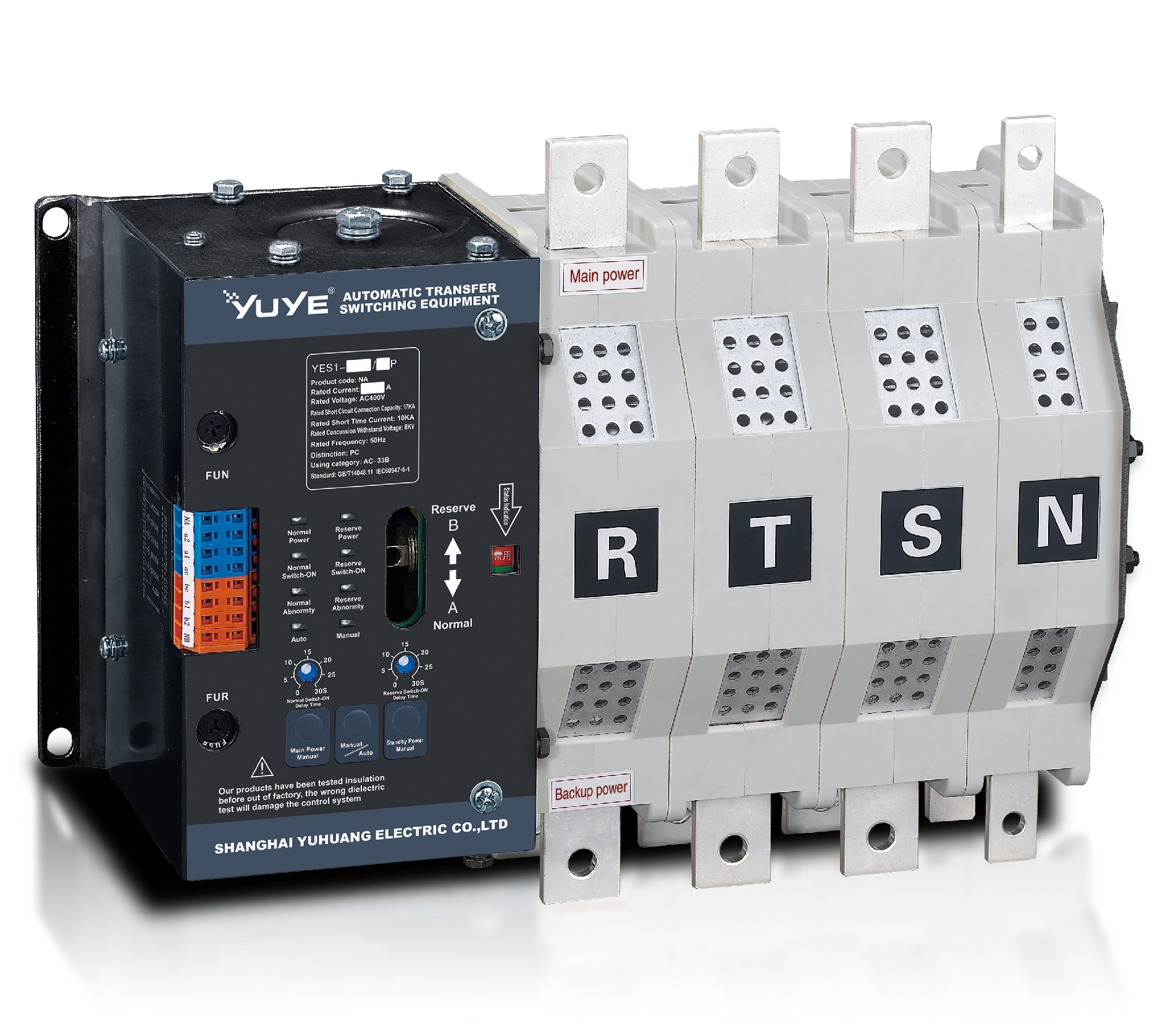 Solenoid-type ATS YES1-250~630NA/NAT
 Solenoid-type ATS YES1-63NJT
 PC ATS YES1-100~1600GN1/GN/GNF
 PC ATS YES1-2000~3200GN/GNF
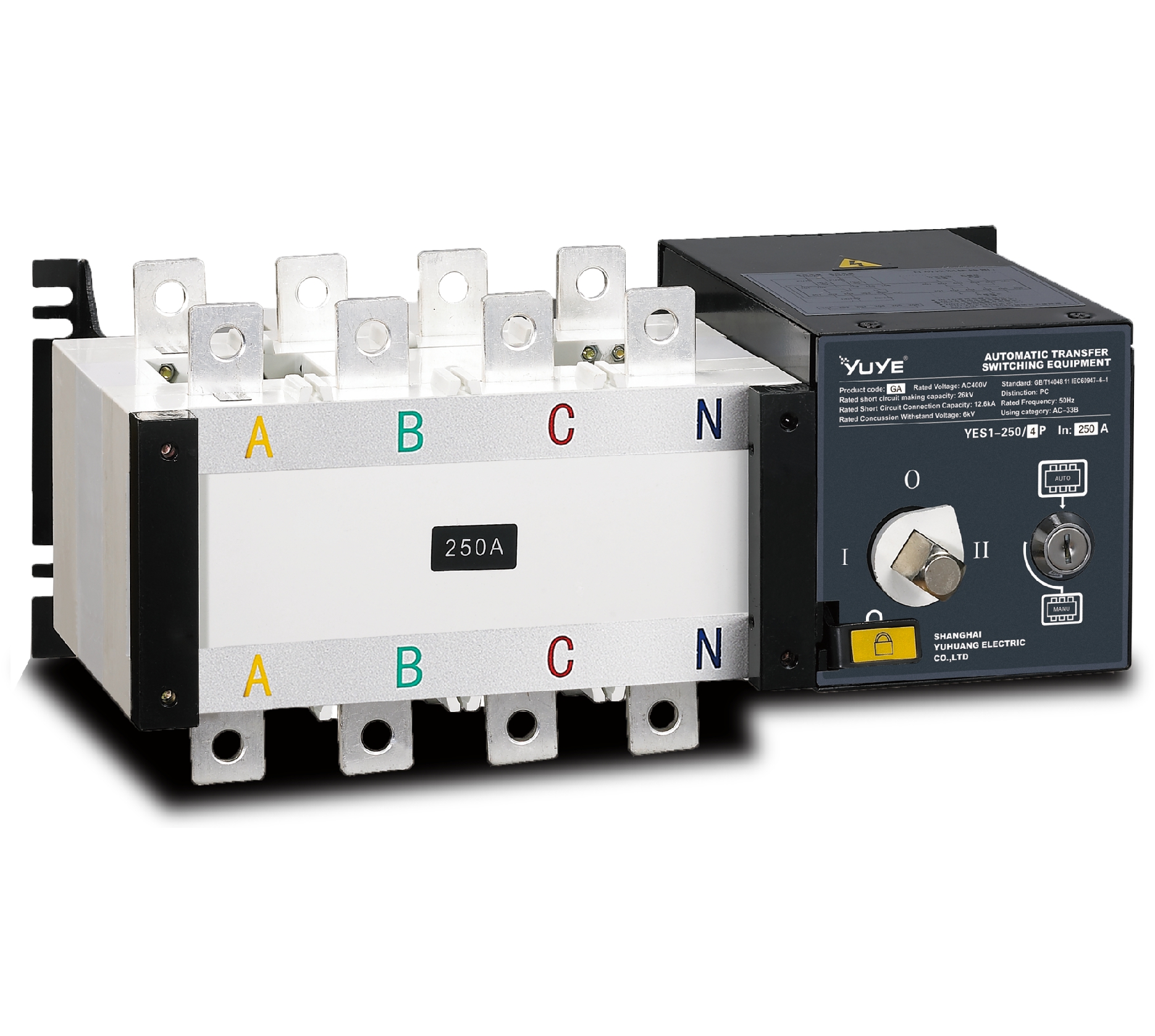 PC ATS YES1-100~3200GA1/GA
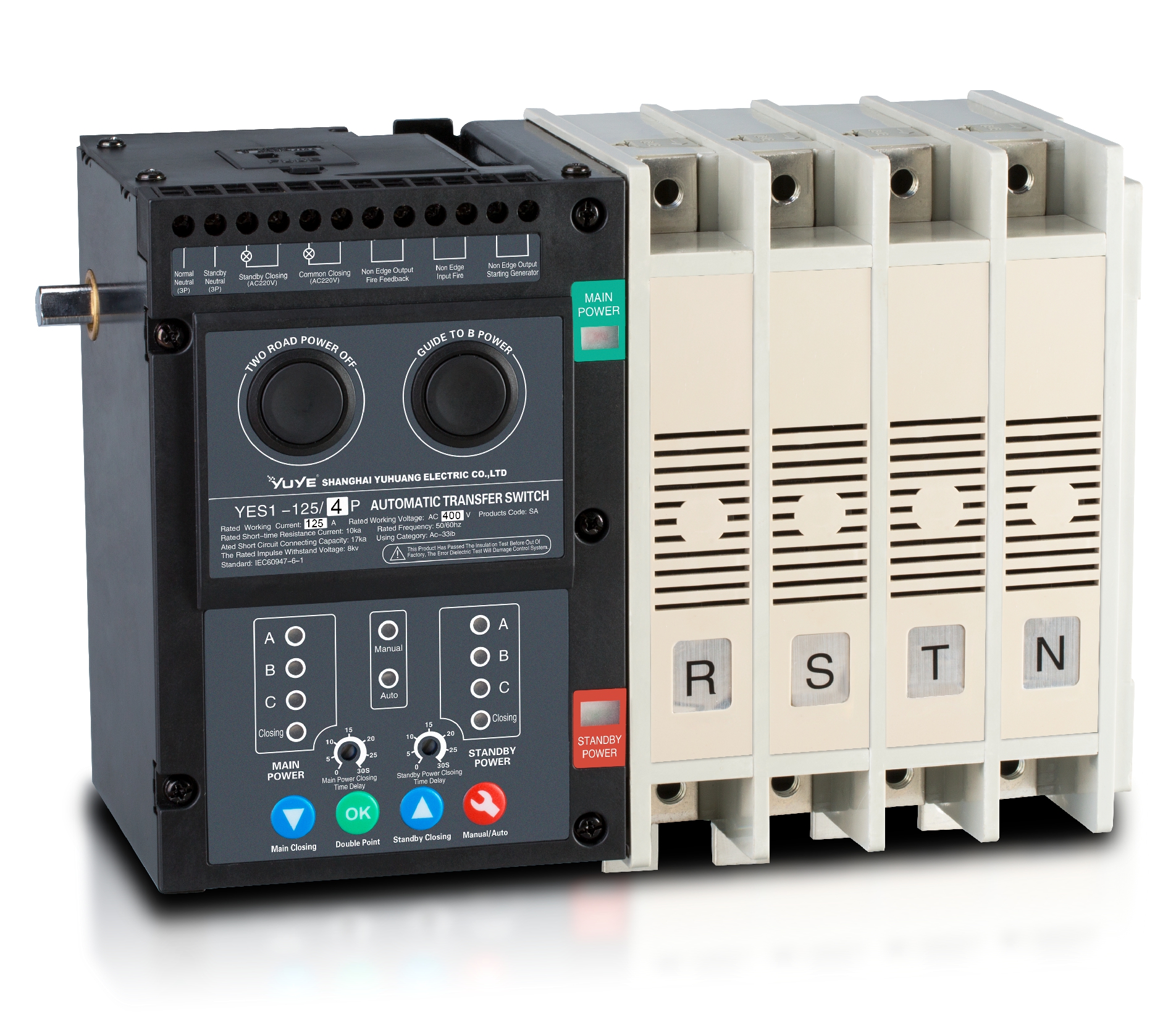 Solenoid-type ATS YES1-63~630SA
 Solenoid-type ATS YES1-63~630L/LA
 Solenoid-type ATS YES1-63~630LA3
 Solenoid-type ATS YES1-63MA
 PC ATS YES1-630~1600M
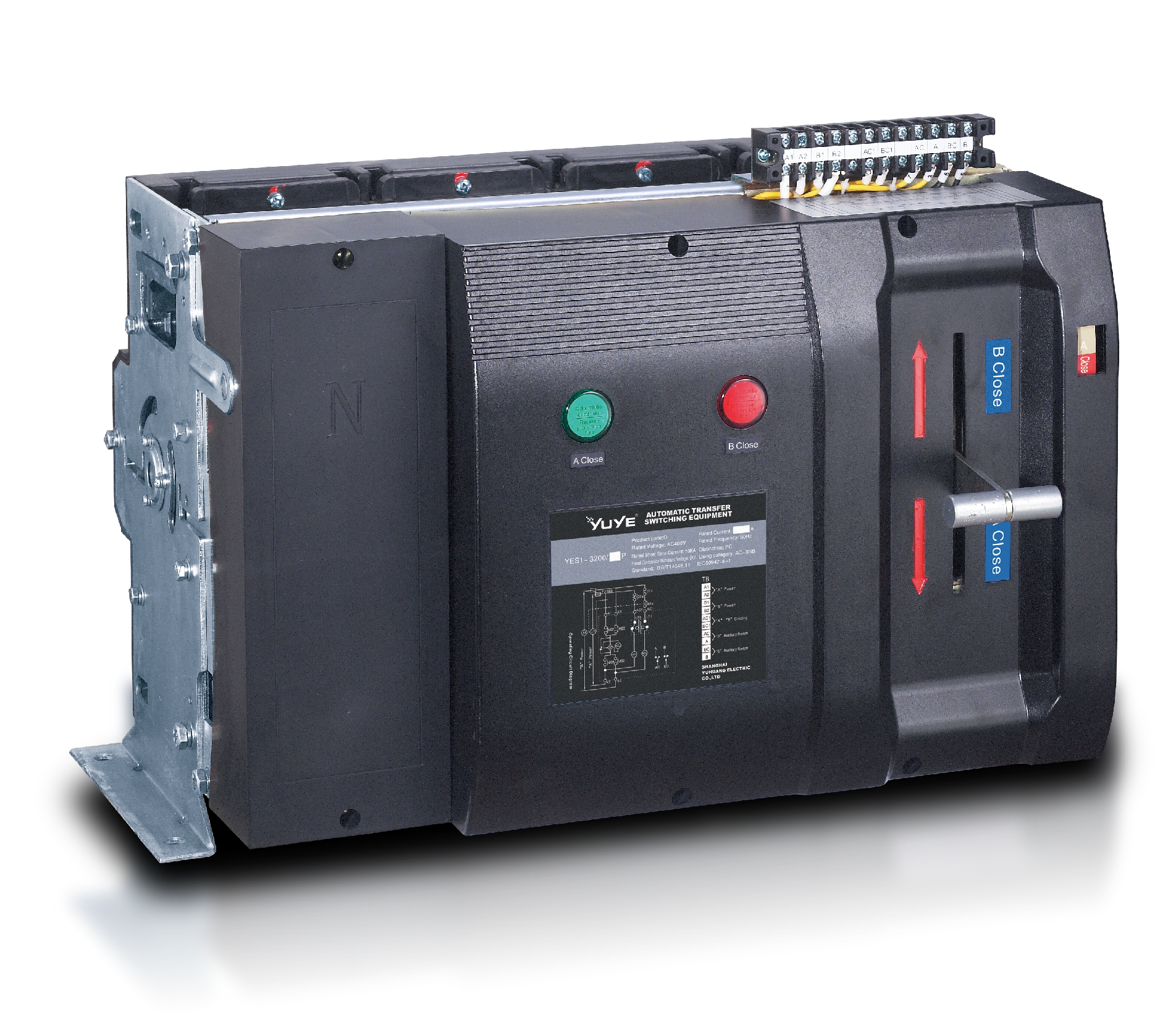 PC ATS YES1-3200Q
 Solenoid-type ATS YES1-4000~6300Q
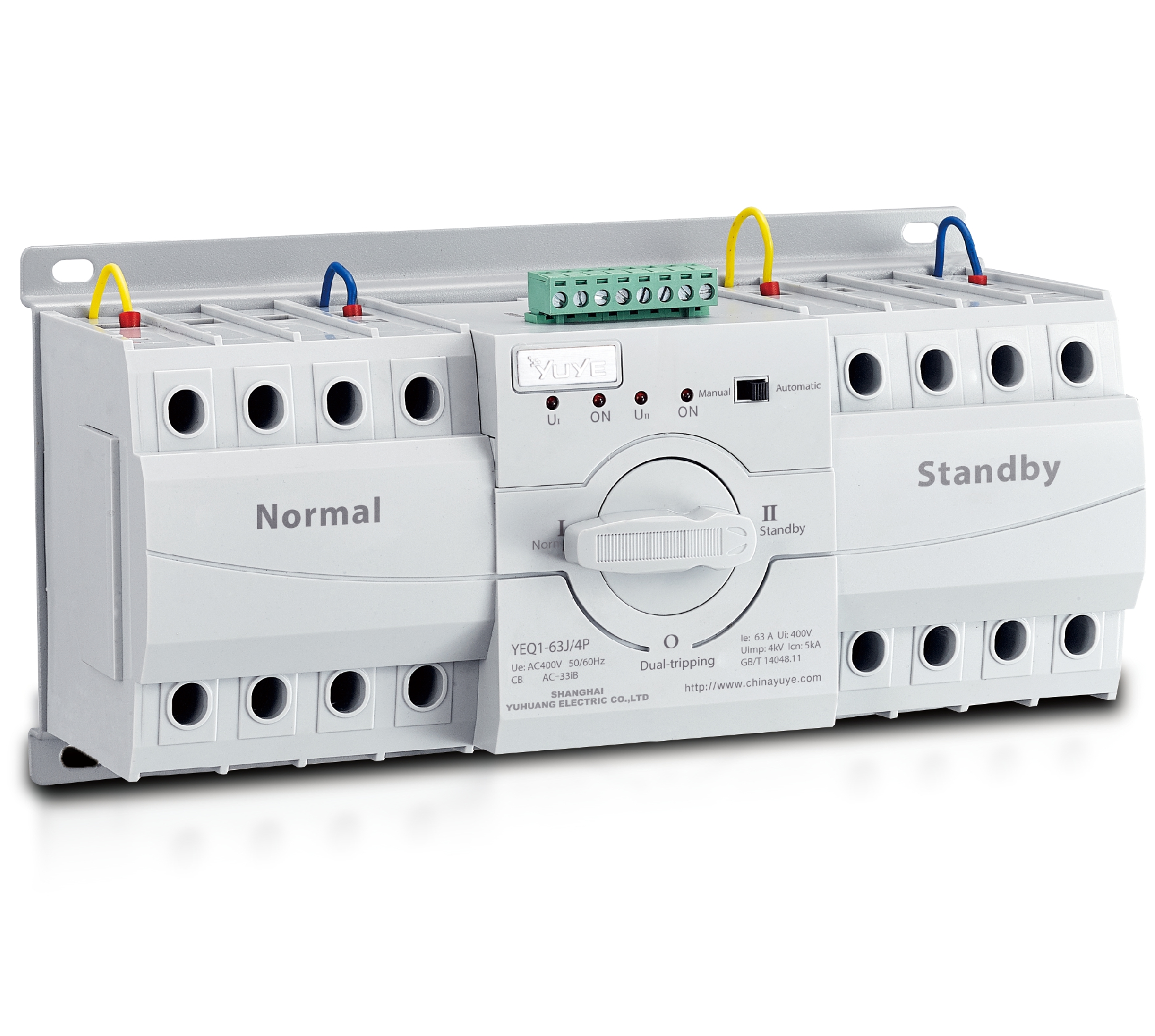 CB ATS YEQ1-63J
 CB ATS YEQ2Y-63
 CB ATS YEQ3-63W1
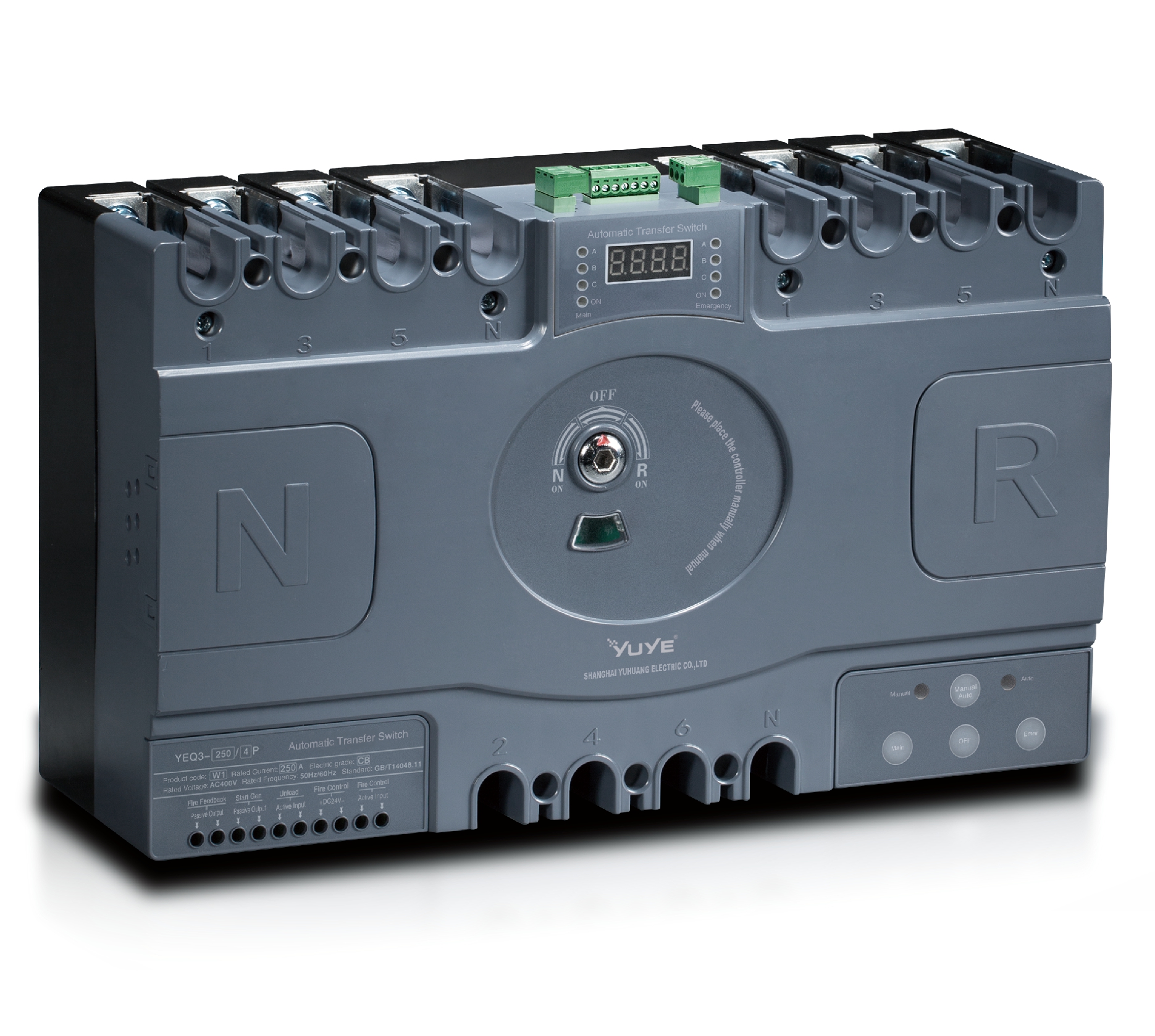 CB ATS YEQ3-125~630W1
 ATS controller Y-700
 ATS Controller Y-700N
 ATS Controller Y-701B
 ATS Controller Y-703N
 ATS Controller Y-800
 ATS Controller W2/W3 Series
 ATS switch Cabinet floor-to-ceiling
 ATS switch cabinet
 JXF-225A power Cbinet
 JXF-800A power Cbinet
 YEM3-125~800 Plastic Shell Type MCCB
 YEM3L-125~630 Leakage Type MCCB
 YEM3Z-125~800 Adjustable Type MCCB
 YEM1-63~1250 Plastic Shell Type MCCB
 YEM1E-100~800 Electronic Type MCCB
 YEM1L-100~630 Leakage Type MCCB
 Miniature circuit breaker YEMA2-6~100
 Miniature circuit breaker YEB1-3~63
 Miniature circuit breaker YEB1LE-3~63
 Miniature circuit breaker YEPN-3~32
 Miniature circuit breaker YEPNLE-3~32
 Miniature circuit breaker YENC-63~125
 Air Circuit Breaker YEW1-2000~6300
 Air Circuit Breaker YEW3-1600
 Load isolation switch YGL-63~3150
 Load Isolation Switch YGL2-63~3150
 YECPS2-45~125 LCD
 YECPS-45~125 Digital
 Manual Changeover Switch YGL-100~630Z1A
 Manual Changeover Switch YGLZ1-100~3150
 CNC Milling/Turning-OEM
 DC relay MDC-300M
 DC Isolation Switch YEGL3D-630


