In today’s ever-changing world of renewable energy, the Automatic Transfer Switch Solar really stands out as a key piece of the puzzle. It’s one of those components that might not get all the attention at first, but it’s pretty crucial for your solar setup. Basically, it makes sure your power switches smoothly from the grid to your solar system without any hiccups. More and more homeowners and businesses are on the lookout for dependable energy solutions, and with solar becoming super popular, it’s important to get a good handle on what these switches do and why they matter.
Think of the Automatic Transfer Switch Solar as your safety net—if the grid suddenly goes down, it kicks in automatically and switches over to your solar power. That’s a big deal during emergencies when you need your power to stay on. Plus, it helps your solar system run more efficiently. But honestly, a lot of folks don’t really pay much attention to this part until something goes wrong. That’s why regular upkeep and making sure it’s installed properly are so important—you don’t want to overlook these little things.
Choosing the right Automatic Transfer Switch Solar might seem simple at first, but there’s actually quite a bit to consider. Not all systems work together, so picking the wrong one can cause headaches down the line. And let’s be real, maintaining it is something you’ll need to stay on top of. Being aware of these things from the get-go can really make all the difference and help you enjoy a reliable, efficient solar power setup. Your choice here can totally impact how well your whole system performs, especially when it matters most.

What is an Automatic Transfer Switch (ATS)?
An Automatic Transfer Switch (ATS) is a vital component in solar energy systems. It enables seamless switching between utility power and solar-generated power. When a power outage occurs, the ATS detects the loss of utility power and transmits a signal to the inverter. This action ensures that the solar system remains operational, providing a continuous flow of energy.
The design of an ATS involves intricate circuitry and logic controls. These devices must meet strict safety standards to ensure reliability. When installed by qualified professionals, ATS units can significantly enhance the efficiency of solar systems. However, improper installation or sizing can lead to malfunction, causing disruptions. It is crucial to consult with experienced technicians to avoid potential issues.
Deploying an ATS improves the overall resilience of energy supply. This is particularly beneficial in regions prone to frequent outages. Yet, users need to monitor their ATS regularly. Routine maintenance can prevent unexpected failures and ensure optimal performance. Regular checks also help identify wear and tear that might go unnoticed in daily use.
Annual Energy Production from Solar Systems with Automatic Transfer Switches
The Role of ATS in Solar Power Systems
An Automatic Transfer Switch (ATS) plays a crucial role in solar power systems. It enables seamless switching between the grid and solar energy. When the grid fails, the ATS detects the outage and automatically switches to the solar source. This function ensures continuous power supply, crucial for homes and businesses.
The design of ATS systems varies, but the core function remains the same. They monitor energy sources and decide when to switch. This decision-making process is vital, as delays can lead to energy shortages. An ATS must be reliable, as a failure can disrupt essential services.
Installing an ATS might seem straightforward, but it requires expertise. Errors in installation can lead to inefficiencies. Users should actively monitor their ATS performance. Regular maintenance is essential to avoid unexpected failures. Some might overlook this, thinking all is well. However, even minor issues can escalate if not addressed.
Understanding how your ATS functions can empower users. It helps in recognizing when maintenance is due. Investing time in learning about your ATS pays off in the long run.
Benefits of Using an ATS with Solar Energy
An Automatic Transfer Switch (ATS) plays a critical role in managing energy flows in solar systems. It automatically switches power sources, ensuring a seamless transition between the grid and solar energy. When the grid fails, the ATS activates. This guarantees that your solar system provides continuous power.
One major benefit of using an ATS with solar energy is reliability. It minimizes downtime during power outages. Your home can remain operational, even in emergencies. Additionally, an ATS enhances energy efficiency. It allows for optimal use of your solar energy, reducing dependency on the grid.
Tips: Regular maintenance of the ATS is vital. Inspect connections to ensure they are secure. Consider scheduling professional checkups annually to catch issues early. It's also important to review your energy needs periodically. This helps to assess if your ATS and solar setup are still adequate. Recognizing and addressing weaknesses can lead to better performance.
How ATS Works: Key Components and Functionality
An Automatic Transfer Switch (ATS) plays a crucial role in solar systems, ensuring seamless power transitions. It automatically switches the power supply between the grid and solar generation. When the grid fails or reaches a specified threshold, the ATS activates the backup solar power system. This feature is essential for maintaining a continuous power supply, especially in regions prone to outages.
Key components of an ATS include the control system, relays, and circuit breakers. The control system monitors voltage levels and grid status. If it detects a fault, it initiates a swift transfer, usually within seconds. According to the Solar Energy Industries Association, over 60% of solar installations in residential sectors utilize ATS for reliable performance. However, issues can arise, such as incorrect voltage detection. These can lead to unwanted system outages.
Reliability in an ATS is paramount. An effective ATS must be installed properly, with regular maintenance checks recommended. The reliability rate for well-maintained systems reaches up to 99%. Yet, many installations lack timely servicing, which poses risks. Ensuring that all components are functional is crucial for optimal performance. This can sometimes be overlooked, creating vulnerabilities in the system.
Installation Considerations for Solar ATS
When considering the installation of an Automatic Transfer Switch (ATS) for solar systems, a few key factors must be addressed. An ATS is essential for managing the power transition between solar energy and the grid. Proper placement of the ATS is critical. It should be near the main electrical panel for efficient energy flow. This reduces the complexity of wiring and enhances reliability.
The electrical load is another important consideration. It helps to determine the switch's capacity and ensure it can handle peak demands. Oversizing or undersizing can lead to inefficiencies or equipment failure. Additionally, it is essential to ensure compliance with local codes. Not all regions have the same regulations. Ignoring these can result in costly modifications later.
Installing an ATS may seem straightforward, but it can present unexpected challenges. Ensuring all components are compatible is vital. Misalignment can lead to system failures or downtimes. Regular maintenance of the system is crucial. It helps to identify wear and tear early. These steps emphasize the importance of thorough planning and ongoing assessments throughout the lifespan of the solar installation.
Maintenance and Troubleshooting of ATS in Solar Systems
An Automatic Transfer Switch (ATS) is essential in solar systems. It seamlessly transfers power between your solar system and the grid. Regular maintenance is crucial to ensure optimal performance. Checking connections and components can prevent many issues.
Common problems with ATS include faulty sensors or switches. These issues can hinder proper operation. A visual inspection is a good first step. Look for loose wires and signs of wear. Testing the system during a power outage can also reveal underlying problems.
Remember, a proactive approach is better than reactive repairs. Keeping a log of maintenance activities can help track performance. If a malfunction occurs, understanding the common signs can aid in troubleshooting. Regular training on ATS operation is beneficial. Enhancing your knowledge can lead to better decision-making.
What is an Automatic Transfer Switch for Solar Systems? - Maintenance and Troubleshooting of ATS in Solar Systems
| Component |
Function |
Maintenance Frequency |
Common Issues |
Troubleshooting Steps |
| ATS Control Panel |
Controls the switching between grid and solar power |
Monthly |
Power failure response failure |
Verify settings and perform a manual test of switching |
| Relay |
Engages/disengages power based on input |
Quarterly |
Stuck relay |
Check and replace if necessary |
| Circuit Breaker |
Protects against overload and short circuits |
Biannually |
Tripping frequently |
Inspect for faults and reset |
| Sensors |
Monitor voltage and current levels |
Annually |
Incorrect voltage readings |
Calibrate or replace as needed |
| Manual Override |
Allows manual switching in emergencies |
As needed |
Manual button failure |
Test functionality and replace if broken |
Future Trends in ATS Technology for Renewables
Automatic Transfer Switches (ATS) play a crucial role in solar systems. They ensure seamless switching between the grid and solar power. As renewable energy sources gain traction, ATS technology is evolving rapidly. According to a report by the International Renewable Energy Agency, solar energy capacity is expected to exceed 2,800 GW by 2030. This growth demands more efficient and reliable switching solutions.
Future trends in ATS technology indicate a shift towards increased automation and smarter systems. Some ATS units are now equipped with IoT capabilities, enabling real-time monitoring and control. A survey conducted by Energy Management Research found that 65% of companies plan to invest in automated monitoring solutions in the next two years. This data highlights a growing reliance on technology for optimizing energy use.
However, challenges remain. As systems become more complex, integration issues can arise. Transitioning to automated systems may encounter resistance from operators accustomed to traditional methods. It is essential to address these concerns. A focus on training and support will be critical as the market adapts to new advancements in ATS technology. The balance between innovation and human expertise is fundamental for optimizing renewable energy systems.
FAQS
utomatic Transfer Switch (ATS)?
It automatically detects power loss and activates the solar backup system. The process takes only seconds.
It includes a control system, relays, and circuit breakers. These components work together to maintain power reliability.
Improper installation can lead to malfunction. This may disrupt power supply and reduce system efficiency.
Regular monitoring and maintenance checks are essential. This helps prevent unexpected failures and ensures optimal performance.
Incorrect voltage detection can cause unwanted outages. Users often overlook this, leading to system vulnerabilities.
Up to 99% reliability is possible with proper maintenance. However, many systems lack timely servicing.
Consult experienced technicians immediately. Delays can worsen issues, risking energy supply continuity.
Regular checks are crucial but often neglected. Even minor wear can lead to significant problems over time.
It may cause a loss of power supply. Users need awareness to avoid dependability issues from neglect.
Conclusion
An Automatic Transfer Switch (ATS) is a critical component in solar power systems, facilitating the seamless transition between grid power and solar energy. Its primary role involves managing power distribution when there's an interruption or fluctuation in the electrical supply. This system ensures that homes can continue to operate smoothly by automatically switching to backup power, enhancing reliability and efficiency in energy usage.
Using an Automatic Transfer Switch Solar enhances the benefits of solar energy by providing uninterrupted power during outages while also optimizing energy savings. Key components of an ATS include relays, circuit breakers, and control systems, which work together to monitor power supply and execute necessary transitions. Proper installation and routine maintenance are vital for ensuring the longevity and effectiveness of the ATS in solar setups. With ongoing advancements in technology, the future of ATS appears promising, focusing on improved integration with renewable energy sources and smart grid solutions.

 PC ATS YECT1-2000G
 PC ATS YES2-63~250GN1
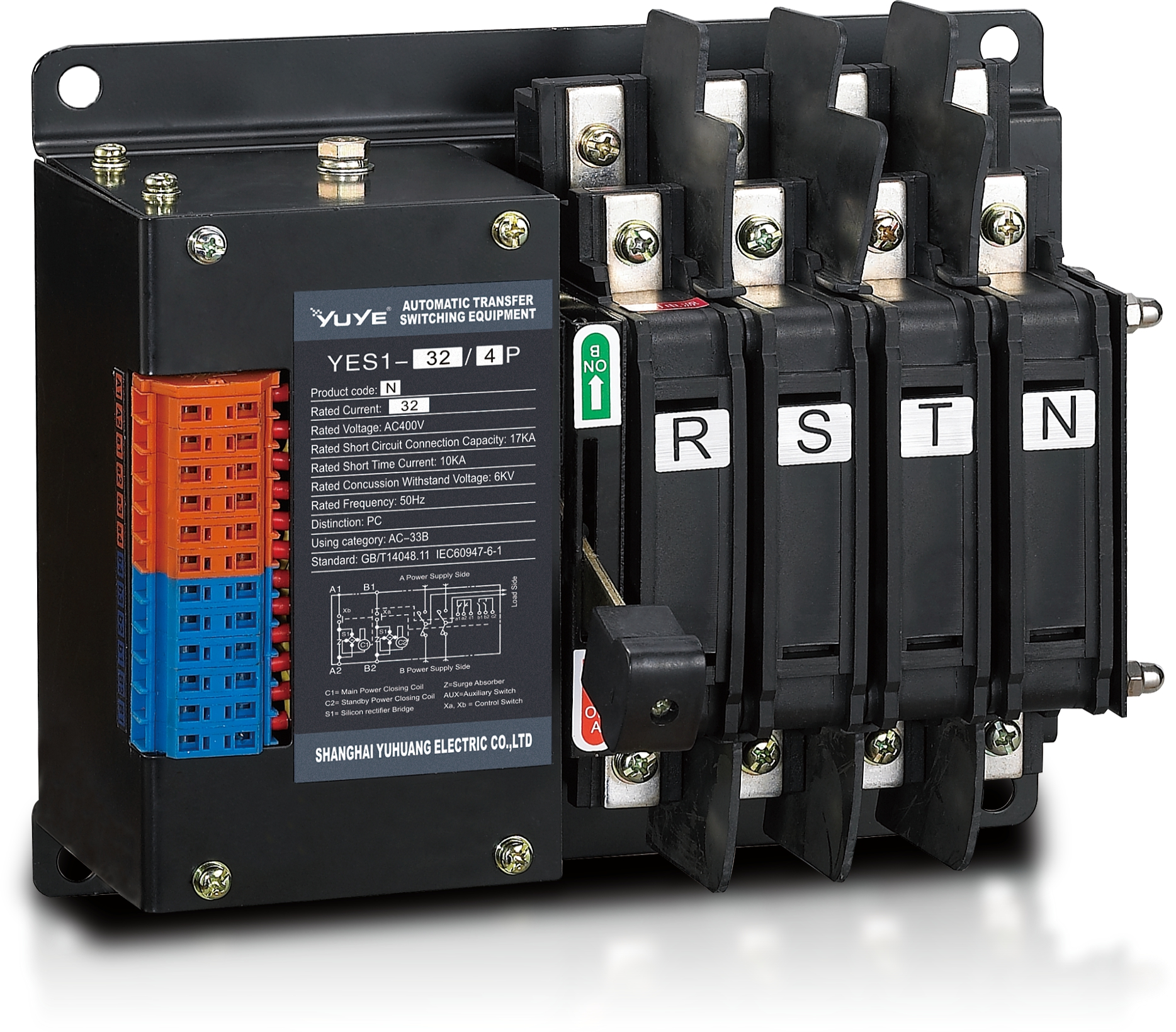 Solenoid-type ATS YES1-32~125N
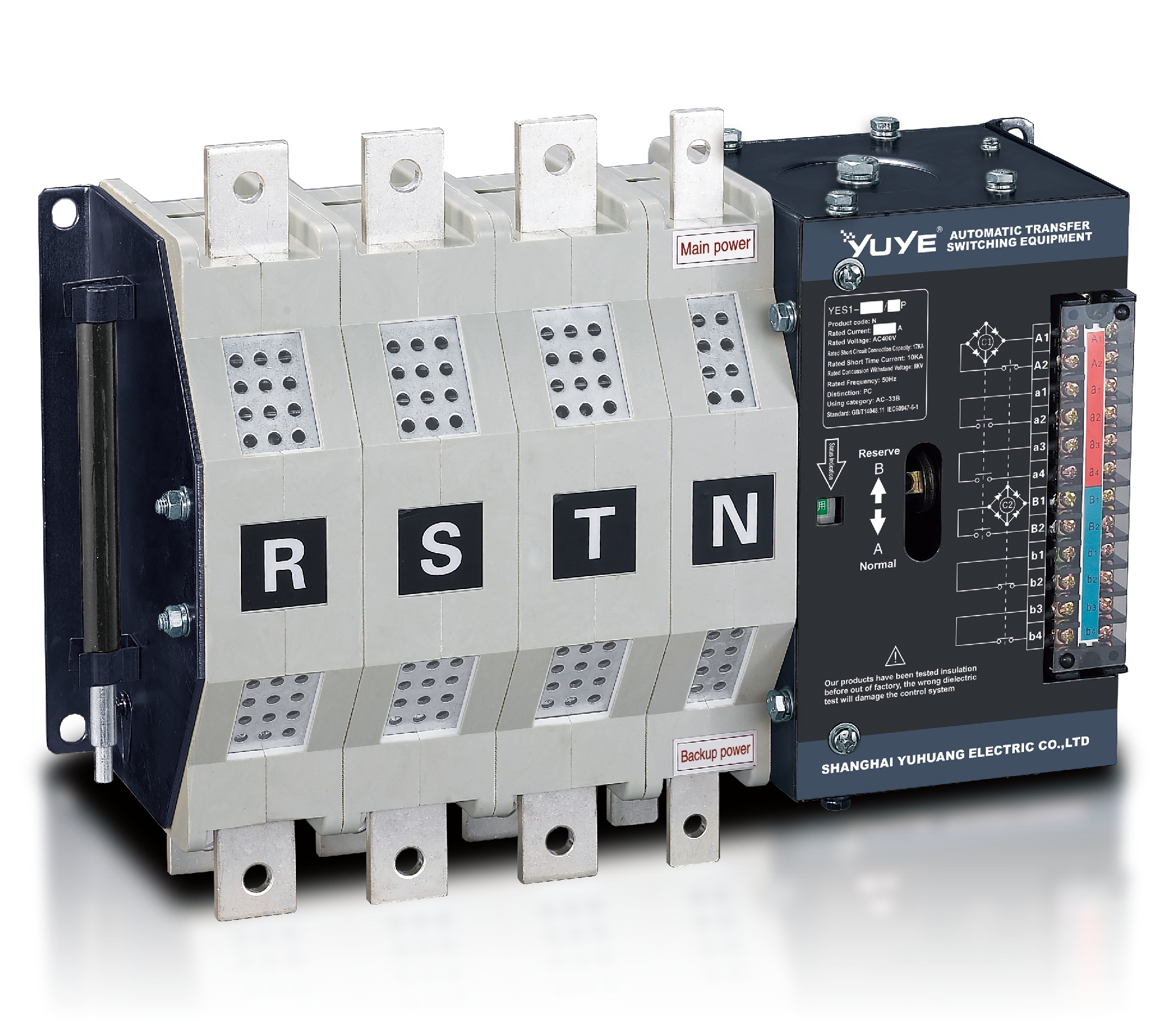 Solenoid-type ATS YES1-250~630N/NT
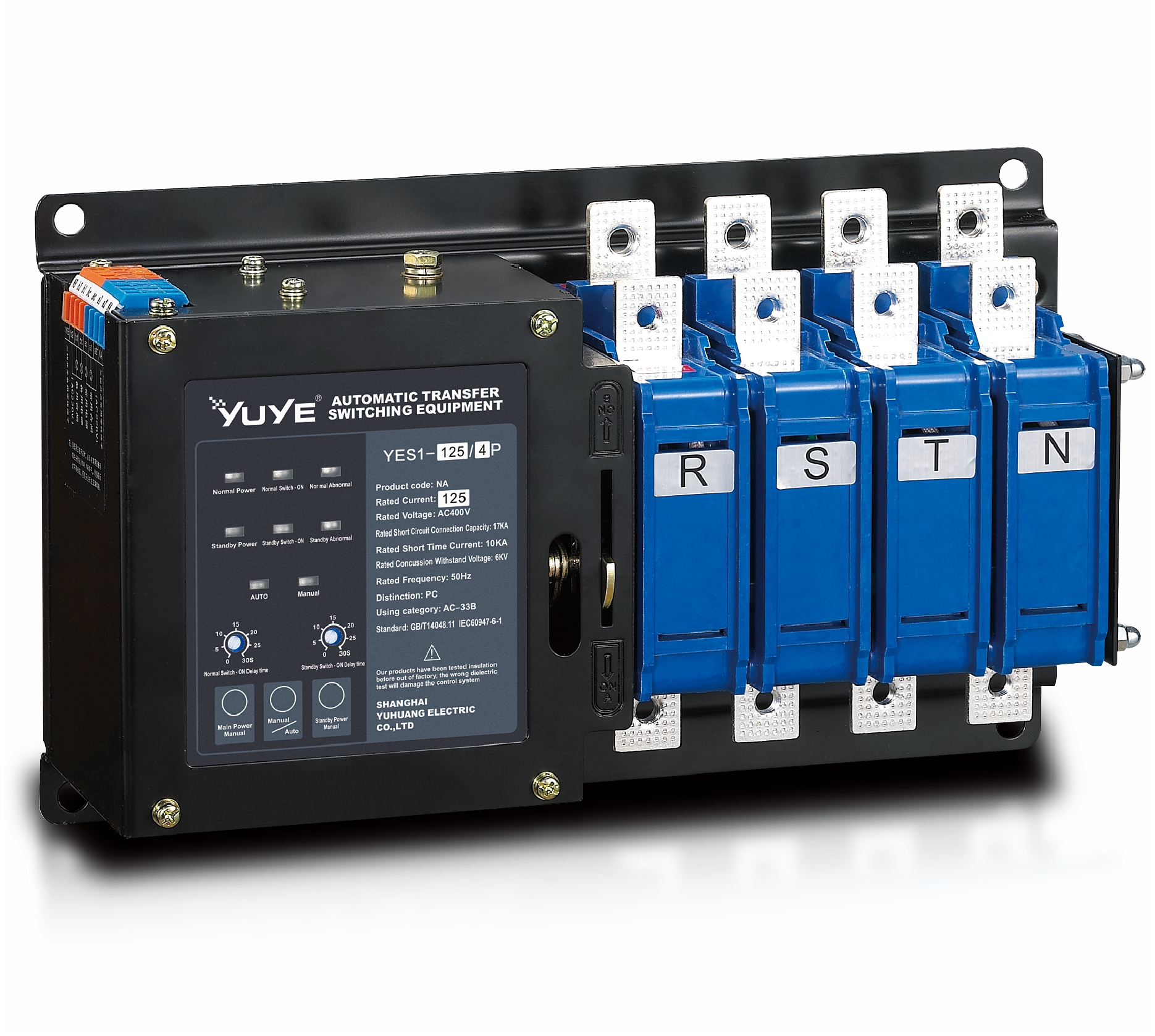 Solenoid-type ATS YES1-32~125NA
 Solenoid-type ATS YES1-63~630SN
 Solenoid-type ATS YES1-1250~4000SN
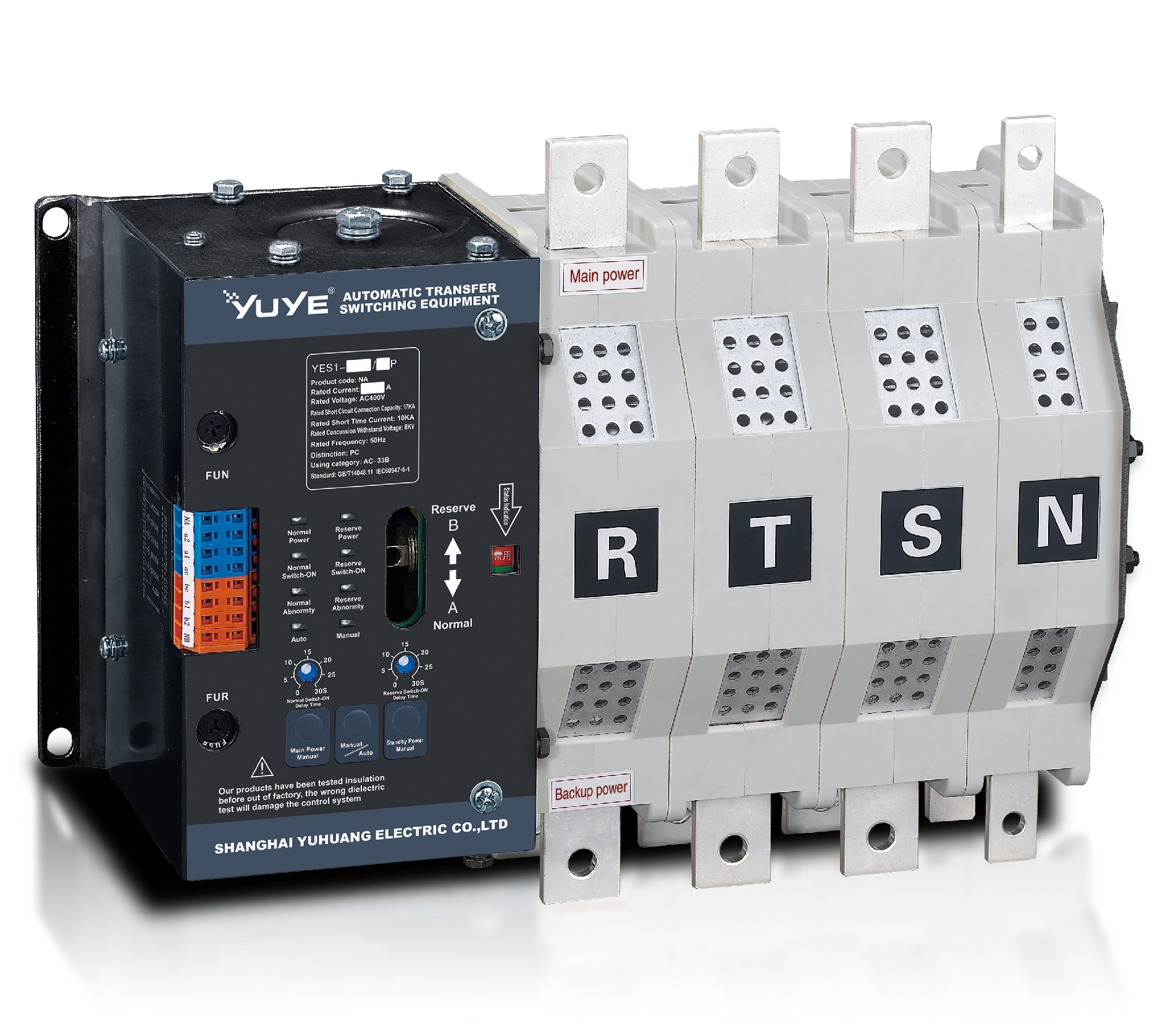 Solenoid-type ATS YES1-250~630NA/NAT
 Solenoid-type ATS YES1-63NJT
 PC ATS YES1-100~1600GN1/GN/GNF
 PC ATS YES1-2000~3200GN/GNF
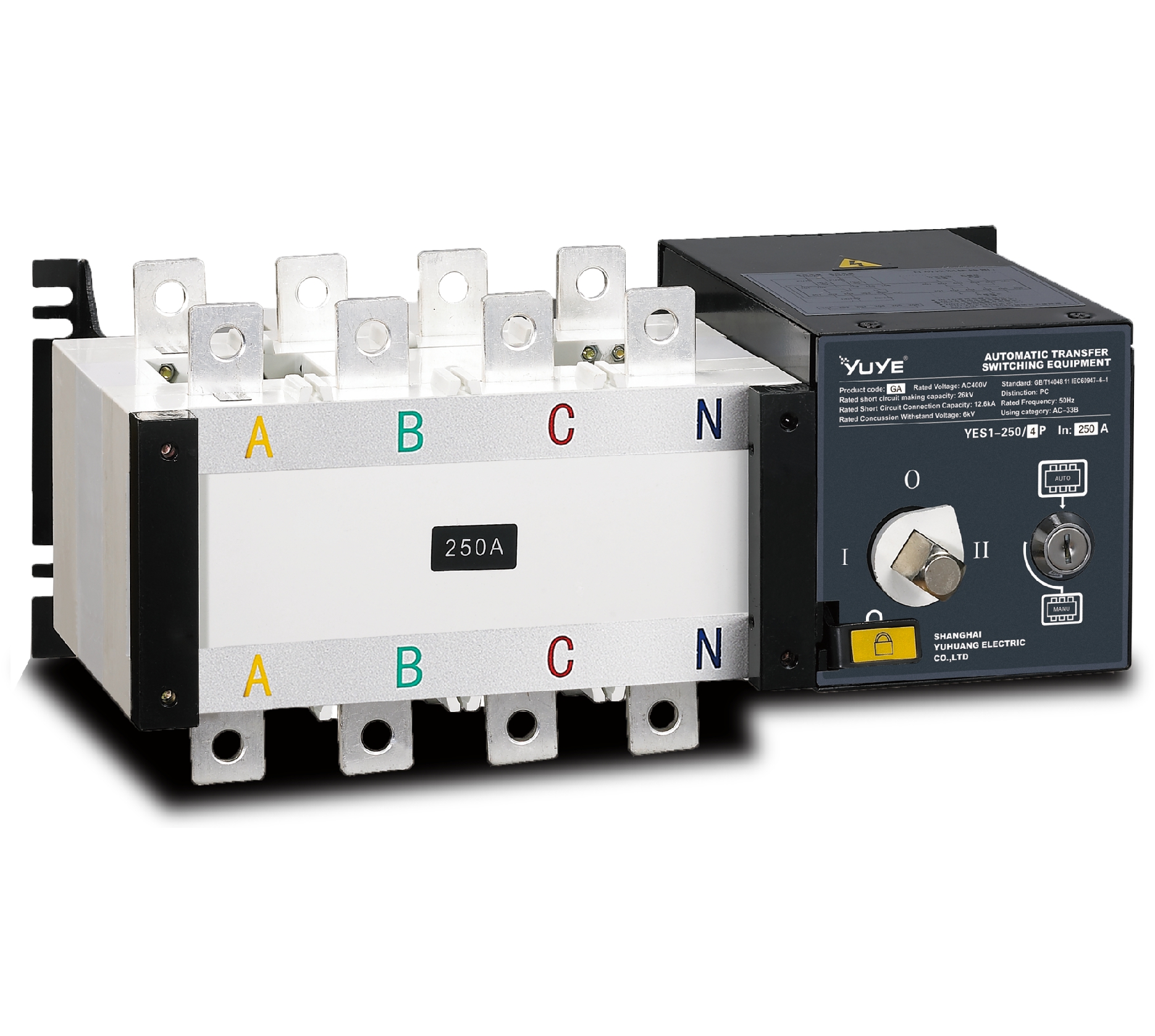 PC ATS YES1-100~3200GA1/GA
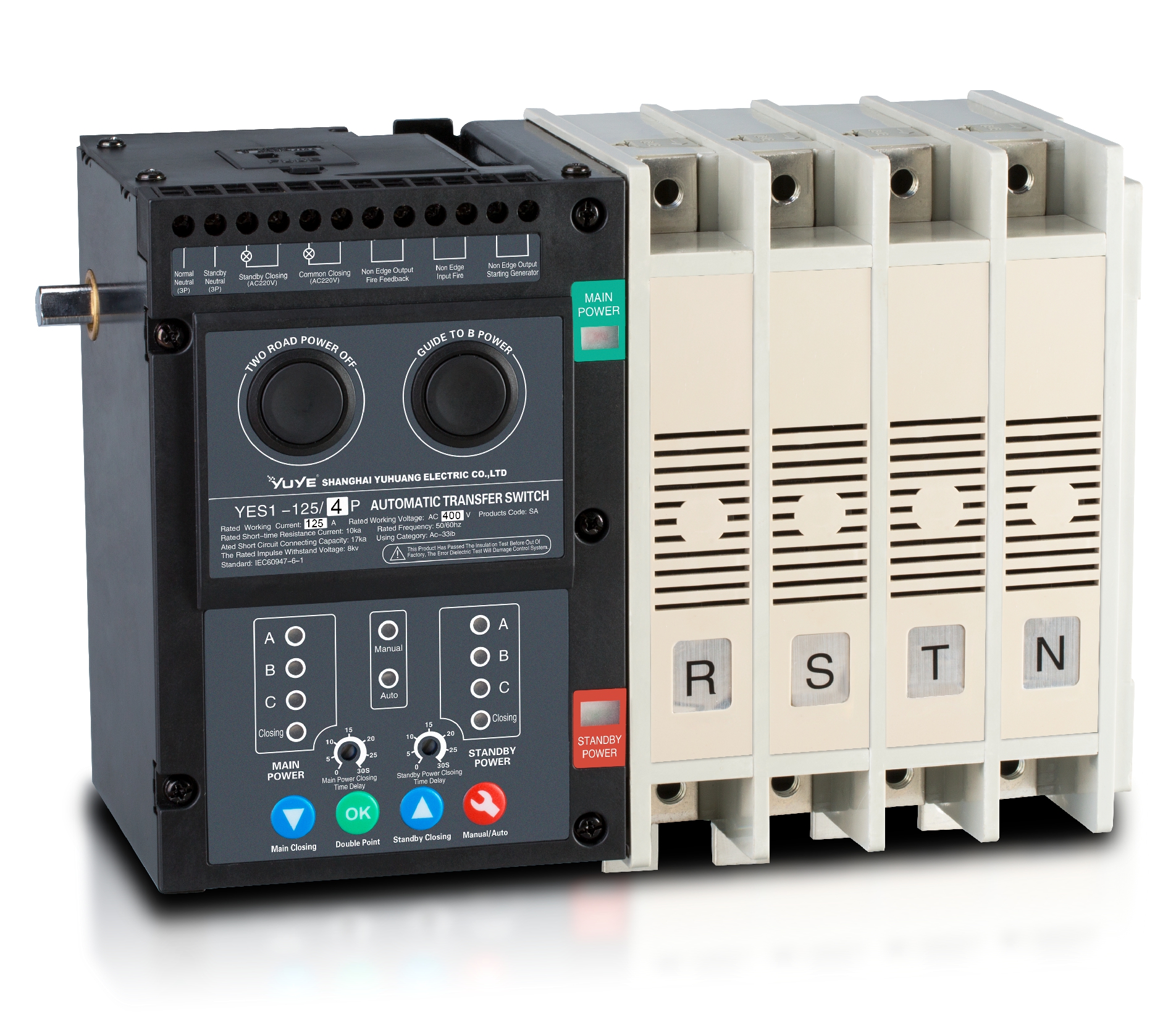 Solenoid-type ATS YES1-63~630SA
 Solenoid-type ATS YES1-63~630L/LA
 Solenoid-type ATS YES1-63~630LA3
 Solenoid-type ATS YES1-63MA
 PC ATS YES1-630~1600M
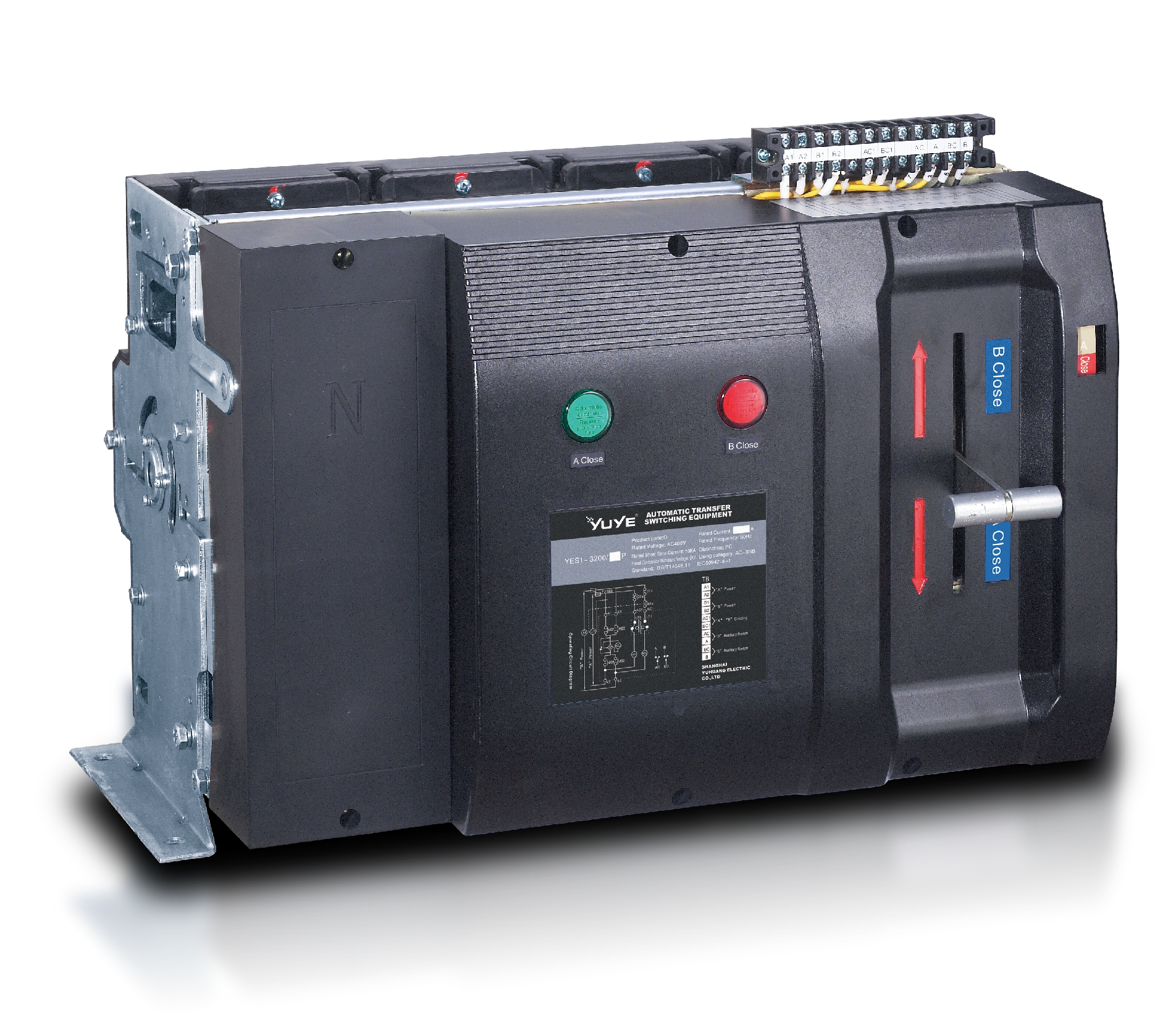 PC ATS YES1-3200Q
 Solenoid-type ATS YES1-4000~6300Q
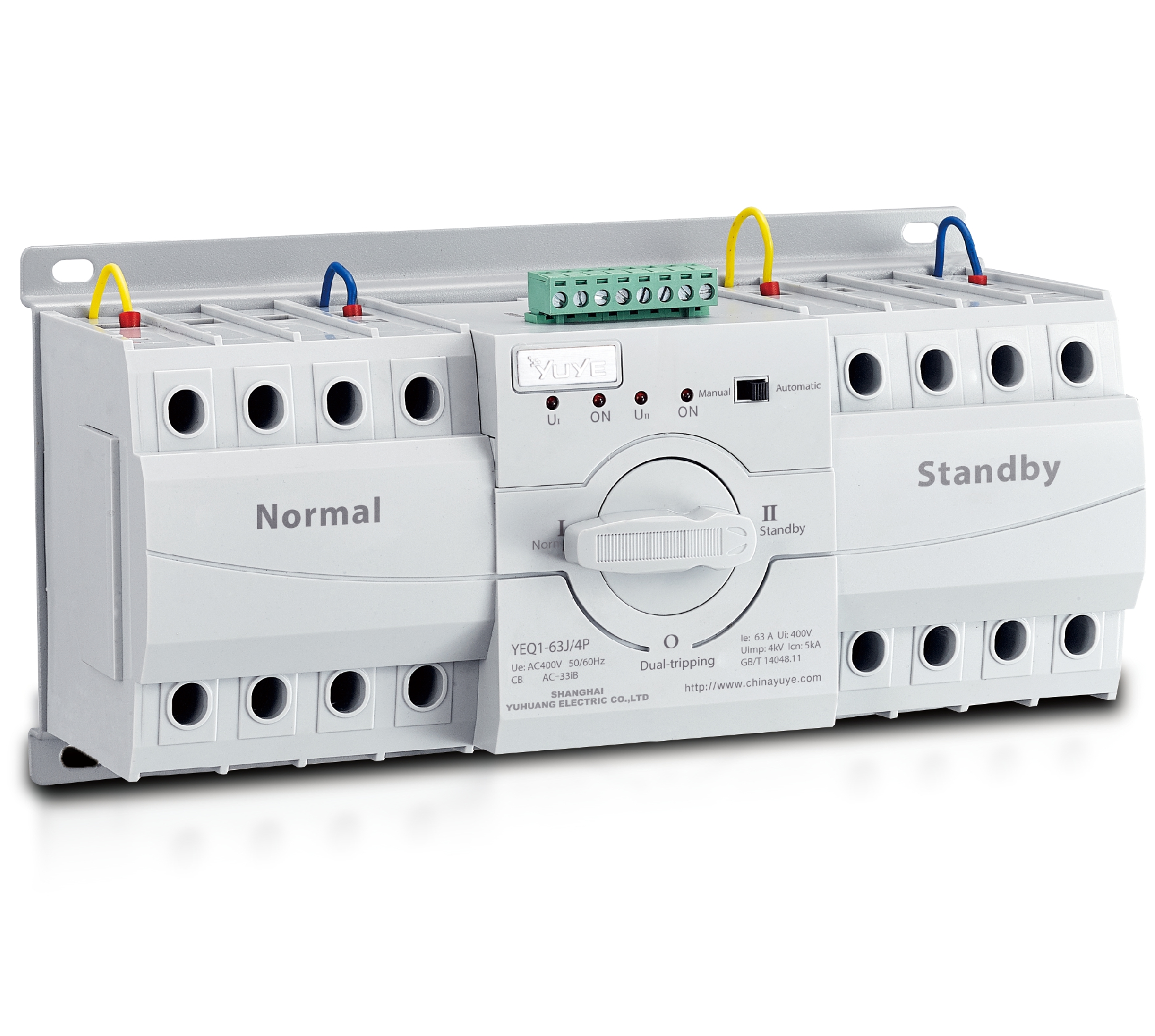 CB ATS YEQ1-63J
 CB ATS YEQ2Y-63
 CB ATS YEQ3-63W1
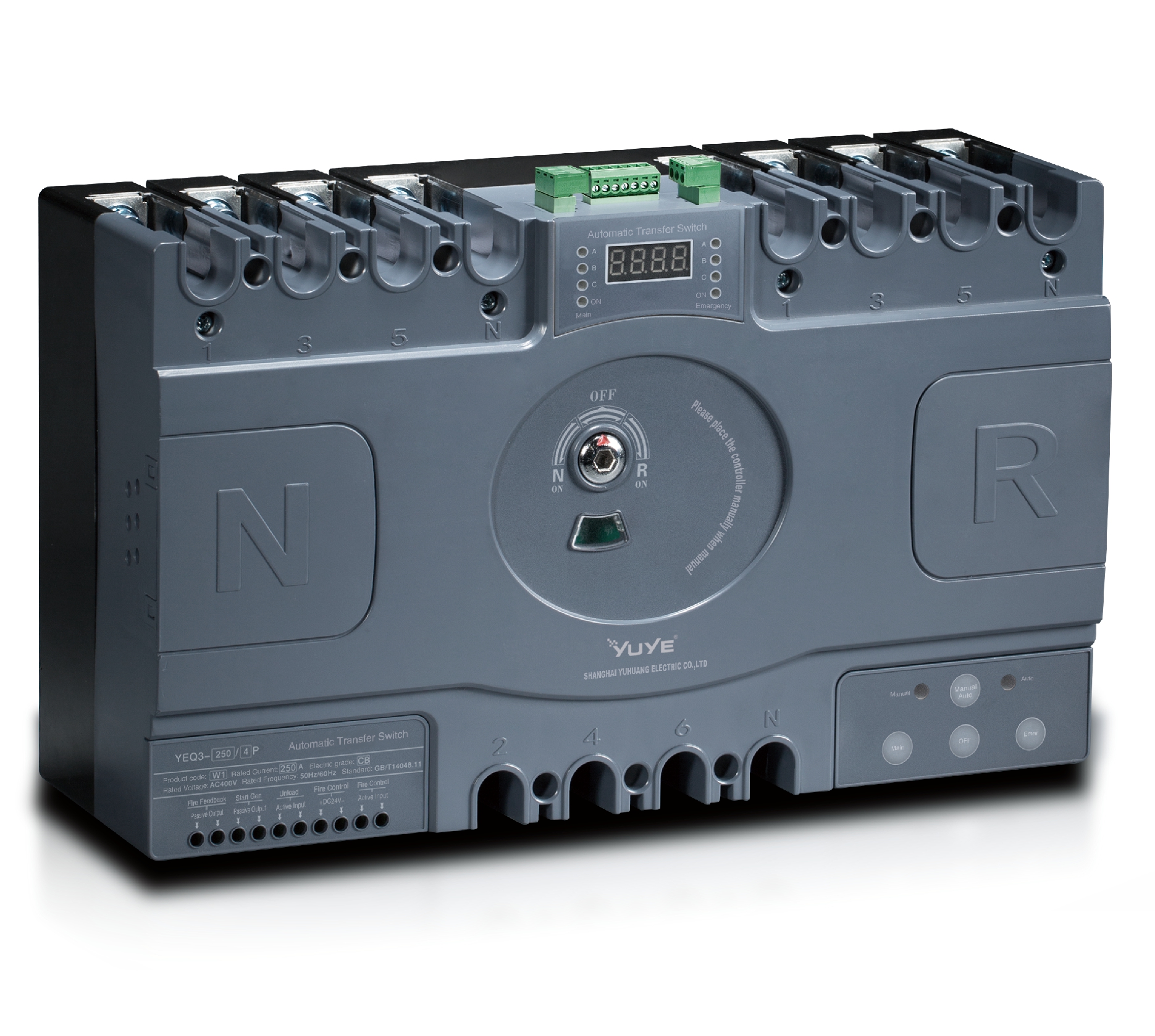 CB ATS YEQ3-125~630W1
 ATS controller Y-700
 ATS Controller Y-700N
 ATS Controller Y-701B
 ATS Controller Y-703N
 ATS Controller Y-800
 ATS Controller W2/W3 Series
 ATS switch Cabinet floor-to-ceiling
 ATS switch cabinet
 JXF-225A power Cbinet
 JXF-800A power Cbinet
 YEM3-125~800 Plastic Shell Type MCCB
 YEM3L-125~630 Leakage Type MCCB
 YEM3Z-125~800 Adjustable Type MCCB
 YEM1-63~1250 Plastic Shell Type MCCB
 YEM1E-100~800 Electronic Type MCCB
 YEM1L-100~630 Leakage Type MCCB
 Miniature circuit breaker YEMA2-6~100
 Miniature circuit breaker YEB1-3~63
 Miniature circuit breaker YEB1LE-3~63
 Miniature circuit breaker YEPN-3~32
 Miniature circuit breaker YEPNLE-3~32
 Miniature circuit breaker YENC-63~125
 Air Circuit Breaker YEW1-2000~6300
 Air Circuit Breaker YEW3-1600
 Load isolation switch YGL-63~3150
 Load Isolation Switch YGL2-63~3150
 Manual Changeover Switch YGL-100~630Z1A
 Manual Changeover Switch YGLZ1-100~3150
 YECPS2-45~125 LCD
 YECPS-45~125 Digital
 CNC Milling/Turning-OEM
 DC relay MDC-300M
 DC Isolation Switch YEGL3D-630


