Picking the right Automatic Transfer Switch (ATS) for your solar setup is actually pretty important if you want to get the most out of your energy system. Basically, an ATS makes switching between power sources smooth and seamless—which is a lifesaver, especially with solar. When you’re shopping around, don’t forget to prioritize brands that are reliable and well-made. Not all ATS units are created equal, and going for a cheap, low-quality one can end up causing all sorts of headaches down the line.
Try to stick with reputable names like Generac or Eaton—they’ve really earned their reputation in the solar world. Their products tend to be sturdy and perform well over time. Also, take some time to think about what your energy needs actually are and whether the ATS you’re eyeing will work with your system. It’s a bit of a balance—getting something that fits fits your system well means you’ll avoid wasting energy or wasting money.
And don’t forget about installation and maintenance. Knowing what’s involved can save you surprises later on. Doing your homework on these details helps you make a smarter choice. In the end, the right ATS can seriously boost your solar system’s reliability and make sure you get those long-term benefits you’re after.

Understanding Automatic Transfer Switches in Solar Systems
Automatic transfer switches (ATS) play a crucial role in solar energy systems. They facilitate the seamless transition between utility power and backup sources. Using an ATS enhances reliability and efficiency, especially during power outages. According to a recent report by the ANSI, nearly 70% of power disruptions are resolved with automatic transfer solutions, highlighting their significance.
When selecting an ATS for solar applications, consider several factors. The power rating is essential. It should match or exceed your solar inverter's output capacity. Furthermore, look into the switch's response time. A faster switching time minimizes downtime during outages. Surveys indicate that systems with response times under 30 seconds provide the best user experience. Yet, many systems fail to meet this threshold due to outdated technology.
Regular maintenance is another critical consideration. An ATS can be prone to wear and tear. It's vital to monitor performance closely. Annual inspections can prevent unexpected failures. Industry studies show that around 15% of ATS systems require early replacements due to lack of maintenance. This statistic underscores the need for diligent upkeep and informed decisions when integrating ATS into solar setups.
Key Features to Look for in an Automatic Transfer Switch
When selecting an automatic transfer switch (ATS) for solar systems, certain features become crucial.
Efficiency is one of the vital aspects. Reports indicate that an effective ATS can enhance energy transfer by up to 99%.
This ensures minimal energy loss during the transition between power sources, making your solar installation more reliable and efficient.
Next, consider the switch's response time. A switch that takes more than a few seconds to transfer can compromise your system's performance.
The industry standard suggests that a delay of more than 30 seconds can lead to unnecessary energy wastage. Additionally, look for devices that offer advanced monitoring features.
Some ATS solutions provide real-time data on energy usage, allowing users to optimize their solar energy production.
While seeking the best ATS, ensure it meets all safety standards. Devices with robust surge protection and overload safeguards are essential.
A report from the National Electrical Manufacturers Association emphasizes that around 60% of electrical failures stem from inadequate protection.
Such data highlights the importance of investing in an ATS that prioritizes safety alongside functionality, empowering users to make informed decisions.
Different Types of Automatic Transfer Switches Explained
Choosing the right automatic transfer switch (ATS) is crucial for your solar power system. There are various types of ATS available, each with its own features and applications. Understanding these differences can help you make an informed decision.
One common type is the open transition switch. This type allows a momentary interruption during power transfer, which can be acceptable for certain applications. It's simple and cost-effective. However, the brief outage may not be suitable for critical loads. Alternatively, you might consider a closed transition switch. This minimizes downtime by transferring power smoothly, but it’s often more complex and pricey.
Another option is the soft load ATS. This type facilitates a seamless connection to the grid while transitioning to backup power. It’s ideal for sensitive equipment. However, it may require more advanced setup and expertise. Each option presents unique pros and cons. Assess your power needs carefully. The right choice hinges on your circumstances, so in-depth research is essential.
How to Choose the Best Automatic Transfer Switch for Solar? - Different Types of Automatic Transfer Switches Explained
| Type of Automatic Transfer Switch |
Ideal Usage |
Key Features |
Pros |
Cons |
| Standard Automatic Transfer Switch |
Residential solar systems |
Fast switchgear, simple control |
Reliable, easy to install |
Limited monitoring options |
| Smart Automatic Transfer Switch |
Commercial and industrial use |
Remote monitoring, smart load management |
Advanced features, high efficiency |
Higher cost |
| Dual Power Source Automatic Transfer Switch |
Systems needing redundancy |
Two input sources, seamless switching |
Enhanced reliability |
Complex installation |
| Portable Automatic Transfer Switch |
Temporary applications |
Compact design, easy to transport |
Flexibility for outdoor events |
Limited power capacity |
| Manual Transfer Switch |
Budget-conscious installations |
Manual operation, low cost |
Affordable |
Requires manual intervention |
Sizing Your Automatic Transfer Switch for Solar Applications
When choosing an automatic transfer switch (ATS) for solar applications, sizing is critical. The ATS transfers power from the solar system to your home seamlessly. Incorrect sizing can lead to inefficiencies and potential failures. Understanding your power needs is the first step. Calculate your total load, including appliances, heating, and cooling systems. This ensures your ATS can handle peak demand.
Consider the power output of your solar system as well. A system that's too small may leave you in the dark during high demand. Similarly, an oversized ATS can lead to unnecessary costs and complications. It's essential to consult with a professional to gauge both your solar output and energy needs accurately. A reliable expert can help you navigate this process, ensuring you make an informed decision.
Don't forget about future expansion. Your energy needs may change, and your ATS should accommodate growth. It might be tempting to go with the bare minimum, but thinking ahead can save you money and frustration later. This aspect requires careful consideration. Reflect on your energy usage patterns. Small adjustments or upgrades now can prevent significant issues in the future.
Automatic Transfer Switch Sizing for Solar Applications
This bar chart illustrates the number of automatic transfer switch units required based on different solar system sizes. It helps in determining the correct sizing for optimal performance in solar applications.
Comparing Manual vs. Automatic Transfer Switches for Solar
When choosing between manual and automatic transfer switches for solar systems, it's essential to consider your specific needs.
Manual switches require human intervention to switch power. This offers more control but can be cumbersome during emergencies.
If you’re at home, you can decide when to switch based on your comfort. However, it may not suit everyone, especially in crisis situations.
Automatic transfer switches (ATS), on the other hand, seamlessly switch to backup power without user input. This ensures continuous power supply during outages.
The convenience of an ATS is undeniable; you can focus on other matters rather than monitoring your electrical system. Yet, this ease comes with a cost.
ATS units are typically more expensive and may require professional installation.
Potential downsides exist in both options. Manual switches can lead to delays in response time, risking equipment damage.
ATS, while efficient, may fail or malfunction, leading to unexpected downtime.
Evaluating these factors carefully will help you make the right choice for your solar setup. Considering your lifestyle and needs will guide you in deciding what switch best fits your solar energy system.
Installation Considerations for Automatic Transfer Switches
When installing an automatic transfer switch (ATS) for solar systems, several considerations play a crucial role. First, you must evaluate the power capacity. The ATS should match or exceed your solar system's output. Insufficient capacity can lead to system failure. Location is another key factor. Ideally, place the ATS close to the main electrical panel. This enhances efficiency and minimizes installation complexities.
Tips: Ensure proper ventilation around the ATS to avoid overheating. Regular inspections can help detect potential issues before they escalate.
The wiring process also deserves attention. Use heavy-duty cables that can support your system's peak load. Incorrect gauge wiring can lead to safety hazards. While considering these technical aspects, professional installation is critical. Mistakes can be costly and may compromise safety.
Tips: Always consult local building codes when planning your installation. Compliance is not only legal but also a matter of safety.
Reflecting on past installations can reveal common pitfalls. Overlooking grounding requirements often leads to operational problems. An understanding of both risks and rewards in the installation process is essential for a functioning system.
Maintenance Tips for Your Solar Automatic Transfer Switch
Maintaining your solar automatic transfer switch (ATS) is crucial for its optimal performance. Regular inspection can prevent unexpected failures. Look for signs of wear or corrosion. These issues could compromise the switch’s efficiency. Ensure that connections are tight and clean. Loose or dirty connections may lead to performance drops or even outages.
Consider scheduling maintenance checks at least twice a year. This will help you catch small problems before they become significant. Keep an eye on the automatic features, ensuring they respond correctly during power outages. Delays in response can indicate underlying issues. Don’t hesitate to consult a professional for complex repairs.
Documentation is vital. Keeping records of maintenance activities can help track issues over time. It can inform you when parts may need replacing. A detailed log can improve your understanding of your ATS, revealing patterns you may not notice otherwise. Investing time in regular maintenance will pay off in reliability and longevity.
Comprehensive Guide to Air Circuit Breaker YEW1-2000~6300: Features, Applications, and Benefits
The YEW1-2000~6300 Air Circuit Breaker is an essential component in managing power distribution systems, particularly designed for high-current applications ranging from 400A to 6300A. This device is available in both draw type and fixed type configurations, allowing flexibility depending on the requirements of the electrical setup. With the capability to handle 3-pole and 4-pole connections, it serves a diverse range of power distribution needs, making it suitable for various environments including industrial facilities, data centers, and high-rise buildings.
Equipped with robust protection features, the YEW1-2000~6300 ensures reliable operation under demanding conditions. It provides protection against overloads, short circuits, and undervoltage scenarios. This air circuit breaker not only boasts a strong breaking capacity but is also designed for both manual and electric operation, enhancing its usability in modern applications. Furthermore, certain models come with network-enabled capabilities, promoting intelligent monitoring and management of electrical systems. The integration of such advanced features guarantees the safe and uninterrupted functioning of critical high-current circuits, thus supporting the operational efficiency of large power loads like distribution mains and substantial motors.
FAQS
The power rating must match or exceed your solar inverter's output capacity for optimal performance.
A response time under 30 seconds is ideal, minimizing downtime during power interruptions.
Regular maintenance, including annual inspections, is crucial to prevent unexpected failures.
About 15% of ATS systems may need early replacements due to neglect, highlighting the importance of upkeep.
An open transition switch allows a momentary interruption during power transfer, which can be disruptive.
A closed transition switch offers a smoother power transfer, minimizing downtime, but is often more complex.
Evaluate your power needs, potential downtime impacts, and the complexity of installation.
Soft load ATS may require advanced setup and expertise, which could be challenging for some users.
Conclusion
Selecting the right Automatic Transfer Switch (ATS) for solar applications is crucial for ensuring a reliable and efficient power supply. Understanding the basic function of ATS in solar systems is the first step, as they are responsible for switching power sources seamlessly. When choosing an ATS, key features to consider include response time, load capacity, and ease of integration with solar systems.
Different types of Automatic Transfer Switches exist, each serving unique needs, whether for residential or commercial use. Proper sizing of the ATS is vital to match the specific requirements of solar applications, helping prevent failures during transitions. Additionally, comparing manual vs. automatic options can clarify what best suits your situation. Installation must be approached with attention to local codes and safety requirements. Regular maintenance is essential for optimal performance, ensuring that your Automatic Transfer Switch Solar remains dependable over time.

 PC ATS YECT1-2000G
 PC ATS YES2-63~250GN1
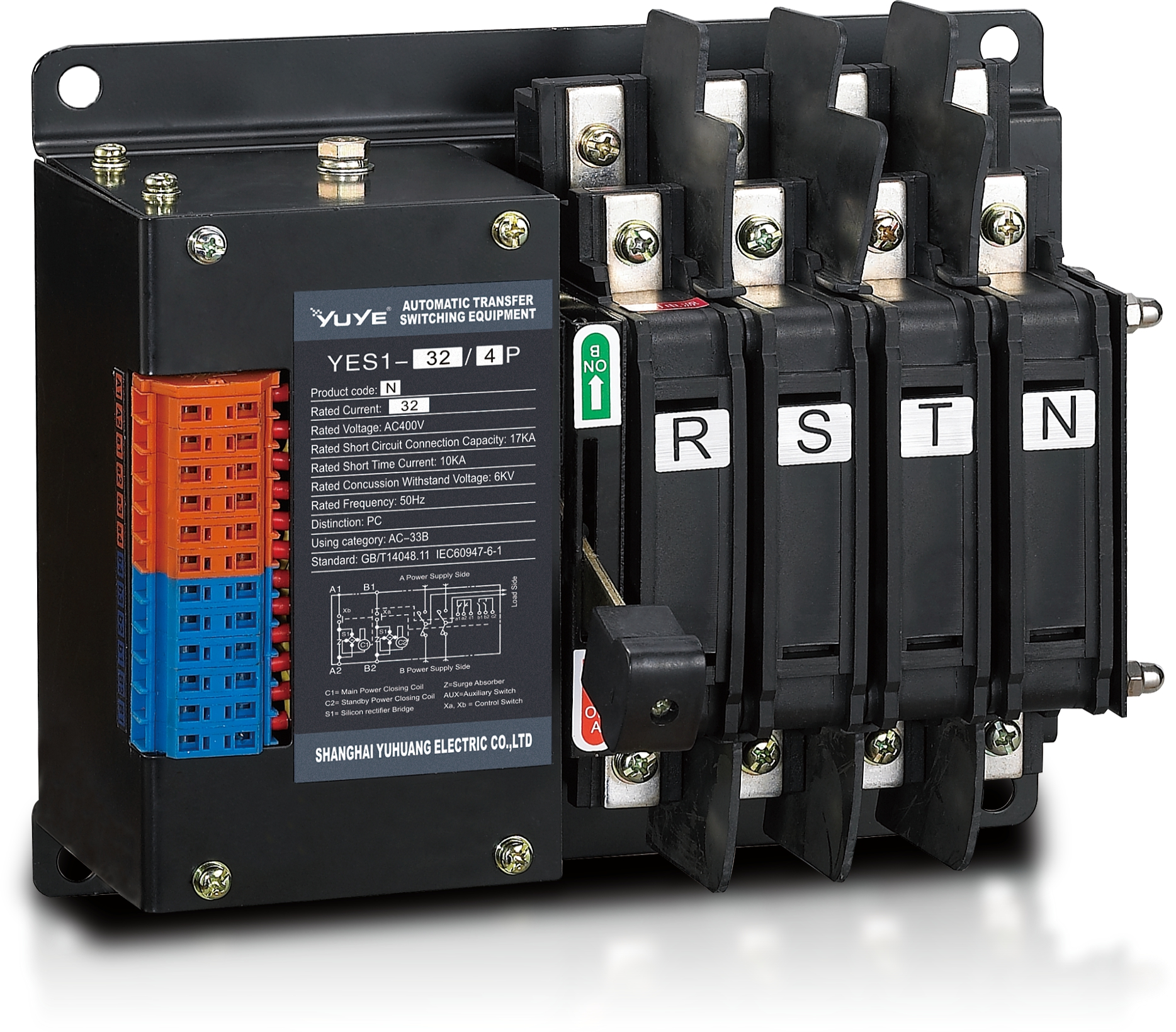 Solenoid-type ATS YES1-32~125N
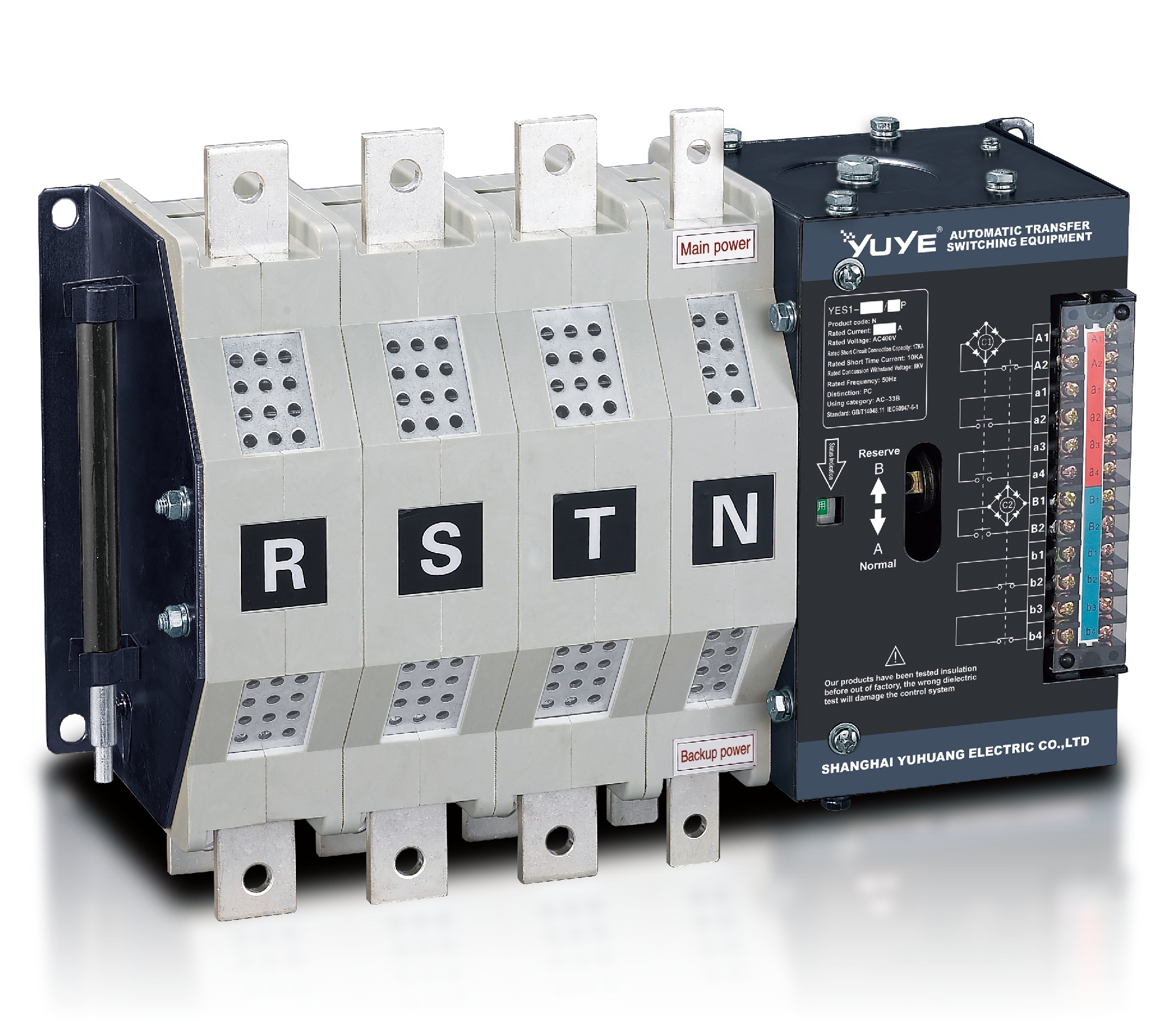 Solenoid-type ATS YES1-250~630N/NT
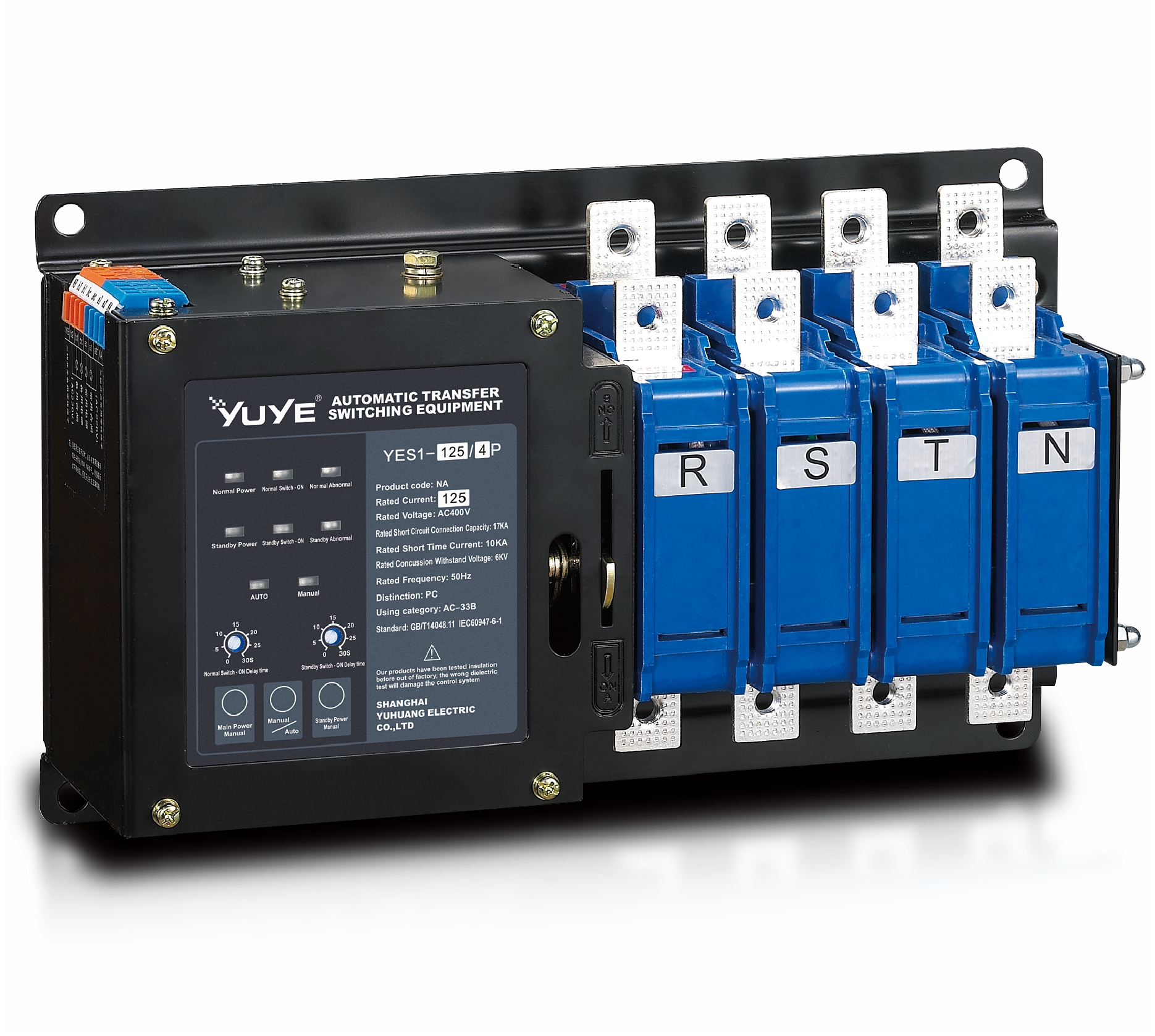 Solenoid-type ATS YES1-32~125NA
 Solenoid-type ATS YES1-63~630SN
 Solenoid-type ATS YES1-1250~4000SN
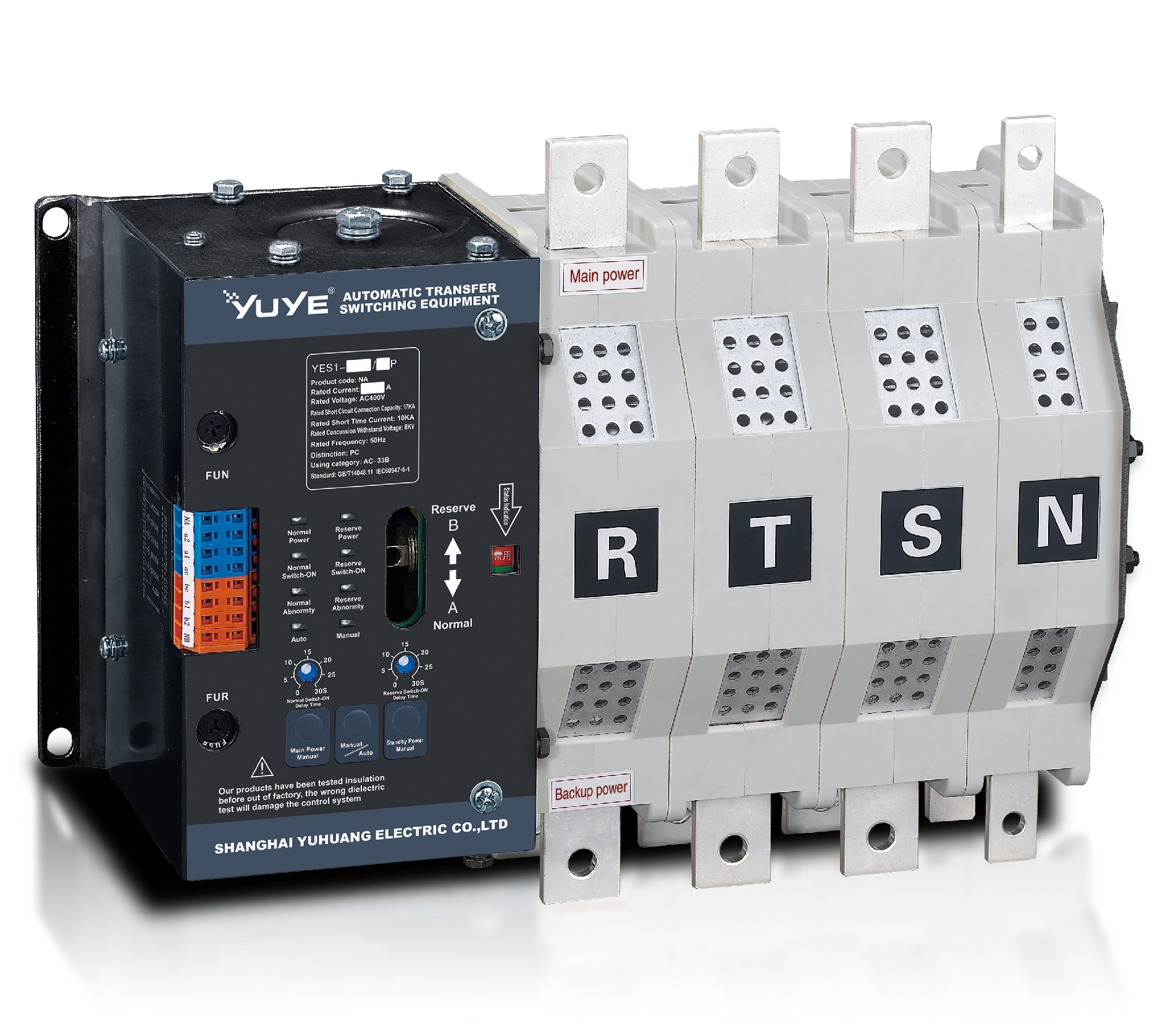 Solenoid-type ATS YES1-250~630NA/NAT
 Solenoid-type ATS YES1-63NJT
 PC ATS YES1-100~1600GN1/GN/GNF
 PC ATS YES1-2000~3200GN/GNF
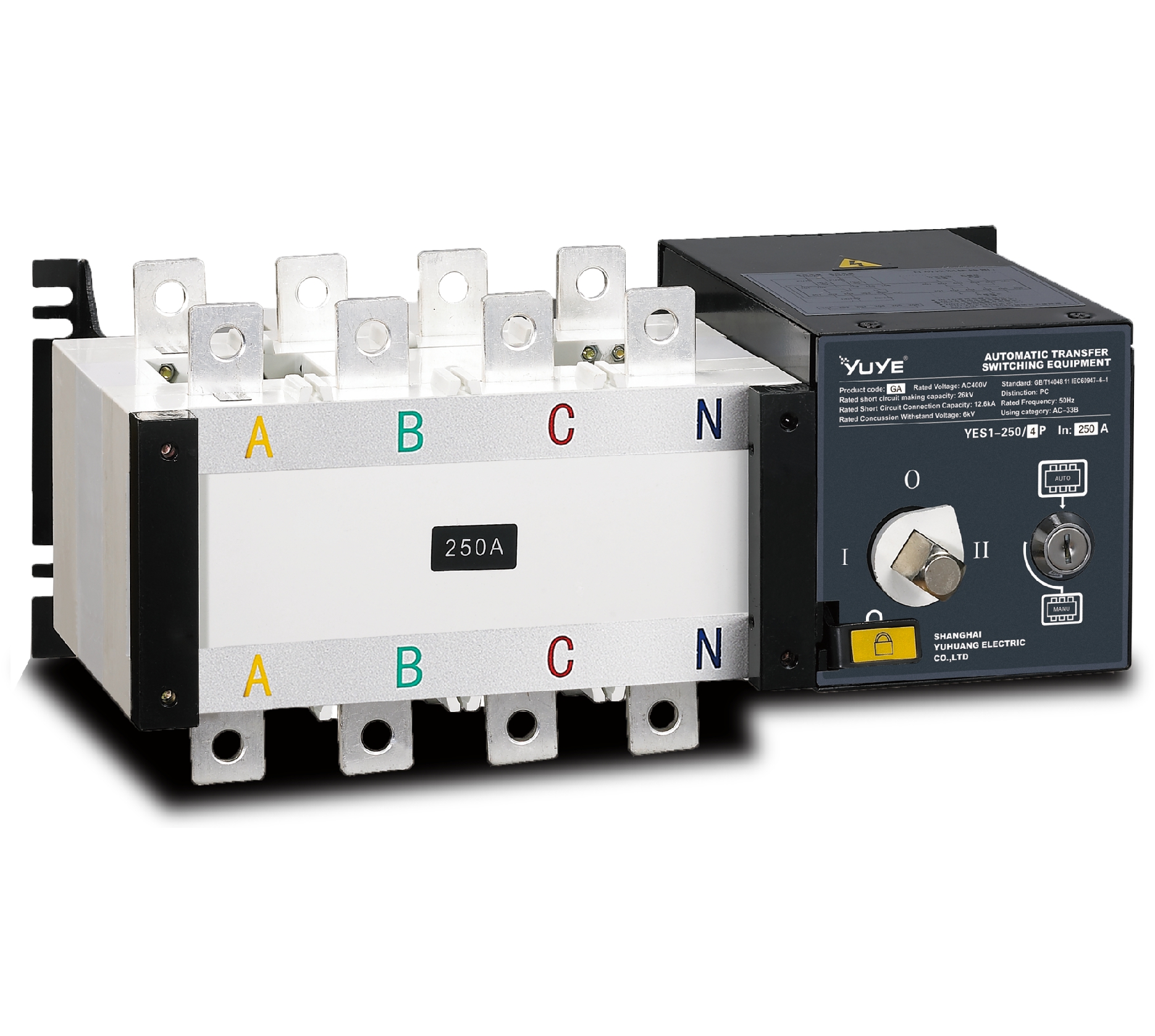 PC ATS YES1-100~3200GA1/GA
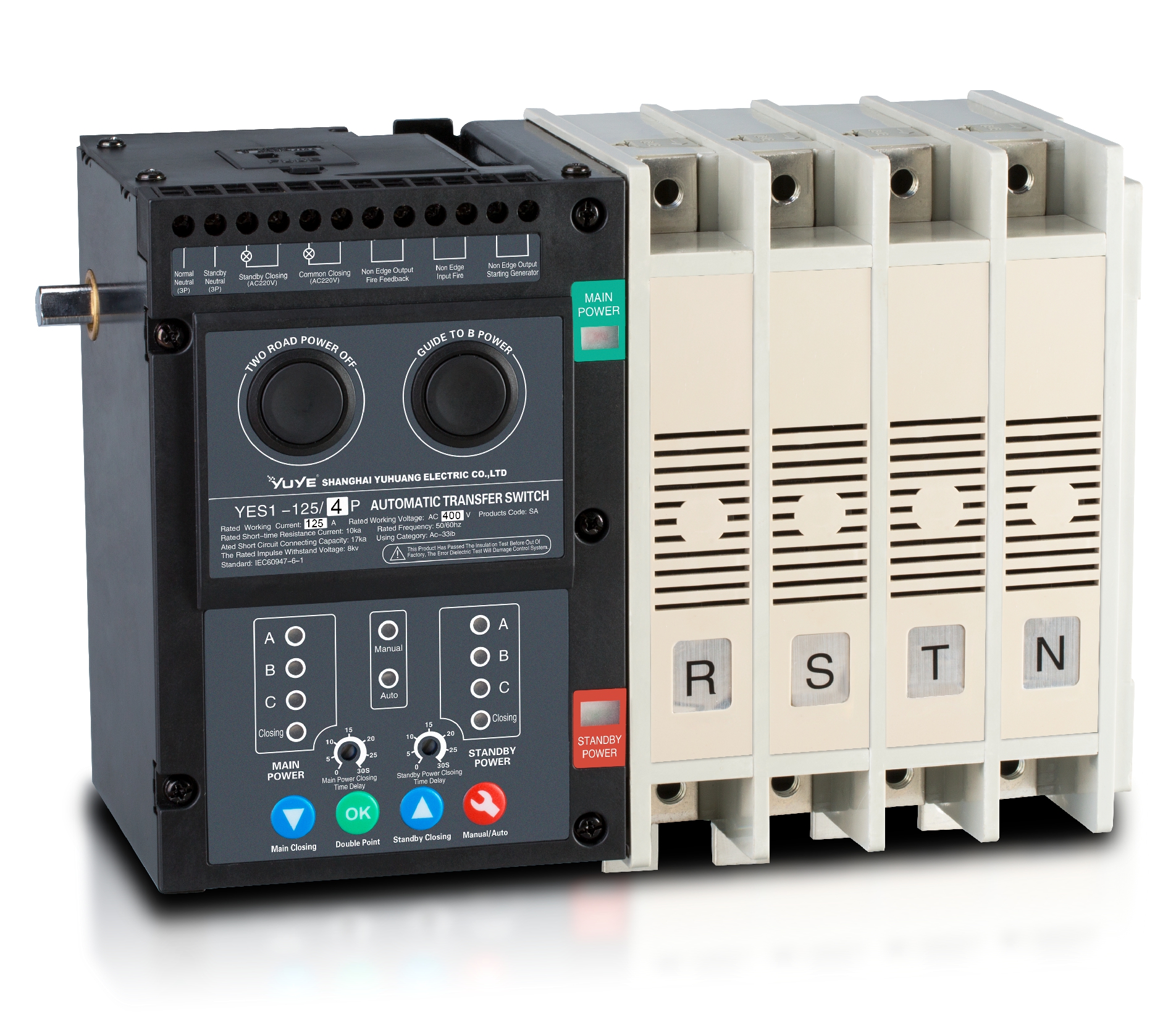 Solenoid-type ATS YES1-63~630SA
 Solenoid-type ATS YES1-63~630L/LA
 Solenoid-type ATS YES1-63~630LA3
 Solenoid-type ATS YES1-63MA
 PC ATS YES1-630~1600M
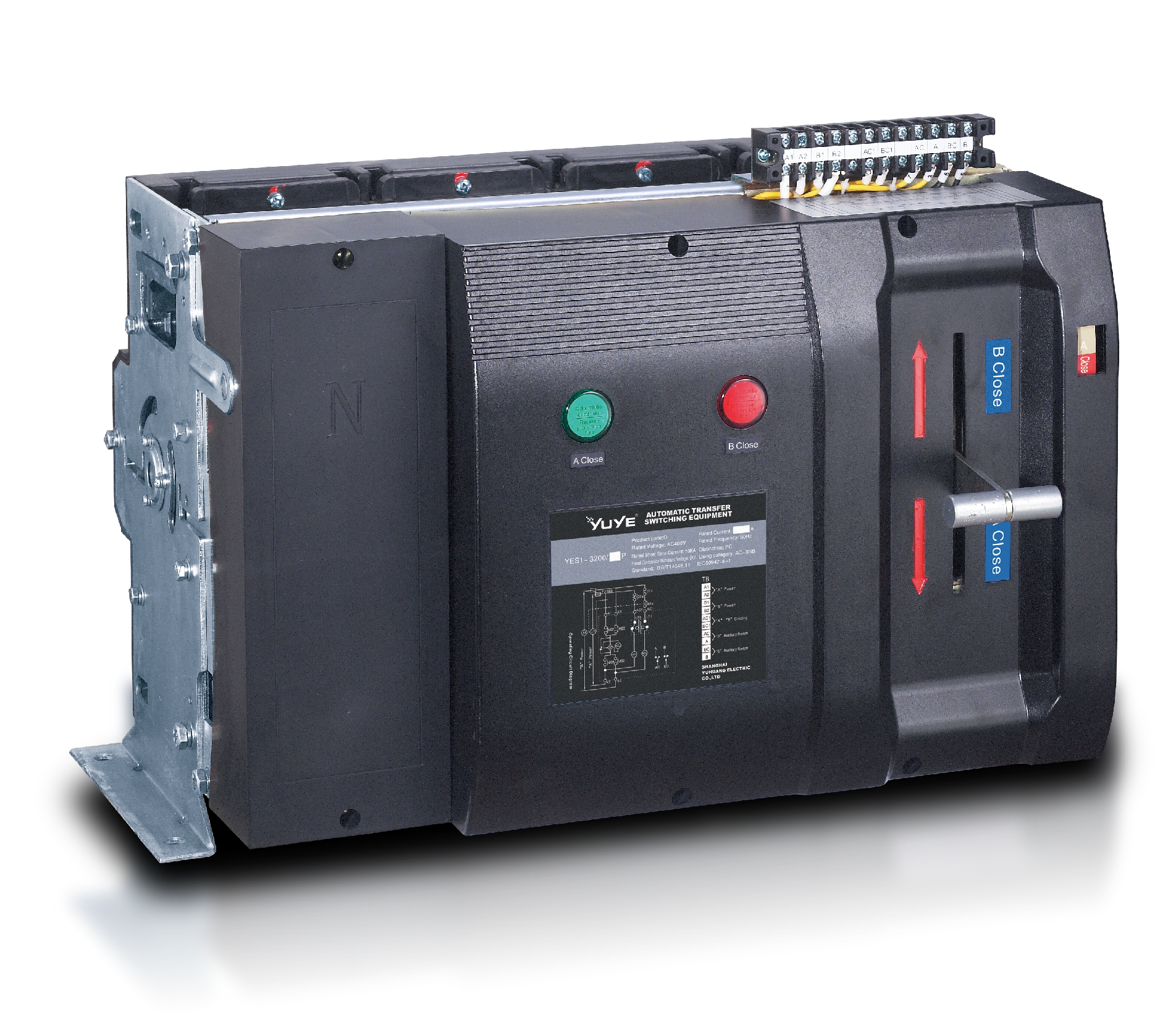 PC ATS YES1-3200Q
 Solenoid-type ATS YES1-4000~6300Q
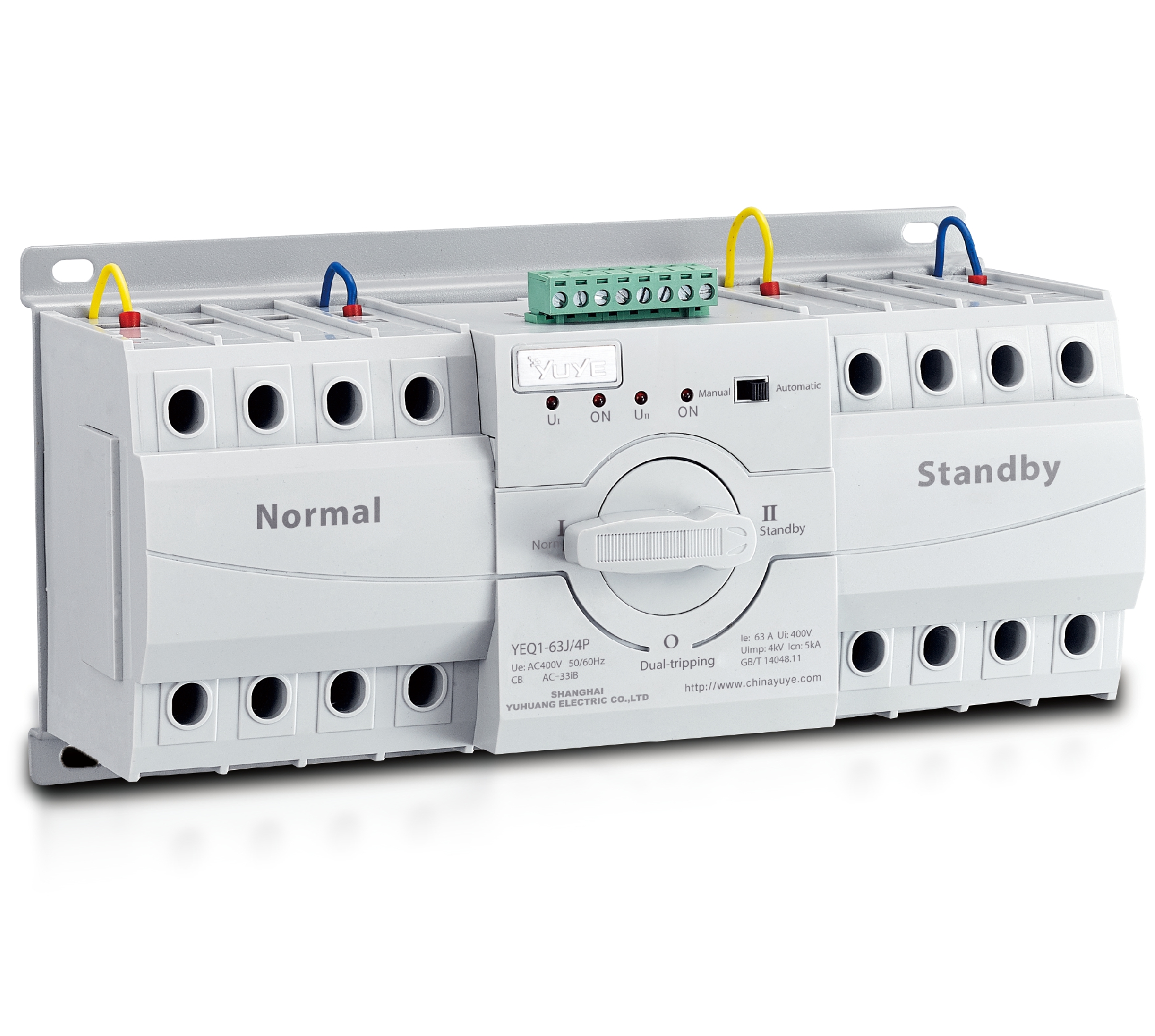 CB ATS YEQ1-63J
 CB ATS YEQ2Y-63
 CB ATS YEQ3-63W1
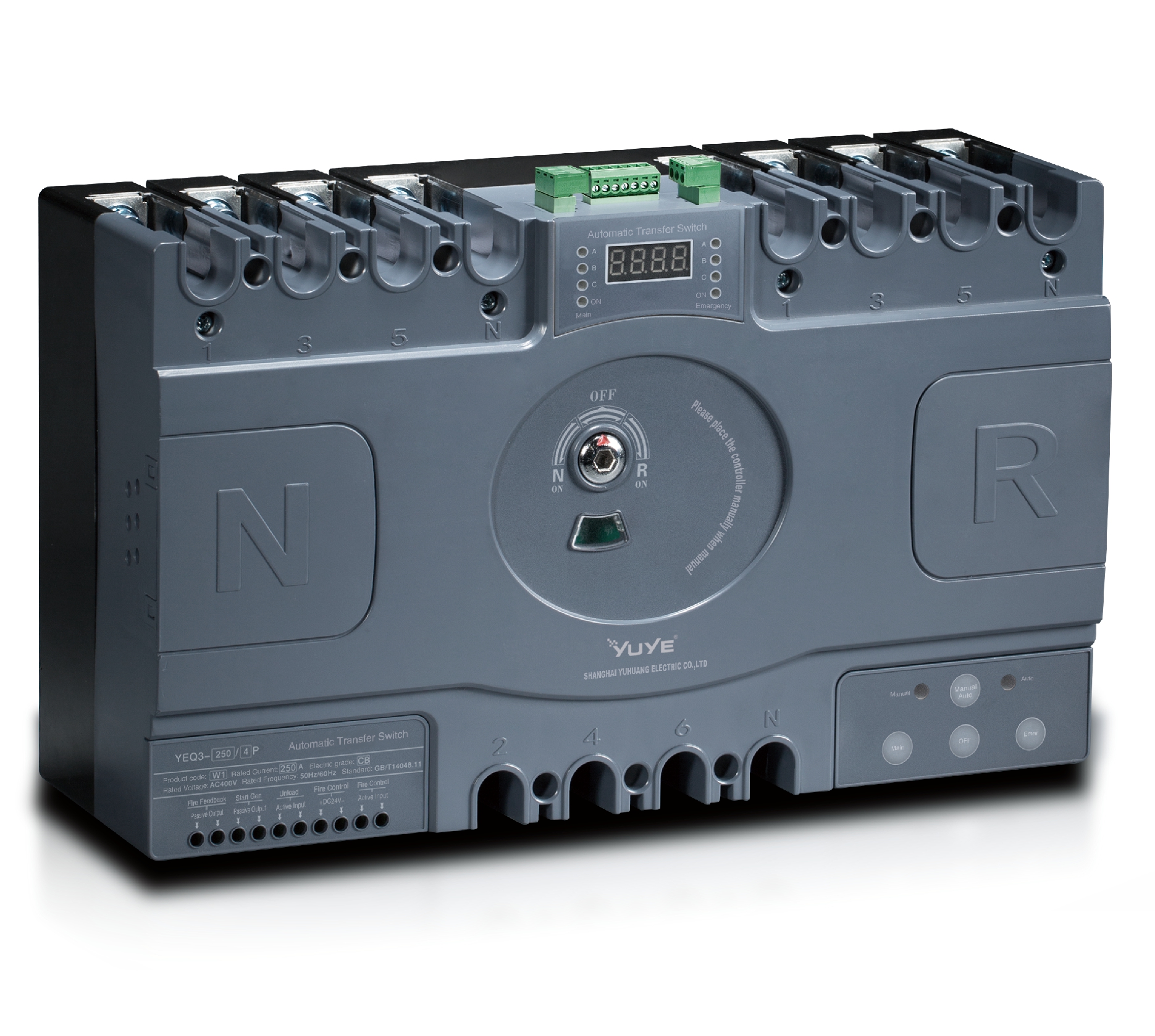 CB ATS YEQ3-125~630W1
 ATS controller Y-700
 ATS Controller Y-700N
 ATS Controller Y-701B
 ATS Controller Y-703N
 ATS Controller Y-800
 ATS Controller W2/W3 Series
 ATS switch Cabinet floor-to-ceiling
 ATS switch cabinet
 JXF-225A power Cbinet
 JXF-800A power Cbinet
 YEM3-125~800 Plastic Shell Type MCCB
 YEM3L-125~630 Leakage Type MCCB
 YEM3Z-125~800 Adjustable Type MCCB
 YEM1-63~1250 Plastic Shell Type MCCB
 YEM1E-100~800 Electronic Type MCCB
 YEM1L-100~630 Leakage Type MCCB
 Miniature circuit breaker YEMA2-6~100
 Miniature circuit breaker YEB1-3~63
 Miniature circuit breaker YEB1LE-3~63
 Miniature circuit breaker YEPN-3~32
 Miniature circuit breaker YEPNLE-3~32
 Miniature circuit breaker YENC-63~125
 Air Circuit Breaker YEW1-2000~6300
 Air Circuit Breaker YEW3-1600
 Load isolation switch YGL-63~3150
 Load Isolation Switch YGL2-63~3150
 Manual Changeover Switch YGL-100~630Z1A
 Manual Changeover Switch YGLZ1-100~3150
 YECPS2-45~125 LCD
 YECPS-45~125 Digital
 CNC Milling/Turning-OEM
 DC relay MDC-300M
 DC Isolation Switch YEGL3D-630


