When it comes to choosing the right Automatic Transfer Switch 63a in the world of electrical equipment, it’s really a game of knowing what to look for. Industry pro John Smith, CEO of PowerTech Solutions, puts it simply: "Picking the right automatic transfer switch can seriously impact your power reliability." That’s a point that many buyers around the world keep in mind when they're on the hunt for the best options out there.
This 63a switch isn’t just some gadget—it's plays a super important role in making sure power flows smoothly, especially during outages. Both homeowners and businesses rely on these to keep things running without a hitch. But, honestly, not all switches out there live up to the standards for safety and performance. It’s pretty crucial to do your homework and compare your options because the market’s pretty crowded, and some products might leave you disappointed.
A lot of folks tend to overlook key features, which can lead to making a decision that doesn’t really fit their needs. Sometimes, they might get swayed by looks or price tags—sure, those matter—but honestly, reliability and safety should come first. Taking the time to think about these factors is really the key to making a smart purchase. As we look at some of the top 63a Automatic Transfer Switches, just remember—focus on quality over cost. That way, you’re making an investment that’s solid and actually gets the job done without any surprises.

Overview of Automatic Transfer Switches (ATS)
Automatic Transfer Switches (ATS) play a crucial role in ensuring continuous power supply. These devices automatically switch to a backup generator when the main power source fails. The global ATS market is expected to reach approximately $2 billion by 2026, showcasing its increasing significance in various sectors.
The integration of ATS in critical facilities like hospitals and data centers is essential. A power interruption in these environments can lead to severe consequences. According to industry reports, approximately 70% of businesses experience some form of downtime due to power outages. Thus, having a reliable ATS in place is not just a safety measure but a necessity to minimize risks.
Tips: Choose an ATS that meets your specific load requirements. Assess the transfer switch size based on your system's wattage. Regular maintenance is vital; testing your ATS periodically ensures it functions effectively when needed. Investing in a quality ATS might seem costly upfront, but consider the potential losses from power interruptions. Take time to research and reflect on your unique power needs before purchasing an ATS.
Importance of Selecting the Right ATS for Global Markets
Selecting the right Automatic Transfer Switch (ATS) is crucial for global markets. A well-chosen ATS ensures seamless power transfer during outages, maintaining business continuity. Market research shows that 60% of companies experience power interruptions annually. These interruptions can lead to financial losses, operational disruptions, and damage to sensitive equipment.
Professional studies indicate that improper ATS selection can result in a 30% increase in operational costs. Factors such as voltage rating, load capacity, and switching speed are key. Ignoring these aspects can lead to inefficiencies. Many buyers overlook regional differences in electrical standards, which can complicate the installation process.
It's also vital to consider the ATS's reliability and maintenance needs. Research highlights that 40% of ATS failures are due to poor maintenance or inappropriate selection. A meticulous approach to training and user awareness can significantly lower such risks. This highlights the importance of thorough research before making a purchasing decision in varied global markets.
Key Features to Look for in a 63A ATS
When selecting a 63A Automatic Transfer Switch (ATS), key features play a crucial role. Look for solid build quality and reliable materials. This ensures durability in various conditions. The ATS should have a fast switching time to minimize power interruption. A delay feature may also be beneficial, allowing equipment to stabilize before transferring power.
Consider control options. Some models offer manual and remote controls. This flexibility aids in managing power distribution effectively. User-friendly interfaces make operation straightforward for everyone. Also, ensure robust safety features are in place, such as overload protection. This guards against potential damage to electrical systems.
Tips: Regular maintenance is essential. Check your ATS for wear and tear. Keep an eye on connectivity and performance to prevent failures. Always read the manual for specific operational guidelines. It's better to be proactive than reactive in equipment management.
Top Brands and Manufacturers of 63A Automatic Transfer Switches
When considering a 63A automatic transfer switch (ATS), selecting brands with a proven track record is crucial. According to industry reports, the global market for ATS is expected to grow at a rate of 6.9% per year from 2021 to 2028, highlighting an increasing demand for reliable power solutions. Key qualities to look for in manufacturers include quality assurance, performance standards, and customer support.
High-quality 63A automatic transfer switches are essential for ensuring seamless power transitions. Leading manufacturers often implement stringent testing procedures to guarantee their products meet international safety regulations. It's vital, however, to note that ... not all switches, even from well-known manufacturers, provide the same level of reliability. Some models may experience issues under heavy load or extended use. Always review user feedback and technical specifications closely.
Tips: Ensure you evaluate the ATS's compatibility with your existing systems. Look out for certifications and warranties; these are signs of reliability. Also, don’t hesitate to ask manufacturers about their performance data and previous customer experiences. These insights can help ensure you're making an informed choice.
Comparative Analysis of Pricing for 63A ATS Worldwide
When analyzing the pricing of 63A Automatic Transfer Switches (ATS) worldwide, several factors come into play. Regions with higher demand tend to offer competitive prices. For example, areas with frequent power outages prioritize robust infrastructure. In contrast, regions with stable electricity supplies might have lower prices due to lesser need.
Market research reveals variations in ATS pricing between countries. Some markets offer advanced technology and additional features, raising the cost. Others may focus on basic functionality, resulting in lower prices. Features like remote monitoring, surge protection, and faster switching times can influence the cost significantly.
It's crucial to consider the total cost of ownership. Cheaper units might require more maintenance. This affects long-term expenses. Buyers must weigh initial savings against potential future costs. Ultimately, a thorough understanding of global pricing dynamics is essential for informed purchase decisions.
Best 63A Automatic Transfer Switch for Global Buyers? - Comparative Analysis of Pricing for 63A ATS Worldwide
| Region |
Average Price (USD) |
Warranty Period |
Key Features |
| North America |
$800 |
2 years |
Fast switchover, Compact design, LED indicators |
| Europe |
€750 |
3 years |
Modular design, Remote monitoring, Enhanced safety features |
| Asia |
¥5,500 |
1 year |
Digital display, User-friendly interface, Durable construction |
| Australia |
AUD 1,050 |
2 years |
Heavy-duty, Weatherproof, Multiple circuit compatibility |
| South America |
R$4,000 |
1 year |
Overload protection, Energy efficient, Compact size |
Installation and Maintenance Considerations for ATS
When installing an automatic transfer switch (ATS), consider its placement carefully. It should be accessible for operation and maintenance. This location must also allow for proper ventilation. Adequate distance from sources of heat is vital to ensure optimal function. Checks should be regular, focusing on connections and securing possible loose wires.
Maintenance plays a crucial role in ensuring ATS reliability. Scheduled inspections help identify wear and tear. Use infrared thermography to check for overheating connections. Inspect battery health regularly, especially in systems with battery backups. Document all maintenance actions for accountability. It’s easy to overlook small issues, but these can lead to larger problems.
User training is essential for effective operation. All personnel should be aware of the ATS’s features and limitations. Misunderstandings can lead to mishaps. Hands-on practice should accompany theoretical knowledge. In conclusion, effective installation and maintenance of an ATS require keen attention to detail. Regular updates to skills and knowledge are necessary for everyone involved.
Future Trends in Automatic Transfer Switch Technology
Automatic transfer switches (ATS) are essential for reliable power management, especially in critical applications. The technology surrounding ATSs is evolving, embracing smarter features and improved efficiency. According to a recent market report, the global automatic transfer switch market is projected to grow at a CAGR of 6.3% from 2023 to 2030. This growth reflects increasing demand for uninterrupted power supply in various sectors.
New trends in ATS technology include advanced monitoring, remote control features, and integration with renewable energy systems. These developments enable users to track performance in real-time, ensuring swift responses to power outages. Enhanced automation reduces manual intervention, leading to more efficient operations. However, not all systems are created equal. Users must be cautious about compatibility issues during integration with existing infrastructure.
Tip: When evaluating ATS options, consider their adaptability to future energy sources, like solar or wind. Keeping up with industry advancements will ensure seamless energy management. Another important aspect is maintenance. Regular checks can prevent unexpected failures. Invest time in training staff on the latest technologies for more effective power management.
Maximizing Efficiency and Performance with the CB ATS YEQ2Y-63: A Comprehensive Guide to Power Distribution Solutions
In the evolving landscape of power distribution solutions, the emphasis on maximizing efficiency and performance is paramount. The CB ATS YEQ2Y-63 emerges as a leading solution, accommodating a vast array of operational needs. With a rated voltage of AC400V and a rated current range between 100A and 800A, this model is designed to handle substantial electrical loads while ensuring safety and reliability. The availability in both 3P and 4P configurations allows for versatile application across different industrial and commercial settings.
The YEQ2Y-63 belongs to the CB Class product category and utilizes a motor type drive mode, positioning it as an optimal choice for various power distribution requirements. As industries increasingly adopt automation and smart technologies, the demand for reliable power management systems grows. According to a recent market report, the global market for circuit breakers is anticipated to grow significantly, driven by the need for efficient and safe electrical systems. With certifications including CE, CB, and CCC, the YEQ2Y-63 adheres to international standards, ensuring compliance and boosting operational confidence for users.
Furthermore, the standard compliance with IEC 60947-6-1 outlines specific requirements for the performance and safety of power distribution protection devices. This adherence not only fortifies the reliability of the YEQ2Y-63 but also aligns with the industry's broader shift towards enhancing energy efficiency and reducing operational costs. As businesses seek to optimize their energy management strategies, solutions like the YEQ2Y-63 will play a critical role in shaping the future of power distribution.
FAQS
utomatic Transfer Switch (ATS)?
ATS minimizes risks by maintaining power during outages. Approximately 70% of businesses face downtime due to power interruptions.
Select an ATS based on your load requirements. Assess sizing according to your system’s wattage for an effective setup.
Improper ATS choice can lead to increased operational costs and equipment damage. It can create inefficiencies during power outages.
A good 63A ATS should offer solid build quality, fast switching time, and user-friendly controls for effective management.
Regular maintenance is vital. Periodic testing and checking for wear can prevent failures when you need the ATS most.
Yes, overlooking regional electrical standards can complicate installations. Careful research is necessary to avoid compatibility issues.
Poor maintenance accounts for 40% of ATS failures. Ignoring this can lead to unexpected outages and costly repairs.
While costly upfront, a quality ATS protects against significant losses from power interruptions, making it a worthwhile investment.
Proper training can lower operational risks. Awareness helps users manage the ATS effectively, reducing the chance of errors.
Conclusion
The article delves into the critical role of Automatic Transfer Switches (ATS), particularly focusing on the 63A variant, which is essential for ensuring reliable power supply during outages. It highlights the importance of selecting the right ATS for global markets, emphasizing key features to consider, such as response time, load capacity, and user-friendly interfaces. The piece also outlines the current pricing trends and offers insights into leading brands and manufacturers without naming specific companies.
Additionally, it addresses the installation and maintenance aspects essential for optimal performance of a 63A Automatic Transfer Switch. The article concludes by exploring future trends in ATS technology, including advancements that promise enhanced efficiency and reliability. Such comprehensive understanding equips global buyers with the knowledge needed to make informed decisions in their power management solutions.

 PC ATS YECT1-2000G
 PC ATS YES2-63~250GN1
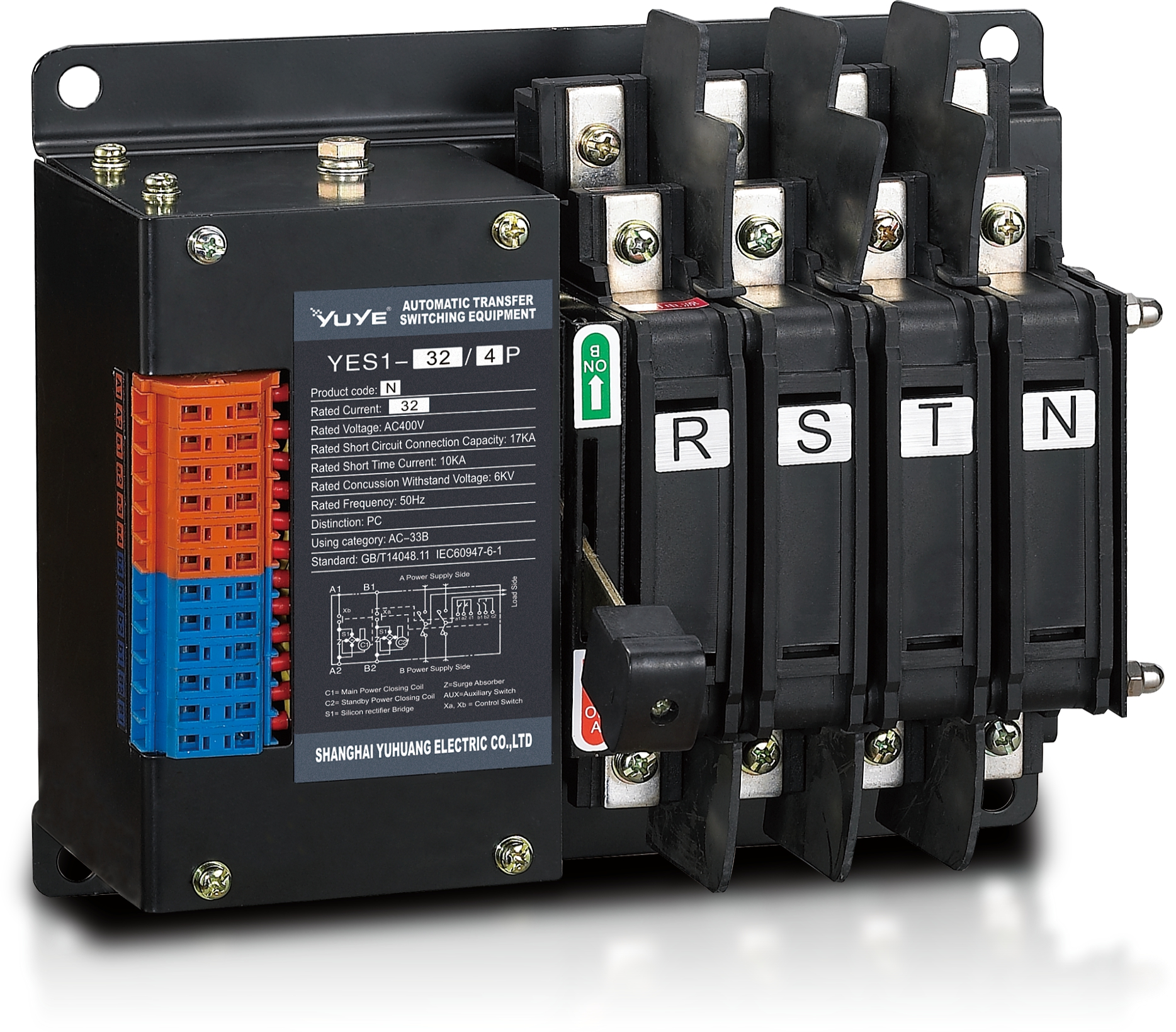 Solenoid-type ATS YES1-32~125N
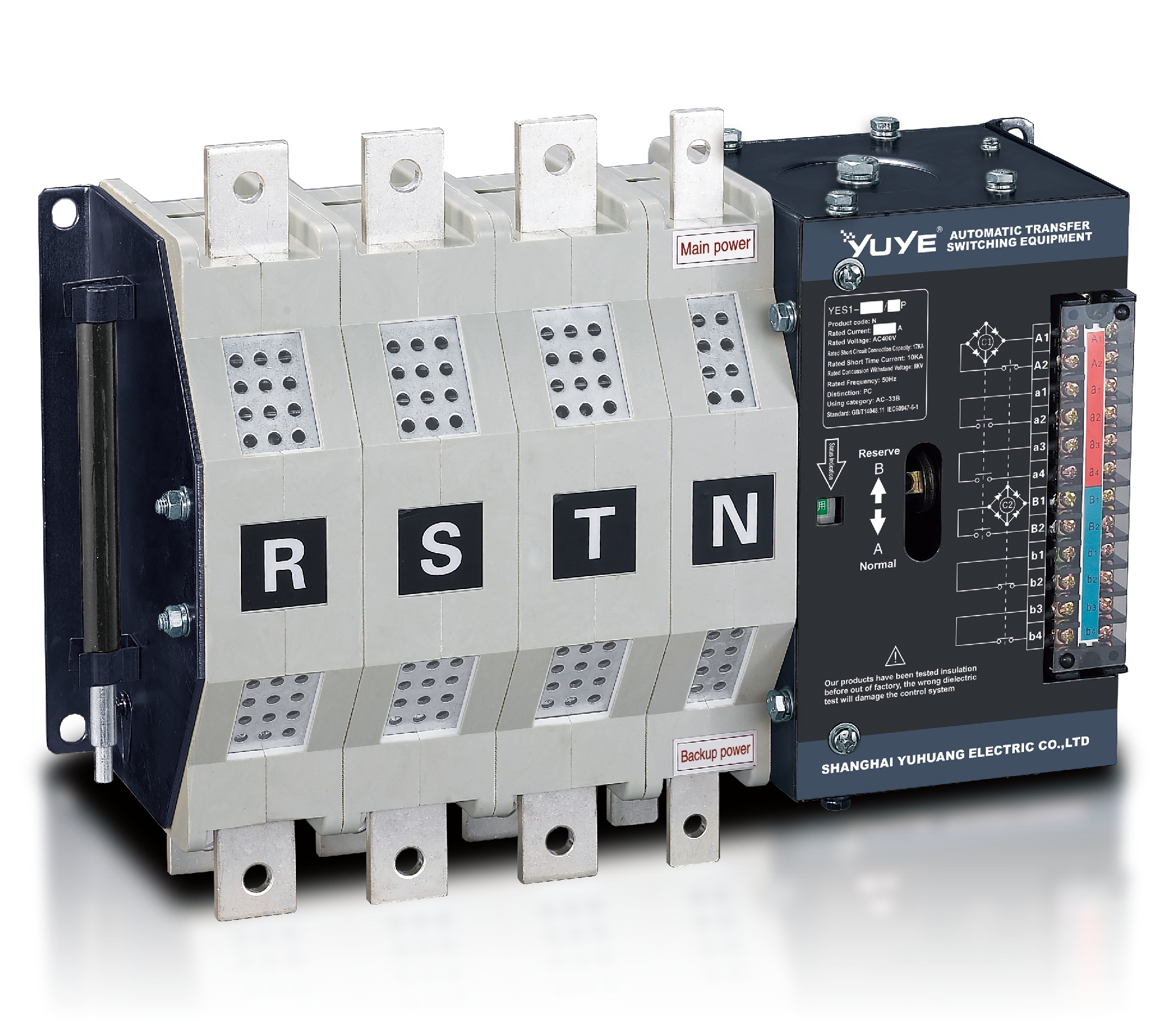 Solenoid-type ATS YES1-250~630N/NT
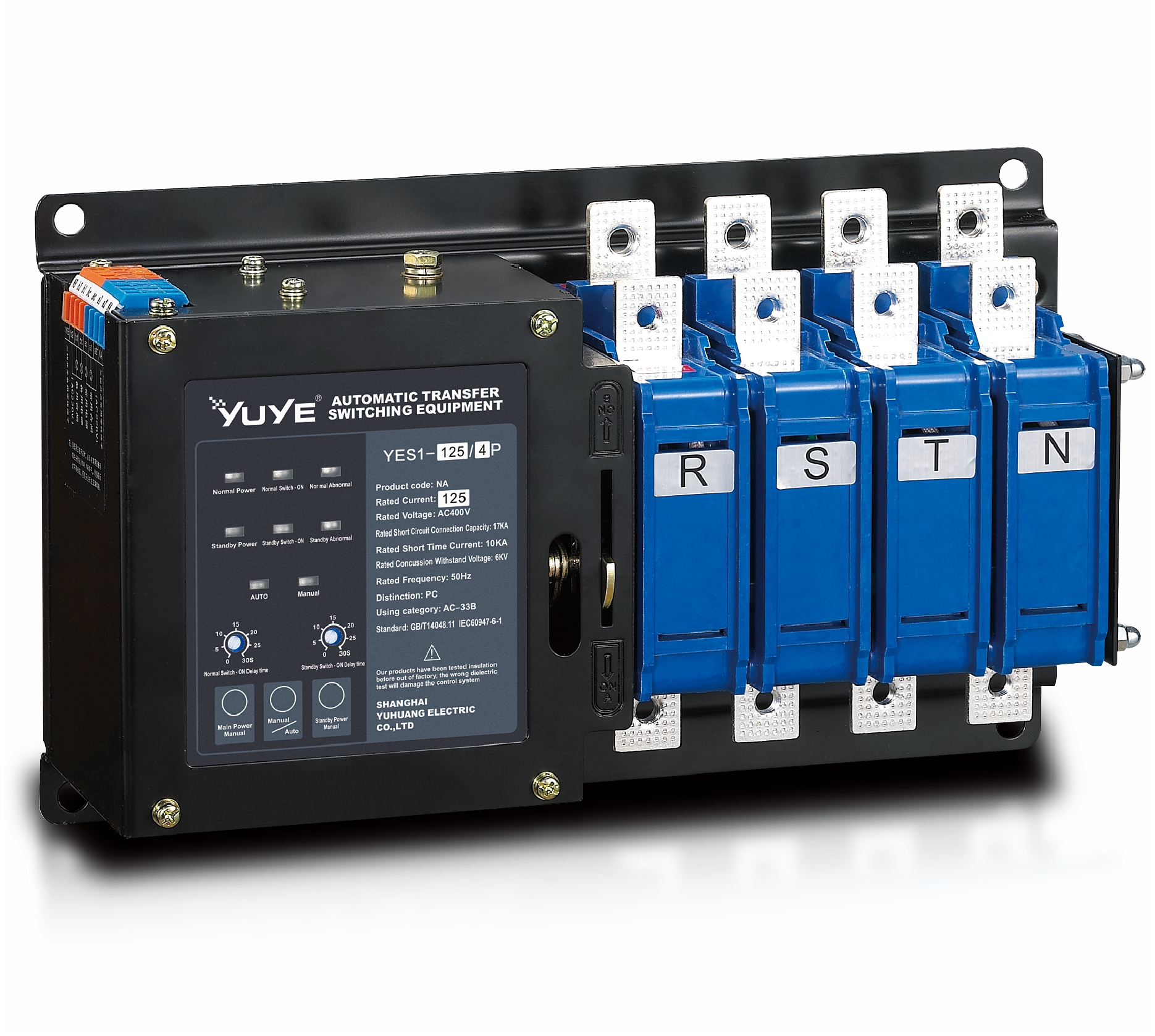 Solenoid-type ATS YES1-32~125NA
 Solenoid-type ATS YES1-63~630SN
 Solenoid-type ATS YES1-1250~4000SN
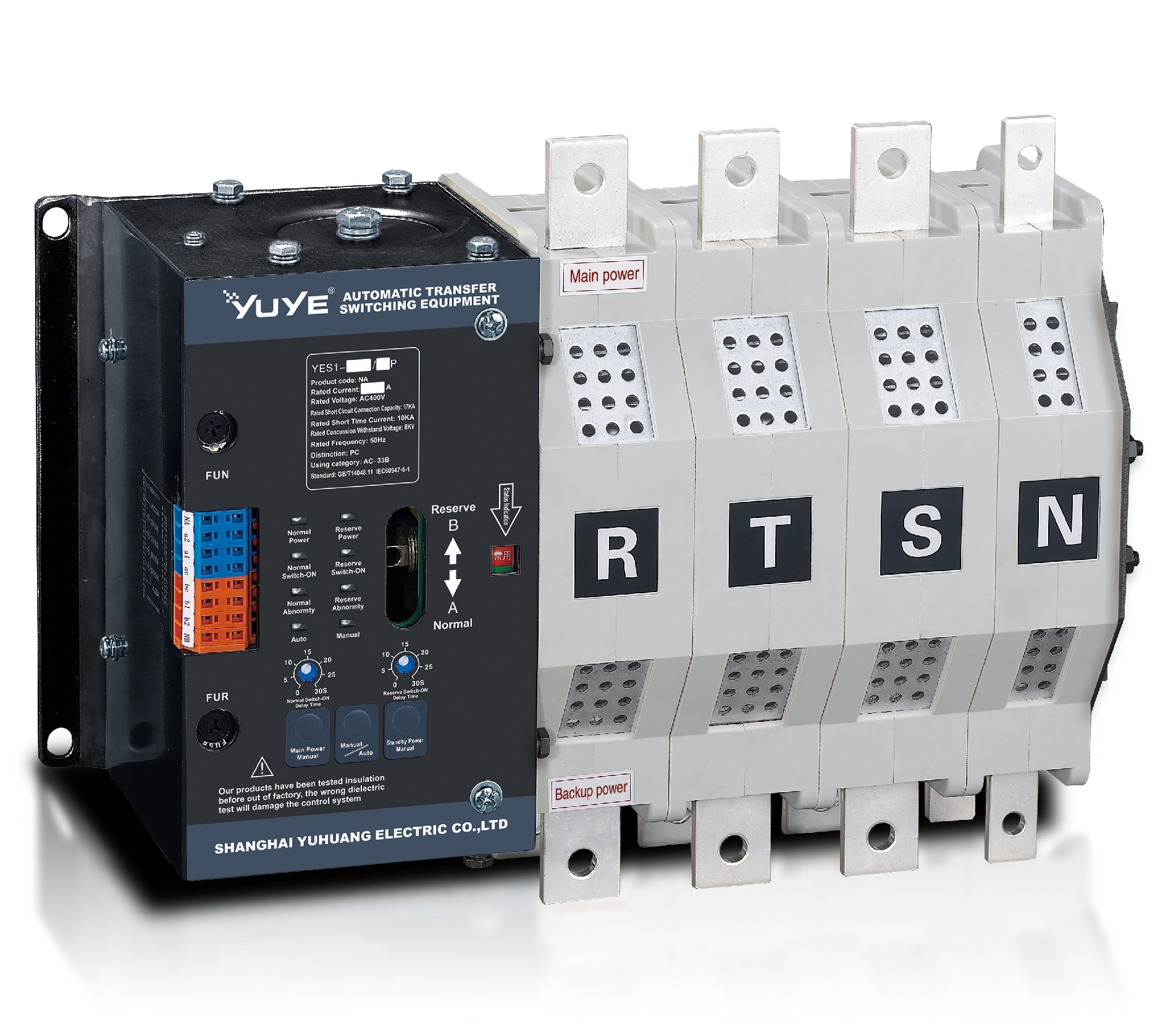 Solenoid-type ATS YES1-250~630NA/NAT
 Solenoid-type ATS YES1-63NJT
 PC ATS YES1-100~1600GN1/GN/GNF
 PC ATS YES1-2000~3200GN/GNF
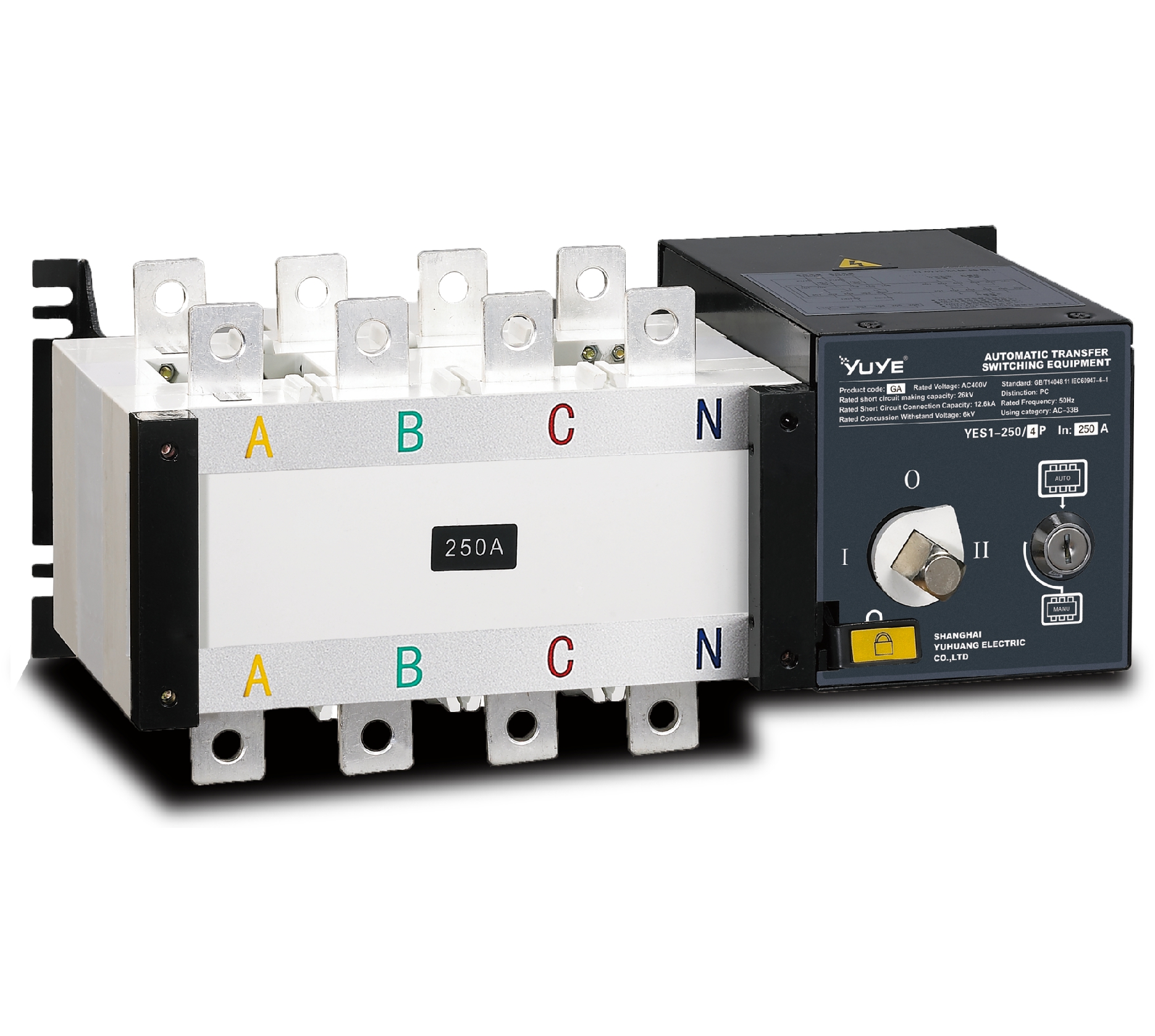 PC ATS YES1-100~3200GA1/GA
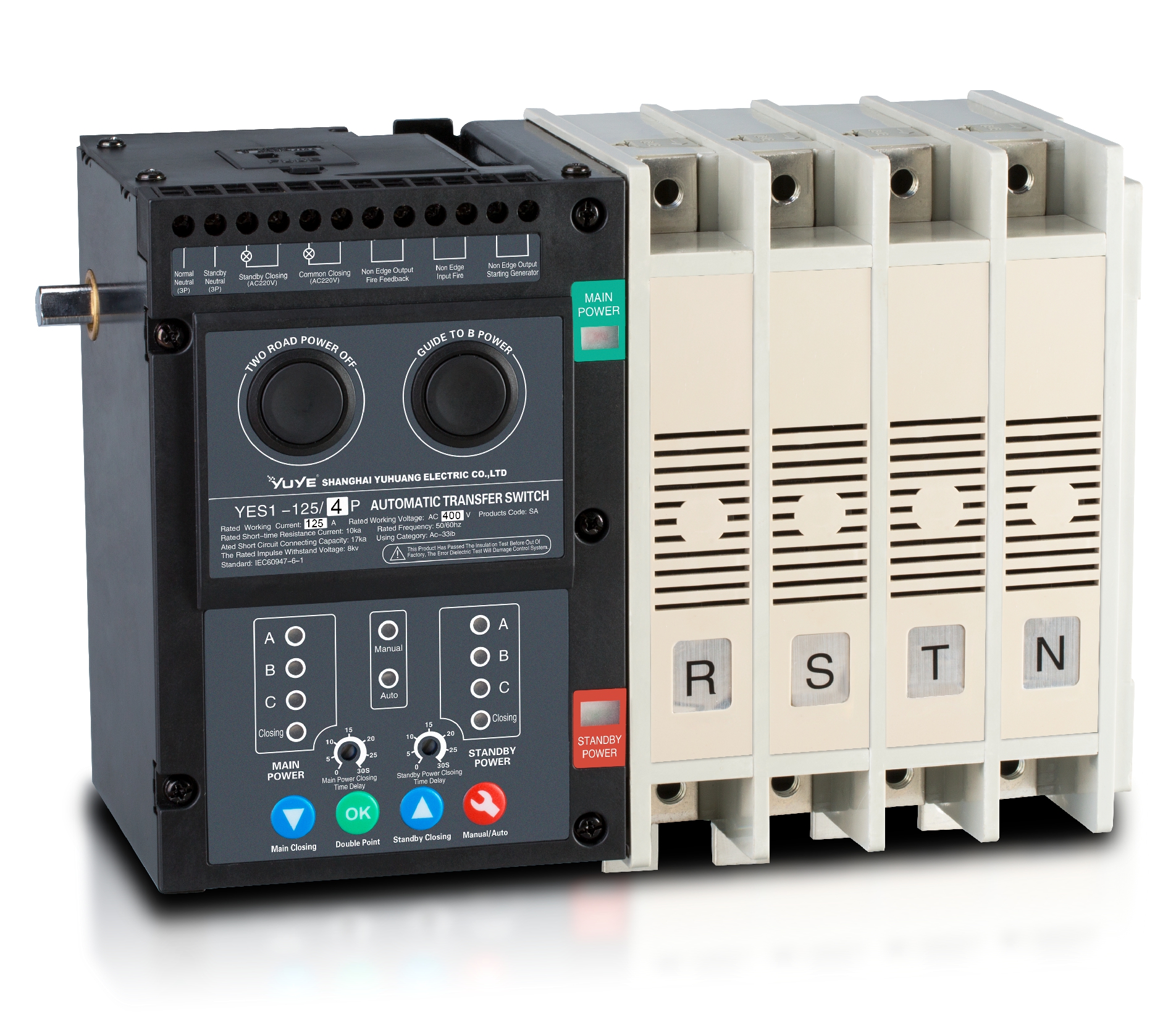 Solenoid-type ATS YES1-63~630SA
 Solenoid-type ATS YES1-63~630L/LA
 Solenoid-type ATS YES1-63~630LA3
 Solenoid-type ATS YES1-63MA
 PC ATS YES1-630~1600M
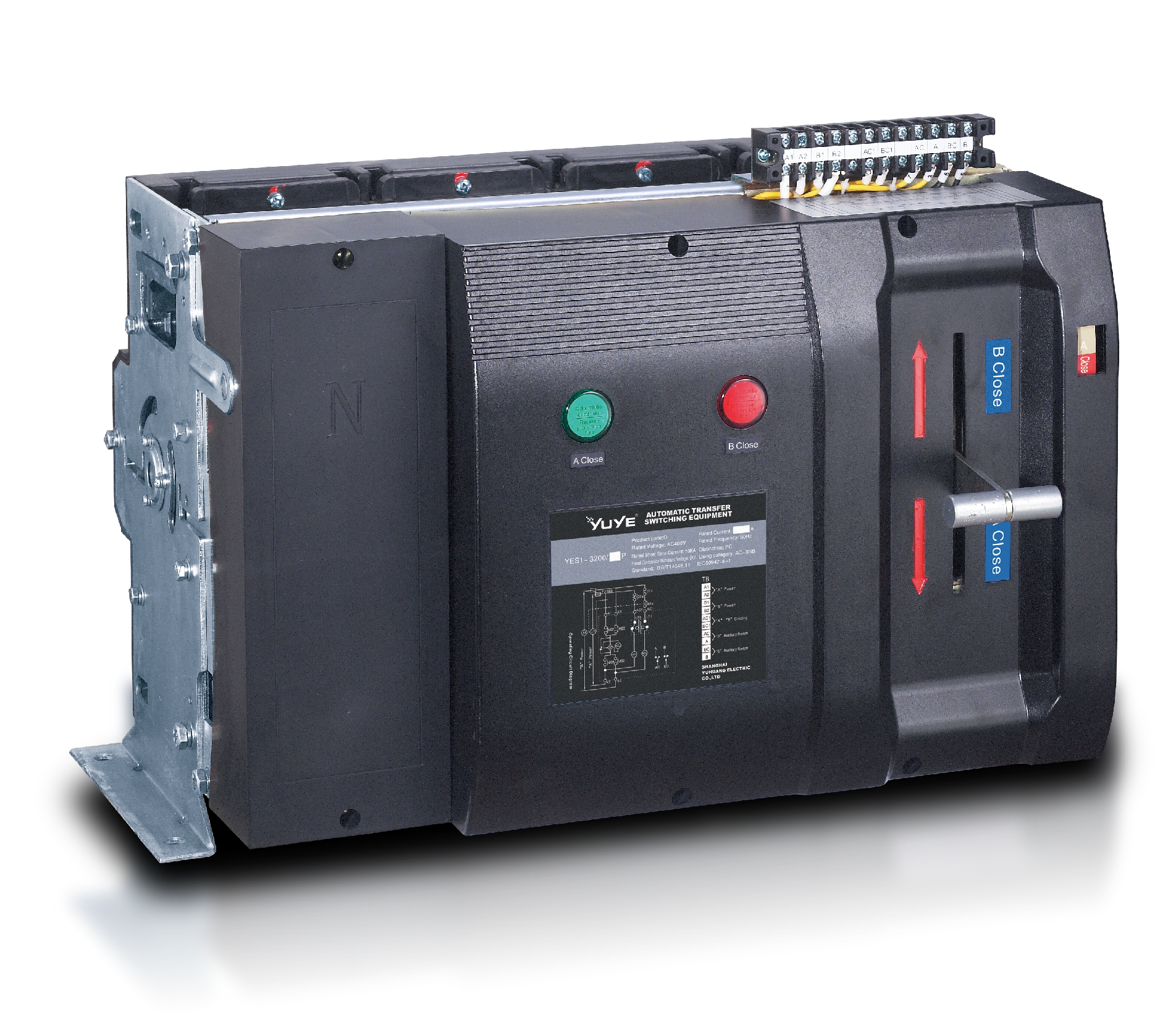 PC ATS YES1-3200Q
 Solenoid-type ATS YES1-4000~6300Q
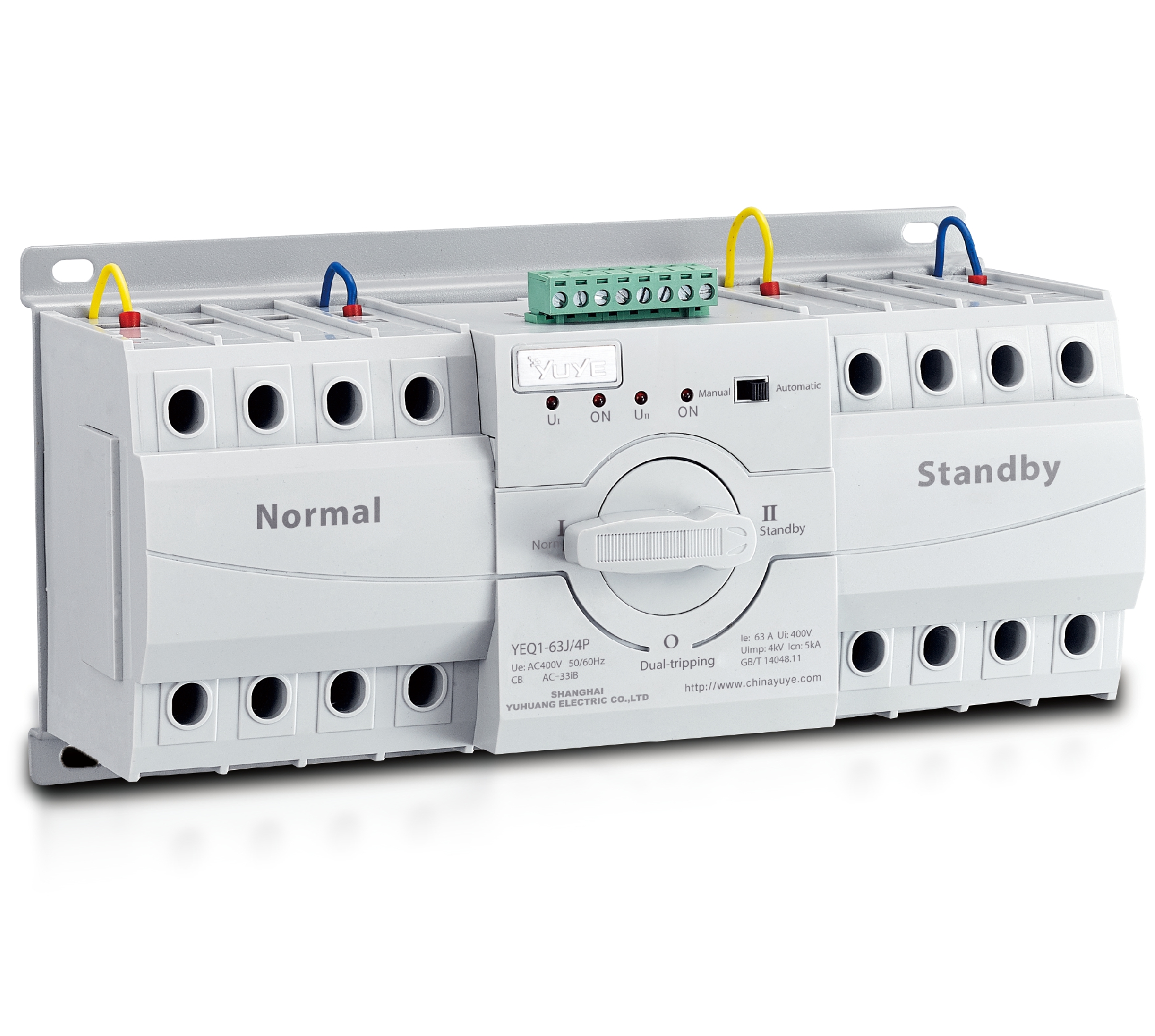 CB ATS YEQ1-63J
 CB ATS YEQ2Y-63
 CB ATS YEQ3-63W1
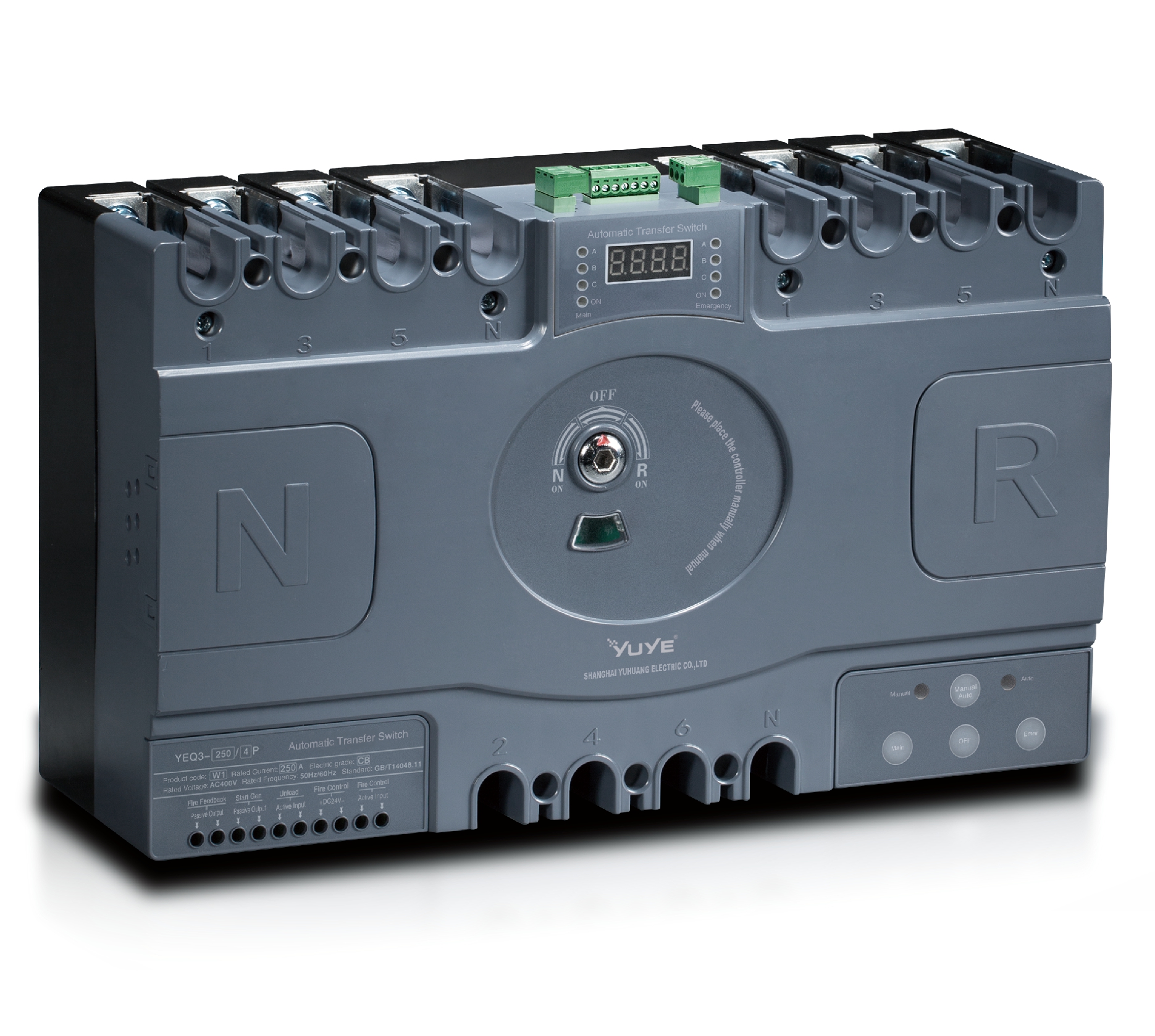 CB ATS YEQ3-125~630W1
 ATS controller Y-700
 ATS Controller Y-700N
 ATS Controller Y-701B
 ATS Controller Y-703N
 ATS Controller Y-800
 ATS Controller W2/W3 Series
 ATS switch Cabinet floor-to-ceiling
 ATS switch cabinet
 JXF-225A power Cbinet
 JXF-800A power Cbinet
 YEM3-125~800 Plastic Shell Type MCCB
 YEM3L-125~630 Leakage Type MCCB
 YEM3Z-125~800 Adjustable Type MCCB
 YEM1-63~1250 Plastic Shell Type MCCB
 YEM1E-100~800 Electronic Type MCCB
 YEM1L-100~630 Leakage Type MCCB
 Miniature circuit breaker YEMA2-6~100
 Miniature circuit breaker YEB1-3~63
 Miniature circuit breaker YEB1LE-3~63
 Miniature circuit breaker YEPN-3~32
 Miniature circuit breaker YEPNLE-3~32
 Miniature circuit breaker YENC-63~125
 Air Circuit Breaker YEW1-2000~6300
 Air Circuit Breaker YEW3-1600
 Load isolation switch YGL-63~3150
 Load Isolation Switch YGL2-63~3150
 Manual Changeover Switch YGL-100~630Z1A
 Manual Changeover Switch YGLZ1-100~3150
 YECPS2-45~125 LCD
 YECPS-45~125 Digital
 CNC Milling/Turning-OEM
 DC relay MDC-300M
 DC Isolation Switch YEGL3D-630


