Picking the right Automatic Transfer Switch for your solar setup really matters if you want smooth and reliable energy management. I’ve read from the National Renewable Energy Laboratory (NREL) that combining solar panels with storage options can make your power supply way more dependable. An good Automatic Transfer Switch helps make the switch between solar power and the grid almost seamless, so you don’t even notice a hiccup.
According to data from Wood Mackenzie, the number of homes jumping on the solar bandwagon has gone up by over 30% in the last five years. That’s pretty significant and just shows how important it is to have sturdy systems in place that keep the power flowing, especially when outages happen or when transitioning between energy sources. An Automatic Transfer Switch makes it easier for homeowners to keep the lights on during those times.
When you’re choosing one, there are a few things to think about. Make sure the specs match your solar system’s size and needs. Not all switches are created equal, some might be missing features that could really boost their performance. Taking the time to really assess what you need will pay off – it helps you get better efficiency, safety, and peace of mind in your energy setup.

Understanding Automatic Transfer Switches and Their Role in Solar Power
Automatic Transfer Switches (ATS) play a crucial role in solar power systems. These devices ensure a seamless transition between the grid and a backup power source. As solar adoption grows, understanding ATS becomes vital. According to a report by the U.S. Department of Energy, nearly 3 million U.S. homes had rooftop solar panels by 2022. These homes benefit significantly from ATS systems.
An ATS monitors energy supply continuously. It switches power sources when grid electricity fails. This feature protects homes from potential damage during outages. A study published in Renewable Energy indicates that integrating ATS with solar systems can enhance efficiency by up to 30%. However, selecting the right ATS involves considerations like load capacity and response time. Some models may not react fast enough, posing risks during critical moments.
Installation quality is also essential. Improperly installed ATS can lead to operational issues. In the renewable energy sector, professional guidelines emphasize regular maintenance and testing. Neglect can reduce the system's reliability. As solar power continues to expand, ensuring the right ATS choice will be paramount for efficient energy management.
How to Choose an Automatic Transfer Switch for Solar Power?
| Feature |
Description |
Considerations |
| Power Rating |
Measure of the maximum load that the switch can handle, typically in kW or kVA. |
Ensure it exceeds your solar system’s output. |
| Transfer Time |
Time taken to switch from grid to solar power supply and vice versa. |
Faster transfer times reduce downtime. |
| Type of Switch |
Manually operated, automatic, or smart switches. |
Select based on your desired level of control and automation. |
| Voltage Compatibility |
Must match the voltage level of your solar and grid system. |
Common voltages are 120V, 240V, or 480V. |
| Safety Features |
Overload protection, short circuit protection, etc. |
Ensure safeguards to protect your system. |
| Maintenance Requirements |
Frequency and type of maintenance needed for operation. |
Consider ease of access and cost of maintenance. |
Key Factors to Consider When Selecting an Automatic Transfer Switch
When choosing an automatic transfer switch (ATS) for solar power systems, several key factors must be considered to ensure efficiency and reliability. One critical aspect is the load capacity. According to a report from the Solar Energy Industries Association (SEIA), understanding your energy needs helps in selecting an ATS that can handle peak loads. Assess your peak usage hours and match these with the ATS rating for optimal performance.
Another factor is the switch type. An ATS can be open or closed transition, impacting how it transfers power from the grid to solar. Open transition switches are quicker but may cause a momentary power outage. Closed transition switches prevent this but come with a higher cost. Make sure to evaluate your tolerance for potential interruptions versus overall system costs.
Tips: Always check for system compatibility; not all ATS models work with every inverter setup. Regular maintenance improves performance and longevity. Review industry standards from the National Electrical Code (NEC) to adhere to safety guidelines.
The installation location matters too. Environmental conditions such as humidity or temperature can affect the switch’s lifespan. Prepare for these variables to avoid costly repairs in the future. Investing in a quality ATS could save up to 30% on energy storage costs over the system's lifespan, as per data from the Department of Energy (DOE). Ensure that your choice not only meets current needs but also anticipates future expansions.
How to Choose an Automatic Transfer Switch for Solar Power
Types of Automatic Transfer Switches Suitable for Solar Applications
When choosing an automatic transfer switch (ATS) for solar power systems, understanding the types available is crucial. There are mainly two categories: manual transfer switches and automatic transfer switches.
Automatic transfer switches are preferable for solar applications as they automatically switch between power sources without user intervention. This feature can be vital for households relying on solar energy, especially during outages.
Among automatic transfer switches, there are different configurations to consider. A simple ATS can handle the switching between the grid and solar energy. Meanwhile, some models offer advanced functionalities, such as monitoring energy usage and optimizing solar power generation. These features can enhance efficiency but may require additional setup and expertise.
While selecting the right ATS, don’t overlook the installation complexity. A user-friendly switch might seem appealing, but it could lack advanced functionalities that specialized models provide. Balancing ease of use with features is essential. Each system requires careful consideration to match the precise energy needs of your home or business. The right ATS can significantly impact the reliability and efficiency of your solar power setup.
Sizing Your Automatic Transfer Switch for Your Solar Power System
Choosing the right size for your automatic transfer switch (ATS) is crucial for your solar power system's efficiency. An ATS ensures that your solar energy can seamlessly switch between grid power and your backup source. It’s essential to evaluate your energy needs accurately. Consider how much energy your home uses during peak times. This information will help you select an ATS that can handle your highest energy demands.
Performing a load calculation is a practical step. List all appliances and devices you plan to power. Add up their wattage to find your total power requirement. Keep in mind that some devices require extra power to start, so you should factor in those surges. A mismatched ATS can lead to inefficiencies or even system failure. It’s common for homeowners to overlook these considerations.
After you have your data, consult with a professional. They can provide insights tailored to your specific situation. Be prepared for a conversation about your current and future energy needs. This may reveal that your calculations overlook certain appliances or future expansions. An ATS that is not appropriately sized can complicate energy management. Regularly revisiting your needs will ensure optimal performance of your solar system.
Evaluating the Performance and Reliability of Transfer Switch Brands
When selecting an automatic transfer switch (ATS) for solar power systems, performance and reliability are essential. The ATS is crucial for seamless energy transfer between the grid and solar sources. According to the National Renewable Energy Laboratory (NREL), over 80% of solar energy systems rely on efficient transfer switches to maintain power continuity. High-quality ATS units are designed to operate effectively under peak load conditions, ensuring that solar energy can be maximized.
Evaluating different brands can be challenging. Factors such as response time, load handling capacity, and environmental tolerance are vital. Some studies indicate that units with faster response times of less than 10 seconds significantly reduce downtime during power transitions. Moreover, many consumers report issues with transfer switches failing during extreme weather events. A reliability score from the Electric Power Research Institute highlights that systems with robust weatherproofing are far less likely to malfunction in adverse conditions.
User experiences often reveal varying degrees of satisfaction among different brands. While some users appreciate the durability of certain models, others note potential failures. Indeed, a detailed review from the Solar Energy Industries Association (SEIA) suggests that purchasing based on brand reputation alone is not sufficient. The need for real-world feedback cannot be overstated, as this helps potential buyers make more informed decisions regarding which transfer switch will best suit their solar energy needs.
Installation Requirements and Safety Standards for Automatic Transfer Switches
When selecting an automatic transfer switch (ATS) for solar power systems, installation requirements and safety standards must be prioritized. The dimensions of the switch should match the space available. It should be weather-resistant if placed outdoors. Ensure that local regulations are followed. This promotes safety and efficiency.
Next, the ATS must be properly rated for the solar system's output. Check the voltage and current specifications. An improperly rated switch can lead to failures or hazardous situations. It is also vital to have professional installation. Relying on a DIY approach could lead to serious issues. Always consult with certified electricians who understand solar systems.
Furthermore, safety standards like UL certification ensure that the equipment meets rigorous testing. Look for industry-specific labels. Compliance with these standards minimizes risks. Routine maintenance checks are crucial. They help identify potential problems before they escalate. Ignoring this can lead to malfunctions or even dangerous situations. While it may seem daunting, adhering to these guidelines will help ensure a safe and efficient solar power system.
Maintenance Tips to Ensure Long-Term Efficiency of Transfer Switches
Choosing the right automatic transfer switch (ATS) for solar power is crucial for ensuring reliable energy management. Regular maintenance is essential to keep these systems running efficiently over time. According to the Solar Energy Industries Association (SEIA), a well-maintained ATS can increase the lifespan of solar installations by up to 20%. Without proper care, performance drops significantly.
Firstly, inspect the ATS monthly. Look for signs of wear or corrosion. This early detection can save thousands in replacement costs. It's recommended to clean contacts and connections every six months. Dust, moisture, and debris can hinder performance. Regular checks of wiring integrity are also vital; loose connections can lead to system failures.
Consider conducting a load analysis to verify that your ATS can handle peak demands effectively. Typically, ATS units are designed for specific current loads, and exceeding these can lead to malfunctions. Unexpected power losses can impact solar system efficiency, resulting in energy downtime. Keep track of performance metrics over time to spot irregularities. Prevention is better than costly repairs in the long run.
Maximizing Efficiency and Performance with the JXF-225A Power Cabinet: A Comprehensive Guide
The JXF-225A Power Cabinet represents a significant advancement in managing power supply systems, particularly in environments where reliability and efficiency are paramount. This dual power supply cabinet is engineered to enhance operational uptime by utilizing an integrated automatic transfer switch. In standard operations, one power source serves as the primary feed for the load, while the secondary power line remains in standby mode, ensuring an immediate response in the event of a failure. According to the International Electrotechnical Commission, systems with automatic transfer capabilities can reduce downtime by up to 97%, making this cabinet an essential component in critical applications.
Equipped with essential features such as indicator lights for circuit status monitoring and circuit breakers for enhanced protection, the JXF-225A not only facilitates seamless operation but also prioritizes safety. The design enables external control, providing operators with the ability to manage the system without opening the cabinet, thereby minimizing risk during maintenance. Industry studies indicate that over 60% of power interruptions are preventable through the use of advanced power management systems, aligning perfectly with the capabilities of this power cabinet.
Furthermore, the robustness of the JXF-225A ensures it is suited for various high-demand environments, from data centers to manufacturing facilities. With the rise of digital transformation, where redundancy and uninterrupted power supplies are non-negotiable, investing in a reliable power cabinet is more important than ever. By adopting systems like the JXF-225A, organizations can significantly enhance their operational efficiency and performance, ensuring that their critical processes remain powered and protected.
FAQS
It helps you find the total power requirement. Missing certain devices may lead to an undersized ATS.
Ensure correct dimensions and check local regulations. The switch should be weather-resistant if outdoors.
DIY efforts may cause serious issues. Certified electricians understand solar systems and ensure safety.
Look for UL certification and industry-specific labels. Compliance minimizes risks in your solar power system.
Monthly inspections are crucial. Clean contacts every six months and check wiring integrity regularly.
These signs may reveal potential failures. Early detection can save you from costly replacements.
Regular upkeep can increase the lifespan of your solar installation. Neglecting maintenance can significantly drop performance.
Check your load analysis immediately. Excessive loads can lead to malfunctions and impact efficiency.
Monitoring helps identify irregularities over time. Prevention is better than costly repairs in the long run.
Conclusion
An Automatic Transfer Switch for Solar Power is a critical component that ensures seamless transition between different power sources, particularly during outages. Understanding the functionality of these switches is essential for anyone looking to integrate solar energy into their home or business. When selecting an Automatic Transfer Switch, key factors include load capacity, response time, and compatibility with existing systems. Various types of switches are designed specifically for solar applications, making it essential to choose one that aligns with your requirements.
Sizing the Automatic Transfer Switch appropriately is crucial to avoid overloading and ensure optimal performance. Evaluating different brands based on their reliability and performance history will help in making an informed decision. Moreover, adhering to installation requirements and safety standards is vital for the safe operation of the system. Lastly, regular maintenance can significantly enhance the long-term efficiency of the Automatic Transfer Switch, ensuring that your solar power system functions smoothly for years to come.

 PC ATS YECT1-2000G
 PC ATS YES2-63~250GN1
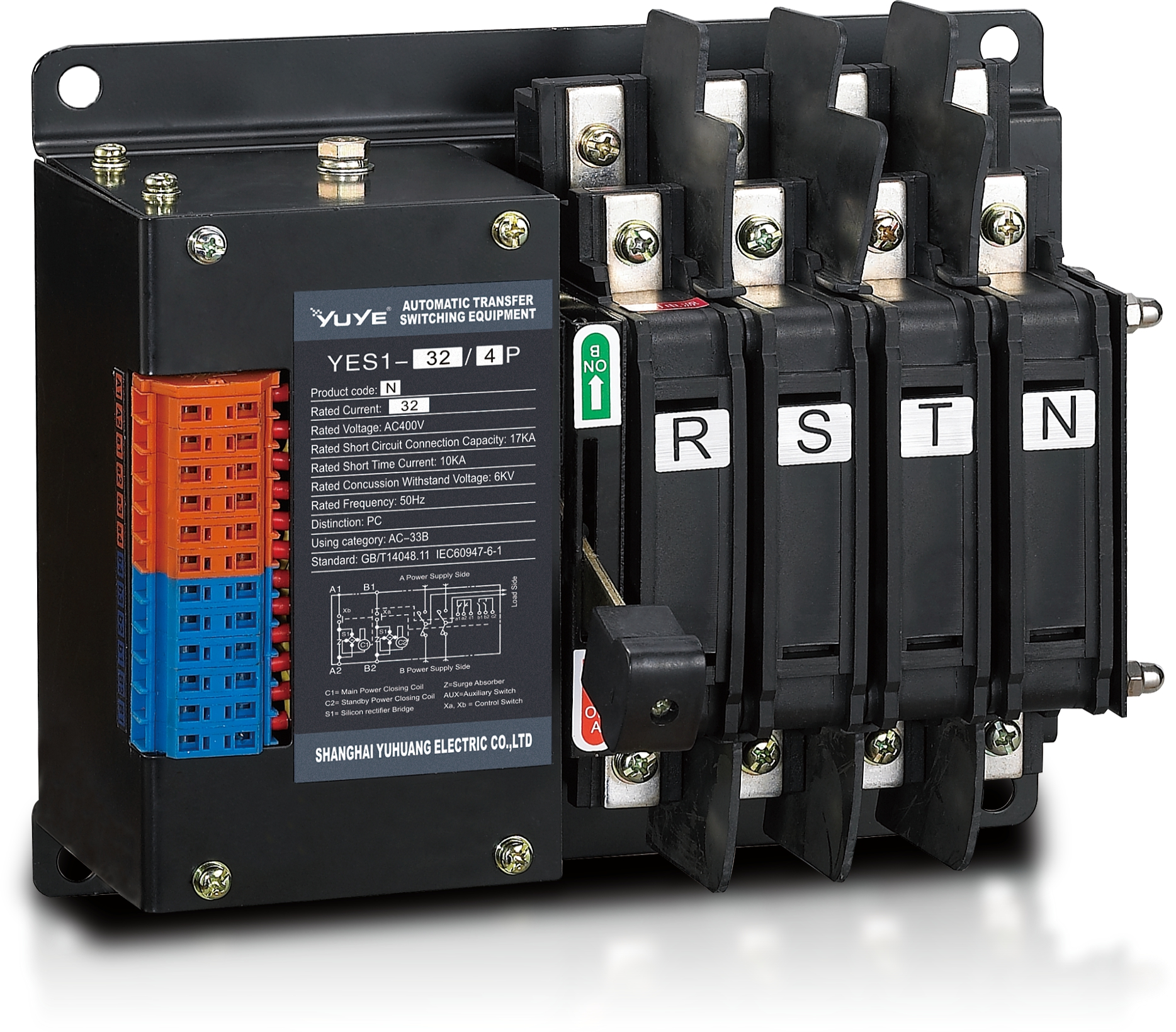 Solenoid-type ATS YES1-32~125N
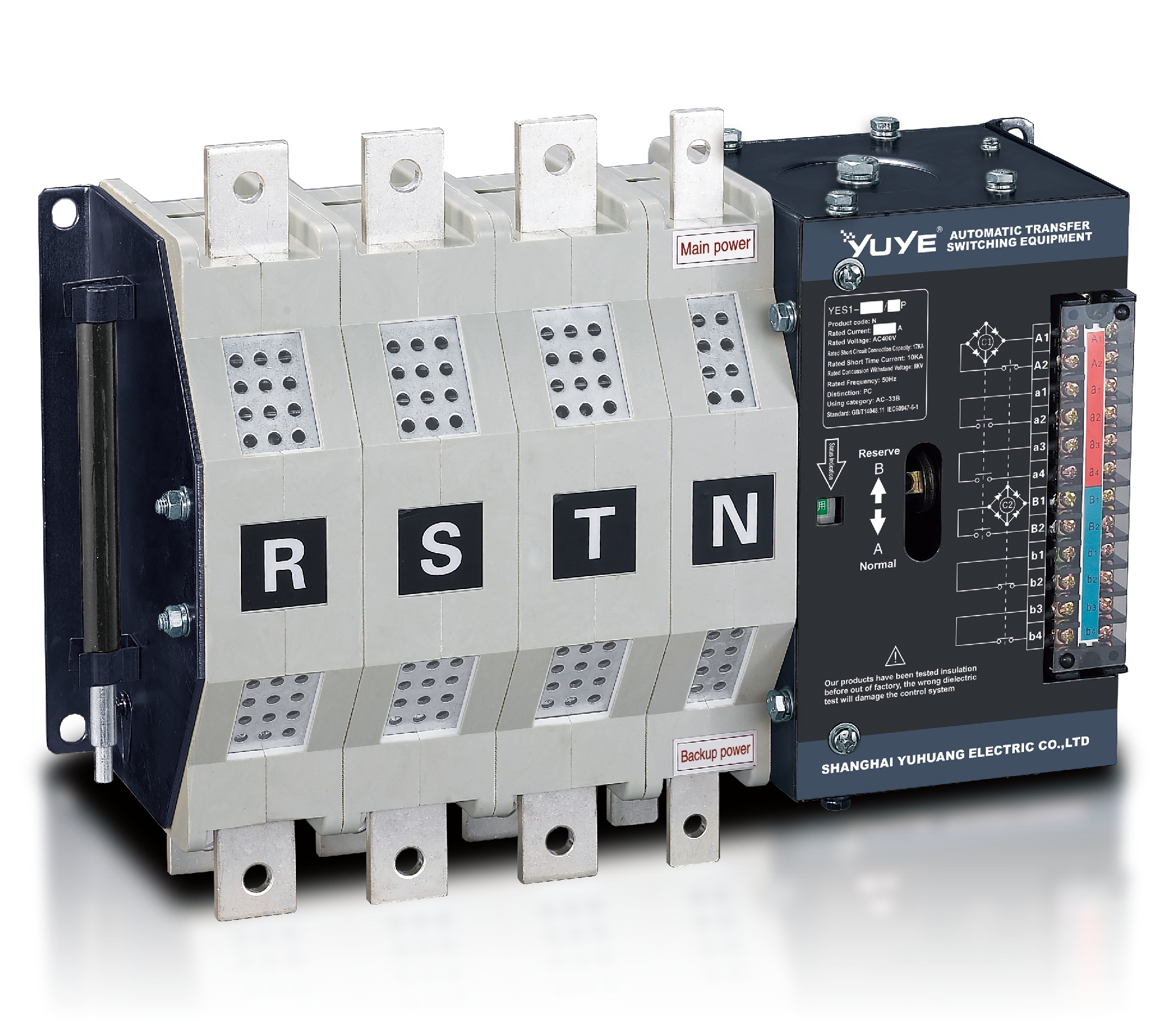 Solenoid-type ATS YES1-250~630N/NT
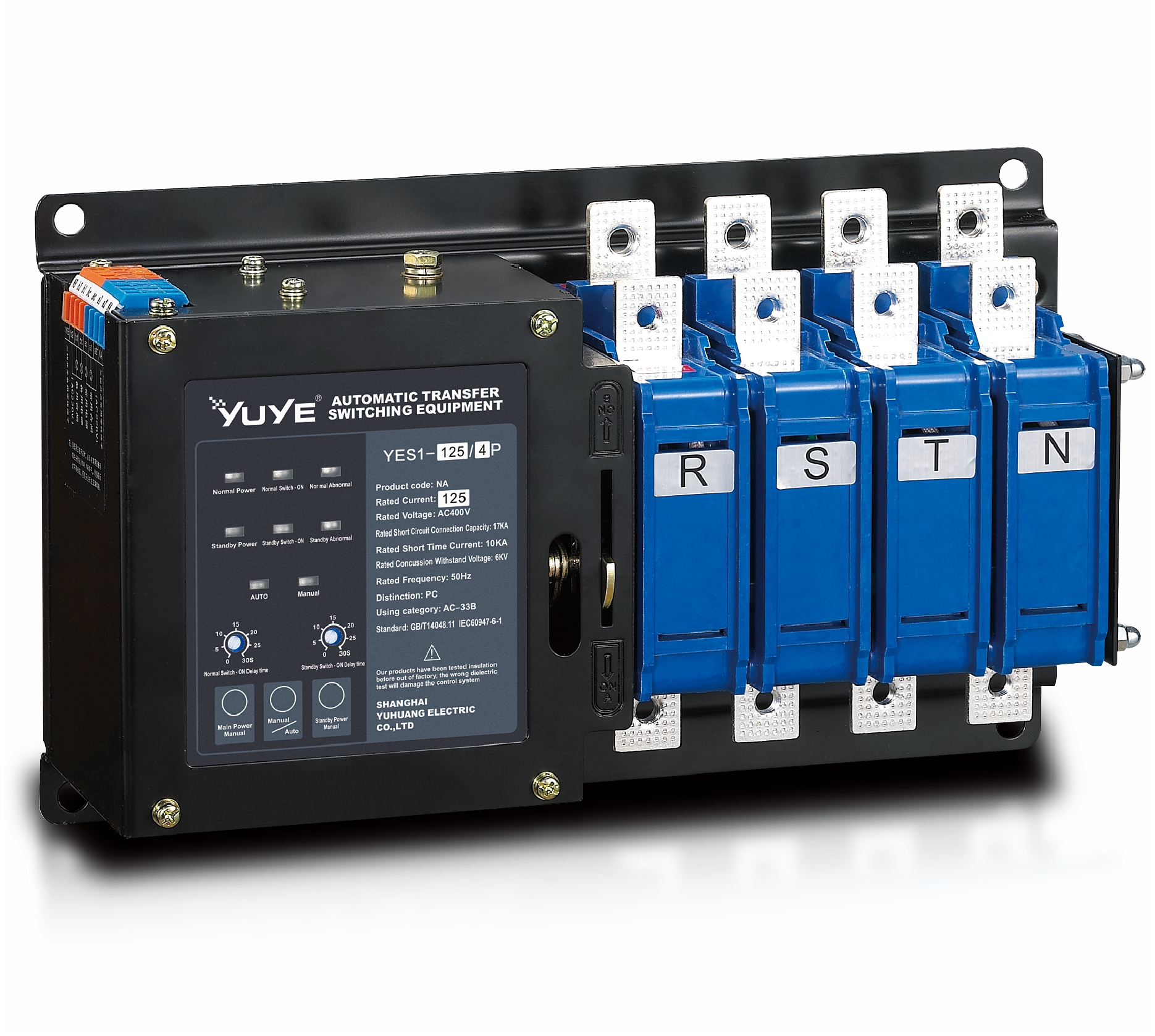 Solenoid-type ATS YES1-32~125NA
 Solenoid-type ATS YES1-63~630SN
 Solenoid-type ATS YES1-1250~4000SN
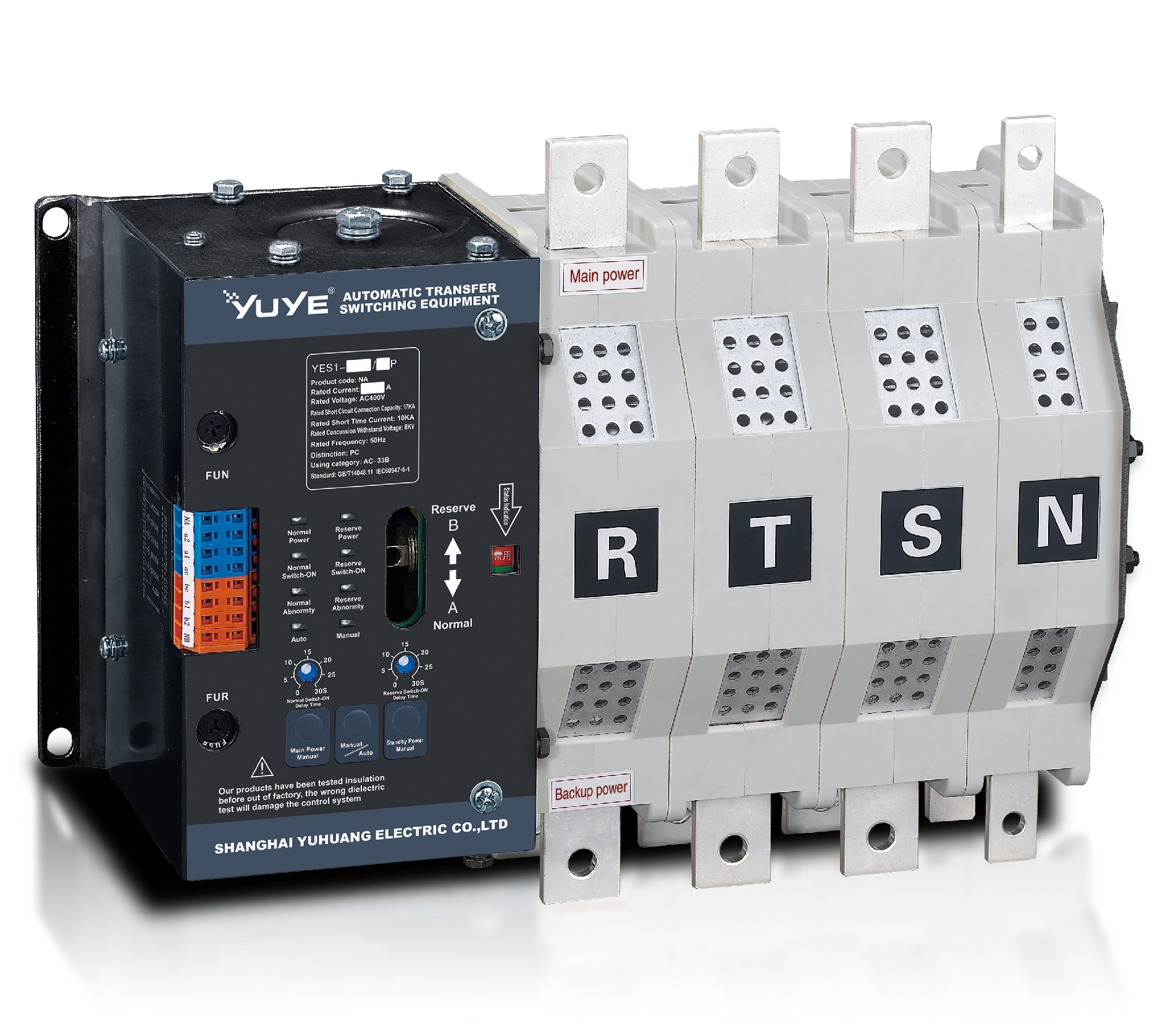 Solenoid-type ATS YES1-250~630NA/NAT
 Solenoid-type ATS YES1-63NJT
 PC ATS YES1-100~1600GN1/GN/GNF
 PC ATS YES1-2000~3200GN/GNF
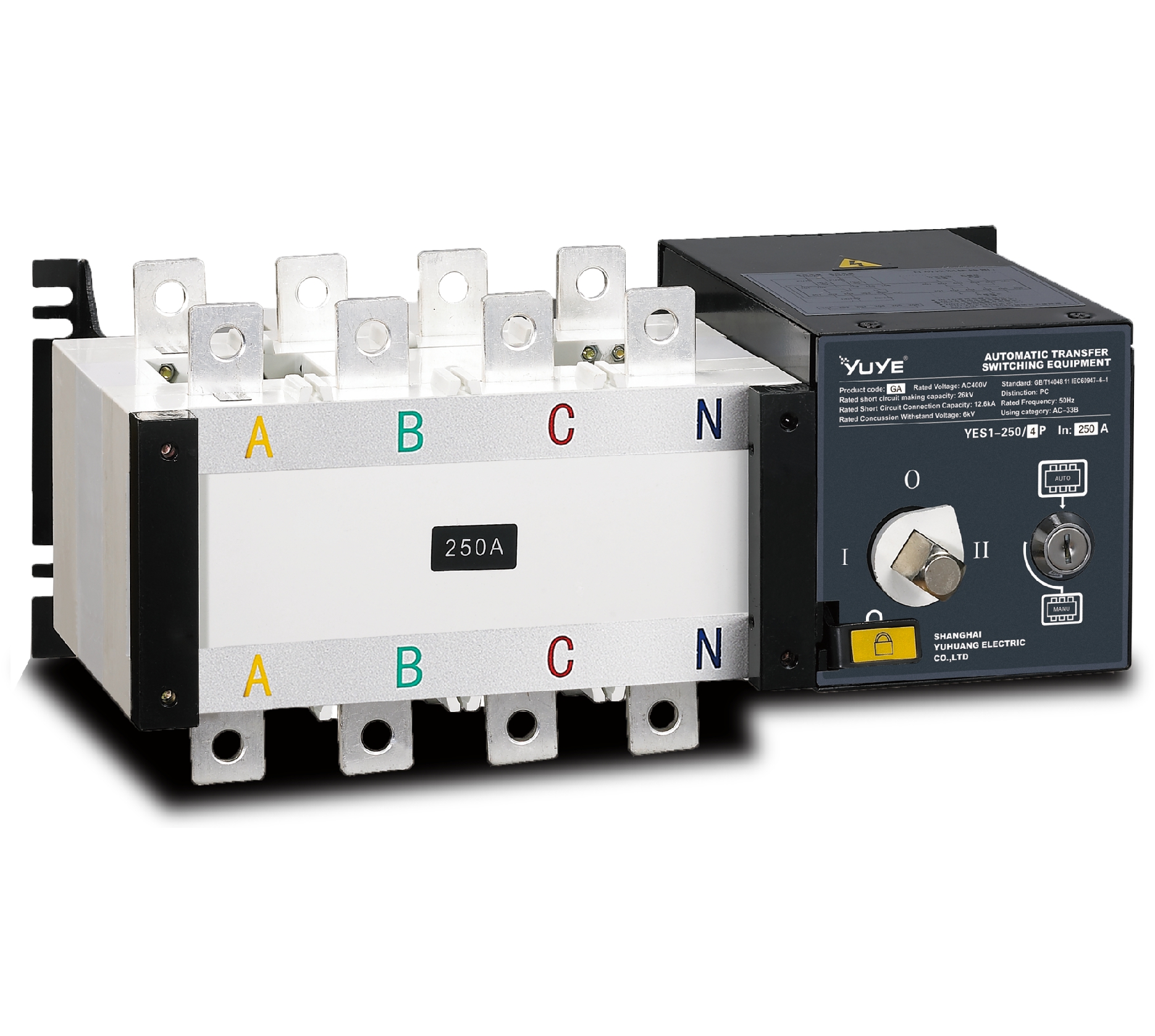 PC ATS YES1-100~3200GA1/GA
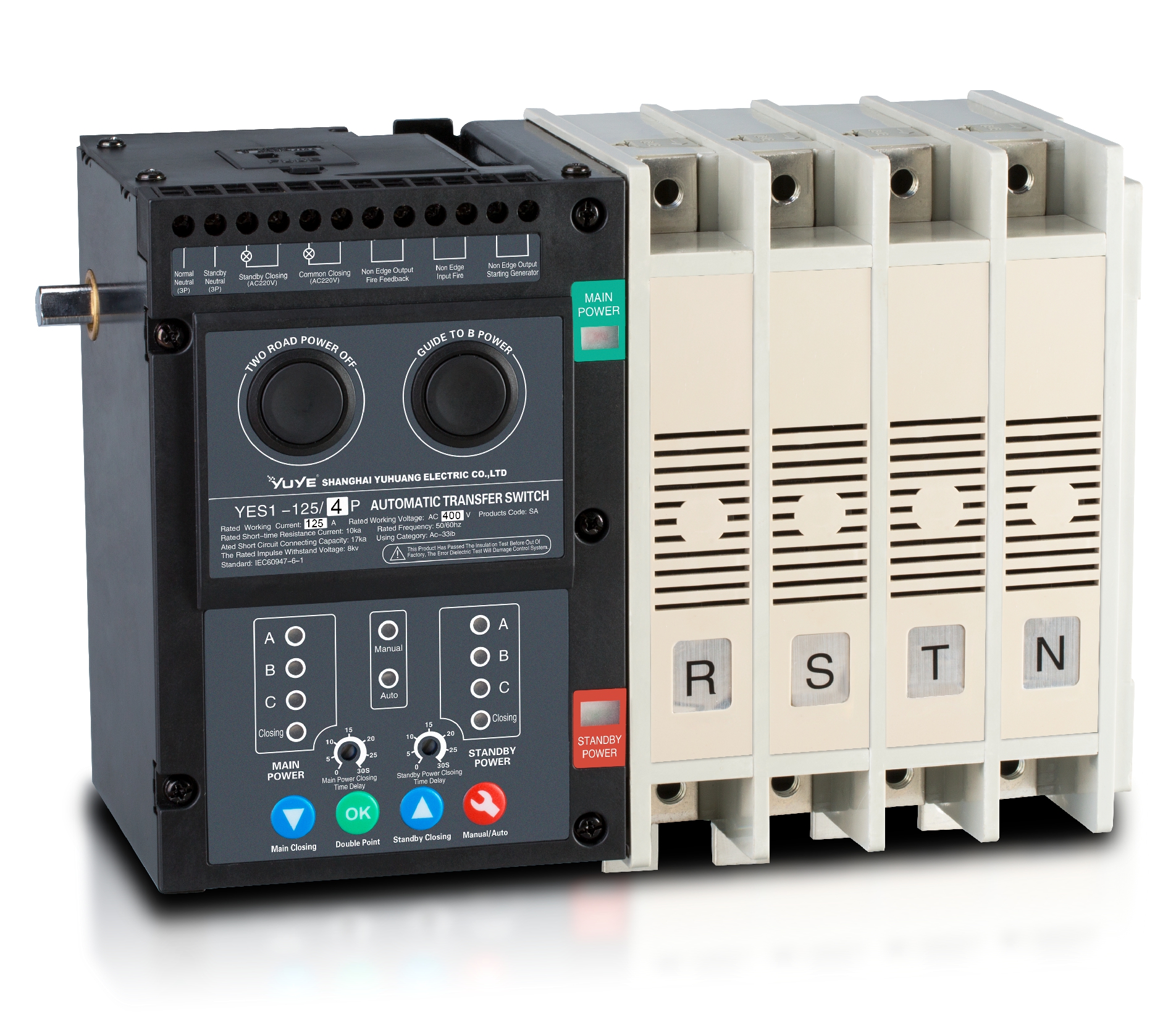 Solenoid-type ATS YES1-63~630SA
 Solenoid-type ATS YES1-63~630L/LA
 Solenoid-type ATS YES1-63~630LA3
 Solenoid-type ATS YES1-63MA
 PC ATS YES1-630~1600M
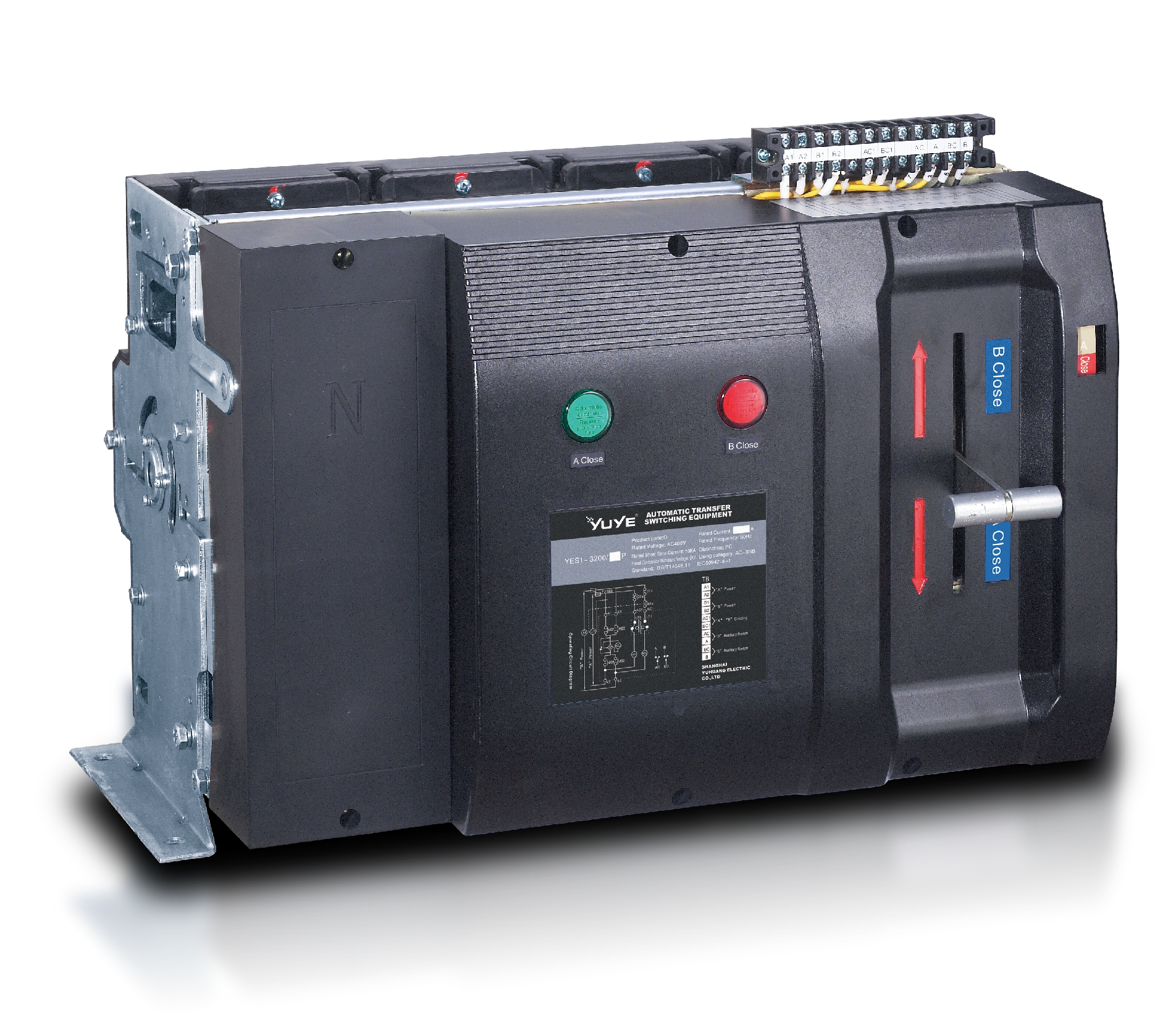 PC ATS YES1-3200Q
 Solenoid-type ATS YES1-4000~6300Q
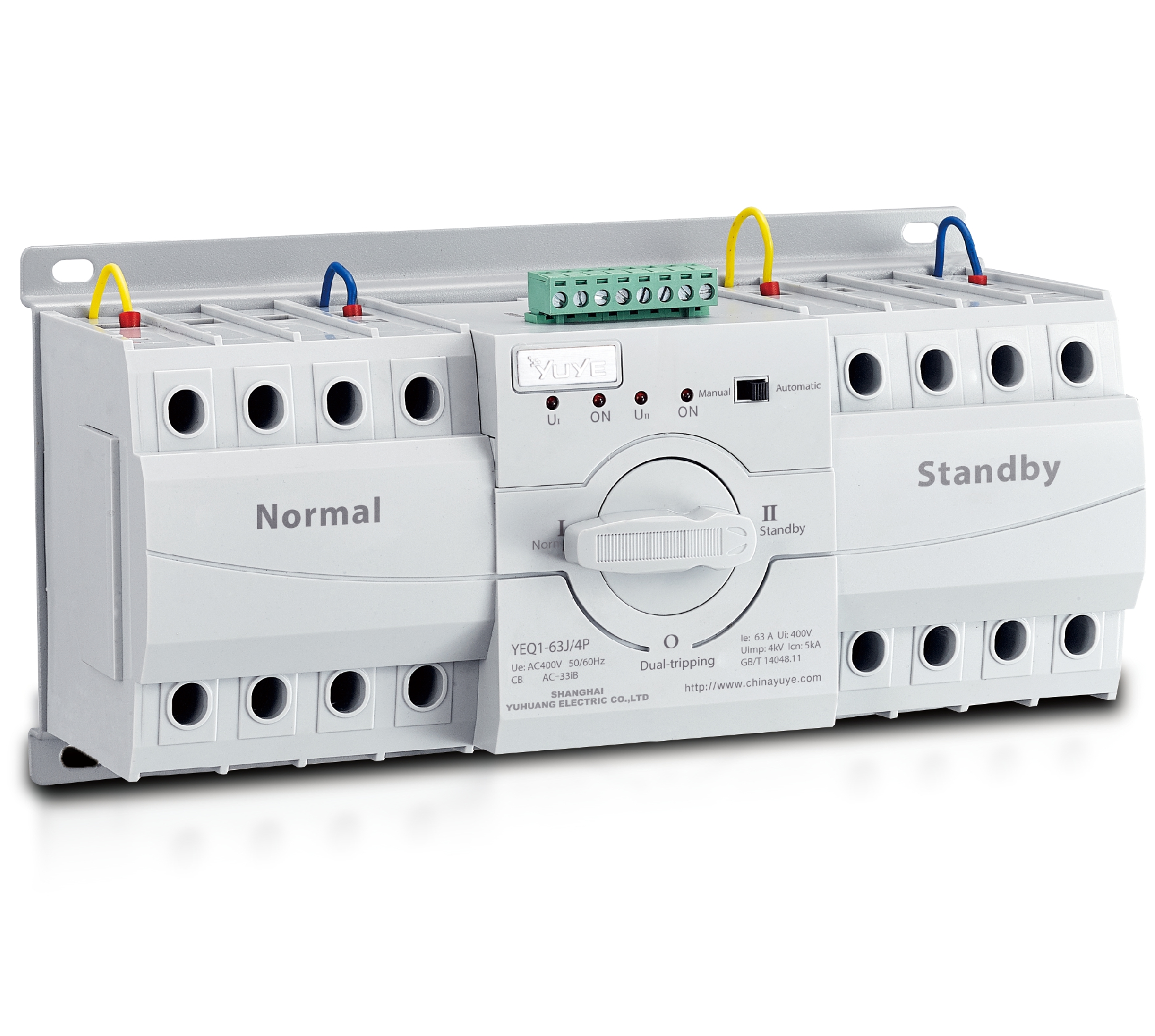 CB ATS YEQ1-63J
 CB ATS YEQ2Y-63
 CB ATS YEQ3-63W1
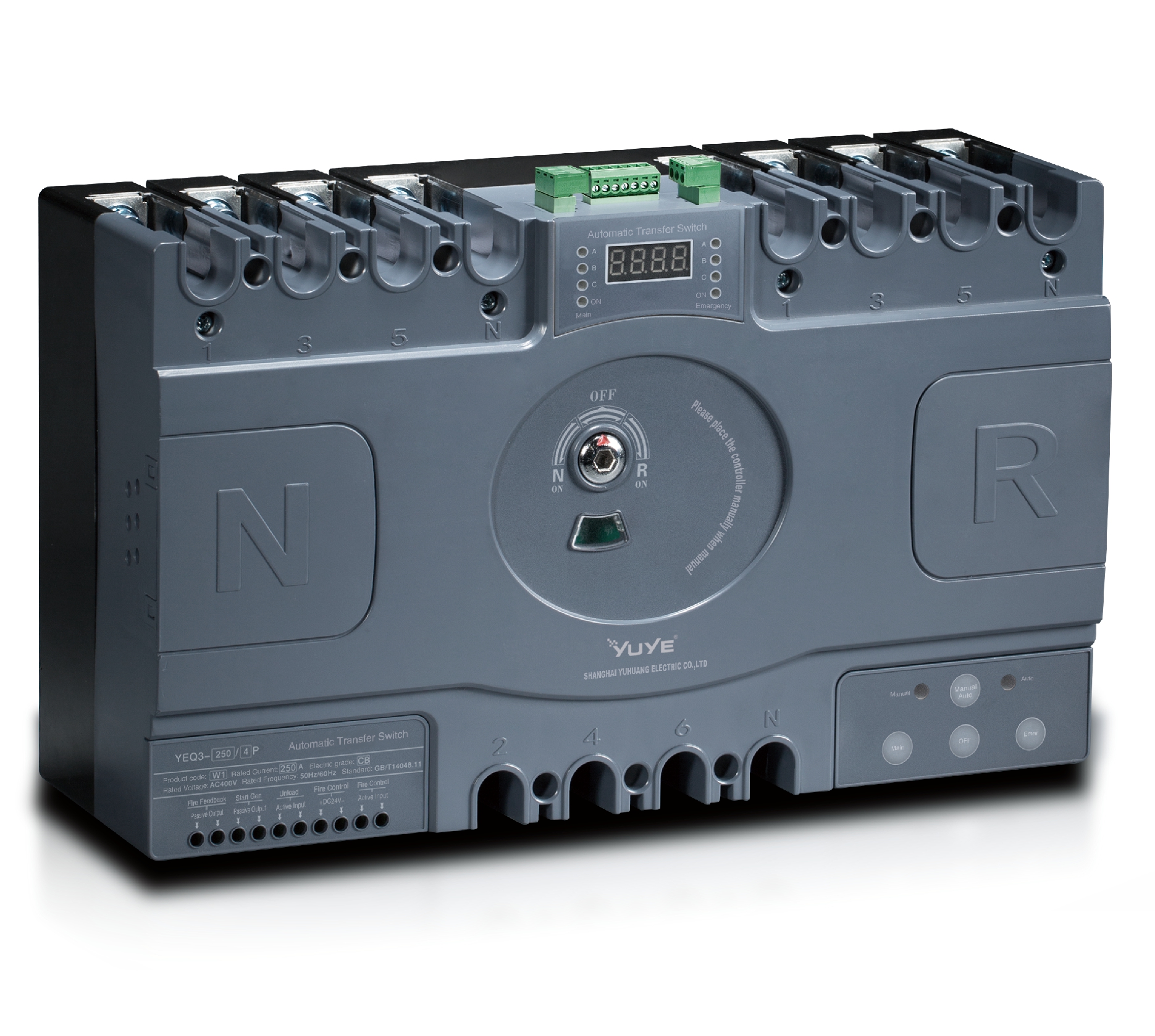 CB ATS YEQ3-125~630W1
 ATS controller Y-700
 ATS Controller Y-700N
 ATS Controller Y-701B
 ATS Controller Y-703N
 ATS Controller Y-800
 ATS Controller W2/W3 Series
 ATS switch Cabinet floor-to-ceiling
 ATS switch cabinet
 JXF-225A power Cbinet
 JXF-800A power Cbinet
 YEM3-125~800 Plastic Shell Type MCCB
 YEM3L-125~630 Leakage Type MCCB
 YEM3Z-125~800 Adjustable Type MCCB
 YEM1-63~1250 Plastic Shell Type MCCB
 YEM1E-100~800 Electronic Type MCCB
 YEM1L-100~630 Leakage Type MCCB
 Miniature circuit breaker YEMA2-6~100
 Miniature circuit breaker YEB1-3~63
 Miniature circuit breaker YEB1LE-3~63
 Miniature circuit breaker YEPN-3~32
 Miniature circuit breaker YEPNLE-3~32
 Miniature circuit breaker YENC-63~125
 Air Circuit Breaker YEW1-2000~6300
 Air Circuit Breaker YEW3-1600
 Load isolation switch YGL-63~3150
 Load Isolation Switch YGL2-63~3150
 Manual Changeover Switch YGL-100~630Z1A
 Manual Changeover Switch YGLZ1-100~3150
 YECPS2-45~125 LCD
 YECPS-45~125 Digital
 CNC Milling/Turning-OEM
 DC relay MDC-300M
 DC Isolation Switch YEGL3D-630


