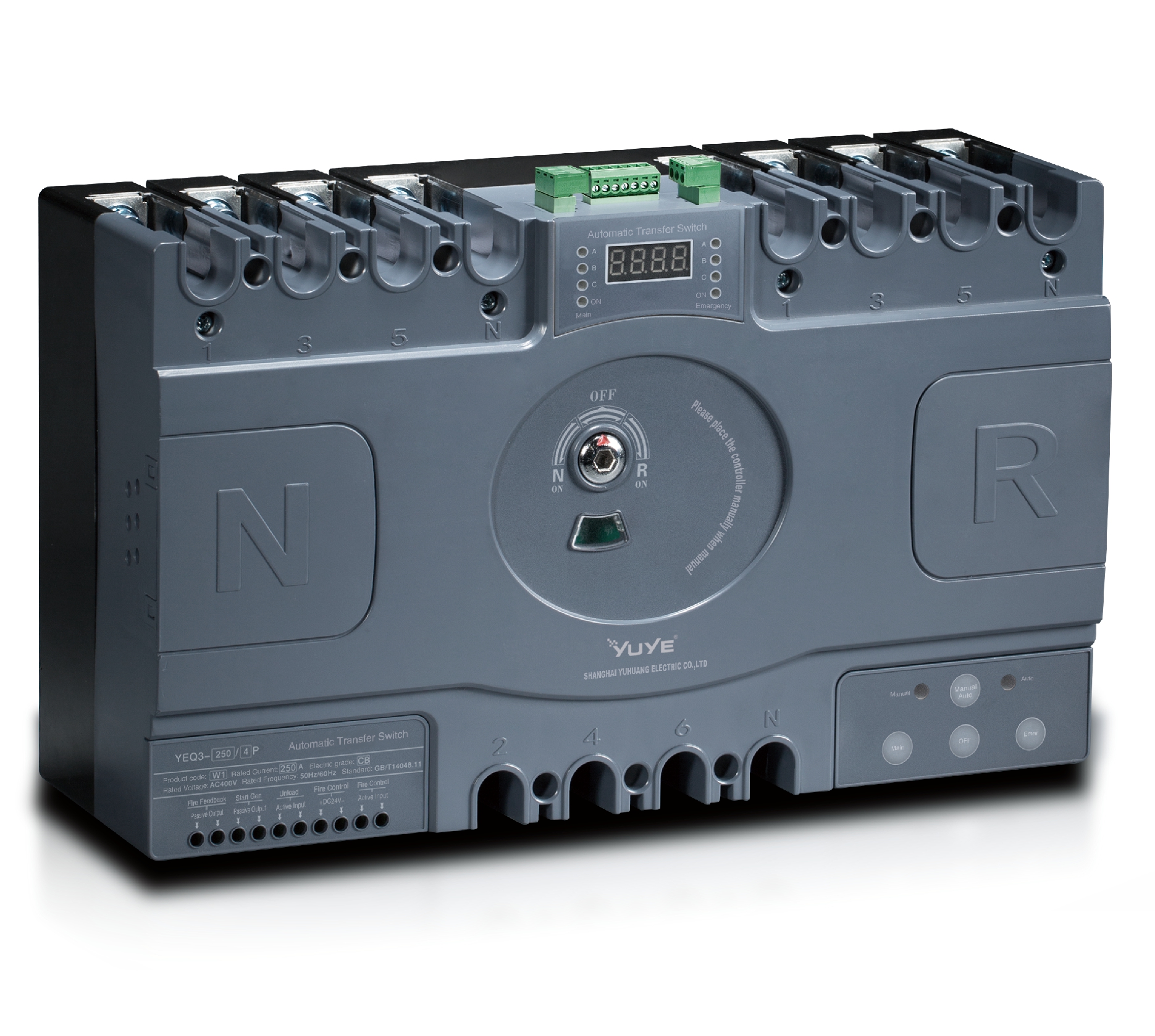
PC ATS YECT1-2000G
PC ATS YES2-63~250GN1
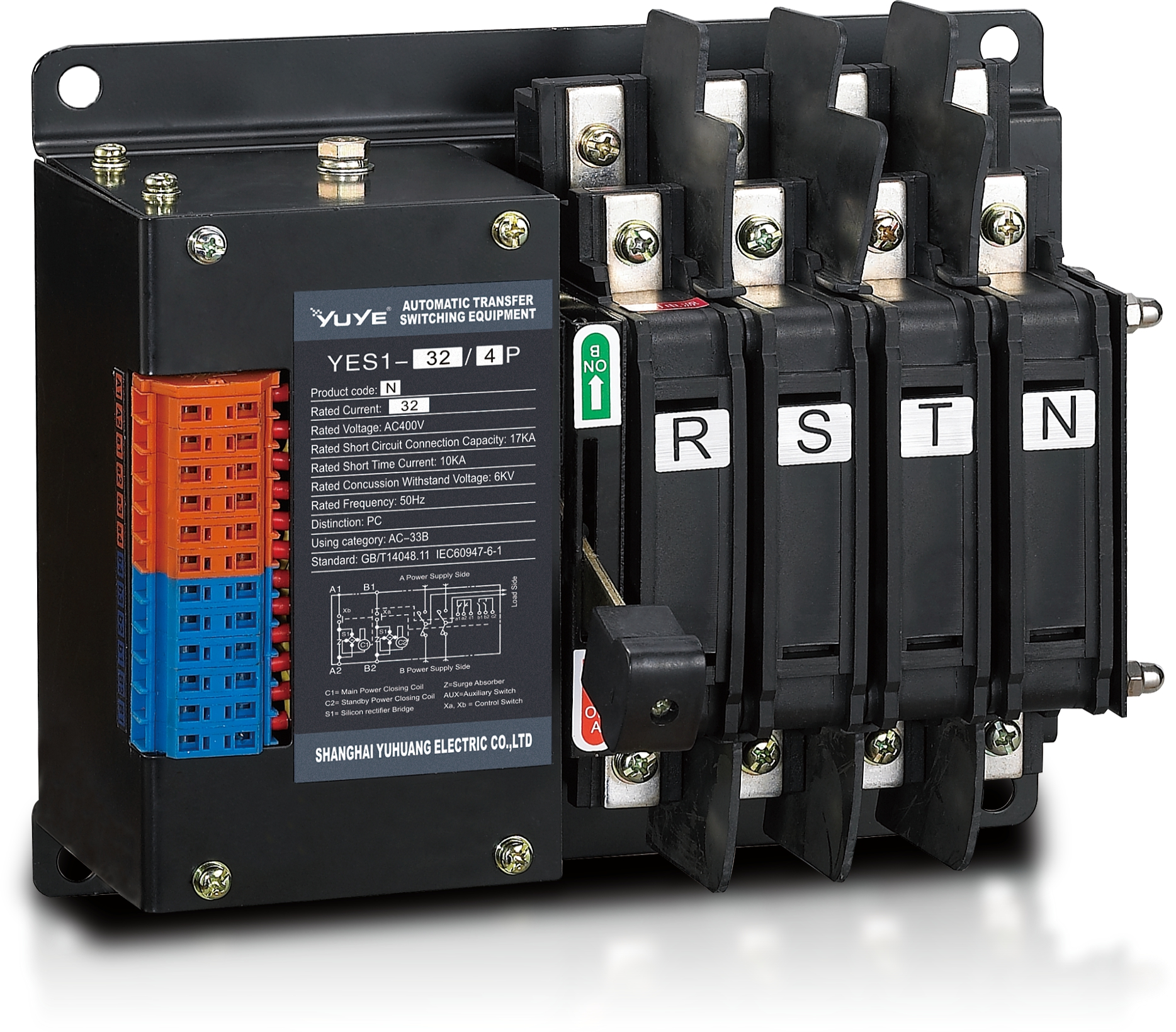
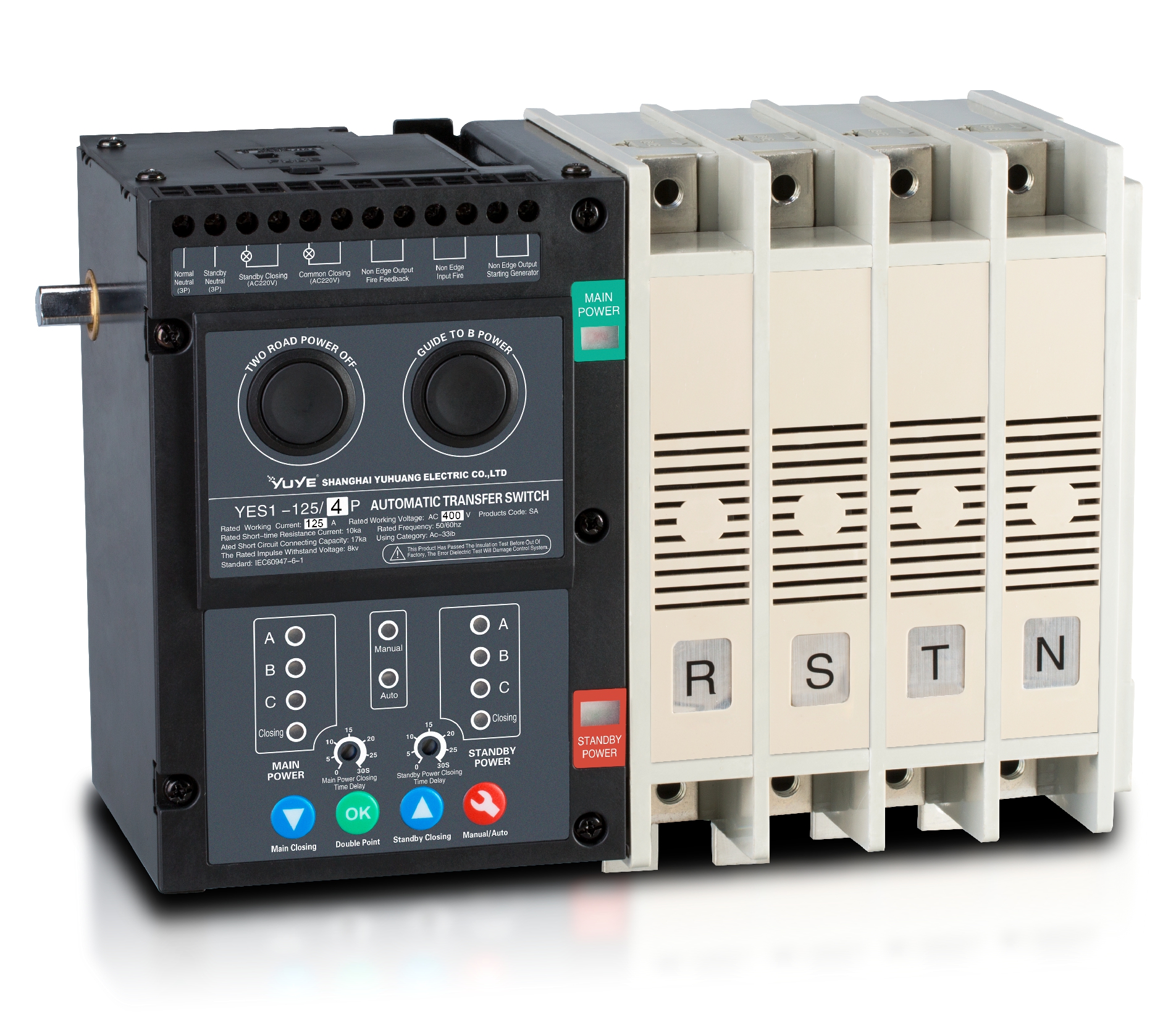
Solenoid-type ATS YES1-32~125N
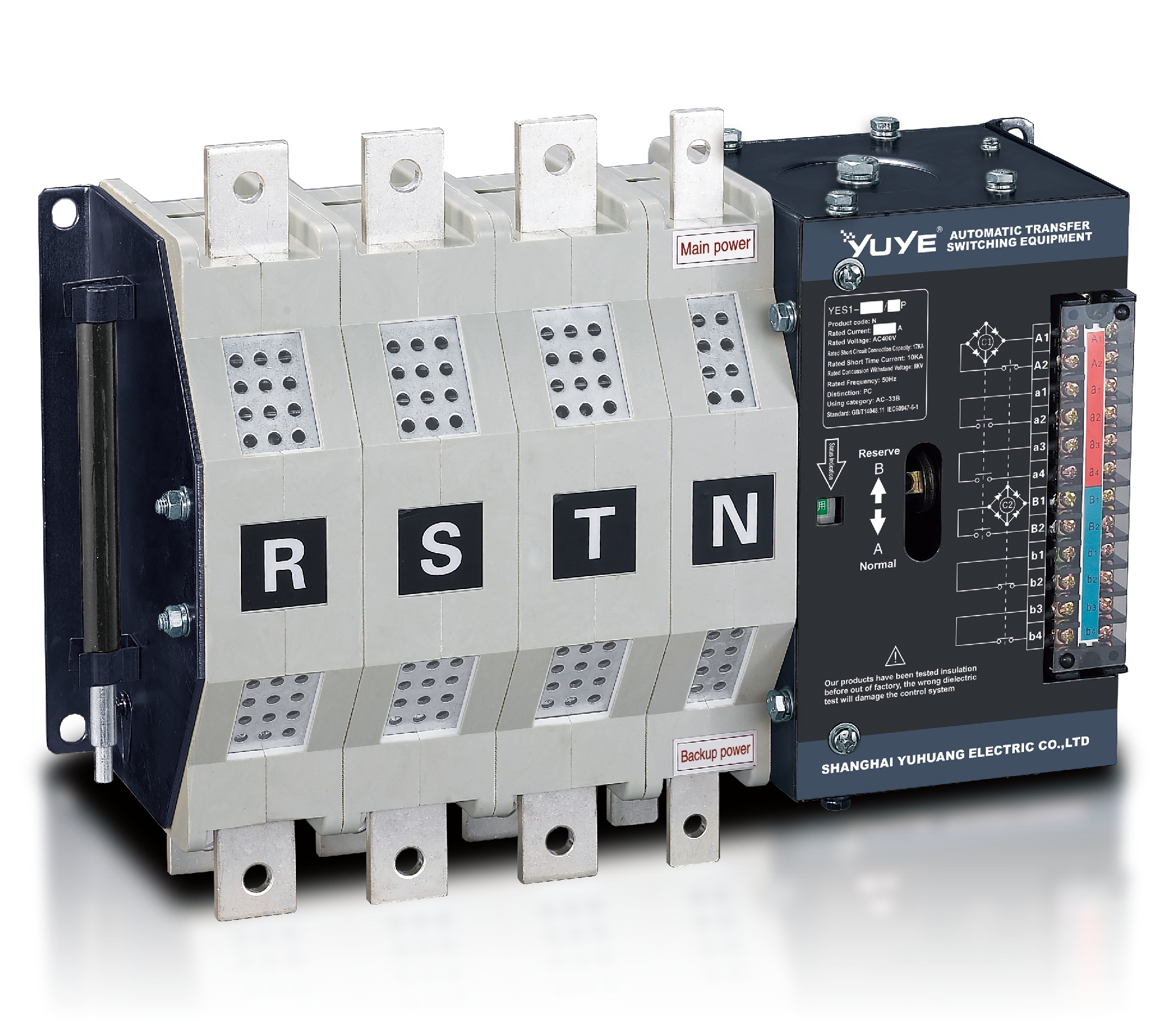
Solenoid-type ATS YES1-250~630N/NT
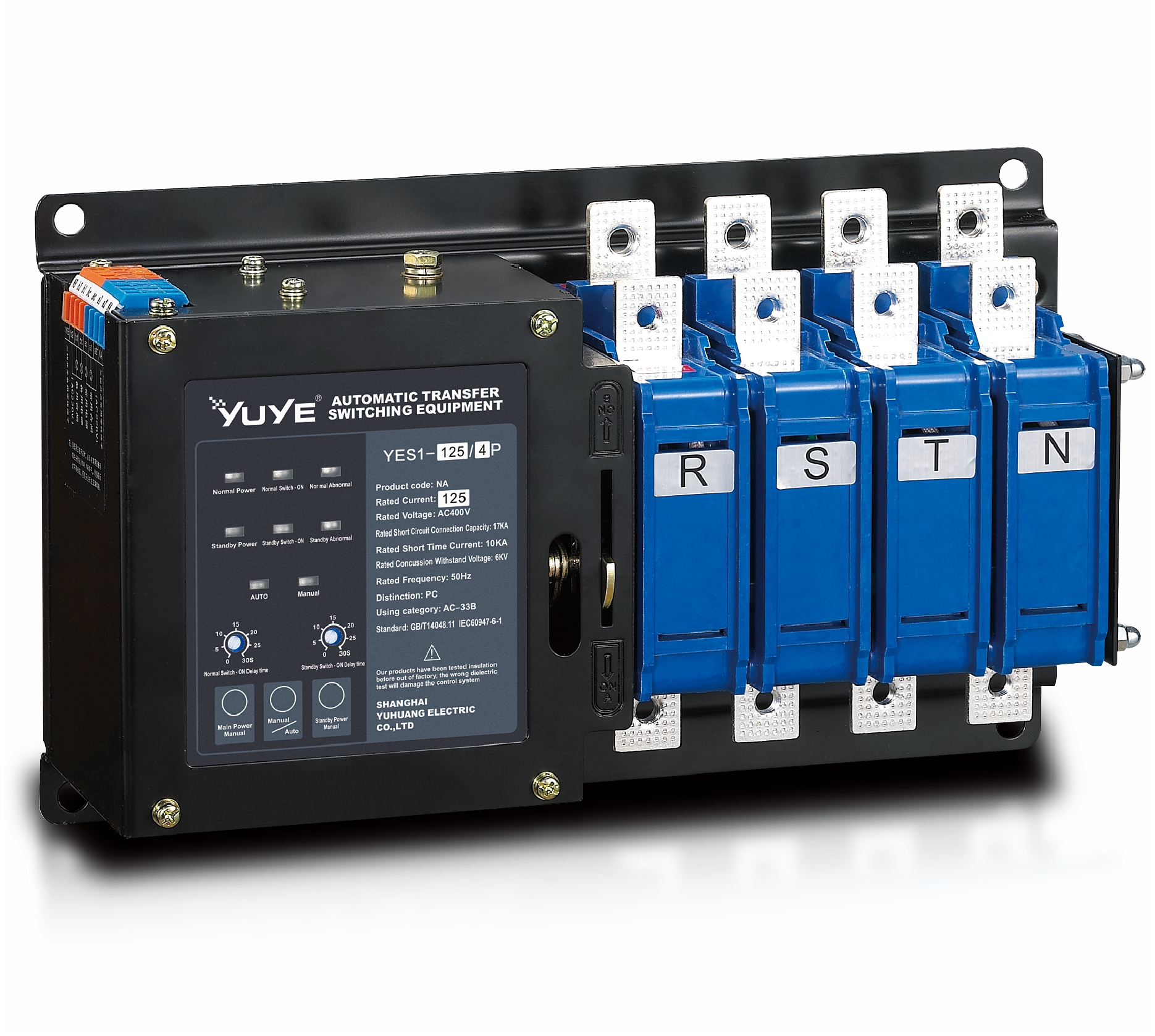
Solenoid-type ATS YES1-32~125NA
Solenoid-type ATS YES1-63~630SN
Solenoid-type ATS YES1-1250~4000SN
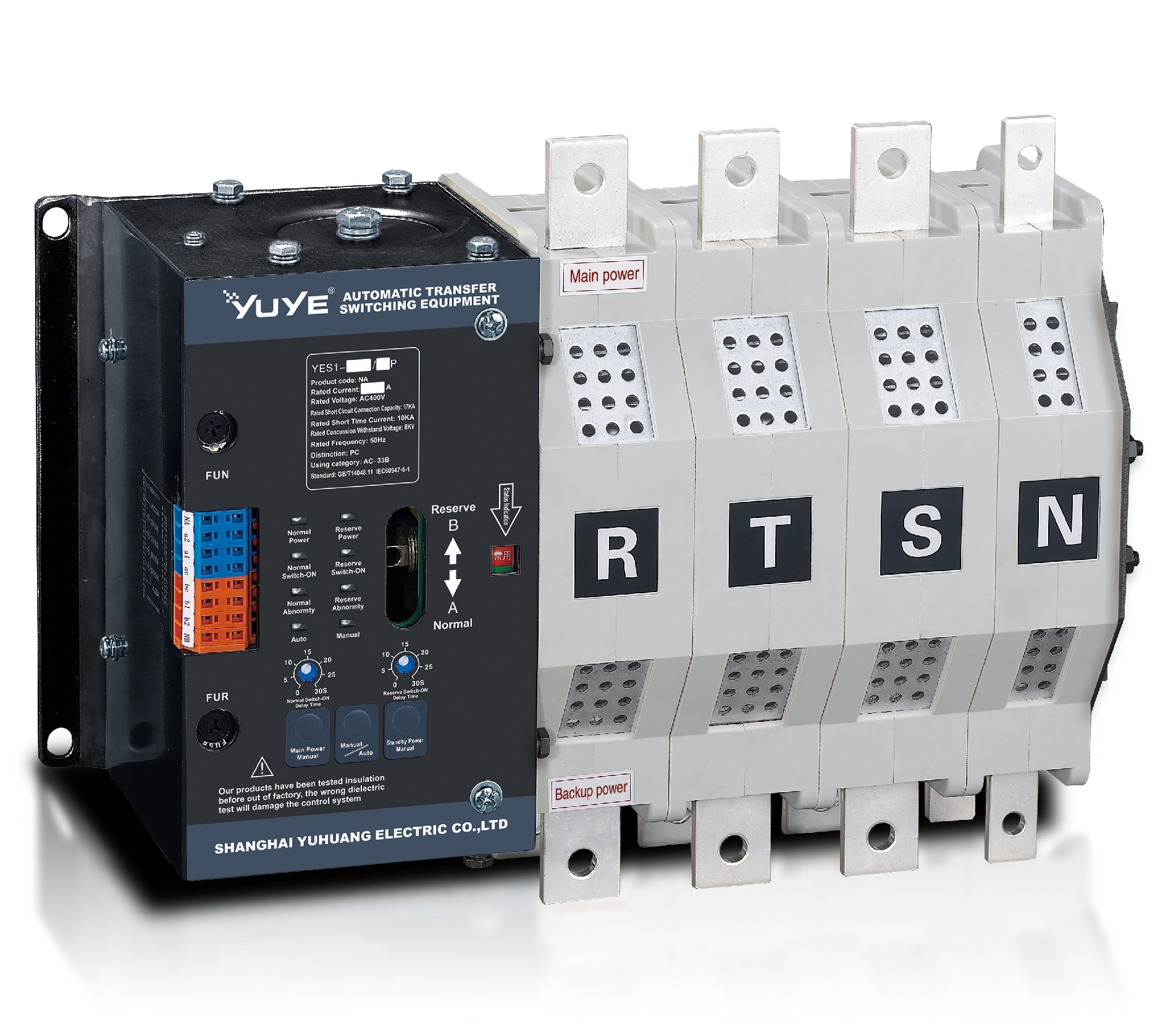
Solenoid-type ATS YES1-250~630NA/NAT
Solenoid-type ATS YES1-63NJT
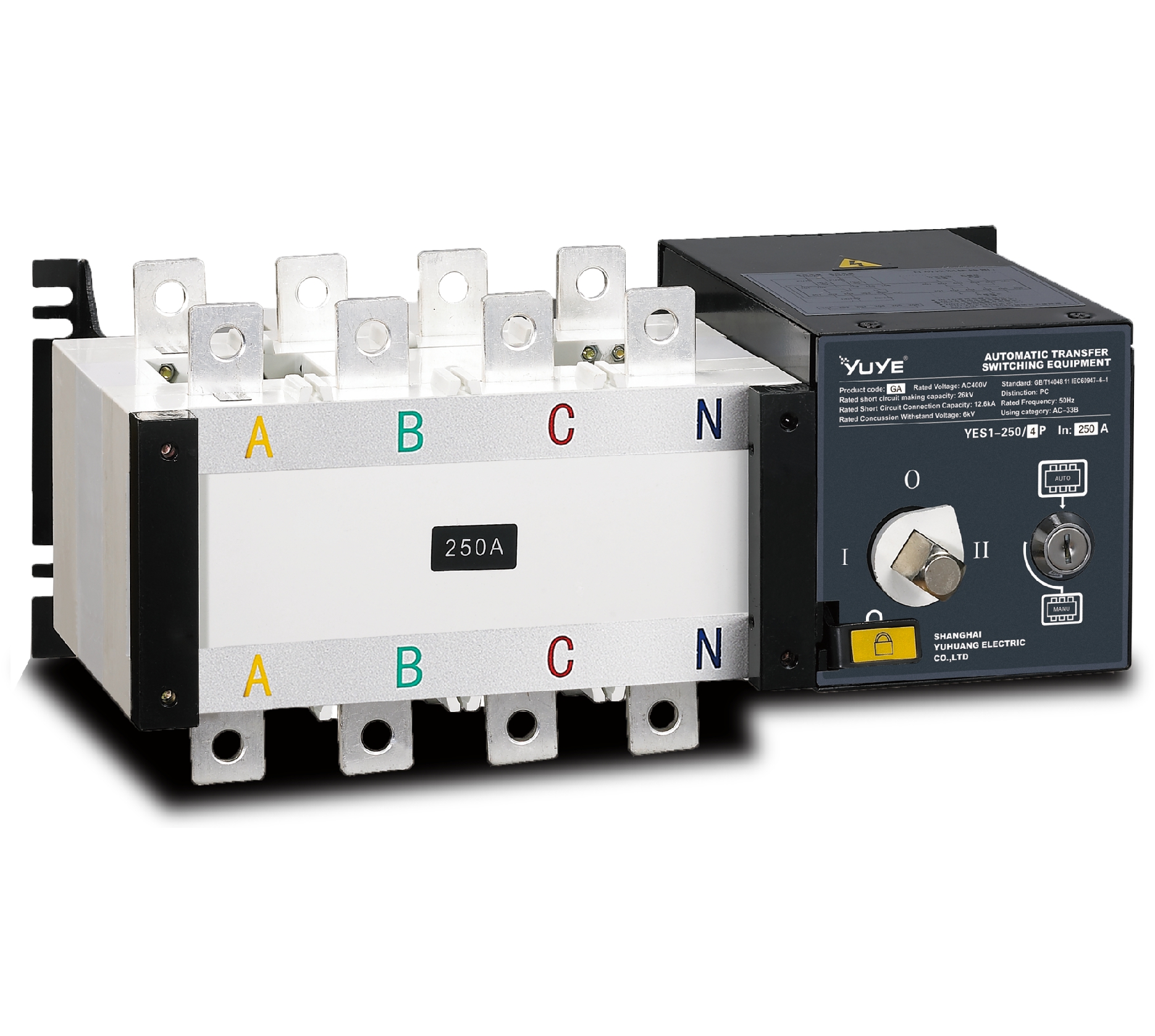
PC ATS YES1-100~1600GN1/GN/GNF
PC ATS YES1-2000~3200GN/GNF
PC ATS YES1-100~3200GA1/GA
Solenoid-type ATS YES1-63~630SA
Solenoid-type ATS YES1-63~630L/LA
Solenoid-type ATS YES1-63~630LA3
Solenoid-type ATS YES1-63MA
PC ATS YES1-630~1600M
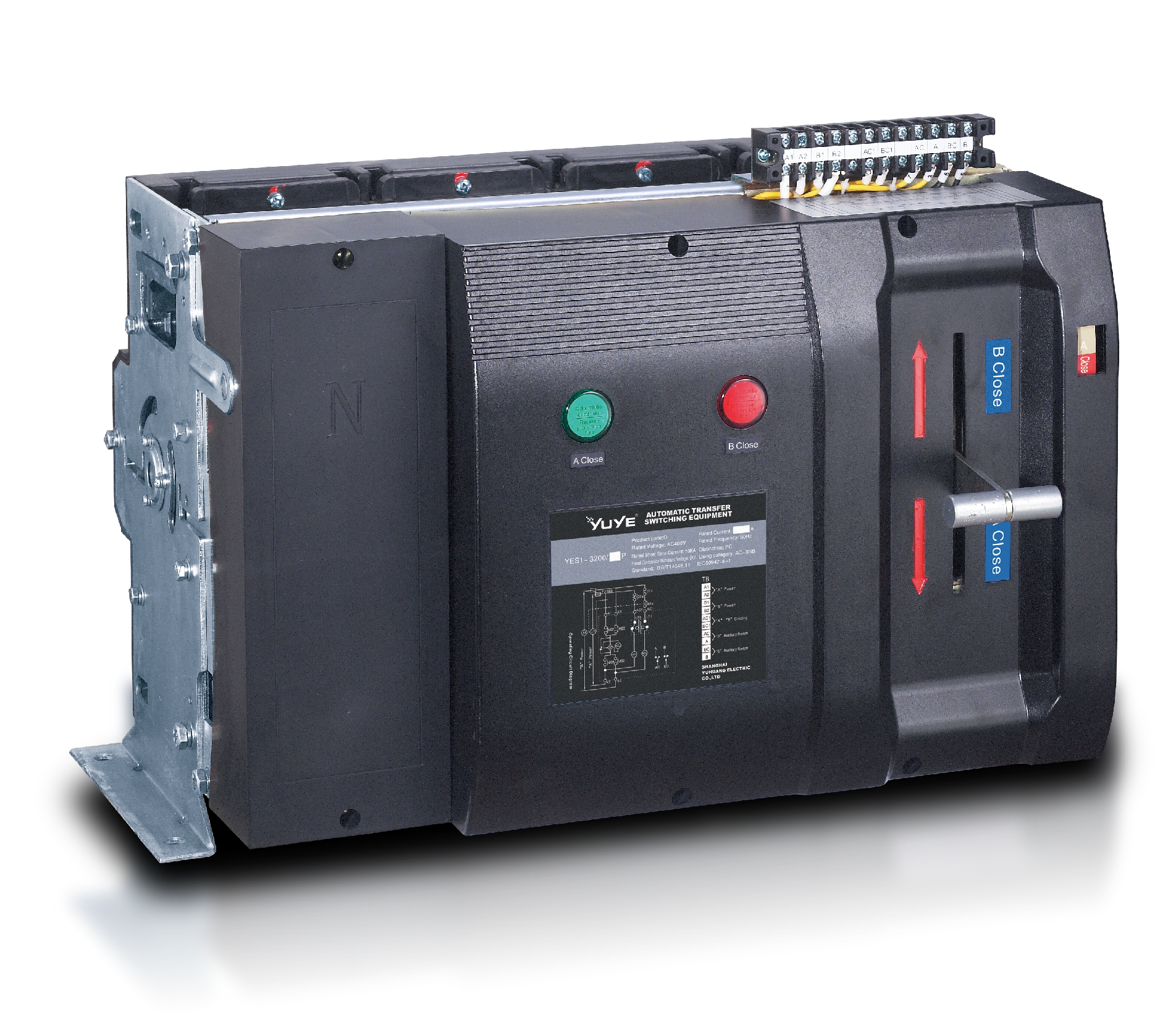
PC ATS YES1-3200Q
Solenoid-type ATS YES1-4000~6300Q
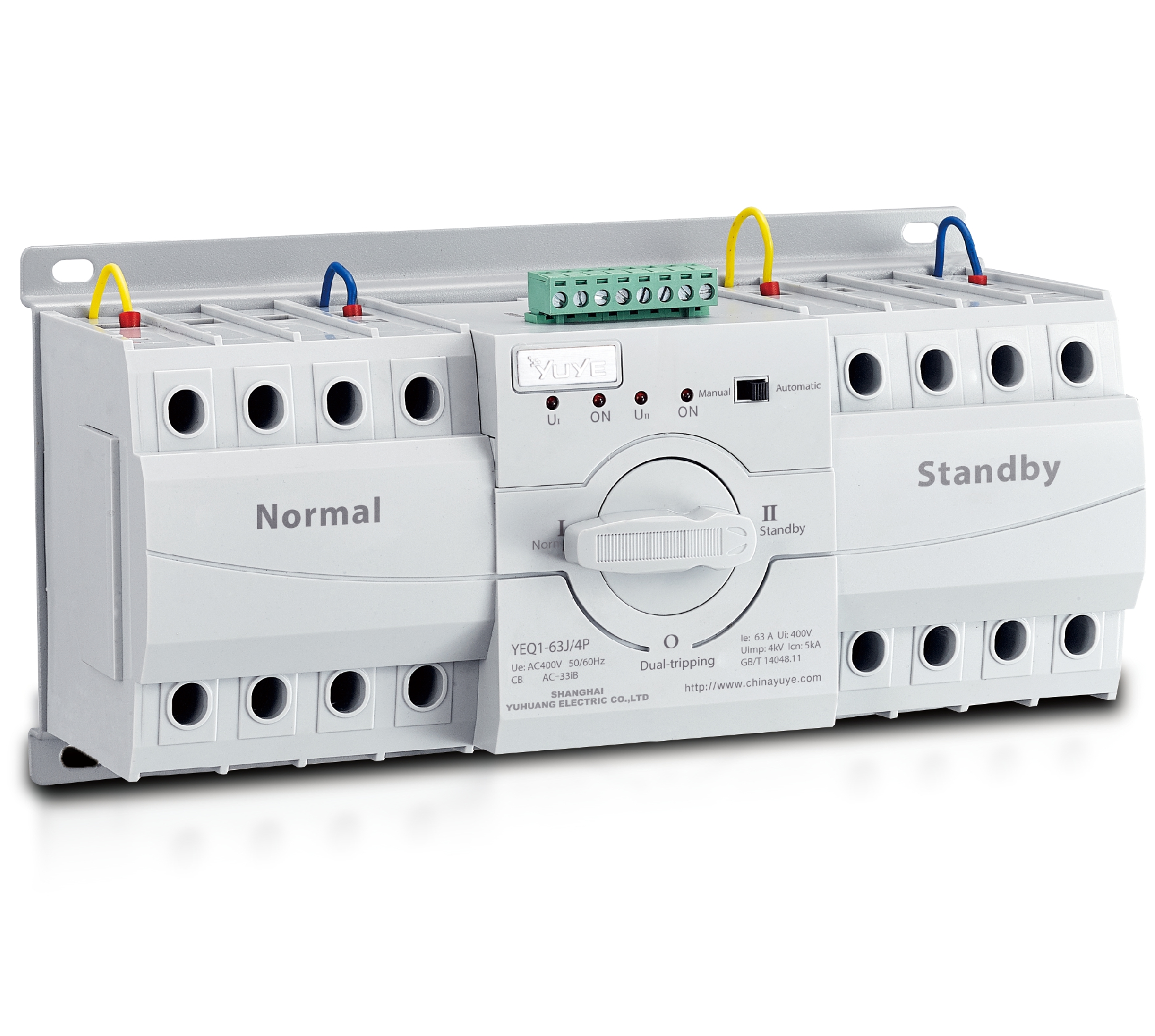
CB ATS YEQ1-63J
CB ATS YEQ2Y-63
CB ATS YEQ3-63W1
CB ATS YEQ3-125~630W1
ATS controller Y-700
ATS Controller Y-700N
ATS Controller Y-701B
ATS Controller Y-703N
ATS Controller Y-800
ATS Controller W2/W3 Series
ATS switch Cabinet floor-to-ceiling
ATS switch cabinet
JXF-225A power Cbinet
JXF-800A power Cbinet
YEM3-125~800 Plastic Shell Type MCCB
YEM3L-125~630 Leakage Type MCCB
YEM3Z-125~800 Adjustable Type MCCB
YEM1-63~1250 Plastic Shell Type MCCB
YEM1E-100~800 Electronic Type MCCB
YEM1L-100~630 Leakage Type MCCB
Miniature circuit breaker YEMA2-6~100
Miniature circuit breaker YEB1-3~63
Miniature circuit breaker YEB1LE-3~63
Miniature circuit breaker YEPN-3~32
Miniature circuit breaker YEPNLE-3~32
Miniature circuit breaker YENC-63~125Picking the right 3-phase automatic transfer switch isn't just a technical choice — it really makes a difference in how smoothly your power system runs. As Andrew Thomas from Power Solutions Inc. once pointed out, “The reliability of your power supply often hinges on your transfer switch choice.” With everyone relying more and more on uninterrupted power, making sure you've got the right switch is more important than ever.
A good 3-phase automatic transfer switch basically acts like a traffic cop for your power — smoothly switching between utility power and backup sources so you’re rarely left in the dark. But there’s more to it than just picking any switch; things like capacity, how quickly it kicks in, and how easy it is to install all matter. Oh, and don’t forget about whether it’s compatible with your existing setup — overlooking that can really lead to costly downtime down the line.
Another thing to keep in mind is understanding what your specific setup actually needs. Every installation is different, and if you don’t assess those unique demands, performance can suffer. It’s often a good idea to chat with experts — they can help you avoid common mistakes and make sure you’re making the right call. In the end, choosing the right switch isn’t just about specs — it’s about making sure your entire system stays reliable and runs efficiently without a hitch.
A 3 phase automatic transfer switch (ATS) is essential for many businesses. It ensures power continuity during interruptions. Understanding its basics is crucial for selecting the right model. This device automatically transfers power from the main supply to a backup source. It prevents downtime and keeps operations running smoothly.
Choosing the right ATS involves various factors. First, consider the load capacity. It needs to handle your facility's power requirements. Also, think about the switching speed. A fast switch minimizes outages. Look for one that meets your specific needs. Remember, not all switches are created equal. Some may struggle under heavy loads.
Installation can be tricky. You might find it hard to navigate installation guidelines. Consulting an expert can save time and stress. Regular maintenance is also necessary. It’s easy to overlook this, but it ensures reliability. Identifying potential failures early can prevent costly issues later.
| Feature | Description | Importance |
|---|---|---|
| Voltage Rating | Must match the system's voltage to ensure compatibility. | High |
| Current Capacity | Defines the maximum amount of current the switch can handle. | Very High |
| Transfer Time | Duration it takes to switch from one power source to another. | Medium |
| Enclosure Type | Determines protection from environmental factors. | High |
| Control Method | How the transfer switch is operated (manual or automatic). | High |
When choosing a 3 phase automatic transfer switch (ATS), key features play a vital role. One should consider the switch's amperage rating. This rating determines how much power can safely pass through. A mismatch could lead to overheating or failure. Look for a switch that fits the specific electrical needs of your facility.
It's also important to evaluate the operating mechanism. Automatic switches should respond swiftly to power outages. A delay in response can cause significant disruptions. Check if the switch offers adjustable settings for flexibility. Some systems allow for configurations to suit different operational requirements.
Tips to consider: Ensure the enclosure is weatherproof if located outdoors. Resistance to dust and moisture is crucial. Additionally, think about maintenance needs. A switch that requires frequent checks may increase costs in the long run. Make sure to choose models that allow easy access for inspections. Always remember that a blend of reliability and performance is key.
When selecting a three-phase automatic transfer switch (ATS), understanding your power requirements is essential. This involves calculating both your total load and the specific needs of critical systems. According to industry studies, a careful assessment can reduce energy costs by up to 30%. Accurate load calculations ensure that your ATS can handle peak demand efficiently.
Start by identifying all connected devices and their wattage. For example, lighting, HVAC systems, and machinery often have distinct power needs. If you're dealing with a facility that relies heavily on industrial equipment, consider the startup currents, which can be several times the running requirements. Overlooking these can lead to undersized equipment, resulting in costly repairs or downtime.
Tips:
1. Document all devices and their power ratings.
2. Use electric meters to measure actual usage during peak times.
Remember that your environment also impacts power needs. Seasonal fluctuations can increase load demands. If your facility operates in extreme conditions, upgrading your ATS may be necessary. Evaluate your equipment regularly and adjust your setup as operational demands shift. This reflection can highlight inefficiencies and areas for improvement in energy management.
When selecting a 3 phase automatic transfer switch (ATS), it's essential to evaluate the different types available. Transfer switches can be categorized into various types based on their operational features. For example, open transition switches provide a quick changeover, while closed transition switches allow for a smoother transition. Each type serves specific needs, depending on power requirements and usage scenarios.
According to industry reports, the global market for automatic transfer switches is expected to grow significantly, with an estimated CAGR of 6.9% through 2026. This growth signifies a rising recognition of the importance of reliable power systems in both residential and commercial sectors. Choosing the right type of ATS requires understanding your specific power demands and potential interruptions.
Tip: Ensure that the selected switch has a sufficient amperage rating to handle your load. Underestimating this can lead to overheating and equipment failure.
Another point of consideration is the environment where the switch will operate. Some switches are not suitable for extreme temperature conditions or high humidity. This detail can affect performance. Always assess the environment carefully.
Tip: Consult with a professional to understand installation requirements better. Improper installations can lead to costly repairs down the line.
When installing a 3 phase automatic transfer switch, location is key. Choose a spot that’s accessible for maintenance. It should be close to the electrical panel. This minimizes wiring issues and keeps things tidy. Ensure the area is dry and free from moisture. Humidity can lead to malfunctions.
Consider the load requirement carefully. It’s vital to know the total demand. Overloading the switch can cause overheating. This often leads to equipment failure. It’s a painful lesson if downtime occurs. Prioritize proper sizing. Use a load calculator if unsure.
Cable management is another important aspect. Neat and secure cabling prevents tangles. It also makes troubleshooting easier. Label each cable clearly. This can save time during future maintenance. Reflect on your installation process. Make adjustments as needed for efficiency. Every detail counts. A well-executed installation will enhance system reliability.
Maintaining your 3 phase automatic transfer switch is crucial for its longevity. Regular checks can prevent unexpected failures. Inspect the connections monthly. Look for any signs of wear or corrosion. A small problem can escalate into a bigger issue.
Tips for maintaining your system are essential. Clean the switch enclosure regularly to avoid dust buildup. Dust can cause overheating. Use a soft cloth to wipe the exterior. Inside, ensure that all components are securely tightened. Loose connections can lead to operational failures.
Monitoring the operation is key. Listen for unusual sounds during the switch's cycle. If you hear anything strange, investigate immediately. This might indicate internal issues. Take note of the operational cycles. If there's an increase, it may signal underlying problems needing attention. Regular maintenance ensures optimal performance and peace of mind.
Choosing a three-phase automatic transfer switch is a critical decision. Many make common mistakes. One error is underestimating power needs. A report by the Electrical Power Research Institute states that 70% of facilities choose switches rated too low for peak demand. This leads to operational failures during outages.
Another frequent mistake is ignoring the environment where the switch will be installed. Factors like humidity, temperature, and dust can impact performance. According to the National Electrical Manufacturers Association, 30% of transfer switch failures are linked to poor environmental adaptations. Users often overlook these crucial details.
Furthermore, installation is often taken lightly. Proper installation is key to functionality. A study found that 40% of failures stem from improper setup. Users sometimes rush this process. They believe it's a simple plug-and-play solution, but it's not. Each error can lead to severe consequences during power interruptions.
This bar chart illustrates key factors to consider when selecting a 3 Phase Automatic Transfer Switch. The importance level is rated from 1 to 10, helping users identify critical areas such as price, reliability, response time, size, installation, and maintenance.
In today’s fast-paced digital landscape, optimizing power distribution is more crucial than ever for ensuring operational efficiency and reliability. ATS switch cabinets stand out as a vital solution in modern electrical management, integrating advanced technology with robust functionality. A significant feature is the dual circuit power input which enables automatic detection and seamless switching modes, accommodating varying operational needs and enhancing resilience in electrical systems.
The flexible capacity setting of ATS switch cabinets ranges from 63 to 4000A, allowing users to configure the power distribution according to specific back-end load demands. Industry reports indicate that a well-implemented power distribution strategy can reduce energy costs by up to 30%, underscoring the importance of adaptability in electrical configurations. Moreover, the inclusion of high-reliability components, such as renowned switch devices and built-in lightning protection, ensures the longevity and safety of the electrical infrastructure.
Intelligent monitoring capabilities are another key benefit, with features such as a 4.3-inch touch screen and smart meter functionalities to track current, power usage, and overall consumption. The ability to conduct real-time monitoring allows facilities to preemptively address potential issues, thus reducing downtime and maintenance costs. Supporting both front and back side maintenance further enhances convenience, making ATS switch cabinets an essential investment in optimizing power distribution. According to research, smart monitoring technologies are expected to increase operational efficiency by nearly 25% in the coming years, reinforcing the strategic significance of investing in such advanced solutions.
: The product aims to enhance user experience and promote efficiency in daily tasks. It simplifies complex processes.
Users can submit feedback through a designated form. Email communication is also encouraged. Constructive criticism is valuable.
Yes, users may tailor certain features to better suit their needs. However, some limitations exist.
Users often report minor bugs or usability challenges. These issues are taken seriously and addressed.
Customer support strives to respond within 24 hours. Delays might happen during peak times.
Yes, a comprehensive guide is available. It covers setup and important features, despite some areas needing clarification.
Choosing the right 3 Phase Automatic Transfer Switch (ATS) is crucial for ensuring seamless power transitions in various applications. Understanding the basics of ATS, including its core functionality, is the first step. Key features such as voltage rating, control options, and switching speed should be carefully evaluated based on specific power requirements. Additionally, it's essential to consider the types of transfer switches available and their suitability for your setup.
Installation plays a vital role in the performance of a 3 Phase Automatic Transfer Switch. Proper installation ensures reliability and safety. Regular maintenance is also necessary to keep the system functioning optimally and to prevent common issues. Finally, being aware of typical mistakes can help in making a well-informed decision that aligns with your power management needs.