In our super busy world today, having a reliable power supply isn’t just a nice-to-have — it’s absolutely essential for businesses. That’s where the Automat Transfer Switch Control, or ATSC for short, really steps up as a game-changer. You've probably heard that power outages can hit hard — according to the folks over at the National Electrical Manufacturers Association, a single outage can cost a business around $150,000. Yikes! That’s why smart systems like ATSC are so important—they help keep the lights on and save you from those costly surprises.
I spoke with John Smith, a senior engineer over at Power Solutions Inc., and he really stressed how critical this technology is. He mentioned that ATSC doesn’t just make things more reliable — it also boosts energy efficiency, which, honestly, can help cut down on costs in the long run. His insights really drive home the point that, with ATSC, companies can save money, operate smoother, and just overall be more productive.
All these facts and expert opinions really show how important it is to consider implementing Automat Transfer Switch Control. It comes loaded with features that make managing energy a breeze. Of course, as with any tech upgrade, there might be some hurdles, like integrating the system or training staff. But overall, while ATSC offers tons of benefits, businesses need to make sure it fits their specific needs — that’s the key to really getting the most out of it.

Understanding the Basics of Automatic Transfer Switch Control
Automatic Transfer Switch (ATS) control plays a crucial role in power management, especially in critical applications like hospitals and data centers. An ATS automatically shifts power from the primary source to a backup generator during outages. According to industry reports, businesses face more than 10 hours of unplanned downtime each year. That’s costly, as it can lead to financial losses of about $5,600 per minute. Implementing an ATS can drastically reduce this risk.
Understanding the fundamentals of ATS is vital for effective implementation. These switches are designed to monitor power levels continuously. When they detect a failure or significant fluctuation, they actuate the generator seamlessly. Interestingly, a recent survey indicated that 30% of organizations do not regularly test their ATS systems. This oversight can be problematic. Regular testing ensures that equipment performs reliably during crises.
Furthermore, the technology behind automatic transfer switches has evolved. Modern systems can integrate with smart grid technology, improving reliability. Some units now offer remote monitoring features. However, not all facilities may invest in such upgrades. It's essential to evaluate whether the return on investment justifies the expense. In the end, understanding the basic workings of ATS helps in making informed decisions that impact long-term operational stability.
Advantages of Using Automatic Transfer Switch Systems
Automatic transfer switch (ATS) systems are essential for reliable power management. They seamlessly switch power from the main source to a backup source when a failure occurs. This ensures that critical operations remain uninterrupted. Automatic systems are preferable for their speed and efficiency, reducing downtime significantly.
One advantage of using ATS is its ability to provide instant power supply. In case of an outage, the ATS detects it and activates the backup generator within seconds. This quick response can save vital equipment and prevent losses. Moreover, ATS systems can monitor power levels, allowing for efficient power distribution.
Tips: Regularly inspect your ATS to ensure it functions correctly. Dust and debris can hinder its operation. Test the system monthly to identify potential issues.
Another benefit is the convenience they offer. Automatic transfer switches require less manual intervention. This is especially important in remote locations or during harsh conditions. However, you must still pay attention to signs of wear. Neglecting maintenance can lead to failures at critical moments.
Tips: Create a maintenance schedule. Keeping records helps in identifying patterns and potential problems. A well-maintained ATS can last longer and perform better.
How Automatic Transfer Switches Enhance Power Reliability
Automatic transfer switches (ATS) play a crucial role in enhancing power reliability. During outages, these devices quickly switch power sources, ensuring minimal disruptions. An ATS monitors power supply continuously. When it detects a failure, it automatically engages a backup source. This responsiveness minimizes downtime, which is vital for businesses and homes alike.
Incorporating an ATS into your power setup brings specific advantages. It can seamlessly transition between utilities and generators. This feature is essential for critical operations, such as healthcare facilities or data centers. An ATS ensures that power is not only available but also stable. However, installation and maintenance can be complex and require skilled professionals. Inadequate installation can lead to unexpected failures.
Reliability in power supply also depends on the overall system design. Regular maintenance checks are necessary to keep the ATS functioning properly. Neglecting these checks may lead to failures when you need them most. Assessing the monitoring systems of an ATS can reveal areas for improvement. Balancing efficiency and reliability is key to optimizing your power needs.
Key Features of Modern Automatic Transfer Switches
Modern automatic transfer switches (ATS) are essential for reliable power management. They offer seamless transitions between main power and backup sources. This capability is crucial during outages. Many systems operate without human intervention, ensuring processes continue smoothly. However, not all ATS models are created equal.
One key feature is the real-time monitoring capability. This allows operators to track the power status instantly. It can alert users to potential issues. Another important aspect is the user-friendly interface. A simple design helps technicians manage the system easily. People often overlook how vital an intuitive layout is during emergencies.
Furthermore, versatility is significant in today's automatic transfer switches. They can integrate with renewable energy sources. This adaptability is attractive for many businesses aiming for sustainability. Yet, challenges exist. Some users may struggle with installation complexity or maintenance needs. Each installation is unique and requires careful planning and execution. It's a reminder to assess specific needs before choosing an ATS.
Installation Considerations for Automatic Transfer Switches
When considering automatic transfer switches, installation is crucial. The site where it will be installed matters. A clean, dry space is ideal. Avoid areas prone to moisture or extreme temperatures. Ensuring proper ventilation is also important. Electrical equipment can overheat without airflow.
Proper wiring is essential for safety and efficiency. Users should consult with a qualified electrician. They can provide insights on local codes and regulations. Also, the transfer switch should be easily accessible for maintenance purposes. Forgetting about easy access could lead to complications later on.
Consider the power loads that the switch will handle. Be mindful of the capacity and the specific requirements of connected devices. Not fully understanding these aspects can lead to malfunctions. Complacency may result in costly repairs. Being diligent about these factors aids longevity. Attention to detail is key when installing automatic transfer switches.
Maintenance Practices for Optimal Automatic Transfer Switch Performance
Maintenance is crucial for ensuring the optimal performance of Automatic Transfer Switches (ATS). Regular inspections can prevent unexpected failures. According to industry reports, 30% of failures in power systems are related to poor maintenance practices. This highlights the imperative need for a proactive approach.
Performing routine checks, such as inspecting electrical connections, is essential. Loose connections can cause overheating and equipment damage. Additionally, the inspection of mechanical components should not be overlooked. Regular lubrication of moving parts can significantly reduce wear and tear. In fact, studies show that lubricated switches have a 25% lower failure rate compared to poorly maintained ones.
Testing the ATS under load is vital. This can reveal hidden issues that might go unnoticed during standard inspections. Insights from the National Electrical Manufacturers Association suggest that 40% of transfer switch failures are due to electrical issues, underscoring the importance of load testing. Neglecting these practices can lead to costly outages and operational disruptions. Maintenance should never be an afterthought; it's a fundamental aspect of reliable power systems.
Cost Analysis: Is an Automatic Transfer Switch Worth the Investment?
Investing in an Automatic Transfer Switch (ATS) can be a significant decision. According to the 2021 Industry Report by the Electrical Safety Foundation, 30% of businesses face power outages each year. A reliable ATS can minimize downtime, improving operational efficiency. However, its initial costs often raise questions.
The average cost of an ATS ranges from $2,500 to $15,000, depending on size and capacity. Some reports suggest that integrating an ATS can lead to a 25% reduction in energy costs over time. Businesses should weigh these savings against the upfront investment. Yet, many remain hesitant. They fear that the long-term benefits may not justify the costs.
Moreover, maintenance adds another layer of complexity. An ATS requires regular testing and potential repairs. This can lead to additional expenditures that some companies overlook. Clearly, the value of an ATS is not just financial. Companies must reflect on their power reliability needs and make informed choices.
Maximize Your Workflow with the ATS Controller Y-800: A Comprehensive Guide to Features and Benefits
The ATS Controller Y-800 is engineered to enhance your workflow efficiency, making it an indispensable tool for various applications. With a programmable output relay capacity of 10A for both 277VAC and 250VAC passive outputs, this controller promises reliable performance, accommodating a wide range of operational needs. Its compact design, with dimensions of 260mm x 180mm x 55mm, allows for easy integration into existing setups without consuming excessive space.
Additionally, the Y-800 meets rigorous EMC test criteria, complying with GB/T 14048.11-2024 and IEC/EN 60947-6-1 standards. This ensures that it operates smoothly within electrical noise environments, promoting stable and uninterrupted performance. Built to endure varying conditions, the ATS Controller Y-800 supports working temperatures ranging from -20 to +70℃ and humidity levels up to 93% RH. Its protective IP20 rating safeguards against dust and objects larger than 12.5mm, making it suitable for a variety of settings. Weighing about 1 kg, it offers a solid yet lightweight option for users looking to maximize efficiency without compromise.
FAQS
Real-time monitoring allows users to track power status instantly and be alerted to potential issues.
A user-friendly interface aids technicians in managing the system, especially during emergencies when time is critical.
Ensure the installation site is clean, dry, and well-ventilated. Avoid moisture-prone or extreme temperature areas.
A qualified electrician can offer insights on local codes and electrical requirements, ensuring safety and compliance.
Regular inspections of electrical connections and lubrication of mechanical parts can prevent unexpected failures and prolong lifespan.
Poor maintenance can lead to unexpected failures, as studies indicate 30% of power system failures relate to maintenance issues.
Routine load testing is vital; it helps uncover hidden issues that standard inspections might miss.
Misjudging capacity can lead to malfunctions and costly repairs, emphasizing the need for careful assessment.
Each installation is unique; overlooking details could lead to poor performance and operational complications later on.
Conclusion
The article "Why Choose Automat Transfer Switch Control for Your Power Needs?" delves into the essential aspects of automatic transfer switch (ATS) systems. It begins by explaining the fundamental functions of Automat Transfer Switch Control, which are crucial for ensuring a seamless power supply during outages. The advantages of utilizing these systems are highlighted, including enhanced power reliability and reduced downtime for critical operations.
Moreover, the article outlines the key features of modern automatic transfer switches, such as advanced monitoring capabilities and user-friendly interfaces. Installation considerations and best maintenance practices are also discussed to ensure optimal performance and longevity of ATS systems. Finally, a cost analysis evaluates the investment value of installing an automatic transfer switch, reinforcing its significance for both residential and commercial power management.

 PC ATS YECT1-2000G
 PC ATS YES2-63~250GN1
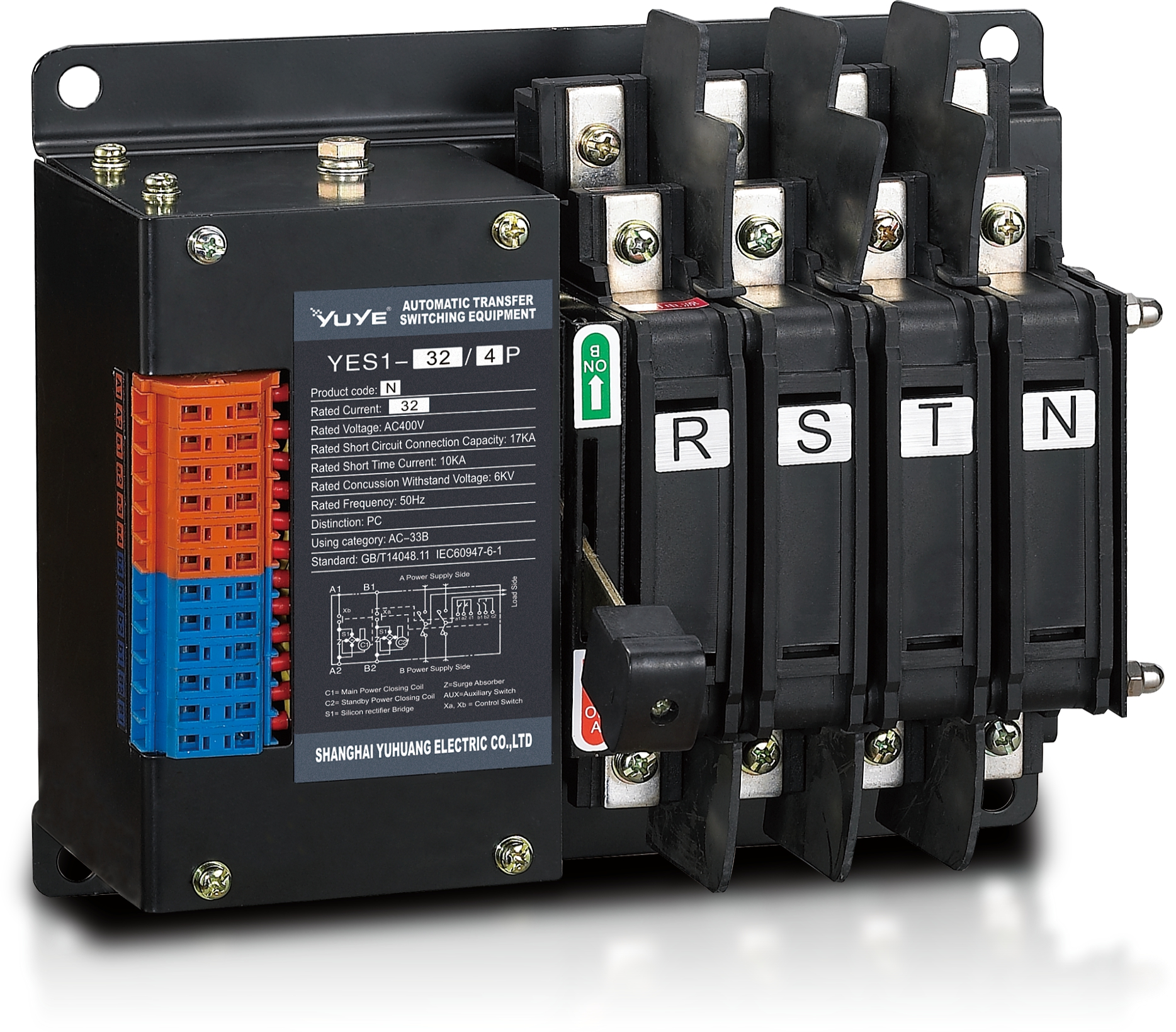 Solenoid-type ATS YES1-32~125N
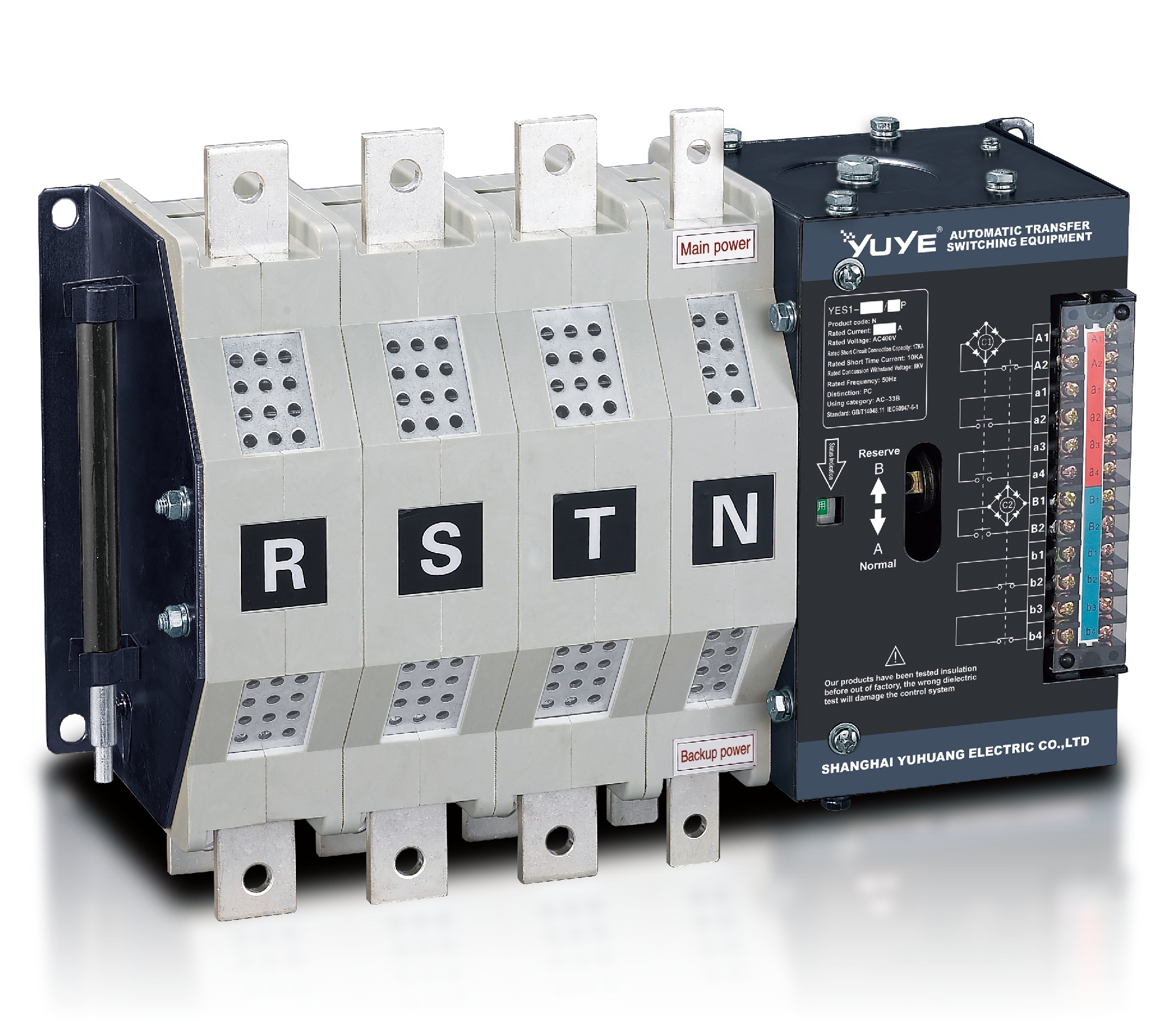 Solenoid-type ATS YES1-250~630N/NT
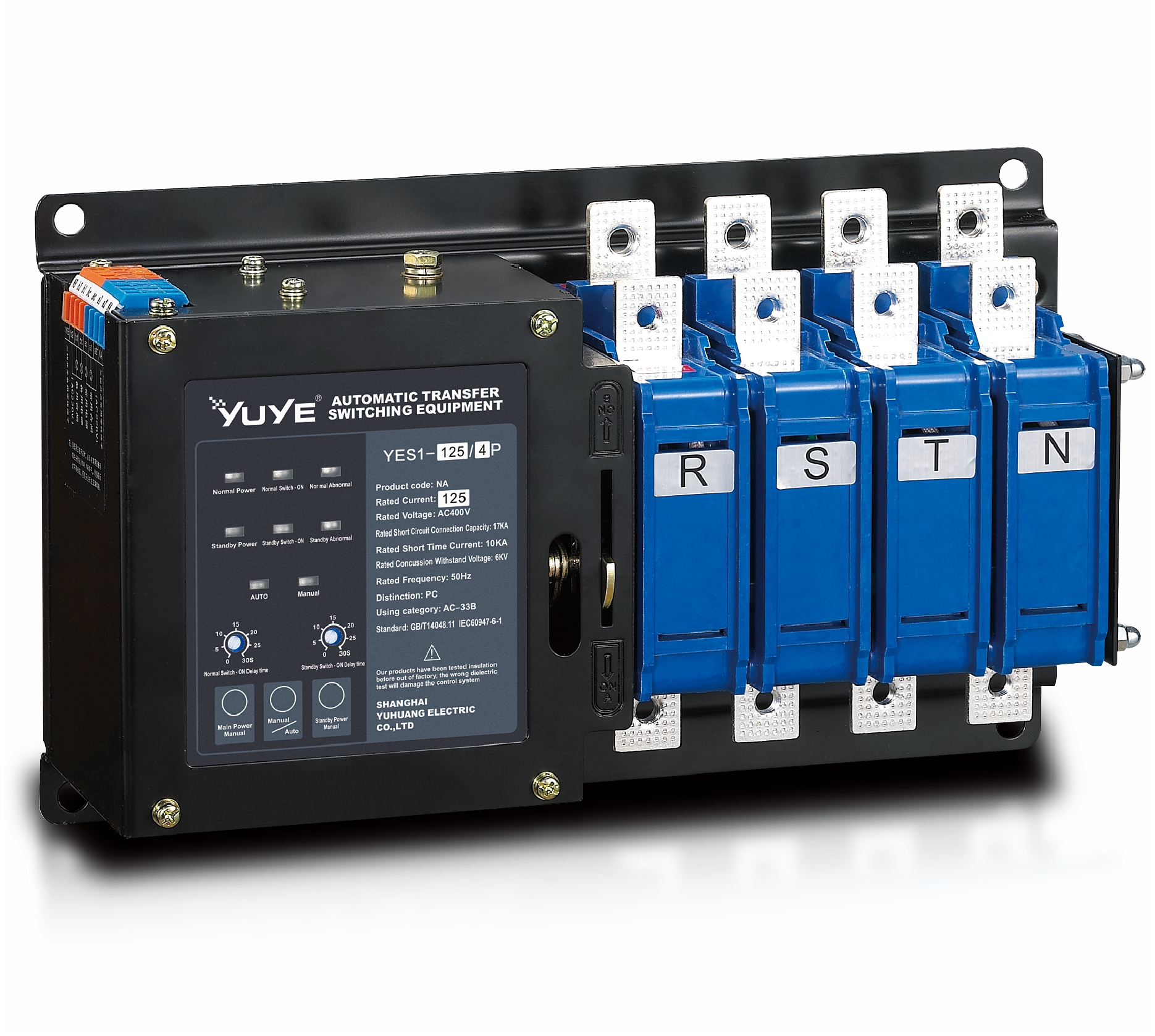 Solenoid-type ATS YES1-32~125NA
 Solenoid-type ATS YES1-63~630SN
 Solenoid-type ATS YES1-1250~4000SN
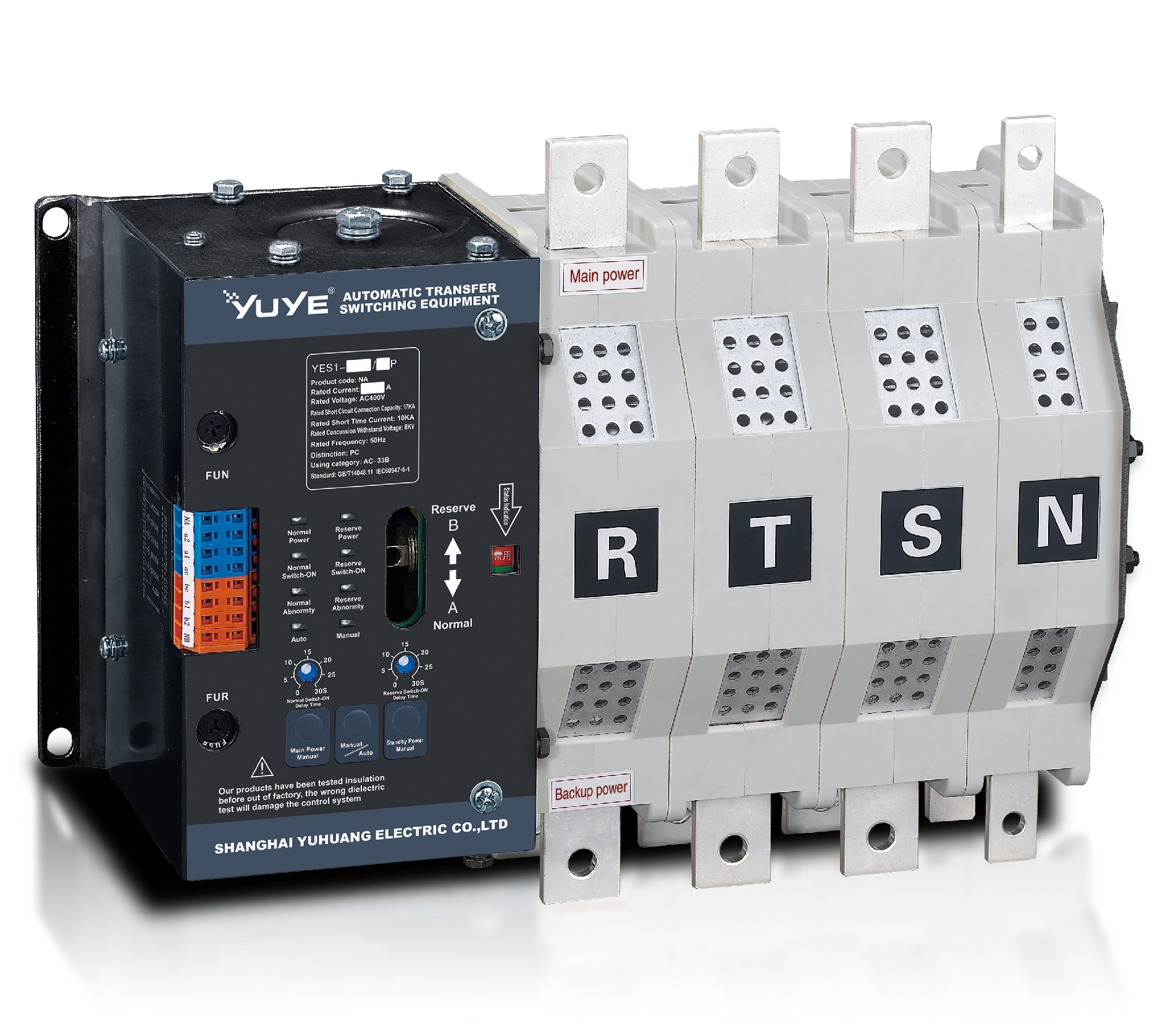 Solenoid-type ATS YES1-250~630NA/NAT
 Solenoid-type ATS YES1-63NJT
 PC ATS YES1-100~1600GN1/GN/GNF
 PC ATS YES1-2000~3200GN/GNF
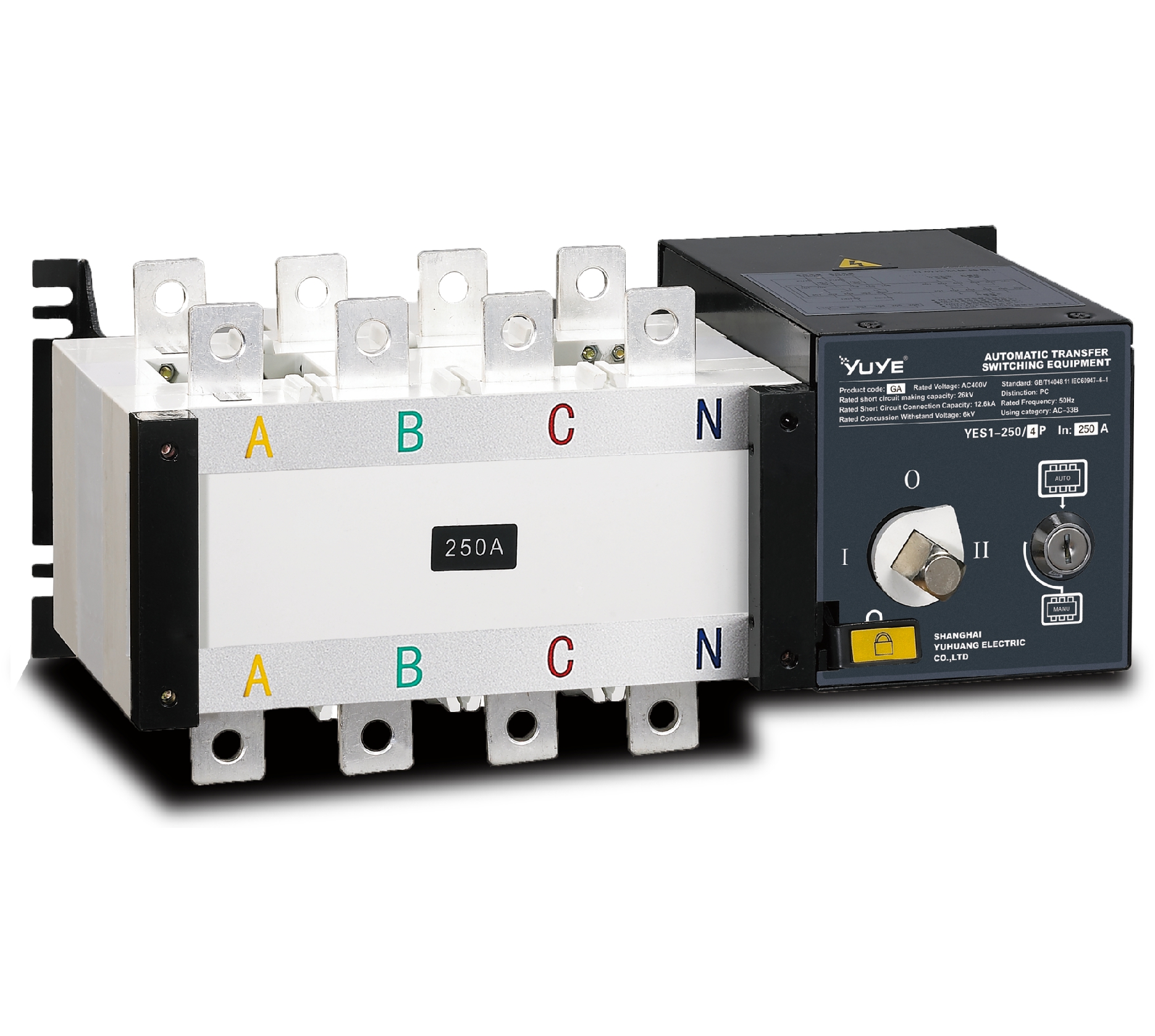 PC ATS YES1-100~3200GA1/GA
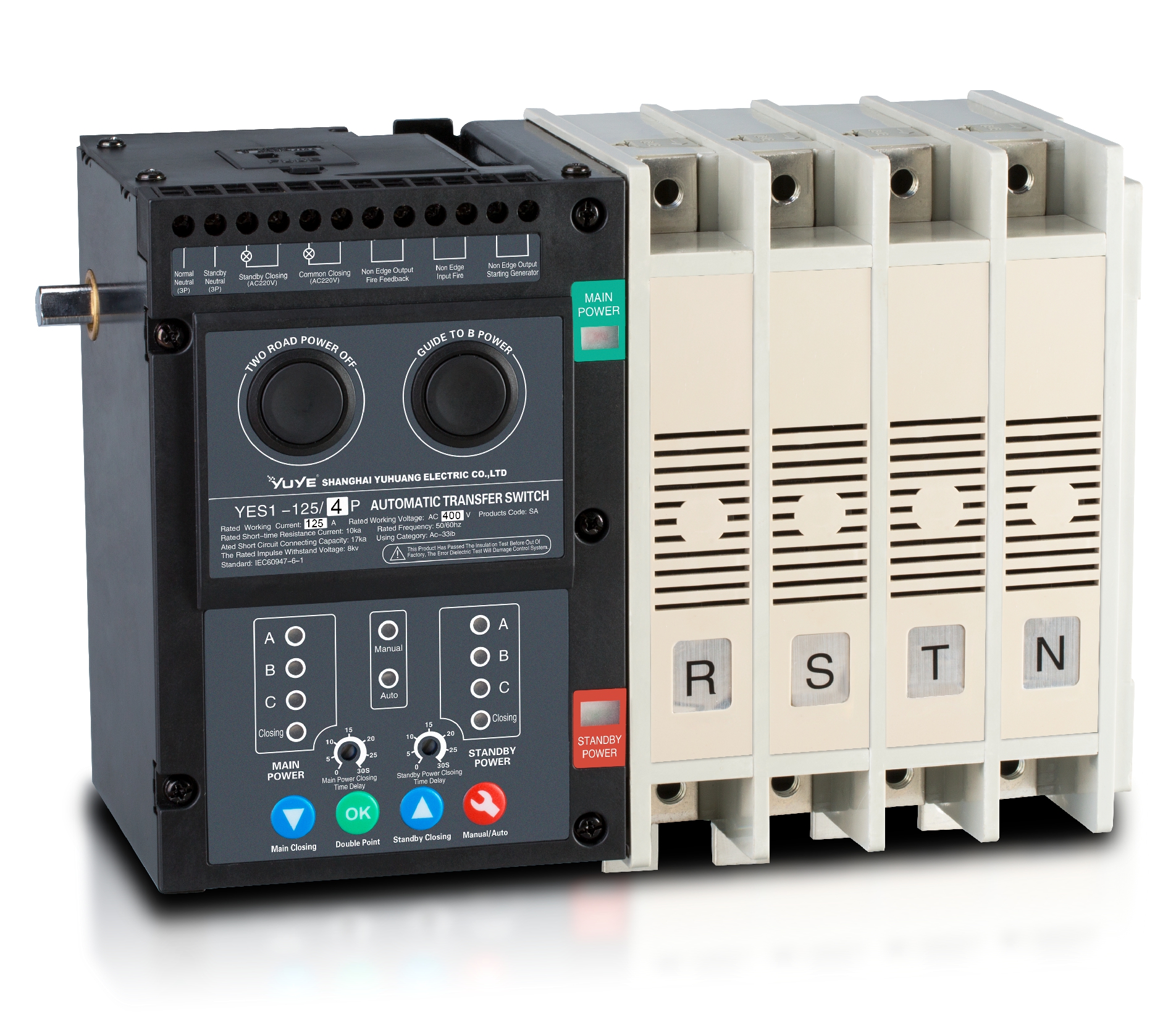 Solenoid-type ATS YES1-63~630SA
 Solenoid-type ATS YES1-63~630L/LA
 Solenoid-type ATS YES1-63~630LA3
 Solenoid-type ATS YES1-63MA
 PC ATS YES1-630~1600M
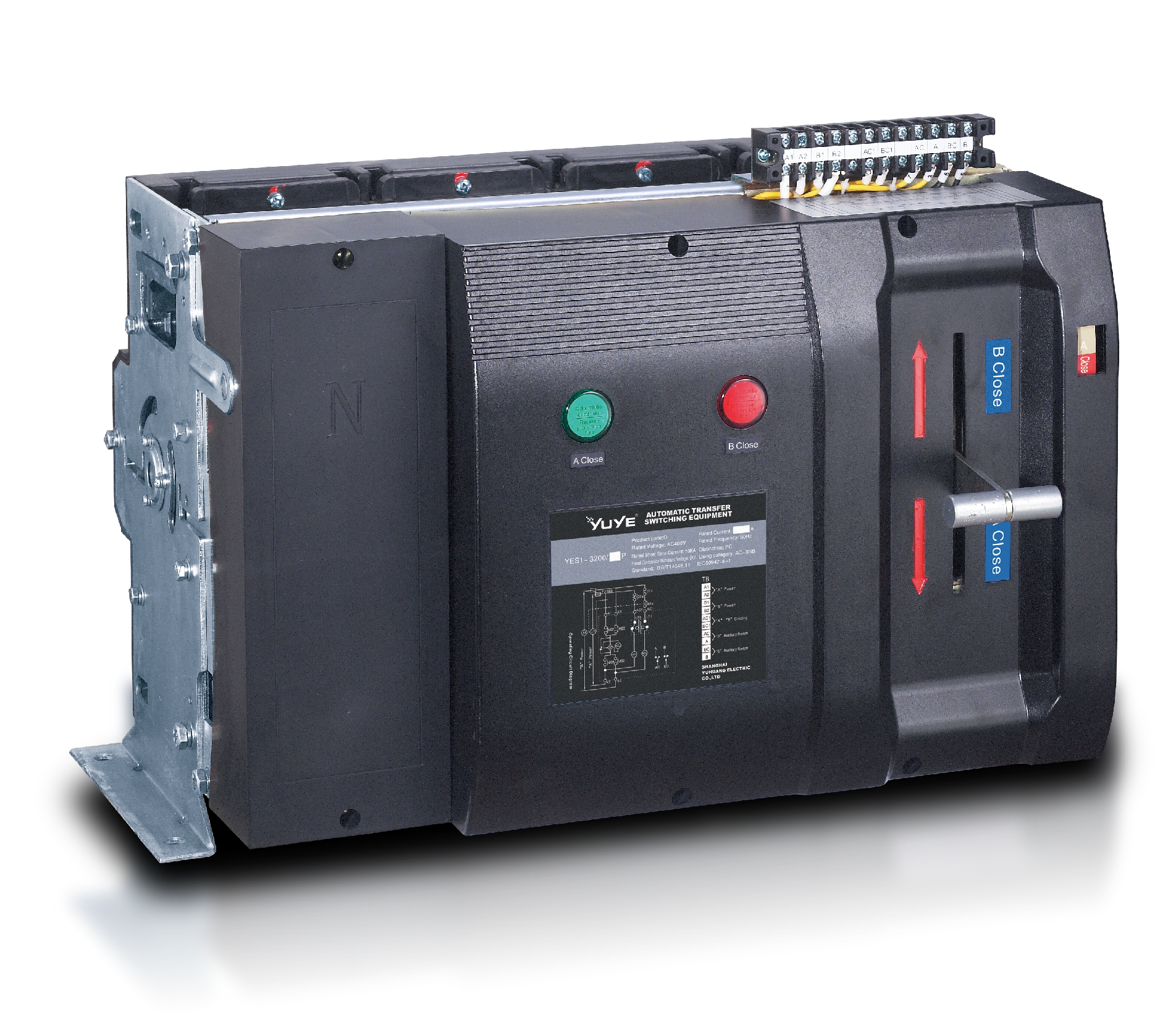 PC ATS YES1-3200Q
 Solenoid-type ATS YES1-4000~6300Q
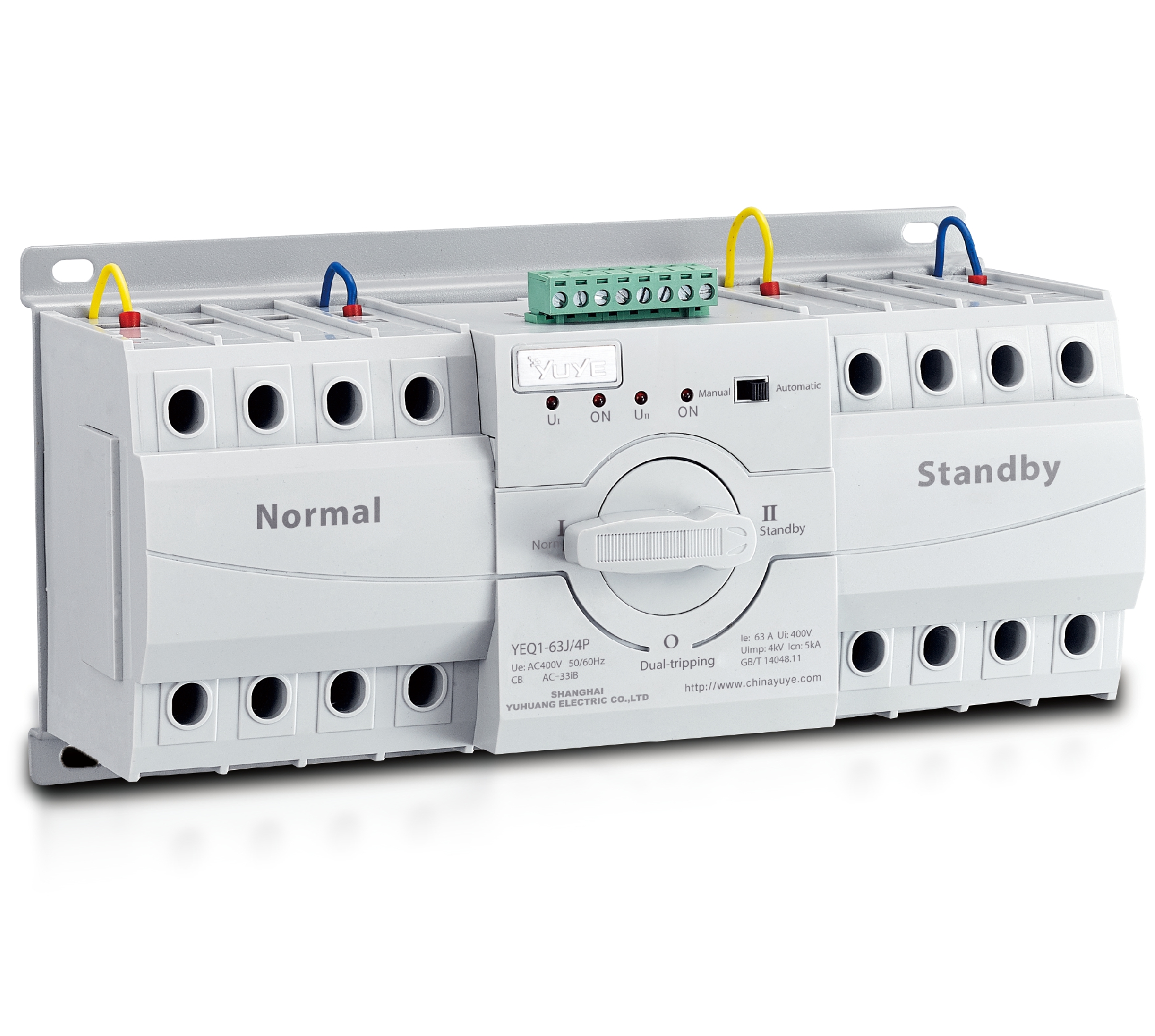 CB ATS YEQ1-63J
 CB ATS YEQ2Y-63
 CB ATS YEQ3-63W1
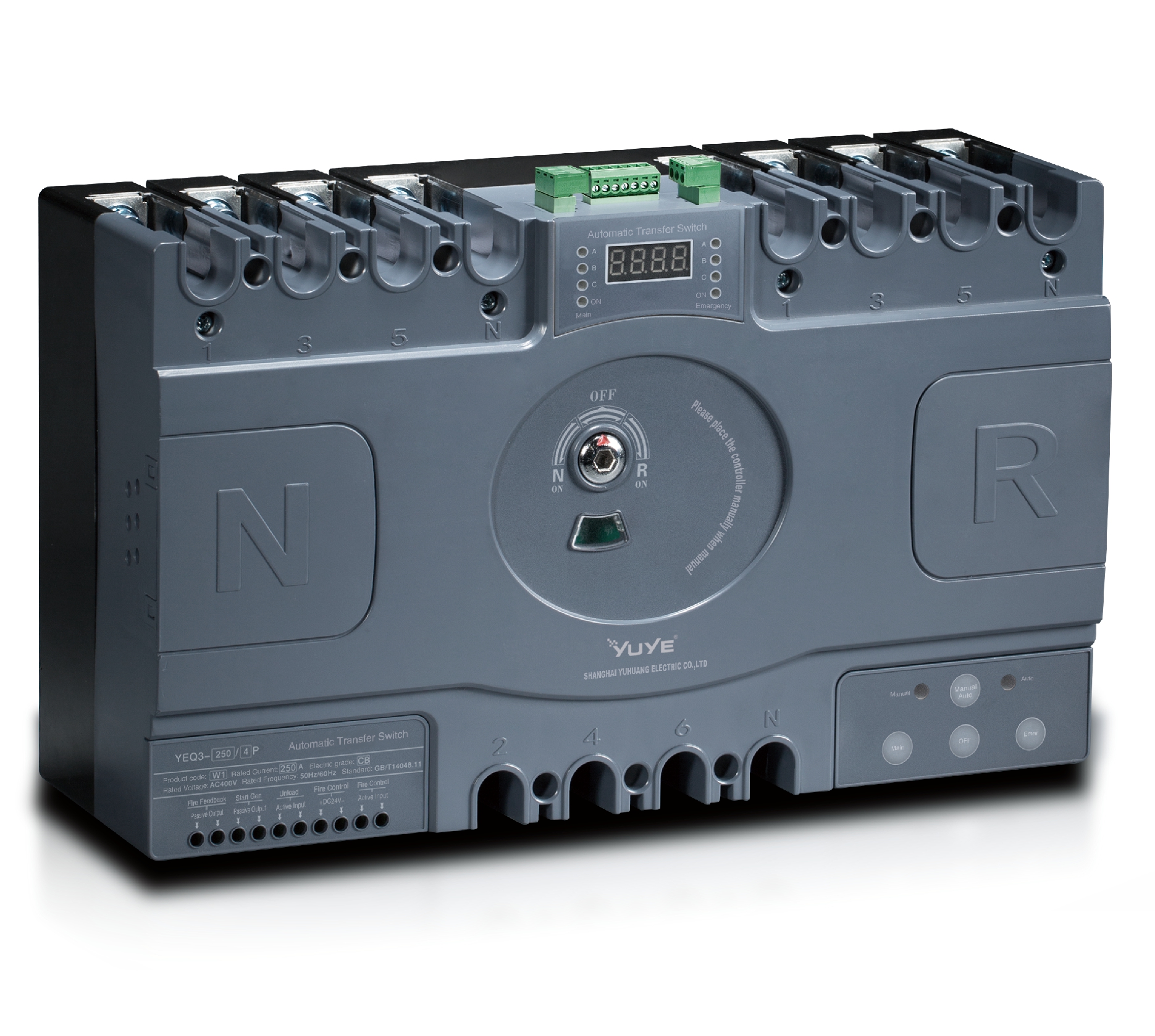 CB ATS YEQ3-125~630W1
 ATS controller Y-700
 ATS Controller Y-700N
 ATS Controller Y-701B
 ATS Controller Y-703N
 ATS Controller Y-800
 ATS Controller W2/W3 Series
 ATS switch Cabinet floor-to-ceiling
 ATS switch cabinet
 JXF-225A power Cbinet
 JXF-800A power Cbinet
 YEM3-125~800 Plastic Shell Type MCCB
 YEM3L-125~630 Leakage Type MCCB
 YEM3Z-125~800 Adjustable Type MCCB
 YEM1-63~1250 Plastic Shell Type MCCB
 YEM1E-100~800 Electronic Type MCCB
 YEM1L-100~630 Leakage Type MCCB
 Miniature circuit breaker YEMA2-6~100
 Miniature circuit breaker YEB1-3~63
 Miniature circuit breaker YEB1LE-3~63
 Miniature circuit breaker YEPN-3~32
 Miniature circuit breaker YEPNLE-3~32
 Miniature circuit breaker YENC-63~125
 Air Circuit Breaker YEW1-2000~6300
 Air Circuit Breaker YEW3-1600
 Load isolation switch YGL-63~3150
 Load Isolation Switch YGL2-63~3150
 Manual Changeover Switch YGL-100~630Z1A
 Manual Changeover Switch YGLZ1-100~3150
 YECPS2-45~125 LCD
 YECPS-45~125 Digital
 CNC Milling/Turning-OEM
 DC relay MDC-300M
 DC Isolation Switch YEGL3D-630


