0%

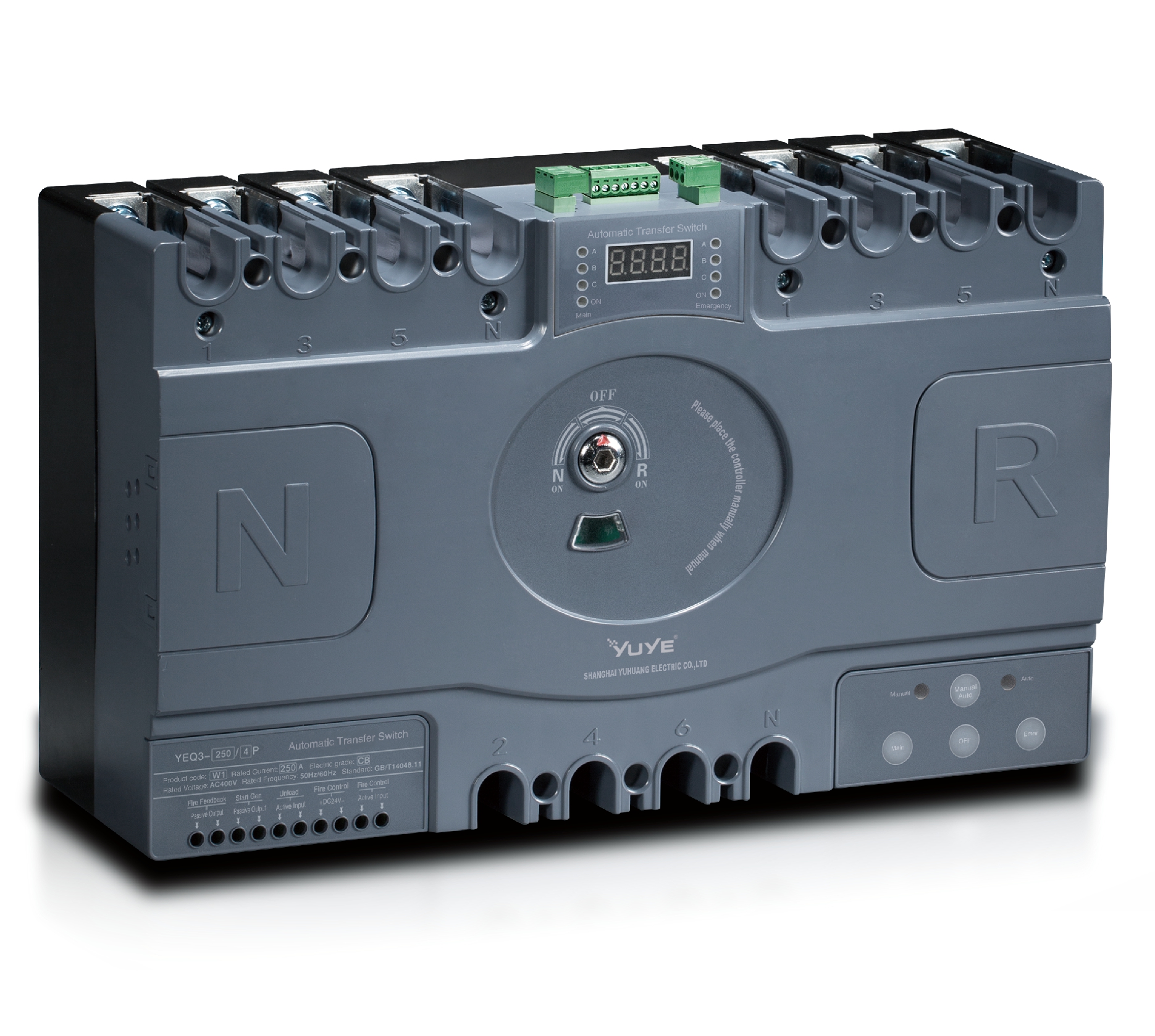
When you're thinking about keeping the lights on at home or at your business, it’s super important to pick the right gear. A 100a Automatic Transfer Switch? That’s pretty much a must-have. It helps switch your power source smoothly between your utility and your backup generator, giving you that peace of mind when the power goes out. Picking the right transfer switch can really make a difference in how well your whole power setup works — whether it’s saving energy or just making sure everything runs without a hitch.

In this guide, I’ll walk you through what you need to consider so you can find a 100a Automatic Transfer Switch that fits your situation. We’ll talk about stuff like whether it’s compatible with your current electrical setup, how much load it needs to handle, and what features to look out for. Getting a grip on these points will help you make a smart choice, so your power stays steady and reliable — no surprises, just smooth sailing.

How to Choose the Right 100a Automatic Transfer Switch for Your Needs

Choosing the Right 100A Automatic Transfer Switch: Key Considerations

When selecting a 100A automatic transfer switch (ATS), there are several key considerations to keep in mind to ensure it meets your specific needs. First, evaluate the power requirements of your equipment. Understanding the total load that will be transferred is crucial; it helps determine whether a 100A ATS is appropriate or if a different size would be more suitable. Additionally, consider the operational environment where the switch will be installed. Factors such as temperature, humidity, and potential exposure to dust or corrosive substances can affect the performance and longevity of the ATS.

Tips: Always check if the manual outlines specific installation requirements. Having a well-documented guide can simplify the setup process and ensure that your ATS functions correctly from the start.

Another important factor is the features of the ATS. Look for options that provide seamless transitioning between power sources and any additional functions such as remote monitoring capabilities and alarm notifications. These features not only enhance the reliability of your power supply but can also help in troubleshooting and maintenance.

Tips: Make a checklist of desired features before shopping. This will help you focus on the switches that will best fulfill your specific operational needs without getting overwhelmed by options.

Understanding the Purpose of an Automatic Transfer Switch

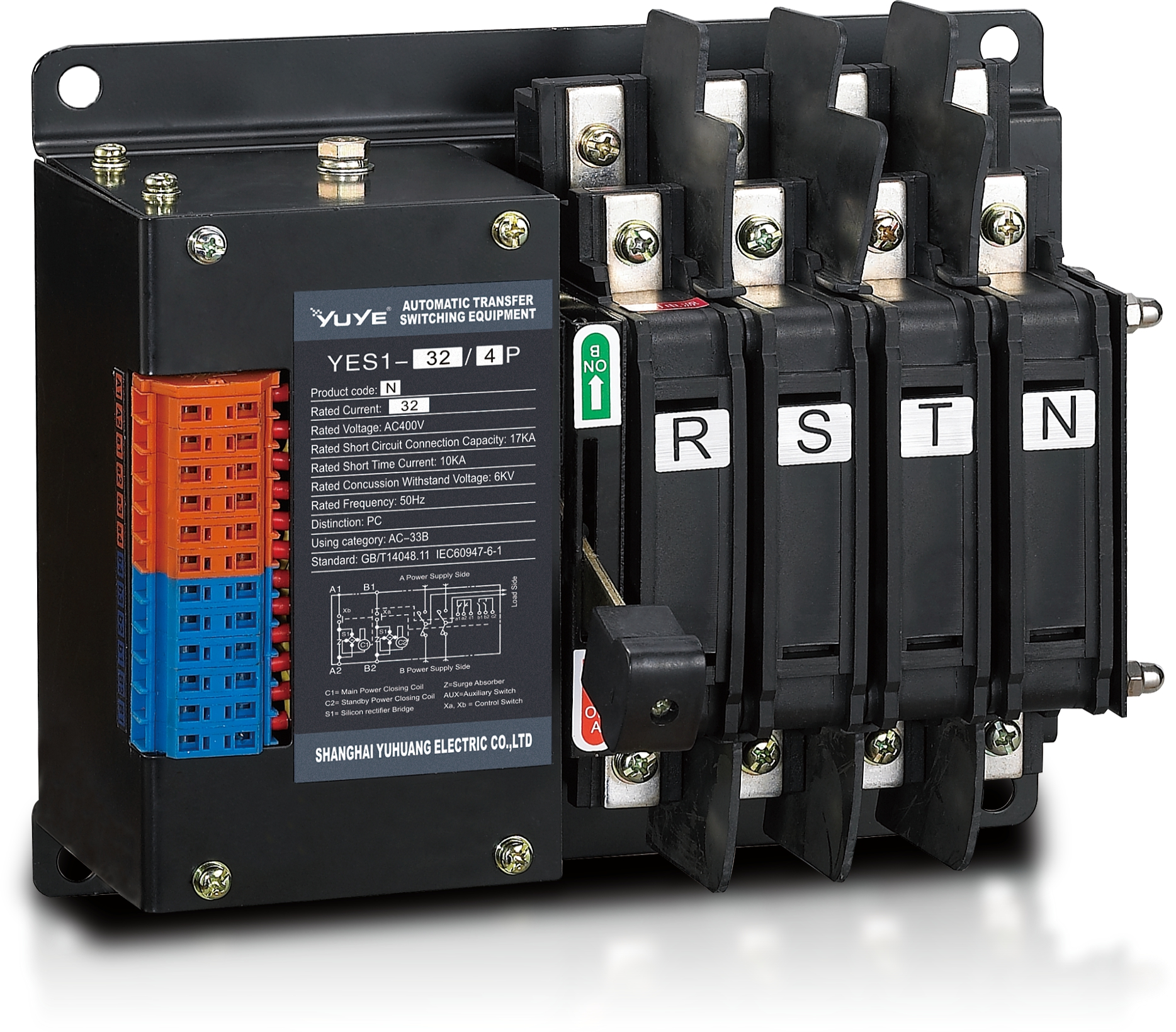
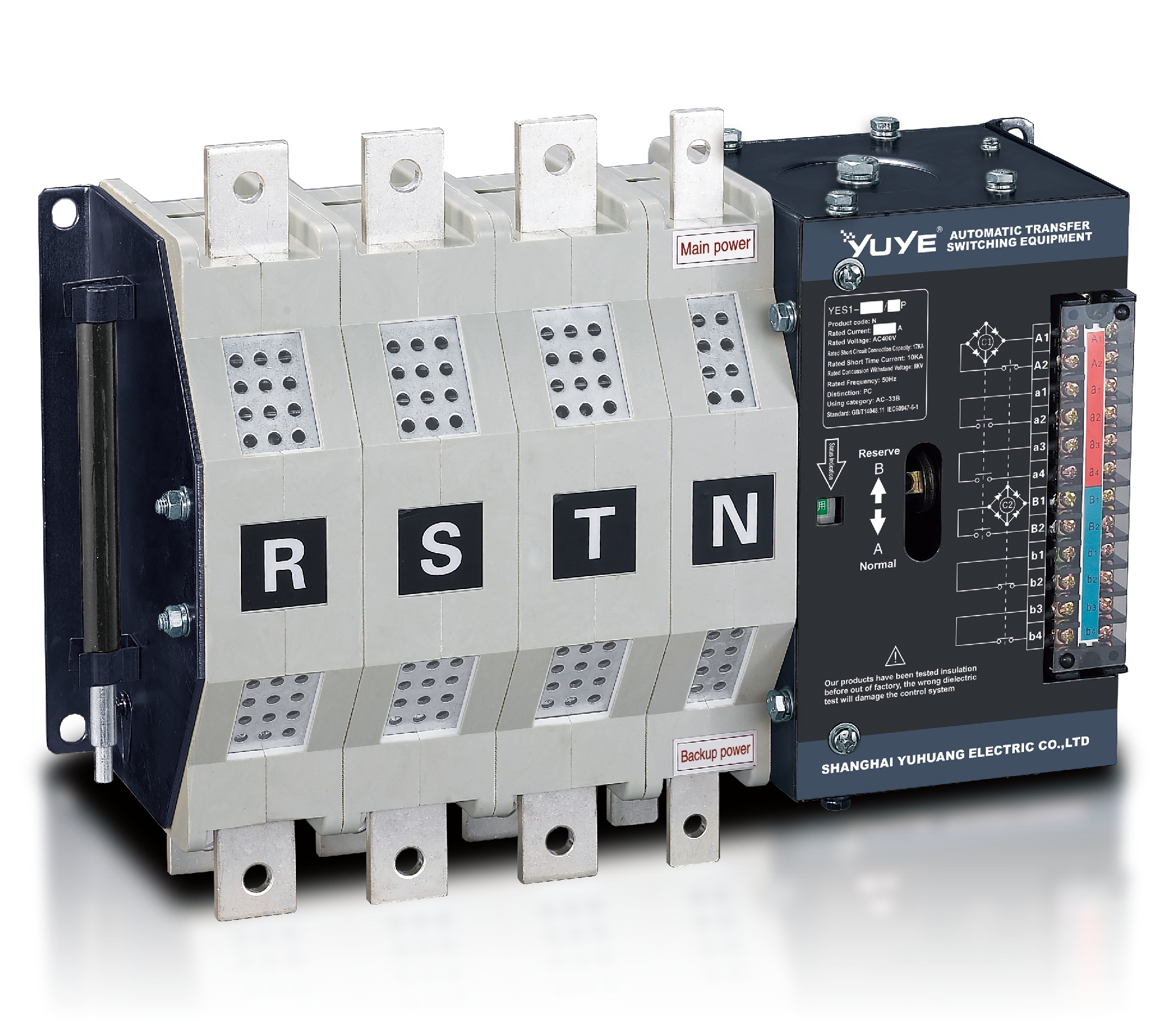
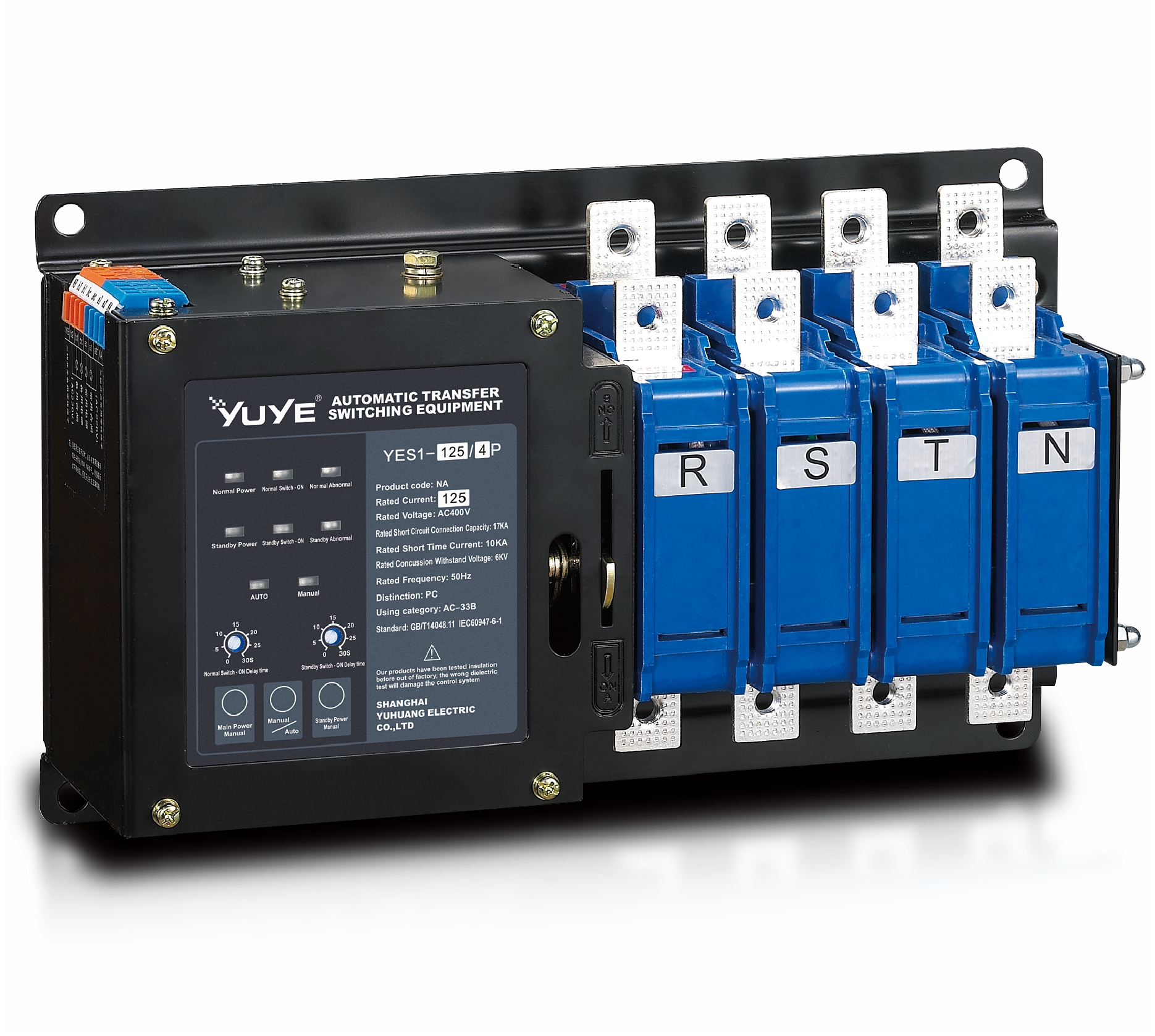
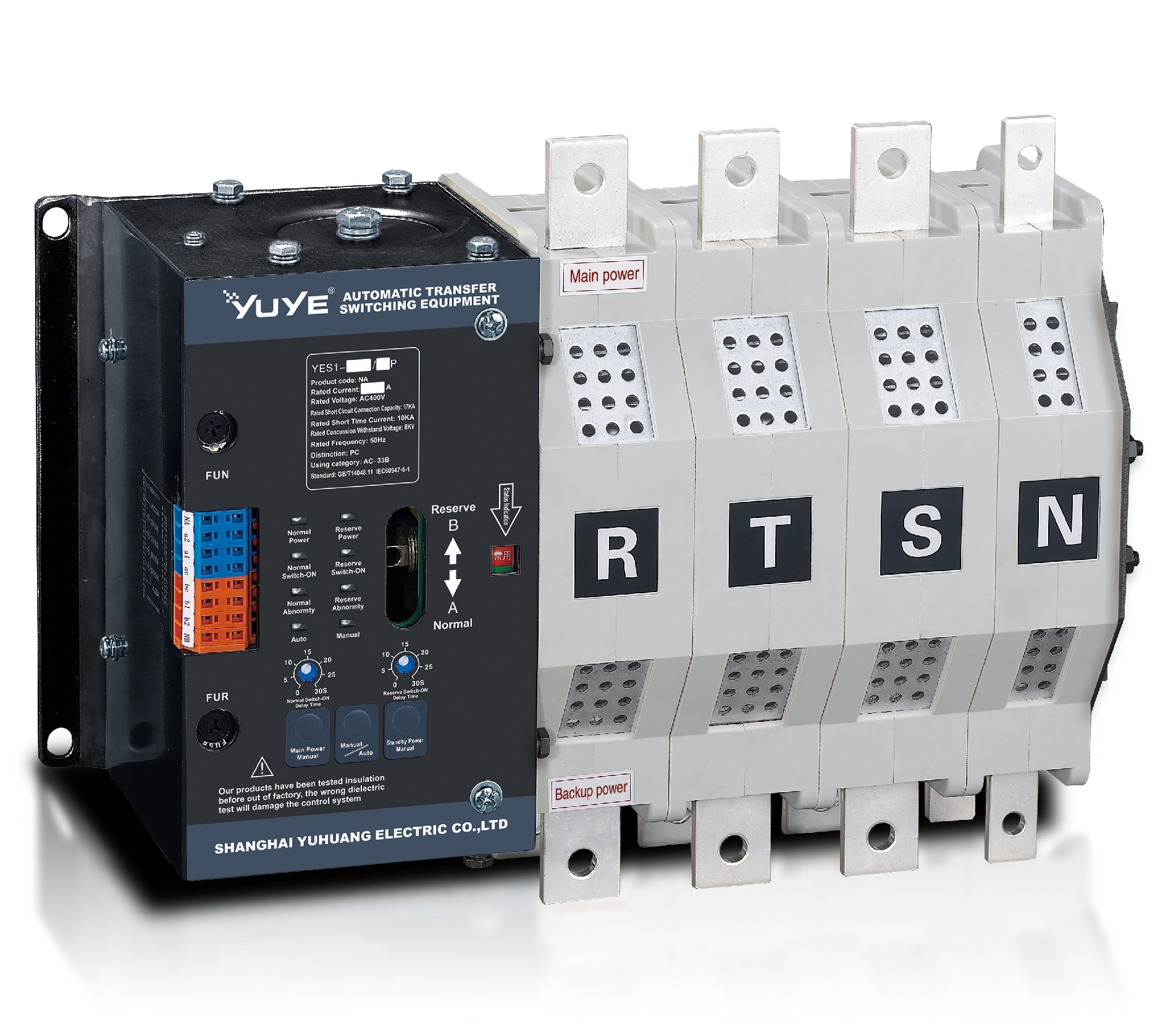
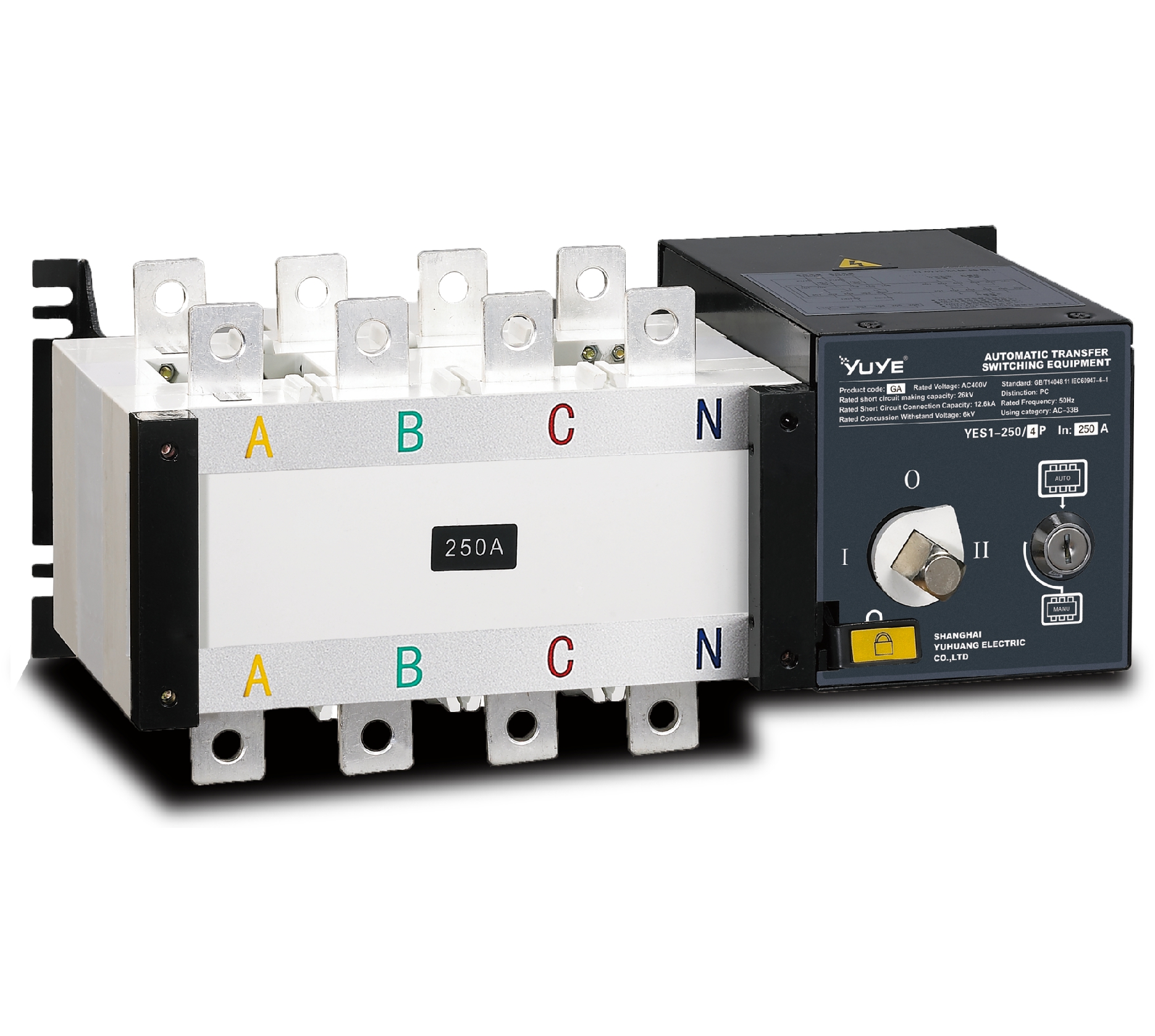
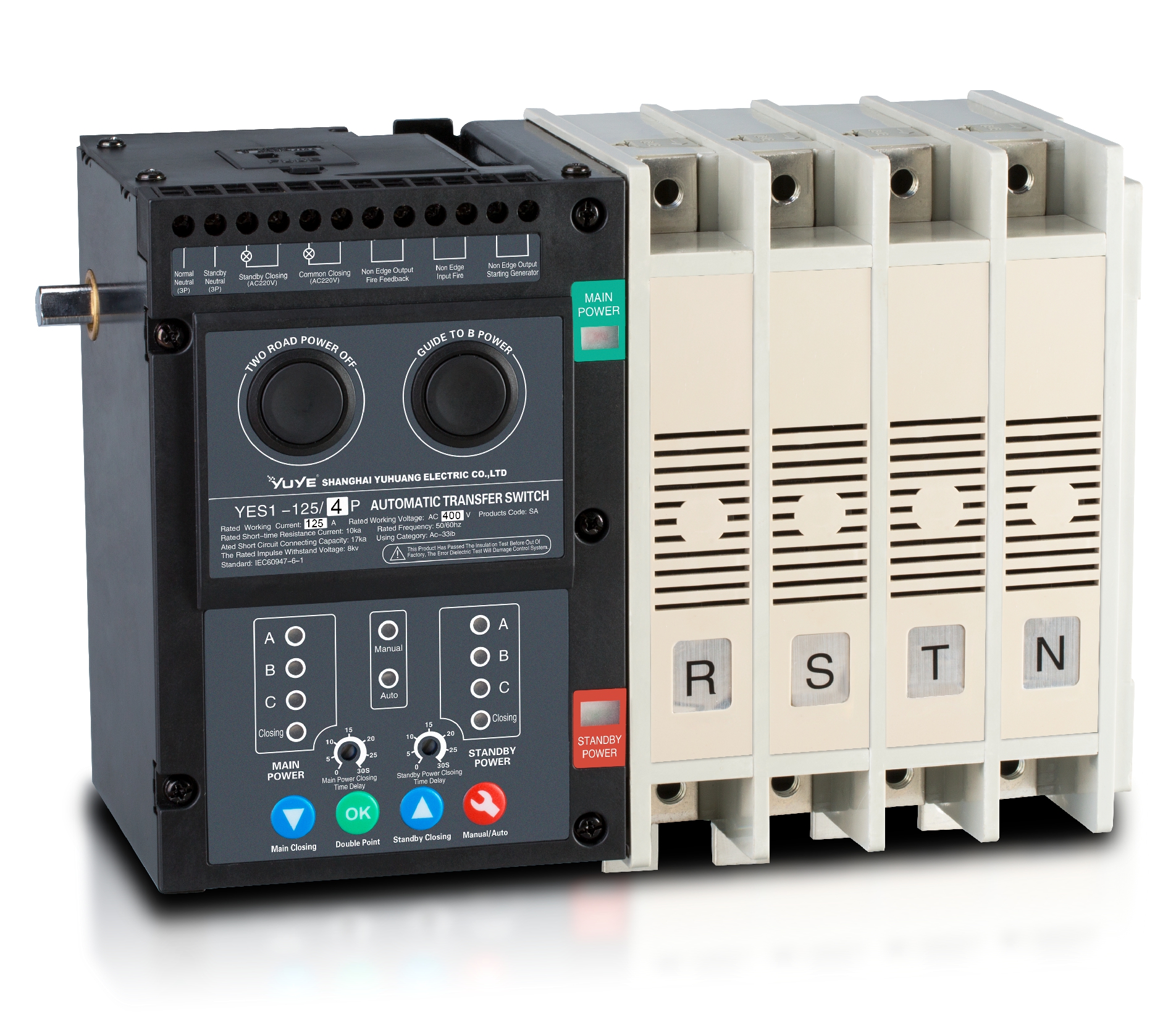
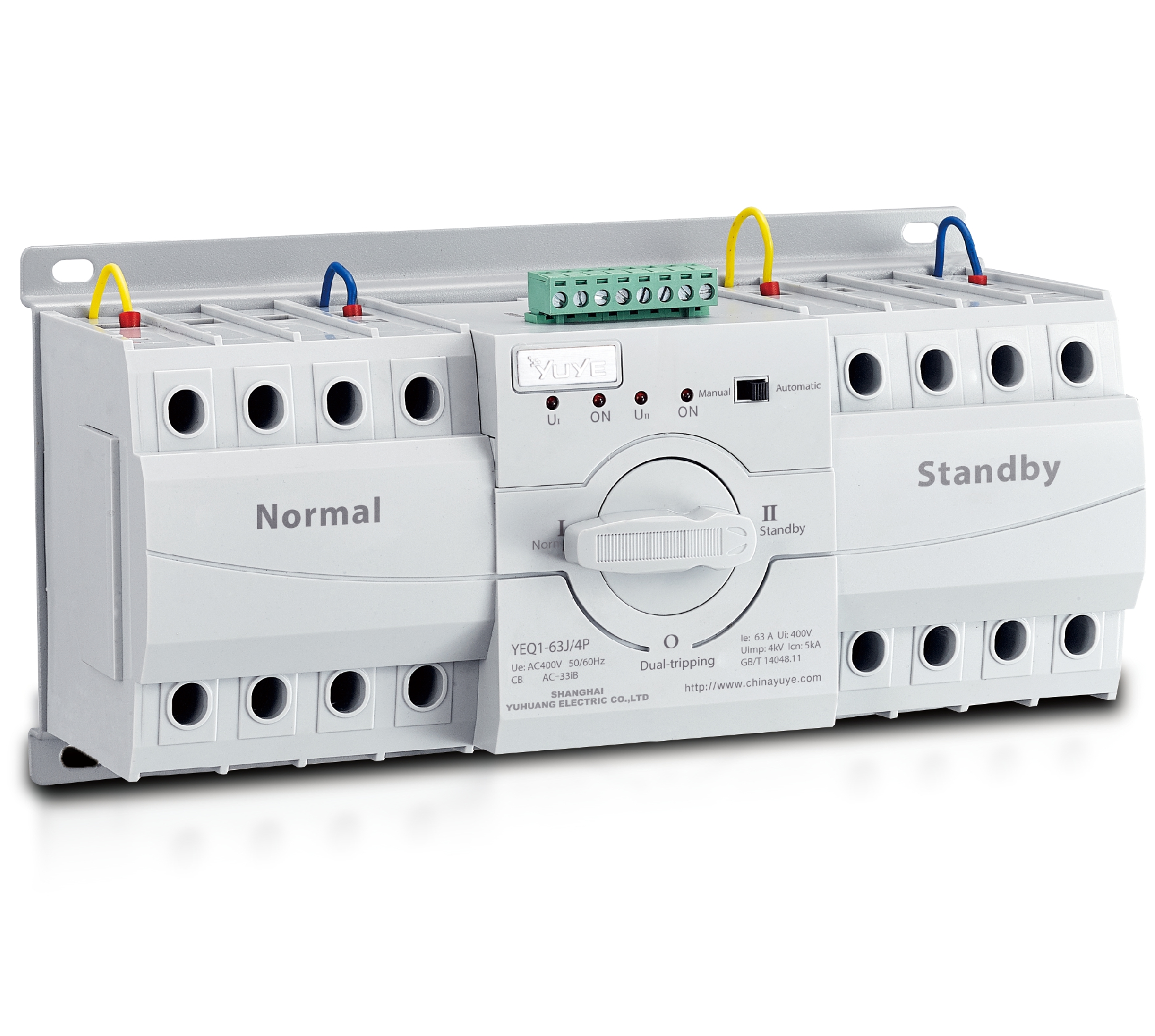
An automatic transfer switch (ATS) serves a crucial purpose in power management systems, designed to ensure a seamless transition between primary and backup power sources. By automatically monitoring the utility power supply, an ATS can detect outages and engage an alternative power source, such as a generator, within seconds. This immediate response not only minimizes downtime but also provides a safety net for essential electrical systems, particularly in residential and commercial settings where consistent power is paramount.

Understanding the functionality of an ATS is key to selecting the right unit for your specific needs. An ATS can help protect equipment from damage caused by power interruptions, fluctuations, or failures. It streamlines operations by removing the manual intervention usually required during power outages, which can be critical for businesses dependent on continuous operation. Moreover, being aware of the required amperage and load capacity is essential, as these factors directly influence the performance and efficiency of your transfer switch. Identifying the specific requirements of your power systems will help ensure that you choose an ATS that meets your demands effectively.

Evaluating Your Power Requirements and Load Capacity

When choosing a 100A automatic transfer switch (ATS), understanding your power requirements and load capacity is crucial to ensure seamless operation during outages. The first step is to calculate your total power needs by identifying the maximum wattage of the devices you intend to support. According to the Electrical Engineering Handbook, a common household can typically require between 3,000 to 5,000 watts for essential appliances during an outage, depending on the number of appliances and their specific energy consumption.

Evaluating load capacity involves not only the wattage but also the starting currents of motor-driven devices, which can significantly exceed their running wattage. A report by the National Electrical Manufacturers Association notes that starting currents can be two to three times higher than running currents for many appliances. Ensure your chosen ATS can handle these surges to prevent potential overloads and equipment damage.

Tips: Always include a buffer in your calculations by adding an additional 20% to your estimated needs. This precaution accounts for future expansion or unexpected power demands. Additionally, consider consulting with a certified electrician to conduct a thorough assessment of your electrical system and load requirements, ensuring safe and efficient operation of your automatic transfer switch.

Exploring Different Types of Automatic Transfer Switches

How to Choose the Right 100a Automatic Transfer Switch for Your Needs

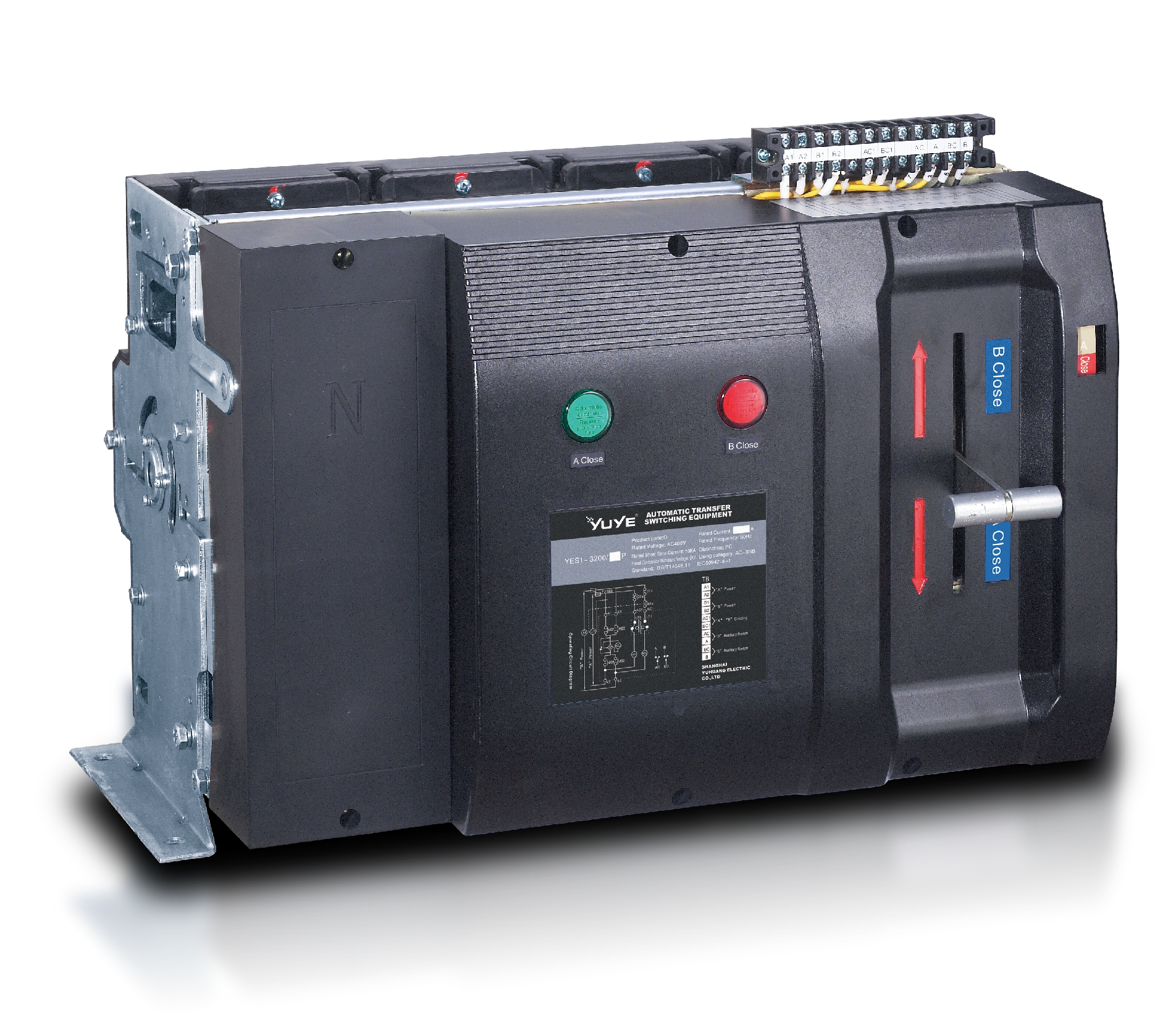
When exploring different types of automatic transfer switches (ATS), it's essential to understand how each type suits various applications. A key factor in the selection process is the switch’s operational mechanism. The most common types include open transition, closed transition, and soft loading switches. Open transition switches are widely used due to their straightforward operation, transferring power seamlessly during outages. Closed transition switches offer improved resilience by maintaining a connection before switching, minimizing downtime. Soft loading switches are ideal for sensitive equipment, providing a smooth transition without load interruptions.

Tips: Before making a choice, consider the specific requirements of your environment. If you are operating in a facility with critical systems, a closed transition switch may be more suitable to ensure uninterrupted operations. Also, assess the load capacity and if the ATS can handle any surges in demand. Choose a model that not only meets your current needs but can also accommodate future expansions.

When evaluating your options, factor in the control features and ease of maintenance. Some ATS models come with advanced monitoring and diagnostics capabilities, allowing for proactive management. This can help in detecting issues before they lead to costly outages. Always refer to local codes and regulations when installing an ATS to ensure compliance and optimal performance.

Assessing Safety Features and Compliance Standards

When selecting a 100A automatic transfer switch (ATS), understanding safety features and compliance standards is paramount to ensure reliable and secure operation. Automatic transfer switches play a critical role in managing power supply, particularly in settings where uninterrupted power is essential. According to industry reports, approximately 90% of power outages occur due to weather-related incidents, highlighting the necessity for advanced safety protocols in ATS designs. Features such as overload protection, short-circuit protection, and insulation monitoring are crucial to preventing damage to both the ATS and connected equipment.

Compliance with established safety standards is another vital consideration. The National Electrical Manufacturers Association (NEMA) and the Underwriters Laboratories (UL) provide guidelines that ensure transfer switches meet rigorous performance and safety criteria. For instance, UL 1008 is the standard specifically addressing transfer switches, ensuring that they are tested for performance under various fault conditions. Selecting an ATS that complies with these standards not only enhances the reliability of the power transfer system but also assures users that the equipment has undergone stringent testing for safety and functionality. Additionally, as the demand for renewable energy sources grows, many of these systems are also designed to integrate seamlessly with solar and wind power inputs, further emphasizing the need for compliance with evolving industry standards.

Safety Features and Compliance Standards of 100a Automatic Transfer Switches

Reviewing Brands and Models of 100A Automatic Transfer Switches

When choosing a 100A automatic transfer switch (ATS), it's important to understand the various brands and models available, as each can offer different features and benefits. Key factors to consider include the switch's compatibility with your power supply requirements, the type of load you are managing, and the switch's ease of installation and maintenance. Look for models that support both single-phase and three-phase systems, as this versatility can enhance usability in different environments.

Additionally, reviewing user experiences and expert opinions can provide valuable insights into the reliability and performance of various ATS models. A well-reviewed model typically indicates higher reliability and customer satisfaction.

It's also beneficial to examine the technical specifications, such as the response time and the type of monitoring options available, to ensure that the model meets your specific needs. By comparing these aspects across multiple brands, you can find the most suitable 100A automatic transfer switch that aligns with your operational requirements and budget.

Installation and Maintenance Tips for Optimal Performance

How to Choose the Right 100a Automatic Transfer Switch for Your Needs

When installing a 100A automatic transfer switch (ATS), proper attention to detail is crucial for achieving optimal performance. Begin by selecting an appropriate location for the switch that is easily accessible yet protected from environmental hazards. Ensure that the installation site is clean and free from obstruction, allowing for adequate airflow around the switch to prevent overheating. Furthermore, confirm that all electrical codes and regulations are adhered to, as compliance is critical for safety and functionality.

Maintenance of your automatic transfer switch is equally important. Regular inspections should be performed to check for any signs of wear or damage, particularly in terminal connections and circuit boards. Keeping the switch clean and free of dust can significantly enhance its performance. Additionally, it is advisable to test the switch periodically under load conditions to ensure it operates as expected during power outages.

Tips for optimal maintenance include maintaining a log of inspections and any repairs made, which can help track the health and performance of the switch over time. Consider scheduling professional servicing at least once a year to catch potential issues before they escalate. By being proactive in both installation and maintenance, you can ensure that your 100A automatic transfer switch operates reliably and efficiently when it is needed most.

FAQS

: What should I consider when evaluating the power requirements for a 100

automatic transfer switch (ATS)?

How does the installation environment affect the selection of an ATS?

Factors such as temperature, humidity, and potential exposure to dust or corrosive substances can impact the performance and longevity of the ATS.

What features should I look for in a 100A ATS?

Look for features that provide seamless transitioning between power sources, remote monitoring capabilities, and alarm notifications to enhance reliability and facilitate troubleshooting.

Why are safety features important in a 100A ATS?

Safety features like overload protection, short-circuit protection, and insulation monitoring are vital for preventing damage to both the ATS and connected equipment.

What compliance standards should a 100A ATS meet?

The ATS should comply with established safety standards, such as those set forth by the National Electrical Manufacturers Association (NEMA) and the Underwriters Laboratories (UL), ensuring it meets rigorous performance and safety criteria.

How can I compare different brands and models of ATS?

Evaluate factors like compatibility with your power supply, type of load managed, ease of installation, and review user experiences to identify reliable and high-performing models.

What types of systems should a 100A ATS support?

Ideally, the ATS should support both single-phase and three-phase systems to enhance usability in varied environments.

How does technical specification play a role in selecting an ATS?

Technical specifications such as response time and available monitoring options are essential to ensure the model meets your specific operational needs.

Why is it helpful to make a checklist before shopping for an ATS?

A checklist of desired features helps focus on switches that fulfill your operational needs and prevents feeling overwhelmed by too many options.

What is the significance of renewable energy integration in ATS design?

As renewable energy sources grow in popularity, ATS systems designed to integrate with solar and wind power inputs emphasize the need for compliance with evolving industry standards.

Conclusion

When selecting the appropriate 100A Automatic Transfer Switch, it's essential to consider several key factors. Understanding the purpose of an automatic transfer switch ensures that you can maintain a continuous power supply during outages. Evaluating your power requirements and load capacity will help you determine the right size and specifications needed for your specific situation.

Additionally, exploring different types of automatic transfer switches allows you to find one that best fits your needs, while assessing safety features and compliance standards ensures reliability and security. Lastly, reviewing various brands and models can provide insights into performance and durability. Proper installation and ongoing maintenance are crucial for optimal performance, allowing the 100A Automatic Transfer Switch to effectively serve its intended function in your power management system.

Noah

Noah

Noah is a dedicated marketing professional at One Two Three Electric Co., Ltd., a distinguished manufacturer renowned for its high standards in the development and production of molded case circuit breakers and air circuit breakers. With a profound expertise in electrical solutions, Noah......
Previous Exploring Innovative Alternatives to Automatic Transfer Switch Ats in Modern Power Solutions