As the 139th Canton Fair gets closer, it’s pretty clear that picking the right equipment is more important than ever. One key piece in making sure your power management runs smoothly is the 3 Phase Automatic Transfer Switch. Experts like John Smith from Power Solutions Inc. often say, "Choosing the right switch can save you from costly downtime," and honestly, they’re not wrong. These switches really do have a big impact on how smoothly your business operates.
Since this year’s fair is all about cutting-edge manufacturing and electronics, you’ll find some pretty cool, innovative solutions. AI features are making it easier for buyers to connect with suppliers that meet specific standards—like ISO and CE certifications. While this tech helps streamline the process, it’s still super important to really think about which products are the right fit for your needs.
Walking around a huge exhibition spanning 155,000 square meters can feel a bit overwhelming. You’ve gotta be strategic with your choices. Sure, AI can help speed things up, but at the end of the day, there’s still no substitute for human judgment—especially when it comes to judging the quality and suitability of a 3 Phase Automatic Transfer Switch for your specific situation. Finding that balance between tech and good old-fashioned gut feeling is key to making smart decisions.

What is a 3 Phase Automatic Transfer Switch and Its Importance?
A 3 Phase Automatic Transfer Switch (ATS) is essential for reliable power management. It quickly switches between the primary power source and a backup source, ensuring an uninterrupted power supply. In critical applications, like hospitals or data centers, this can be a lifesaver. A report by the International Electrotechnical Commission states that power outages can lead to massive financial losses, often exceeding thousands of dollars per hour of downtime.
When choosing an ATS, consider its capacity, the load it must handle, and the installation environment. Look for switches that meet industry standards for safety and reliability. Certification from organizations such as Underwriters Laboratories (UL) is vital. Uncertified devices may pose risks of malfunction.
Tips: Always assess your peak load requirements. It’s crucial to select a switch that can handle surges efficiently. Ensure proper installation by qualified professionals. Poor installation can lead to failures. Regular maintenance checks will prolong the life of your ATS. Neglecting these can cause unforeseen outages.
Finally, remember to analyze the emergency scenarios typical for your location. Power reliability varies by region. Power infrastructures can be fragile. Understanding the local grid stability can help you choose wisely. Make informed decisions to avoid costly mistakes.
Key Specifications to Consider for a 3 Phase Automatic Transfer Switch
Choosing a 3-phase automatic transfer switch (ATS) at the Canton Fair can be overwhelming. You will encounter many options, each with various specifications. Understanding key features is crucial to make an informed choice.
One important specification to consider is the transfer switch rating. This rating indicates the maximum load the switch can handle. Ensure it meets your power requirements. Voltage is another critical factor. The switch needs to be compatible with your system's voltage levels. Look for models rated for 220V, 380V, or 480V. A mismatch can lead to operational issues.
Also, check the switching speed. Faster switches can minimize downtime during power outages. Speed matters. You will want reliable performance under pressure. Don’t forget about the enclosure rating. It determines the switch's durability in different environments. For example, consider a weatherproof option if it's for outdoor use. Take time to reflect on your specific needs before making a decision. This ensures you invest in the right ATS for your application.
How to Choose a 3 Phase Automatic Transfer Switch at Canton Fair? - Key Specifications to Consider for a 3 Phase Automatic Transfer Switch
| Specification |
Description |
Typical Values |
| Voltage Rating |
The voltage level the switch can handle |
400V, 480V, 600V |
| Current Rating |
The maximum current the switch can carry |
63A, 125A, 250A, 400A |
| Transfer Time |
The time taken to switch from one power source to another |
|
| Control Type |
Type of control mechanism used in the switch |
Electromechanical, Electronic |
| Enclosure Rating |
The level of protection against dust and water |
IP20, IP55, NEMA 1, NEMA 3R |
| Number of Poles |
The number of conductors which the switch controls |
3-pole, 4-pole |
| Installation Type |
The method of installation for the switch |
Wall-mounted, Floor-mounted |
Understanding Transfer Switch Ratings: Amperage and Voltage Considerations
When selecting a 3-phase automatic transfer switch, understanding
amperage and
voltage ratings is crucial. The amperage rating determines how much current the switch can handle. Look at your equipment requirements and the total load they will demand. A switch with insufficient amperage may fail, risking equipment survival and safety.
Voltage rating is equally important. Ensure the switch matches the voltage of your electrical system. An incorrect voltage can lead to poor performance or catastrophic failure. It's vital to check both ratings thoroughly before making a choice.
Tip: Take time to calculate your total load accurately. Many make the mistake of underestimating their needs.
Tip: Consult with an expert if you're uncertain. This decision shouldn't be rushed.
In many cases, users overlook the environment where the switch will be installed. Factors like humidity and temperature can affect performance. Always consider these aspects too.
Common Applications of 3 Phase Automatic Transfer Switches in Industries
In various industries, 3 phase automatic transfer switches (ATS) play a vital role in ensuring uninterrupted power supply. These devices automatically switch to a backup power source during outages. They are essential in facilities like hospitals, data centers, and manufacturing plants. According to a report by Market Research Future, the global ATS market is expected to grow significantly, driven by increased energy demands.
Hospitals often rely on ATS to maintain critical operations during power failures. A momentary loss of power can lead to serious complications. Furthermore, data centers require constant power to avoid data loss or downtime. These centers typically use dual power supplies connected through ATS systems. Manufacturing plants also leverage ATS units to keep machinery operational, ensuring production continuity.
Tips for selecting the right ATS include assessing your power requirements and load types. You should consider the specific voltage and current ratings of your equipment. Ensure your ATS can handle short-circuit conditions. Also, look into environmental aspects, such as humidity and temperature, where your ATS will be deployed. Choosing an ATS that meet industry standards is crucial, but some manufacturers might not fully comply with regulations. Always verify these details with case studies or recent testimonials before making a purchase.
Regulatory Standards and Certifications for Transfer Switches Explained
When choosing a 3 phase automatic transfer switch, understanding regulatory standards is crucial. Compliance with these standards ensures safety and reliability. Look for certifications like UL, IEC, and ISO. These standards reflect the quality and performance of the transfer switches. They help identify products that meet rigorous safety criteria.
Tips: Check local regulations. Each region may have specific requirements. Ensure the switch is designed for your application. This will guarantee compatibility with your electrical system.
Additionally, consider the environmental conditions. Some switches are built for harsh environments. Ensure they are rated for temperature, humidity, and dust. It’s important to assess the actual conditions where the switch will be installed. Not all switches can endure extreme circumstances.
Remember, not every switch will be perfect for your needs. Reflect on past decisions made during the selection process. It’s vital to evaluate both current and future requirements. Don’t rush this choice; take time to explore all options. This can lead to better outcomes.
Choosing the Right Manufacturer: Reputation and Customer Support Factors
When choosing a 3 phase automatic transfer switch, selecting the right manufacturer is crucial. This decision influences your long-term satisfaction and system reliability. Look for companies known for their strong reputation in the industry. A solid track record often indicates trustworthiness. You should seek out online reviews from previous customers. Satisfaction ratings can reveal much about a company’s performance.
Customer support is equally important. A reliable manufacturer should offer prompt assistance when needed. Check their support channels and response times. It’s advisable to contact them before making a purchase to gauge how helpful they are. You might find that some manufacturers are slow to respond. This could be a red flag. Make sure they provide comprehensive documentation. Manuals and guides shouldn’t just be an afterthought. They should assist you in using the switch effectively.
Getting support after the sale is essential as well. Some manufacturers may promise great service but fail to deliver. Ask about warranty terms and support availability. Be aware that not all companies invest equally in customer care. Reflect on your experiences and prioritize those who show commitment. Poor support can lead to frustration down the road.
Market Analysis of 3 Phase Automatic Transfer Switch Manufacturers
Cost Analysis: Budgeting for a 3 Phase Automatic Transfer Switch at Trade Shows
Choosing a 3-phase automatic transfer switch at trade shows like the Canton Fair can be crucial for businesses. Cost analysis is vital for budgeting effectively. According to industry reports, the average cost of a 3-phase automatic transfer switch ranges from $1,500 to over $10,000. This variability depends on features, capabilities, and capacity ratings.
When budgeting for a transfer switch, consider hidden costs. Installation fees can add 20% to 30% to the total cost. Ongoing maintenance is another factor. A comprehensive maintenance plan can cost around $200 to $500 annually. Aim for quality but be aware of your budget limitations.
Tips: Focus on necessary features rather than luxury options. Evaluate reliability versus cost. Avoid rushing decisions. Research is key, and taking time to analyze different models can prevent costly mistakes. Don't overlook the importance of warranty and customer support, as these can save you money later. Balancing these considerations is essential for a successful investment.
Understanding the Importance of DC Isolation Switch YEGL3D-630 for Enhanced Electrical Safety and Performance
The significance of DC isolation switches, particularly the YEGL3D-630 model, cannot be overstated when it comes to enhancing electrical safety and performance in industrial applications. With ratings of up to 630A and voltage capacities of DC 1000V and DC 1500V, this switch is designed to handle high-performance scenarios while ensuring user safety. The rated insulation voltage of 2000V and impulse withstand voltage of 12kV demonstrate its robustness, making it suitable for demanding environments.
In terms of operational life, the YEGL3D-630 model boasts an impressive electrical life, particularly for frame currents of 315A and below, which can endure up to 500 cycles. For higher frame currents, the device remains reliable with a lifespan of 400 cycles, ensuring that industrial operations can maintain efficiency without frequent replacements. This durability is matched by a mechanical life of 10,000 forward rotations and 3,000 side rotations, accommodating various installation needs while enhancing overall system performance.
Standards such as GB/T 14048.3 and IEC 60947-3 guide the design and application of this switch, ensuring compliance with global safety norms. As industries increasingly recognize the importance of reliable electrical components, the YEGL3D-630 isolation switch stands out as a crucial element in safeguarding operations and promoting optimal performance across various applications.
FAQS
Check the voltage ratings. Ensure it matches your system, commonly at 220V, 380V, or 480V.
Faster switching minimized downtime during power outages, ensuring reliable performance under pressure.
It indicates the switch's durability in different environments. Consider weatherproof options for outdoor use.
Hospitals rely on ATS to maintain critical operations during power failures, preventing serious complications.
Evaluate your power requirements, load types, and environmental factors like humidity and temperature.
Seek manufacturers with strong industry reputations and positive online reviews from past customers.
Reliable support ensures assistance during installation and maintenance. Poor support can lead to future frustrations.
Ensure the manufacturer meets industry standards and check documentation for accuracy.
Some manufacturers may promise great support but fail to deliver, impacting user experience significantly.
Conclusion
When attending the Canton Fair, understanding the significance of a 3 Phase Automatic Transfer Switch is crucial for ensuring efficient and reliable power management in various industrial applications. This article outlines key specifications to consider, including amperage and voltage ratings, which are essential for selecting the appropriate switch. Common applications highlight the role of these switches in maintaining critical operations during power interruptions.
Additionally, it is important to be aware of regulatory standards and certifications that validate the quality and safety of transfer switches. Choosing the right manufacturer involves evaluating their reputation and customer support, which can greatly influence the purchasing experience. Lastly, a thorough cost analysis is needed to budget effectively for a 3 Phase Automatic Transfer Switch, ensuring that businesses make informed decisions when sourcing equipment at trade shows.

 PC ATS YECT1-2000G
 PC ATS YES2-63~250GN1
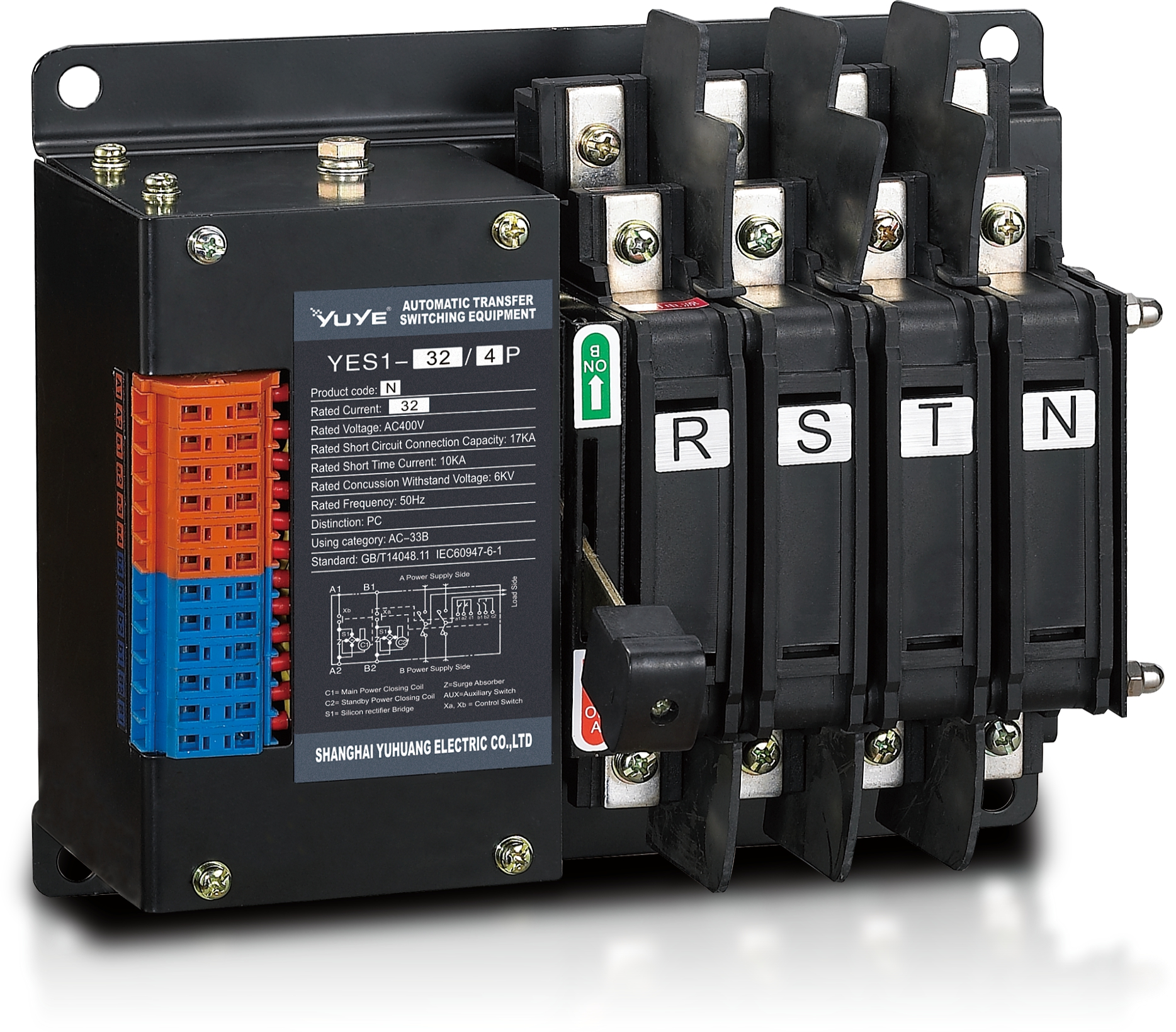 Solenoid-type ATS YES1-32~125N
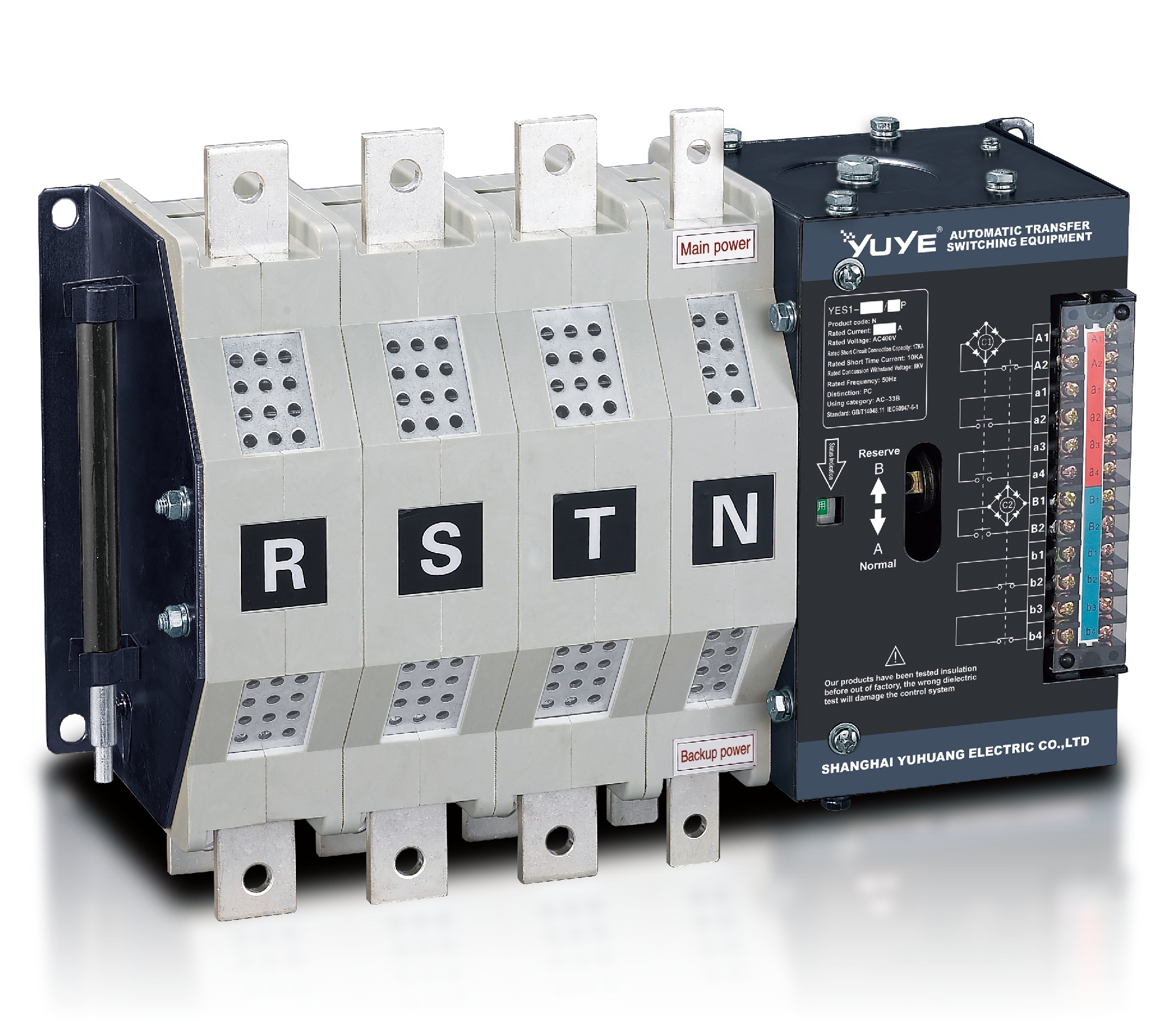 Solenoid-type ATS YES1-250~630N/NT
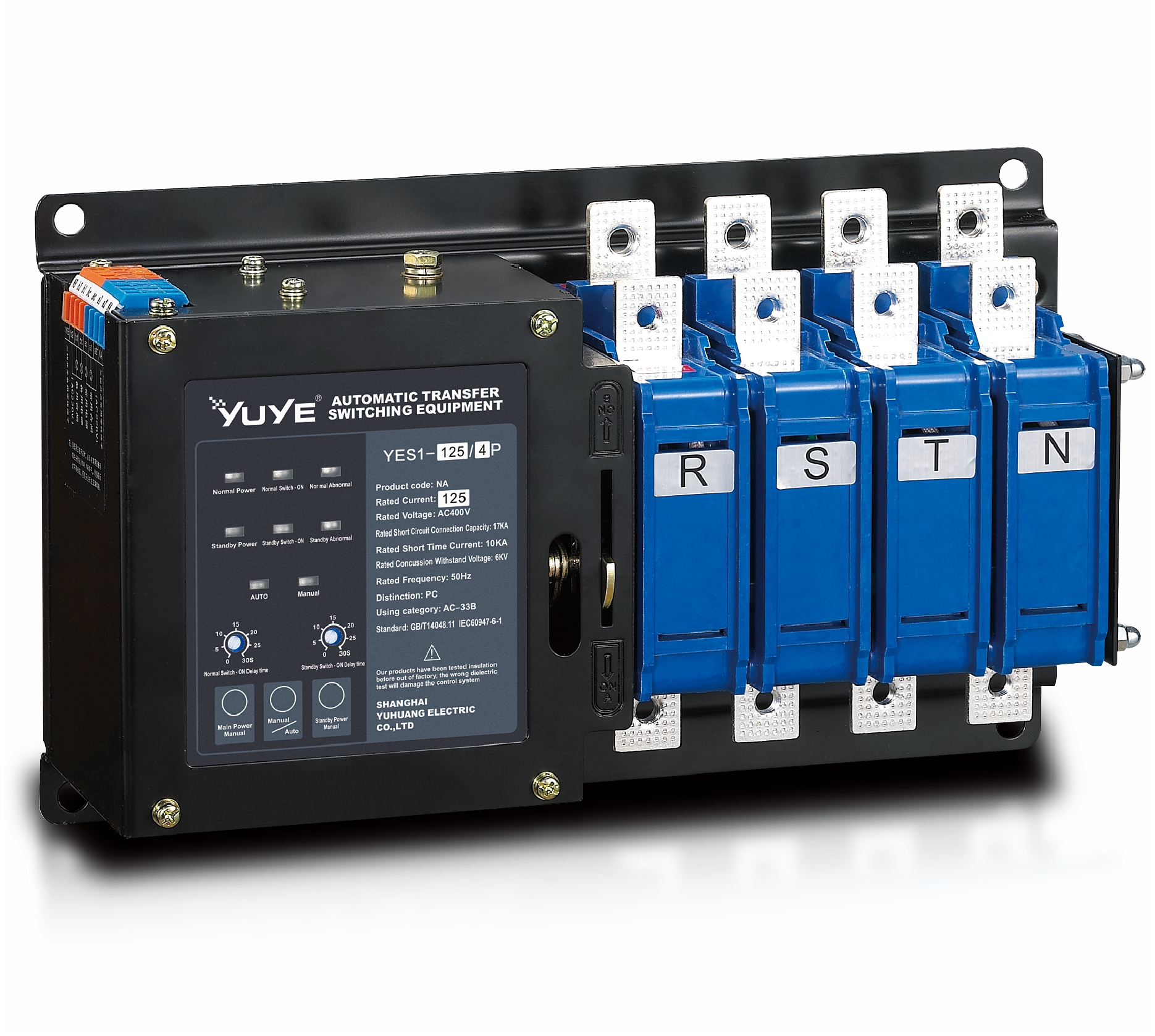 Solenoid-type ATS YES1-32~125NA
 Solenoid-type ATS YES1-63~630SN
 Solenoid-type ATS YES1-1250~4000SN
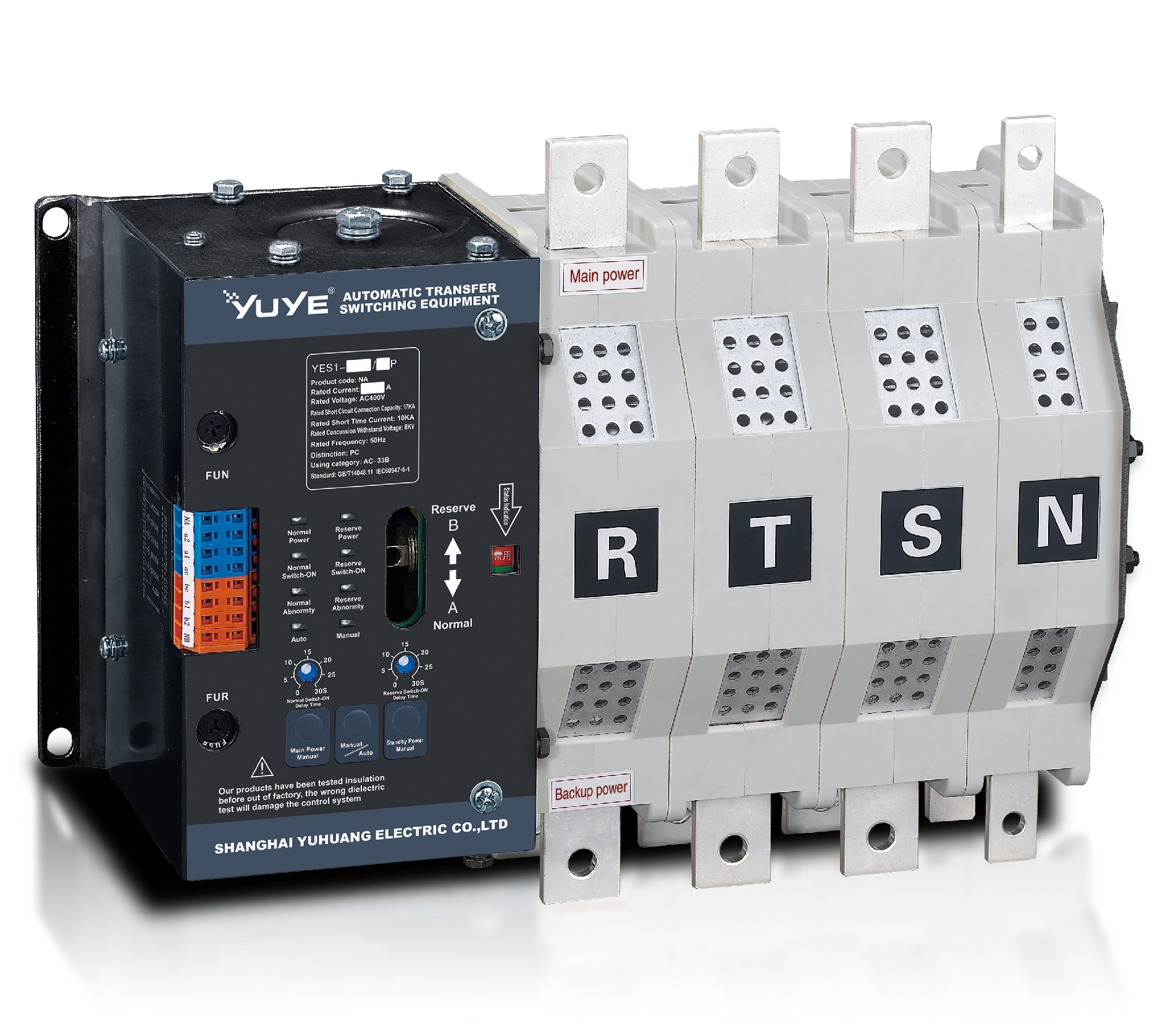 Solenoid-type ATS YES1-250~630NA/NAT
 Solenoid-type ATS YES1-63NJT
 PC ATS YES1-100~1600GN1/GN/GNF
 PC ATS YES1-2000~3200GN/GNF
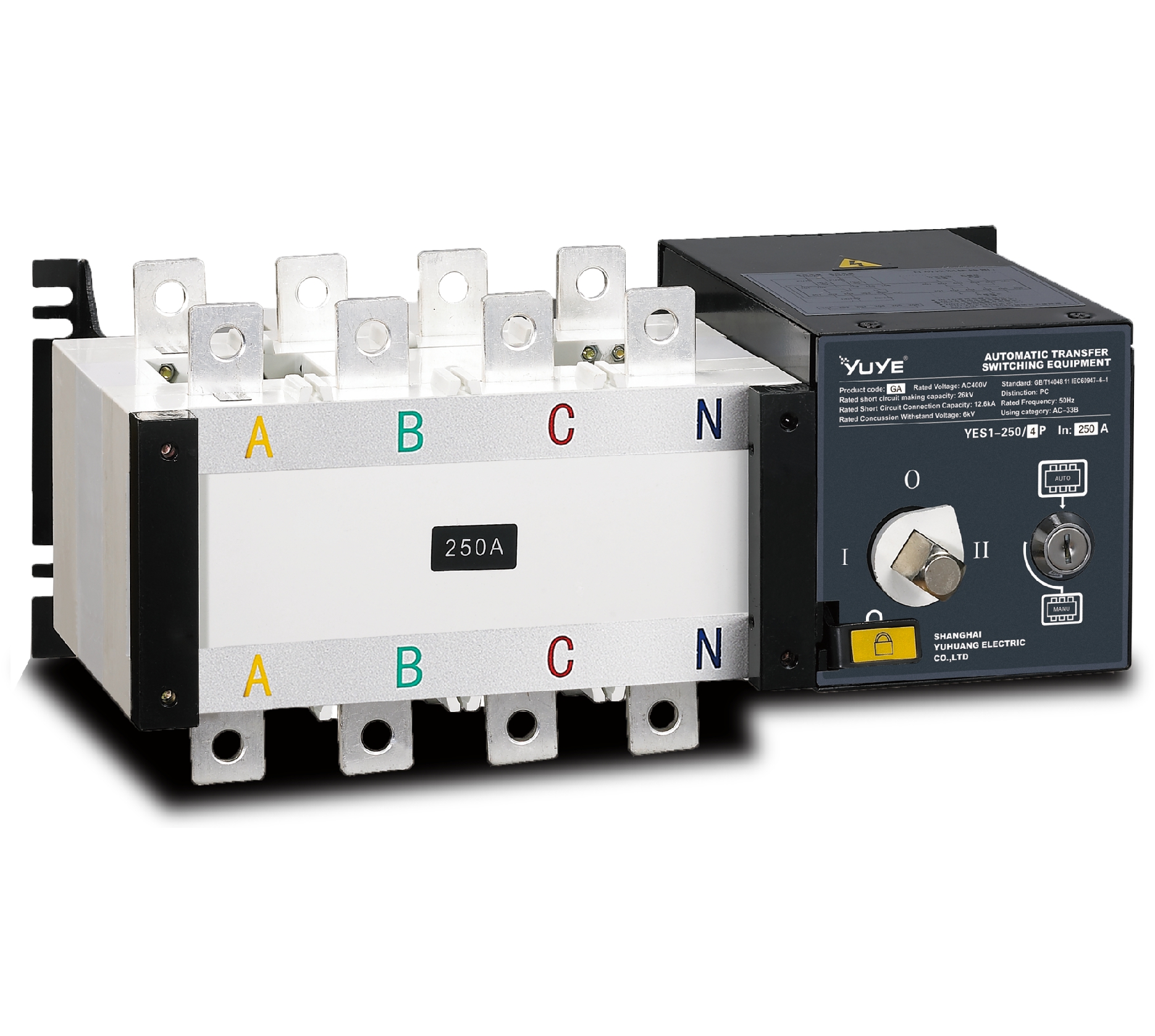 PC ATS YES1-100~3200GA1/GA
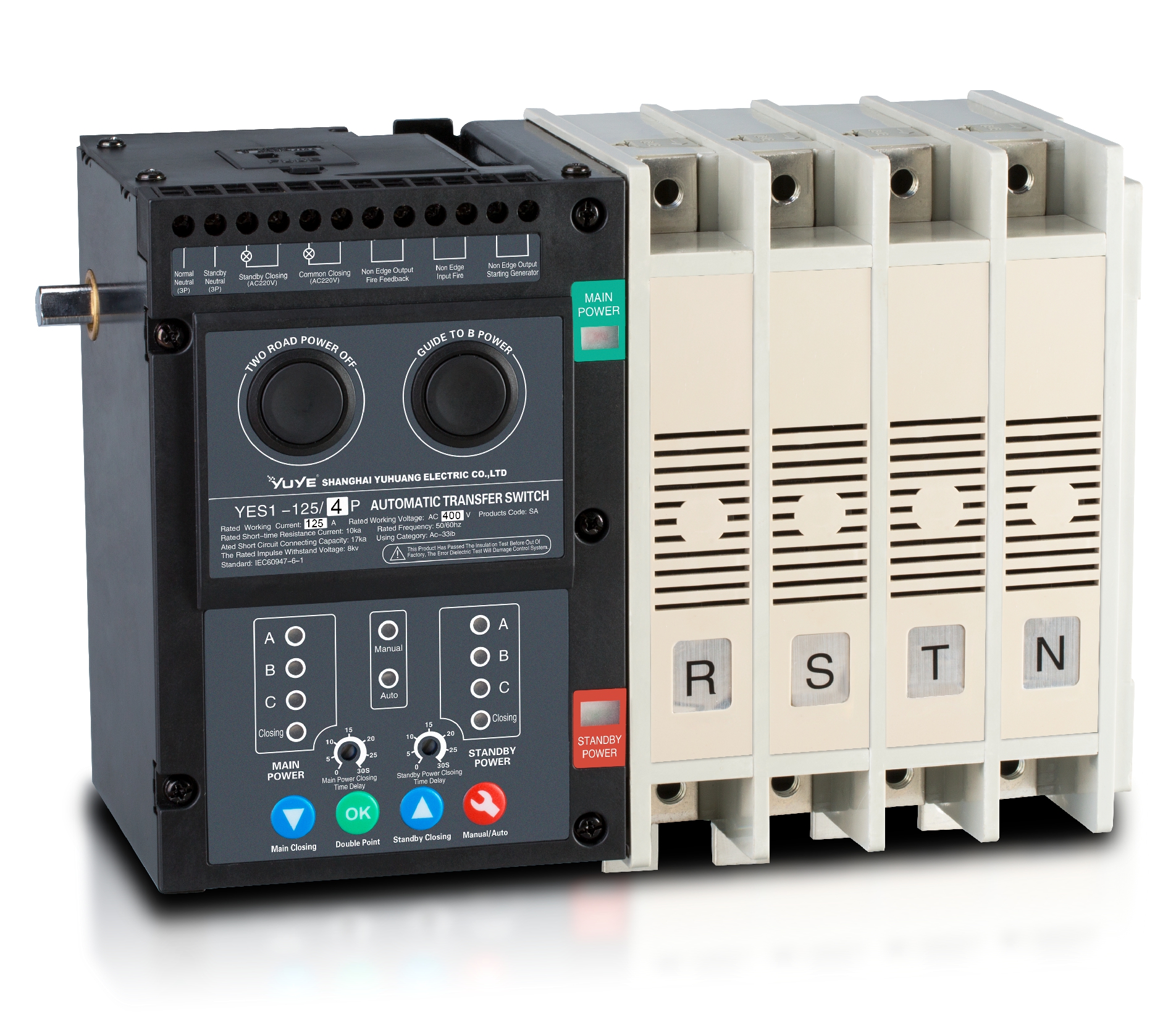 Solenoid-type ATS YES1-63~630SA
 Solenoid-type ATS YES1-63~630L/LA
 Solenoid-type ATS YES1-63~630LA3
 Solenoid-type ATS YES1-63MA
 PC ATS YES1-630~1600M
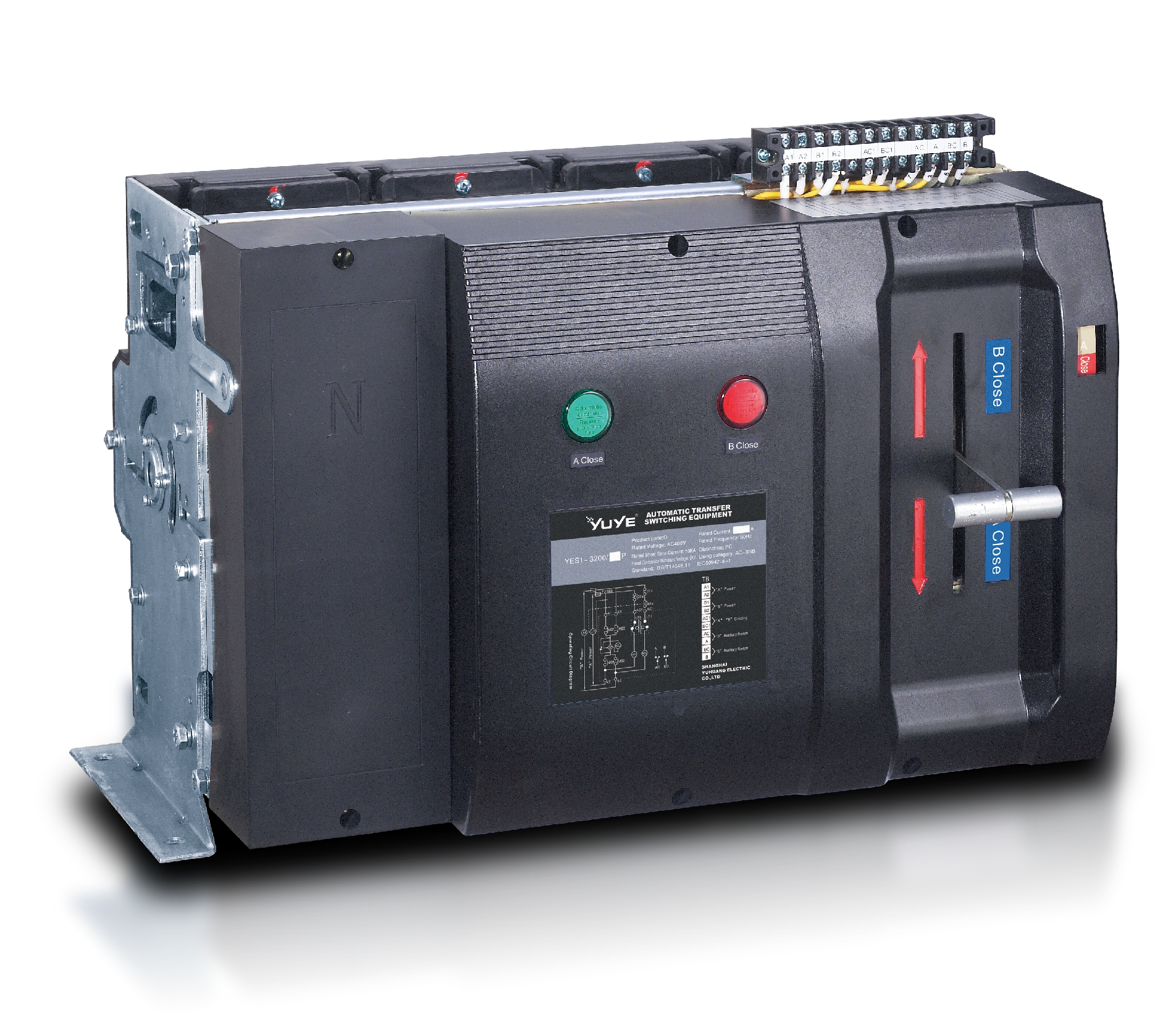 PC ATS YES1-3200Q
 Solenoid-type ATS YES1-4000~6300Q
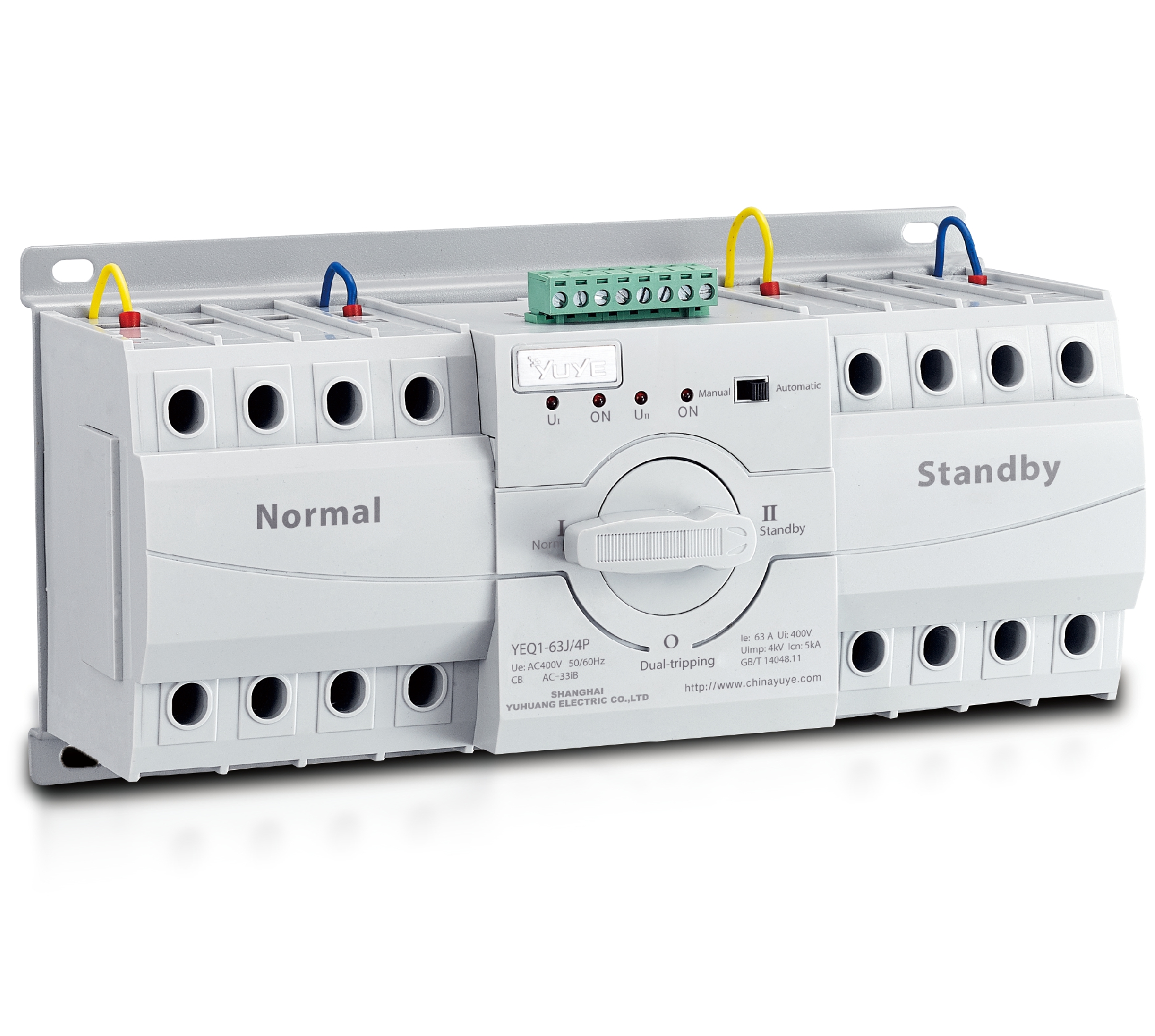 CB ATS YEQ1-63J
 CB ATS YEQ2Y-63
 CB ATS YEQ3-63W1
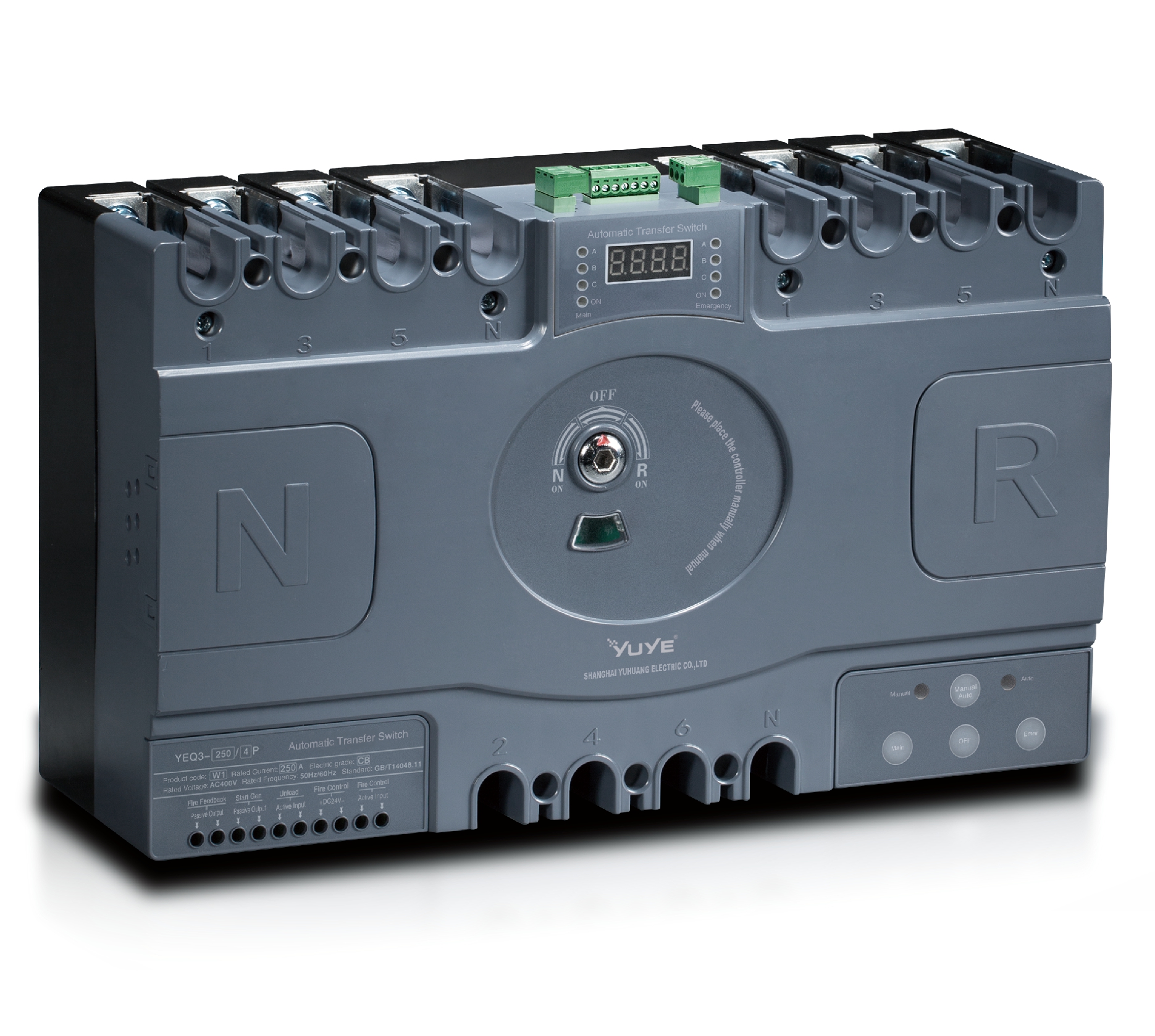 CB ATS YEQ3-125~630W1
 ATS controller Y-700
 ATS Controller Y-700N
 ATS Controller Y-701B
 ATS Controller Y-703N
 ATS Controller Y-800
 ATS Controller W2/W3 Series
 ATS switch Cabinet floor-to-ceiling
 ATS switch cabinet
 JXF-225A power Cbinet
 JXF-800A power Cbinet
 YEM3-125~800 Plastic Shell Type MCCB
 YEM3L-125~630 Leakage Type MCCB
 YEM3Z-125~800 Adjustable Type MCCB
 YEM1-63~1250 Plastic Shell Type MCCB
 YEM1E-100~800 Electronic Type MCCB
 YEM1L-100~630 Leakage Type MCCB
 Miniature circuit breaker YEMA2-6~100
 Miniature circuit breaker YEB1-3~63
 Miniature circuit breaker YEB1LE-3~63
 Miniature circuit breaker YEPN-3~32
 Miniature circuit breaker YEPNLE-3~32
 Miniature circuit breaker YENC-63~125
 Air Circuit Breaker YEW1-2000~6300
 Air Circuit Breaker YEW3-1600
 Load isolation switch YGL-63~3150
 Load Isolation Switch YGL2-63~3150
 Manual Changeover Switch YGL-100~630Z1A
 Manual Changeover Switch YGLZ1-100~3150
 YECPS2-45~125 LCD
 YECPS-45~125 Digital
 CNC Milling/Turning-OEM
 DC relay MDC-300M
 DC Isolation Switch YEGL3D-630


