In today’s world of electrical engineering, having reliable and efficient circuit protection is more important than ever. That’s where the Miniature Circuit Breaker comes in—it’s a key player in keeping electrical systems safe from overloads and short circuits.
At One Two Three Electric Co., Ltd., we’re proud to be a top-tier manufacturer, specializing in developing and making all kinds of circuit breakers, like molded case breakers and air circuit breakers. We really focus on quality because we know our products need to suit a bunch of different applications.
In this guide, we’re going to take a closer look at the different types of miniature circuit breakers out there, highlighting what makes each one special, the benefits they offer, and why picking the right one matters for keeping your electrical setups safe and efficient. So, stick with us as we dive into the interesting world of miniature circuit breakers and see how they’re essential for modern electrical systems.
Understanding Miniature Circuit Breakers: Key Features and Functions
Miniature Circuit Breakers, or MCBs for short, are honestly pretty essential in both homes and workplaces when it comes to electrical safety. They basically act like gatekeepers—cutting off power when there’s too much current flowing, like during overloads or short circuits. This quick action helps prevent nasty stuff like electrical fires from happening. The International Electrotechnical Commission, you know, IEC, classifies MCBs into different types based on how they trip—like Type B, C, and D. Each one is built for a specific purpose: Type B is perfect for household circuits, Type C works well in commercial setups, and Type D is designed for industrial environments with big inrush currents.
When you’re choosing an MCB, it’s not just about the rated current—think about what your particular situation needs. For example, if you’ve got larger systems or appliances that draw a lot of power suddenly, an MCB with a higher breaking capacity is definitely the way to go. Also, features like residual current detection (RCD) can really boost safety, offering extra protection against shocks.
**Pro tip:** Always take a close look at the manufacturer’s specs and make sure everything lines up with your local electrical codes before you install anything. And don’t forget, regular testing and maintenance of your MCB system is a good idea—it helps catch potential problems before they get serious, keeping your electrical setup safe and sound.
Exploring the Diverse Types of Miniature Circuit Breakers: A Comprehensive Guide
| Type |
Rated Current (A) |
Tripping Curve |
Applications |
Key Features |
| Type B |
6-40 |
Standard |
Lighting & General Purpose |
Sensitive to overload, suitable for residential use |
| Type C |
6-125 |
Medium |
Commercial Equipment |
Designed for general use with gradual overload |
| Type D |
10-250 |
High |
Inductive Loads |
Handles high inrush currents, such as transformers |
| Type K |
6-63 |
Special |
Specific Applications |
Ideal for electrical motors with high starting surges |
| Type M |
6-32 |
Instantaneous |
Protection of motors |
Instantaneous trip for large motor currents |
Types of Miniature Circuit Breakers: A Breakdown of Common Varieties
Miniature circuit breakers, or MCBs for short, are super important parts of any electrical setup. They basically act as safety guards against overloads and short circuits. You’ll find different types out there, each designed for specific situations. The most common ones are Type B, Type C, and Type D MCBs.
Now, Type B MCBs are the go-to for most homes. They’re built to trip pretty quickly when there's a moderate overload—perfect for lighting circuits and general outlets. They're kind of the default choice for everyday household stuff. On the flip side, Type C MCBs are more common in commercial spaces, especially where you’ve got equipment like motors or transformers running. They can handle higher inrush currents, so they’re reliable when dealing with inductive loads.
And then there are Type D MCBs. These are more heavy-duty and used in industrial settings, where you’ve got big inductive loads—think big machinery or heavy equipment. They can handle quite a bit of inrush current without tripping, making them solid for protecting heavy-duty machinery.
Honestly, understanding the differences between these types is pretty important. Picking the right one means better safety and smoother operation, whether it’s for a home, a shop, or a factory.

Comparative Analysis: Standard vs. Residual Current Circuit Breakers
When it comes to protecting your electrical circuits, picking the right kind of miniature circuit breaker (or MCB) really matters. In this little comparison, I’ll walk you through the main differences between the standard MCBs and the Residual Current Circuit Breakers, or RCCBs. So, the typical MCB is mainly there to guard against overloads and short circuits. Basically, it automatically shuts off the power if it detects current going beyond a set limit—making sure everything runs safely and reliably.
Now, RCCBs are a bit different. They’re more about preventing electric shocks and fires caused by earth faults. These breakers keep an eye on the flow of current through your live and neutral wires. If they notice an imbalance—like a leakage current that might pop up because of faulty wiring or bad insulation—they trip, disconnecting the power. That trick makes RCCBs super handy, especially in places where you’ve got lots of appliances or wet areas where electrical safety is a big deal.
Knowing the difference between these two can really help you make smarter choices when you're picking protection devices for your home or workplace. Whether it’s stopping overloads or preventing electric shocks, understanding what each type does best can go a long way in keeping things safe and sound.
Comparative Analysis: Standard vs. Residual Current Circuit Breakers
This chart compares the protection ratings of Standard Circuit Breakers and Residual Current Circuit Breakers, highlighting their differences in terms of current ratings.
The Role of Miniature Circuit Breakers in Electrical Safety Compliance
Miniature Circuit Breakers, or MCBs for short, are pretty essential when it comes to keeping electrical setups safe and up to code. Basically, they’re like your circuit’s safety net — automatically flipping off when things go wrong, like overloads or short circuits. That way, they help prevent things like fires or damage to your gadgets and wiring. Having reliable protection like this not only keeps everyone safe but also makes sure your electrical system sticks to all the safety rules we’re supposed to follow.
Nowadays, with electrical systems getting more and more complicated and prone to overloads, MCBs are more important than ever. They don’t just protect individual parts; they help keep the whole system healthy and working smoothly. There are different types out there — like B, C, and D curves — each suited for different kinds of loads and uses. This variety means you can pick the perfect MCB for your specific setup, making sure everything runs safely, efficiently, and reliably on a daily basis.
Choosing the Right Miniature Circuit Breaker: Factors to Consider
So, when you're picking out a miniature circuit breaker (or MCB, if you wanna get technical), there are a few things you should keep in mind to make sure your electrical system stays safe and runs smoothly. First off, think about what kind of load you're protecting—are you dealing with just residential stuff, or is this for a commercial or industrial setup? Different MCBs are better suited for different jobs. For example, type B MCBs work well for typical home circuits with resistive loads, but if you’ve got something like motors or other inductive loads in a business setting, a type C might be a better fit.
Another key point is the breaking capacity—that’s basically how much fault current the breaker can handle and still trip without breaking down. You want to choose an MCB with a breaking capacity that’s higher than the worst-case fault current your system could experience. Doing this helps protect your setup and also keeps the breaker from wearing out too quickly.
Quick tip: It’s really worth chatting with a qualified electrician before you buy anything. They can help figure out exactly what your system needs. Plus, don’t forget to look for features like extra protection against overloads or short circuits, and always check that the MCB meets the right certification standards—better safe than sorry, right?
Emerging Technologies in Miniature Circuit Breakers: Innovations and Trends
You know, the world of miniature circuit breakers (or MCBs for short) is changing pretty fast these days. Thanks to new tech and the growing desire for safer, more efficient electrical setups, we’re seeing some really exciting developments. One of the coolest things lately is how these MCBs are becoming smarter—literally. They can now talk to other devices and send out real-time updates about energy loads or if something’s off, all through IoT connectivity. It’s like giving your electrical system a little bit of a brain, which means you get better awareness of what’s happening and can respond quicker if something goes wrong.

On top of that, manufacturers are working on making MCBs smaller and using better materials. That’s a win-win—it saves space inside your panels and also makes these breakers more durable and reliable. They're also adding new safety features like arc detection, which spots and isolates faults faster than ever before, really stepping up safety standards. So, all in all, the future of MCBs isn’t just about protecting your wiring anymore. It’s about smarter, more efficient, and user-friendly designs that are ready for the demands of modern electrical systems.
Understanding the Evolving Landscape of Circuit Protection: Insights on Miniature Circuit Breakers like YUB1-63/3P in 2023
The demand for effective circuit protection continues to grow as technology evolves, particularly in the context of miniature circuit breakers (MCBs) like the YUB1-63/3P. According to a recent industry report, the global market for circuit protection devices is projected to reach USD 10 billion by 2026, with a CAGR of 5.2% from 2021 to 2026. This growth is largely driven by increasing safety regulations and the rising integration of smart technologies in electrical installations.
Miniature circuit breakers play a crucial role in safeguarding electrical circuits from overloads and short circuits, thus enhancing system reliability and longevity. The YUB1-63/3P model, for instance, is designed for three-phase systems, optimizing both load management and user safety. With a lead time of as little as five days for orders up to 100 pieces, manufacturers can quickly adapt to changing demands, ensuring responsive supply chains. Moreover, the option for customized packaging for orders over 5000 pieces and logos for those starting from 100 pieces allows businesses to tailor products to their branding needs, further enhancing their market position.
As the circuit protection landscape increasingly emphasizes customization and rapid delivery, MCBs like the YUB1-63/3P are positioned to meet and exceed the evolving expectations of industries reliant on safe and efficient electrical systems. This adaptability not only supports compliance with international safety standards but also fosters innovation in electrical engineering practices globally.
FAQS
: Miniature Circuit Breakers (MCBs) are devices that provide overcurrent protection in electrical systems by automatically interrupting the current flow during overloads or short circuits to prevent hazards like electrical fires.
MCBs are categorized into different types based on their tripping characteristics, including Type B for domestic circuits, Type C for commercial applications, and Type D for industrial settings with high inrush currents.
When selecting an MCB, consider the rated current and application requirements, including the breaking capacity, which determines how much fault current the MCB can handle. Ensure it aligns with the specific electrical system requirements.
Features such as residual current detection (RCD) can enhance safety by preventing electrocution. It is essential to review these features based on your specific safety needs.
MCBs are crucial for maintaining electrical safety compliance as they automatically disconnect circuits during overloads or short circuits, safeguarding against hazards and helping installations meet safety regulations.
Regular maintenance and testing of your MCB systems are vital to identify potential issues early and ensure a safe electrical environment.
It's important to check the manufacturer’s specifications and consult local electrical codes to ensure compliance before installing MCBs.
When an MCB trips, it automatically disconnects the electrical circuit to prevent overloads or short circuits, which protects both the electrical components and prevents potential hazards.
While MCBs provide overcurrent protection, they may not guard against all electrical issues, such as surges; additional protection devices may be required for comprehensive safety.
By selecting the appropriate type of MCB based on load characteristics, they ensure electrical systems are optimized for performance, reliability, and efficiency while remaining compliant with safety standards.
Conclusion
Looking to get a solid grasp on mini circuit breakers? Our blog titled "Exploring the Diverse Types of Miniature Circuit Breakers: A Comprehensive Guide" is a must-read. It dives into the basics of what these tiny but mighty devices do, pointing out their key features and functions along the way. We break down the different types of miniature circuit breakers—comparing standard ones with residual current types—to really highlight their unique roles in keeping things safe and up to code. Plus, if you’re trying to pick out the right breaker for a specific application, we go over the crucial factors to keep in mind. And as technology advances, we also touch on some of the latest trends and innovations shaping the future of these electrical safety essentials.
At One Two Three Electric Co., Ltd., we’re pretty proud of what we do. We focus on creating top-notch circuit breakers, including molded case and air circuit breakers. Getting to know the ins and outs of miniature circuit breakers is really important if you want to ensure your electrical systems are protected and up to standard. That’s exactly why this guide is such a handy resource, whether you’re a pro in the industry or just someone interested in the tech.

 PC ATS YECT1-2000G
 PC ATS YES2-63~250GN1
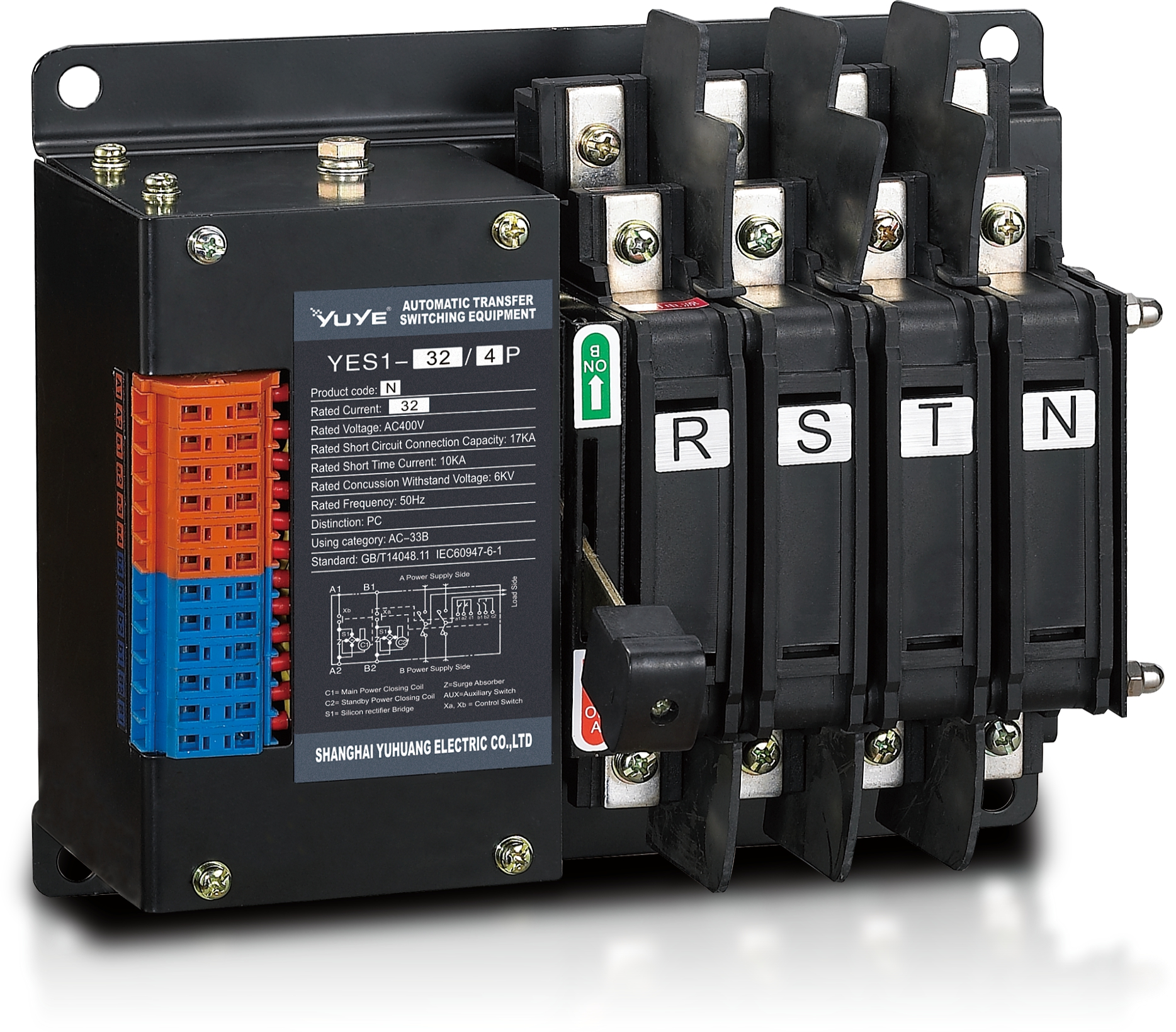 Solenoid-type ATS YES1-32~125N
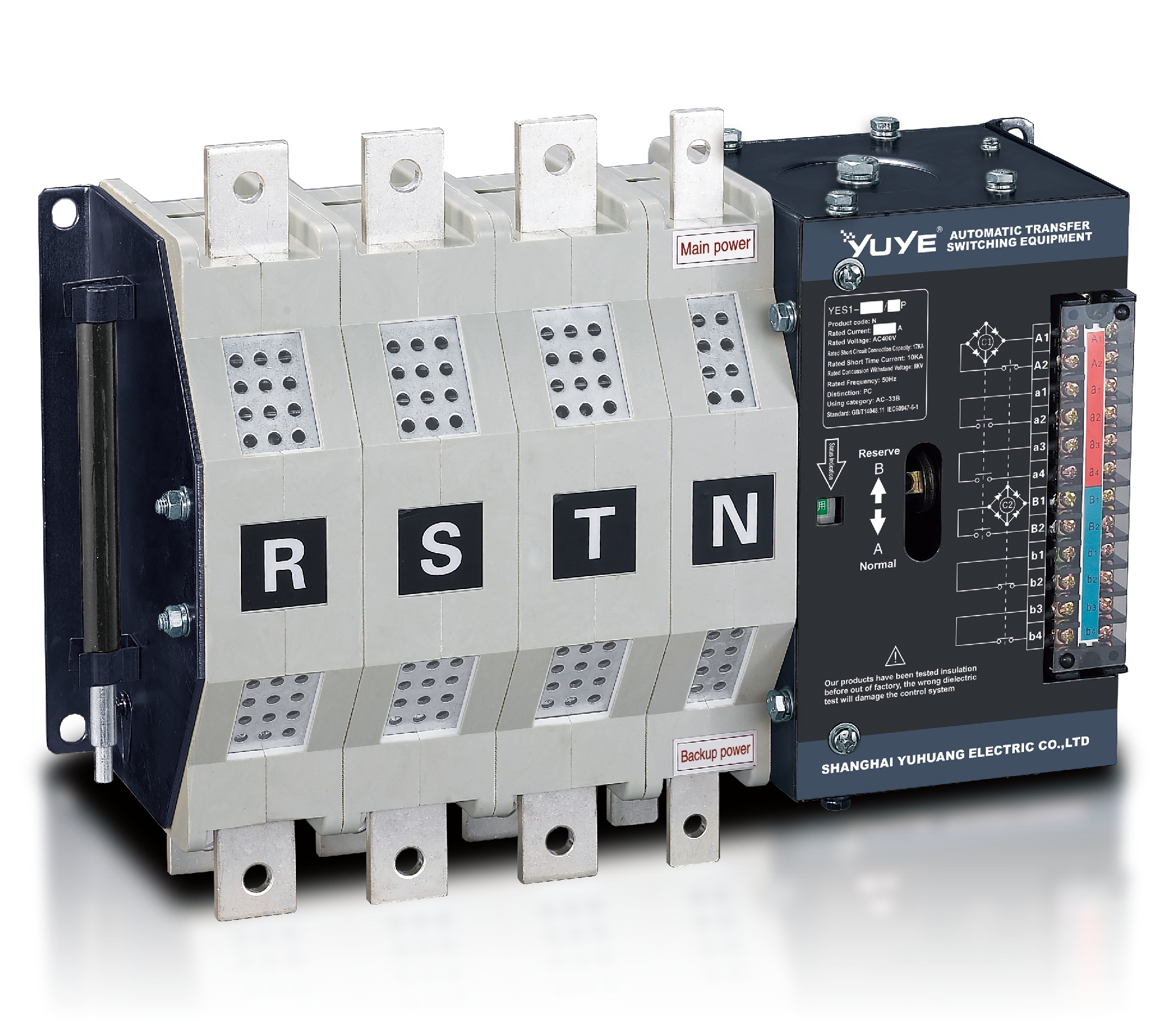 Solenoid-type ATS YES1-250~630N/NT
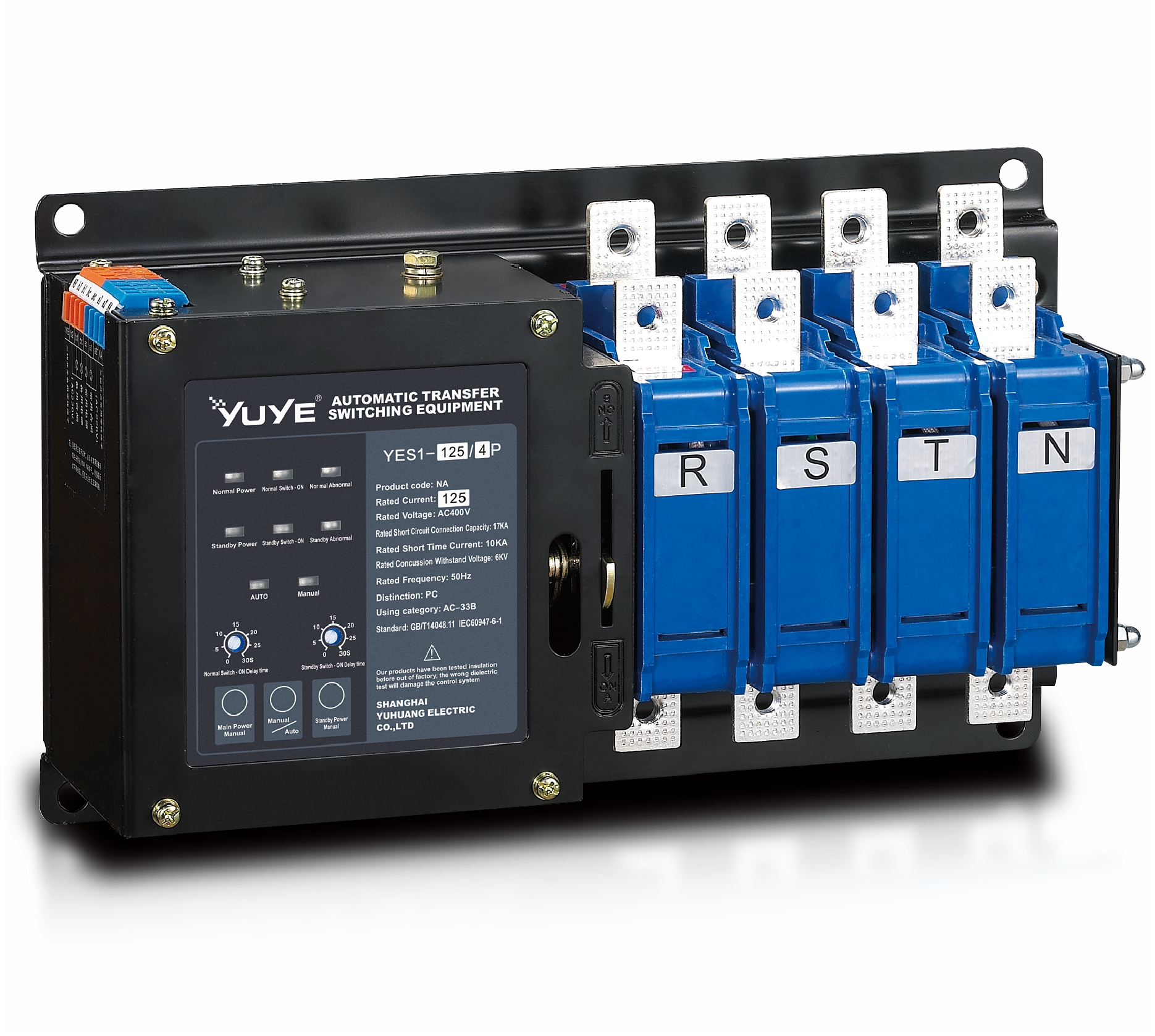 Solenoid-type ATS YES1-32~125NA
 Solenoid-type ATS YES1-63~630SN
 Solenoid-type ATS YES1-1250~4000SN
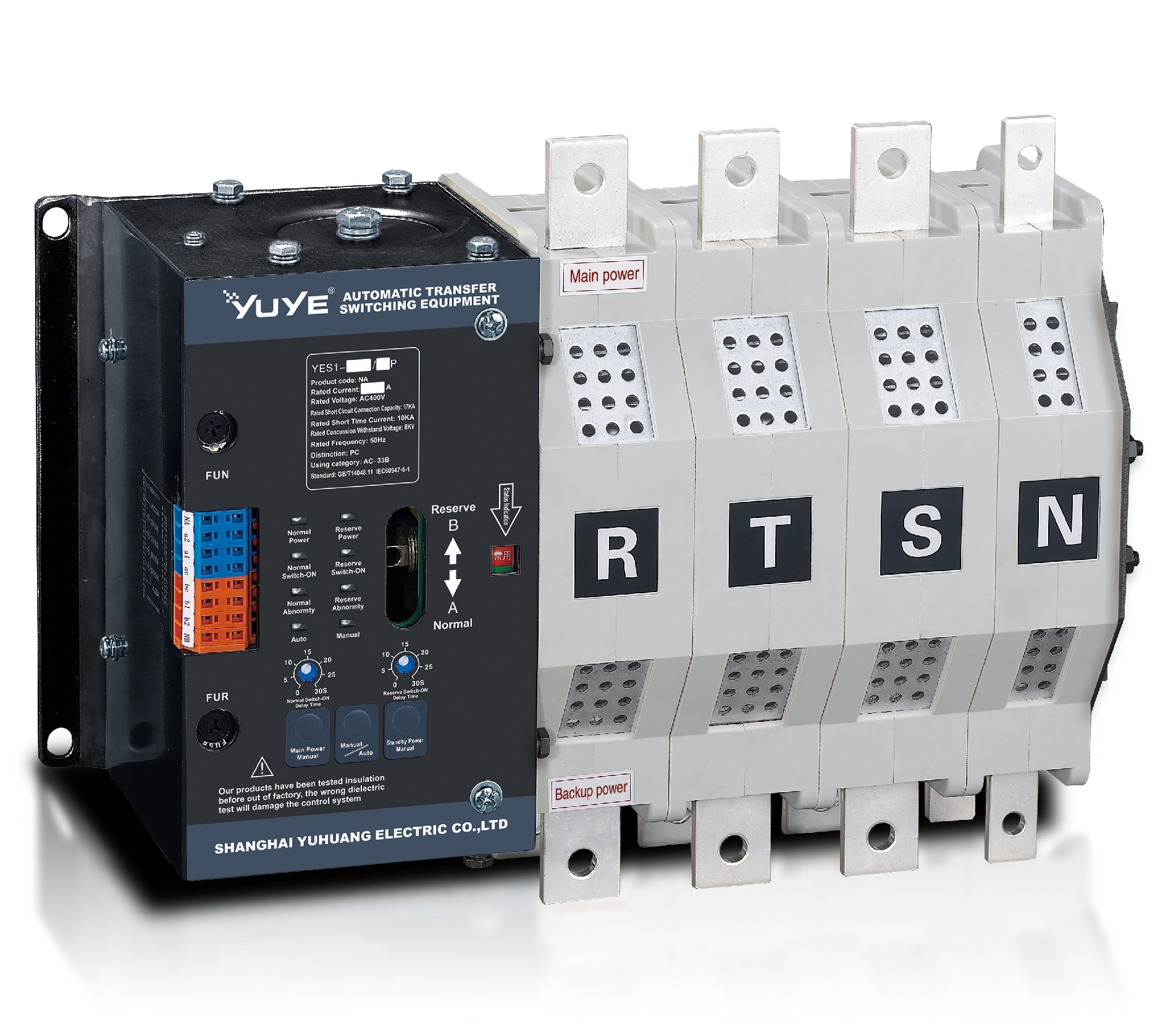 Solenoid-type ATS YES1-250~630NA/NAT
 Solenoid-type ATS YES1-63NJT
 PC ATS YES1-100~1600GN1/GN/GNF
 PC ATS YES1-2000~3200GN/GNF
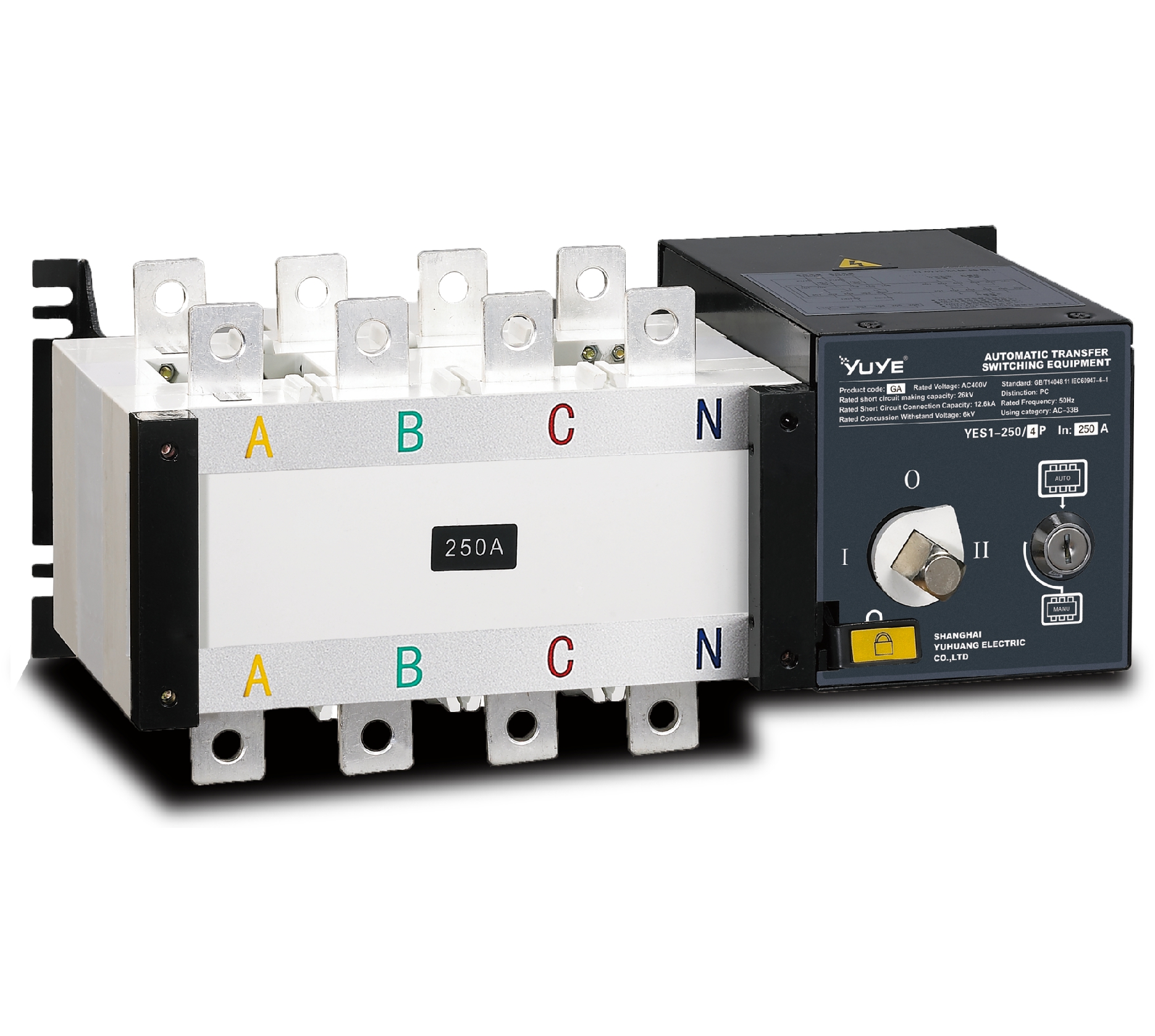 PC ATS YES1-100~3200GA1/GA
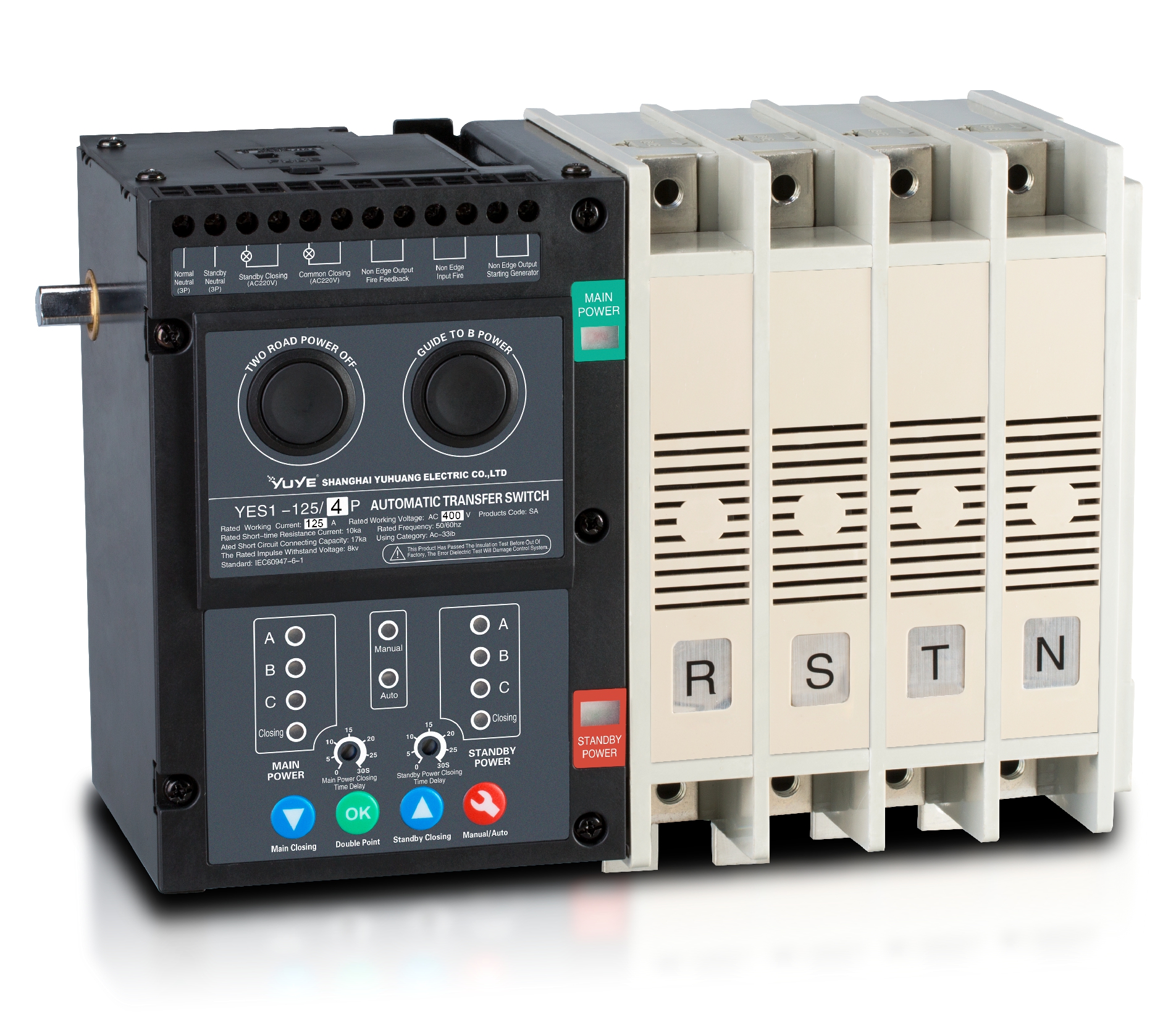 Solenoid-type ATS YES1-63~630SA
 Solenoid-type ATS YES1-63~630L/LA
 Solenoid-type ATS YES1-63~630LA3
 Solenoid-type ATS YES1-63MA
 PC ATS YES1-630~1600M
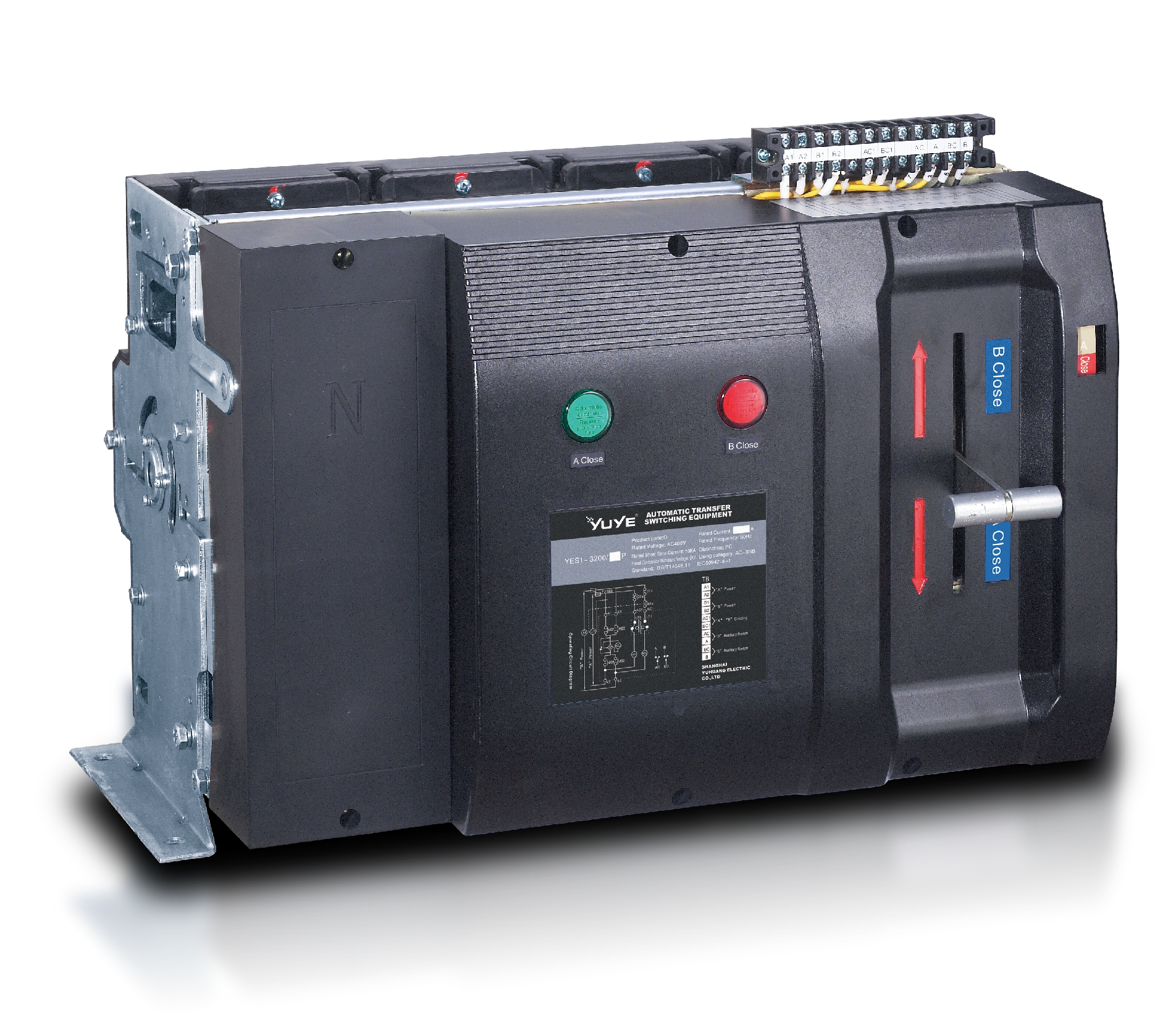 PC ATS YES1-3200Q
 Solenoid-type ATS YES1-4000~6300Q
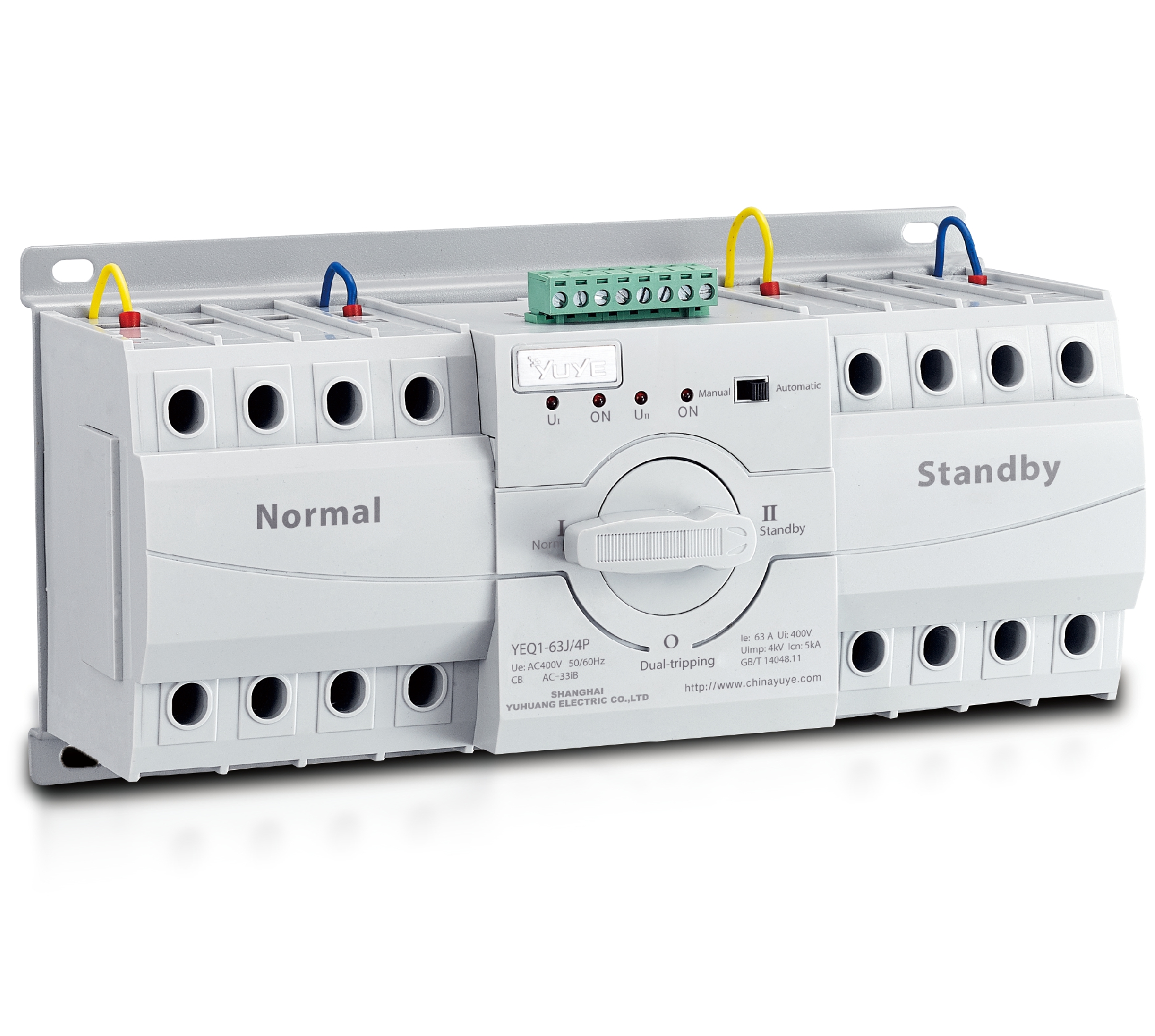 CB ATS YEQ1-63J
 CB ATS YEQ2Y-63
 CB ATS YEQ3-63W1
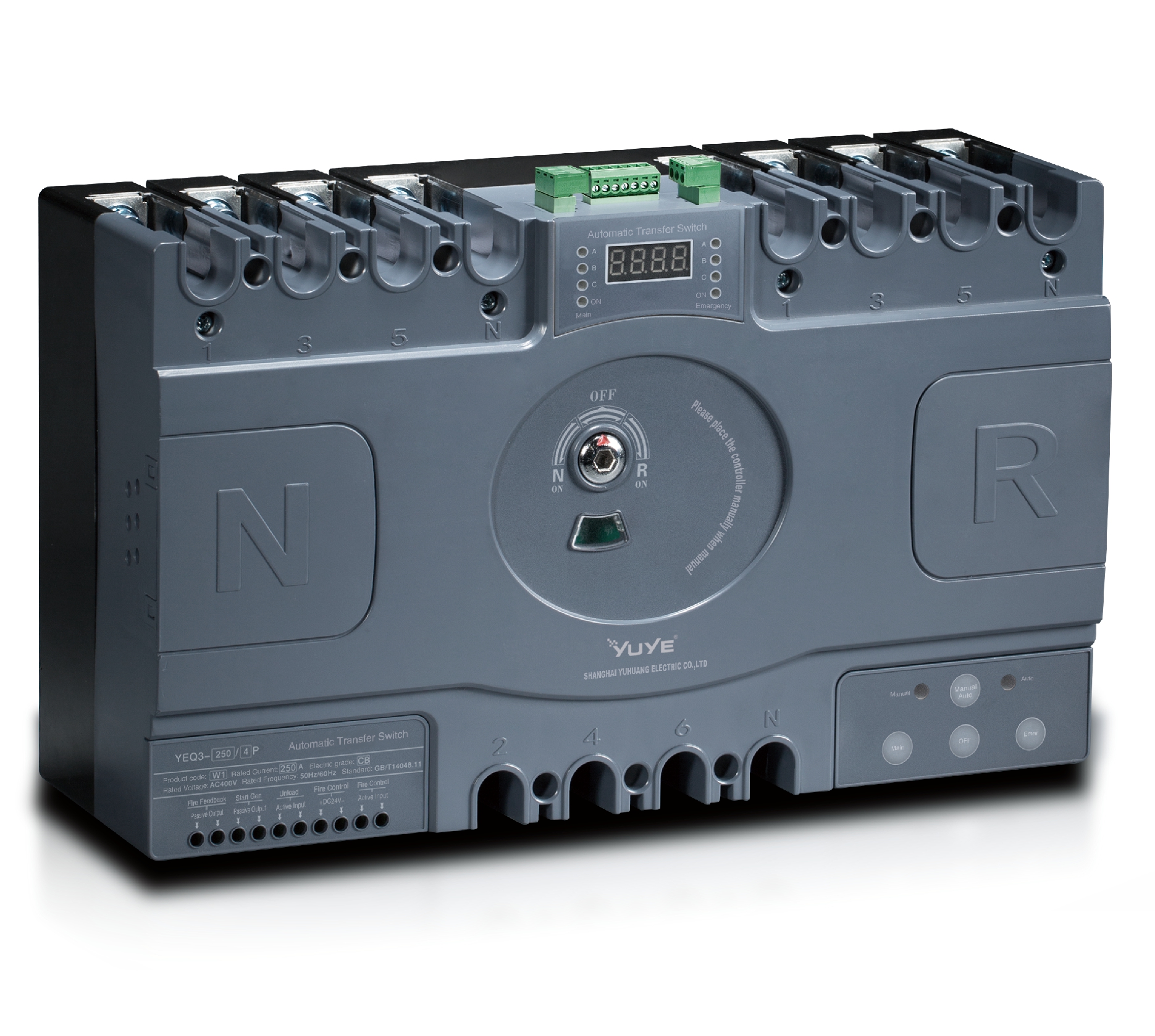 CB ATS YEQ3-125~630W1
 ATS controller Y-700
 ATS Controller Y-700N
 ATS Controller Y-701B
 ATS Controller Y-703N
 ATS Controller Y-800
 ATS Controller W2/W3 Series
 ATS switch Cabinet floor-to-ceiling
 ATS switch cabinet
 JXF-225A power Cbinet
 JXF-800A power Cbinet
 YEM3-125~800 Plastic Shell Type MCCB
 YEM3L-125~630 Leakage Type MCCB
 YEM3Z-125~800 Adjustable Type MCCB
 YEM1-63~1250 Plastic Shell Type MCCB
 YEM1E-100~800 Electronic Type MCCB
 YEM1L-100~630 Leakage Type MCCB
 Miniature circuit breaker YEMA2-6~100
 Miniature circuit breaker YEB1-3~63
 Miniature circuit breaker YEB1LE-3~63
 Miniature circuit breaker YEPN-3~32
 Miniature circuit breaker YEPNLE-3~32
 Miniature circuit breaker YENC-63~125
 Air Circuit Breaker YEW1-2000~6300
 Air Circuit Breaker YEW3-1600
 Load isolation switch YGL-63~3150
 Load Isolation Switch YGL2-63~3150
 Manual Changeover Switch YGL-100~630Z1A
 Manual Changeover Switch YGLZ1-100~3150
 YECPS2-45~125 LCD
 YECPS-45~125 Digital
 CNC Milling/Turning-OEM
 DC relay MDC-300M
 DC Isolation Switch YEGL3D-630


