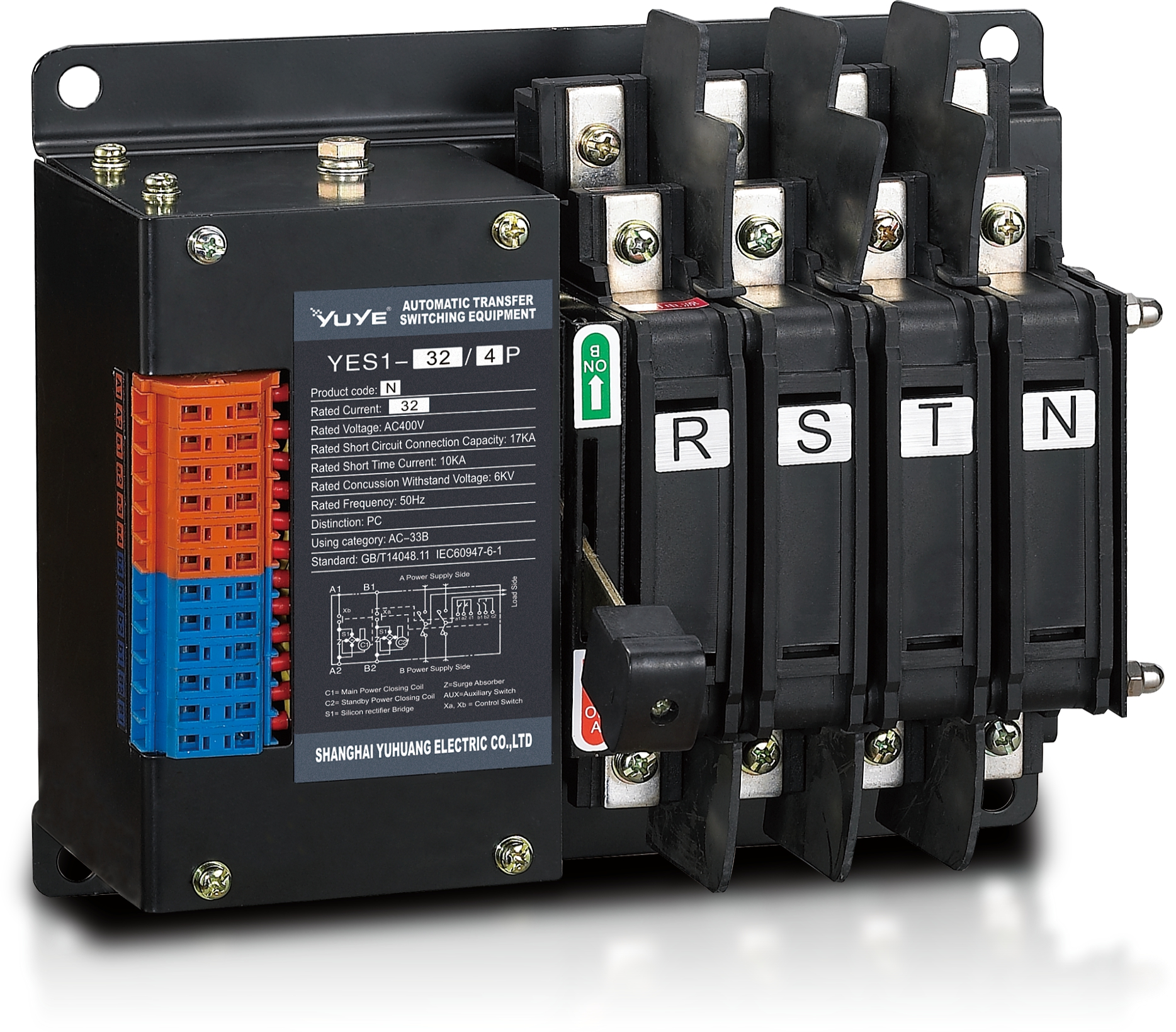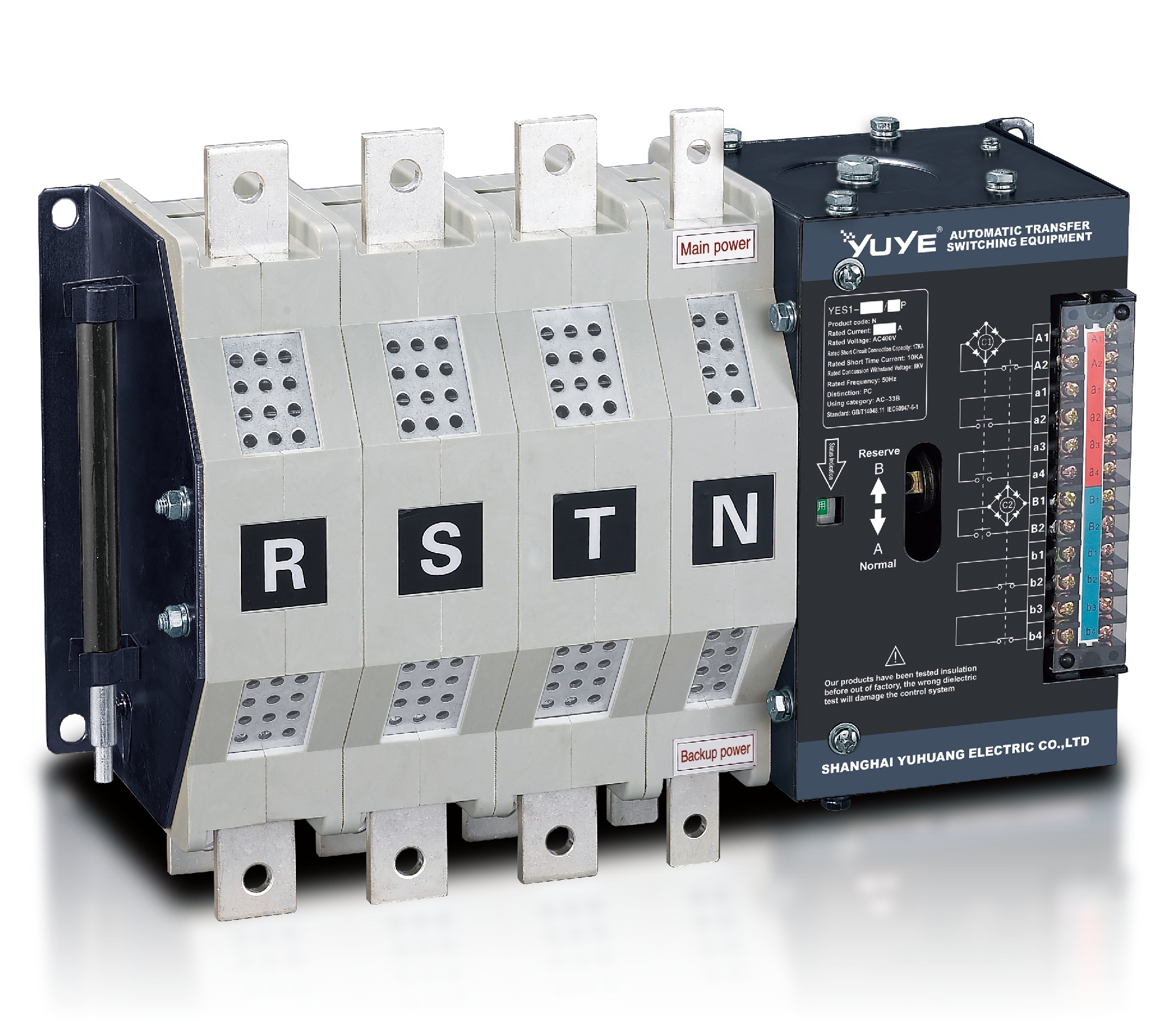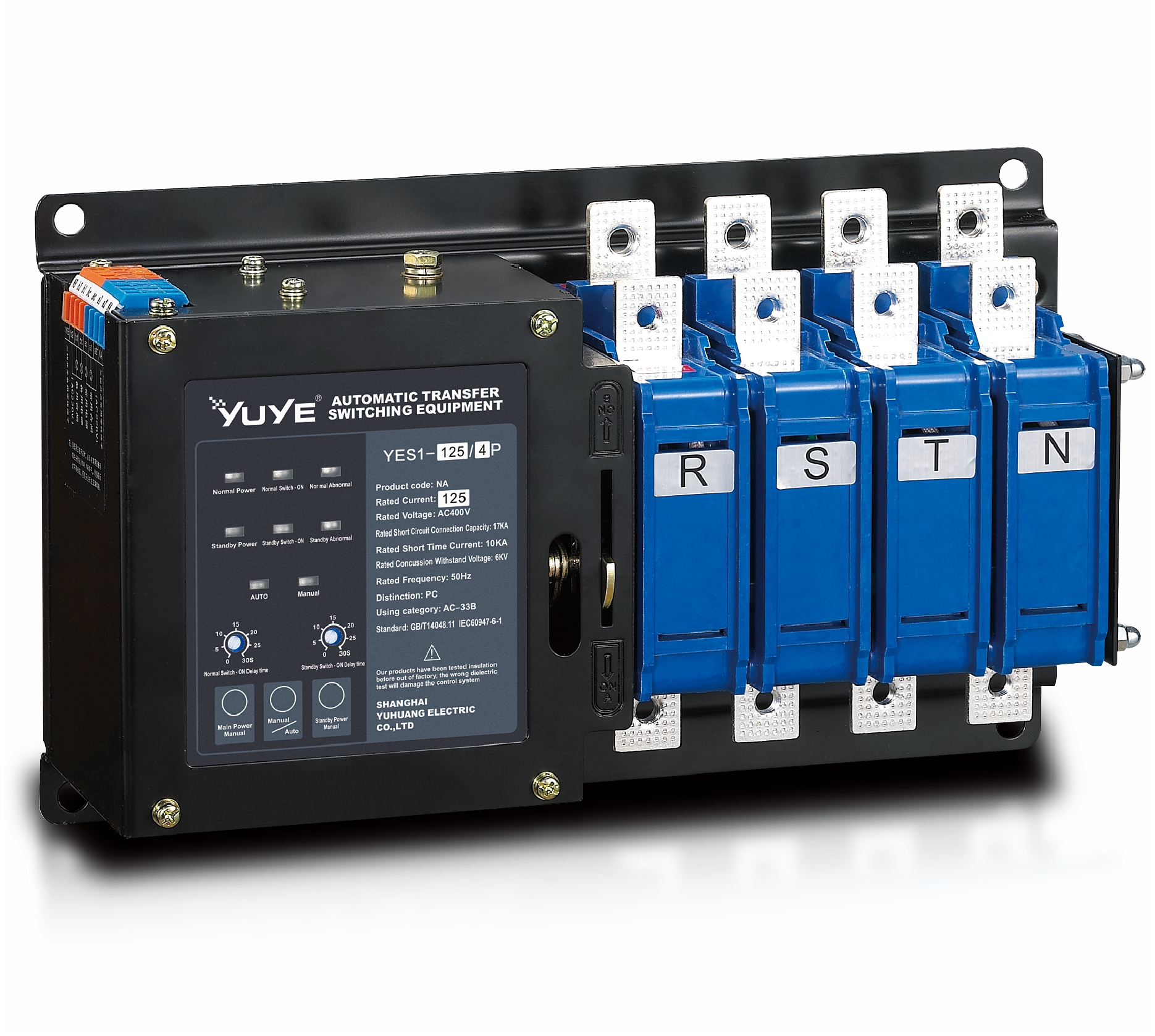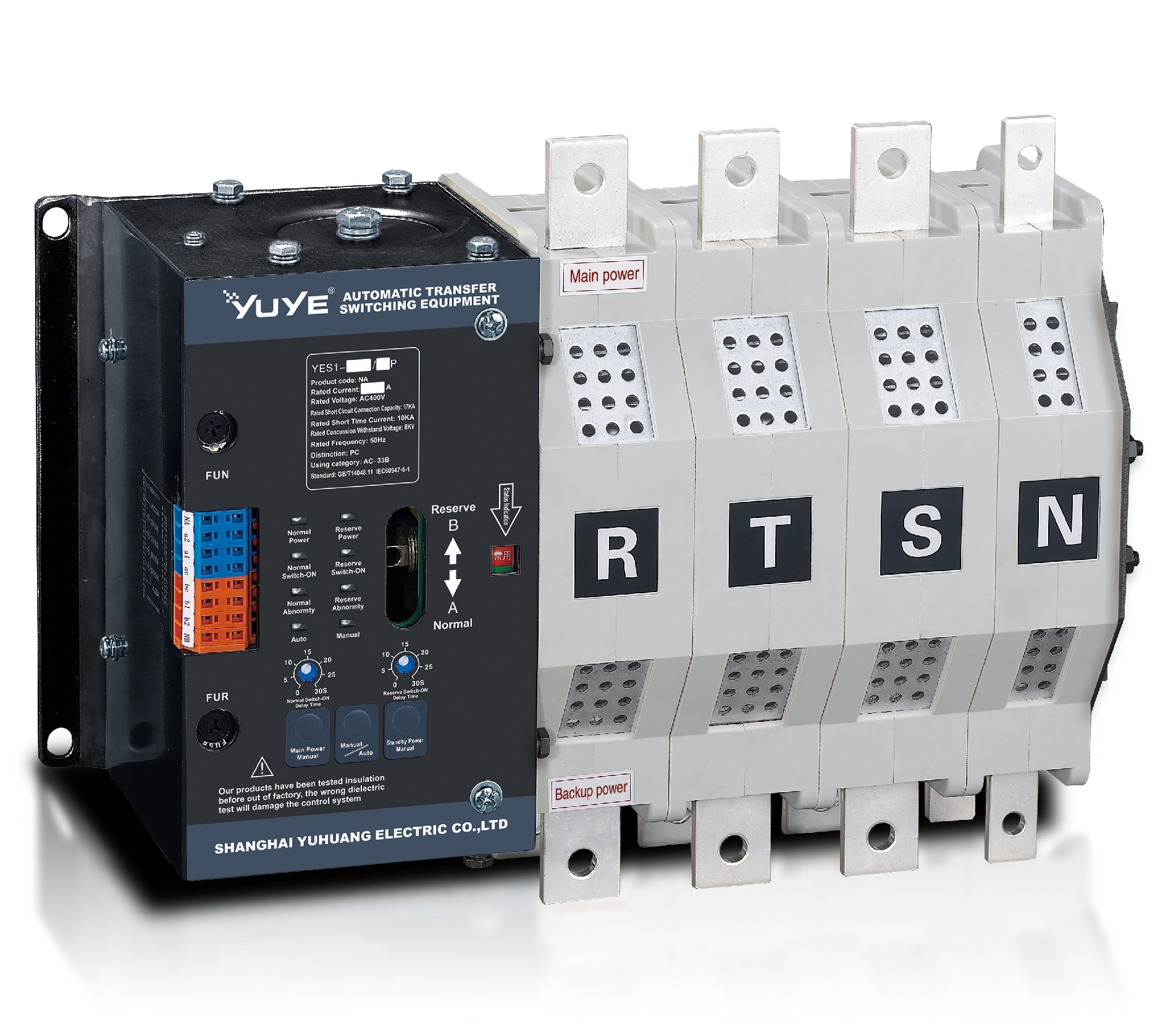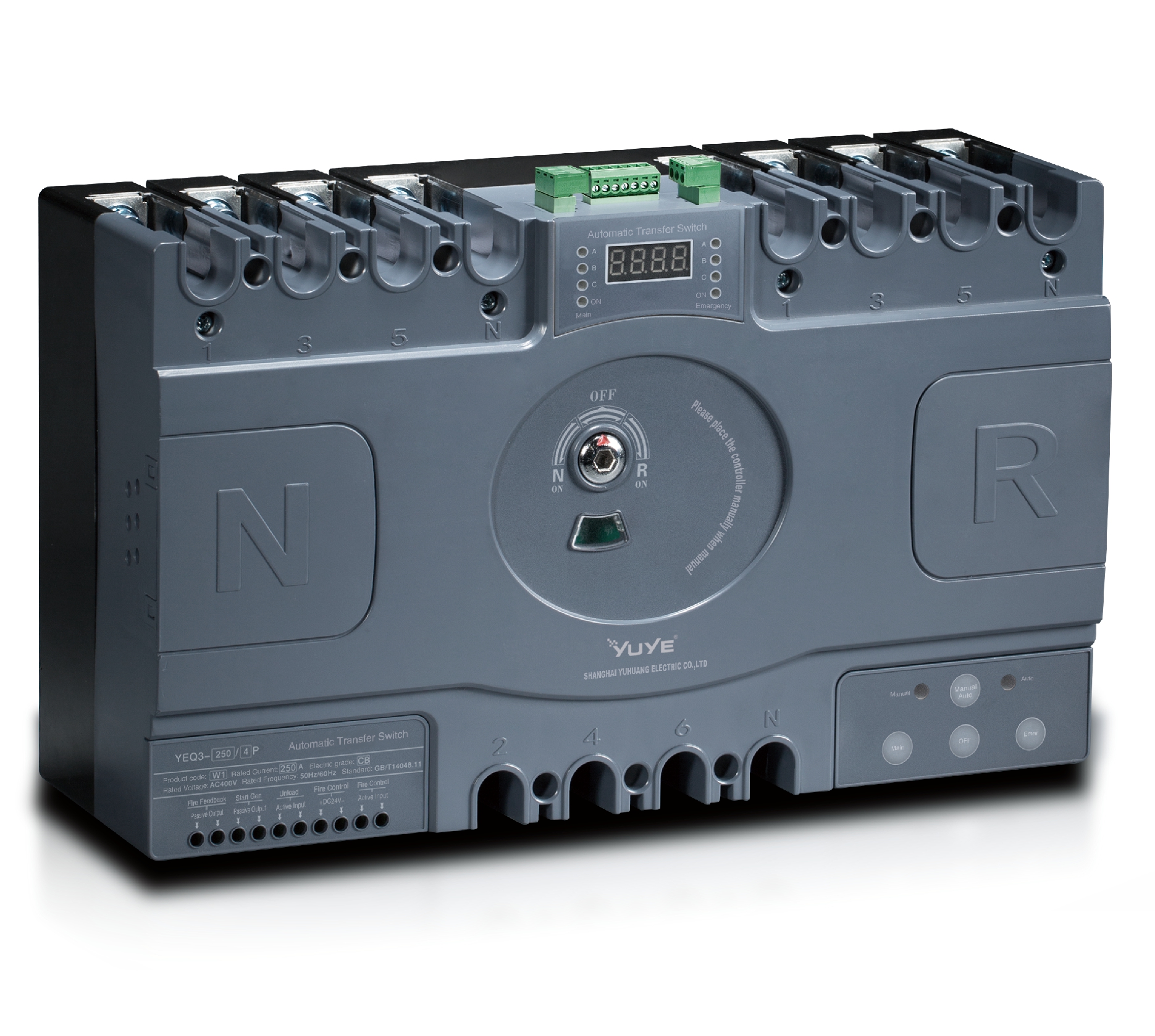
PC ATS YECT1-2000G
PC ATS YES2-63~250GN1
Solenoid-type ATS YES1-32~125N
Solenoid-type ATS YES1-250~630N/NT
Solenoid-type ATS YES1-32~125NA
Solenoid-type ATS YES1-63~630SN
Solenoid-type ATS YES1-1250~4000SN
Solenoid-type ATS YES1-250~630NA/NAT
Solenoid-type ATS YES1-63NJT
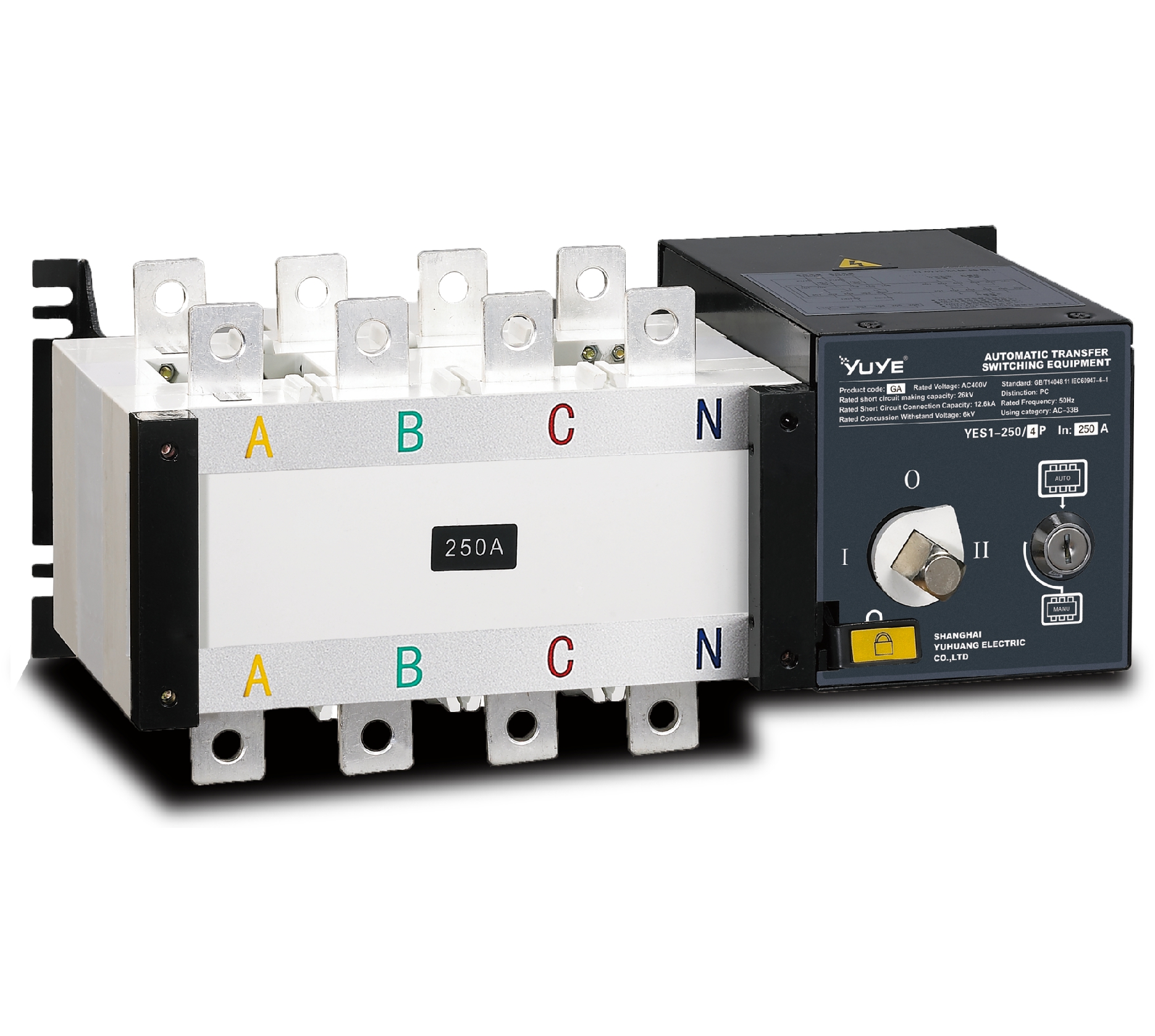
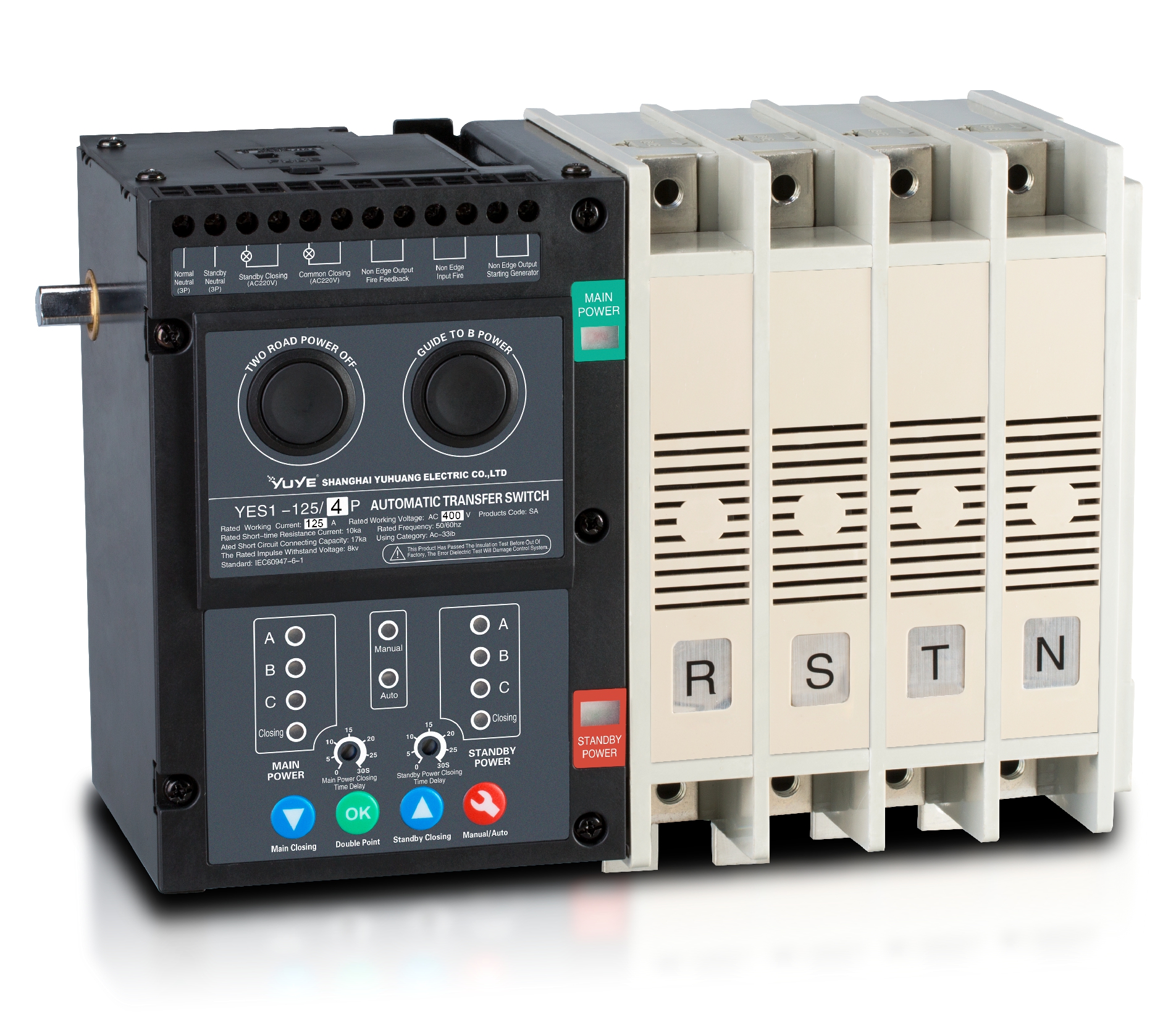
PC ATS YES1-100~1600GN1/GN/GNF
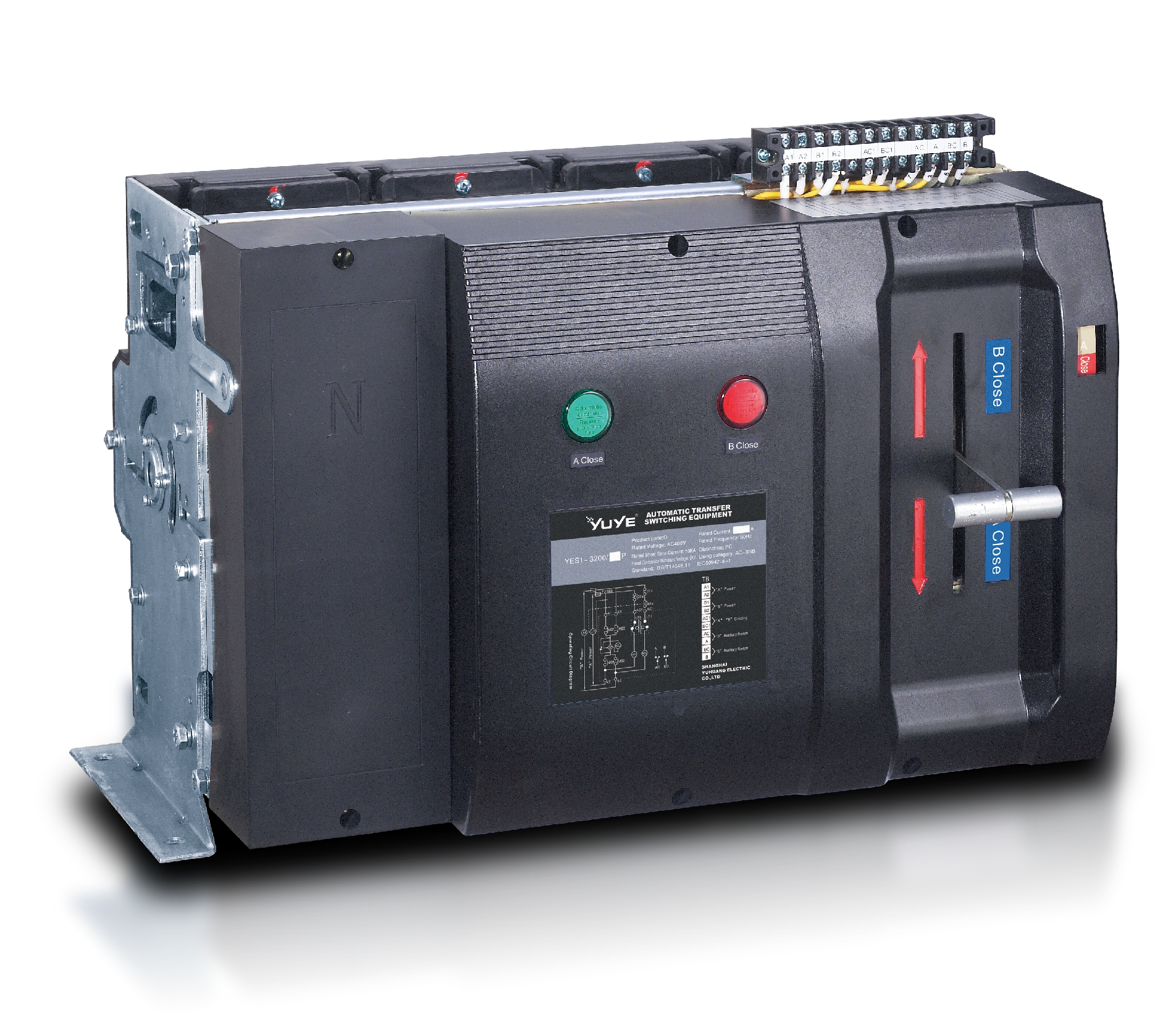
PC ATS YES1-2000~3200GN/GNF
PC ATS YES1-100~3200GA1/GA
Solenoid-type ATS YES1-63~630SA
Solenoid-type ATS YES1-63~630L/LA
Solenoid-type ATS YES1-63~630LA3
Solenoid-type ATS YES1-63MA
PC ATS YES1-630~1600M
PC ATS YES1-3200Q
Solenoid-type ATS YES1-4000~6300Q
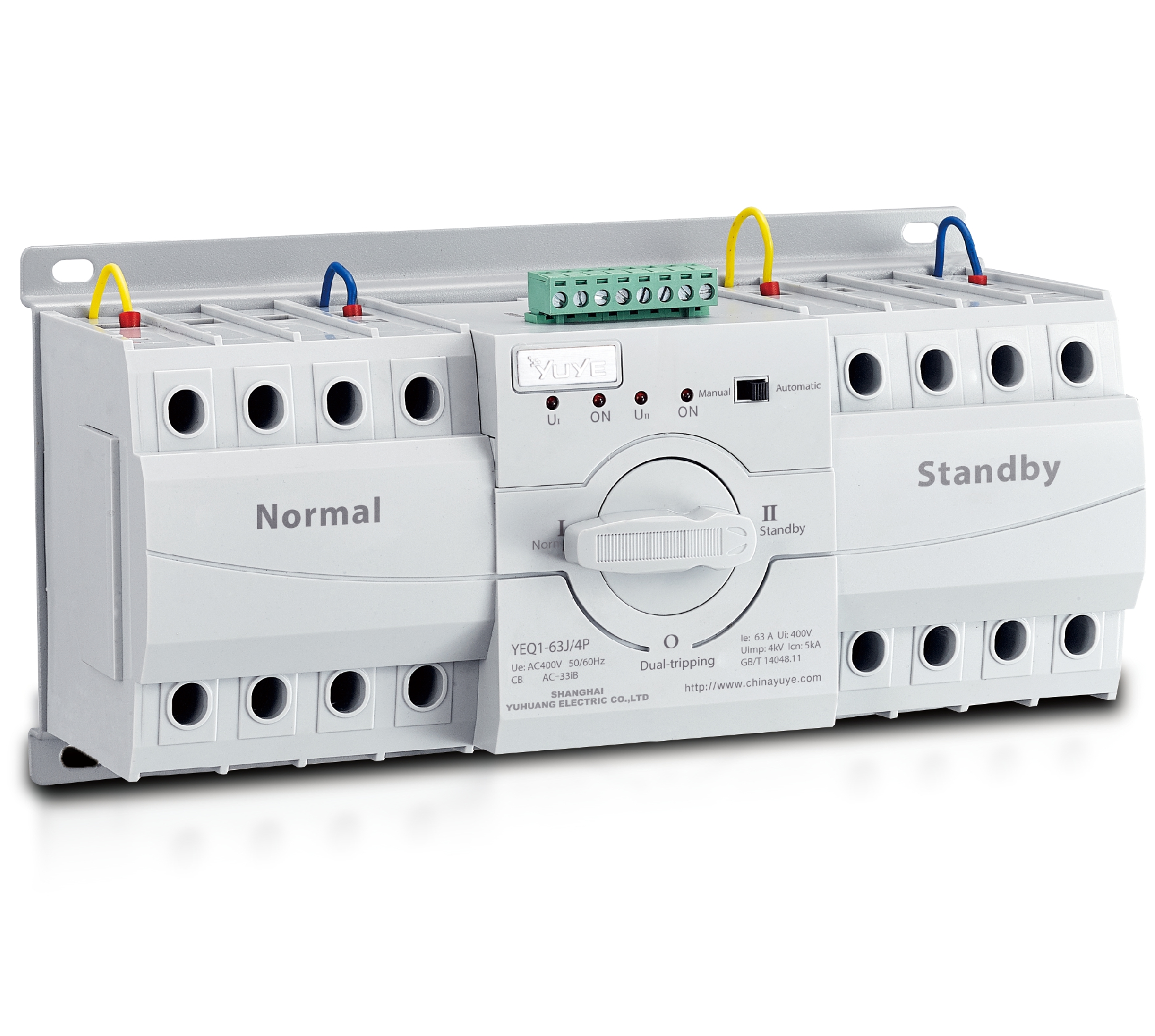
CB ATS YEQ1-63J
CB ATS YEQ2Y-63
CB ATS YEQ3-63W1
CB ATS YEQ3-125~630W1
ATS controller Y-700
ATS Controller Y-700N
ATS Controller Y-701B
ATS Controller Y-703N
ATS Controller Y-800
ATS Controller W2/W3 Series
ATS switch Cabinet floor-to-ceiling
ATS switch cabinet
JXF-225A power Cbinet
JXF-800A power Cbinet
YEM3-125~800 Plastic Shell Type MCCB
YEM3L-125~630 Leakage Type MCCB
YEM3Z-125~800 Adjustable Type MCCB
YEM1-63~1250 Plastic Shell Type MCCB
YEM1E-100~800 Electronic Type MCCB
YEM1L-100~630 Leakage Type MCCB
Miniature circuit breaker YEMA2-6~100
Miniature circuit breaker YEB1-3~63
Miniature circuit breaker YEB1LE-3~63
Miniature circuit breaker YEPN-3~32
Miniature circuit breaker YEPNLE-3~32
Miniature circuit breaker YENC-63~125In today’s world, reliability really is a big deal when it comes to managing power. At Control Automat Transfer Switch, the experts often stress how important it is to use these systems properly if you want them to perform their best. I mean, John Smith, one of the top guys in the field, always says, “A well-maintained automatic transfer switch is really the key to smooth power transitions.” That kinda just shows how crucial it is to really understand how these systems work, right?
The Control Automat Transfer Switch is pretty essential for keeping the power flowing consistently. That’s why it’s so important for users to get familiar with the operational guidelines. And hey, don’t forget—using these systems the wrong way can cause failures, which we definitely want to avoid. Doing regular inspections can help catch potential problems early on before they turn into bigger issues. Also, a bit of training on how these things function can save a lot of headaches down the road—it’s all about avoiding mistakes that might mess up critical services.
Plus, jumping into new technology is often easier said than done. Many folks are still hesitant to upgrade their old systems, mainly because it’s a tough balance between saving costs and boosting efficiency. As John Smith often points out, keeping up with learning is super important if you really wanna get the most out of your control systems. Staying in the know helps everyone make smarter choices and keep things running smoothly.
Automatic Transfer Switches (ATS) are essential for ensuring power reliability. They seamlessly switch between the utility power and backup generators during outages. According to the National Fire Protection Association (NFPA), nearly 70% of commercial building outages are due to utility failures. An effective Control Automatic Transfer Switch (CATS) can significantly minimize downtime in such situations.
Understanding the workings of a CATS is critical. These devices monitor utility power and automatically activate when a power failure is detected. They need regular maintenance to function optimally. Yet, many organizations overlook this aspect. Reports show that 30% of ATS failures are due to poor maintenance or lack of testing. Regular inspections can prevent costly failures and ensure smooth transitions.
Proper configuration is vital for effective use. Users often struggle with settings that do not match their power requirements. This mismatch can lead to inadequate power supply during emergencies. Additionally, training personnel on the operation and troubleshooting of ATS can be a challenge. Awareness and preparation are key. Regularly updating protocols and training can mitigate the risk of errors during power failures.
A Control Automatic Transfer Switch (ATS) is vital in ensuring uninterrupted power supply. Understanding its key components can enhance its effective use. The primary components include the control unit, transfer mechanism, and power sensing elements. The control unit manages the switch's operations automatically. It detects power issues and activates the switch. Reliable power sensing is essential, as it allows the ATS to make real-time decisions based on system health.
The transfer mechanism is where the magic happens. It physically switches between primary and secondary power sources. This mechanism must operate swiftly to prevent outages. A study by the Power Reliability Council indicates that a well-functioning ATS can reduce downtime by up to 40%. However, frequent testing is crucial, as many units fail during installation or after long periods of inactivity. This highlights the importance of regular maintenance and user training.
Users sometimes overlook the need for proper wiring and grounding. Inadequate connections can lead to serious malfunctions. According to industry reports, roughly 30% of ATS failures stem from poor installation practices. Reflection on these issues can lead to more effective use of the ATS and a more reliable power supply, addressing both performance and safety concerns.
Installing a control automatic transfer switch (ATS) is essential for seamless power transitions.
Begin by reading the manual carefully. It’s crucial for understanding your specific model. Gather the necessary tools:
a screwdriver, wire strippers, and a multimeter. Remember to wear safety gear. It’s easy to overlook but
important for protection.
Next, turn off all power sources before installation. This step is vital to avoid accidents.
Connect the ATS according to the wiring diagram. Make sure the connections are secure. Loose wires
can cause instability and malfunction. As you work, double-check each step. Mistakes can happen, and they often lead to
bigger problems later.
Once everything is connected, conduct a test run. Monitor the switch during an actual
power failure if possible. This reveals potential issues. Be aware of how your ATS performs under stress. Sometimes, functions
may not work as intended. This is a learning moment. Reflect on your setup and consider adjustments.
Regular maintenance keeps the system effective and safe.
Testing your Control Automatic Transfer Switch (ATS) is crucial for ensuring reliability. An ATS automatically transfers power between primary and backup sources. Failure to test can lead to unexpected power loss. According to a report by the American Institute of Electrical Engineers, a staggering 30% of critical power failures occur due to improper ATS operation.
Regular testing should simulate real-world scenarios. Use different load levels and fuel types to push the ATS to its limits. Monitor response times during these tests. Research indicates that 25% of untested systems fail to perform under pressure. This trend can be alarming, especially for facilities that rely on consistent power.
Maintenance routines are not always followed. Some operators may forget the importance of testing frequency. Testing an ATS at least twice a year is recommended. Ignoring this guideline can lead to costly repairs and downtime. A study by the National Electric Code suggests that up to 40% of emergency systems are not properly maintained. This is a statistic worth reflecting on for those managing essential power systems.
| Testing Parameter | Value | Unit | Frequency of Testing |
|---|---|---|---|
| Voltage | 480 | V | Monthly |
| Current | 100 | A | Monthly |
| Transfer Time | 5 | s | Quarterly |
| Load Testing | 75 | % | Semi-Annually |
| Overload Test | 125 | % | Annually |
| Warranty Check | 5 | Years | Every 6 Months |
Maintaining a transfer switch is essential for reliable performance. Regular checks can prevent unexpected failures. Inspect all connections to ensure they are tight and corrosion-free. Look for loose wires and frayed insulation, which can cause sparks. Cleaning the switch area helps keep dust and debris from interfering with operation.
Additionally, keep an eye on the control panel. Indicators should function properly. If any warning lights are on, address them immediately. Test the transfer switch regularly to confirm it operates smoothly during power outages. An occasional test can reveal issues that might not be evident during normal use.
Don’t neglect the battery if it has one. A dead battery can render a transfer switch useless in an emergency. Ensure the battery is charged and replace it according to the manufacturer’s guidelines. Small mistakes in maintenance can lead to significant problems later. Regular attention to these details keeps your transfer switch ready for action.
Control automatic transfer switches (ATS) play a crucial role in maintaining power reliability. However, they can also present common issues that require attention. According to a recent industry report, about 30% of ATS failures result from improper installations. Many users overlook the importance of following manufacturer guidelines. This can lead to ineffective operation during power outages or power surges.
Another frequent problem is the lack of regular maintenance. Data indicates that neglecting routine checks can increase the likelihood of malfunction by up to 50%. Users often assume everything is functioning correctly until a power issue arises. Regular inspections can identify worn parts or faulty connections early. These proactive measures can prevent costly downtime and enhance overall reliability.
Proper training for personnel is often overlooked. Operators must be familiar with the system's nuances. A study found that 20% of failures were attributed to operator errors. Ensuring that each user understands the specific features and emergency protocols is vital. It reduces the chance of human error during critical moments when power stability is needed the most. Regular training sessions and refreshers can significantly improve operational efficiency.
Operating a Control Automatic Transfer Switch (ATS) requires careful attention. You need to follow best practices for effective use. An ATS is vital during power outages. It ensures that backup power activates seamlessly.
Tip: Regular maintenance is crucial. Check connections and components frequently. Worn parts can lead to failure during outages. Make a schedule for inspections. This simple step can prevent future issues.
Understand the load requirements of your facility. Overloading an ATS can damage it. Know exactly how much power your equipment needs. Measure these loads accurately to avoid problems. You don’t want to find out the hard way.
Tip: Always conduct drills. Practice switching to backup power. This reveals any flaws in your process. It can also increase familiarity with the system. Everyone involved should know their roles. Too often, people assume everything will work perfectly. Overconfidence can lead to mistakes during actual outages.
The YGL2-63~3150 load isolation switch stands out in the electrical industry due to its versatile range, offering users a rated current of 63 to 3150 A. This extensive capacity makes it suitable for various applications, including industrial settings, commercial buildings, and infrastructure projects. With a rated voltage of 230/400 V, the switch efficiently handles different power distributions while ensuring compliance with the IEC 60947-3 standards, which govern low-voltage switchgear and control gear.
One of the significant advantages of the YGL2 model is its availability in multiple configurations, featuring 2-pole, 3-pole, and 4-pole options. This flexibility enables engineers and technicians to implement the switch in diverse scenarios, ensuring optimal electrical distribution and enhanced safety measures. According to a report by the International Electrotechnical Commission, proper implementation of load isolation switches can reduce the incidence of electrical hazards and system failures by up to 30%, underscoring the importance of integrating reliable devices like the YGL2-63~3150 into electrical systems.
Moreover, the compact design and robust construction of the YGL2-63~3150 not only allow for easy installation but also contribute to its durability and long lifespan, a crucial factor in minimizing maintenance costs in high-demand environments. With the growing emphasis on safety and efficiency in electrical systems, load isolation switches such as the YGL2-63~3150 play a vital role in ensuring operational reliability and compliance with international safety standards.
: Services can range from personal coaching to educational workshops. Each service addresses different needs.
Consider your objectives and challenges. Reflect on your needs and see if the service aligns with them.
Some programs may require prior knowledge or skills. Check specific requirements before enrolling.
Sessions often include discussions, exercises, and feedback. Engagement is key to getting the most out of it.
Many services offer follow-up resources. This might include additional materials or check-ins to track progress.
Feedback can be given through surveys or direct communication. Share both positive and negative experiences to help improve.
If you're not satisfied, reaching out for support is important. Consider discussing your concerns to find a solution.
Yes, switching programs is often allowed. Reflect on your goals and choose what feels more suitable.
Sessions usually follow a basic outline. However, flexibility exists to adapt to participant needs and dynamics.
Missing a session can happen. Check if rescheduling or recorded sessions are available to catch up.
The article "How to Use a Control Automat Transfer Switch Effectively?" provides a comprehensive guide to understanding and utilizing control automatic transfer switches (CATS) for optimal performance. It begins by detailing the fundamental principles of CATS, including their key components, which are essential for seamless operation during power outages. The article emphasizes the importance of safely installing the transfer switch by following systematic steps, and highlights the need for regular testing to ensure reliability.
Furthermore, it offers valuable maintenance tips to prolong the life of the transfer switches and discusses common issues that users may encounter, along with practical solutions. Best practices for operating a control automat transfer switch are also outlined, ensuring users can maximize efficiency and minimize disruptions. Overall, the guide serves as a helpful resource for anyone looking to effectively use a control automat transfer switch in their electrical systems.