Picking the right 220v Automatic Transfer Switch isn't just some technical thing — it’s actually pretty important if you want your power to run smoothly. In today’s world, where reliable energy is a must-have, a good switch can really save the day by protecting your systems from sudden outages. I’ve seen reports saying that if you choose the right switch, you can cut down on downtime by up to 70%. That’s a huge boost for keeping things running without a hitch.
John Smith, who’s the CEO over at Power Solutions Inc., puts it nicely: 'A well-chosen Automatic Transfer Switch 220v makes sure you don’t get caught in the dark during power failures.' Basically, these switches are smart—they notice when power drops and switch over to backup sources automatically, so you don’t even notice the interruption. But here’s the thing — a lot of people forget to consider key details like how much load it can handle or how quickly it responds. Overlooking that stuff can lead to inadequate power backup and even damage to your equipment, which nobody wants.
Getting to know the specs and what you actually need is super important. According to the Electrical Safety Foundation, if you pick the wrong switch, it could end up costing you a lot in repairs. So, taking the time to understand features and ensure everything's compatible can really make a difference in how long your switch lasts and how well it performs. Honestly, reflecting on past mistakes can be a great way to make smarter decisions moving forward — mistakes happen, but learning from them is what counts.

Understanding the Function of an Automatic Transfer Switch (ATS)
An Automatic Transfer Switch (ATS) plays a critical role in ensuring power continuity. It automatically switches the power supply from the main grid to an alternative source, like a generator, when outages occur. According to research from the National Electrical Manufacturers Association, over 70% of power outages last less than an hour. In such cases, an ATS can safeguard operations and minimize downtime.
Understanding the ATS function helps in making informed decisions. These switches monitor power quality continuously. When voltage drops or fails, they activate the backup generator within seconds. This feature is essential for vital operations in healthcare, data centers, and industries that rely on constant power. The reliability of an ATS can be as high as 99.99%, but installation and maintenance errors can undermine this performance.
Users often overlook the importance of regular testing. A report by the Institute of Electrical and Electronics Engineers suggests that nearly 60% of ATS failures result from improper maintenance. Users should schedule routine inspections to ensure reliability. Also, considering the switch’s capacity is vital. An ATS should match the power requirements of the facility. Underestimating this can lead to system overloads.
Automatic Transfer Switch (ATS) Performance Analysis
This chart illustrates the performance metrics of various automatic transfer switches (ATS) rated at 220V. The data highlights the response time and transfer reliability, which are critical for ensuring seamless power transitions during outages.
Key Specifications to Consider for 220V Automatic Transfer Switches
When selecting a 220V automatic transfer switch, key specifications are crucial.
Voltage ratings matter. Ensure the switch matches your power requirements.
Look for robust current ratings as well. They determine how much load the switch can handle.
A switch with a higher rating offers greater versatility. Remember, reliability is essential in emergencies.
Another important factor is the switch’s response time.
Rapid switching ensures that essential appliances receive power without delays.
A delay of even seconds can damage sensitive equipment.
Additionally, consider the form factor.
The switch should fit well in your desired location. Space constraints might lead to poor installations, causing safety issues.
Don’t overlook the features for maintenance.
A good switch allows easy access for servicing. Pay attention to installation requirements too.
Complex installation processes can lead to mistakes.
Take time to read user manuals. Poor understanding may lead to poor choices.
Ensure compatibility with existing systems.
Sometimes, a great switch might not work with your setup. Test before finalizing your purchase.
Types of Automatic Transfer Switches: Open vs. Closed Transition
When selecting an automatic transfer switch (ATS), understanding the differences between open and closed transition types is crucial.
Open transition switches transfer power quickly, making them ideal for many commercial applications. They switch from the utility to the generator without a break, which can be beneficial during emergencies. However, this quick transfer might cause momentary power interruptions. This could be a concern for sensitive equipment.
Closed transition switches are more refined. They allow a seamless transition between power sources. During a closed transition, the ATS connects both the generator and utility power momentarily. This reduces the risk of power loss. Yet, these systems can be more complex and may require additional maintenance. The added technology might not be necessary for all users and can increase costs. Understanding your specific needs and potential risks is essential when making a choice.
The decision between open and closed transition switches often comes down to the specifics of your application. Will the brief power interruption in open transition impact operations? Or does your setup require an uninterrupted flow of electricity? Each option has its advantages and drawbacks. Careful consideration could lead to better performance and reliability in the long run.
Evaluating Load Requirements for Your ATS Selection
When selecting an automatic transfer switch (ATS) for a 220v system, understanding load requirements is crucial. The load represents the total electrical demand of your devices. Assessing this will prevent overloading. Start by listing all connected devices. Include significant appliances and equipment. Calculate their total wattage. This step helps to determine the right ATS capacity.
Sometimes, users overlook surge demands. Certain devices need more power during startup. For example, motors and compressors can require two to three times their running wattage. This surge can strain an undersized ATS. It's essential to factor this in your calculation. Balancing the load not only ensures smooth operation but also prolongs the lifespan of your ATS.
Consult relevant electrical codes and guidelines. These documents provide a framework for safe equipment use. However, some may find these regulations confusing. Mistakes in understanding load requirements can lead to unnecessary expenses. It's vital to be thorough. Avoid relying solely on estimates. Take the time to verify all necessary details. An informed choice in an ATS can make all the difference.
Safety Features and Compliance Standards in ATS
When selecting an automatic transfer switch (ATS), safety features and compliance standards are paramount. A reliable ATS should adhere to industry standards such as UL 1008 and IEC 60947. These standards ensure that the switch can handle specified voltage levels safely, including 220V applications. A report from the National Electrical Manufacturers Association indicates that around 30% of electrical failures in commercial buildings stem from inadequate compliance with these regulations.
Safety features like overload protection and short-circuit protection are essential. These features safeguard electrical systems from damaging currents. Additionally, regular testing and maintenance are critical. A survey showed that roughly 40% of ATS failures are linked to a lack of routine inspections. Users should also consider features like surge protection and automatic diagnostics, which enhance safety and reliability. These elements not only prevent equipment damage but also extend the longevity of the ATS.
One common oversight is neglecting environmental factors. For instance, humidity and temperature can affect ATS performance. Proper enclosure ratings like NEMA 3R can help mitigate these risks. Moreover, user education on operation and safety protocols is often lacking. Without proper training, even the best technology can fail in critical situations. The importance of well-rounded planning cannot be overstated in ensuring overall safety and compliance.
Ultimate Tips for Choosing an Automatic Transfer Switch 220v - Safety Features and Compliance Standards in ATS
| Feature |
Description |
Compliance Standards |
Safety Ratings |
| Voltage Rating |
220V AC for residential and commercial applications. |
IEC 60947-6-1 |
IP20 |
| Transfer Time |
Typically between 0-30 seconds depending on the model. |
IEEE 446 |
NEMA 1 |
| Load Capacity |
Varies from 30A to 400A or more based on application needs. |
UL 1008 |
UL Listed |
| Control Options |
Manual, Automatic, and Remote Control options available. |
NFPA 70 |
CE Certified |
| User Interface |
LED display for operational status and alerts. |
ISO 9001 |
CSA Approved |
Installation Considerations for a 220V Automatic Transfer Switch
When planning the installation of a 220V automatic transfer switch (ATS), several factors must be carefully considered. Placement is crucial. The ATS should be installed close to the electrical panel for efficiency. This reduces wiring costs and minimizes voltage drop. Many reports suggest that a poorly placed ATS can result in a 15% operational failure rate due to incorrect voltage levels.
The environment also plays a significant role. An ATS should be housed in a dry, well-ventilated area to protect against moisture and dust. Factors like humidity and temperature fluctuations can affect its performance. Industry studies indicate that 30% of ATS failures are linked to environmental conditions. Therefore, proper enclosure and insulation are vital.
Finally, safety features cannot be overlooked. Each installation should include proper grounding and surge protection. A study showed that 40% of electrical mishaps occur due to inadequate safety measures. Regular maintenance is essential too; failures often stem from neglect. Ensure periodic checks are part of the routine to identify potential issues before they escalate. These considerations are crucial in achieving reliable operation and prolonging the lifespan of your automatic transfer switch.
Maintenance and Troubleshooting Tips for Automatic Transfer Switches
Automatic Transfer Switches (ATS) are crucial for seamless power transition. Maintaining them isn't just routine; it's essential for reliability. Regular checks ensure your ATS functions correctly. Reports indicate that about 30% of power failures relate to poorly maintained systems.
Tips for maintenance include scheduling inspections every six months. This helps catch wear and tear early. Always test the ATS under load conditions to verify its performance. Pay attention to any unusual sounds or malfunctions during operation. These can indicate underlying issues that need immediate attention.
Ensure the enclosure is clean and free from dust. Dust accumulation can lead to overheating. Inspect connections for corrosion, which can affect efficiency. Following these simple steps can prolong the life of your ATS and enhance reliability. Quality maintenance, however, requires a keen eye and a bit of dedication. Always reflect on the areas that can be improved. Regularly reviewing your maintenance procedures will help capture problems before they escalate.
Efficient Power Distribution Solutions: An In-Depth Overview of PC ATS YES1-630~1600M
In the realm of efficient power distribution solutions, the PC ATS YES1-630~1600M stands out as an advanced option suited for various industrial applications. Designed to handle rated currents ranging from 630A to 1600A, this model meets the growing demands for reliable and effective power management in modern facilities. With configurations available in both three poles (3P) and four poles (4P), the YES1-630~1600M is adaptable to multiple power distribution architectures.
Industry reports indicate that electrical systems must endure extensive operational demands, thus highlighting the importance of robust mechanical and electrical lifetimes. The YES1-630~1600M boasts an electrical life exceeding 1000 cycles, ensuring sustained performance during critical operations. Furthermore, the mechanical life is marked at over 2500 cycles, making it an excellent choice for environments where durability and longevity are paramount. Rated for a working voltage of AC220V and categorized under AC-33iB usage, this model adequately supports various applications, from commercial to heavy industrial use.
As energy efficiency remains a key focus in power distribution, solutions like the YES1-630~1600M emphasize not only functionality but also compliance with industry standards. This alignment with best practices in electrical engineering contributes to enhanced safety and operational efficiency, ensuring that businesses can maintain seamless energy flow while reducing potential downtime associated with equipment failure. The YES1-630~1600M embodies these principles, making it a compelling solution for those seeking to optimize their power distribution systems.
FAQS
: The service aims to connect users with specific needs to suitable providers.
Sign up by visiting the website and filling out the registration form.
Some features may require a fee. Always check for any costs involved.
Yes, users are encouraged to share their experiences for improvement.
If issues arise, contact customer support for assistance.
Users must be at least 18 years old to register.
User data is handled with care, but no system is completely foolproof.
Yes, the service is accessible via mobile devices for convenience.
Use the password recovery option available on the login page.
Availability may vary by location. Check the website for details specific to your area.
Conclusion
When selecting an Automatic Transfer Switch 220v, it is crucial to understand its primary function of ensuring a reliable power supply during outages. This guide emphasizes the need to assess key specifications, including load requirements and safety features, to ensure compatibility and compliance with standards.
Additionally, it distinguishes between open and closed transition types of switches, highlighting their operational differences and the implications for your setup. Installation considerations also play a vital role; thus, careful planning is essential for optimal functionality. Finally, regular maintenance and troubleshooting tips are provided to ensure the longevity and efficiency of your Automatic Transfer Switch 220v, preventing potential disruptions in power supply.

 PC ATS YECT1-2000G
 PC ATS YES2-63~250GN1
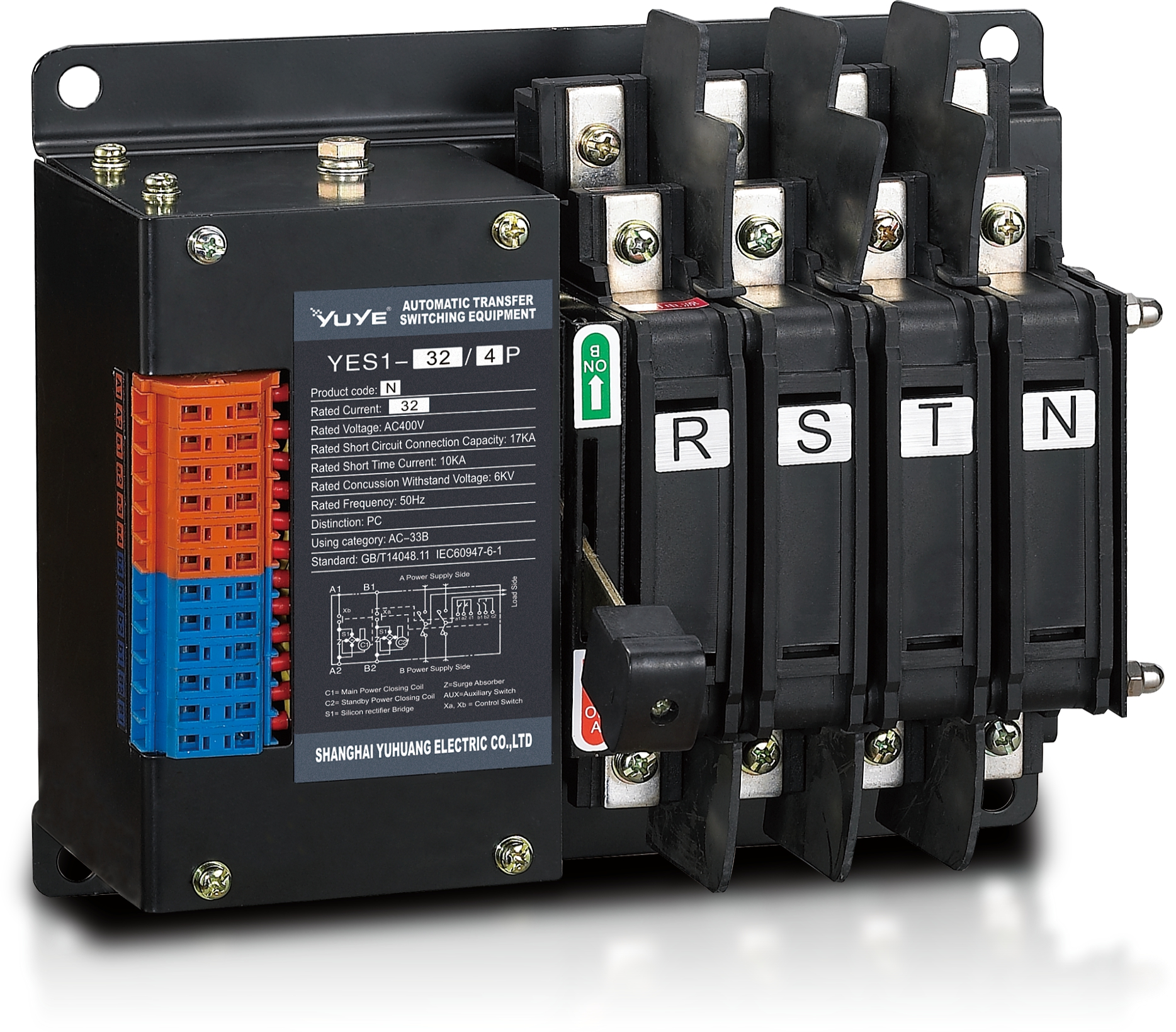 Solenoid-type ATS YES1-32~125N
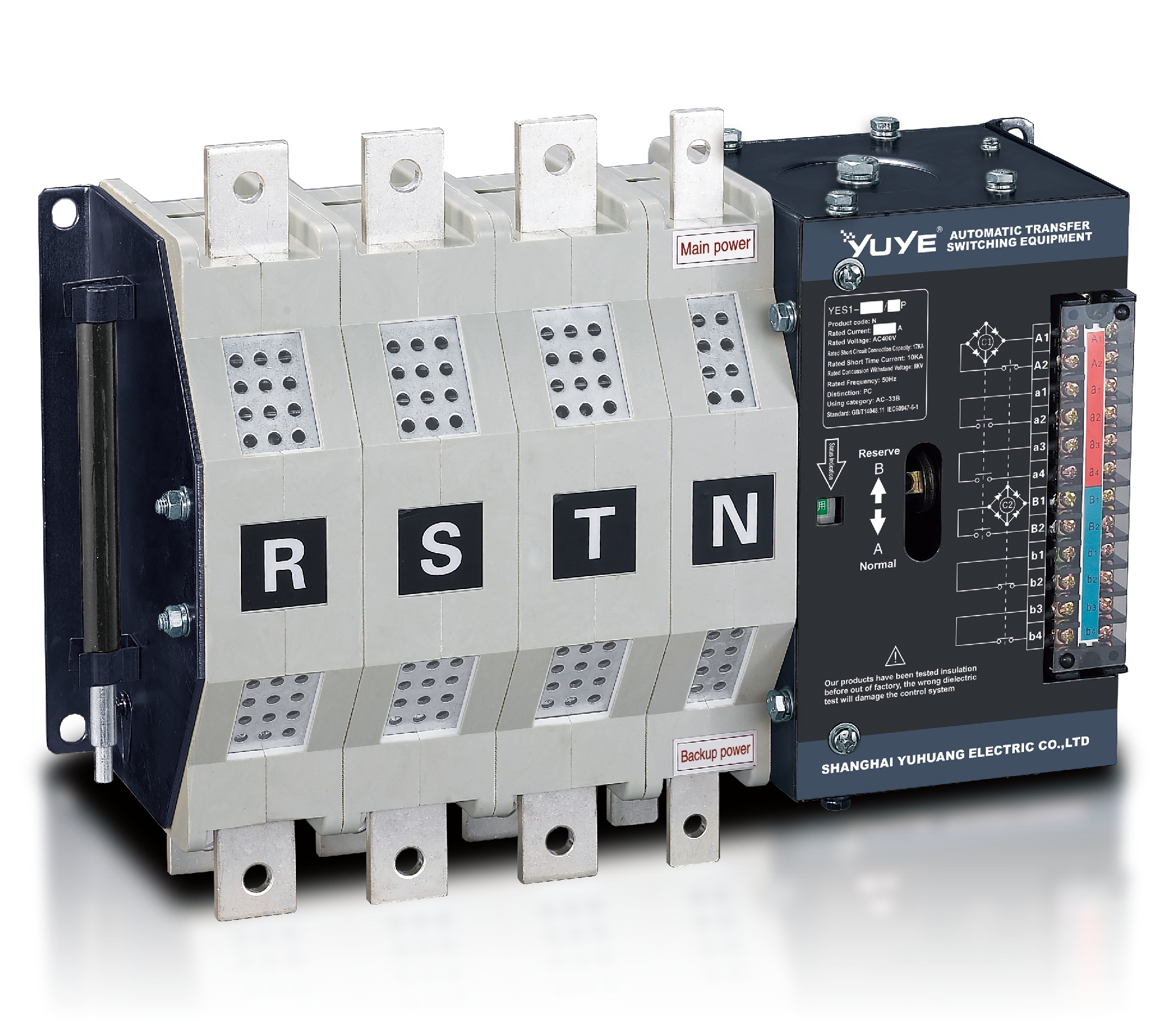 Solenoid-type ATS YES1-250~630N/NT
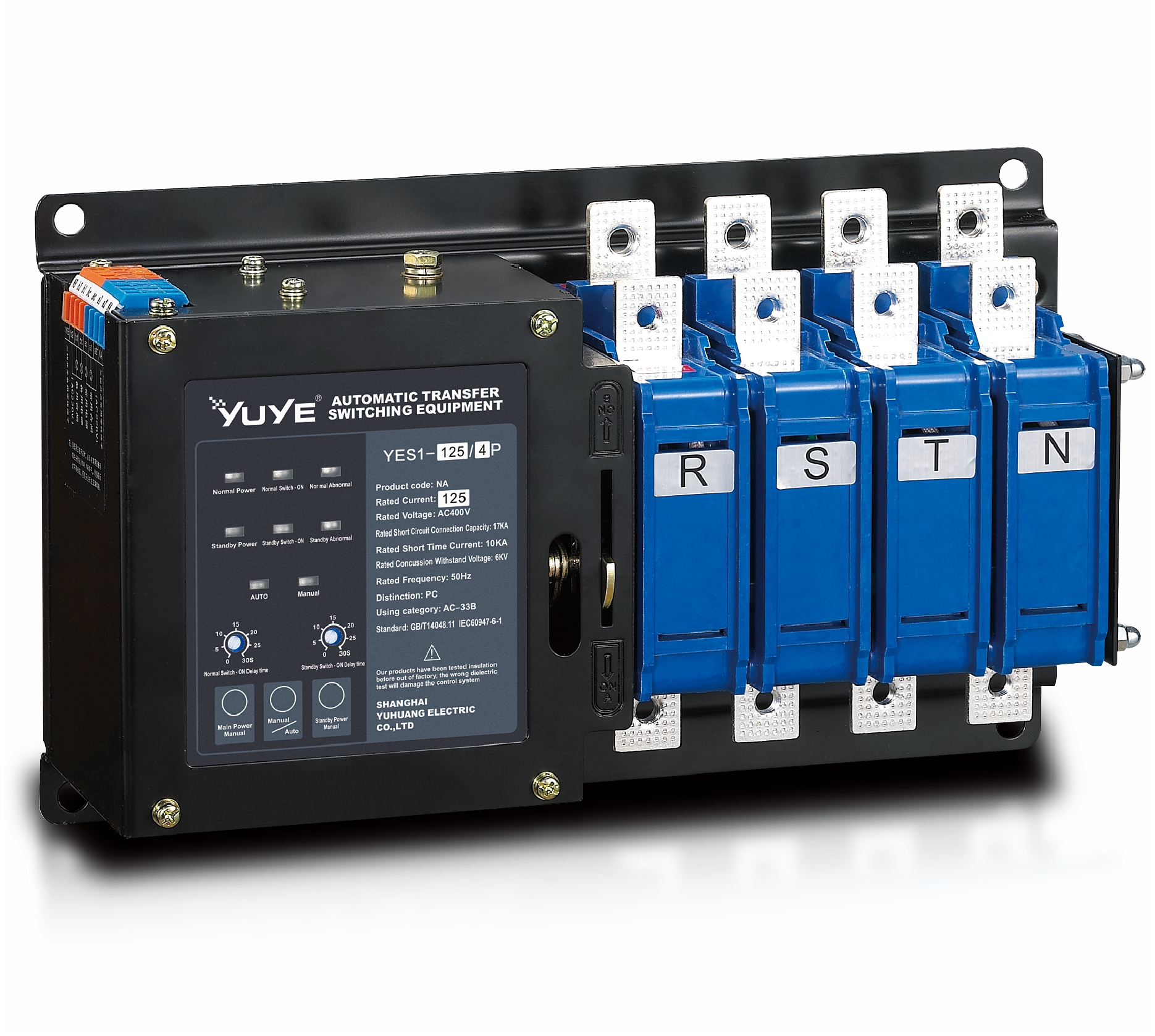 Solenoid-type ATS YES1-32~125NA
 Solenoid-type ATS YES1-63~630SN
 Solenoid-type ATS YES1-1250~4000SN
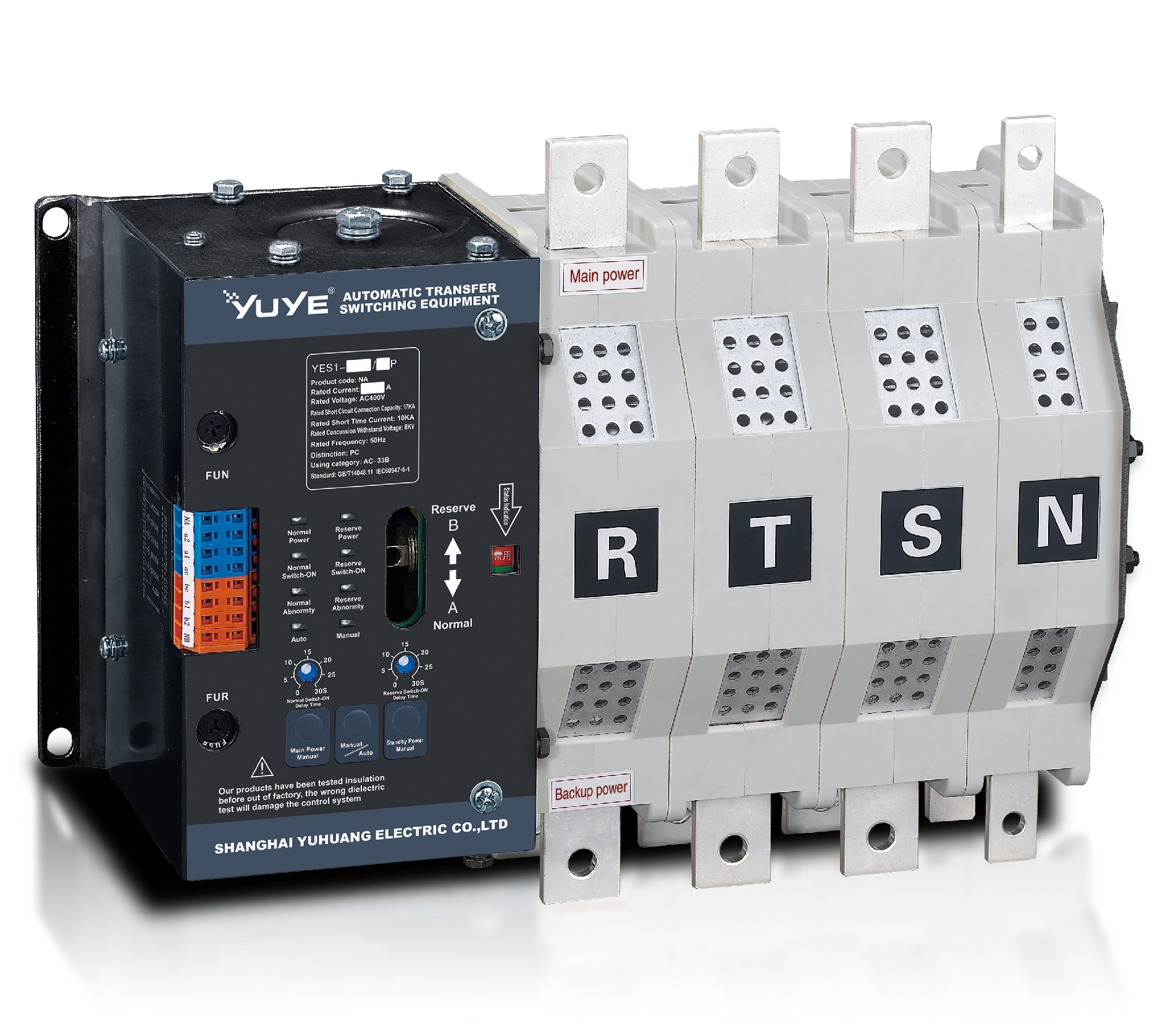 Solenoid-type ATS YES1-250~630NA/NAT
 Solenoid-type ATS YES1-63NJT
 PC ATS YES1-100~1600GN1/GN/GNF
 PC ATS YES1-2000~3200GN/GNF
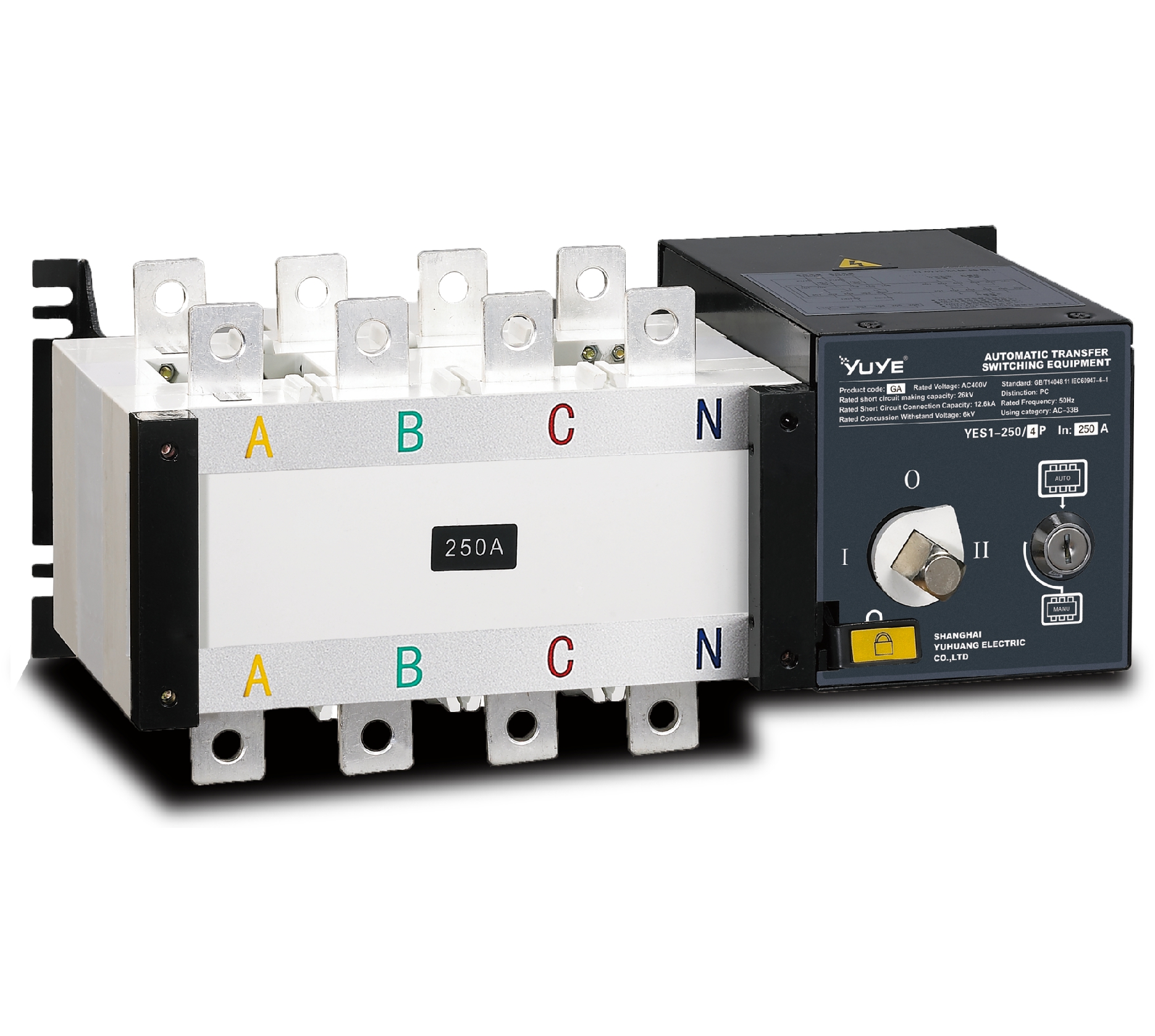 PC ATS YES1-100~3200GA1/GA
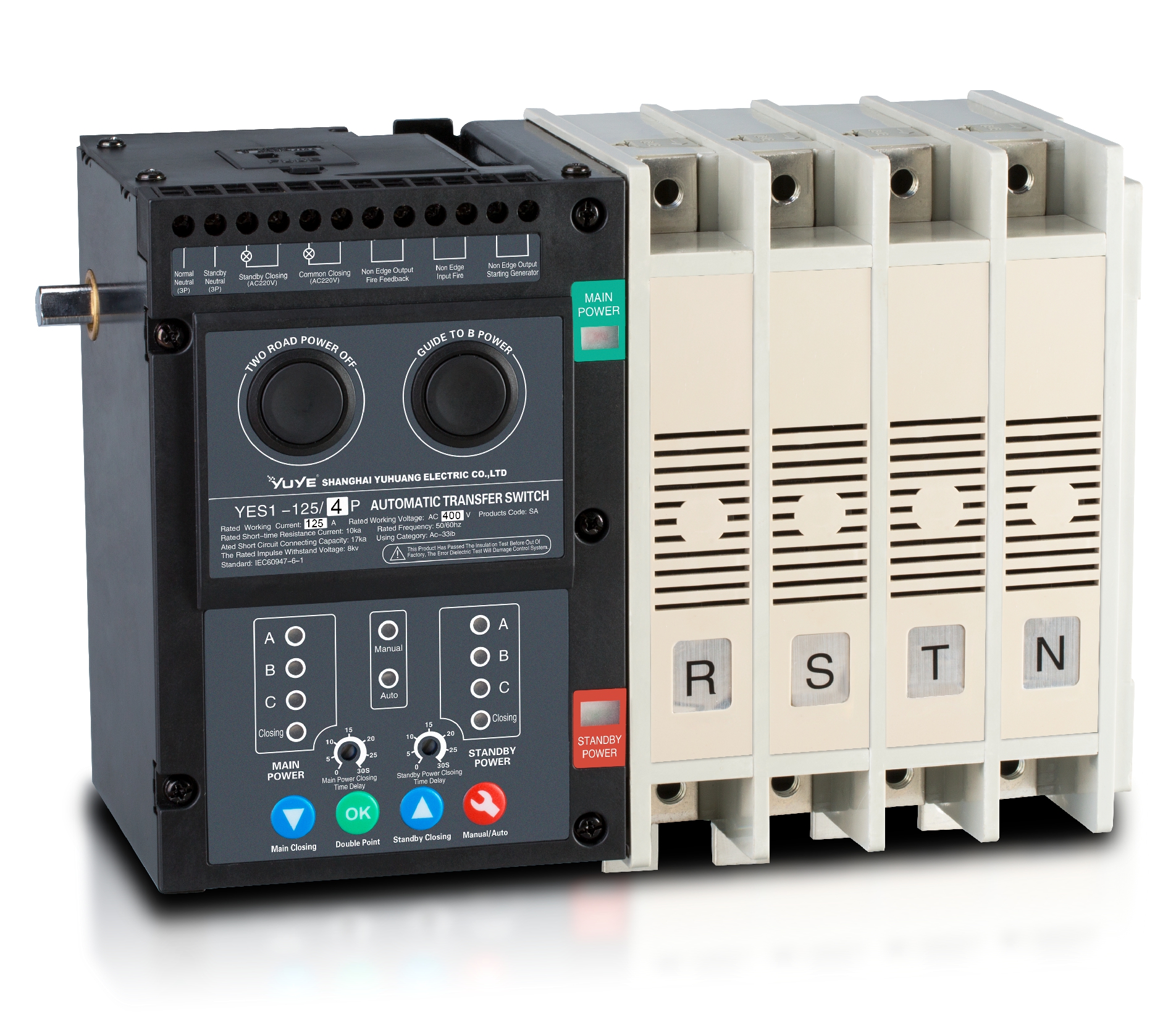 Solenoid-type ATS YES1-63~630SA
 Solenoid-type ATS YES1-63~630L/LA
 Solenoid-type ATS YES1-63~630LA3
 Solenoid-type ATS YES1-63MA
 PC ATS YES1-630~1600M
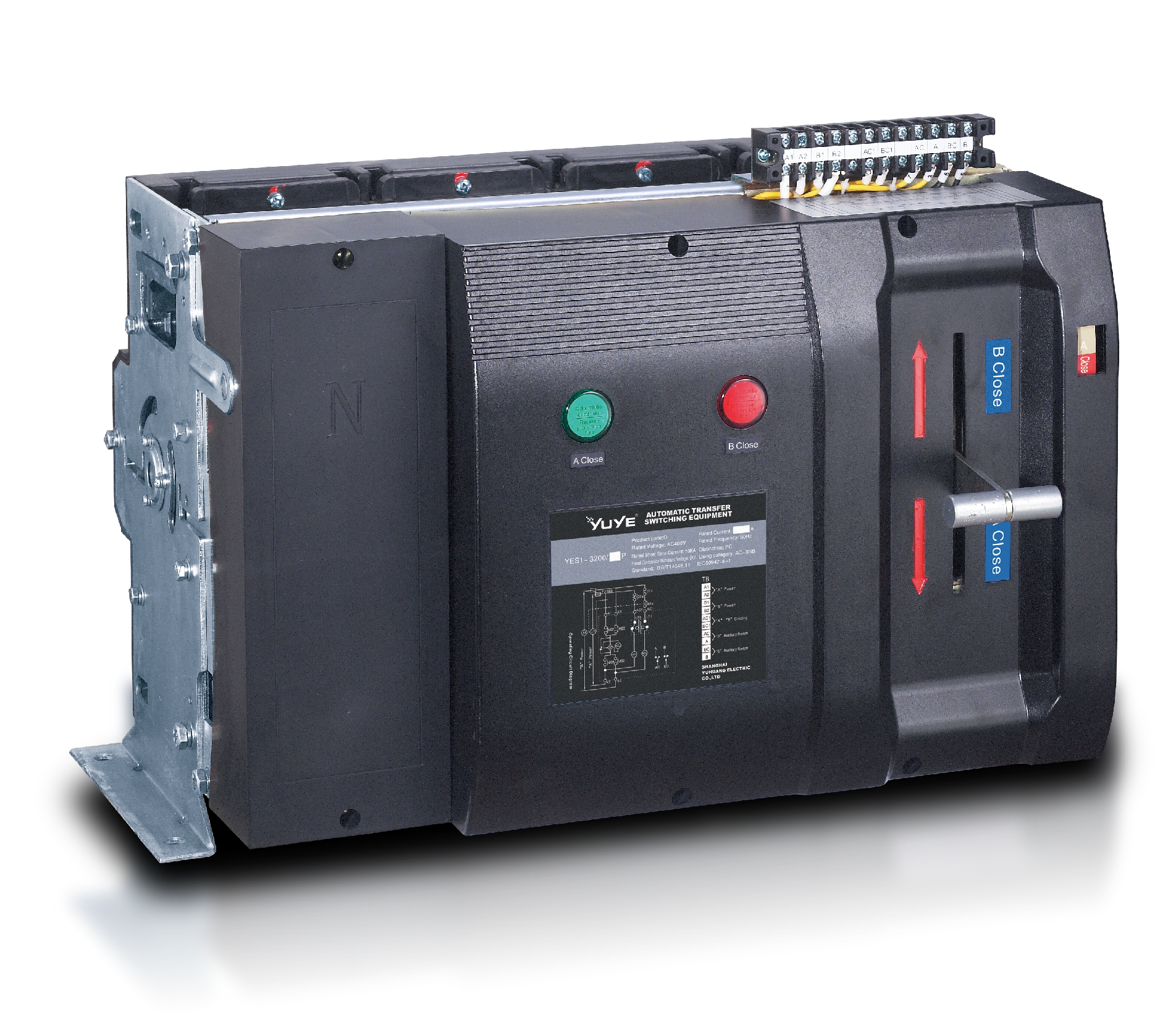 PC ATS YES1-3200Q
 Solenoid-type ATS YES1-4000~6300Q
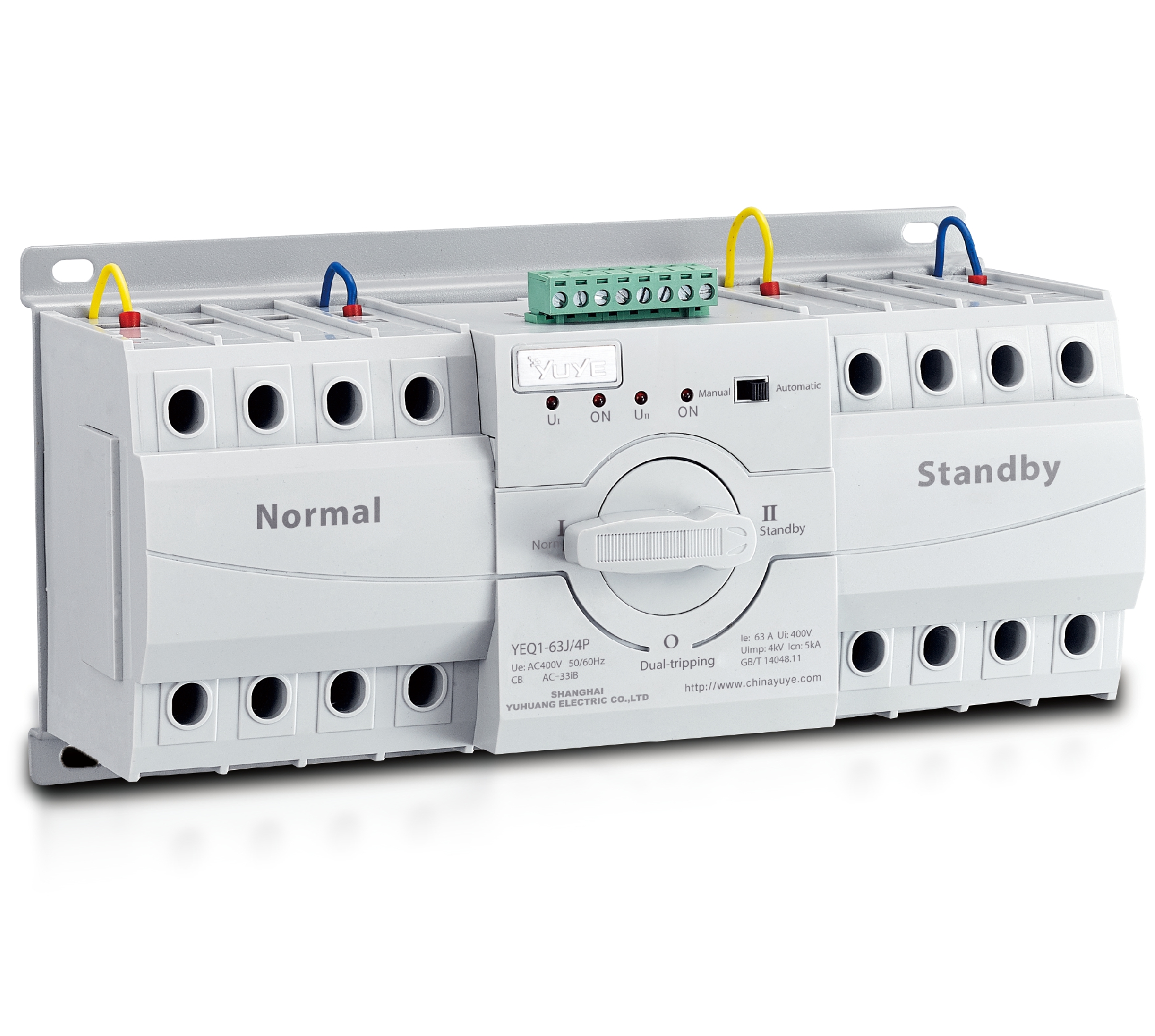 CB ATS YEQ1-63J
 CB ATS YEQ2Y-63
 CB ATS YEQ3-63W1
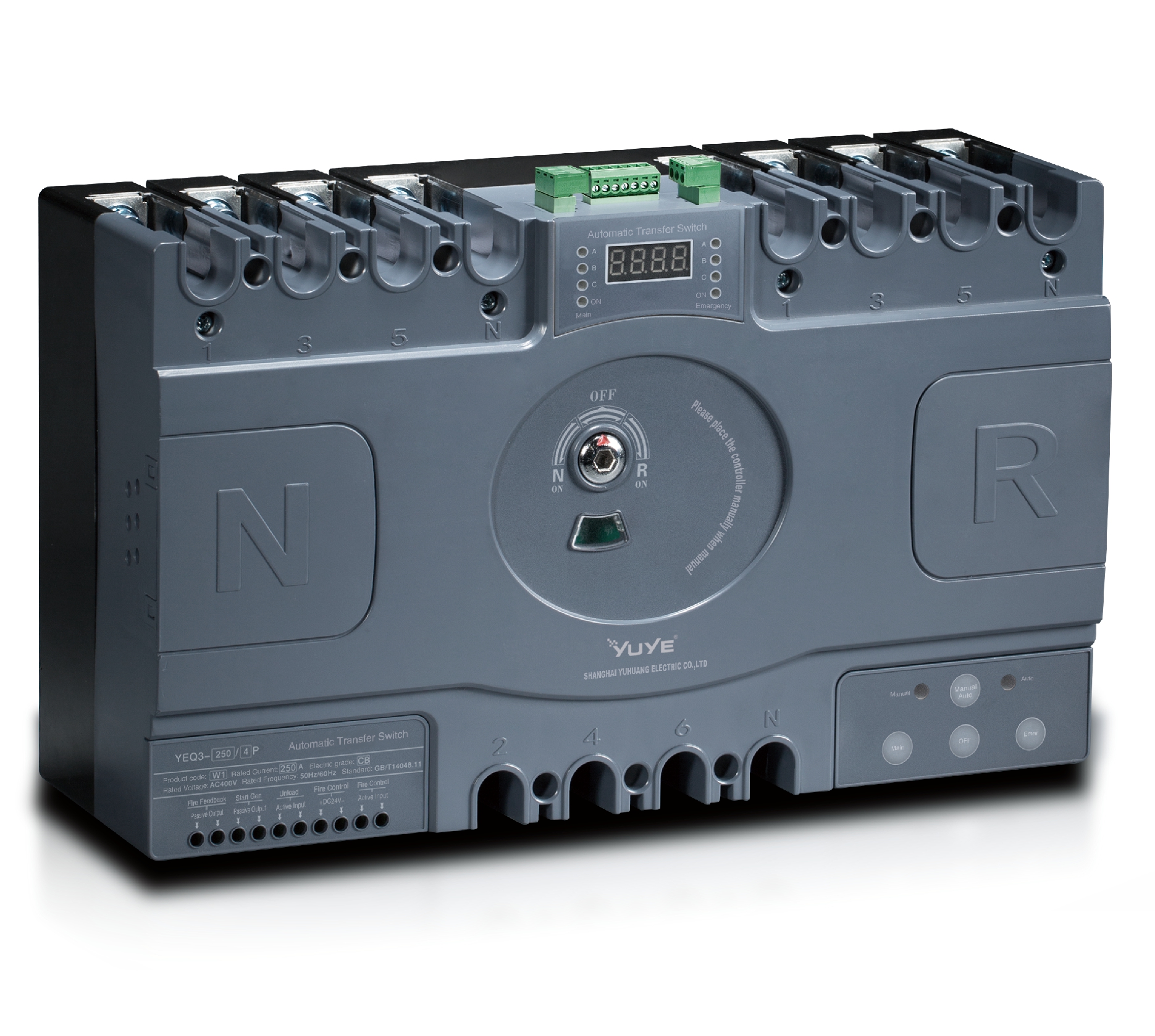 CB ATS YEQ3-125~630W1
 ATS controller Y-700
 ATS Controller Y-700N
 ATS Controller Y-701B
 ATS Controller Y-703N
 ATS Controller Y-800
 ATS Controller W2/W3 Series
 ATS switch Cabinet floor-to-ceiling
 ATS switch cabinet
 JXF-225A power Cbinet
 JXF-800A power Cbinet
 YEM3-125~800 Plastic Shell Type MCCB
 YEM3L-125~630 Leakage Type MCCB
 YEM3Z-125~800 Adjustable Type MCCB
 YEM1-63~1250 Plastic Shell Type MCCB
 YEM1E-100~800 Electronic Type MCCB
 YEM1L-100~630 Leakage Type MCCB
 Miniature circuit breaker YEMA2-6~100
 Miniature circuit breaker YEB1-3~63
 Miniature circuit breaker YEB1LE-3~63
 Miniature circuit breaker YEPN-3~32
 Miniature circuit breaker YEPNLE-3~32
 Miniature circuit breaker YENC-63~125
 Air Circuit Breaker YEW1-2000~6300
 Air Circuit Breaker YEW3-1600
 Load isolation switch YGL-63~3150
 Load Isolation Switch YGL2-63~3150
 Manual Changeover Switch YGL-100~630Z1A
 Manual Changeover Switch YGLZ1-100~3150
 YECPS2-45~125 LCD
 YECPS-45~125 Digital
 CNC Milling/Turning-OEM
 DC relay MDC-300M
 DC Isolation Switch YEGL3D-630


