In today's world, having a reliable power supply is more important than ever. You know, an AC Automatic Transfer Switch is one of those little gadgets that really help keep things running smoothly—whether it's at your home or business. I remember talking with John Smith, a pretty well-known expert in power systems, and he said, "The AC Automatic Transfer Switch doesn't just improve how things run; it also gives you peace of mind when the power cuts out." It’s a simple way to understand why these devices are becoming more and more essential across different sectors.
As we deal with the tricky demands of modern energy needs, it’s pretty important to get why a switch like this matters. It’s not just about protecting your gear from surges, but also about making sure backup generators do their job properly. Thanks to tech advances these days, the newer AC Automatic Transfer Switches are packed with features — stuff like remote monitoring and easy integration with renewables. Pretty neat, right?
Later on, we’re gonna go over the top ten benefits of installing one of these switches. Trust me, understanding how they work can really change the game—helping you get a stable, efficient, and safe energy setup without breaking a sweat.

Understanding AC Automatic Transfer Switch: Definition and Functionality
An AC Automatic Transfer Switch (ATS) is a vital component in power management, mainly designed to ensure a seamless transition between the main power supply and a backup generator during a power outage. Its primary function is to automatically detect a power failure and switch to the backup source without any manual intervention, guaranteeing continuous power supply. This technology is essential for residential homes, commercial buildings, and critical infrastructure, where a reliable power source is crucial for safety and operation.
When implementing an AC ATS system, it's important to consider several tips for ensuring optimal performance. Firstly, regular maintenance checks are crucial. Routine inspections can identify potential issues before they escalate, ensuring that the ATS functions correctly when needed. Additionally, ensure the ATS is properly rated for the load it will support; an undersized switch can lead to failure in emergency situations.
One more tip is to familiarize yourself with the operation of the ATS. Understanding its indicators and alarms can help users quickly address issues. Knowledge of the system can make a significant difference during a power outage, allowing for timely responses to restore power efficiently. Balancing reliability and functionality in your ATS will ensure your power needs are met effectively.
Key Components of an AC Automatic Transfer Switch Explained
An AC Automatic Transfer Switch (ATS) serves as a critical component in modern electrical systems, ensuring seamless power transition between the primary and backup power sources. The essential components of an ATS include the transfer switch, control panel, and monitoring devices.
The transfer switch itself is designed to detect power outages and automatically switch to the backup power source, which can be a generator or an alternative energy source. According to the National Fire Protection Association, properly installed and maintained ATS systems can significantly reduce the risk of power-related failures that could compromise safety or disrupt operations in commercial facilities.
Control panels play a vital role in the functioning of ATS by coordinating the various components and providing essential functionality such as status indicators and operational controls. They are equipped with advanced features that allow for remote monitoring and diagnostics, contributing to operational efficiency. A report from the International Energy Agency highlights that incorporating smart technology into ATS systems can optimize energy use by up to 30%. Lastly, monitoring devices ensure that system performance is continually evaluated, which is crucial for identifying potential issues before they escalate, thus enhancing the reliability of power supply systems in critical applications such as healthcare, data centers, and commercial buildings.
Benefits of Enhanced Reliability with AC Automatic Transfer Switch
The enhanced reliability provided by AC automatic transfer switches (ATS) is an essential feature for any power management system. These devices are designed to monitor incoming power and automatically switch to a backup power source in the event of a failure, ensuring a continuous power supply. This automatic functionality alleviates the risks associated with manual switching, significantly reducing downtime during outages. In critical applications such as hospitals, data centers, and industrial facilities, uninterrupted power is crucial, and the ATS offers a robust solution to maintain operational integrity.
Moreover, the ATS enhances safety by eliminating human error in power transitions. With built-in diagnostic capabilities, these switches can detect faults and perform self-checks, providing operators with real-time insights into the power system's health. This reliability ensures that power is delivered consistently, minimizing the potential for equipment damage and operational disruptions. Ultimately, the integration of an AC automatic transfer switch into a power management strategy not only protects vital services but also promotes peace of mind, knowing that power integrity is maintained through advanced technology.
Efficiency and Cost Savings through AC Automatic Transfer Switch Use
AC Automatic Transfer Switches (ATS) offer significant efficiency and cost savings for power management. By automatically transferring the electrical load to a backup generator during a power outage, these systems ensure continuous power availability without manual intervention. According to a report by the Energy Information Administration, facilities using ATS can experience up to 30% lower energy costs during outages due to the quick restoration of power, reducing downtime and associated financial losses.
Implementing ATS not only enhances operational reliability but also optimizes energy usage. Industry data indicates that businesses can reduce their operational costs by 15-25% by minimizing energy waste during transitional periods between power sources. This efficiency is crucial for facilities that rely heavily on uninterrupted power supplies, such as data centers and hospitals.
Tips for maximizing your ATS investment include regular maintenance checks to ensure optimal performance and promptly addressing any detected issues. Additionally, consider integrating energy monitoring systems to track usage patterns, which can further inform cost-saving strategies. Investing in staff training about the ATS operation can lead to quicker problem resolution, ultimately saving both time and money in emergency scenarios.
Safety Features of an AC Automatic Transfer Switch for Power Management
An AC Automatic Transfer Switch (ATS) plays a crucial role in ensuring that power management systems operate safely and efficiently. One of the primary safety features of an ATS is its ability to prevent back feeding. This mechanism ensures that energy from a generator does not flow back into the utility grid, which could pose risks to utility workers and integrity of the electrical infrastructure. By automatically transitioning your power source during outages, the ATS maintains a seamless flow of electricity while safeguarding both equipment and personnel.
Additionally, modern AC ATS devices often come equipped with advanced monitoring systems that can detect issues such as overloads or faults in real time. These monitoring capabilities help in mitigating potential hazards before they escalate into significant failures. Some models even feature alarms and notifications, alerting users to any irregularities and enabling timely intervention. Ultimately, the safety features embedded in an AC Automatic Transfer Switch not only enhance operational reliability but also provide peace of mind, knowing that your power management system is well-protected against unforeseen circumstances.
Top 10 Benefits of AC Automatic Transfer Switch for Your Power Needs - Safety Features of an AC Automatic Transfer Switch for Power Management
| Benefit |
Description |
| Automatic Switching |
Automatically switches power sources during an outage for uninterrupted power supply. |
| Safety Mechanisms |
Includes features like overload protection and short circuit prevention to safeguard equipment. |
| Remote Monitoring |
Allows users to monitor the status and performance from a remote location via mobile apps or web interfaces. |
| User-Friendly Interface |
Easy-to-use controls and indicators make it simple to operate. |
| Integration Capabilities |
Compatible with various power systems and can integrate into existing infrastructure. |
| Space-Saving Design |
Compact design allows for installation in limited spaces without sacrificing performance. |
| Cost-Effectiveness |
Reduces operational costs by ensuring efficient management of power sources. |
| Enhanced Reliability |
Provides a reliable backup power solution during electrical failures. |
| Environmental Benefits |
Optimizes energy use and reduces emissions by efficiently managing power flow. |
| Compliance with Standards |
Meets industry regulations and standards for safety and performance. |
Maintenance Considerations for Your AC Automatic Transfer Switch
When it comes to the maintenance of your AC automatic transfer switch (ATS), regular inspections are crucial for ensuring its reliability and efficiency. One of the primary maintenance considerations is conducting routine checks on the mechanical components and electrical connections. Over time, connections can loosen, and contacts may degrade, leading to potential failure during a power outage. Scheduling periodic inspections can help identify wear and tear before it culminates in costly downtime or equipment failure.
Another important aspect is cleaning and testing the ATS. Dust and debris accumulation can affect its operational performance, so maintaining cleanliness is essential. Additionally, testing the functionality of the switch under load conditions can help verify that it switches seamlessly between power sources. Proper documentation of maintenance activities not only keeps track of performance but can also aid in predicting future needs and extending the lifespan of the switch.
By prioritizing these maintenance practices, you can enhance the reliability of your power backup solutions while minimizing unexpected interruptions.
Applications of AC Automatic Transfer Switch in Residential and Commercial Settings
In both residential and commercial settings, the application of AC Automatic Transfer Switches (ATS) plays a crucial role in ensuring uninterrupted power supply. These devices automatically switch the power source from the primary supply to a backup generator during power interruptions, thereby minimizing downtime and enhancing reliability. According to a report by Grand View Research, the global ATS market is projected to grow significantly, fueled by the increasing need for continuous power in various sectors. This growth is particularly noticeable in hospitals, data centers, and manufacturing facilities where power reliability is critical.
Homes are increasingly adopting ATS to safeguard against outages caused by severe weather or grid failures. For example, a 2022 Energy Loss Report indicated that 70% of homeowners experience power outages at least once a year, underscoring the need for reliable backup solutions. The ease of installation and ability to improve safety standards also make ATS an attractive option for residential spaces. In commercial settings, where the cost of downtime can be exorbitant—amounting to millions of dollars annually—ATS ensures that operations remain smooth and efficient, protecting both assets and revenue.
Tips: When considering the installation of an automatic transfer switch, evaluate the power load requirements of your household or business. Proper sizing is key to ensuring that the ATS can manage peak loads efficiently. Additionally, regular maintenance checks can help in detecting any issues early, ensuring that your power backup system is always ready to perform when it matters most.
Top 10 Benefits of AC Automatic Transfer Switch
The AC Automatic Transfer Switch provides numerous benefits that are crucial for both residential and commercial power management. This chart illustrates the top ten benefits rated on a scale from 1 to 10, highlighting features like reliability and seamless transition as the most valued characteristics.
Understanding Load Isolation Switches YGL-63~3150: Key Features, Applications, and Benefits
Understanding Load Isolation Switches YGL-63~3150: Key Features, Applications, and Benefits
Load isolation switches, particularly the YGL-63~3150 series, are essential components in modern electrical systems. These switches are designed to operate at a frequency of 50 Hz and can handle a rated voltage of up to 400V, accommodating currents from 63A to 3150A. They are compliant with IEC 60947-3 standards, ensuring safety and reliability in disconnecting and isolating circuits. The configuration options, including 3 pole and 4 pole designs, allow users to tailor implementation based on specific requirements, making them versatile for various applications in industrial and commercial settings.
The practical applications of the YGL series are vast, from industrial power distribution to renewable energy systems. These switches facilitate the safe connection and disconnection of circuits, especially in scenarios that require infrequent operation. The ability to isolate parts of the electrical system enhances safety for maintenance personnel and improves the overall reliability of electrical installations. Industry reports indicate a growing demand for effective load isolation solutions, with global markets projected to increase significantly as industries continue to embrace automation and smart grid technologies.
Furthermore, the advantages of using load isolation switches like the YGL-63~3150 extend beyond safety; they also contribute to operational efficiency. By minimizing downtime and preventing electrical faults, these switches play a critical role in maintaining productivity across various sectors. Their robust construction ensures durability in challenging environments, making them a sound investment for any electrical infrastructure aiming for longevity and performance excellence.
FAQS
C Automatic Transfer Switch (ATS)?
ATS can lead to up to 30% lower energy costs during outages by quickly restoring power and minimizing downtime, which helps to reduce associated financial losses.
Facilities that rely heavily on uninterrupted power supplies, such as data centers, hospitals, and manufacturing facilities, can benefit significantly from using ATS due to the critical nature of their operations.
Businesses can reduce their operational costs by 15-25% by minimizing energy waste during the transition between power sources, which is vital for maintaining efficiency.
Regular maintenance checks should be conducted to ensure optimal performance, and issues should be addressed promptly. Additionally, integrating energy monitoring systems and investing in staff training on ATS operations can lead to quicker problem resolution and cost savings.
A report indicated that 70% of homeowners experience power outages at least once a year, highlighting the need for reliable backup power solutions.
It is crucial to evaluate the power load requirements to ensure proper sizing of the ATS so that it can manage peak loads efficiently, which is essential for effective performance.
ATS is gaining popularity in residential settings as it safeguards against outages caused by severe weather or grid failures, improves safety standards, and offers ease of installation.
In commercial settings, the cost of downtime can be exorbitant, potentially amounting to millions of dollars annually, making it essential to have systems like ATS to ensure smooth operations and protect assets.
Conclusion
An AC Automatic Transfer Switch is a crucial component in managing power supply, ensuring seamless transitions between utility and backup sources. Its functionalities include automatically monitoring power levels and switching between sources when necessary, enhancing reliability in both residential and commercial settings. The key components of this system include control panels, transfer switches, and safety features that prevent overloads and ensure user safety.
The benefits of using an AC Automatic Transfer Switch are substantial, offering enhanced reliability, efficiency, and cost savings. It not only minimizes downtime during power outages but also optimizes energy use, leading to lower operational costs. Additionally, maintenance considerations are vital to its long-term performance, ensuring that the system remains effective and safe. Overall, the AC Automatic Transfer Switch is an essential investment for anyone looking to improve their power management systems.

 PC ATS YECT1-2000G
 PC ATS YES2-63~250GN1
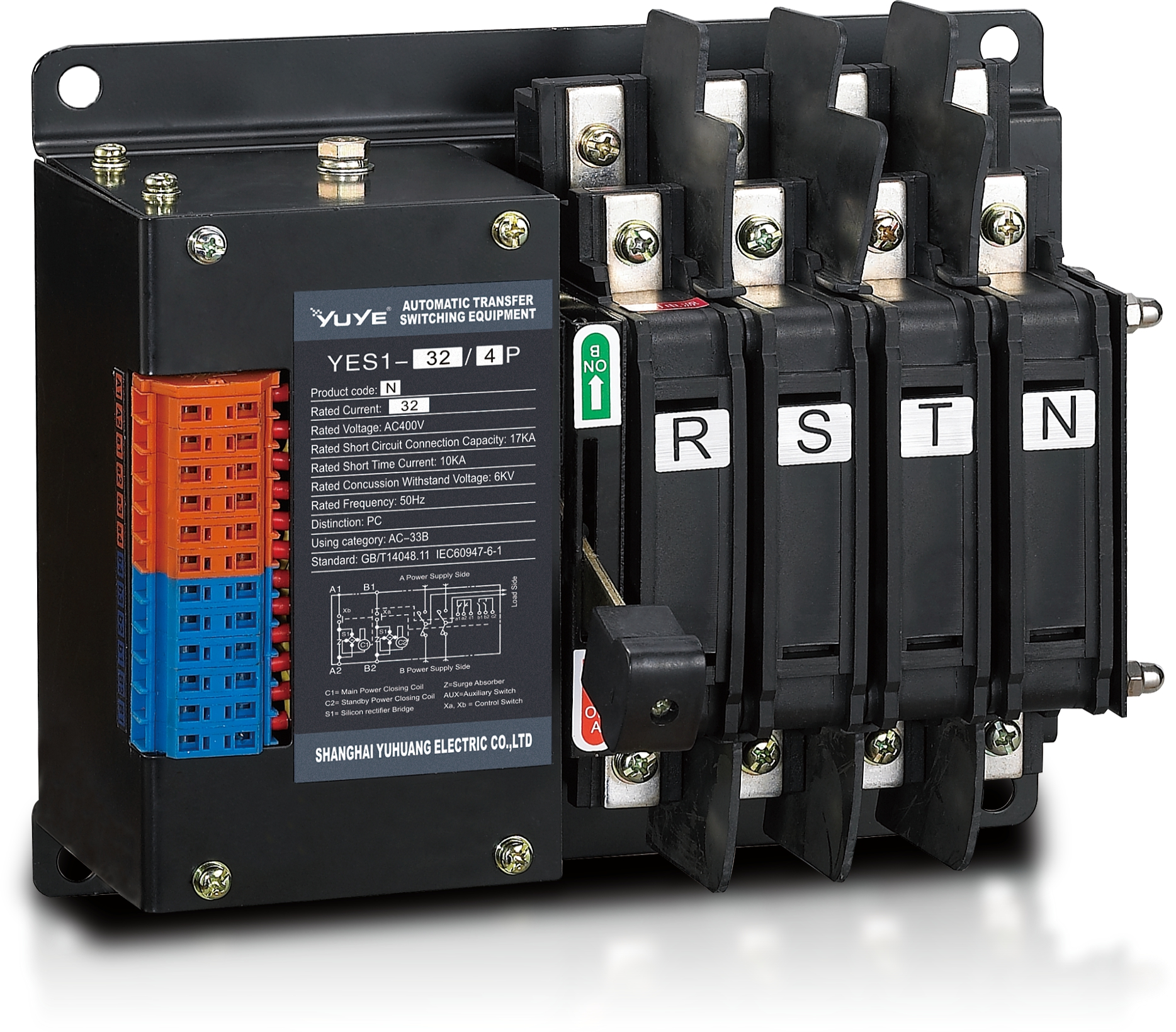 Solenoid-type ATS YES1-32~125N
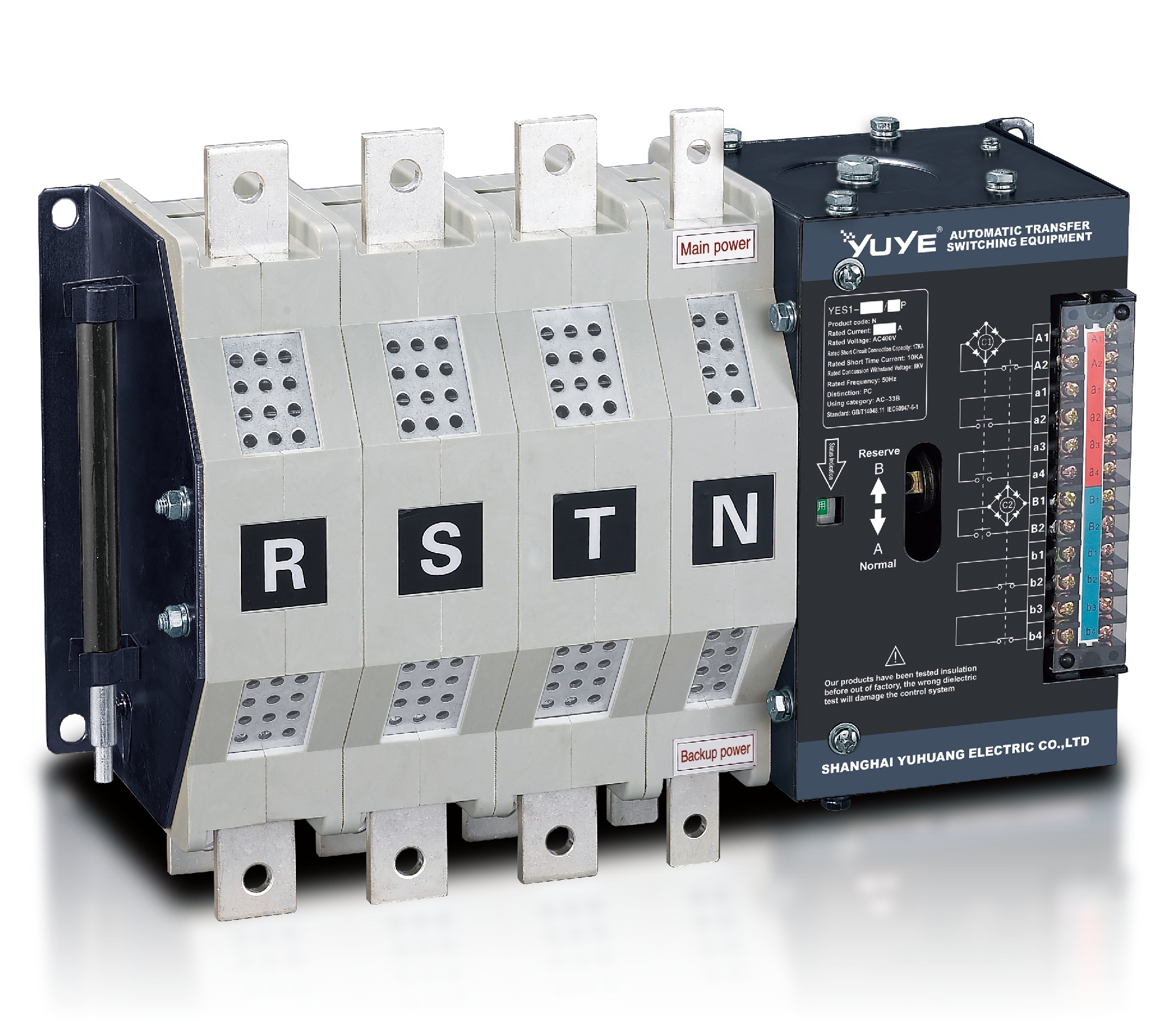 Solenoid-type ATS YES1-250~630N/NT
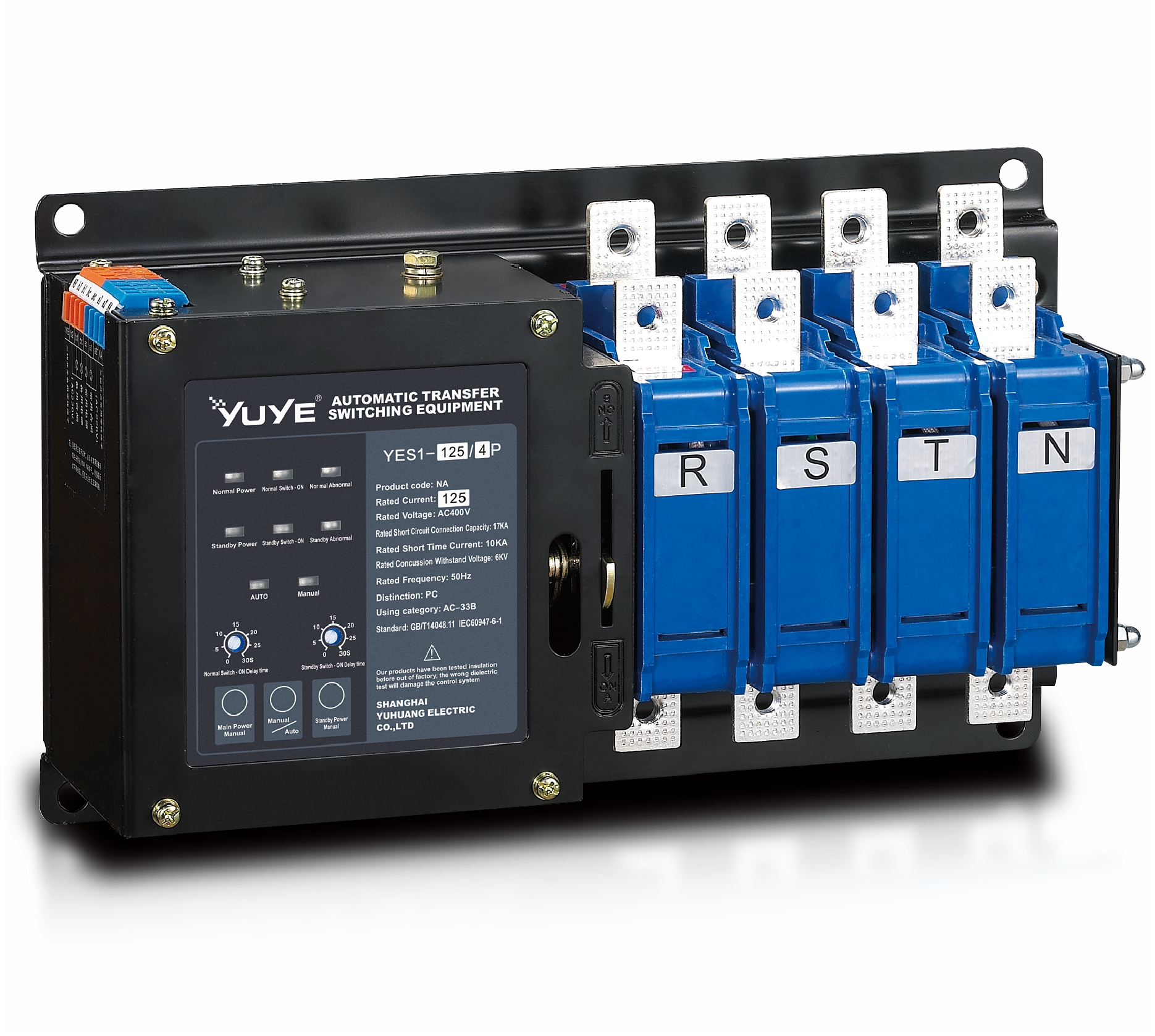 Solenoid-type ATS YES1-32~125NA
 Solenoid-type ATS YES1-63~630SN
 Solenoid-type ATS YES1-1250~4000SN
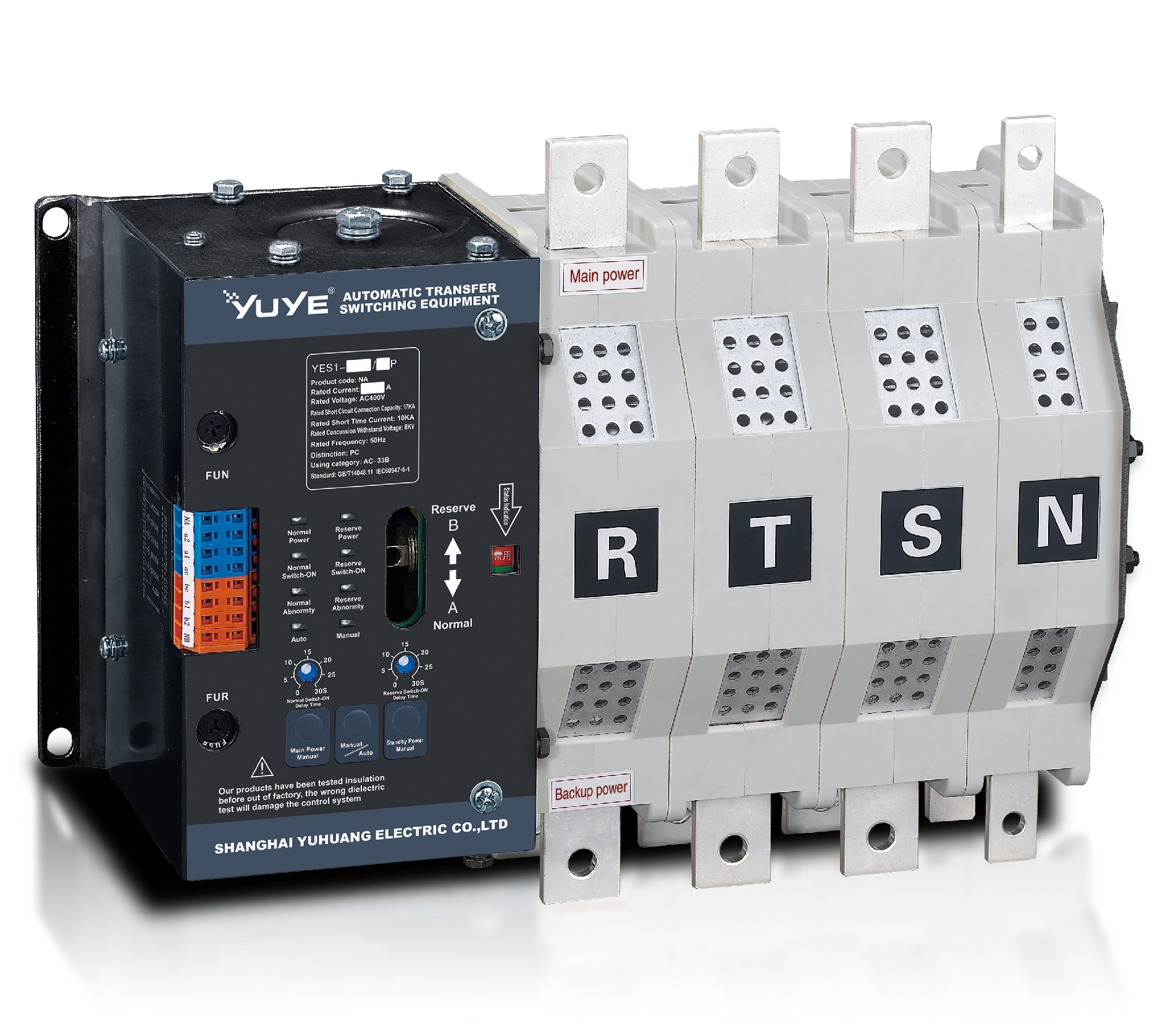 Solenoid-type ATS YES1-250~630NA/NAT
 Solenoid-type ATS YES1-63NJT
 PC ATS YES1-100~1600GN1/GN/GNF
 PC ATS YES1-2000~3200GN/GNF
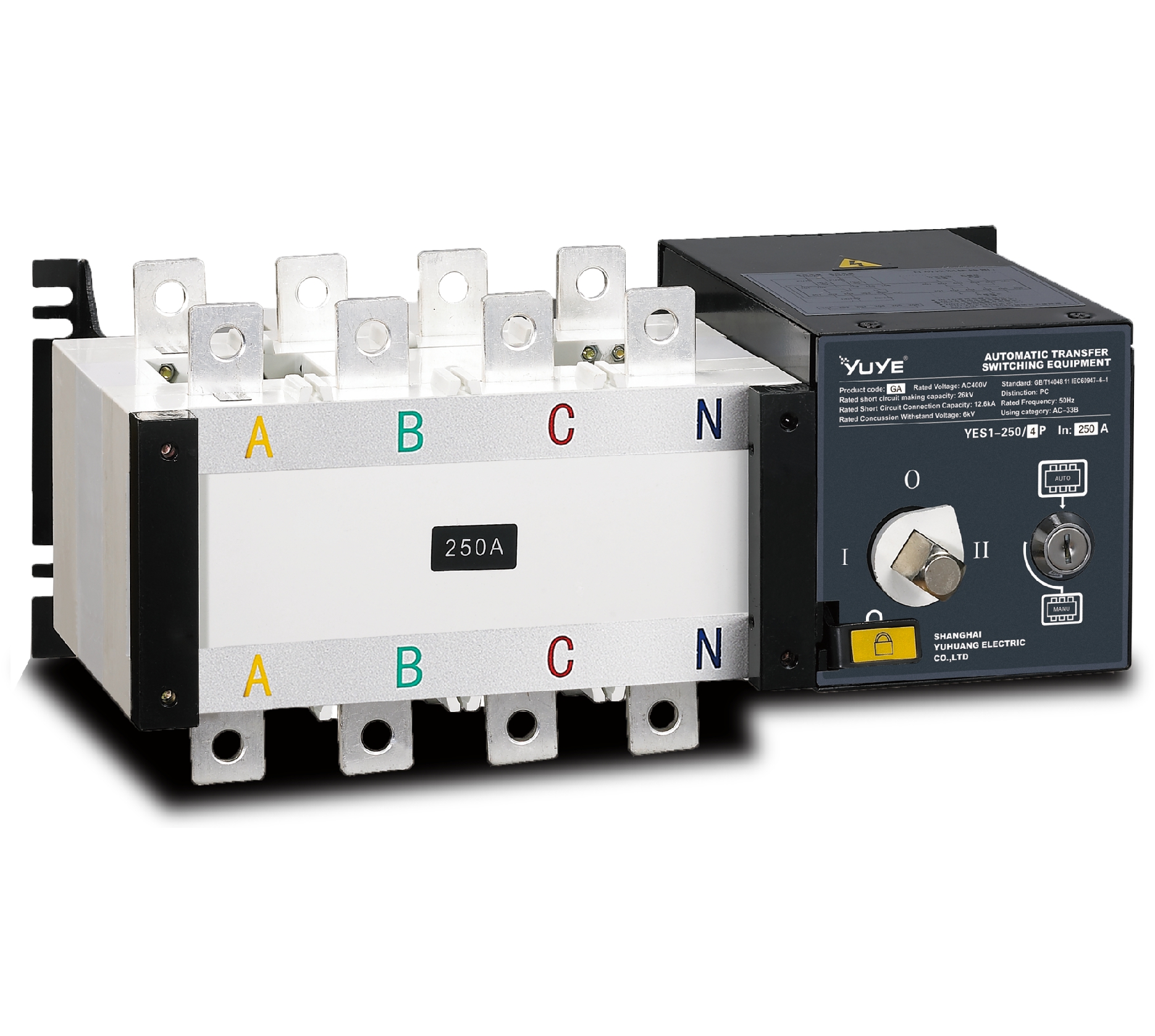 PC ATS YES1-100~3200GA1/GA
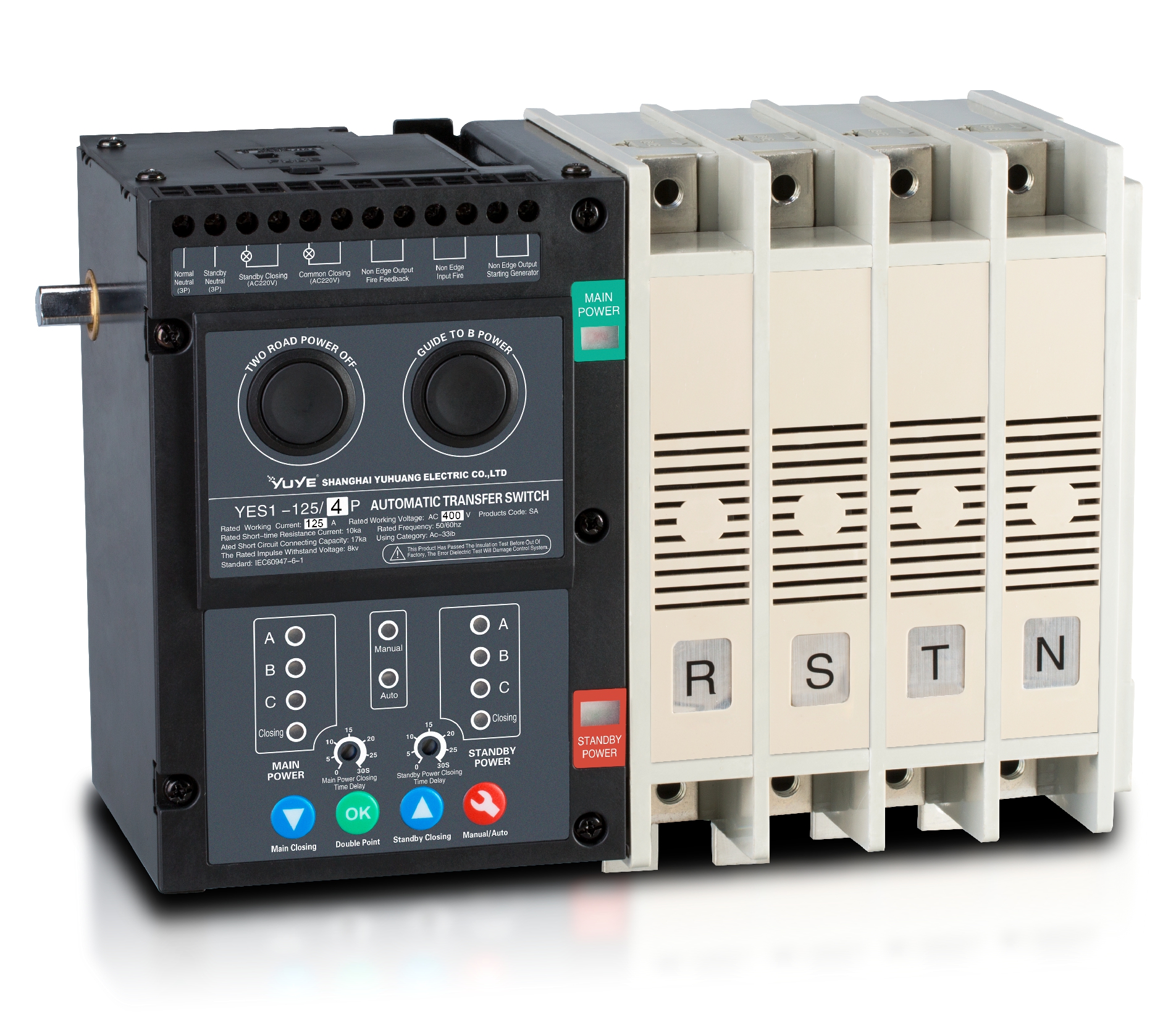 Solenoid-type ATS YES1-63~630SA
 Solenoid-type ATS YES1-63~630L/LA
 Solenoid-type ATS YES1-63~630LA3
 Solenoid-type ATS YES1-63MA
 PC ATS YES1-630~1600M
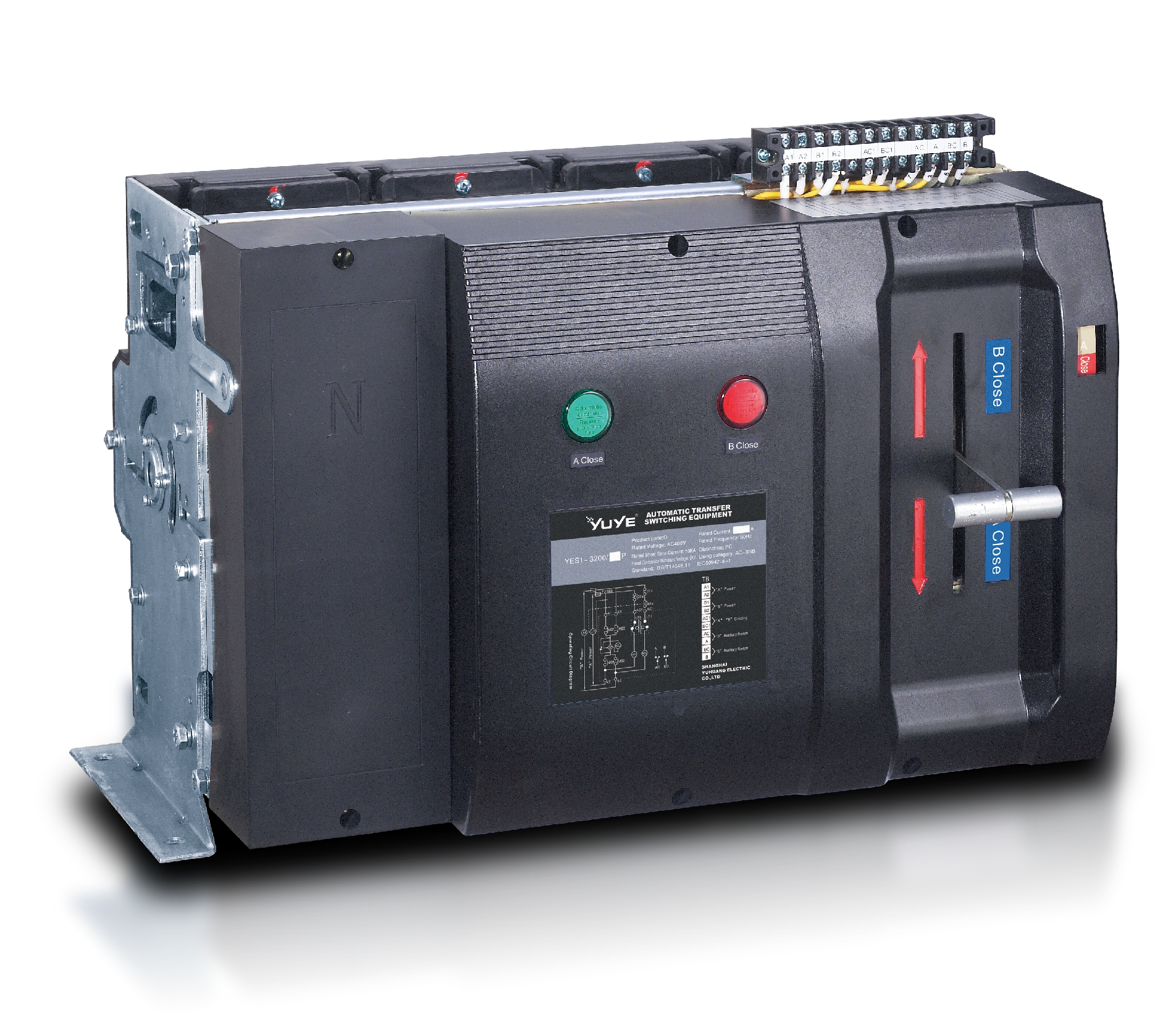 PC ATS YES1-3200Q
 Solenoid-type ATS YES1-4000~6300Q
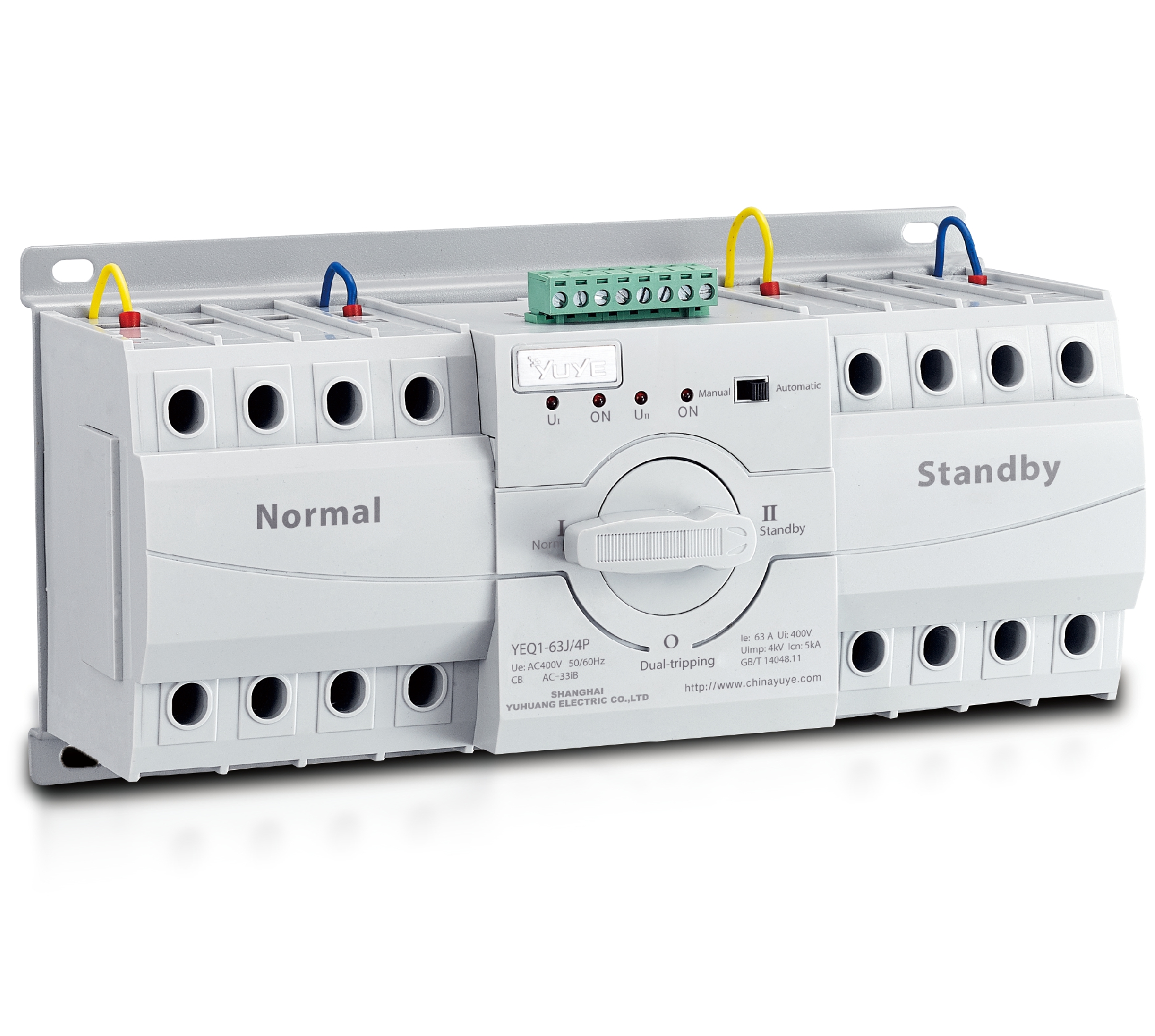 CB ATS YEQ1-63J
 CB ATS YEQ2Y-63
 CB ATS YEQ3-63W1
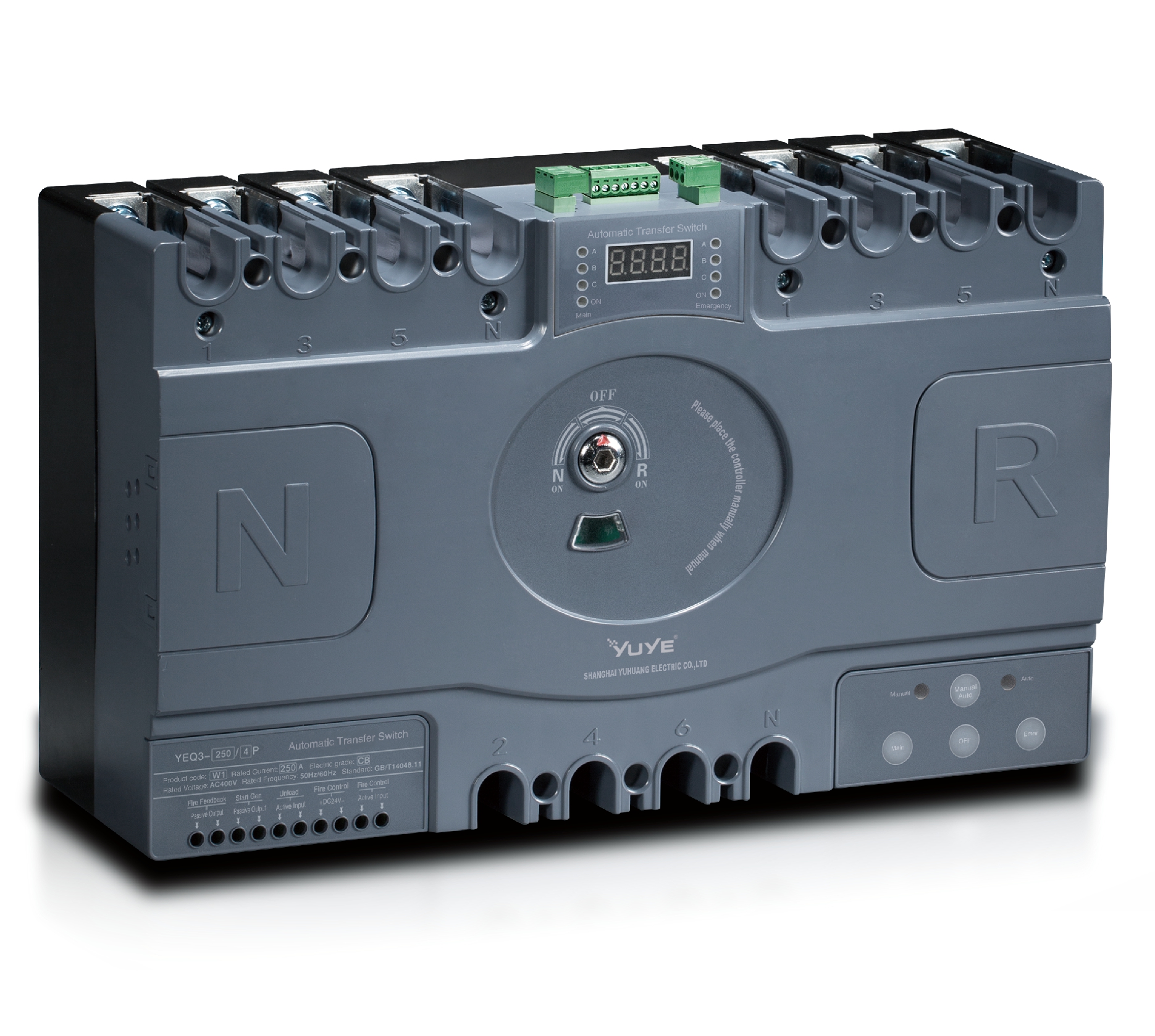 CB ATS YEQ3-125~630W1
 ATS controller Y-700
 ATS Controller Y-700N
 ATS Controller Y-701B
 ATS Controller Y-703N
 ATS Controller Y-800
 ATS Controller W2/W3 Series
 ATS switch Cabinet floor-to-ceiling
 ATS switch cabinet
 JXF-225A power Cbinet
 JXF-800A power Cbinet
 YEM3-125~800 Plastic Shell Type MCCB
 YEM3L-125~630 Leakage Type MCCB
 YEM3Z-125~800 Adjustable Type MCCB
 YEM1-63~1250 Plastic Shell Type MCCB
 YEM1E-100~800 Electronic Type MCCB
 YEM1L-100~630 Leakage Type MCCB
 Miniature circuit breaker YEMA2-6~100
 Miniature circuit breaker YEB1-3~63
 Miniature circuit breaker YEB1LE-3~63
 Miniature circuit breaker YEPN-3~32
 Miniature circuit breaker YEPNLE-3~32
 Miniature circuit breaker YENC-63~125
 Air Circuit Breaker YEW1-2000~6300
 Air Circuit Breaker YEW3-1600
 Load isolation switch YGL-63~3150
 Load Isolation Switch YGL2-63~3150
 Manual Changeover Switch YGL-100~630Z1A
 Manual Changeover Switch YGLZ1-100~3150
 YECPS2-45~125 LCD
 YECPS-45~125 Digital
 CNC Milling/Turning-OEM
 DC relay MDC-300M
 DC Isolation Switch YEGL3D-630


