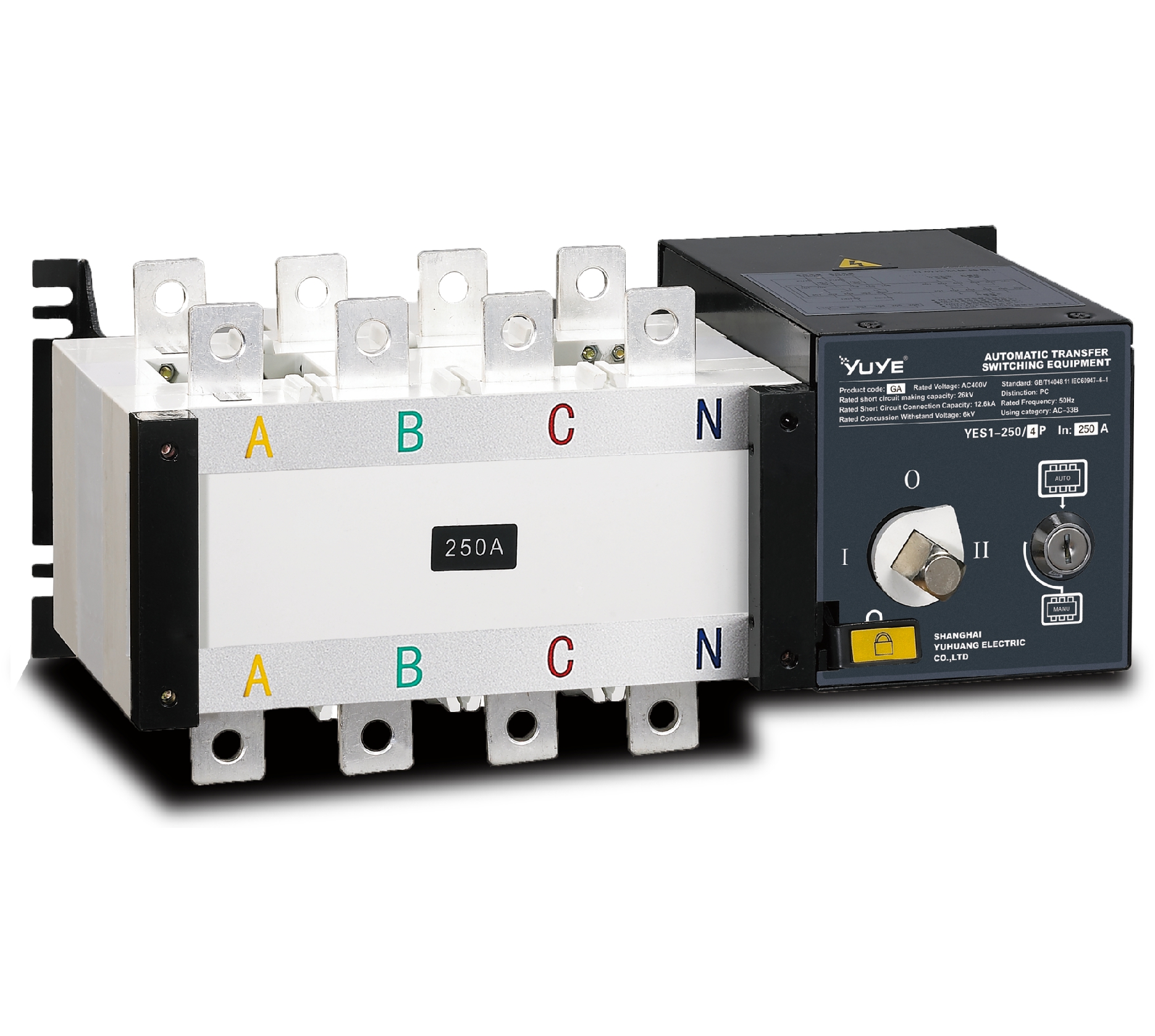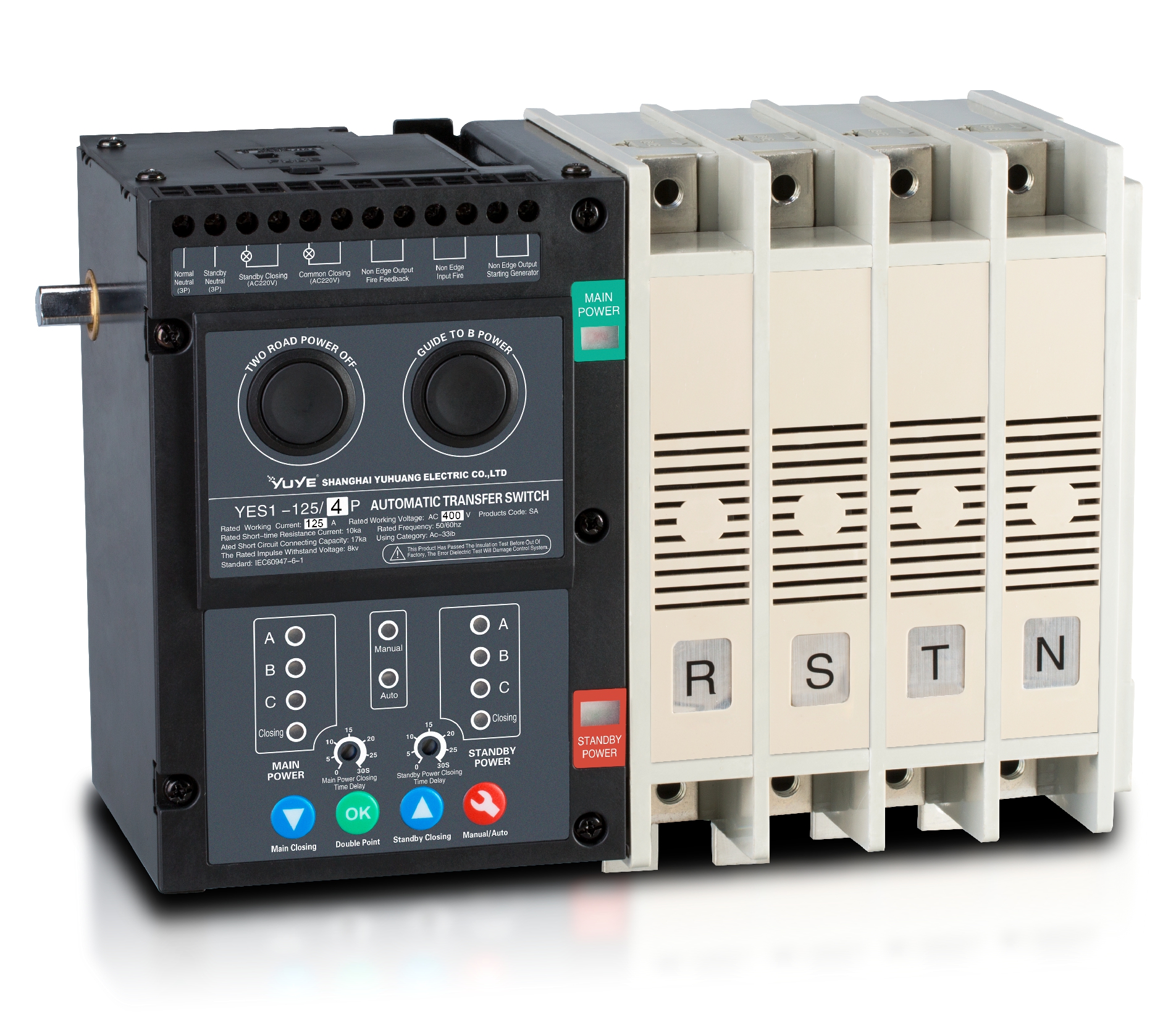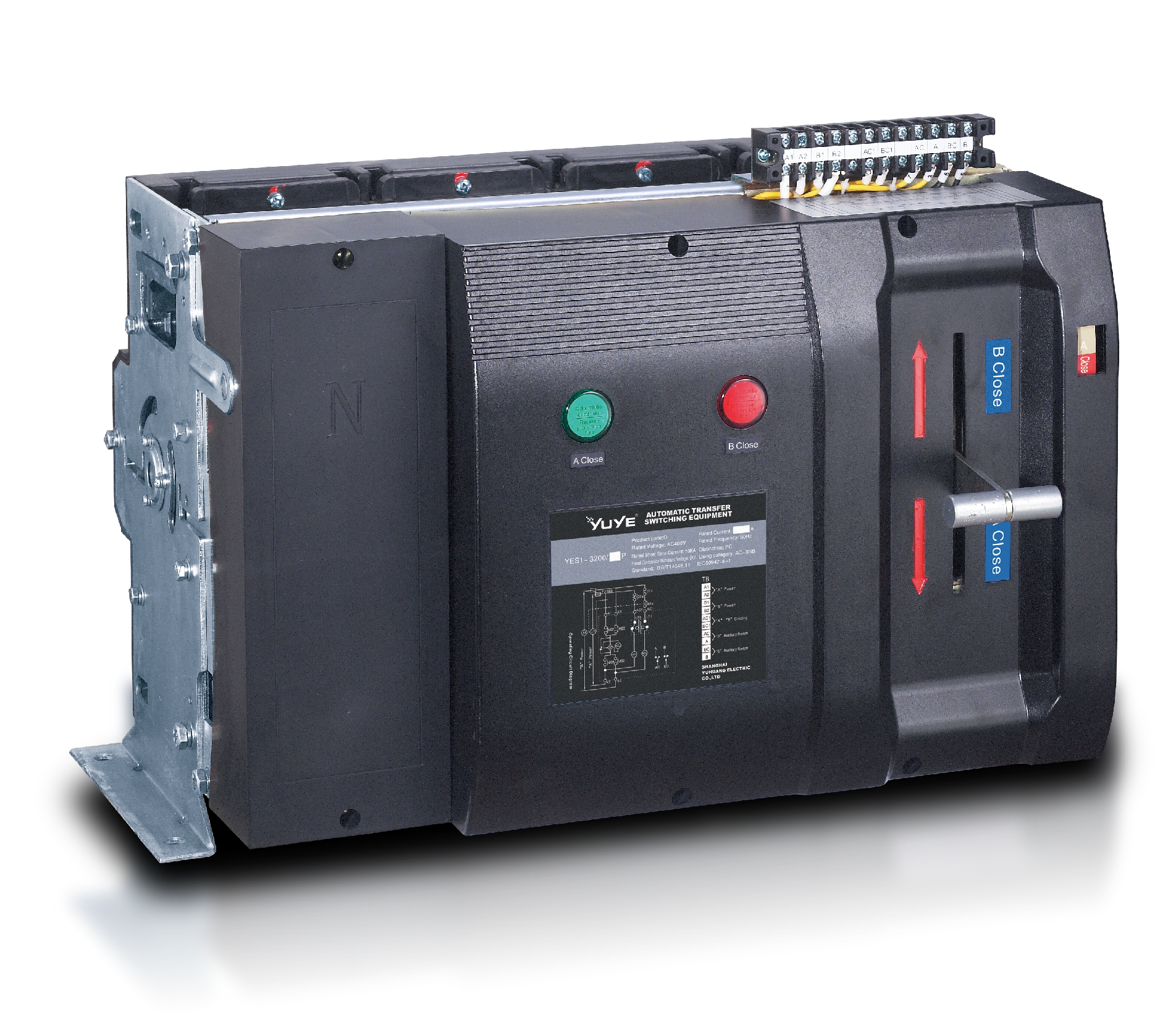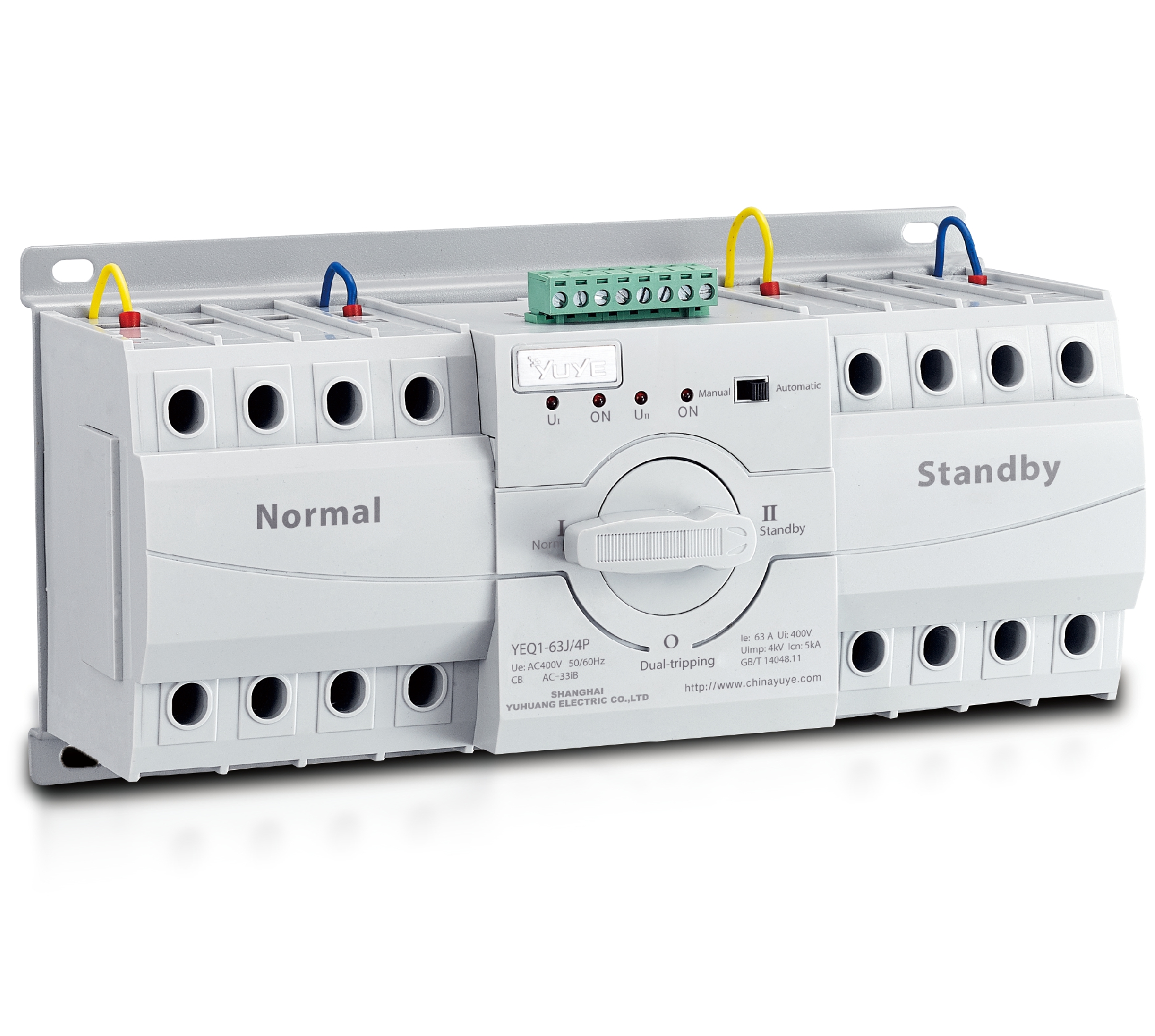
PC ATS YECT1-2000G
PC ATS YES2-63~250GN1
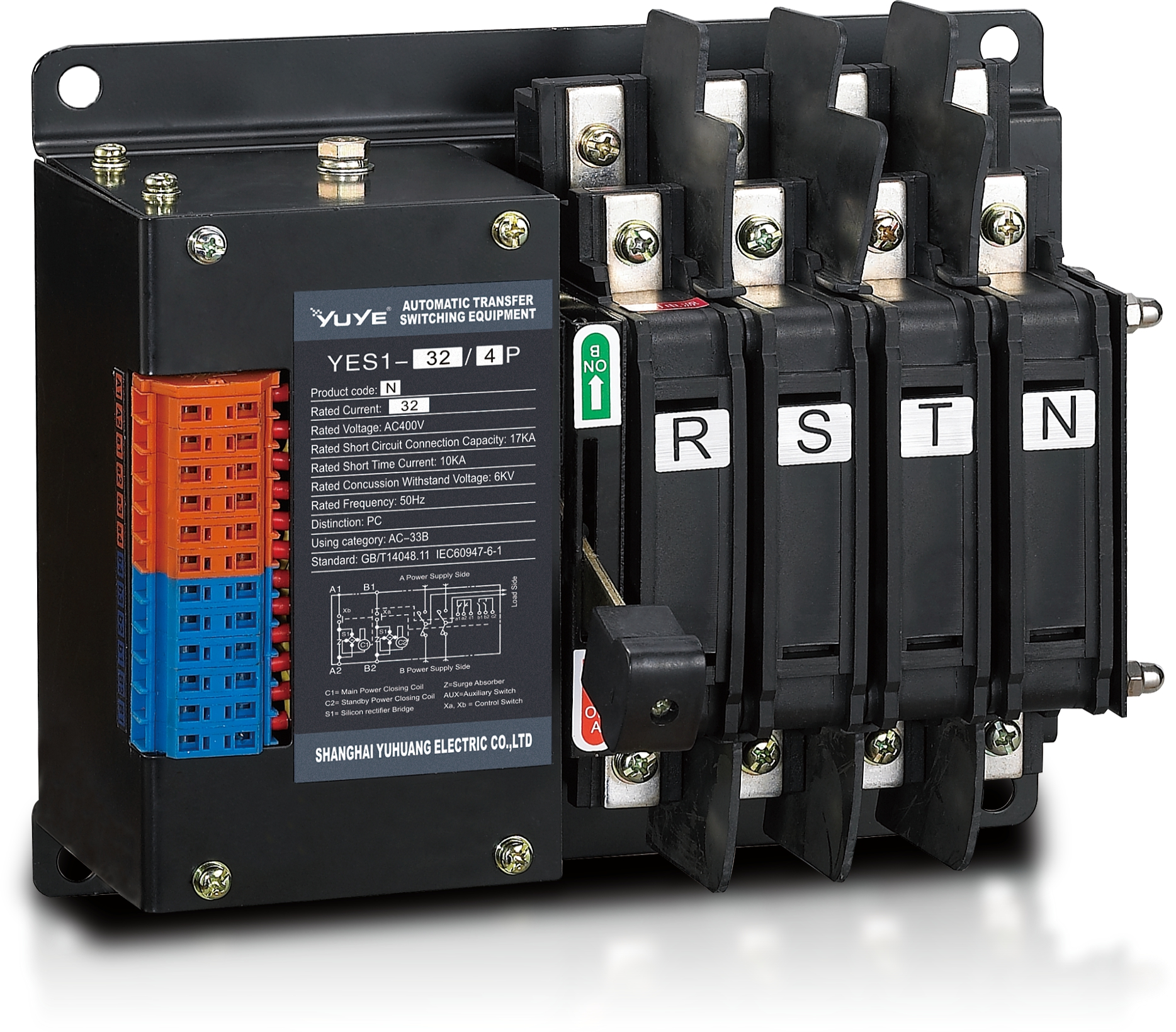
Solenoid-type ATS YES1-32~125N
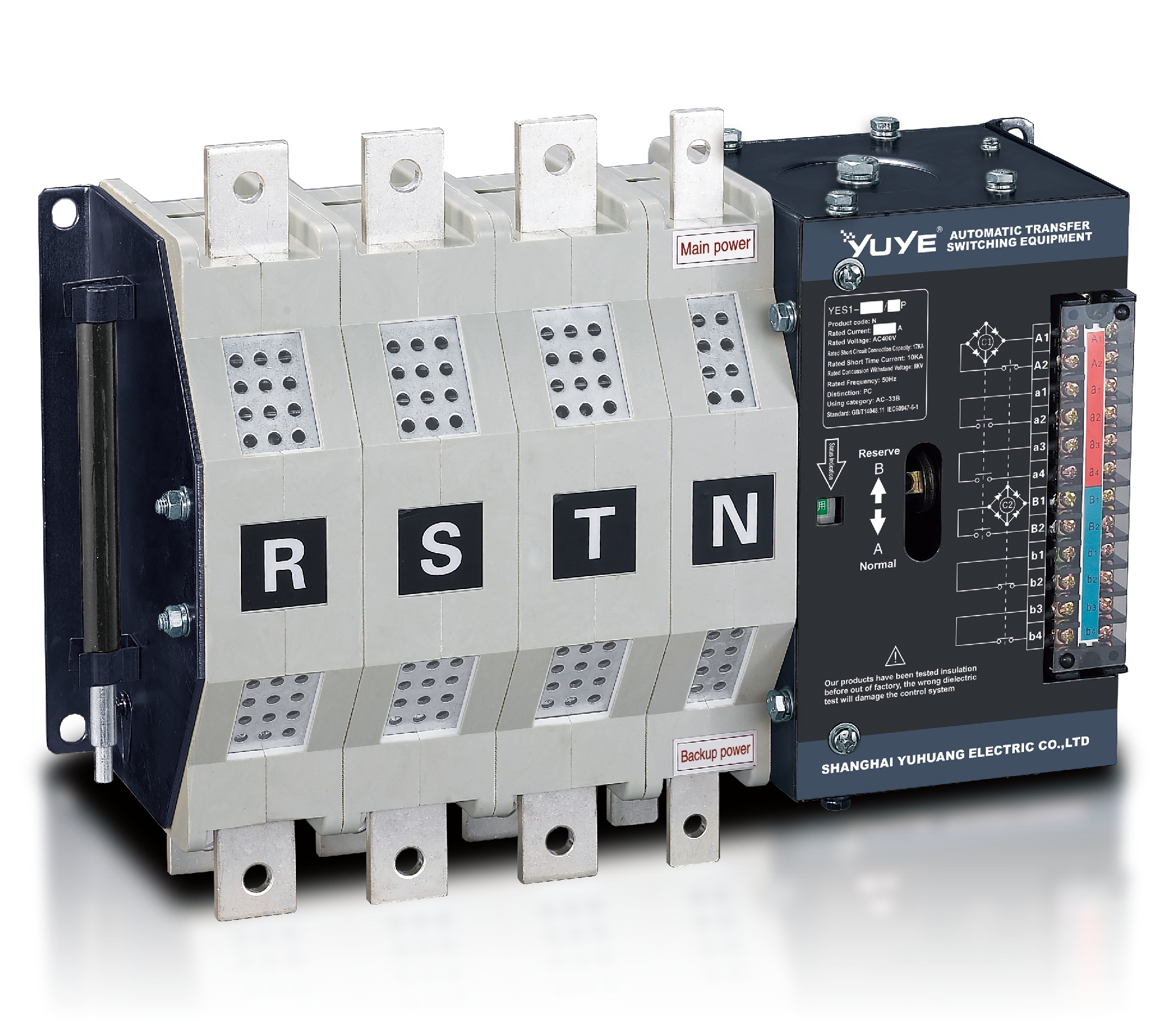
Solenoid-type ATS YES1-250~630N/NT
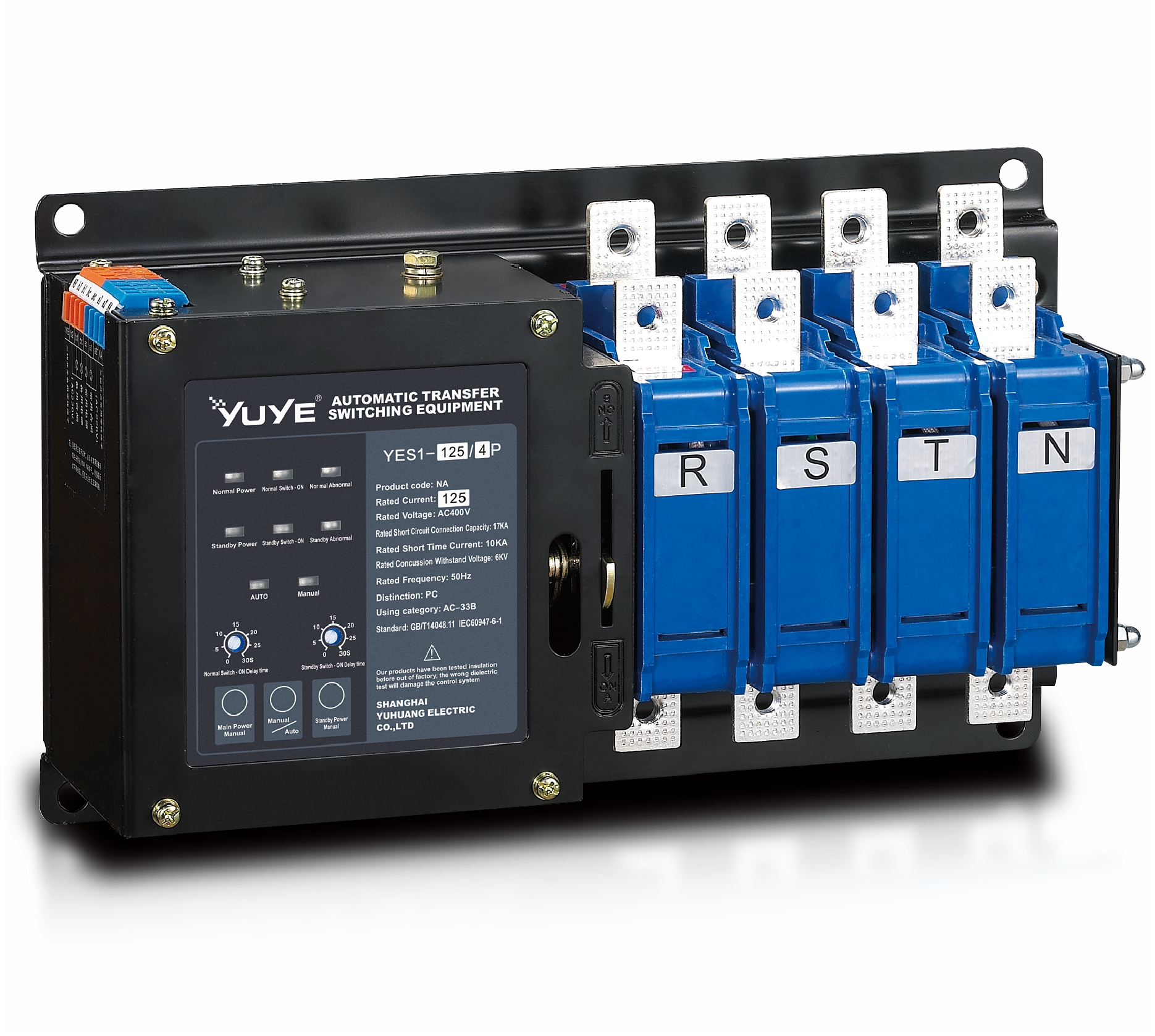
Solenoid-type ATS YES1-32~125NA
Solenoid-type ATS YES1-63~630SN
Solenoid-type ATS YES1-1250~4000SN
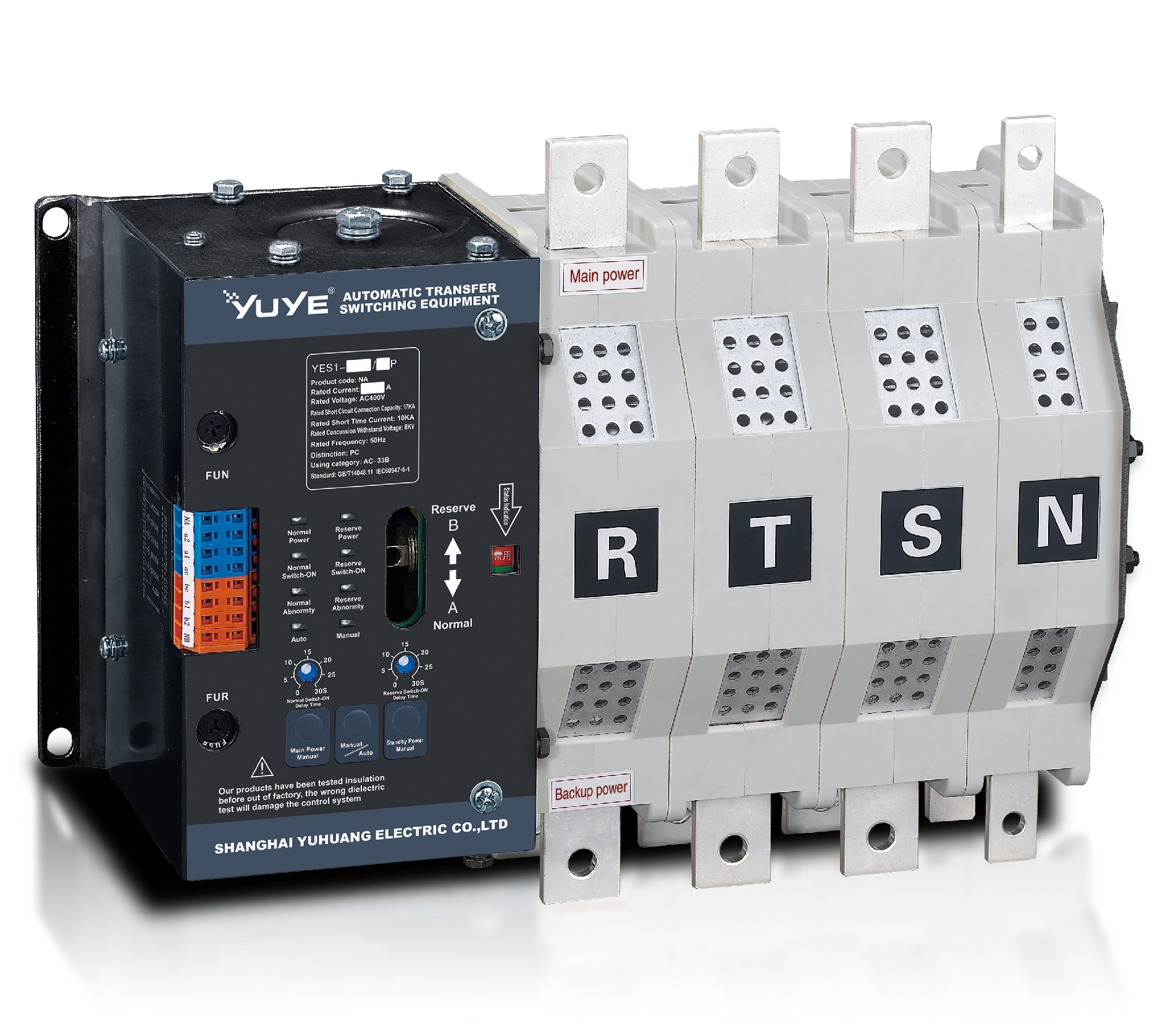
Solenoid-type ATS YES1-250~630NA/NAT
Solenoid-type ATS YES1-63NJT
PC ATS YES1-100~1600GN1/GN/GNF
PC ATS YES1-2000~3200GN/GNF
PC ATS YES1-100~3200GA1/GA
Solenoid-type ATS YES1-63~630SA
Solenoid-type ATS YES1-63~630L/LA
Solenoid-type ATS YES1-63~630LA3
Solenoid-type ATS YES1-63MA
PC ATS YES1-630~1600M
PC ATS YES1-3200Q
Solenoid-type ATS YES1-4000~6300Q
CB ATS YEQ1-63J
CB ATS YEQ2Y-63
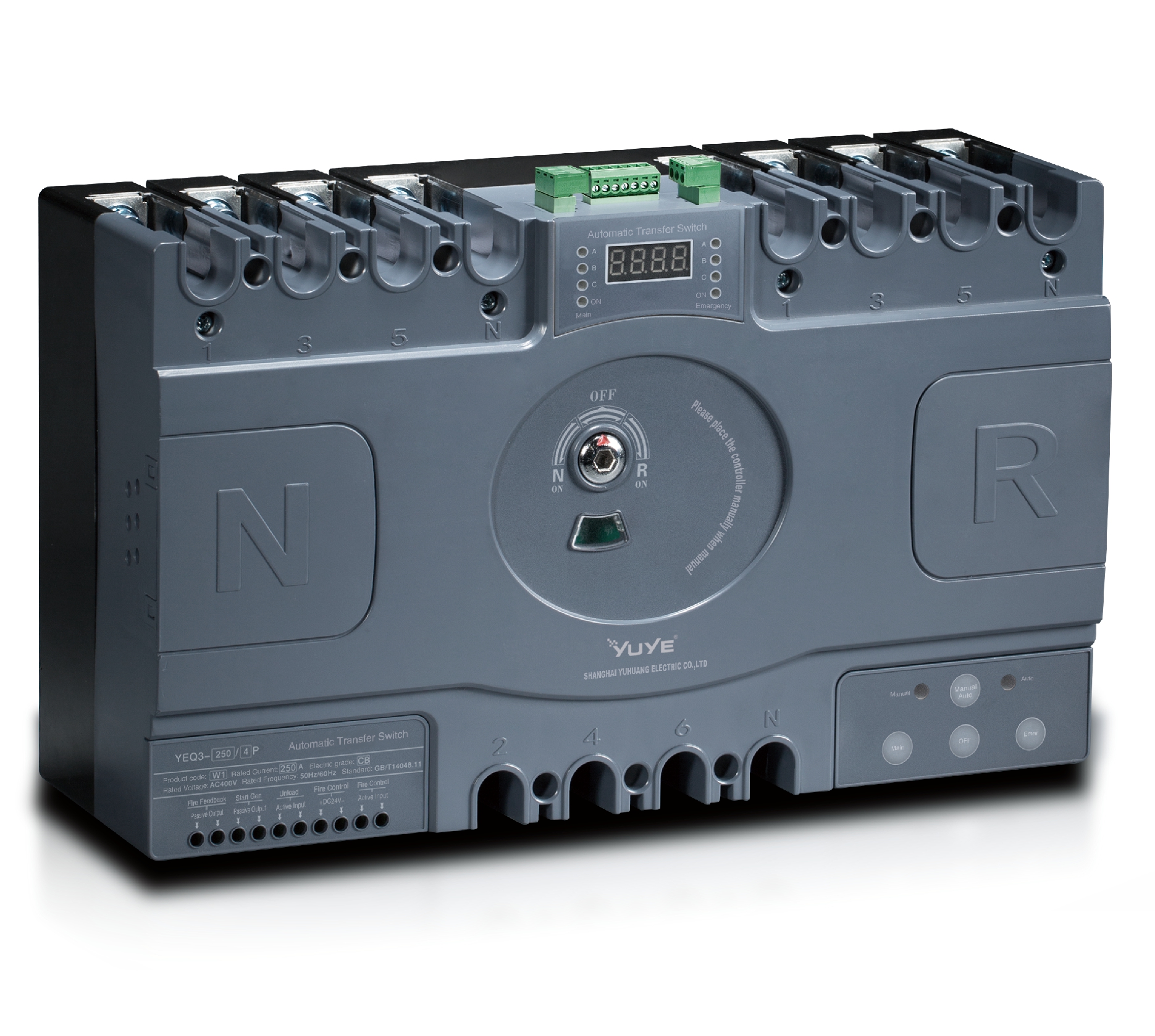
CB ATS YEQ3-63W1
CB ATS YEQ3-125~630W1
ATS controller Y-700
ATS Controller Y-700N
ATS Controller Y-701B
ATS Controller Y-703N
ATS Controller Y-800
ATS Controller W2/W3 Series
ATS switch Cabinet floor-to-ceiling
ATS switch cabinet
JXF-225A power Cbinet
JXF-800A power Cbinet
YEM3-125~800 Plastic Shell Type MCCB
YEM3L-125~630 Leakage Type MCCB
YEM3Z-125~800 Adjustable Type MCCB
YEM1-63~1250 Plastic Shell Type MCCB
YEM1E-100~800 Electronic Type MCCB
YEM1L-100~630 Leakage Type MCCB
Miniature circuit breaker YEMA2-6~100
Miniature circuit breaker YEB1-3~63
Miniature circuit breaker YEB1LE-3~63
Miniature circuit breaker YEPN-3~32
Miniature circuit breaker YEPNLE-3~32
Miniature circuit breaker YENC-63~125Picking the right power setup is actually pretty important, whether you’re at home or running a business. Have you heard of an Automatic Transfer Switch, or ATS? It’s pretty much a game-changer when it comes to keeping your power reliable. When those unexpected outages hit, having a solid backup plan is everything. That’s where an ATS shines — it switches power sources automatically, no need to lift a finger.
Picture this: a fierce storm takes out your power lines. Thanks to the ATS, your family stays safe and comfortable because it kicks in and switches to the generator almost instantly. It keeps things running smoothly, so you don’t have to worry about interruptions. I mean, even a little power outage can throw off your work or mess with family time, right?
Honestly, many folks don’t realize just how important an automatic transfer switch really is — they don’t think about it until they’re caught off guard. But investing in one is a smart move; it protects your equipment and makes everything run more efficiently. With so many options out there, it’s worth taking a moment to pick one that actually fits your needs. So, take a moment and think — are your current power solutions reliable enough?
Because let’s be honest, in today’s world, a little peace of mind goes a long way.
Automatic Transfer Switches (ATS) are crucial for ensuring power reliability. They automatically switch from the main power source to a backup generator during outages. This automatic function provides peace of mind, especially for critical systems like hospitals or data centers.
Understanding ATS basics starts with its main components. The switch has sensors to detect power loss. When the main power fails, the ATS quickly activates the generator. This process usually takes only a few seconds. However, if the sensors fail, the system may not respond correctly. Regular maintenance checks become essential to prevent failures.
The installation of an ATS can be complex. It requires a clear understanding of the electrical load and existing infrastructure. Improperly sized switches can lead to inefficiencies. It’s important to assess the specific power needs of your environment. This reflection can help in choosing the right system for optimal performance.
An Automatic Transfer Switch (ATS) is crucial in power backup systems. It acts as a bridge between the utility power source and a generator. When the utility power fails, the ATS senses the outage and seamlessly switches to the generator. This minimizes downtime and keeps systems running smoothly.
Proper installation of an ATS can be a challenge. It requires skilled technicians to ensure everything functions correctly. If not done right, it might fail during an outage. Regular maintenance is also vital. Neglecting it can lead to unexpected issues when you need power the most.
Understanding the role of ATS means recognizing its importance in emergency situations. In areas prone to power outages, having a reliable ATS is vital. It enhances safety and provides peace of mind. The benefits of an ATS far outweigh the potential drawbacks, but awareness is key.
This bar chart illustrates the advantages of using Automatic Transfer Switches (ATS) in various power backup systems. The data highlights several critical factors for homeowners and businesses considering ATS for their power needs.
When considering power solutions, an Automatic Transfer Switch (ATS) stands out for many reasons. One major advantage is reliability. According to industry reports, facilities using ATS experience a 30% reduction in downtime during power outages. This is crucial for businesses that rely on consistent power availability. An ATS quickly switches to a backup power source, minimizing disruptions.
Tips: Regular maintenance of your ATS can enhance its lifespan. Ensure it undergoes routine checks every six months. This proactive approach helps prevent unexpected failures.
Another notable benefit is versatility. ATS can support various power sources, including generators and solar. This adaptability allows businesses to optimize energy use, especially in fluctuating markets. Reports indicate that facilities using automated systems save up to 15% on energy costs annually. Independence from grid failures fosters a resilient infrastructure.
Tips: Consider integrating smart technology with your ATS. This can improve monitoring and performance, but it requires investment and careful planning. Balancing innovation with practicality is key.
When evaluating an automatic transfer switch (ATS), consider its key features carefully. Start with the switch's response time. A faster response ensures no interruption in your power supply. Look for a device that operates within seconds. This is crucial for sensitive equipment that requires constant power.
Another essential feature is load capacity. The ATS should handle your maximum possible load without a hitch. Analyze your power requirements. Choose a switch that provides a buffer to avoid overloads. Additionally, automatic monitoring capabilities can alert you to potential issues. This proactive approach can prevent costly downtime.
It's also vital to think about durability. An ATS should withstand harsh conditions, especially in outdoor installations. Consider the materials used and the overall design. Lastly, ease of installation matters. Complicated setups can lead to mistakes. Aim for straightforward installation that reduces human error. Each of these elements plays a role in selecting the right ATS for your needs.
An Automatic Transfer Switch (ATS) plays a critical role in power management. When the main power source fails, the ATS quickly detects the outage. It begins to sense the voltage drop and the frequency changes. This quick response helps to mitigate downtime and disruptions.
Once the ATS senses a power failure, it automatically switches to a backup power source. This usually happens within seconds. The transition is smooth, ensuring continuous power supply. Some systems may have delays for a few seconds to test the backup source. It's not always perfect, and occasional malfunctions can happen. Regular maintenance and monitoring are essential to ensure reliability.
**Tips:** Always test your ATS under real conditions. This can reveal any shortcomings that need addressing. Consider having a professional inspect your system regularly. Keeping an eye on wear and tear will extend the life of your equipment. Ensure that your backup power source is always ready. After all, preparation is key.
| Feature | Description | Benefits | Applications |
|---|---|---|---|
| Automatic Sensing | Monitors power supply and detects outages. | Ensures immediate response to power loss. | Residential, commercial, and industrial settings. |
| Seamless Switching | Automatically switches from main to backup power. | Reduces downtime during outages. | Critical infrastructure, data centers. |
| User-Friendly Interface | Simple controls and status indicators. | Easy operation and monitoring. | Homes, offices, emergency services. |
| Safety Features | Includes surge protection and isolation. | Protects equipment from damage. | Manufacturing, healthcare, hospitality. |
| Customization Options | Tailor the ATS to specific needs. | Maximizes efficiency and performance. | Data centers, large buildings, utilities. |
When considering an automatic transfer switch (ATS), installation details matter. Selecting the right location is vital. Install the ATS close to your main power source, considering access and maintenance. Ensure that it’s not exposed to moisture or extreme temperatures. This can affect performance and longevity.
Wiring an ATS requires precision. Connect it correctly to prevent malfunctions. Ensure the transfer switch can handle peak loads. Overloading may lead to failures and downtime. Also, proper grounding is often overlooked but essential. Neglecting this can complicate electrical faults and create safety hazards.
Post-installation, regular inspections are necessary. Dust, debris, and wear can accumulate over time. Schedule periodic checks to ensure everything functions smoothly. Addressing issues early can save time and costs. Remember, overlooking small details during installation could lead to bigger problems later.
Automatic Transfer Switches (ATS) are critical in various industries. They ensure seamless power supply during outages, minimizing downtime. Hospitals are a prime example. They rely on ATS to switch to backup power instantly. A report by the Power Reliability Council indicates that uninterruptible power is crucial; even a brief power outage can jeopardize patient care.
Data centers also heavily depend on ATS. With the growth of cloud computing, consistent uptime is vital. According to a recent study, a mere second of downtime can cost companies thousands. ATS helps maintain power continuity, protecting sensitive equipment and data integrity. Yet, some facilities overlook maintenance, leading to potential failures.
In manufacturing, ATS enhances operational efficiency. It handles power loads, switching between sources as needed. The Global Industry Report states that effective power management can increase productivity by up to 20%. However, improper installation or configuration can create vulnerabilities. It's essential to evaluate these systems regularly for improvements.
In today's fast-paced technological world, the optimization of space and efficiency has become paramount for any organization. The ATS Cabinet Floor Type offers a robust solution that caters specifically to these needs. Featuring a dual circuit power input, this system enables automatic detection and switching between various modes, ensuring a seamless power supply tailored to the specific requirements of diverse operational environments.
Further enhancing its appeal is the wide capacity setting ranging from 63 to 4000A, allowing for flexible configurations based on the back-end load capacity. This adaptability makes it suitable for both small-scale and large-scale applications, addressing the unique demands of each installation. The high reliability of these switch devices ensures that operations remain uninterrupted, as they are designed with superior components, including lightning protection measures and stringent factory inspections for electrical performance.
Additionally, the intelligent monitoring system is a standout feature of the ATS Cabinet. With a user-friendly 4.3-inch touch screen/smart meter, operators can easily monitor current, power, and energy consumption in real time. This capability not only aids in proactive management but also facilitates convenient maintenance, with support for both front and back side servicing. Such a comprehensive approach to power management encapsulates the essence of optimizing space and efficiency, making the ATS Cabinet Floor Type an essential investment for modern power infrastructure.
: Regular exercise improves physical health. It increases energy levels and boosts mood. It also helps maintain a healthy weight.
Setting small, achievable goals can help. Finding a workout buddy boosts accountability. Enjoying different activities keeps things fresh.
A light snack is ideal. Options include a banana or yogurt. This provides energy without weighing you down.
Aim for at least 150 minutes of moderate exercise. Break it into sessions. Consistency is more crucial than intensity.
Missing one workout isn’t the end. Reflect on why it happened. Adjust your schedule or try again tomorrow.
Drink water before, during, and after exercise. Listen to your body’s thirst signals. Carry a water bottle to make it easier.
An Automatic Transfer Switch (ATS) is essential for managing power supply during outages, ensuring seamless transitions between primary and backup power sources. Understanding the basics of ATS, its role in power backup systems, and the advantages it offers is crucial for anyone considering power solutions. ATS enhances reliability by minimizing downtime and can be integrated into various industries, providing safety and convenience.
When selecting an ATS, key features such as sensing capabilities and switching mechanisms must be evaluated to ensure optimal performance. Installation considerations are also important, as proper setup can significantly affect the ATS's effectiveness. With a clear grasp of how an Automatic Transfer Switch works, from initial sensing of power loss to the activation of backup power, users can better appreciate its importance in maintaining continuous power supply across different applications.