
 PC ATS YECT1-2000G
 PC ATS YES2-63~250GN1
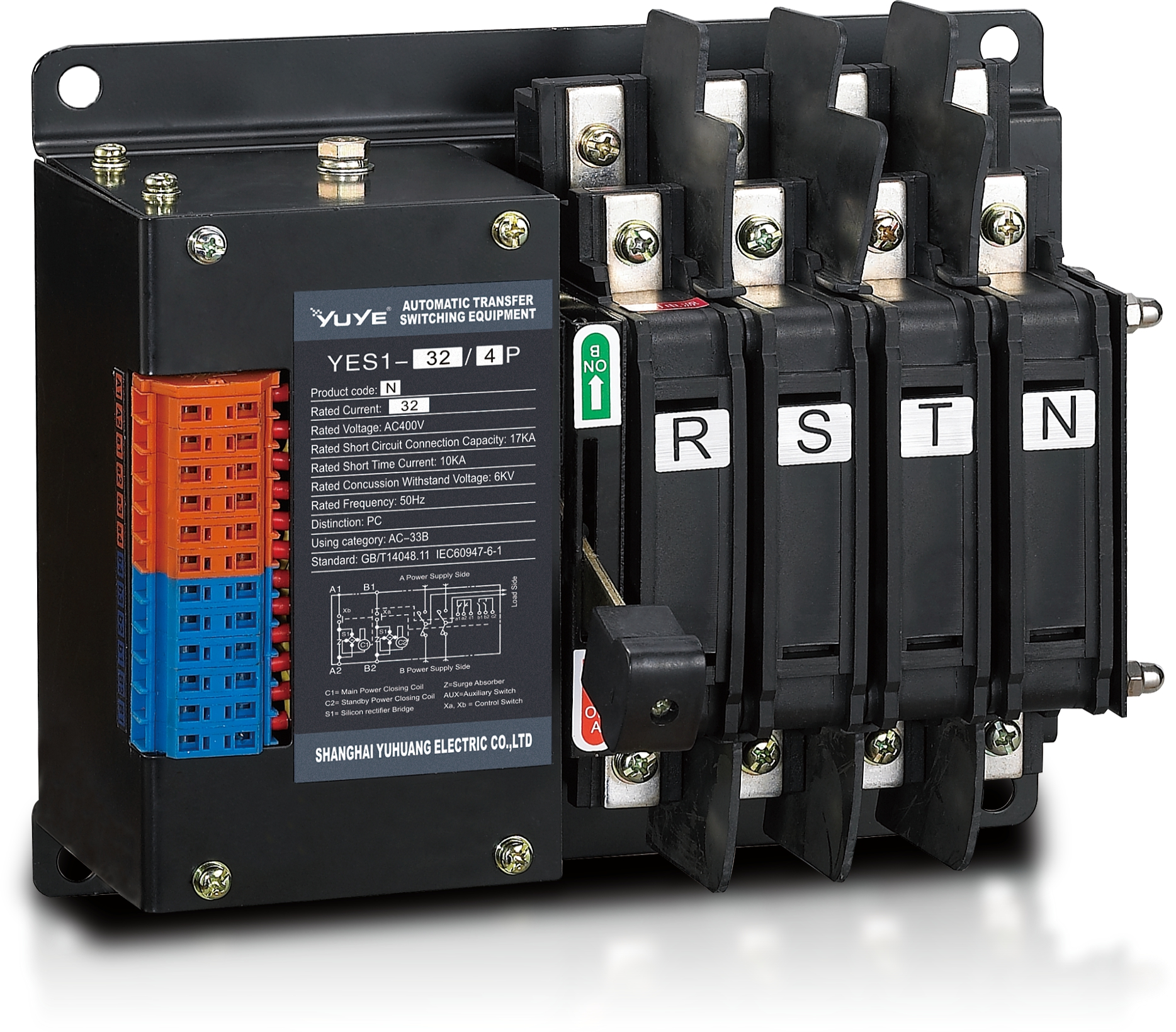 Solenoid-type ATS YES1-32~125N
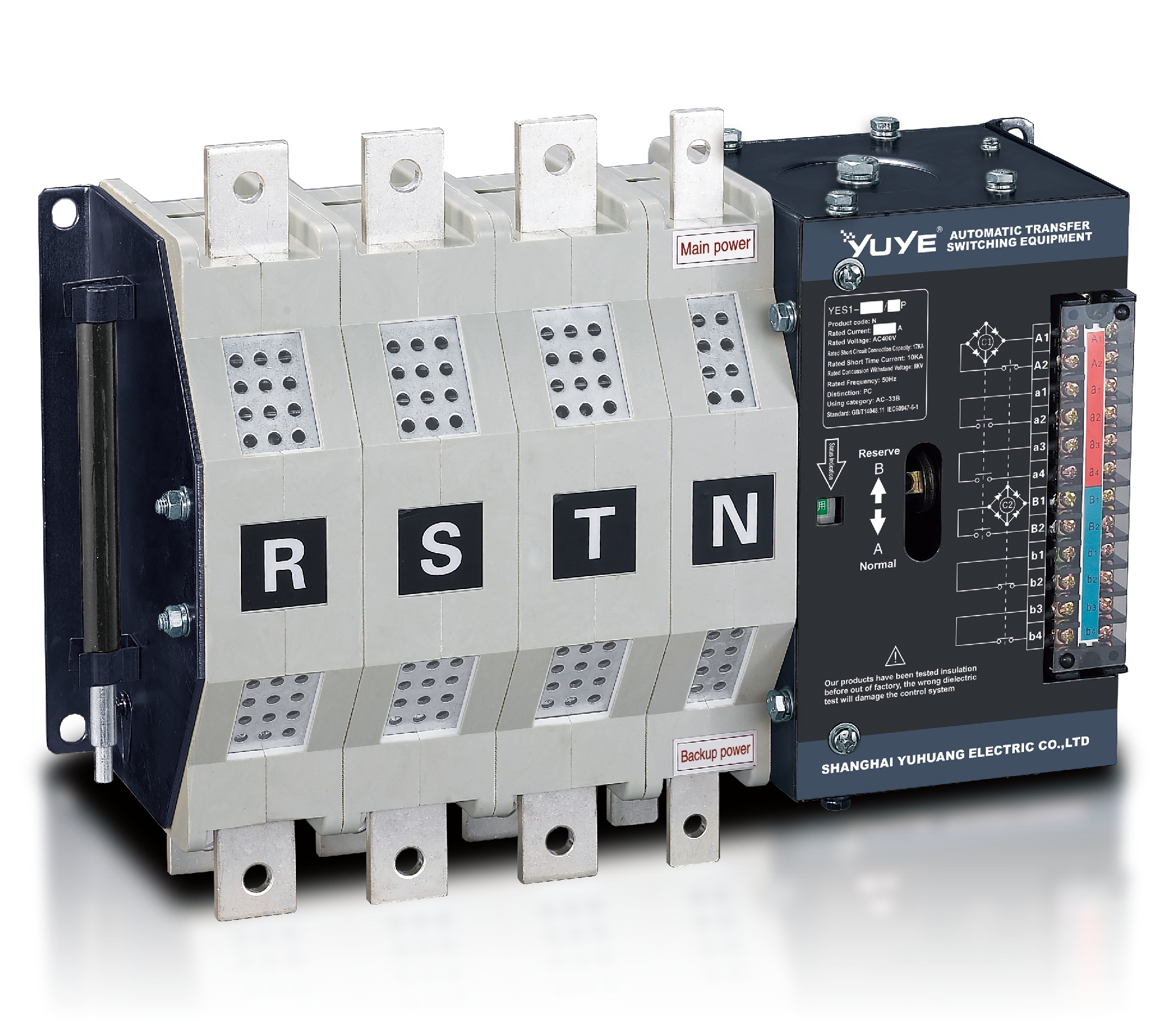 Solenoid-type ATS YES1-250~630N/NT
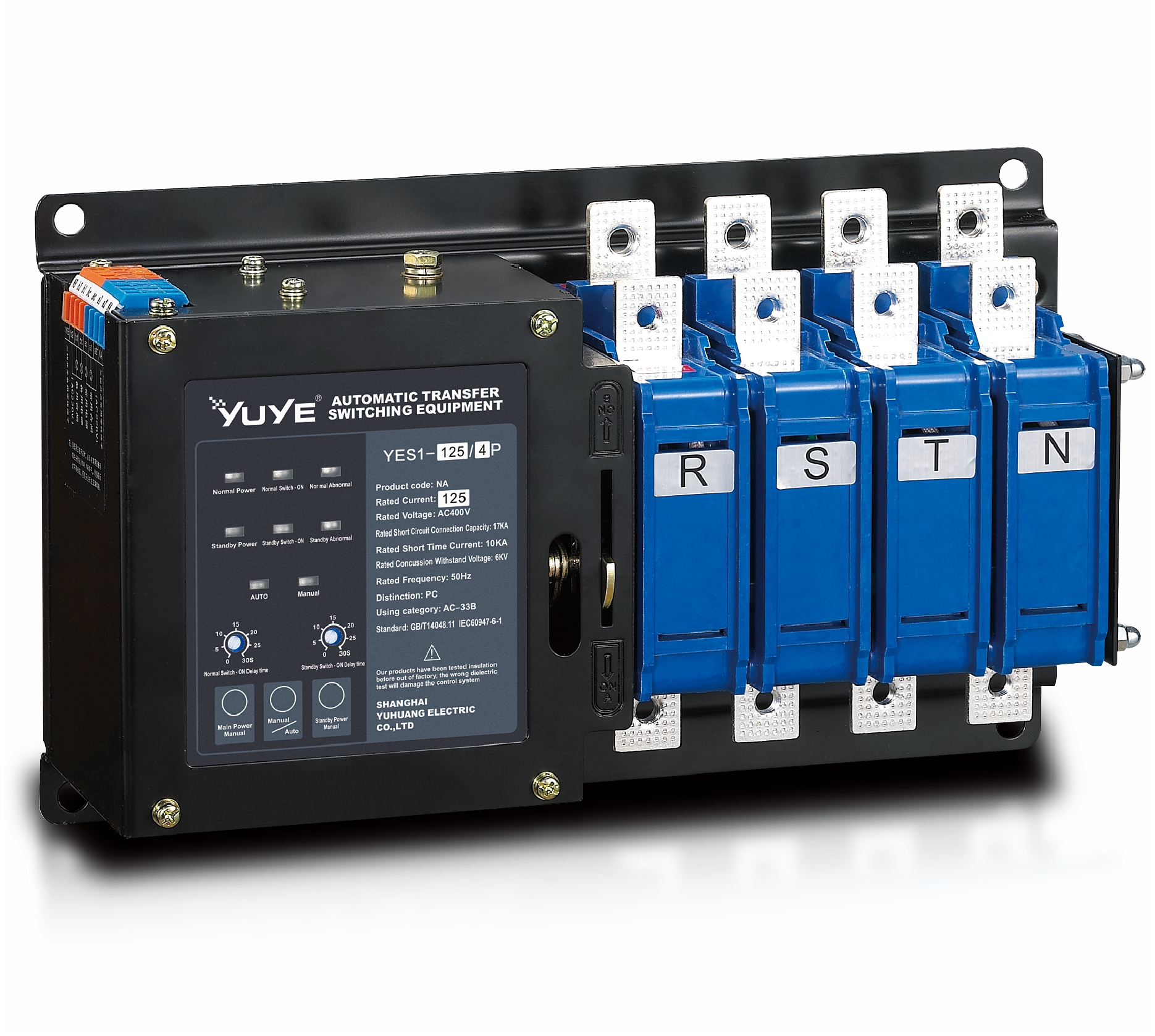 Solenoid-type ATS YES1-32~125NA
 Solenoid-type ATS YES1-63~630SN
 Solenoid-type ATS YES1-1250~4000SN
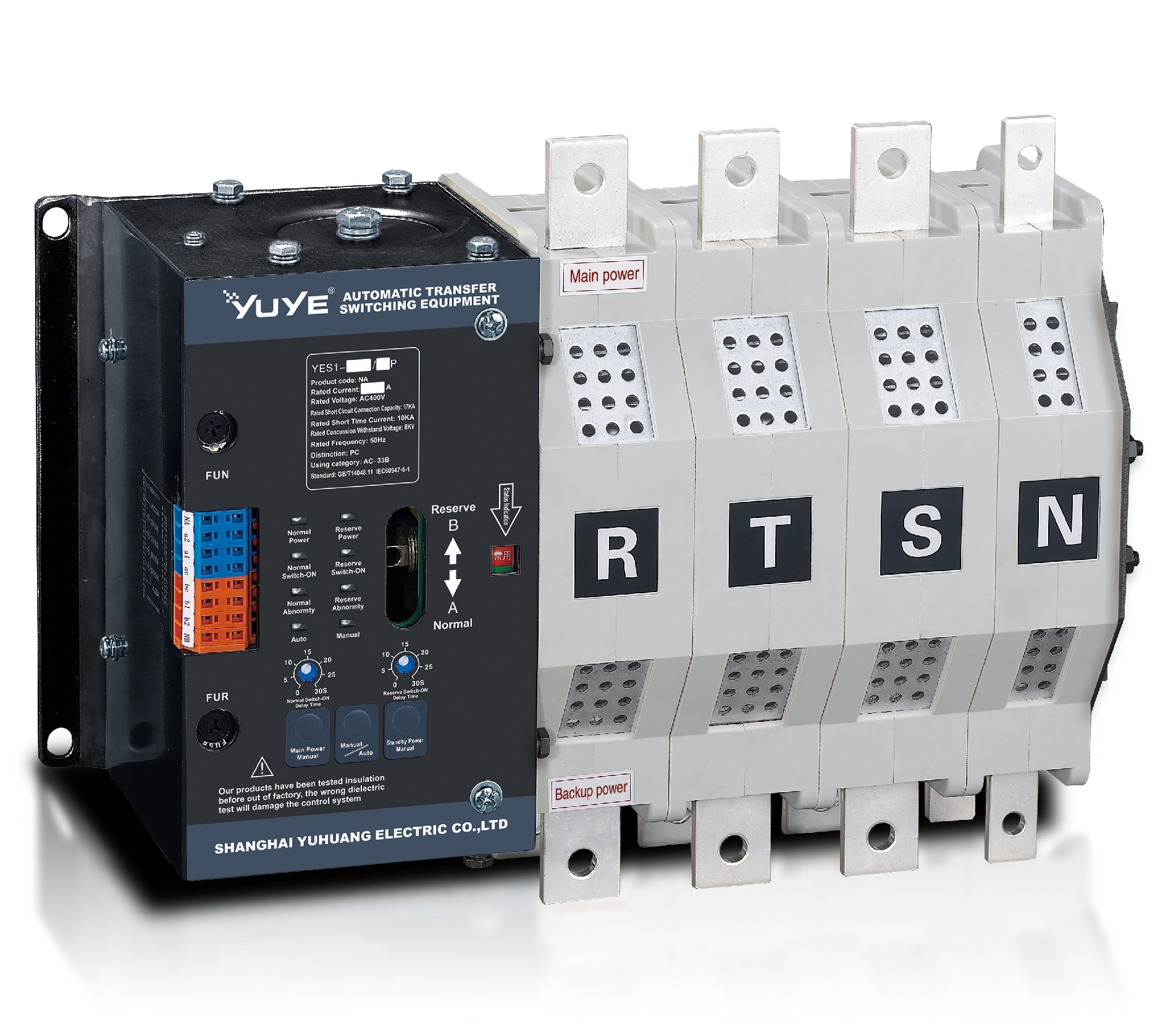 Solenoid-type ATS YES1-250~630NA/NAT
 Solenoid-type ATS YES1-63NJT
 PC ATS YES1-100~1600GN1/GN/GNF
 PC ATS YES1-2000~3200GN/GNF
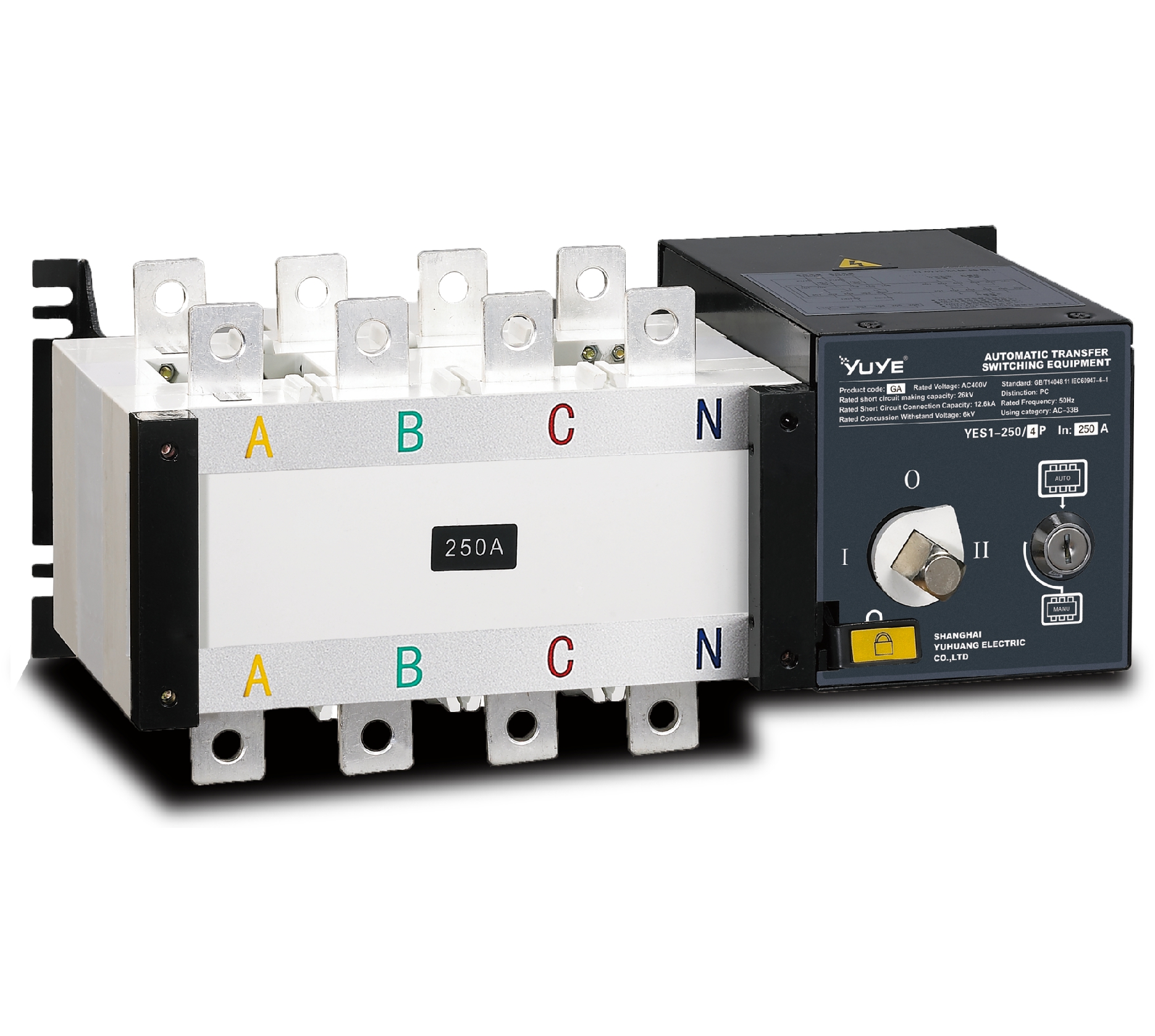 PC ATS YES1-100~3200GA1/GA
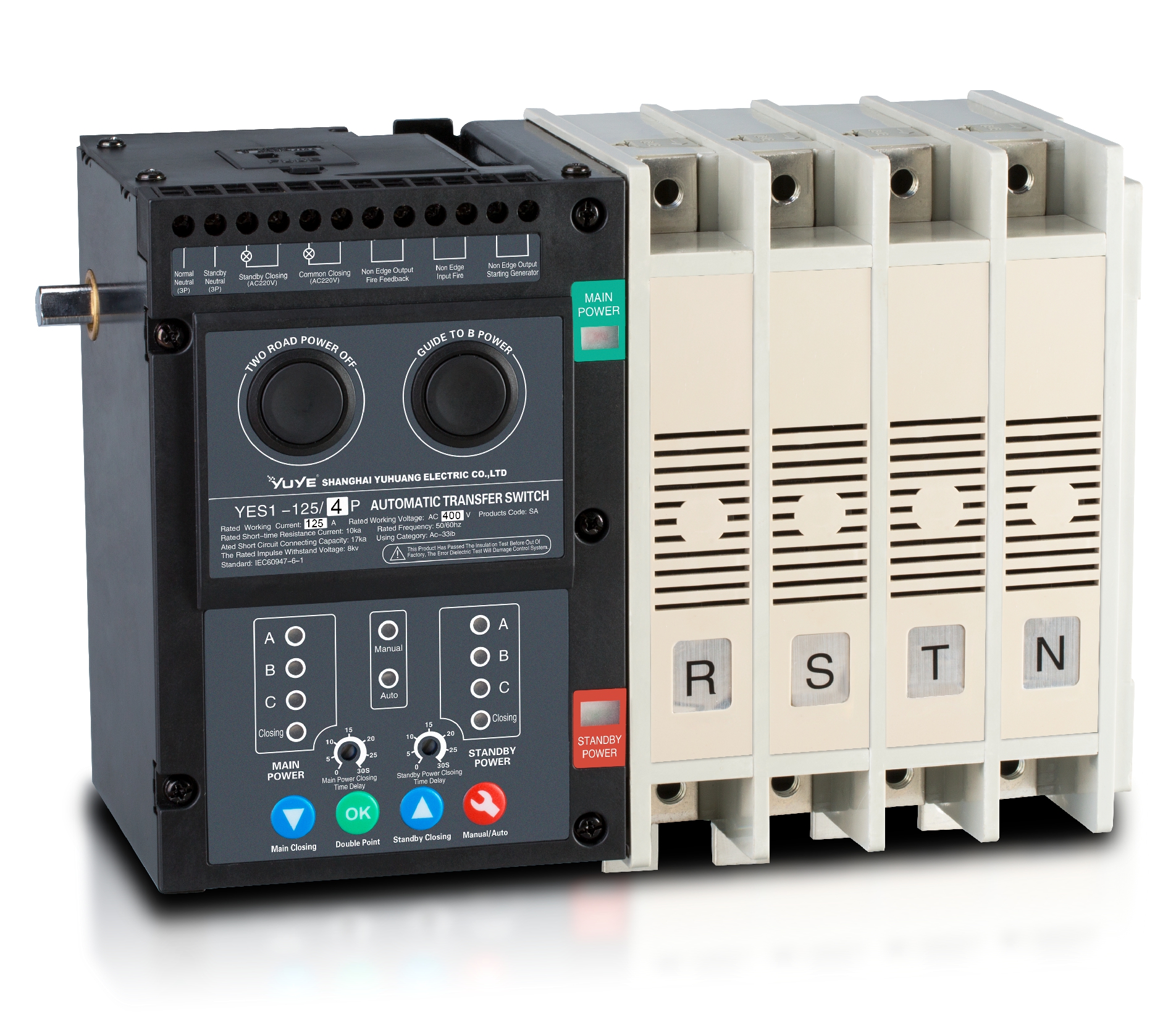 Solenoid-type ATS YES1-63~630SA
 Solenoid-type ATS YES1-63~630L/LA
 Solenoid-type ATS YES1-63~630LA3
 Solenoid-type ATS YES1-63MA
 PC ATS YES1-630~1600M
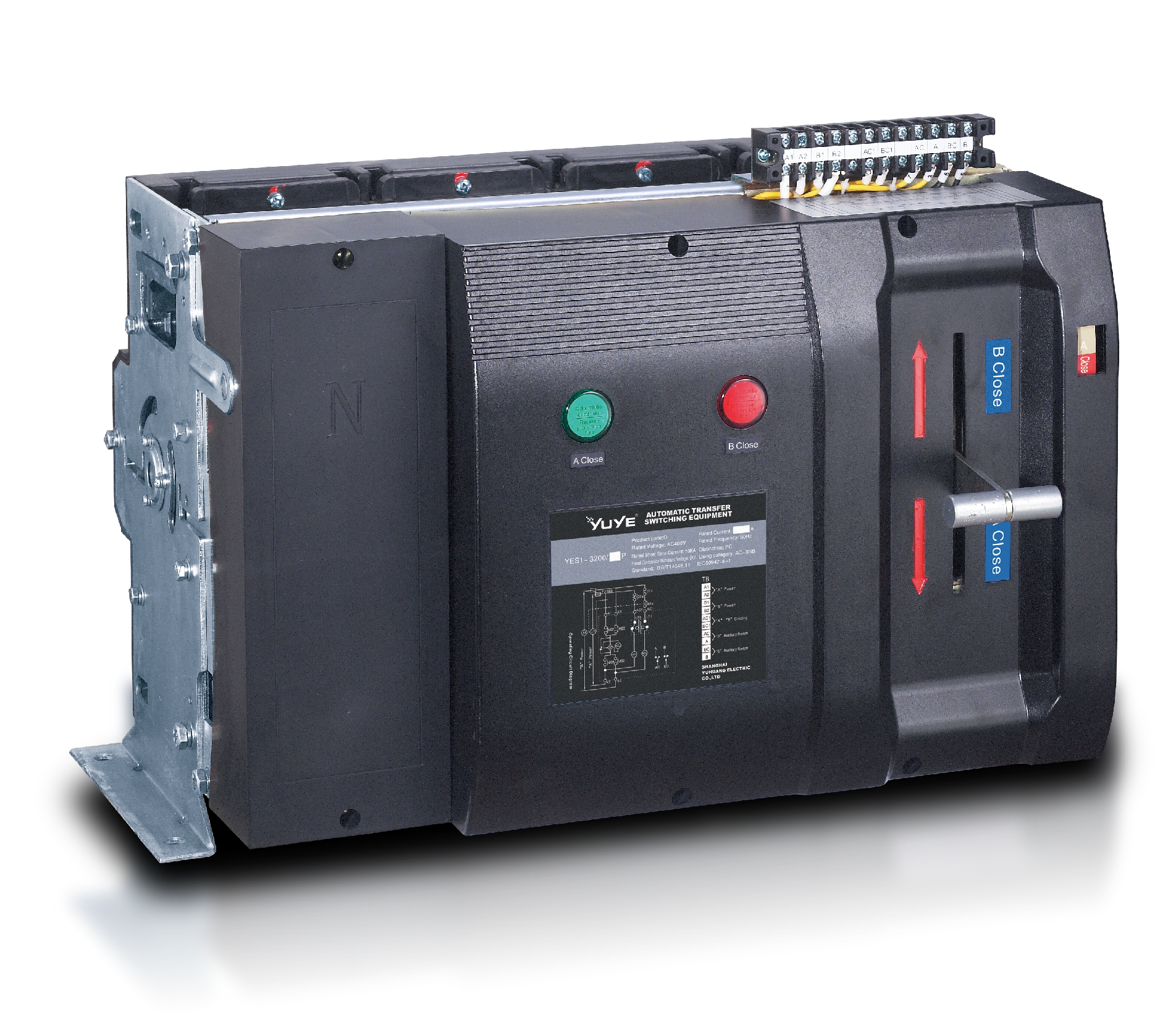 PC ATS YES1-3200Q
 Solenoid-type ATS YES1-4000~6300Q
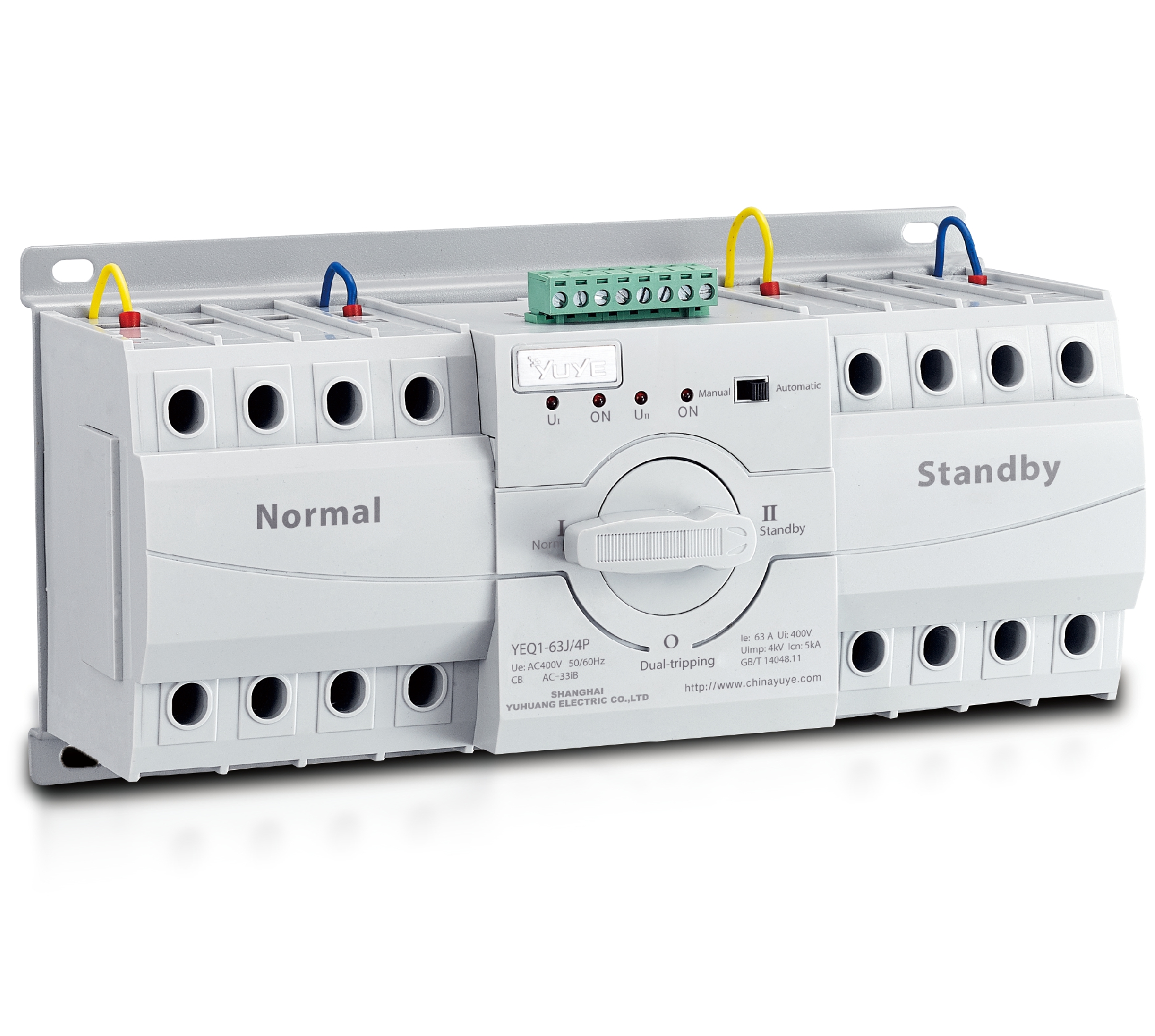 CB ATS YEQ1-63J
 CB ATS YEQ2Y-63
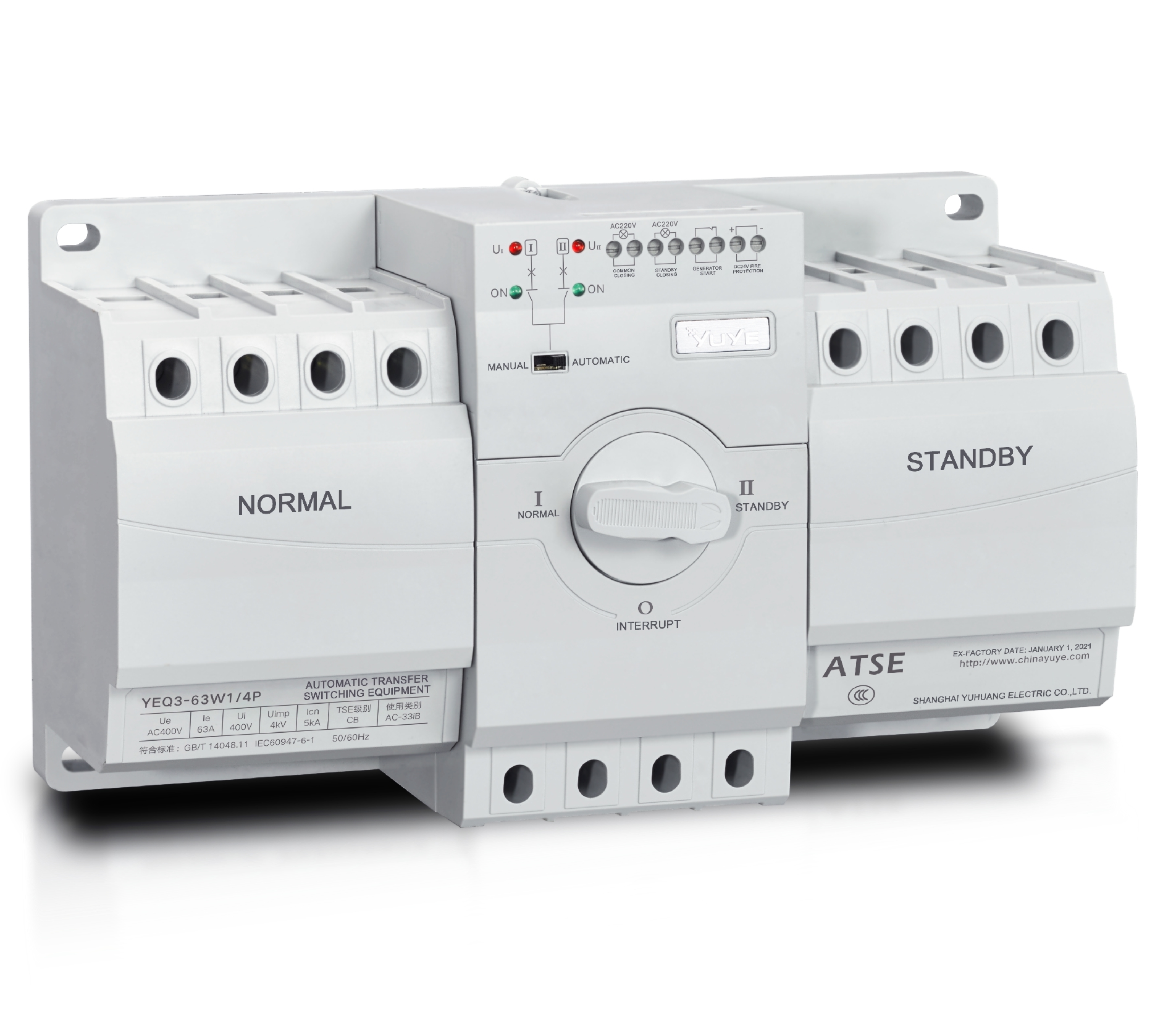 CB ATS YEQ3-63W1
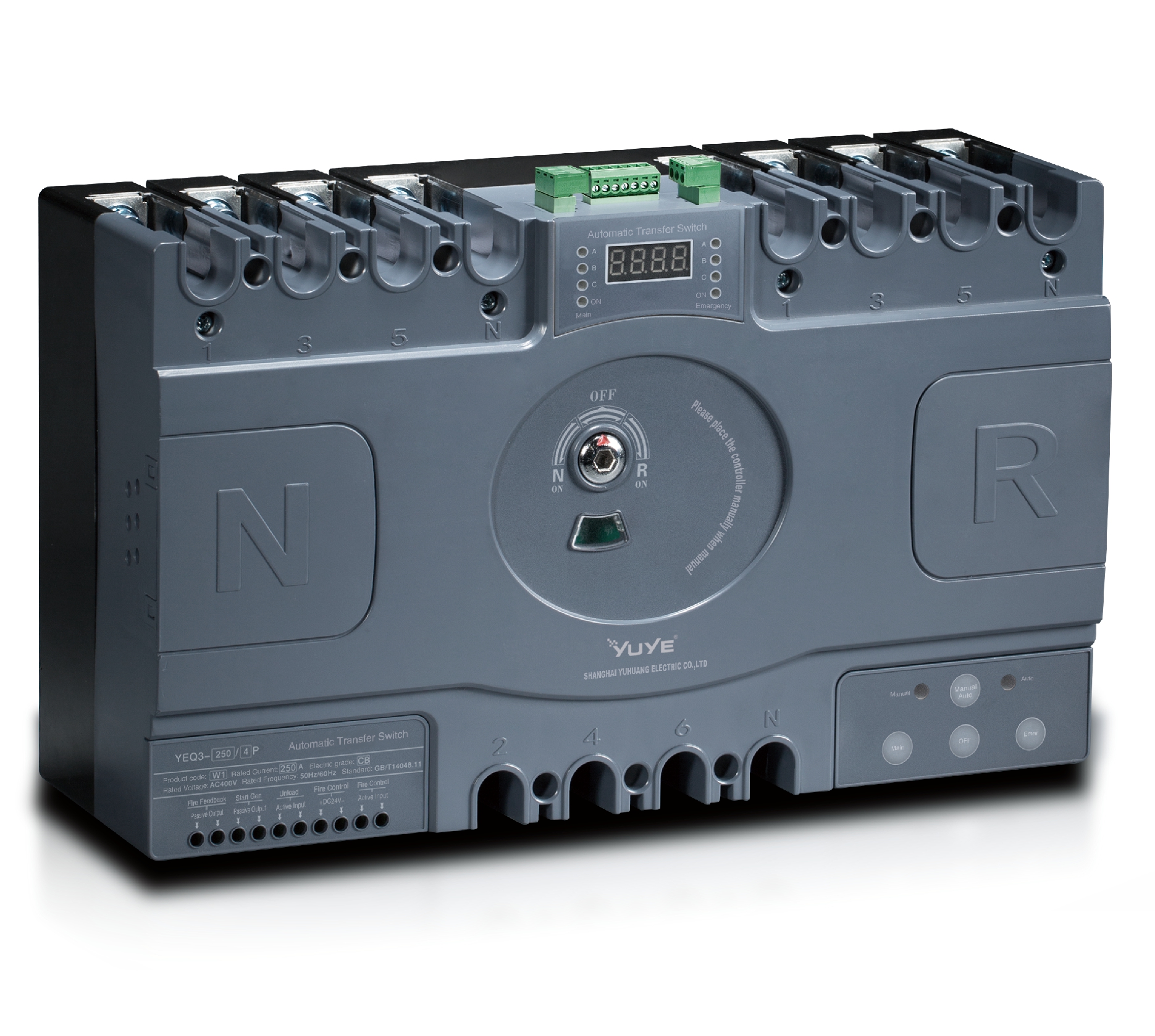 CB ATS YEQ3-125~630W1
 ATS controller Y-700
 ATS Controller Y-700N
 ATS Controller Y-701B
 ATS Controller Y-703N
 ATS Controller Y-800
 ATS Controller W2/W3 Series
 ATS switch Cabinet floor-to-ceiling
 ATS switch cabinet
 JXF-225A power Cbinet
 JXF-800A power Cbinet
 YEM3-125~800 Plastic Shell Type MCCB
 YEM3L-125~630 Leakage Type MCCB
 YEM3Z-125~800 Adjustable Type MCCB
 YEM1-63~1250 Plastic Shell Type MCCB
 YEM1E-100~800 Electronic Type MCCB
 YEM1L-100~630 Leakage Type MCCB
 Miniature circuit breaker YEMA2-6~100
 Miniature circuit breaker YEB1-3~63
 Miniature circuit breaker YEB1LE-3~63
 Miniature circuit breaker YEPN-3~32
 Miniature circuit breaker YEPNLE-3~32
 Miniature circuit breaker YENC-63~125
 Air Circuit Breaker YEW1-2000~6300
 Air Circuit Breaker YEW3-1600
 Load isolation switch YGL-63~3150
 Load Isolation Switch YGL2-63~3150
 Manual Changeover Switch YGL-100~630Z1A
 Manual Changeover Switch YGLZ1-100~3150
 YECPS2-45~125 LCD
 YECPS-45~125 Digital
 CNC Milling/Turning-OEM
 DC relay MDC-300M
 DC Isolation Switch YEGL3D-630
In the power distribution system, the Electrical Load Break Switch is a key component, widely used in residential, industrial and commercial scenarios to control load current and ensure power system safety. This article focuses on its common faults, analyzes causes and provides practical solutions, maintenance skills and prevention measures, helping practitioners solve problems quickly and avoid safety hazards.
1. Common Faults and Quick Solutions
The Electrical Load Break Switch is prone to faults due to long-term use, environment and improper operation. Here are 5 common faults and fixes:
1.1 Tripping Issues
Tripping often results from overload, short circuit, poor contact or tripping device failure. Fixes: Cut off loads to check overload; use a multimeter to find and repair short circuits; clean or replace contacts; inspect and replace faulty tripping parts.
1.2 Poor Contact
Symptoms include switch overheating, arc sound and intermittent power. Troubleshoot: Turn off power, check for oxidation or loose wiring; polish contacts with sandpaper; tighten terminals and test after repair.
1.3 Overheating Problem
Overheating, a serious hazard, is caused by poor contact, overload, poor heat dissipation or high ambient temperature. Prevent by choosing suitable switches and keeping ventilation; fix by cooling the switch, troubleshooting causes and replacing damaged parts if needed.
1.4 Unsmooth Operation
Stuck handles or difficult operation come from mechanical wear, foreign bodies, rust or loose parts. Clean the switch, apply lubricant, remove rust and tighten loose parts; replace worn components if necessary.
1.5 Leakage Problem
Leakage risks electric shock. Detect with an electric pen or multimeter. Fix: Cut off power, check and replace damaged insulation, ensure normal grounding, and test after repair.
2. Troubleshooting Guide
Follow “from easy to difficult” steps: Prepare tools and cut off power; inspect externally, conduct power-on tests, disassemble to find faults; test and verify after repair to ensure normal operation.

3. Long-Term Maintenance
Maintain every 3-6 months (residential/commercial) or 1-3 months (industrial). Clean the switch, check contacts and wiring, test the handle; wear insulating gear during maintenance and operate correctly to extend service life.
4. Common Misunderstandings
Avoid forced on-off with load, ignoring tripping, illegal installation, choosing low-quality switches, confusing it with circuit breakers, and overlooking environmental factors. Select certified switches and operate standardizedly.
5. Fault Causes and Prevention
Faults stem from poor switch quality, improper selection, operation or maintenance, and harsh environments. Prevent by choosing high-quality switches, standardizing operation, regular maintenance and improving the operating environment.
6. Conclusion
The Electrical Load Break Switch is vital for power system stability. Mastering its fault solutions and maintenance skills helps reduce faults, extend service life and ensure safety.
Reference Sources
1. EN IEC 60947-3:2021/A1:2025, International Electrotechnical Commission (IEC), 2025.
2. Changzhou Xinweixin Electromechanical Testing Technology Service Co., Ltd. (2026). Shunqi Network.
3. Electrical Engineer Zhang (2020). Electrical Engineer Zhang Official Account.
FAQ
Q1: Frequent tripping?
Check overload/short circuit, clean contacts or repair tripping devices.
Q2: Poor contact hazards?
Overheating/fire; avoid by regular inspection.
Q3: Humid environment use?
Choose waterproof switches and install protective covers.
Q4: Difference from circuit breakers?
It controls load; circuit breakers protect against overload/short circuit, not interchangeable.
Q5: Maintenance frequency?
3-6 months (residential), 1-3 months (industrial); focus on cleaning and contact checks.