
 PC ATS YECT1-2000G
 PC ATS YES2-63~250GN1
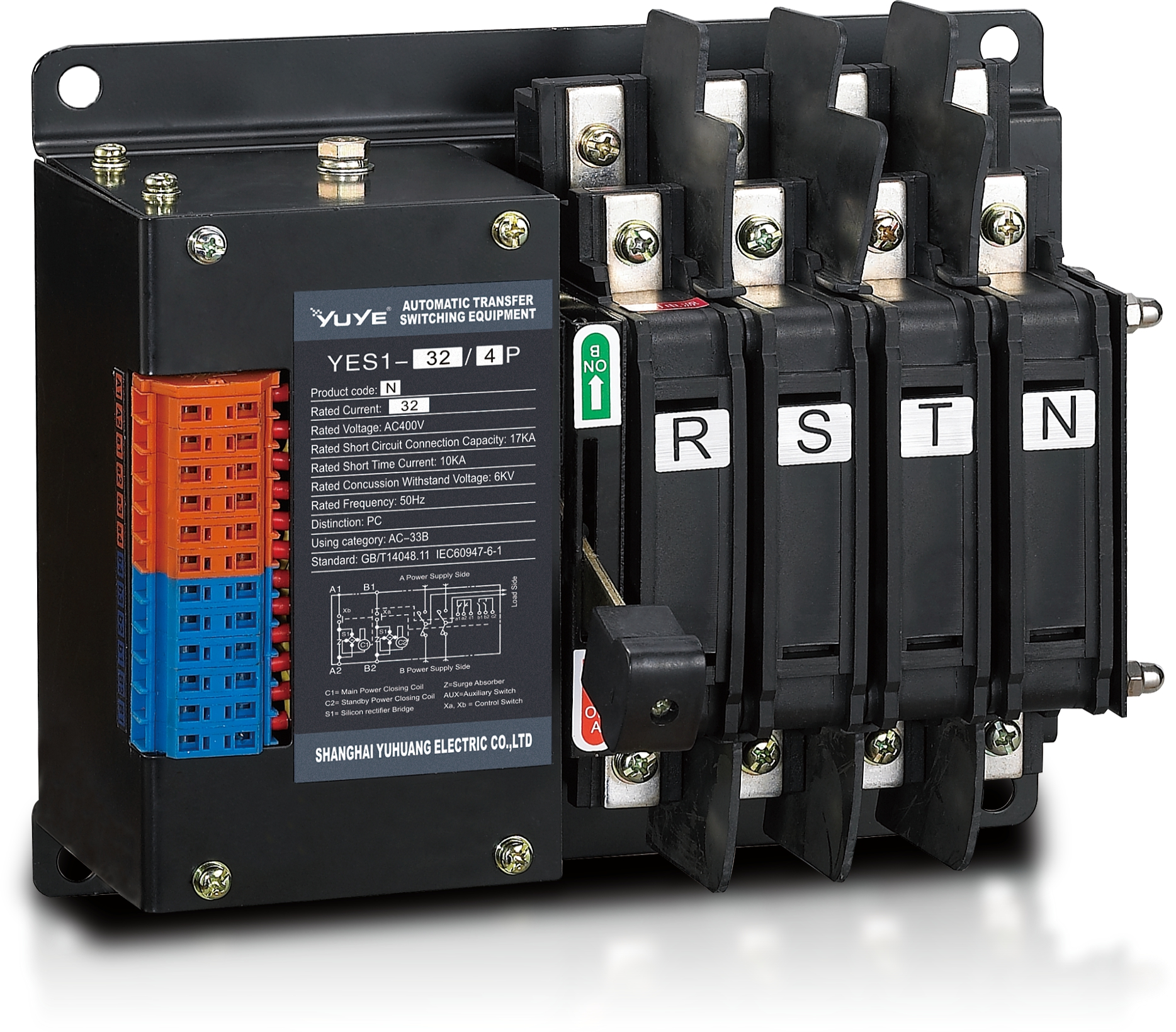 Solenoid-type ATS YES1-32~125N
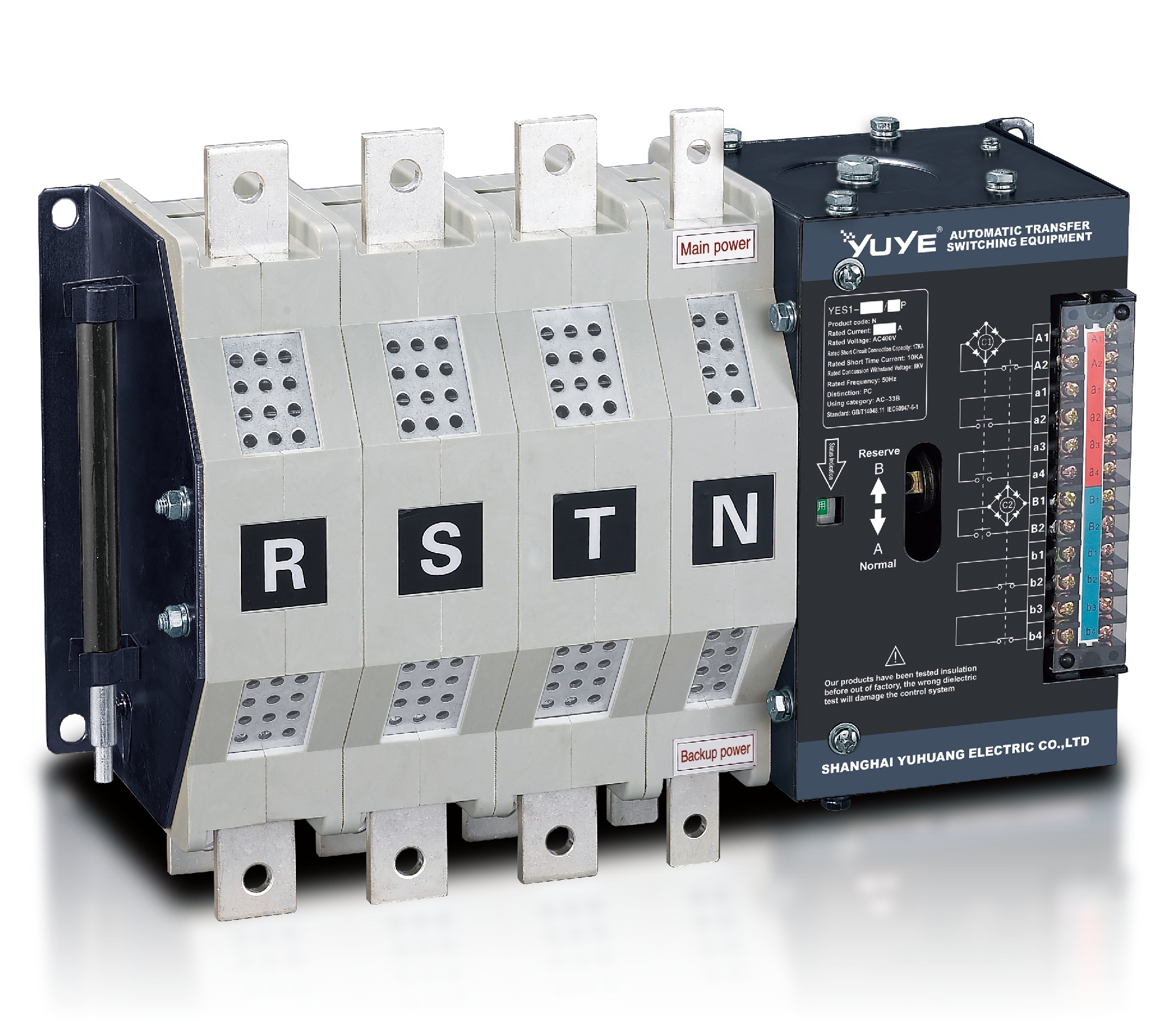 Solenoid-type ATS YES1-250~630N/NT
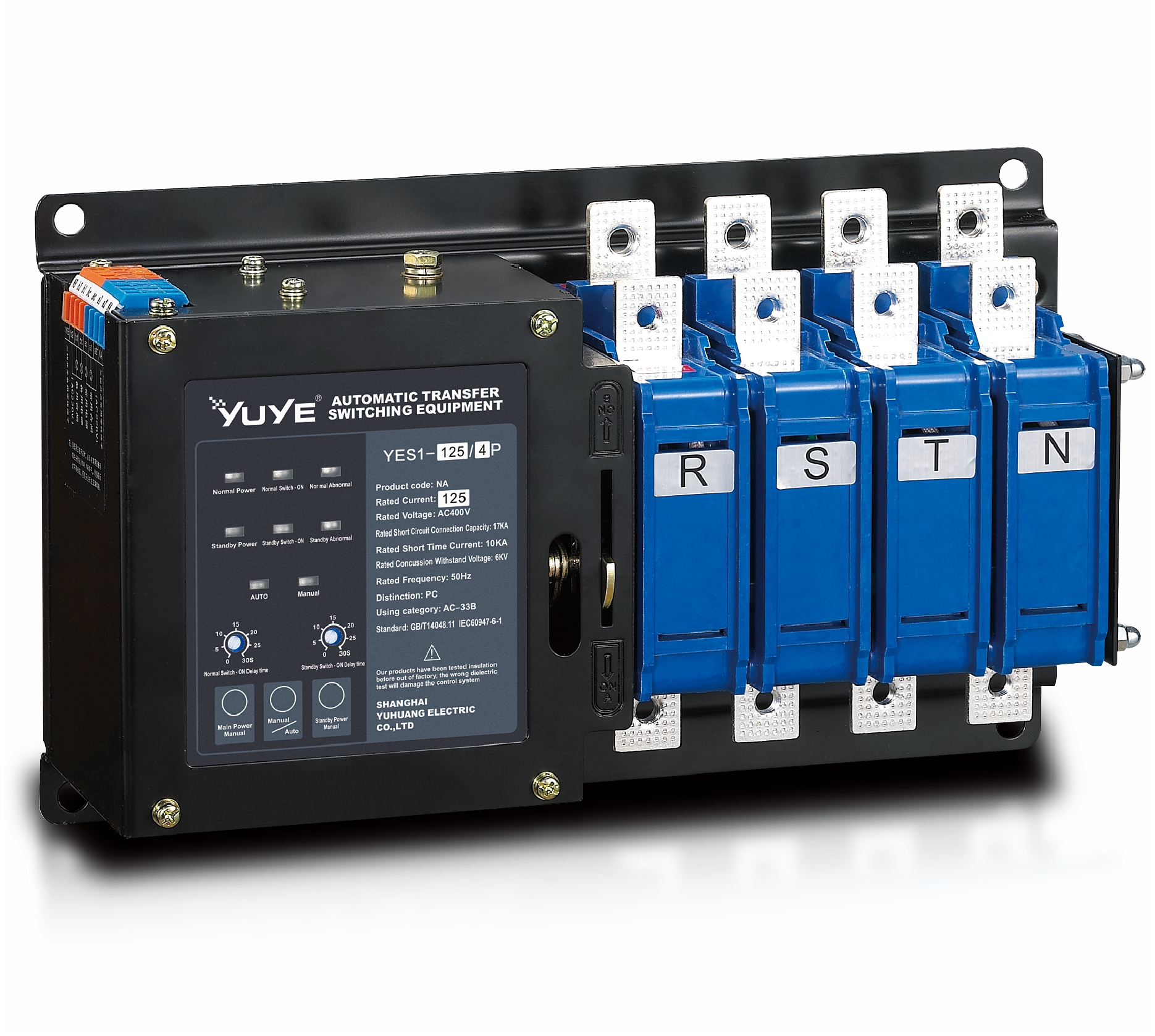 Solenoid-type ATS YES1-32~125NA
 Solenoid-type ATS YES1-63~630SN
 Solenoid-type ATS YES1-1250~4000SN
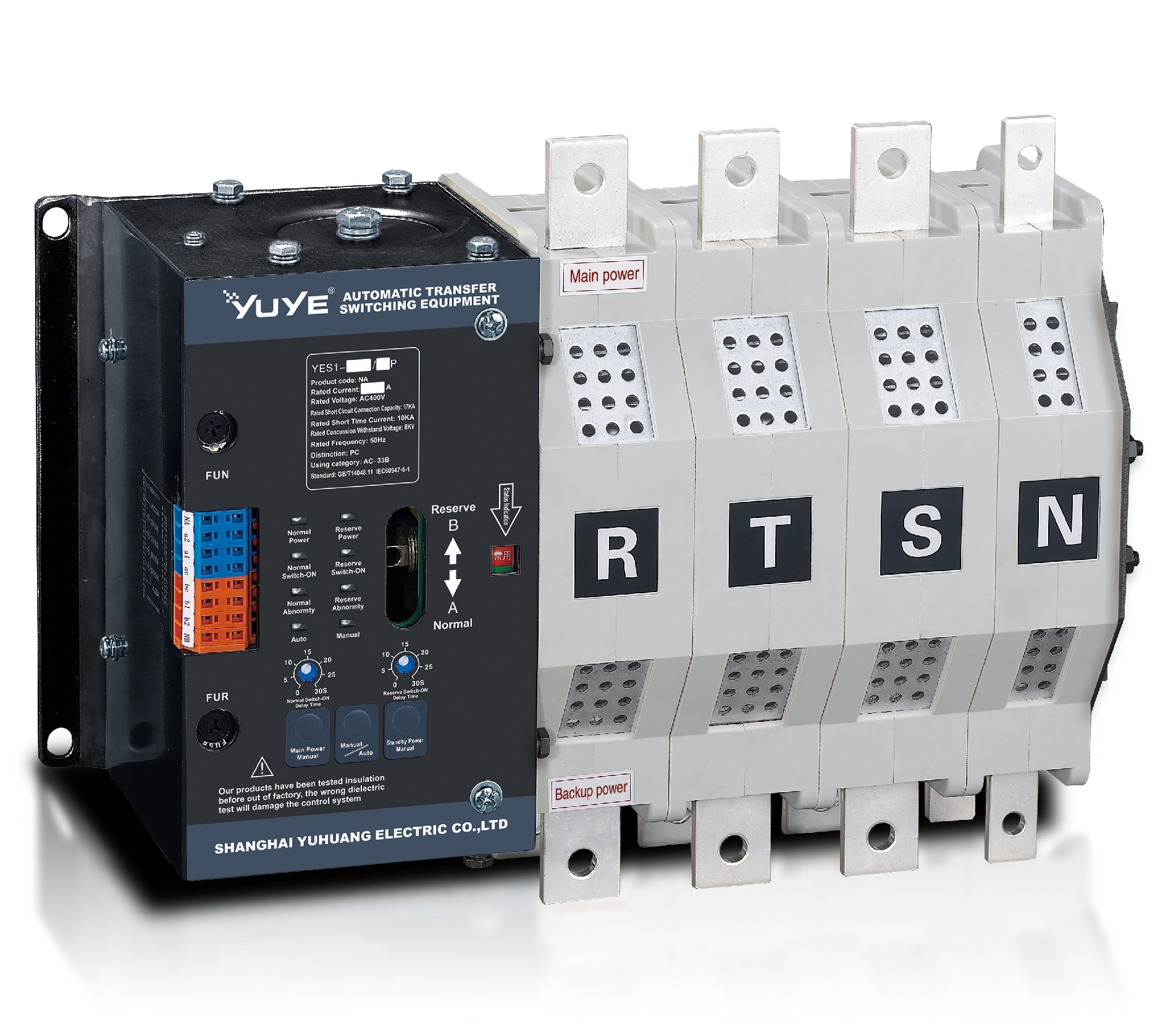 Solenoid-type ATS YES1-250~630NA/NAT
 Solenoid-type ATS YES1-63NJT
 PC ATS YES1-100~1600GN1/GN/GNF
 PC ATS YES1-2000~3200GN/GNF
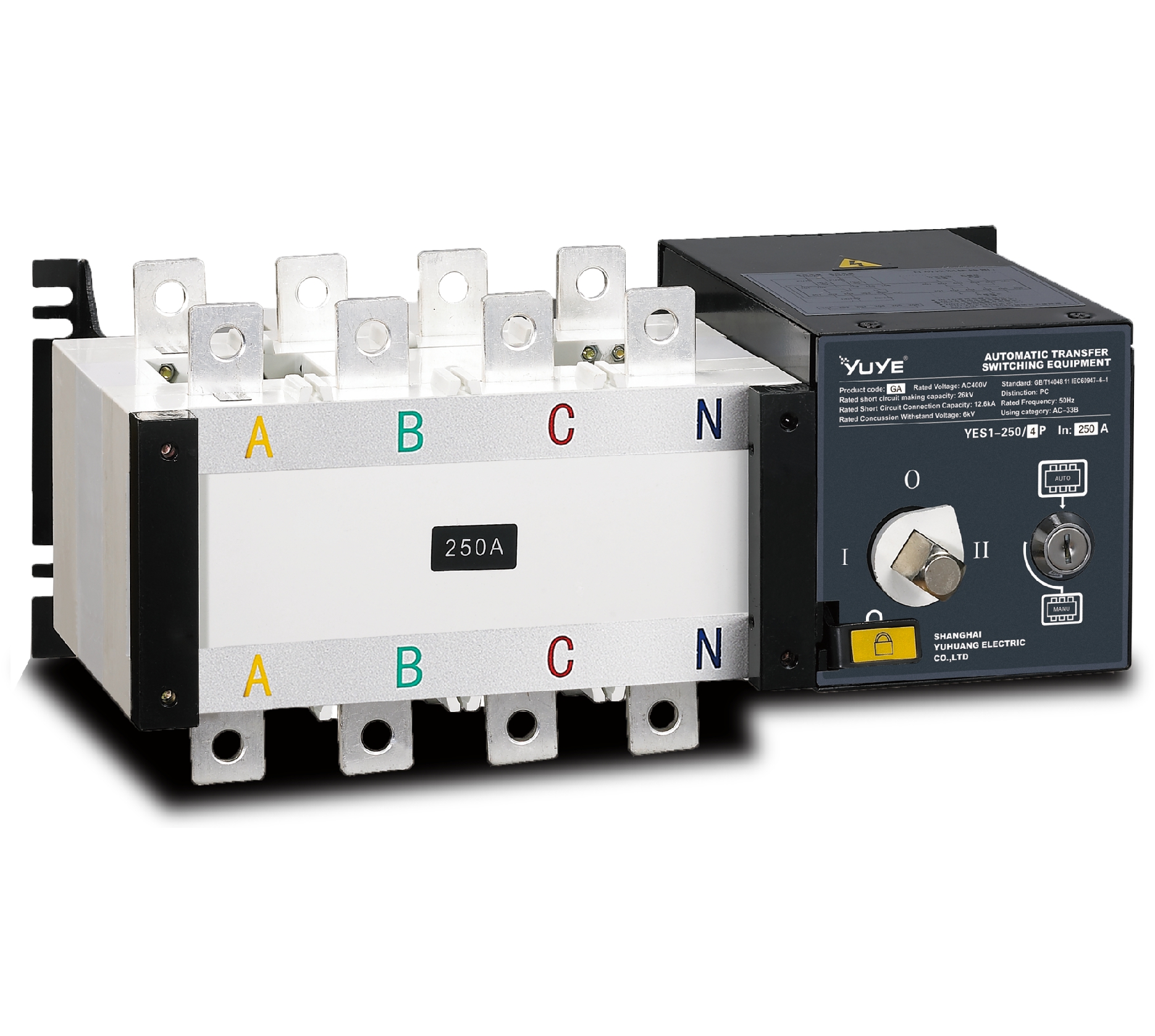 PC ATS YES1-100~3200GA1/GA
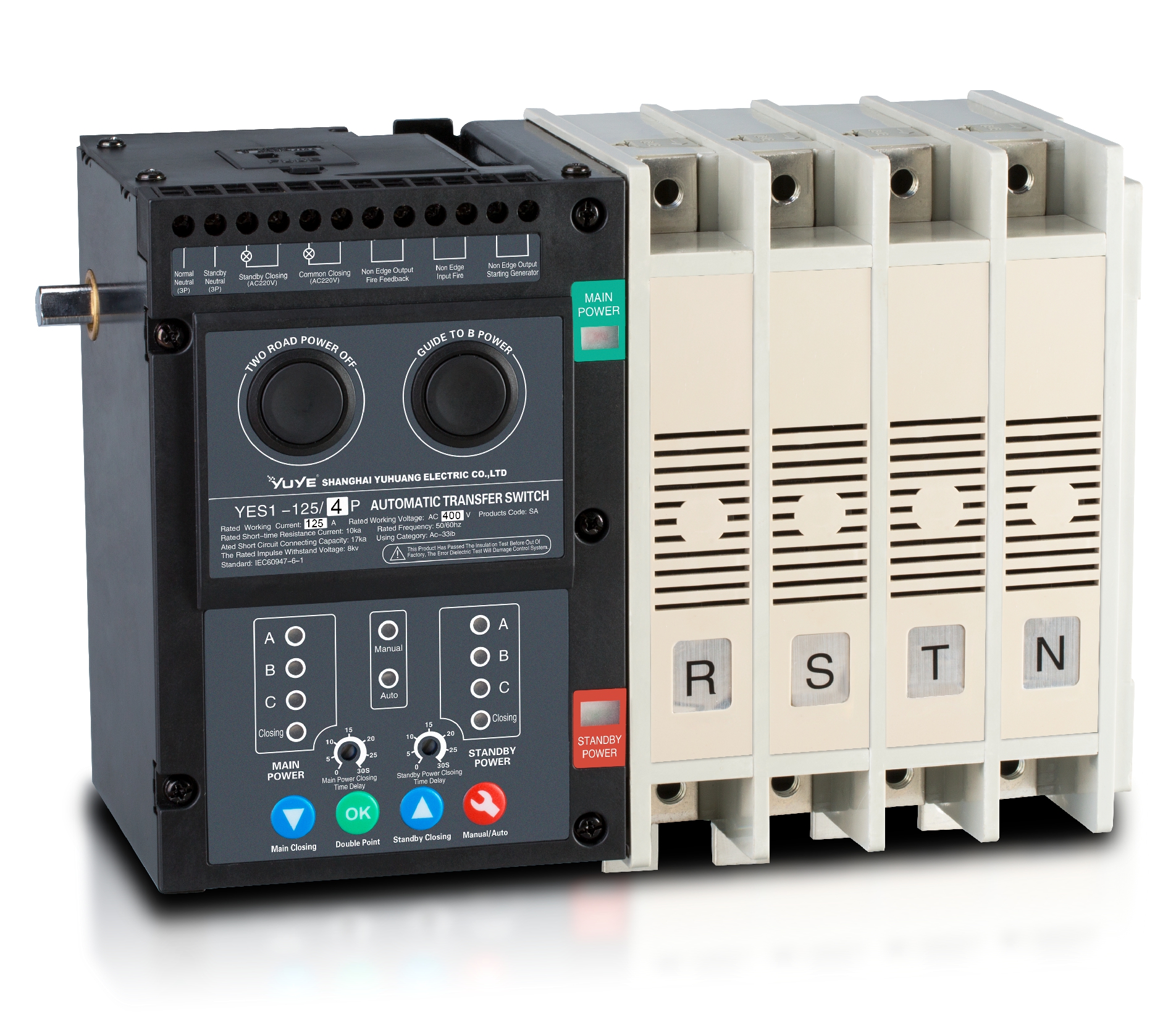 Solenoid-type ATS YES1-63~630SA
 Solenoid-type ATS YES1-63~630L/LA
 Solenoid-type ATS YES1-63~630LA3
 Solenoid-type ATS YES1-63MA
 PC ATS YES1-630~1600M
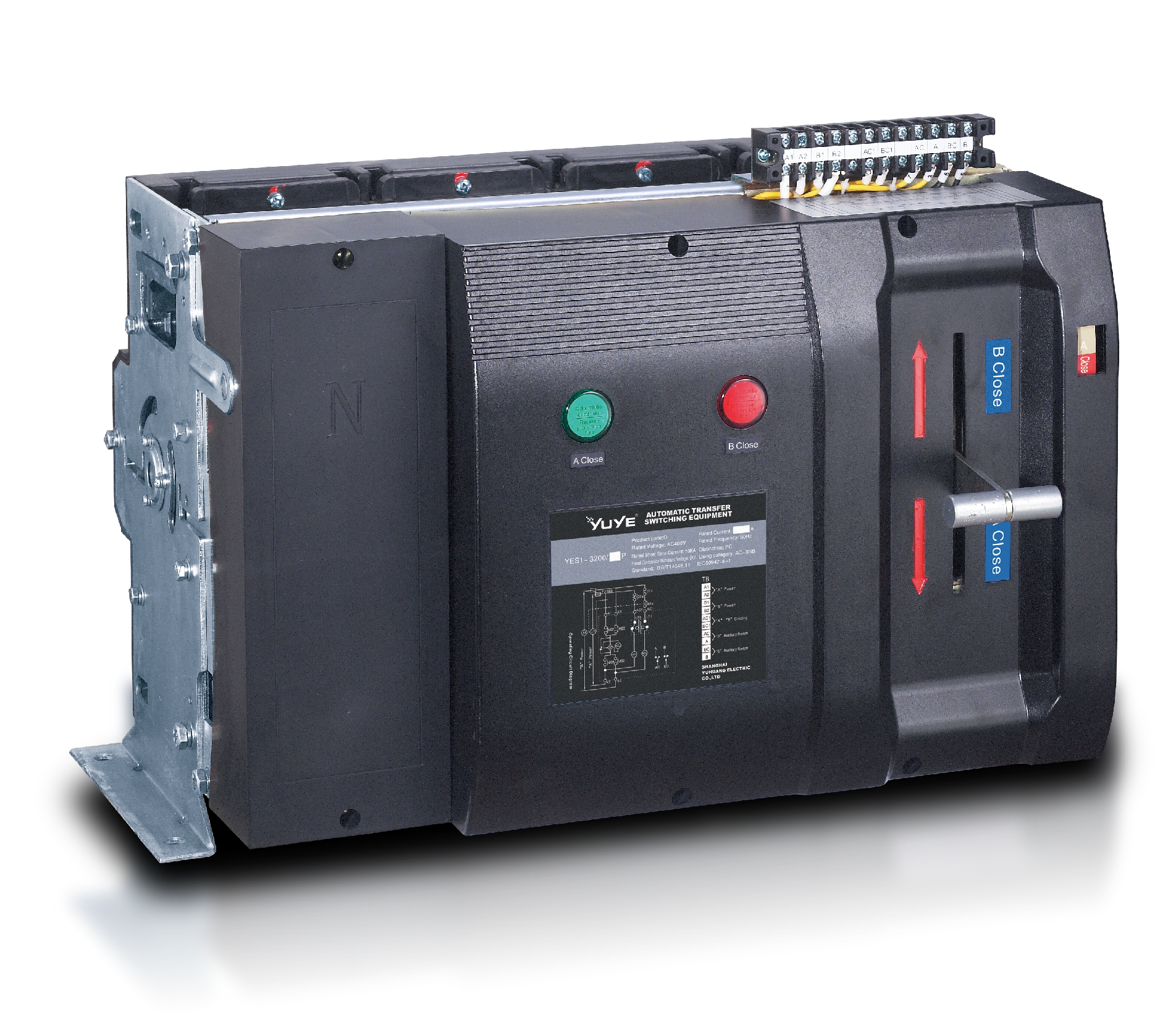 PC ATS YES1-3200Q
 Solenoid-type ATS YES1-4000~6300Q
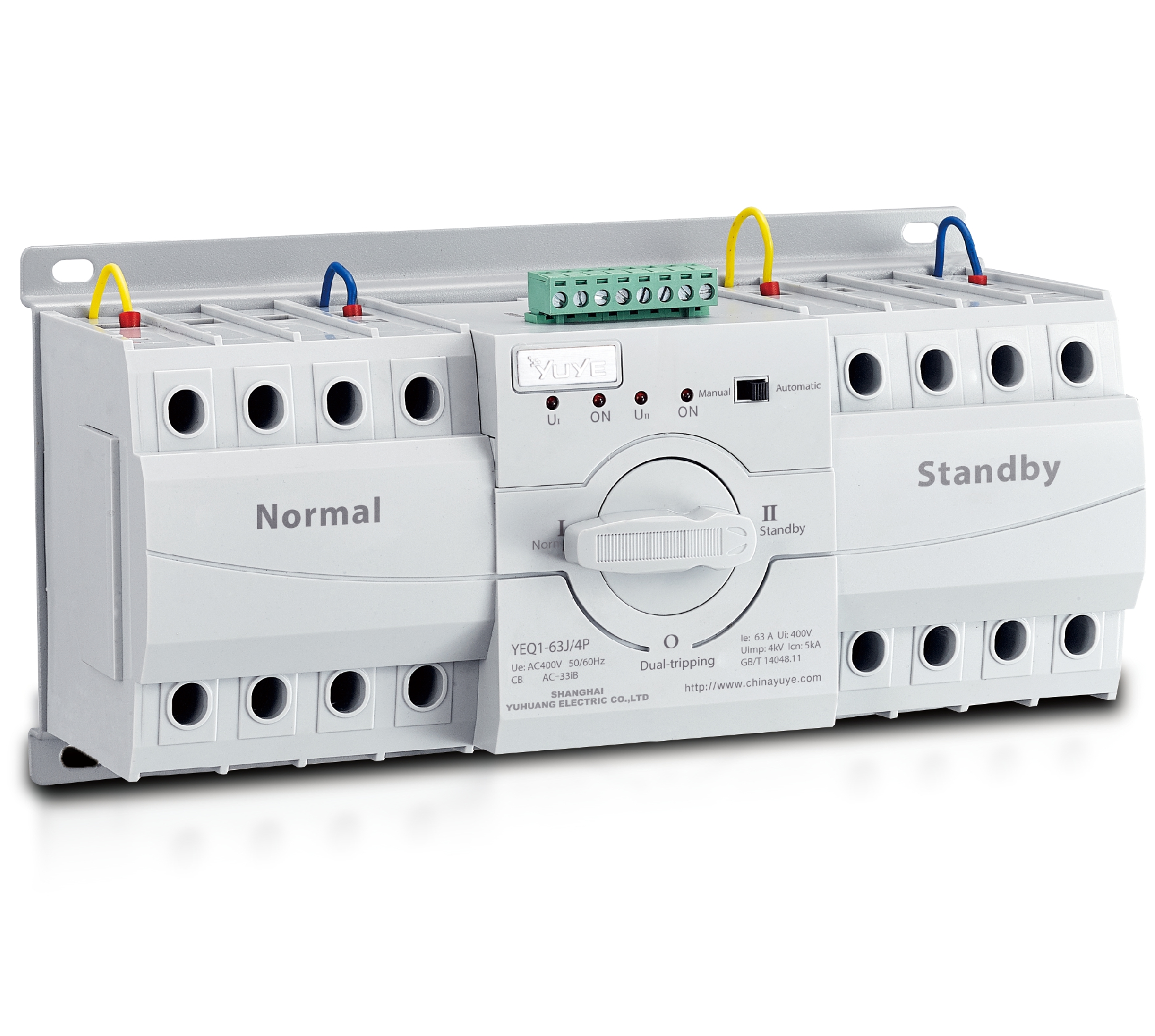 CB ATS YEQ1-63J
 CB ATS YEQ2Y-63
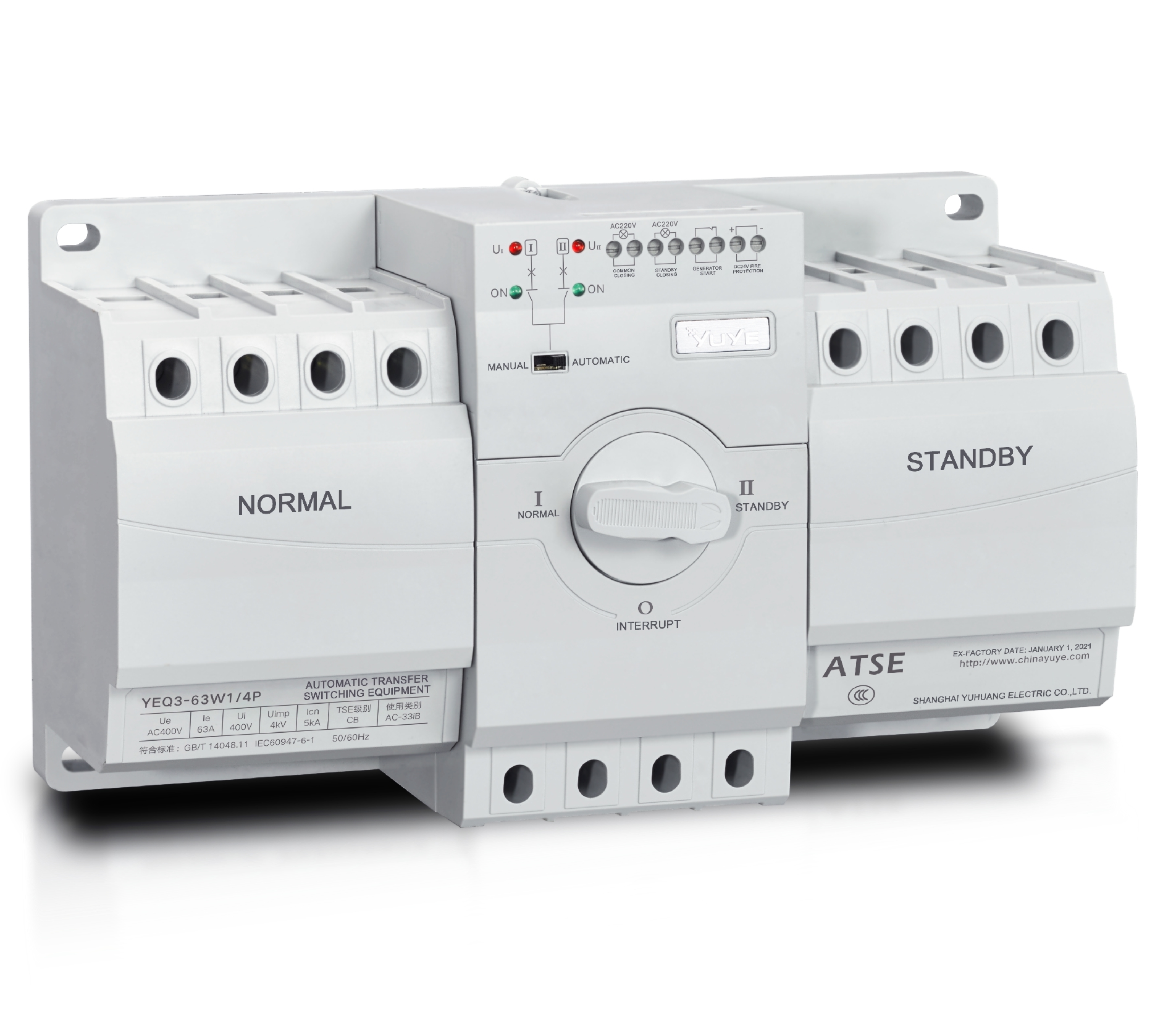 CB ATS YEQ3-63W1
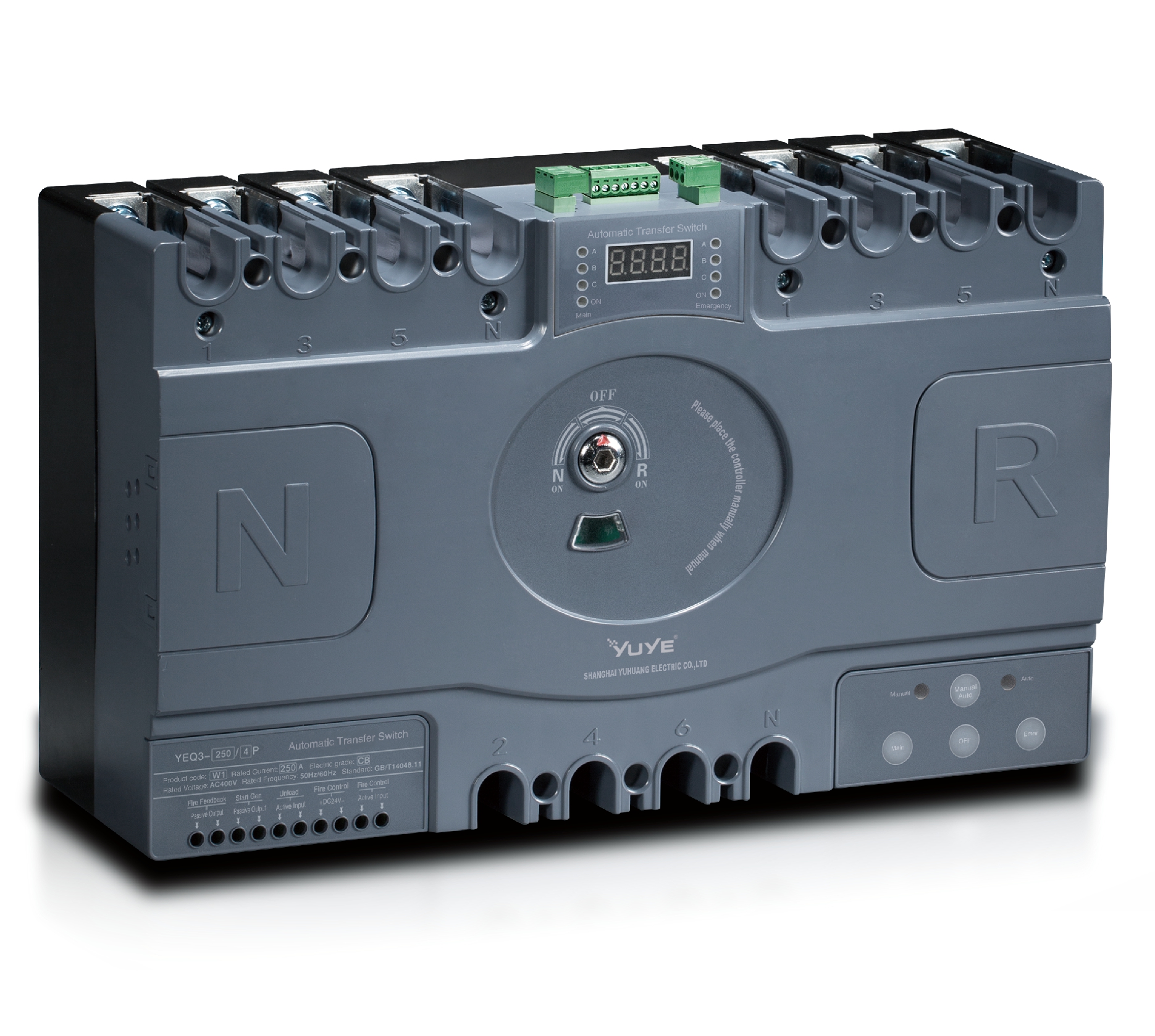 CB ATS YEQ3-125~630W1
 ATS controller Y-700
 ATS Controller Y-700N
 ATS Controller Y-701B
 ATS Controller Y-703N
 ATS Controller Y-800
 ATS Controller W2/W3 Series
 ATS switch Cabinet floor-to-ceiling
 ATS switch cabinet
 JXF-225A power Cbinet
 JXF-800A power Cbinet
 YEM3-125~800 Plastic Shell Type MCCB
 YEM3L-125~630 Leakage Type MCCB
 YEM3Z-125~800 Adjustable Type MCCB
 YEM1-63~1250 Plastic Shell Type MCCB
 YEM1E-100~800 Electronic Type MCCB
 YEM1L-100~630 Leakage Type MCCB
 Air Circuit Breaker YEW1-2000~6300
 Air Circuit Breaker YEW3-1600
 Miniature circuit breaker YEMA2-6~100
 Miniature circuit breaker YEB1-3~63
 Miniature circuit breaker YEB1LE-3~63
 Miniature circuit breaker YEPN-3~32
 Miniature circuit breaker YEPNLE-3~32
 Miniature circuit breaker YENC-63~125
 Load isolation switch YGL-63~3150
 Load Isolation Switch YGL2-63~3150
 DC relay YDC-P20
 DC relay YDC-P250
 DC relay YDC-P400
 DC relay MDC-300M
 DC relay YDC-M400
 DC Isolation Switch YEGL3D-630
 YECPS2-45~125 LCD
 YECPS-45~125 Digital
 CNC Milling/Turning-OEM
Introduction
With the expanding scale and increasing complexity of power systems, their safe and stable operation is crucial. As an essential component in power distribution, the Load Isolation Switch plays an irreplaceable role in ensuring system safety. This paper explores its safety protection mechanism, working principles and optimization strategies, providing references for improving power system reliability, following a framework of five core aspects.
1. The Core Safety Protection Position of Load Isolation Switch in Power Systems
- Electrical equipment isolation and protection is critical for preventing power system accidents. This switch undertakes electrical isolation, equipment protection and auxiliary maintenance tasks, differing from circuit breakers and fuses in positioning.
- Unlike circuit breakers (for fault breaking) and fuses (for small-equipment overcurrent protection), this switch focuses on isolation: it separates power supplies from maintenance equipment to ensure a no-voltage working environment and isolates faulty parts to prevent fault expansion, serving as a key safety barrier.
2. The Electrical Isolation Protection Principle and Implementation Path of the Switch
- Electrical isolation, a key power system safety measure, separates live and non-live parts to avoid leakage or short circuits. For the switch, this function is achieved through scientific break design and high-performance insulation structures.
- Its break design ensures sufficient contact distance to prevent arc and air breakdown when open, while high-insulation materials (e.g., epoxy resin, ceramic) for shells and contacts resist high voltage and harsh environments.
- Isolation protection is realized through clear operation sequences, anti-misoperation locking devices (e.g., circuit breaker interlocking), and environment-adapted designs to maintain performance in high temperature, humidity or corrosion.
3. Analysis of the Protection Mechanism of the Switch Against Overload and Short Circuit in Power Systems
- Overload (long-term excess current causing equipment overheating) and short circuit (instantaneous large current causing damage) are common power system faults, making their protection essential.
- The switch protects against overload by monitoring current; when exceeding rated load, it triggers a delayed disconnection to avoid equipment damage, with thresholds set based on rated parameters and load demands.
- For short circuits, it quickly detects high current via built-in sensors and disconnects the circuit to isolate faults, cooperating with circuit breakers to form a multi-level protection system for improved reliability.
- The switch has limitations (long overload delay, insufficient breaking capacity for ultra-high short-circuit current), so it must be paired with fuses or relays to form a complementary protection system.
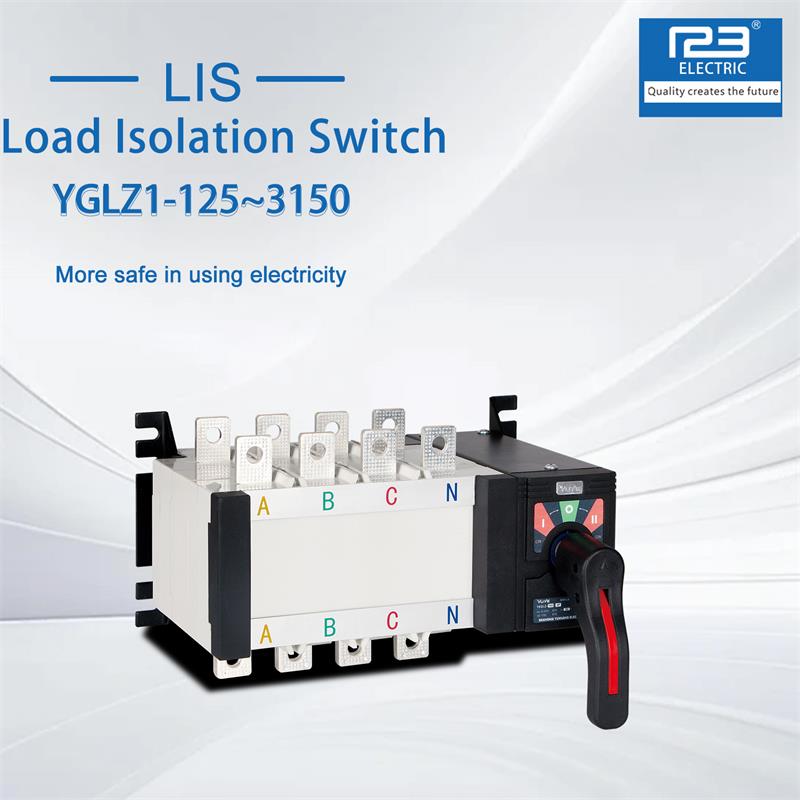
4. The Safety Protection Role and Operation Specifications of the Switch in Equipment Maintenance
- Safe equipment maintenance requires power cutoff and isolation; the switch plays a core role by cutting power, isolating live parts, and preventing misclosing to ensure maintenance personnel safety.
- It cuts power to maintain a no-voltage environment, isolates maintenance areas from live parts, and uses anti-misclosing devices to avoid accidents from sudden power restoration.
- Standard operation specifications include checking switch state and locking before maintenance, wearing protective gear during operation, rechecking before closing, and prohibiting unauthorized operation by unqualified personnel.
- Violations (e.g., premature closing, unlocked switches) cause serious hazards; operator training, strict specifications, and safety awareness are key to prevention.
5. Key Technologies and Optimization Strategies for Improving the Protection Performance of the Switch
- To meet growing power system safety demands, the switch’s protection performance needs improvement, addressing pain points like poor real-time monitoring, insufficient insulation, and imperfect anti-misoperation functions.
- Key improvement technologies include intelligent monitoring (real-time parameter monitoring and fault early warning), insulation upgrading (high-performance materials and optimized structures), and anti-misoperation (enhanced locking and intelligent control).
- Scenario-specific optimization strategies: industrial distribution requires strong overload resistance and intelligent monitoring; substations need high reliability and coordination with other equipment; new energy scenarios demand compatibility with low-voltage, high-current characteristics. Upgrades enhance both switch performance and overall system safety.
Conclusion
This paper explores the switch’s safety protection mechanism, including its positioning, isolation principles, overload/short-circuit protection, maintenance role, and optimization strategies. As a key power system component, it is crucial for safe operation.
In the smart grid era, the switch will develop toward intelligence, miniaturization, and high reliability. Strengthening R&D, optimizing performance, and strict operation management will further its role in power system safety protection.
References
- IEEE Standard C37.20.1-2015, “Standard for Metal-Enclosed Low-Voltage Power Circuit Breaker Switchgear”.
- IEC 60947-3:2019, “Low-voltage switchgear and controlgear – Part 3: Switches, disconnectors, switch-disconnectors and fuse-combination units”.
- Wang, Y., & Li, Z. (2022). Research on the Safety Protection Mechanism of Isolation Switches in Power Systems. Power System Technology, 46(5), 1890-1898. (In Chinese)
- Brown, R. G. (2021). Electrical Isolation and Protection in Power Distribution Systems. IEEE Transactions on Power Delivery, 36(3), 1567-1574.
- State Grid Corporation of China. (2020). Power System Equipment Operation and Maintenance Specifications. China Electric Power Press.
FAQ
- Q1: What is the main difference between the switch and the circuit breaker in the power system?
- A1: The switch focuses on electrical isolation for safe operation and maintenance, while the circuit breaker is mainly used for fault breaking, and they cooperate to form a protection system.
- Q2: How to ensure the reliability of the switch’s electrical isolation performance?
- A2: It can be ensured by scientific break design, high-performance insulation materials, and regular insulation testing and maintenance.
- Q3: What are the common misoperation behaviors of the switch in equipment maintenance, and how to prevent them?
- A3: Common misoperations include unauthorized operation and failure to lock the switch, which can be prevented by operator training, anti-misoperation devices and strict operation specifications.
- Q4: What are the development trends of the switch in the intelligent power grid era?
- A4: It will develop towards intelligence, miniaturization and high reliability, with intelligent monitoring and optimized performance to adapt to smart grid needs.
- Q5: Can the switch be used alone for overload and short-circuit protection of the power system?
- A5: No, it has limitations and needs to be equipped with other protective equipment to form a complementary protection system.
