
 PC ATS YECT1-2000G
 PC ATS YES2-63~250GN1
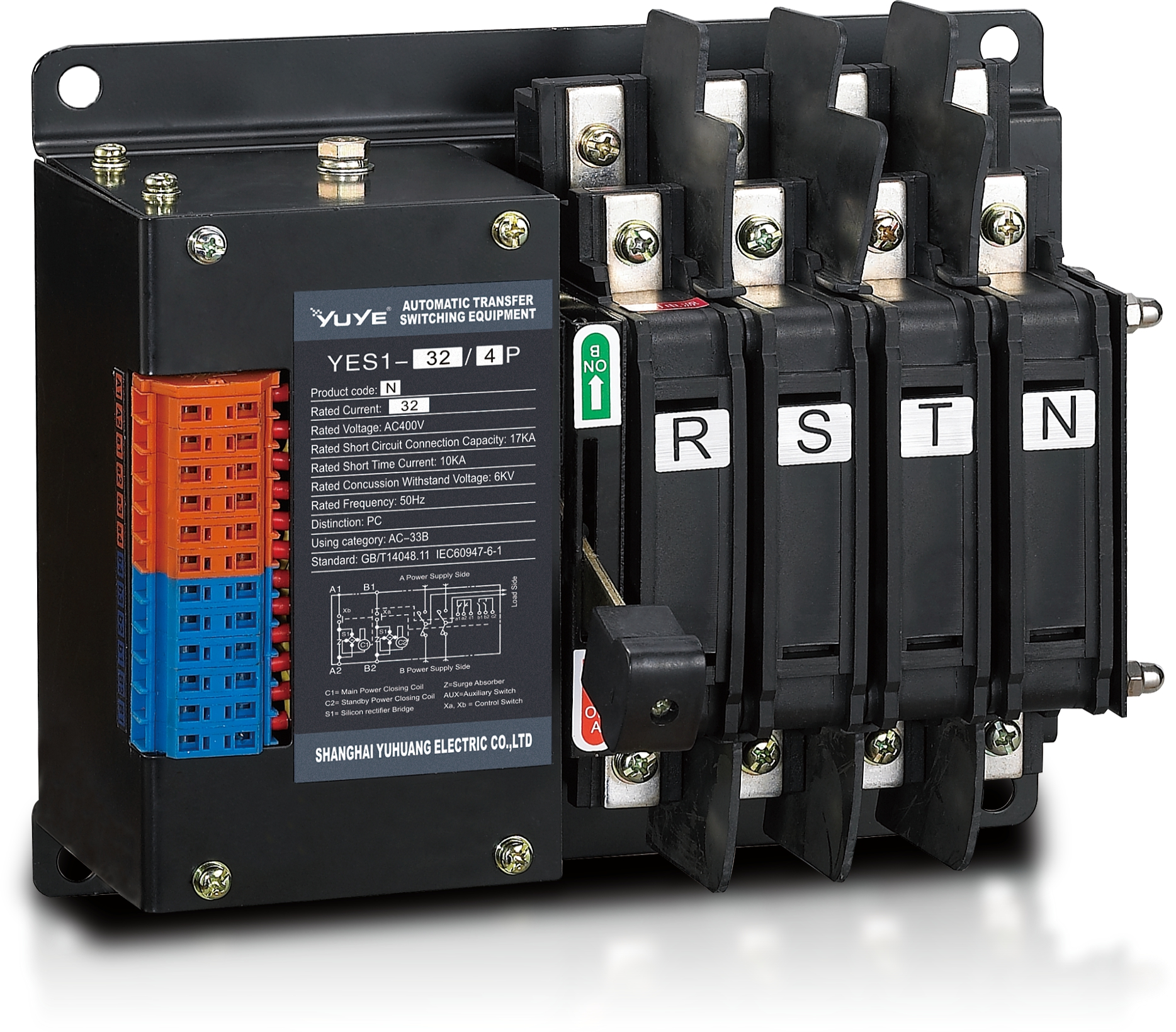 Solenoid-type ATS YES1-32~125N
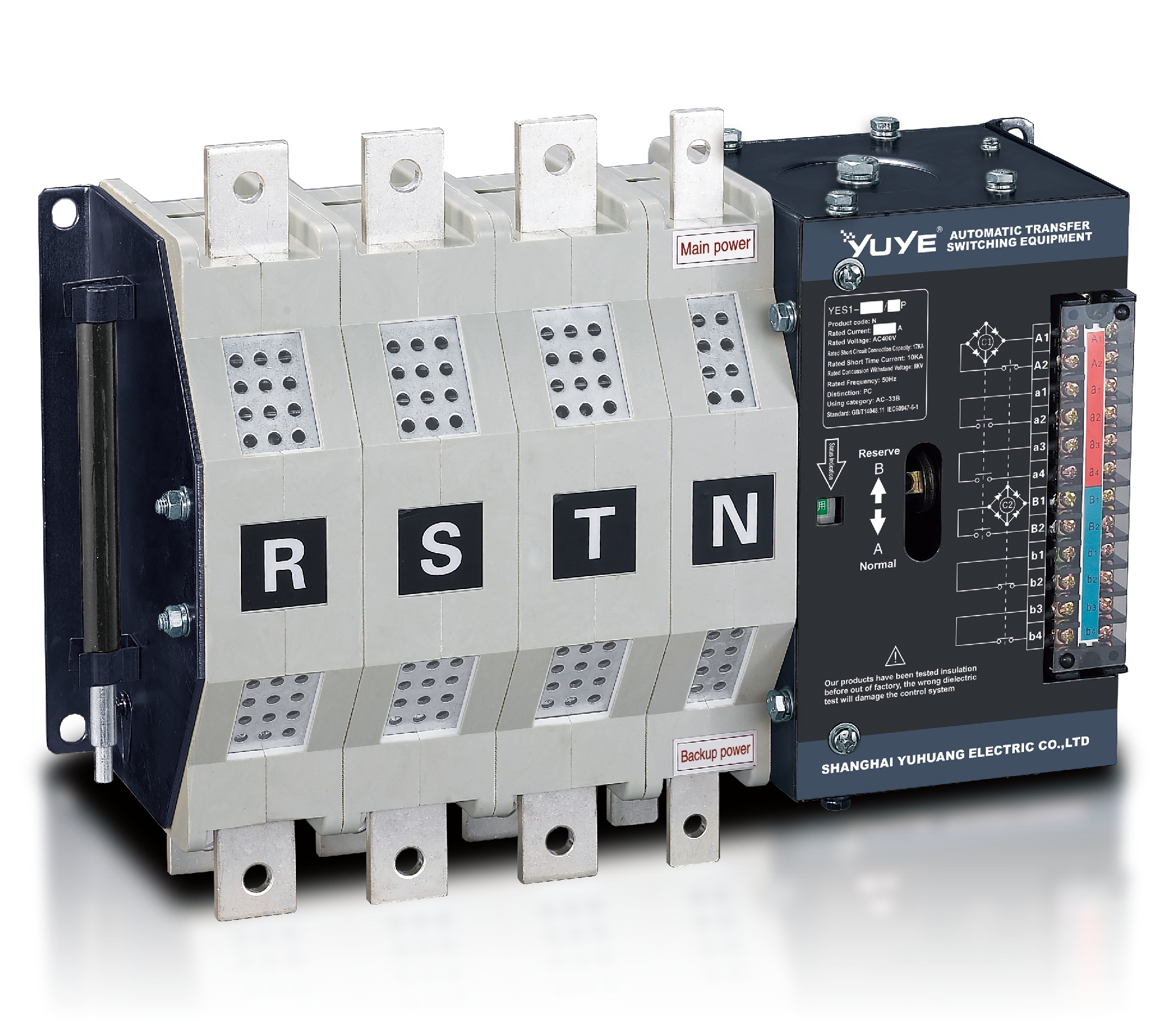 Solenoid-type ATS YES1-250~630N/NT
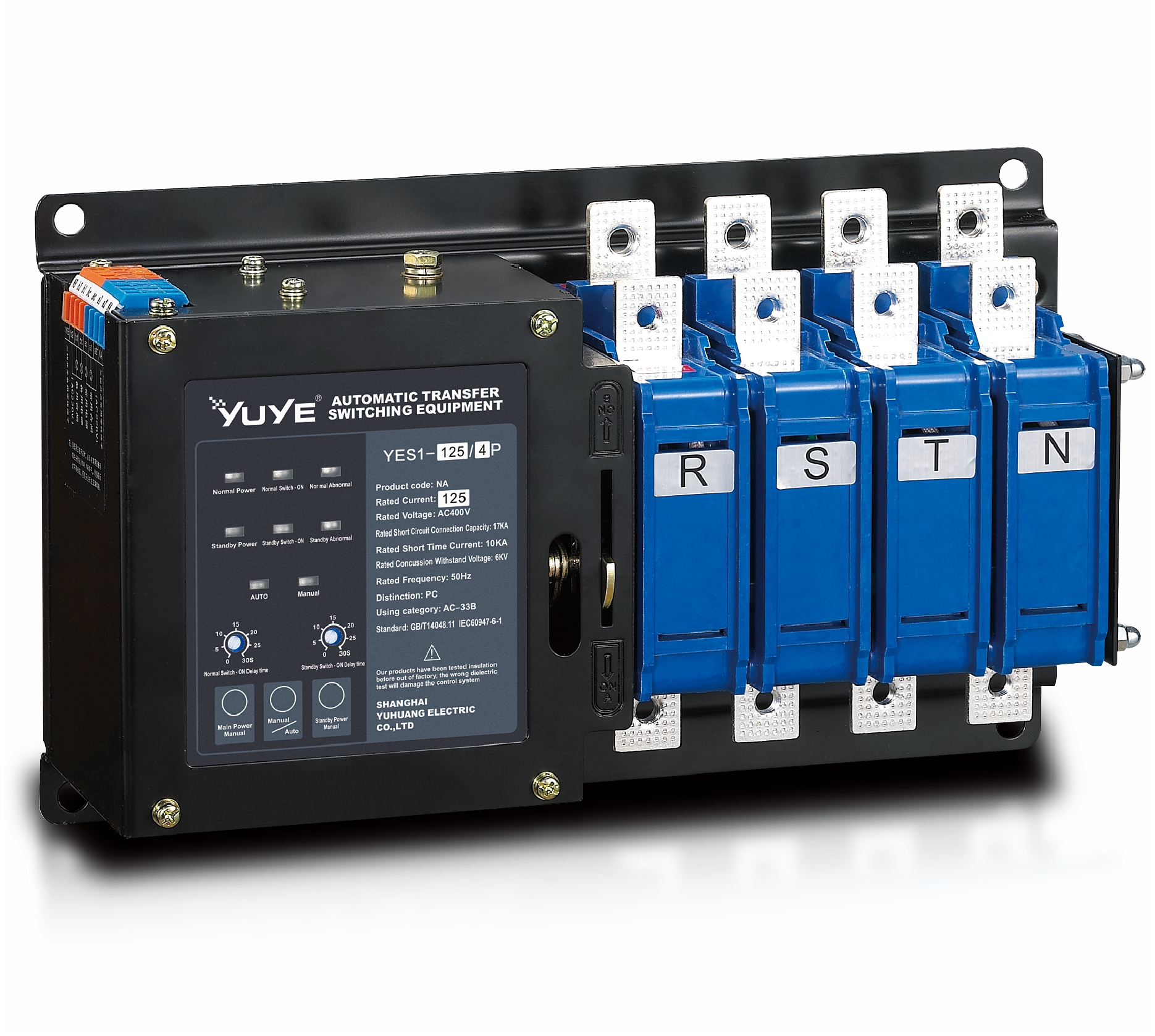 Solenoid-type ATS YES1-32~125NA
 Solenoid-type ATS YES1-63~630SN
 Solenoid-type ATS YES1-1250~4000SN
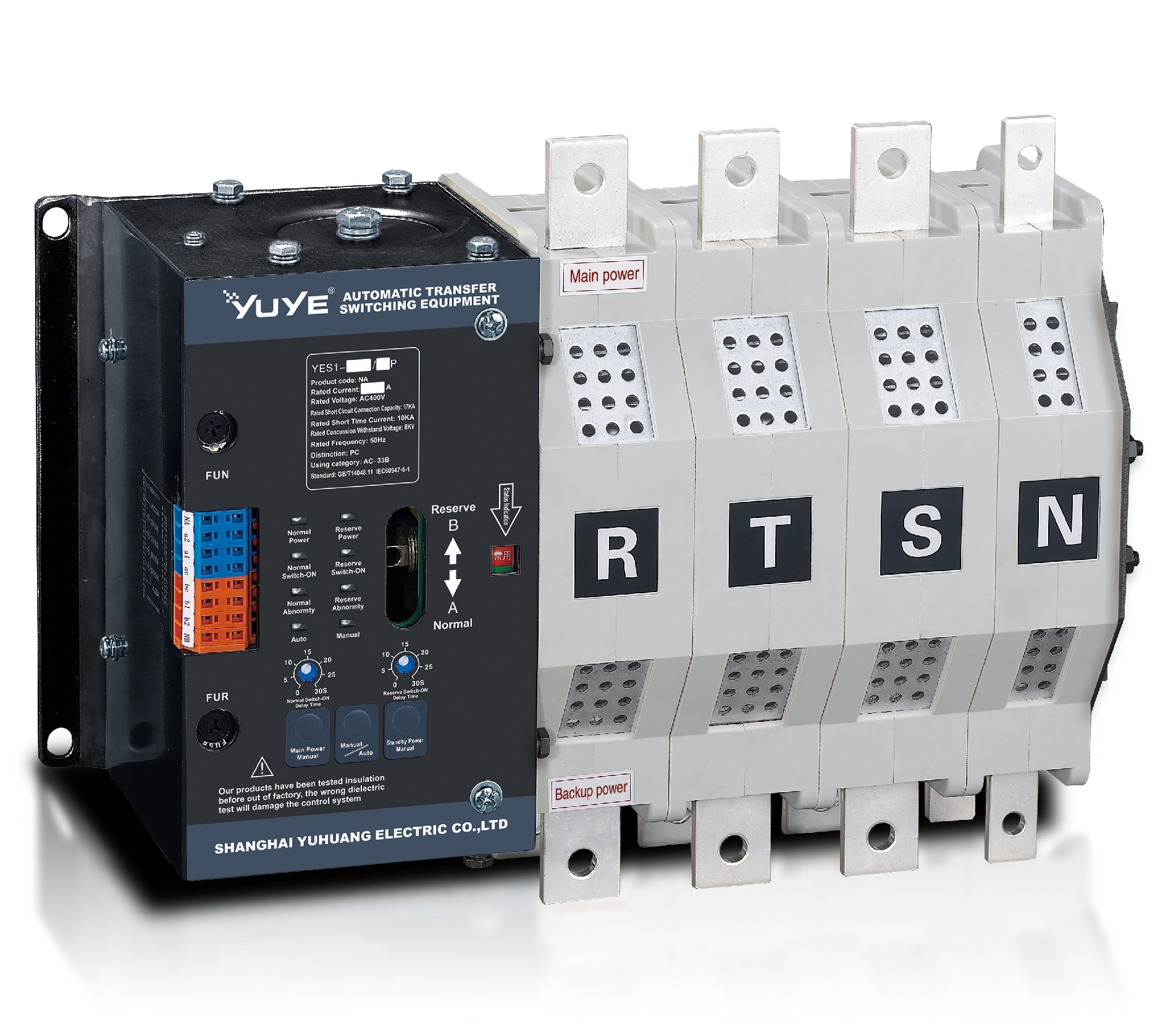 Solenoid-type ATS YES1-250~630NA/NAT
 Solenoid-type ATS YES1-63NJT
 PC ATS YES1-100~1600GN1/GN/GNF
 PC ATS YES1-2000~3200GN/GNF
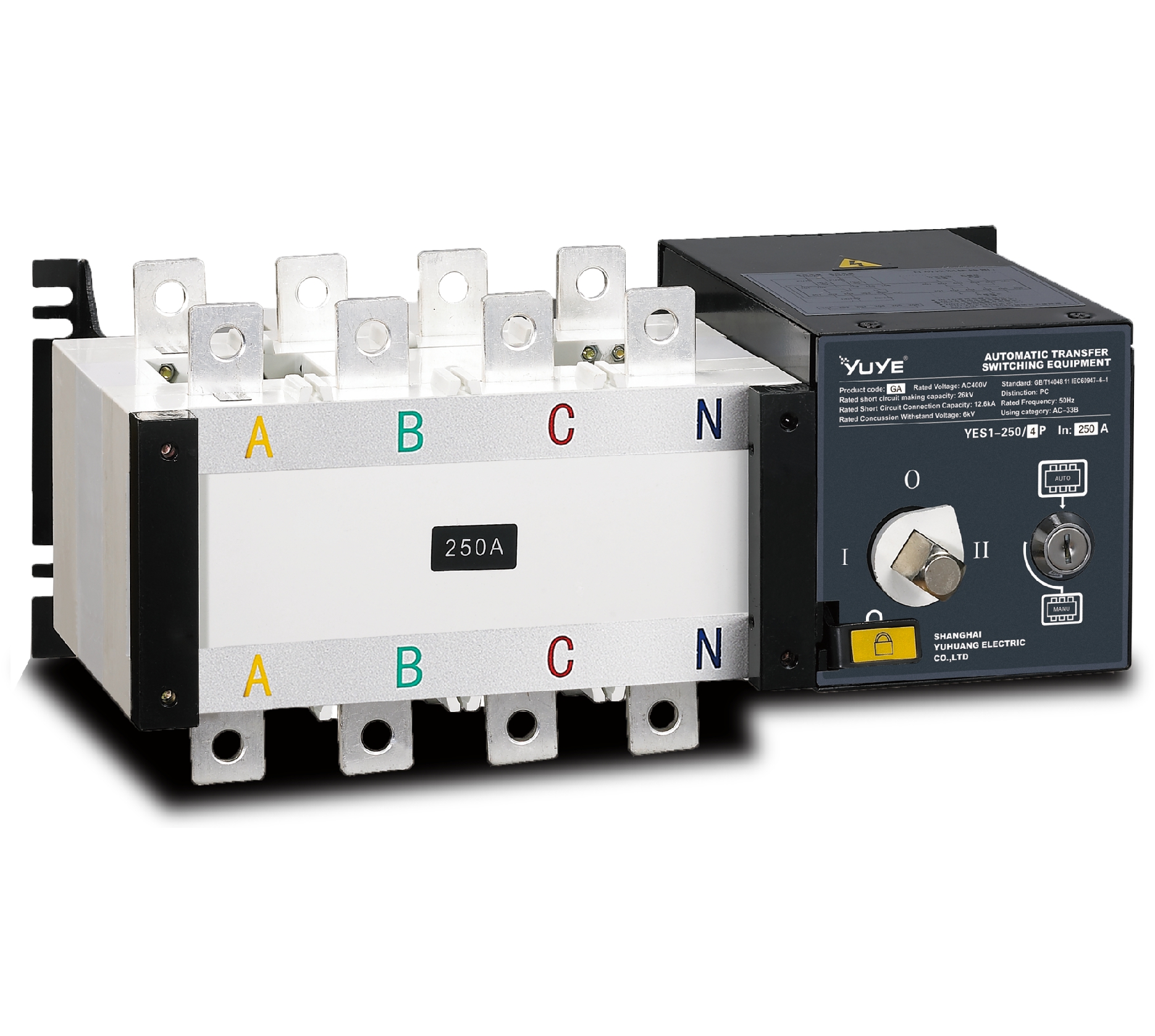 PC ATS YES1-100~3200GA1/GA
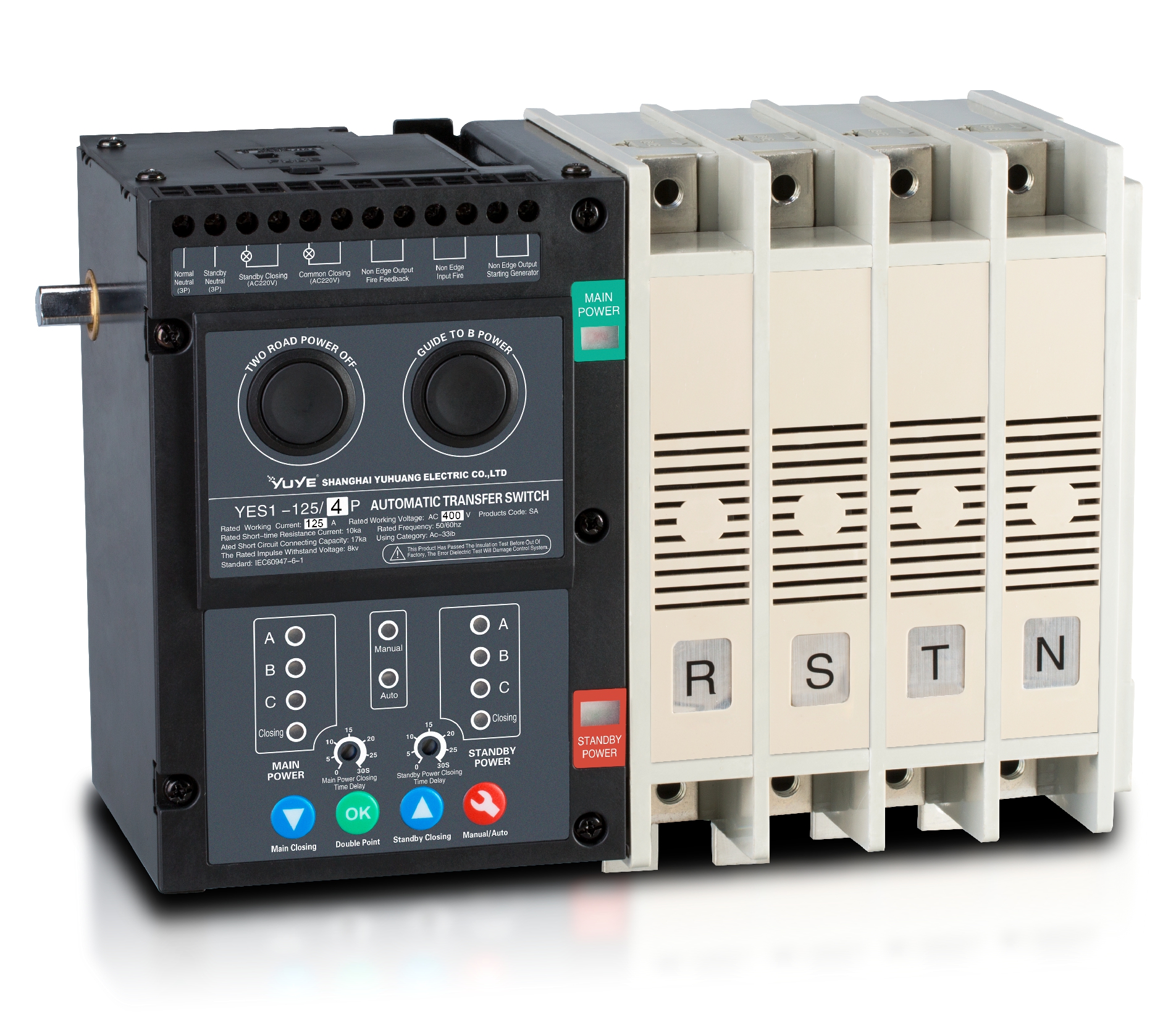 Solenoid-type ATS YES1-63~630SA
 Solenoid-type ATS YES1-63~630L/LA
 Solenoid-type ATS YES1-63~630LA3
 Solenoid-type ATS YES1-63MA
 PC ATS YES1-630~1600M
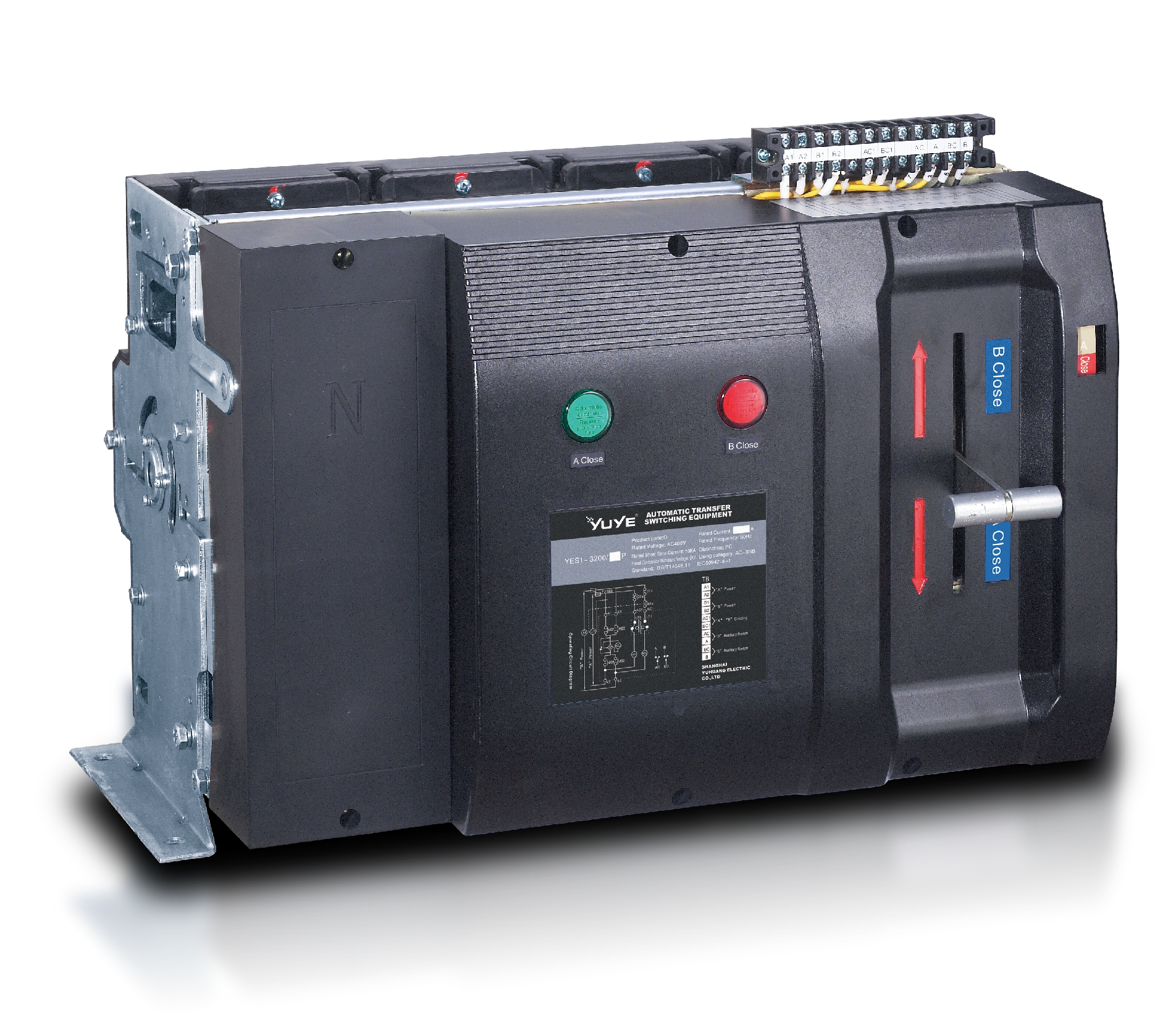 PC ATS YES1-3200Q
 Solenoid-type ATS YES1-4000~6300Q
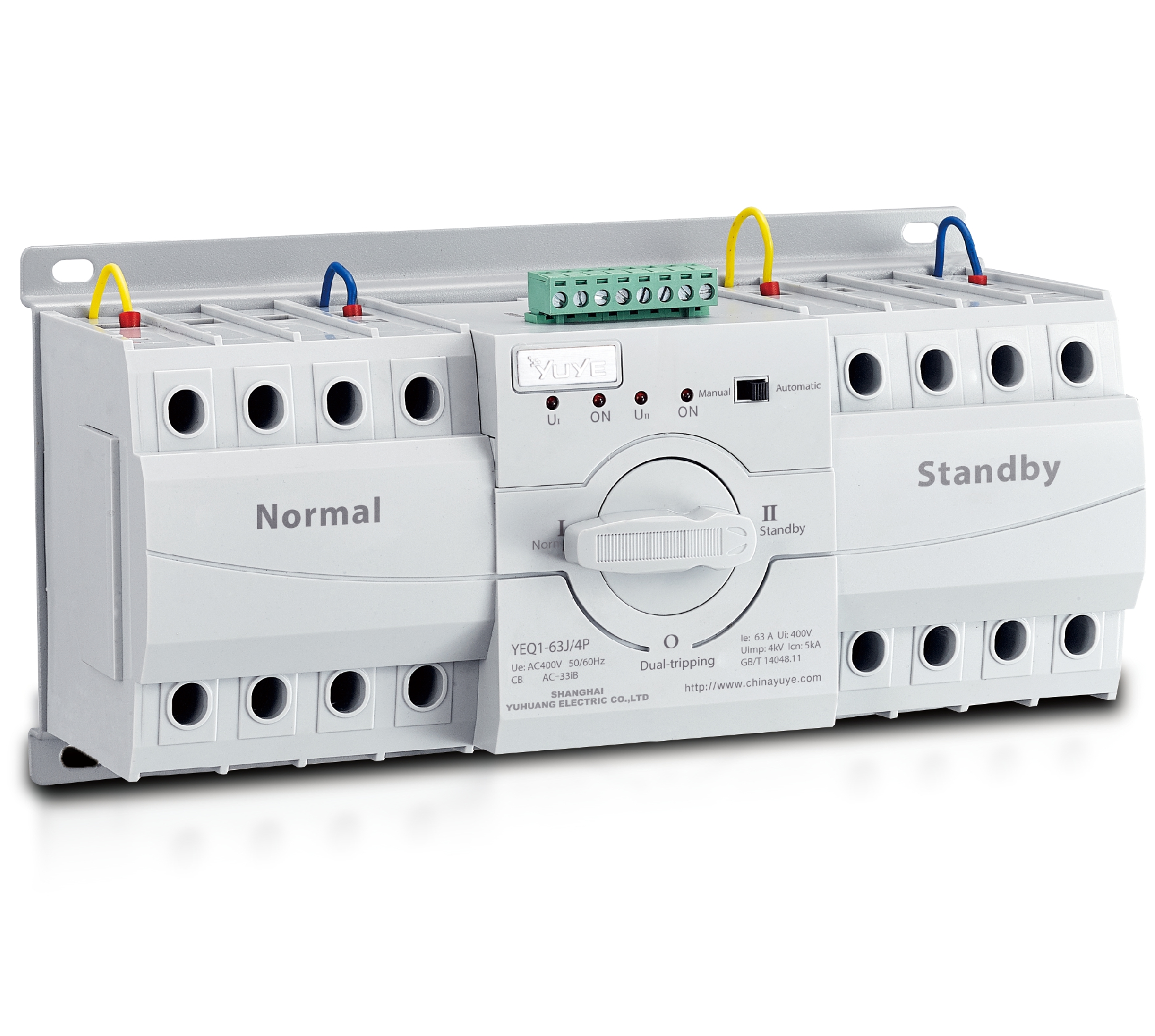 CB ATS YEQ1-63J
 CB ATS YEQ2Y-63
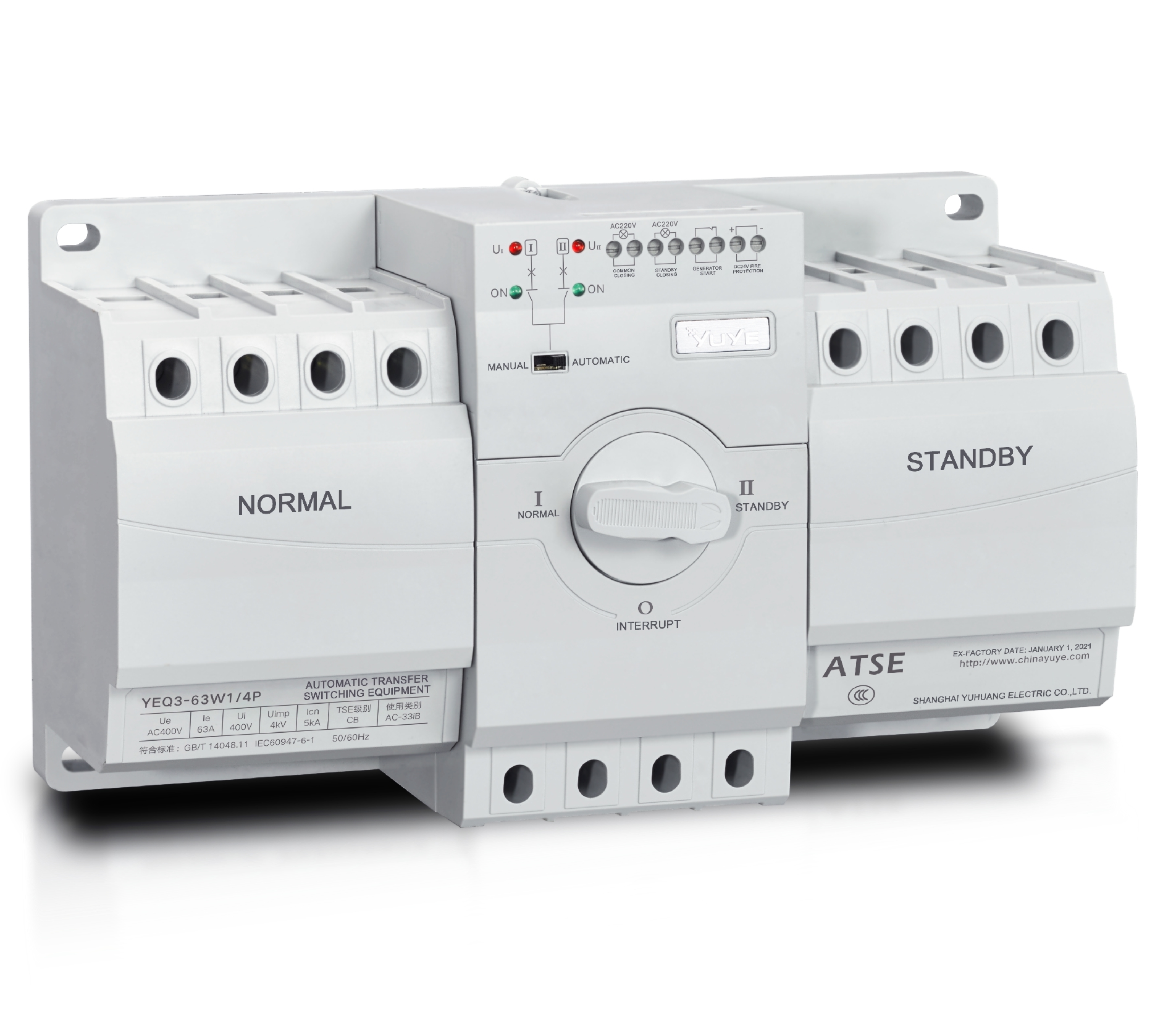 CB ATS YEQ3-63W1
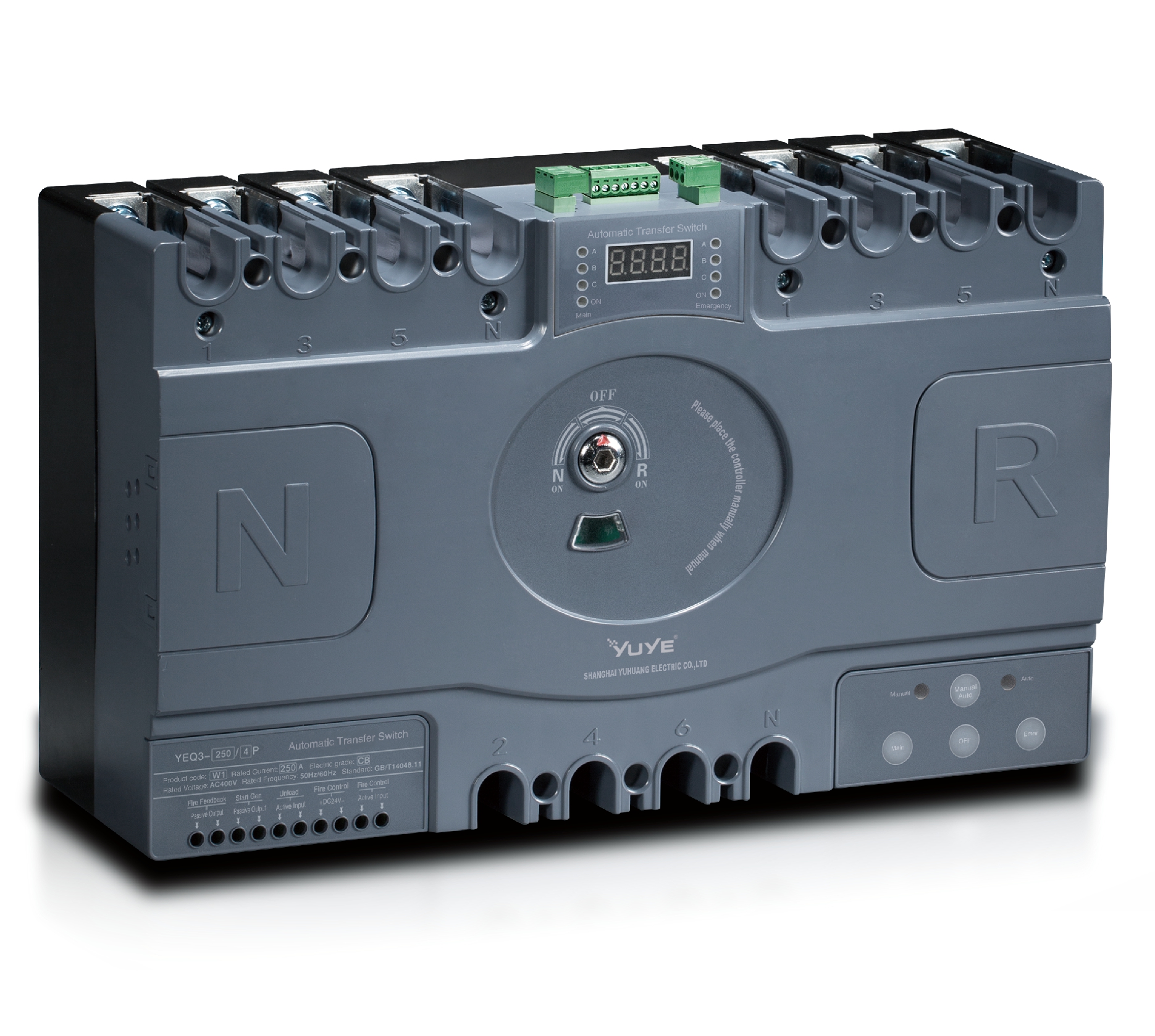 CB ATS YEQ3-125~630W1
 ATS controller Y-700
 ATS Controller Y-700N
 ATS Controller Y-701B
 ATS Controller Y-703N
 ATS Controller Y-800
 ATS Controller W2/W3 Series
 ATS switch Cabinet floor-to-ceiling
 ATS switch cabinet
 JXF-225A power Cbinet
 JXF-800A power Cbinet
 YEM3-125~800 Plastic Shell Type MCCB
 YEM3L-125~630 Leakage Type MCCB
 YEM3Z-125~800 Adjustable Type MCCB
 YEM1-63~1250 Plastic Shell Type MCCB
 YEM1E-100~800 Electronic Type MCCB
 YEM1L-100~630 Leakage Type MCCB
 Miniature circuit breaker YEMA2-6~100
 Miniature circuit breaker YEB1-3~63
 Miniature circuit breaker YEB1LE-3~63
 Miniature circuit breaker YEPN-3~32
 Miniature circuit breaker YEPNLE-3~32
 Miniature circuit breaker YENC-63~125
 Air Circuit Breaker YEW1-2000~6300
 Air Circuit Breaker YEW3-1600
 Load isolation switch YGL-63~3150
 Load Isolation Switch YGL2-63~3150
 Manual Changeover Switch YGL-100~630Z1A
 Manual Changeover Switch YGLZ1-100~3150
 YECPS2-45~125 LCD
 YECPS-45~125 Digital
 CNC Milling/Turning-OEM
 DC relay MDC-300M
 DC Isolation Switch YEGL3D-630
Reliable circuit protection is a fundamental requirement in modern low-voltage electrical panels. As electrical loads become more diversified and sensitive, selecting the correct protective device is essential to ensure system safety, operational stability, and compliance with international standards. Molded Case Circuit Breakers (MCCBs) are widely adopted in power distribution systems due to their flexibility, robustness, and dependable performance. Among different current ratings, the 100 Amp MCCB has become a popular choice for both commercial and residential installations because it offers a balanced combination of protection capacity and installation versatility.
1.Rated Current and Breaking Capacity
Rated current defines the maximum continuous current a circuit breaker can carry without tripping under normal operating conditions. A 100-amp rating makes this type of MCCB suitable for feeder circuits, sub-distribution panels, and medium-load applications.
Breaking capacity, on the other hand, refers to the maximum fault current the breaker can safely interrupt. Adequate breaking capacity is critical in preventing damage during short-circuit events. Selecting an MCCB with an appropriate interrupting rating ensures effective fault isolation and protects downstream equipment from severe electrical stress.
2.Thermal and Magnetic Protection Mechanisms Explained
Thermal-magnetic protection is a core feature of molded case circuit breakers. Thermal protection responds to prolonged overload conditions by using a bimetal element that bends with rising temperature, triggering a delayed trip. This mechanism helps prevent overheating of cables and connected devices.
Magnetic protection reacts instantaneously to high short-circuit currents. When a sudden surge occurs, the magnetic trip mechanism activates immediately, disconnecting the circuit before serious damage can occur. The coordinated operation of both mechanisms ensures comprehensive protection under a wide range of fault scenarios.
3.Compact Design and Easy Integration into Electrical Panels
Space efficiency is a key consideration in modern electrical panel design. MCCBs with a compact form factor allow installers to maximize panel capacity without compromising safety. Their standardized mounting dimensions and modular accessories enable easy integration into various panel configurations.
In addition, user-friendly terminal designs and clear labeling simplify installation, inspection, and maintenance. This contributes to reduced downtime and lower overall operating costs throughout the system lifecycle.

4.Applications in Commercial and Residential Systems
This current rating is commonly used in commercial buildings such as offices, shopping centers, and small data rooms, where stable power distribution is required for lighting, HVAC systems, and general loads. In residential environments, it is suitable for main feeders or sub-distribution boards in larger homes or apartment complexes.
It is also frequently applied in light industrial settings, where moderate machinery loads and auxiliary systems require reliable and consistent protection.
5.How It Improves System Safety and Operational Reliability
By providing accurate overload and short-circuit protection, a properly selected 100 Amp MCCB significantly reduces the risk of electrical fires and equipment failure. It safeguards cables, panels, and connected loads while maintaining continuity of service under normal operating conditions.
Furthermore, compliance with recognized international standards enhances overall system reliability and ensures long-term, stable operation in diverse electrical environments.
Conclusion
A well-designed MCCB plays a crucial role in protecting electrical panels and connected systems. With appropriate current rating, reliable breaking capacity, and effective thermal-magnetic protection, this type of circuit breaker offers a practical solution for a wide range of applications. Careful selection and correct installation help ensure safety, efficiency, and compliance in modern power distribution systems.
References
-
IEC 60947-2: Low-voltage switchgear and controlgear – Circuit-breakers
-
IEEE Standards Association, Electrical Protection Guidelines
-
Schneider Electric & ABB Technical Guides on MCCB Selection and Application
FAQ
Q1: What is the main function of a 100-amp rated MCCB?
A: Its primary function is to protect electrical circuits from overloads and short circuits by automatically disconnecting power when abnormal conditions occur.
Q2: Can this type of MCCB be used in residential applications?
A: Yes, it is commonly used in larger residential installations, such as main feeders or sub-panels, where higher current capacity is required.
Q3: How do I choose the correct breaking capacity?
A: The breaking capacity should be selected based on the prospective short-circuit current at the installation point, following local electrical codes and standards.
Q4: Is regular maintenance required for MCCBs?
A: Periodic inspection is recommended to ensure proper mechanical operation, secure connections, and compliance with safety requirements.