
 PC ATS YECT1-2000G
 PC ATS YES2-63~250GN1
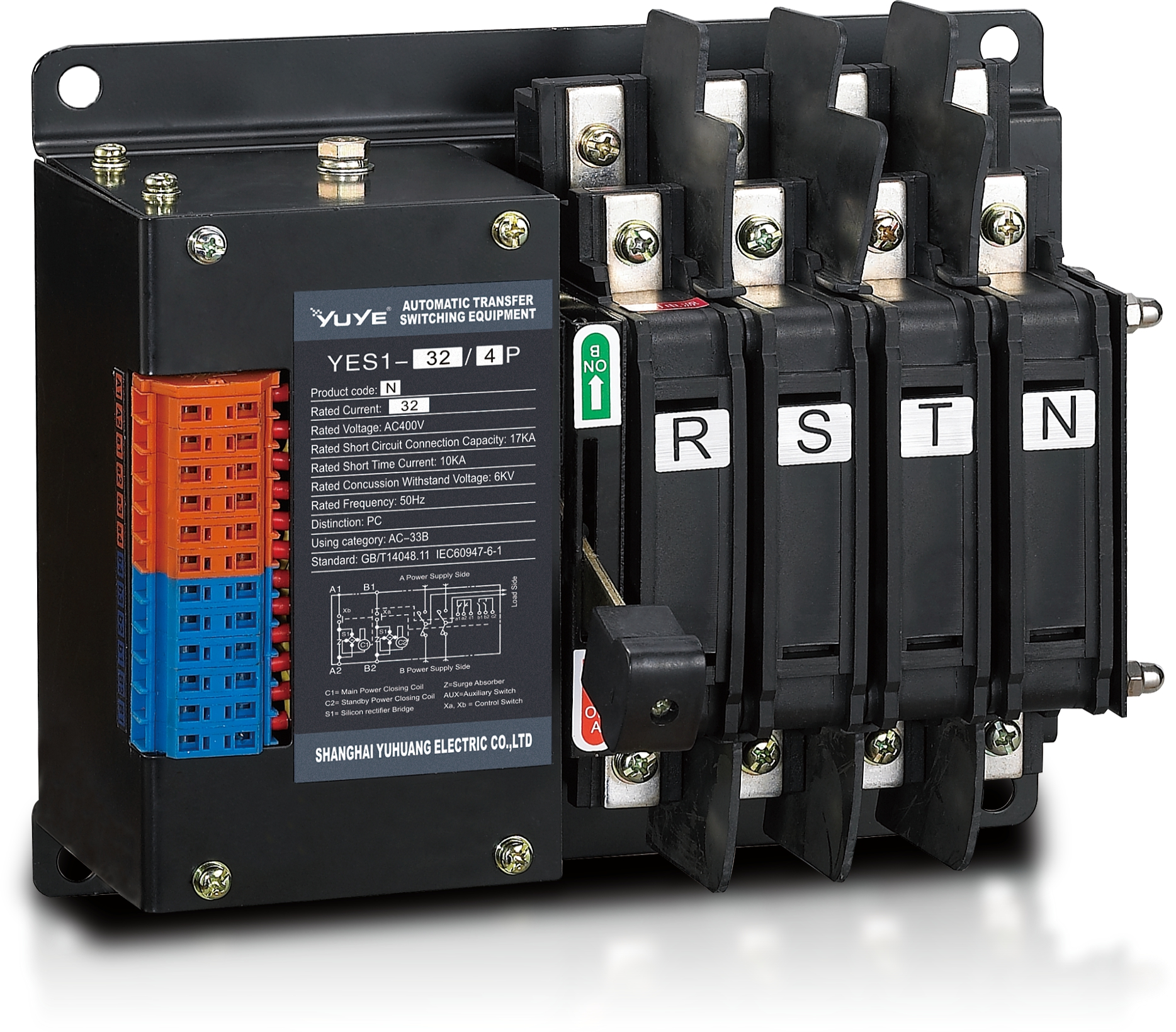 Solenoid-type ATS YES1-32~125N
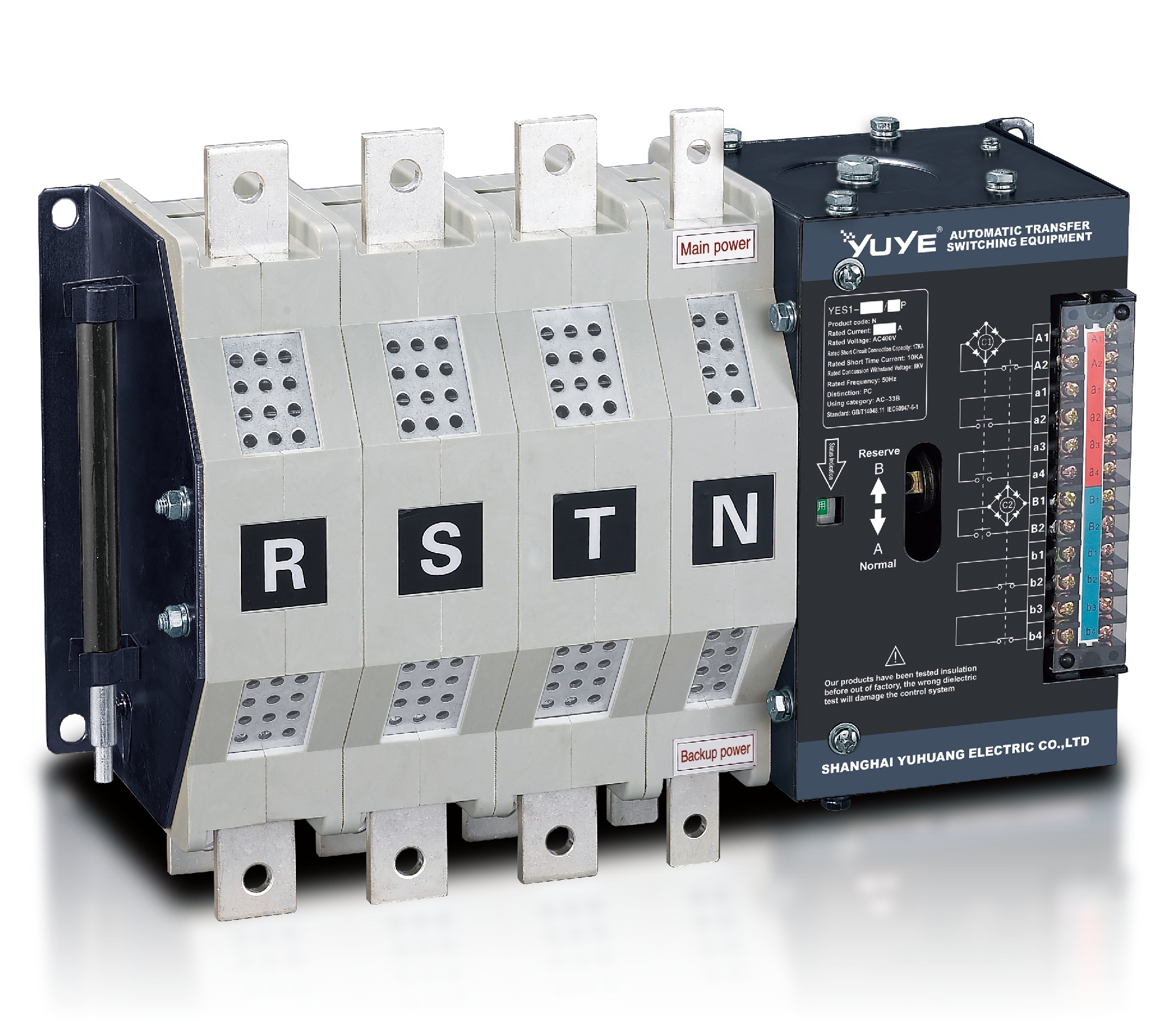 Solenoid-type ATS YES1-250~630N/NT
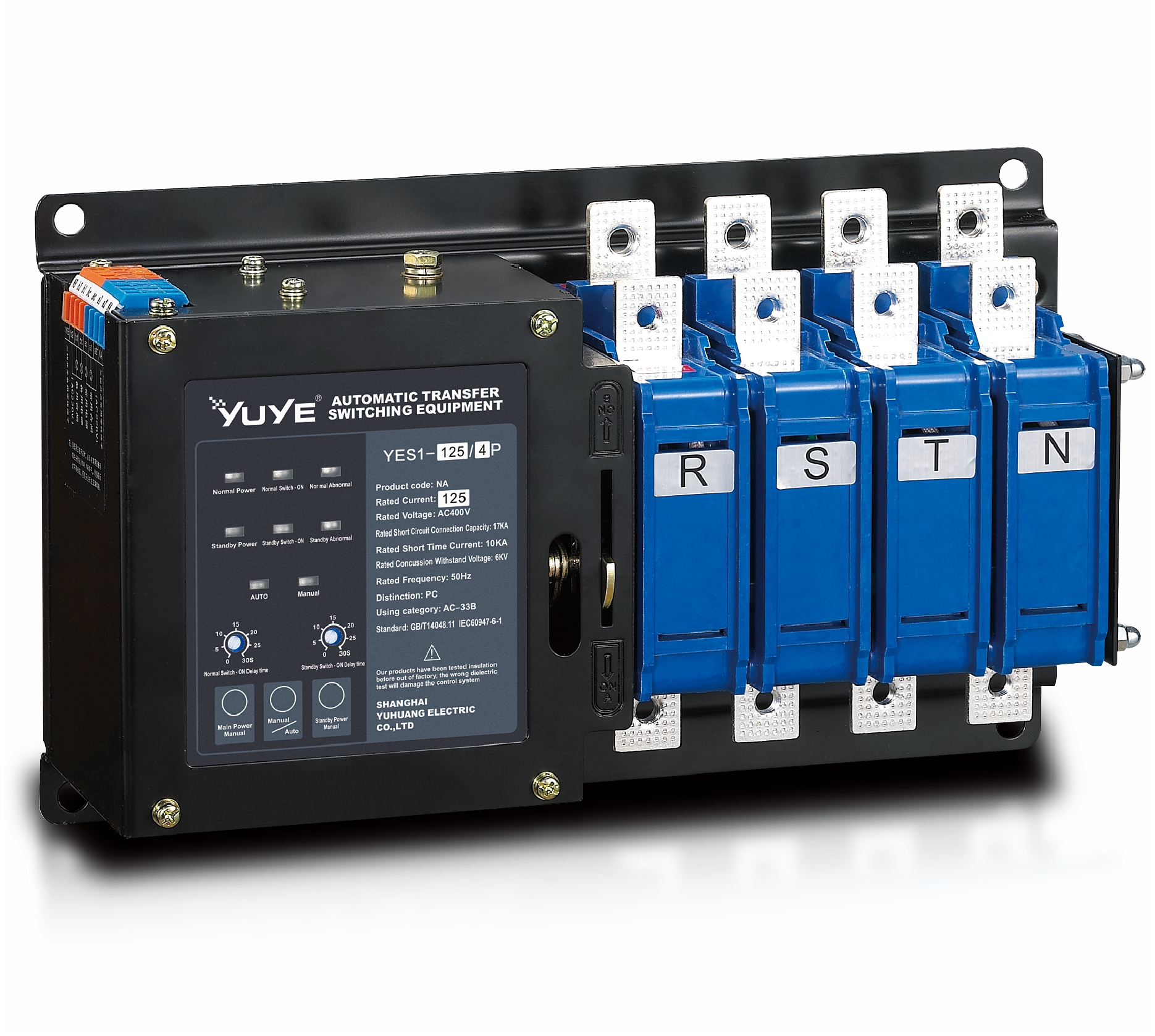 Solenoid-type ATS YES1-32~125NA
 Solenoid-type ATS YES1-63~630SN
 Solenoid-type ATS YES1-1250~4000SN
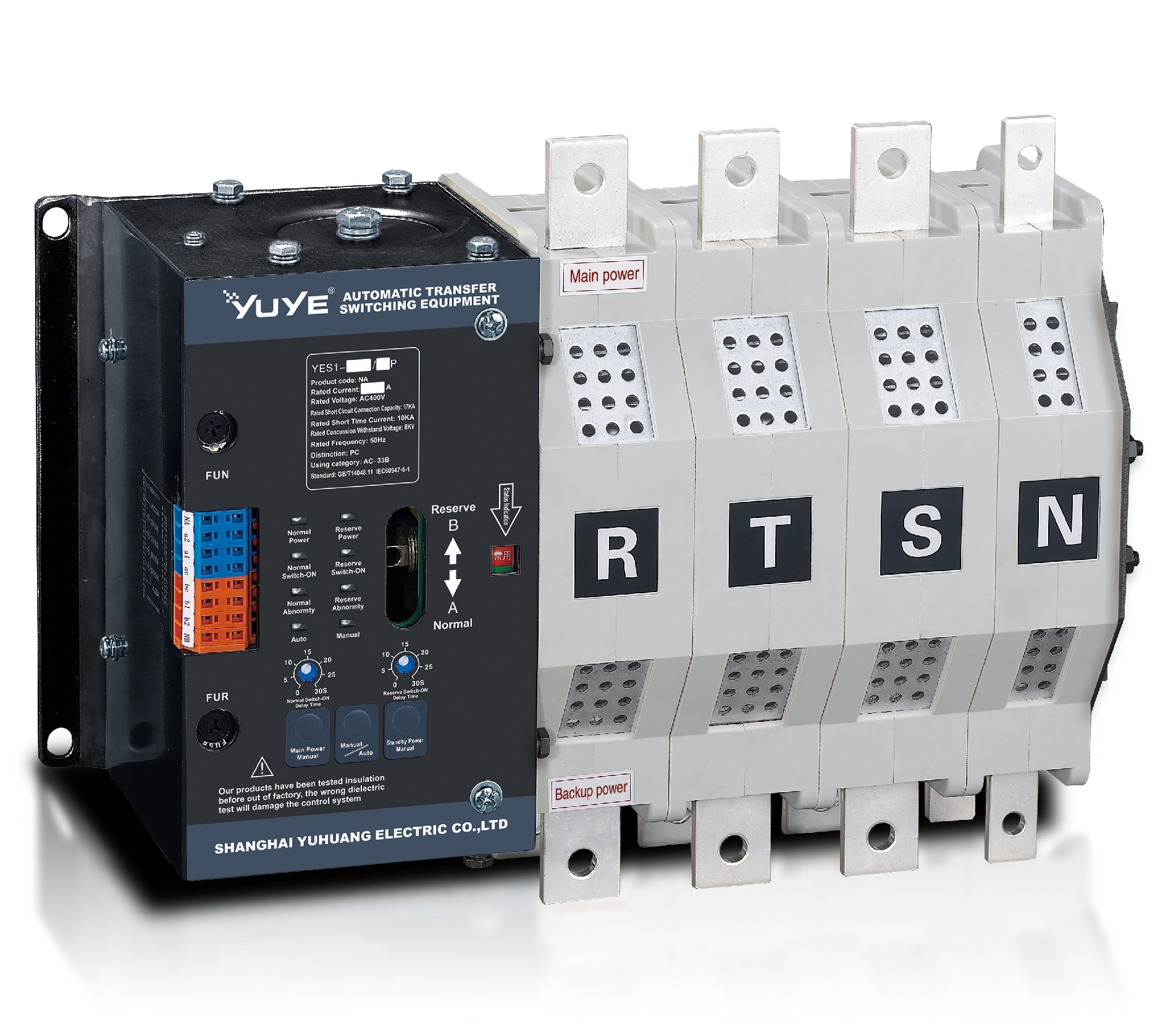 Solenoid-type ATS YES1-250~630NA/NAT
 Solenoid-type ATS YES1-63NJT
 PC ATS YES1-100~1600GN1/GN/GNF
 PC ATS YES1-2000~3200GN/GNF
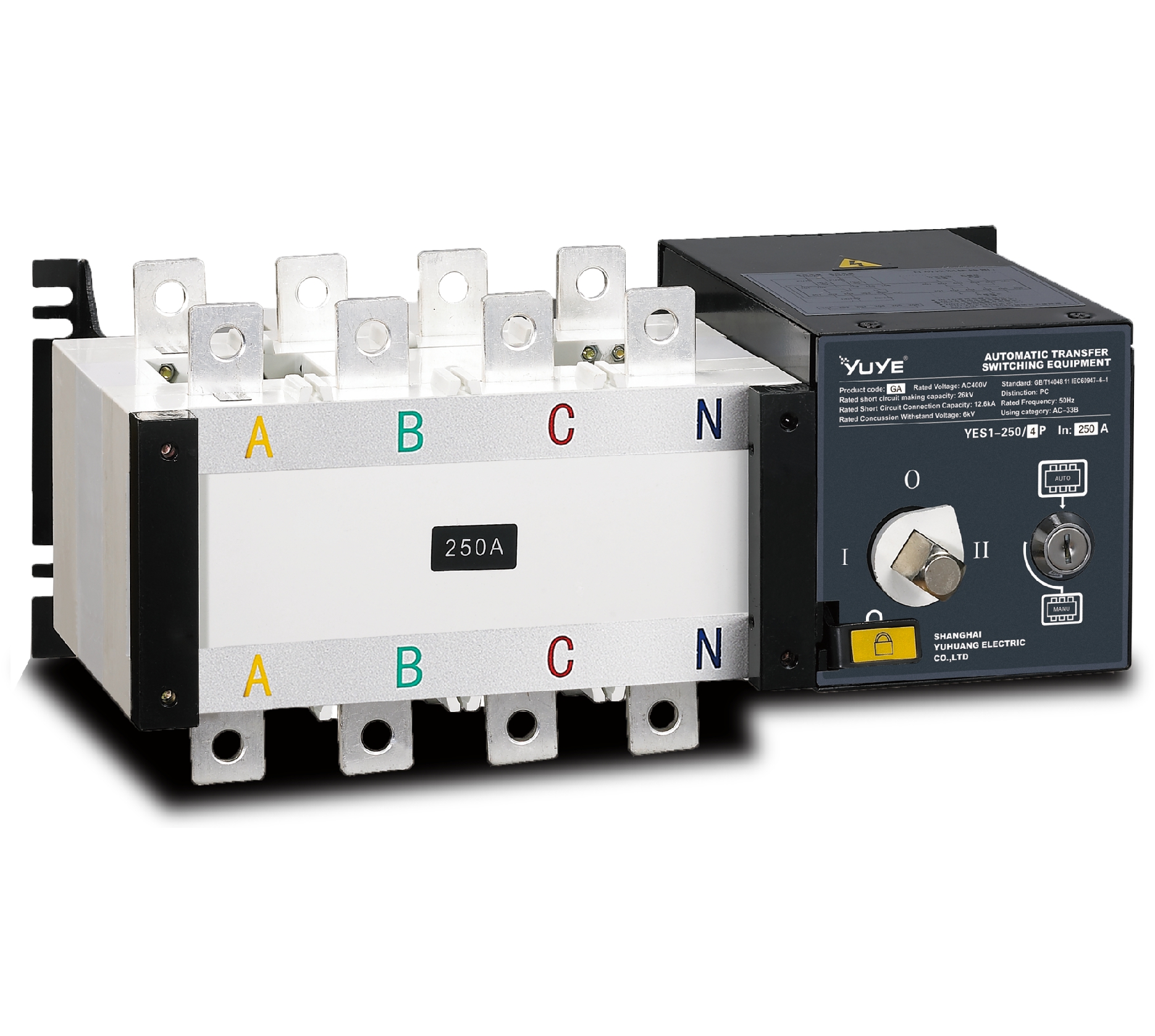 PC ATS YES1-100~3200GA1/GA
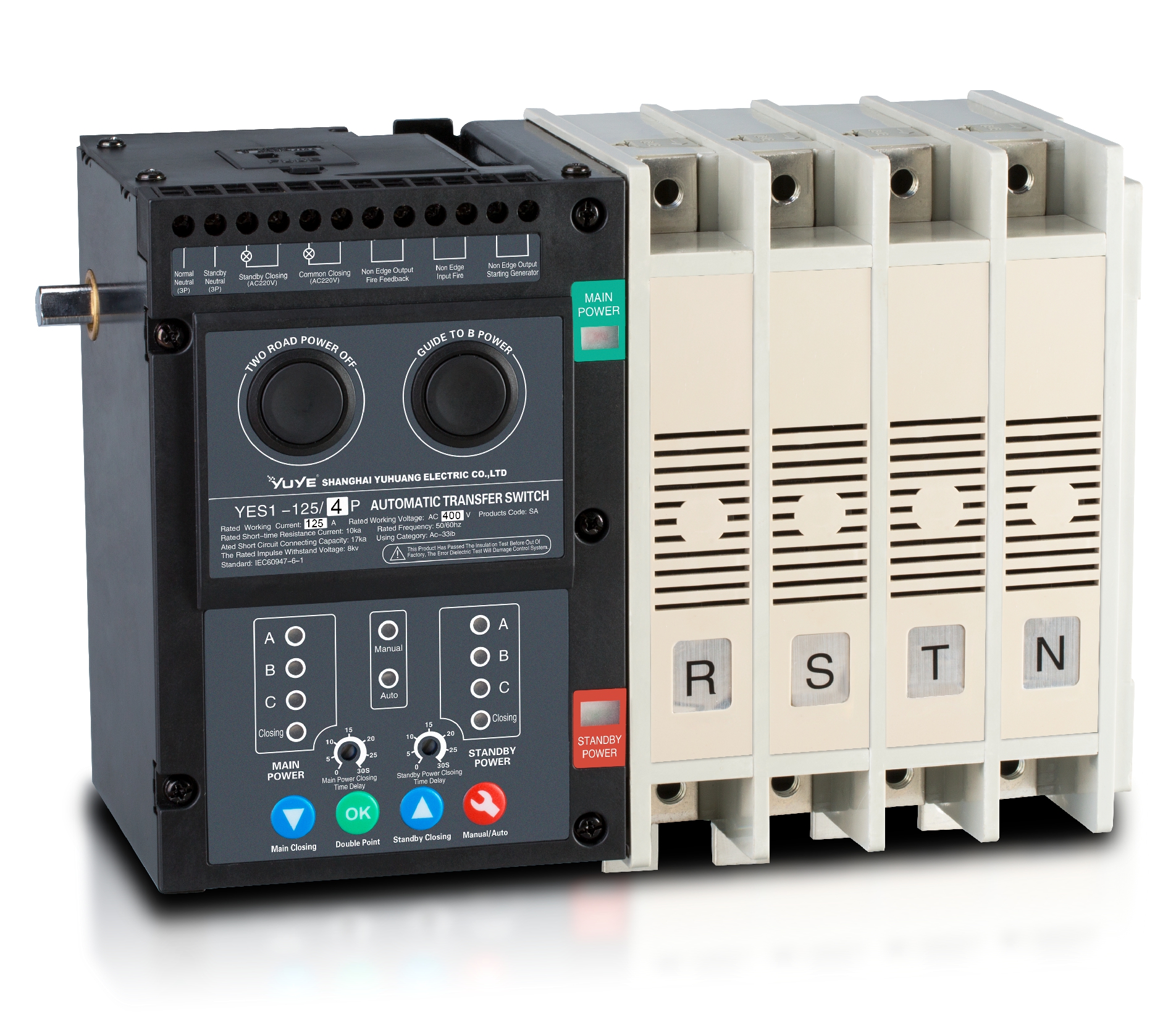 Solenoid-type ATS YES1-63~630SA
 Solenoid-type ATS YES1-63~630L/LA
 Solenoid-type ATS YES1-63~630LA3
 Solenoid-type ATS YES1-63MA
 PC ATS YES1-630~1600M
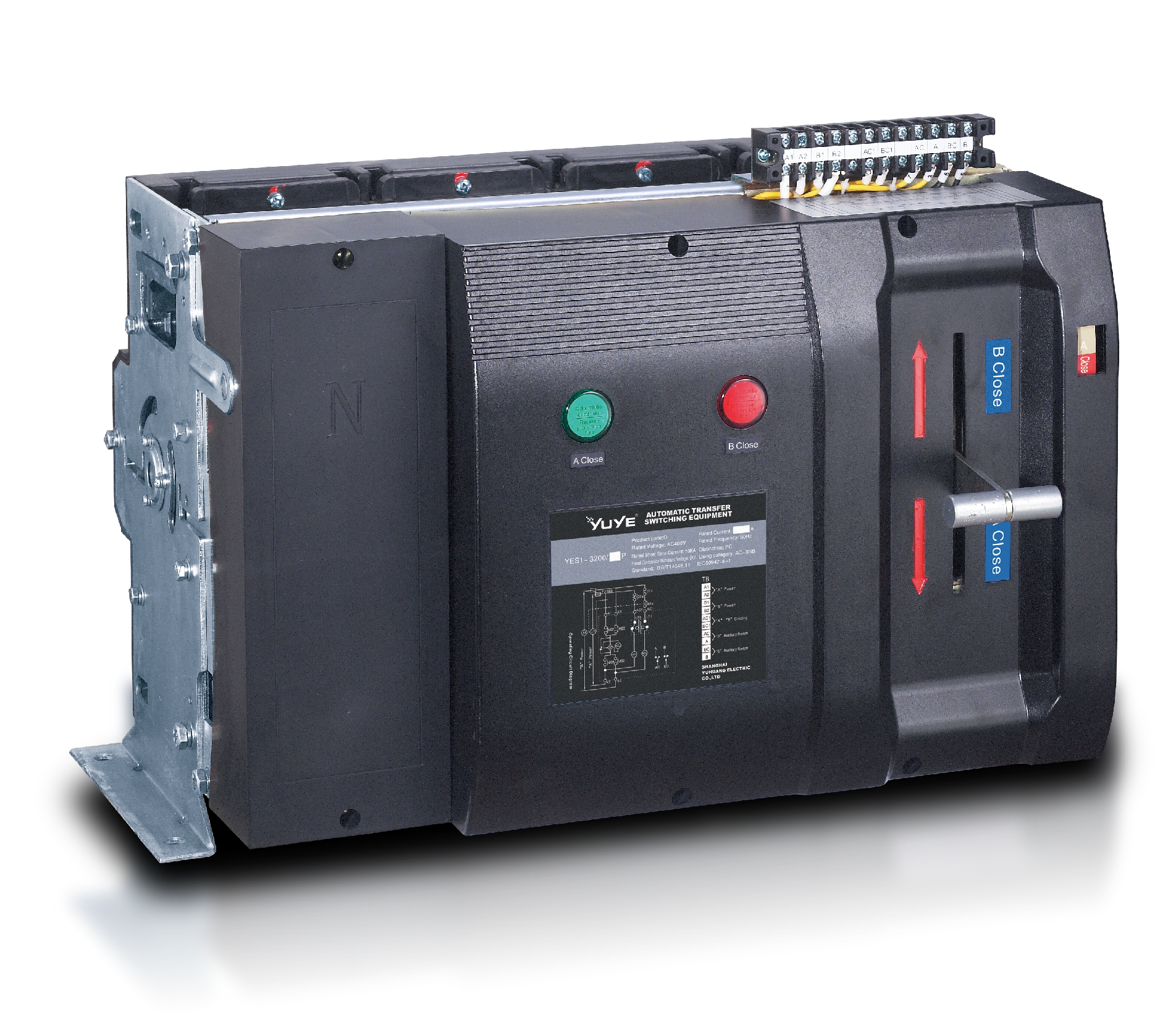 PC ATS YES1-3200Q
 Solenoid-type ATS YES1-4000~6300Q
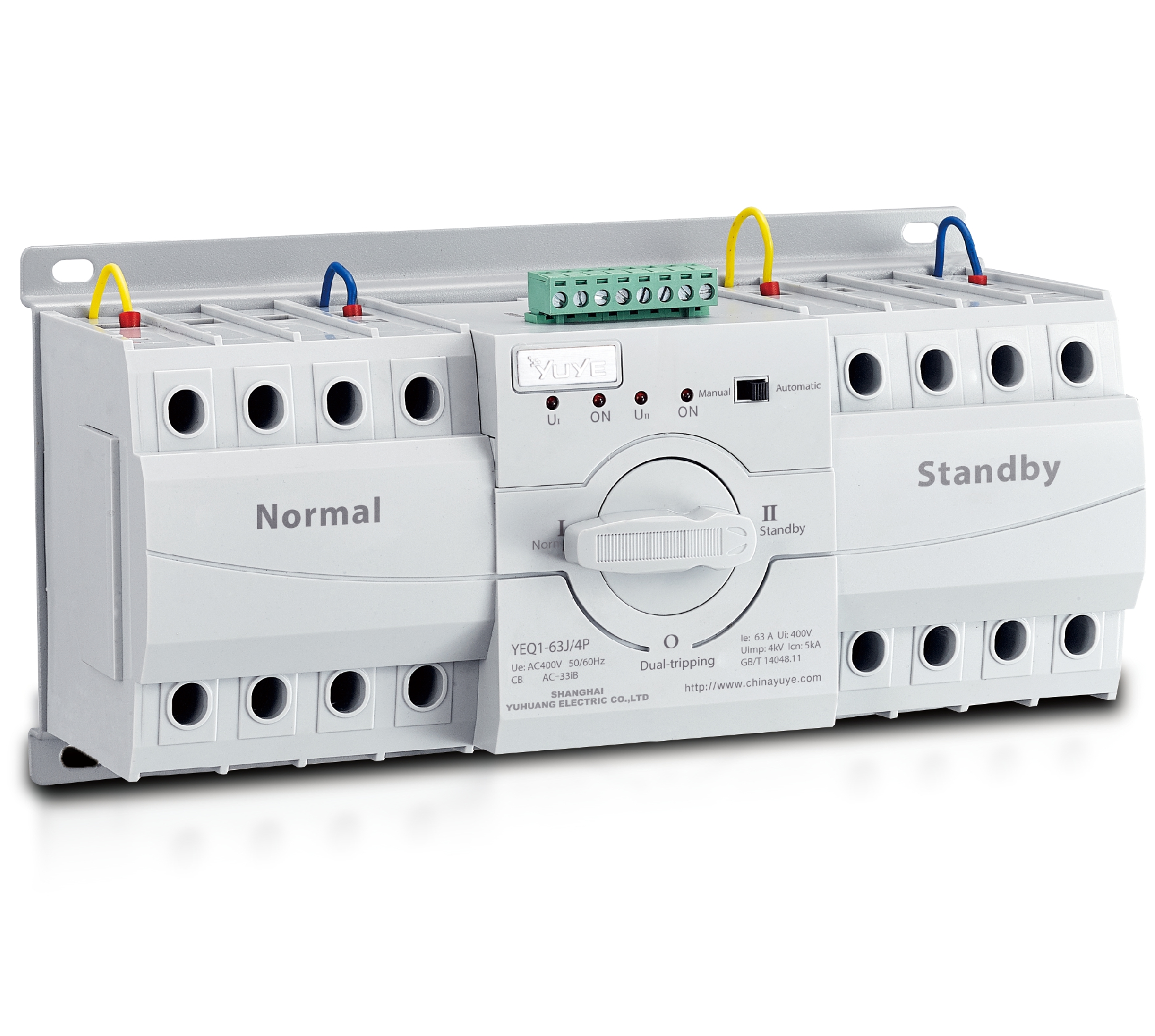 CB ATS YEQ1-63J
 CB ATS YEQ2Y-63
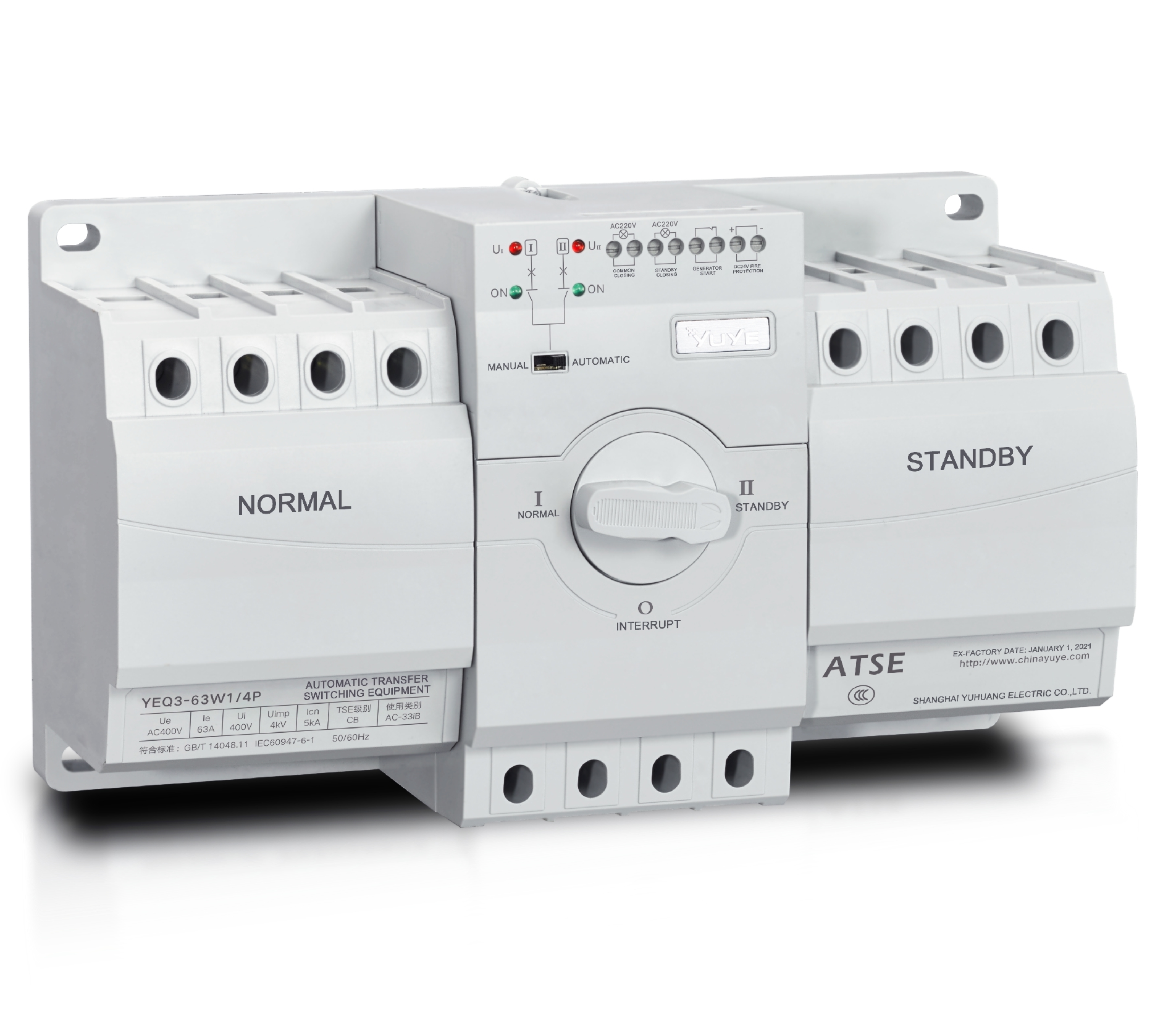 CB ATS YEQ3-63W1
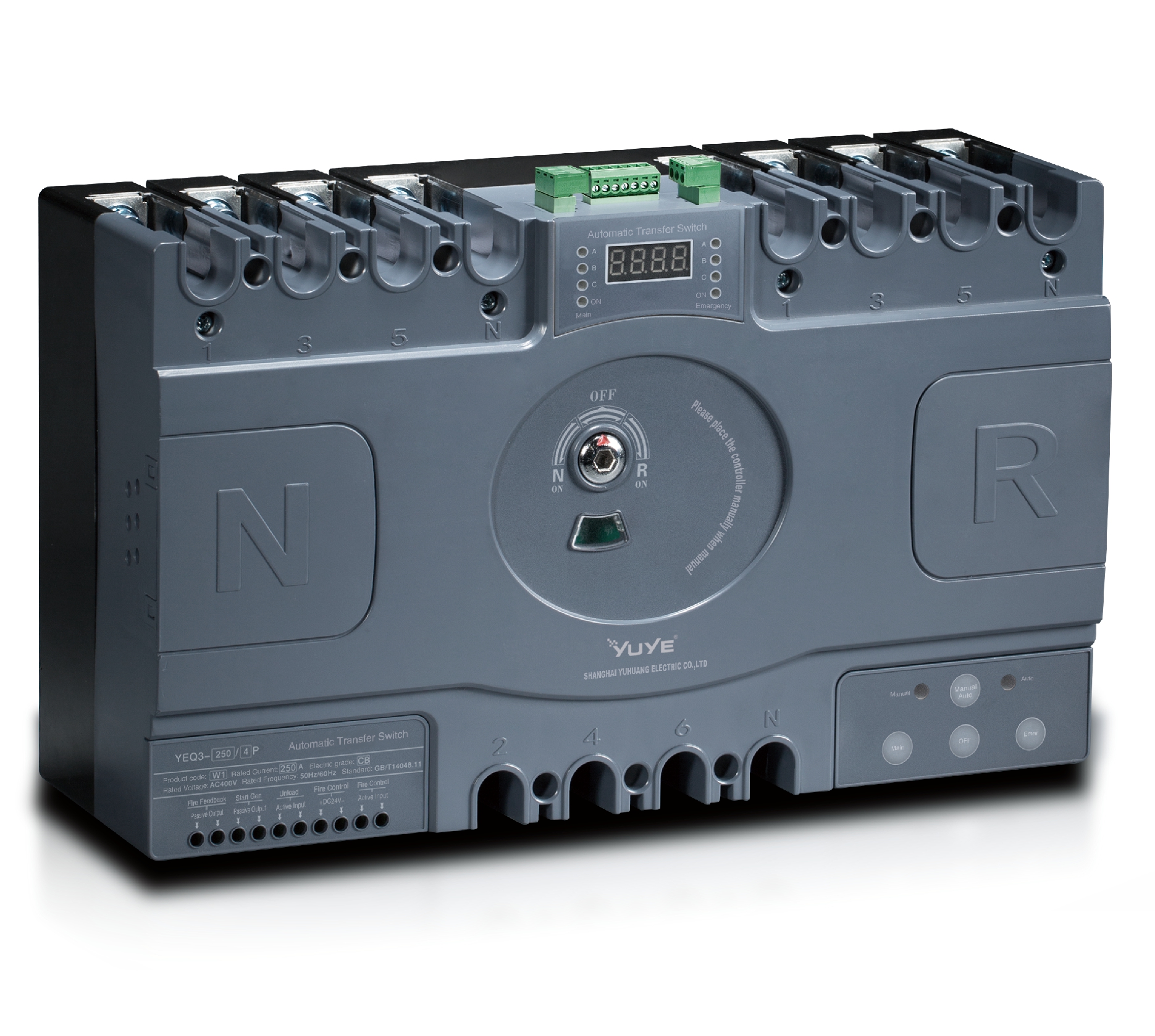 CB ATS YEQ3-125~630W1
 ATS controller Y-700
 ATS Controller Y-700N
 ATS Controller Y-701B
 ATS Controller Y-703N
 ATS Controller Y-800
 ATS Controller W2/W3 Series
 ATS switch Cabinet floor-to-ceiling
 ATS switch cabinet
 JXF-225A power Cbinet
 JXF-800A power Cbinet
 YEM3-125~800 Plastic Shell Type MCCB
 YEM3L-125~630 Leakage Type MCCB
 YEM3Z-125~800 Adjustable Type MCCB
 YEM1-63~1250 Plastic Shell Type MCCB
 YEM1E-100~800 Electronic Type MCCB
 YEM1L-100~630 Leakage Type MCCB
 Air Circuit Breaker YEW1-2000~6300
 Air Circuit Breaker YEW3-1600
 Miniature circuit breaker YEMA2-6~100
 Miniature circuit breaker YEB1-3~63
 Miniature circuit breaker YEB1LE-3~63
 Miniature circuit breaker YEPN-3~32
 Miniature circuit breaker YEPNLE-3~32
 Miniature circuit breaker YENC-63~125
 Load isolation switch YGL-63~3150
 Load Isolation Switch YGL2-63~3150
 DC relay YDC-P20
 DC relay YDC-P250
 DC relay YDC-P400
 DC relay MDC-300M
 DC relay YDC-M400
 DC Isolation Switch YEGL3D-630
 YECPS2-45~125 LCD
 YECPS-45~125 Digital
 CNC Milling/Turning-OEM
Selecting a 4 Pole MCCB requires more than simply matching current ratings. In modern power distribution systems, proper selection ensures electrical safety, system stability, and compliance with international standards, especially in three-phase systems where neutral protection is critical.
1.Rated Current and Breaking Capacity Requirements
Rated current must align with the actual load conditions while allowing room for future expansion. Equally important is the breaking capacity, which determines the device’s ability to safely interrupt fault currents. An insufficient breaking capacity can result in severe equipment damage during short-circuit events.
2.System Voltage and Frequency Compatibility
Compatibility with system voltage and frequency is essential for stable operation. Low-voltage distribution systems commonly operate at standardized voltage levels and frequencies, and selecting equipment designed for these parameters helps prevent insulation stress, overheating, and premature failure.

3.Neutral Pole Protection and Switching Configuration
Neutral pole design plays a key role in system safety. Depending on the application, the neutral pole may be fully protected, switched only, or solidly connected. A properly selected 4 Pole MCCB helps reduce risks associated with unbalanced loads, harmonic currents, and neutral conductor faults.
4.Trip Unit Type and Protection Functions
The trip unit defines how the circuit breaker responds to abnormal conditions. Thermal-magnetic trip units offer reliable basic protection, while electronic trip units provide adjustable settings, precise protection, and advanced monitoring. Selection should be based on the complexity and criticality of the electrical system.
5.Installation Environment and Compliance Standards
Environmental factors such as temperature, humidity, vibration, and enclosure requirements influence product lifespan and performance. Compliance with international standards such as IEC or UL ensures that the device meets recognized safety and performance benchmarks, simplifying approval and inspection processes.
Conclusion
Choosing the right 4 Pole MCCB involves balancing electrical ratings, protection features, neutral handling, and environmental considerations. A well-matched solution improves system reliability, enhances safety, and supports long-term operational efficiency across industrial and commercial applications.
FAQ
Q1: Why is neutral pole switching important in three-phase systems?
A: Neutral pole switching helps manage unbalanced loads and reduces the risk of neutral conductor overheating or voltage instability.
Q2: Are electronic trip units always better than thermal-magnetic ones?
A: Not always. Electronic trip units offer more flexibility and precision, but thermal-magnetic units are often sufficient for simpler applications.
Q3: Can the same circuit breaker be used in different environments?
A: Only if it meets the environmental and enclosure requirements of each installation site.
Content References
-
IEC 60947-2 – Low-voltage switchgear and controlgear – Circuit breakers
International Electrotechnical Commission (IEC) -
UL 489 – Standard for Molded-Case Circuit Breakers
Underwriters Laboratories (UL) -
IEEE Standards Association
IEEE Recommended Practices for Industrial and Commercial Power Systems -
Schneider Electric – Technical Guides
Molded Case Circuit Breaker Selection and Application -
ABB Electrification Documentation
Protection Devices for Low-Voltage Power Distribution
