
 PC ATS YECT1-2000G
 PC ATS YES2-63~250GN1
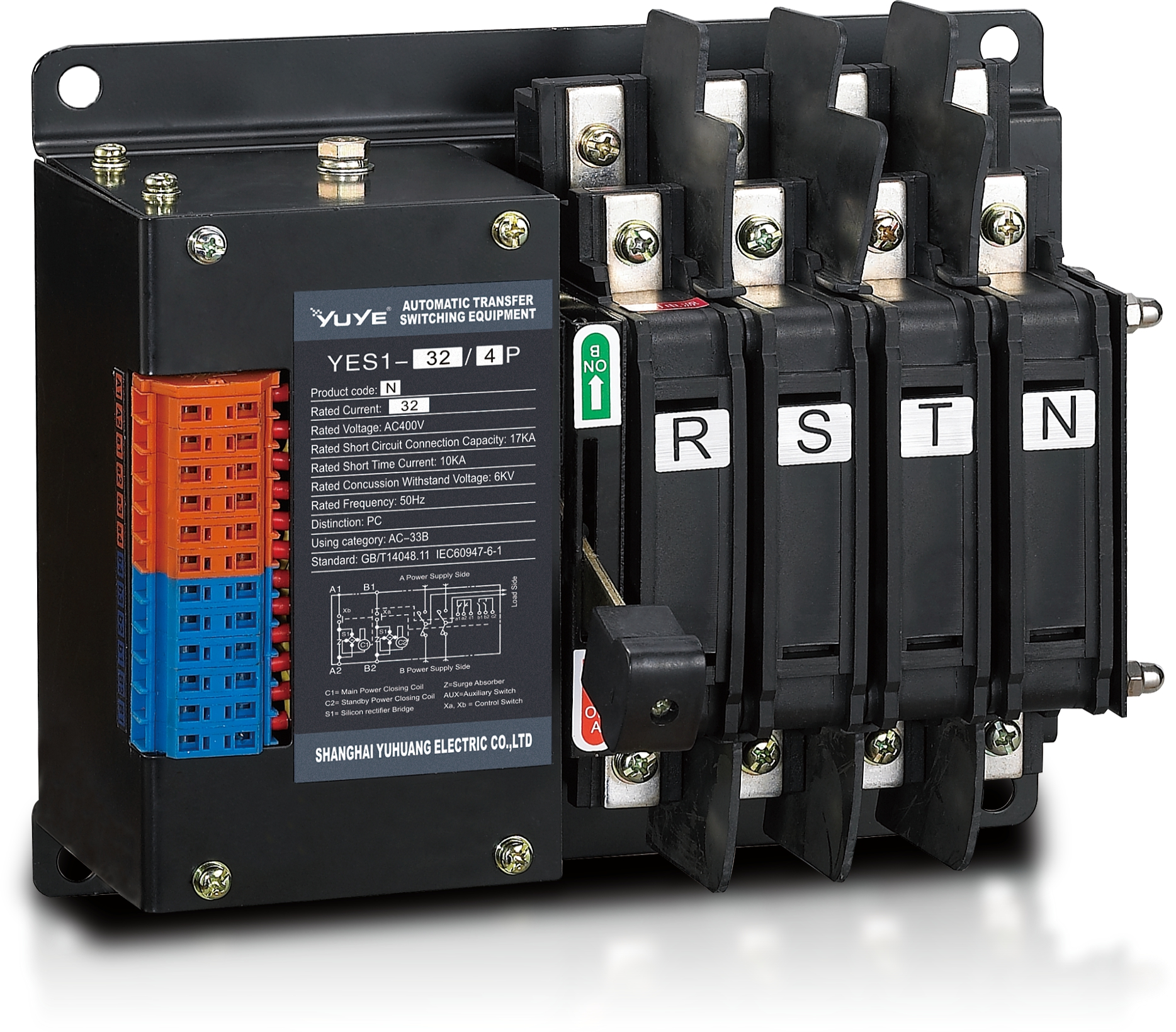 Solenoid-type ATS YES1-32~125N
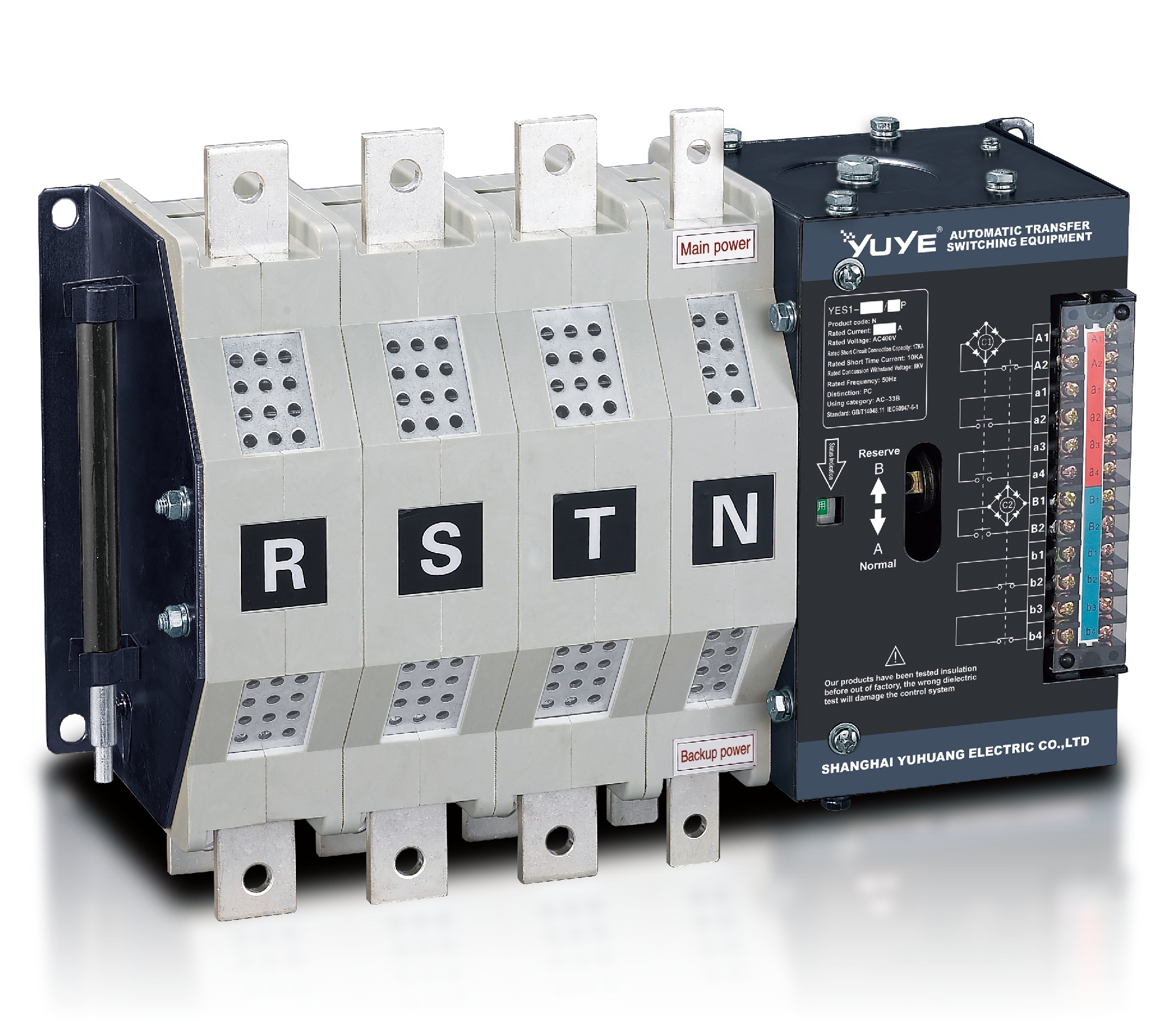 Solenoid-type ATS YES1-250~630N/NT
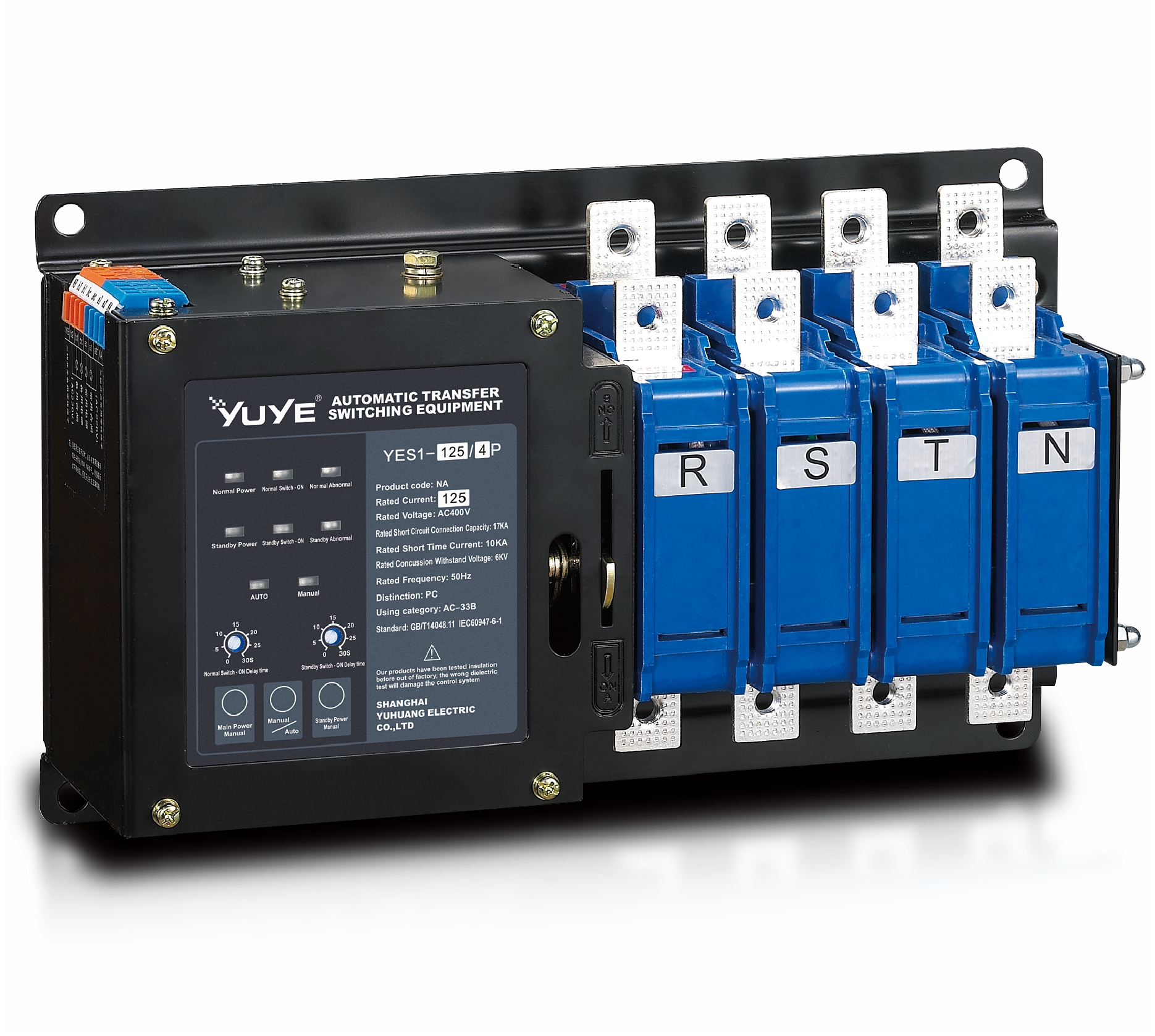 Solenoid-type ATS YES1-32~125NA
 Solenoid-type ATS YES1-63~630SN
 Solenoid-type ATS YES1-1250~4000SN
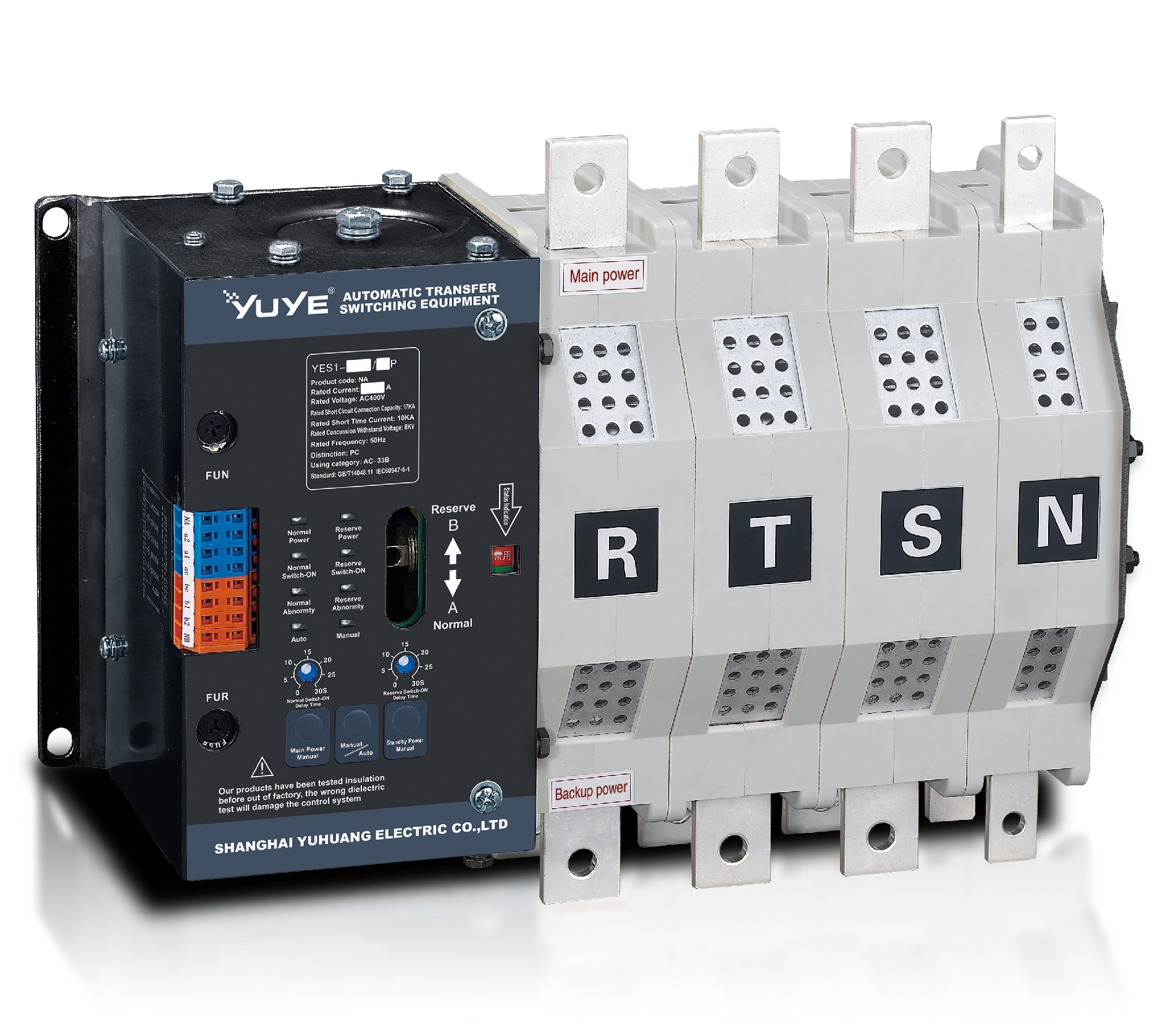 Solenoid-type ATS YES1-250~630NA/NAT
 Solenoid-type ATS YES1-63NJT
 PC ATS YES1-100~1600GN1/GN/GNF
 PC ATS YES1-2000~3200GN/GNF
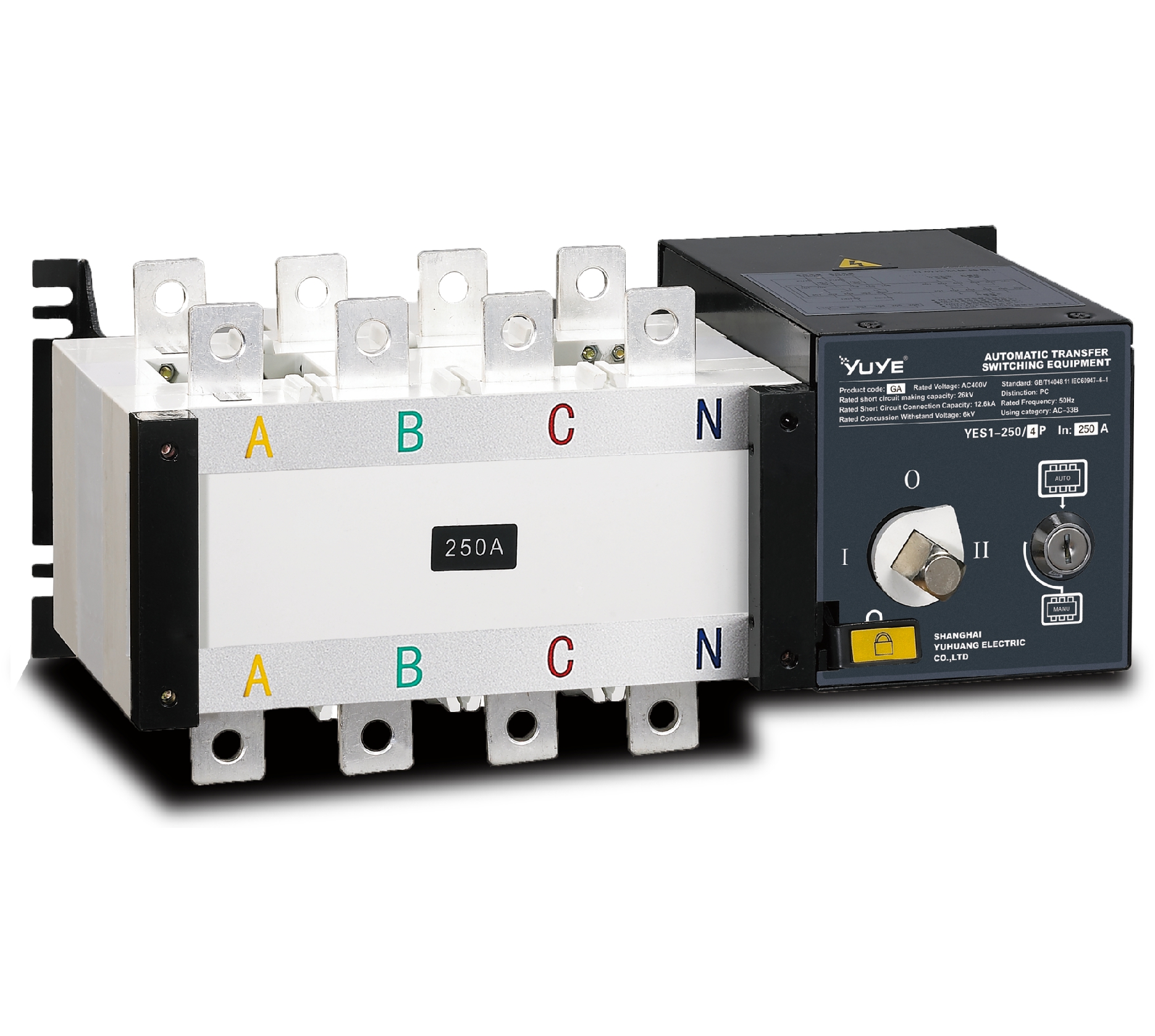 PC ATS YES1-100~3200GA1/GA
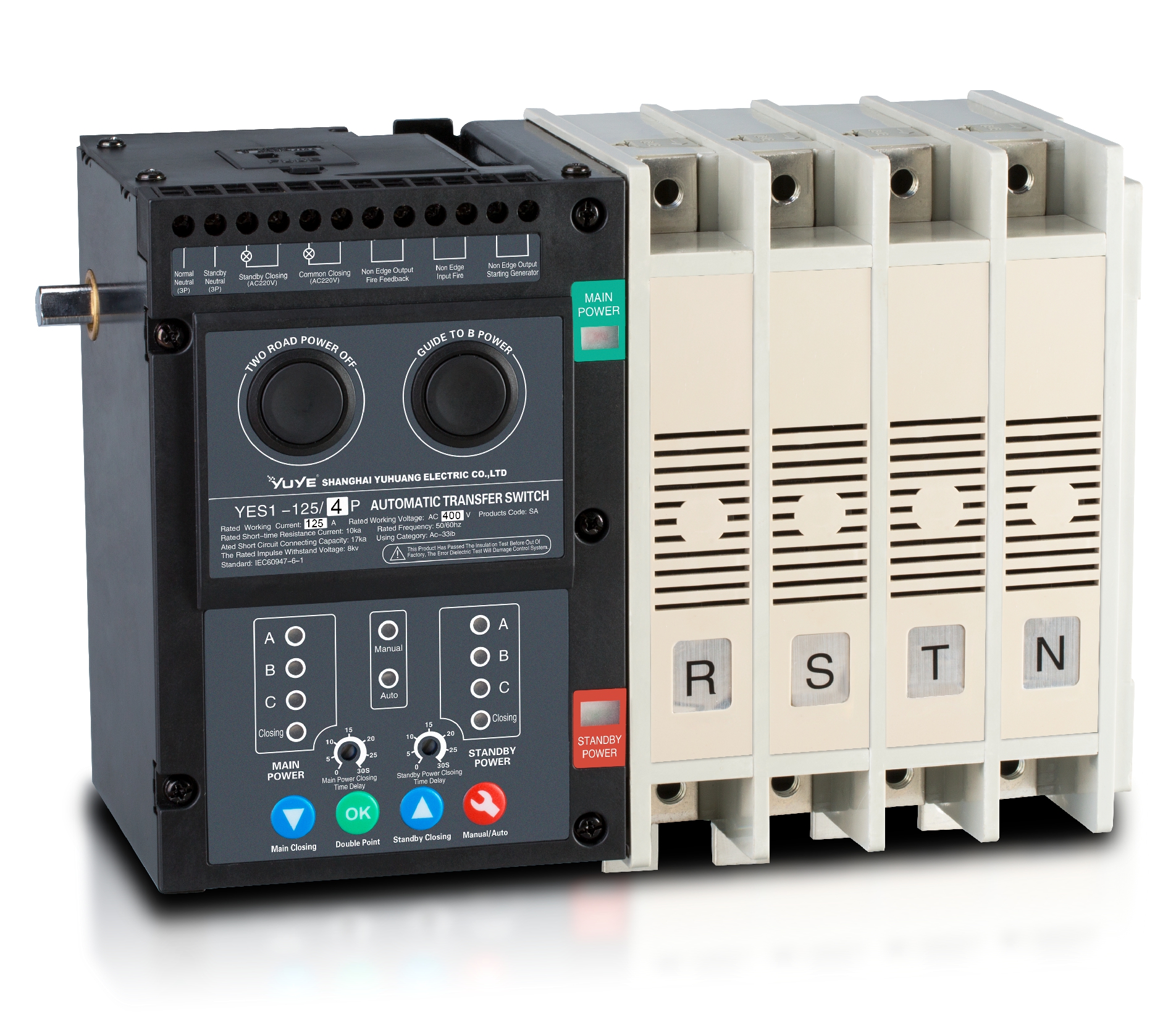 Solenoid-type ATS YES1-63~630SA
 Solenoid-type ATS YES1-63~630L/LA
 Solenoid-type ATS YES1-63~630LA3
 Solenoid-type ATS YES1-63MA
 PC ATS YES1-630~1600M
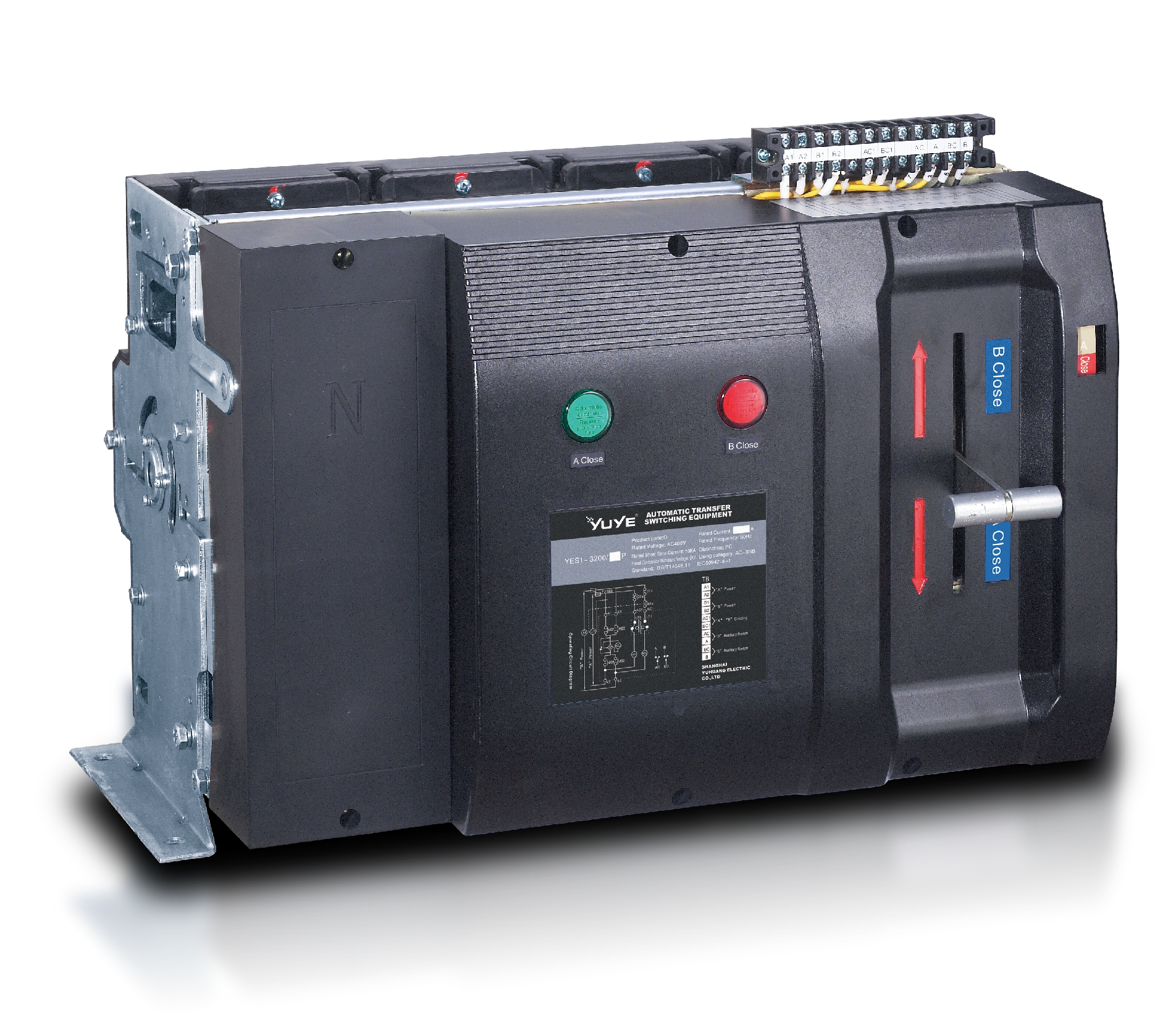 PC ATS YES1-3200Q
 Solenoid-type ATS YES1-4000~6300Q
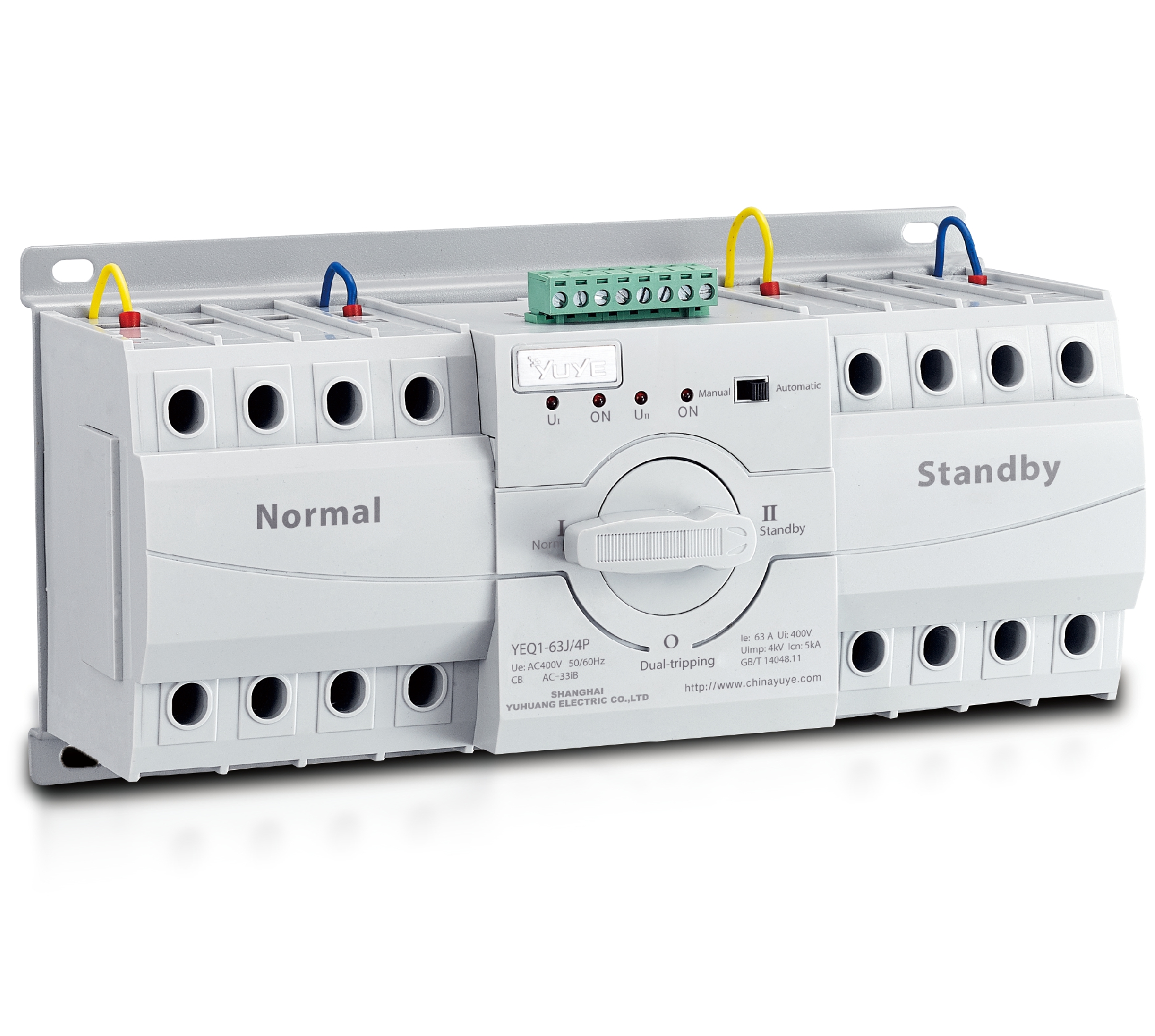 CB ATS YEQ1-63J
 CB ATS YEQ2Y-63
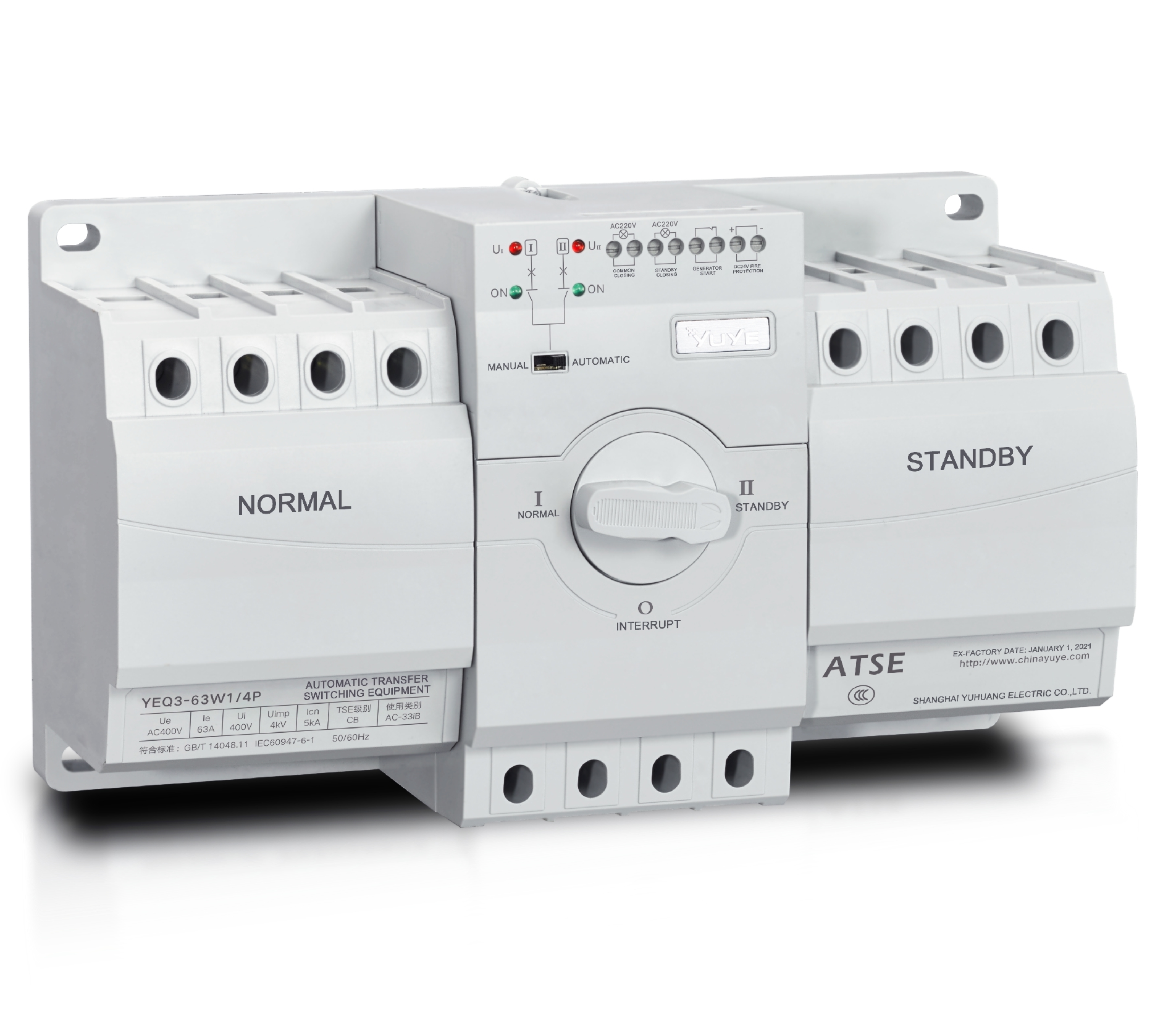 CB ATS YEQ3-63W1
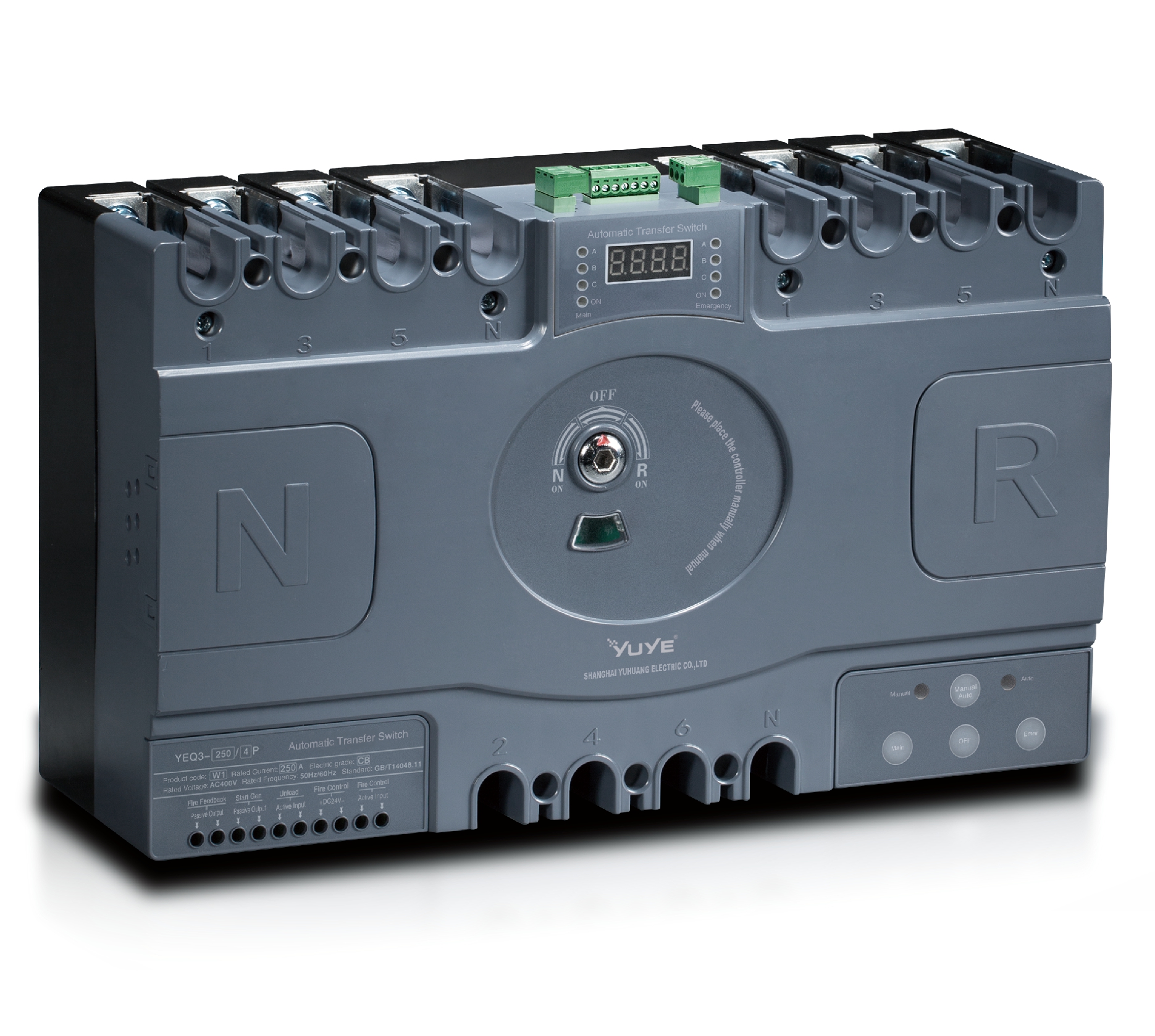 CB ATS YEQ3-125~630W1
 ATS controller Y-700
 ATS Controller Y-700N
 ATS Controller Y-701B
 ATS Controller Y-703N
 ATS Controller Y-800
 ATS Controller W2/W3 Series
 ATS switch Cabinet floor-to-ceiling
 ATS switch cabinet
 JXF-225A power Cbinet
 JXF-800A power Cbinet
 YEM3-125~800 Plastic Shell Type MCCB
 YEM3L-125~630 Leakage Type MCCB
 YEM3Z-125~800 Adjustable Type MCCB
 YEM1-63~1250 Plastic Shell Type MCCB
 YEM1E-100~800 Electronic Type MCCB
 YEM1L-100~630 Leakage Type MCCB
 Miniature circuit breaker YEMA2-6~100
 Miniature circuit breaker YEB1-3~63
 Miniature circuit breaker YEB1LE-3~63
 Miniature circuit breaker YEPN-3~32
 Miniature circuit breaker YEPNLE-3~32
 Miniature circuit breaker YENC-63~125
 Air Circuit Breaker YEW1-2000~6300
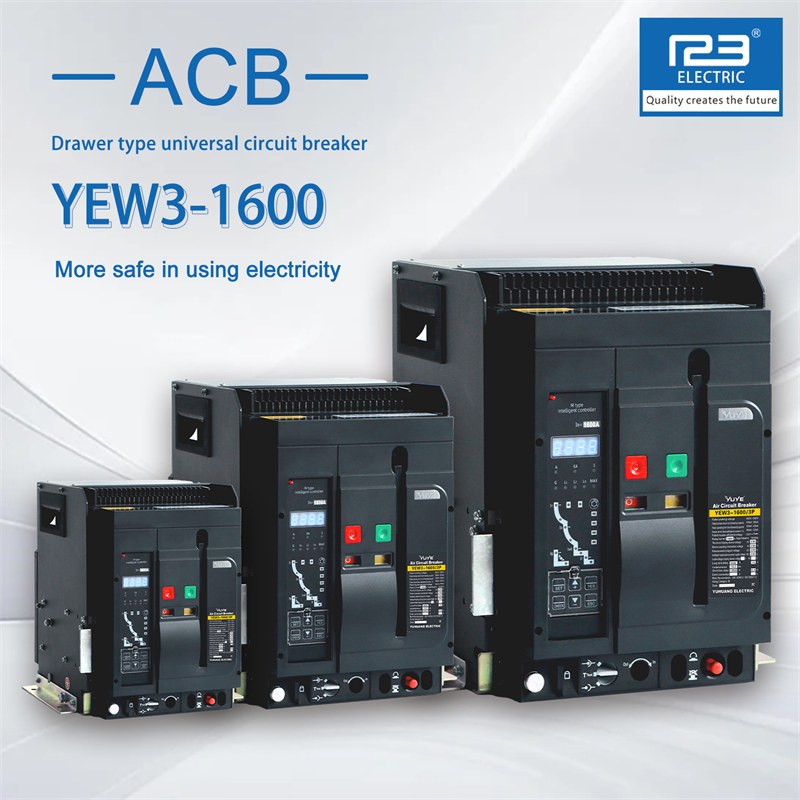
 Air Circuit Breaker YEW3-1600
 Load isolation switch YGL-63~3150
 Load Isolation Switch YGL2-63~3150
 Manual Changeover Switch YGL-100~630Z1A
 Manual Changeover Switch YGLZ1-100~3150
 YECPS2-45~125 LCD
 YECPS-45~125 Digital
 CNC Milling/Turning-OEM
 DC relay MDC-300M
 DC Isolation Switch YEGL3D-630
Reliable power distribution depends heavily on proper maintenance of critical protection equipment. In low-voltage electrical systems, routine inspection and testing are essential to prevent unexpected failures and ensure operational safety. A well-maintained Air Circuit Breaker (ACB) plays a key role in protecting main circuits by interrupting fault currents and maintaining system stability over long service periods.
1.Importance of Regular Maintenance for Power System Reliability
Regular maintenance helps reduce the risk of unplanned outages and costly downtime. Over time, electrical and mechanical components are subject to wear, environmental contamination, and thermal stress. Proactive maintenance programs allow potential issues to be identified early, extending equipment lifespan and ensuring consistent protection performance in commercial and industrial power systems.
2.Routine Inspection Procedures for Air Circuit Breakers
Routine inspections should include visual checks of insulation components, arc chutes, and operating mechanisms. Mechanical parts must be examined for smooth movement and correct alignment, while electrical connections should be checked for looseness or signs of overheating. Cleanliness is also critical, as dust and debris can negatively affect insulation and interrupting performance.
3.Functional Testing Methods and Performance Verification
Functional testing verifies that protection mechanisms operate correctly under simulated conditions. This includes mechanical operation tests, trip function verification, and response-time evaluation. Testing ensures that the Air Circuit Breaker (ACB) can respond accurately to overloads or short-circuit conditions and coordinate properly with other protective devices in the system.
4.Common Maintenance Issues and Troubleshooting Strategies
Common issues include contact erosion, mechanical wear, and improper tripping behavior. These problems may result from frequent switching operations, high fault levels, or insufficient maintenance intervals. Addressing such issues promptly through adjustment, repair, or component replacement helps restore normal operation and prevents more serious system faults.
5.Safety Precautions and Documentation During ACB Maintenance
Safety is a top priority during maintenance activities. Proper lockout and tagout procedures must be followed to isolate power sources before inspection or testing. Maintenance records, test results, and inspection reports should be carefully documented to support compliance with safety standards and provide a clear maintenance history. Consistent documentation also helps optimize future maintenance planning for the Air Circuit Breaker (ACB).
Conclusion
Effective maintenance and testing are essential for ensuring reliable performance of low-voltage power protection equipment. By implementing structured inspection routines, functional testing, and proper documentation practices, facilities can significantly enhance system reliability and safety. A disciplined maintenance approach ultimately supports long-term operational continuity and electrical system resilience.
FAQ
Q1: Why is regular maintenance important for main circuit protection devices?
Regular maintenance helps prevent unexpected failures, extends equipment lifespan, and ensures reliable fault protection.
Q2: How often should functional testing be performed?
Testing intervals depend on operating conditions and applicable standards, but periodic testing is generally recommended.
Q3: What are common signs that maintenance is required?
Unusual noises, visible wear, overheating marks, or irregular tripping behavior indicate the need for inspection.
Q4: Is documentation really necessary for maintenance work?
Yes. Proper records support safety compliance, audits, and long-term maintenance planning.
Q5: Can preventive maintenance reduce downtime?
Absolutely. Identifying issues early helps avoid unexpected outages and costly repairs.
References
-
IEC 60947-2: Low-voltage switchgear and controlgear – Circuit breakers
-
IEEE Recommended Practice for Maintenance of Electrical Power Equipment
-
NFPA 70B: Recommended Practice for Electrical Equipment Maintenance
-
Schneider Electric & ABB Technical Guides on Low-Voltage Power Distribution