
 PC ATS YECT1-2000G
 PC ATS YES2-63~250GN1
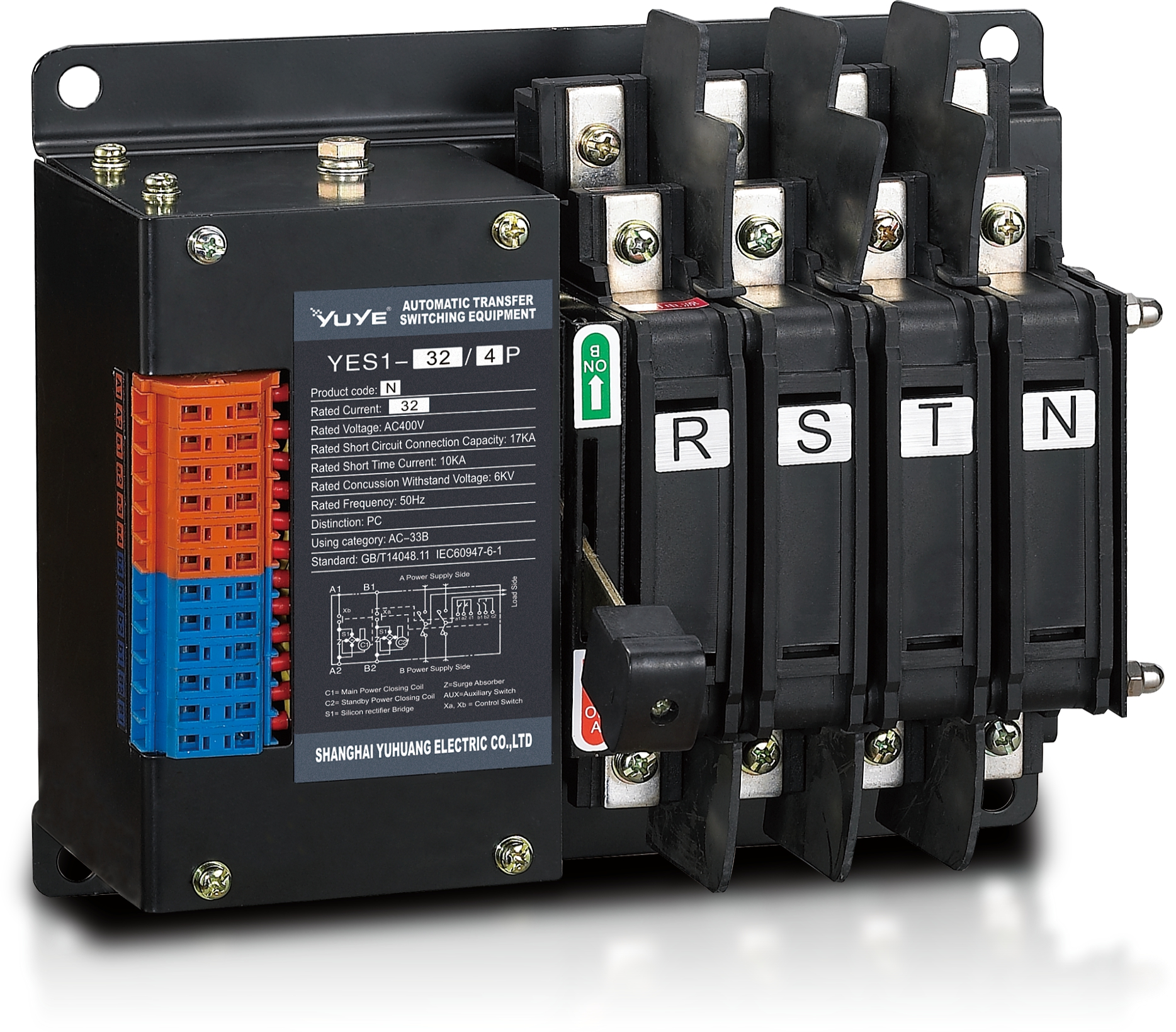 Solenoid-type ATS YES1-32~125N
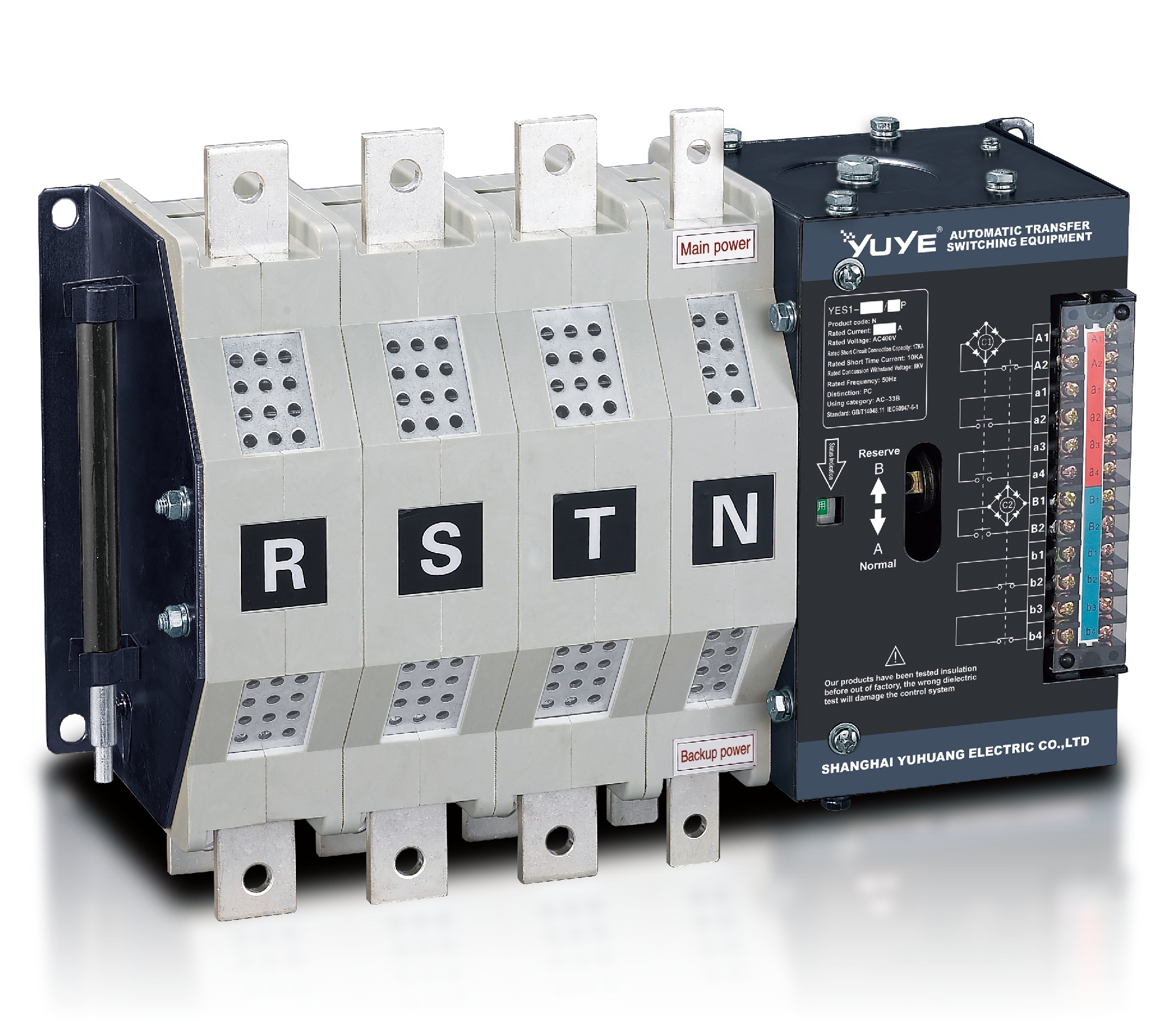 Solenoid-type ATS YES1-250~630N/NT
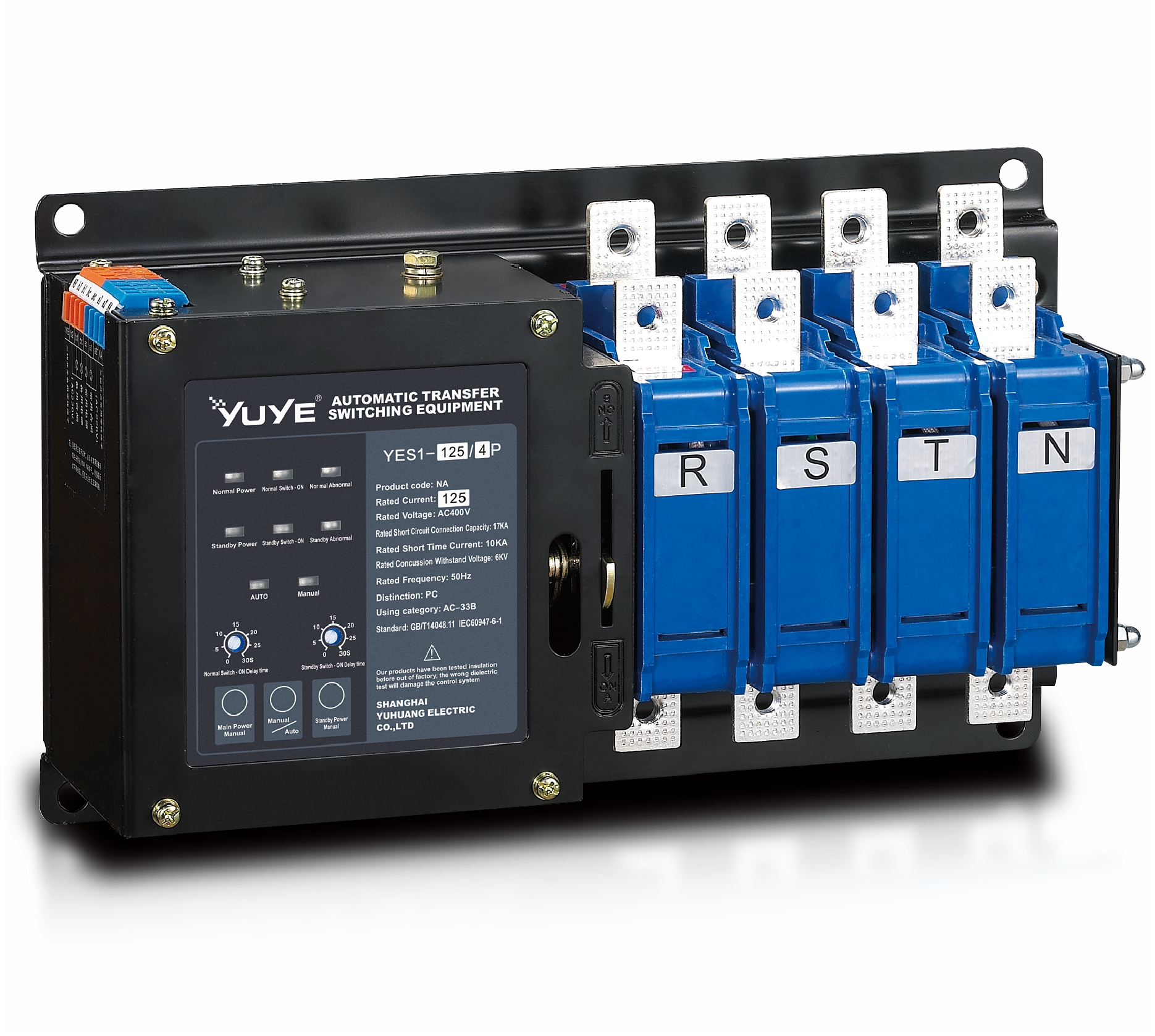 Solenoid-type ATS YES1-32~125NA
 Solenoid-type ATS YES1-63~630SN
 Solenoid-type ATS YES1-1250~4000SN
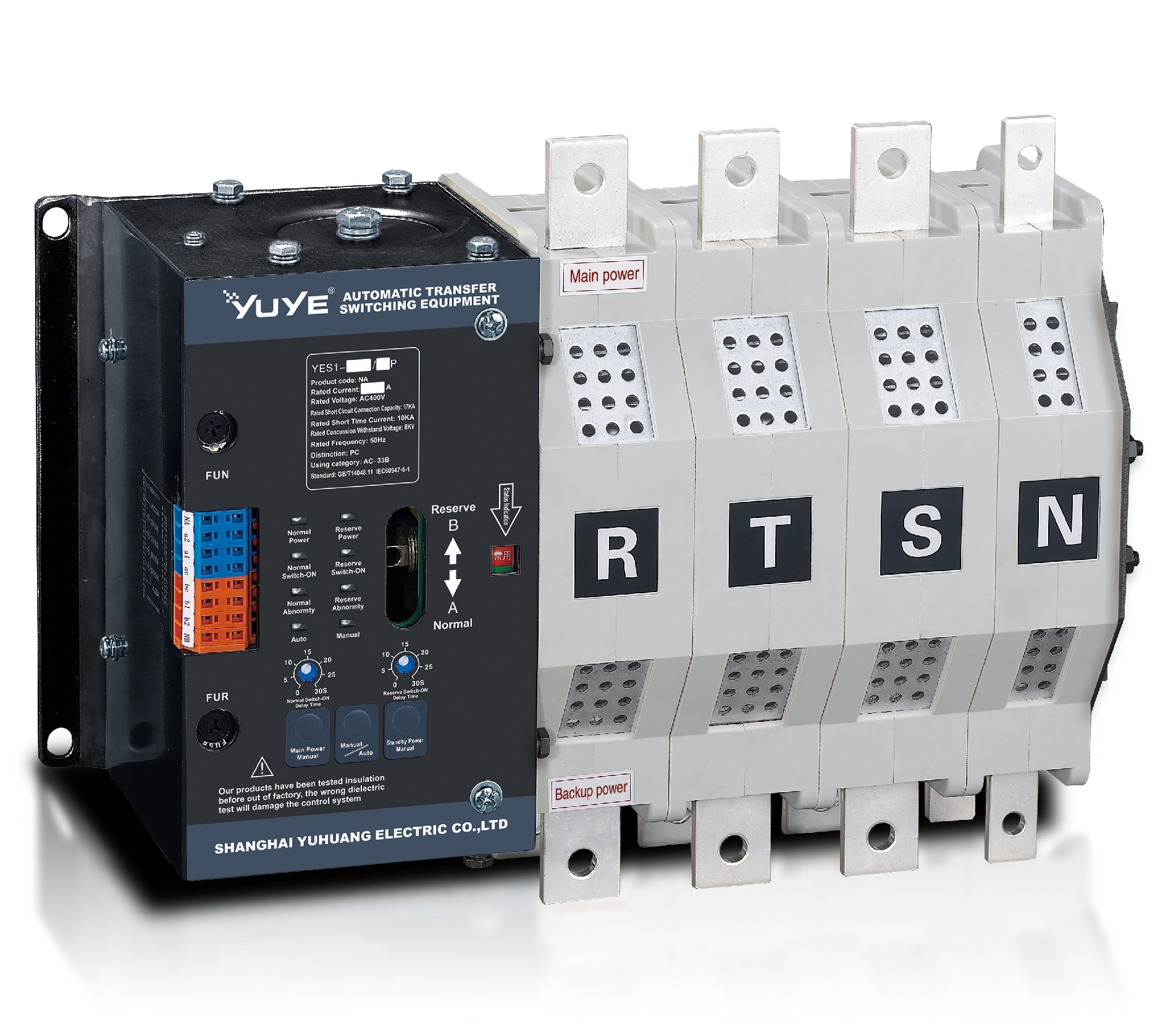 Solenoid-type ATS YES1-250~630NA/NAT
 Solenoid-type ATS YES1-63NJT
 PC ATS YES1-100~1600GN1/GN/GNF
 PC ATS YES1-2000~3200GN/GNF
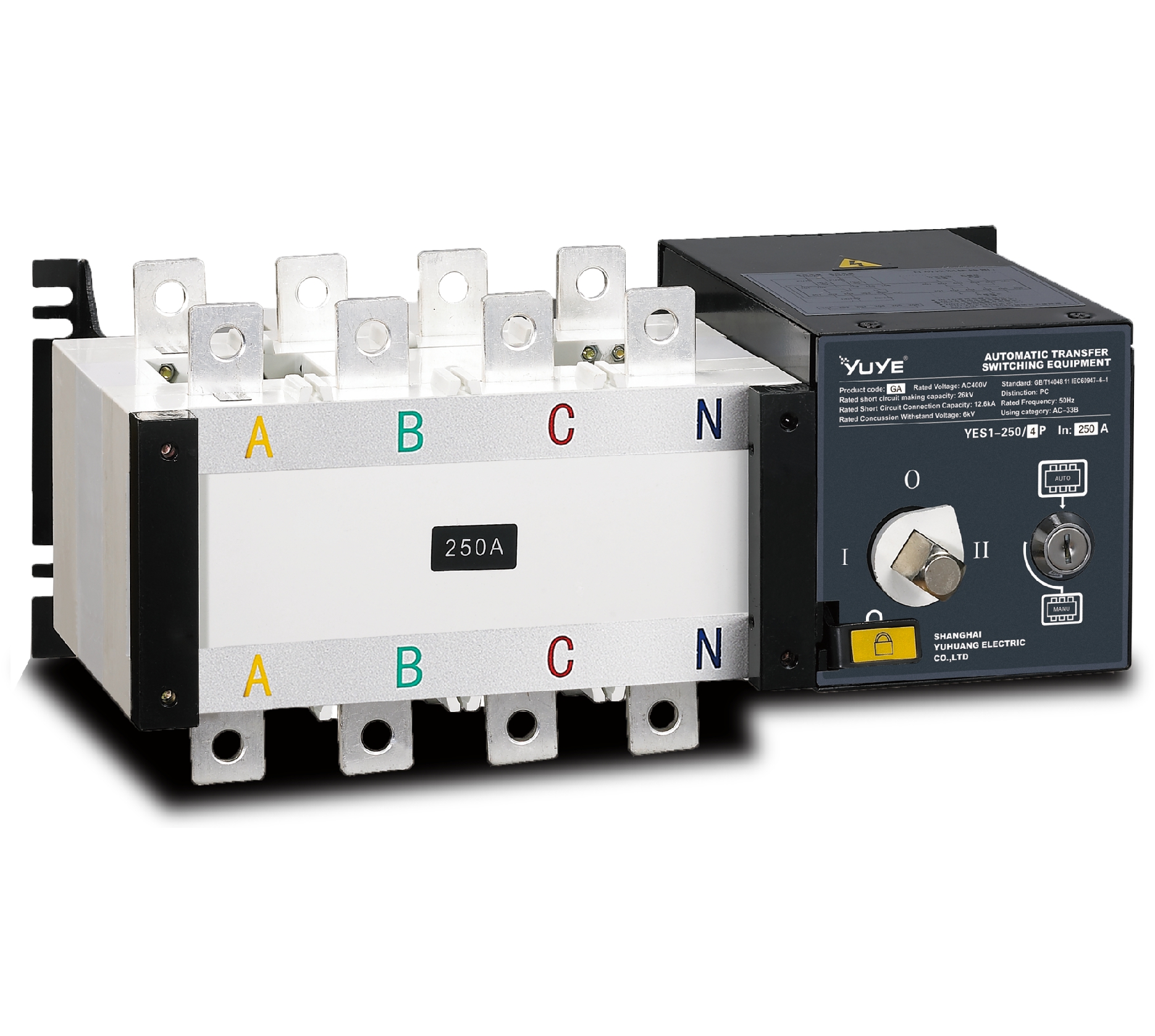 PC ATS YES1-100~3200GA1/GA
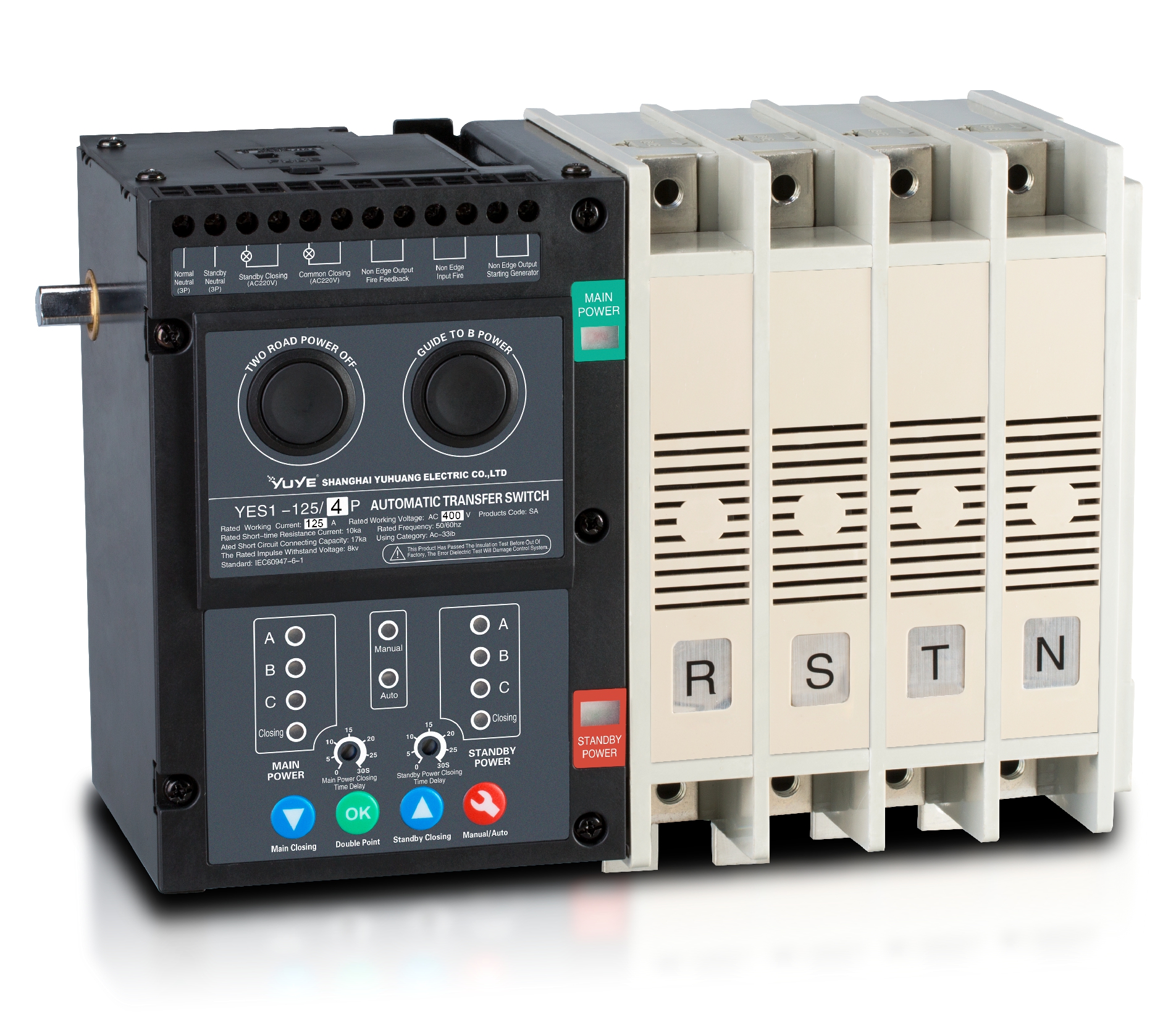 Solenoid-type ATS YES1-63~630SA
 Solenoid-type ATS YES1-63~630L/LA
 Solenoid-type ATS YES1-63~630LA3
 Solenoid-type ATS YES1-63MA
 PC ATS YES1-630~1600M
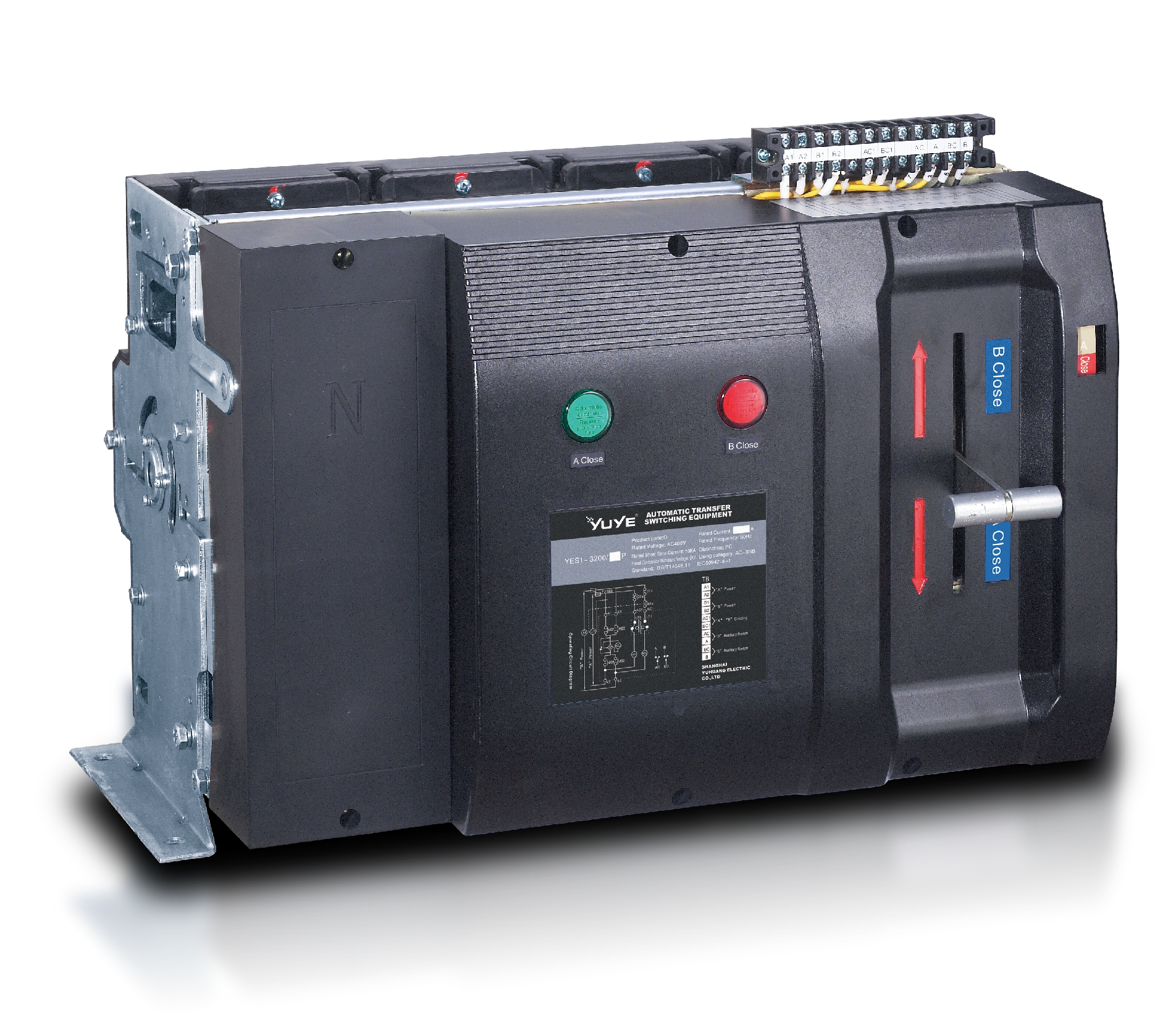 PC ATS YES1-3200Q
 Solenoid-type ATS YES1-4000~6300Q
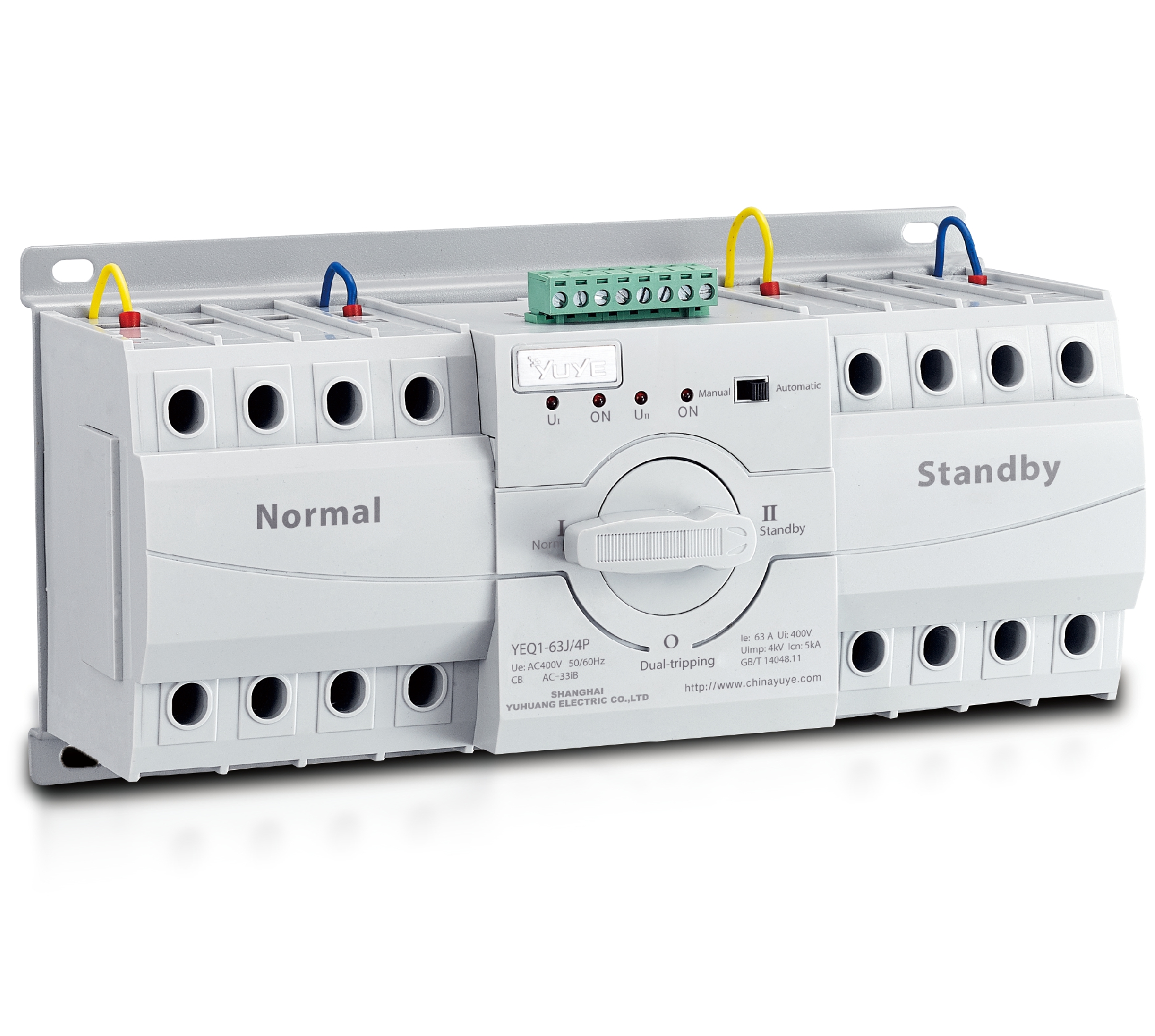 CB ATS YEQ1-63J
 CB ATS YEQ2Y-63
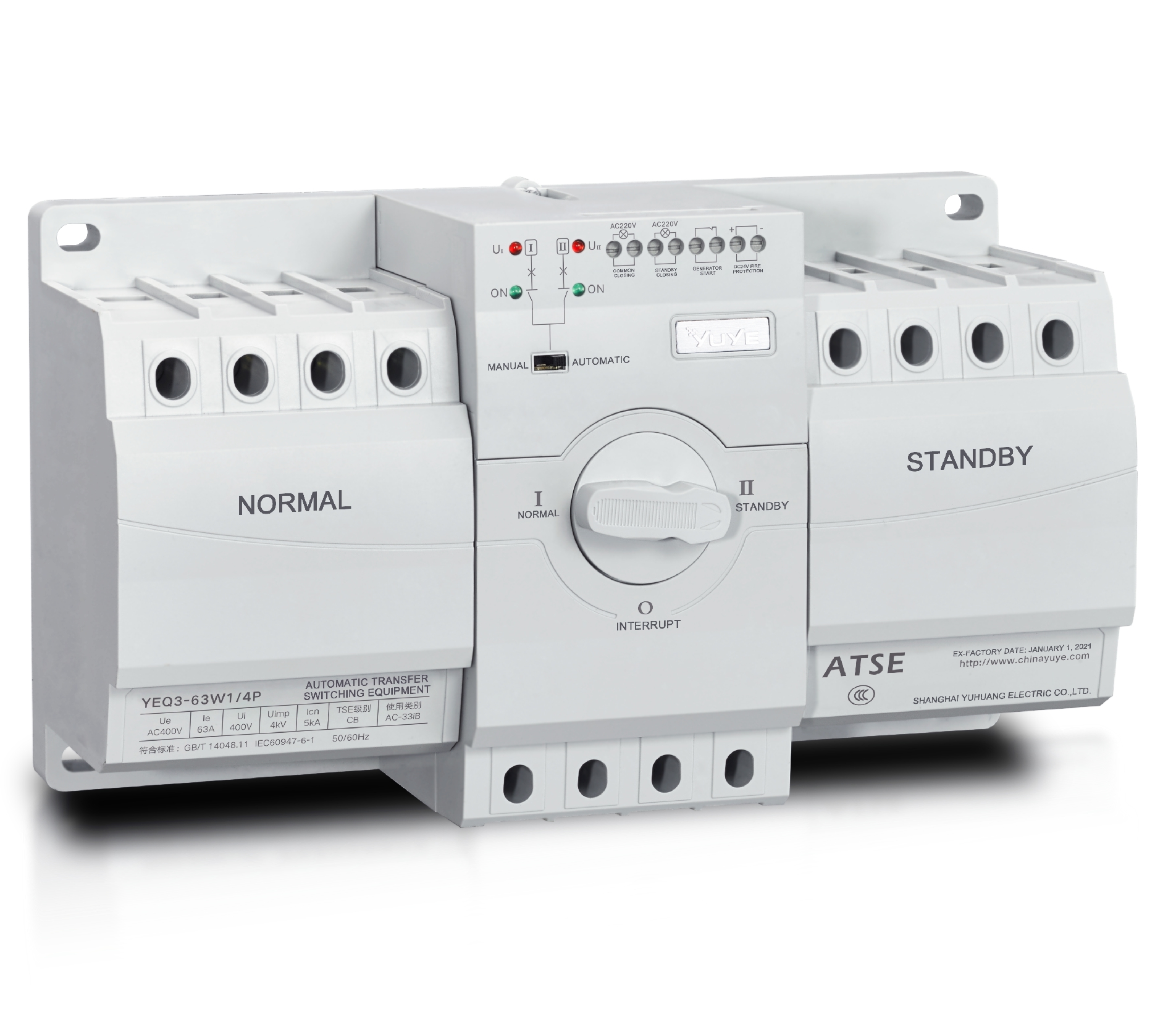 CB ATS YEQ3-63W1
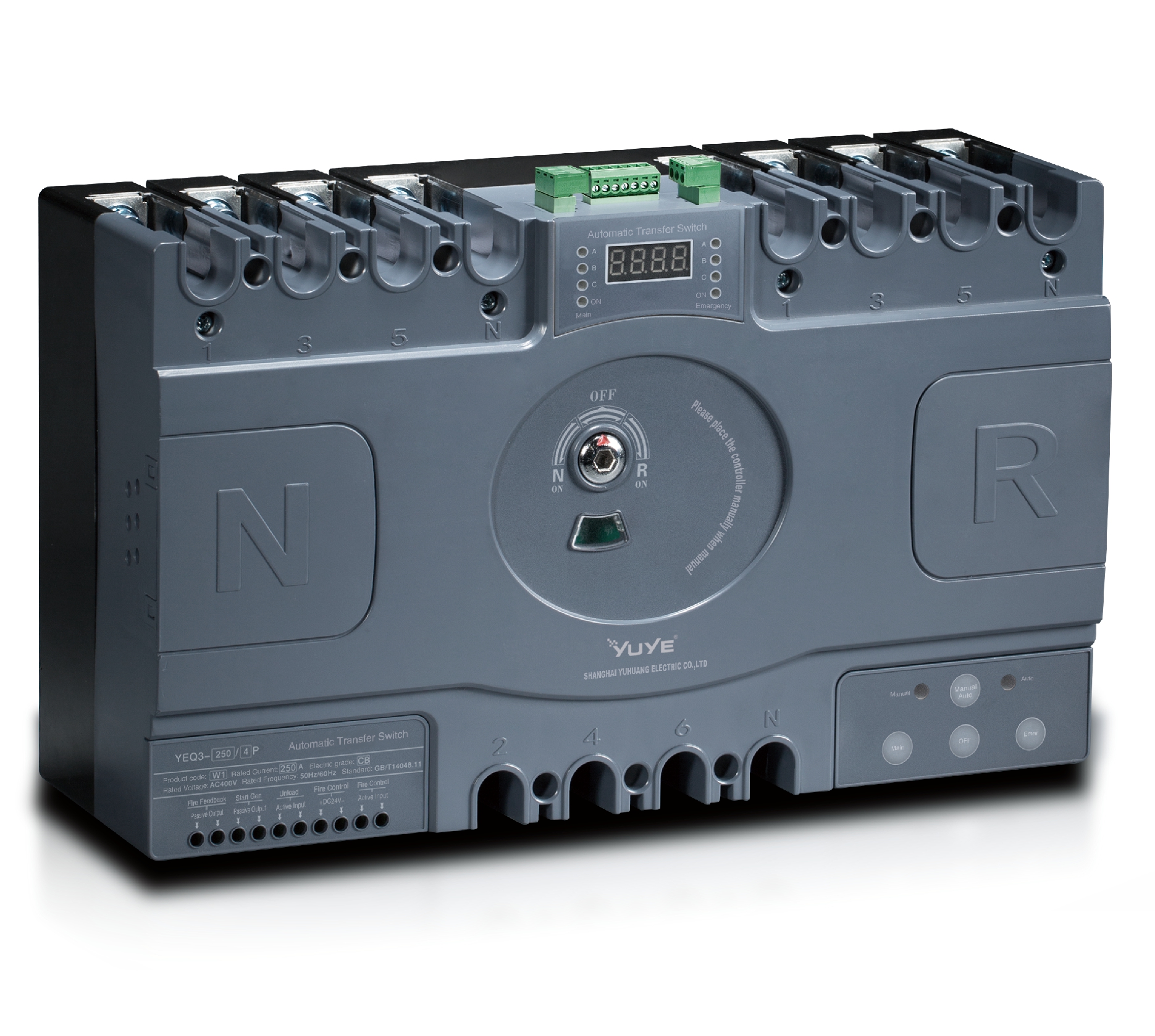 CB ATS YEQ3-125~630W1
 ATS controller Y-700
 ATS Controller Y-700N
 ATS Controller Y-701B
 ATS Controller Y-703N
 ATS Controller Y-800
 ATS Controller W2/W3 Series
 ATS switch Cabinet floor-to-ceiling
 ATS switch cabinet
 JXF-225A power Cbinet
 JXF-800A power Cbinet
 YEM3-125~800 Plastic Shell Type MCCB
 YEM3L-125~630 Leakage Type MCCB
 YEM3Z-125~800 Adjustable Type MCCB
 YEM1-63~1250 Plastic Shell Type MCCB
 YEM1E-100~800 Electronic Type MCCB
 YEM1L-100~630 Leakage Type MCCB
 Miniature circuit breaker YEMA2-6~100
 Miniature circuit breaker YEB1-3~63
 Miniature circuit breaker YEB1LE-3~63
 Miniature circuit breaker YEPN-3~32
 Miniature circuit breaker YEPNLE-3~32
 Miniature circuit breaker YENC-63~125
 Air Circuit Breaker YEW1-2000~6300
 Air Circuit Breaker YEW3-1600
 Load isolation switch YGL-63~3150
 Load Isolation Switch YGL2-63~3150
 Manual Changeover Switch YGL-100~630Z1A
 Manual Changeover Switch YGLZ1-100~3150
 YECPS2-45~125 LCD
 YECPS-45~125 Digital
 CNC Milling/Turning-OEM
 DC relay MDC-300M
 DC Isolation Switch YEGL3D-630
In the field of electrical engineering, the terms “high voltage” and “low voltage” are often encountered, but they often lead to confusion for those unfamiliar with the field. Understanding the differences between these two categories is critical to the safety and functionality of electrical systems. This blog aims to clarify the differences between high voltage and low voltage, exploring their definitions, applications, safety considerations and regulatory standards.
The definitions of high voltage and low voltage are mainly determined by the environment in which they are used. Generally speaking, low voltage refers to electrical systems with alternating current (AC) voltages below 1,000 volts (1 kV) and direct current (DC) voltages below 1,500 volts (1.5 kV). Common examples of low voltage applications include residential wiring, lighting systems, and small appliances. In contrast, high voltage generally refers to systems operating at voltages above these thresholds. High voltage systems are commonly used in power transmission and distribution networks where electricity must be transported over long distances with minimal energy loss. The distinction is not just academic; It has a significant impact on the design, operation and maintenance of electrical systems.
The application of high and low pressure systems further highlights their differences. Low voltage systems are primarily used in residential and commercial settings to power everyday appliances and lighting. These systems are designed to be easy to use and safe, often incorporating protection measures such as circuit breakers and fuses to prevent overloading. High-voltage systems, on the other hand, are critical for efficient transmission of electricity from power plants to substations and ultimately to consumers. These systems require specialized equipment such as transformers and insulators to manage the increased electrical stress and ensure safe operation. High-pressure system infrastructure is more complex and expensive, reflecting the need for advanced technology and strict safety protocols.
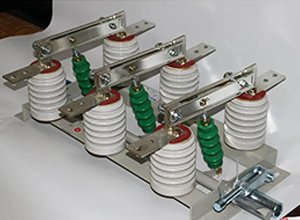
Safety considerations are crucial when discussing high and low pressure systems. Low-voltage systems, while generally safer for everyday use, still pose risks, especially if they are not installed or maintained properly. If safety standards are not followed, electric shock, short circuit, and fire hazards may occur. However, high-pressure systems pose far greater risks. The possibility of serious electric shock, arc flash accidents, and equipment failure requires strict safety measures. Personnel working with high voltage systems must receive specialized training and adhere to strict safety protocols, including the use of personal protective equipment (PPE) and lockout/tagout procedures. Regulatory agencies such as the Occupational Safety and Health Administration (OSHA) and the National Electrical Code (NEC) provide guidance for ensuring the safe operation of high- and low-voltage systems.
Regulatory standards play a vital role in defining and managing high- and low-voltage systems. Various international and national standards exist to classify voltage levels and establish safety requirements. For example, the International Electrotechnical Commission (IEC) provides guidelines for classifying voltages into different categories, affecting how electrical systems around the world are designed and operated. Compliance with these standards is critical to ensuring the safety and reliability of electrical systems. In many jurisdictions, electrical installations must be inspected and certified to meet these regulatory requirements, further emphasizing the importance of understanding the difference between high and low voltage.
The distinction between high and low voltage in electrical systems is more than just a matter of terminology; it covers critical aspects of safety, application, and regulatory compliance. Understanding these differences is critical for anyone involved in the design, installation, or maintenance of electrical systems. As technology continues to evolve, the importance of adhering to safety standards and regulations will only increase, so professionals and laypeople alike must master the nuances of high and low pressure systems. By deepening our understanding of these concepts, we can improve the safety, efficiency, and reliability of our power infrastructure.