
 PC ATS YECT1-2000G
 PC ATS YES2-63~250GN1
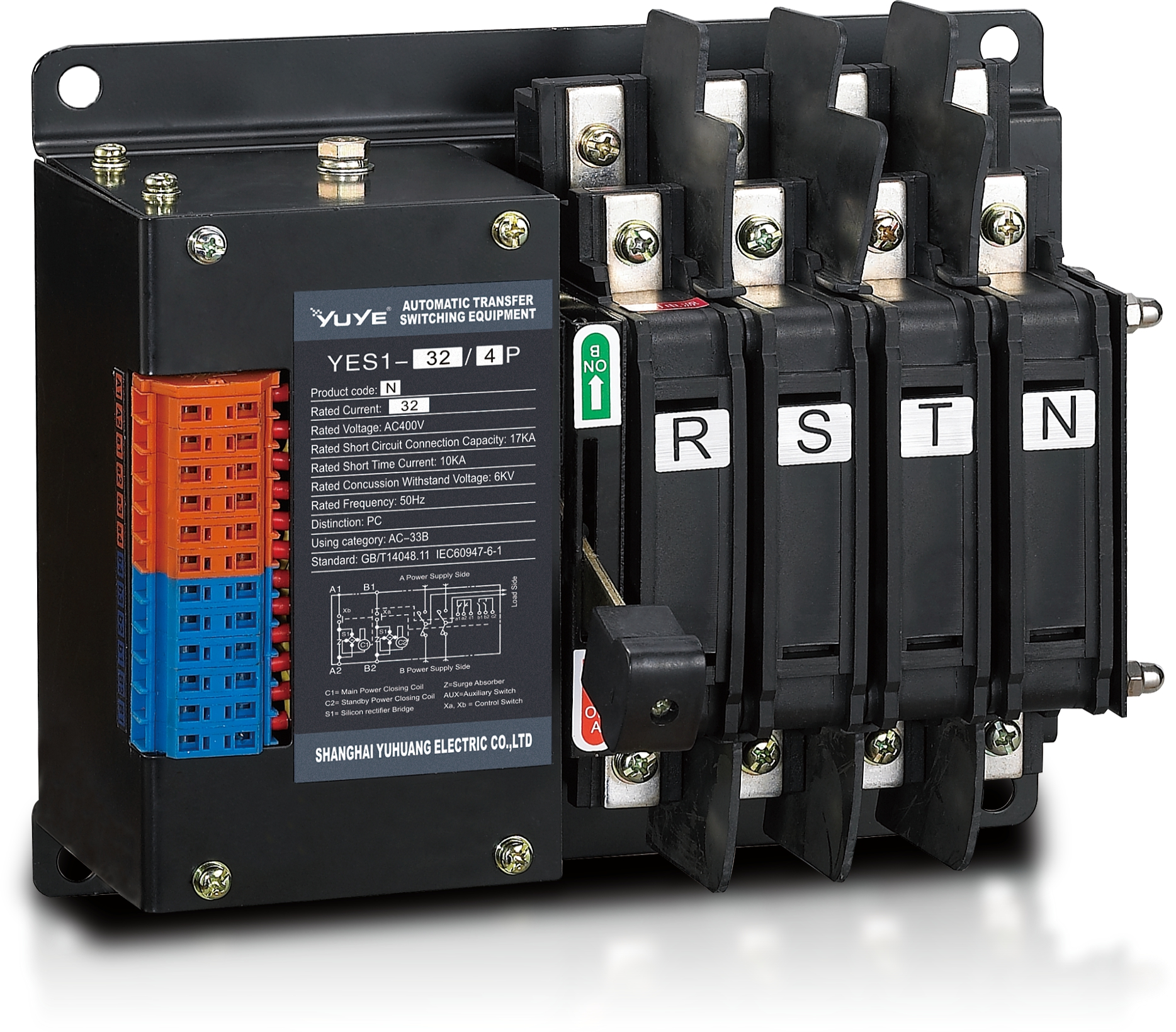 Solenoid-type ATS YES1-32~125N
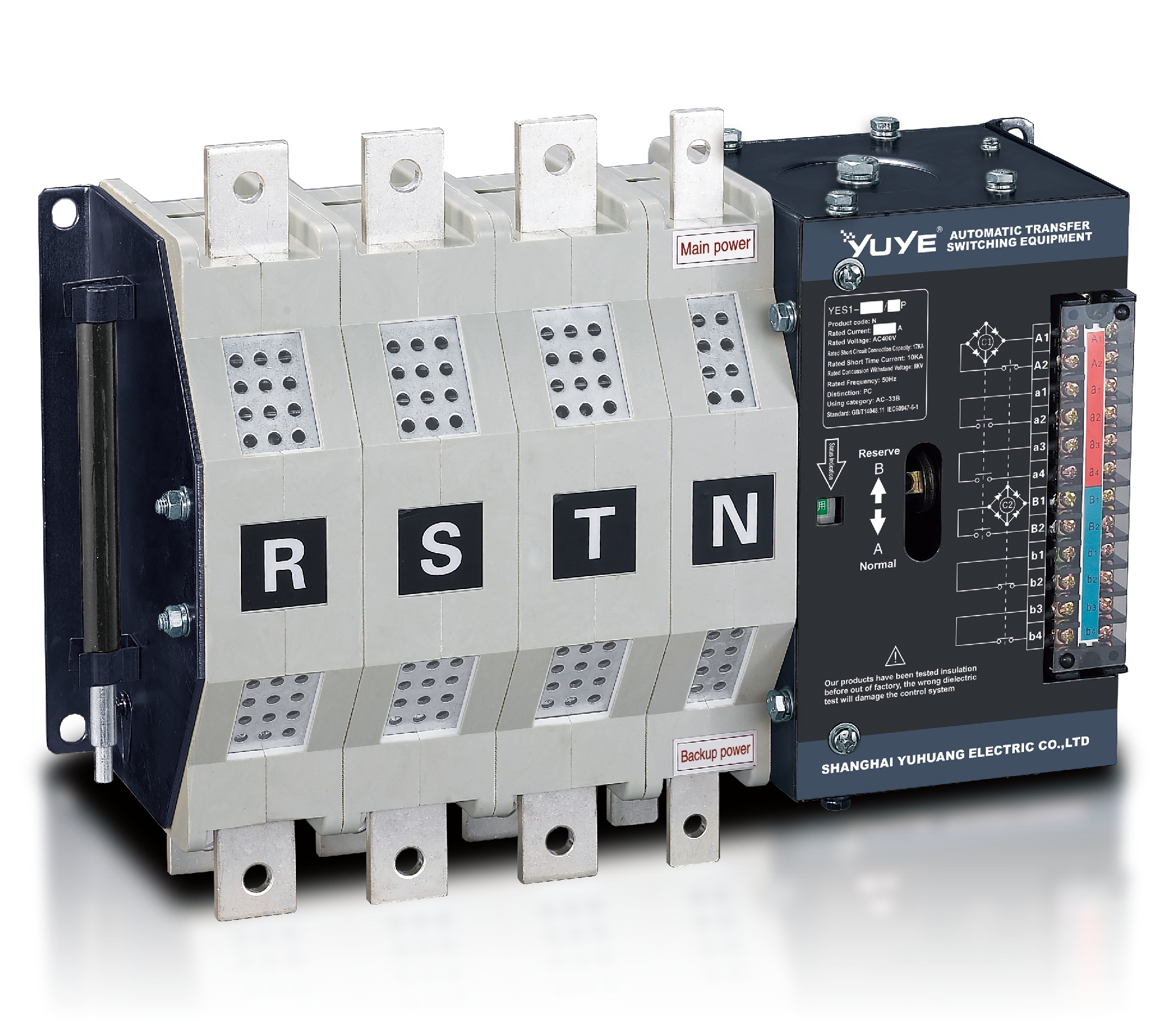 Solenoid-type ATS YES1-250~630N/NT
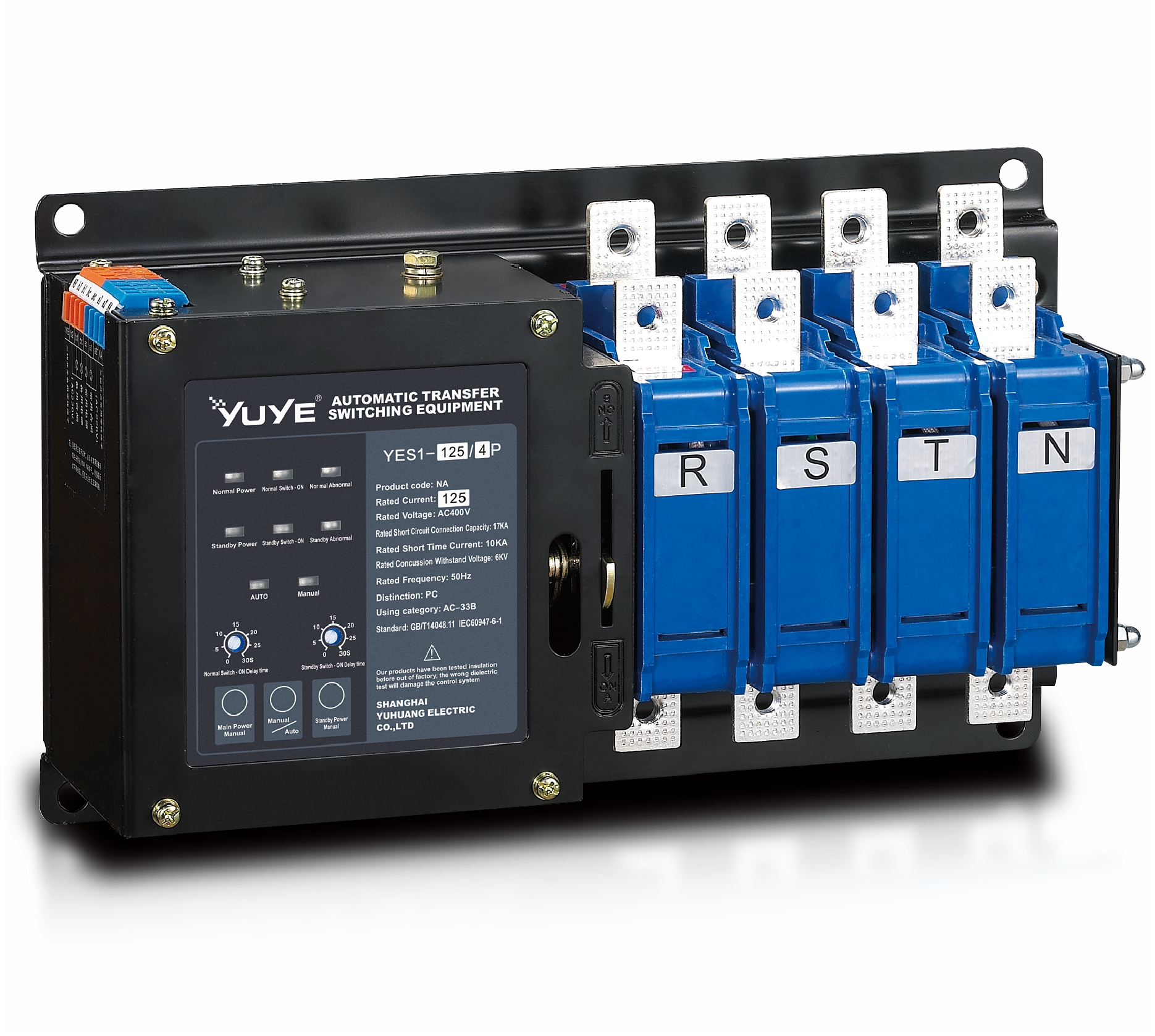 Solenoid-type ATS YES1-32~125NA
 Solenoid-type ATS YES1-63~630SN
 Solenoid-type ATS YES1-1250~4000SN
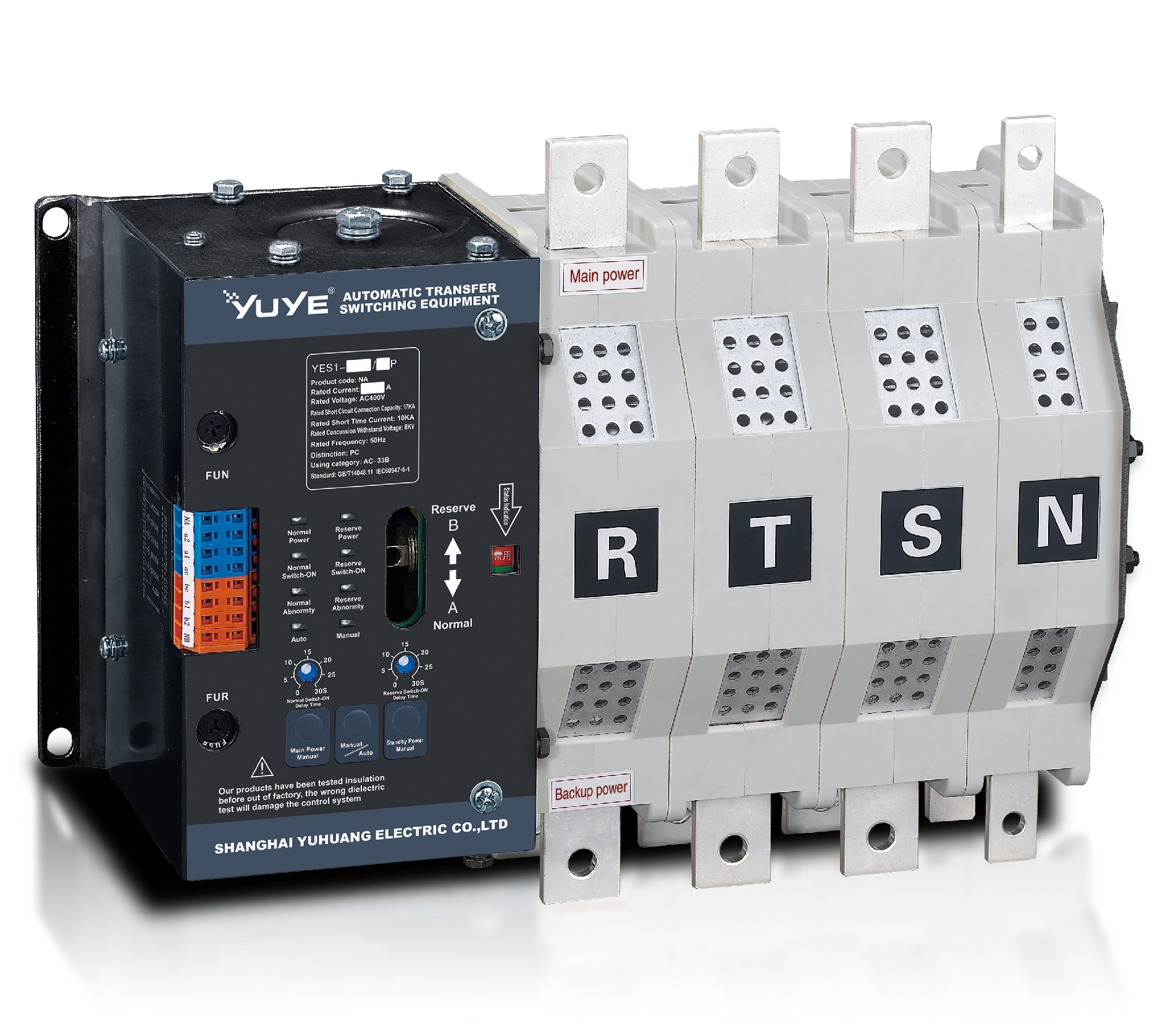 Solenoid-type ATS YES1-250~630NA/NAT
 Solenoid-type ATS YES1-63NJT
 PC ATS YES1-100~1600GN1/GN/GNF
 PC ATS YES1-2000~3200GN/GNF
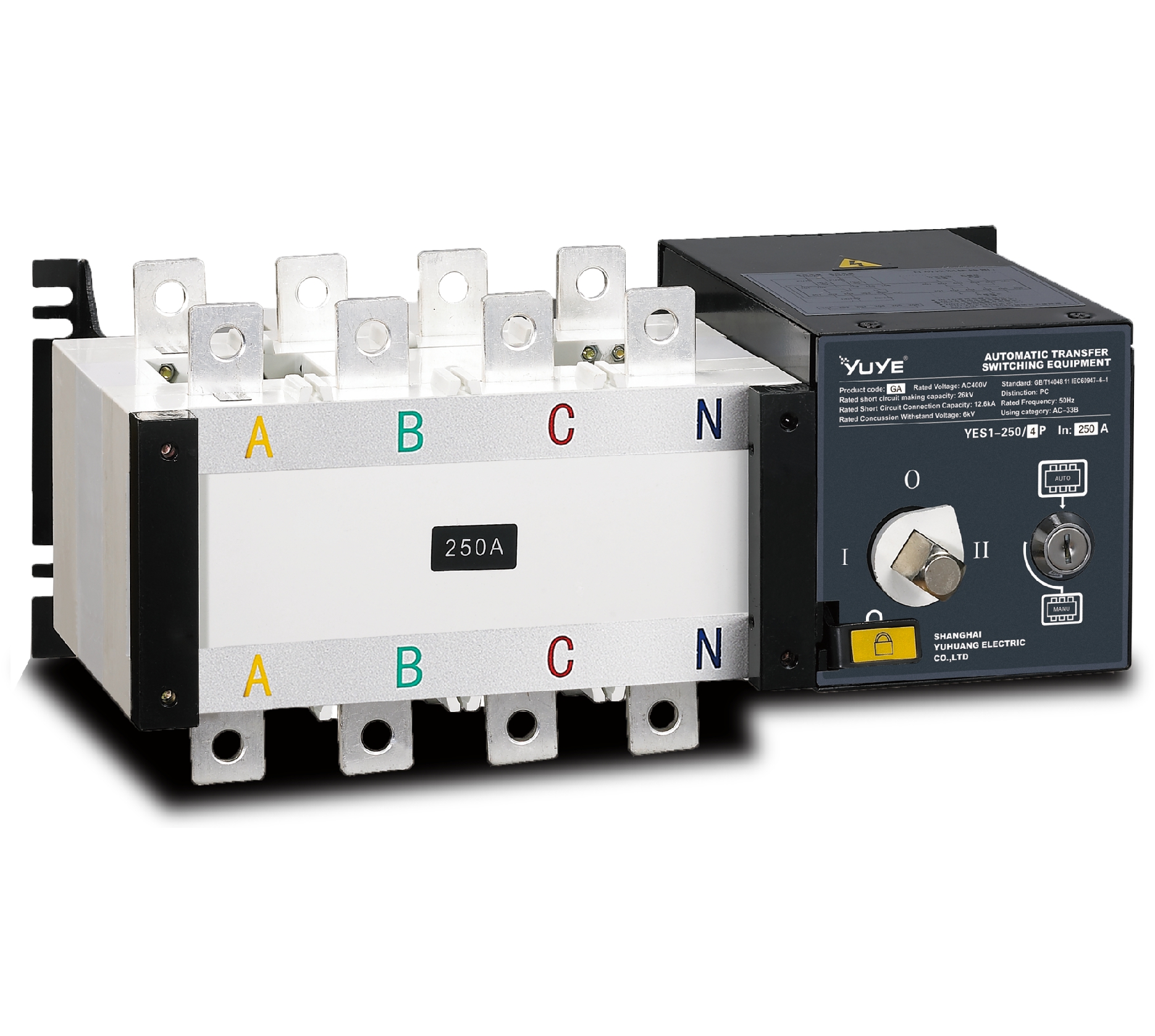 PC ATS YES1-100~3200GA1/GA
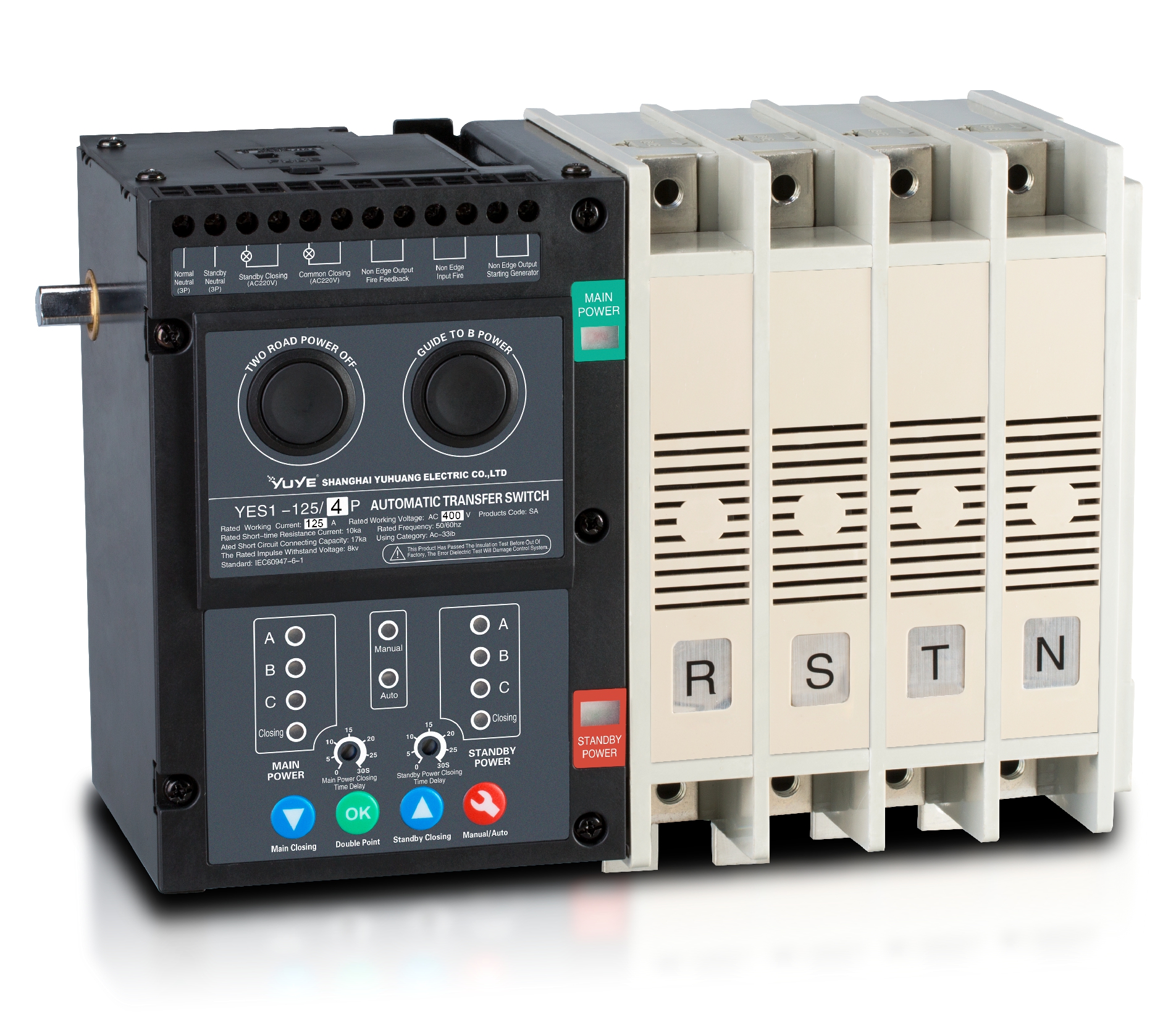 Solenoid-type ATS YES1-63~630SA
 Solenoid-type ATS YES1-63~630L/LA
 Solenoid-type ATS YES1-63~630LA3
 Solenoid-type ATS YES1-63MA
 PC ATS YES1-630~1600M
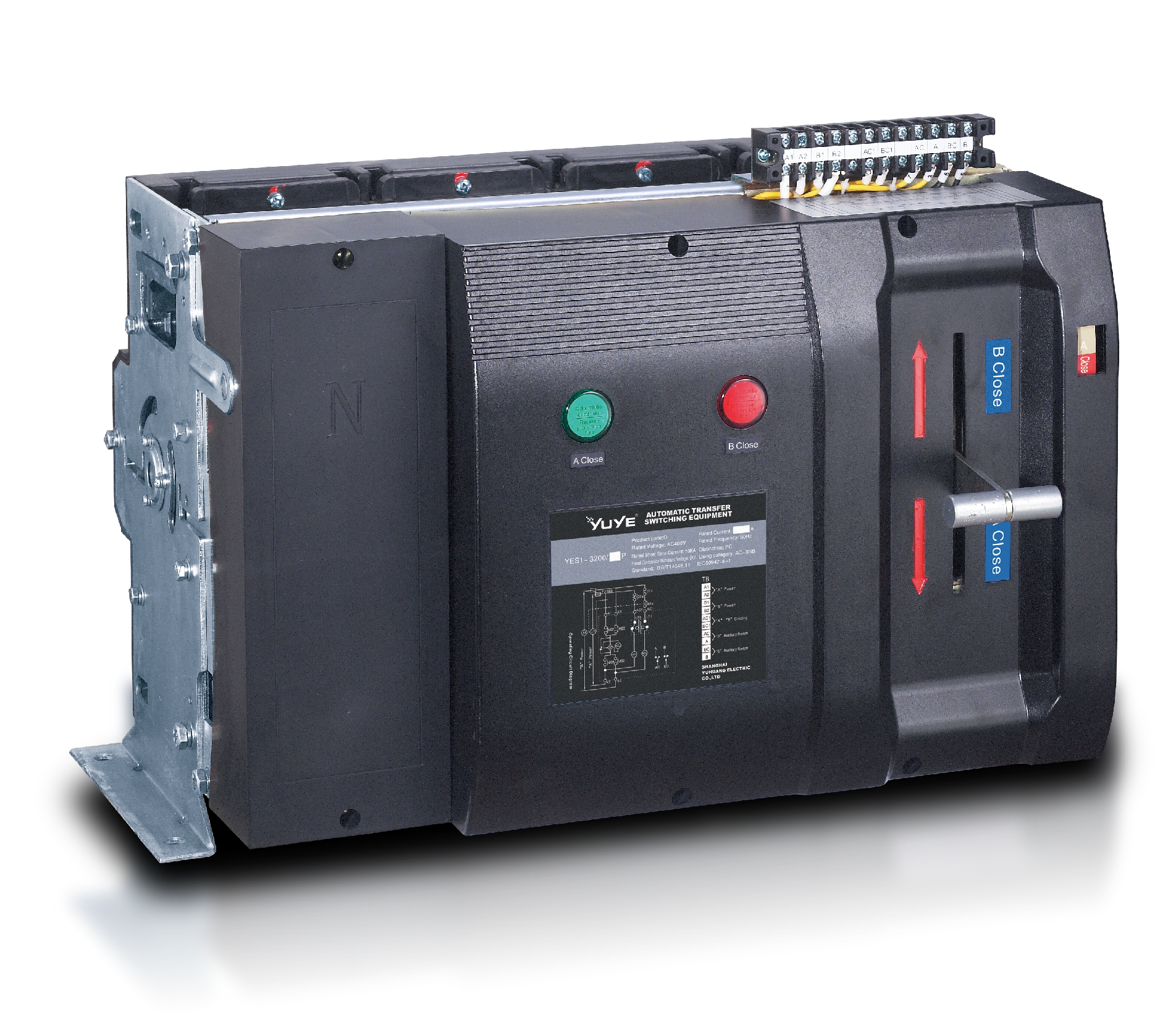 PC ATS YES1-3200Q
 Solenoid-type ATS YES1-4000~6300Q
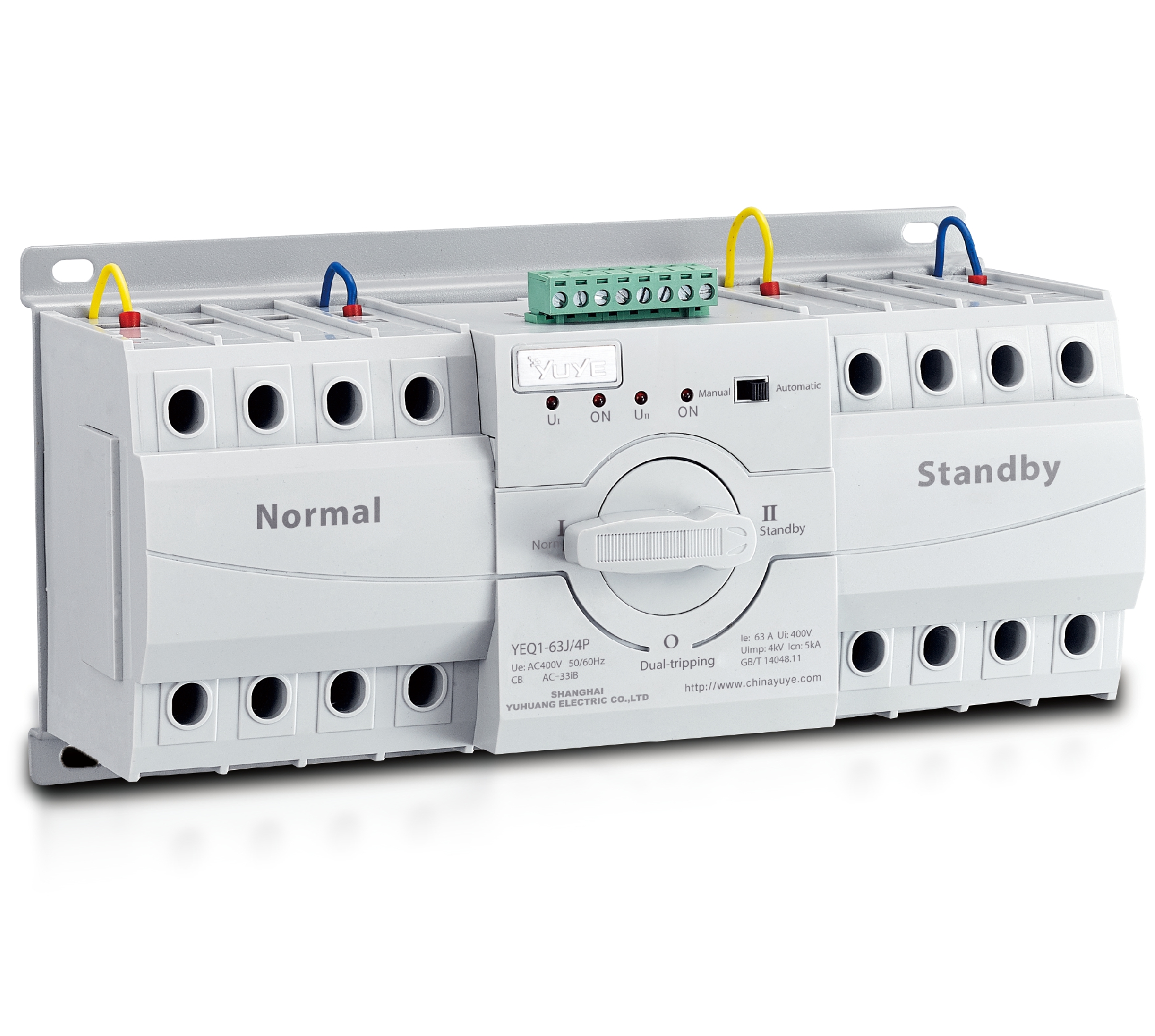 CB ATS YEQ1-63J
 CB ATS YEQ2Y-63
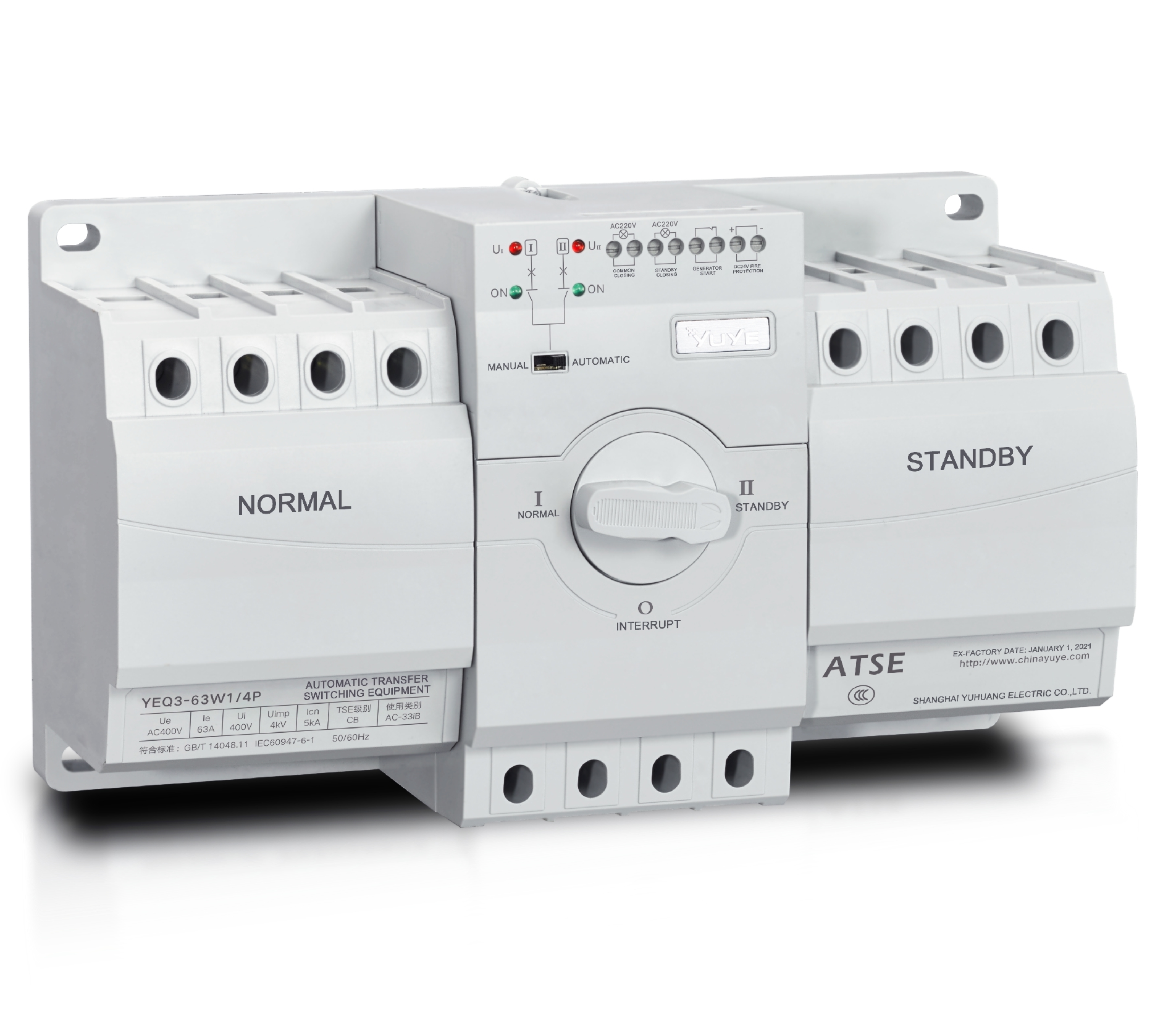 CB ATS YEQ3-63W1
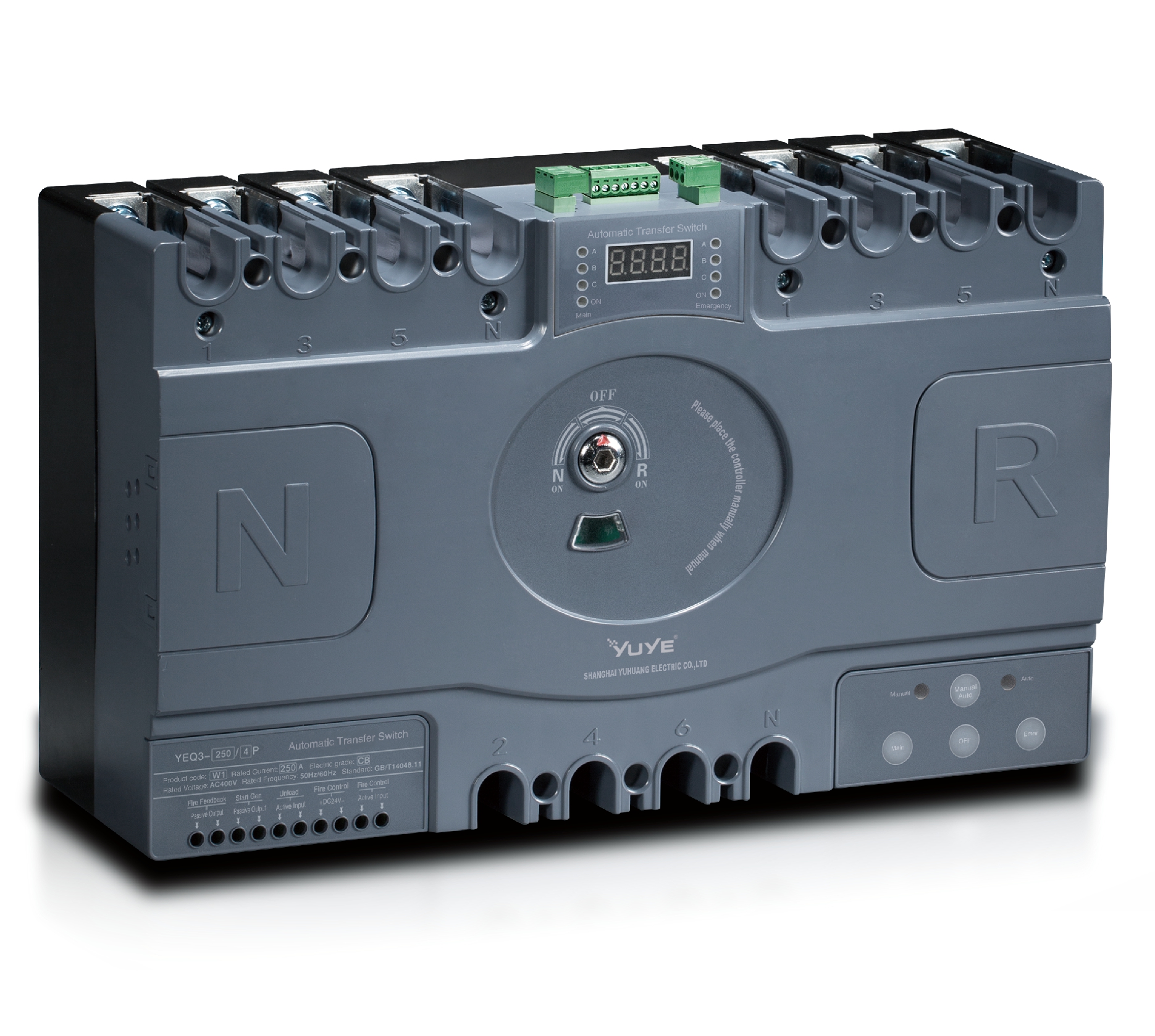 CB ATS YEQ3-125~630W1
 ATS controller Y-700
 ATS Controller Y-700N
 ATS Controller Y-701B
 ATS Controller Y-703N
 ATS Controller Y-800
 ATS Controller W2/W3 Series
 ATS switch Cabinet floor-to-ceiling
 ATS switch cabinet
 JXF-225A power Cbinet
 JXF-800A power Cbinet
 YEM3-125~800 Plastic Shell Type MCCB
 YEM3L-125~630 Leakage Type MCCB
 YEM3Z-125~800 Adjustable Type MCCB
 YEM1-63~1250 Plastic Shell Type MCCB
 YEM1E-100~800 Electronic Type MCCB
 YEM1L-100~630 Leakage Type MCCB
 Miniature circuit breaker YEMA2-6~100
 Miniature circuit breaker YEB1-3~63
 Miniature circuit breaker YEB1LE-3~63
 Miniature circuit breaker YEPN-3~32
 Miniature circuit breaker YEPNLE-3~32
 Miniature circuit breaker YENC-63~125
 Air Circuit Breaker YEW1-2000~6300
 Air Circuit Breaker YEW3-1600
 Load isolation switch YGL-63~3150
 Load Isolation Switch YGL2-63~3150
 Manual Changeover Switch YGL-100~630Z1A
 Manual Changeover Switch YGLZ1-100~3150
 YECPS2-45~125 LCD
 YECPS-45~125 Digital
 CNC Milling/Turning-OEM
 DC relay MDC-300M
 DC Isolation Switch YEGL3D-630
Modern electrical distribution systems have become increasingly complex as industries, commercial buildings, and infrastructure demand stable and uninterrupted power. To ensure safe operation and efficient maintenance, electrical networks rely on a range of switching and protection devices. Among these components, the Load Switch plays an important role in controlling and isolating electrical circuits under normal load conditions.
Although it does not provide short-circuit protection like a circuit breaker, it is widely used in distribution systems for operational control, maintenance isolation, and system reliability. Understanding how a Load Switch functions and where it is applied helps engineers and facility managers design safer and more efficient power systems.
1. What Is a Load Switch and How Does It Work in Electrical Systems?
A load switch is an electrical switching device designed to safely connect or disconnect electrical circuits while they are carrying normal load current. Unlike isolators, which must only operate when the circuit is de-energized, load switches are capable of interrupting current under normal operating conditions.
The device typically consists of several key components:
-
Contact system that opens or closes the circuit
-
Operating mechanism such as a manual handle or motorized actuator
-
Arc-extinguishing structure to control and suppress electrical arcs during switching
When the switch is operated, the contacts separate or engage, allowing operators to control the flow of electricity. This function makes the Load Switch particularly useful in distribution panels, industrial control cabinets, and power transfer systems.
2. Key Differences Between a Load Switch, Circuit Breaker, and Isolator
Electrical distribution systems often include several switching devices, each designed for a specific purpose. Understanding the differences between them is essential for proper system design.
Load Switch vs Circuit Breaker
A circuit breaker is designed not only to switch circuits but also to provide protection against overloads and short circuits. It automatically trips when abnormal conditions occur. In contrast, a load switch does not provide protection functions; it only performs switching and isolation.
Load Switch vs Isolator
An isolator (or disconnect switch) is mainly used for maintenance purposes and should only be operated when the circuit has already been de-energized. It does not interrupt load current. A load switch, however, can safely break current under normal load conditions.
Complementary Roles in Power Systems
In many installations, these devices work together. Circuit breakers handle fault protection, load switches provide operational control, and isolators offer visible isolation for maintenance activities.

3. Common Applications in Industrial and Commercial Power Networks
Load switches are widely used across various sectors where controlled switching and safe isolation are required.
Industrial facilities
Manufacturing plants often rely on load switches within distribution boards and motor control centers to manage equipment power supply and allow safe maintenance.
Commercial buildings
Shopping centers, office complexes, and hotels use them in low-voltage distribution panels to control different power circuits.
Backup power systems
In generator or backup power systems, load switches can help isolate power sources during maintenance or system reconfiguration.
Electrical panels and switchgear
They are frequently integrated into switchgear assemblies and distribution cabinets, ensuring convenient and safe operation of electrical circuits.
These applications highlight the flexibility and reliability of the Load Switch in modern power distribution networks.
4. Safety Advantages for Power Isolation and Maintenance
One of the main benefits of load switches is the safety they provide during electrical maintenance and operational procedures.
Improved operational safety
Operators can disconnect circuits carrying normal load current without risking excessive arcing or equipment damage.
Reduced maintenance risks
By isolating sections of the distribution system, technicians can safely inspect or repair equipment.
Enhanced system reliability
Load switches allow controlled shutdowns and system segmentation, minimizing disruptions during maintenance.
Compliance with safety standards
Many electrical safety standards recommend proper switching and isolation devices to reduce operational hazards and ensure workplace safety.
These advantages make load switches an important element in safe electrical system design.
5. Factors to Consider When Selecting a Load Switch
Choosing the right load switch requires evaluating several technical and operational factors.
Rated current and voltage
The switch must match the electrical capacity of the circuit in which it is installed.
Mechanical and electrical durability
High-quality devices are designed for long service life and repeated switching operations.
Installation type
Options may include panel-mounted designs, DIN-rail installation, or integration within switchgear cabinets.
Operation method
Depending on the application, switches may be manually operated or motorized for remote control.
Compliance with international standards
Standards such as IEC and UL ensure the product meets safety and performance requirements.
Careful selection ensures compatibility with the overall electrical distribution system and improves long-term reliability.
Conclusion
As electrical infrastructures continue to grow in scale and complexity, reliable switching and isolation devices remain essential for maintaining operational safety and efficiency. Load switches provide a practical solution for controlling electrical circuits and isolating equipment during maintenance without interrupting the stability of the entire system.
By understanding their working principles, differences from other switching devices, and correct selection criteria, engineers and facility managers can integrate load switches effectively into modern electrical distribution networks.
Sources
-
International Electrotechnical Commission (IEC) – IEC 60947 Low-Voltage Switchgear and Controlgear Standards
-
Schneider Electric Electrical Distribution Guide
-
IEEE Power Distribution Engineering Reference Book
-
Eaton Electrical Engineering Handbook
FAQ
1. What is the main function of a load switch?
A load switch is primarily used to connect or disconnect electrical circuits carrying normal load current while providing safe operational control.
2. Can a load switch protect against short circuits?
No. Load switches do not provide protection functions. Circuit breakers or protective relays are required for overload and short-circuit protection.
3. Where are load switches typically installed?
They are commonly installed in distribution panels, industrial switchgear, motor control centers, and backup power systems.
4. Why are load switches important for maintenance?
They allow operators to safely isolate electrical circuits, making inspection and repair work safer and more efficient.