
 PC ATS YECT1-2000G
 PC ATS YES2-63~250GN1
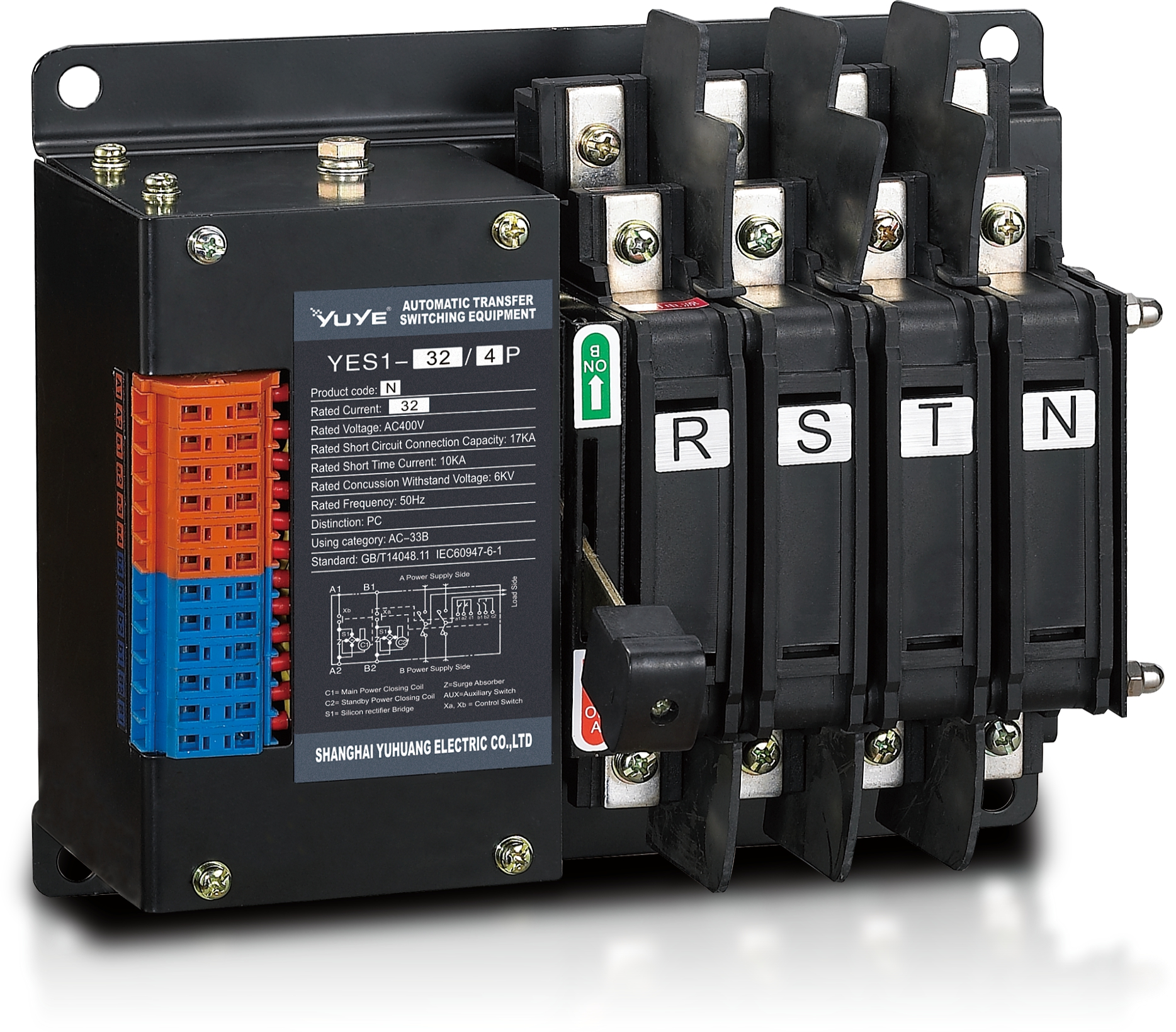 Solenoid-type ATS YES1-32~125N
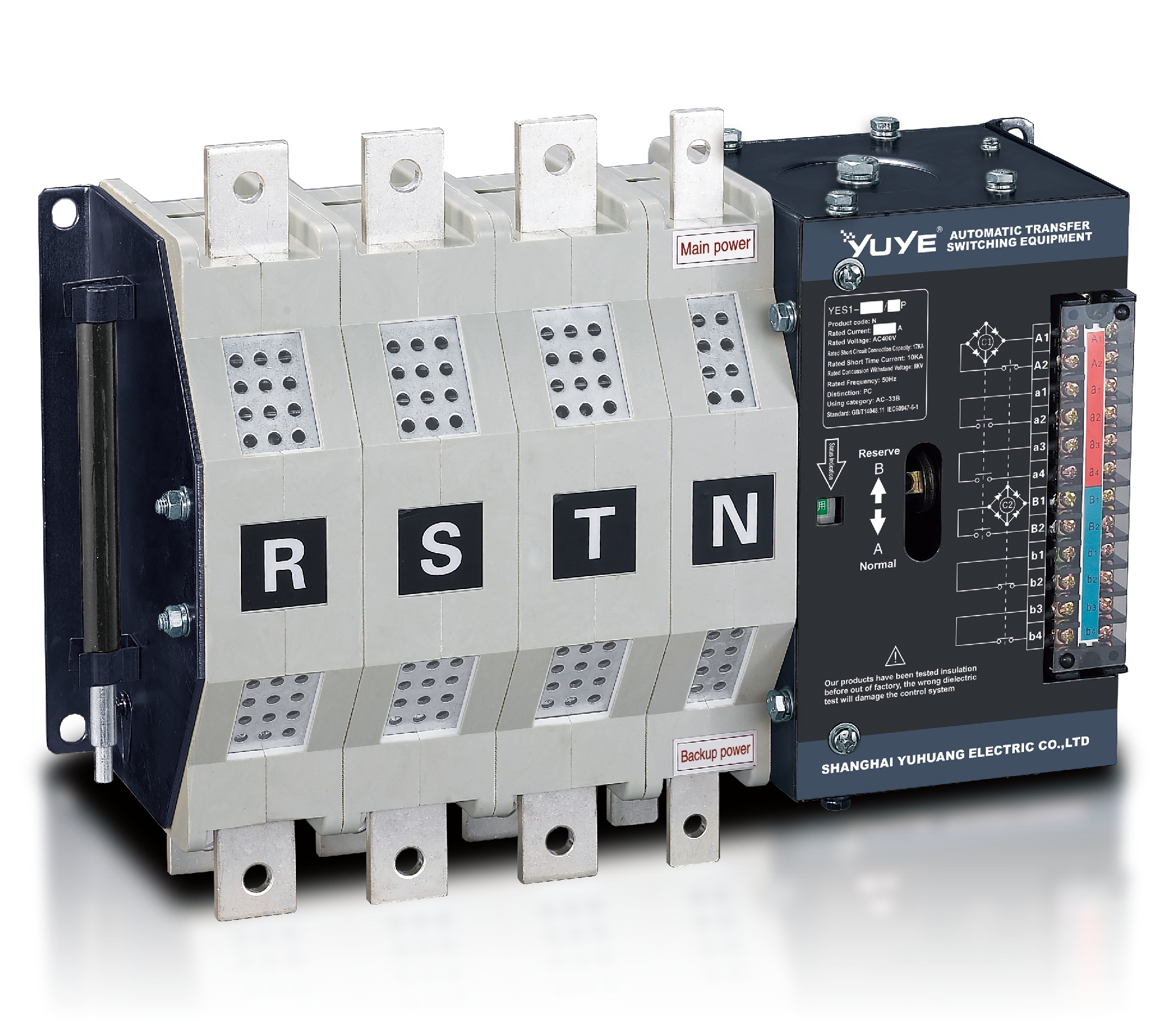 Solenoid-type ATS YES1-250~630N/NT
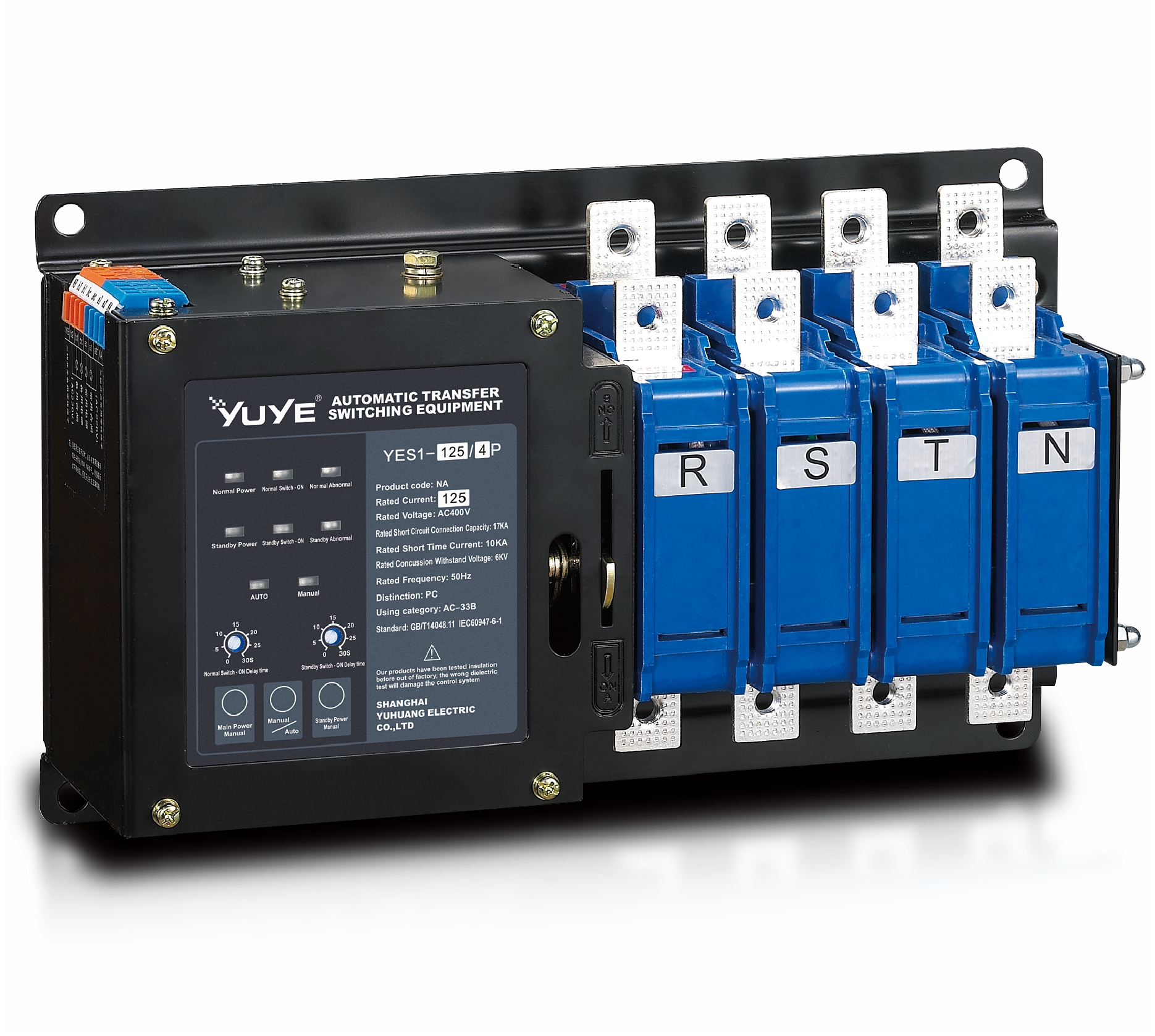 Solenoid-type ATS YES1-32~125NA
 Solenoid-type ATS YES1-63~630SN
 Solenoid-type ATS YES1-1250~4000SN
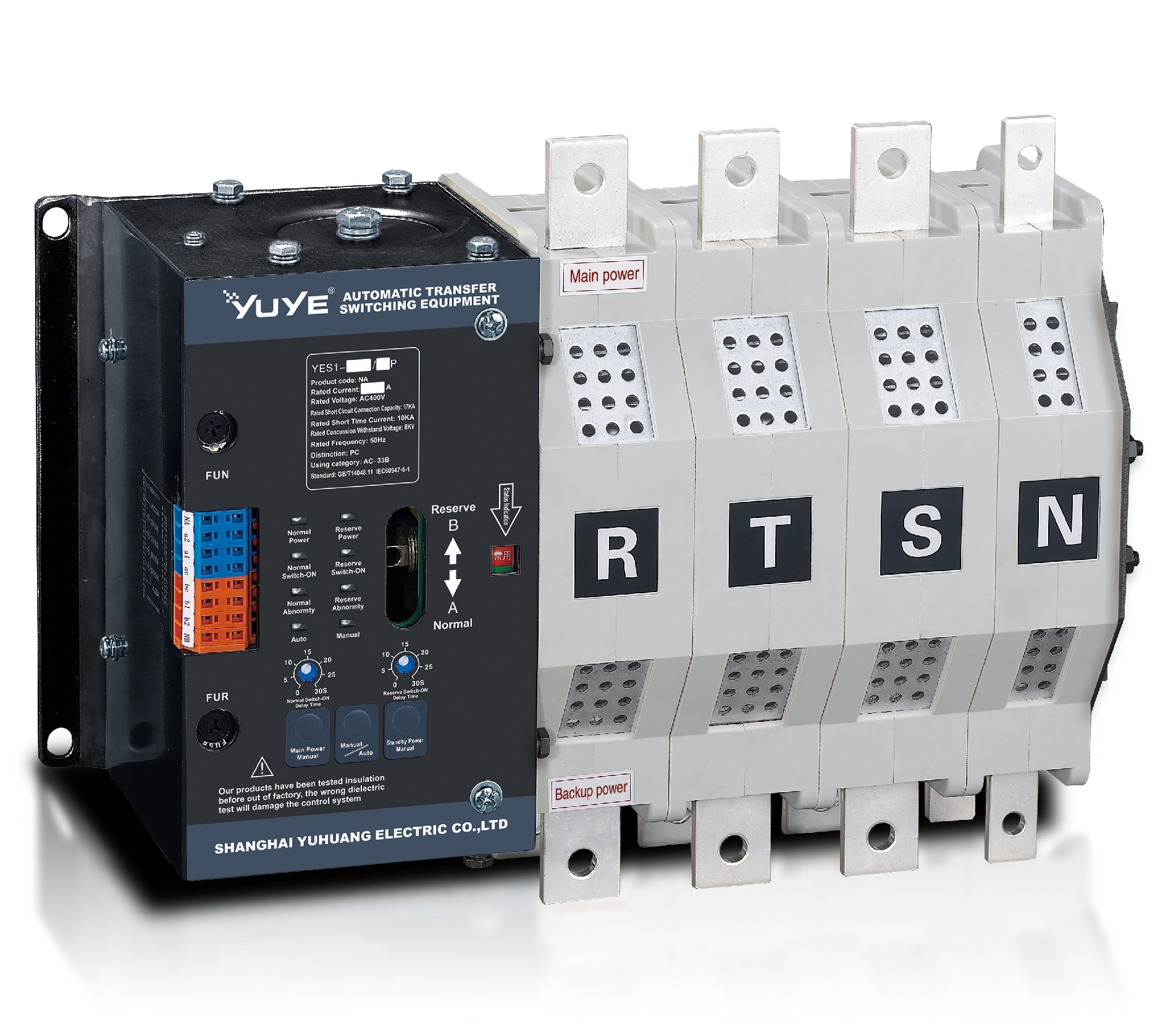 Solenoid-type ATS YES1-250~630NA/NAT
 Solenoid-type ATS YES1-63NJT
 PC ATS YES1-100~1600GN1/GN/GNF
 PC ATS YES1-2000~3200GN/GNF
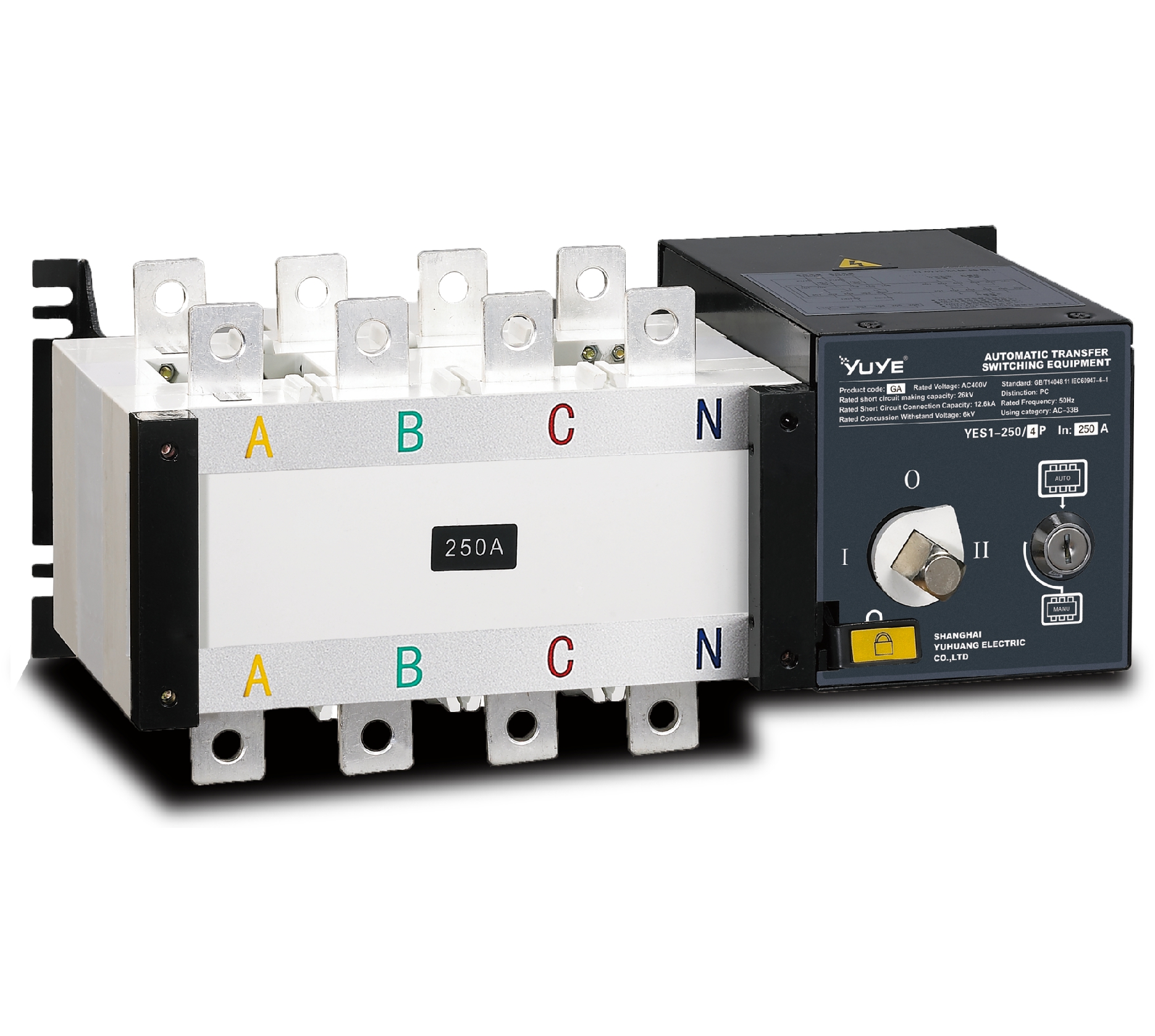 PC ATS YES1-100~3200GA1/GA
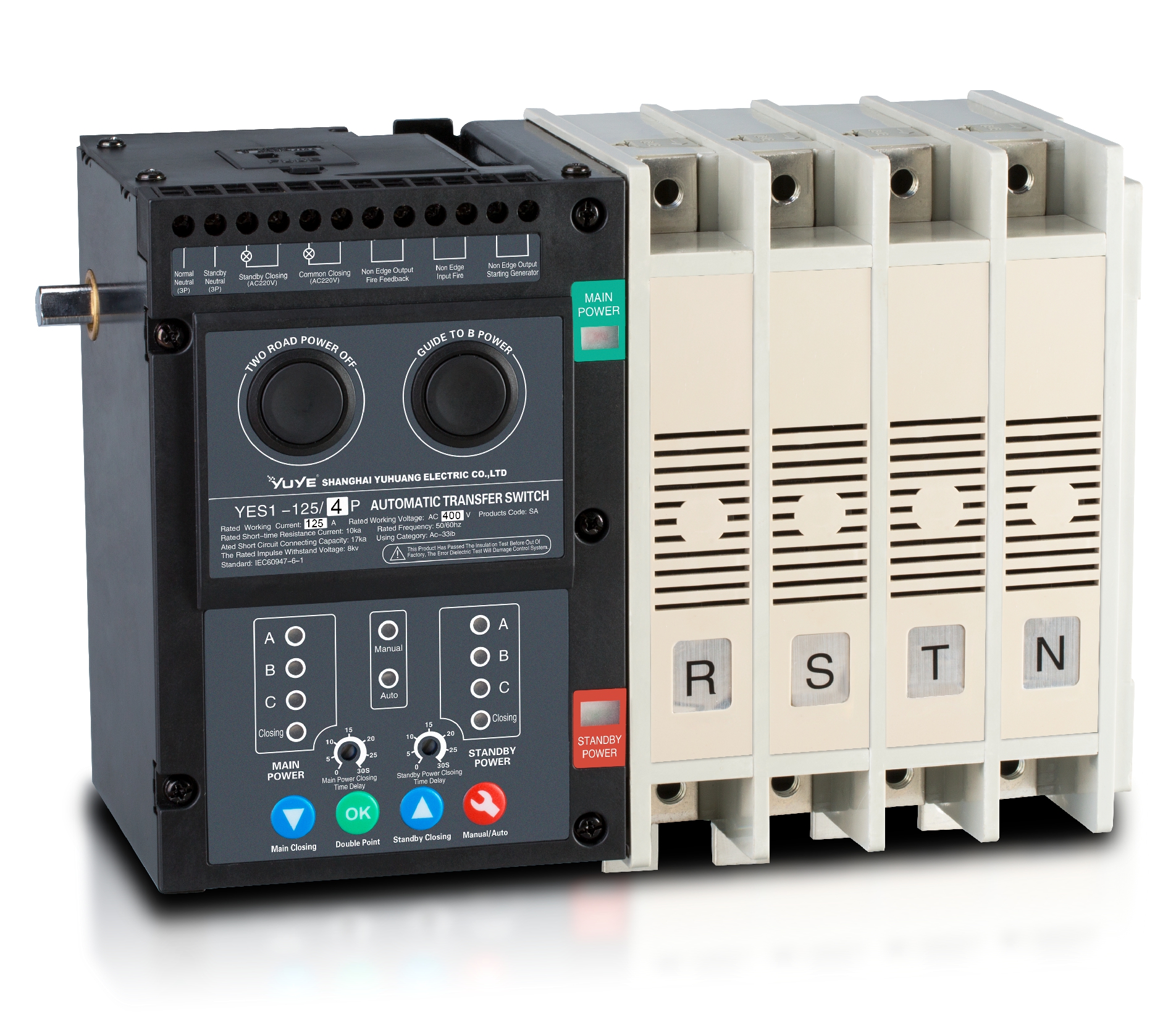 Solenoid-type ATS YES1-63~630SA
 Solenoid-type ATS YES1-63~630L/LA
 Solenoid-type ATS YES1-63~630LA3
 Solenoid-type ATS YES1-63MA
 PC ATS YES1-630~1600M
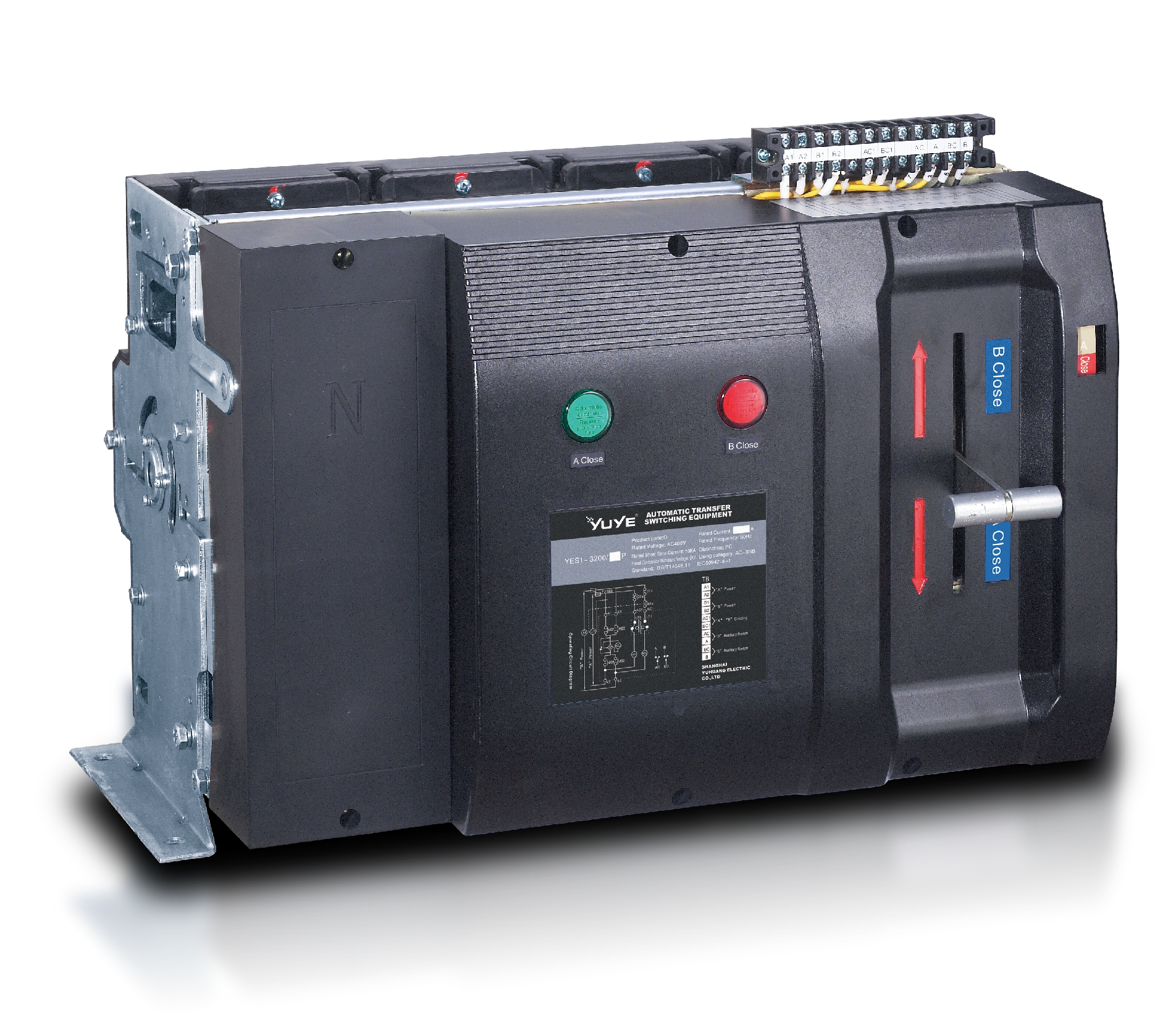 PC ATS YES1-3200Q
 Solenoid-type ATS YES1-4000~6300Q
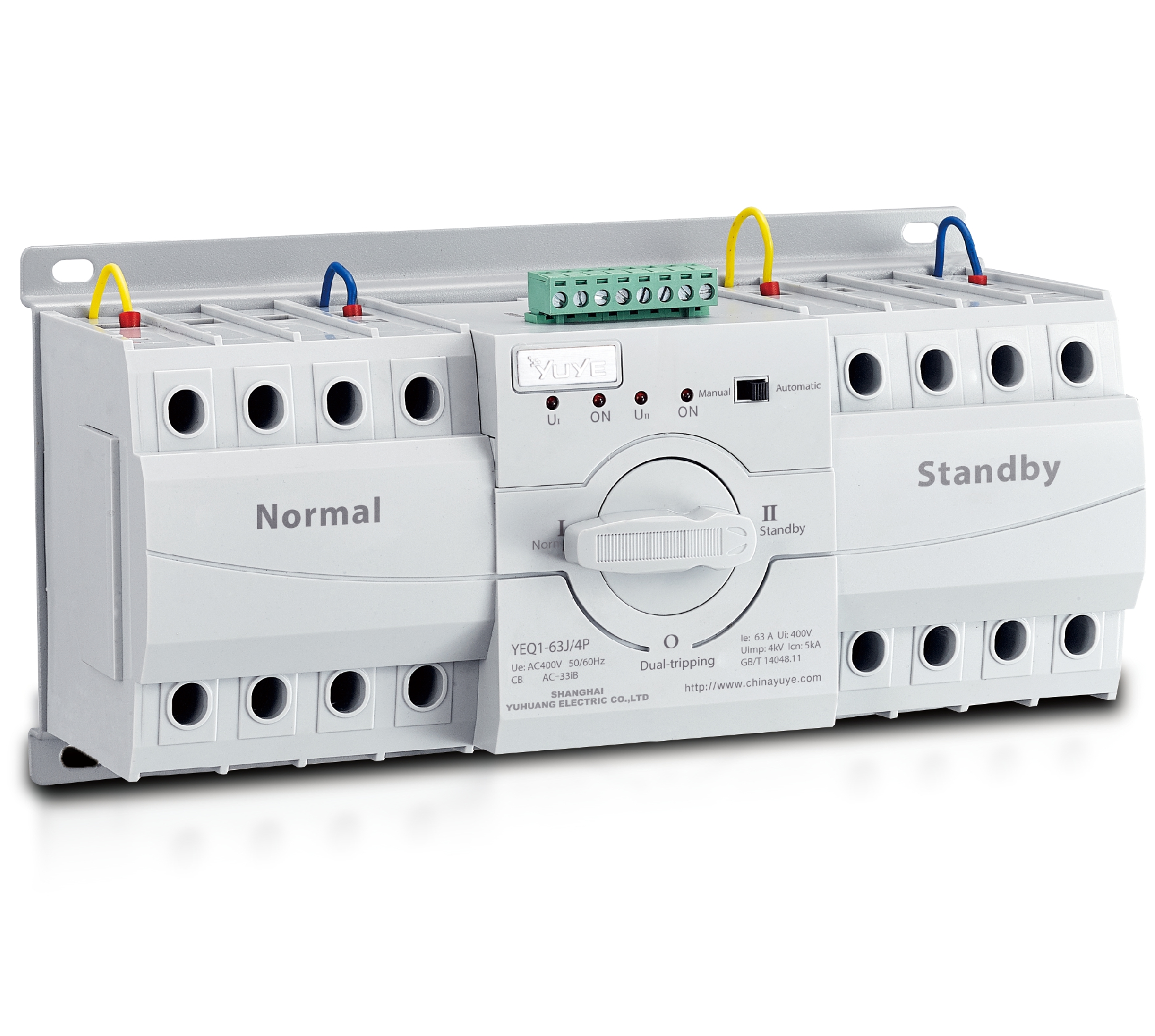 CB ATS YEQ1-63J
 CB ATS YEQ2Y-63
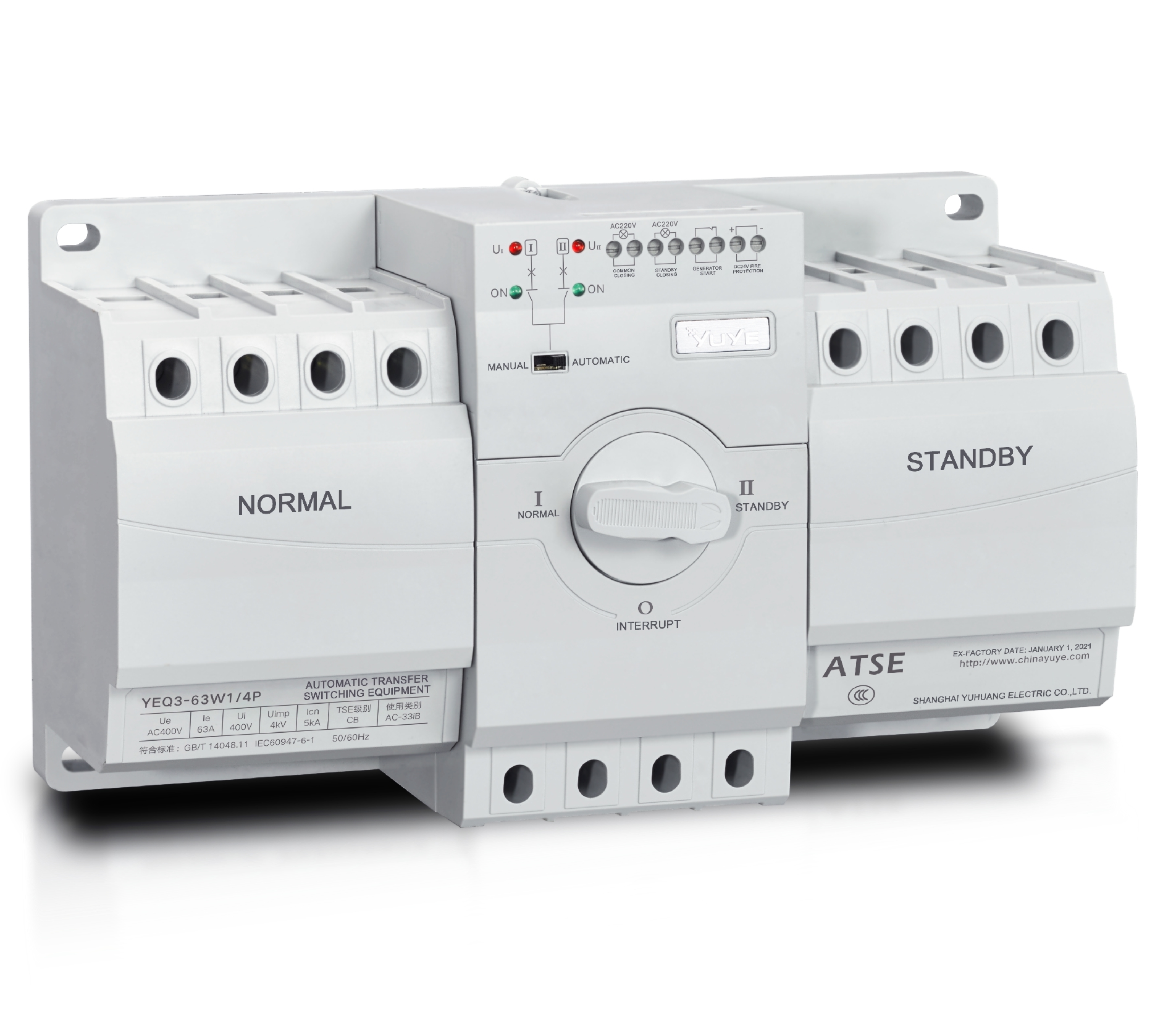 CB ATS YEQ3-63W1
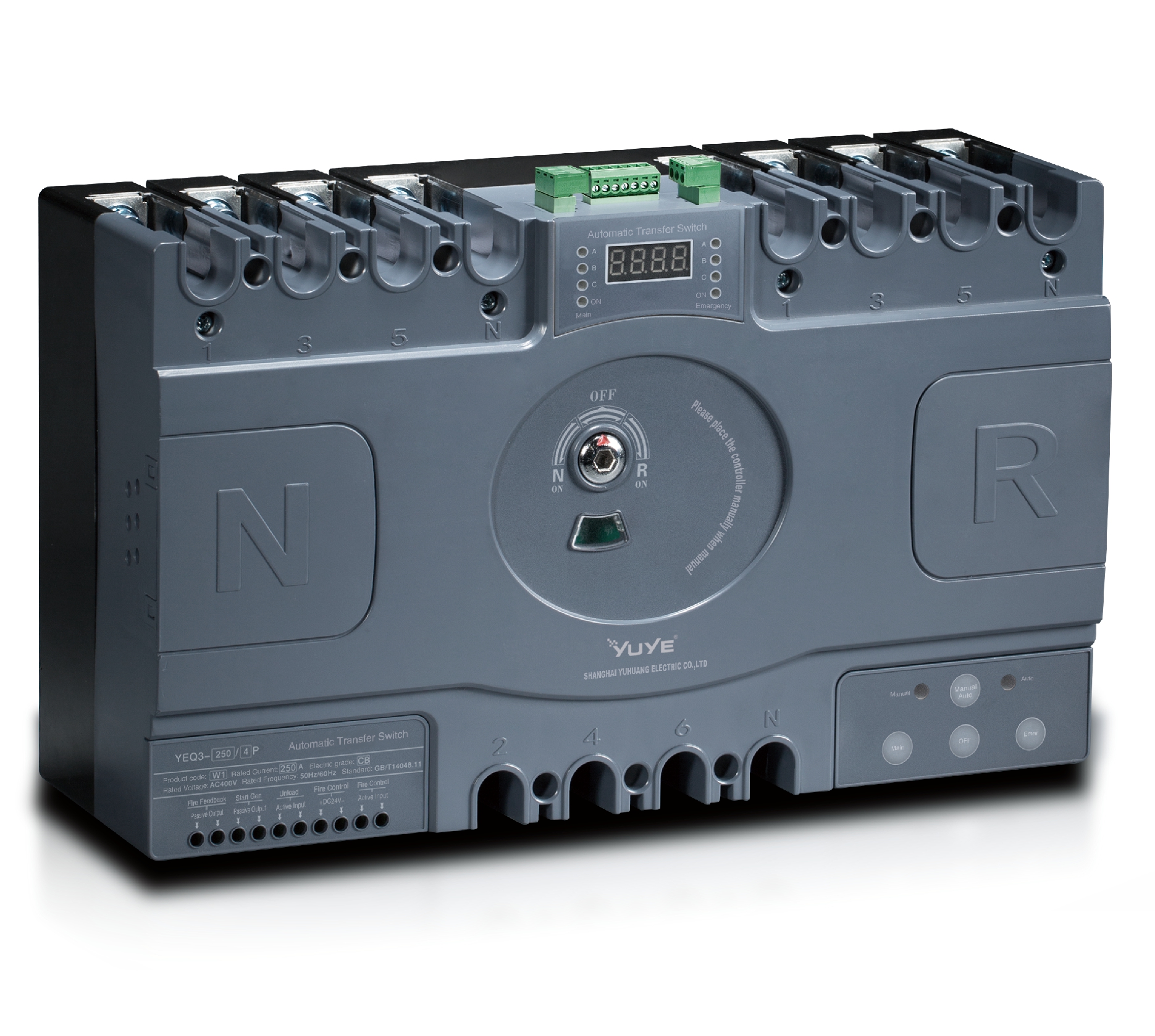 CB ATS YEQ3-125~630W1
 ATS controller Y-700
 ATS Controller Y-700N
 ATS Controller Y-701B
 ATS Controller Y-703N
 ATS Controller Y-800
 ATS Controller W2/W3 Series
 ATS switch Cabinet floor-to-ceiling
 ATS switch cabinet
 JXF-225A power Cbinet
 JXF-800A power Cbinet
 YEM3-125~800 Plastic Shell Type MCCB
 YEM3L-125~630 Leakage Type MCCB
 YEM3Z-125~800 Adjustable Type MCCB
 YEM1-63~1250 Plastic Shell Type MCCB
 YEM1E-100~800 Electronic Type MCCB
 YEM1L-100~630 Leakage Type MCCB
 Air Circuit Breaker YEW1-2000~6300
 Air Circuit Breaker YEW3-1600
 Miniature circuit breaker YEMA2-6~100
 Miniature circuit breaker YEB1-3~63
 Miniature circuit breaker YEB1LE-3~63
 Miniature circuit breaker YEPN-3~32
 Miniature circuit breaker YEPNLE-3~32
 Miniature circuit breaker YENC-63~125
 Load isolation switch YGL-63~3150
 Load Isolation Switch YGL2-63~3150
 DC relay YDC-P20
 DC relay YDC-P250
 DC relay YDC-P400
 DC relay MDC-300M
 DC relay YDC-M400
 DC Isolation Switch YEGL3D-630
 YECPS2-45~125 LCD
 YECPS-45~125 Digital
 CNC Milling/Turning-OEM
Electrical safety and operational reliability are critical priorities in modern power distribution systems. Industrial facilities, commercial buildings, and infrastructure projects rely on electrical panels to distribute electricity efficiently to various loads and equipment. However, routine maintenance, equipment replacement, and troubleshooting require a reliable way to disconnect power without creating safety risks.
This is where the Load Isolation Switch becomes an essential component. It allows technicians to safely isolate electrical loads from the power supply, ensuring that maintenance can be performed without accidental energization. Proper understanding of its function and correct installation locations can significantly improve both safety and operational efficiency in electrical systems.
1.Understanding the Primary Function of a Load Isolation Switch in Electrical Systems
The main purpose of a load isolation switch is to disconnect electrical equipment from the power supply while the circuit is carrying its normal operating current. Unlike basic isolators that must only operate when the circuit is already de-energized, a Load Isolation Switch is designed to safely interrupt load current during normal operating conditions.
This function provides a clear and secure disconnection point between the electrical supply and the equipment. When the switch is turned off, it ensures that downstream devices are completely separated from the power source.
In many power distribution systems, isolation switches work alongside circuit breakers and other protection devices. While circuit breakers handle overload and short-circuit protection, isolation switches provide operational control and safe disconnection for maintenance procedures.
2.Key Locations in Electrical Panels Where a Load Isolation Switch Should Be Installed
Strategic installation of isolation switches helps improve both safety and convenience in electrical systems.
One common installation point is the main distribution board. Placing an isolation switch at the incoming power supply allows operators to disconnect electricity to the entire panel when maintenance or emergency shutdown is required.
Another typical location is within sub-distribution panels that supply power to different areas of a building or facility. This setup allows technicians to isolate specific sections of the system without shutting down the entire electrical network.
In industrial control cabinets, isolation switches are often mounted on the exterior of the cabinet door. This arrangement allows operators to cut off power before opening the cabinet, reducing the risk of exposure to live electrical components.
Backup power systems, such as generator installations or automatic transfer switch systems, may also include isolation switches to ensure safe servicing and testing of equipment.
3.Safety Benefits of Using a Load Isolation Switch During Maintenance and Emergencies
Electrical maintenance activities involve significant safety risks, particularly when dealing with high-voltage or high-current systems. Accidental energization during servicing can result in severe injury, equipment damage, or operational downtime.
Installing a Load Isolation Switch helps reduce these risks by providing a reliable physical disconnection point between the power source and the electrical load. This ensures that maintenance personnel can work safely on electrical equipment after the switch has been turned off.
Many isolation switches also support lockout/tagout (LOTO) procedures. This allows technicians to lock the switch in the OFF position and attach warning tags, preventing unauthorized or accidental reconnection while maintenance work is being carried out.
In emergency situations, the ability to quickly isolate power is also extremely valuable. Operators can disconnect equipment rapidly to prevent further damage or to reduce hazards such as overheating, electrical faults, or fire risks.
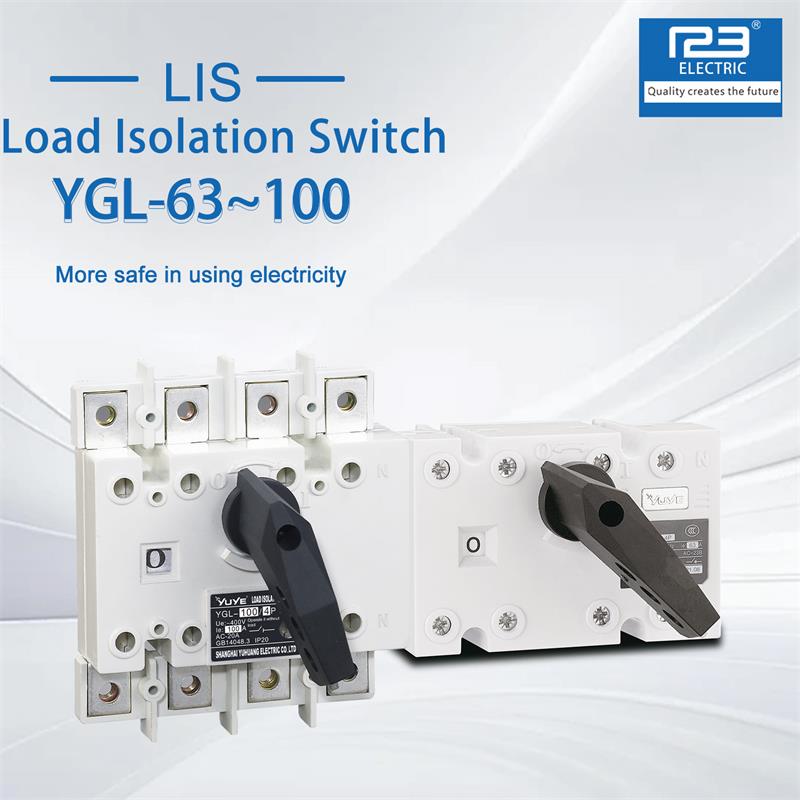
4.Important Technical Factors to Consider When Selecting a Load Isolation Switch
Choosing the correct isolation switch requires careful evaluation of several technical factors.
The first consideration is the rated current and voltage. The device must match or exceed the electrical system’s operating requirements to ensure safe performance under load conditions.
The number of poles is another important factor. Three-phase electrical systems often require three-pole or four-pole switches to ensure that all conductors are completely disconnected during isolation.
Short-circuit withstand capability should also be considered. Even though isolation switches are not primarily protective devices, they must be able to tolerate fault conditions until protective devices operate.
Installation method is another factor affecting system design. Isolation switches may be panel-mounted, DIN-rail mounted, or integrated into switchgear assemblies depending on the application and panel configuration.
5.Installation and Compliance Standards for Load Isolation Switches in Modern Power Systems
Proper installation is essential to ensure the reliability and safety of electrical isolation devices. Electrical engineers and installers must follow recommended wiring practices, installation clearances, and manufacturer guidelines.
Clear labeling of isolation switches is also important so that operators can quickly identify the correct control point during maintenance or emergencies. In addition, switches should be easily accessible and positioned in accordance with electrical safety standards.
Compliance with international standards such as IEC equipment requirements and electrical safety regulations helps ensure consistent performance and safe operation.
Regular inspection and testing should also be included in maintenance programs. Mechanical components and electrical contacts may wear over time, so periodic checks help ensure that the isolation mechanism continues to function properly when needed.
Conclusion
Reliable power isolation is a critical requirement in modern electrical systems. By allowing operators and technicians to disconnect equipment safely from the power supply, isolation switches support safe maintenance practices and improve overall system reliability.
When installed in appropriate locations such as main distribution boards, sub-panels, and industrial control cabinets, isolation switches provide a practical and effective way to manage electrical safety and operational control within power distribution networks.
FAQ
1. What is the main purpose of a load isolation switch?
It is used to safely disconnect electrical equipment from the power supply so that maintenance and servicing can be performed without risk of electrical shock.
2. Can a load isolation switch replace a circuit breaker?
No. Circuit breakers provide protection against overloads and short circuits, while isolation switches are designed mainly for safe disconnection and maintenance isolation.
3. Are isolation switches required in industrial electrical panels?
In many industrial applications, isolation switches are strongly recommended or required by safety standards to ensure that equipment can be safely disconnected during servicing.
References
-
International Electrotechnical Commission (IEC). IEC 60947-3: Switches, Disconnectors, Switch-Disconnectors and Fuse-Combination Units.
-
National Fire Protection Association (NFPA). NFPA 70: National Electrical Code.
-
IEEE Standards Association. IEEE Guide for Industrial and Commercial Power Systems.
