In today’s world, having a reliable power supply isn’t just a nice-to-have — it’s pretty much essential. Picking the right device can really make all the difference. Take John Smith, for example — he’s a top expert in power management systems over at Power Solutions Inc., and he often points out, “Choosing the right Automatic Transfer Switch 63A can make sure your energy keeps flowing smoothly during outages.” That really highlights just how important it is to make smart, well-informed choices in this field.
Now, the Automatic Transfer Switch 63A is a pretty critical piece of the puzzle when it comes to managing energy. It kicks in automatically to switch loads, so you avoid those annoying downtime moments. For folks around the world looking into this, understanding what this device is all about — its specs and how it’s used — is a must. Honestly, with so many brands and models out there, it could get pretty overwhelming.
The trick is to find a switch that strikes a good balance between cost, efficiency, and reliability. Sure, some brands might be cheaper, but there’s often a question mark about their quality. It’s all about weighing your options carefully so you don’t end up with problems down the line. Making the right choice can boost your power reliability, but picking the wrong one might leave you dealing with recurring service interruptions. The market’s always changing, so staying up-to-date with the latest advancements is key to buying wisely.

Overview of Automatic Transfer Switches and Their Importance
Automatic transfer switches (ATS) are essential for ensuring uninterrupted power supply. In critical systems, they automatically switch power sources during outages. According to the International Energy Agency (IEA), power interruptions can cost businesses over $150 billion annually. This data highlights the importance of having reliable transfer switches in place.
An ATS operates by monitoring the main power sources. When it detects a failure, it quickly connects to a backup supply. This functionality is crucial in hospitals, data centers, and manufacturing industries. Research from the Electric Power Research Institute (EPRI) indicates that downtime in these sectors can severely impact operations and revenue. Companies that fail to implement an ATS face greater risks of service disruptions.
Choosing the right ATS model is vital. Factors include amperage, voltage ratings, and switching speed. A 63A ATS model can serve diverse needs, especially in residential and small commercial settings. However, not all models guarantee optimal performance. Users often struggle with compatibility and installation issues. It’s important to engage with professionals when selecting and installing these systems to ensure reliability and compliance with safety standards.
Key Features to Look for in a 63A Automatic Transfer Switch
When choosing a 63A automatic transfer switch, several key features stand out. First, understand the switching speed. A fast transfer switch ensures minimal disruption during power outages. Look for options that offer a transfer time of under 10 seconds. This feature is crucial for sensitive equipment.
Another important aspect is the load capacity. Ensure the automatic transfer switch can handle peak loads without overheating. Find models that include thermal protection. This provides an extra layer of safety, preventing damage during overload situations.
Tips: Regular maintenance checks are vital. Inspect the switch for wear and tear every six months. Also, consider the ease of installation. Some models may require professional help, increasing overall costs. A user-friendly design can save time and expenses during setup.
Consider the control options as well. Many modern switches come with remote monitoring capabilities. This allows users to manage power sources effectively. Advanced options may even send alerts during outages. Be wary, though; overly complex systems may complicate usage for some buyers.
Best Automatic Transfer Switch 63A for Global Buyers? - Key Features to Look for in a 63A Automatic Transfer Switch
| Feature |
Description |
Importance |
User Rating (out of 5) |
| Voltage Rating |
Typically supports 400/415V AC systems. |
Essential for compatibility with electrical systems. |
4.5 |
| Response Time |
Switching time to restore power ideally within 30 seconds. |
Crucial for minimizing downtime. |
4.7 |
| Load Capacity |
Designed for a maximum load of 63A. |
Important to ensure reliable operation for connected devices. |
4.6 |
| Control Type |
Automatic or manual control options available. |
Flexibility in operation based on user preference. |
4.4 |
| Safety Features |
Includes overload protection, short circuit protection, and surge protection. |
Vital for preventing damage and ensuring safety. |
4.8 |
| Size and Weight |
Compact design for easier installation. |
Facilitates installation in confined spaces. |
4.3 |
| Warranty |
Typically offers 1-3 years warranty. |
Reflects manufacturer confidence and support. |
4.5 |
Top Brands and Models of 63A Automatic Transfer Switch Available Globally
The demand for 63A Automatic Transfer Switches (ATS) is rising globally. These devices ensure a seamless power transfer between primary and backup sources. According to industry reports, the global ATS market is projected to reach USD 2.5 billion by 2026, with a significant compound annual growth rate (CAGR) of 6.5%. This growth highlights the increasing dependence on reliable power supply solutions.
Several top brands in the market offer various models suited to different needs. It's crucial to choose a model that meets specific requirements, such as power capacity and environmental conditions. Many users overlook essential features like voltage compatibility and response time. Regular monitoring and maintenance of the ATS is vital for optimal performance. Research suggests that up to 30% of ATS failures can be attributed to improper installation and neglect.
Tips: Ensure your chosen ATS has an easy-to-read display for monitoring. Regularly test the device to confirm that it operates correctly during a power failure. A well-maintained ATS can prevent costly downtime and damage to electrical systems. Explore user reviews and professional ratings to make informed decisions on your purchase. It's a significant investment that warrants careful consideration and thought.
Best Automatic Transfer Switch 63A - Sales Distribution by Country
Comparative Analysis of Performance and Reliability in Automatic Transfer Switches
When choosing an automatic transfer switch (ATS) with a capacity of 63A, performance and reliability are paramount. A well-functioning ATS ensures seamless transitions during power outages. This is critical for both residential and commercial applications. Look for switches that maintain voltage stability. Variations in voltage can stress your electrical appliances. An effective ATS minimizes these fluctuations, contributing to a more stable electrical environment.
Performance is influenced by several factors. One crucial aspect is the switching speed. Faster switches prevent outages from disrupting daily tasks. Mechanical components should be robust to endure frequent cycles. However, not all switches perform equally under load. Some may falter under high demand, leading to failures. Regular maintenance checks can help identify weaknesses early. Reliability ratings can sometimes be misleading; a careful assessment of user reviews is necessary.
Moreover, important features include safety mechanisms. Overcurrent protection and surge suppression add layers of security. The installation process must be straightforward to minimize errors. Incorrect installations can lead to catastrophic failures. Installing an ATS requires professional knowledge. Consult specialists for an enhanced understanding of your options. Holistic assessments can reveal potential pitfalls in your choices. The decision-making process is essential for long-term reliability.
Installation Guidelines for Automatic Transfer Switches in Different Environments
When installing an automatic transfer switch (ATS) in various environments, it’s essential to consider
local conditions. Each setting presents unique challenges. For instance, in coastal areas,
humidity can affect components. Choosing weather-resistant materials may be necessary.
In colder climates, proper insulation protects against freezing temperatures.
Lighting and ventilation are vital too. In commercial spaces, ensure adequate lighting for maintenance tasks.
This helps technicians diagnose issues quickly. Maintaining accessibility to the switch is crucial. It should be easily reachable to respond rapidly in emergencies.
Installation heights also matter. Mounting the switch too high can hinder access, particularly for maintenance. Conversely, too low can expose it to damage.
Regular inspections help identify wear and tear. Over time, components may degrade, leading to operational faults.
Reflect on these factors before proceeding with the installation for optimal performance.
Maintenance Tips for Ensuring Longevity of Automatic Transfer Switches
When it comes to maintaining an automatic transfer switch (ATS) of 63A, ensuring its longevity is vital for reliability. Regular checking of connections is essential. Loose wires can cause issues. Inspect terminals for corrosion or wear. Replace any damaged components immediately. Over time, dust and debris can accumulate. Keeping the area around the ATS clean prevents overheating.
Another important aspect is routine testing. Schedule monthly tests to ensure the ATS operates correctly. Engage the transfer switch to see how quickly it responds. This practice identifies problems before they lead to failures. It's easy to overlook this step, but consistent testing can save time and money.
Remember, even high-quality devices can fail without proper care. Review your manual for specific maintenance advice. Track the performance history to identify patterns. Being proactive with maintenance keeps your ATS running smoothly, extending its operational life. A little attention goes a long way in ensuring reliability and efficiency.
Cost Considerations and Budgeting for 63A Automatic Transfer Switch Purchase
When considering a 63A automatic transfer switch (ATS), budgeting is crucial. The cost can vary significantly based on features and specifications. A well-planned budget ensures you invest in a reliable system. This type of ATS plays a vital role in maintaining power availability. It automatically switches to a backup source during outages, providing peace of mind.
Factors influencing the cost include installation requirements and local regulations. Professional installation may add to initial expenses. However, this investment can lead to long-term savings. An ATS prevents costly downtime in critical situations, especially for businesses. Potential buyers should also consider future expansion needs, which may require a more robust system.
It’s worth noting that not all systems suit every application. Some might find that a less expensive model meets their needs. Others may need advanced options for specific functionalities. Evaluating both short-term and long-term requirements is essential. Reflecting on your particular power needs can guide your decision. Make sure to assess various models before making a commitment.
FAQS
Power interruptions can lead to substantial financial losses for businesses. The cost can exceed $150 billion annually.
It monitors power sources and quickly connects to a backup supply when it detects a failure.
Key considerations include amperage, voltage ratings, and switching speed. Compatibility is crucial for optimal performance.
Consider local conditions like humidity and temperature. Use weather-resistant materials in coastal and properly insulated ones in cold areas.
Mounting the ATS too high can make maintenance difficult. Too low can expose it to potential damage.
Good lighting helps technicians quickly diagnose issues. Ventilation prevents overheating of components.
Regular inspections help identify wear and tear, preventing operational faults that can lead to service disruptions.
No, not all models provide optimal performance. Users often face compatibility and installation issues.
Yes, engaging professionals can ensure reliability and compliance with safety standards during selection and installation.
Conclusion
The article provides a comprehensive overview of the importance and functionality of the Automatic Transfer Switch 63A for global buyers. It highlights essential features to consider when selecting a switch, ensuring reliability and performance. Key brands and models are discussed, alongside a comparative analysis that aids consumers in making informed decisions.
Additionally, the article outlines installation guidelines tailored to various environments, emphasizing the importance of proper setup for optimal operation. It offers practical maintenance tips to enhance the longevity of the Automatic Transfer Switch 63A, along with cost considerations that help buyers strategically budget for their purchase. This holistic approach ensures that both residential and commercial users can confidently invest in high-quality automatic transfer solutions.

 PC ATS YECT1-2000G
 PC ATS YES2-63~250GN1
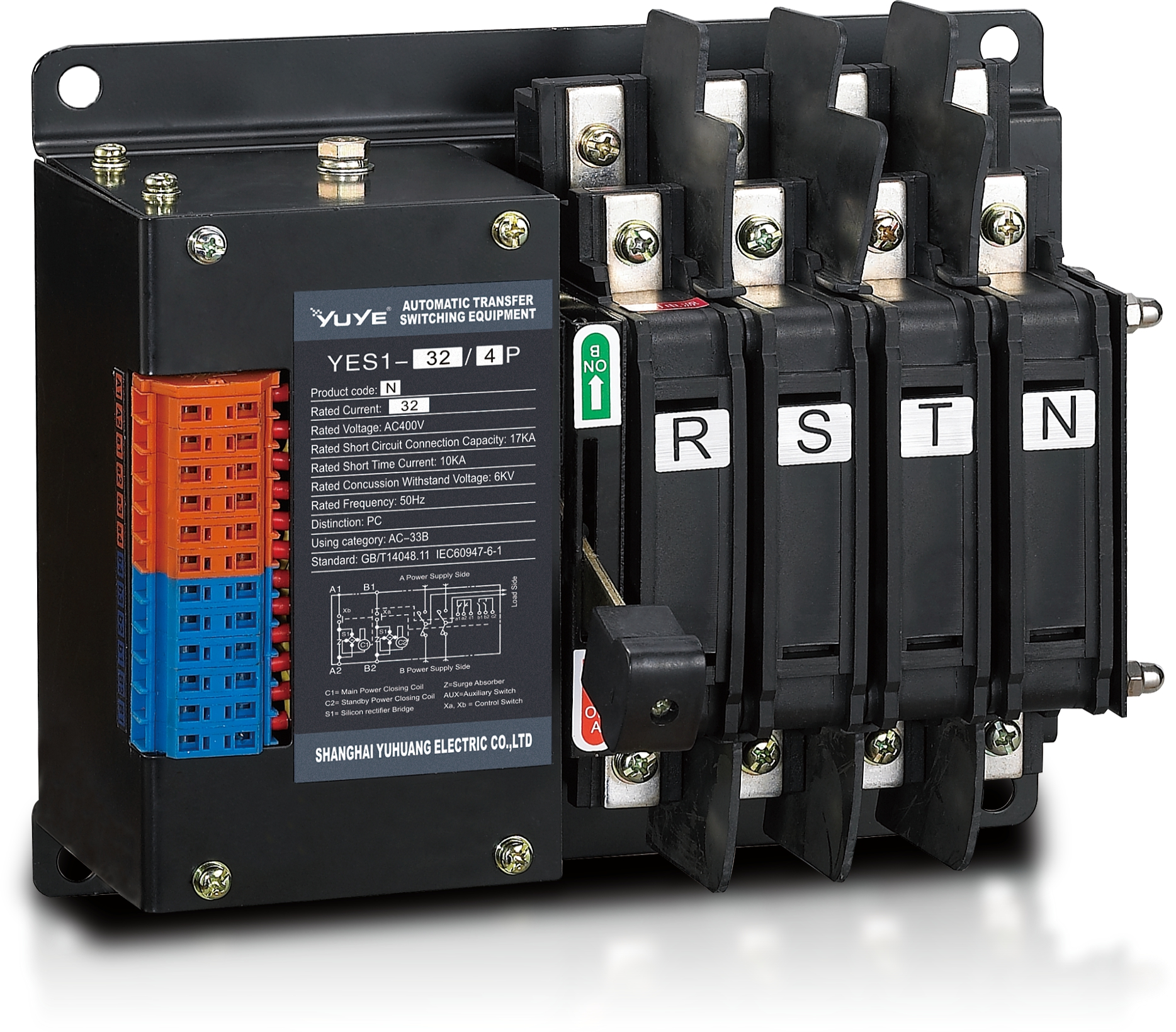 Solenoid-type ATS YES1-32~125N
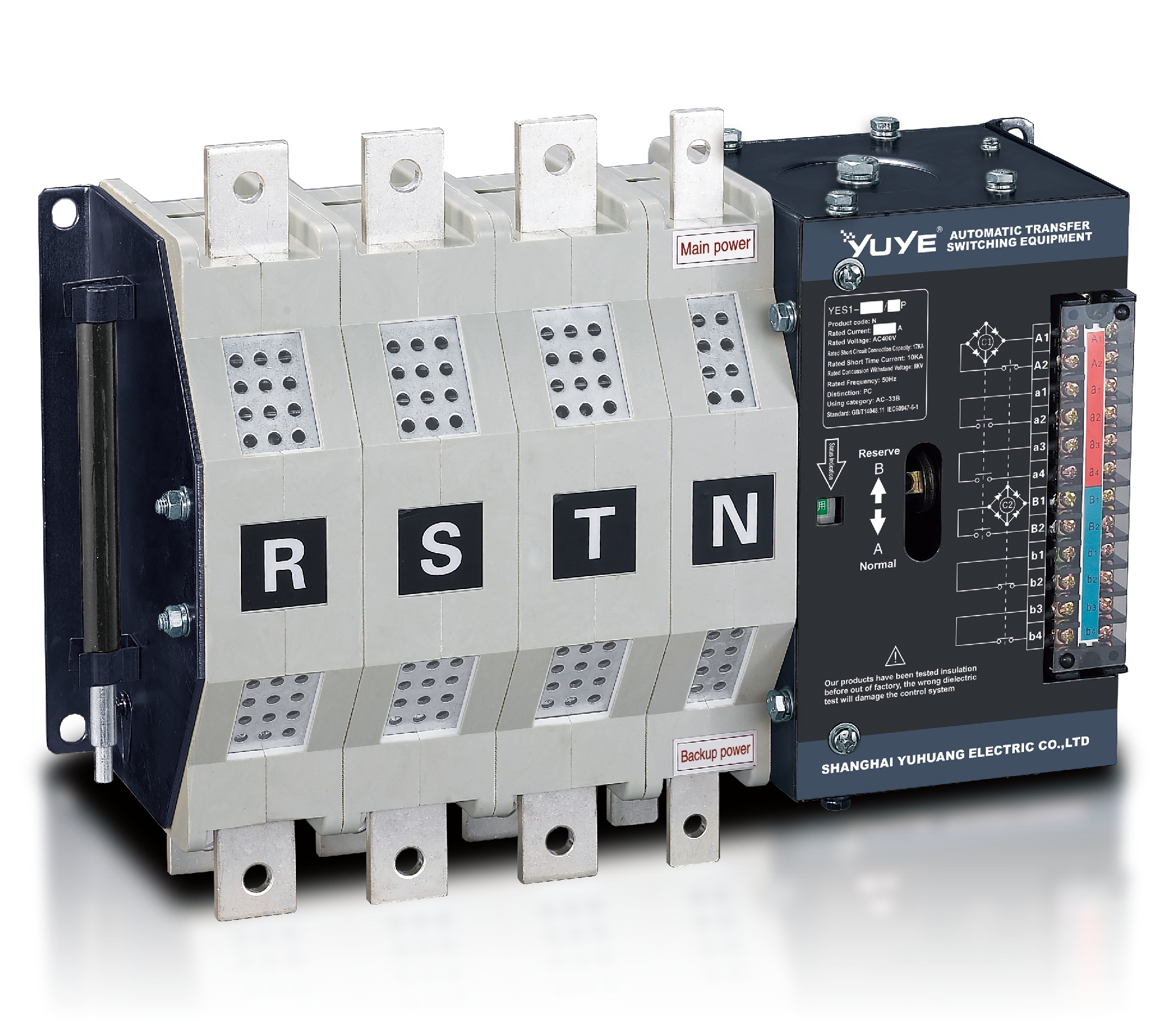 Solenoid-type ATS YES1-250~630N/NT
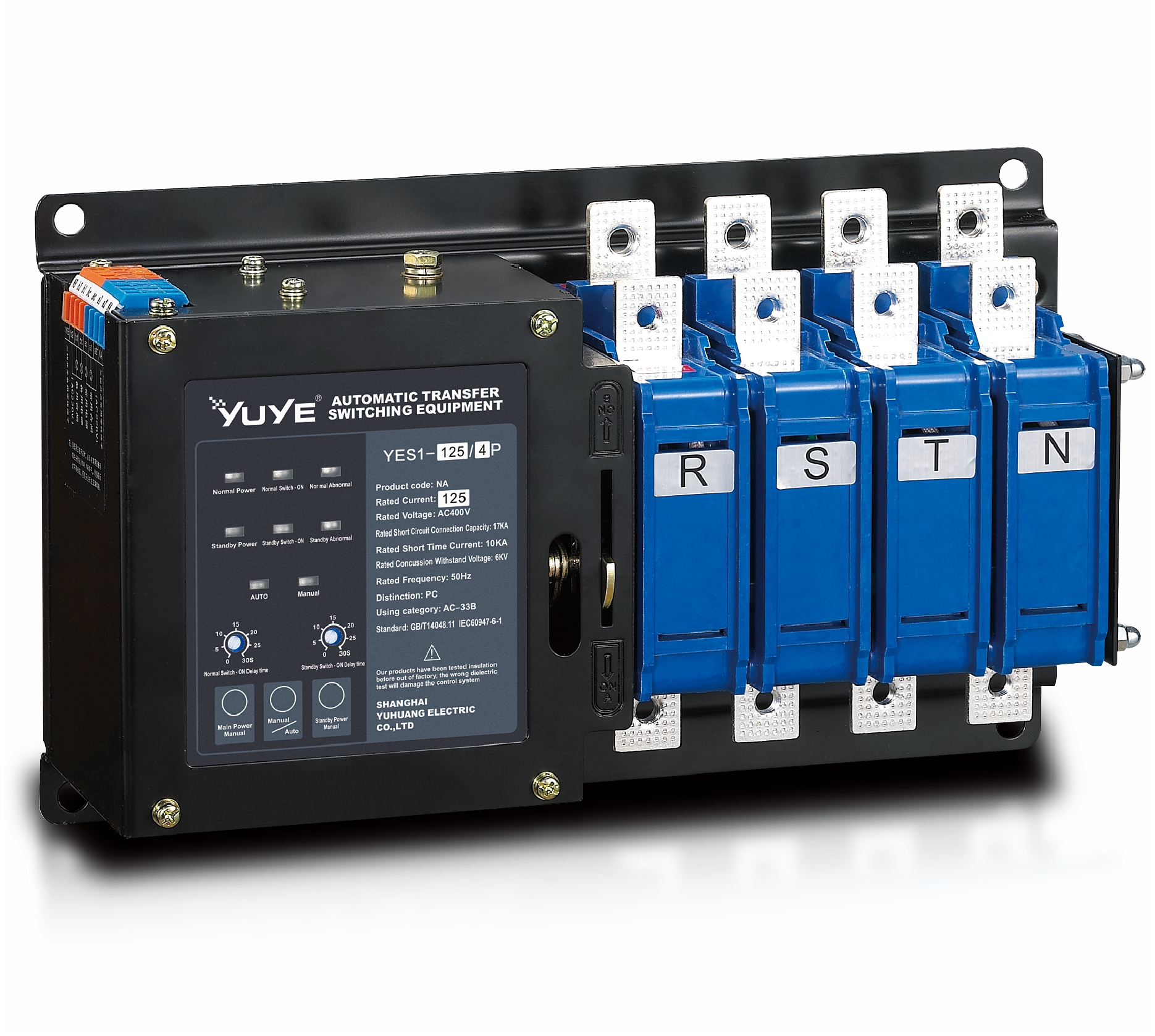 Solenoid-type ATS YES1-32~125NA
 Solenoid-type ATS YES1-63~630SN
 Solenoid-type ATS YES1-1250~4000SN
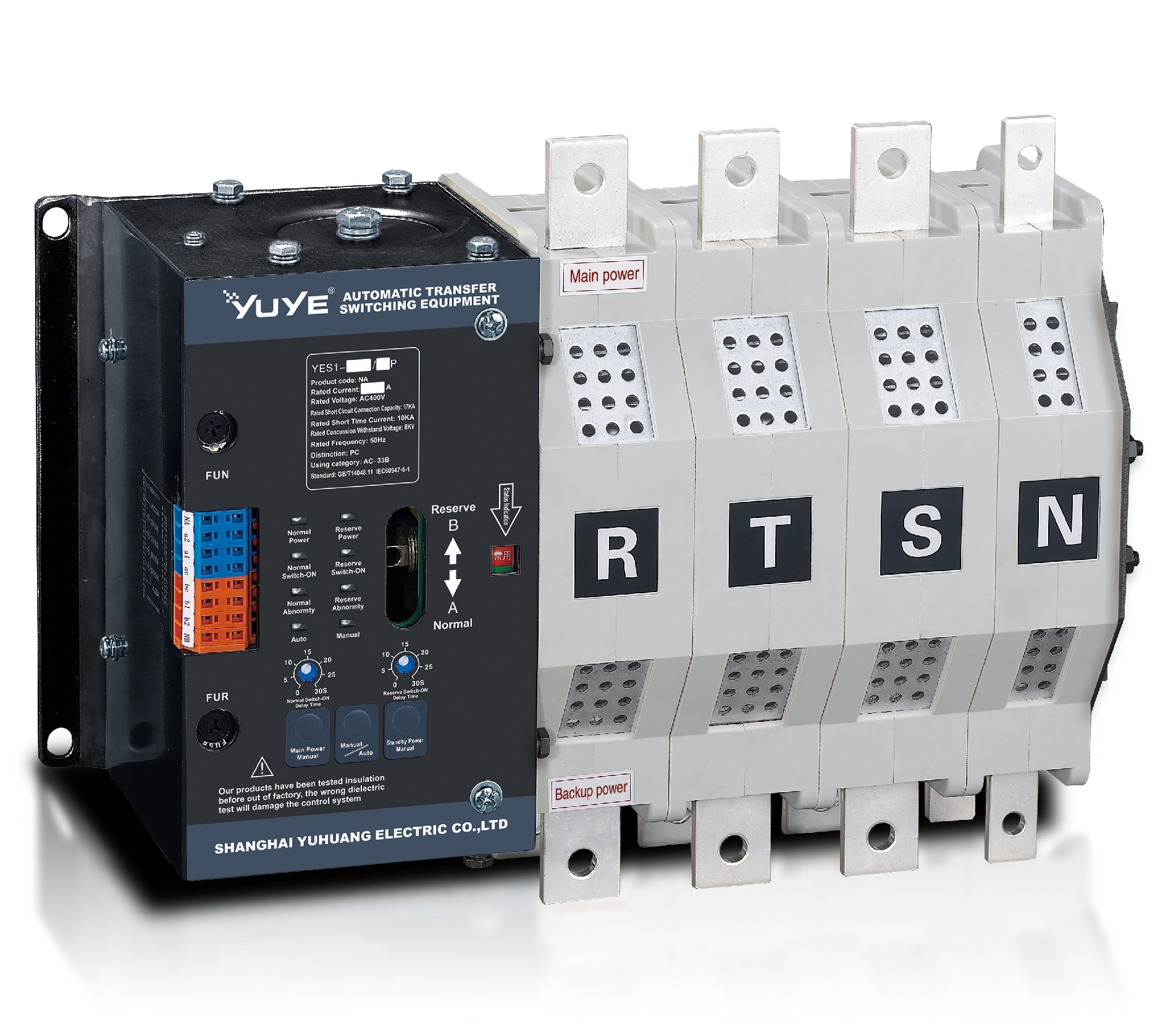 Solenoid-type ATS YES1-250~630NA/NAT
 Solenoid-type ATS YES1-63NJT
 PC ATS YES1-100~1600GN1/GN/GNF
 PC ATS YES1-2000~3200GN/GNF
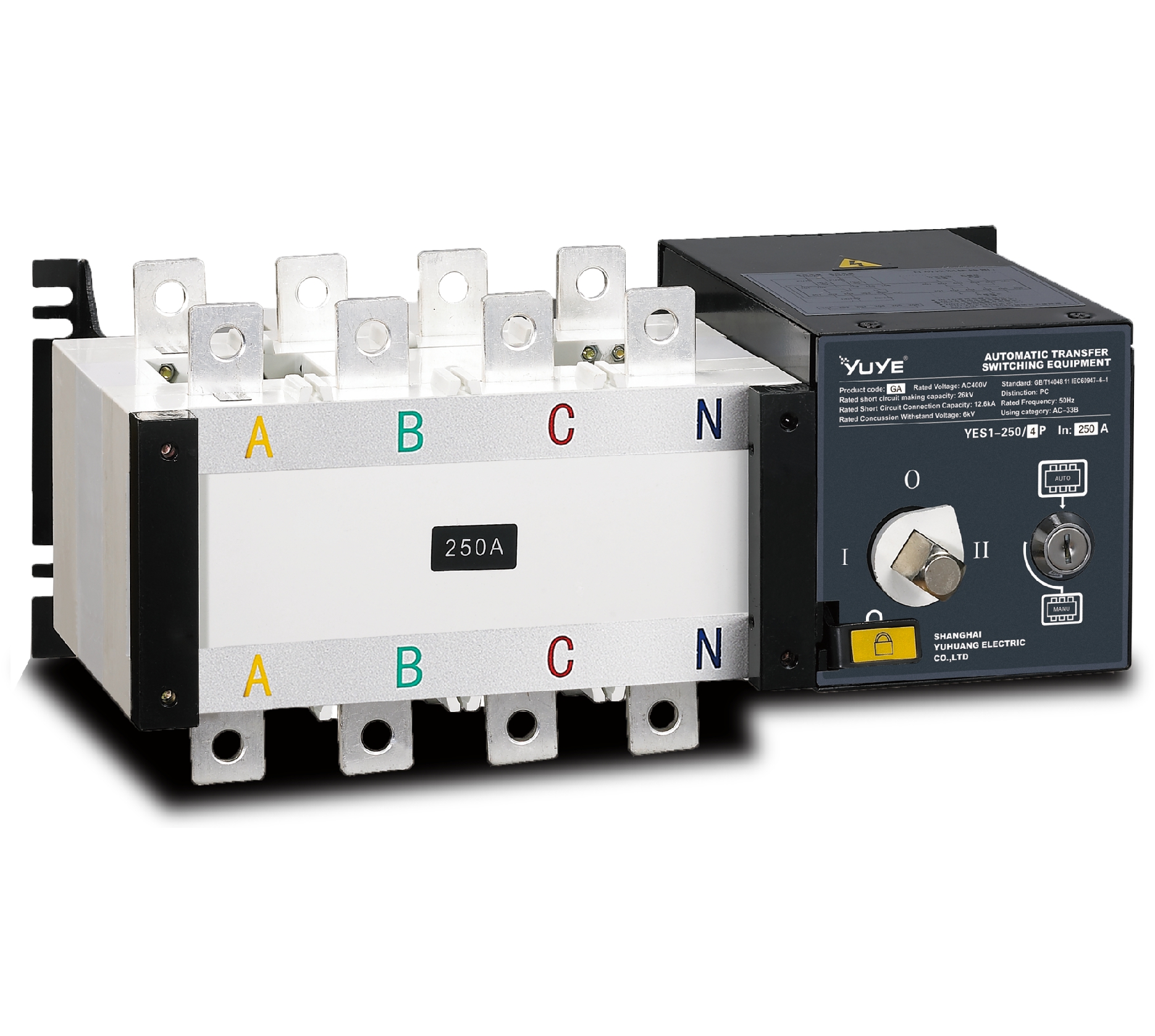 PC ATS YES1-100~3200GA1/GA
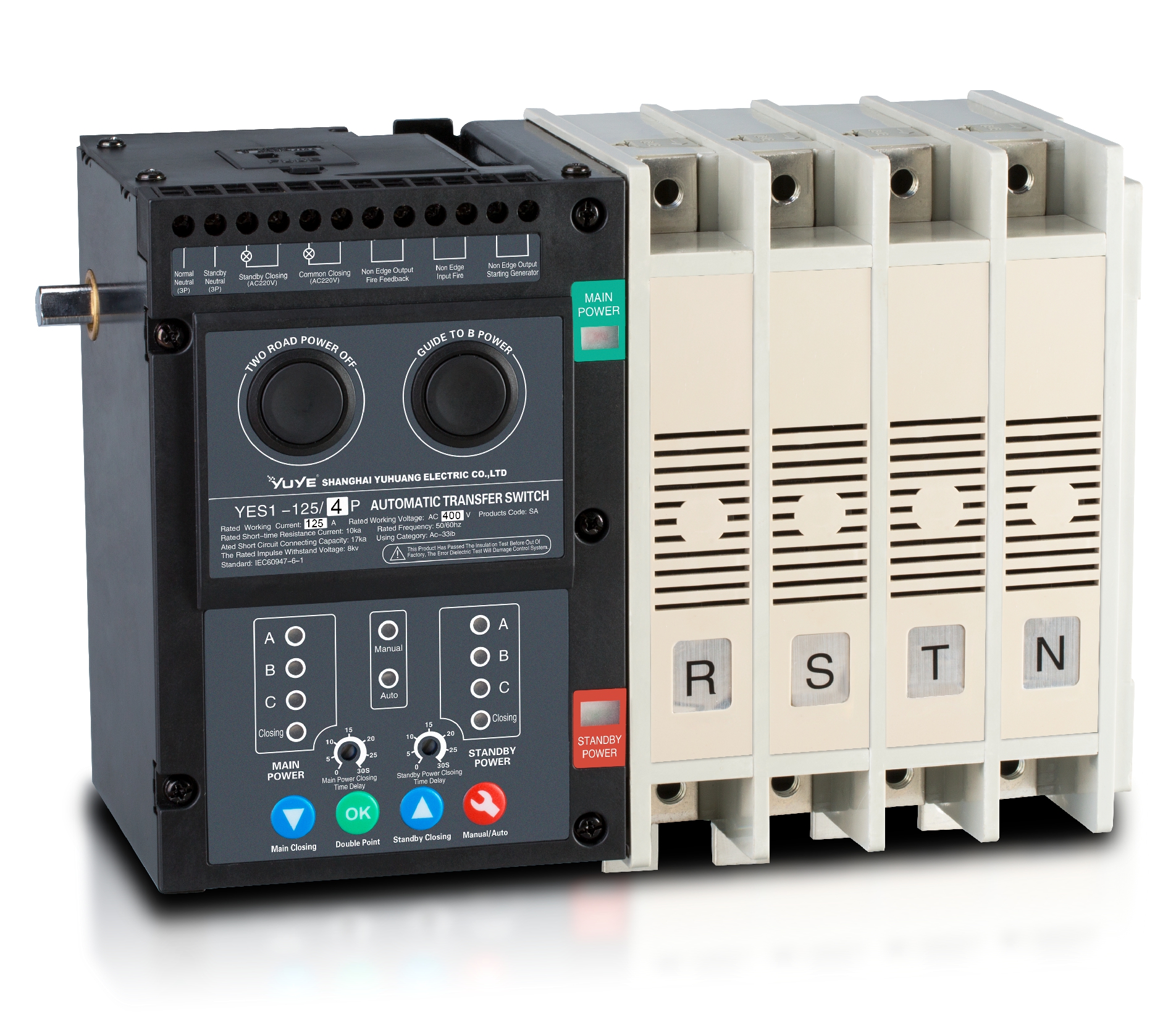 Solenoid-type ATS YES1-63~630SA
 Solenoid-type ATS YES1-63~630L/LA
 Solenoid-type ATS YES1-63~630LA3
 Solenoid-type ATS YES1-63MA
 PC ATS YES1-630~1600M
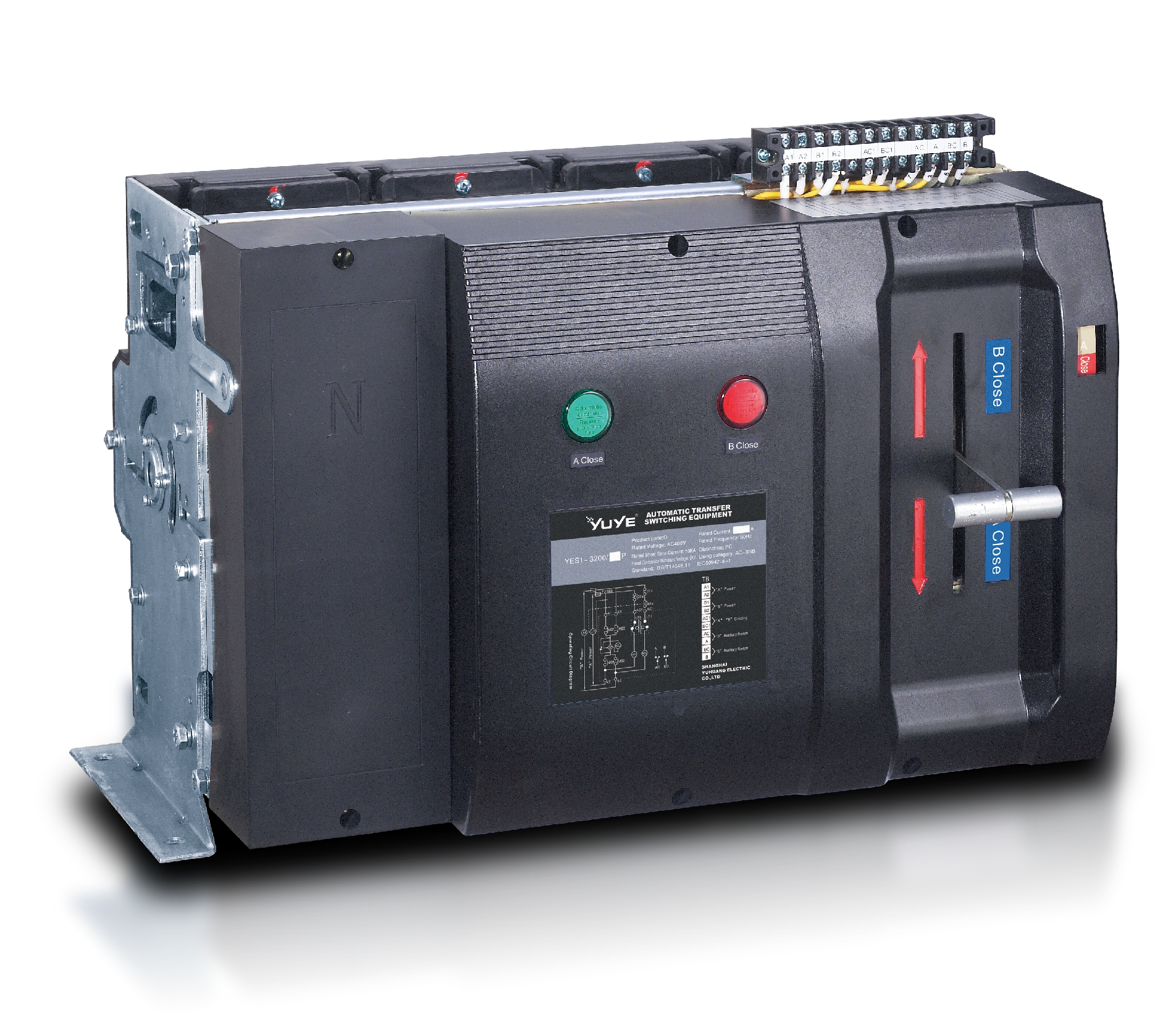 PC ATS YES1-3200Q
 Solenoid-type ATS YES1-4000~6300Q
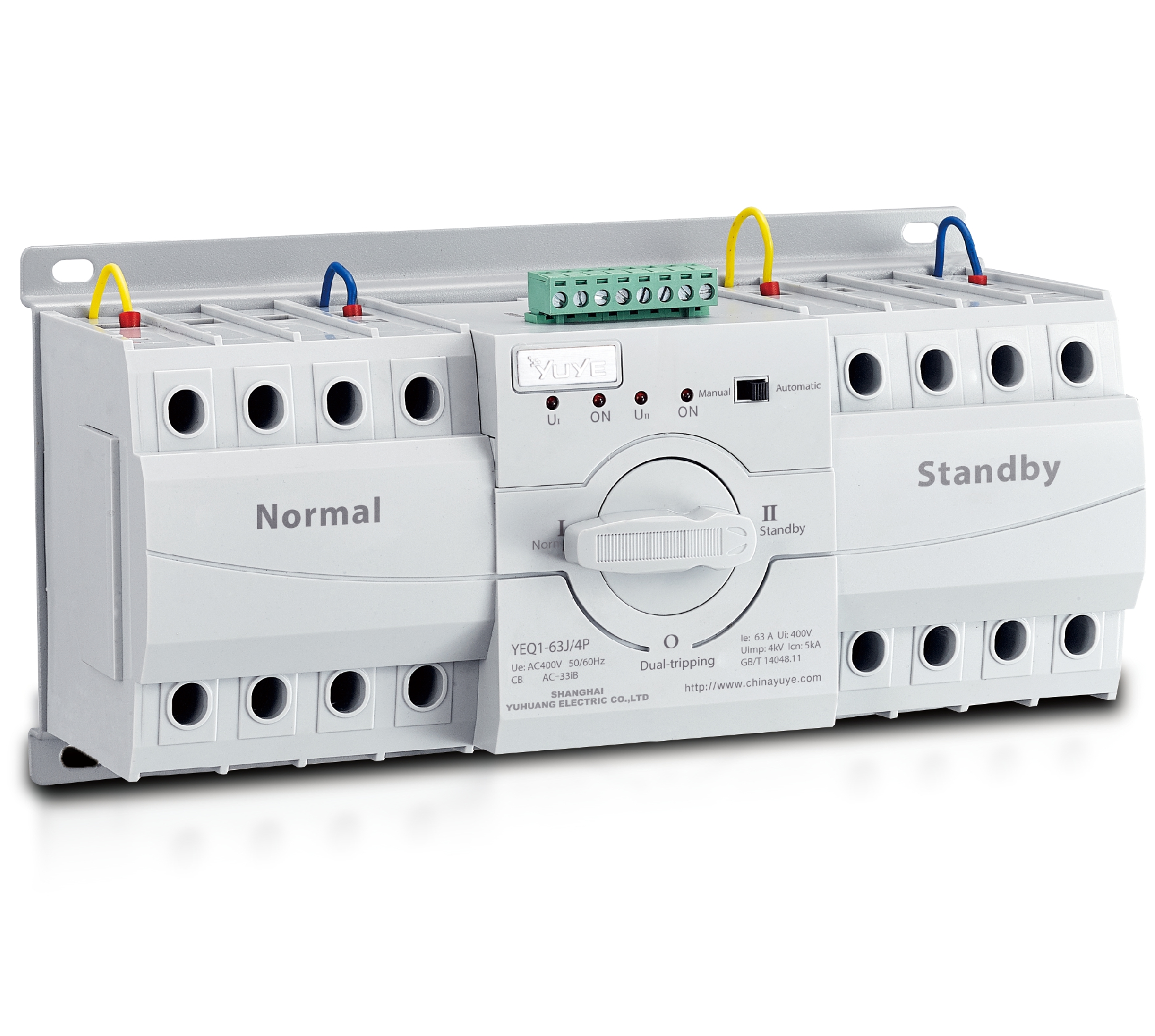 CB ATS YEQ1-63J
 CB ATS YEQ2Y-63
 CB ATS YEQ3-63W1
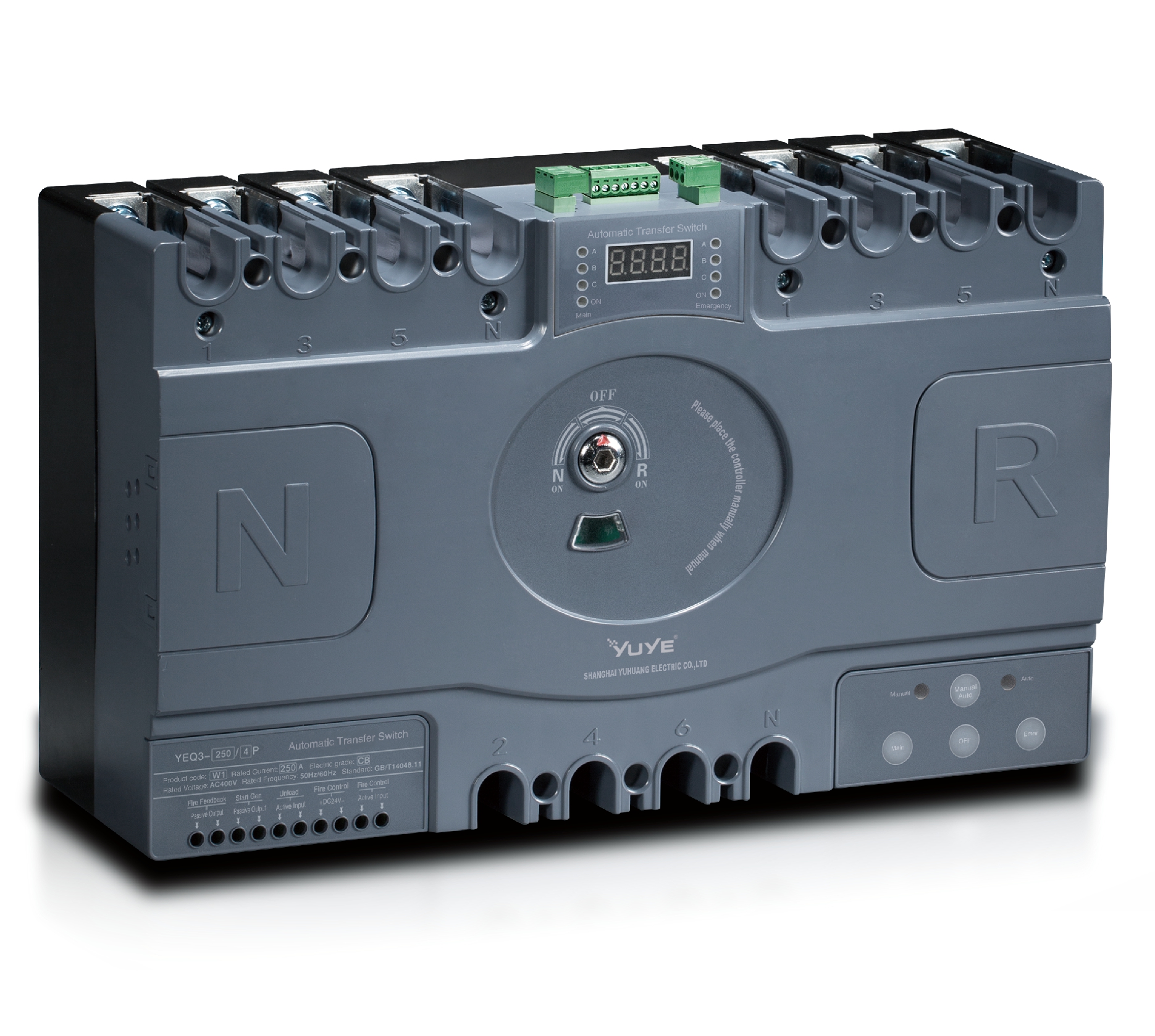 CB ATS YEQ3-125~630W1
 ATS controller Y-700
 ATS Controller Y-700N
 ATS Controller Y-701B
 ATS Controller Y-703N
 ATS Controller Y-800
 ATS Controller W2/W3 Series
 ATS switch Cabinet floor-to-ceiling
 ATS switch cabinet
 JXF-225A power Cbinet
 JXF-800A power Cbinet
 YEM3-125~800 Plastic Shell Type MCCB
 YEM3L-125~630 Leakage Type MCCB
 YEM3Z-125~800 Adjustable Type MCCB
 YEM1-63~1250 Plastic Shell Type MCCB
 YEM1E-100~800 Electronic Type MCCB
 YEM1L-100~630 Leakage Type MCCB
 Miniature circuit breaker YEMA2-6~100
 Miniature circuit breaker YEB1-3~63
 Miniature circuit breaker YEB1LE-3~63
 Miniature circuit breaker YEPN-3~32
 Miniature circuit breaker YEPNLE-3~32
 Miniature circuit breaker YENC-63~125
 Air Circuit Breaker YEW1-2000~6300
 Air Circuit Breaker YEW3-1600
 Load isolation switch YGL-63~3150
 Load Isolation Switch YGL2-63~3150
 DC relay YDC-P20
 DC relay YDC-P250
 DC relay YDC-P400
 DC relay MDC-300M
 DC relay YDC-M400
 DC Isolation Switch YEGL3D-630
 YECPS2-45~125 LCD
 YECPS-45~125 Digital
 CNC Milling/Turning-OEM


