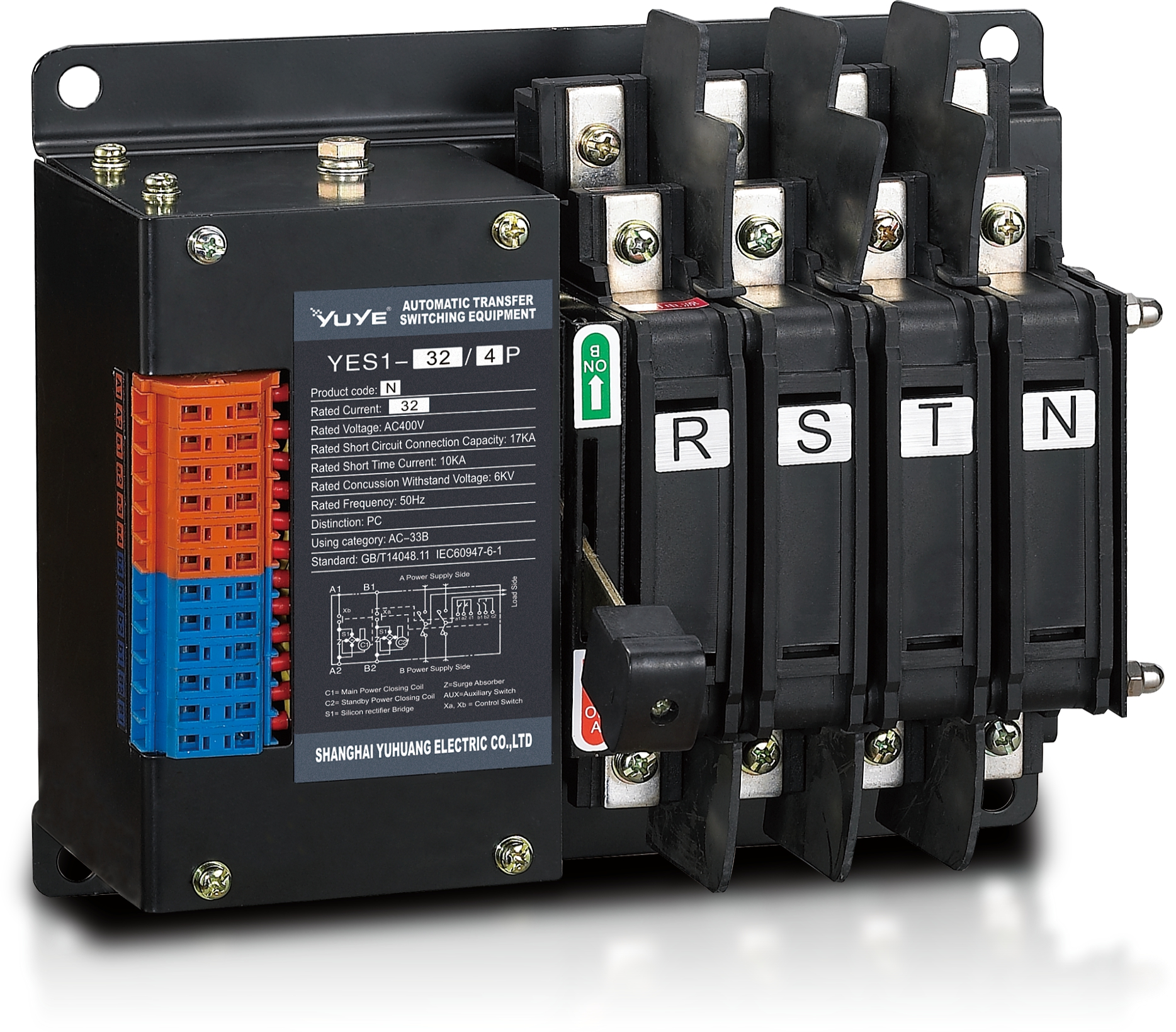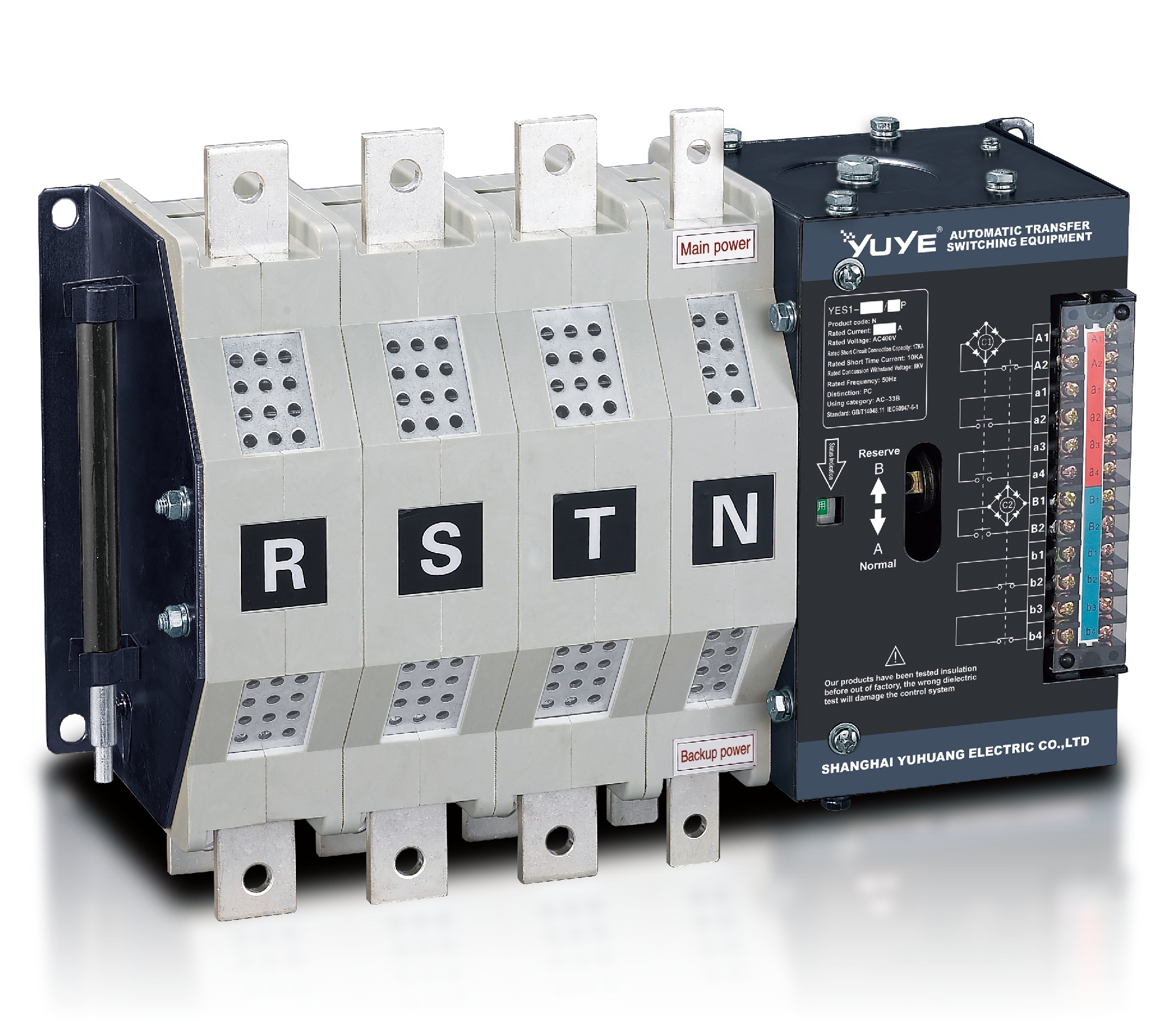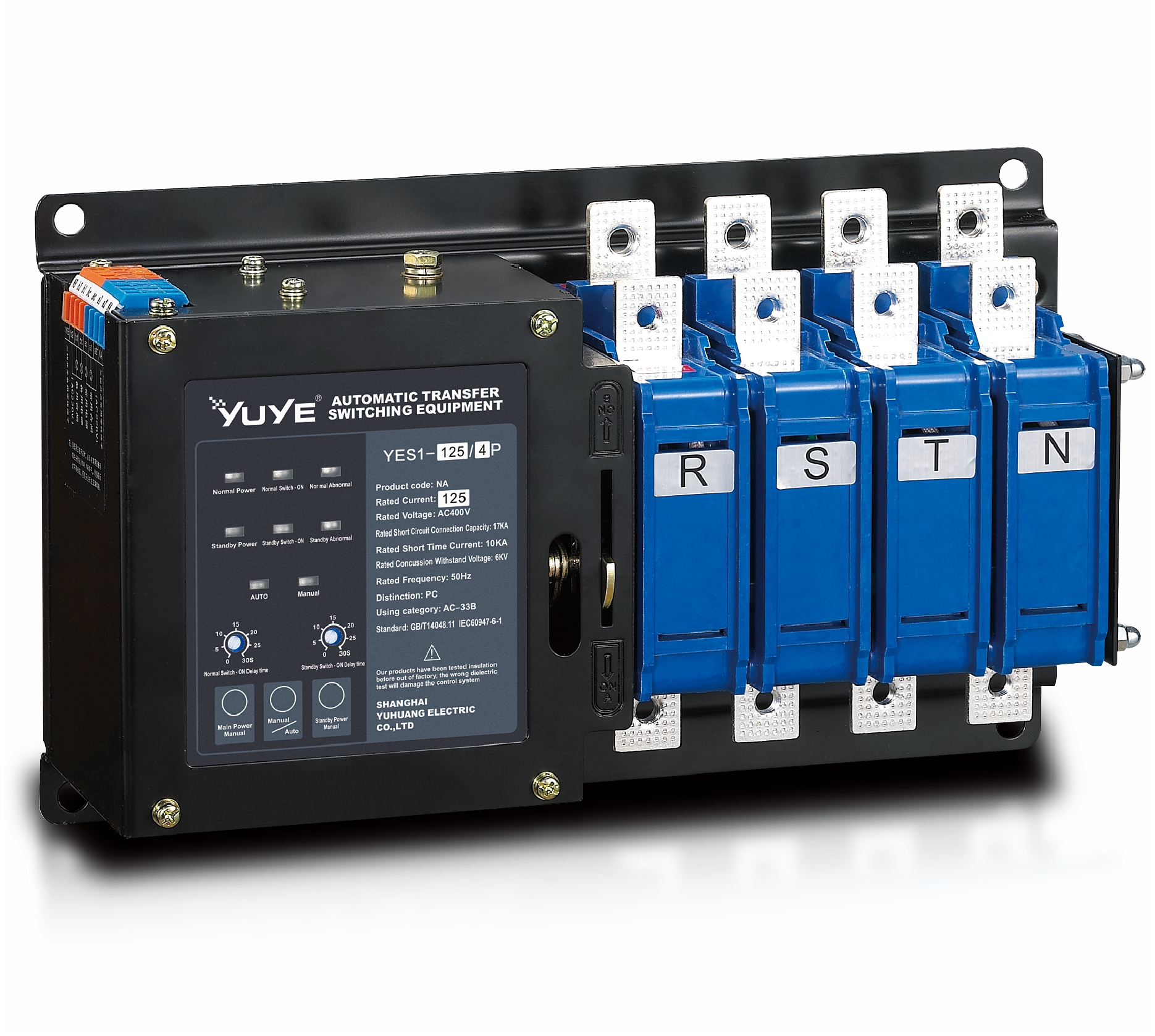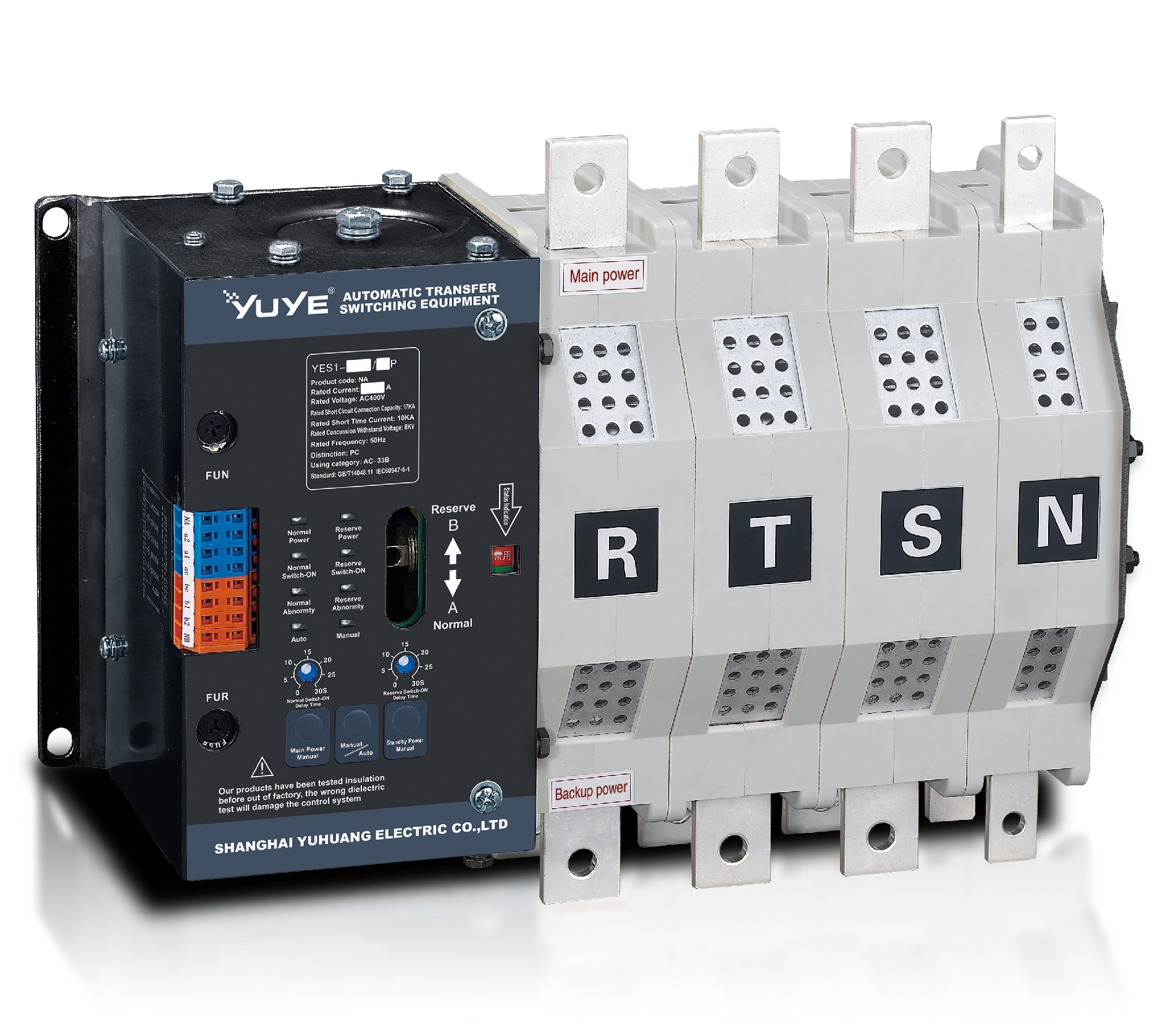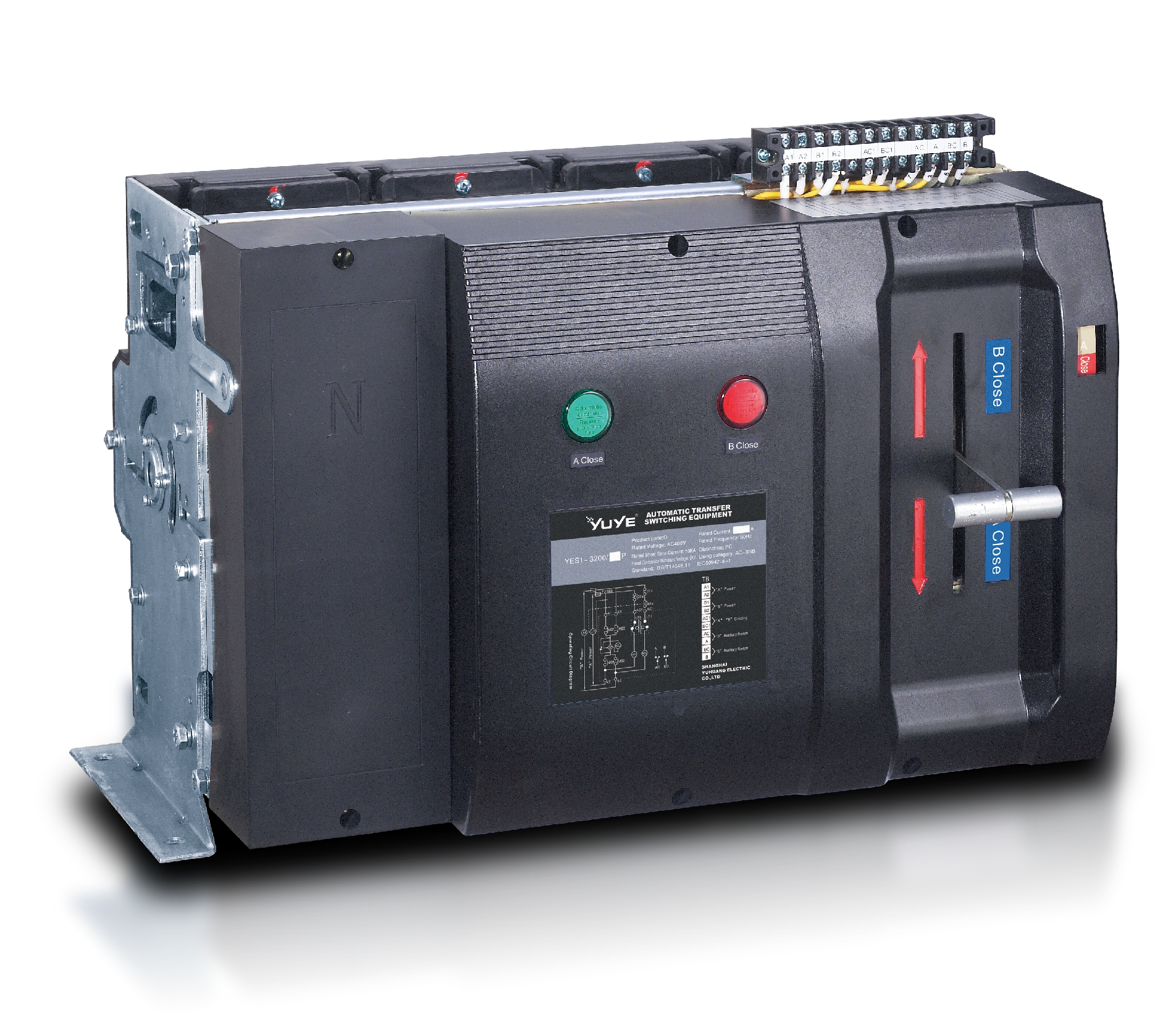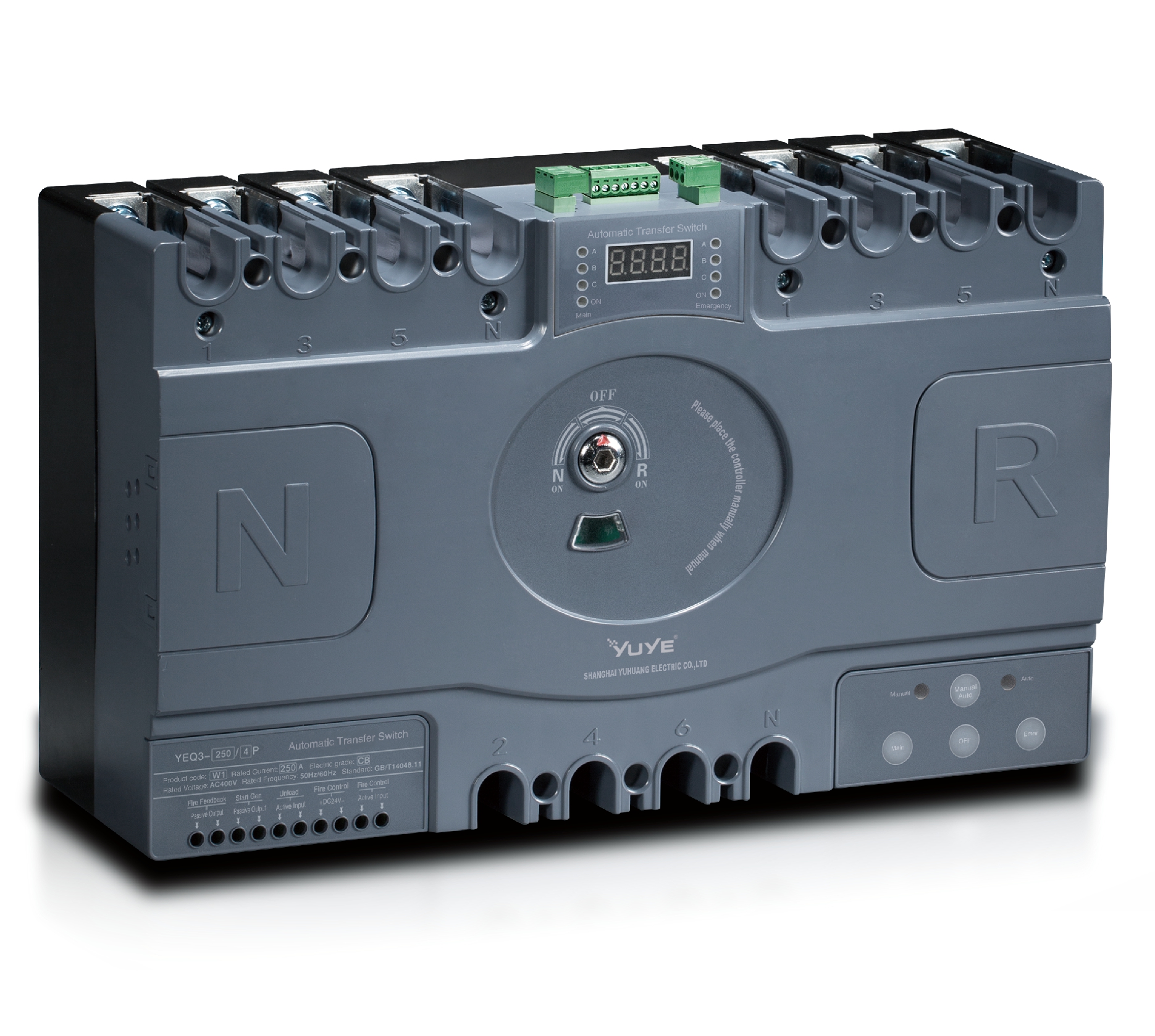
PC ATS YECT1-2000G
PC ATS YES2-63~250GN1
Solenoid-type ATS YES1-32~125N
Solenoid-type ATS YES1-250~630N/NT
Solenoid-type ATS YES1-32~125NA
Solenoid-type ATS YES1-63~630SN
Solenoid-type ATS YES1-1250~4000SN
Solenoid-type ATS YES1-250~630NA/NAT
Solenoid-type ATS YES1-63NJT
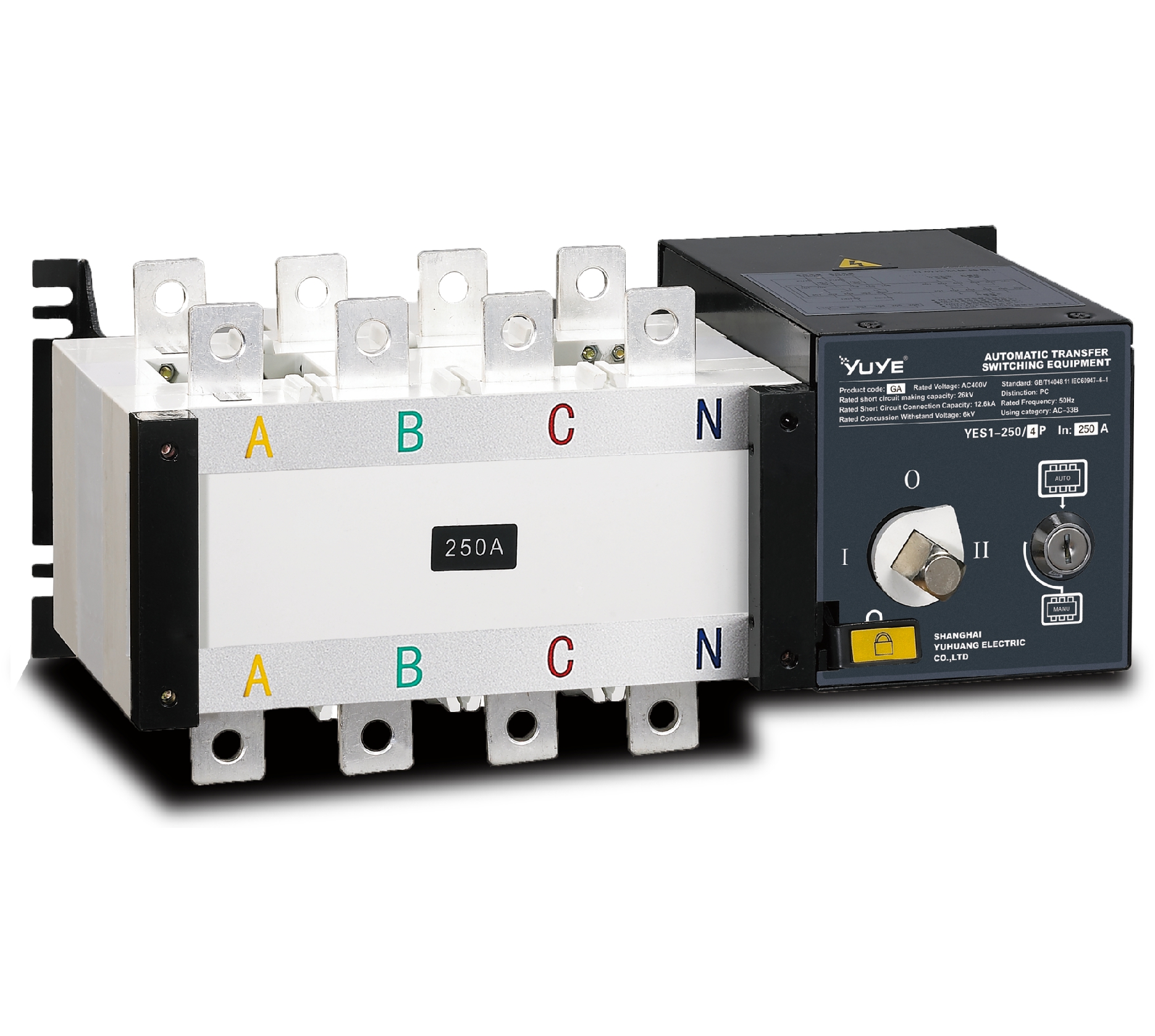
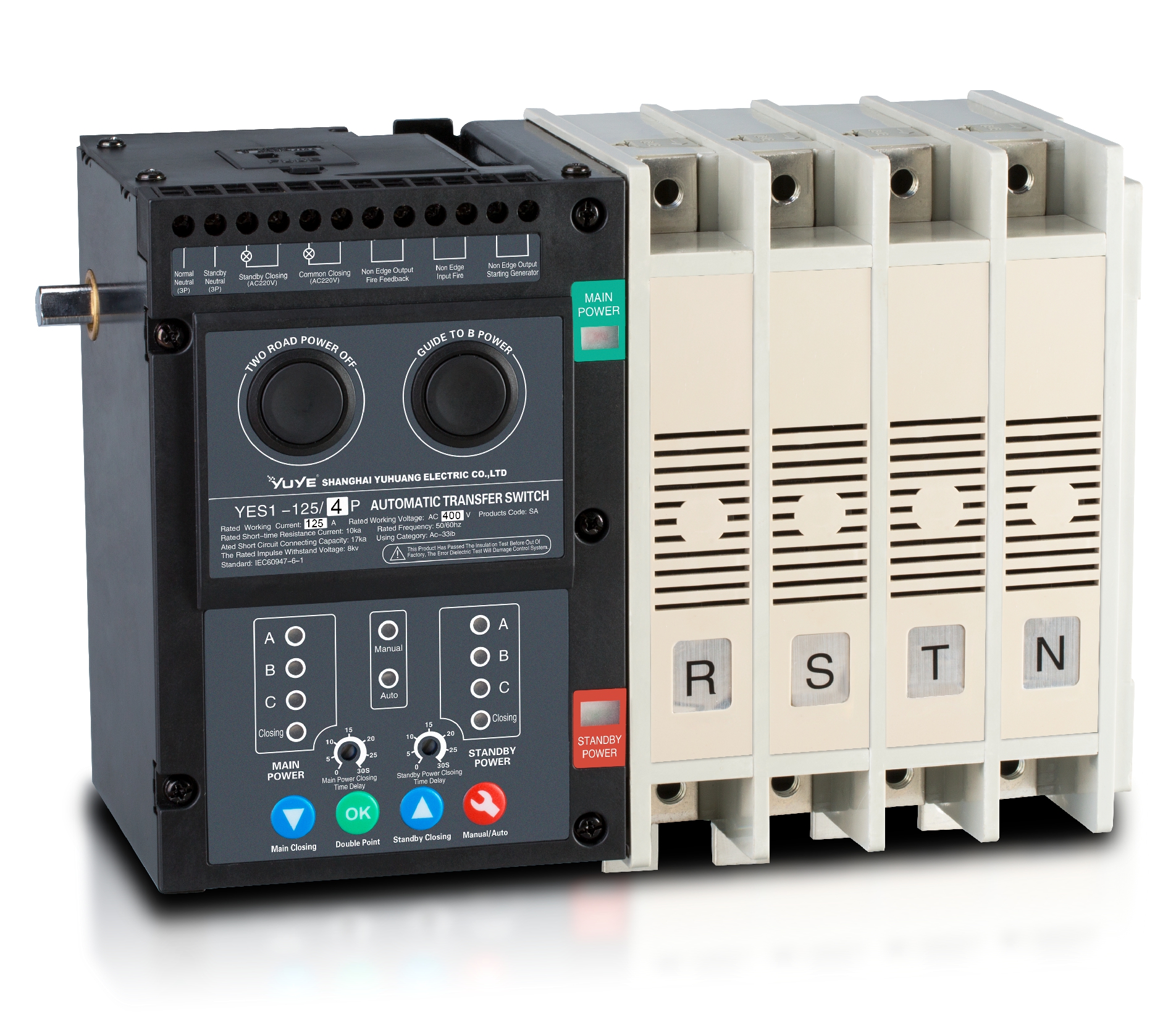
PC ATS YES1-100~1600GN1/GN/GNF
PC ATS YES1-2000~3200GN/GNF
PC ATS YES1-100~3200GA1/GA
Solenoid-type ATS YES1-63~630SA
Solenoid-type ATS YES1-63~630L/LA
Solenoid-type ATS YES1-63~630LA3
Solenoid-type ATS YES1-63MA
PC ATS YES1-630~1600M
PC ATS YES1-3200Q
Solenoid-type ATS YES1-4000~6300Q
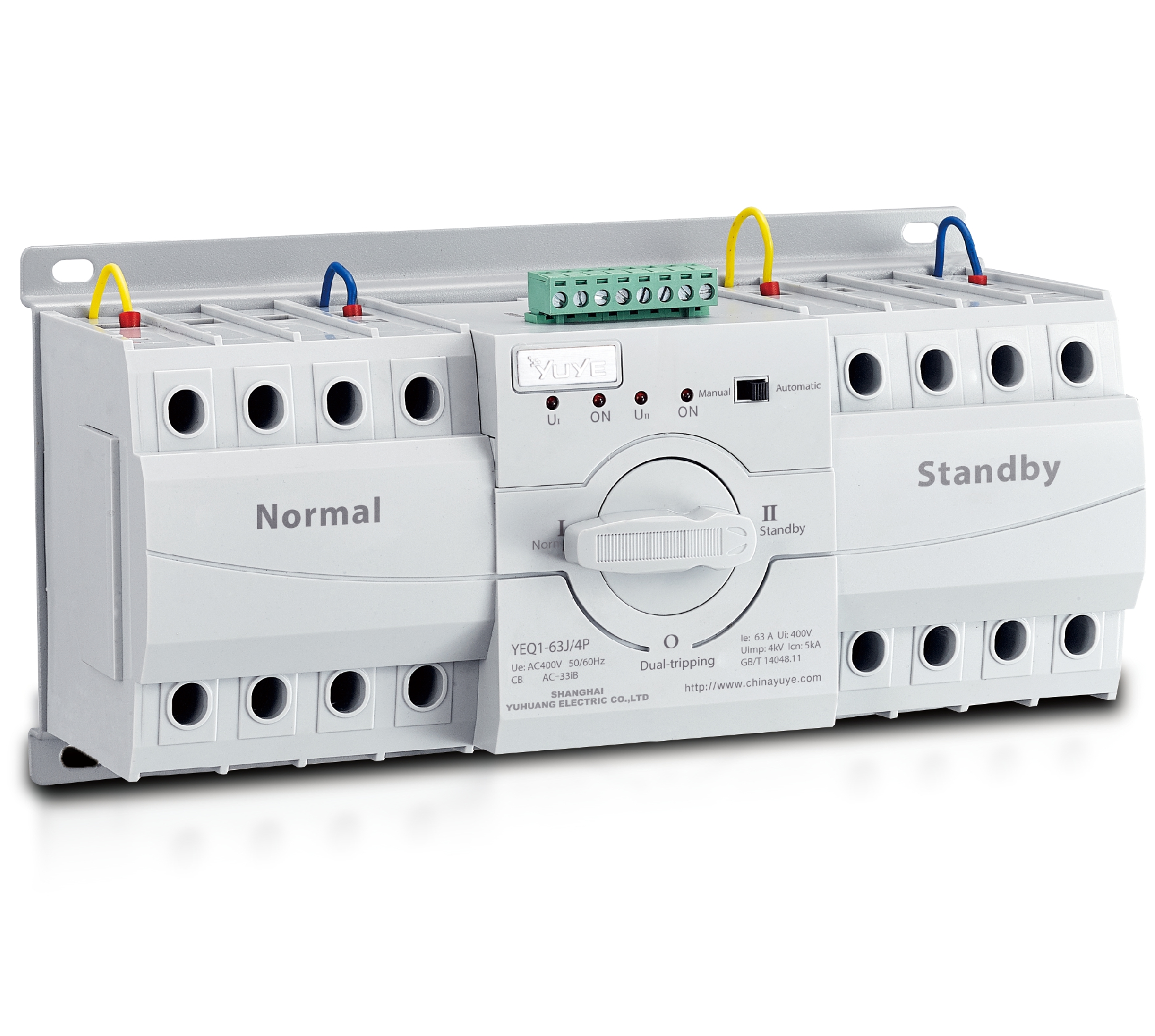
CB ATS YEQ1-63J
CB ATS YEQ2Y-63
CB ATS YEQ3-63W1
CB ATS YEQ3-125~630W1
ATS controller Y-700
ATS Controller Y-700N
ATS Controller Y-701B
ATS Controller Y-703N
ATS Controller Y-800
ATS Controller W2/W3 Series
ATS switch Cabinet floor-to-ceiling
ATS switch cabinet
JXF-225A power Cbinet
JXF-800A power Cbinet
YEM3-125~800 Plastic Shell Type MCCB
YEM3L-125~630 Leakage Type MCCB
YEM3Z-125~800 Adjustable Type MCCB
YEM1-63~1250 Plastic Shell Type MCCB
YEM1E-100~800 Electronic Type MCCB
YEM1L-100~630 Leakage Type MCCB
Miniature circuit breaker YEMA2-6~100
Miniature circuit breaker YEB1-3~63
Miniature circuit breaker YEB1LE-3~63
Miniature circuit breaker YEPN-3~32
Miniature circuit breaker YEPNLE-3~32
Miniature circuit breaker YENC-63~125In the world of industrial power management, you’ll often hear about the '100A Automatic Transfer Switch' — and for good reason. People in the field really stress how crucial it is for making sure power keeps flowing smoothly without any hiccups. I remember John Smith, a top expert in power distribution at PowerTech Solutions, once put it simply: "A reliable switch is pretty much the backbone of uninterrupted operations." And honestly, he’s right. In this line of work, reliability isn’t just a bonus — it’s everything.
Picking out the right switch isn’t just about grabbing whatever’s available. For global buyers, it’s a bit of a minefield with so many options out there. The '100A Automatic Transfer Switch' isn’t just some gadget; it’s a must-have if you need your facility to stay powered up around the clock. But here’s the thing — not every product on the market measures up to the high standards of quality and performance needed. Some may look the part but just don’t deliver when you need them most.
And let’s be honest, navigating through all these choices can get pretty confusing. Many switches don’t come with proper support or clear documentation, and some just can’t handle different kinds of conditions. Knowing these little details makes a big difference. Taking the time to pick the right one will pay off by keeping your power stable and your operations running smoothly. Every choice you make really does impact performance, so it’s worth being careful and thoughtful about it.
Automatic transfer switches (ATS) are vital for ensuring uninterrupted power supply. These devices automatically switch power sources during outages. They are crucial in homes, data centers, and hospitals. The reliability of your ATS is essential. A well-functioning ATS protects sensitive equipment and ensures safety.
When selecting an ATS, consider the load capacity. The typical size for residential or small commercial use is around 100 amps. Assess your power needs carefully. Incorrect sizing may lead to failures during critical times.
Tips for choosing an ATS include checking for certifications. Reliable switches often meet safety and performance standards. Additionally, evaluate the installation process. Complex setups require professional assistance. Aim for user-friendly options that permit easy monitoring.
Inconsistencies in power supply can lead to costly damage. Regular maintenance of your ATS can mitigate risks. Inspect connections and perform routine testing. Addressing small issues promptly can prevent bigger problems. Always prioritize the safety and efficiency of your power systems.
When selecting a 100A automatic transfer switch, several key features deserve careful consideration. The transfer switch's reliability is critical. Look for units that have undergone rigorous testing. They should perform well under various conditions. Poor-quality devices may fail when you need them most. Reliability can save you from costly downtime or interruptions in power supply.
Another important aspect is the ease of installation and maintenance. Some switches come with user-friendly designs. This can reduce installation time and related costs. Consider whether the switch has accessible components for routine checks. Often, manufacturers will provide manuals that guide you through both setup and troubleshooting. However, some may present challenges that could lead to confusion.
Don't overlook safety features. Surge protection and automatic fire detection are vital. Many models include added safety features, but they can vary widely. Some switches may lack adequate safeguards, which could expose your system to risks. Investing in a quality transfer switch ensures you prioritize safety, reliability, and functionality. Evaluating multiple options and gathering feedback from experts can help make a better-informed decision.
When searching for the best 100A automatic transfer switches, several reputable brands stand out. They prioritize reliability and efficiency, which are crucial for seamless power transfer. These switches are essential for homes and businesses alike, especially in regions prone to power outages.
Some of the top manufacturers focus on advanced technology. This includes features such as quick response times and robust build quality. However, buyers should be aware that not all products are equally effective. Evaluating specifications and user reviews can help make informed decisions.
**Tips**: Always check compatibility with existing systems. Ensuring that installation meets local codes is vital. Additionally, considering warranty options can provide long-term assurance. Users should reflect on their specific needs. A switch that suits one application may not be ideal for another. Proper research can save time and money in the long run.
When selecting a 100A Automatic Transfer Switch (ATS), buyers often feel overwhelmed. Numerous models exist. Each has unique features and specifications. Understanding these differences is crucial for making an informed choice. Key aspects include electrical ratings, switching speed, and environmental resistance. Some models excel in rapid switching, crucial for critical applications. Others focus on ease of installation and maintenance.
A comparative analysis highlights significant variations. Certain models offer advanced control features, enhancing user experience. Ease of integration with existing systems can vary widely. Some switches are designed for residential use, while others suit commercial applications. Real-world user reviews reveal reliability concerns in some less-known models. However, reputable models generally maintain high satisfaction ratings. Prospective buyers should consider not only performance but also available customer support and warranty options.
Ultimately, reflecting on personal needs is essential. Do you require a switch that handles heavy loads? Or one that operates quietly in the background? The choice will depend on specific use cases and budget. Exploring various models with a critical eye may reveal options that perfectly align with individual requirements. Prioritizing features that matter most can lead to a more satisfying purchase.
When dealing with a 100A automatic transfer switch (ATS), installation and maintenance are crucial for optimal performance. A recent industry report indicated that improper installation can lead to a 25% increase in malfunction rates. This highlights the need for qualified professionals to handle installation tasks. Ensure all electrical connections are secure, and consider local regulations for compliance.
For maintenance, regularly check the switch’s functionality. This involves conducting routine tests to ensure it operates smoothly during a power outage. A good practice is to inspect the ATS every six months. Clean dust and debris regularly. Dust can interfere with the electrical components and increase heat buildup.
Tip: Use thermal imaging tools for early detection of hotspots. This can help prevent costly repairs. Monitoring tools can provide insights, like voltage levels and frequency fluctuations. Remember, neglecting routine maintenance can have serious consequences. A well-maintained ATS can enhance system reliability and extend its lifespan significantly, reducing your long-term costs.
When considering a 100A automatic transfer switch (ATS), budgeting is key. Industry reports indicate that prices can range from $300 to over $1,500, depending on specifications and features. Buyers should assess the total cost of ownership, which includes installation, maintenance, and potential future upgrades. This holistic approach helps avoid unexpected expenses.
Tips: Always get multiple quotes from licensed electricians. This provides a benchmark for pricing and ensures fair assessments.
It’s also important to account for installation complexities, which can significantly impact costs. For example, if the installation requires additional structural changes, expenses can soar. The National Electrical Contractors Association notes that installation costs often exceed 40% of the total ATS expense. Understanding these factors will lead to smarter financial planning.
Tips: Consider energy efficiency. A more efficient switch could reduce long-term operational costs.
Reflect on your specific power needs. Oversizing can lead to unnecessary expenses while undersizing can risk failures. A well-aligned ATS should balance initial investment with future savings and performance reliability.
| Model | Price (USD) | Key Features | Warranty Period | Country of Origin |
|---|---|---|---|---|
| Model A | $250 | Compact design, lightweight, user-friendly interface | 3 years | USA |
| Model B | $275 | Robust construction, suitable for harsh environments | 5 years | Germany |
| Model C | $300 | High efficiency, automatic diagnostics, remote monitoring | 4 years | China |
| Model D | $350 | Fast switching time, circuit protection features | 7 years | Japan |
| Model E | $400 | Advanced monitoring app, flexible power configurations | 6 years | Italy |
The automatic transfer switch (ATS) industry is experiencing significant advances in technology. Smart monitoring features have become crucial. These innovations enable users to track power usage in real-time. Many models now come equipped with integrated cloud technology. This allows for remote management and alerts. Users can receive notifications about malfunctioning systems immediately.
Another notable trend is the increased emphasis on energy efficiency. New ATS designs focus on reducing operational costs. By optimizing load management, these devices help minimize waste. Some switches now incorporate energy storage solutions. This further enhances their efficiency. Yet, some users still struggle to understand these complex systems.
Additionally, enhanced safety features are becoming standard. Fault detection and isolation have improved dramatically. These improvements reduce the risk of equipment damage. However, it is essential for buyers to consider not just features, but quality. Weighing the importance of reliability against cost can be challenging. Buyers often face the dilemma of choosing between high-end technology and budget constraints.
In modern electrical systems, the distribution of power efficiently and safely is paramount. The role of Load Isolation Switch YGL2-63~3150 is central to achieving this goal, particularly in environments where reliable electrical supply is mandatory. Designed to handle a rated current from 63 to 3150 amperes, this switch accommodates various applications by providing crucial functionality in load management and isolation. The flexibility in its design, with options for two, three, or four poles, allows for tailored solutions to meet specific electrical requirements in diverse settings.
The YGL2-63~3150 also upholds compliance with IEC 60947-3, ensuring that it meets international standards for low-voltage switchgear. With a rated voltage of 230/400V, this switch is engineered to handle significant electrical loads while maintaining operational safety and efficiency. Its robust construction and functionality make it an essential component in modern electrical distribution networks, where isolation and reliable switching are critical to preventing overloads and ensuring the longevity of electrical systems. By integrating such switches, electrical systems can operate more efficiently and safeguard components from potential disruptions.
TS)?
Assess your power requirements. A typical size for residential use is around 100 amps.
Look for certifications and reliable performance. Make sure it meets safety standards.
Improper installation can increase malfunction rates by 25%. Qualified professionals should handle it.
Inspect your ATS every six months. Routine testing ensures it operates well during outages.
Dust can interfere with electrical components and increase heat. Regularly clean to avoid this.
Yes, using monitoring tools can help track voltage levels and frequency fluctuations.
Neglecting maintenance can lead to serious issues and increased repair costs.
Focus on essential features like load handling and ease of installation.
Reviews reveal reliability concerns and satisfaction levels. They help make informed choices.
The article "100A Automatic Transfer Switch Best Options for Global Buyers" provides a comprehensive guide on the importance and functionality of 100A Automatic Transfer Switches (ATS). These devices play a critical role in ensuring seamless power supply during outages, making them essential for various applications ranging from residential to industrial use. When selecting a 100A ATS, buyers should consider key features such as reliability, compatibility with power systems, and ease of maintenance.
The article also presents a comparative analysis of the leading 100A Automatic Transfer Switch models, highlighting their unique attributes and performance metrics. Additionally, it covers installation and maintenance tips to ensure optimal operation and longevity of the switches. Cost considerations are discussed to help buyers budget effectively while keeping pace with emerging trends and technological innovations in the ATS market. Overall, this guide serves as a valuable resource for global buyers looking to make informed decisions regarding 100A Automatic Transfer Switches.