In today’s world, where we rely so heavily on constant power, having an uninterrupted energy supply isn’t just a nice-to-have — it’s essential. That’s where Power Automatic Transfer Switches, or ATS, really come in handy. They’re a game-changer when it comes to keeping things running smoothly. I remember reading in a 2022 report by the International Electrotechnical Commission (IEC) that more than 78% of businesses depend on ATS systems to make sure their power switches over without a hitch. That really shows just how crucial this technology is for keeping operations up and running, especially during outages.
John R. Smith, who’s pretty much a go-to guy when it comes to power systems, points out how vital ATS systems are. He says, “Power Automatic Transfer Switches are absolutely essential for any business that can’t afford to face downtime.” Basically, these switches kick in automatically and switch over to backup generators when the power goes out, so there’s barely any disruption. Plus, they come with safety features that protect sensitive equipment from sudden power changes, which is a big plus for reliability.
That said, it’s kinda surprising, but some organizations still ignore implementing ATS systems. That often leads to costly downtime and operational headaches. Honestly, investing in a good Power Automatic Transfer Switch isn’t just something extra anymore — it’s pretty much a must-do. In today’s competitive world, having reliable power solutions isn’t optional if you want to stay ahead and keep things running smoothly.

What is an Automatic Transfer Switch (ATS)?
An Automatic Transfer Switch (ATS) is a critical device used in electrical systems. Its primary function is to automatically transfer power supply between the main utility grid and backup generators. The ATS ensures a seamless transition during power outages or irregularities. When the main power fails, the ATS detects this change and activates the generator promptly. Reports indicate that nearly 40% of businesses experience significant operational disruptions due to power outages, underscoring the importance of having a reliable ATS.
The efficiency of an ATS can greatly enhance operational uptime. Studies show that organizations utilizing ATS can restore power within seconds. This swift response is crucial for facilities such as hospitals and data centers, where power continuity is vital. The ATS helps reduce risks associated with data loss and medical emergencies. However, not all installations are flawless. Some businesses neglect regular maintenance, which can lead to failures in critical moments.
In addition, the installation cost can be a barrier for smaller businesses. Despite this, the long-term savings from avoiding downtime often justify the investment. Companies need to weigh the upfront costs against the potential losses from power interruptions. Experts suggest engaging with certified professionals to ensure proper installation and maintenance of ATS systems, ensuring maximum reliability and efficiency.
History and Development of Automatic Transfer Switch Technology
Automatic Transfer Switch (ATS) technology has witnessed significant advancements since its inception. Initially, ATSs were mechanically operated devices. They relied on manual intervention during power outages. This process was time-consuming and not always reliable. Today, ATS technology has evolved to include electronic controls and integration with smart grids. These developments enhance response times and reliability in transferring power, ensuring that critical systems remain operational.
In the late 20th century, with the rise of data centers and healthcare facilities, the demand for reliable power solutions surged. This need drove innovation in ATS technology. Automatic Transfer Switches became more sophisticated, featuring digital monitoring and remote operation capabilities. These advancements made it easier to track power status and switch to backup sources without human intervention. Efficiency and safety became paramount as industries recognized the importance of uninterrupted power supply.
Tips: Regular maintenance of ATS systems is crucial for reliability. Scheduled inspections can prevent unexpected failures. Additionally, consider training staff on ATS operations. This knowledge can empower teams to respond swiftly during outages. Remember, even the most advanced systems require human oversight and understanding. Keeping a check on technology's status ensures optimal performance.
Key Components of an Automatic Transfer Switch
Automatic Transfer Switches (ATS) are crucial for ensuring uninterrupted power supply. Their key components play a significant role in this function. An ATS consists of a sensing circuit, a transfer mechanism, and a control system. The sensing circuit continuously monitors the utility power. If it detects a failure, the control system initiates the transfer process.
The transfer mechanism is what physically transfers power from the utility to the backup generator. A study by the National Electrical Manufacturers Association (NEMA) indicates that failures in switching mechanisms account for up to 30% of power outages attributed to ATS. This highlights the need for reliable components in an ATS setup. The quality of materials used can significantly impact the performance and longevity of these switches.
Data shows that the efficiency of transfer switches can improve overall energy management. An ATS can reduce operational downtime by as much as 90%. However, improper installation can lead to malfunctioning. Regular maintenance and testing are essential for ensuring proper operation. Many facilities overlook this critical aspect, leading to potentially hazardous situations. Implementing a rigorous evaluation of these components can mitigate risks and enhance reliability.
How ATS Enhances Power Reliability and Continuity
Automatic Transfer Switches (ATS) play a crucial role in enhancing power reliability and continuity. These devices automatically switch the power supply from the main source to a backup generator during outages. This seamless transition ensures that critical systems remain operational, reducing downtime significantly. For businesses, this reliability is not just a convenience; it’s essential for operational integrity.
Power outages can lead to data loss and financial strain. An ATS minimizes these risks by providing a continuous power supply. The device constantly monitors the main power source. When it detects a failure, it activates the generator promptly. This quick response helps maintain productivity, especially in sectors like healthcare and finance. However, not all ATS systems perform flawlessly. Regular maintenance checks are necessary to ensure functionality, as a neglected switch may fail at a critical moment.
Moreover, ATS installation requires skilled professionals for optimal performance. Improper setup can lead to operational hiccups. Understanding your specific power needs is vital. Every business has unique requirements, and a one-size-fits-all approach does not work. Investing in a tailored solution can enhance power continuity but may require ongoing adjustments and evaluations to ensure effectiveness.
Energy Efficiency: The Role of ATS in Reducing Downtime
Automatic Transfer Switches (ATS) play a vital role in energy efficiency. They ensure that power supply transitions seamlessly during outages. This minimizes downtime, a critical factor for businesses. Companies with minimal downtime can maintain productivity and customer satisfaction. An ATS reduces the risk of equipment damage and operational disruptions.
Tips: Regularly test your ATS system to ensure reliability during emergencies. Schedule maintenance checks to avoid unexpected failures.
Investing in an ATS can significantly impact energy usage. With a well-functioning ATS, energy consumption is optimized. This can lead to reduced operational costs in the long run. However, organizations often overlook regular inspections and updates. This can lead to inefficiencies. An outdated system may not perform at its best.
Tips: Document your ATS maintenance history. This helps in identifying patterns that may indicate issues. Engage professionals for thorough evaluations. An expert perspective can provide insights that internal teams might miss.
ATS Market Trends and Industry Statistics
The Automatic Transfer Switch (ATS) market is experiencing significant growth. According to a recent report by Grand View Research, the global ATS market is projected to reach over $4 billion by 2025. This growth is driven by the increasing demand for reliable power supply systems in various industries. Additionally, the rise of renewable energy sources has also created a need for efficient transfer switches that can handle power fluctuations.
Recent statistics indicate a notable shift in ATS adoption across sectors. For instance, the healthcare industry shows a rising trend, with an estimated increase of 15% in ATS installations over the past year. This is largely due to the critical nature of power supply in hospitals. However, not all organizations are optimizing their ATS solutions. Many individuals overlook the importance of regular maintenance, which can lead to system failures during crucial moments.
Furthermore, the increasing frequency of outages emphasizes the importance of investing in quality ATS systems. Research from the U.S. Energy Information Administration shows that more than 30% of businesses experienced major outages in the last year. This statistic underlines the need for robust ATS solutions to mitigate potential disruptions. Organizations must be proactive in assessing their power management strategies to avoid costly downtimes and ensure operational continuity.
Comparison of ATS with Manual Transfer Switches (MTS)
When comparing Automatic Transfer Switches (ATS) with Manual Transfer Switches (MTS), several key differences emerge. ATS functions seamlessly during power outages. It automatically detects a power loss and engages backup power sources. In contrast, MTS requires manual intervention, which can lead to delays during critical situations. A report from the Electric Power Research Institute indicates that automated systems reduce recovery time by approximately 50%, enhancing operational efficiency.
Adopting ATS can significantly improve safety. A study by the National Fire Protection Association shows that manual switching increases the risk of electrical accidents. Human error is often a contributing factor in such incidents. Moreover, ATS installations can improve energy reliability. According to the International Electrotechnical Commission, businesses using ATS experience fewer downtime events. This translates to reduced revenue losses and better customer satisfaction.
While ATS systems provide compelling advantages, they can also pose challenges. Initial installation costs can be high, and maintenance requires skilled technicians. Organizations must weigh these factors carefully before making a decision. Additionally, some facilities may not be able to justify the switch due to size or budget constraints. These considerations are essential for making an informed choice.
Comparison of Automatic Transfer Switch (ATS) and Manual Transfer Switch (MTS)
Innovative Solutions for Electrical Efficiency: A Comprehensive Overview of ATS Switch Cabinet Floor-to-Ceiling Design
The innovative ATS Switch Cabinet Floor-to-Ceiling design stands as a paradigm of electrical efficiency, catering to the diverse demands of modern energy distribution. With its dual circuit power input, the cabinet ensures uninterrupted power supply through automatic detection and switch capabilities, accommodating various switching modes. This flexibility is essential for adapting to different operational environments, providing seamless transitions and enhanced reliability.
Designed to handle a wide capacity range from 63 to 4000A, the ATS cabinet can be configured based on the specific load capacity of the connected systems. This adaptability not only maximizes efficiency but also optimizes resource management within electrical infrastructures. The incorporation of high-reliability components further elevates performance standards, ensuring that all switch devices are tested for lightning protection and robust electrical performance before deployment.
Intelligent monitoring is a key feature of this innovative design, equipped with a user-friendly 4.3-inch touch screen and smart meter. This system monitors critical parameters such as current, power, and energy consumption in real time, empowering operators with valuable insights for proactive decision-making. Moreover, the convenience of front and back-side maintenance allows for quick service interventions, minimizing downtime while ensuring complete quality certification for peace of mind in operational integrity.
FAQS
utomatic Transfer Switch (ATS)?
ATS consists of a sensing circuit, transfer mechanism, and control system to monitor and transfer power.
It continuously monitors utility power and initiates the transfer process upon detecting a failure.
Poor quality components can lead to failures in switching mechanisms, impacting performance and longevity.
It can cause malfunctioning, leading to hazardous situations and interruptions in power supply.
ATS reduces recovery time by about 50%, while MTS requires manual operation, leading to potential delays.
ATS reduces the risk of electrical accidents linked to human error during manual switching.
Yes, initial costs can be high, and skilled technicians are needed for maintenance, posing budget constraints.
ATS can reduce operational downtime by up to 90%, improving energy management significantly.
Organizations must evaluate installation costs, maintenance needs, and budget constraints before making a decision.
Conclusion
The article "What is Power Automatic Transfer Switch Ats and Its Benefits?" provides a comprehensive overview of Automatic Transfer Switches (ATS) and their significance in modern power management. It begins by defining ATS and traces its historical development, highlighting key advancements in technology. The discussion extends to the essential components that make up an ATS, emphasizing how these devices enhance power reliability and continuity during outages.
Further, the article explores the energy efficiency of Power Automatic Transfer Switch Ats, showcasing its role in minimizing downtime and ensuring seamless power transitions. It also reviews current market trends and industry statistics, providing valuable insights into the ongoing evolution of ATS technologies. Finally, the comparison between ATS and Manual Transfer Switches (MTS) underscores the advantages of adopting automatic systems for improved operational efficiency and reliability.

 PC ATS YECT1-2000G
 PC ATS YES2-63~250GN1
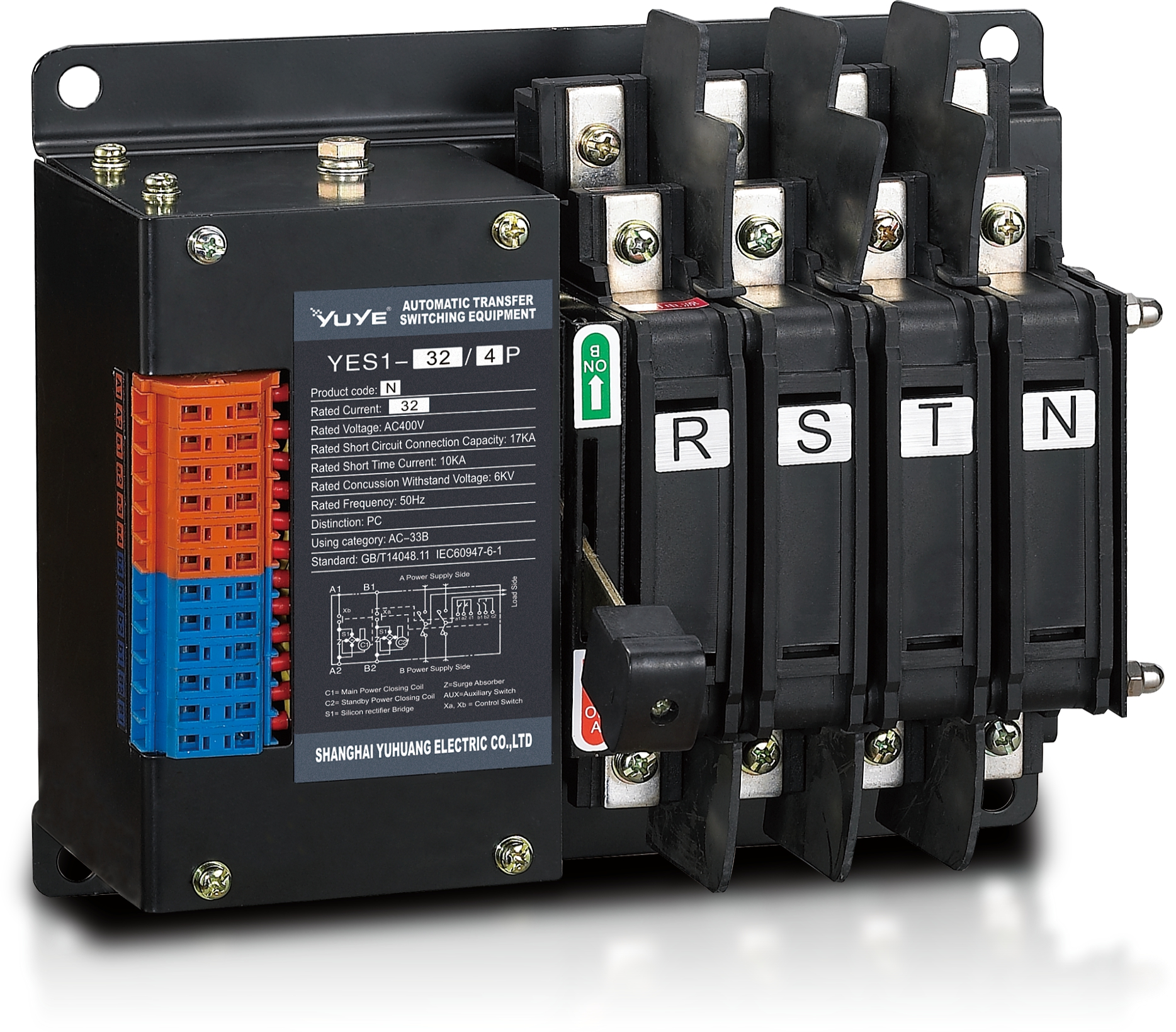 Solenoid-type ATS YES1-32~125N
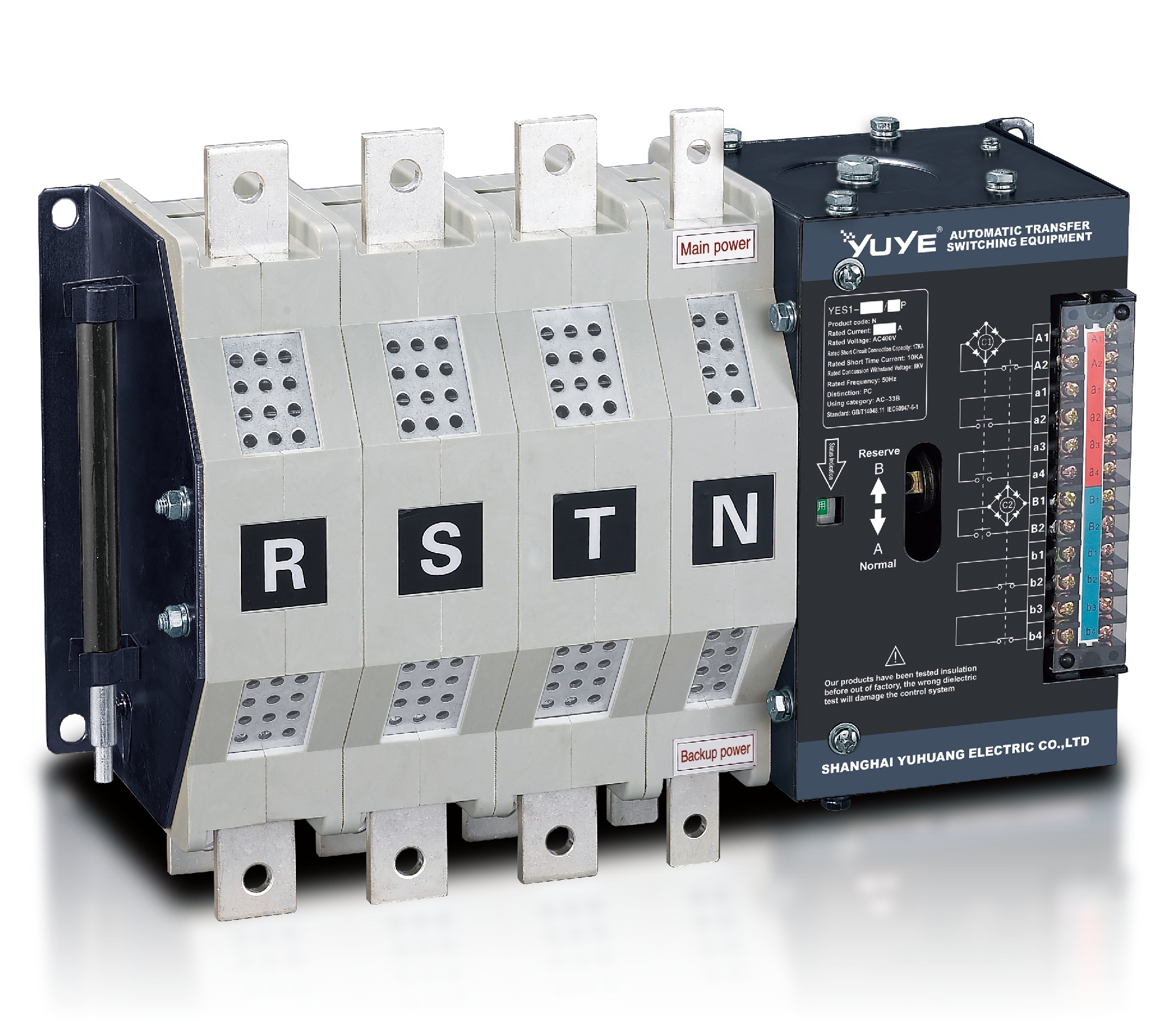 Solenoid-type ATS YES1-250~630N/NT
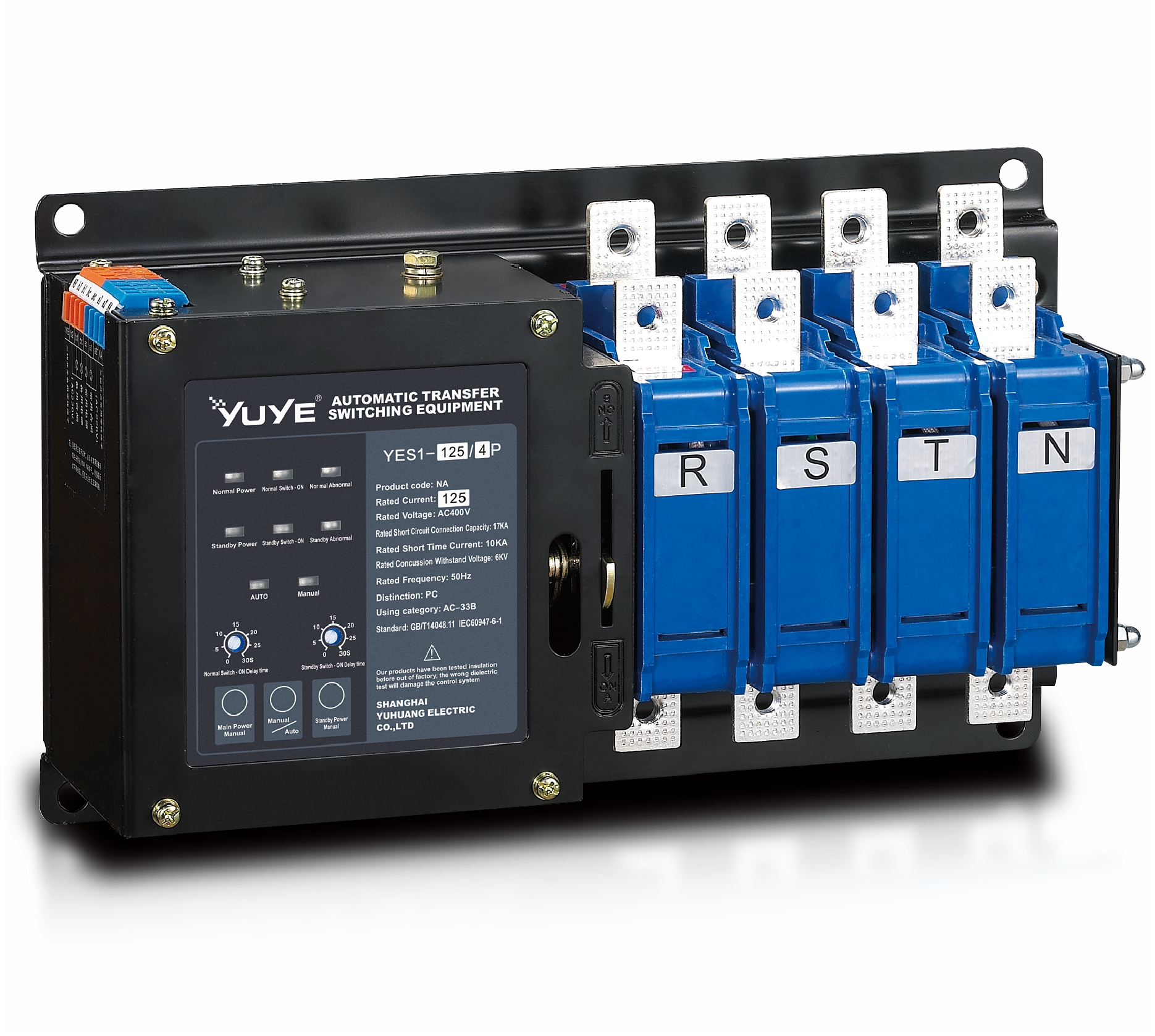 Solenoid-type ATS YES1-32~125NA
 Solenoid-type ATS YES1-63~630SN
 Solenoid-type ATS YES1-1250~4000SN
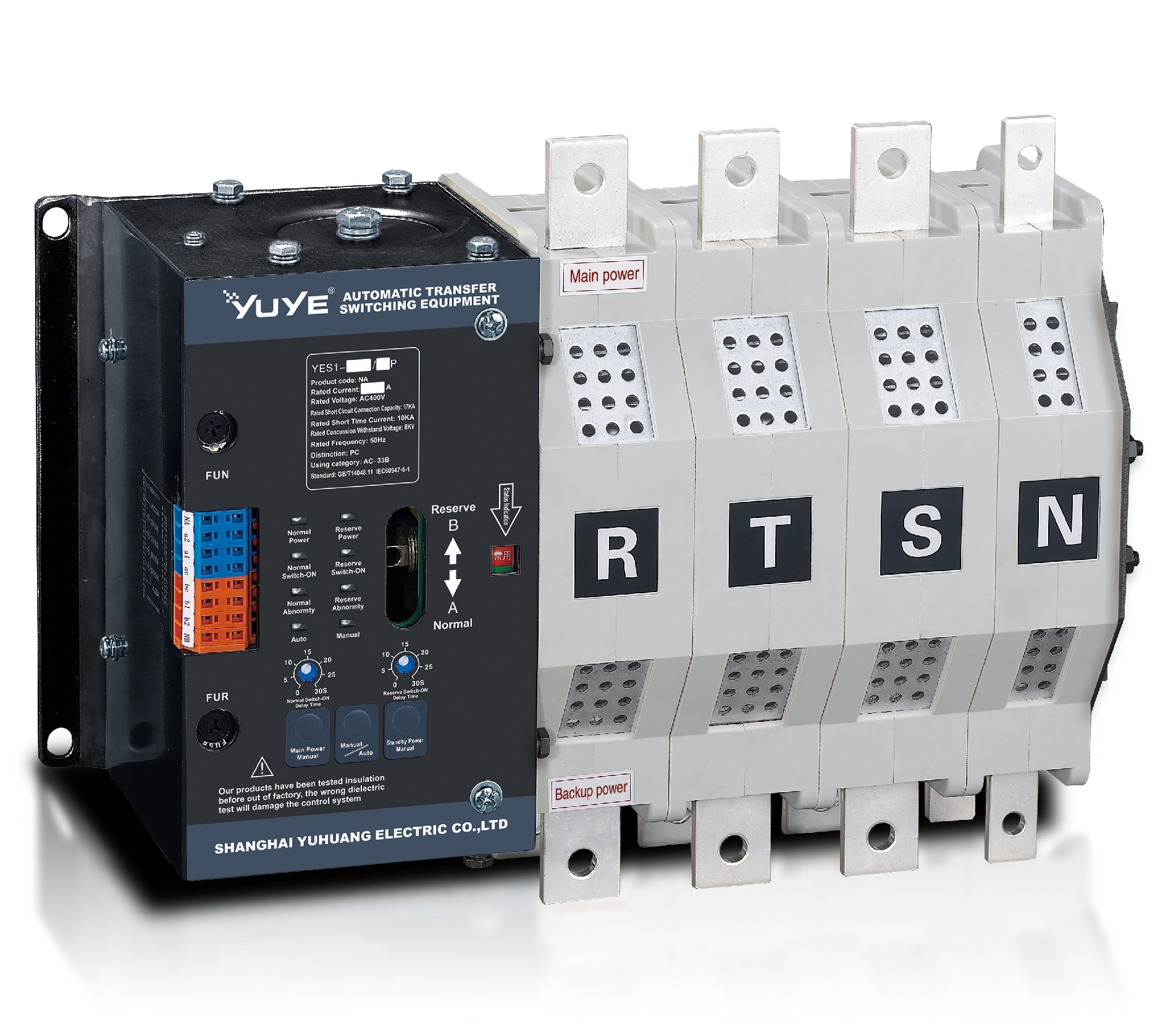 Solenoid-type ATS YES1-250~630NA/NAT
 Solenoid-type ATS YES1-63NJT
 PC ATS YES1-100~1600GN1/GN/GNF
 PC ATS YES1-2000~3200GN/GNF
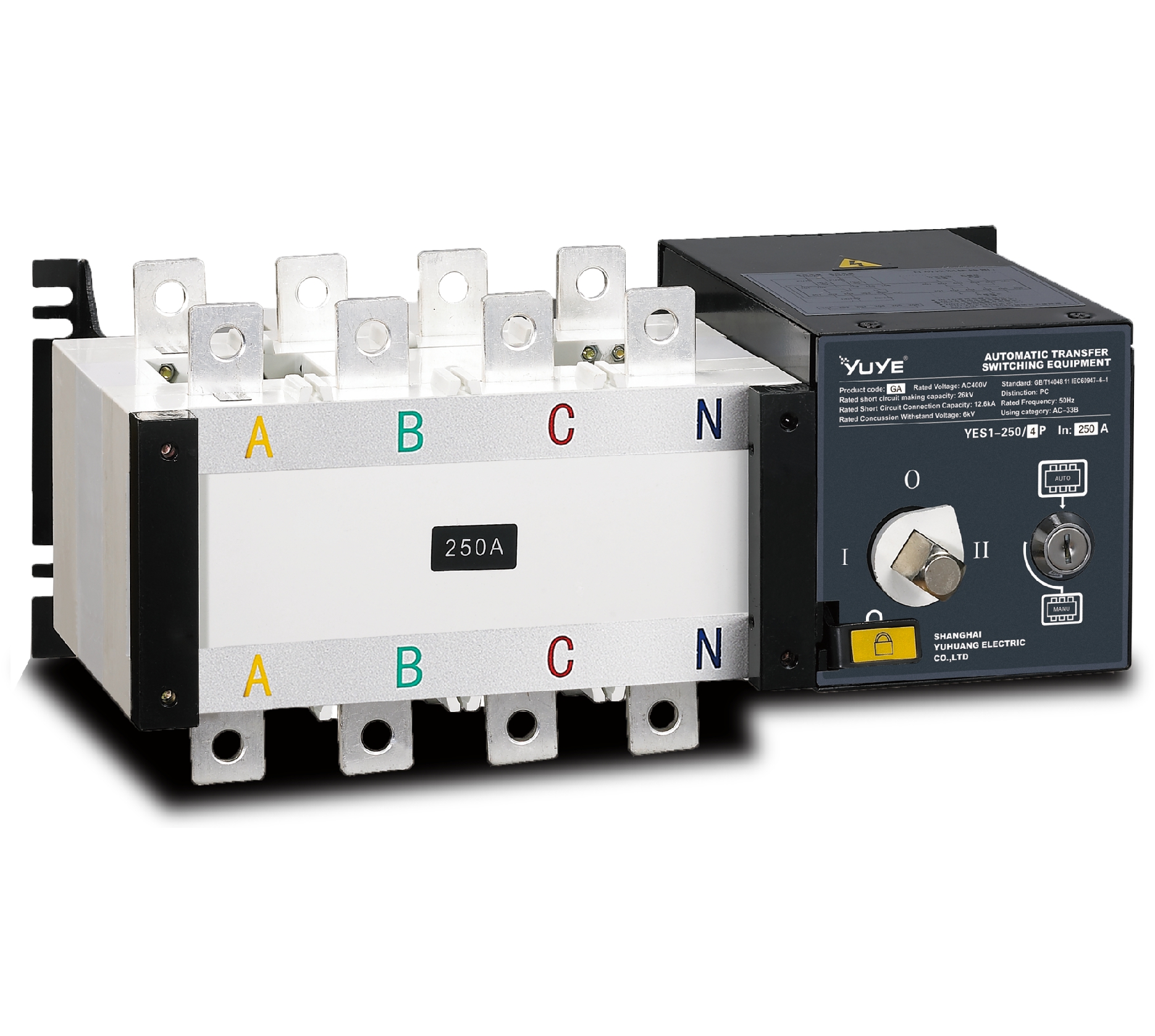 PC ATS YES1-100~3200GA1/GA
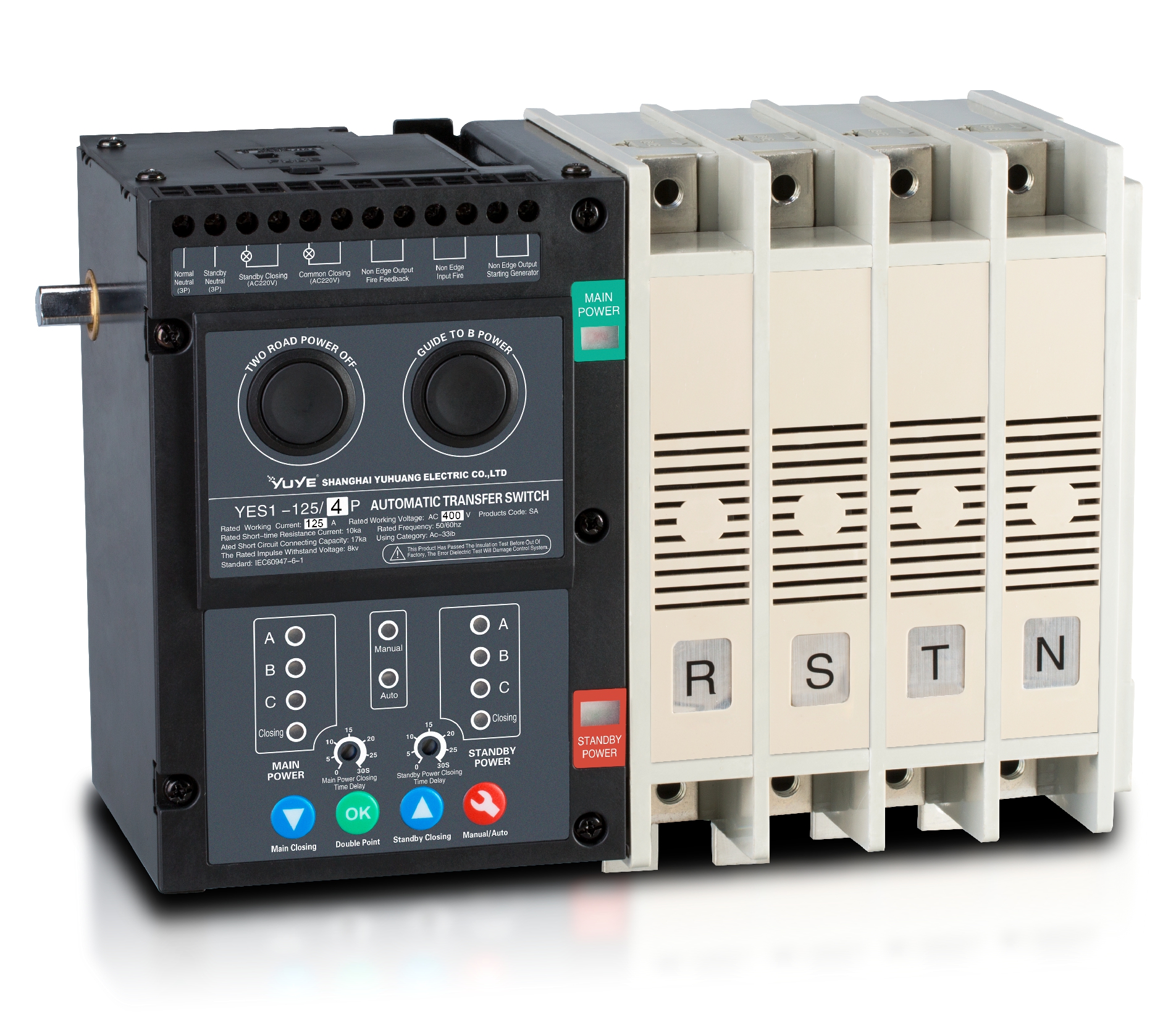 Solenoid-type ATS YES1-63~630SA
 Solenoid-type ATS YES1-63~630L/LA
 Solenoid-type ATS YES1-63~630LA3
 Solenoid-type ATS YES1-63MA
 PC ATS YES1-630~1600M
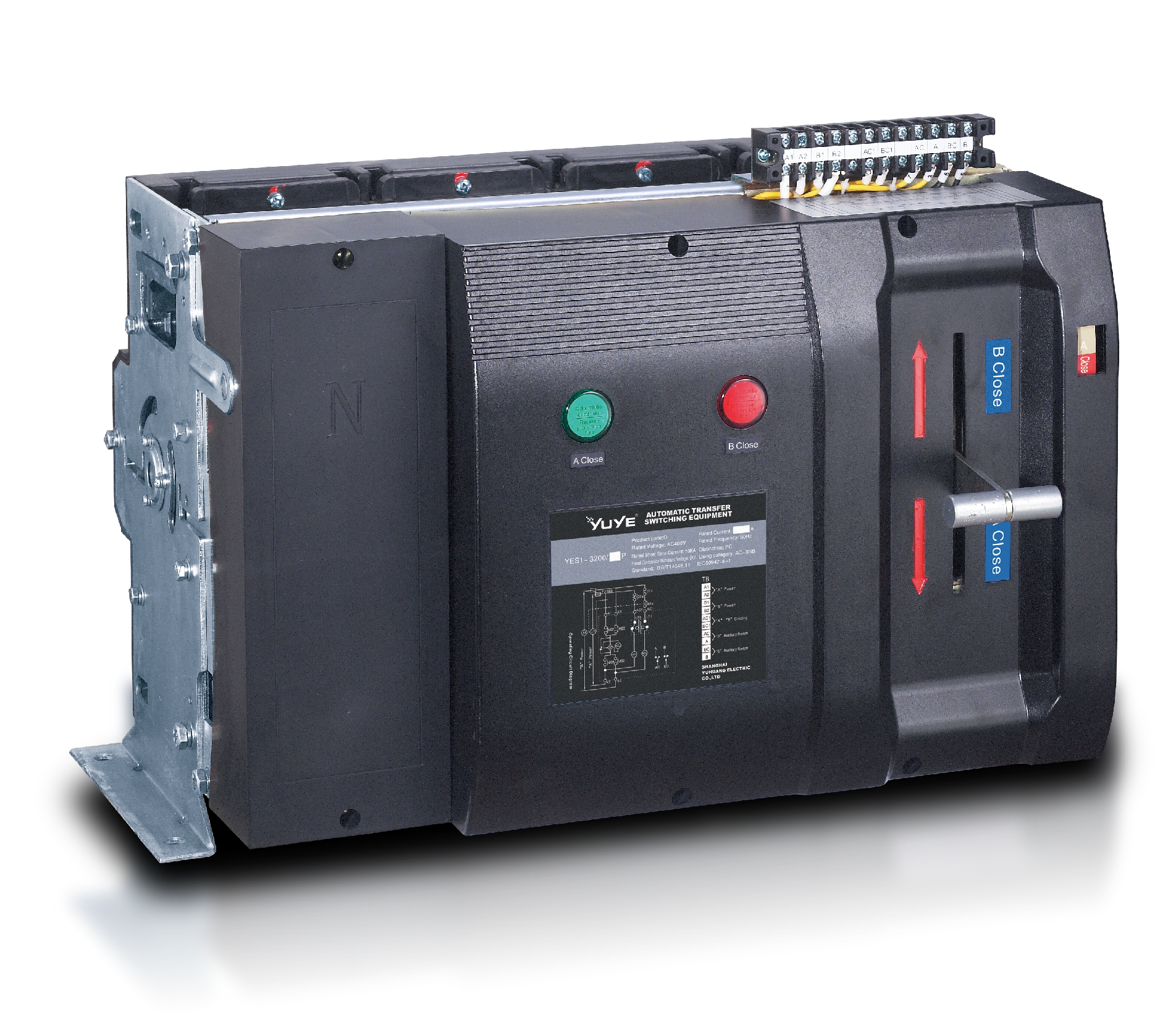 PC ATS YES1-3200Q
 Solenoid-type ATS YES1-4000~6300Q
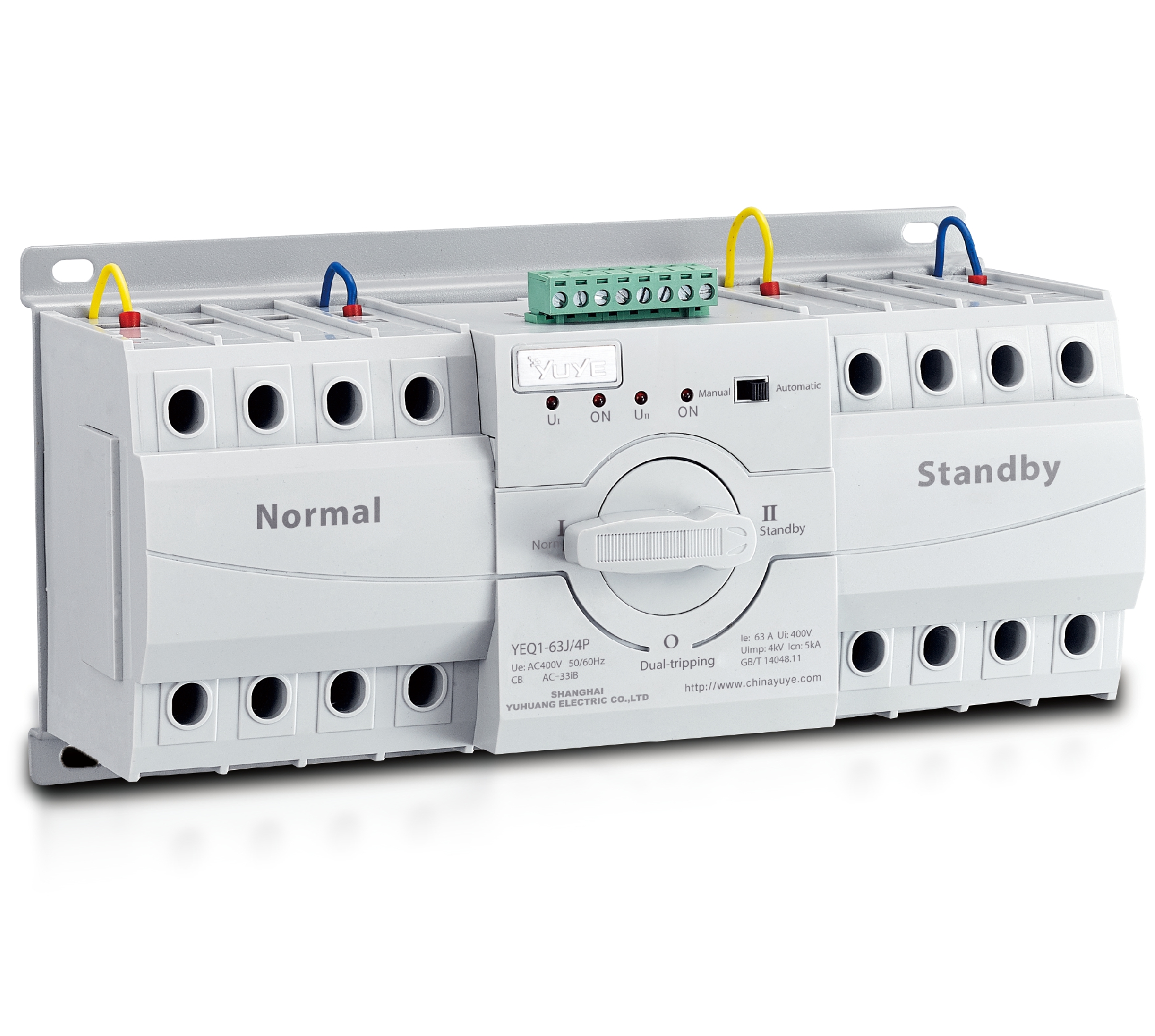 CB ATS YEQ1-63J
 CB ATS YEQ2Y-63
 CB ATS YEQ3-63W1
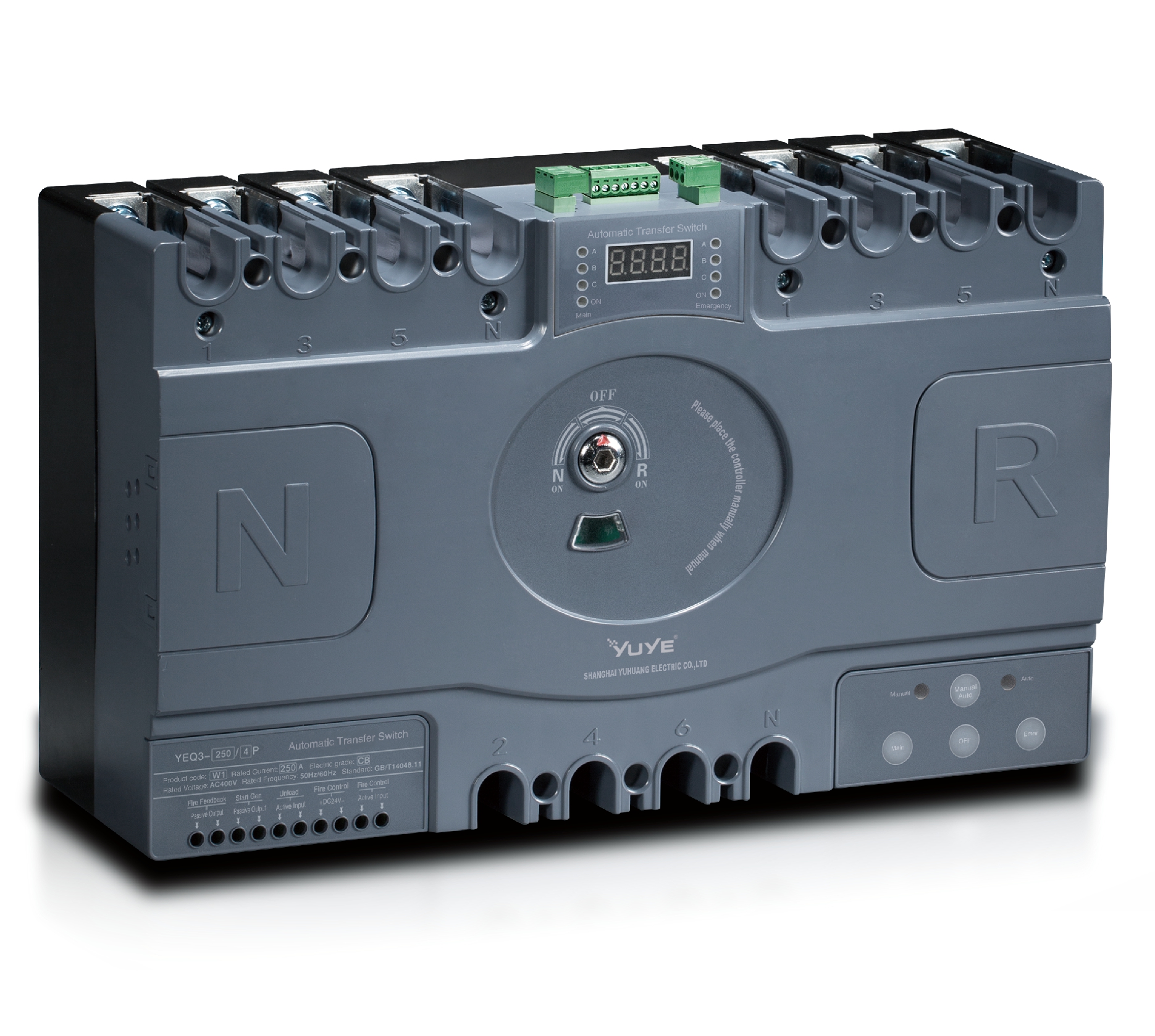 CB ATS YEQ3-125~630W1
 ATS controller Y-700
 ATS Controller Y-700N
 ATS Controller Y-701B
 ATS Controller Y-703N
 ATS Controller Y-800
 ATS Controller W2/W3 Series
 ATS switch Cabinet floor-to-ceiling
 ATS switch cabinet
 JXF-225A power Cbinet
 JXF-800A power Cbinet
 YEM3-125~800 Plastic Shell Type MCCB
 YEM3L-125~630 Leakage Type MCCB
 YEM3Z-125~800 Adjustable Type MCCB
 YEM1-63~1250 Plastic Shell Type MCCB
 YEM1E-100~800 Electronic Type MCCB
 YEM1L-100~630 Leakage Type MCCB
 Miniature circuit breaker YEMA2-6~100
 Miniature circuit breaker YEB1-3~63
 Miniature circuit breaker YEB1LE-3~63
 Miniature circuit breaker YEPN-3~32
 Miniature circuit breaker YEPNLE-3~32
 Miniature circuit breaker YENC-63~125
 Air Circuit Breaker YEW1-2000~6300
 Air Circuit Breaker YEW3-1600
 Load isolation switch YGL-63~3150
 Load Isolation Switch YGL2-63~3150
 Manual Changeover Switch YGL-100~630Z1A
 Manual Changeover Switch YGLZ1-100~3150
 YECPS2-45~125 LCD
 YECPS-45~125 Digital
 CNC Milling/Turning-OEM
 DC relay MDC-300M
 DC Isolation Switch YEGL3D-630


