In today’s world of electronics and power, reliability really matters. One piece of gear that makes a big difference is the 63a Automatic Transfer Switch. It’s a pretty crucial device that helps keep the power flowing, especially when there are outages or voltage swings. Basically, it switches between power sources automatically, so your downtime is minimal and your sensitive equipment stays safe. More and more businesses are starting to rely on this kind of tech, and it makes a lot of sense.
Having a 63a Automatic Transfer Switch brings a whole bunch of benefits. It keeps the power running smoothly without breaking a sweat, and it simplifies things for the folks managing the system. No more chaos when the power goes out unexpectedly — that’s a relief! Plus, it’s a safety boost for employees and protects your gadgets from electrical mishaps. Sure, it’s an investment, and while the upfront costs might make you wince a little, the long-term savings and peace of mind are often worth it.
Of course, it’s not all perfect. Installing one of these bad boys isn’t exactly a DIY job — it can be tricky and usually needs a specialist. Plus, to keep it running at its best, regular maintenance is a must. So, businesses should really think about these factors alongside the reliability and efficiency it offers. When installed properly, a 63a Automatic Transfer Switch can become a total game-changer for your operation.

Overview of 63A Automatic Transfer Switch Technology
The 63A Automatic Transfer Switch (ATS) represents a significant advancement in power management technology. This switch's primary function is to seamlessly transfer electrical loads between two power sources. According to the National Electrical Manufacturers Association, the use of ATS can boost system reliability by up to 40%. This is crucial in settings like hospitals, data centers, and commercial buildings where uninterrupted power is vital.
One key feature of the 63A ATS is its ability to monitor power supply conditions constantly. It integrates advanced sensors that detect voltage fluctuations and other anomalies, ensuring the system reacts swiftly to any irregularities. Industry reports highlight that systems equipped with such technology see a reduction in downtime by an average of 30%. However, these systems are not without potential challenges. Failing to perform regular maintenance can lead to malfunctions. Users may also struggle with understanding complex parameters that affect performance.
Another aspect worth noting is the energy efficiency of the 63A ATS. It optimizes power consumption, which can reduce operational costs significantly. According to a study published by the International Energy Agency, installations using automatic transfer switches can achieve up to 20% energy savings. This shows the potential for enhanced sustainability in electrical operations. However, the initial investment and training required can pose barriers for some businesses.
Improved Reliability in Power Supply Systems
Automatic transfer switches (ATS) play a crucial role in enhancing the reliability of power supply systems. When power outages occur, these switches instantly transfer the load to backup generators. According to the Electric Power Research Institute (EPRI), approximately 80% of companies experience power interruptions annually. A 63A ATS can effectively manage this risk by ensuring a seamless transition, minimizing downtime. Businesses must act fast when the grid fails, and an ATS provides that speed.
Reliability extends beyond just switching power. The Institute of Electrical and Electronics Engineers (IEEE) states that systems with automatic transfer switches report 30% fewer outages. This is essential for critical infrastructure like hospitals and data centers. Reliable power supply can prevent losses and maintain operational integrity. For instance, even a brief interruption can lead to significant data loss or operational delays.
However, regular maintenance of ATS systems is often overlooked. Inadequate servicing can lead to failure during critical moments. Research indicates that 45% of outages are due to equipment failure. Companies must prioritize not just installation but also ongoing evaluation to ensure the ATS performs optimally. This approach boosts reliability and promotes long-term trust in the power supply system.
Top 10 Benefits of Using 63a Automatic Transfer Switch
Enhanced Safety Features in 63A Automatic Transfer Switches
The enhanced safety features in 63A automatic transfer switches are crucial for reliable performance. These devices ensure consistent power supply during outages. They are designed to detect failures swiftly. When the primary power source falters, the switch automatically engages backup power without delay. This immediate response reduces the risk of equipment damage.
Furthermore, 63A automatic transfer switches include advanced surge protection. This feature shields sensitive electronics from voltage spikes. Additionally, many models come with isolation switches for safe maintenance. Technicians can service the system without the risk of electrocution.
Despite these advancements, it’s essential to recognize potential vulnerabilities. Regular inspections and maintenance are required to keep the system functional. Users must also stay informed about changes in regulations that affect safety. Awareness of these factors enhances the reliability of the device, ensuring optimal performance.
Efficiency in Power Management and Energy Consumption
Efficient power management is crucial for any facility. The 63A automatic transfer switch (ATS) plays a significant role in this area. Studies indicate that improper power management can lead to energy waste, costing businesses up to 30% more on their utility bills. An ATS ensures that power sources transition smoothly, minimizing downtime and energy loss.
The technology employed in automatic transfer switches is advancing rapidly. Reports from the Energy Efficiency Alliance show that energy-efficient transfer switches can reduce consumption by as much as 15%. By integrating these systems, users can effectively manage their energy load, adapting to real-time demands. Furthermore, these switches enhance reliability, offering backup options when primary power sources fail.
However, dependence on technology raises questions about reliability and maintenance. An ATS system requires regular checks to ensure optimal performance. Neglecting this can lead to malfunctions, resulting in potential energy loss. Reflection on this dependency is important, as it emphasizes the need for a balanced approach to energy management.
Top 10 Benefits of Using 63a Automatic Transfer Switch
| Benefit |
Description |
Impact on Energy Management |
| Automatic Switching |
Ensures seamless transfer between power sources without manual intervention. |
Reduces downtime during power outages, enhancing operational continuity. |
| Efficiency |
Optimizes energy use by selecting the most efficient power source. |
Decreases energy costs and minimizes waste. |
| Enhanced Reliability |
Provides a dependable solution to ensure continuous power supply. |
Builds trust in power system reliability for critical operations. |
| User-Friendly |
Easily integrates into existing power systems with minimal technical knowledge required. |
Simplifies training and reduces operational costs. |
| Remote Monitoring |
Allows users to monitor power systems from remote locations. |
Enhances oversight and management, leading to better proactive measures. |
| Cost-effective |
Reduces maintenance costs and prolongs equipment life. |
Minimizes total cost of ownership for power management systems. |
| Versatility |
Suitable for various applications, including commercial and residential. |
Flexibility in energy management across different sectors. |
| Compliance |
Meets industry standards and safety regulations. |
Ensures adherence to legal and safety requirements in energy management. |
| Scalability |
Easily expandable to accommodate future energy needs. |
Facilitates growth without significant infrastructure changes. |
| Environmental Impact |
Reduced carbon footprint through efficient energy use. |
Promotes sustainability and responsible energy consumption. |
Seamless Transition Between Power Sources
Automatic transfer switches (ATS) provide a seamless transition between power sources, which is essential for many industries. These devices minimize downtime during power outages, ensuring critical operations continue without interruption. According to a report by the National Institute of Standards and Technology, a seamless transition can reduce operational disruptions by 60%. This efficiency is vital for healthcare facilities where every second counts.
Moreover, ATS units like the 63A model are designed for high reliability. They can detect power failures and switch to a backup source within seconds. This quick response helps maintain essential functions, especially in data centers and critical infrastructure. In fact, studies indicate that 98% of businesses report significant improvements in reliability after implementing ATS systems. However, users must acknowledge that proper maintenance and regular testing are vital. Many organizations underestimate the importance of routine inspections, which can lead to failures during critical moments.
It’s important to understand that while ATS can greatly enhance power reliability, they are not foolproof. Environmental factors, equipment age, and human error can affect performance. Users should not rely solely on their systems without periodic assessments. A proactive approach will help organizations leverage the full benefits of seamless power transitions while identifying potential vulnerabilities.
Cost Savings in Maintenance and Operation
The integration of a 63A automatic transfer switch (ATS) can yield significant cost savings in maintenance and operation. According to a report by the Electric Power Research Institute (EPRI), facilities that utilize ATS systems can reduce operational downtime by up to 30%. This reduction directly decreases maintenance costs, as equipment remains in operation longer, leading to fewer repairs and replacements.
Additionally, ATS technology enhances efficiency by automating power transfers. Manual switchovers can be time-consuming, and human error is a risk. A study from the International Energy Agency (IEA) indicates that automated systems can outperform manual operations by up to 25% in efficiency metrics. This not only reduces labor costs but also minimizes potential losses from power interruptions.
However, it is essential to recognize the upfront investment for an ATS system. Although initial costs may be high, the long-term savings in operational efficiency and maintenance make it a valuable choice. Organizations should evaluate the installation costs versus the potential for reduced downtime and fewer repairs. This analysis can lead to better decision-making for future investments in power management.
Versatility in Applications Across Different Industries
In industries where reliable power is crucial, the 63A Automatic Transfer Switch (ATS) stands out. Its versatility allows seamless switching between primary and backup power sources across various sectors. Industries such as healthcare, telecommunications, and manufacturing increasingly adopt ATS systems.
According to a report by Research and Markets, the market for ATS is projected to grow at a CAGR of 6.3% from 2021 to 2026. This trend highlights the need for reliable power solutions.
One significant advantage is its automatic functionality. In critical settings, power loss can be detrimental. An ATS features quick response times, typically within seconds. This is essential for hospital equipment and data centers, where downtime can lead to severe consequences. Moreover, the modular nature of these systems supports easy upgrades as technologies evolve.
Tips for implementation include assessing power requirements carefully. Installing an ATS without understanding load needs can lead to inefficiencies. Regular maintenance is vital to ensure reliability. Additionally, training staff on how to operate the switch is crucial for maximizing its benefits. Understanding these aspects can significantly enhance operational efficiency.
Conclusion
The 63A Automatic Transfer Switch is an essential component in modern power supply systems, offering a wide array of benefits that enhance reliability and efficiency. One of the primary advantages is its ability to ensure a seamless transition between power sources, minimizing downtime during outages. This technology not only improves the overall reliability of power supply systems but also enhances safety features, reducing the risk of electrical hazards during switching operations.
Additionally, the 63A Automatic Transfer Switch contributes to cost savings in maintenance and operation, making it a practical choice for various industries. Its versatility in applications allows it to cater to diverse operational needs, while also promoting efficiency in power management and energy consumption. Overall, the integration of the 63A Automatic Transfer Switch into electrical systems allows for improved performance and sustainability, making it a pivotal choice for both facilities and infrastructure.

 PC ATS YECT1-2000G
 PC ATS YES2-63~250GN1
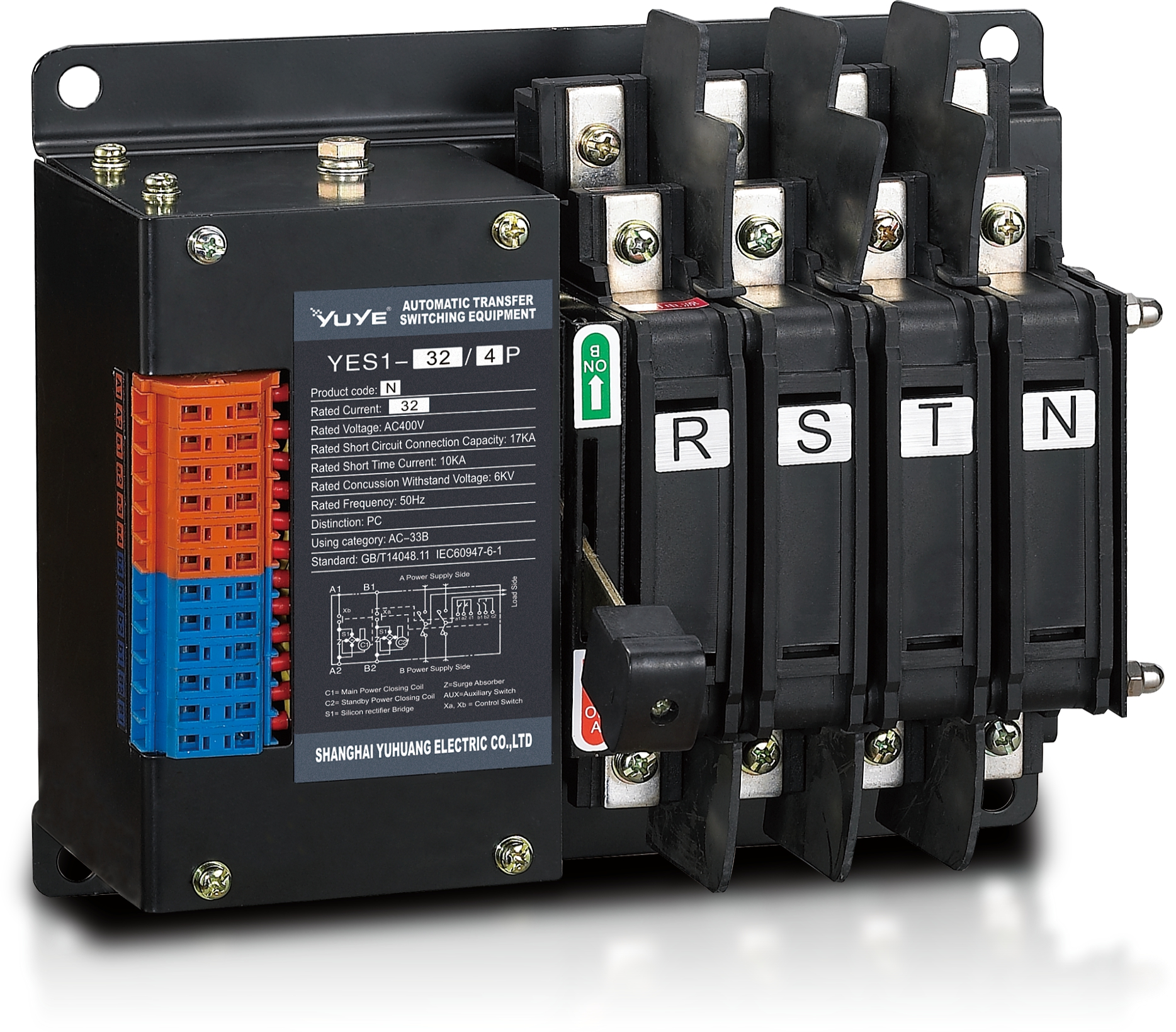 Solenoid-type ATS YES1-32~125N
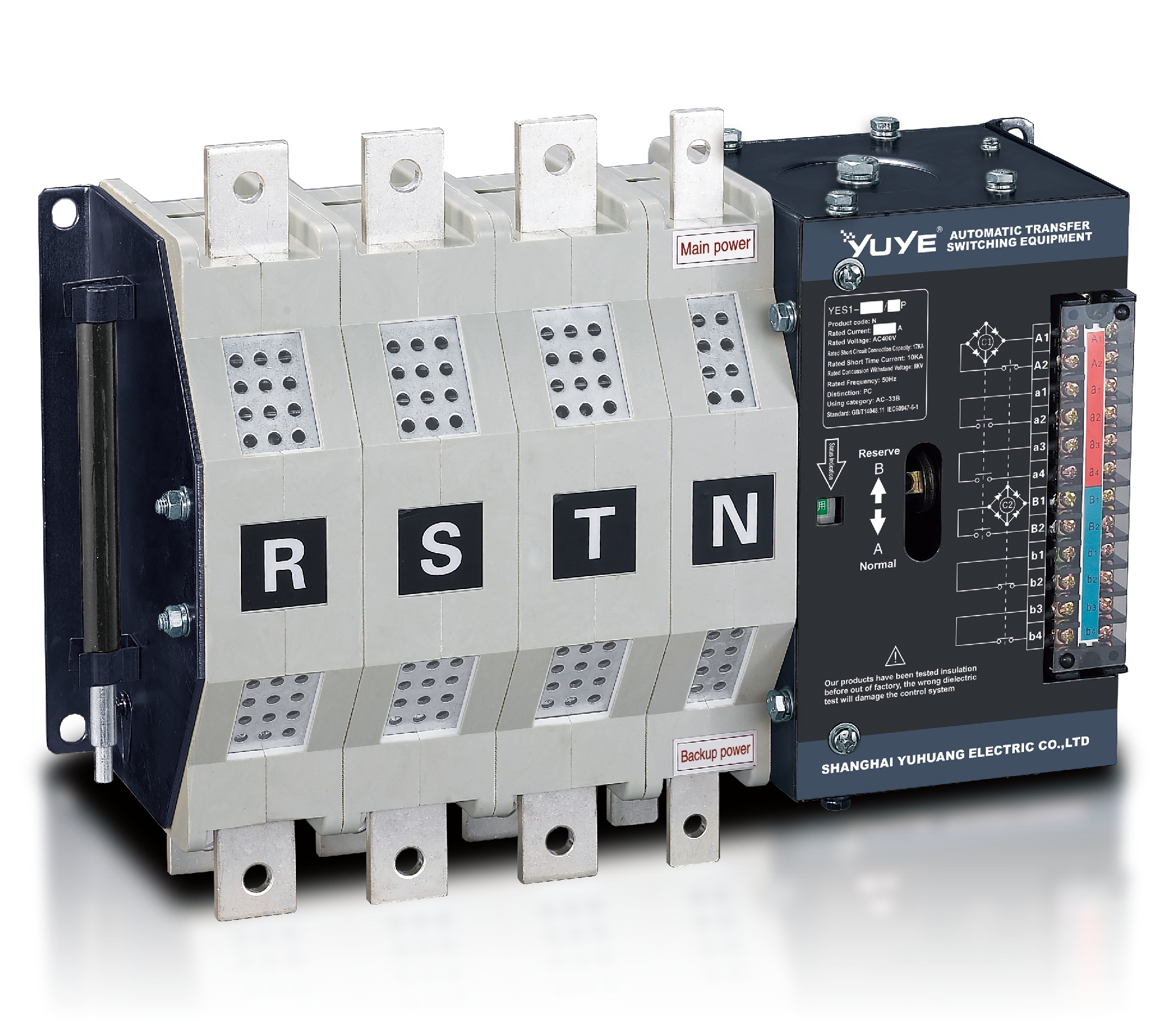 Solenoid-type ATS YES1-250~630N/NT
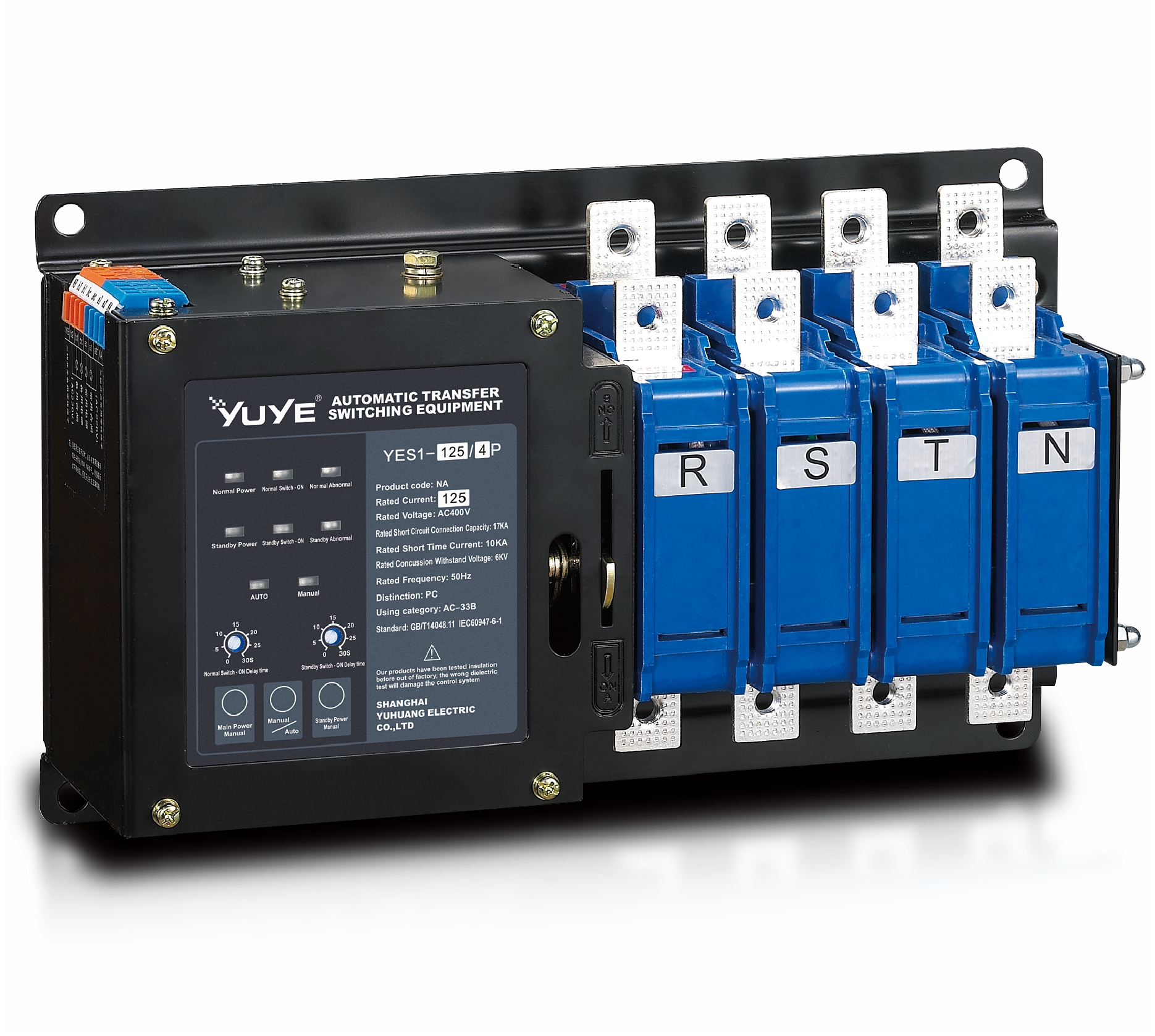 Solenoid-type ATS YES1-32~125NA
 Solenoid-type ATS YES1-63~630SN
 Solenoid-type ATS YES1-1250~4000SN
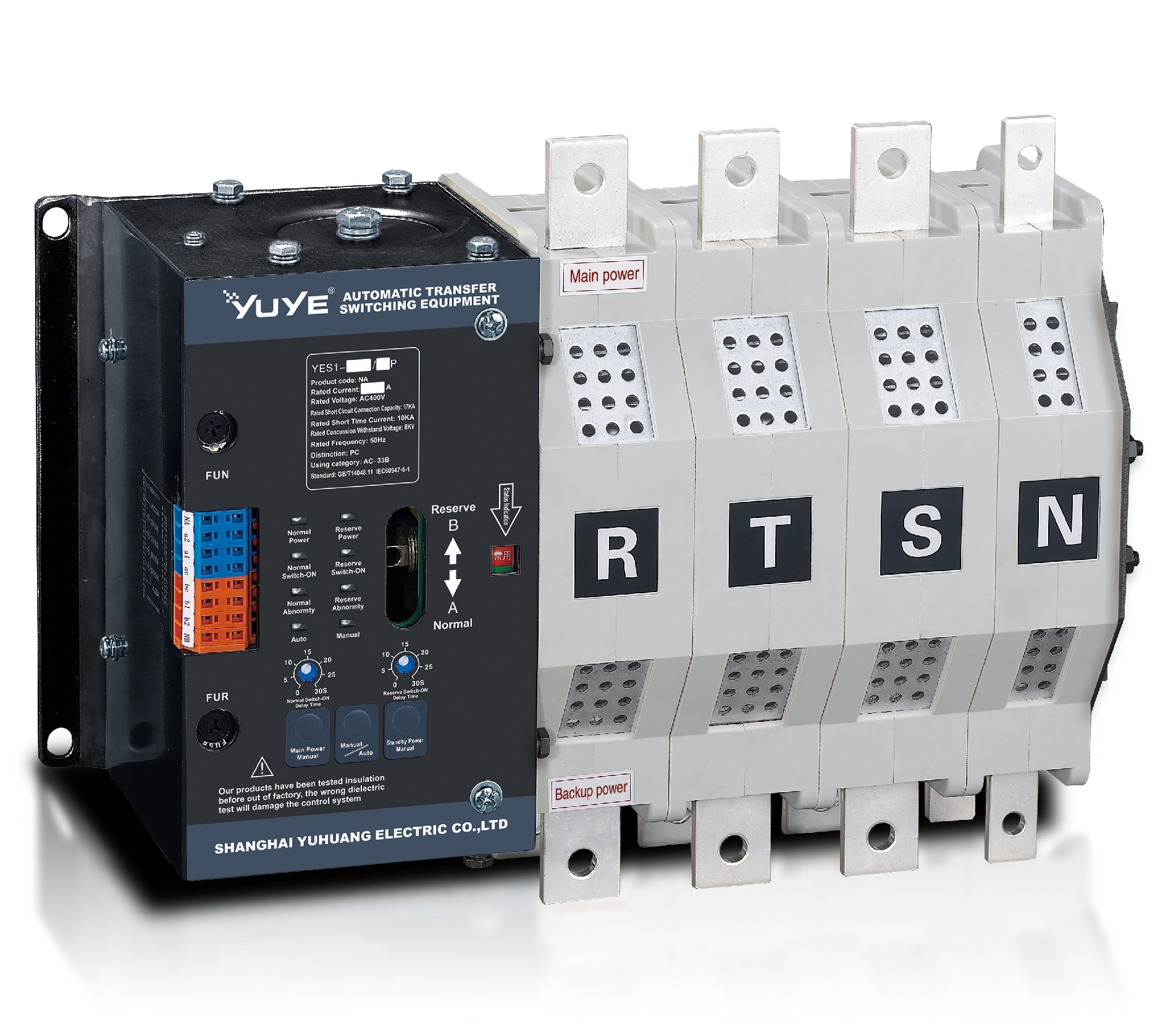 Solenoid-type ATS YES1-250~630NA/NAT
 Solenoid-type ATS YES1-63NJT
 PC ATS YES1-100~1600GN1/GN/GNF
 PC ATS YES1-2000~3200GN/GNF
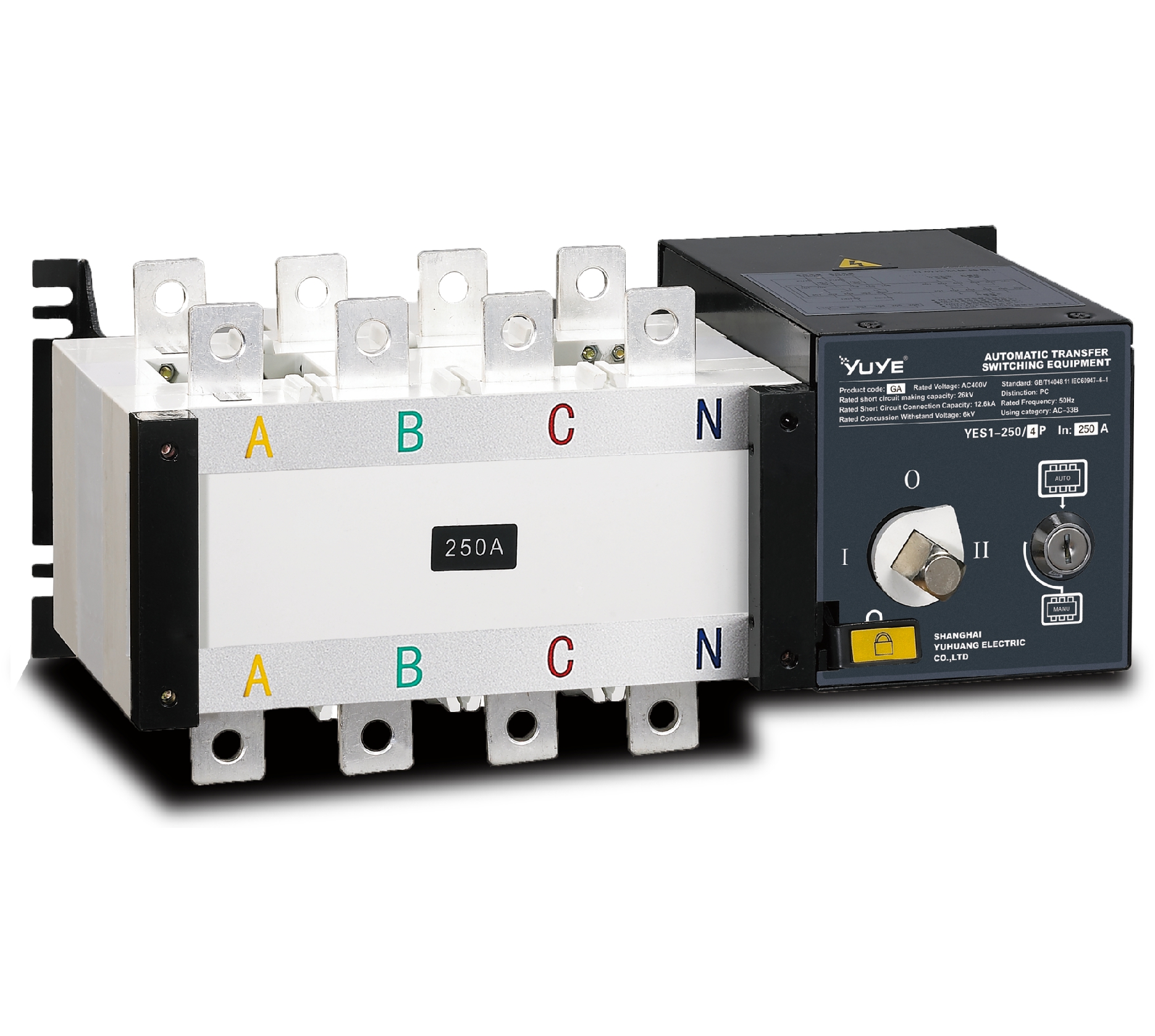 PC ATS YES1-100~3200GA1/GA
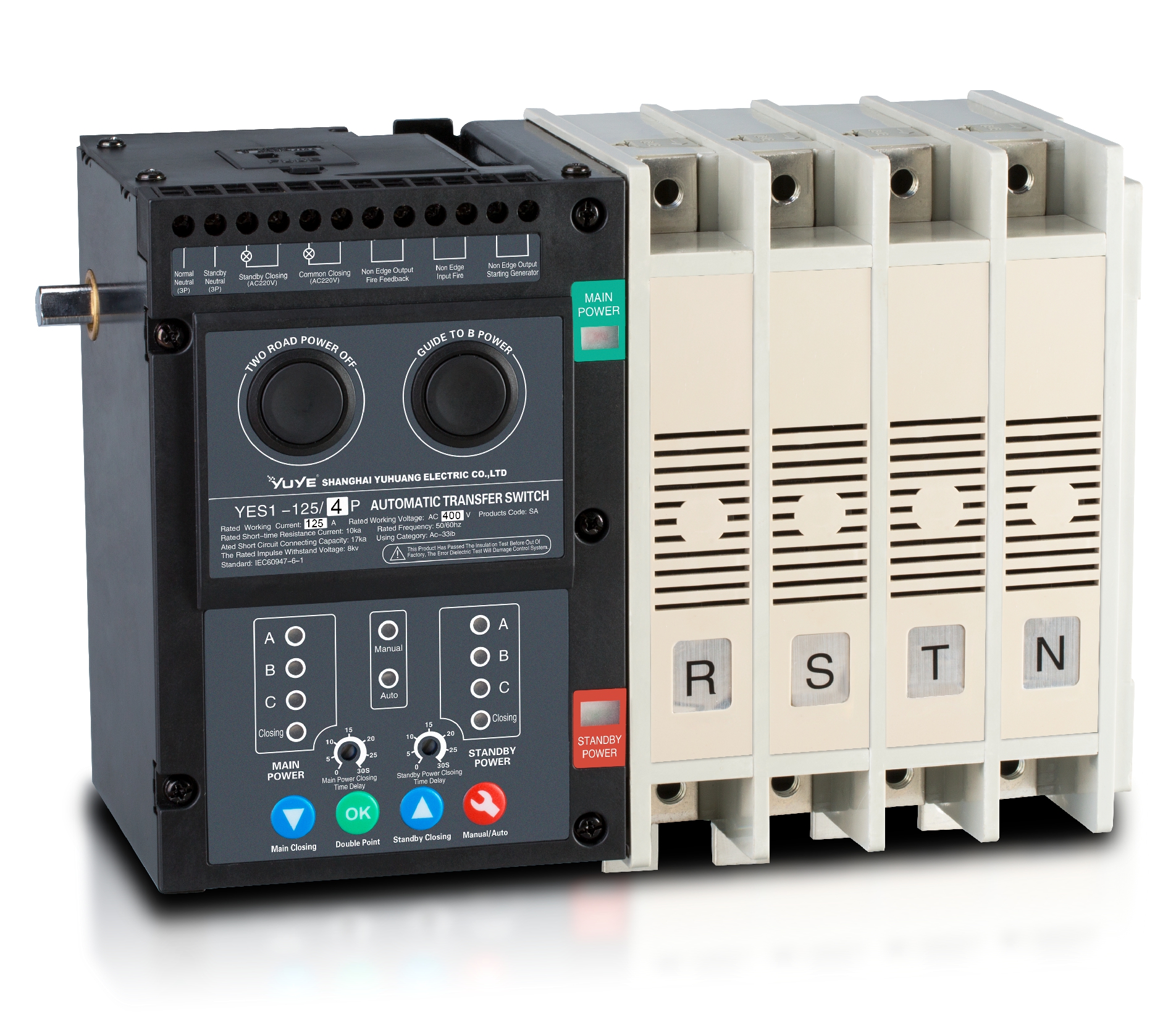 Solenoid-type ATS YES1-63~630SA
 Solenoid-type ATS YES1-63~630L/LA
 Solenoid-type ATS YES1-63~630LA3
 Solenoid-type ATS YES1-63MA
 PC ATS YES1-630~1600M
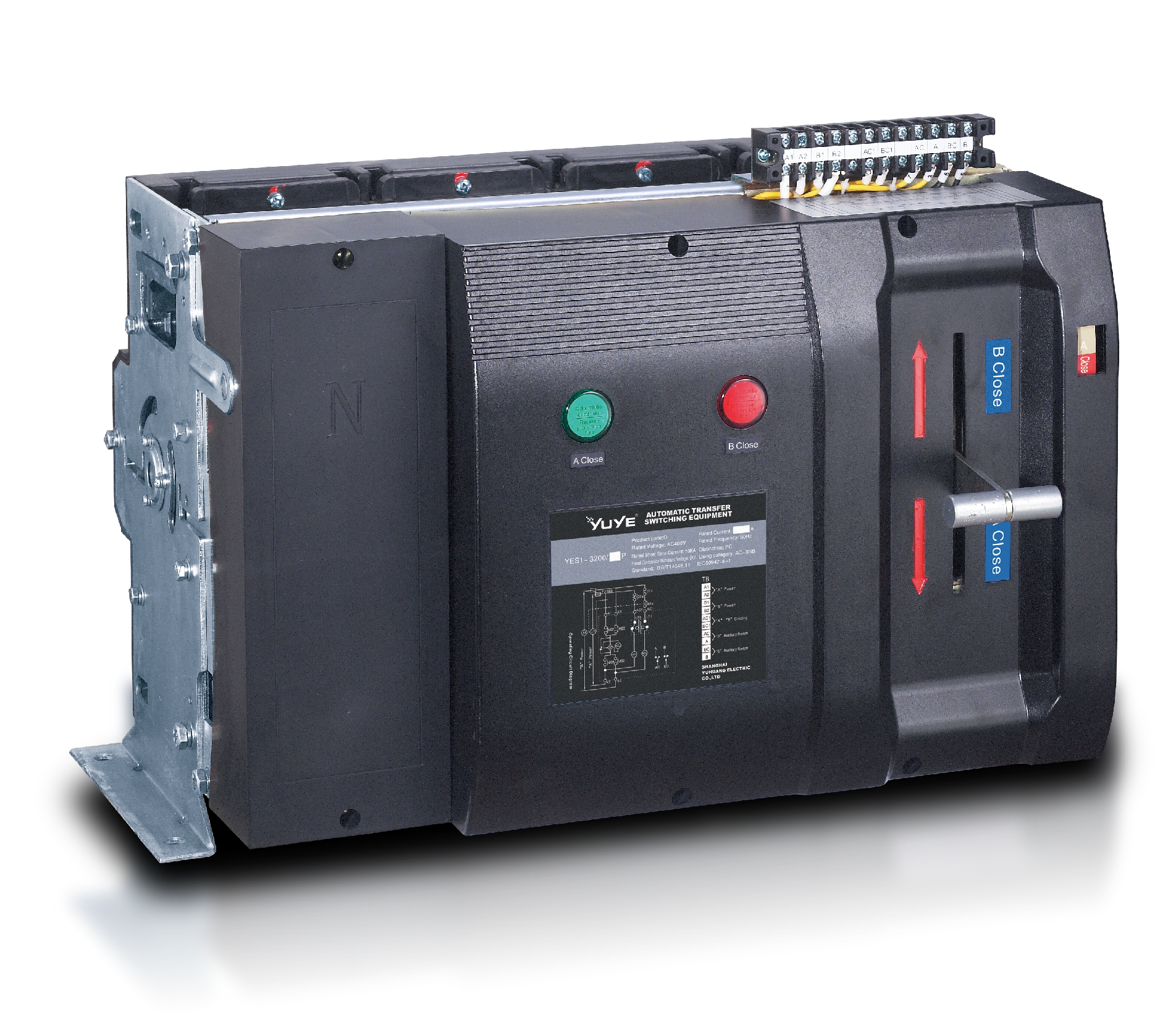 PC ATS YES1-3200Q
 Solenoid-type ATS YES1-4000~6300Q
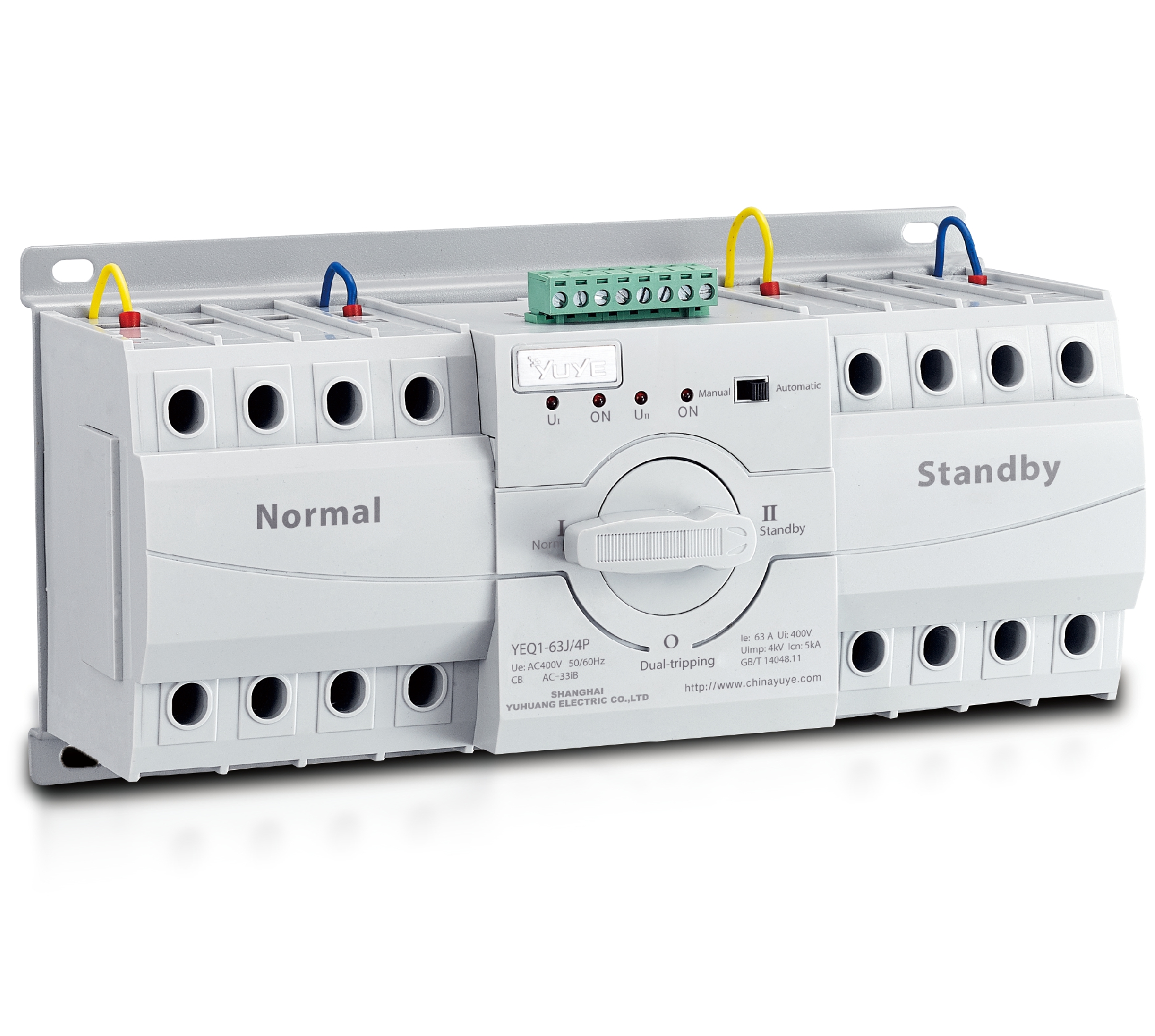 CB ATS YEQ1-63J
 CB ATS YEQ2Y-63
 CB ATS YEQ3-63W1
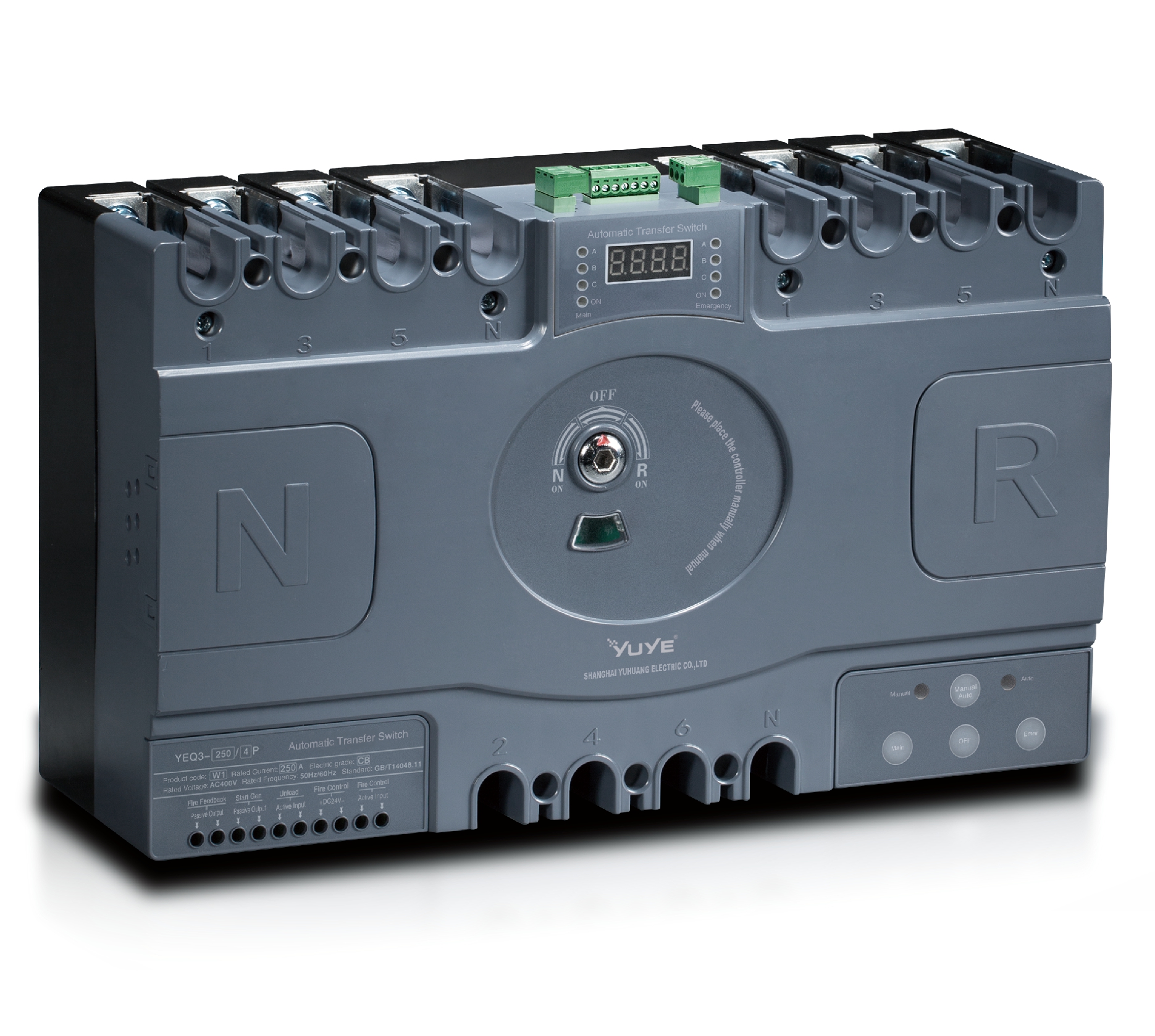 CB ATS YEQ3-125~630W1
 ATS controller Y-700
 ATS Controller Y-700N
 ATS Controller Y-701B
 ATS Controller Y-703N
 ATS Controller Y-800
 ATS Controller W2/W3 Series
 ATS switch Cabinet floor-to-ceiling
 ATS switch cabinet
 JXF-225A power Cbinet
 JXF-800A power Cbinet
 YEM3-125~800 Plastic Shell Type MCCB
 YEM3L-125~630 Leakage Type MCCB
 YEM3Z-125~800 Adjustable Type MCCB
 YEM1-63~1250 Plastic Shell Type MCCB
 YEM1E-100~800 Electronic Type MCCB
 YEM1L-100~630 Leakage Type MCCB
 Miniature circuit breaker YEMA2-6~100
 Miniature circuit breaker YEB1-3~63
 Miniature circuit breaker YEB1LE-3~63
 Miniature circuit breaker YEPN-3~32
 Miniature circuit breaker YEPNLE-3~32
 Miniature circuit breaker YENC-63~125
 Air Circuit Breaker YEW1-2000~6300
 Air Circuit Breaker YEW3-1600
 Load isolation switch YGL-63~3150
 Load Isolation Switch YGL2-63~3150
 Manual Changeover Switch YGL-100~630Z1A
 Manual Changeover Switch YGLZ1-100~3150
 YECPS2-45~125 LCD
 YECPS-45~125 Digital
 CNC Milling/Turning-OEM
 DC relay MDC-300M
 DC Isolation Switch YEGL3D-630


