You know, in today’s fast-changing energy world, the Automatic Transfer Switch (or ATS for short) has really become a crucial piece of the puzzle. I came across a report by the International Energy Agency (IEA) that said more than 60% of power outages come from grid failures—pretty eye-opening, right? That’s where an ATS comes in handy; it kicks in automatically, switching to backup power without missing a beat. Honestly, keeping the lights on and stuff running smoothly is more important than ever for both homes and businesses.
Modern ATS units come packed with cool features that help cut down on downtime. A market research report I read suggests that the global ATS market is set to grow a lot, which just shows how vital these systems are across different industries. But, here’s the thing—lots of folks tend to overlook the basics, like installation and ongoing maintenance. If you don’t plan properly or pick the right system, it can lead to all kinds of inefficiencies and cost you extra cash. So yeah, even the most reliable tech needs proper care and attention.
To keep things running smoothly, it’s a good idea to focus on solid setup and regular check-ups. Working with experts—brands like Generac or Eaton—can really help you understand what you actually need. Even though they make top-notch products, staying aware of changing energy needs and new tech developments is key. Being proactive about this stuff can turn power management from a reactive chore into a real strategic advantage—you know, being prepared rather than catching everything off guard.

Understanding Automatic Transfer Switch Basics
An automatic transfer switch (ATS) is crucial for seamless power management. It connects your electrical supply to a backup generator, activating in case of a power failure. Understanding its operation can boost efficiency and reliability. An ATS monitors your power supply continuously. When it detects an outage, it engages the generator, ensuring minimal interruption.
These switches vary in complexity. Some are simple models, while others have advanced controls. It’s essential to choose one suited to your needs. Regular maintenance is vital for optimal performance. Dust and wear can lead to failures, so inspect connections frequently. Even minor issues may disrupt the system.
Wiring the ATS properly is key. Incorrect installation can create safety hazards. Using a qualified electrician is advisable. They ensure compliance with local codes. Knowledge about ATS fundamentals helps you make informed decisions. Explore configuration options for your specific environment. Don’t overlook the importance of training. Knowing how to operate the system prepares you for emergencies.
How Automatic Transfer Switches Enhance Power Reliability
Automatic Transfer Switches (ATS) significantly enhance power reliability in homes and businesses. According to the National Renewable Energy Laboratory, unplanned outages can cost businesses up to $150 billion annually. An ATS helps mitigate these costs by seamlessly transferring power during outages, ensuring a steady energy supply.
The technology operates through constant monitoring of utility voltage levels. If a power disruption occurs, the ATS engages backup generators within seconds. This swift response minimizes downtime, which is critical for industries reliant on constant energy. A thorough understanding of ATS configurations can improve reliability further, yet many organizations overlook this aspect. Regular maintenance is a challenge, with a significant portion of systems tested only once a year.
Implementing ATS can lead to more efficient energy use. By prioritizing critical loads during power outages, businesses can optimize electricity consumption. Reports show that organizations utilizing effective power management can decrease operational costs by up to 20%. However, misjudging the power requirements can result in insufficient backup supply. Many companies fail to account for future expansions, leading to potential energy shortfalls. Regular assessments of energy needs are essential for maximizing the benefits of ATS systems.
Key Features to Consider in an Automatic Transfer Switch
When selecting an automatic transfer switch (ATS), key features should be carefully evaluated. One essential feature is the switching speed. An ATS that operates quickly ensures minimal downtime during power outages. This can be crucial for sensitive equipment. Look for switches that can transfer power within seconds. Speed matters in the event of an emergency.
Another important aspect to consider is the load capacity. Understanding your power requirements is vital. Calculate the total power needed for essential systems. Ensure the ATS can handle this load comfortably. An inadequate switch could lead to failures or overloading issues, which defeats the purpose of having backup power.
Furthermore, monitoring capabilities are crucial. An ATS with an integrated monitoring system offers real-time insights. These insights allow users to take preemptive actions. Sometimes, systems fail without warning. Having a monitoring feature helps you spot potential issues early. This proactive approach can save time and money in the long run. Balancing these features is essential for efficient power management.
Tips for Proper Installation of Automatic Transfer Switches
Installing an automatic transfer switch (ATS) is crucial for efficient power management. It ensures a reliable backup power supply during outages. The National Electric Code (NEC) recommends strict adherence to installation guidelines to avoid safety hazards. For instance, selecting the right transfer switch is key. Choose one rated for the total load of your critical systems to prevent overloading.
Placement matters as well. Install the ATS close to the main power source. This minimizes voltage drop. Moreover, consider environmental factors. The switch should be protected from moisture and dirt, as these can degrade performance. Data from the Electrical Safety Foundation International indicates that improper installation can lead to failures, potentially causing costly downtime.
Pay attention to wiring. Ensure connections are secure and use appropriate gauge wire. Loose connections can lead to overheating and increased wear. It’s essential to regularly review your installation. A review might identify wear or damage before serious issues arise. Even well-installed systems are not immune to human error. Regular maintenance check-ups can prevent unexpected failures and ensure efficiency.
Power Outage Duration vs. Automatic Transfer Switch Adoption
Maintenance Practices for Optimal Switch Performance
Maintaining automatic transfer switches (ATS) is crucial for reliable power management. A well-maintained ATS can significantly enhance system efficiency. According to a report by the International Electrotechnical Commission, improper maintenance can lead to a 30% reduction in performance. Regular inspections help identify issues early, such as wear and tear, which can compromise switch functionality.
Routine practices include checking battery levels and ensuring proper connection integrity. Over time, contacts can corrode, leading to electrical resistance. The National Electrical Contractors Association emphasizes that 20% of electrical failures stem from poor connections. Reducing these risks requires diligent attention to cable connections and terminal screws.
It's essential to create a maintenance schedule. This proactive approach allows for better tracking of switch performance. Missing scheduled checks could result in unexpected power outages. In fact, studies show that organizations with regular maintenance schedules reduce downtime by up to 25%. Acknowledging and addressing these areas increases reliability and prolongs the life of the ATS.
Common Issues and Troubleshooting for Automatic Transfer Switches
Automatic transfer switches (ATS) are crucial for seamless power management. However, users often face challenges that can impact efficiency.
Common issues include failure to transfer loads, which can stem from poor maintenance.
Regular inspections of the switch and connections are essential. Dust or corrosion can affect performance.
Another frequent problem is improper sizing of the ATS.
If the switch is too small, it may not handle the load effectively, causing overheating.
Users should assess their power needs and choose an appropriate unit. Additionally, the installation location matters. Keeping the ATS in a dry, well-ventilated area can help prevent issues related to humidity and temperature fluctuations.
Occasionally, programming errors may arise in automatic settings.
It’s important to review the settings regularly to ensure they align with current requirements.
Users should familiarize themselves with the manual for troubleshooting guidance. Not all switches have the same indicators or alarms for issues.
Understanding unique features can save time during unexpected outages. Regular checks and user knowledge are key to maintaining your ATS efficiently.
The Importance of Regular Testing and Inspection for ATS
Regular testing and inspection of Automatic Transfer Switches (ATS) are crucial for optimal performance. Many facilities overlook this essential task, leading to costly downtime during power failures. An ATS can fail if not maintained properly, which poses risks to both equipment and safety. Routine checks help identify potential issues before they escalate, ensuring reliable power transfer during emergencies.
Testing should involve inspecting both the mechanical and electrical components. Inconsistent performance may suggest wear or misalignment. It's vital to engage knowledgeable technicians trained in ATS systems. They can conduct performance tests and evaluate transfer times. Observing the switch’s response to power interruptions can reveal hidden problems.
Neglecting these checks can leave facilities vulnerable. Many believe the system will function seamlessly until it’s too late. Disabling an ATS for inspection poses risks too, as it can expose critical systems to outages. A balanced approach combines regular inspections with honest assessments of system health. This proactive strategy ultimately enhances reliability and sustainability.
Comprehensive Guide to Choosing the Right ATS Switch Cabinet: Floor-to-Ceiling Models Explained
When it comes to selecting the right ATS (Automatic Transfer Switch) switch cabinet, floor-to-ceiling models offer an array of advantages that make them ideal for various applications. These cabinets come equipped with dual circuit power inputs, enabling automatic detection and switching between different power sources to ensure seamless operation. Supporting multiple switching modes allows for greater flexibility, catering to diverse operational requirements while maintaining optimal power efficiency.
An essential feature of these ATS cabinets is their wide capacity range, which spans from 63A to 4000A. This flexibility in configuration ensures that you can tailor the switch cabinet to your specific back-end load capacity, thereby optimizing performance and longevity. Additionally, the focus on reliability is paramount; these cabinets utilize high-quality switch devices and are complemented by built-in lightning protection, safeguarding your systems against electrical surges.
Furthermore, modern ATS cabinets incorporate intelligent monitoring systems, typically featuring a 4.3-inch touch screen that allows users to monitor critical parameters including current, power, and energy consumption in real time. Maintenance is also convenient, with support for both front and back side access, facilitating easy servicing without disrupting operations. Coupled with complete quality certifications, these floor-to-ceiling ATS switch cabinets set the standard for reliability and efficiency in power management solutions.
FAQS
utomatic Transfer Switch (ATS)?
An ATS activates backup generators within seconds, minimizing downtime.
Issues include failure to transfer loads and improper sizing.
Regular maintenance ensures optimal performance and prevents dust or corrosion buildup.
A switch that is too small may overheat and fail to manage the load.
Periodically review settings to ensure they meet current energy requirements.
Yes, effective energy management can decrease costs by up to 20%.
A dry, well-ventilated area helps prevent humidity-related issues.
Regular assessments of energy needs help align ATS capabilities with future expansions.
Many overlook the importance of understanding ATS configurations for better reliability.
Conclusion
An Automatic Transfer Switch (ATS) is a critical component in ensuring continuous power supply to essential systems. Understanding its basics is vital for maximizing power reliability, as ATS devices automatically switch the load from the primary source to a backup generator during outages. Key features such as load capacity, responsiveness, and control options should be considered when selecting an ATS to match specific needs.
Proper installation is crucial for optimal functionality, and adhering to best practices can prevent many common issues. Regular maintenance, including inspections and testing, helps to ensure that the Automatic Transfer Switch operates efficiently and reliably, allowing for prompt detection of any problems. By following these guidelines, users can significantly enhance their power management capabilities and ensure the longevity and effectiveness of their ATS systems.

 PC ATS YECT1-2000G
 PC ATS YES2-63~250GN1
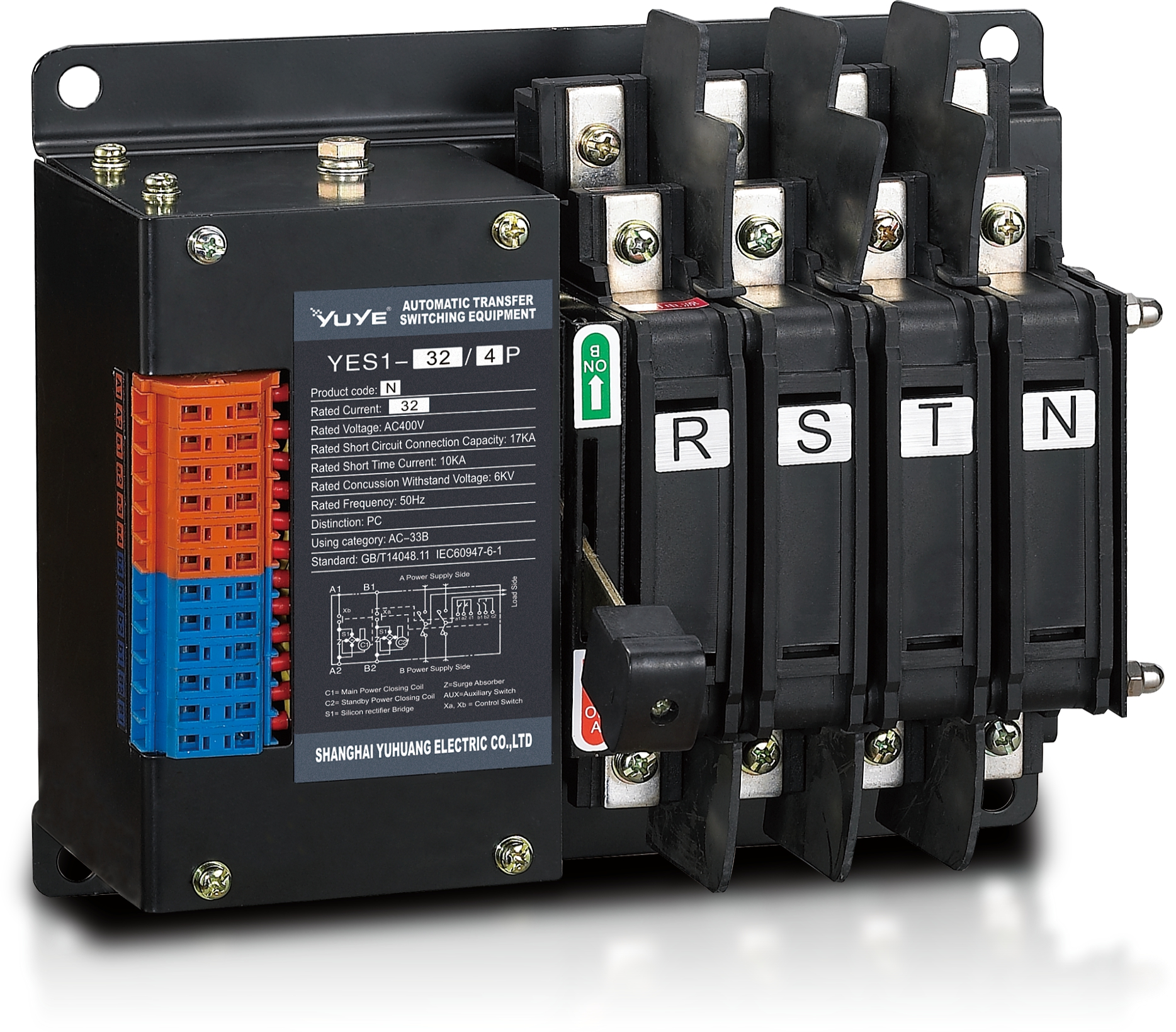 Solenoid-type ATS YES1-32~125N
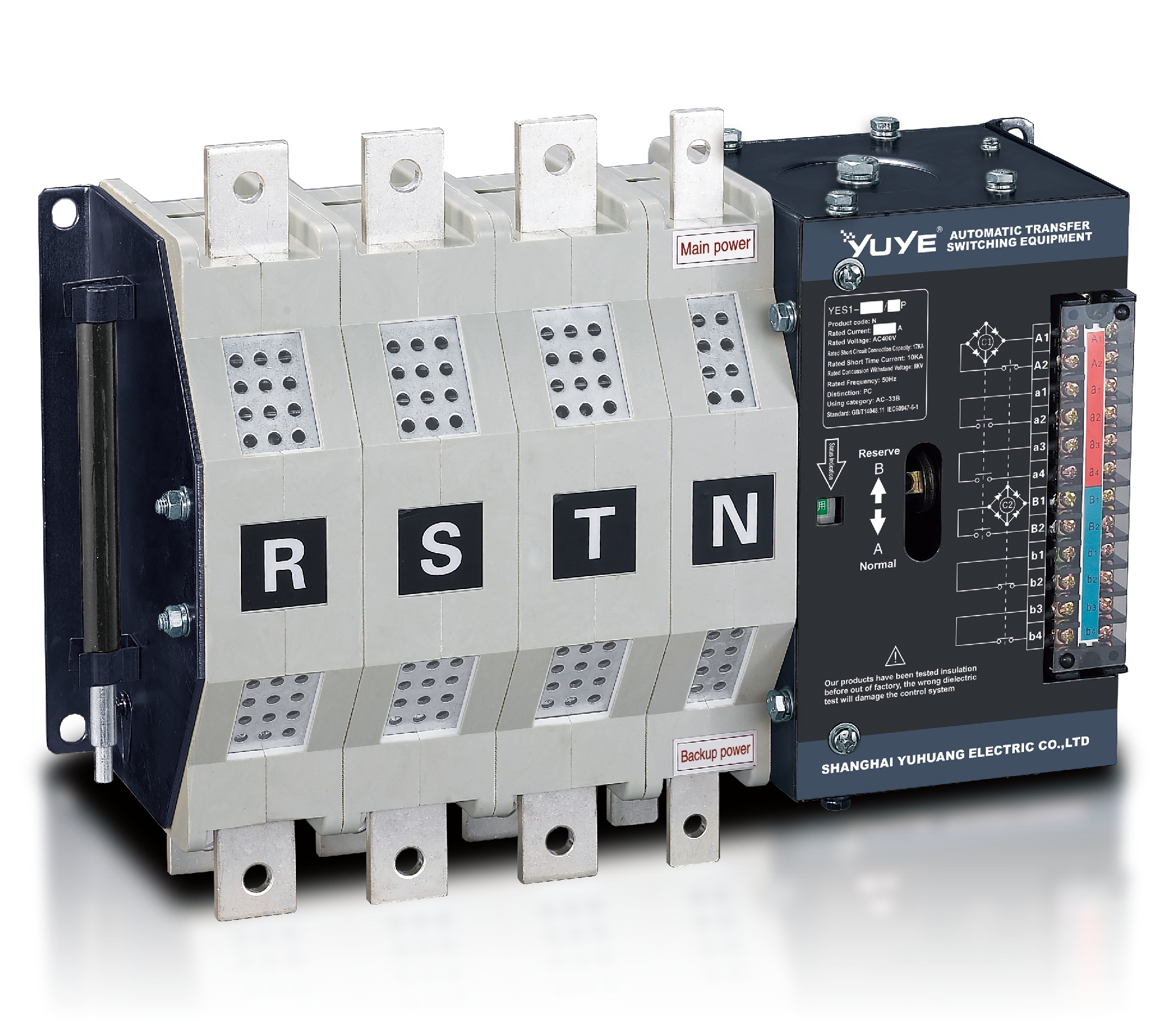 Solenoid-type ATS YES1-250~630N/NT
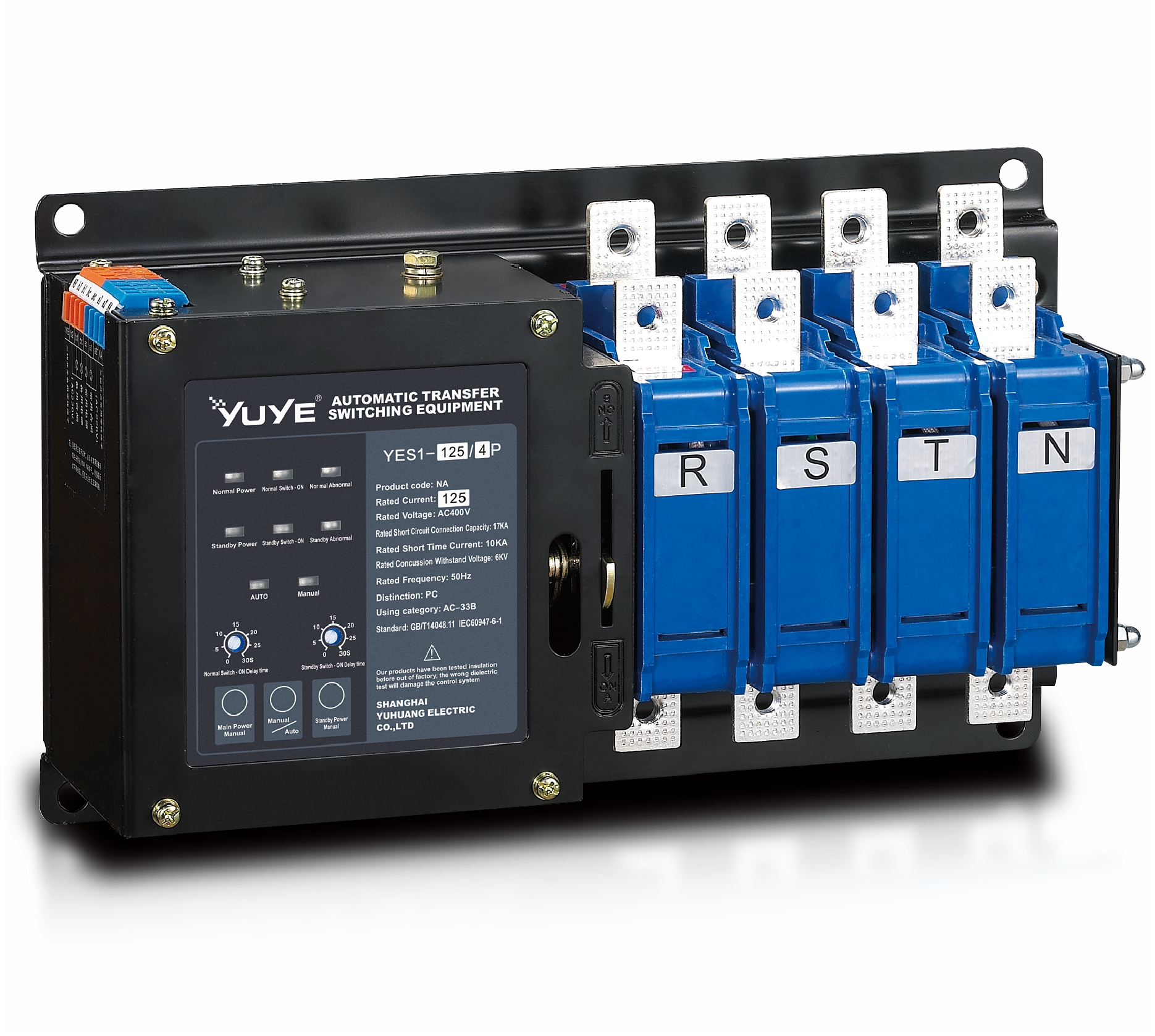 Solenoid-type ATS YES1-32~125NA
 Solenoid-type ATS YES1-63~630SN
 Solenoid-type ATS YES1-1250~4000SN
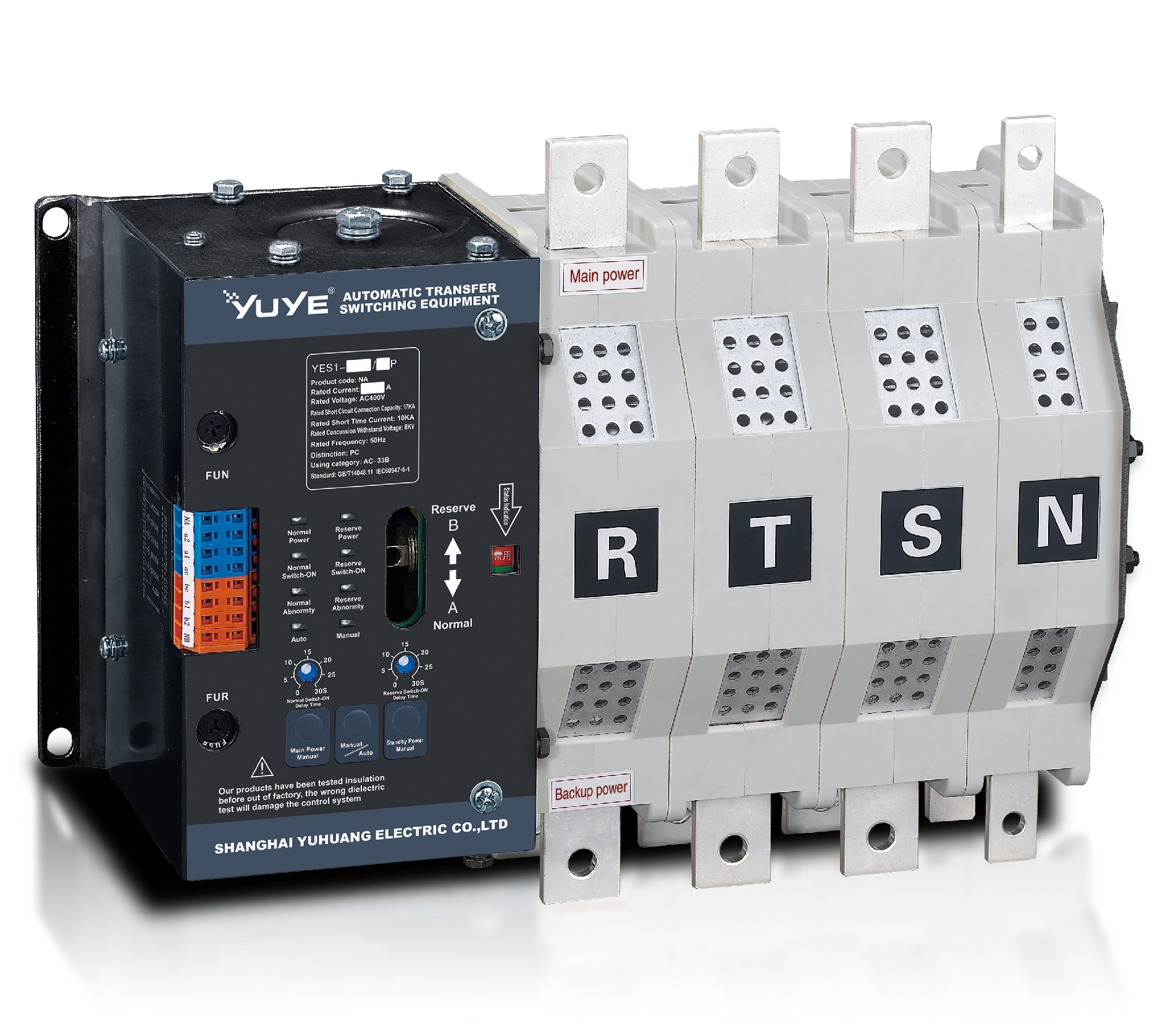 Solenoid-type ATS YES1-250~630NA/NAT
 Solenoid-type ATS YES1-63NJT
 PC ATS YES1-100~1600GN1/GN/GNF
 PC ATS YES1-2000~3200GN/GNF
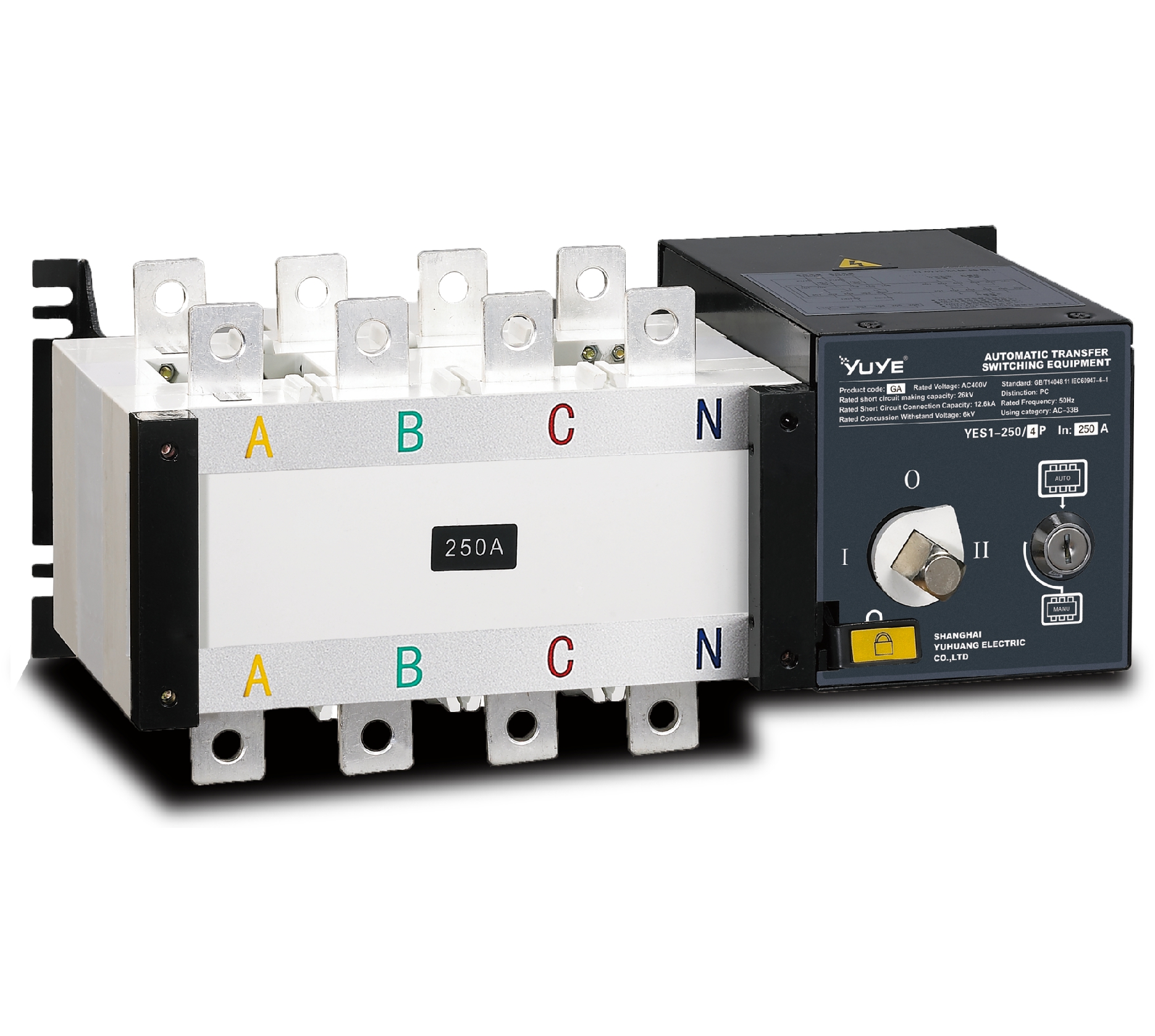 PC ATS YES1-100~3200GA1/GA
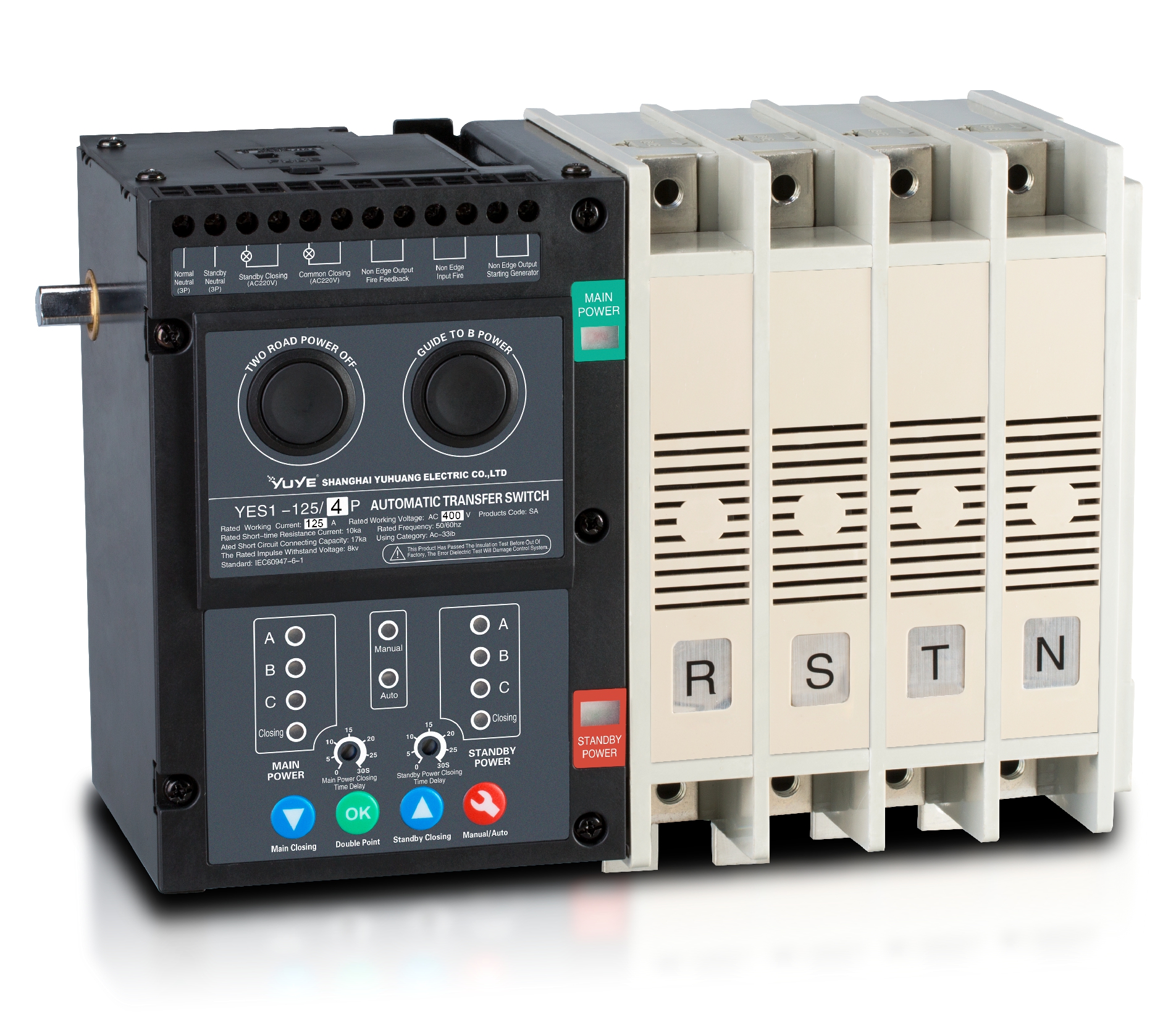 Solenoid-type ATS YES1-63~630SA
 Solenoid-type ATS YES1-63~630L/LA
 Solenoid-type ATS YES1-63~630LA3
 Solenoid-type ATS YES1-63MA
 PC ATS YES1-630~1600M
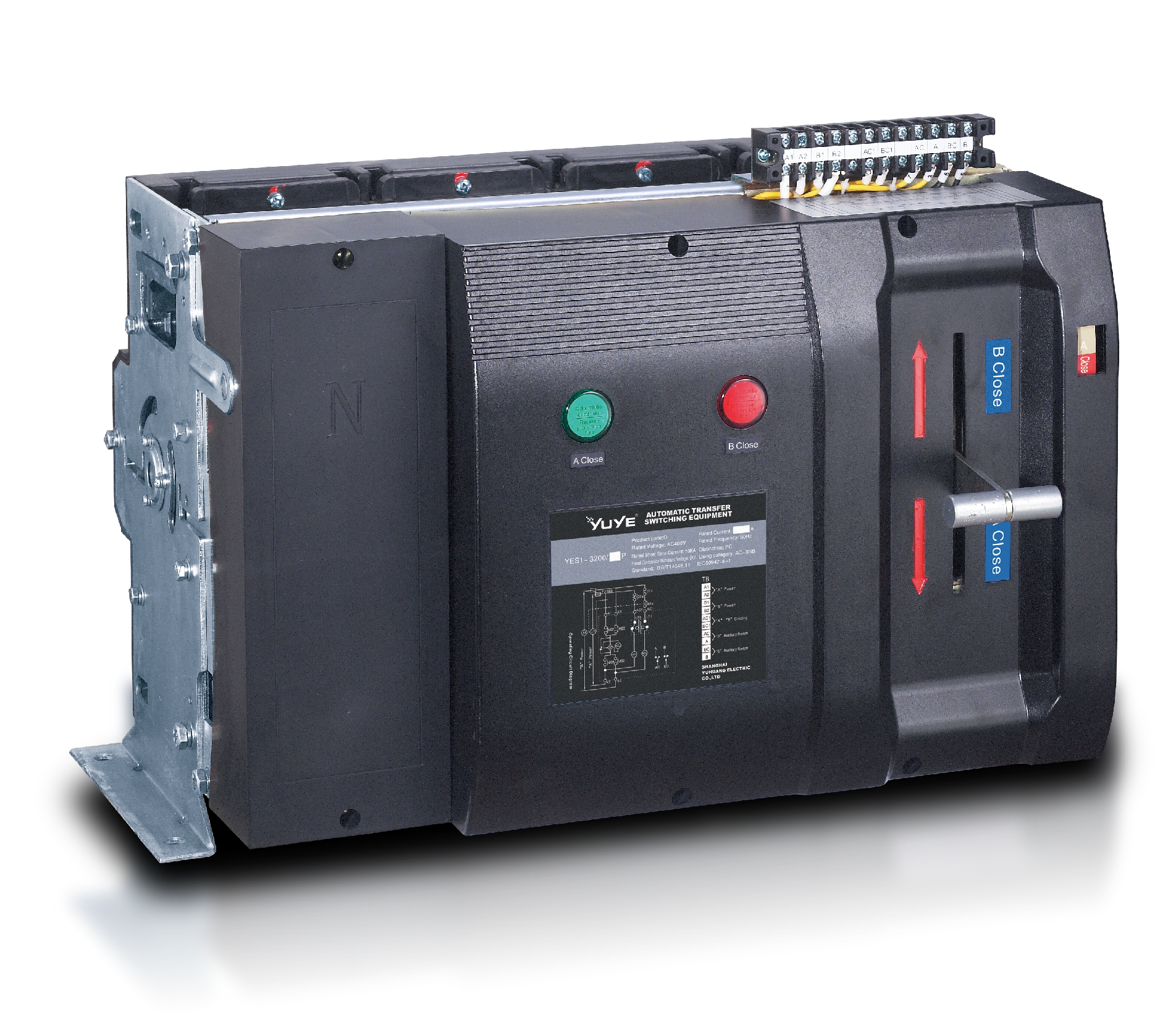 PC ATS YES1-3200Q
 Solenoid-type ATS YES1-4000~6300Q
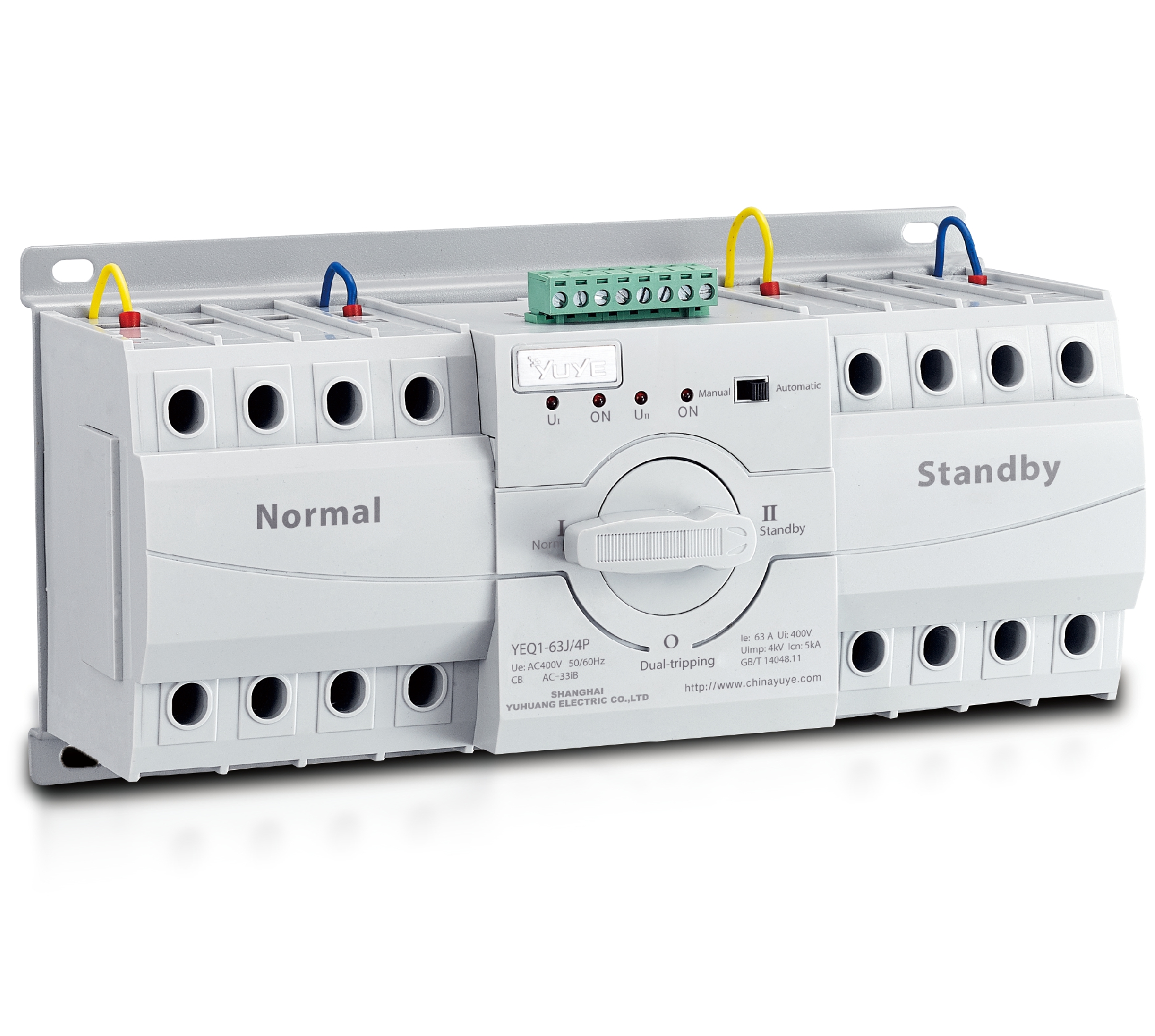 CB ATS YEQ1-63J
 CB ATS YEQ2Y-63
 CB ATS YEQ3-63W1
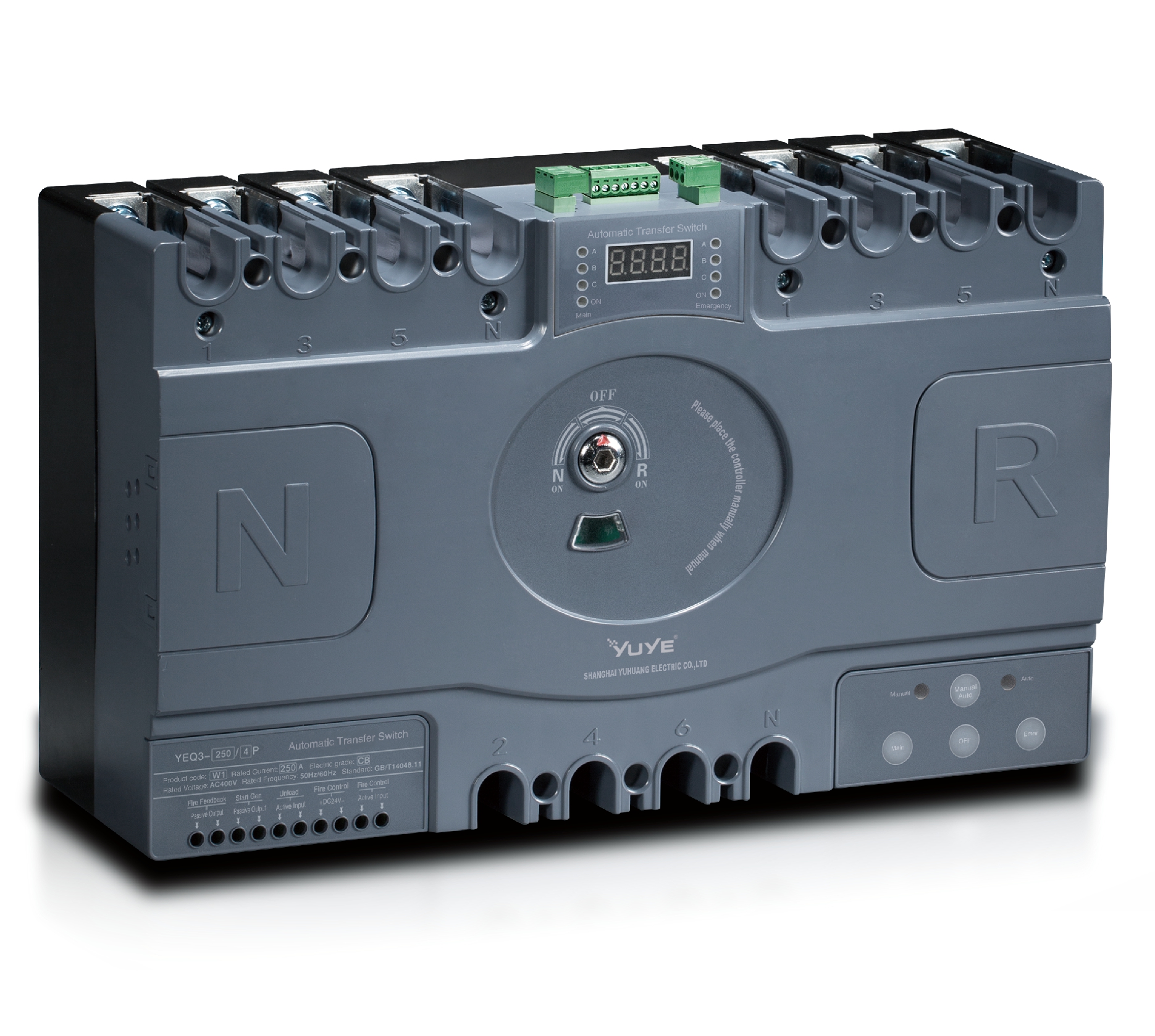 CB ATS YEQ3-125~630W1
 ATS controller Y-700
 ATS Controller Y-700N
 ATS Controller Y-701B
 ATS Controller Y-703N
 ATS Controller Y-800
 ATS Controller W2/W3 Series
 ATS switch Cabinet floor-to-ceiling
 ATS switch cabinet
 JXF-225A power Cbinet
 JXF-800A power Cbinet
 YEM3-125~800 Plastic Shell Type MCCB
 YEM3L-125~630 Leakage Type MCCB
 YEM3Z-125~800 Adjustable Type MCCB
 YEM1-63~1250 Plastic Shell Type MCCB
 YEM1E-100~800 Electronic Type MCCB
 YEM1L-100~630 Leakage Type MCCB
 Air Circuit Breaker YEW1-2000~6300
 Air Circuit Breaker YEW3-1600
 Miniature circuit breaker YEMA2-6~100
 Miniature circuit breaker YEB1-3~63
 Miniature circuit breaker YEB1LE-3~63
 Miniature circuit breaker YEPN-3~32
 Miniature circuit breaker YEPNLE-3~32
 Miniature circuit breaker YENC-63~125
 Load isolation switch YGL-63~3150
 Load Isolation Switch YGL2-63~3150
 DC relay YDC-P20
 DC relay YDC-P250
 DC relay YDC-P400
 DC relay MDC-300M
 DC relay YDC-M400
 DC Isolation Switch YEGL3D-630
 YECPS2-45~125 LCD
 YECPS-45~125 Digital
 CNC Milling/Turning-OEM


