
 PC ATS YECT1-2000G
 PC ATS YES2-63~250GN1
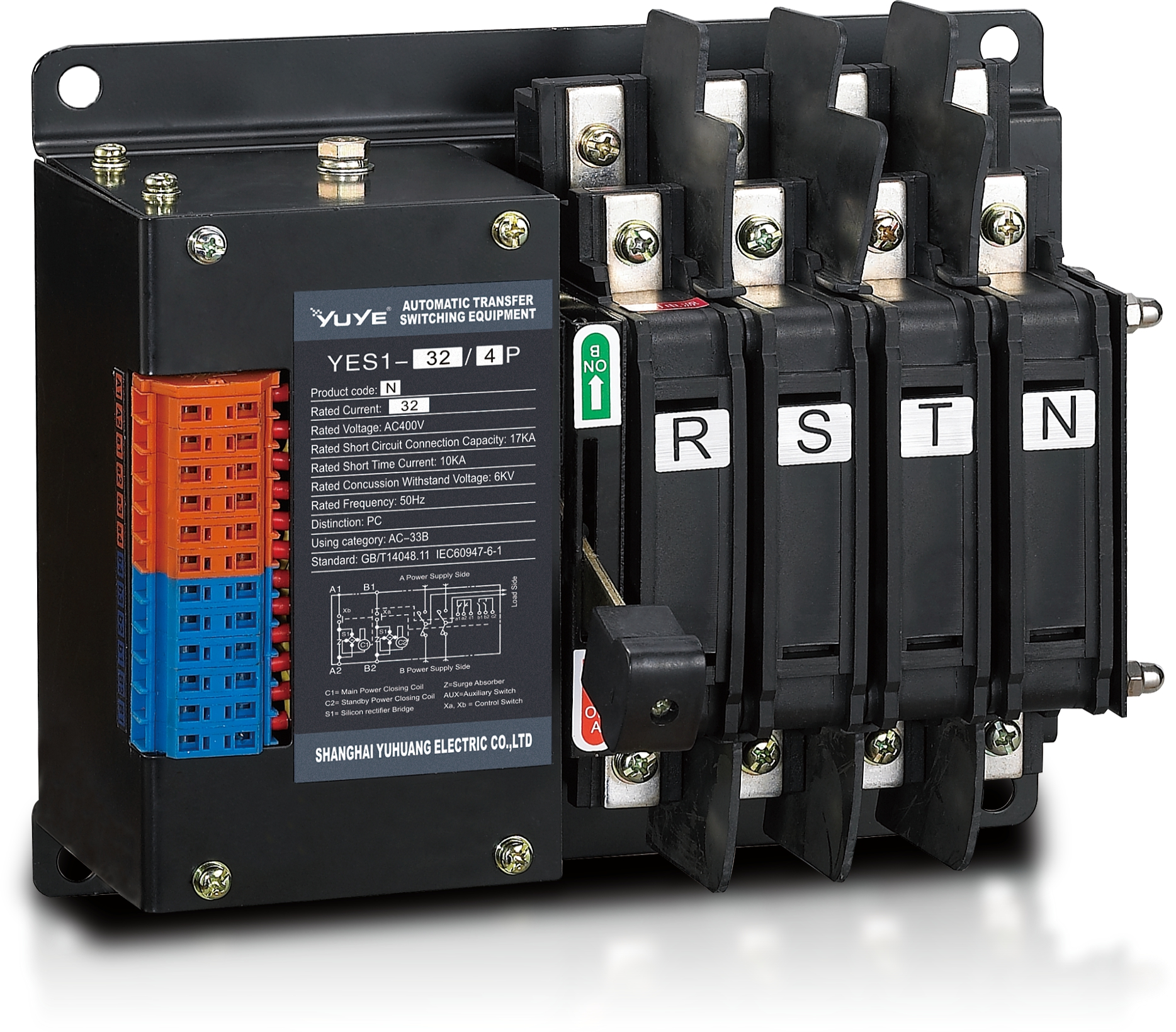 Solenoid-type ATS YES1-32~125N
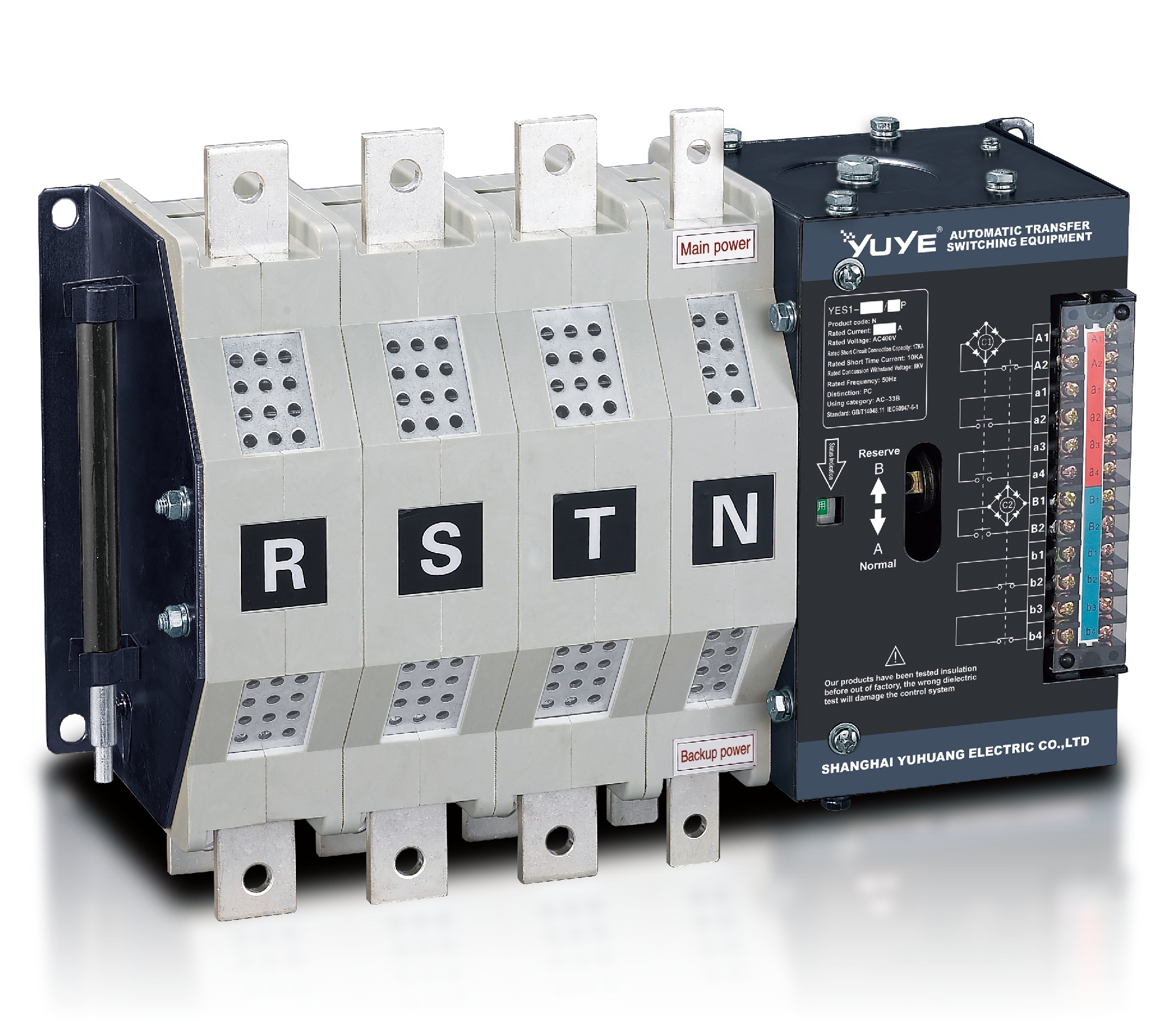 Solenoid-type ATS YES1-250~630N/NT
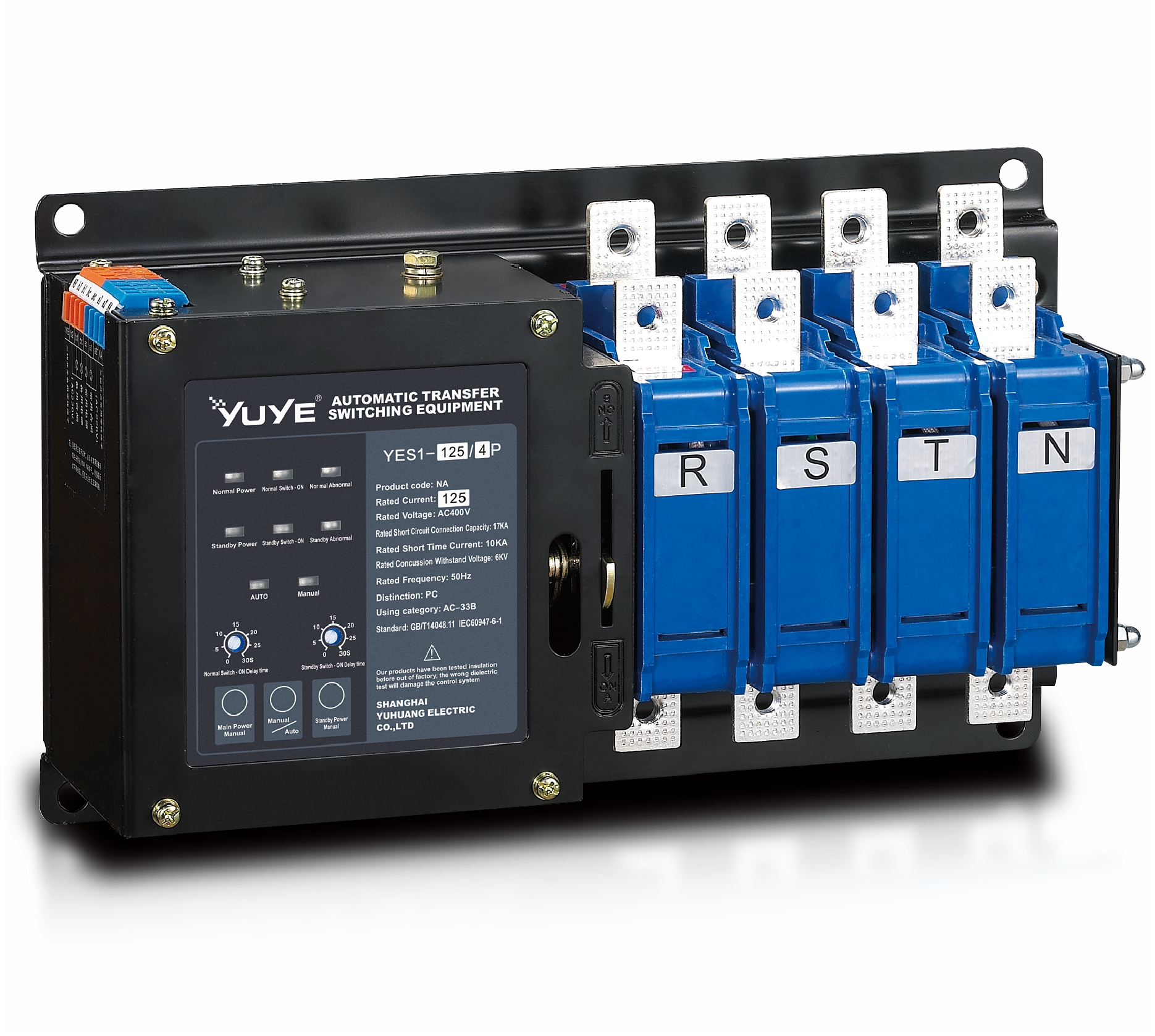 Solenoid-type ATS YES1-32~125NA
 Solenoid-type ATS YES1-63~630SN
 Solenoid-type ATS YES1-1250~4000SN
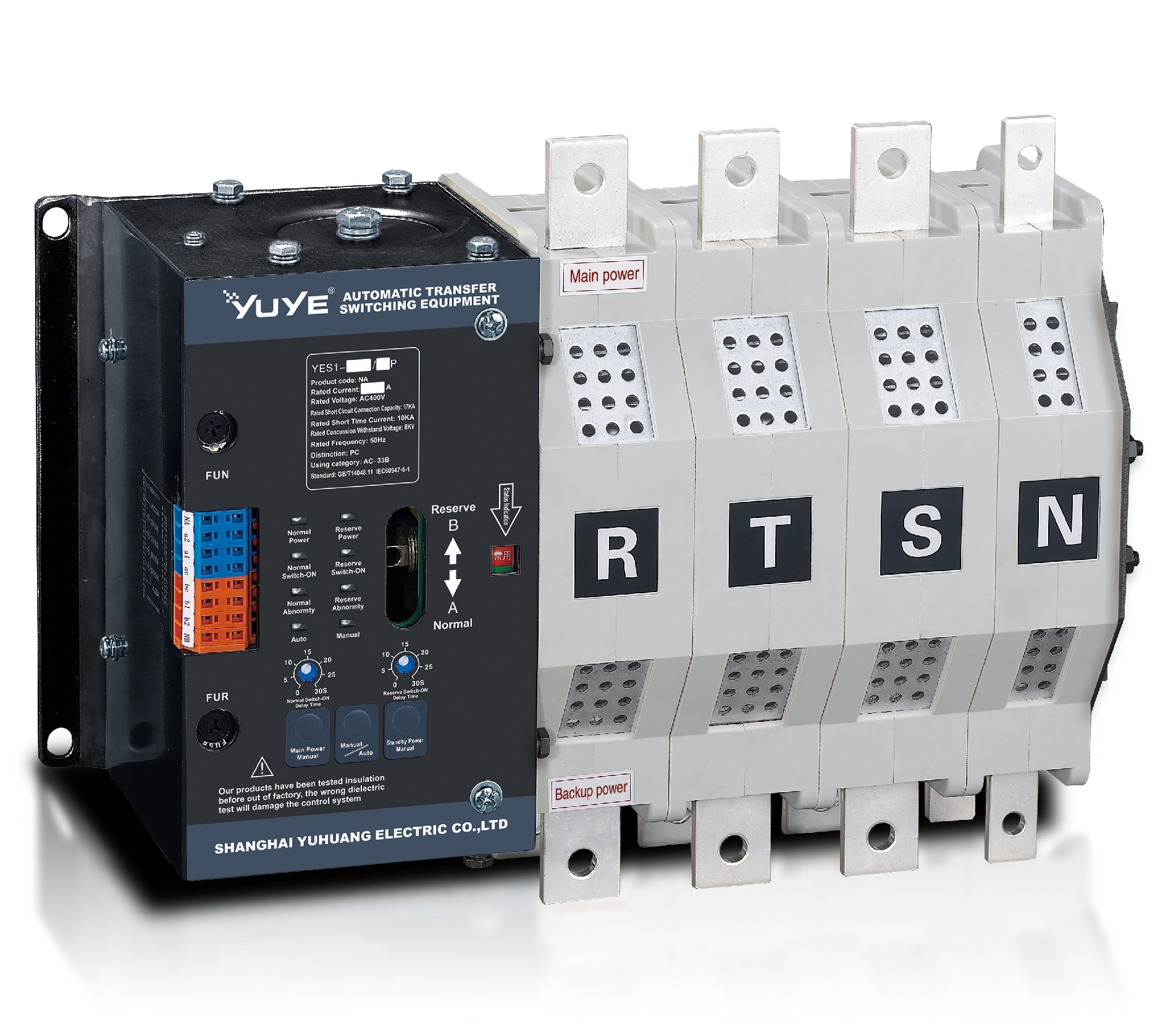 Solenoid-type ATS YES1-250~630NA/NAT
 Solenoid-type ATS YES1-63NJT
 PC ATS YES1-100~1600GN1/GN/GNF
 PC ATS YES1-2000~3200GN/GNF
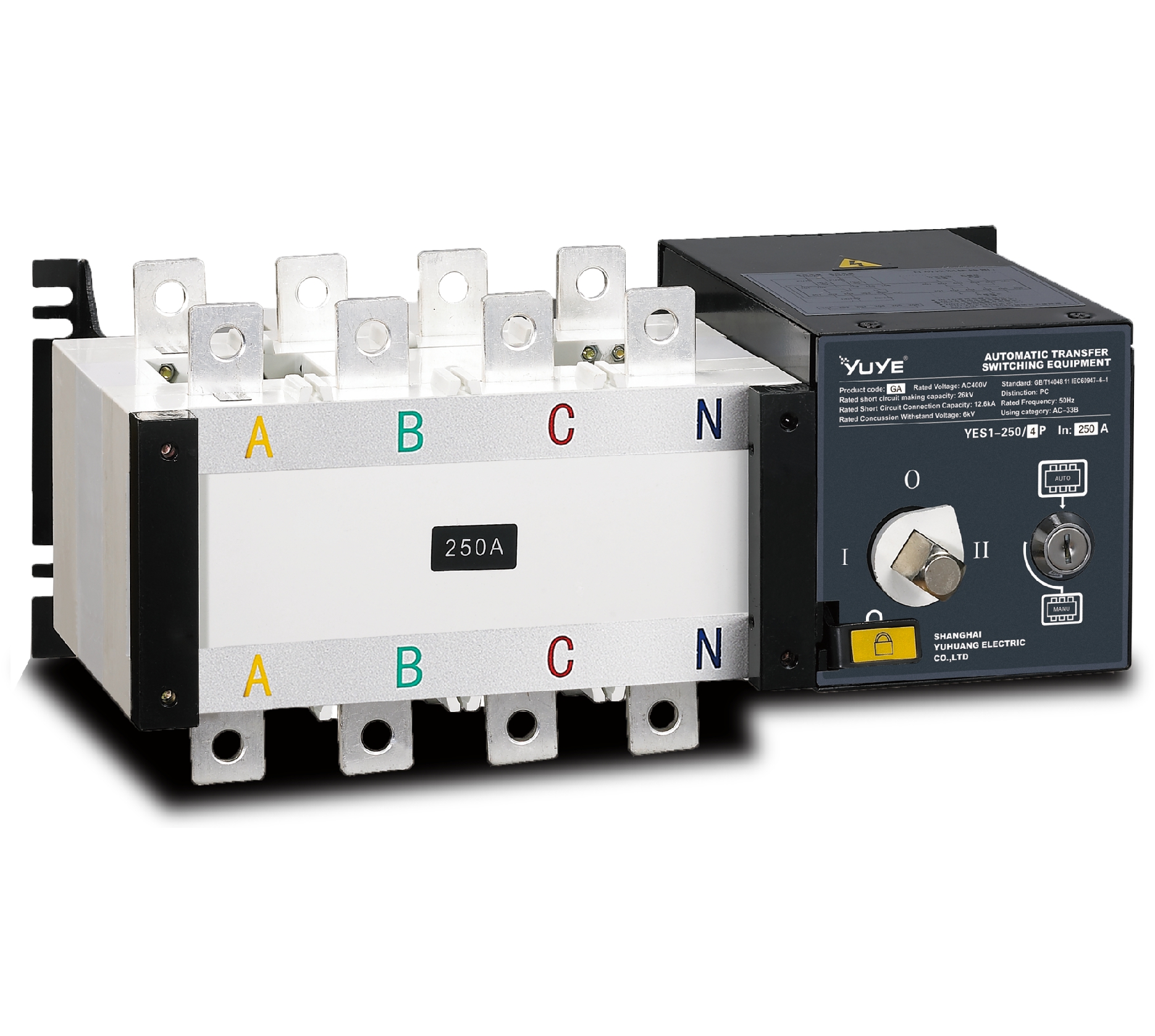 PC ATS YES1-100~3200GA1/GA
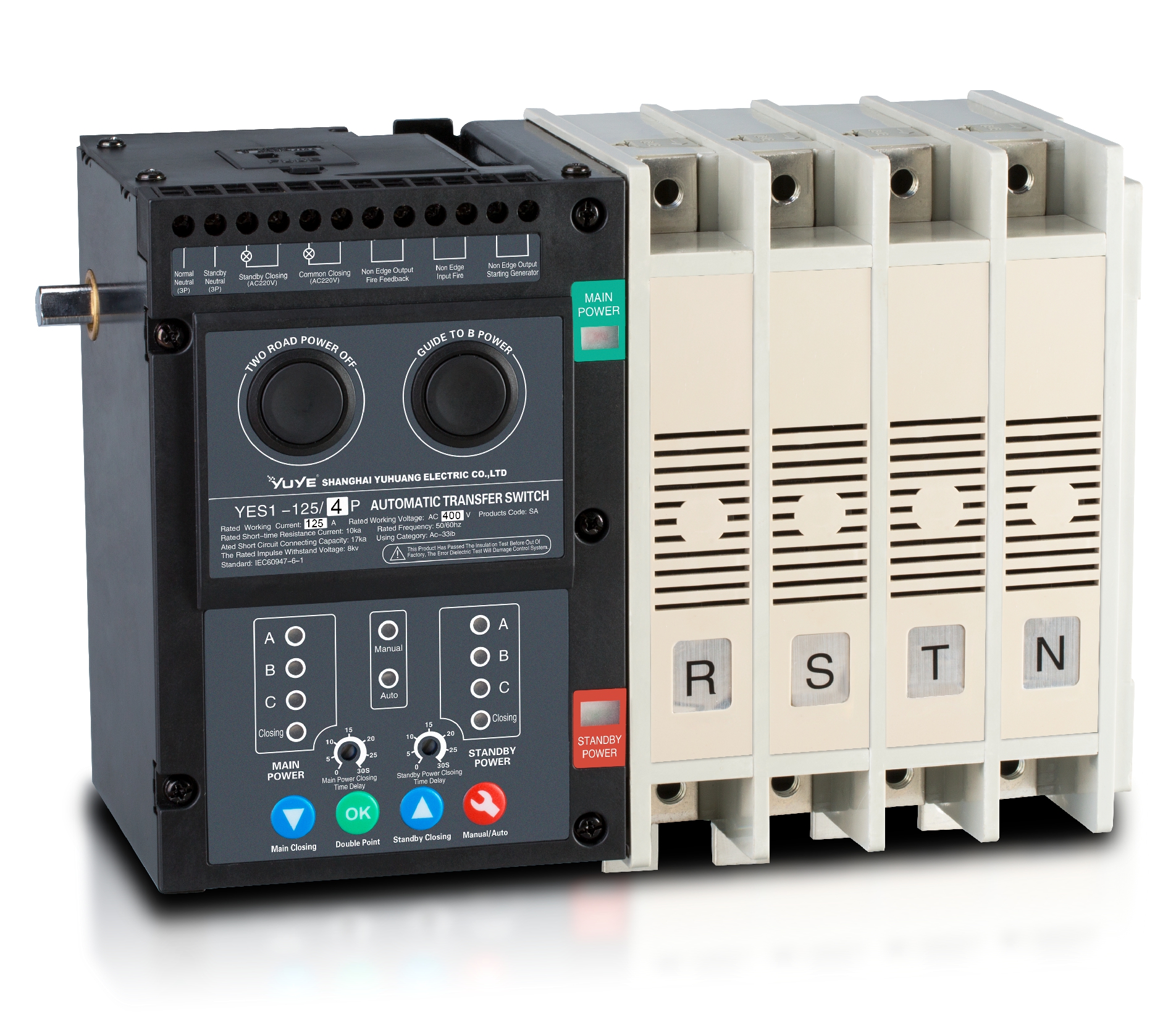 Solenoid-type ATS YES1-63~630SA
 Solenoid-type ATS YES1-63~630L/LA
 Solenoid-type ATS YES1-63~630LA3
 Solenoid-type ATS YES1-63MA
 PC ATS YES1-630~1600M
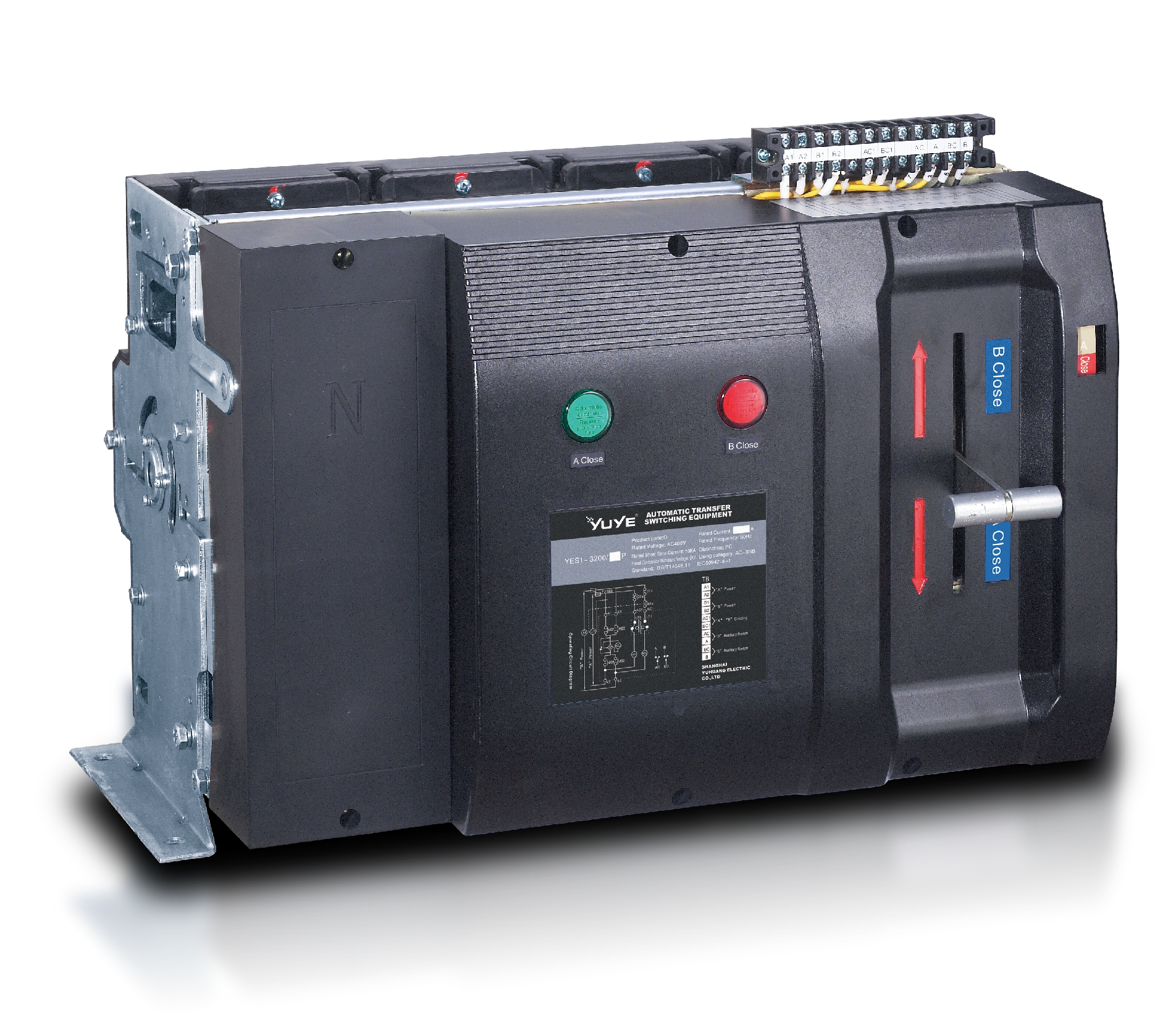 PC ATS YES1-3200Q
 Solenoid-type ATS YES1-4000~6300Q
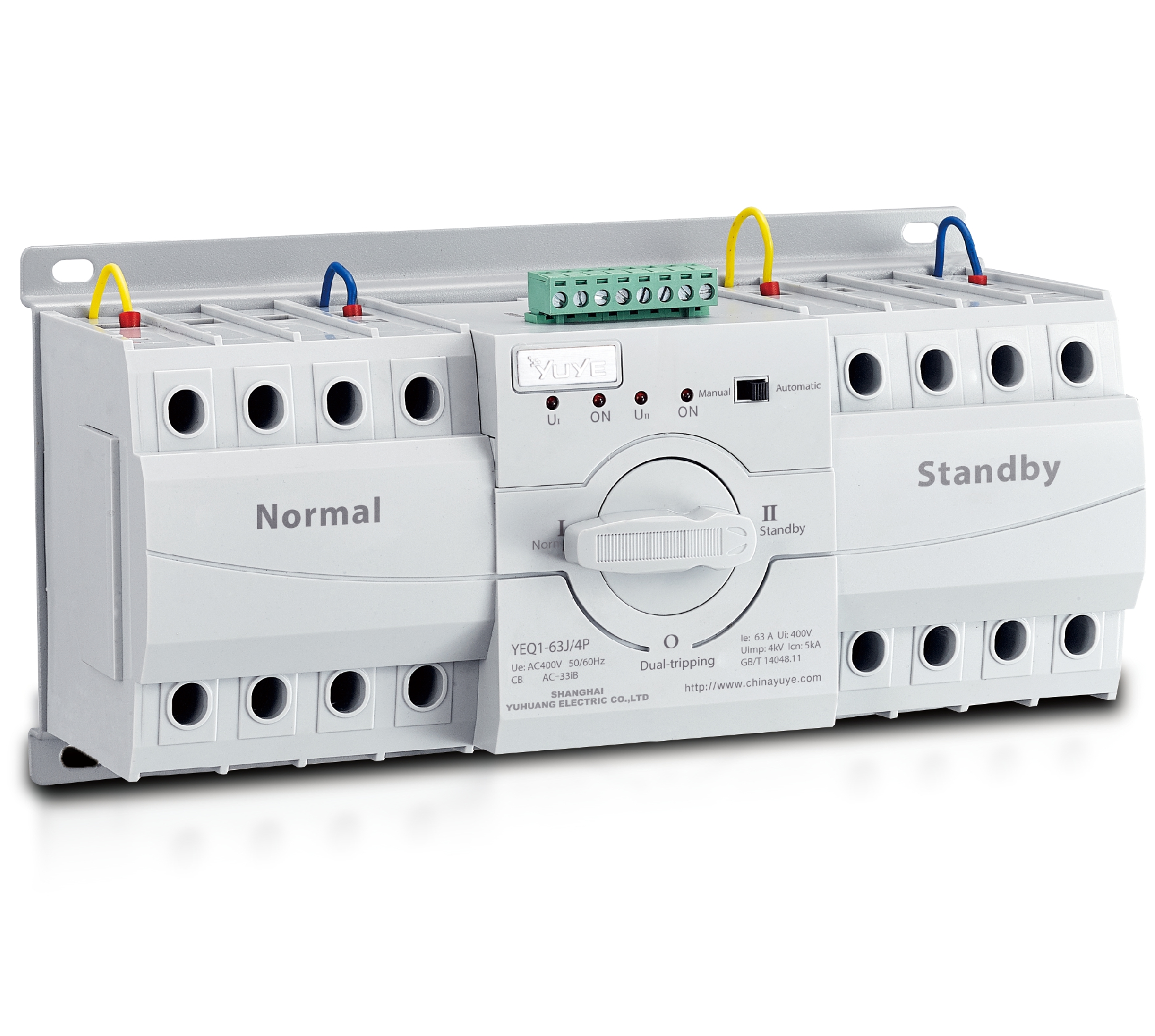 CB ATS YEQ1-63J
 CB ATS YEQ2Y-63
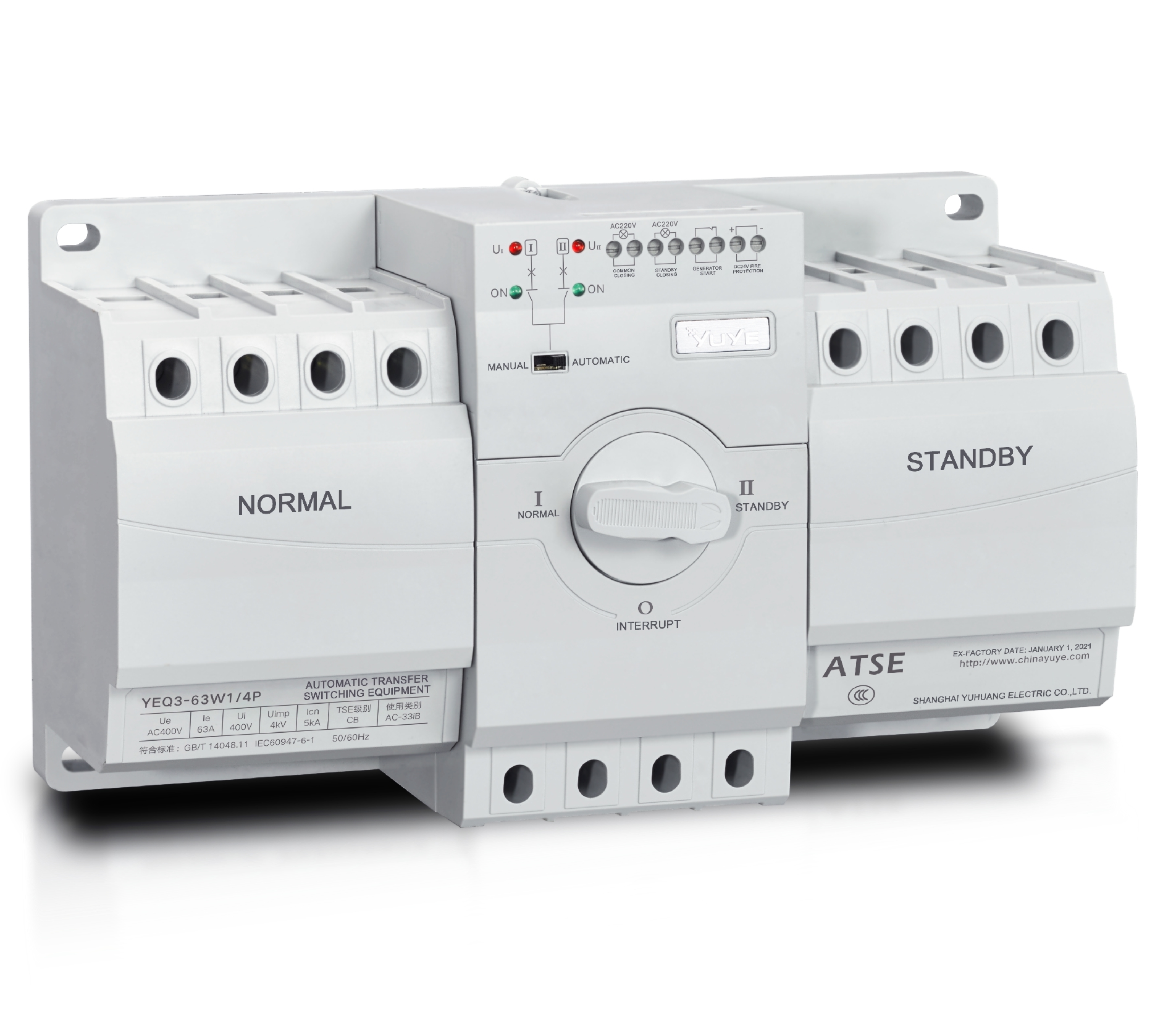 CB ATS YEQ3-63W1
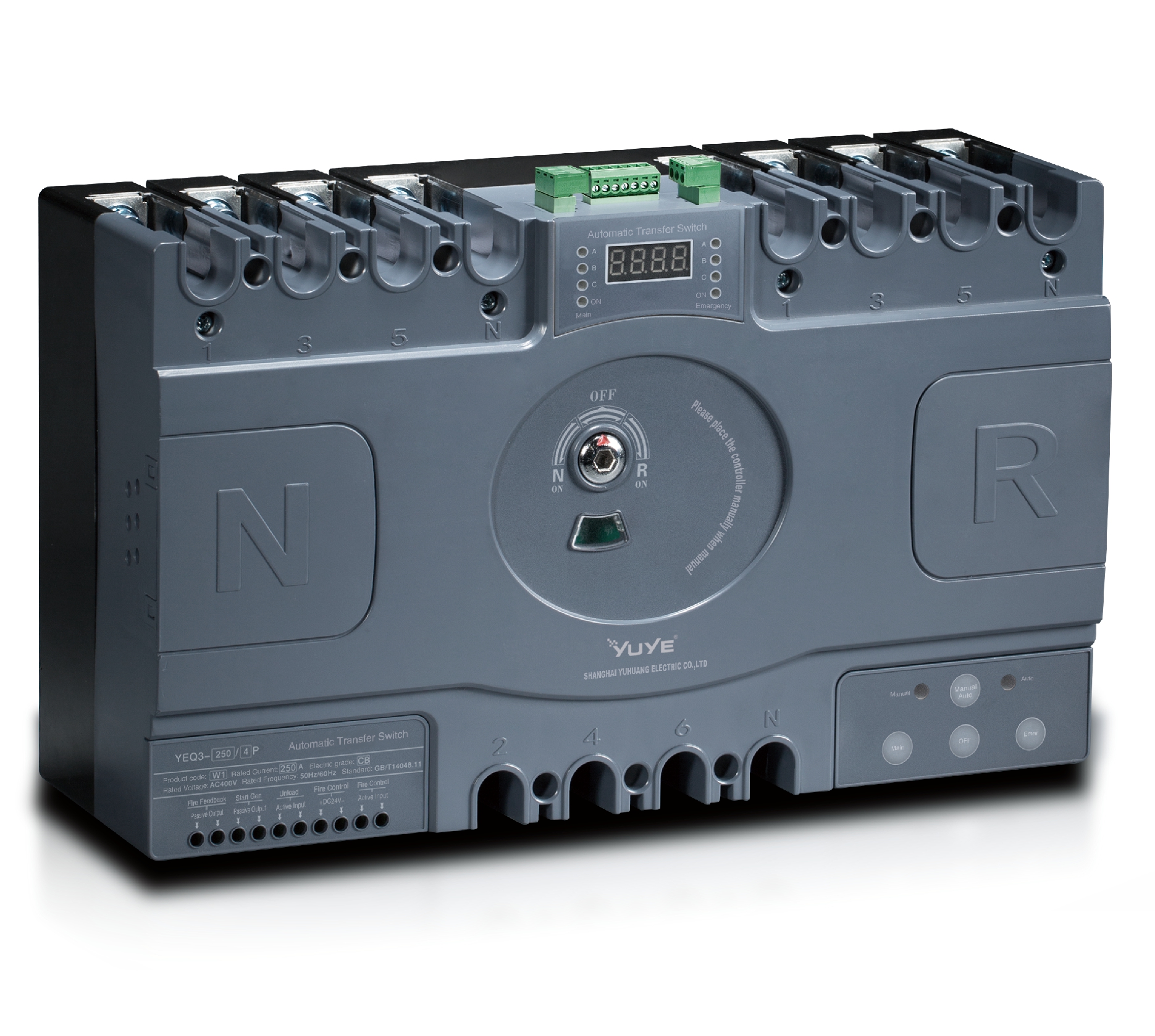 CB ATS YEQ3-125~630W1
 ATS controller Y-700
 ATS Controller Y-700N
 ATS Controller Y-701B
 ATS Controller Y-703N
 ATS Controller Y-800
 ATS Controller W2/W3 Series
 ATS switch Cabinet floor-to-ceiling
 ATS switch cabinet
 JXF-225A power Cbinet
 JXF-800A power Cbinet
 YEM3-125~800 Plastic Shell Type MCCB
 YEM3L-125~630 Leakage Type MCCB
 YEM3Z-125~800 Adjustable Type MCCB
 YEM1-63~1250 Plastic Shell Type MCCB
 YEM1E-100~800 Electronic Type MCCB
 YEM1L-100~630 Leakage Type MCCB
 Air Circuit Breaker YEW1-2000~6300
 Air Circuit Breaker YEW3-1600
 Miniature circuit breaker YEMA2-6~100
 Miniature circuit breaker YEB1-3~63
 Miniature circuit breaker YEB1LE-3~63
 Miniature circuit breaker YEPN-3~32
 Miniature circuit breaker YEPNLE-3~32
 Miniature circuit breaker YENC-63~125
 Load isolation switch YGL-63~3150
 Load Isolation Switch YGL2-63~3150
 DC relay YDC-P20
 DC relay YDC-P250
 DC relay YDC-P400
 DC relay MDC-300M
 DC relay YDC-M400
 DC Isolation Switch YEGL3D-630
 YECPS2-45~125 LCD
 YECPS-45~125 Digital
 CNC Milling/Turning-OEM
I. Introduction: Clarify the Core Significance of 4P ATS Selection
As a core component in low-voltage power distribution systems, 4P ATS plays a vital role in ensuring the continuity and safety of power supply, especially in critical scenarios such as industry, medical care, and data centers. It enables seamless switching between main and backup power, effectively avoiding losses caused by power outages. However, improper selection of 4P ATS not only fails to exert its function but also brings hidden dangers like equipment damage, leakage, and unnecessary cost waste. This article focuses on 3 common mistakes in 4P ATS selection, explains correct methods in detail, and provides practical guidance to help readers select the right model.
II. Analysis of Core Mistakes
1. Mistake 1: Confusing 4P and 3P ATS, Choosing the Wrong Pole Number to Burry Power Supply Safety Hazards
A common mistake in 4P ATS selection is blindly using 3P ATS instead of 4P ATS, ignoring neutral line switching needs to save costs. In three-phase four-wire systems, 3P ATS only switches three live wires, leaving the neutral wire connected, which may cause neutral line offset, leakage, or equipment damage—especially in generator backup systems.
The key difference is that 4P ATS synchronously switches three live wires and one neutral wire, isolating the inactive power source’s neutral line to avoid hazards. 4P ATS is mandatory for hospitals, data centers, and systems needing separately derived power supply for safety.
2. Mistake 2: Ignoring Load Power Matching, Leading to Abnormal Operation of 4P ATS
Randomly selecting 4P ATS power specifications without calculating load power causes overload or waste. Pursuing excessively large power increases costs and reduces efficiency, while insufficient power leads to faults, tripping, and power outages.
Calculate load power via demand factor or unit index methods. For critical loads, 4P ATS rated current should be at least 115% of the motor’s, and 125% is recommended to avoid overload.
3. Mistake 3: Ignoring the Difference in Switching Modes, Leading to Disconnection Between Adaptation Scenarios and Selection
Ignoring 4P ATS switching mode differences leads to scenario mismatches—e.g., manual switching in unattended data centers causes delayed power switching, while improper automatic modes increase manual costs.
Choose modes based on scenarios: automatic self-recovery for unattended use, non-self-recovery for manual confirmation needs, and manual mode for simple low-voltage scenarios.

III. Core of Selection: Key Parameters to Check After Avoiding Mistakes
After avoiding the above three common mistakes, grasping the key parameters of 4P ATS is crucial to ensure accurate selection. These parameters directly determine the adaptability and stability of 4P ATS in the actual power distribution system, and cannot be ignored during the selection process.
Key parameters for 4P ATS selection: First, confirm the pole number—clearly distinguish 4P and 3P ATS, and choose 4P ATS for scenarios requiring neutral line switching. Second, match load power and rated current: calculate the actual load power accurately and reserve a proper safety margin to avoid overload. Third, select the switching mode based on the use scenario to ensure flexibility. In addition, auxiliary parameters such as protection level (to adapt to the use environment), response speed (faster for critical scenarios), and compatibility (to adapt to main power and generator linkage) should be considered according to actual needs.
IV. Practical Guidelines: Quickly Select the Right Model Combined with Scenarios
The selection of 4P ATS must be combined with actual scenarios, as different scenarios have different requirements. For industrial scenarios such as metallurgy and chemical industry, 4P ATS with high short-circuit tolerance and high protection level is needed to adapt to harsh environments and avoid production losses. For medical scenarios like hospitals, 4P ATS with fast response speed and high stability is required to ensure the continuous operation of life-saving equipment. For data centers and generator-linked systems, 4P ATS that supports main power and generator linkage is suitable to ensure stable operation and avoid data loss.
Practical selection steps: First, clarify actual needs, including load power, switching requirements, and use scenarios. Second, calculate the load power accurately using methods such as the demand factor method or unit index method. Third, confirm the switching mode according to whether the scenario is unattended and the power recovery requirement. Fourth, check key parameters such as pole number, rated current, protection level, and response speed to ensure they match the needs. Finally, select the appropriate 4P ATS model. For example, hospital ICUs need 4P ATS with automatic self-recovery mode, rated current 125% of the load current, response speed less than 300ms, and protection level IP54 or above to meet strict safety requirements.
V. Conclusion: Strengthen the Selection Logic and Avoid Mistakes to Take Fewer Detours
In summary, 4P ATS selection is a systematic work that requires avoiding three common mistakes: confusing 4P and 3P ATS, ignoring load power matching, and neglecting switching mode differences. At the same time, focus on parameter matching and scenario adaptation to ensure the selected model can exert its due role. In addition, after selecting the model, pay attention to standardized installation and commissioning to avoid hidden dangers caused by improper installation and ensure the long-term stable operation of 4P ATS.
References
1. VIOX ELECTRIC. (2026). Single Phase vs. Three Phase ATS Selection Guide: When to Choose 2P, 3P, or 4P?
2. YUYE. (2025). What is the Difference Between 3P and 4P ATS?
3. LSP. (n.d.). 3-Pole vs 4-Pole Automatic Transfer Switch: Which ATS Should You Choose?
4. Keyuan Electric. (2025). Selection and Configuration Details of NH40SZ ATSE Automatic Transfer Switch
5. Electric Power Research Institute. (2009). Power Quality Standards: CBEMA, ITIC, SEMI F47, IEC 61000-4
FAQ
Q1: What is the essential difference between 4P ATS and 3P ATS, and in which scenarios must 4P ATS be selected?
A1: 3P ATS only switches live wires; 4P ATS adds neutral line switching. 4P ATS is required for hospitals, data centers, and systems needing separate power sources.
Q2: How to accurately calculate the load power to match the 4P ATS model?
A2: Use demand factor or unit index methods; select 4P ATS with rated current 125% of load current to avoid overload.
Q3: How to choose the switching mode of 4P ATS according to the scenario?
A3: Unattended: automatic self-recovery; manual confirmation needed: non-self-recovery; simple scenarios: manual mode.
Q4: What auxiliary parameters need to be considered when selecting 4P ATS?
A4: Key auxiliary parameters: protection level, response speed, and compatibility with main power/generator.
