
 PC ATS YECT1-2000G
 PC ATS YES2-63~250GN1
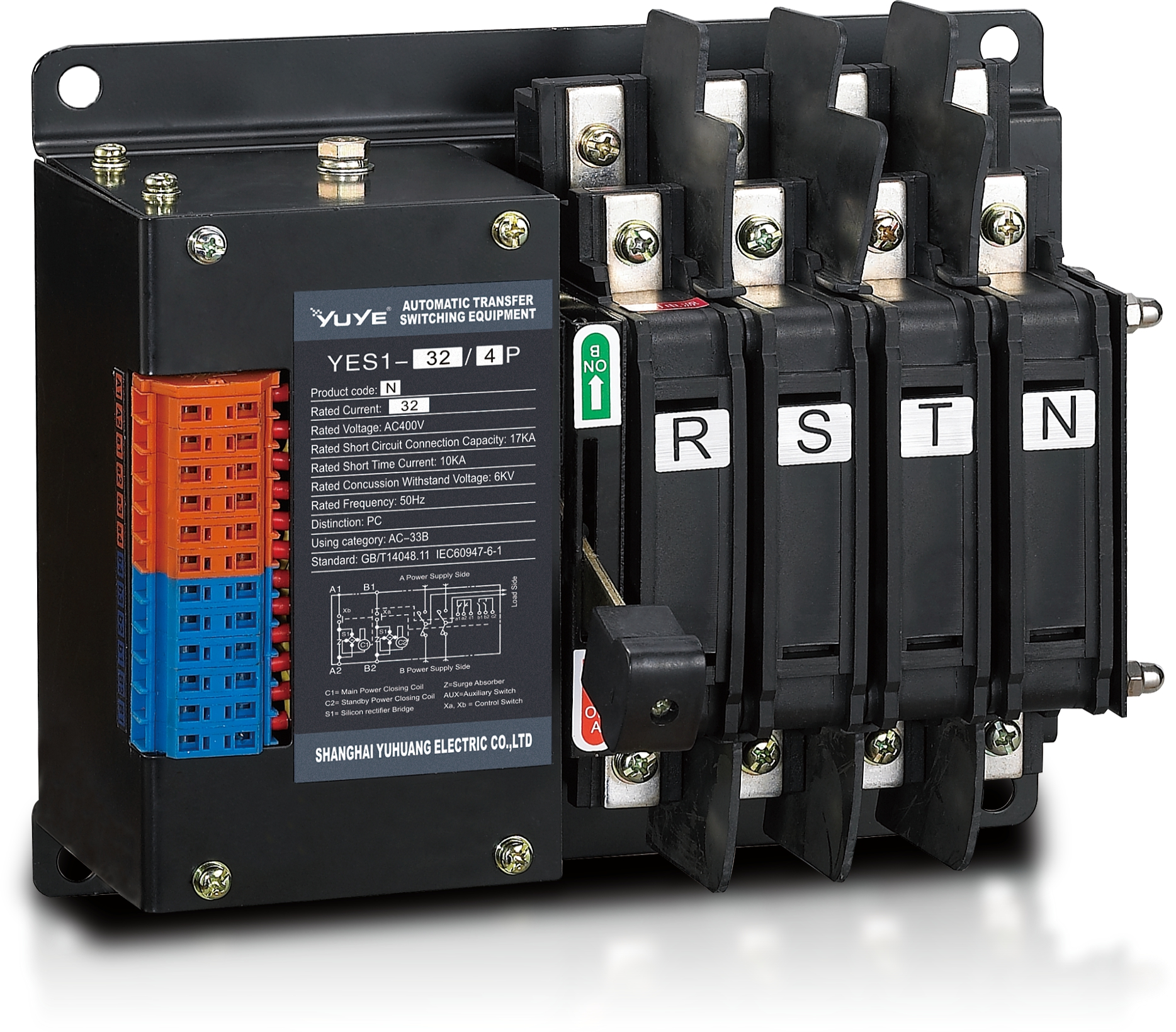 Solenoid-type ATS YES1-32~125N
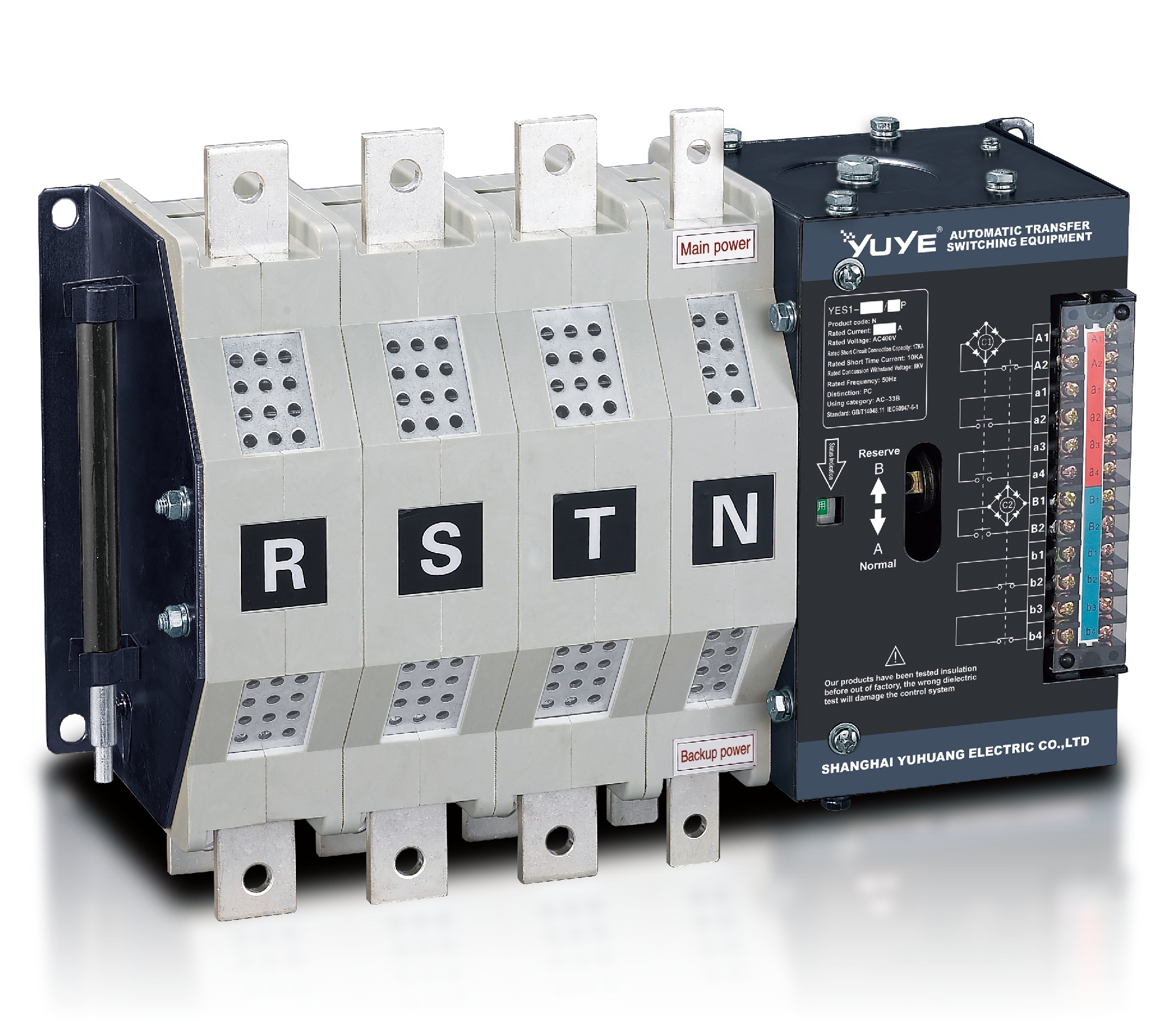 Solenoid-type ATS YES1-250~630N/NT
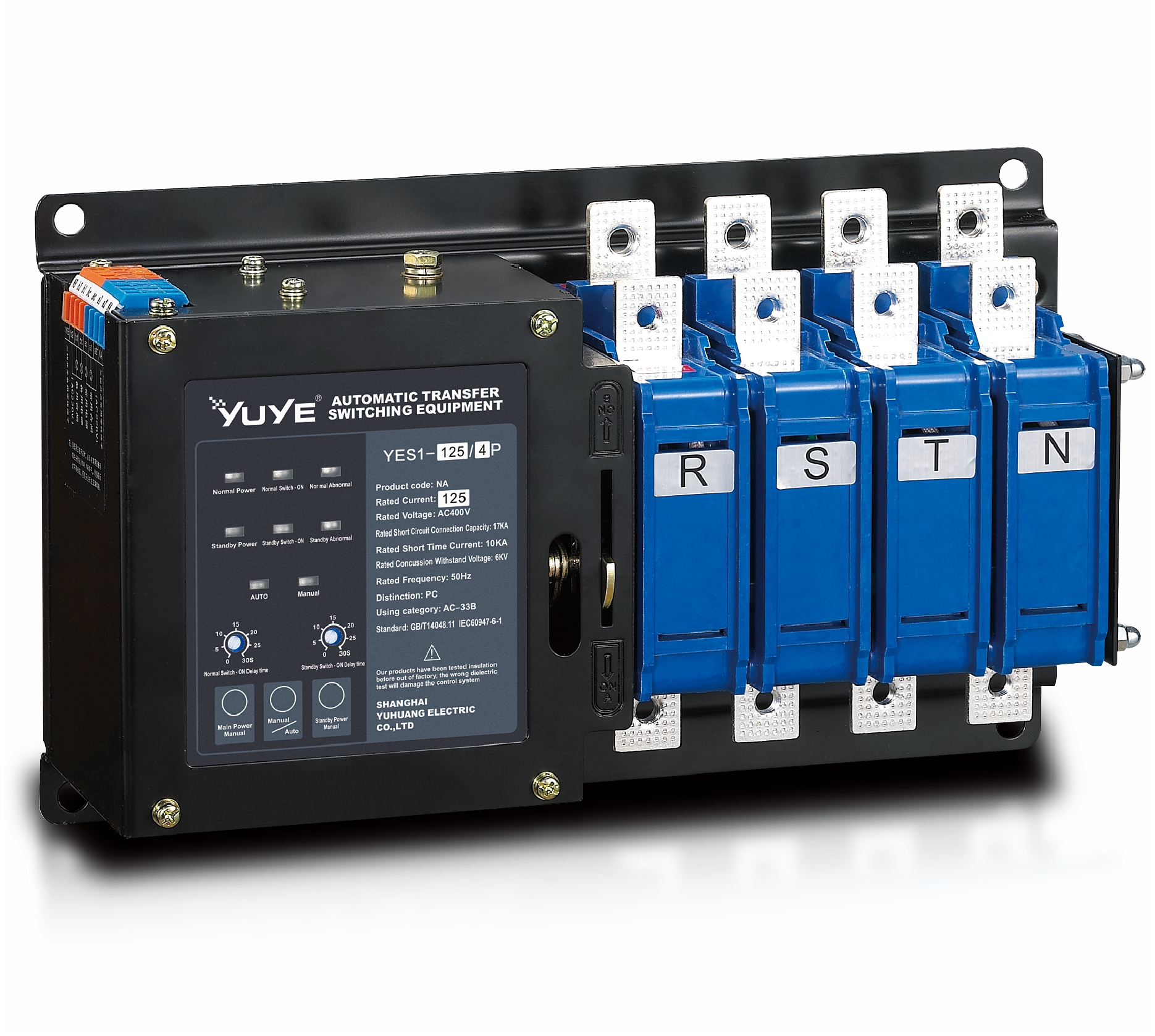 Solenoid-type ATS YES1-32~125NA
 Solenoid-type ATS YES1-63~630SN
 Solenoid-type ATS YES1-1250~4000SN
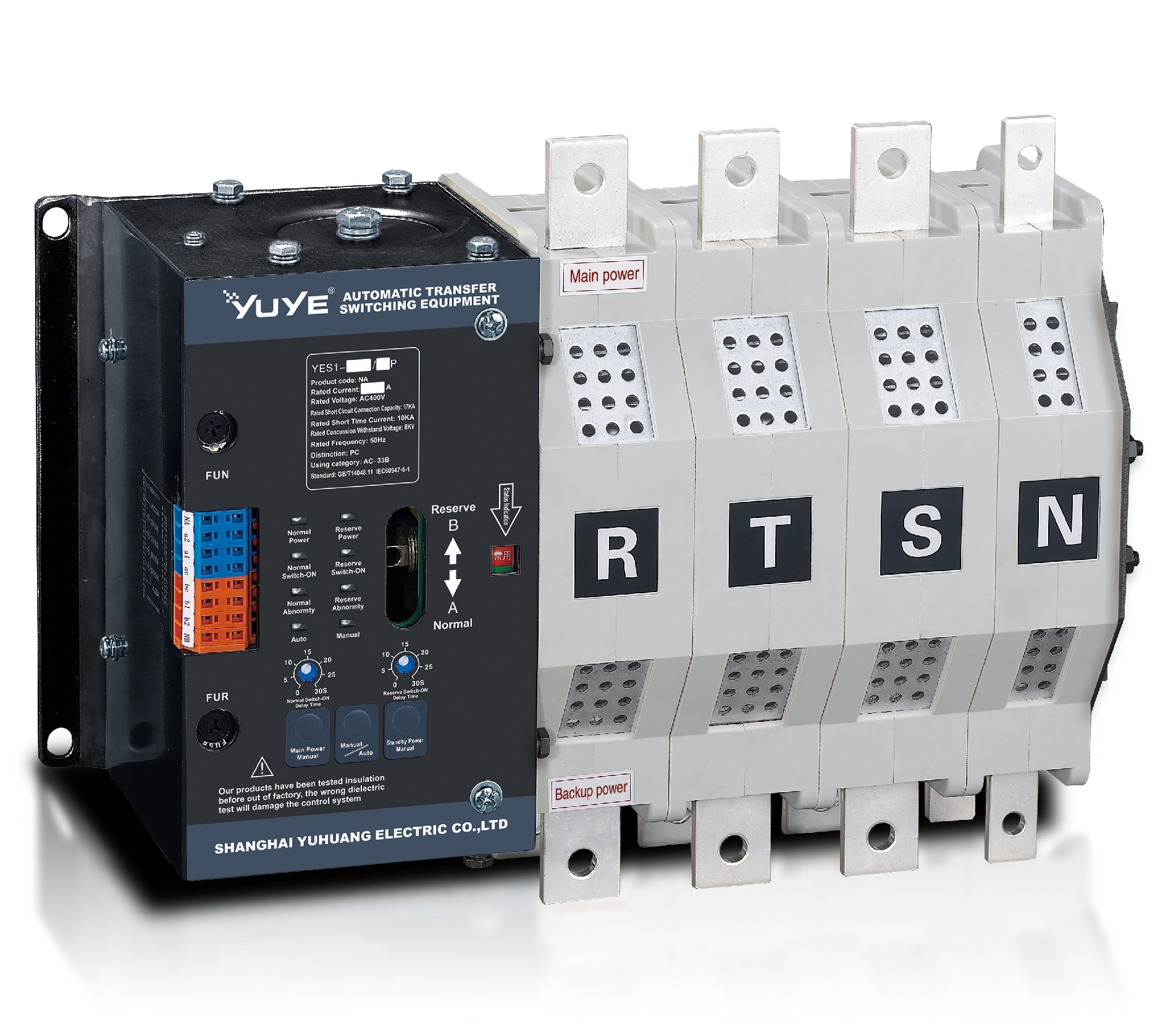 Solenoid-type ATS YES1-250~630NA/NAT
 Solenoid-type ATS YES1-63NJT
 PC ATS YES1-100~1600GN1/GN/GNF
 PC ATS YES1-2000~3200GN/GNF
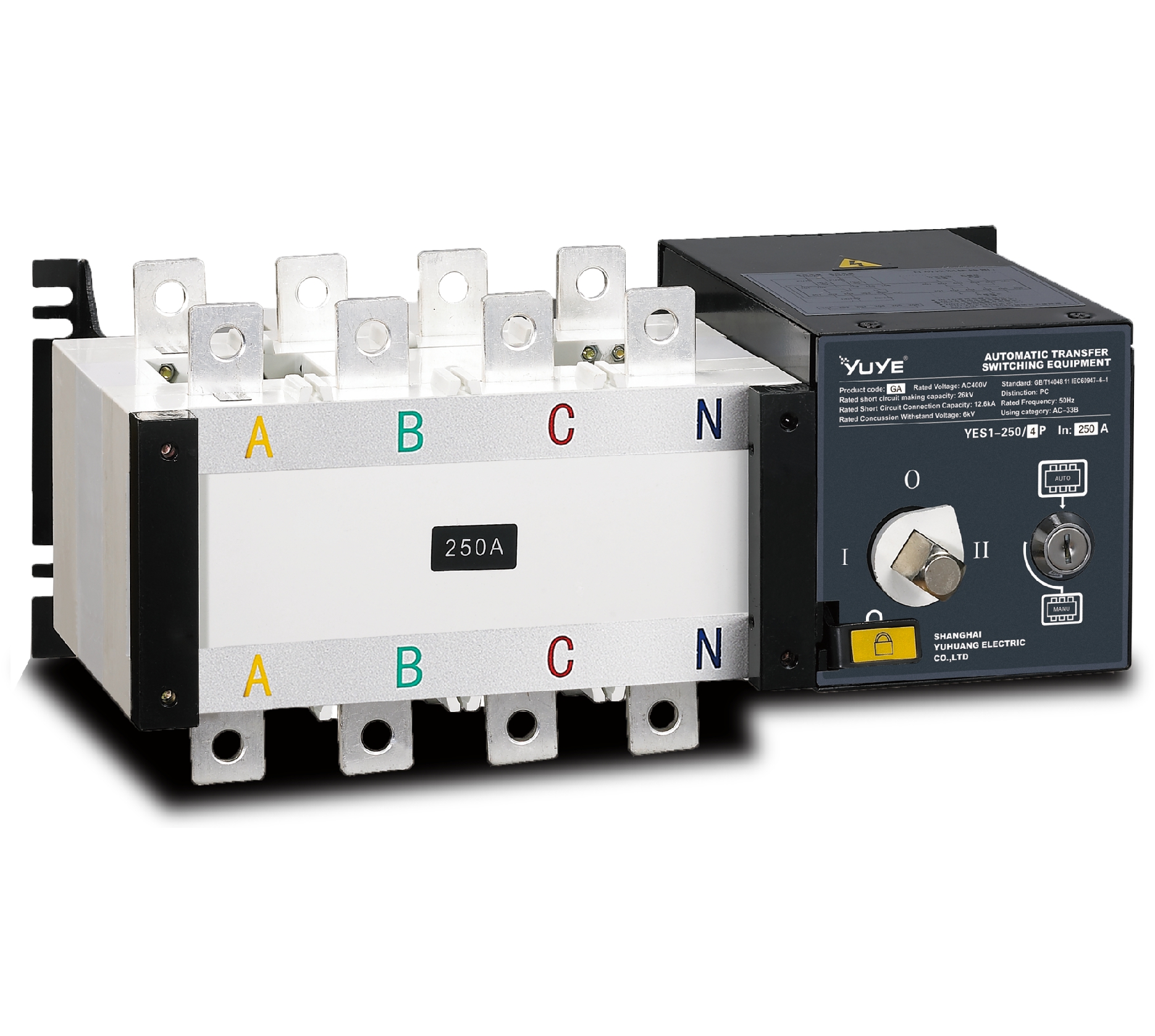 PC ATS YES1-100~3200GA1/GA
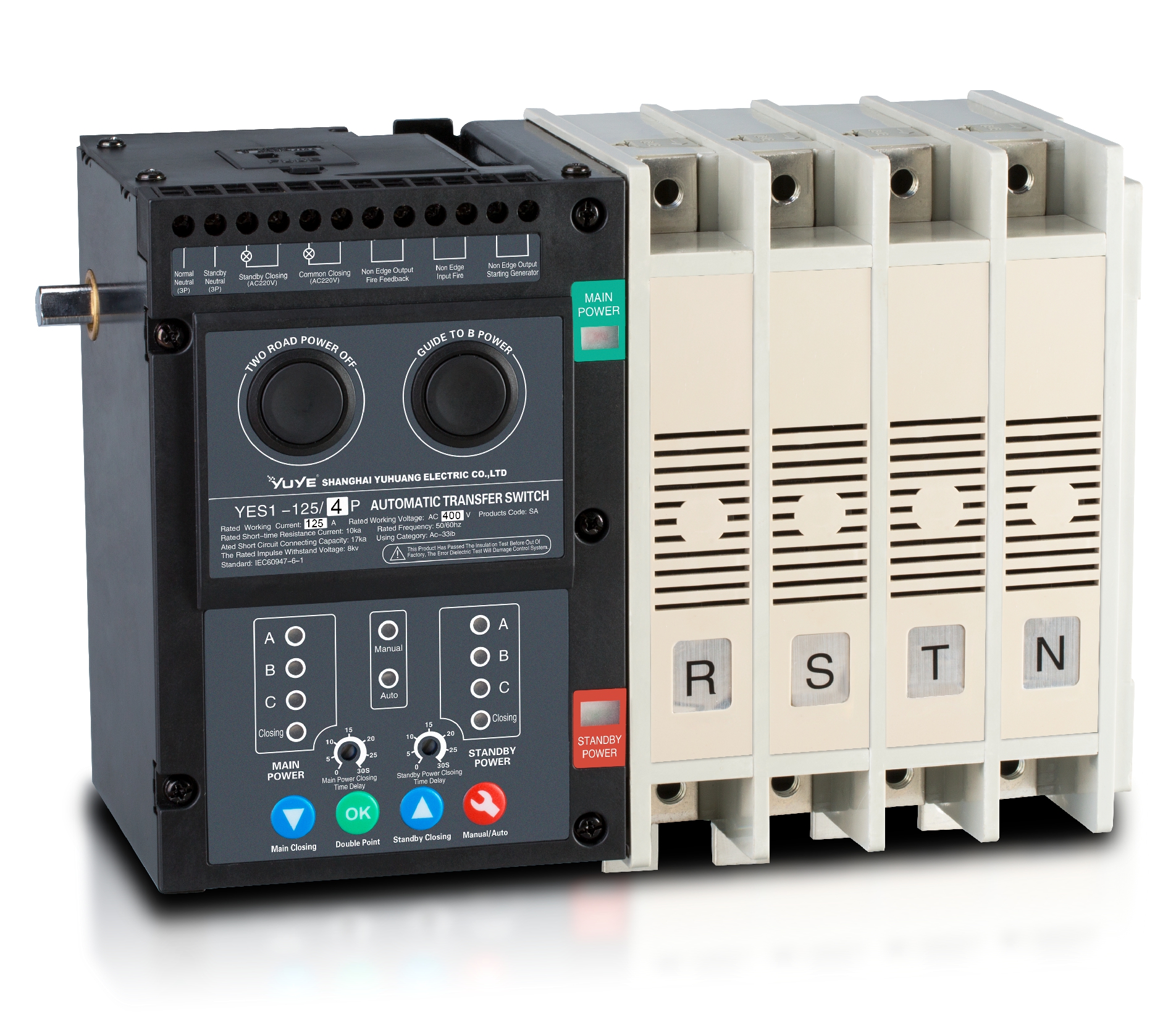 Solenoid-type ATS YES1-63~630SA
 Solenoid-type ATS YES1-63~630L/LA
 Solenoid-type ATS YES1-63~630LA3
 Solenoid-type ATS YES1-63MA
 PC ATS YES1-630~1600M
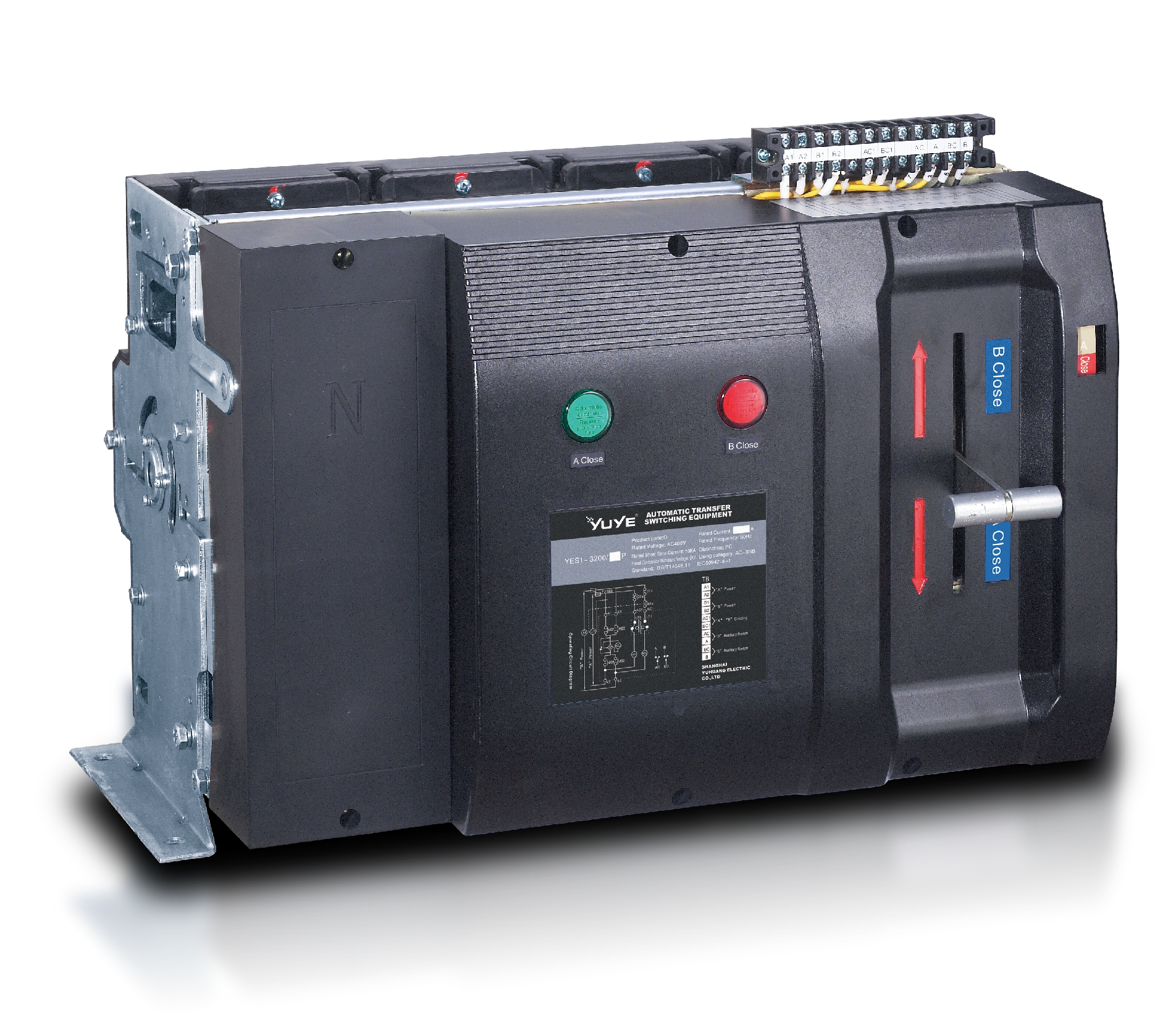 PC ATS YES1-3200Q
 Solenoid-type ATS YES1-4000~6300Q
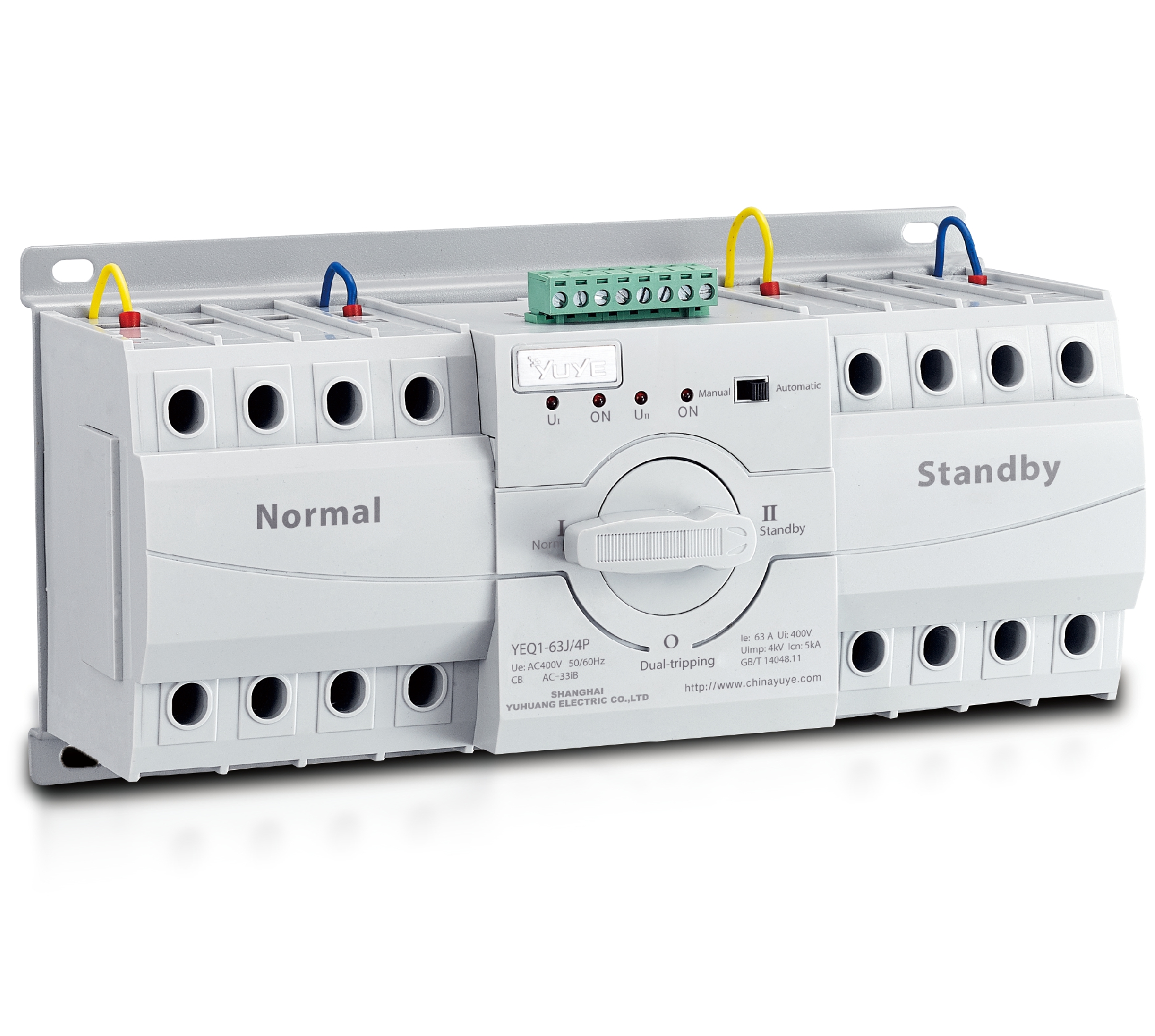 CB ATS YEQ1-63J
 CB ATS YEQ2Y-63
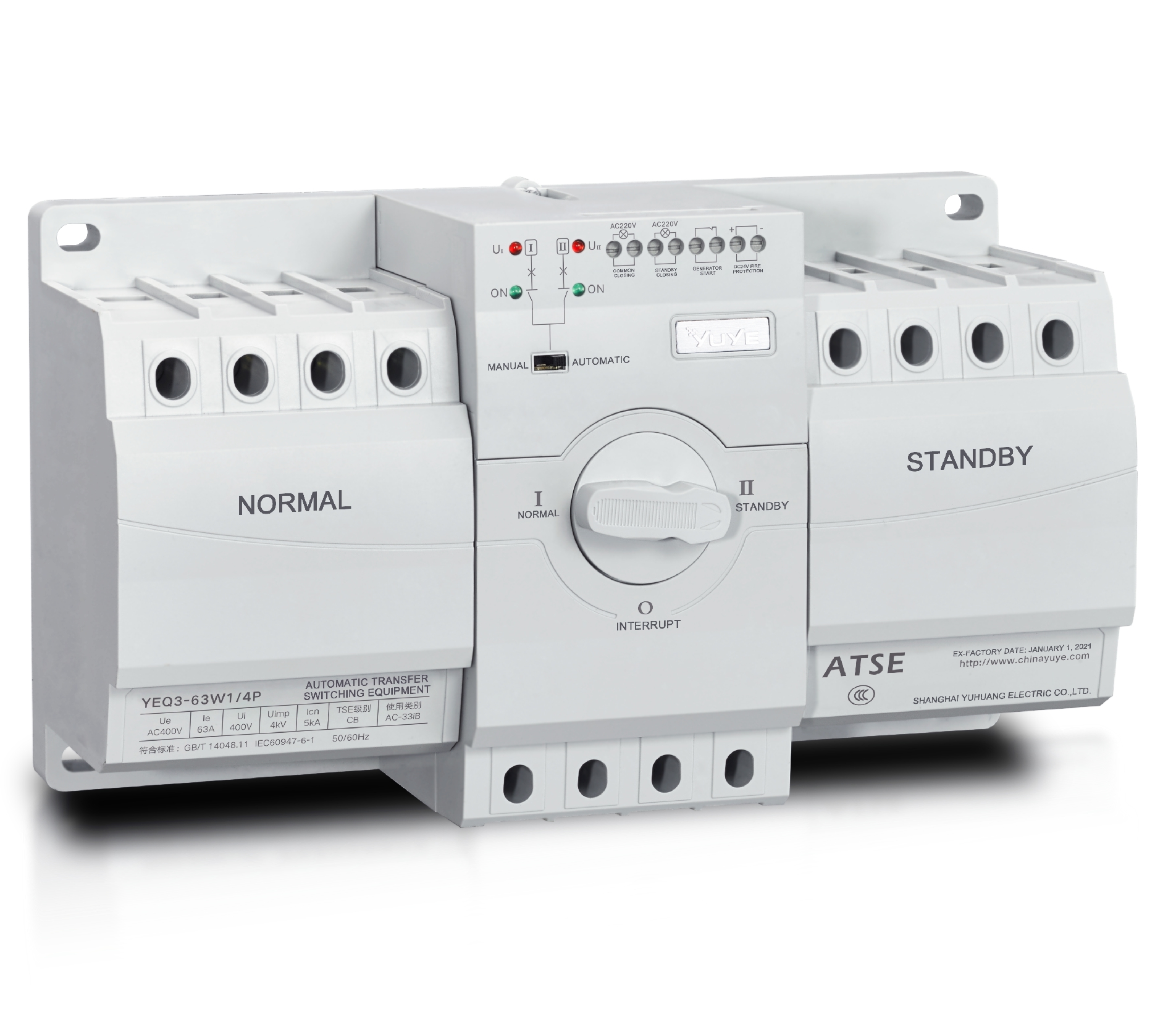 CB ATS YEQ3-63W1
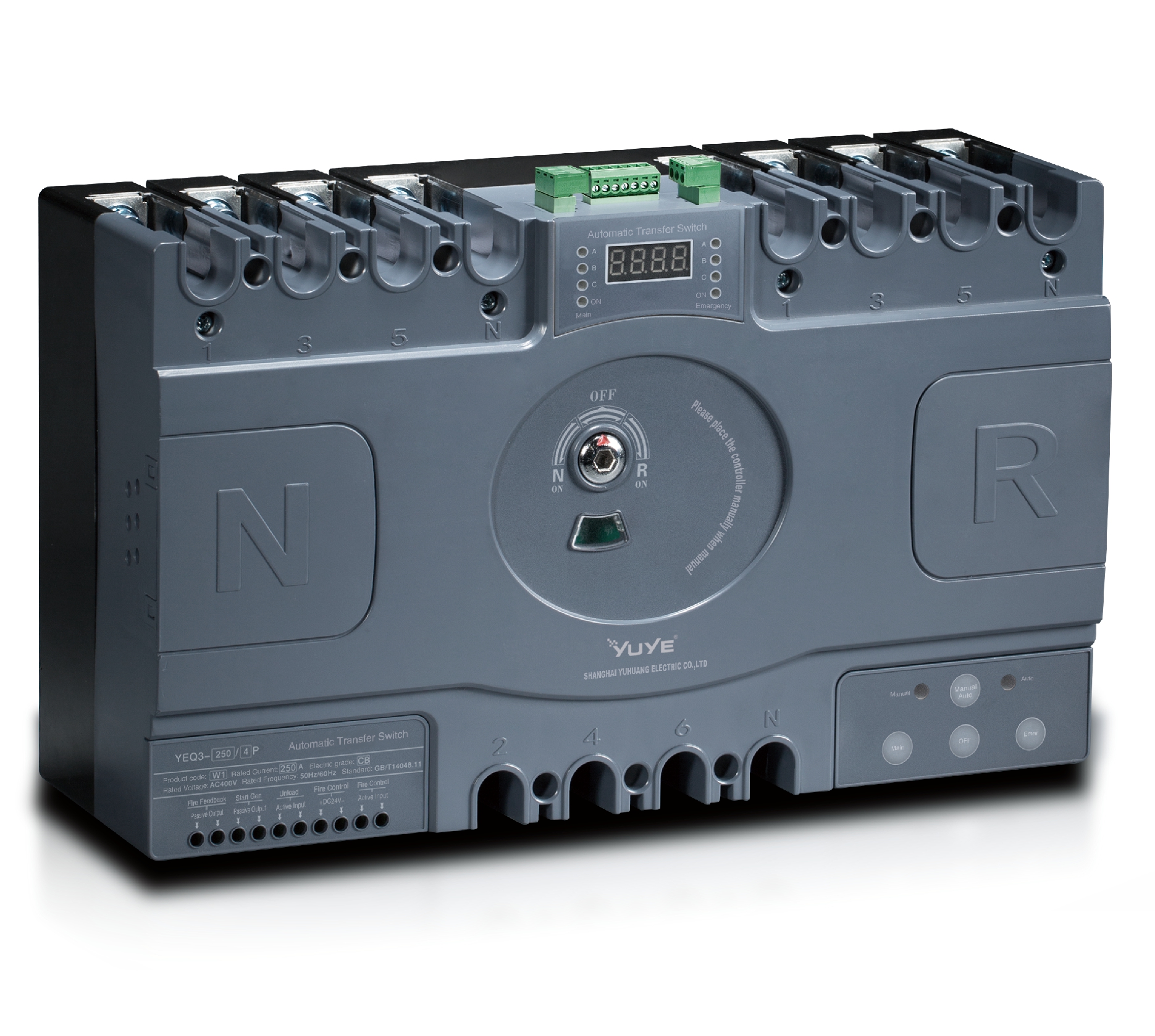 CB ATS YEQ3-125~630W1
 ATS controller Y-700
 ATS Controller Y-700N
 ATS Controller Y-701B
 ATS Controller Y-703N
 ATS Controller Y-800
 ATS Controller W2/W3 Series
 ATS switch Cabinet floor-to-ceiling
 ATS switch cabinet
 JXF-225A power Cbinet
 JXF-800A power Cbinet
 YEM3-125~800 Plastic Shell Type MCCB
 YEM3L-125~630 Leakage Type MCCB
 YEM3Z-125~800 Adjustable Type MCCB
 YEM1-63~1250 Plastic Shell Type MCCB
 YEM1E-100~800 Electronic Type MCCB
 YEM1L-100~630 Leakage Type MCCB
 Air Circuit Breaker YEW1-2000~6300
 Air Circuit Breaker YEW3-1600
 Miniature circuit breaker YEMA2-6~100
 Miniature circuit breaker YEB1-3~63
 Miniature circuit breaker YEB1LE-3~63
 Miniature circuit breaker YEPN-3~32
 Miniature circuit breaker YEPNLE-3~32
 Miniature circuit breaker YENC-63~125
 Load isolation switch YGL-63~3150
 Load Isolation Switch YGL2-63~3150
 DC relay YDC-P20
 DC relay YDC-P250
 DC relay YDC-P400
 DC relay MDC-300M
 DC relay YDC-M400
 DC Isolation Switch YEGL3D-630
 YECPS2-45~125 LCD
 YECPS-45~125 Digital
 CNC Milling/Turning-OEM
I. Introduction: Introducing the Core Position of 4P ATS
Power supply safety is the cornerstone of stable operation in various critical scenarios, including industrial production, medical care, and data centers. In these fields, even a short power outage can lead to catastrophic consequences—such as production downtime in factories, equipment failure in hospitals, or irreversible data loss in data centers. Therefore, the demand for uninterrupted power supply has become increasingly urgent, driving the development of reliable power switching equipment. Against this background, a key question arises: What is 4P ATS? As a core low-voltage power distribution component, it is labeled with two core features: 4-pole design and automatic switching, which together redefine the safety standards of power supply systems. This article will comprehensively analyze 4P ATS from the perspectives of design, function, and value, helping readers fully understand its significance in ensuring power supply safety.
II. Core Analysis: The 4-Pole Design of 4P ATS
To understand the 4-pole design of 4P ATS, its core definition is key. In three-phase four-wire power systems, “4P” refers to four poles, enabling the switch to synchronously control and switch three live wires (L1, L2, L3) and one neutral wire (N). Unlike ordinary ATS that only switches live wires and keeps the neutral wire connected, 4P ATS’s 4-pole design achieves synchronous switching of all four conductors, a key difference from other ATS types.
The 4-pole design solves safety hazards ordinary ATS cannot address. For example, 3P ATS leaves the neutral wire connected, which may cause neutral line offset or leakage, especially in generator backup systems. In contrast, 4P ATS completely isolates the neutral wire of the inactive power source, avoiding ground loops and ensuring voltage stability, while complying with international standards like IEC 60947-6-1 and NEC Article 250.30.
In practice, the 4-pole design effectively prevents neutral line disconnection and phase loss, protecting both three-phase and single-phase equipment. For scenarios with strict grounding requirements (e.g., hospitals, data centers), it is essential for safety, as it creates electrically isolated systems for each power source.

III. Core Analysis: The Automatic Switching Function of 4P ATS
The automatic switching function of 4P ATS allows seamless load switching from primary to backup power without manual intervention when the primary power fails. This improves power supply reliability, making it ideal for unattended critical scenarios like data centers and hospital ICUs.
Its working logic includes real-time monitoring, fault triggering, and stable switching. The built-in controller monitors primary power; when faults (outage, undervoltage, etc.) occur, it triggers switching, starts the backup generator (if applicable), and uses a “break-before-make” mode to avoid back-feeding and ensure safety.
This function avoids outage losses: milliseconds-level switching prevents data loss in data centers and ensures medical equipment operation in hospitals. 4P ATS also offers two main switching modes (automatic with/without self-recovery) to suit different scenario needs.
IV. Comprehensive Interpretation: Dual Core Features and Power Supply Safety Value of 4P ATS
The 4-pole design and automatic switching of 4P ATS work synergistically for dual protection. The 4-pole design ensures power source isolation and solves neutral line hazards, while automatic switching maintains power continuity, together safeguarding power supply safety.
As a “power supply safety guardian”, 4P ATS meets critical scenarios’ strict requirements and sets new safety standards. Compared with ordinary ATS, it has more comprehensive protection, better compatibility, and adapts to personalized power supply needs.
4P ATS is adaptable to critical scenarios: hospitals, data centers, industrial lines, and commercial complexes. It is divided into integrated and split types, suitable for compact distribution cabinets and large industrial systems respectively.
V. Conclusion: Strengthening the Cognition of 4P ATS and Looking Forward to Its Application Prospects
To sum up, 4P ATS is a power switching device designed for three-phase four-wire systems, with 4-pole design and automatic switching as its core features. Its 4-pole design can realize synchronous switching of four conductors, solve neutral line-related safety hazards, and comply with international safety standards; its automatic switching function can realize seamless switching between primary and backup power sources without manual intervention, ensuring the continuity of power supply. These two core features work together to make 4P ATS an indispensable core component in critical power supply scenarios, redefining the new standard of power supply safety.
With the continuous development of power distribution intelligence, the application scenarios of 4P ATS will be further expanded. In the future, it will not only be widely used in traditional critical scenarios but also gradually penetrate into new fields such as new energy power generation and smart buildings. At the same time, with the upgrading of technology, 4P ATS will also develop in the direction of more intelligent monitoring, more reliable performance, and more energy-saving and environmental protection, providing more powerful support for global power supply safety.
References
1. VIOX ELECTRIC. (2026). Single Phase vs. Three Phase ATS Selection Guide: When to Choose 2P, 3P, or 4P?
2. YUYE. (2025). What is the Difference Between 3P and 4P ATS?
3. LSP. (n.d.). 3-Pole vs 4-Pole Automatic Transfer Switch: Which ATS Should You Choose?
4. Made-in-China.com. (n.d.). ATS Automatic Transfer Switch 160A 4p
FAQ
Q1: What is the main difference between 4P ATS and 3P ATS?
A1: 3P ATS only switches three live wires and keeps the neutral wire connected, while 4P ATS switches all four conductors synchronously. This allows 4P ATS to avoid neutral line faults and meet stricter safety standards for critical scenarios.
Q2: In which scenarios is 4P ATS most suitable for application?
A2: It is ideal for critical scenarios requiring high power reliability and strict grounding, such as hospitals, data centers, industrial lines, and systems with generator backup needing neutral line isolation.
Q3: What switching modes does 4P ATS have, and how to choose them?
A3: It has three modes: automatic with self-recovery (unattended scenarios), automatic without self-recovery (manual confirmation needed), and manual (simple low-voltage scenarios), chosen based on scene requirements.
Q4: Does 4P ATS comply with international safety standards?
A4: Yes. It complies with IEC 60947-6-1 and NEC Article 250.30, and many products have CE, TUV, SAA certifications for global safety and reliability.
