
 PC ATS YECT1-2000G
 PC ATS YES2-63~250GN1
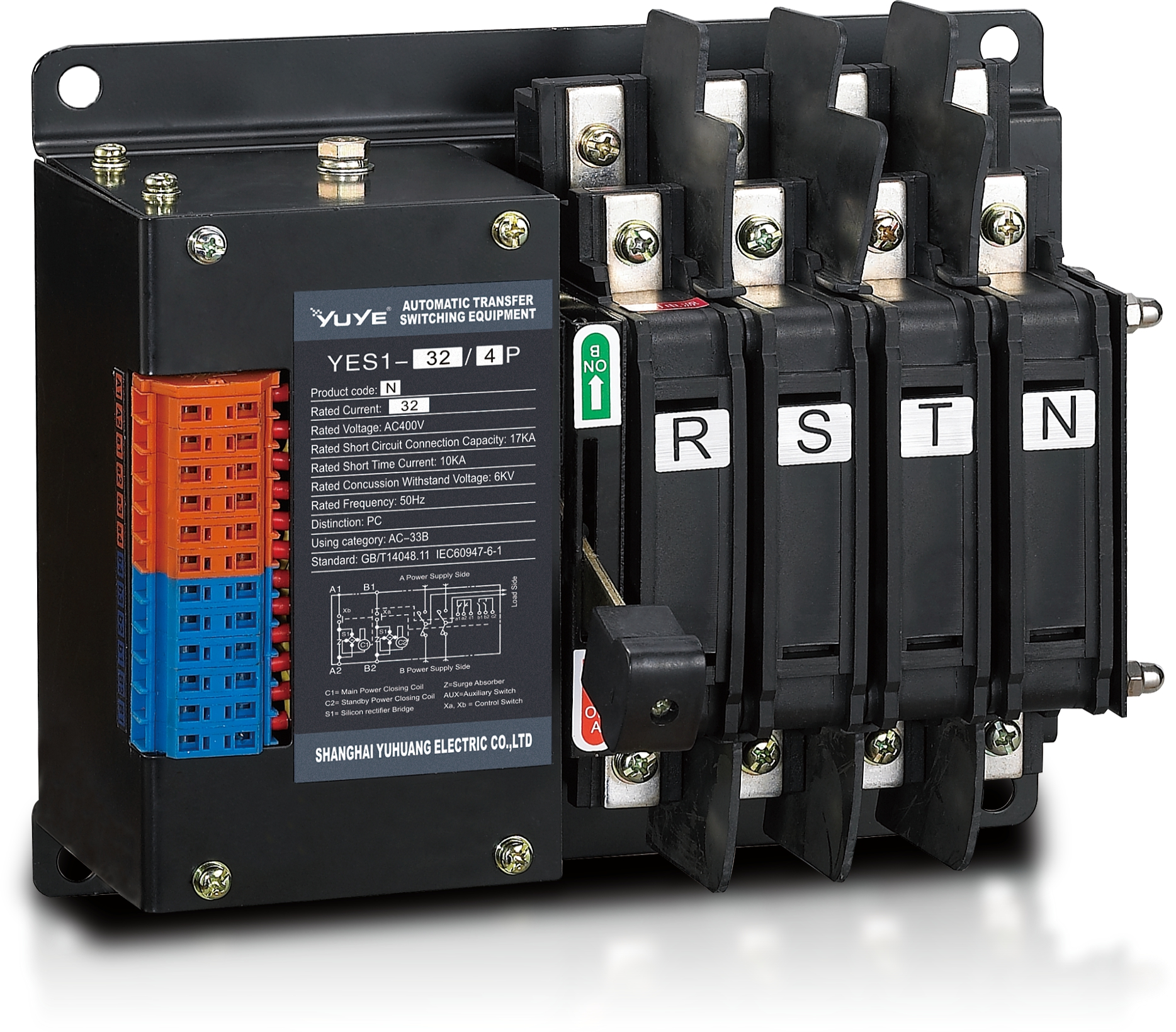 Solenoid-type ATS YES1-32~125N
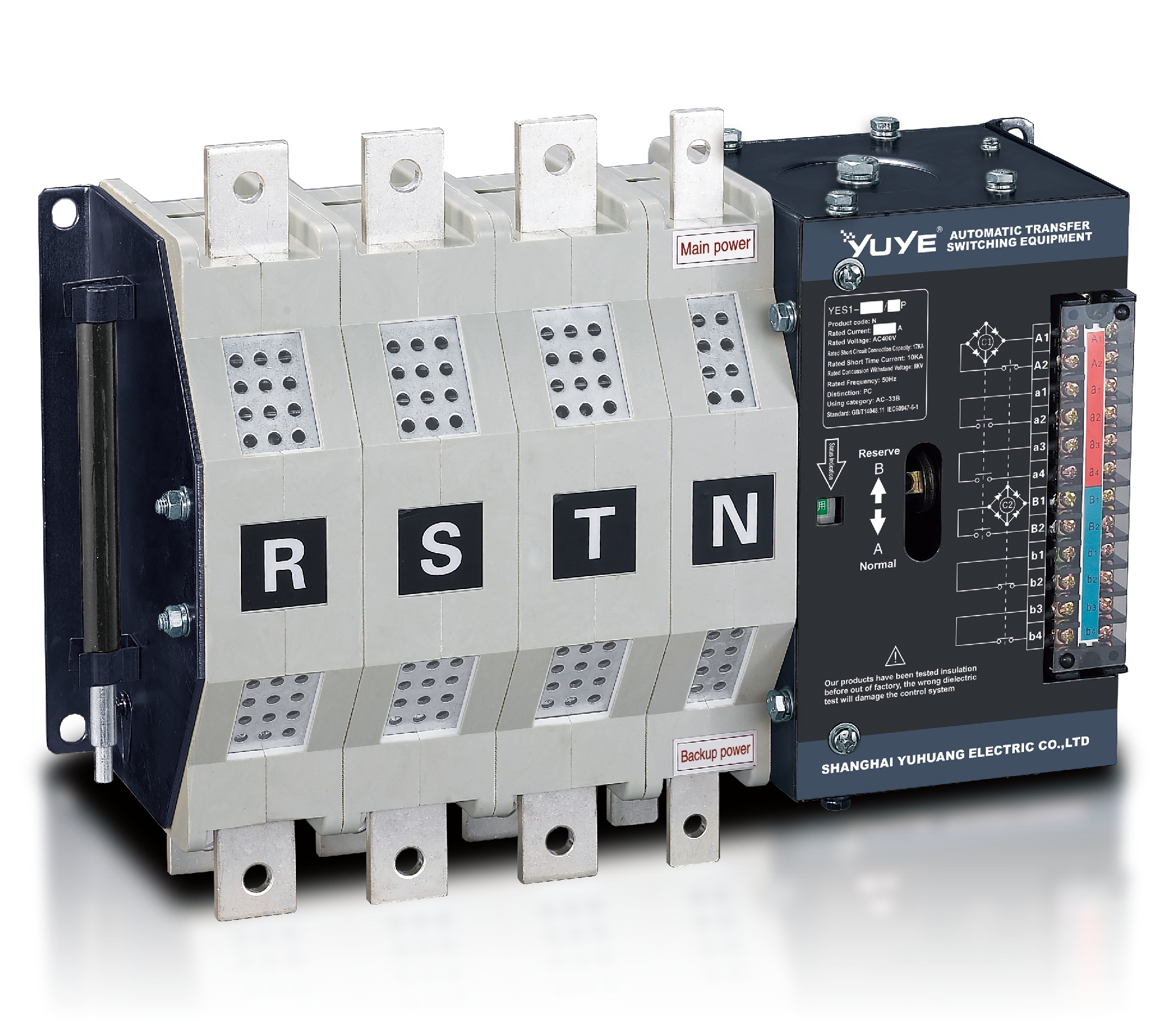 Solenoid-type ATS YES1-250~630N/NT
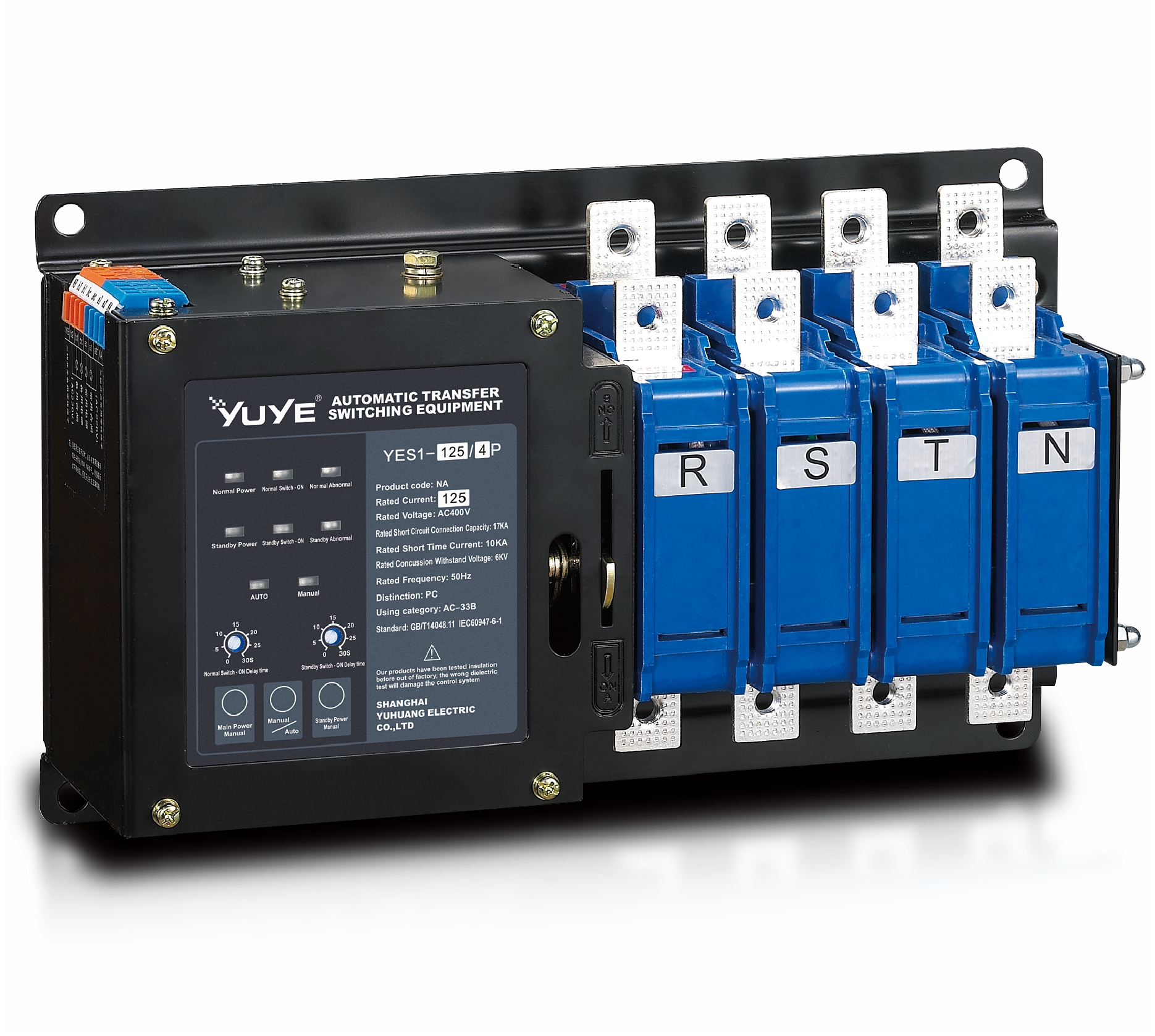 Solenoid-type ATS YES1-32~125NA
 Solenoid-type ATS YES1-63~630SN
 Solenoid-type ATS YES1-1250~4000SN
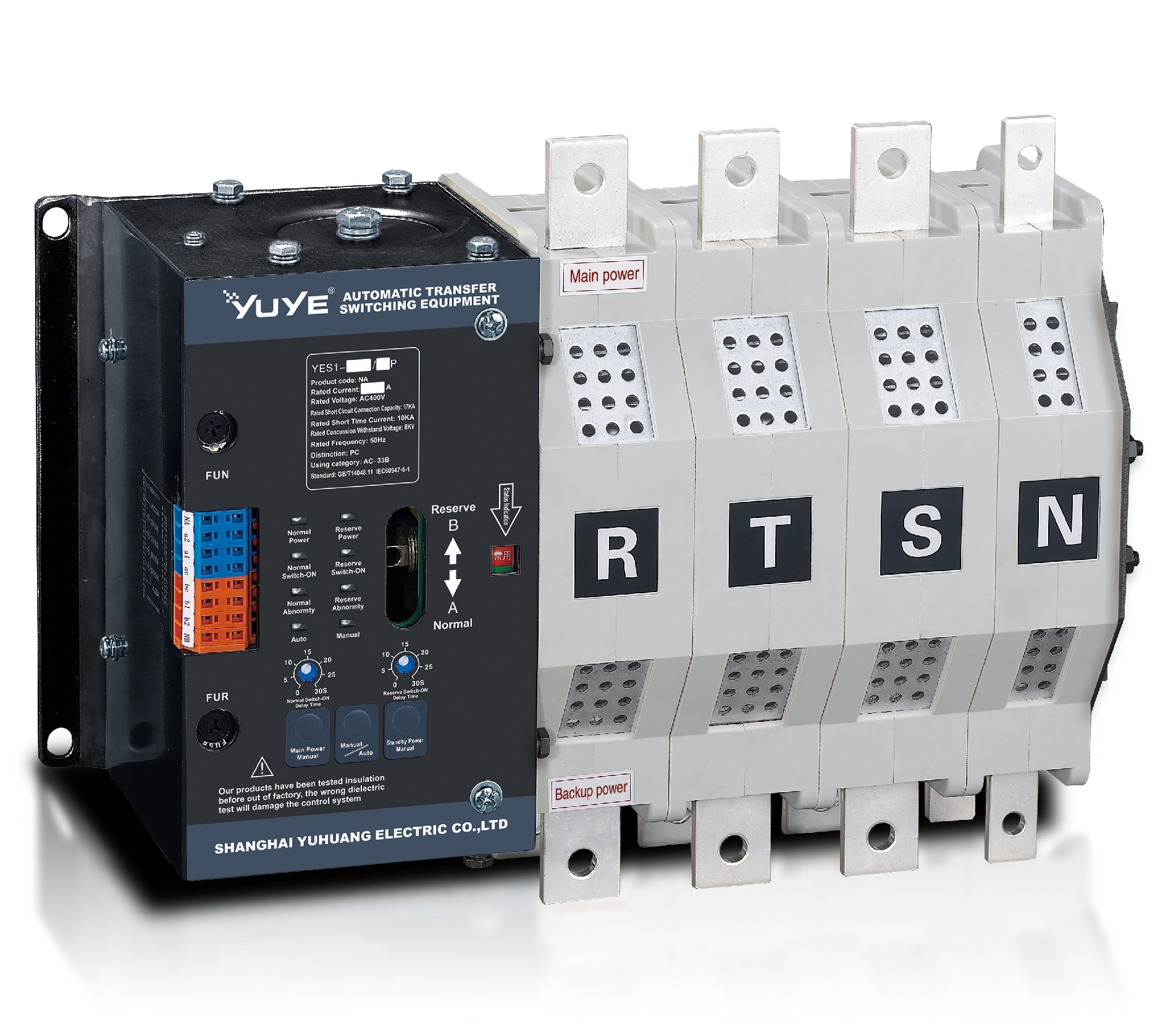 Solenoid-type ATS YES1-250~630NA/NAT
 Solenoid-type ATS YES1-63NJT
 PC ATS YES1-100~1600GN1/GN/GNF
 PC ATS YES1-2000~3200GN/GNF
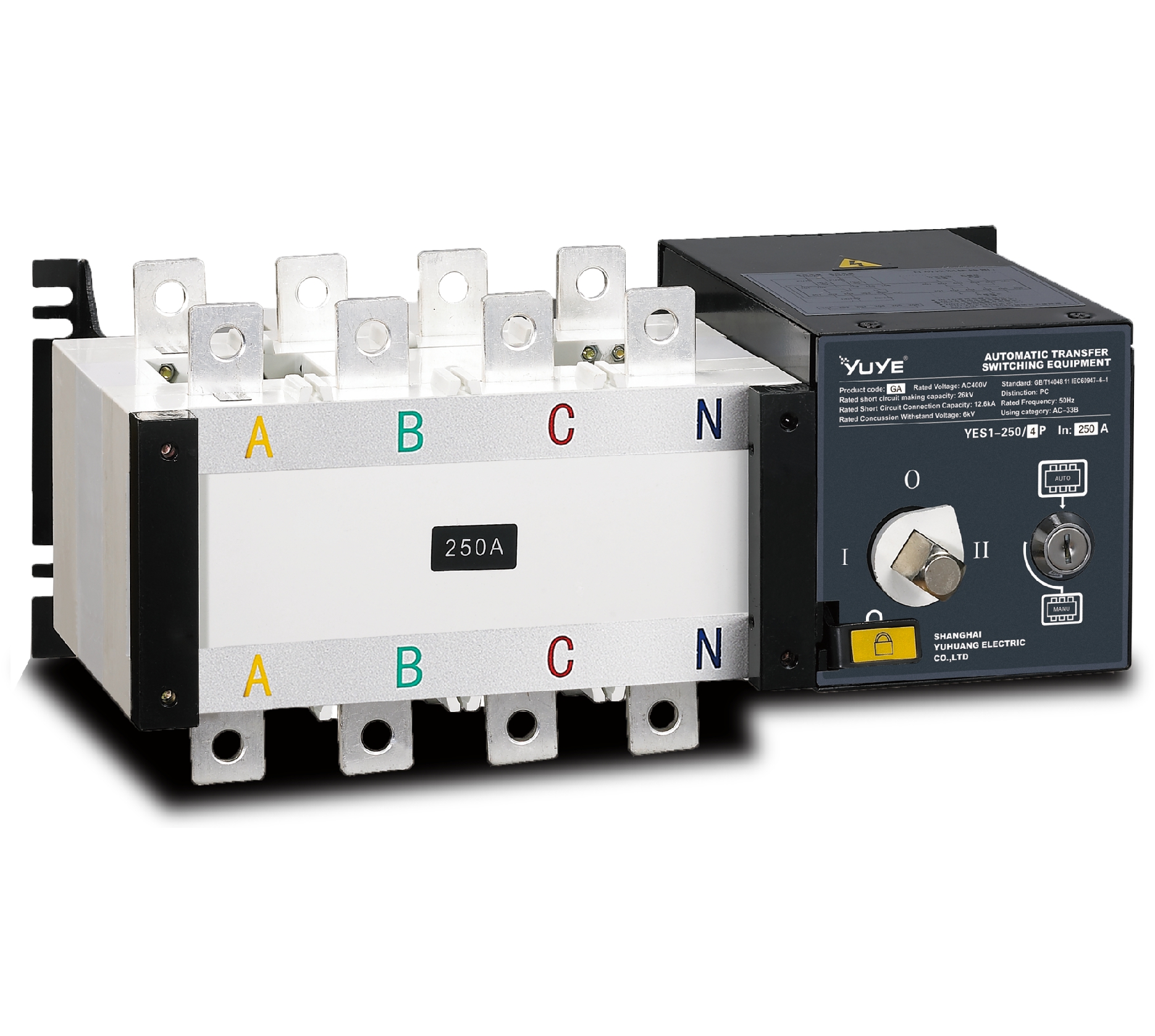 PC ATS YES1-100~3200GA1/GA
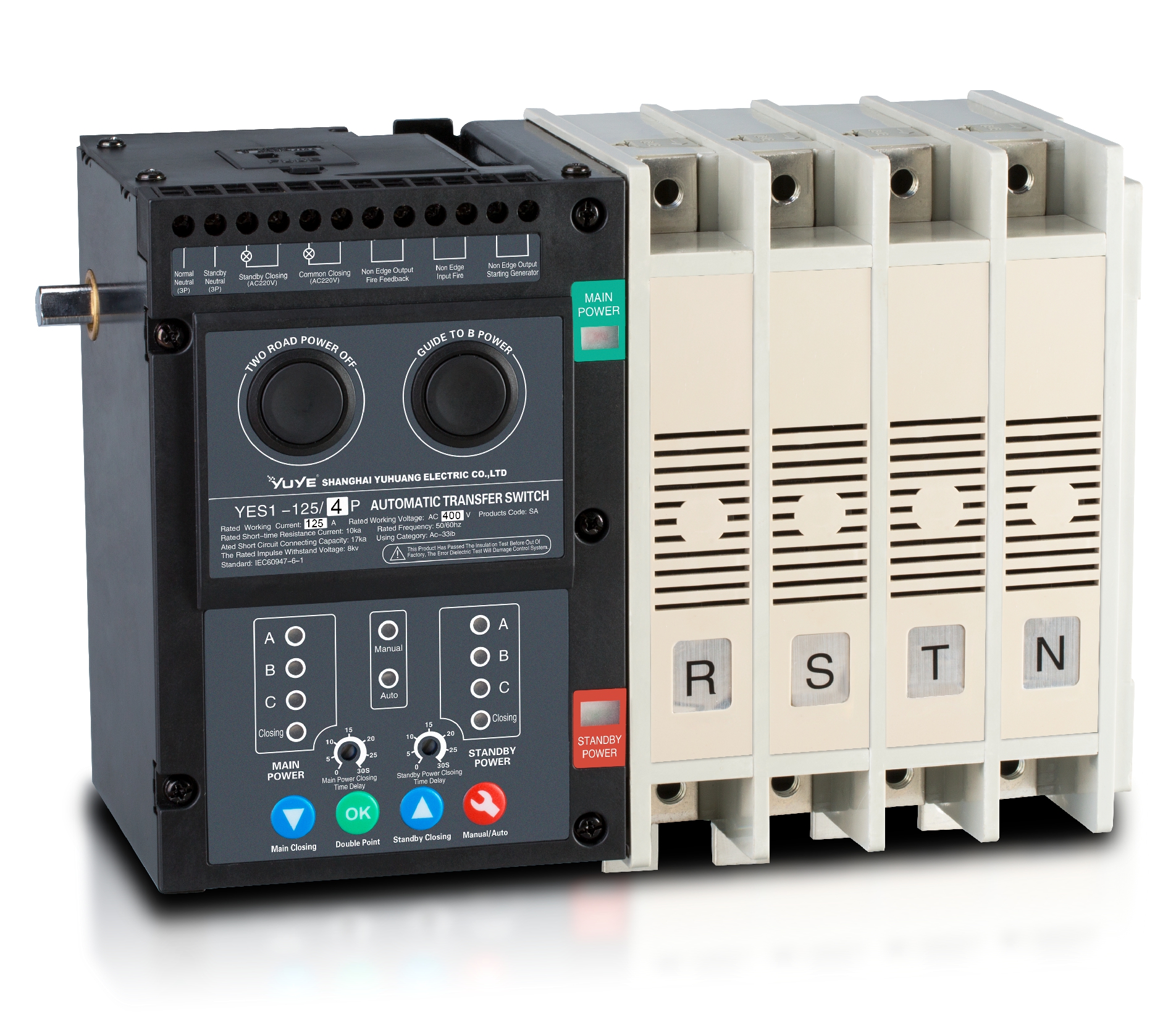 Solenoid-type ATS YES1-63~630SA
 Solenoid-type ATS YES1-63~630L/LA
 Solenoid-type ATS YES1-63~630LA3
 Solenoid-type ATS YES1-63MA
 PC ATS YES1-630~1600M
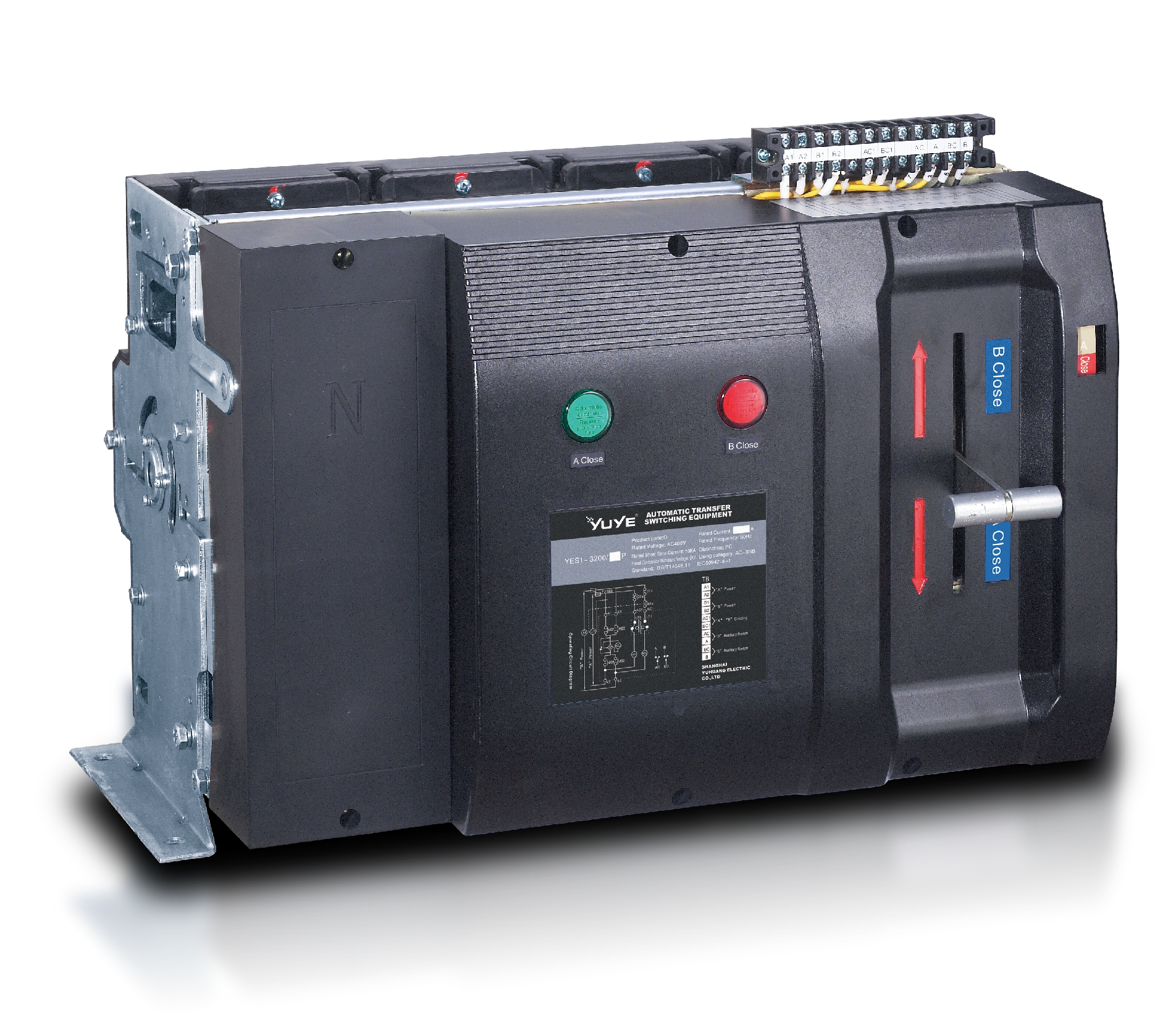 PC ATS YES1-3200Q
 Solenoid-type ATS YES1-4000~6300Q
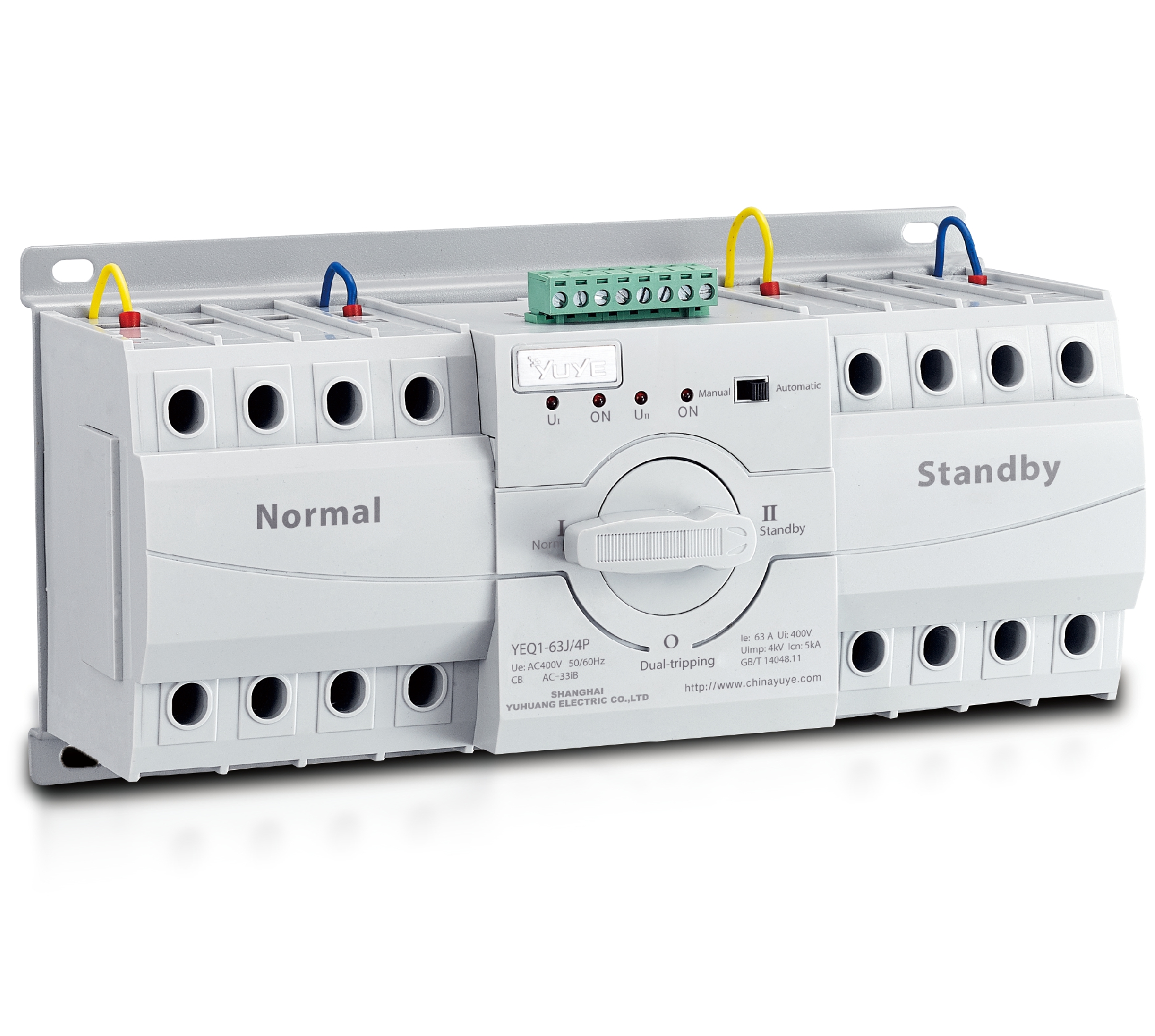 CB ATS YEQ1-63J
 CB ATS YEQ2Y-63
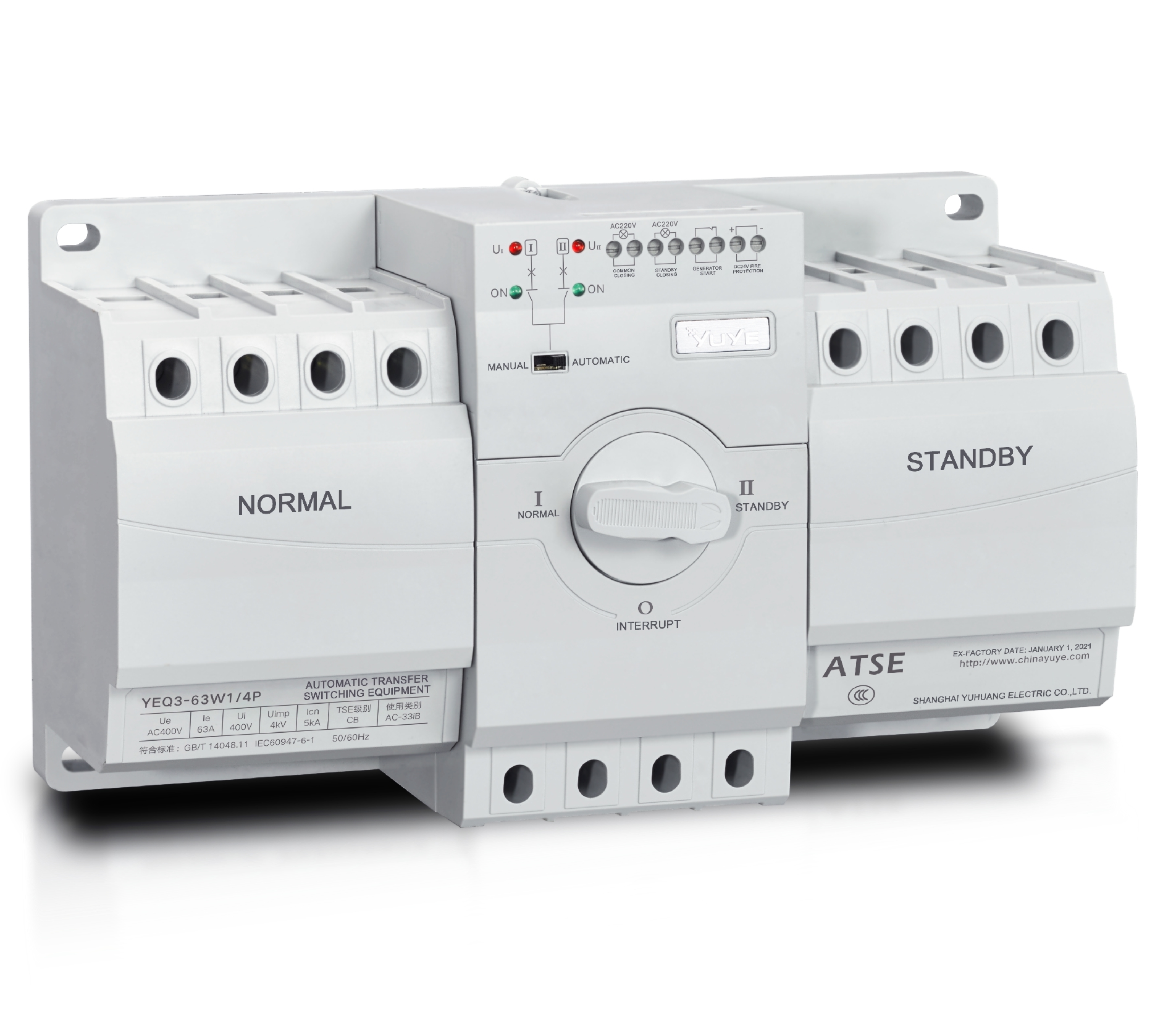 CB ATS YEQ3-63W1
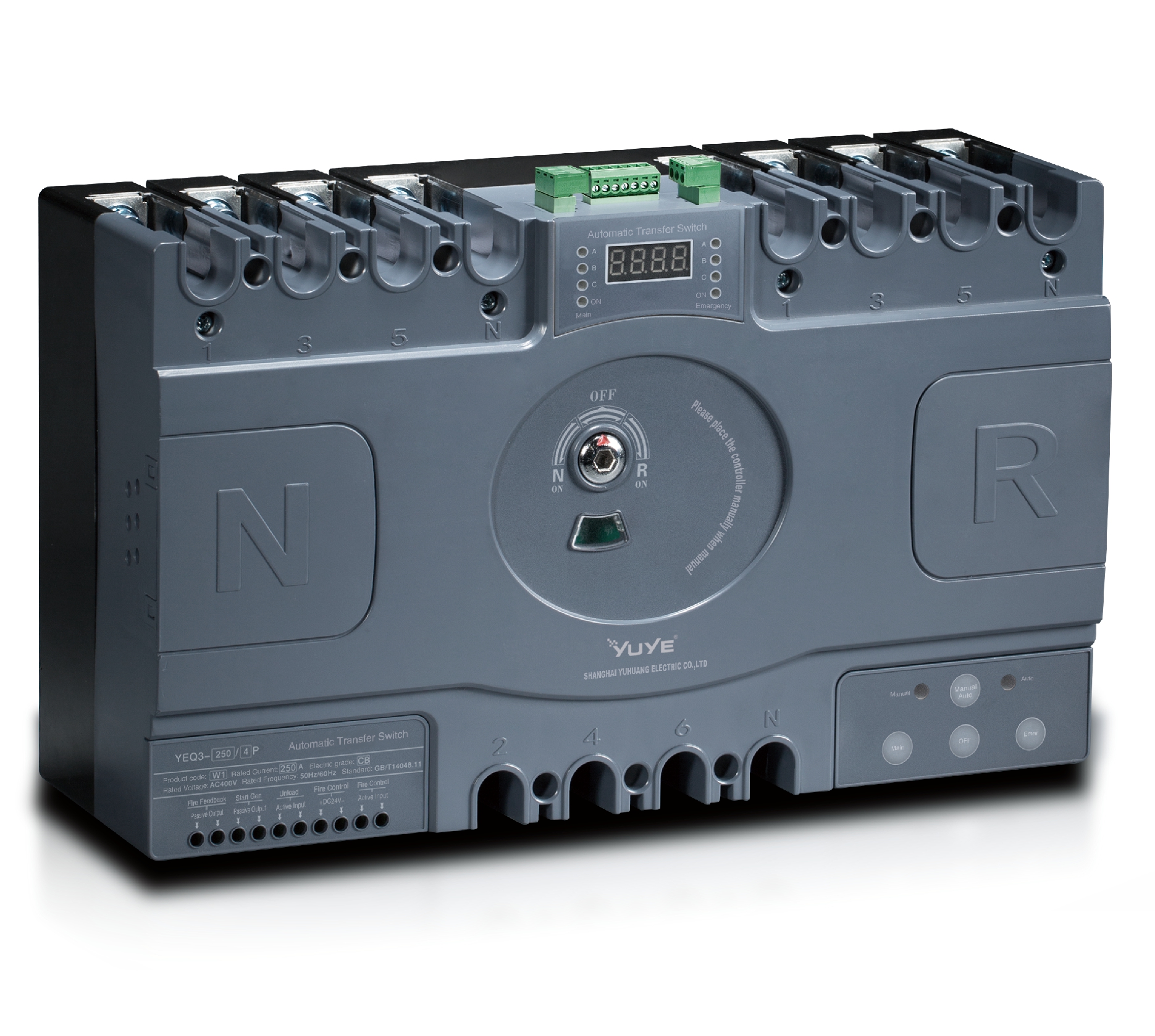 CB ATS YEQ3-125~630W1
 ATS controller Y-700
 ATS Controller Y-700N
 ATS Controller Y-701B
 ATS Controller Y-703N
 ATS Controller Y-800
 ATS Controller W2/W3 Series
 ATS switch Cabinet floor-to-ceiling
 ATS switch cabinet
 JXF-225A power Cbinet
 JXF-800A power Cbinet
 YEM3-125~800 Plastic Shell Type MCCB
 YEM3L-125~630 Leakage Type MCCB
 YEM3Z-125~800 Adjustable Type MCCB
 YEM1-63~1250 Plastic Shell Type MCCB
 YEM1E-100~800 Electronic Type MCCB
 YEM1L-100~630 Leakage Type MCCB
 Air Circuit Breaker YEW1-2000~6300
 Air Circuit Breaker YEW3-1600
 Miniature circuit breaker YEMA2-6~100
 Miniature circuit breaker YEB1-3~63
 Miniature circuit breaker YEB1LE-3~63
 Miniature circuit breaker YEPN-3~32
 Miniature circuit breaker YEPNLE-3~32
 Miniature circuit breaker YENC-63~125
 Load isolation switch YGL-63~3150
 Load Isolation Switch YGL2-63~3150
 DC relay YDC-P20
 DC relay YDC-P250
 DC relay YDC-P400
 DC relay MDC-300M
 DC relay YDC-M400
 DC Isolation Switch YEGL3D-630
 YECPS2-45~125 LCD
 YECPS-45~125 Digital
 CNC Milling/Turning-OEM
1. What Is a DC Transfer Switch and Its Core Function
A DC Transfer Switch is a specialized switching device designed to manage DC power sources, automatically or manually shifting the load between two independent DC inputs. Unlike AC transfer switches built for alternating current, this equipment handles direct current from batteries, solar panels and other DC generation units.
Its core function is to prevent two DC power sources from feeding power into the circuit simultaneously. It isolates the inactive source while connecting the active power supply to the load. This avoids reverse current, short circuits and equipment damage, delivering stable power supply for DC loads.
2. Working Principle of DC Power Transfer Switching
The device monitors the voltage status of the two DC input channels in real time. In automatic models, the controller continuously detects power availability of the primary DC source.
When the primary DC supply drops below the preset threshold or fails, the switch triggers a transition to the backup DC source. The switching action is mechanically interlocked to guarantee only one circuit is closed at any time. Manual versions rely on operator action to toggle between power inputs. The whole switching process minimizes power interruption for connected DC loads in hybrid energy setups.
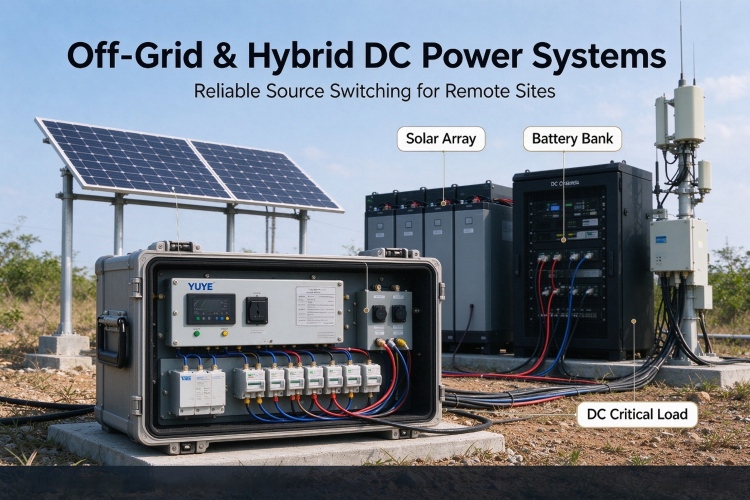
3. Main Applications in Off-Grid and Hybrid Power Systems
This hardware is widely deployed in off-grid solar systems, hybrid solar-battery storage stations and standalone DC power plants.
For off-grid installations, it switches between solar array output and battery banks when sunlight is insufficient. In hybrid systems, it coordinates power flow among solar generators, battery storage and other DC power sources. Common use cases include remote telecom stations, residential off-grid power cabins and small commercial DC microgrids. It serves as a reliable control unit to keep essential DC loads running without AC conversion.
4. Critical Factors to Select a Suitable DC Transfer Switch
Several parameters must be checked before choosing this equipment for your power project.
First, confirm the rated DC voltage and rated current to match your solar and battery system specs. Second, decide between automatic or manual operation based on your site requirement. Third, check the interlock reliability and breaking capacity, which determine performance under overload or fault conditions. Environmental rating is another key point; outdoor systems need enclosures with proper dust and moisture protection. Always pick a switch with safety certifications to fit local electrical standards.
5. DC Transfer Switch Maintenance and Safety Tips
Regular inspection keeps the unit operating reliably and extends service life. Check terminals for loose connections, corrosion and overheating marks periodically. Clean dust inside the enclosure and verify mechanical interlock function every few months.
Before any inspection or maintenance work, fully disconnect all DC power inputs. DC arcs are harder to extinguish than AC arcs, so never disconnect live DC circuits casually. Test switching functions routinely to confirm the device can correctly shift between power sources during outages. Replace components immediately if you notice abnormal noises, burning smells or degraded contact performance.
FAQ
Q: What is the difference between DC transfer switch and AC transfer switch?
A: Devices for direct current circuits are engineered for DC arc suppression. AC versions work for alternating current loads. They cannot be interchanged.
Q: Can this equipment work for both solar panels and battery banks?
A: Yes, it is the typical application. It switches loads between solar array and battery DC outputs in off-grid and hybrid systems.
Q: Is manual model cheaper than automatic type?
A: Manual models have lower upfront cost, while automatic versions add monitoring and control modules for unattended sites.
