
 PC ATS YECT1-2000G
 PC ATS YES2-63~250GN1
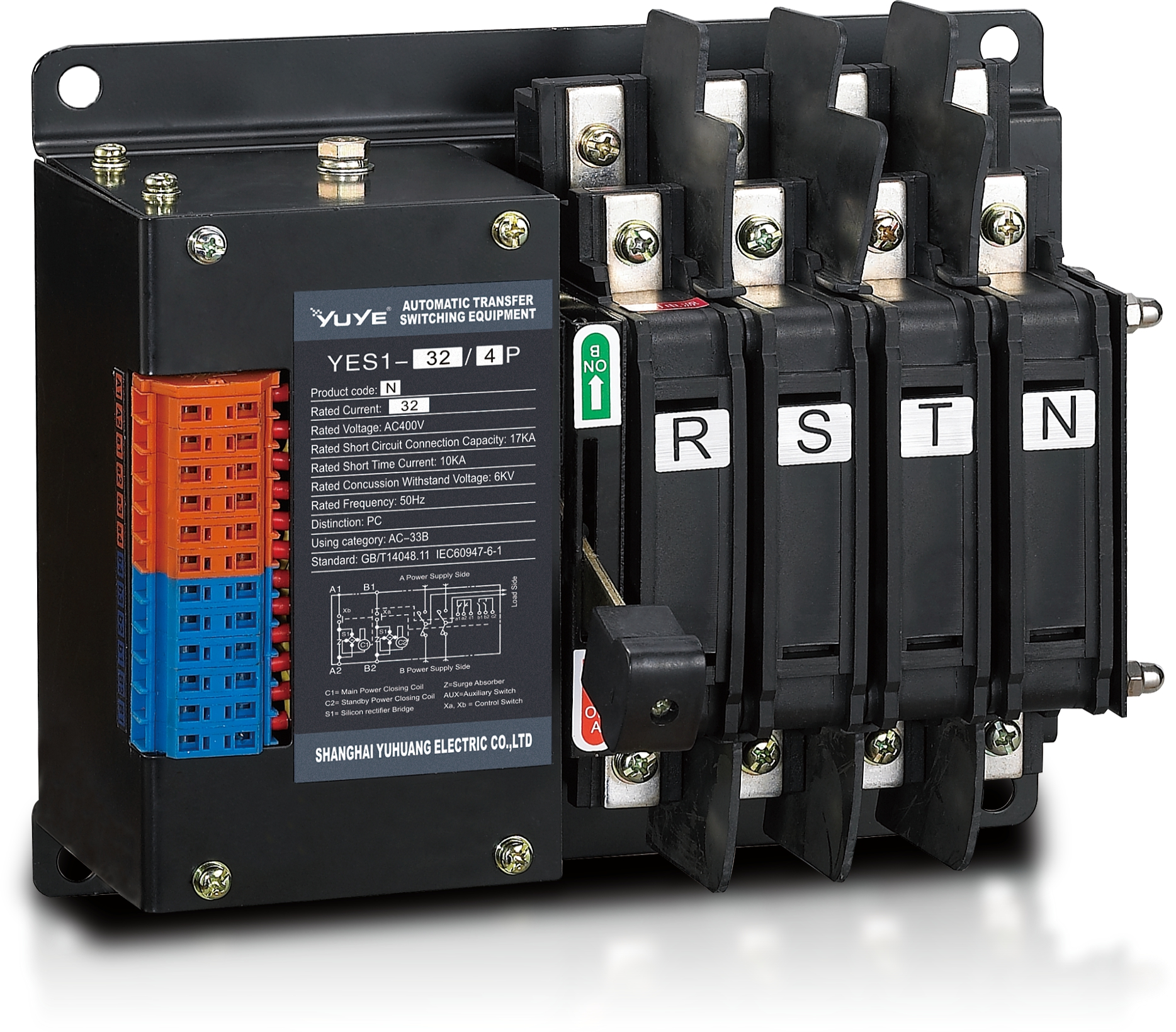 Solenoid-type ATS YES1-32~125N
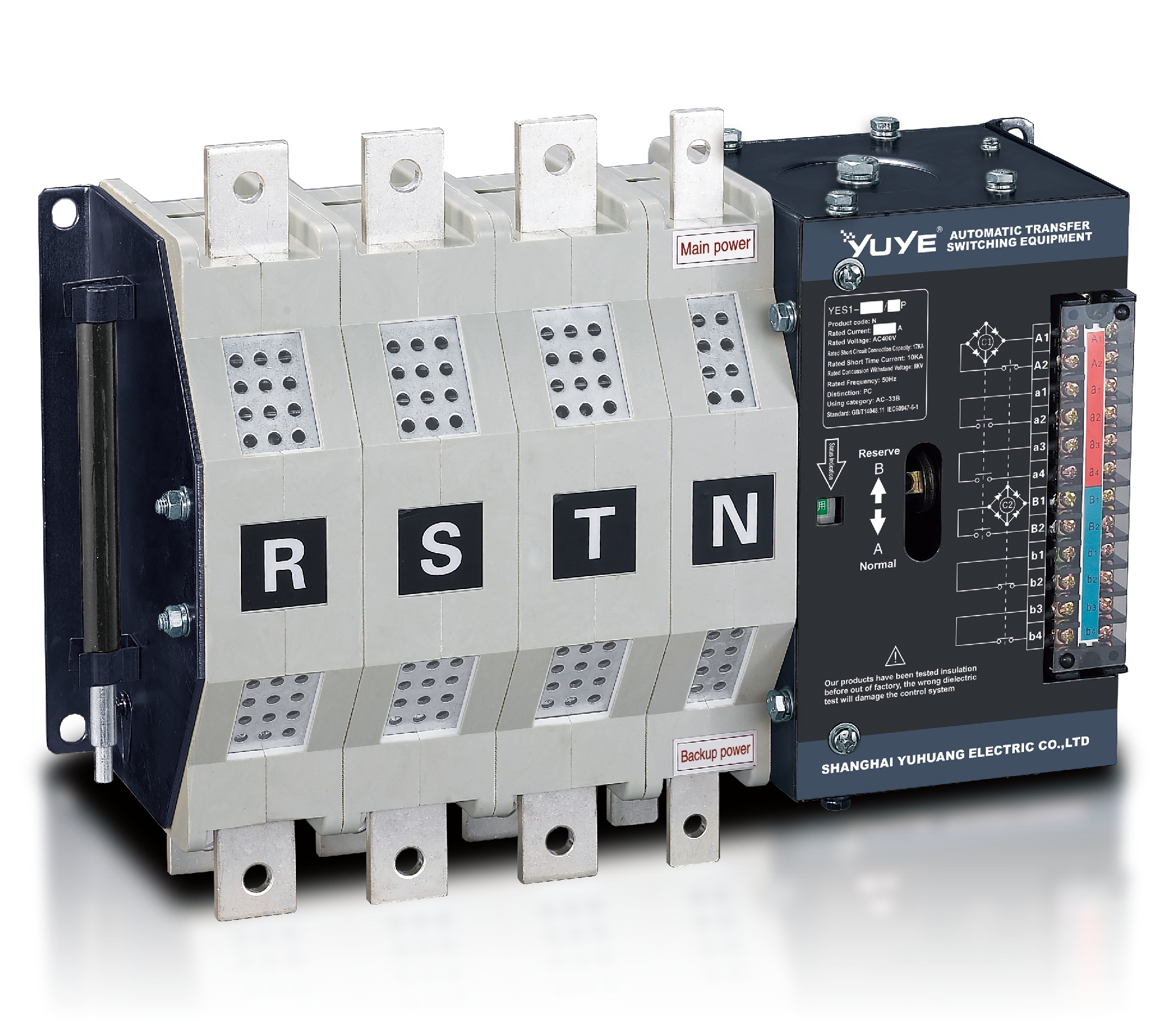 Solenoid-type ATS YES1-250~630N/NT
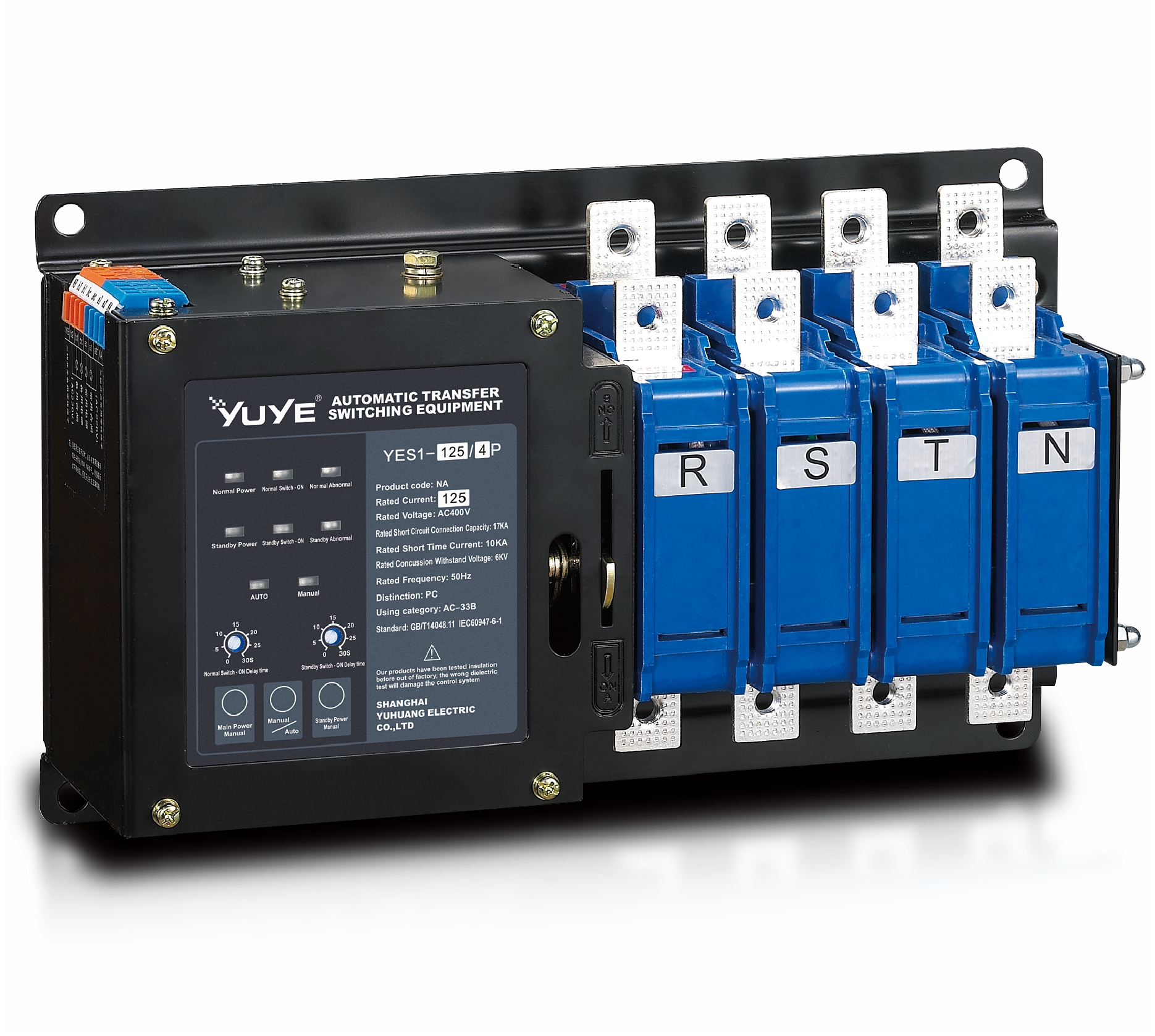 Solenoid-type ATS YES1-32~125NA
 Solenoid-type ATS YES1-63~630SN
 Solenoid-type ATS YES1-1250~4000SN
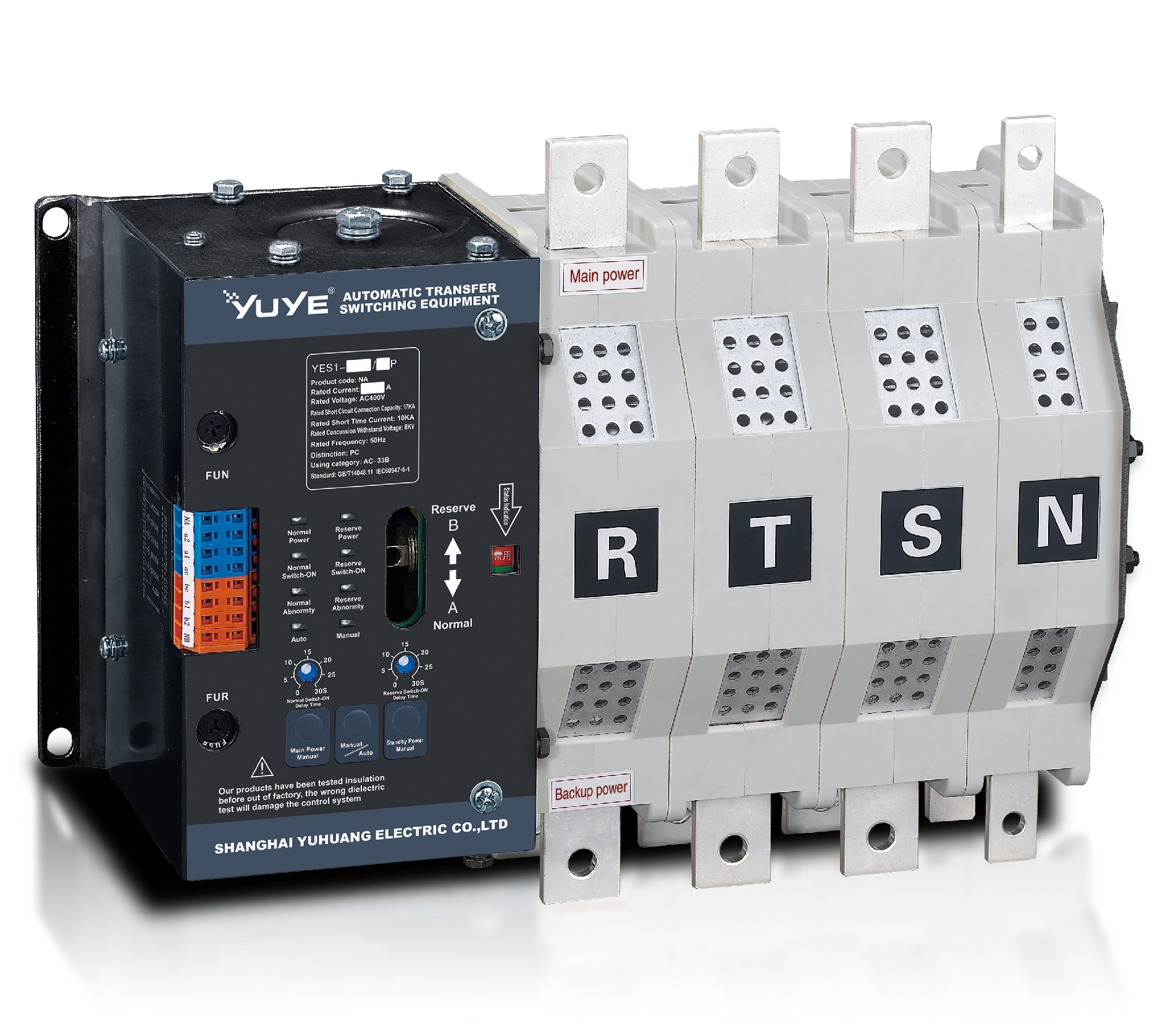 Solenoid-type ATS YES1-250~630NA/NAT
 Solenoid-type ATS YES1-63NJT
 PC ATS YES1-100~1600GN1/GN/GNF
 PC ATS YES1-2000~3200GN/GNF
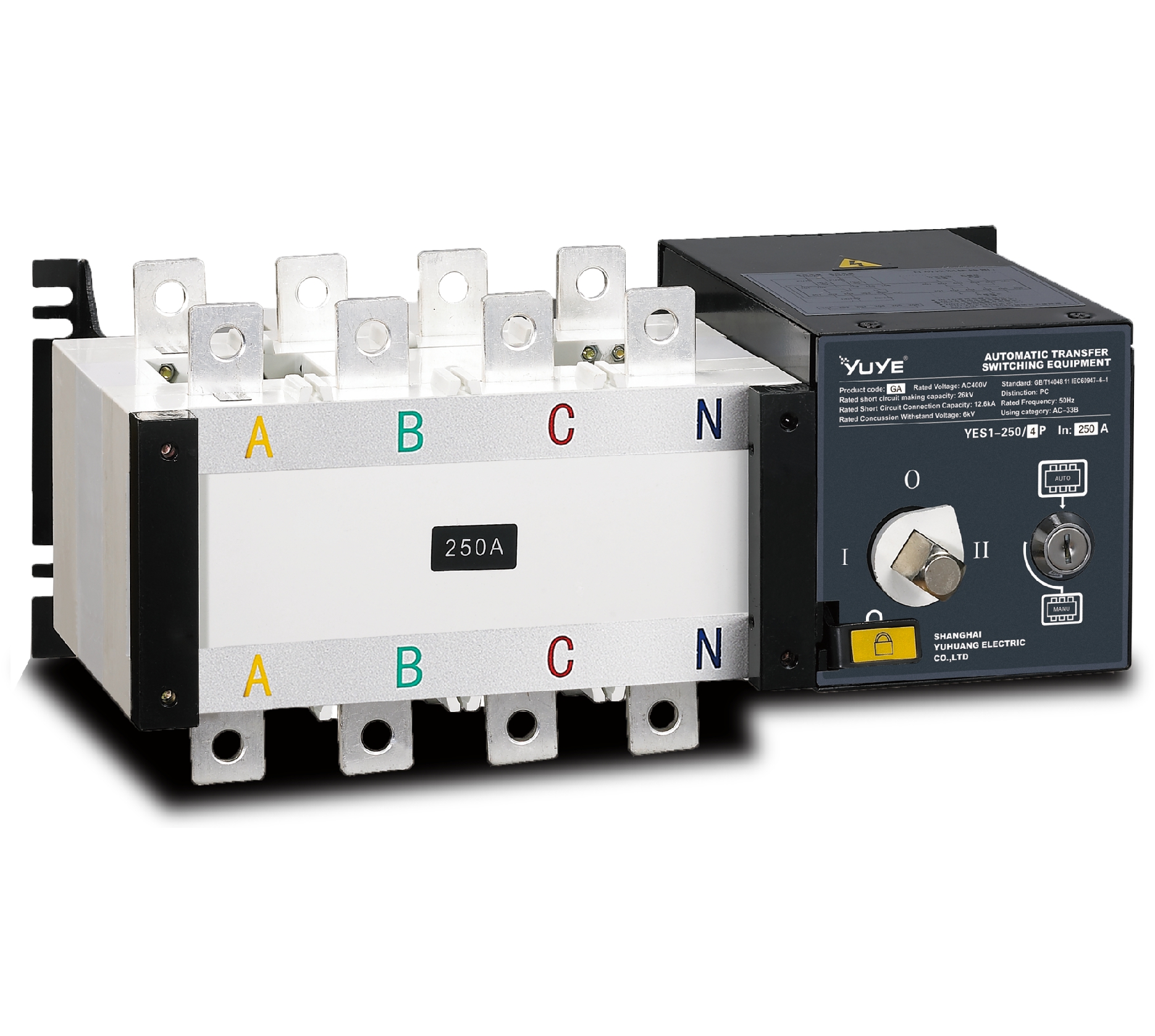 PC ATS YES1-100~3200GA1/GA
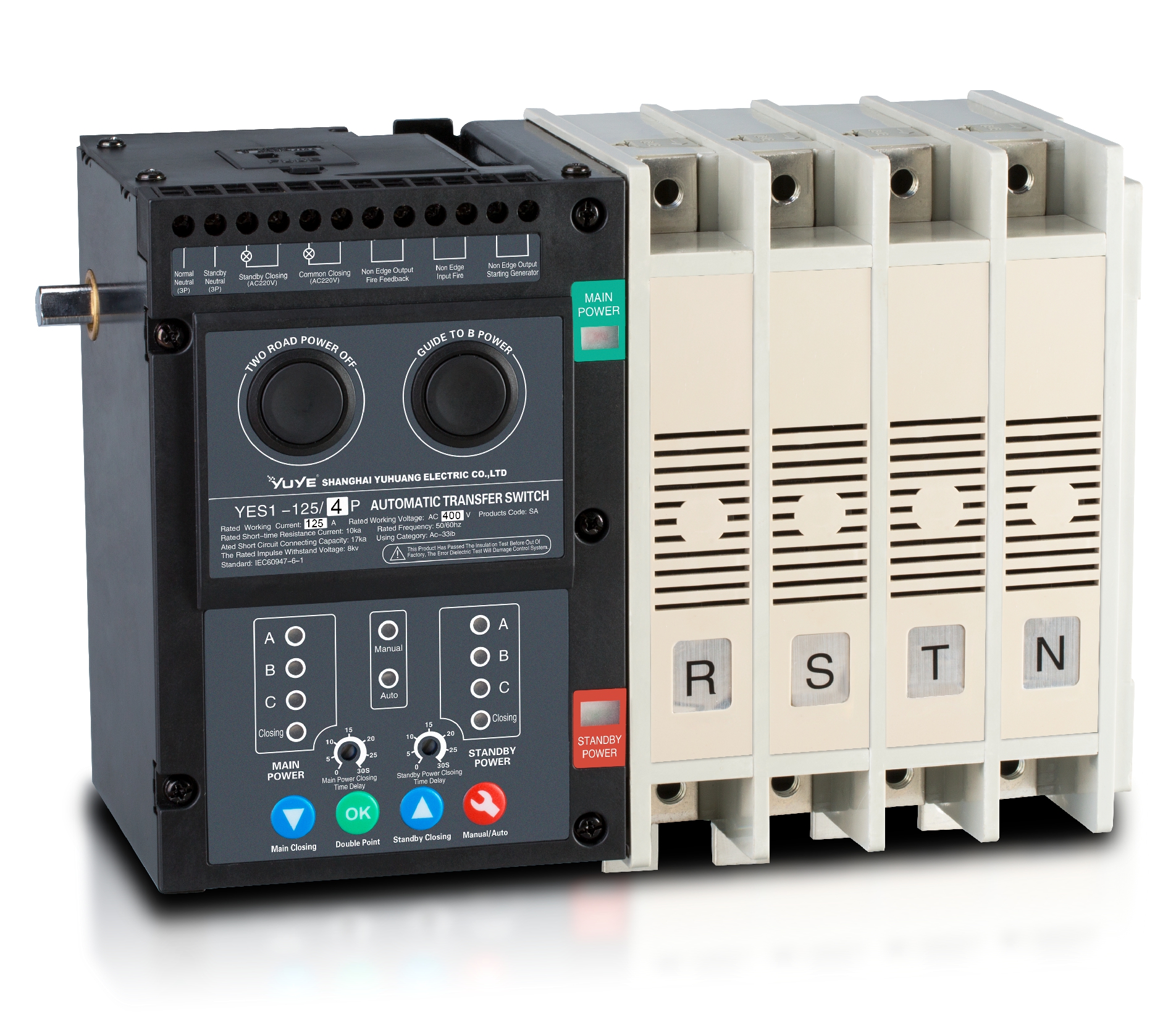 Solenoid-type ATS YES1-63~630SA
 Solenoid-type ATS YES1-63~630L/LA
 Solenoid-type ATS YES1-63~630LA3
 Solenoid-type ATS YES1-63MA
 PC ATS YES1-630~1600M
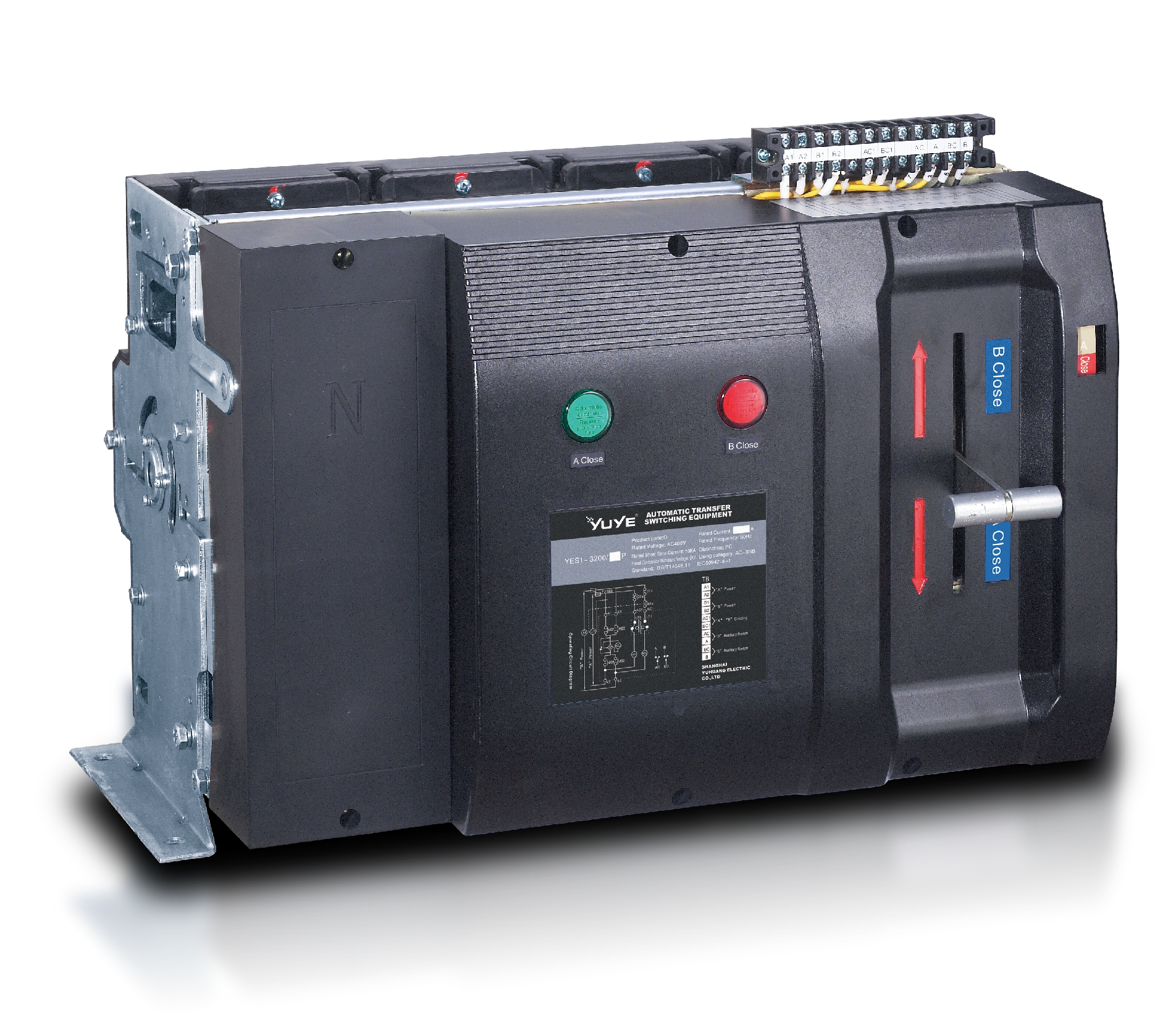 PC ATS YES1-3200Q
 Solenoid-type ATS YES1-4000~6300Q
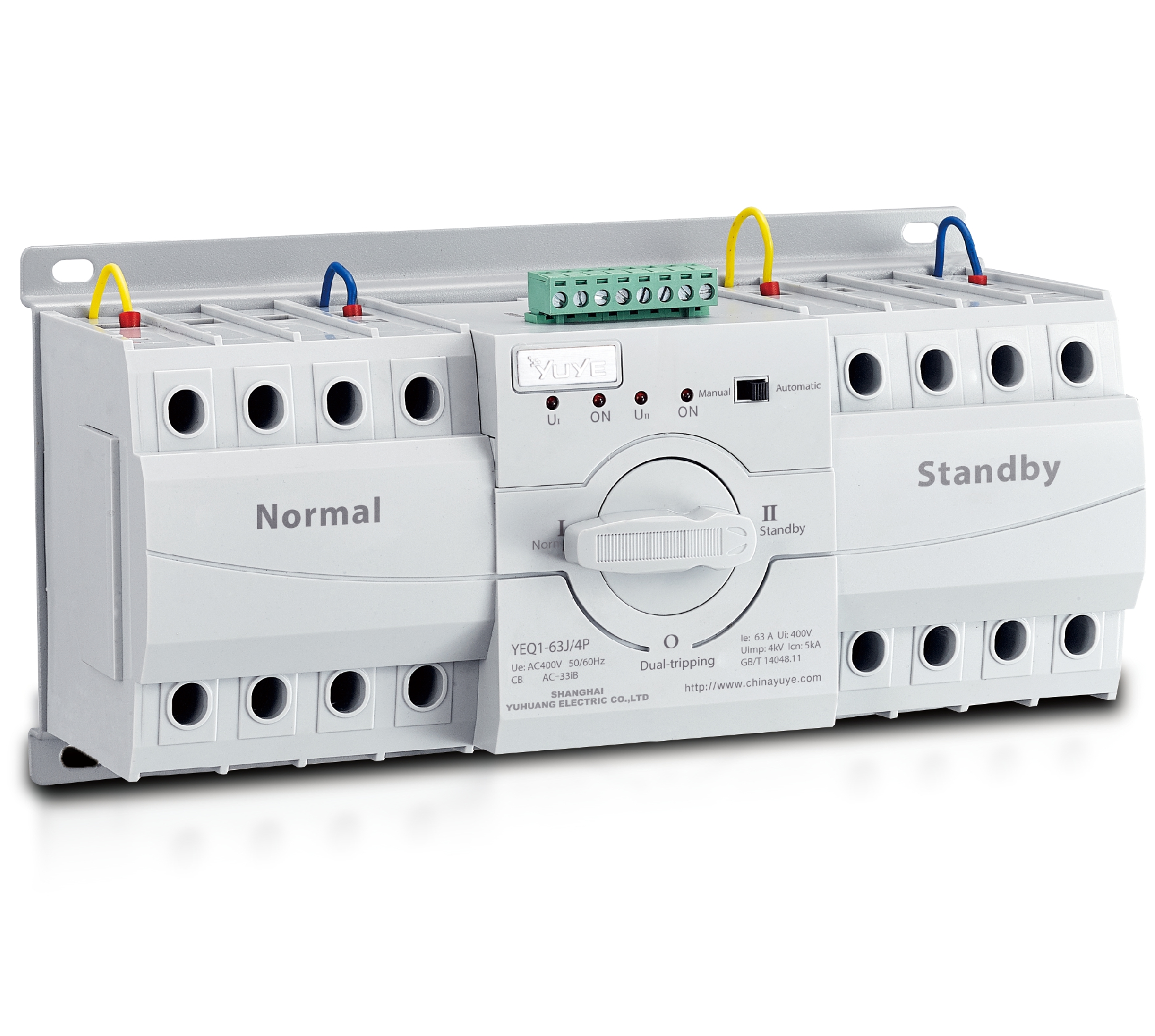 CB ATS YEQ1-63J
 CB ATS YEQ2Y-63
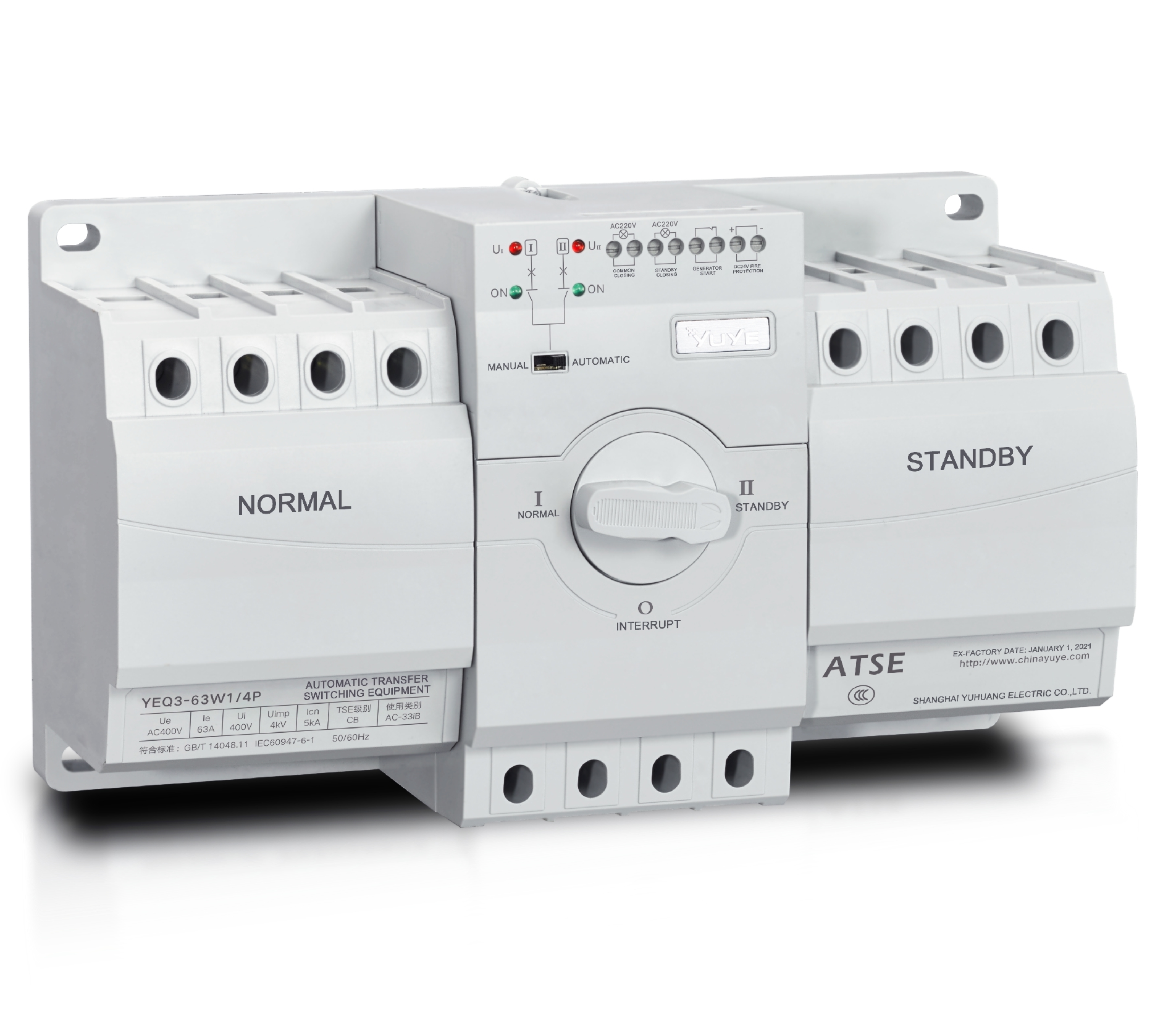 CB ATS YEQ3-63W1
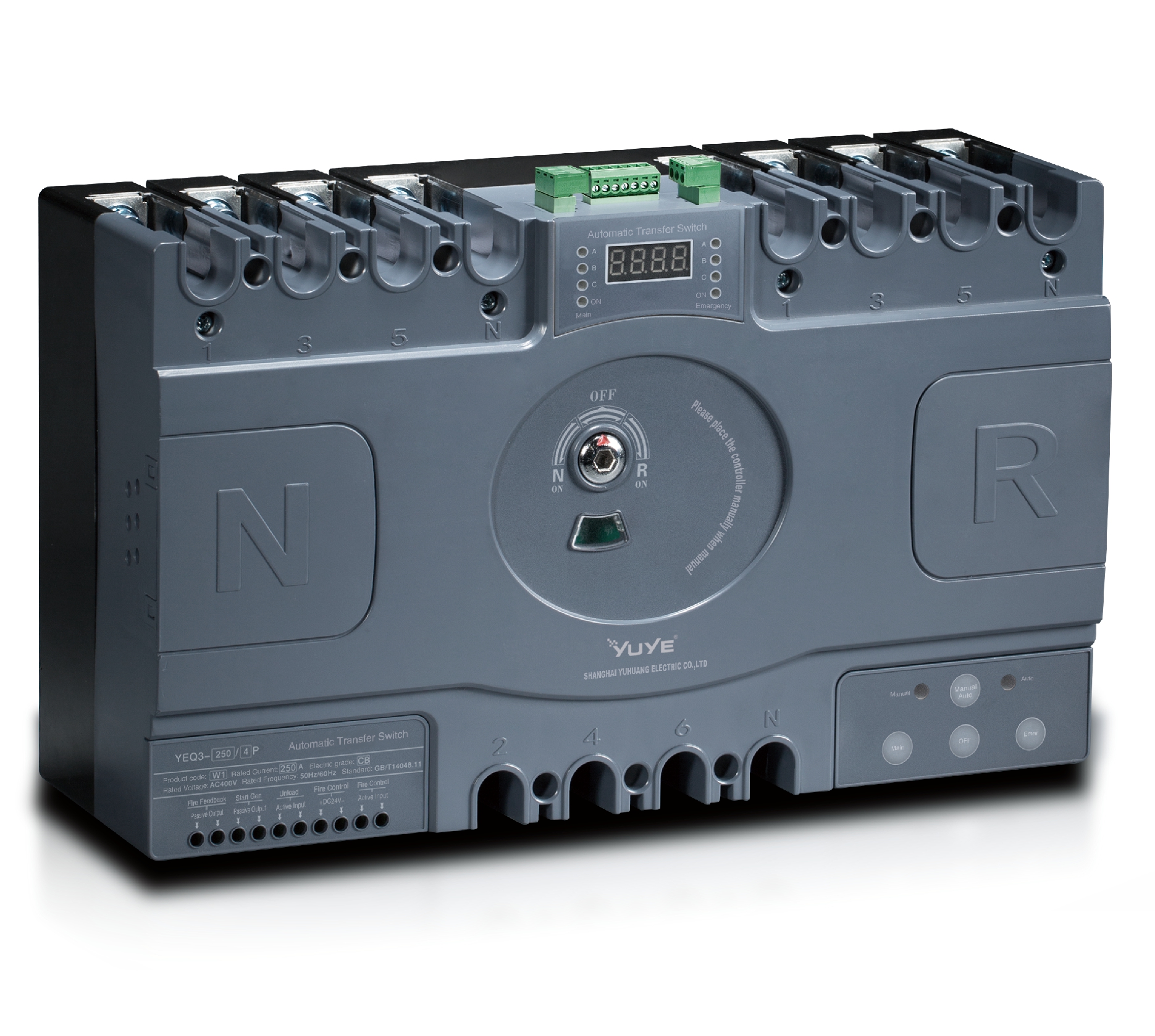 CB ATS YEQ3-125~630W1
 ATS controller Y-700
 ATS Controller Y-700N
 ATS Controller Y-701B
 ATS Controller Y-703N
 ATS Controller Y-800
 ATS Controller W2/W3 Series
 ATS switch Cabinet floor-to-ceiling
 ATS switch cabinet
 JXF-225A power Cbinet
 JXF-800A power Cbinet
 YEM3-125~800 Plastic Shell Type MCCB
 YEM3L-125~630 Leakage Type MCCB
 YEM3Z-125~800 Adjustable Type MCCB
 YEM1-63~1250 Plastic Shell Type MCCB
 YEM1E-100~800 Electronic Type MCCB
 YEM1L-100~630 Leakage Type MCCB
 Air Circuit Breaker YEW1-2000~6300
 Air Circuit Breaker YEW3-1600
 Miniature circuit breaker YEMA2-6~100
 Miniature circuit breaker YEB1-3~63
 Miniature circuit breaker YEB1LE-3~63
 Miniature circuit breaker YEPN-3~32
 Miniature circuit breaker YEPNLE-3~32
 Miniature circuit breaker YENC-63~125
 Load isolation switch YGL-63~3150
 Load Isolation Switch YGL2-63~3150
 DC relay YDC-P20
 DC relay YDC-P250
 DC relay YDC-P400
 DC relay MDC-300M
 DC relay YDC-M400
 DC Isolation Switch YEGL3D-630
 YECPS2-45~125 LCD
 YECPS-45~125 Digital
 CNC Milling/Turning-OEM
Introduction
In scenarios requiring continuous power supply, Solenoid Type ATS pricing varies greatly, from hundreds to tens of thousands of yuan. Pricing hinges on specifications, as each difference affects production costs. This article breaks down core specifications, analyzes their cost correlation, premium logic and selection tips, helping purchasers avoid pitfalls with references and FAQs.
I. Core Specification Breakdown: Key Parameters for Pricing
Its pricing is determined by core specifications, with four key types directly linked to production costs: electrical, drive, structural, and functional.
Electrical specifications (rated voltage, rated current) are most critical. Higher rated current means more conductive materials and stricter material requirements, increasing costs; industrial models need better insulation than household ones, raising costs further.
Drive specifications (solenoid coil power, switching speed) affect performance. Higher power and faster switching require higher precision and testing, pushing up costs.
Structural specifications (volume, contact material): Industrial high-current products are larger, and high-end contacts (silver alloy, silver-tungsten alloy) cost 2-4 times more than ordinary brass, lifting pricing.
Functional specifications (fault alarm, intelligent monitoring) are additional; products with these functions cost more due to extra components and R&D.
In short, specifications directly determine production costs and pricing basis.
II. Core Correlation Between Specifications and Costs: Higher Parameters = Higher Pricing?
Specifications are positively correlated with production costs, but not absolutely linearly—practicality and market demand matter.
Positive correlation is clear: Better core parameters (e.g., rated current, switching speed) increase material and process costs, so pricing rises. For example, 400A to 630A rated current raises production costs by 70%-80% and pricing by 60%-70%.
Non-absolute correlation: Beyond basic industry standards, parameter upgrades have weaker cost impacts; excessive parameters cause false high pricing and waste.
Thus, reasonable pricing depends on scenario-suitable parameters, not just parameter levels.
III. Key Specification Segmentation: Analysis of Cost Differences Corresponding to Different Specifications
Combined with application scenarios, Solenoid Type ATS can be divided into three types of specifications, with significant differences in costs and pricing, facilitating purchasers to select models on demand.
Low specifications (household/small office): rated voltage 220V, current 63-100A, basic functions, production cost 100-300 yuan, pricing 200-500 yuan, meeting the basic needs of backup power switching.
Medium-high specifications (industrial/small and medium-sized data centers): rated voltage 380V, current 160-400A, silver alloy contacts, with basic additional functions, production cost 300-1500 yuan, pricing 500-2500 yuan, suitable for conventional industrial scenarios.
High specifications (large-scale industry/high-end scenarios): rated voltage 380V and above, current 500-1250A, high-end materials + intelligent functions, customizable, production cost 1500-10000 yuan, pricing 2500-15000 yuan, suitable for high-demand scenarios.
Different specifications have different cost structures, and rated current and contact material are the main sources of cost differences.

IV. Specification Premium Logic: Why Is There a Large Price Gap Between the Same Type of Solenoid Type ATS?
The large price gap between the same type of Solenoid Type ATS is mainly caused by specification premiums, combined with non-specification factors such as brand and certification.
Material premium: The cost of high-end contacts, conductive materials and shell materials is much higher than that of ordinary materials, which is the most common type of premium.
Precision premium: The upgrade of solenoid coil precision and switching speed requires additional production and testing processes, increasing production costs and forming a premium.
Function premium: Additional functions such as intelligence and remote control require additional R&D and component costs, pushing up pricing.
In addition, strict testing and international certification of well-known brands will also bring a certain non-specification premium.
V. Specification Selection and Cost Balance: How to Avoid Pricing Pitfalls
Purchasers need to balance selection and cost, avoid pitfalls, and maximize cost performance.
Avoid pitfalls: Reject “parameter surplus” and do not blindly pursue high specifications; pay attention to core specifications to avoid additional later expenses caused by mismatched parameters.
Selection principle: Select on demand, low specifications for household use, high specifications for industrial use, and fit scenario needs.
Cost balance: After meeting the core specifications, reasonably choose additional functions; compare products with the same specifications, prefer brands with good reputation and reasonable pricing, and pay attention to product certification.
Conclusion
Pricing of Solenoid Type ATS centers on specifications, which are positively correlated with costs but not absolutely linearly. Price gaps between similar products come from specification and non-specification premiums.
Purchasers need to clarify scenario needs, identify pricing pitfalls, select models on demand, make reasonable choices, save costs on the premise of ensuring performance, and take into account product quality and brand reputation to ensure stable operation of equipment.
References
- 1. Industrial Electrical Technology Network, “2026 Solenoid Type ATS Industry Pricing Guide”, April 15, 2026, referring to the correlation logic between specifications and costs and pricing range.
- 2. Marco Polo Network, “Price Reference for Hot-selling ATOS Solenoid Valves and Electromagnetic Components”, April 28, 2026, referring to the material cost and pricing difference of core components.
- 3. YUYE Electric, “Solenoid-type ATS YES1-250~630NA/NAT Product Manual”, referring to specification parameters, costs and application scenarios.
- 4. Hydrastore, “Atos Cetop 03 Solenoid Coil Price Manual”, referring to the correlation between solenoid coil specifications and costs.
FAQ
- Q1: Which core specification most affects Solenoid Type ATS pricing? A1: Rated current, determining conductive material dosage, quality and cost ratio.
- Q2: Why is there a large price gap between Solenoid Type ATS of the same specification from different brands? A2: It is mainly due to specification premiums (material, precision) and brand premiums (quality, reputation).
- Q3: How to select Solenoid Type ATS for household scenarios to avoid waste? A3: Choose basic models with rated current 63-100A and switching speed 30-50ms.
- Q4: Is the higher the specification of Solenoid Type ATS, the higher the cost performance? A4: Not necessarily; specifications suitable for the scenario are the high-cost-performance choice.
- Q5: How to judge whether the pricing of Solenoid Type ATS is reasonable? A5: Compare products of the same type with core specifications, avoid unreasonable premiums, and give priority to products suitable for needs.
