PC ATS YECT1-2000G
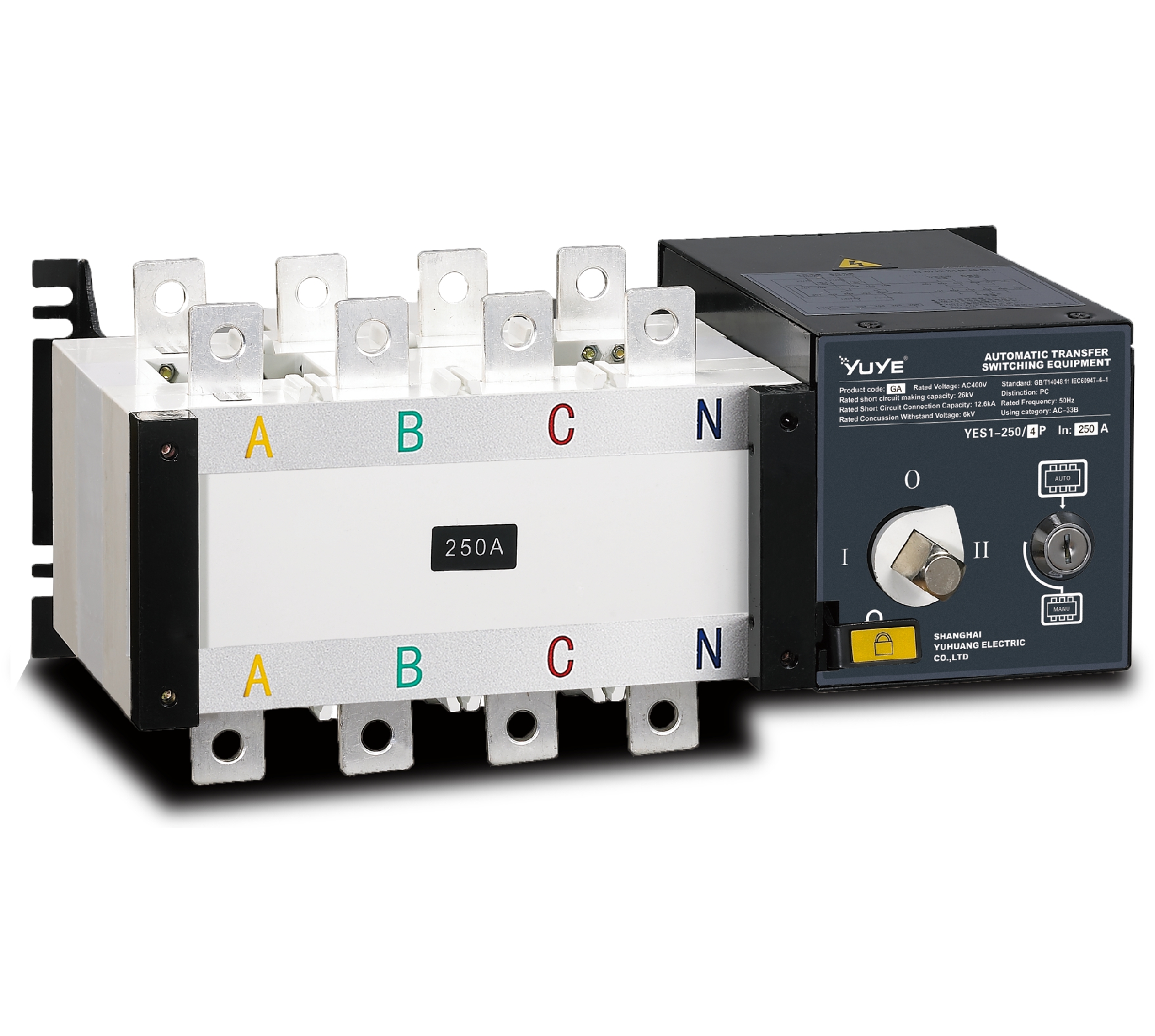
PC ATS YES2-63~250GN1
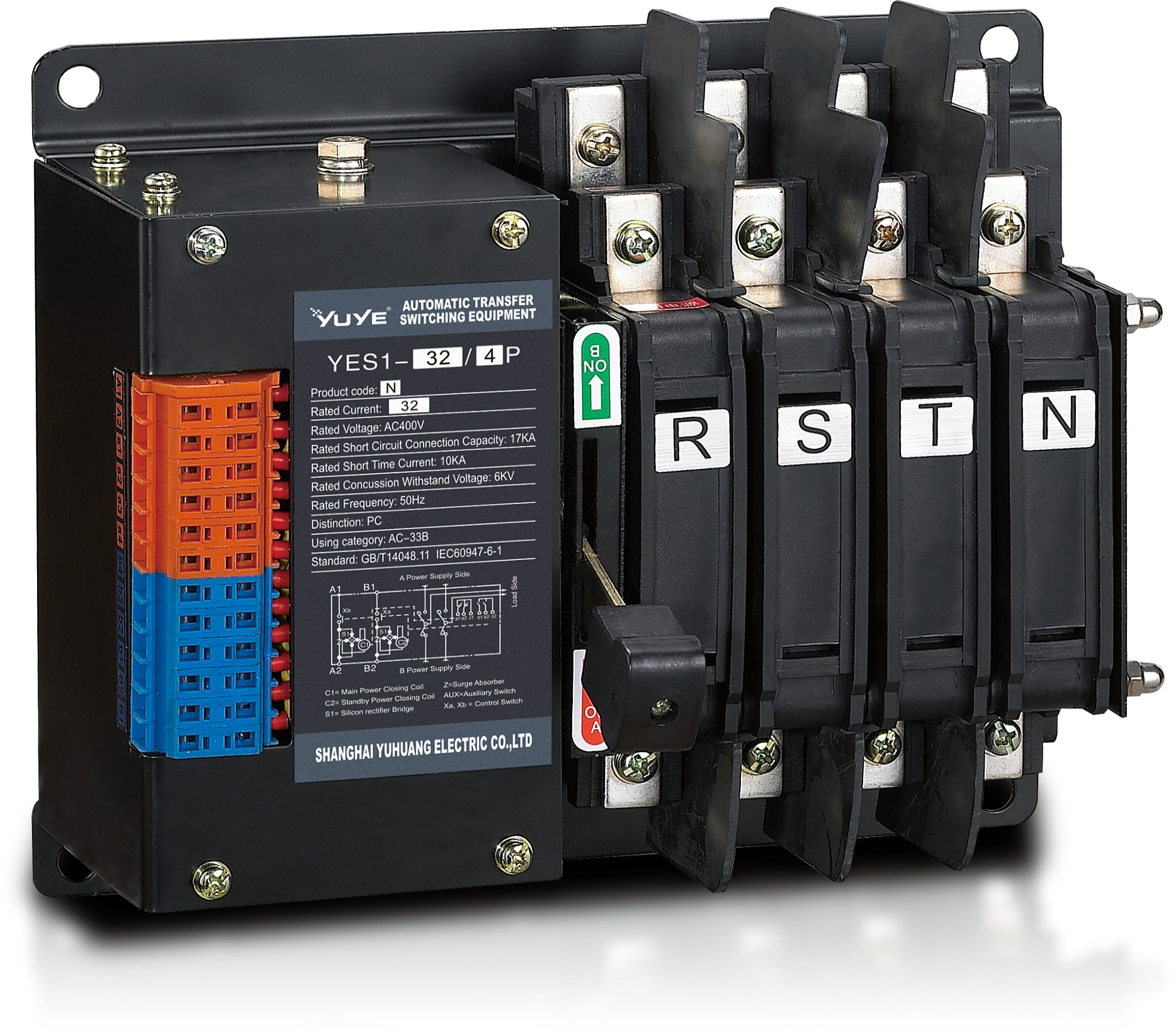
Solenoid-type ATS YES1-32~125N
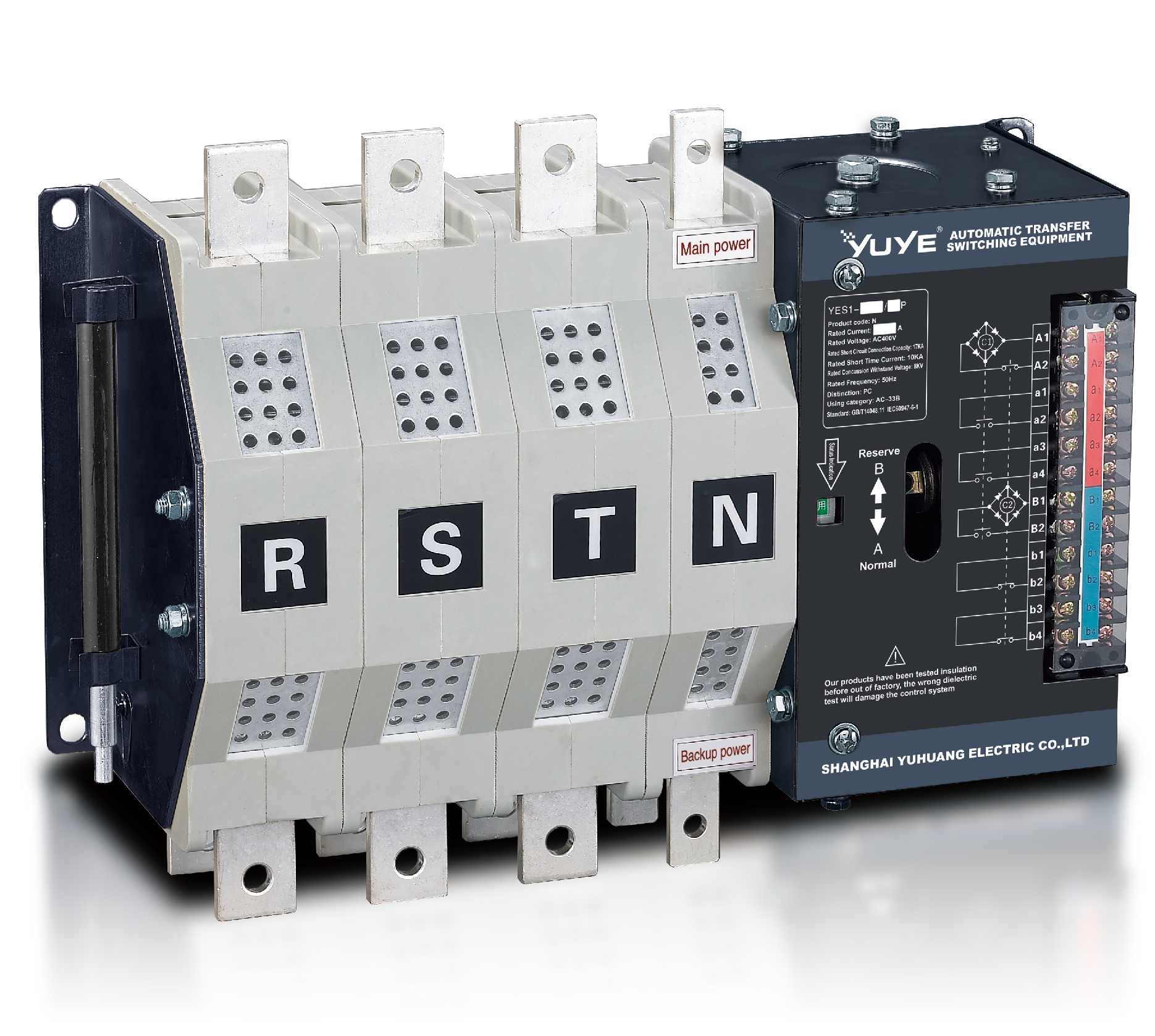
Solenoid-type ATS YES1-250~630N/NT
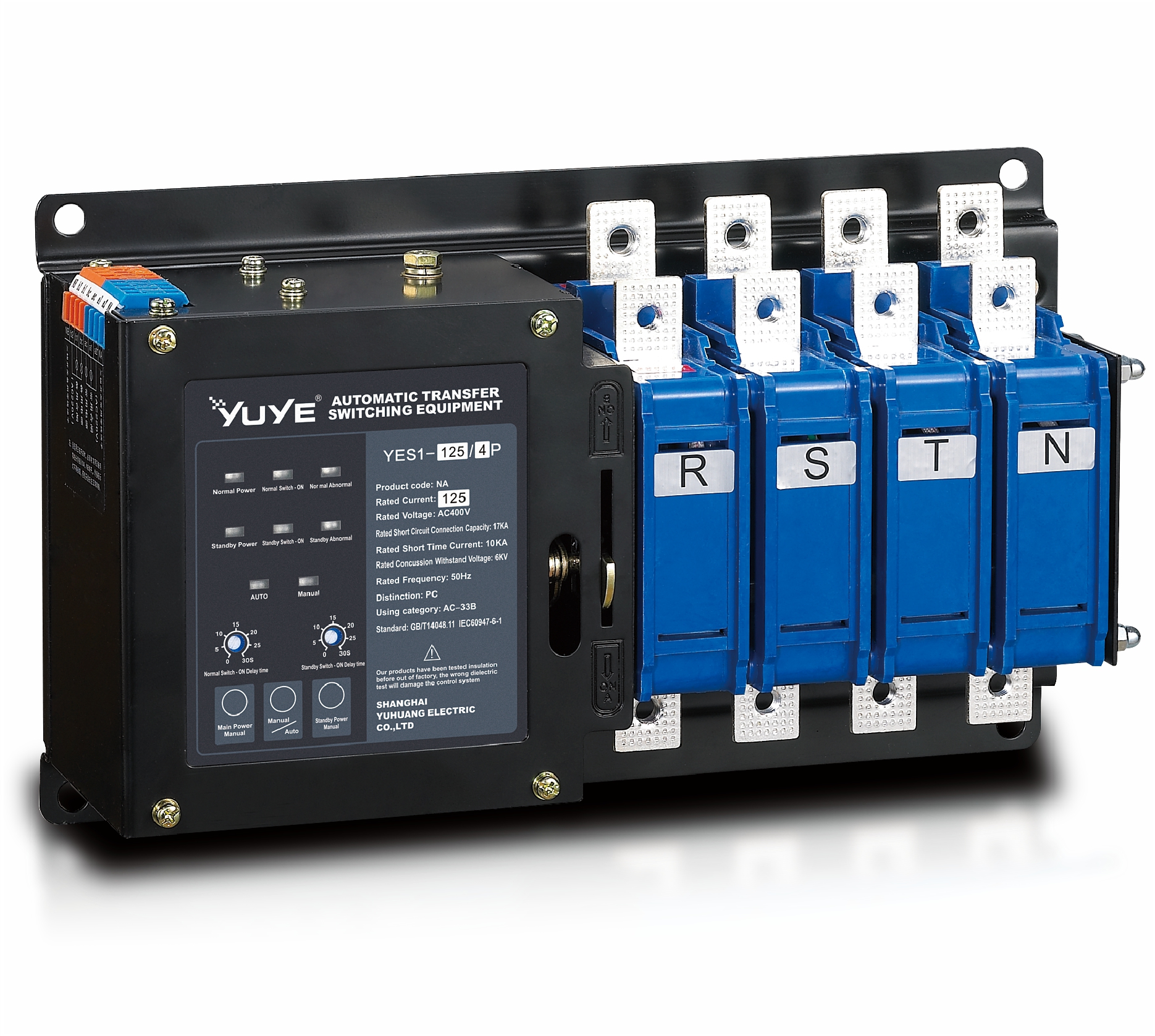
Solenoid-type ATS YES1-32~125NA
Solenoid-type ATS YES1-63~630SN
Solenoid-type ATS YES1-1250~4000SN
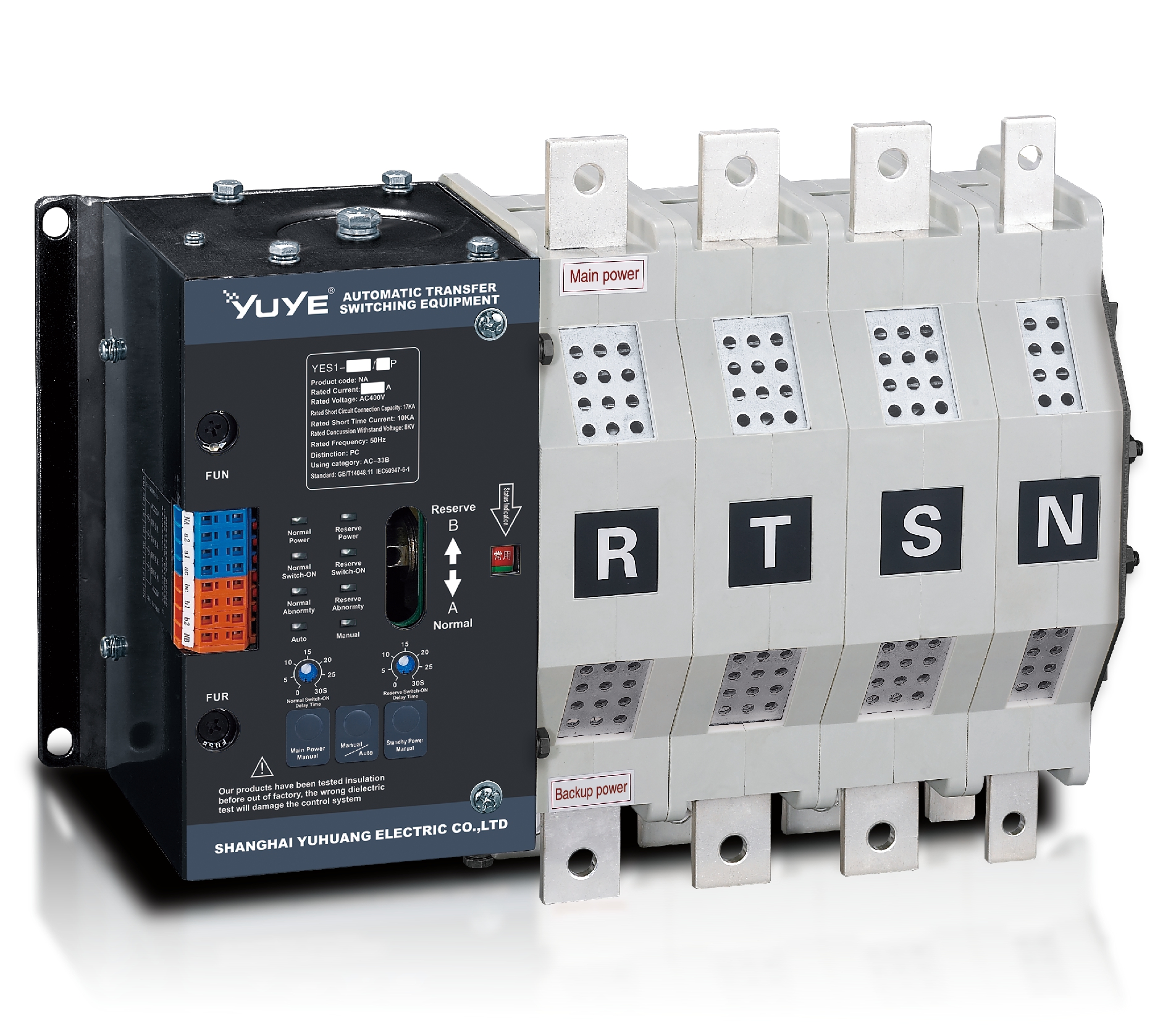
Solenoid-type ATS YES1-250~630NA/NAT
Solenoid-type ATS YES1-63NJT
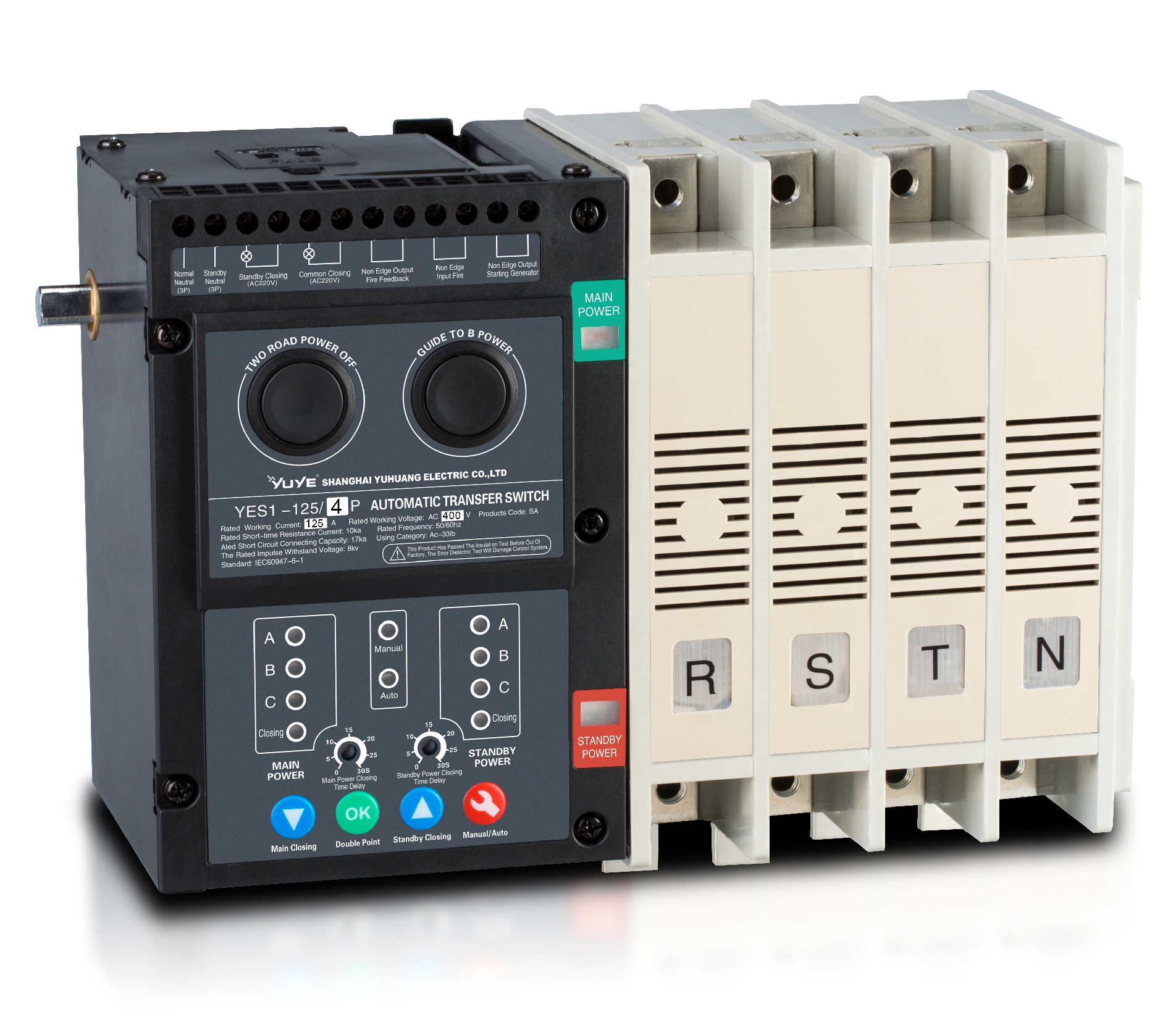
PC ATS YES1-100~1600GN1/GN/GNF
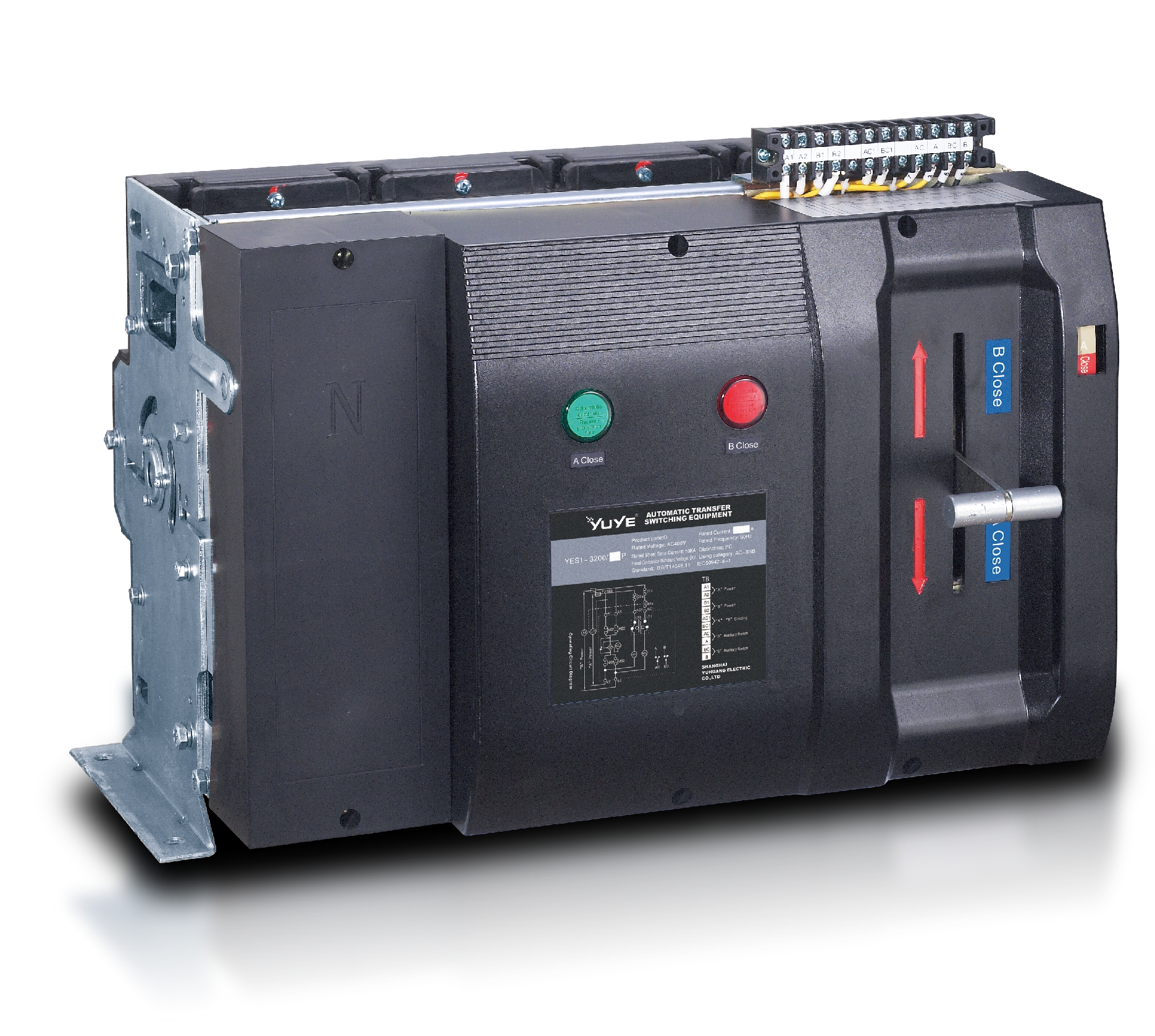
PC ATS YES1-2000~3200GN/GNF
PC ATS YES1-100~3200GA1/GA
Solenoid-type ATS YES1-63~630SA
Solenoid-type ATS YES1-63~630L/LA
Solenoid-type ATS YES1-63~630LA3
Solenoid-type ATS YES1-63MA
PC ATS YES1-630~1600M
PC ATS YES1-3200Q
Solenoid-type ATS YES1-4000~6300Q
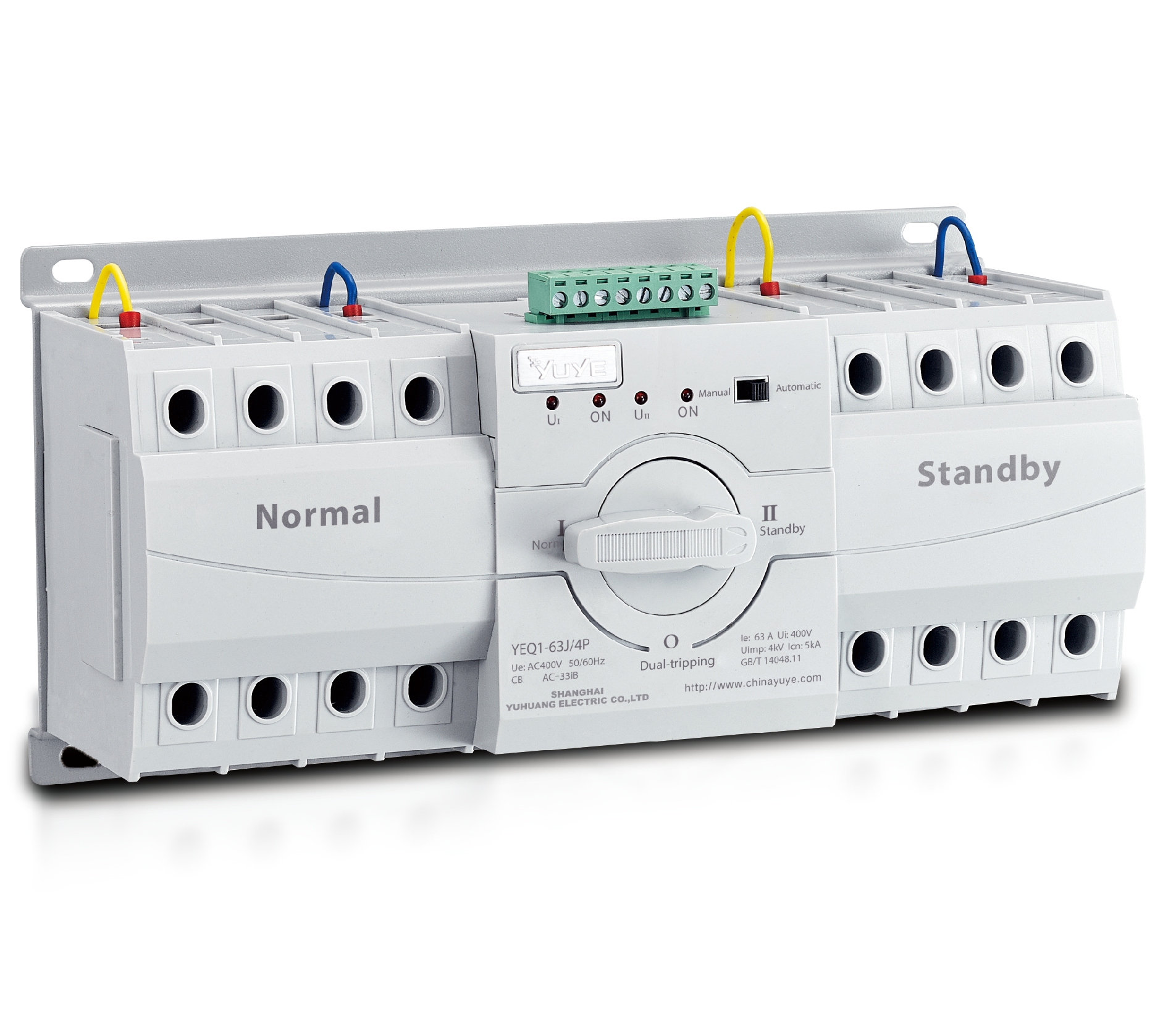
CB ATS YEQ1-63J
CB ATS YEQ2Y-63
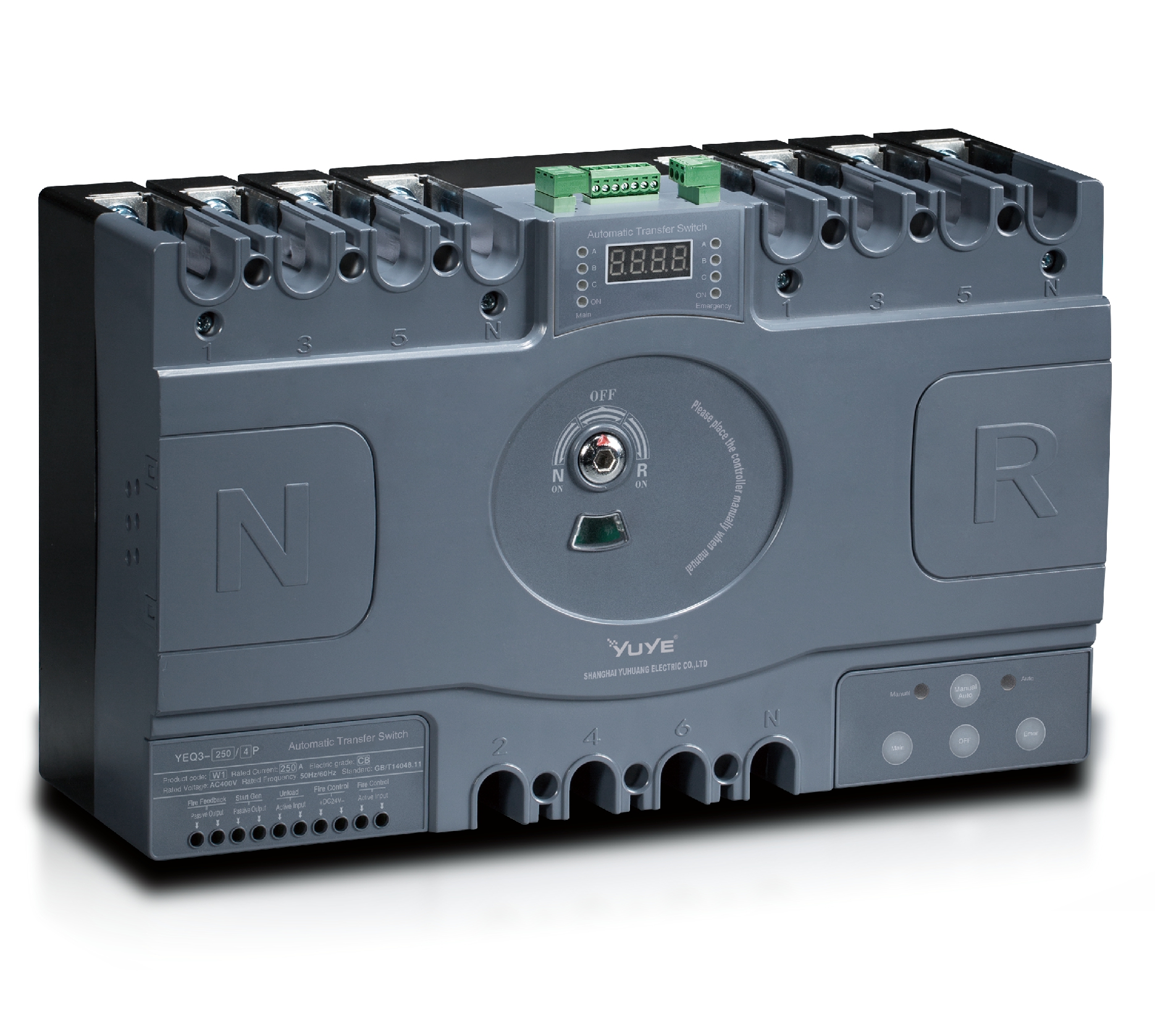
CB ATS YEQ3-63W1
CB ATS YEQ3-125~630W1
ATS controller Y-700
ATS Controller Y-700N
ATS Controller Y-701B
ATS Controller Y-703N
ATS Controller Y-800
ATS Controller W2/W3 Series
ATS switch Cabinet floor-to-ceiling
ATS switch cabinet
JXF-225A power Cbinet
JXF-800A power CbinetPicking out the right 220V Automatic Transfer Switch isn't just about the specs—it starts with understanding what you need protected and how everything's gonna operate. Think about it—your home backup, a workshop, or a small business? They all have pretty different power needs. Before you even compare models, check things like how your supply’s configured, the rated voltage, current, number of poles, and frequency. Just because a switch is rated for 220V doesn’t mean it’s automatically the right fit; if its current capacity or switching setup don’t match your system, it could cause problems.
Picture the whole changeover process for a sec: the utility power suddenly drops, your generator kicks in, and then the switch moves the power to your chosen circuits. That whole sequence relies on having the right equipment working together and correct control settings. It’s a good idea to double-check the generator’s output, the transfer switch’s transition type, and whether your essential loads—like the fridge, pump, or heater—might all try to start at once. Those startup demands can be way higher than what the appliance labels suggest. So yeah, paying attention to these little details really does matter.
In this guide, I’ll walk you through practical tips for choosing the right switch, what to look for in the specs, and some important questions to ask a qualified electrician. It’s also worth considering things like enclosure conditions, available space for installation, how easy it’ll be to do maintenance, and clear labeling on the unit. Sometimes these details get overlooked when you’re just browsing a product page that’s focusing on price or flashy ratings. Remember, there’s no one-size-fits-all model—what works for one setup might not suit another. The specs can be pretty confusing, and a simple checklist won’t replace a professional assessment of your wiring. Always double-check ratings with manufacturer info and have a qualified electrician verify compatibility and installation details. Making a careful choice now means your transfer switch will do its job reliably, without just relying on voltage ratings as the main factor—because there’s more to it than just that.
A 220V automatic transfer switch (ATS) monitors the normal power supply and connects a load to an alternate source when utility voltage fails or moves outside set limits. In a generator-backed system, the ATS also sends a start signal to the generator. It waits for the generator’s voltage and frequency to stabilize before switching the load.
Transfer is not instant. A short delay can prevent switching during a brief voltage dip. When utility power returns and remains stable, the ATS switches back, often after another delay. The generator may run briefly without a load to cool down. Inside the ATS, mechanically or electrically interlocked switching devices help prevent both sources from feeding the load at the same time.
Choosing a suitable unit means matching its voltage, phase, number of poles, and current rating to the supply and equipment. A “220V” label alone does not explain whether the installation is single-phase or another configuration. Check the load’s nameplate and allow for starting current from motors, such as a pump or air conditioner. Small details matter. An undersized switch can overheat, while incorrect settings may cause nuisance transfers. I would verify the wiring diagram and transfer timing against the actual system, not just a product description. Have a qualified electrician assess the installation and confirm that the switch is compatible with both power sources.
Before selecting a 220V automatic transfer switch, identify every power source it must connect. A utility supply and a generator may differ in phase, frequency, or grounding arrangement. Check the equipment nameplates and source documentation rather than relying on “220V” alone. The voltage label does not tell the whole story. Confirm the switch’s rated current and pole configuration match the installation, and have a qualified electrician verify the wiring plan.
Next, list the loads that need power during an outage. Include essentials such as a refrigerator, lighting, a water pump, or a small workshop tool. Record each appliance’s running watts and starting demand; motors can briefly draw much more when they start. Add together the loads likely to operate at the same time, then compare that demand with the generator and switch ratings. Keep a margin. Household usage changes, and estimates can be imperfect. Recheck the list against actual habits before settling on a transfer capacity.
Tips: Note the largest motor load, such as a pump, and when it starts. Avoid sizing from total appliance labels alone. Small details matter. If ratings or wiring are unclear, pause and seek professional review.
| Assessment Dimension | What to Check | Example or Selection Guidance |
|---|---|---|
| Nominal voltage | Confirm the actual supply voltage and the voltage range supported by the ATS, generator, and connected equipment. | “220V” may refer to a nominal 220V system; many regions use nominal 230V or 220–240V supplies. Match the switch to the measured system and applicable electrical standards. |
| Phase and wiring | Identify whether the installation is single-phase or three-phase, and count the conductors that need to be switched. | A single-phase 220–240V supply commonly uses line and neutral. A three-phase system may use three phases, with or without a neutral. Select an ATS with the correct phase and pole configuration. |
| Frequency | Check the frequency of both power sources and the frequency rating of the loads. | Systems commonly operate at 50Hz or 60Hz. The utility source, generator, ATS, and connected equipment must be compatible with the site frequency. |
| Normal power source | Record the utility or primary-source voltage, phase, frequency, and available current. | For example, a single-phase 220V utility supply should be evaluated alongside the service rating and the installation’s protective devices. |
| Alternate power source | Check the generator or other backup source’s voltage, phase, frequency, rated output, and ability to accept the expected load. | An 8kVA, single-phase source at 220V has a theoretical rated current of about 36.4A (8,000VA ÷ 220V). Actual usable capacity can be lower because of power factor, temperature, altitude, and generator limitations. |
| Load current | Use the load’s electrical nameplate data where available. For a single-phase load, estimate current using I = P ÷ (V × PF), where P is watts and PF is power factor. | A 5,000W load at 220V and power factor 0.90 draws approximately 25.3A (5,000 ÷ [220 × 0.90]). Use measured or manufacturer data for final sizing. |
| Total and demand load | List the loads that must operate during an outage, including which loads may run simultaneously. Apply demand factors only when permitted by the relevant electrical code. | Prioritize essential circuits such as lighting, refrigeration, controls, or selected pumps. A smaller backed-up load can reduce the required ATS and generator capacity. |
| ATS current rating | Choose a continuous-current rating that is suitable for the calculated load and installation conditions. Check code requirements, ambient-temperature limits, and any derating instructions. | If the assessed load is about 33A, a 40A ATS may be a candidate, but it is not automatically suitable: verify the permitted loading, protective-device coordination, conductor rating, and manufacturer specifications. |
| Motor and inrush loads | Identify motors, compressors, pumps, transformers, and other loads with starting or inrush current above their normal running current. | A motor’s starting current can be several times its running current, depending on the motor and starting method. Check the ATS’s applicable switching and utilization ratings and the generator’s motor-starting capability. |
| Neutral switching and grounding | Determine how the neutral and grounding are configured for both sources, and whether the installation requires a switched neutral. | The correct pole arrangement depends on the system earthing, generator neutral bonding, and local rules. Have a qualified electrician verify the arrangement; do not assume a two-pole or four-pole switch is appropriate based only on voltage. |
| Transfer operation | Choose a transfer method based on the loads and the behavior of the two power sources. | Open-transition switching briefly disconnects the load from one source before connecting it to the other. Closed-transition switching requires compatible, synchronized sources and is not suitable for every installation. |
| Transfer time and load continuity | Check the ATS’s sensing and transfer sequence, generator start delay, and the amount of interruption the load can tolerate. | Loads that cannot tolerate a brief interruption may need a suitable uninterruptible power supply in addition to an ATS. |
| Fault-current rating | Confirm the available short-circuit current at the installation and the ATS’s short-circuit withstand or conditional short-circuit rating with its specified protective device. | The rating must be adequate for the installation’s fault level and coordinated with upstream protection. Do not select an ATS by ampere rating alone. |
| Installation environment | Check enclosure protection, indoor or outdoor location, temperature, humidity, dust, ventilation, and mounting requirements. | Use an enclosure and installation method suitable for the actual environment, following the equipment instructions and local electrical requirements. |

Important: This table is a planning guide, not a substitute for a site-specific design. Final ATS selection, wiring, protection, and commissioning should be verified by a qualified electrical professional in accordance with local codes and the equipment instructions.
A 220V label is only a starting point. Check the voltage and phase shown on the supply, generator, and equipment nameplates. In some systems, 220V is line-to-line; in others, it is line-to-neutral. The distinction affects which conductors the transfer switch must handle. A mismatch can leave equipment improperly supplied. Check the nameplate.
Size the current rating for the connected load, not just the generator’s advertised output. Add the expected running current, then account for motors, pumps, or compressors that draw extra current when starting. A unit that appears adequate on paper may still trip under that brief surge. Review the load data and switch manufacturer’s rating conditions, including any temperature or enclosure derating.
Pole configuration depends on the power system and grounding arrangement. A single-phase setup may need two switched live conductors; a three-phase setup commonly needs three poles. If the neutral must also transfer, a four-pole model may be appropriate. This is system-dependent, not a guess. Have a qualified electrician verify the neutral and grounding scheme before selection. A careful field check is worth the extra time. I would still recheck the wiring diagram against the actual installation; drawings can be incomplete.
For a 220 V automatic transfer switch, check the measured interruption time, not just the switching mechanism’s advertised speed. Ask whether the figure covers sensing, generator start, voltage stabilization, and contact transfer. NFPA 110 defines Type 10 emergency power systems around restoring power within 10 seconds; this is a system-level benchmark, not a promise that every switch meets it. Uptime Institute’s 2024 Annual Outage Analysis reported that 54% of significant outages surveyed cost more than $100,000. Even a brief interruption deserves attention.
Operating mode affects the load. Open transition breaks the source connection before making the next one, so a short outage is expected. Closed transition briefly overlaps sources, but requires compatible equipment and controls. Delayed transition inserts a pause, which can help with certain motor loads but may extend downtime. Check the switch specifications against the load’s inrush current, power factor, and ability to tolerate interruption. Small loads differ.
Ask for the transfer-time test conditions and verify performance with the actual load where practical. Test it loaded. A catalog number alone can hide whether timing starts at utility failure or only after the alternate source is ready. I would not treat those as the same measurement; they are easy to confuse. Also confirm the selected mode suits the generator’s voltage and frequency stability, since a fast transfer to an unstable source is not a useful result.
When choosing a 220V automatic transfer switch, treat safety markings as working specifications, not decoration. Check rated voltage, continuous current, number of poles, and short-circuit rating against both the supply and generator. They must match. An undersized switch can overheat or fail during a fault. Confirm the device prevents both sources from connecting at once; its interlock design should be clearly documented. Check the enclosure rating for dust and moisture at the planned location.
Installation requirements matter just as much. Compare the wiring diagram with the actual supply arrangement, including neutral switching and grounding. 220V systems can differ by region and circuit design. Have a qualified electrician verify conductor size, overcurrent protection, fault-current suitability, and working clearances. Keep the switch accessible, firmly mounted, and away from heat or water. No guesswork here.
Before purchase, verify applicable safety certification and local electrical-code requirements. Ask who will inspect and commission the installation. The electrician should test source isolation, transfer operation, and return-to-normal behavior under controlled conditions. Keep the ratings and test results for maintenance. One easy-to-miss detail: a generator’s voltage, frequency, or neutral arrangement may not match the switch. Check both manuals side by side.
For a 220V automatic transfer switch, compare its certification with the installation’s location and applicable electrical code. IEC 60947-6-1 covers transfer switching equipment; UL 1008 is a relevant North American standard. Check the actual rating label and test documentation, not just a seller’s claim. Confirm voltage, frequency, pole count, short-circuit rating, and whether the switch is approved for the intended application. A 220V label alone says little about fault performance.
Maintenance matters as much as certification. The U.S. Energy Information Administration reported that electricity customers averaged about 5.5 hours of interruptions in 2022, excluding major events. That figure is a reminder: a transfer switch may sit idle until a real outage. Inspect terminals for heat discoloration, check enclosure seals, and test transfer and retransfer functions on a documented schedule. Follow the applicable code and the equipment manual; test intervals depend on the system and jurisdiction. A certificate cannot prove that a neglected mechanism will operate.
Tips: Keep a dated test log. Verify generator compatibility before purchase. Ask a qualified electrician to review the fault-current rating and installation conditions. Small details are easy to miss. A neat label is helpful, but it is not the whole story.
The automatic transfer switch market is shaped by the need for dependable power continuity in commercial buildings, industrial facilities, and infrastructure. As electrical systems become more complex, buyers increasingly consider switching speed, rated capacity, pole configuration, and ease of testing when selecting an ATS. Compact designs and flexible installation options can also help operators integrate backup power arrangements into different site requirements. Rather than relying on a single specification, equipment selection typically depends on the load, the power sources available, and the desired control method.
The YES2-63~250GN1 is designed to switch between two or more power sources and maintain supply to connected loads. It supports rated currents of 63 A, 125 A, and 250 A, with a rated voltage of 400 V at 50 Hz, and is available in 3-pole or 4-pole configurations. Its transfer time is no more than two seconds. The GN1 version is an integrated type with two-position testing through a “3+1” phase arrangement. Other configurations include GAF, a split type compatible with a separate controller or remote control, and GA1, an economical type. These options allow users to match the ATS configuration to their installation and operating preferences.
No. Check the supply, generator, and equipment nameplates. 220V may be line-to-line or line-to-neutral, which changes the wiring requirements.
Match it to the connected load, not only the generator’s advertised output. Include running current and brief starting surges from motors or pumps. Check derating too.
It depends on the system and grounding arrangement. Two, three, or four poles may be needed. Ask a qualified electrician to check neutral switching.
Ask what the timing measurement includes: sensing, generator start, voltage stabilization, and contact transfer. Test it under load where practical. Timing figures can be easy to misread.
Open transition briefly interrupts power. Closed transition overlaps sources and needs compatible equipment. Delayed transition pauses between sources, which may suit some motor loads.
Check rated voltage, continuous current, pole count, short-circuit rating, and enclosure rating. Confirm the switch prevents both sources from connecting at once.
Have an electrician verify conductor size, overcurrent protection, fault-current suitability, grounding, and working clearances. Keep the switch accessible and away from heat or water.
Check source isolation, transfer operation, and return-to-normal behavior under controlled conditions. Compare the generator and switch manuals side by side. I would recheck the wiring diagram, too.
Choosing an Automatic Transfer Switch 220v begins with understanding how it detects a failure in the primary power source and transfers the connected load to a backup supply. First, identify both power sources and estimate the electrical load, including its normal operating demand and any brief startup surges. Then match the switch’s voltage and current ratings to the system, and select a pole configuration suited to the conductors and circuits being switched.
Consider how quickly the switch must transfer power and whether automatic or manual operation best fits the application. Review safety provisions, enclosure suitability, wiring, and installation requirements before selecting a unit. Finally, check that the switch meets applicable standards and certification requirements, and consider how it will be inspected and maintained over time. Careful evaluation of these factors helps ensure a suitable, dependable transfer arrangement without selecting a switch that is undersized or incompatible.