
 PC ATS YECT1-2000G
 PC ATS YES2-63~250GN1
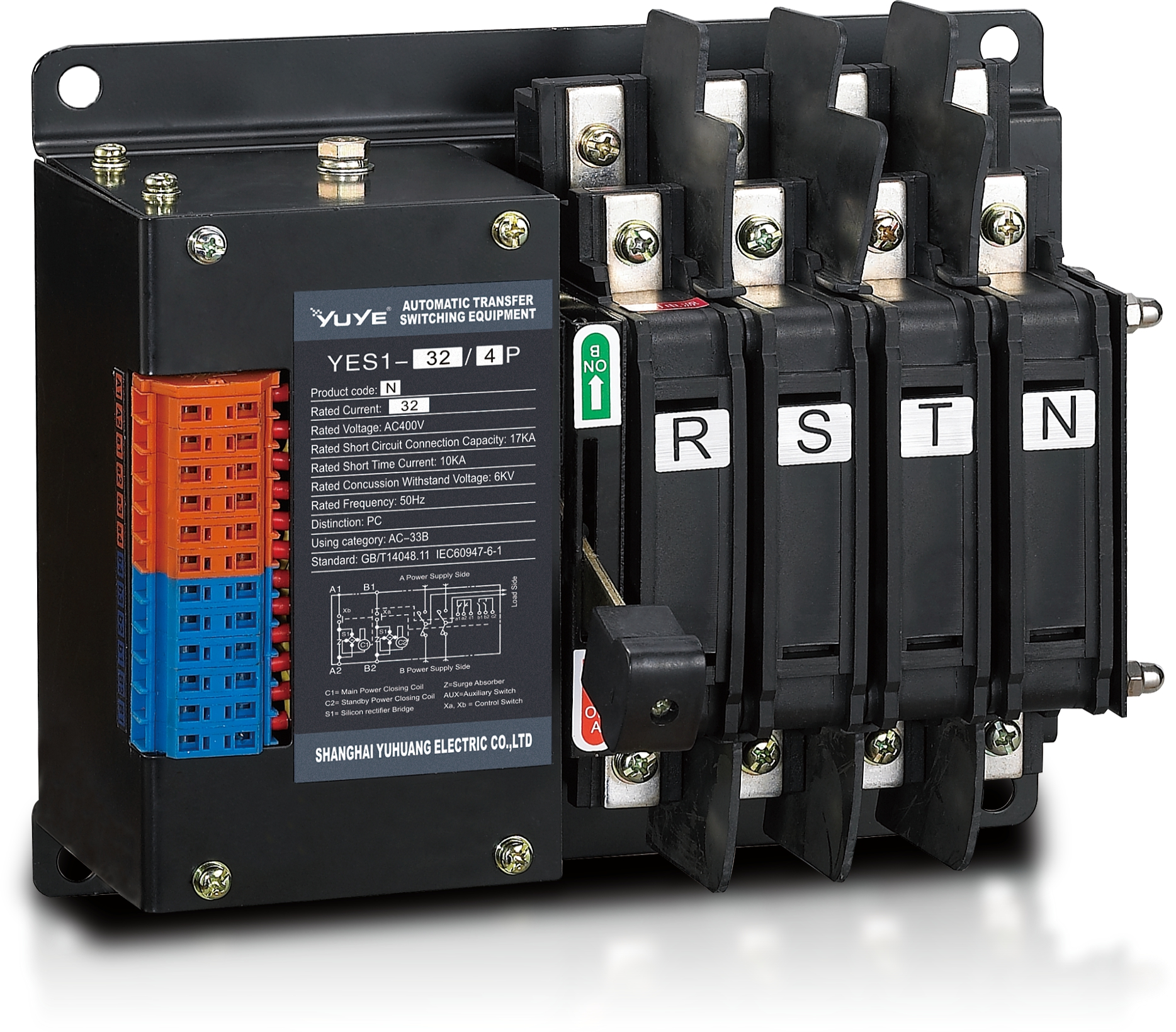 Solenoid-type ATS YES1-32~125N
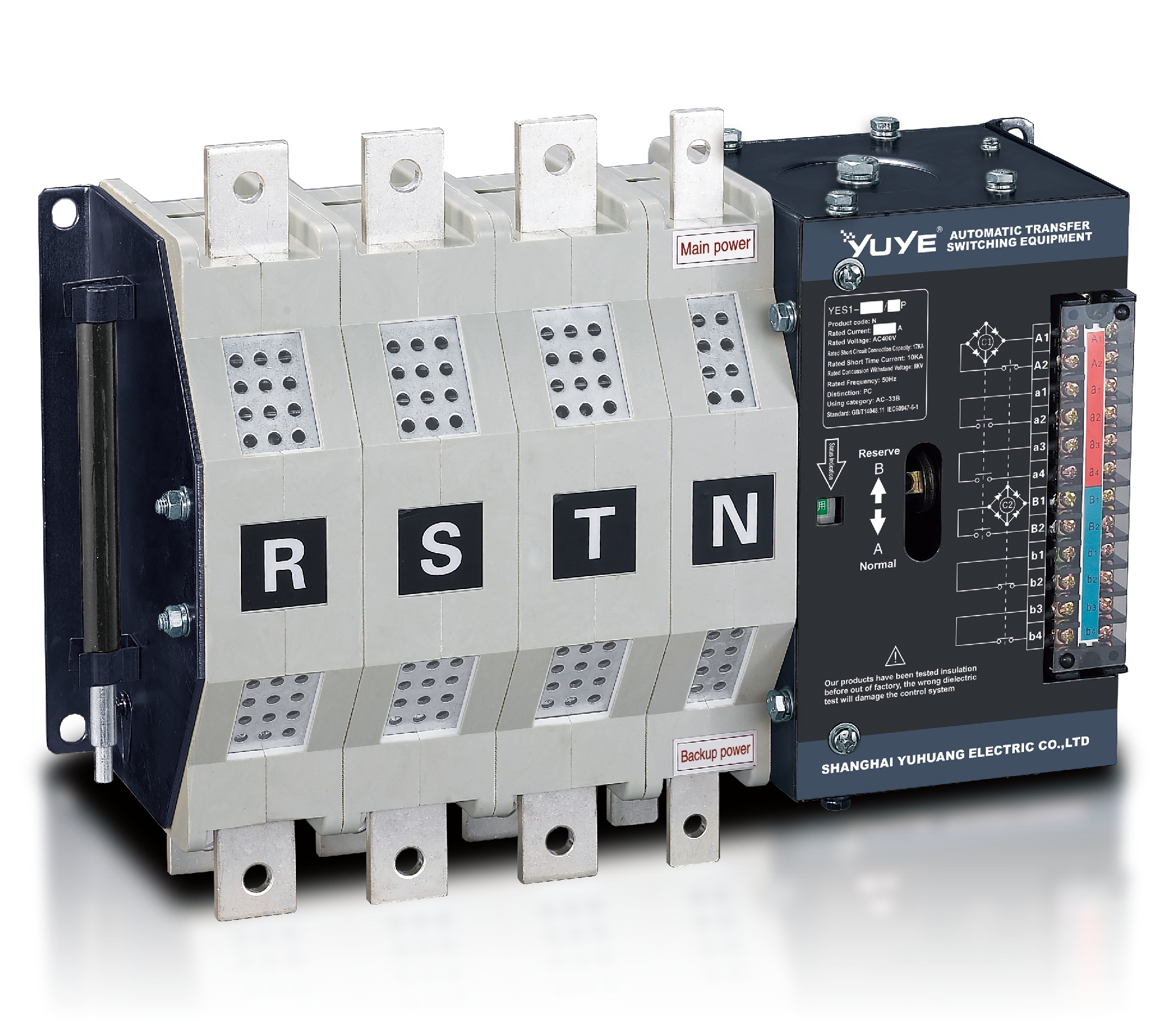 Solenoid-type ATS YES1-250~630N/NT
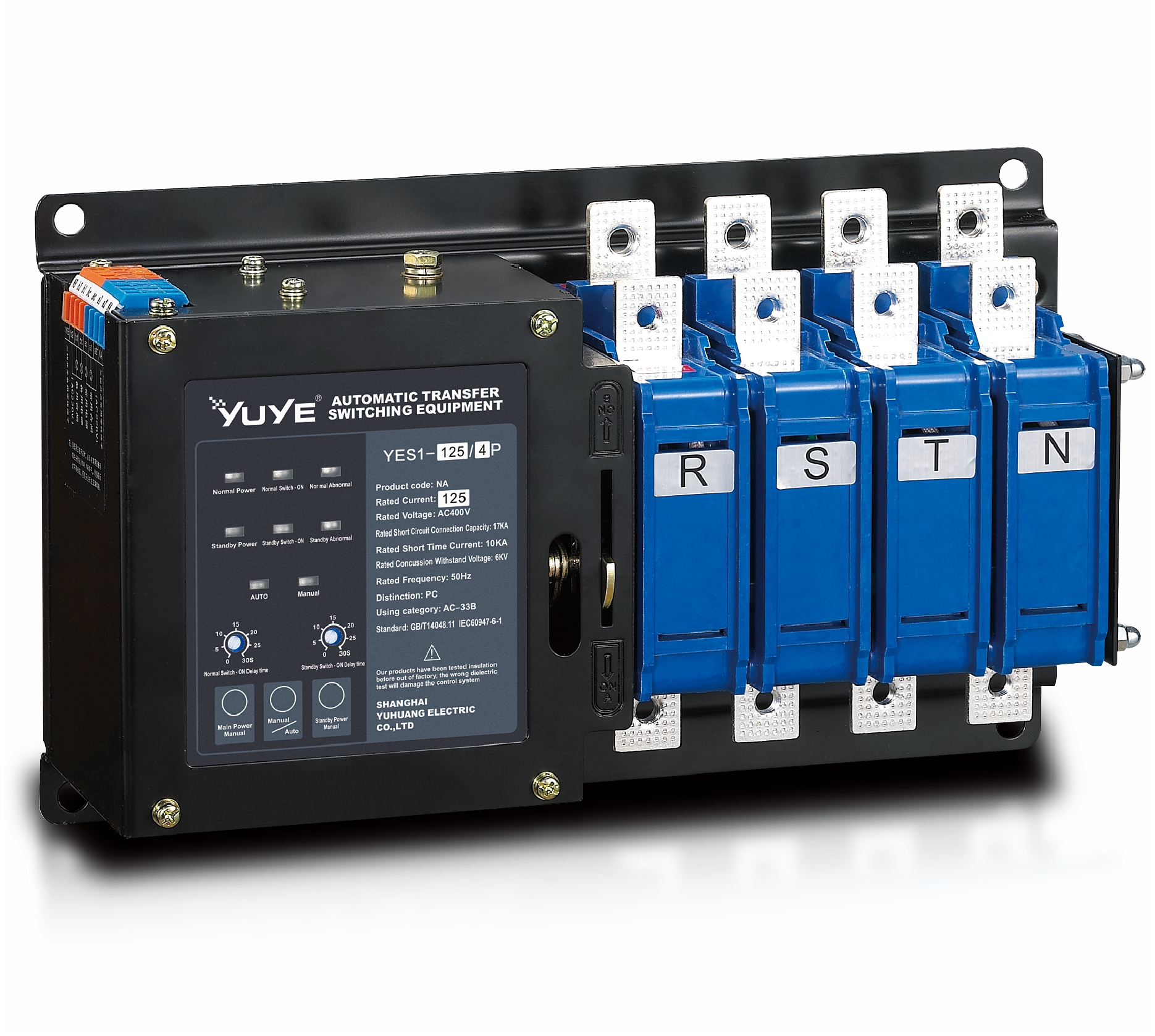 Solenoid-type ATS YES1-32~125NA
 Solenoid-type ATS YES1-63~630SN
 Solenoid-type ATS YES1-1250~4000SN
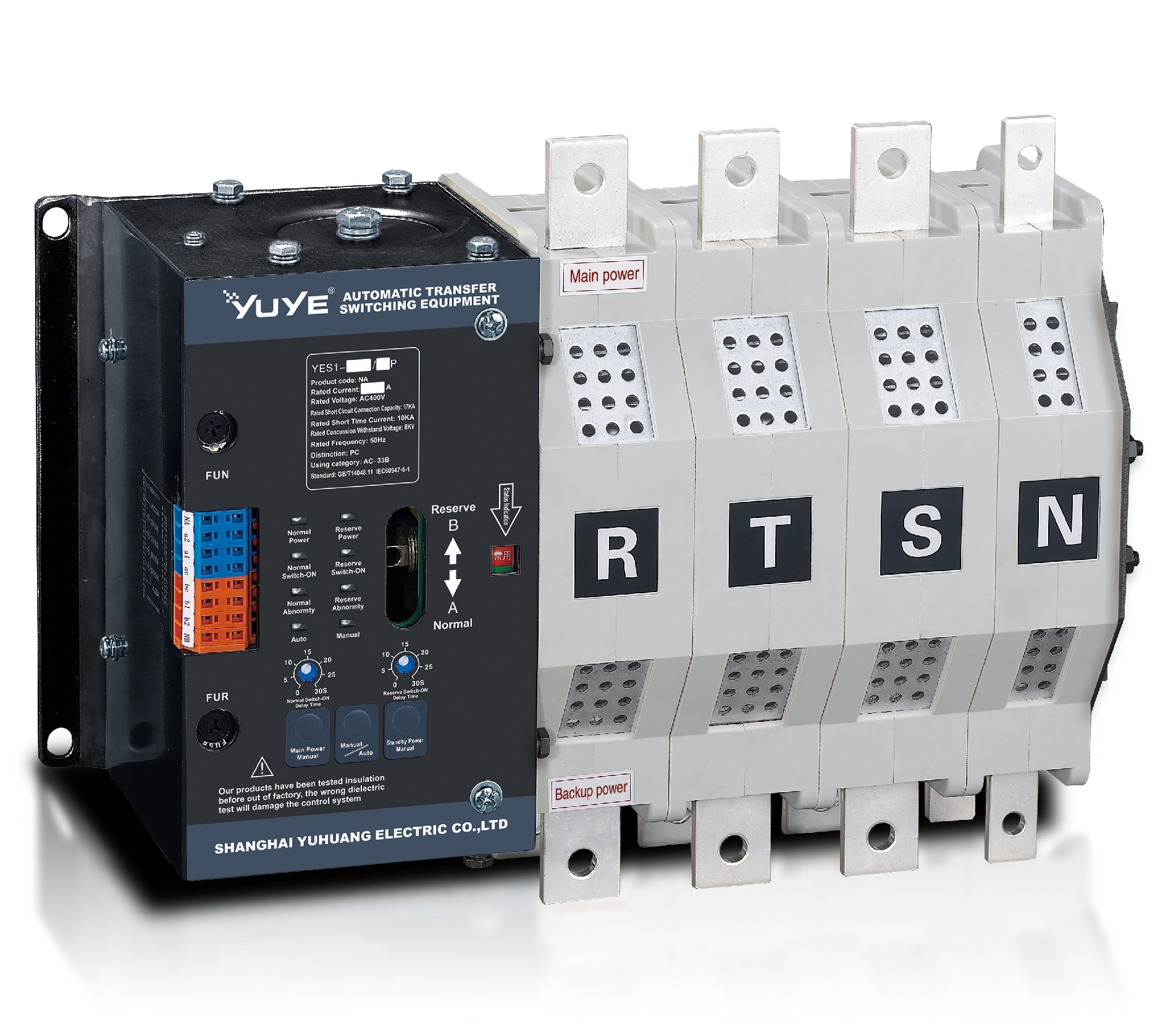 Solenoid-type ATS YES1-250~630NA/NAT
 Solenoid-type ATS YES1-63NJT
 PC ATS YES1-100~1600GN1/GN/GNF
 PC ATS YES1-2000~3200GN/GNF
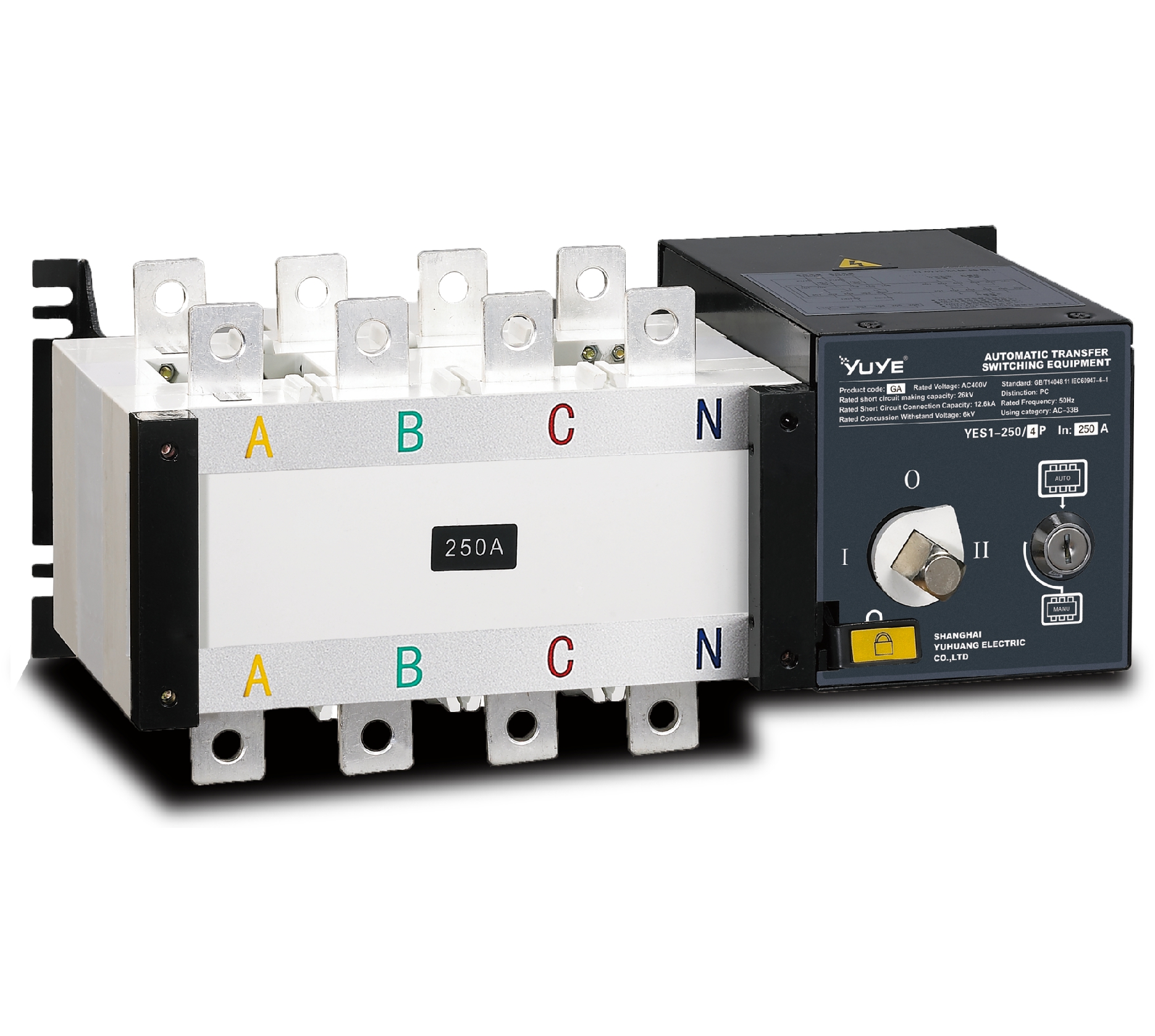 PC ATS YES1-100~3200GA1/GA
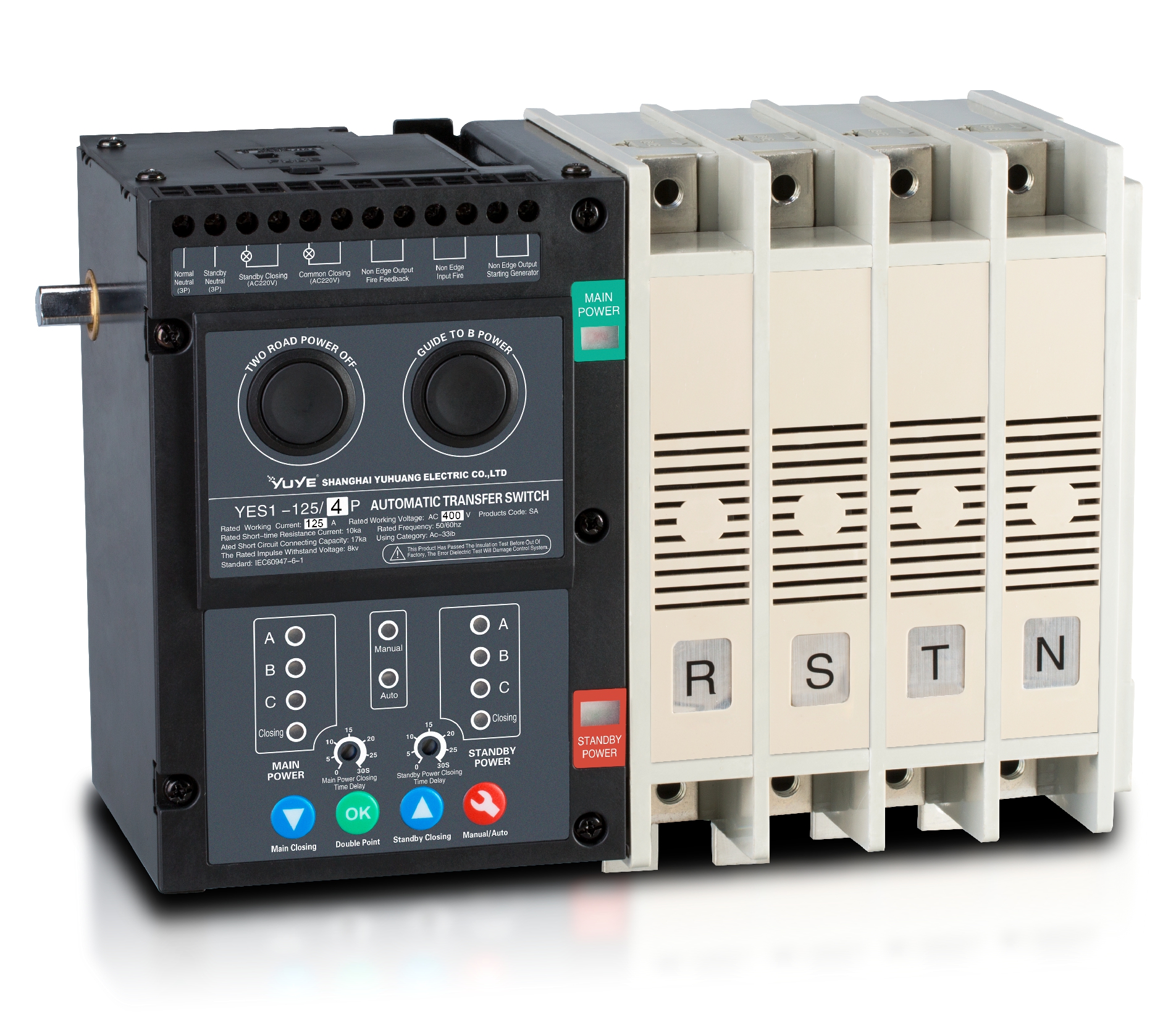 Solenoid-type ATS YES1-63~630SA
 Solenoid-type ATS YES1-63~630L/LA
 Solenoid-type ATS YES1-63~630LA3
 Solenoid-type ATS YES1-63MA
 PC ATS YES1-630~1600M
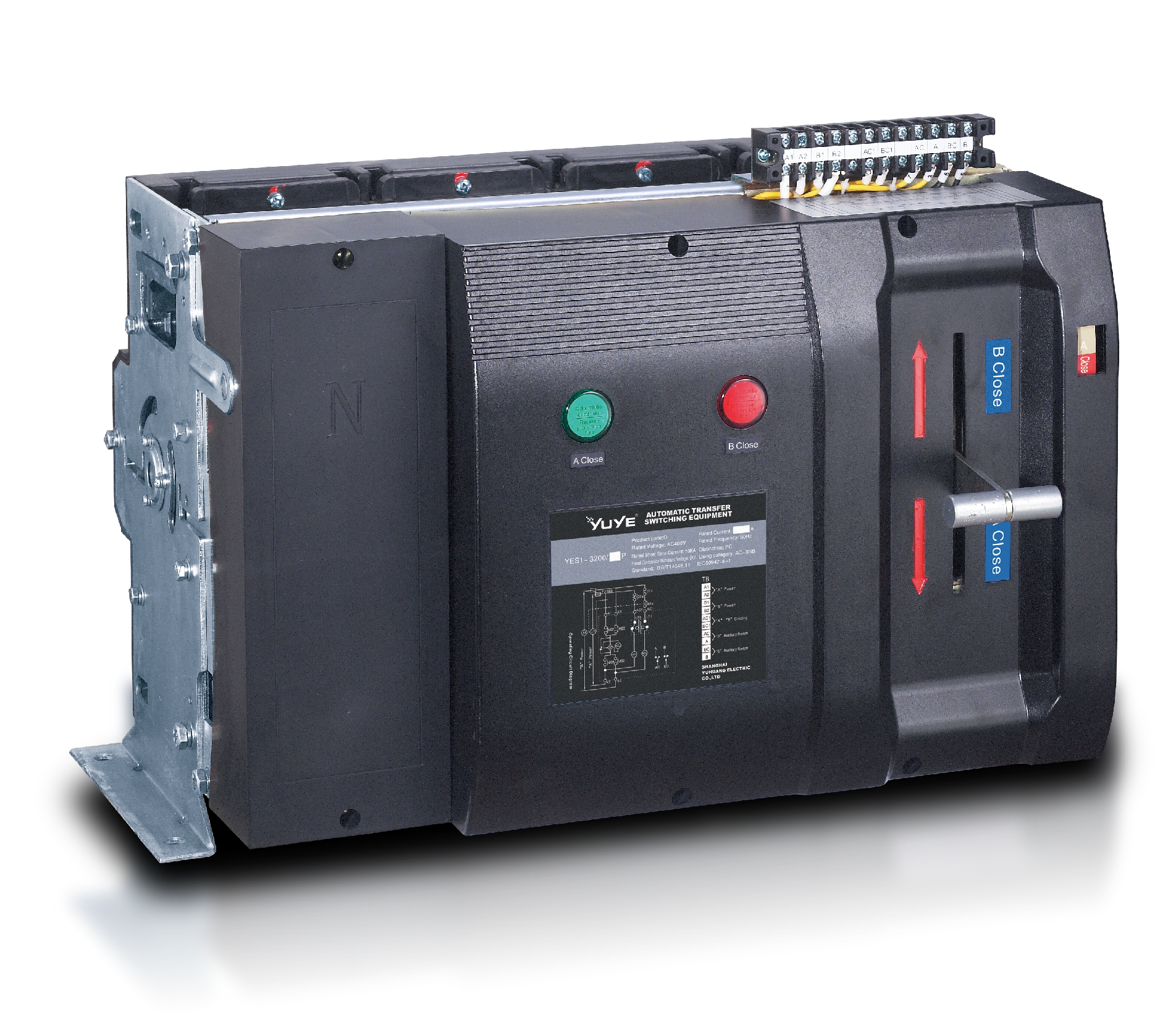 PC ATS YES1-3200Q
 Solenoid-type ATS YES1-4000~6300Q
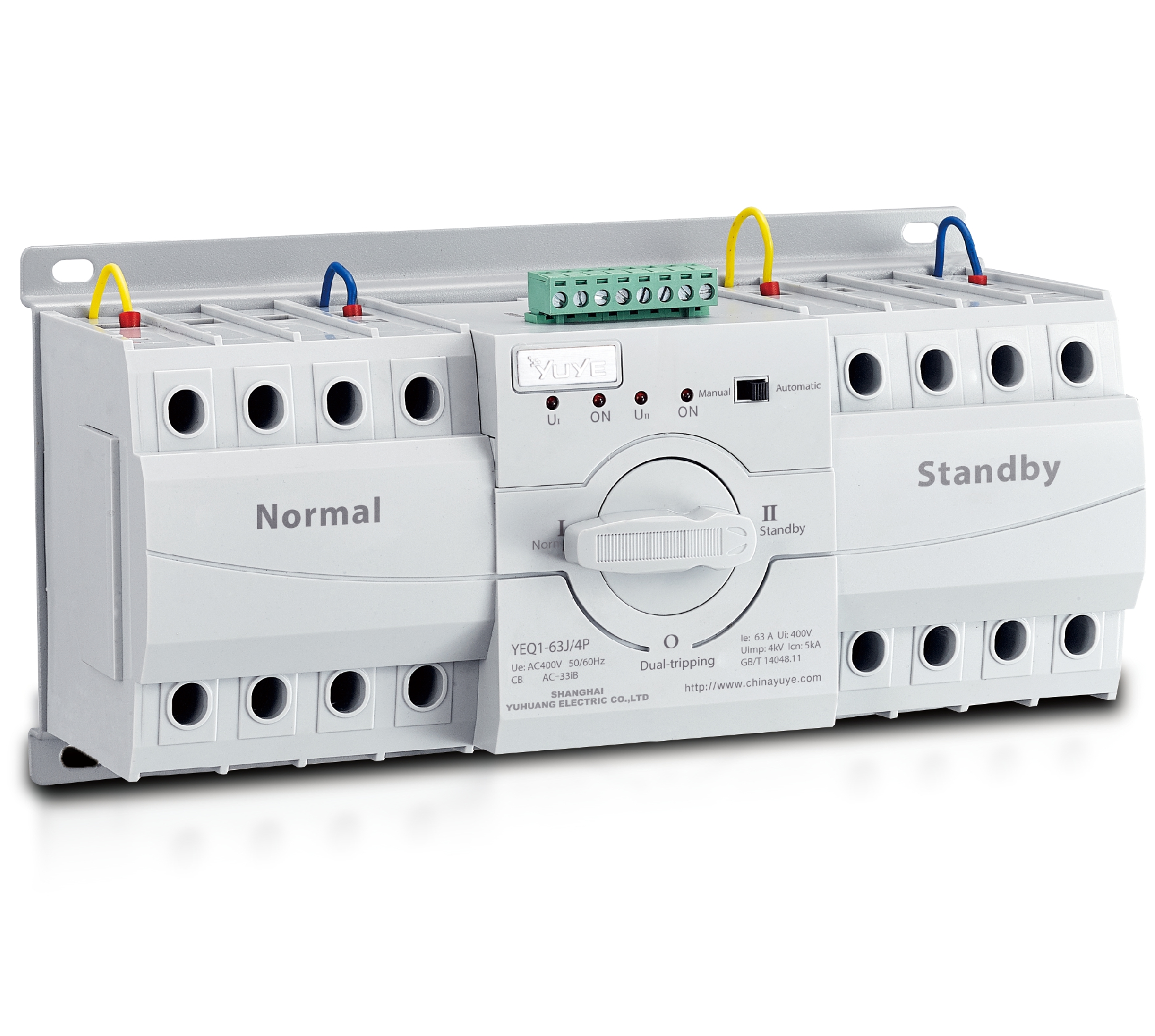 CB ATS YEQ1-63J
 CB ATS YEQ2Y-63
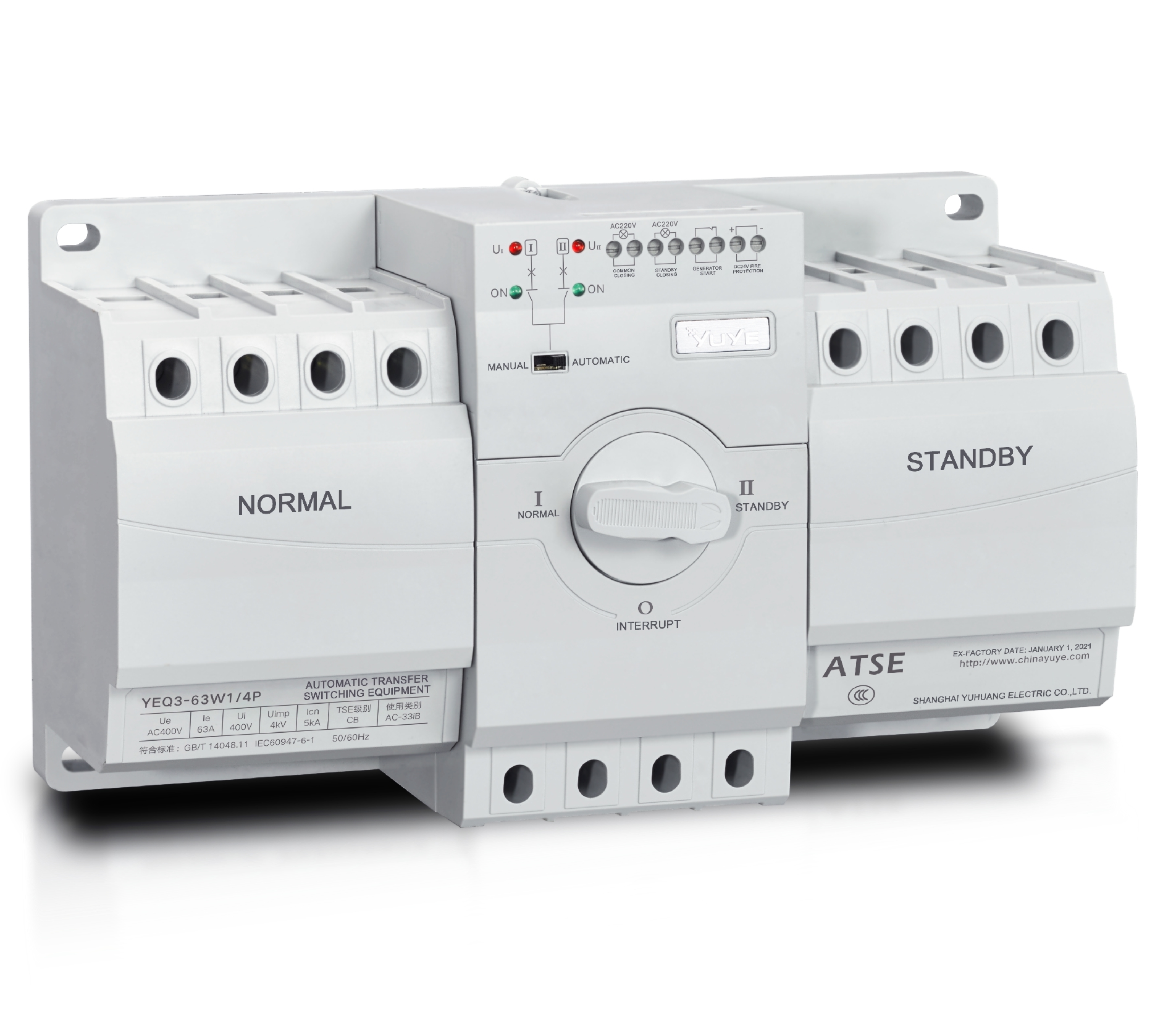 CB ATS YEQ3-63W1
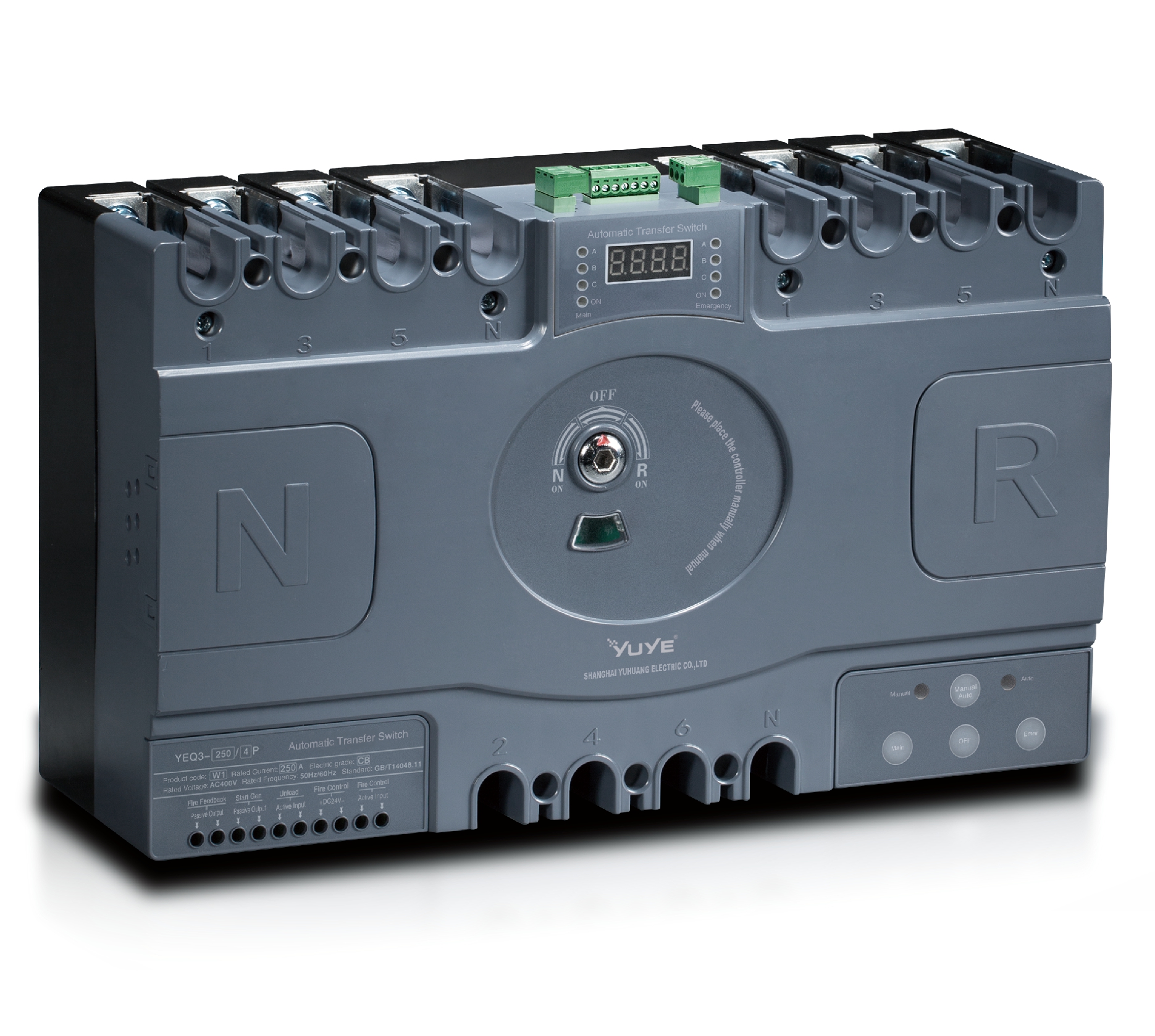 CB ATS YEQ3-125~630W1
 ATS controller Y-700
 ATS Controller Y-700N
 ATS Controller Y-701B
 ATS Controller Y-703N
 ATS Controller Y-800
 ATS Controller W2/W3 Series
 ATS switch Cabinet floor-to-ceiling
 ATS switch cabinet
 JXF-225A power Cbinet
 JXF-800A power Cbinet
 YEM3-125~800 Plastic Shell Type MCCB
 YEM3L-125~630 Leakage Type MCCB
 YEM3Z-125~800 Adjustable Type MCCB
 YEM1-63~1250 Plastic Shell Type MCCB
 YEM1E-100~800 Electronic Type MCCB
 YEM1L-100~630 Leakage Type MCCB
 Air Circuit Breaker YEW1-2000~6300
 Air Circuit Breaker YEW3-1600
 Miniature circuit breaker YEMA2-6~100
 Miniature circuit breaker YEB1-3~63
 Miniature circuit breaker YEB1LE-3~63
 Miniature circuit breaker YEPN-3~32
 Miniature circuit breaker YEPNLE-3~32
 Miniature circuit breaker YENC-63~125
 Load isolation switch YGL-63~3150
 Load Isolation Switch YGL2-63~3150
 DC relay YDC-P20
 DC relay YDC-P250
 DC relay YDC-P400
 DC relay MDC-300M
 DC relay YDC-M400
 DC Isolation Switch YEGL3D-630
 YECPS2-45~125 LCD
 YECPS-45~125 Digital
 CNC Milling/Turning-OEM
1. Introduction
Industrial low-voltage power distribution systems underpin the stable operation of industrial production and public infrastructure. High-current industrial power scenarios often face risks of overload, short-circuit and voltage fluctuation, which may cause equipment damage and electrical accidents without effective protection. As a critical low-voltage protective device, Molded Case Circuit Breakers (MCCB) stabilize power supply and isolate faulty circuits. 1200A MCCB is tailored for high-load industrial power distribution, filling the protection gap of small and medium-sized circuit breakers in high-current working conditions. This article systematically introduces its definition, performance, application, selection and maintenance guidelines to support safe and efficient industrial power distribution operation.
2. Definition and Basic Composition of 1200A MCCB
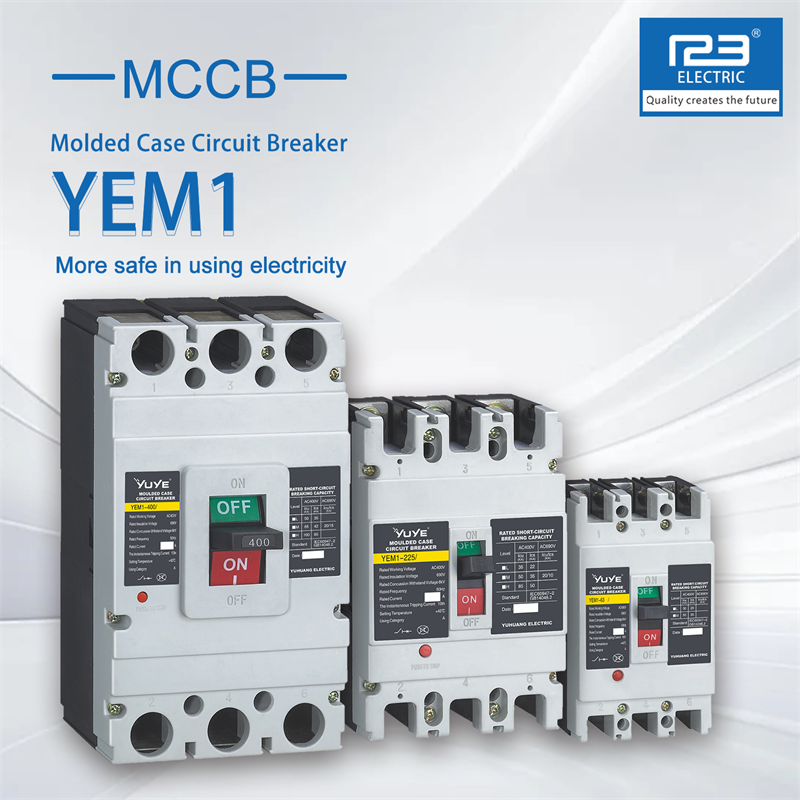
MCCB is a modular low-voltage protection switching device with an integrated insulating molded shell, widely adopted in industrial power distribution. The 1200A rated current enables it to adapt to heavy-duty industrial high-current scenarios beyond the coverage of miniature and small MCCBs, serving as a professional protective device for high-load power supply systems.
It consists of four core components: tripper, contact system, arc extinguishing device and insulating shell. The tripper monitors current and voltage anomalies; the contact system undertakes long-term current conduction; the arc extinguishing device eliminates electric arcs during breaking to prevent equipment ablation; the high-strength shell provides dustproof, moisture-proof and anti-collision protection for internal components, adapting to complex industrial environments.
The device mainly provides three core protections: overload, instantaneous short-circuit and undervoltage protection. It can automatically cut off faulty circuits in abnormal conditions, isolate potential risks, protect power lines and terminal equipment, and avoid electrical faults and production shutdown losses.
3. Core Performance and Industrial Application Advantages
Industrial high-current MCCBs outperform ordinary low-current circuit breakers in load capacity, fault resistance and environmental adaptability, meeting long-term high-intensity industrial operation demands. With a 1200A rated current, it stably bears high-power industrial loads, avoiding equipment overheating, frequent tripping and line aging caused by continuous high-current operation, thus ensuring stable production power supply.
Equipped with excellent short-circuit breaking capability, the device instantly responds to grid short-circuit faults, withstands instantaneous high-current impact and prevents fault spread, significantly improving power system safety and stability [1]. It also features outstanding high-temperature resistance, dust and moisture resistance, maintaining stable performance in harsh industrial environments with heavy loads and electromagnetic interference.
Adopting high-quality conductive materials and precise manufacturing technology, industrial-grade MCCBs have low failure rates and accurate action responses. They support 24-hour uninterrupted industrial operation, reducing equipment maintenance and replacement costs for power distribution systems.
4. Full-Coverage Application Scenarios in Industrial Engineering
With reliable high-current protection performance, 1200A MCCB is widely applied in large-capacity low-voltage power distribution projects across industrial production, complete power distribution equipment, electromechanical supporting and public infrastructure fields. In industrial factories, it serves as the main circuit protection device for distribution cabinets in large workshops and heavy industrial plants, undertaking overall factory power protection tasks.
It acts as the core protection unit for high and low voltage switchgears and power distribution boxes, guaranteeing the safe operation of main power trunk circuits. For large electromechanical equipment including high-power motors, air compressors and automated production lines, it provides front-end circuit protection to prevent equipment burnout from current abnormalities.
Additionally, it applies to high-power scenarios such as large shopping malls, industrial parks, data centers and municipal power projects. It also adapts to special working conditions including outdoor industrial power distribution, large-scale temporary construction power consumption and energy storage supporting power systems, realizing full-scene industrial power safety protection.
5. Scientific Selection Criteria and Parameter Matching Essentials
Proper MCCB selection is essential for reliable power protection. Model selection should comprehensively consider system parameters, working conditions and environmental factors to avoid safety risks. It is necessary to match the device’s rated current, voltage and short-circuit breaking capacity with the local power distribution system, and select appropriate specifications according to actual load demands [4].
Two mainstream tripping modes are optional: thermal magnetic tripping for conventional steady industrial loads, and high-precision electronic tripping for unstable impact and frequency conversion loads. The tripping type should be selected based on on-site equipment operating characteristics.
Environment adaptation requires matching protection grades and shell materials: standard grades for indoor conventional environments, and high-grade anti-corrosion materials for outdoor, humid, dusty and corrosive scenarios. Optional functions such as undervoltage tripping, leakage protection and remote switching can be configured to meet intelligent power distribution demands. All selected equipment must comply with national and industrial electrical safety standards.
6. Standardized Operation, Maintenance and Fault Prevention Specifications
Standard installation, commissioning and daily maintenance are crucial to sustain the stable performance of1200A MCCB. During installation and commissioning, operators must follow electrical specifications, standardize wiring, and complete switching and fault simulation tests to ensure accurate and reliable device action.
Daily inspections focus on operating temperature, wiring tightness, contact status, mechanism flexibility and shell integrity to eliminate hidden dangers in advance. Common faults including false tripping, refusal to operate and abnormal heating are mainly caused by load overload, current instability or component aging, which can be solved via targeted troubleshooting and parameter adjustment.
Regular maintenance includes equipment cleaning, screw fastening, mechanism lubrication and performance testing to delay aging and extend service life. All maintenance and repair work must follow strict power-off safety specifications to protect personnel and system operation safety.
7. Conclusion
As a core protective device for industrial low-voltage high-current power distribution systems, 1200A MCCB provides reliable overload, short-circuit and overvoltage protection. Its superior load-bearing capacity, rapid fault isolation and strong environmental adaptability make it widely used in industrial production and public infrastructure projects. Scientific selection, standardized installation and normalized maintenance maximize its protective performance, eliminate power distribution safety hazards, and ensure the stable, efficient and safe operation of industrial low-voltage power systems.
FAQ
Q1: What is the core difference between 1200A MCCB and ordinary miniature circuit breakers? A1: They differ in rated current and application scenarios. Miniature circuit breakers suit low-current civil and small commercial circuits, while 1200A MCCB is designed for industrial high-load scenarios with higher breaking capacity and environmental adaptability for long-term heavy-duty operation.
Q2: What main factors should be considered when selecting 1200A MCCB? A2: Key factors include system parameter matching, on-site load type and tripping mode selection, operating environment and protection grade, as well as intelligent functional demands and industrial safety compliance.
Q3: Why does 1200A MCCB trip frequently during operation? A3: Frequent tripping is mainly caused by overloaded current, unstable impact load current, loose wiring or internal component aging, which can be fixed by load adjustment and equipment maintenance.
Q4: Is regular maintenance of industrial MCCB necessary? A4: Yes. Regular inspection and maintenance eliminate hidden dangers such as dust accumulation and component aging, reduce failure rates and extend the equipment’s service life.
References
[1] IEEE. Safety Through Switching Speed[J]. IEEE Industry Applications Magazine, 2024, 30(3): 45-52.
[2] Niu C, Ding J, Yang F, et al. Study of Arc Interruption Characteristics under Rated Current in Low Voltage Circuit Breakers[J]. Energies, 2023, 16(10): 4114.
[3] Cho Y M, Rhee J H, Baek J E, et al. Implementing a dielectric recovery strength measuring system for molded case circuit breakers[J]. Journal of Electrical Engineering and Technology, 2018, 13(4): 1751-1757.
[4] IEEE Std 3004.5-2025. IEEE Guide for the Application of Low-Voltage Circuit Breakers[S]. New York: IEEE Standards Association, 2025.
[5] Blackburn J L. Protective Relaying: Principles and Applications[M]. 4th ed. Boca Raton: CRC Press, 2014.
