
 PC ATS YECT1-2000G
 PC ATS YES2-63~250GN1
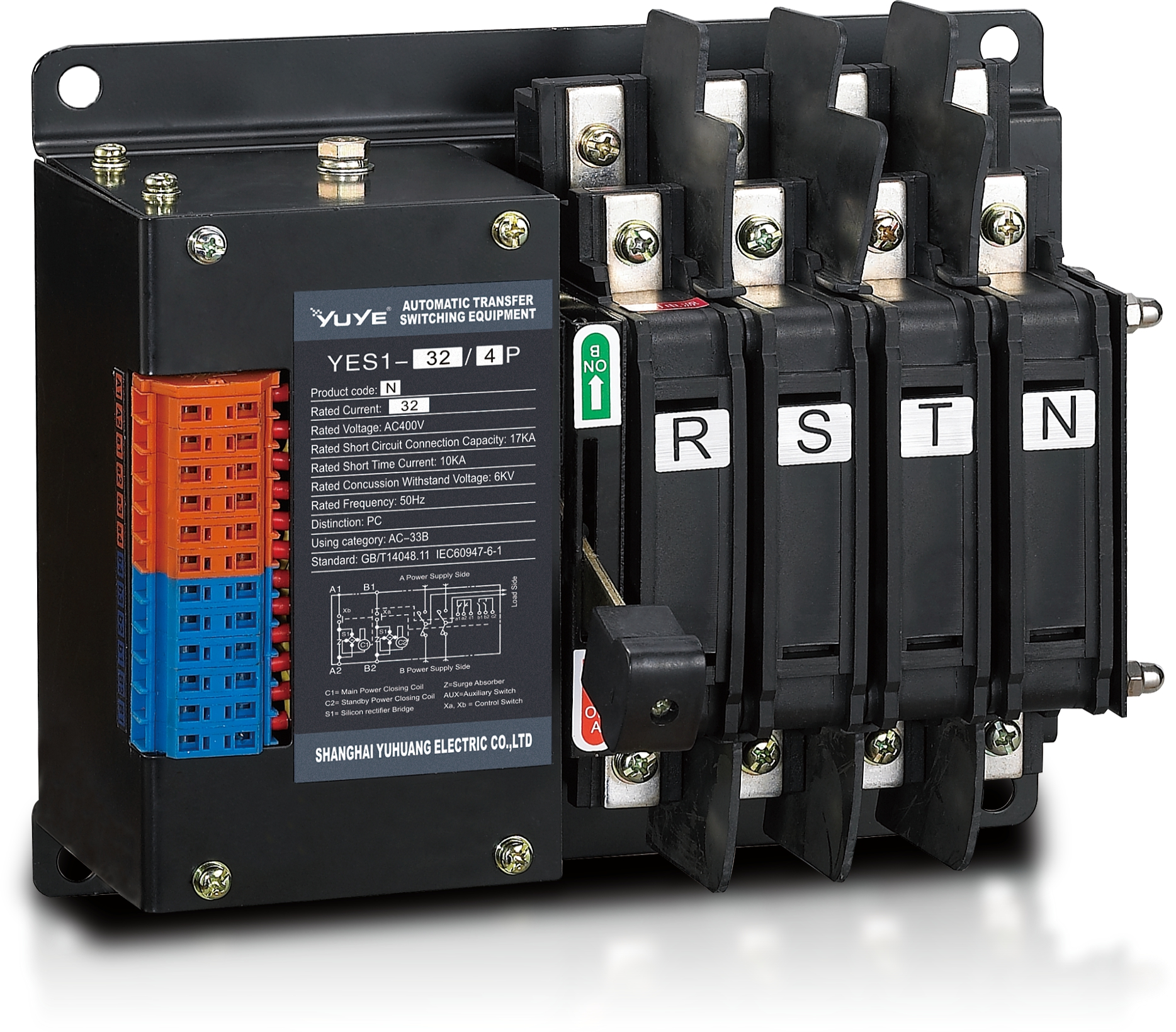 Solenoid-type ATS YES1-32~125N
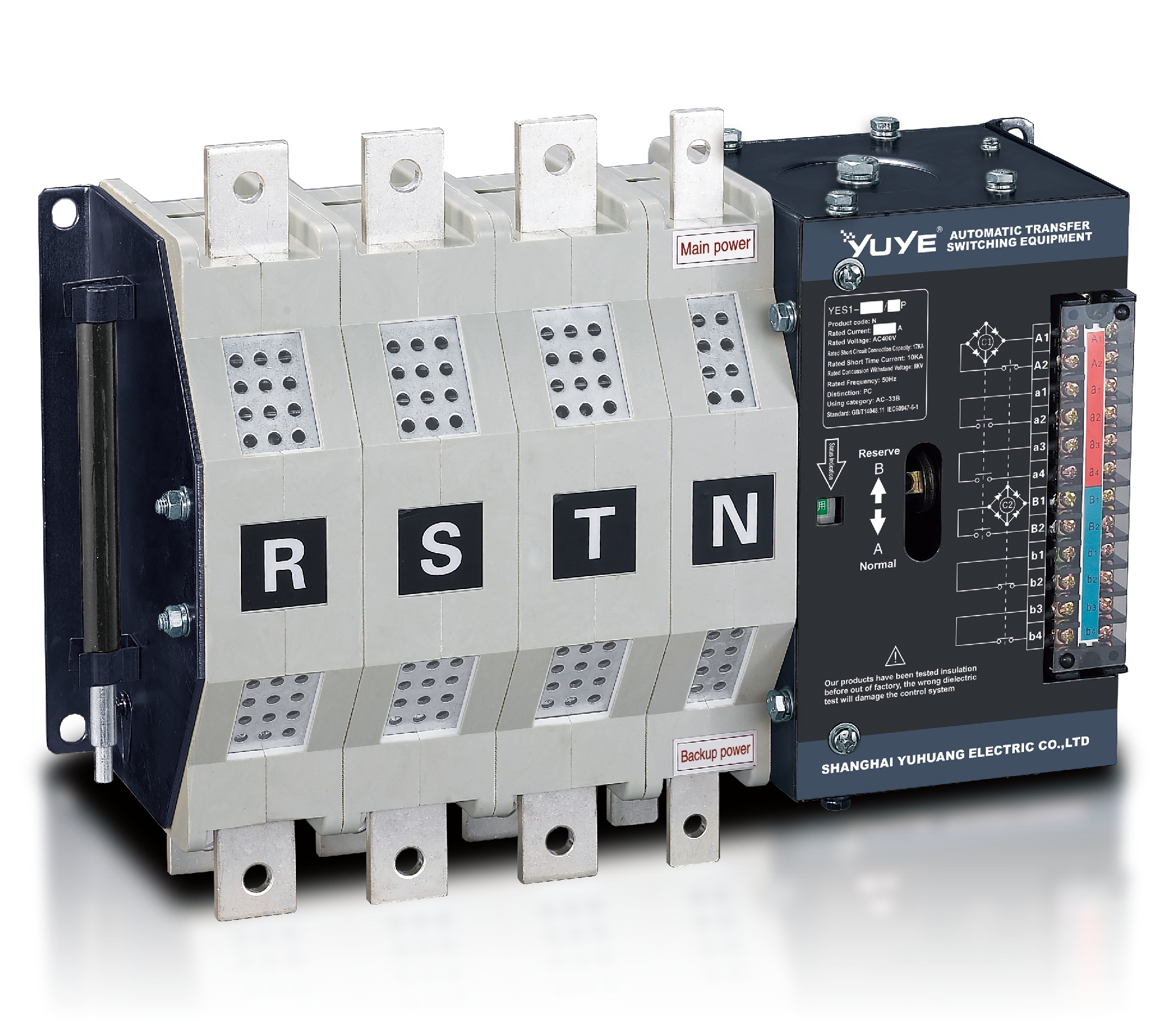 Solenoid-type ATS YES1-250~630N/NT
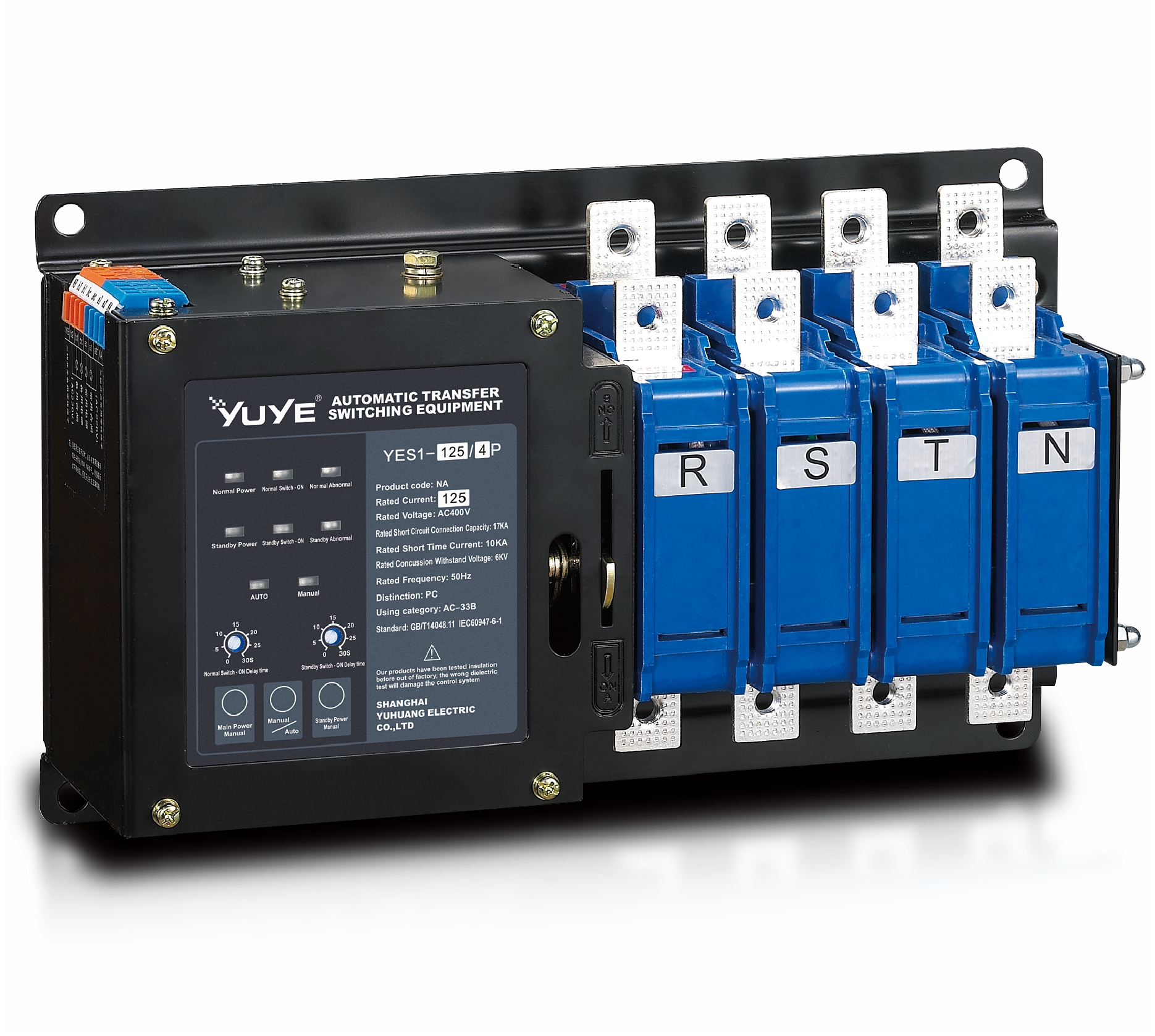 Solenoid-type ATS YES1-32~125NA
 Solenoid-type ATS YES1-63~630SN
 Solenoid-type ATS YES1-1250~4000SN
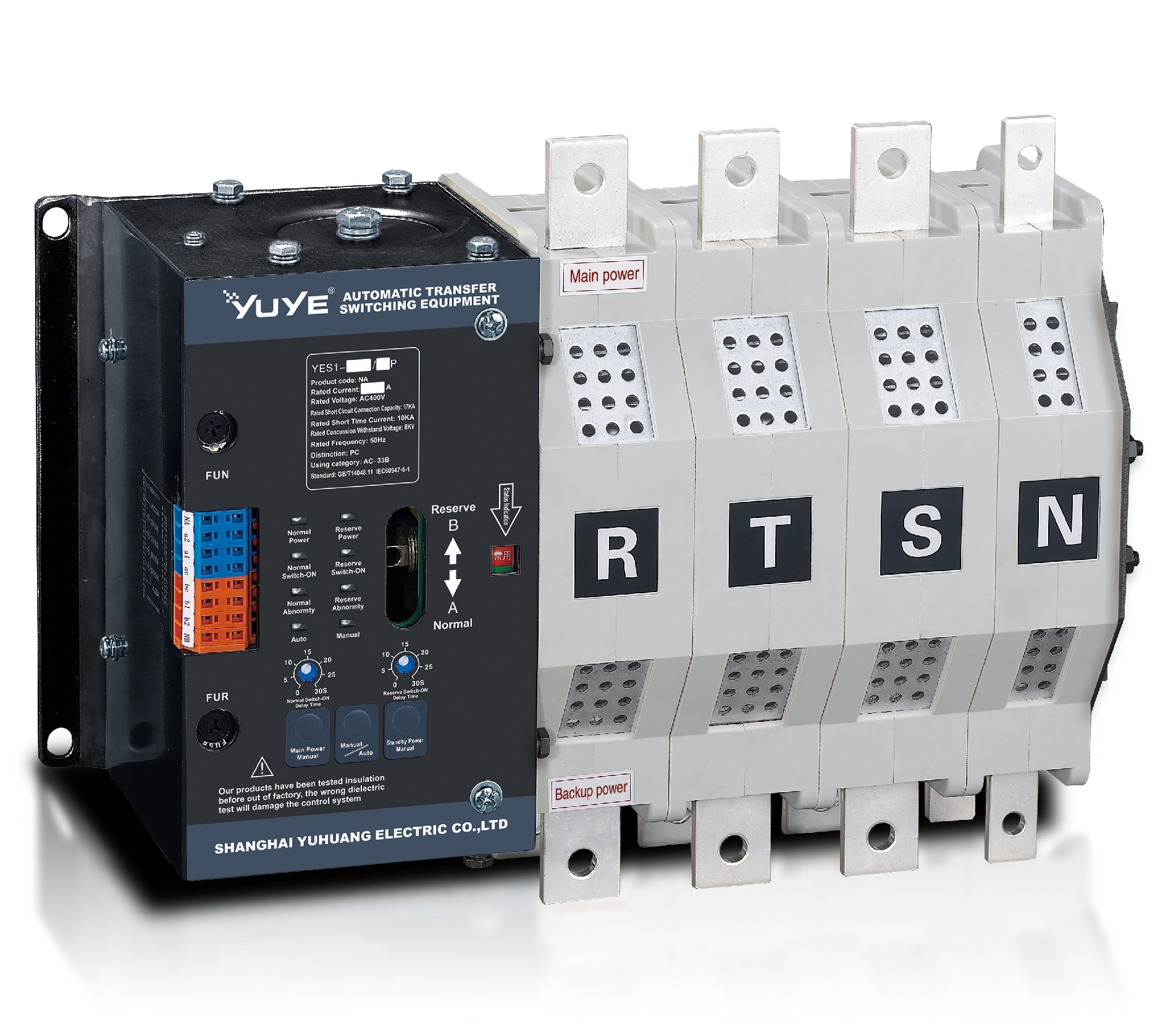 Solenoid-type ATS YES1-250~630NA/NAT
 Solenoid-type ATS YES1-63NJT
 PC ATS YES1-100~1600GN1/GN/GNF
 PC ATS YES1-2000~3200GN/GNF
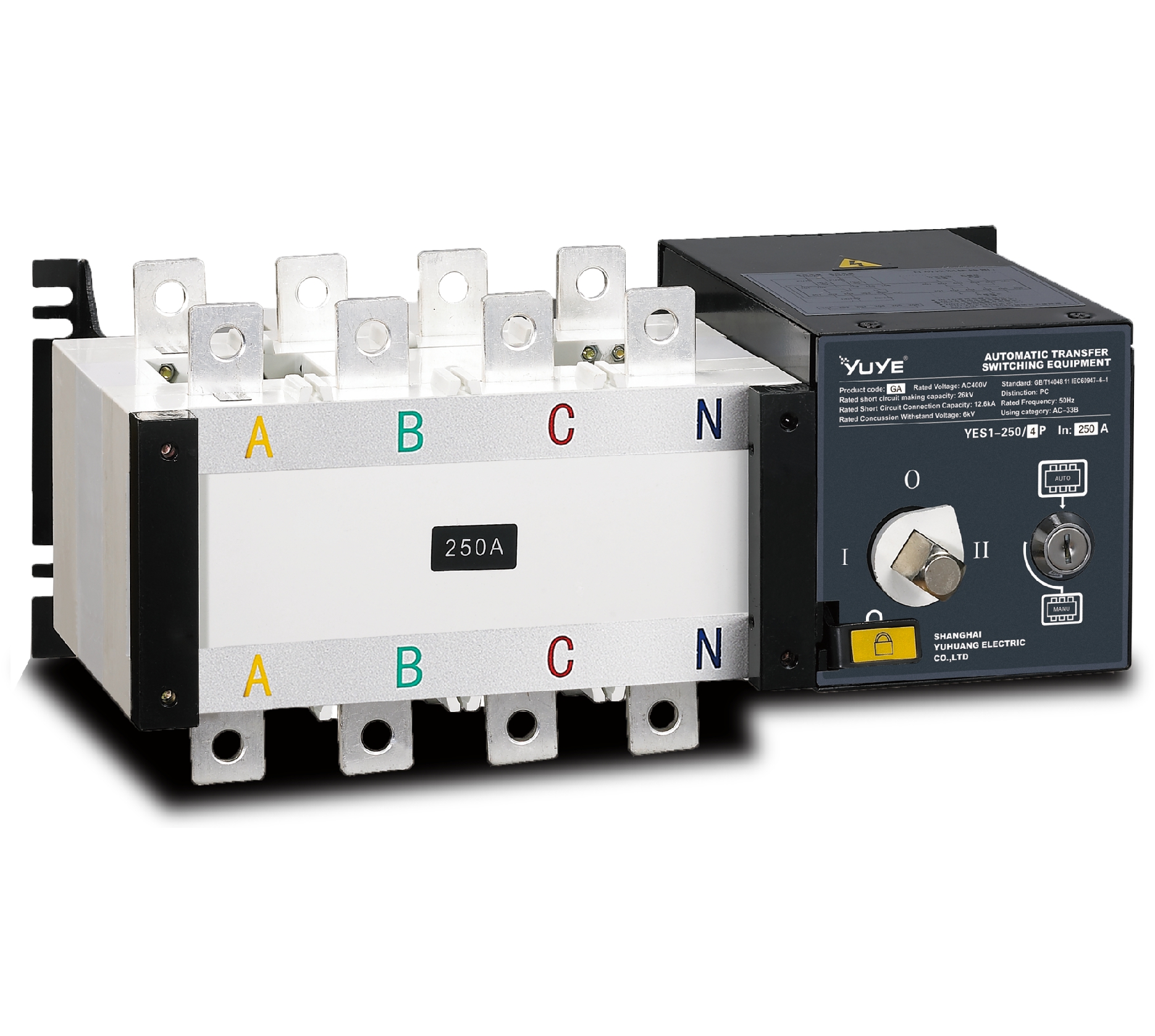 PC ATS YES1-100~3200GA1/GA
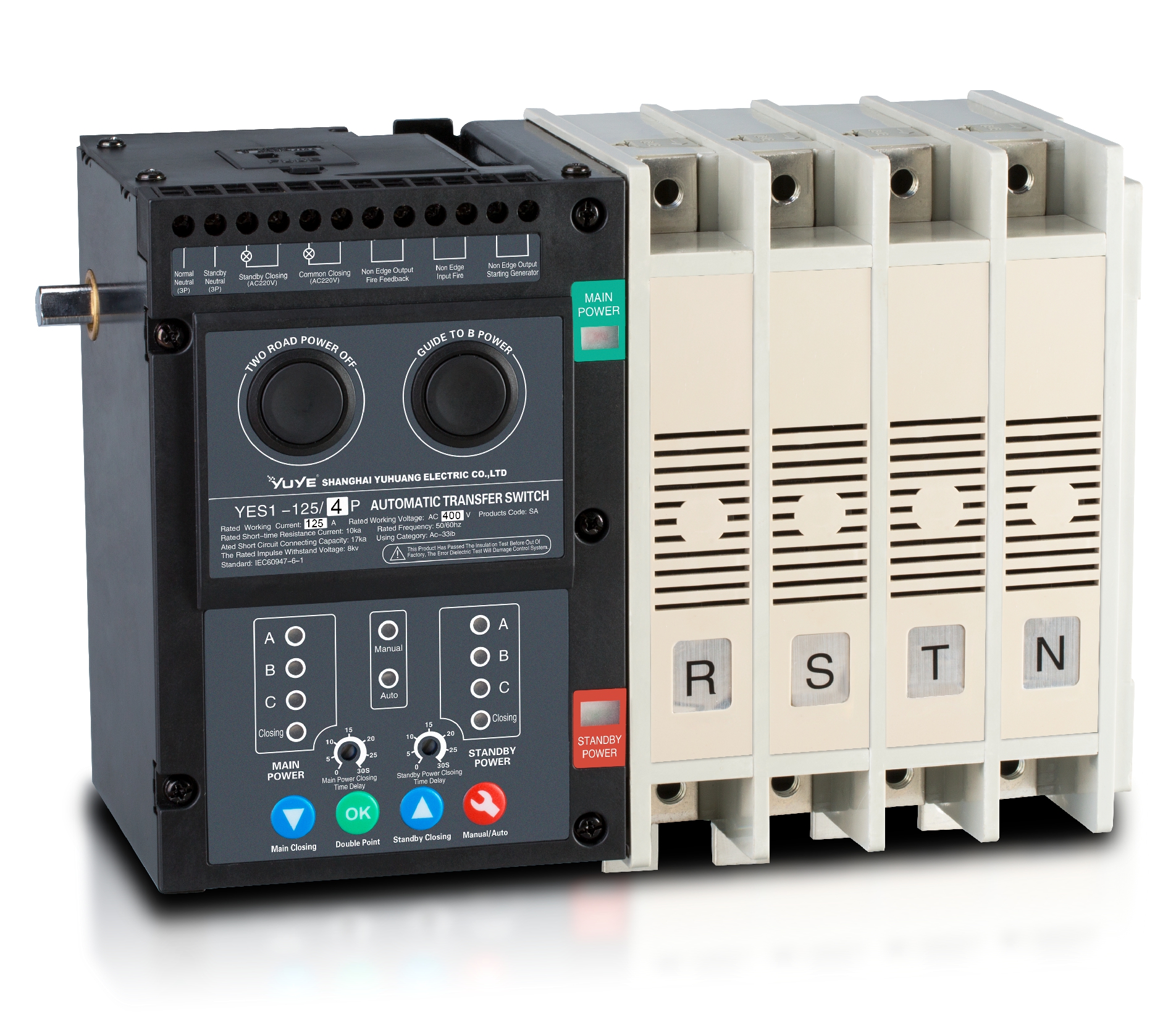 Solenoid-type ATS YES1-63~630SA
 Solenoid-type ATS YES1-63~630L/LA
 Solenoid-type ATS YES1-63~630LA3
 Solenoid-type ATS YES1-63MA
 PC ATS YES1-630~1600M
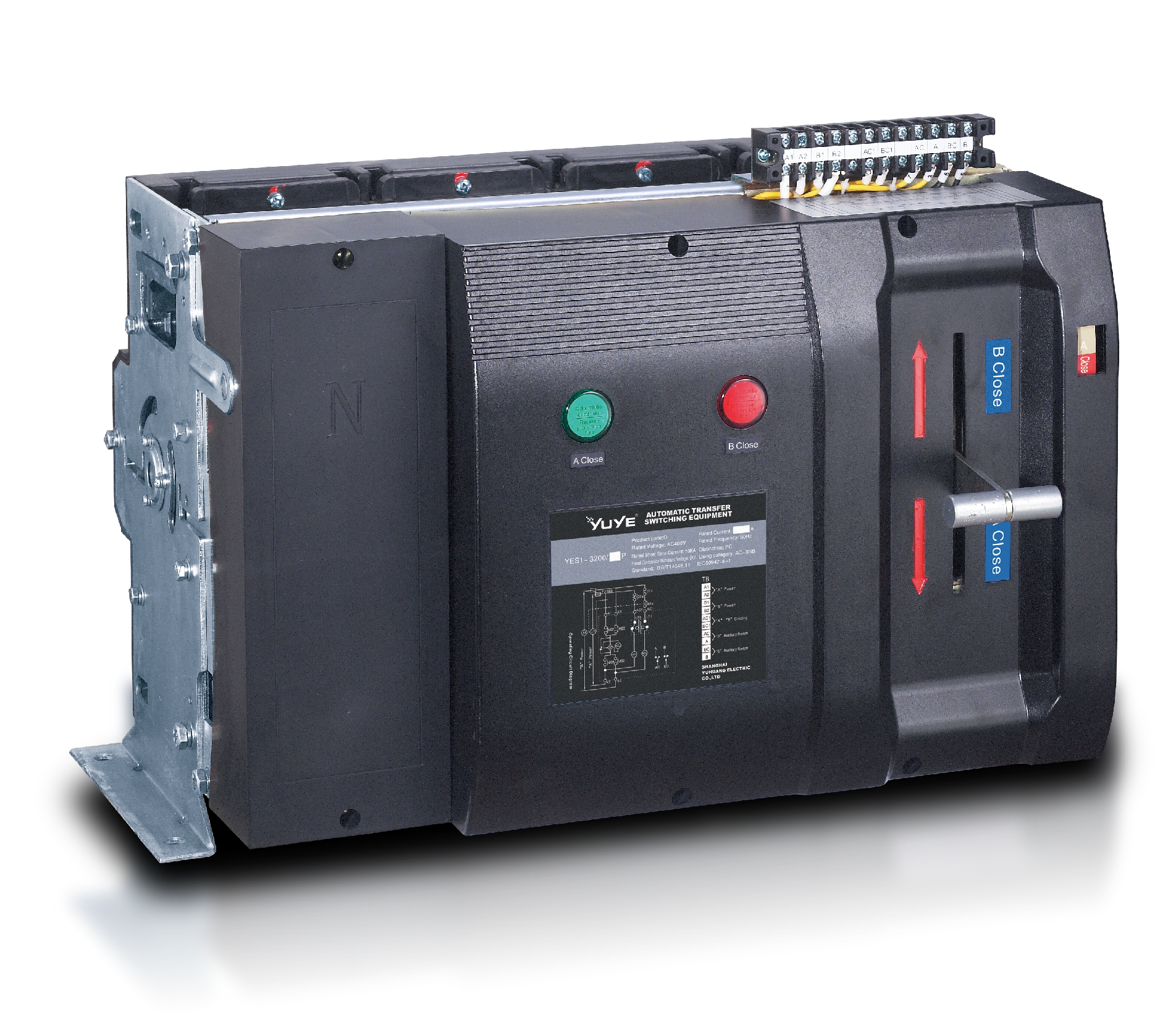 PC ATS YES1-3200Q
 Solenoid-type ATS YES1-4000~6300Q
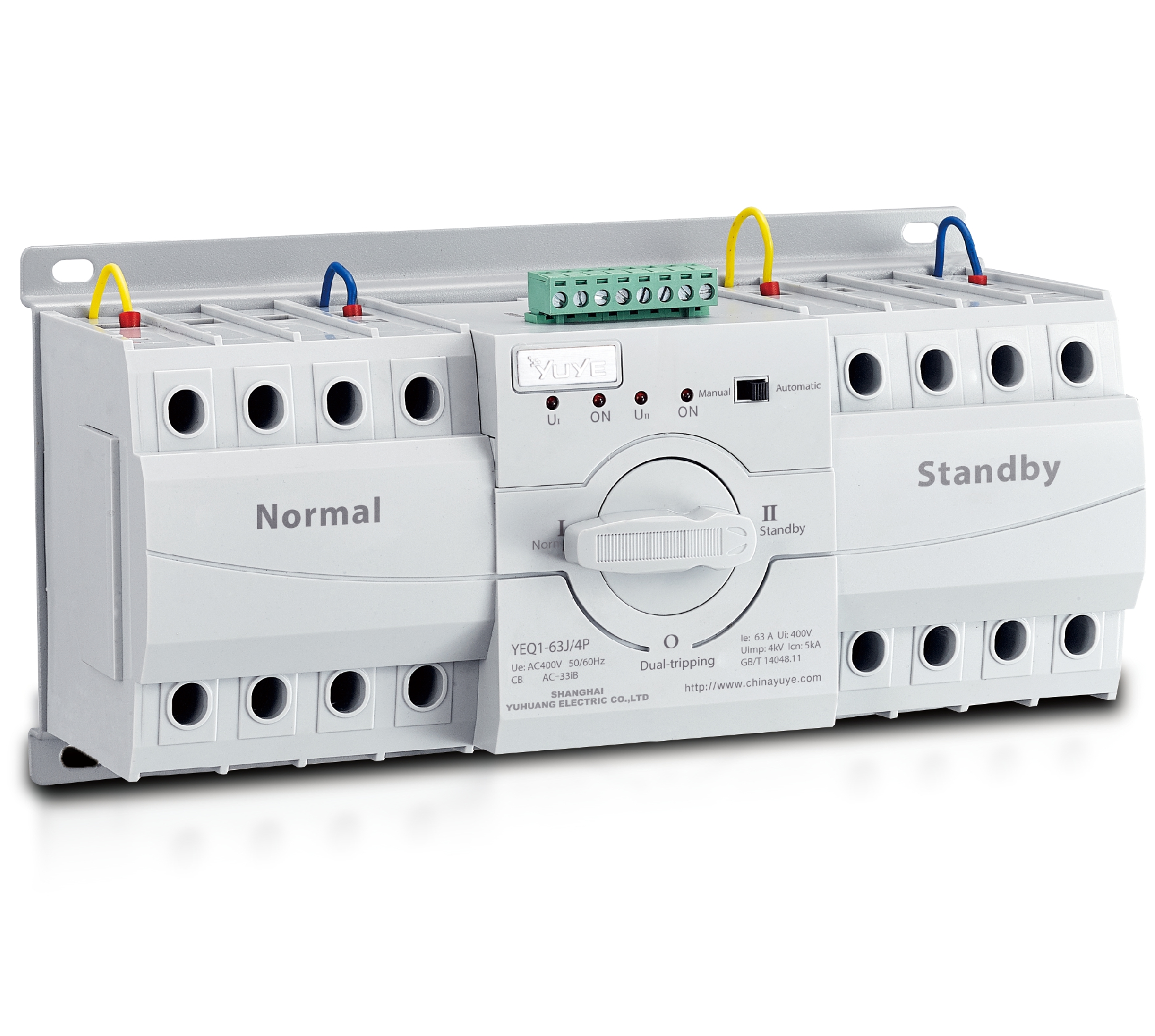 CB ATS YEQ1-63J
 CB ATS YEQ2Y-63
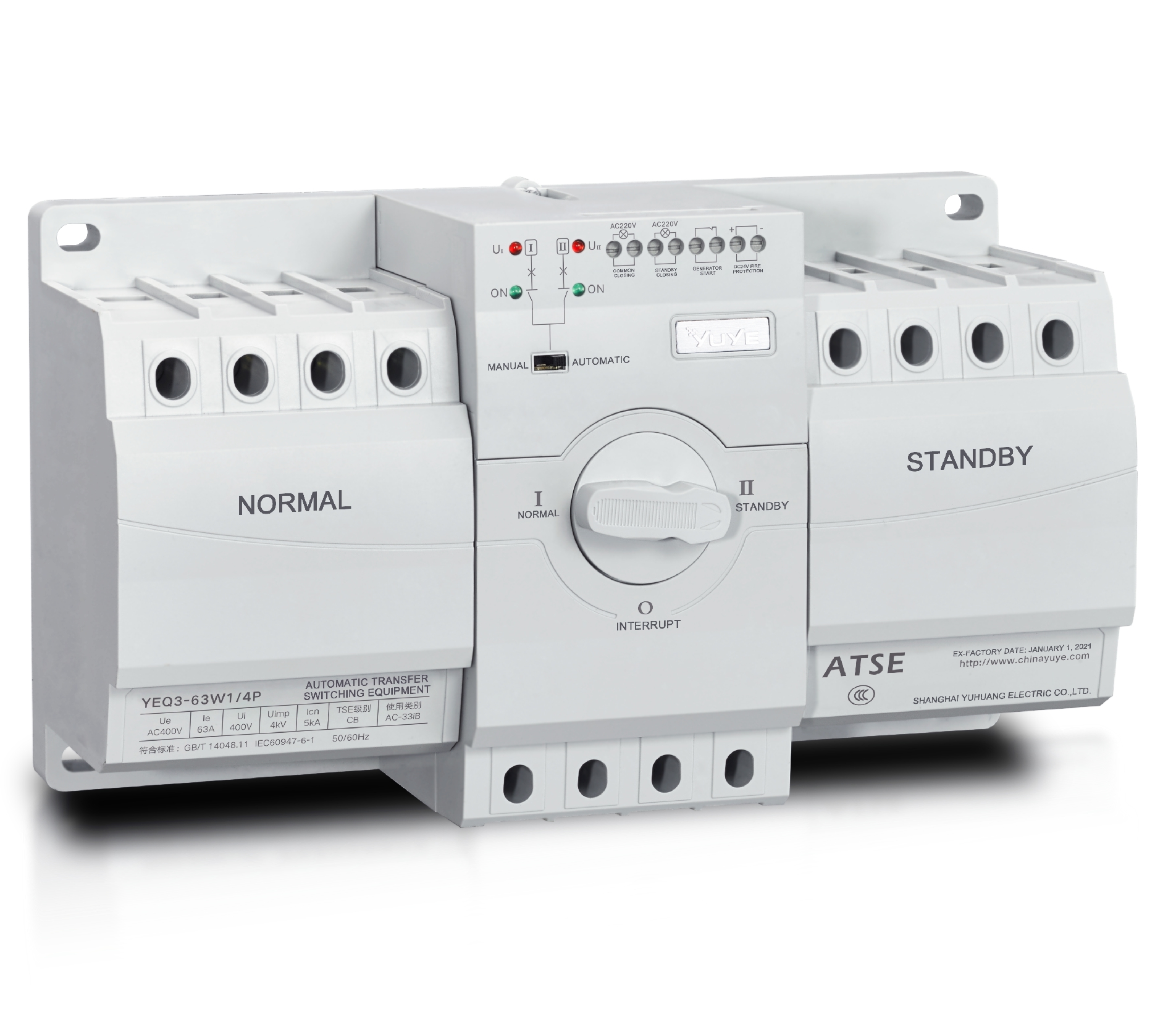 CB ATS YEQ3-63W1
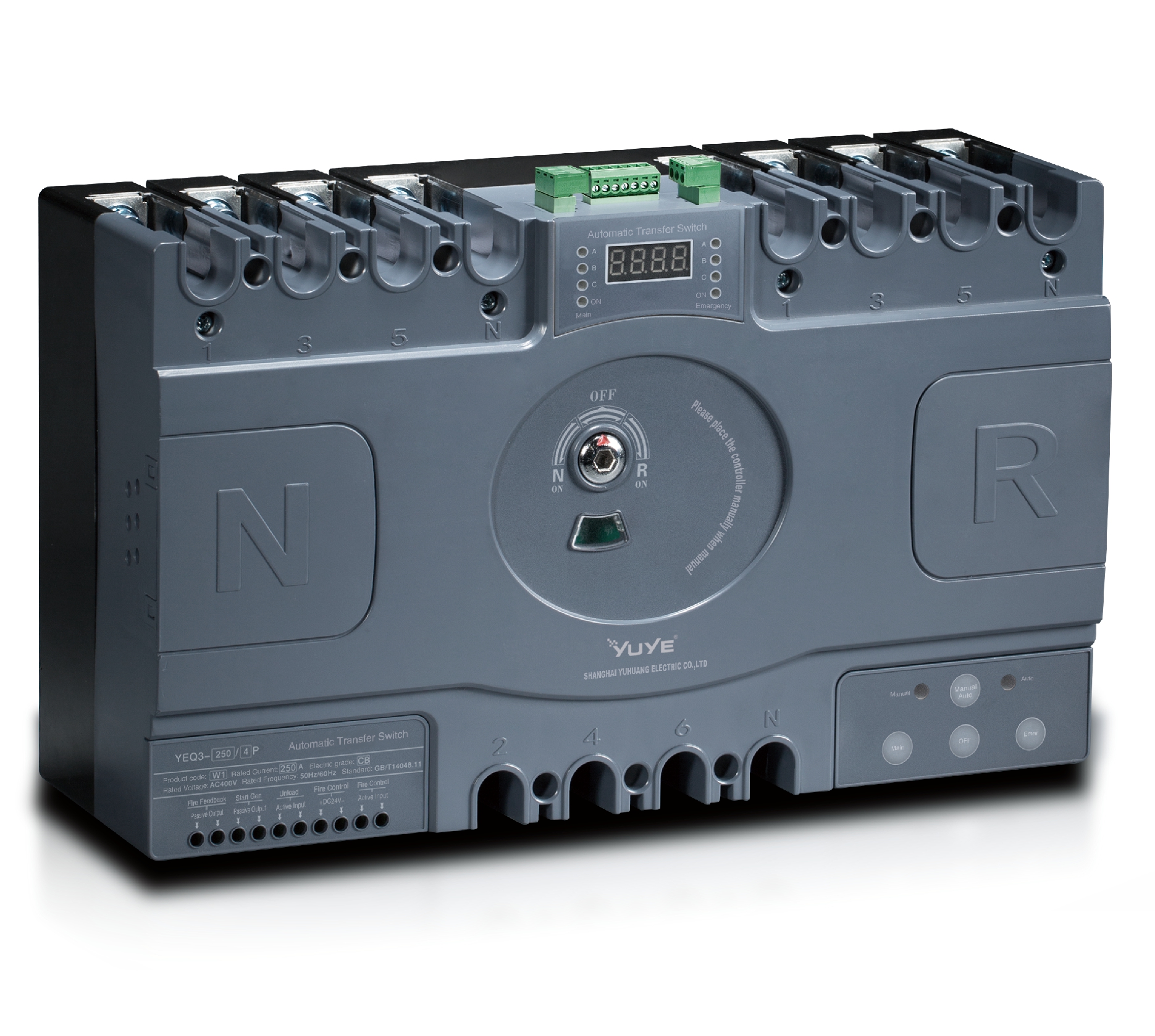 CB ATS YEQ3-125~630W1
 ATS controller Y-700
 ATS Controller Y-700N
 ATS Controller Y-701B
 ATS Controller Y-703N
 ATS Controller Y-800
 ATS Controller W2/W3 Series
 ATS switch Cabinet floor-to-ceiling
 ATS switch cabinet
 JXF-225A power Cbinet
 JXF-800A power Cbinet
 YEM3-125~800 Plastic Shell Type MCCB
 YEM3L-125~630 Leakage Type MCCB
 YEM3Z-125~800 Adjustable Type MCCB
 YEM1-63~1250 Plastic Shell Type MCCB
 YEM1E-100~800 Electronic Type MCCB
 YEM1L-100~630 Leakage Type MCCB
 Air Circuit Breaker YEW1-2000~6300
 Air Circuit Breaker YEW3-1600
 Miniature circuit breaker YEMA2-6~100
 Miniature circuit breaker YEB1-3~63
 Miniature circuit breaker YEB1LE-3~63
 Miniature circuit breaker YEPN-3~32
 Miniature circuit breaker YEPNLE-3~32
 Miniature circuit breaker YENC-63~125
 Load isolation switch YGL-63~3150
 Load Isolation Switch YGL2-63~3150
 DC relay YDC-P20
 DC relay YDC-P250
 DC relay YDC-P400
 DC relay MDC-300M
 DC relay YDC-M400
 DC Isolation Switch YEGL3D-630
 YECPS2-45~125 LCD
 YECPS-45~125 Digital
 CNC Milling/Turning-OEM
I. Introduction
Automatic transfer switches are core devices of dual-power backup systems, ensuring seamless power switching and uninterrupted power supply. For medium and large heavy-load low-voltage distribution projects, equipment selection directly affects system operational reliability. As a mainstream high-current device, ATS 630A is tailored for heavy-load working conditions. Non-standard and blind selection easily causes load mismatch, operational faults and electrical safety risks, disrupting industrial production and public power supply.
This article briefly introduces the parameter standards, load matching rules, scenario adaptation requirements, common selection errors and standardized selection steps of ATS 630A, providing practical technical guidance for engineering design, procurement and on-site construction.
II. Basic Selection Basis and Parameter Standards for ATS 630A
Standard parameter compliance is the basic requirement for ATS 630A selection. Key screening indicators include rated current, adaptive voltage range, switching speed, mechanical lifespan and insulation level. These parameters directly determine the equipment’s operating performance and environmental adaptability.
It is critical to distinguish nominal parameters from actual operating performance. Ordinary ATS may only meet static standards but fail to work stably under long-term dynamic loads. Qualified ATS 630A with professional certifications maintains stable performance under full-load and instantaneous current impact, avoiding performance degradation during long-term operation.
In the initial selection stage, users should take standardized parameters as the screening threshold to eliminate unqualified and uncertified products, ensuring basic system operation safety.
III. Load Matching Principles for Choosing a Suitable ATS 630A
Load matching is the core of ATS 630A selection and the key to preventing overload faults. Selection must consider both steady-state static load and instantaneous starting impact load, instead of merely referencing average operating current.
In engineering practice, calculate the maximum instantaneous current of all electrical equipment and reserve a reasonable current margin. This effectively avoids overload tripping caused by current surges and prevents resource waste from over-specification matching.
Compared with 400A and 800A ATS, ATS 630A offers balanced advantages for medium and large load scenarios. It delivers more stable heavy-load performance than small-specification models and better cost performance than oversized equipment, making it the optimal choice for most conventional heavy-load distribution systems.

IV. Environmental and Scenario Factors Affecting ATS 630A Selection
Application environments greatly affect ATS 630A selection. Standard ATS 630A adapts to ordinary indoor commercial distribution rooms, while industrial workshops, outdoor stations and chemical scenarios require higher environmental resistance.
Harsh conditions including high temperature, high humidity, heavy dust and vibration easily cause equipment failure. For such scenarios, select ATS 630A with high protection grade, dust-proof, moisture-proof and enhanced heat dissipation structures to resist environmental erosion.
For key scenarios such as data centers and medical facilities requiring uninterrupted power supply, enhanced ATS 630A models with faster switching speed and higher stability are required to meet ultra-high power reliability standards.
V. Common Selection Errors and Risk Avoidance of ATS 630A
Practical selection often involves typical mistakes, such as insufficient load margin reservation, excessive pursuit of low cost, ignored protection functions and unified configuration for differentiated scenarios.
These irregular selections bring hidden dangers. Insufficient load margin causes overheating and accelerated aging; incomplete protection functions fail to handle power abnormalities, possibly leading to equipment burnout and short circuits.
To avoid risks, standardize the selection process, prioritize parameter matching and scenario adaptation, and refrain from sacrificing equipment safety and performance for lower costs.
VI. Practical Selection Steps and Verification Checklist for ATS 630A
Standardized selection steps improve accuracy and reduce errors. The complete process includes load calculation, parameter confirmation, performance screening, scenario matching and qualification verification.
Key verification items include parameter compliance, complete protection functions, environmental adaptability, and valid product certifications and after-sales guarantees.
Final secondary verification via standardized checklists helps eliminate matching defects and ensure the selected equipment adapts to actual project operating conditions.
VII. Conclusion
Scientific selection of ATS 630A requires comprehensive consideration of parameters, load characteristics and application environments, avoiding empirical judgment and unreasonable cost control. Every selection step determines the safety and service life of dual-power distribution systems.
Following standardized selection rules and avoiding common errors helps users select high-quality, well-matched ATS 630A products, reduce failure and maintenance costs, and ensure safe and efficient operation of heavy-load power distribution systems.
References
1. International Electrotechnical Commission. IEC Standard for Automatic Transfer Switching Equipment Performance, 2023.
2. Power Distribution Engineering Application Manual. Specification for High-Current ATS Type Selection and Matching.
3. Electrical Safety Supervision Institute. Risk Assessment Standard for Low-Voltage Power Switching Equipment Selection.
4. Industrial Electrical Equipment Design Guide. Environmental Adaptability Requirements for Heavy-Load ATS Devices.
FAQ
Q1: What core indicators should be checked first when selecting ATS 630A?
A1: Verify rated current and load capacity first, and confirm sufficient current margin to cope with instantaneous load fluctuations.
Q2: Is it necessary to upgrade specifications for high-temperature industrial scenarios?
A2: Yes. High temperatures reduce equipment effective load capacity. It is necessary to adopt heat-dissipation enhanced ATS 630A or reserve larger load margin.
Q3: Why cannot select ATS 630A simply by price?
A3: Low-cost products usually cut material and functional corners, prone to switching faults and overheating aging, causing long-term power system safety hazards.
Q4: What kind of scenarios are most suitable for ATS 630A?
A4: It is suitable for medium-load industrial workshops, commercial distribution rooms and conventional dual-power backup projects with stable loads and no extreme current impact.
Q5: How to judge whether the selected ATS 630A is matched with the system?
A5: Check three key dimensions: parameter compliance, sufficient load margin and environmental adaptability. Meeting all indicators means reasonable selection.
