
 PC ATS YECT1-2000G
 PC ATS YES2-63~250GN1
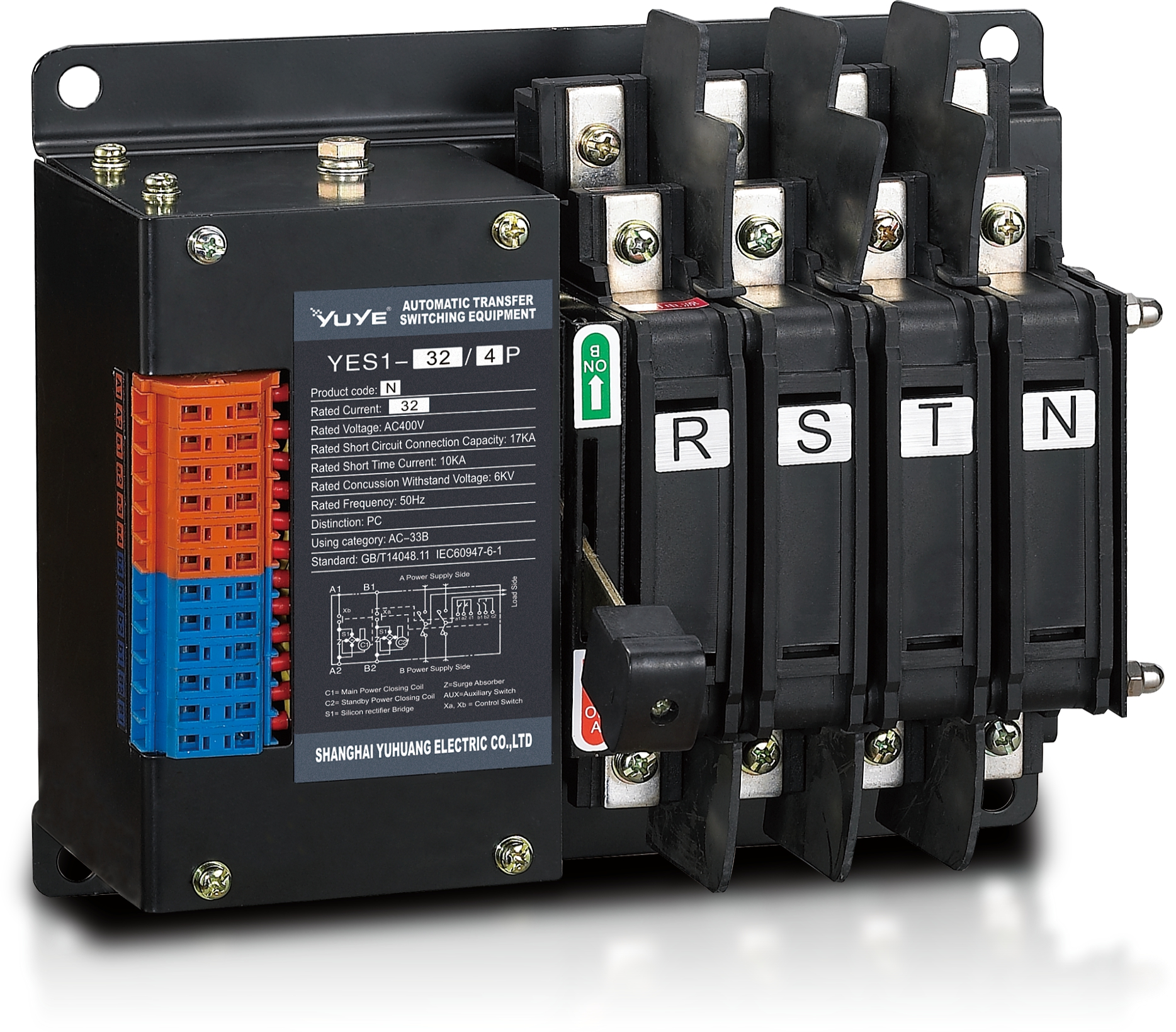 Solenoid-type ATS YES1-32~125N
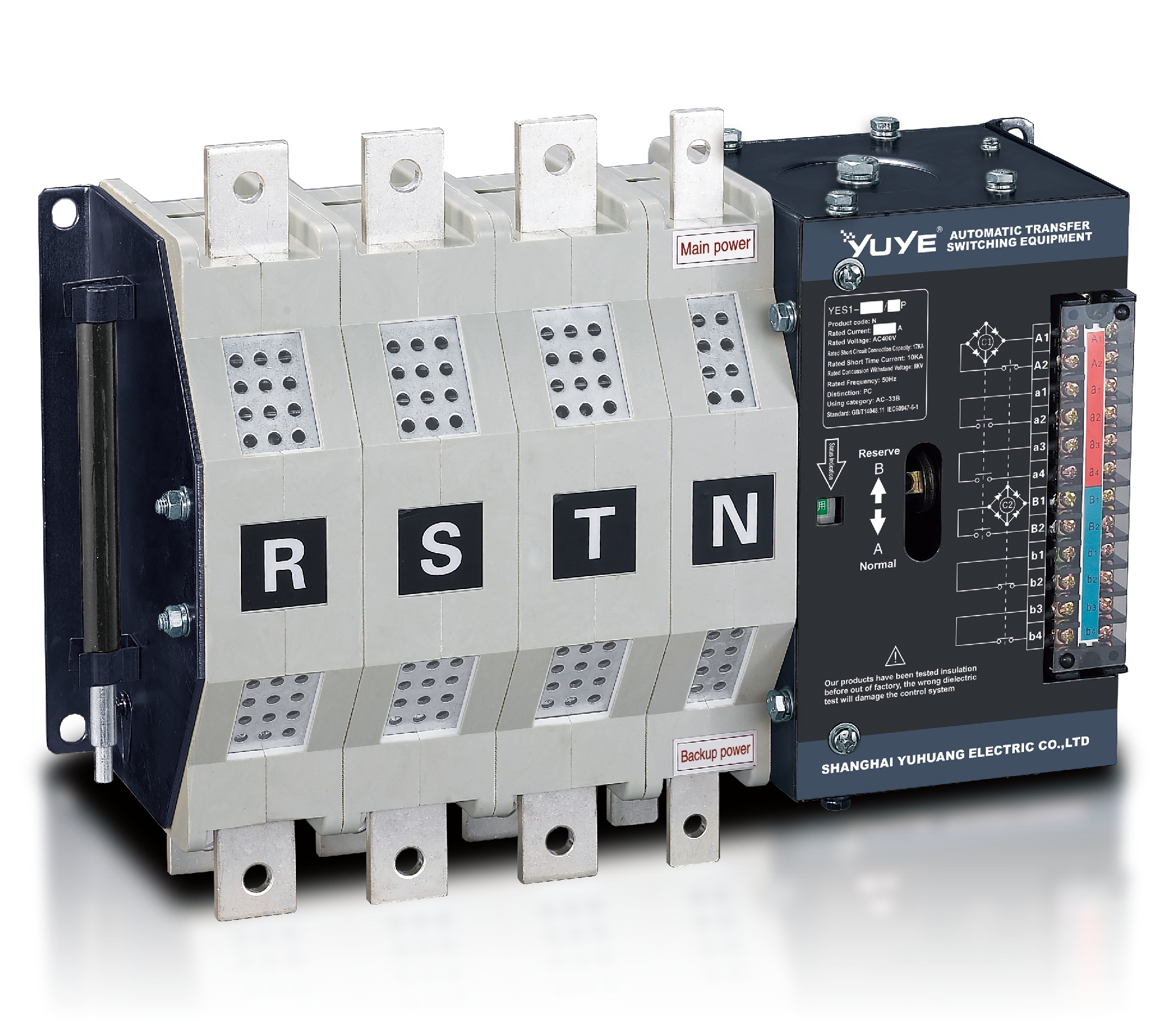 Solenoid-type ATS YES1-250~630N/NT
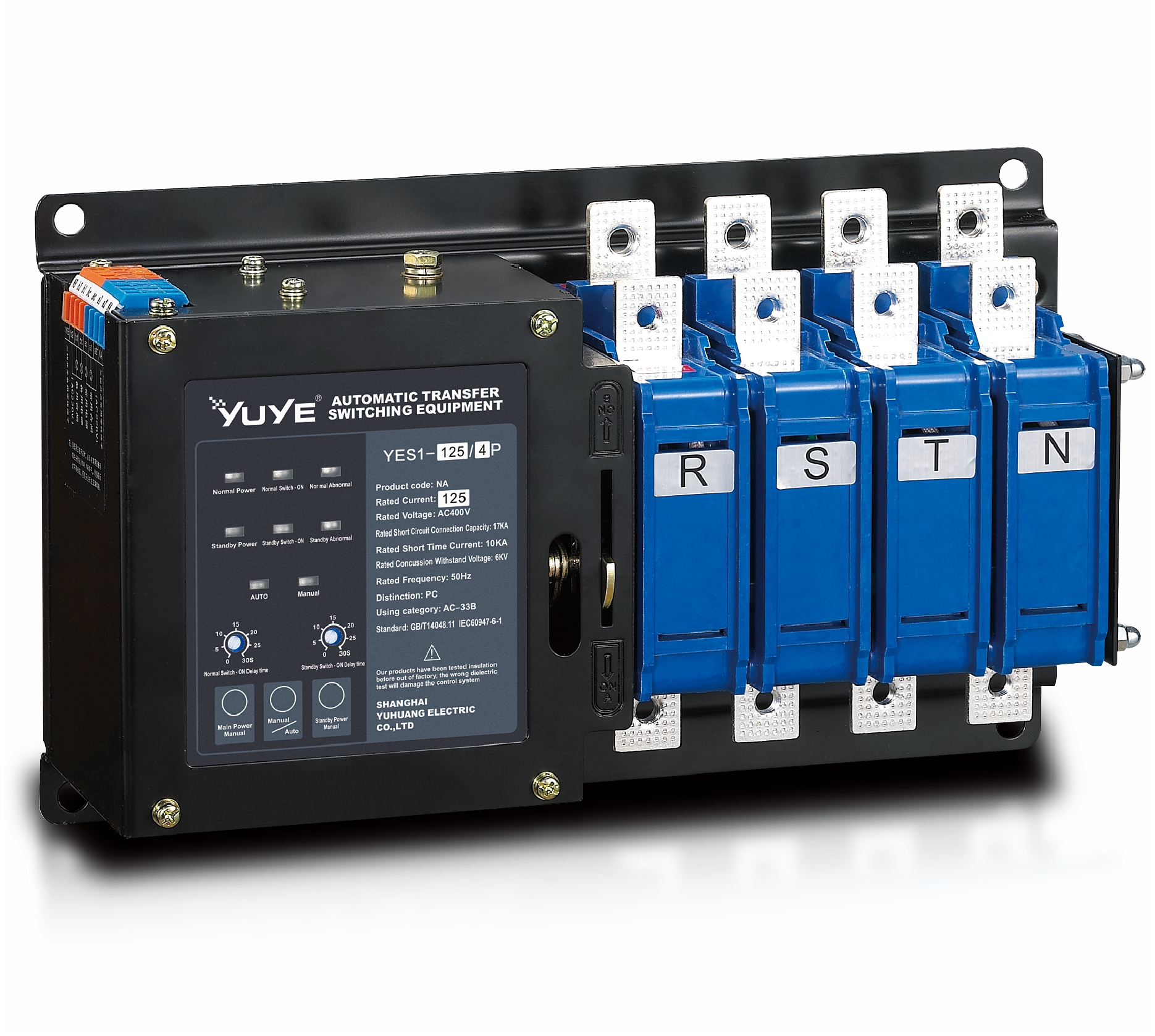 Solenoid-type ATS YES1-32~125NA
 Solenoid-type ATS YES1-63~630SN
 Solenoid-type ATS YES1-1250~4000SN
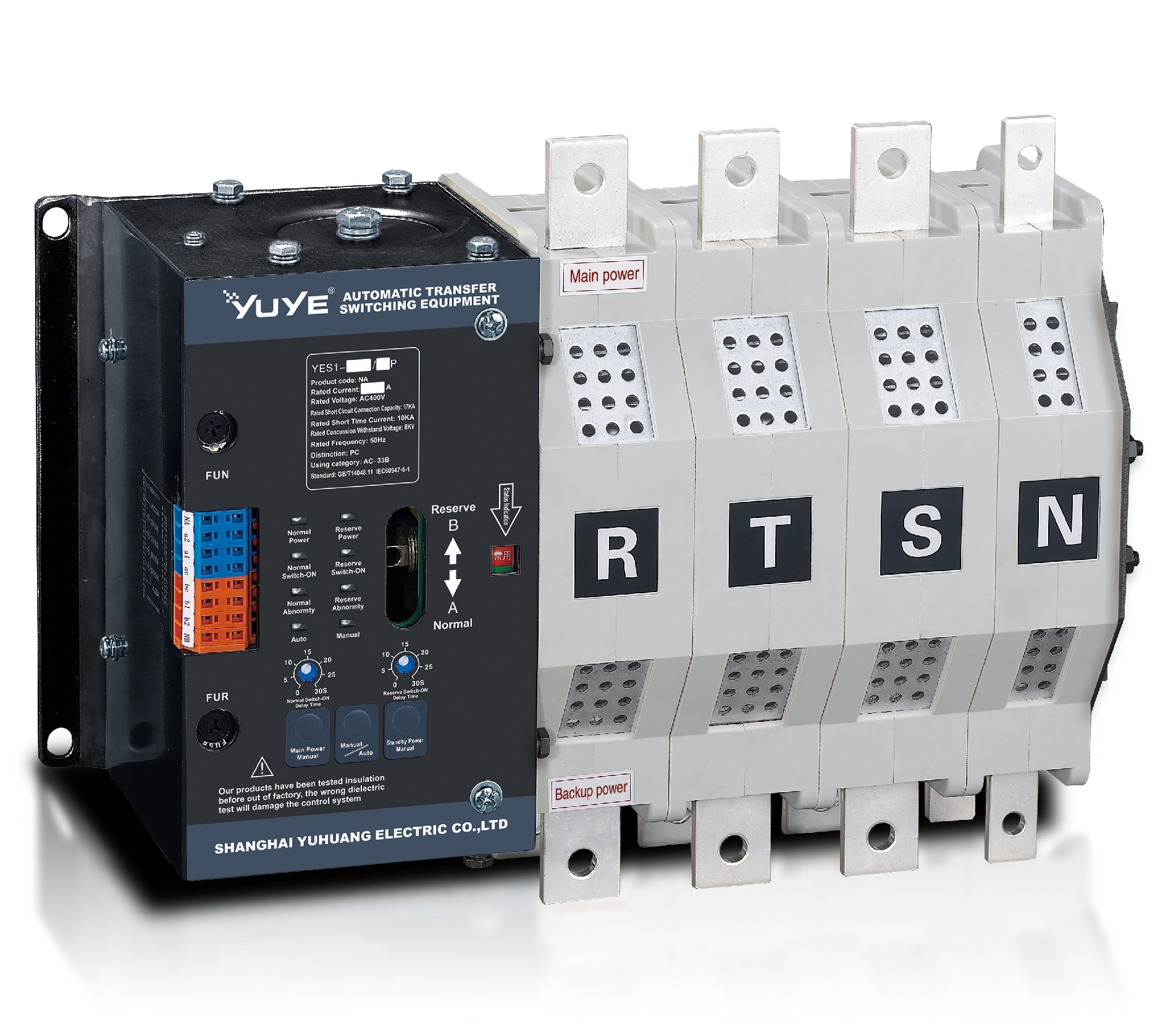 Solenoid-type ATS YES1-250~630NA/NAT
 Solenoid-type ATS YES1-63NJT
 PC ATS YES1-100~1600GN1/GN/GNF
 PC ATS YES1-2000~3200GN/GNF
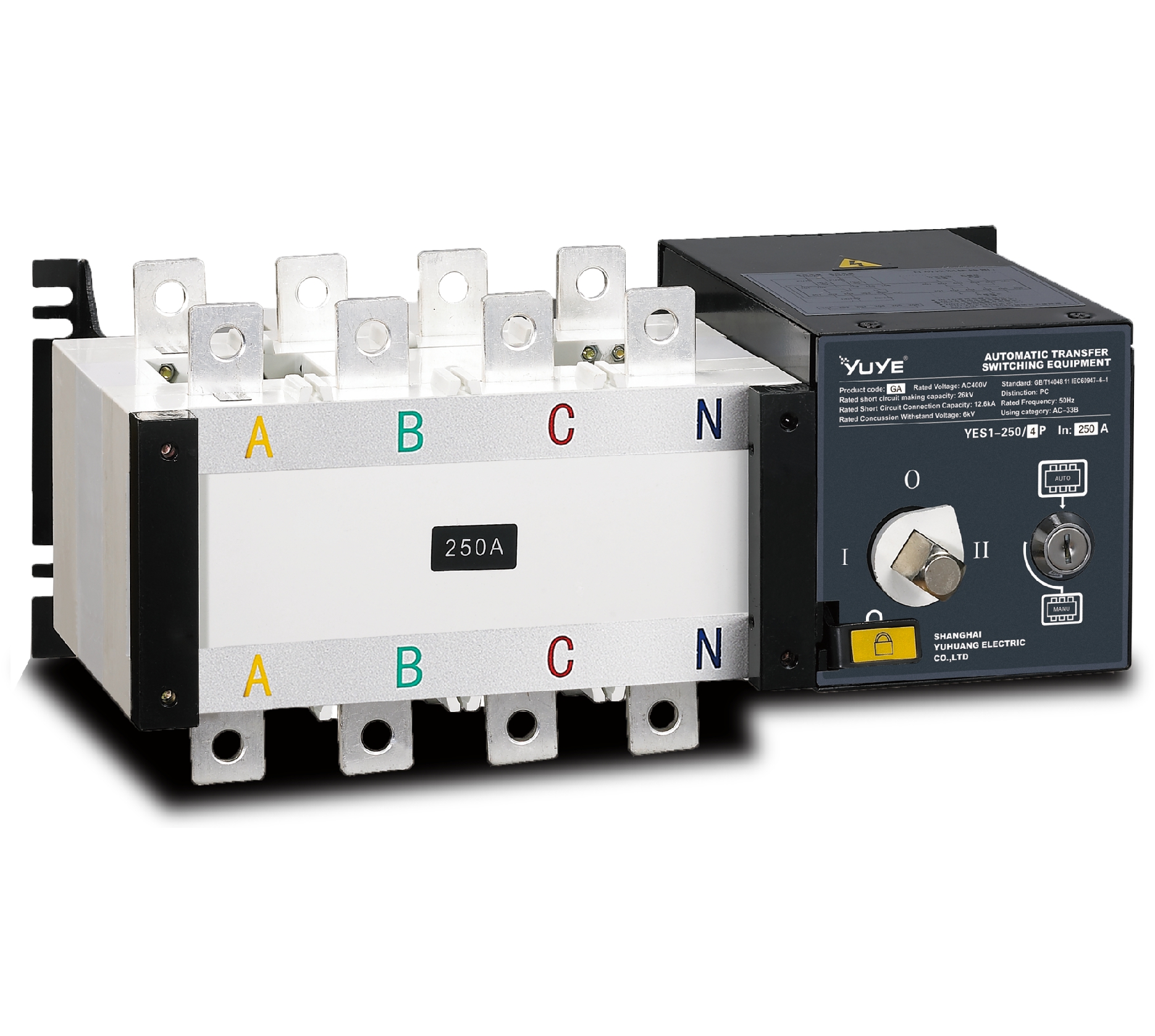 PC ATS YES1-100~3200GA1/GA
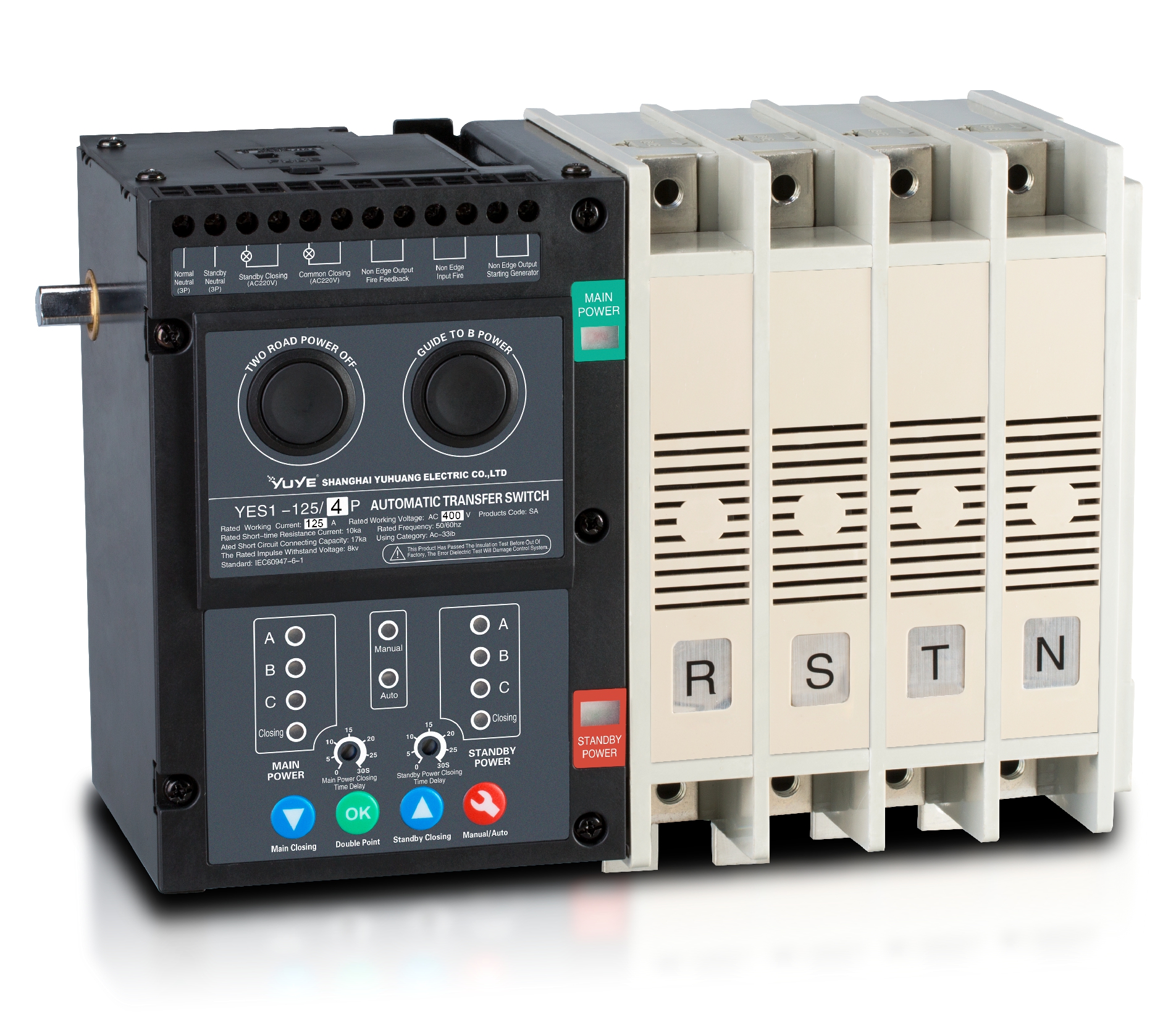 Solenoid-type ATS YES1-63~630SA
 Solenoid-type ATS YES1-63~630L/LA
 Solenoid-type ATS YES1-63~630LA3
 Solenoid-type ATS YES1-63MA
 PC ATS YES1-630~1600M
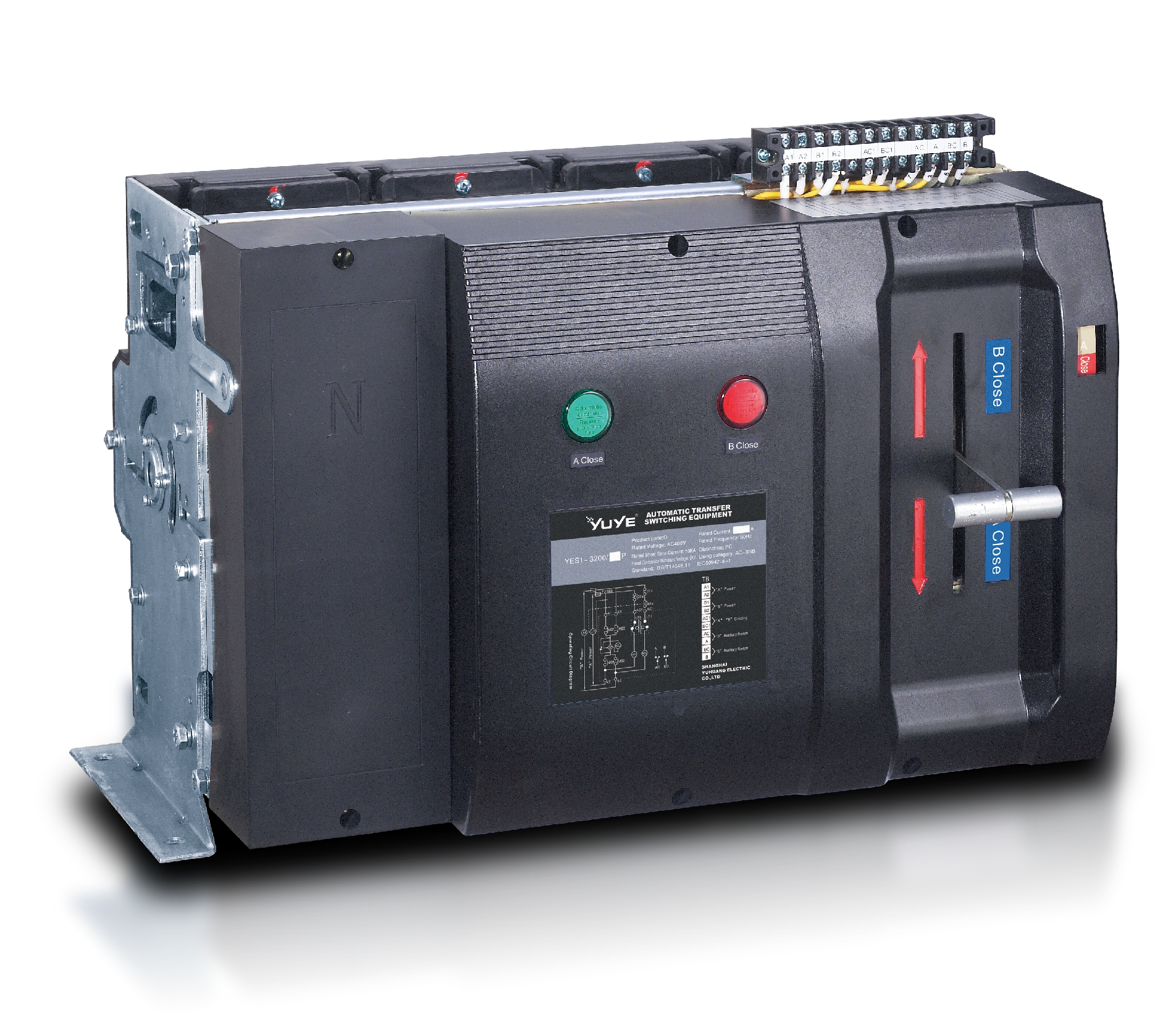 PC ATS YES1-3200Q
 Solenoid-type ATS YES1-4000~6300Q
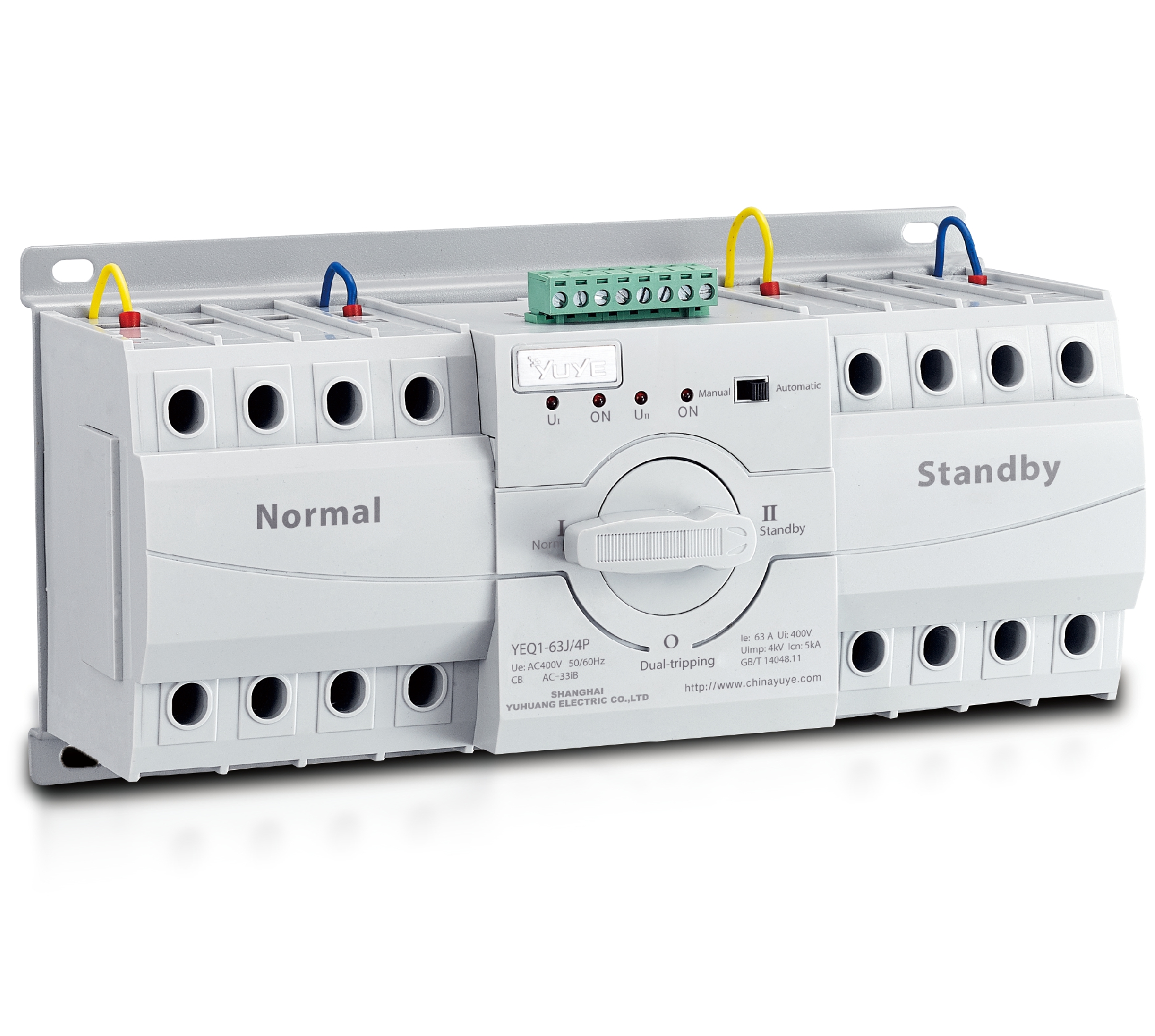 CB ATS YEQ1-63J
 CB ATS YEQ2Y-63
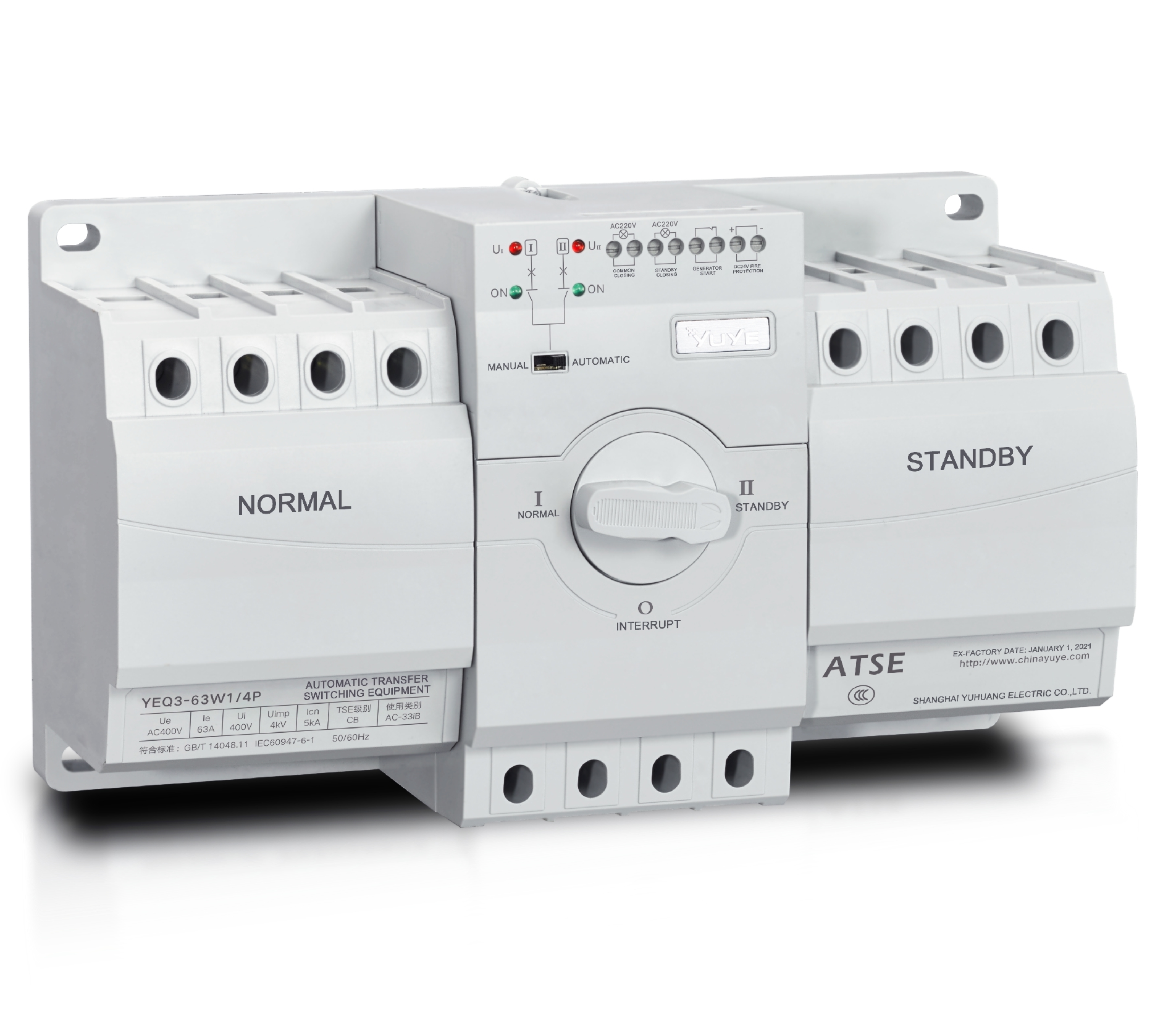 CB ATS YEQ3-63W1
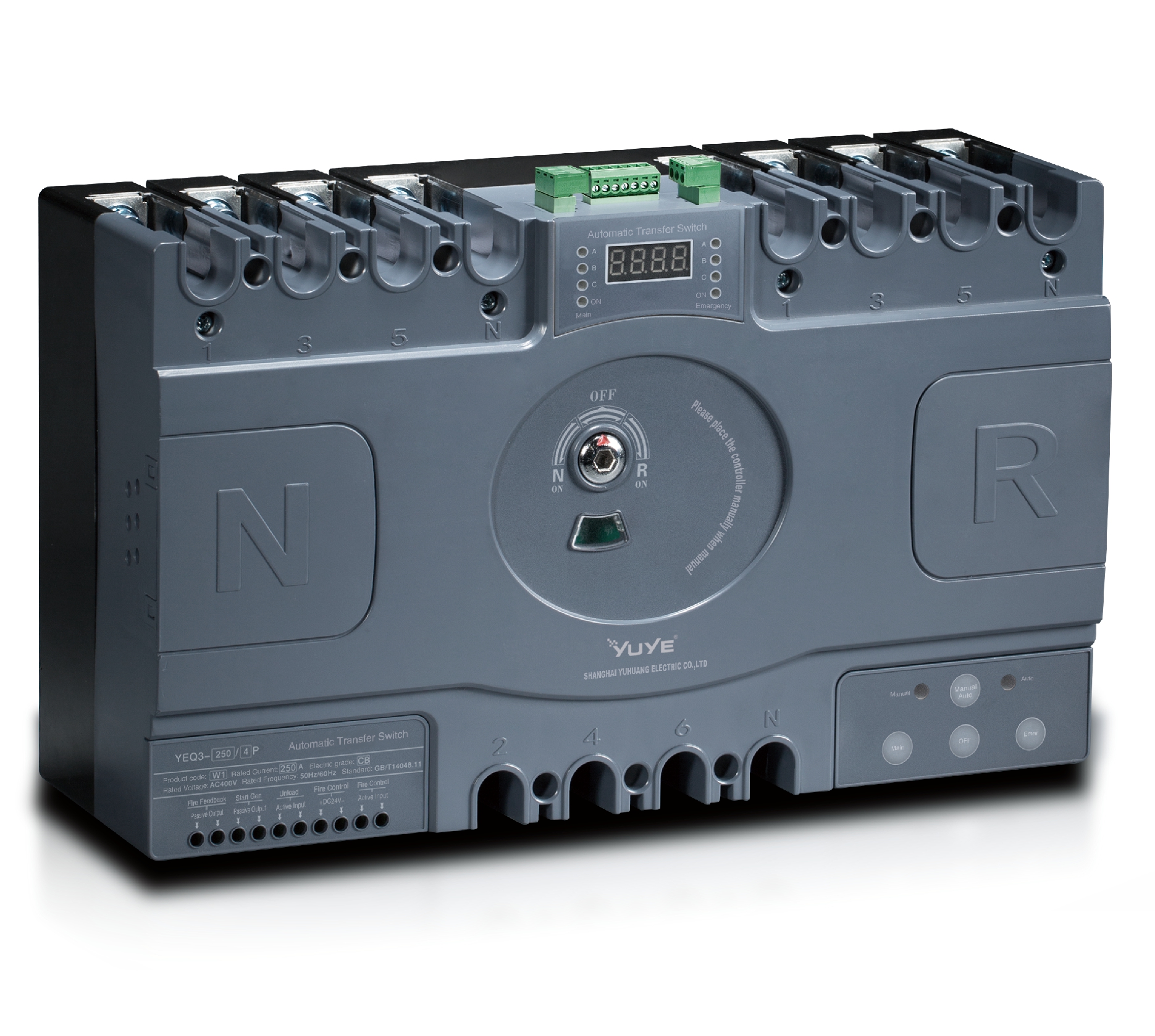 CB ATS YEQ3-125~630W1
 ATS controller Y-700
 ATS Controller Y-700N
 ATS Controller Y-701B
 ATS Controller Y-703N
 ATS Controller Y-800
 ATS Controller W2/W3 Series
 ATS switch Cabinet floor-to-ceiling
 ATS switch cabinet
 JXF-225A power Cbinet
 JXF-800A power Cbinet
 YEM3-125~800 Plastic Shell Type MCCB
 YEM3L-125~630 Leakage Type MCCB
 YEM3Z-125~800 Adjustable Type MCCB
 YEM1-63~1250 Plastic Shell Type MCCB
 YEM1E-100~800 Electronic Type MCCB
 YEM1L-100~630 Leakage Type MCCB
 Air Circuit Breaker YEW1-2000~6300
 Air Circuit Breaker YEW3-1600
 Miniature circuit breaker YEMA2-6~100
 Miniature circuit breaker YEB1-3~63
 Miniature circuit breaker YEB1LE-3~63
 Miniature circuit breaker YEPN-3~32
 Miniature circuit breaker YEPNLE-3~32
 Miniature circuit breaker YENC-63~125
 Load isolation switch YGL-63~3150
 Load Isolation Switch YGL2-63~3150
 DC relay YDC-P20
 DC relay YDC-P250
 DC relay YDC-P400
 DC relay MDC-300M
 DC relay YDC-M400
 DC Isolation Switch YEGL3D-630
 YECPS2-45~125 LCD
 YECPS-45~125 Digital
 CNC Milling/Turning-OEM
1. Preface
Driven by Industry 4.0 development, intelligent automation control has become essential for modern manufacturing, energy and smart factory upgrades. Traditional manual and fixed control devices can no longer meet modern demands for high precision, efficiency and low energy consumption. As a key intelligent automation device, Ats Controller optimizes equipment operation, data monitoring and safety control. This article elaborates on its working principles, advantages, functions, applications and selection tips for industrial users’ reference.
2. Operation Logic of Intelligent Automation Control
Industrial intelligent control systems rely on standardized structural design and scientific operating logic to achieve stable and efficient automated operation.
Intelligent automation control equipment is an integrated industrial device designed to replace manual operation, realizing automatic regulation, real-time monitoring and safety protection for various automated production and energy operation scenarios.
It consists of hardware sensing, data processing and execution modules, as well as supporting software systems. Hardware collects on-site operational data, while software conducts data analysis and outputs control instructions, forming a complete intelligent control system through software and hardware collaboration.
The device operates under a closed-loop logic of “collection-analysis-regulation-feedback”. It captures real-time working data, analyzes operational status, outputs precise control commands, drives terminal equipment to operate, and feeds back results dynamically to avoid manual errors and ensure stable operation.
Equipped with embedded intelligent algorithms, the equipment can actively identify working condition changes and potential risks, realizing adaptive adjustment and unmanned precise control.
3. Core Advantages Over Traditional Control Equipment
Modern intelligent control equipment outperforms traditional manual-dependent control devices in performance, intelligence, cost and adaptability, solving multiple industrial control pain points.
It delivers faster response and higher control accuracy. Unlike traditional devices with fixed logic and delayed response, it supports dynamic real-time adjustment to maintain operational stability under complex working conditions.
It features independent data analysis and self-inspection capabilities. The device can actively identify abnormalities and trigger safety early warnings, transforming traditional passive post-fault maintenance into active risk prevention.
It effectively reduces operational and maintenance costs. Precise intelligent regulation avoids energy waste, while the built-in fault diagnosis system simplifies maintenance and lowers long-term enterprise operating expenses.
With excellent compatibility and scalability, it supports multi-device linkage and customized functions, enabling seamless connection with various industrial systems and adapting to continuous production line upgrades.
4. Core Functions of Intelligent Automation Control Equipment
As a core industrial intelligent control unit, the device integrates diverse practical functions to cover full-process equipment operation and management needs.
Automatic start-stop and regulation: It supports unattended intelligent start-stop and timing adjustment, automatically switching operating states according to production schedules to reduce manual intervention.
Real-time monitoring and dynamic regulation: It collects key operational parameters such as speed, load and temperature, and automatically fine-tunes data in real time to keep equipment in optimal working condition.
Fault early warning and safety protection: It triggers overload and power-off protection mechanisms once abnormalities occur, pushing early warnings to prevent equipment damage and safety accidents.
Multi-device linkage and custom programming: It supports personalized parameter setting and multi-equipment synchronous control, meeting the collaborative operation needs of complex production scenarios.

5. Main Application Scenarios
Featuring high stability and wide adaptability, intelligent control equipment is widely applied in various industrial intelligent transformation scenarios.
In intelligent manufacturing, it realizes precise scheduling and process control of production line equipment, standardizing production procedures and supporting unmanned and efficient production.
In the energy and power industry, it intelligently manages power supply and standby equipment, automatically switching power modes to ensure stable and uninterrupted power supply.
In smart factory operation and maintenance, it undertakes unified equipment scheduling and energy-saving management, optimizing overall operational efficiency and realizing refined factory management.
Additionally, it is applicable to mechanical equipment matching and automated system renovation, providing reliable intelligent control support for diverse industrial scenarios.
6. Equipment Selection Guide
Reasonable equipment selection is crucial to maximize operational performance. Enterprises shall choose devices based on actual working conditions and scenario demands.
Match equipment with application scenarios: Select high-protection and high-load devices for heavy industrial scenarios, and standard models for conventional scenarios to balance performance and cost.
Focus on core performance parameters: Prioritize control accuracy, response speed and load capacity to meet the operational requirements of high-precision production and large-scale linkage scenarios.
Verify compatibility and scalability: Choose devices compatible with existing factory systems and equipped with expandable functions to adapt to future production upgrades.
Pay attention to industry compliance and after-sales service: Select products that meet industrial safety standards and cooperate with manufacturers with complete after-sales systems to guarantee long-term stable operation.
7. Summary
Intelligent automation control equipment is vital for industrial intelligent upgrading, with prominent advantages in precision, stability and cost savings. It integrates multiple core functions and serves diverse industries. Scientific deployment of Ats Controller can effectively boost production efficiency, reduce operational costs and accelerate industrial intelligent transformation. With the continuous upgrade of industrial technology, such intelligent control devices will gain broader application prospects.
8. FAQ
Q1: What is the core function of industrial intelligent automation control equipment?
A1: Its core function is unattended, precise and safe automatic control of industrial equipment. It realizes real-time monitoring, dynamic regulation and fault protection via software and hardware collaboration, improving overall industrial operational efficiency.
Q2: What is the biggest advantage of intelligent control equipment over traditional devices?
A2: It features independent intelligent adaptive capabilities. Different from traditional devices requiring frequent manual adjustment, it can actively identify working condition changes and complete automatic optimization and risk prevention.
Q3: What industries can use this intelligent control equipment?
A3: It is suitable for most automated industrial scenarios, including intelligent manufacturing, power energy, smart factory operation and mechanical equipment supporting.
Q4: What are the key purchasing points for intelligent control equipment?
A4: Users need to focus on scenario adaptability, core performance parameters, system compatibility and scalability, while verifying product compliance and manufacturer after-sales guarantee.
9. Citation Reference
1. The 2025 Global Industrial Automation Industry Development Report shows that intelligent integrated control equipment can reduce industrial equipment failure rates by over 35% and cut manual operation costs by 40% on average.
2. International Society of Automation (ISA) technical specifications indicate that closed-loop intelligent control is a core standard for evaluating modern industrial control equipment performance.
3. As a mature industrial control solution, Ats Controller has been widely recognized in the industry for its stable performance and high intelligence level.
