
 PC ATS YECT1-2000G
 PC ATS YES2-63~250GN1
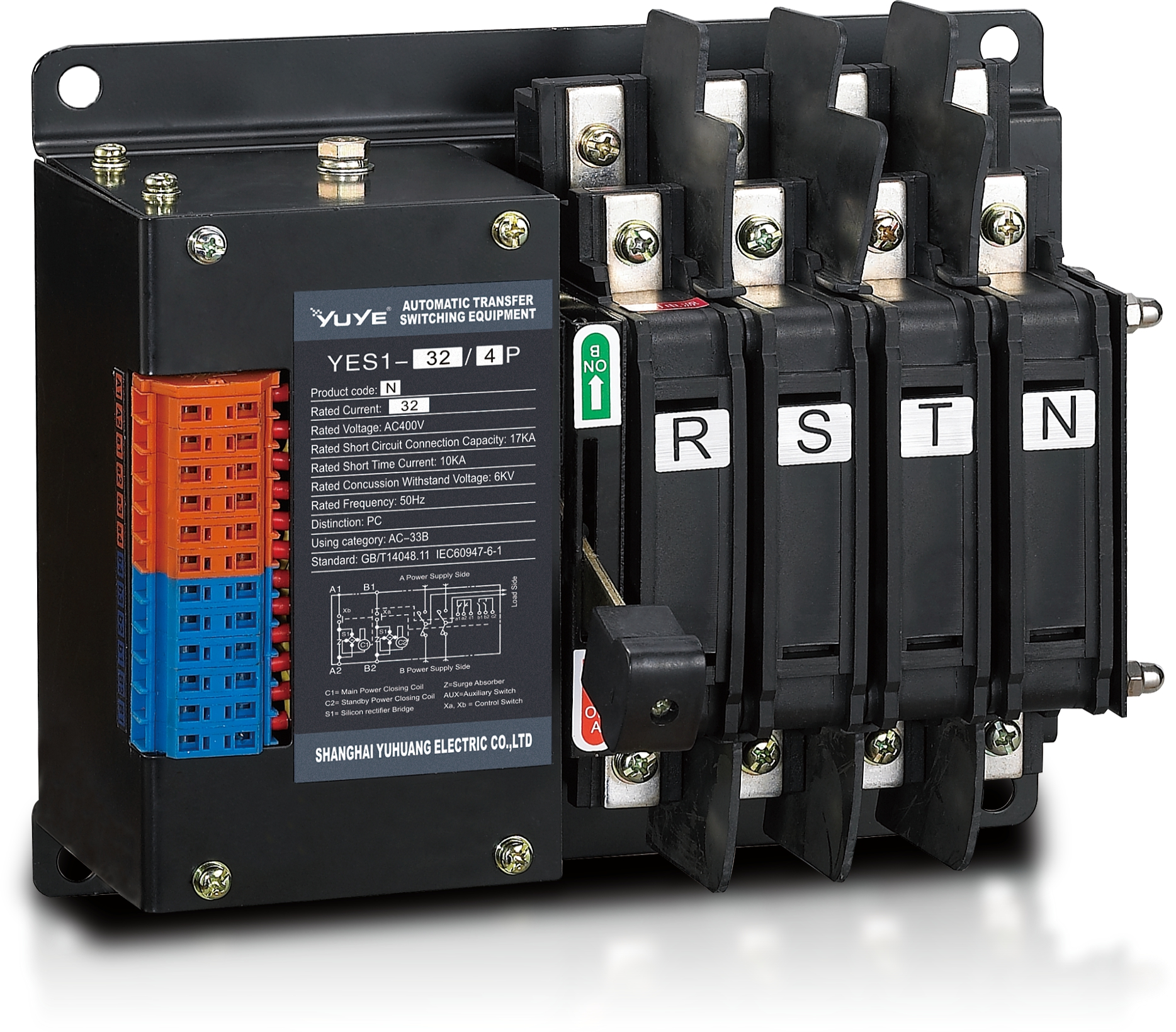 Solenoid-type ATS YES1-32~125N
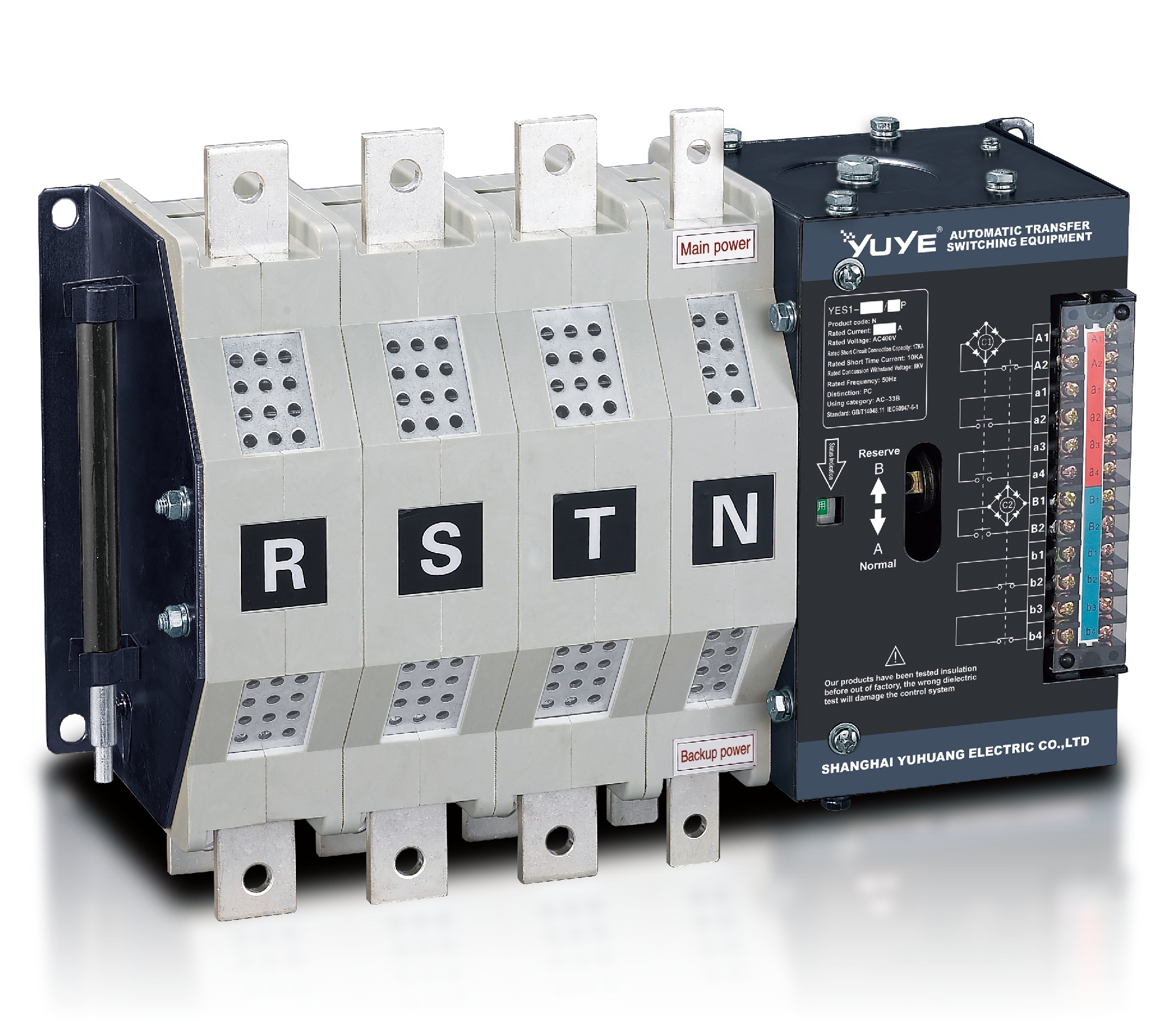 Solenoid-type ATS YES1-250~630N/NT
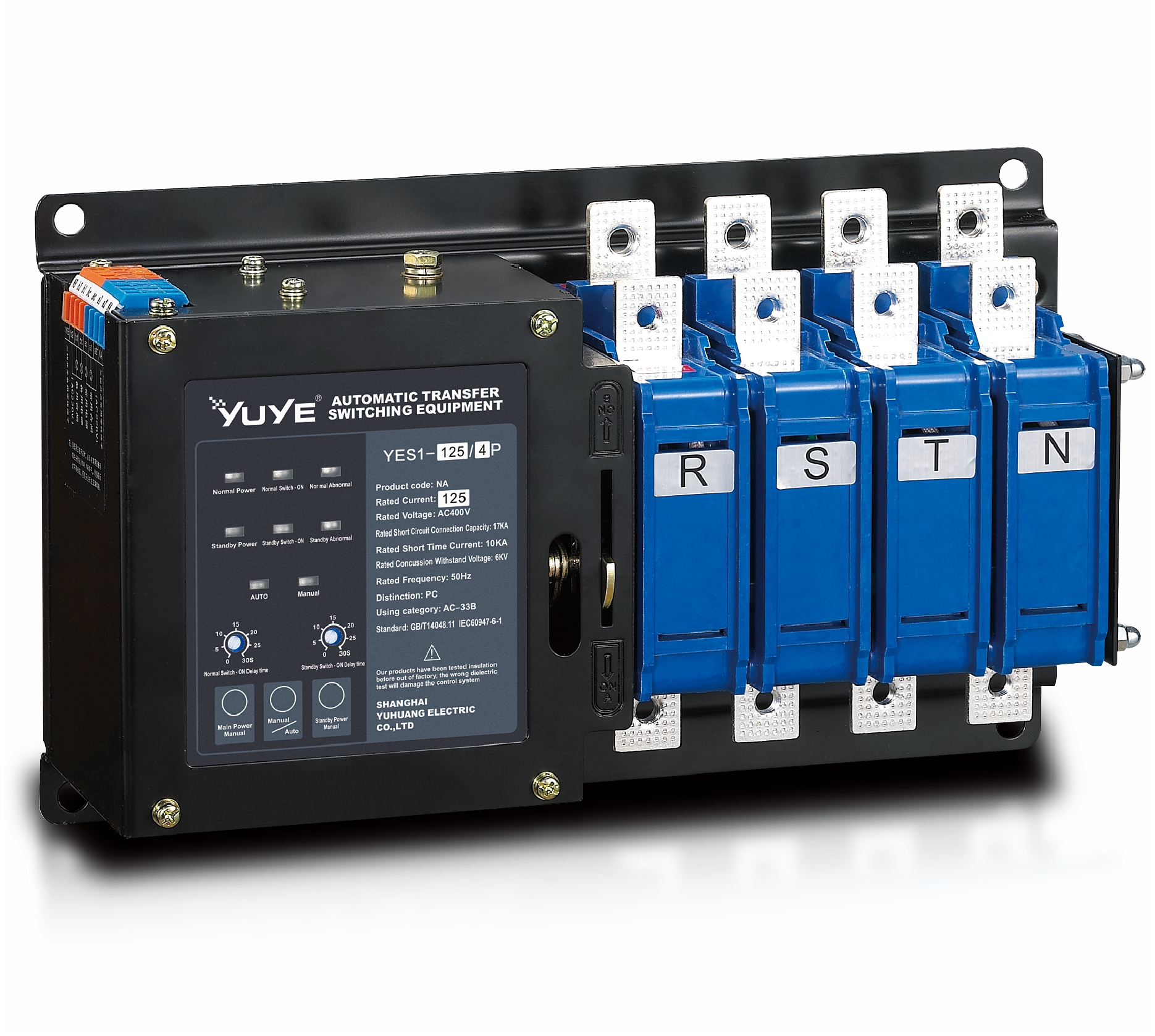 Solenoid-type ATS YES1-32~125NA
 Solenoid-type ATS YES1-63~630SN
 Solenoid-type ATS YES1-1250~4000SN
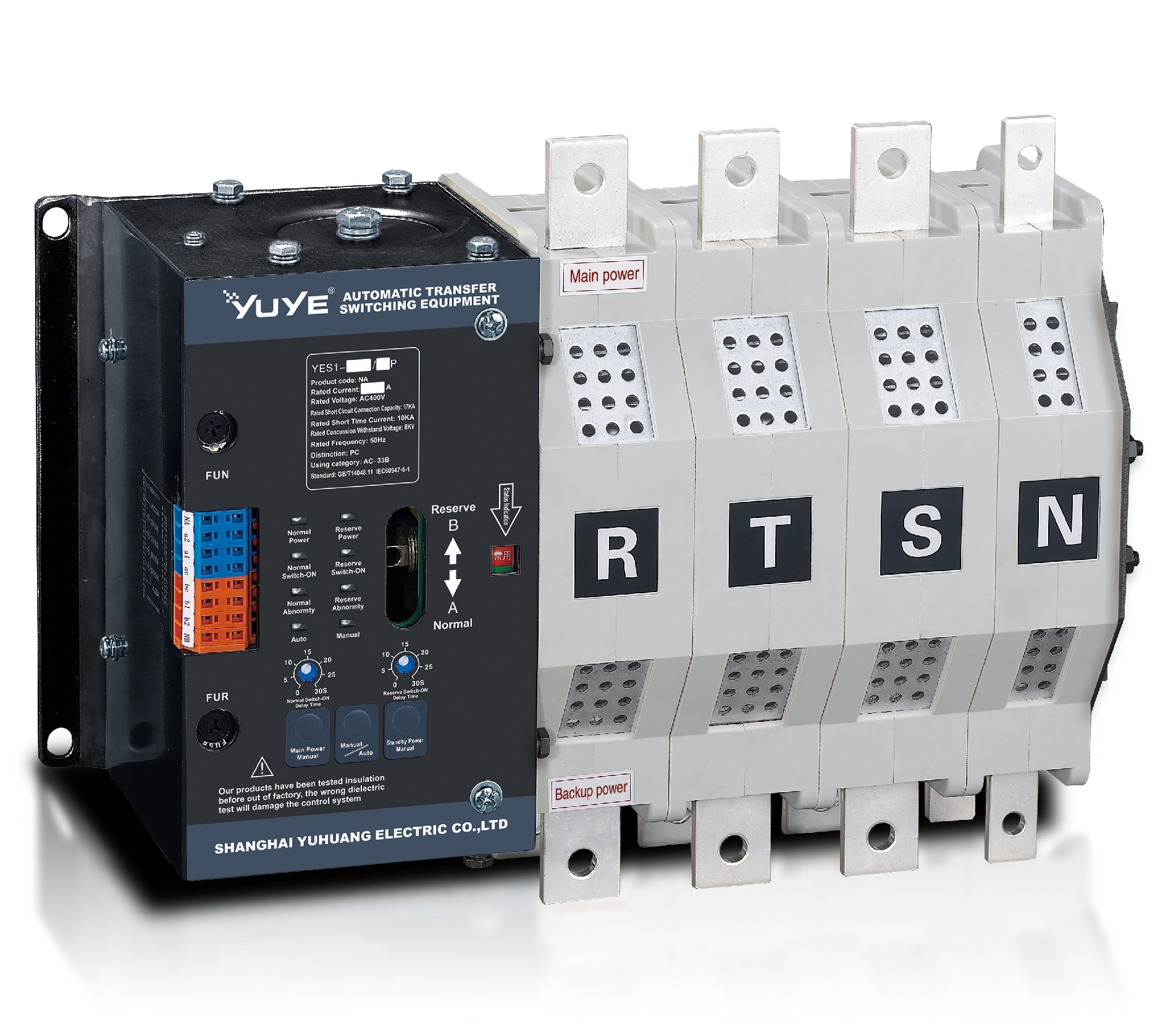 Solenoid-type ATS YES1-250~630NA/NAT
 Solenoid-type ATS YES1-63NJT
 PC ATS YES1-100~1600GN1/GN/GNF
 PC ATS YES1-2000~3200GN/GNF
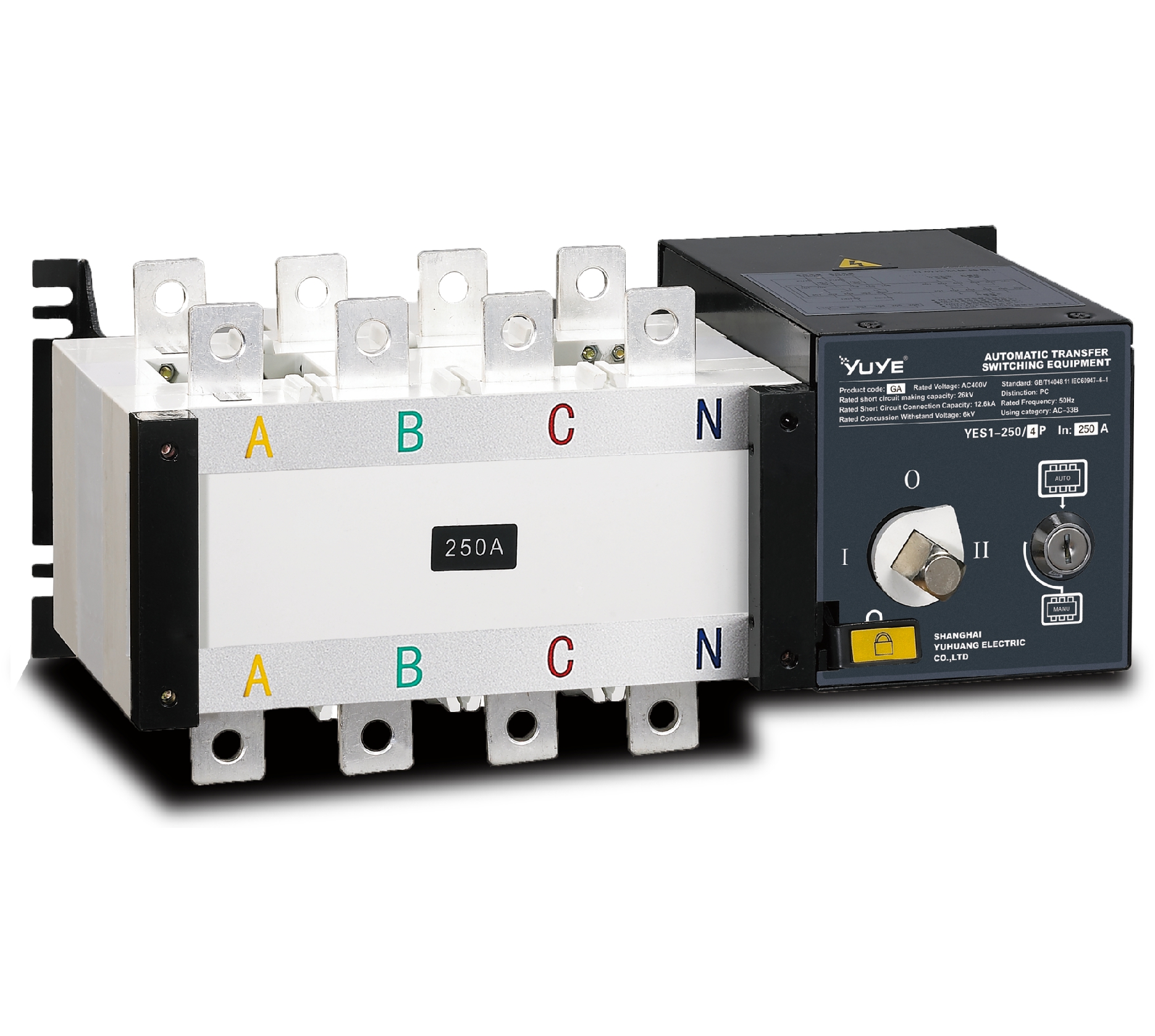 PC ATS YES1-100~3200GA1/GA
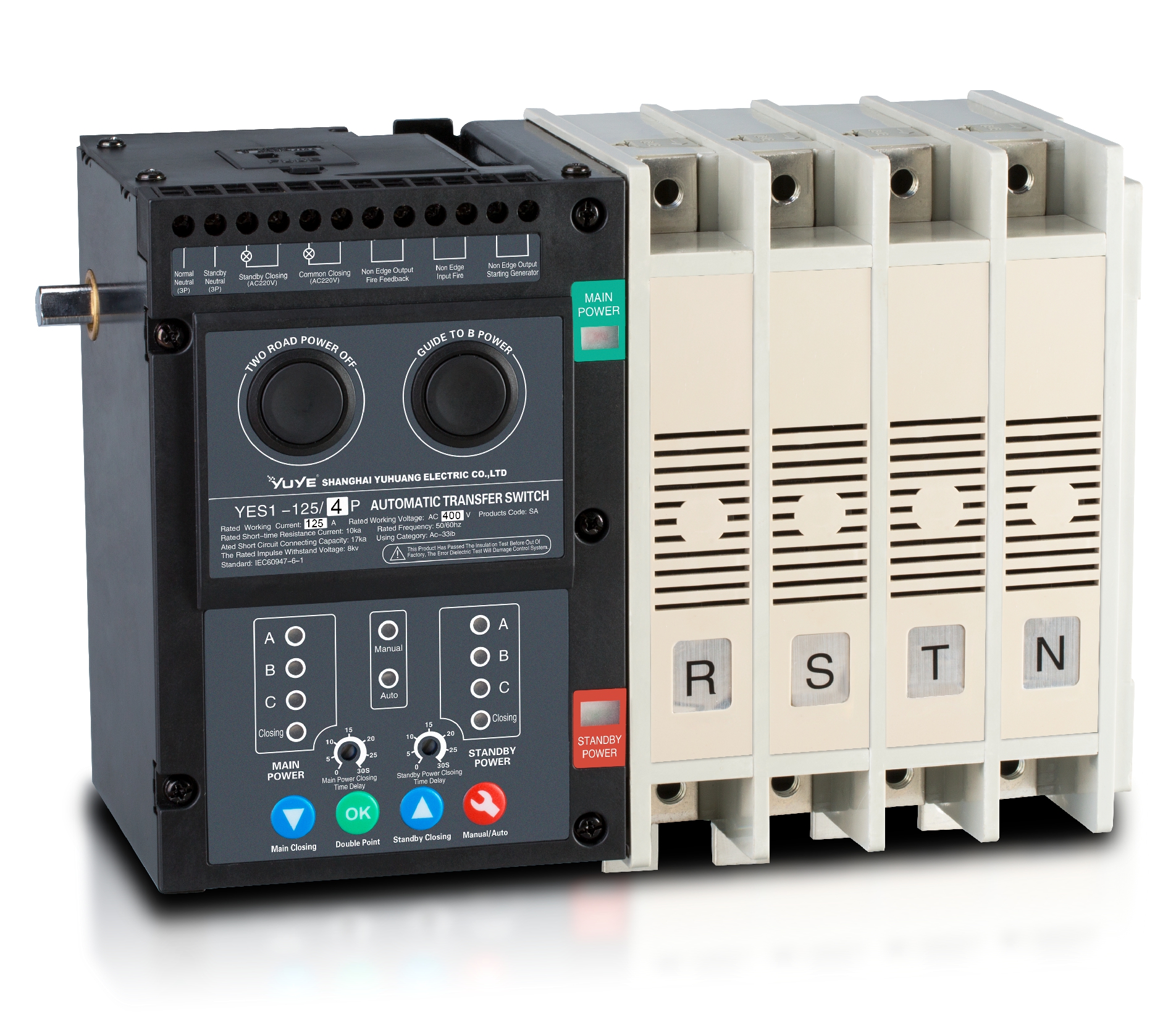 Solenoid-type ATS YES1-63~630SA
 Solenoid-type ATS YES1-63~630L/LA
 Solenoid-type ATS YES1-63~630LA3
 Solenoid-type ATS YES1-63MA
 PC ATS YES1-630~1600M
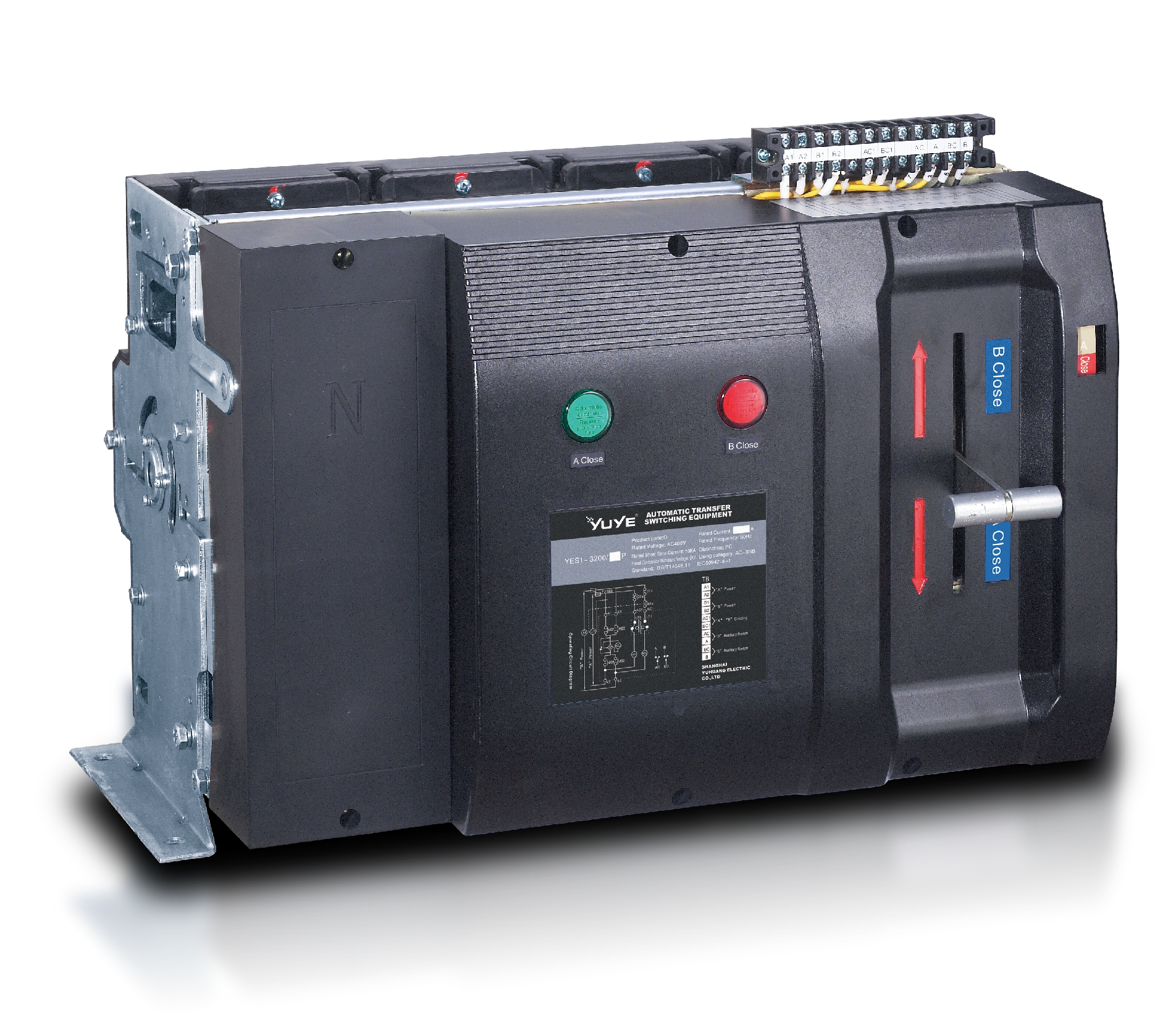 PC ATS YES1-3200Q
 Solenoid-type ATS YES1-4000~6300Q
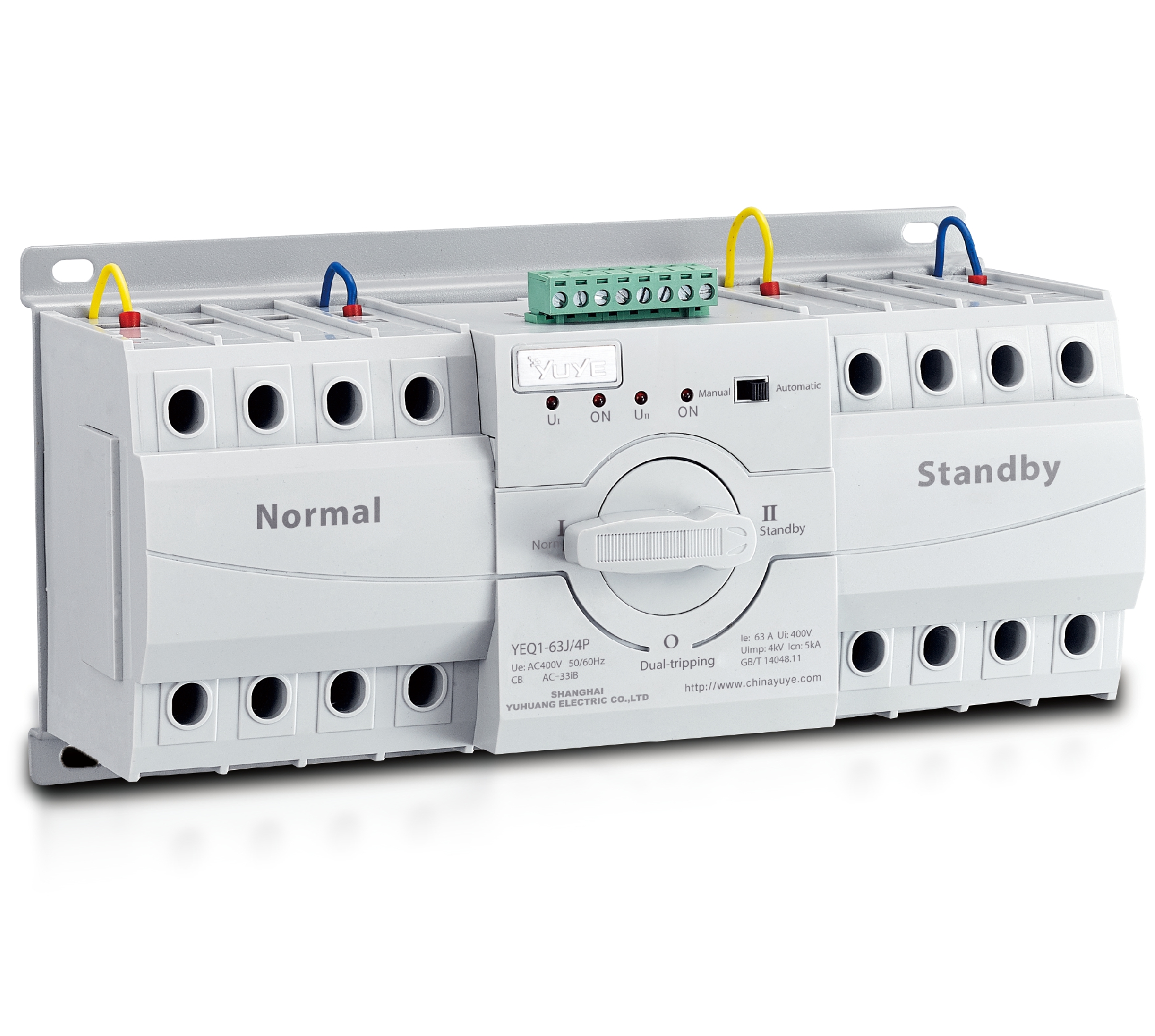 CB ATS YEQ1-63J
 CB ATS YEQ2Y-63
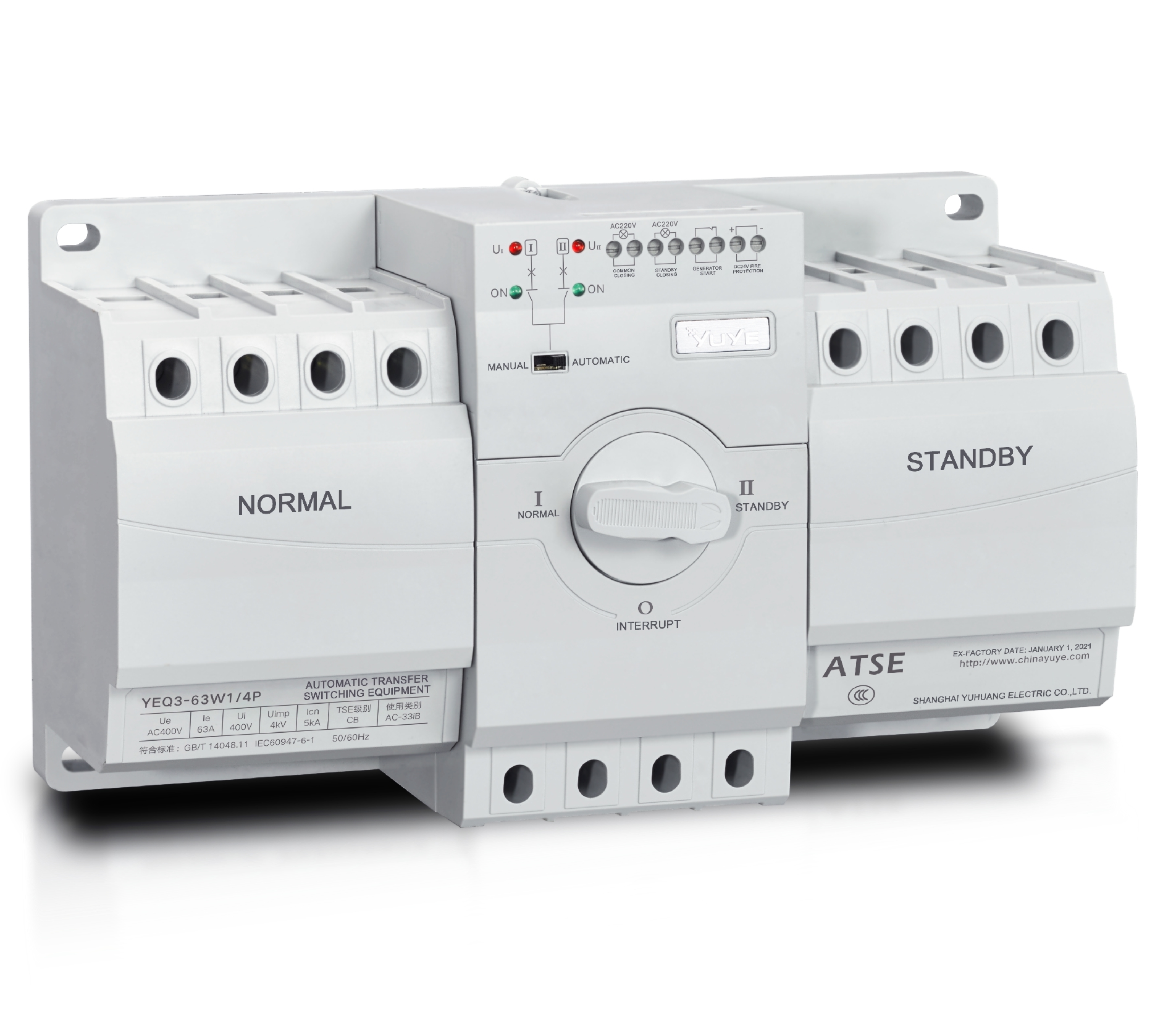 CB ATS YEQ3-63W1
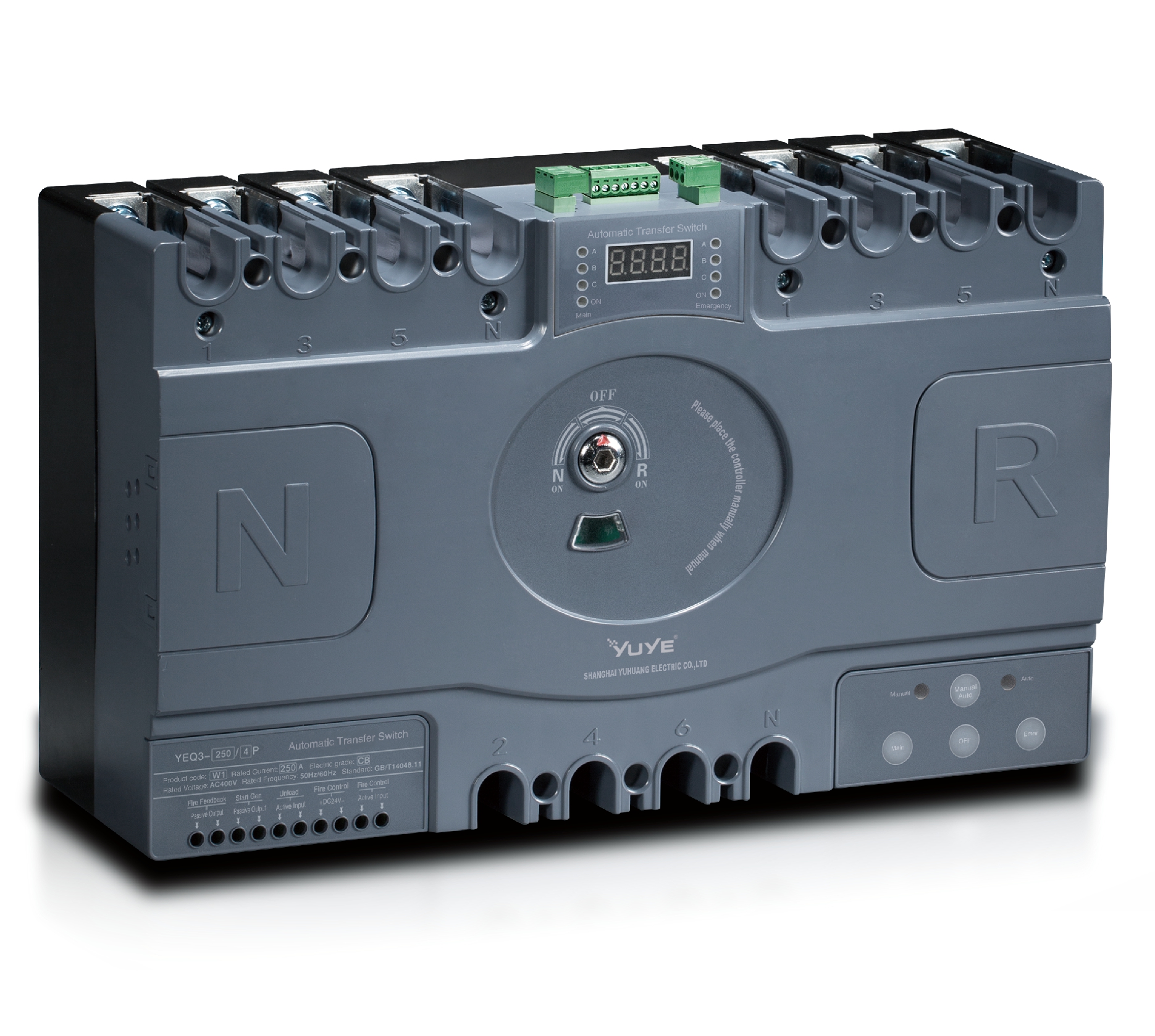 CB ATS YEQ3-125~630W1
 ATS controller Y-700
 ATS Controller Y-700N
 ATS Controller Y-701B
 ATS Controller Y-703N
 ATS Controller Y-800
 ATS Controller W2/W3 Series
 ATS switch Cabinet floor-to-ceiling
 ATS switch cabinet
 JXF-225A power Cbinet
 JXF-800A power Cbinet
 YEM3-125~800 Plastic Shell Type MCCB
 YEM3L-125~630 Leakage Type MCCB
 YEM3Z-125~800 Adjustable Type MCCB
 YEM1-63~1250 Plastic Shell Type MCCB
 YEM1E-100~800 Electronic Type MCCB
 YEM1L-100~630 Leakage Type MCCB
 Air Circuit Breaker YEW1-2000~6300
 Air Circuit Breaker YEW3-1600
 Miniature circuit breaker YEMA2-6~100
 Miniature circuit breaker YEB1-3~63
 Miniature circuit breaker YEB1LE-3~63
 Miniature circuit breaker YEPN-3~32
 Miniature circuit breaker YEPNLE-3~32
 Miniature circuit breaker YENC-63~125
 Load isolation switch YGL-63~3150
 Load Isolation Switch YGL2-63~3150
 DC relay YDC-P20
 DC relay YDC-P250
 DC relay YDC-P400
 DC relay MDC-300M
 DC relay YDC-M400
 DC Isolation Switch YEGL3D-630
 YECPS2-45~125 LCD
 YECPS-45~125 Digital
 CNC Milling/Turning-OEM
Power transfer between two sources is a daily task in residential, commercial, and industrial facilities. When grid supply fails or maintenance is scheduled, a manual or automatic changeover is needed to keep critical loads running. This guide explains what a Change Over Switch is, how it works, and how to select and install it correctly for safe and reliable operation.
1. What Is a Change Over Switch and Its Working Principle
A change over switch is a manually or automatically operated device that connects a load to one of two available power sources, typically the mains and a backup generator or inverter. Its core job is to transfer the electrical supply without interruption risk or the danger of two sources feeding the same circuit at the same time.
The working principle is simple but safety-critical. The switch has a common output terminal and two input terminals. In normal conditions the common terminal connects to the mains. When the mains fails, the operator or an automatic transfer controller moves the contact to the backup source. A mechanical interlock ensures that only one source is ever connected, preventing back-feed that could damage equipment or endanger technicians working on the network.
2. Main Types of Change Over Switch for Different Power Systems
Change over switches come in several configurations, and the right choice depends on your system size and the level of automation you need.
Manual change over switches are the most economical option. They require an operator to physically flip the lever between positions, making them suitable for small homes, shops, and small workshops where downtime is acceptable. Automatic change over switches, often paired with an ATS controller, detect voltage loss and switch to the backup source within seconds. They are ideal for hospitals, data centers, and production lines where even short interruptions are costly.
Within both categories, the switch can be a 2-pole, 3-pole, or 4-pole version. Single-phase systems use 2-pole units, while three-phase installations typically require 3-pole or 4-pole versions to disconnect the neutral when needed for safety and to avoid circulating currents.
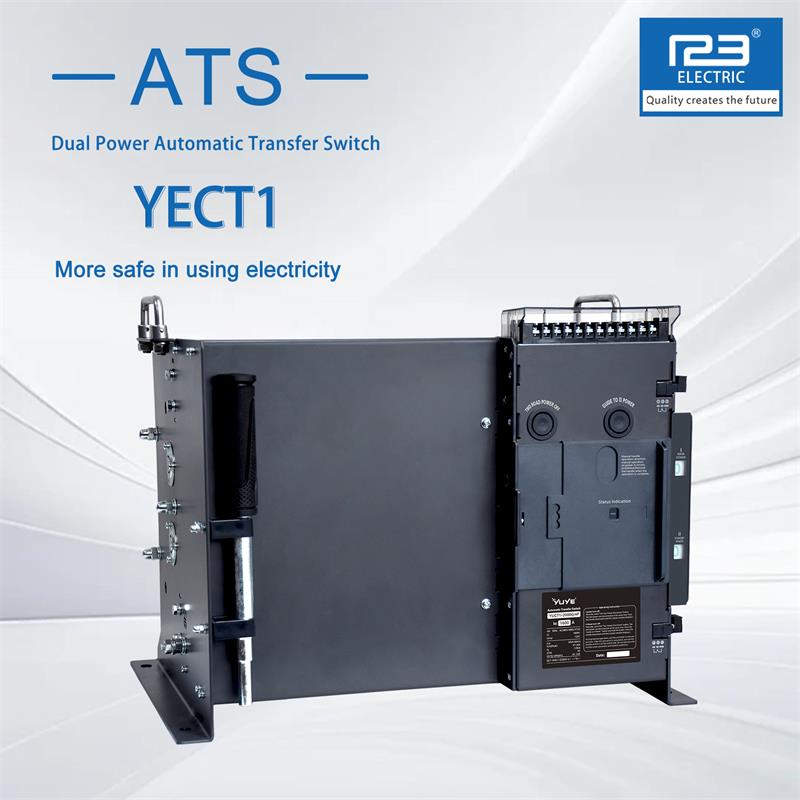
3. Key Advantages of Installing a Change Over Switch
Installing a proper changeover device brings clear operational and financial benefits beyond simple convenience.
The most important advantage is safety. By physically separating the two sources, the switch prevents accidental connection between the utility grid and a generator. This protects both your equipment and the personnel who maintain the power lines. A second advantage is speed of recovery. With an automatic unit, supply is restored in a few seconds, minimizing production loss and avoiding the cost of restarting sensitive machinery. A third benefit is flexibility: you can choose manual operation for occasional backup use or full automation for critical infrastructure, scaling the investment to your actual needs.
Taken together, a well-selected Change Over Switch reduces outage damage, extends equipment life, and lowers the total cost of ownership of your backup power system.
4. Critical Factors to Consider When Choosing a Change Over Switch
Selecting the wrong device is a common and expensive mistake. Base your choice on the following parameters.
Current rating must match the full load of the circuit, with a safety margin. A switch rated too low will overheat and fail under load, while an oversized unit wastes money. Voltage rating must cover your system voltage, whether 230 V or 400 V. The number of poles must match your phase configuration and whether the neutral needs switching. Operating mechanism matters as well: choose manual, motorized, or automatic based on how often changeover occurs and whether an operator is available. Finally, check the enclosure rating (IP) and the availability of spare parts and technical support in your region.
5. Common Applications and Safety Tips for Change Over Switch
Change over switches are used wherever backup power is required. Typical applications include residential backup power with generators, commercial buildings with emergency lighting, agricultural irrigation systems, telecommunication base stations, and industrial plants with critical processes. In all these cases the device sits between the grid and the standby source and decides which one feeds the load.
Observe these safety rules during installation and use. Always isolate the load before performing manual changeover to avoid arcing. Ensure the neutral is handled correctly in three-phase systems. Perform routine checks of contacts and connections, since loose terminals are a frequent cause of overheating. And never attempt to operate a manual switch under load unless it is rated for break-before-make duty. When these practices are followed, a Change Over Switch delivers decades of dependable service with minimal maintenance.
FAQ
Q: Can I use a change over switch for single-phase and three-phase systems? A: Yes, choose 2-pole units for single-phase and 3-pole or 4-pole units for three-phase systems.
Q: What is the difference between manual and automatic change over switches? A: Manual switches require an operator; automatic switches transfer to the backup source within seconds after a fault.
Q: How do I choose the right current rating? A: Match the full load current with a safety margin, typically 20–30% above the maximum expected load.
References
1.IEC 60947-6-1:2026, Low-voltage switchgear and controlgear – Part 6-1: Multiple function equipment – Transfer switching equipment
2.IEC 60947-3:2020, Low-voltage switchgear and controlgear – Part 3: Switches, disconnectors, switch-disconnectors and fuse-combination units
3.IEC 60364-5-56:2018, Low-voltage electrical installations – Part 5-56: Selection and erection of electrical equipment – Safety services
