
 PC ATS YECT1-2000G
 PC ATS YES2-63~250GN1
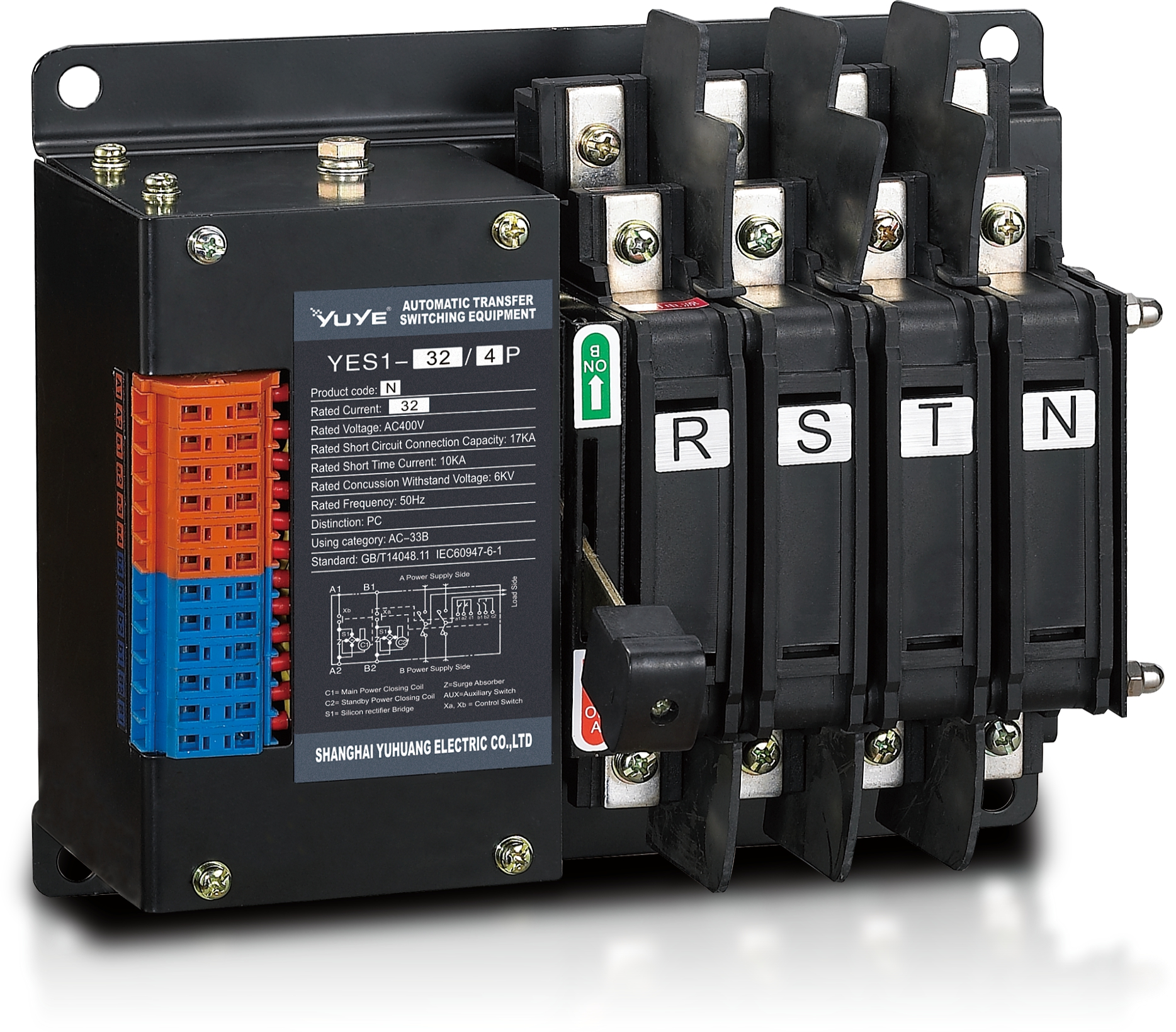 Solenoid-type ATS YES1-32~125N
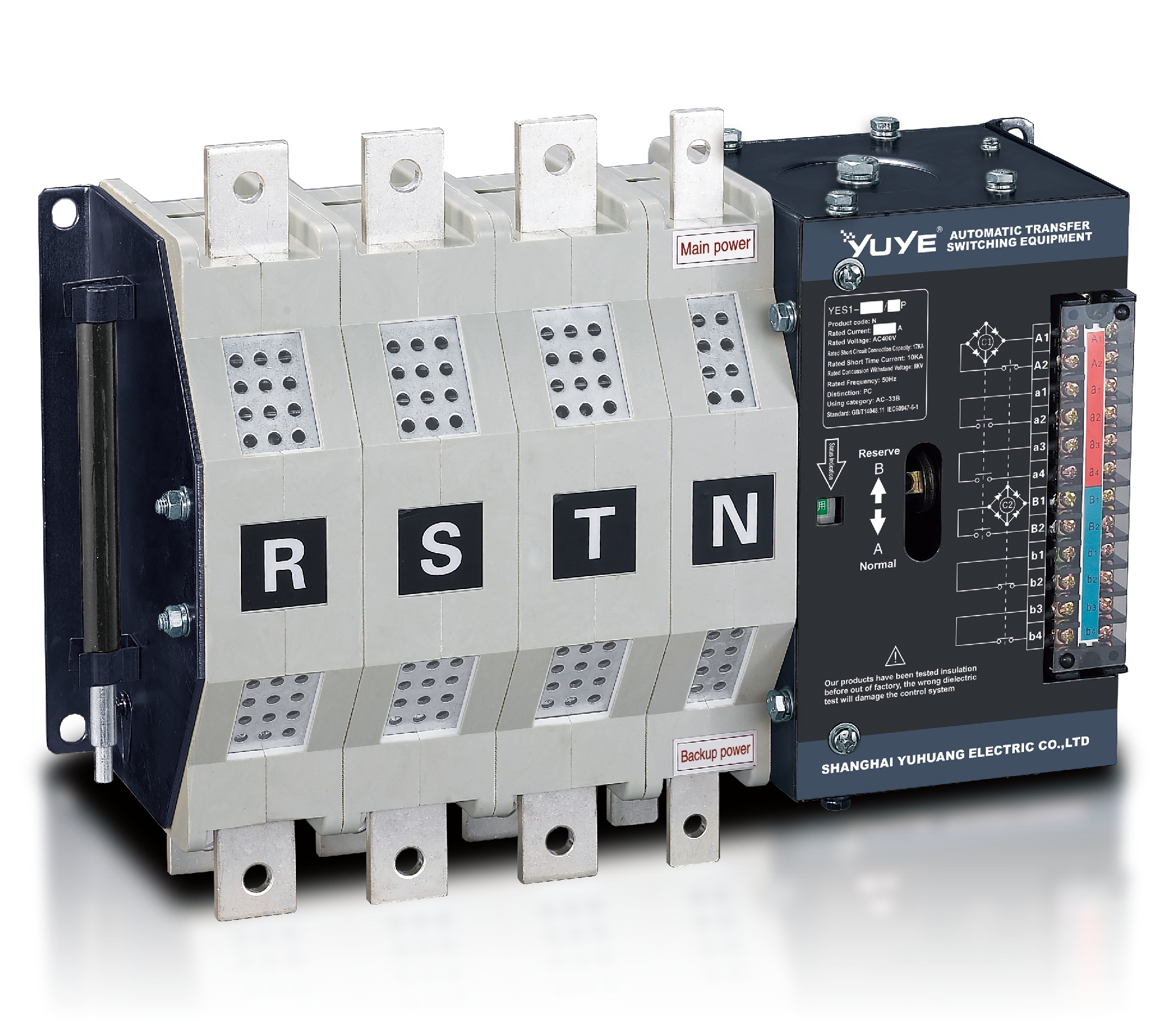 Solenoid-type ATS YES1-250~630N/NT
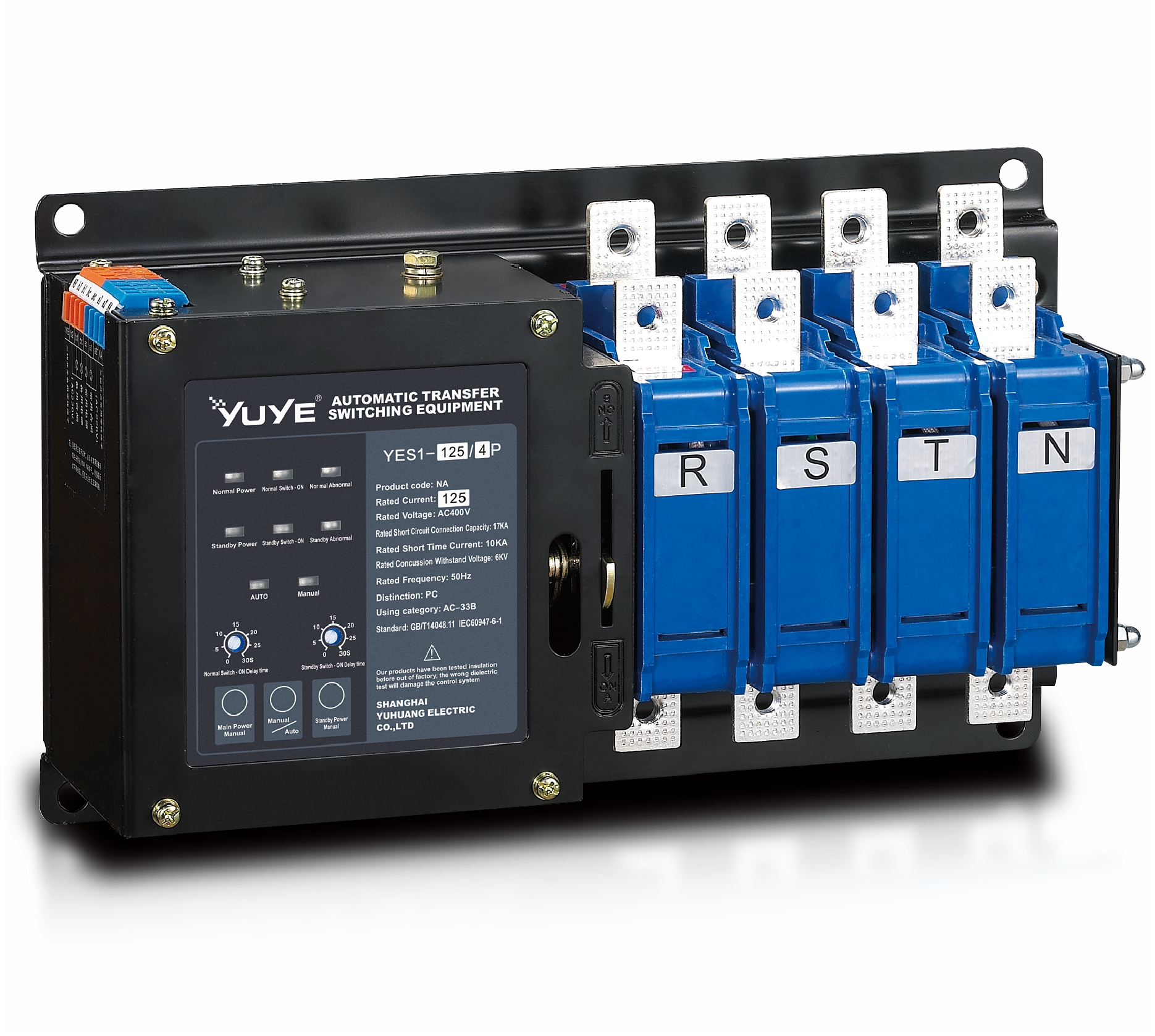 Solenoid-type ATS YES1-32~125NA
 Solenoid-type ATS YES1-63~630SN
 Solenoid-type ATS YES1-1250~4000SN
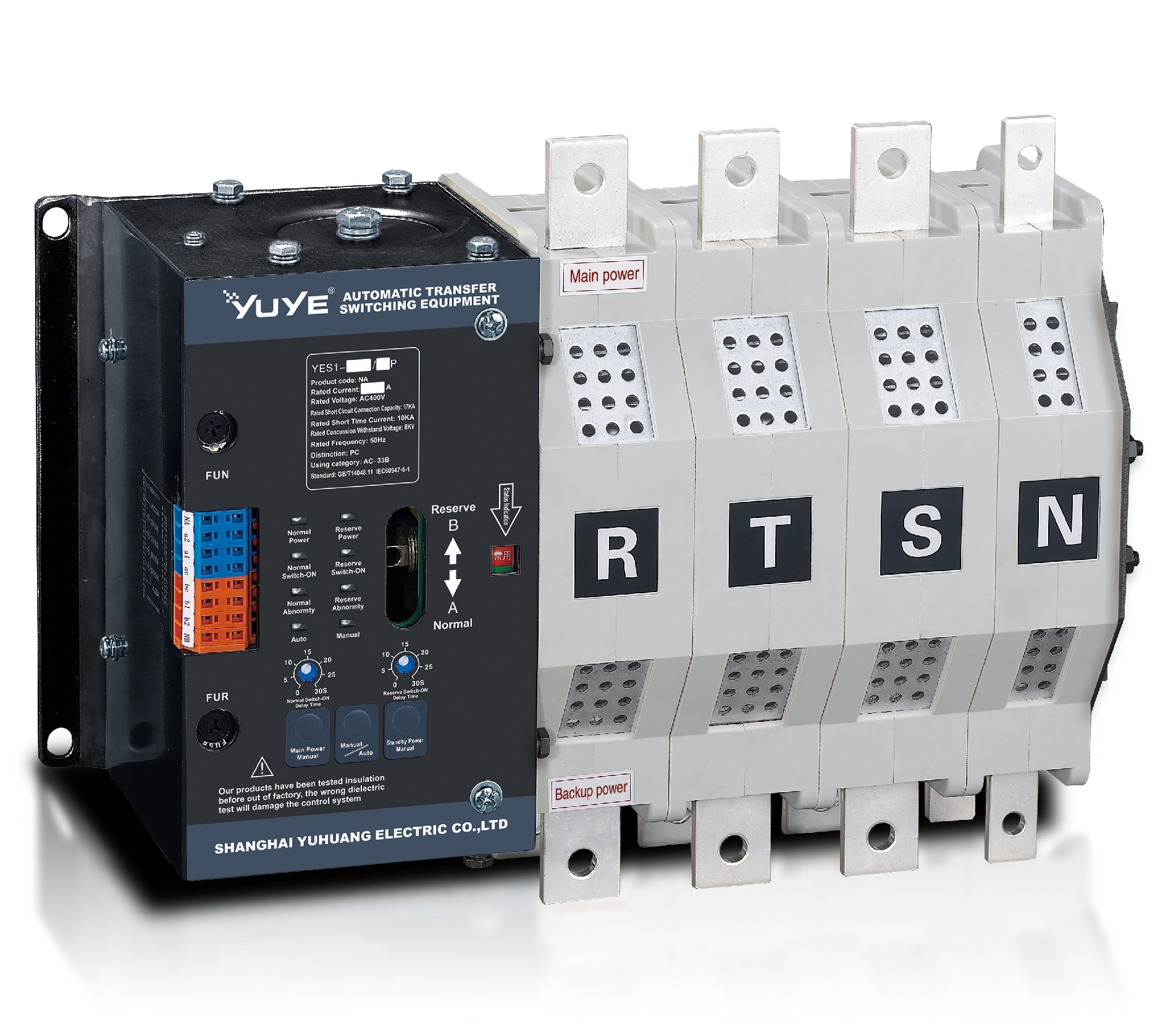 Solenoid-type ATS YES1-250~630NA/NAT
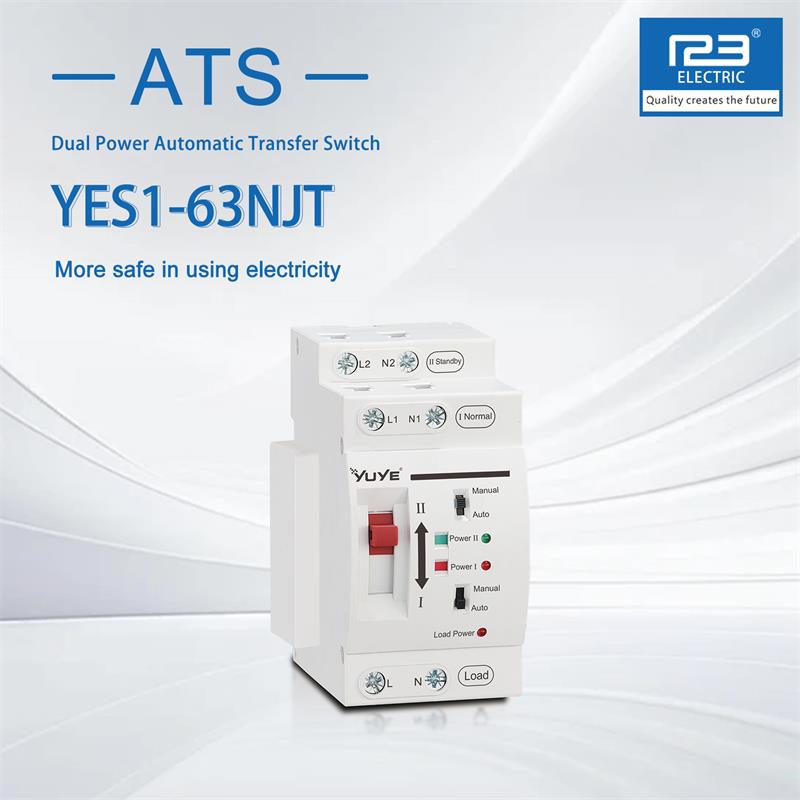
 Solenoid-type ATS YES1-63NJT
 PC ATS YES1-100~1600GN1/GN/GNF
 PC ATS YES1-2000~3200GN/GNF
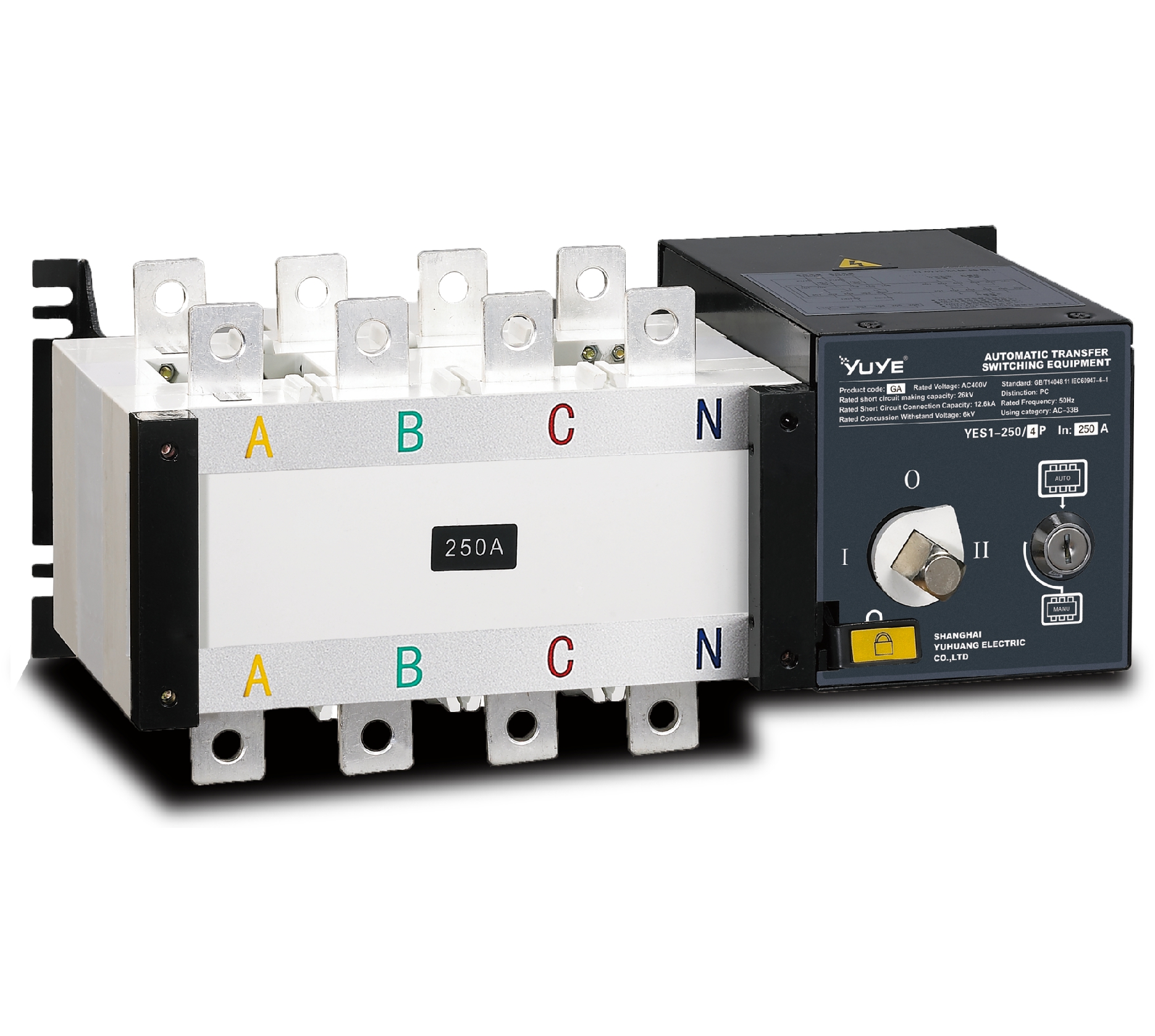 PC ATS YES1-100~3200GA1/GA
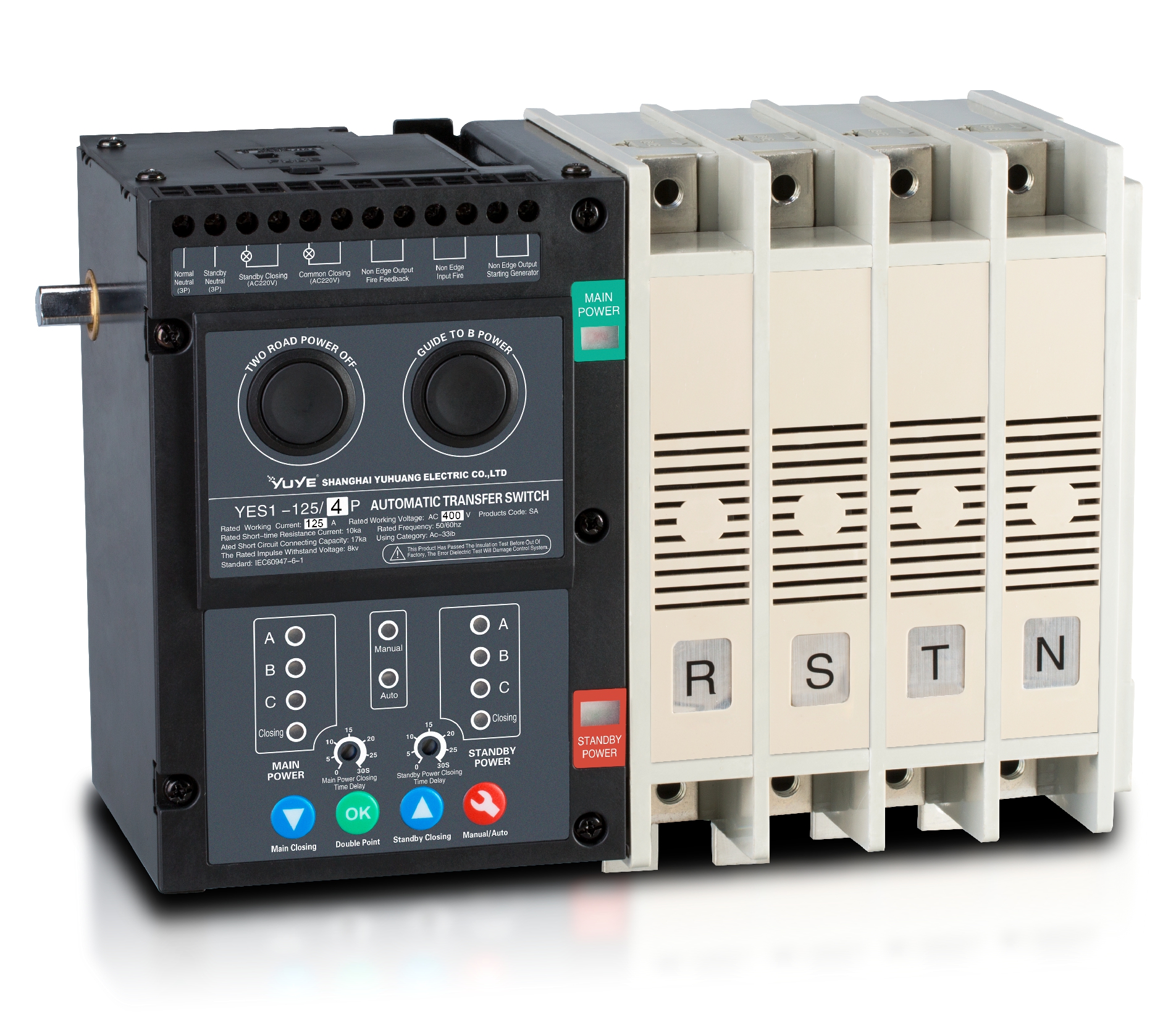 Solenoid-type ATS YES1-63~630SA
 Solenoid-type ATS YES1-63~630L/LA
 Solenoid-type ATS YES1-63~630LA3
 Solenoid-type ATS YES1-63MA
 PC ATS YES1-630~1600M
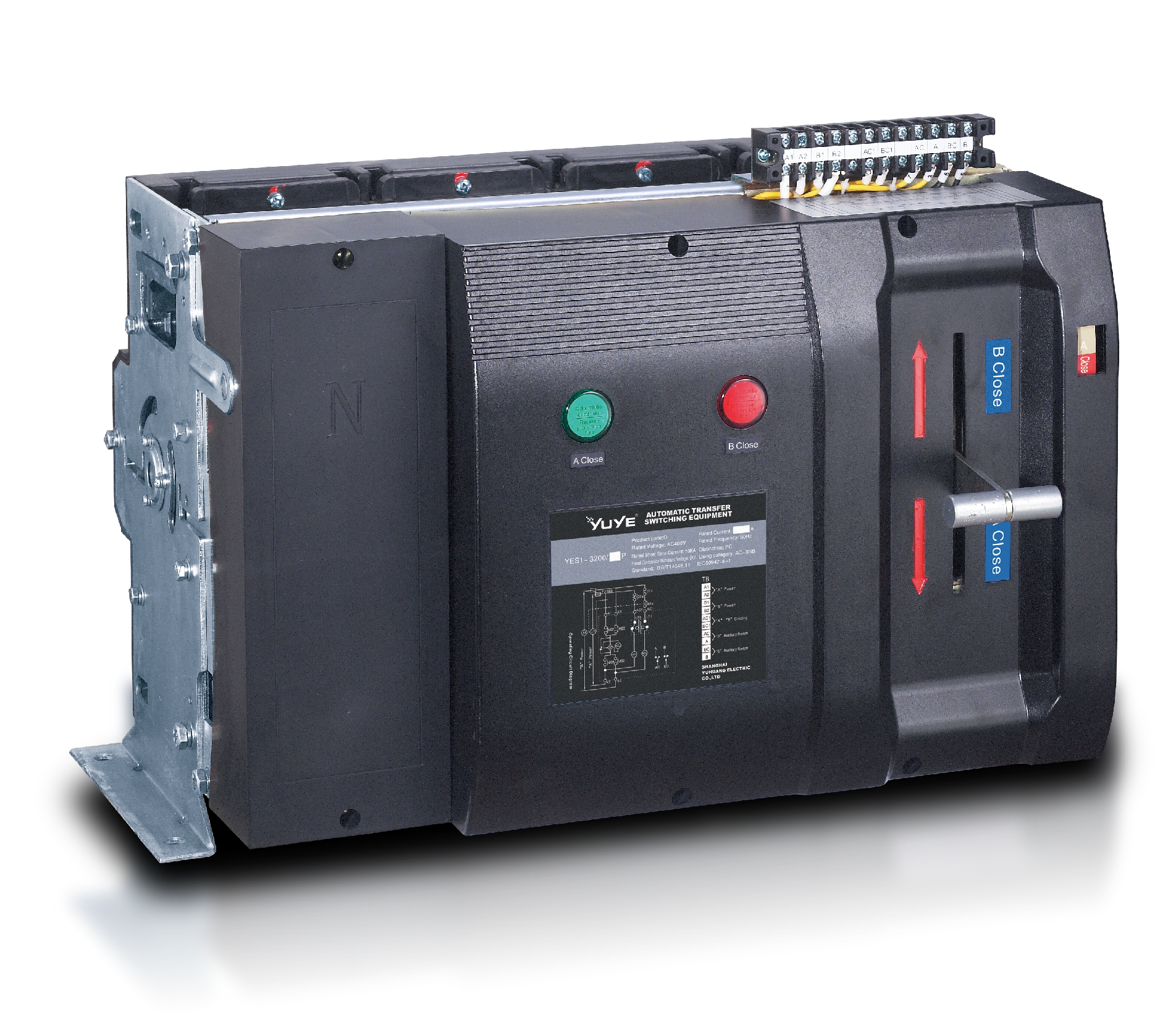 PC ATS YES1-3200Q
 Solenoid-type ATS YES1-4000~6300Q
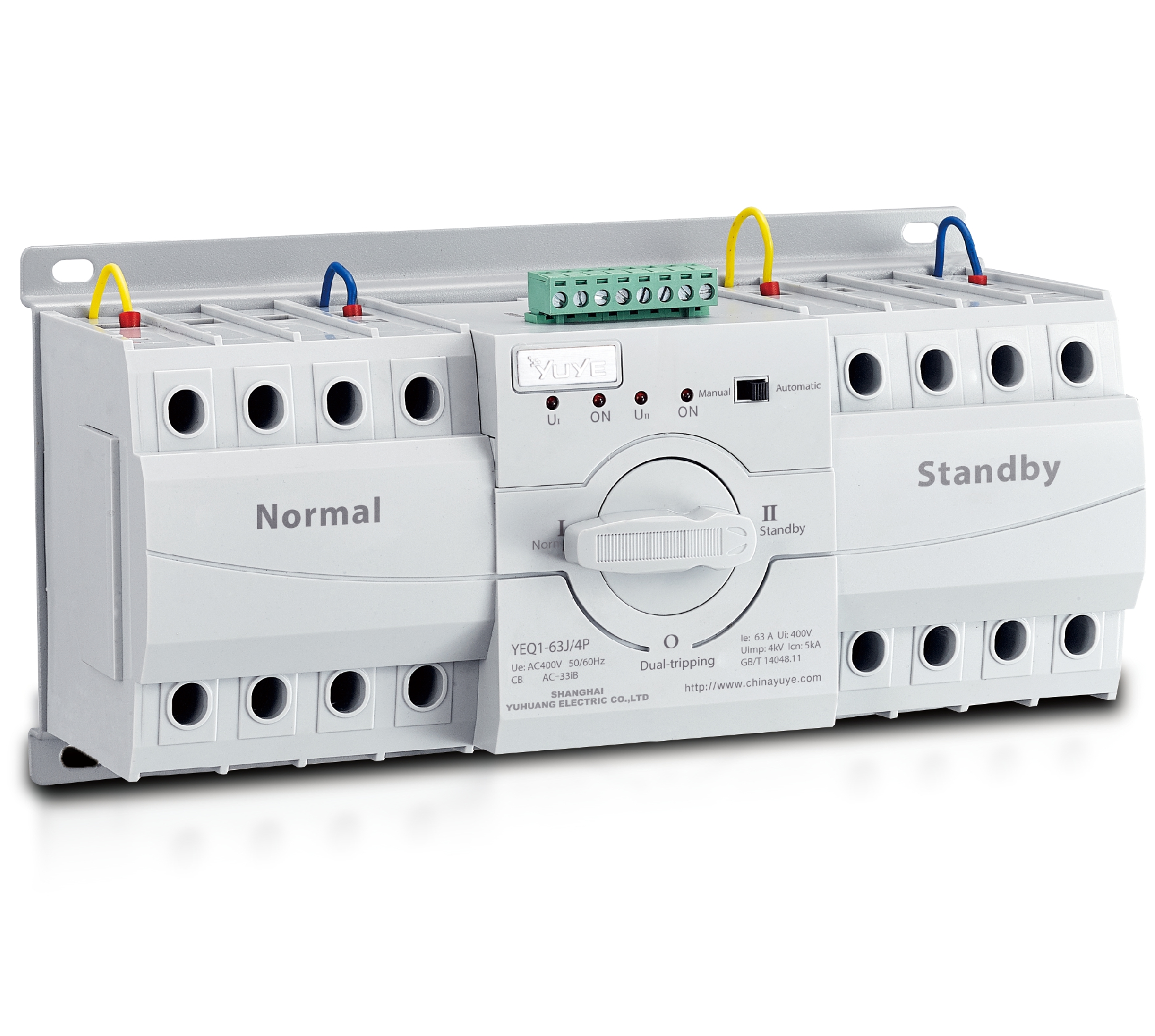 CB ATS YEQ1-63J
 CB ATS YEQ2Y-63
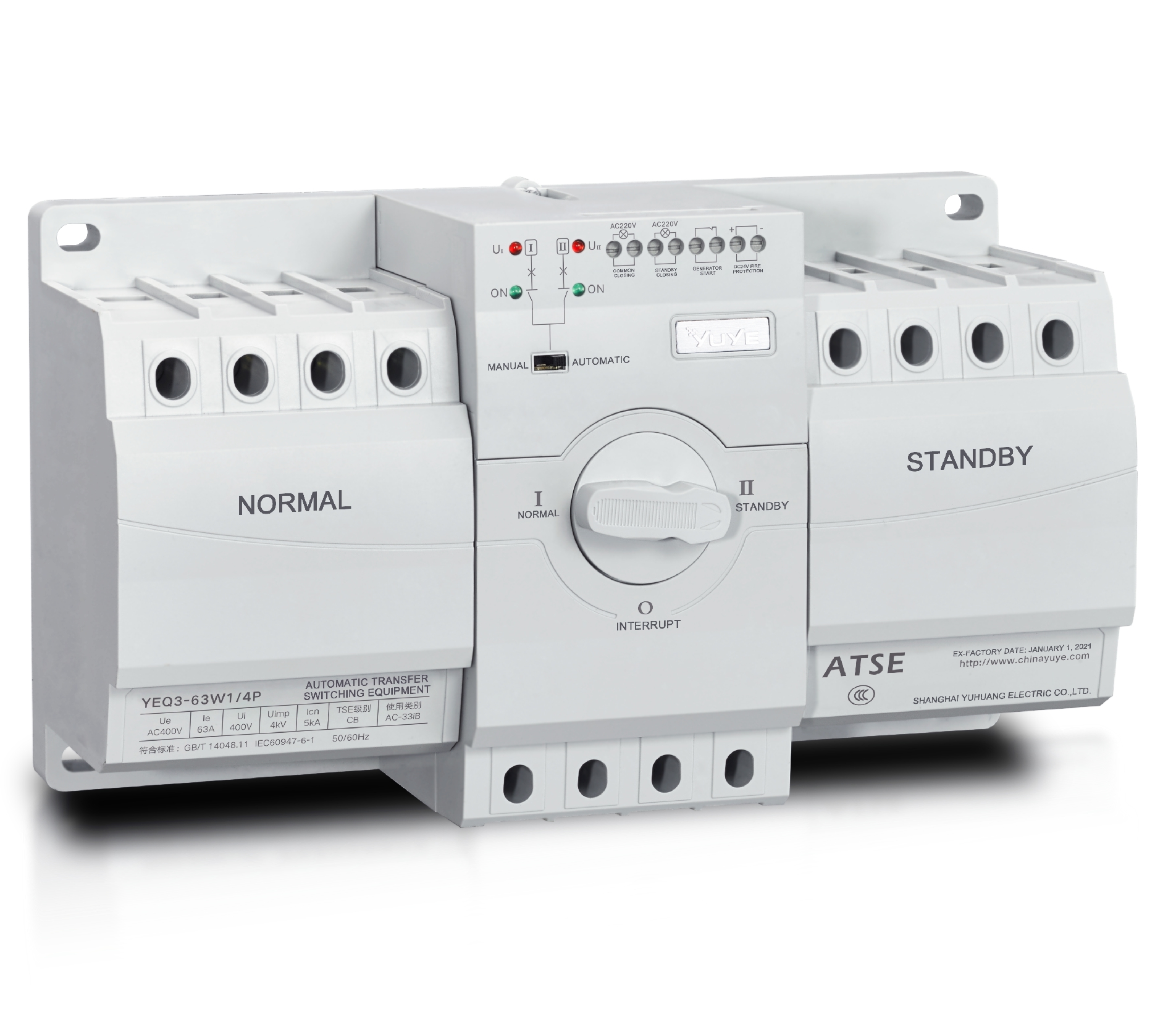 CB ATS YEQ3-63W1
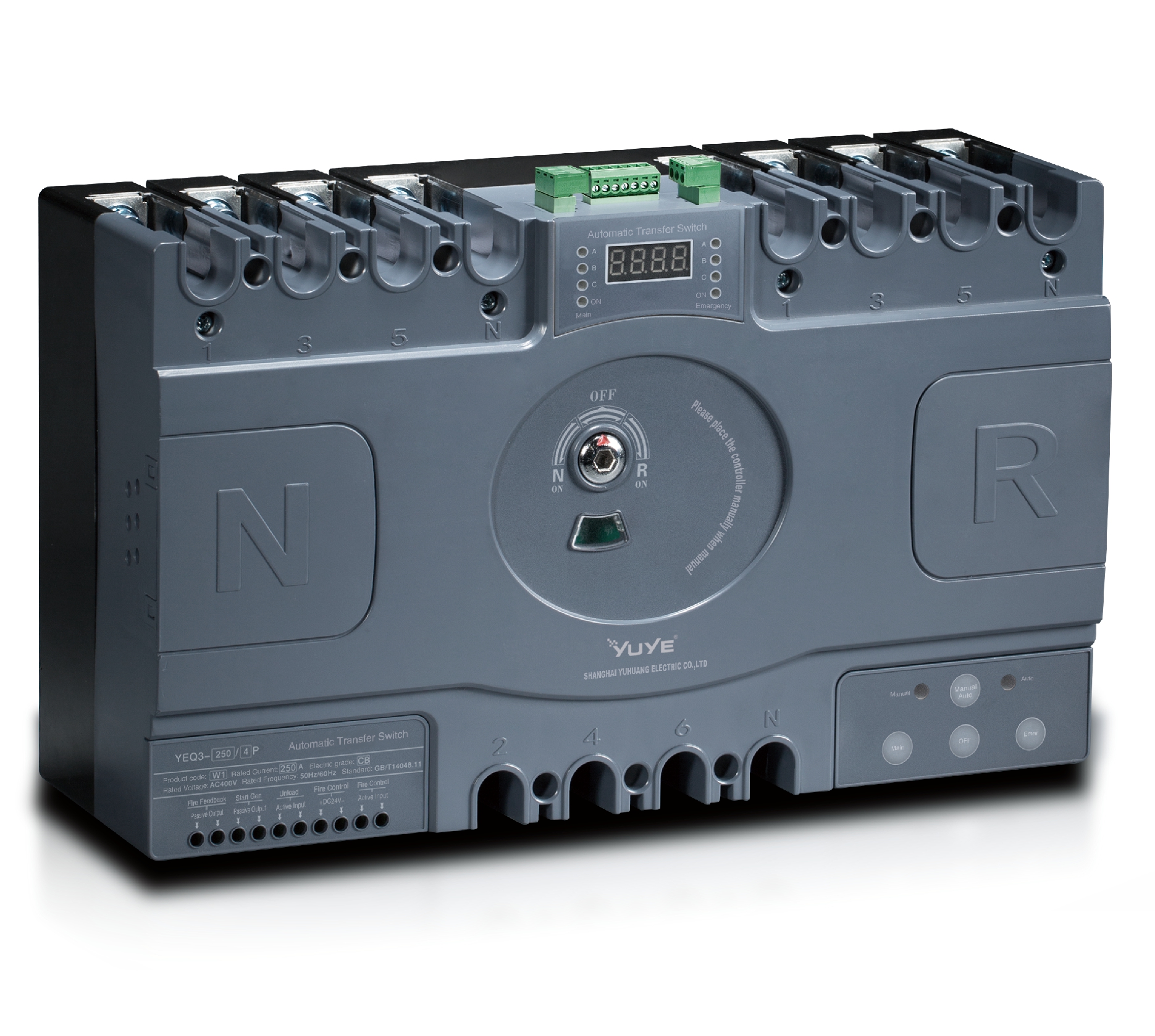 CB ATS YEQ3-125~630W1
 ATS controller Y-700
 ATS Controller Y-700N
 ATS Controller Y-701B
 ATS Controller Y-703N
 ATS Controller Y-800
 ATS Controller W2/W3 Series
 ATS switch Cabinet floor-to-ceiling
 ATS switch cabinet
 JXF-225A power Cbinet
 JXF-800A power Cbinet
 YEM3-125~800 Plastic Shell Type MCCB
 YEM3L-125~630 Leakage Type MCCB
 YEM3Z-125~800 Adjustable Type MCCB
 YEM1-63~1250 Plastic Shell Type MCCB
 YEM1E-100~800 Electronic Type MCCB
 YEM1L-100~630 Leakage Type MCCB
 Air Circuit Breaker YEW1-2000~6300
 Air Circuit Breaker YEW3-1600
 Miniature circuit breaker YEMA2-6~100
 Miniature circuit breaker YEB1-3~63
 Miniature circuit breaker YEB1LE-3~63
 Miniature circuit breaker YEPN-3~32
 Miniature circuit breaker YEPNLE-3~32
 Miniature circuit breaker YENC-63~125
 Load isolation switch YGL-63~3150
 Load Isolation Switch YGL2-63~3150
 DC relay YDC-P20
 DC relay YDC-P250
 DC relay YDC-P400
 DC relay MDC-300M
 DC relay YDC-M400
 DC Isolation Switch YEGL3D-630
 YECPS2-45~125 LCD
 YECPS-45~125 Digital
 CNC Milling/Turning-OEM
Introduction
In modern production and daily life, the continuity of power supply is crucial. Whether it is medical emergency equipment in hospitals, production lines in factories, or servers in data centers, a sudden power outage may not only cause huge economic losses but also endanger lives. Among the many devices that ensure continuous power supply, the Solenoid Type ATS plays an indispensable role. Like an “emergency switcher” in the power system, it can quickly and automatically switch to the backup power supply when the main power supply fails, ensuring the normal operation of equipment. This article will comprehensively help you understand the Solenoid Type ATS from five simple and easy-to-understand dimensions: definition, working principle, core advantages, application scenarios, and usage points, combined with authoritative references and frequently asked questions.I. Core Definition: What is Solenoid Type ATS?
First, let’s clarify its basic information: the full name of Solenoid Type ATS is Solenoid Type Automatic Transfer Switch, which is a power switching device designed based on the principle of electromagnetic drive. Its core function is to automatically switch between the main power supply (such as commercial power) and the backup power supply (such as a generator). When the main power supply is interrupted, the voltage is unstable, or a fault occurs, it can quickly switch to the backup power supply without manual intervention, preventing electrical equipment from stopping due to power outages.
It should be noted that the Solenoid Type ATS is an important category of ATS (Automatic Transfer Switch). Compared with other types of ATS, its most prominent feature is the use of a solenoid coil as the core drive component, which is also the origin of its name. Its switching logic and work efficiency are closely related to the characteristics of electromagnetic drive.
II. Working Principle: How Does Solenoid Type ATS Achieve Automatic Switching?
The working principle of Solenoid Type ATS is straightforward, centered on its solenoid coil drive. The switching process has four simple steps: first, its built-in monitoring module keeps an eye on the main power supply; second, it sends a signal to the solenoid coil once a fault (e.g., power outage, voltage instability) is detected; third, the coil generates electromagnetic force to drive internal components; finally, it disconnects the main power and connects the backup power, usually within milliseconds.
For easier understanding, it works similarly to emergency lights: when commercial power fails, emergency lights switch to battery power automatically. Solenoid Type ATS does the same but for higher-power main and backup power, fitting more scenarios like industry and daily life.
III. Core Advantages: What Are the Advantages of Solenoid Type ATS?
Compared with ordinary ATS, Solenoid Type ATS has obvious advantages thanks to its electromagnetic drive:First, it switches fast (millisecond-level), responds sensitively, and has a compact structure, fitting easily in industrial or household spaces. Second, it operates fully automatically, no manual intervention needed, ideal for unattended scenarios like data centers. Third, it is stable and reliable, with a long service life, strong anti-interference ability, and low maintenance costs.
IV. Application Scenarios: Where is Solenoid Type ATS Used?
Solenoid Type ATS is widely used in scenarios requiring uninterrupted power supply, including:People’s livelihood: Hospitals and nursing homes, to ensure medical and emergency equipment works continuously. Industry: Factories, to protect production lines and precision equipment from outage losses. Data communication: Data centers and base stations, to safeguard data security and smooth signal transmission. It also suits household emergencies, outdoor temporary power supply, banks, supermarkets, etc.
V. Entry Points: What Should Be Noted When Using Solenoid Type ATS?
Ordinary users only need to grasp key points to use Solenoid Type ATS properly:Key parameters: Focus on rated voltage (matching the scenario), rated current (avoiding overload), and switching time (millisecond-level).
Usage precautions: Install it by professional electricians; regularly clean and check the equipment to prevent dampness and poor contact; troubleshoot simple faults (e.g., power or wiring issues) without disassembling core components.
Selection: Choose small, low-power models for households and high-power, stable ones for industry/data centers. Prioritize high-quality brands like Atos.
The working principle of Solenoid Type ATS is not complicated. It mainly revolves around its drive component—the solenoid coil. The entire switching process can be divided into four simple steps, which can be easily understood in plain language.
We can use the working principle of emergency lights to understand by analogy: usually, emergency lights are connected to commercial power and in standby mode; when the commercial power is interrupted, the sensing device inside the emergency light is triggered, automatically switching to the built-in battery power supply, and the light turns on immediately. The switching logic of Solenoid Type ATS is similar to this, except that it switches between higher-power main power supply and backup power supply, adapting to a wider range of scenarios such as industry and people’s livelihood.
Conclusion
In general, as an automatic transfer switch based on electromagnetic drive, the core function of Solenoid Type ATS is to automatically switch between the main power supply and the backup power supply to ensure the continuity of power supply. With the advantages of fast switching, high degree of automation, stability and reliability, and compact structure, it is widely used in many fields such as people’s livelihood, industry, and data communication, and is an indispensable important equipment in the modern power guarantee system. Whether you are a professional practitioner or an ordinary user, as long as you master its basic definition, working principle and usage points, you can better use it to protect power safety and avoid various losses caused by power outages.
References
- 1. Engineering Lecture Hall, “In-depth Analysis of Solenoid Valves: 9 Key Knowledge Points to Master Structure, Selection and Common Fault Handling”, April 3, 2026, mainly referring to electromagnetic drive principles, selection and maintenance related content.
- 2. Jicheng Training, “What is a Solenoid Valve? As an Electrician, Can’t You Use a Solenoid Valve Yet?”, October 5, 2022, mainly referring to the drive logic and popular interpretation method of solenoid coils.
- 3. Shunqi Network, “Atos Solenoid Valve SDKE-1717-10S/24DC Original”, April 27, 2026, mainly referring to the parameters, stability and application scenarios of electromagnetic drive equipment.
- 4. Neumann, “What Are the Common Faults of Solenoid Valves? How to Troubleshoot Them?”, November 16, 2019, mainly referring to common fault troubleshooting and maintenance points of electromagnetic equipment.
- 5. Shunqi Network, “Atos Coil MZOA-202000-04F Electromagnet”, April 23, 2026, mainly referring to the structure, performance and service life of solenoid coils.
FAQ
- Q1: What is the core difference between Solenoid Type ATS and ordinary ATS? A1: The core difference lies in the drive mode. Solenoid Type ATS is driven by a solenoid coil, with faster switching speed and more compact structure; ordinary ATS is mostly driven by a motor, with slower switching speed, relatively complex structure and higher maintenance cost.
- Q2: What is the general switching time of Solenoid Type ATS? A2: It is usually millisecond-level switching. The switching time of products of different specifications is slightly different, generally between 10-50 milliseconds, which can minimize the power outage gap and meet the uninterrupted power supply needs of most scenarios. The switching time of some high-end models can be as low as less than 15 milliseconds.
- Q3: Is Solenoid Type ATS suitable for household scenarios? A3: Yes. For household scenarios, a small, low-power Solenoid Type ATS can be selected for automatic switching between household backup power supply (such as a small generator) and commercial power, ensuring that equipment such as refrigerators, air conditioners and emergency lighting work normally when the commercial power is interrupted. It is easy to install and requires no manual intervention.
- Q4: What should be noted in the daily maintenance of Solenoid Type ATS? A4: There are three core points to note: first, regularly clean the dust and debris of the equipment, keep the coil clean and dry, and avoid dampness; second, check whether the wiring terminals are firm to avoid poor contact; third, avoid equipment overload, ensure that the power consumption does not exceed its rated current. If a fault occurs, first check the power supply and wiring, and do not disassemble core components such as coils by yourself.
- Q5: Can Solenoid Type ATS manually switch power supply? A5: Most models support manual switching function, which is mainly used for equipment debugging or emergency situations (such as when the automatic switching function fails). Manual switching should be operated in the power-off state to avoid electric shock hazards. The manual button design of some models is similar to the manual debugging button of solenoid valves, which is used for emergency operation.
