
 PC ATS YECT1-2000G
 PC ATS YES2-63~250GN1
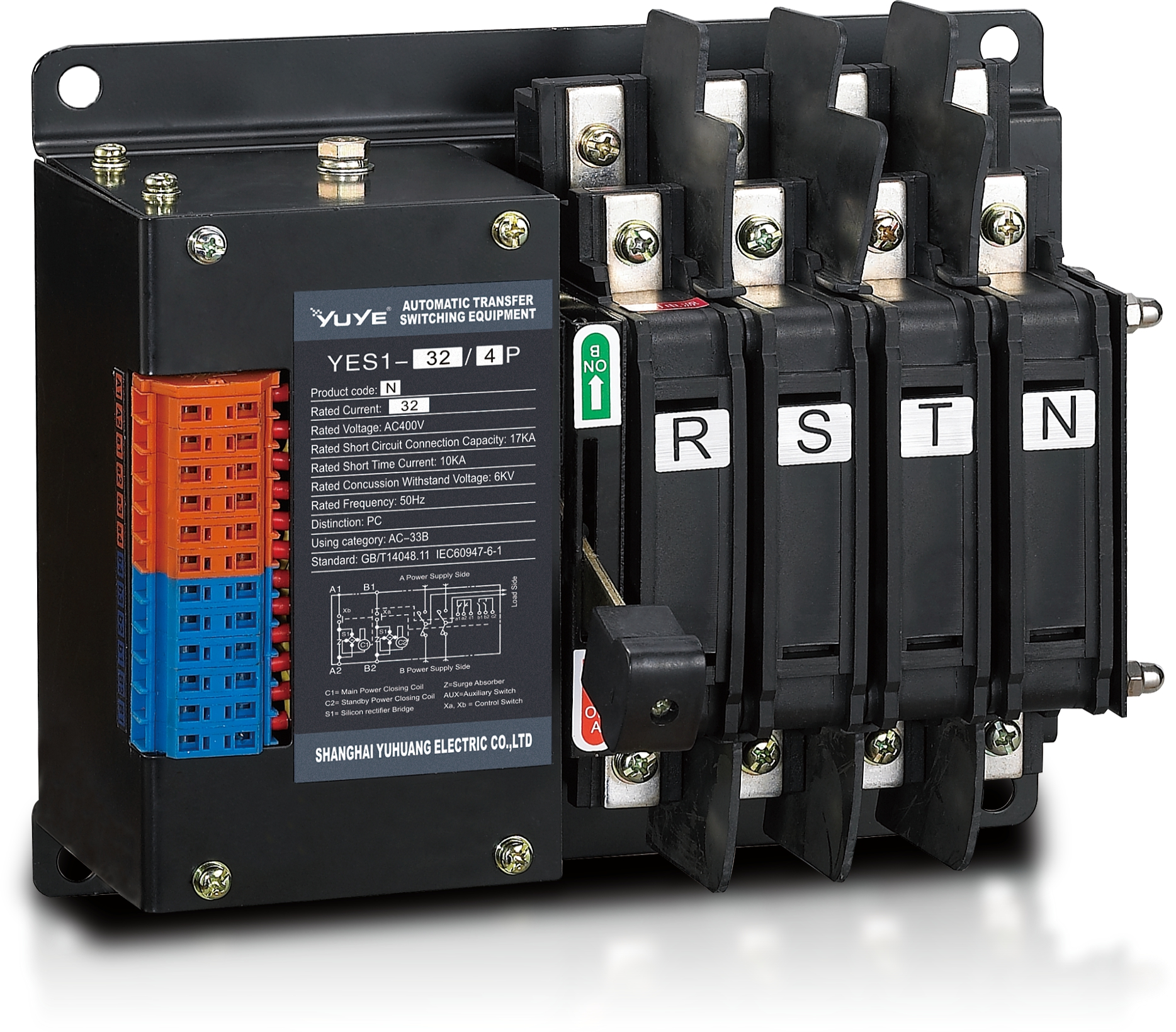 Solenoid-type ATS YES1-32~125N
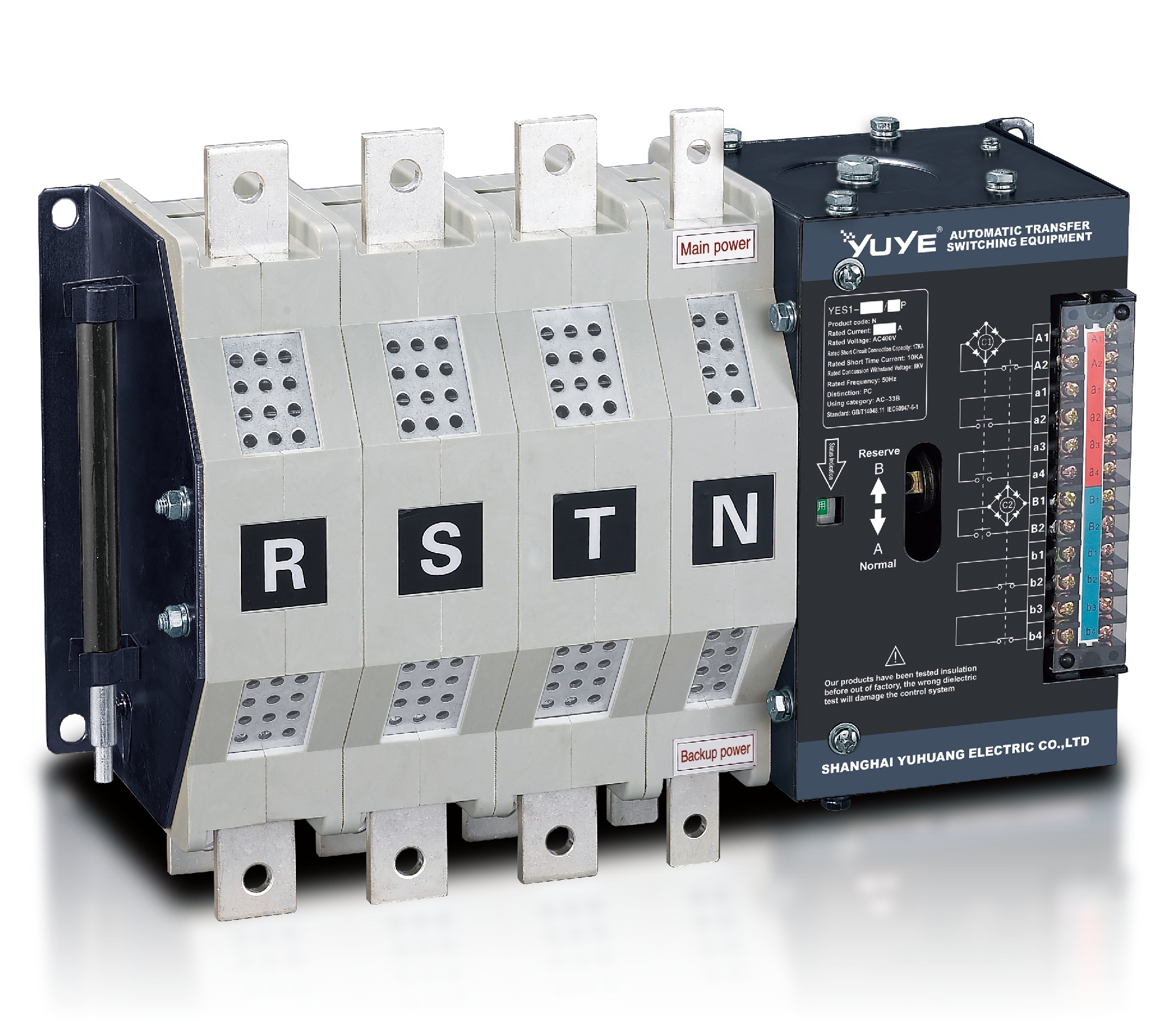 Solenoid-type ATS YES1-250~630N/NT
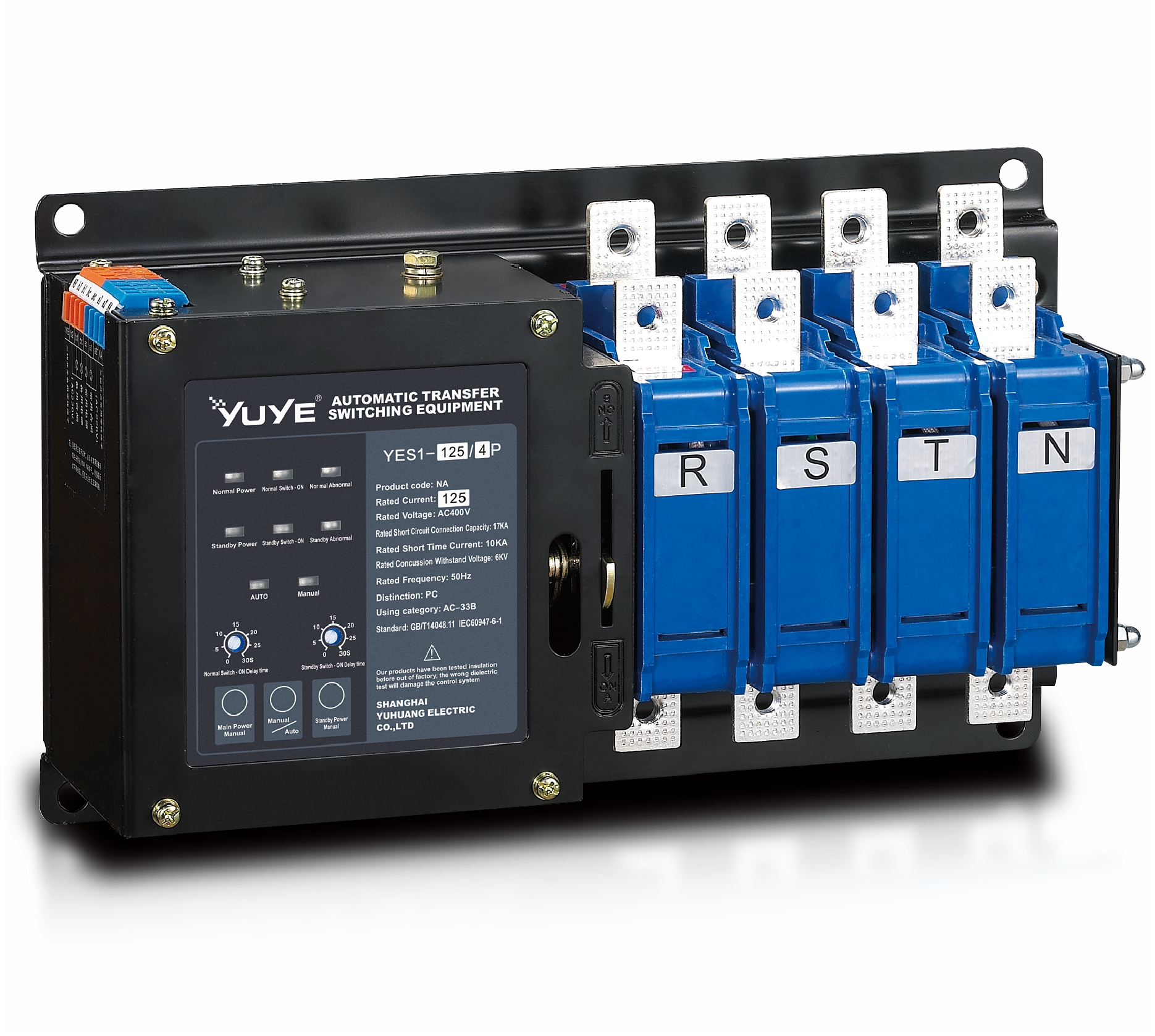 Solenoid-type ATS YES1-32~125NA
 Solenoid-type ATS YES1-63~630SN
 Solenoid-type ATS YES1-1250~4000SN
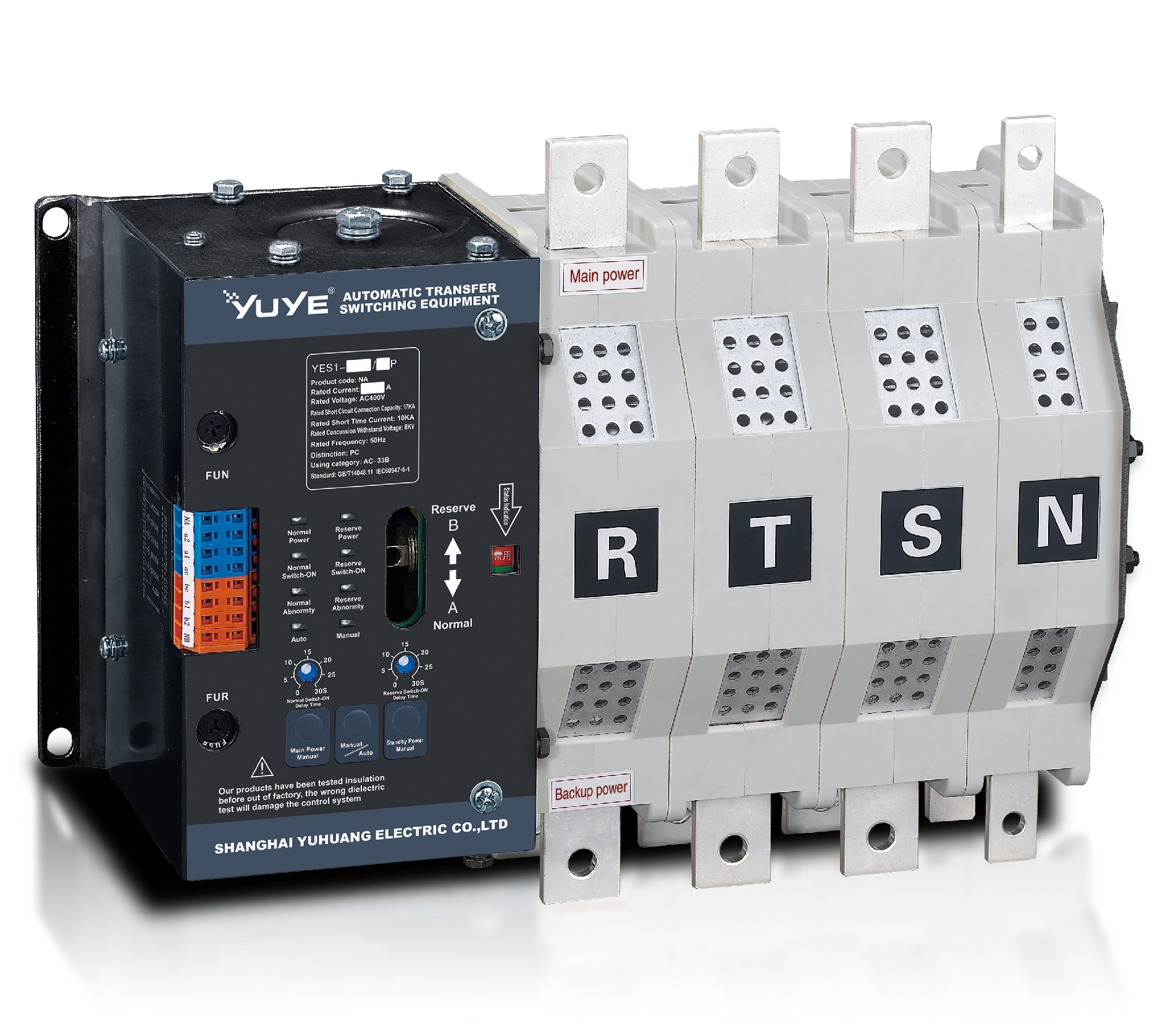 Solenoid-type ATS YES1-250~630NA/NAT
 Solenoid-type ATS YES1-63NJT
 PC ATS YES1-100~1600GN1/GN/GNF
 PC ATS YES1-2000~3200GN/GNF
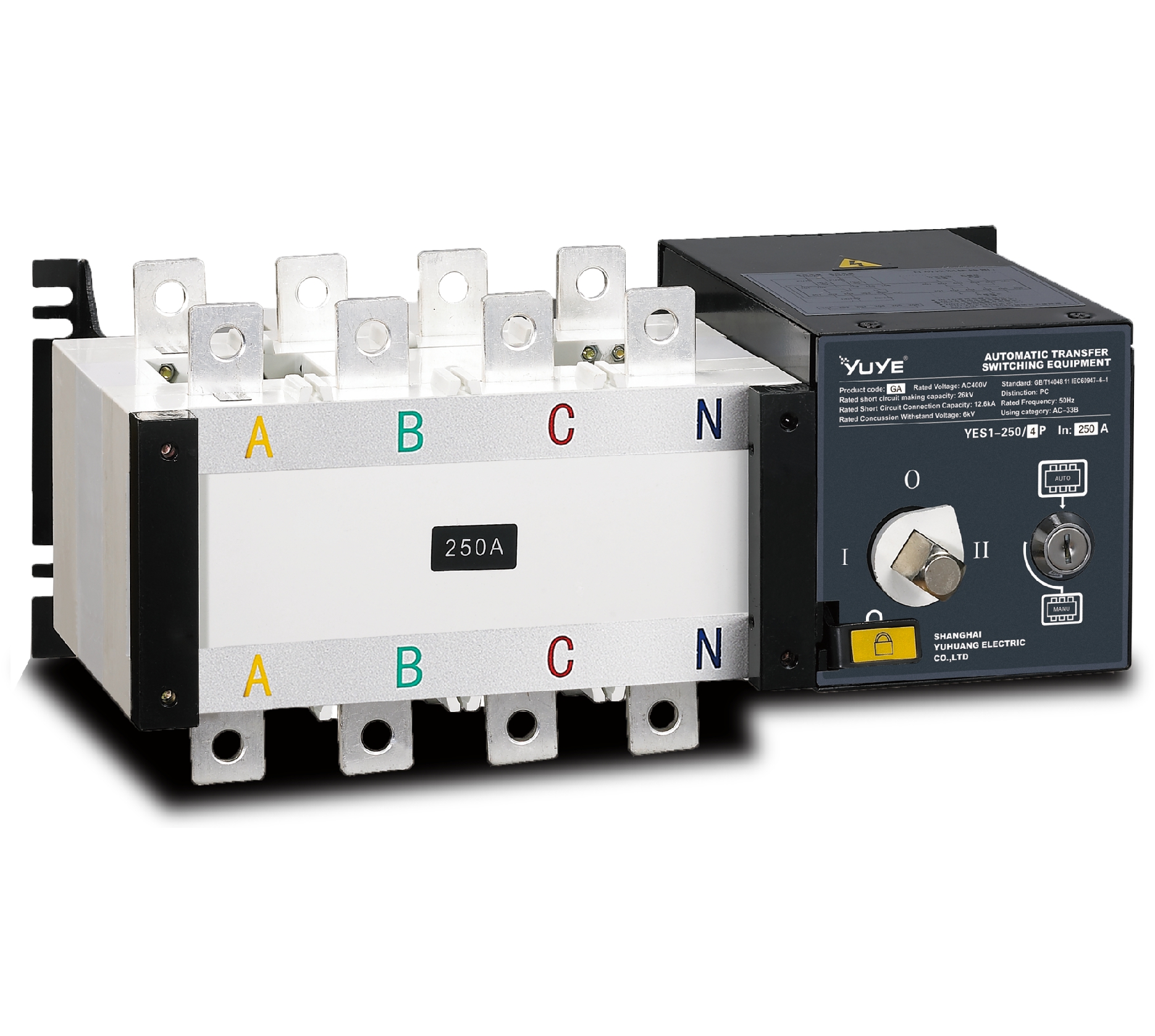 PC ATS YES1-100~3200GA1/GA
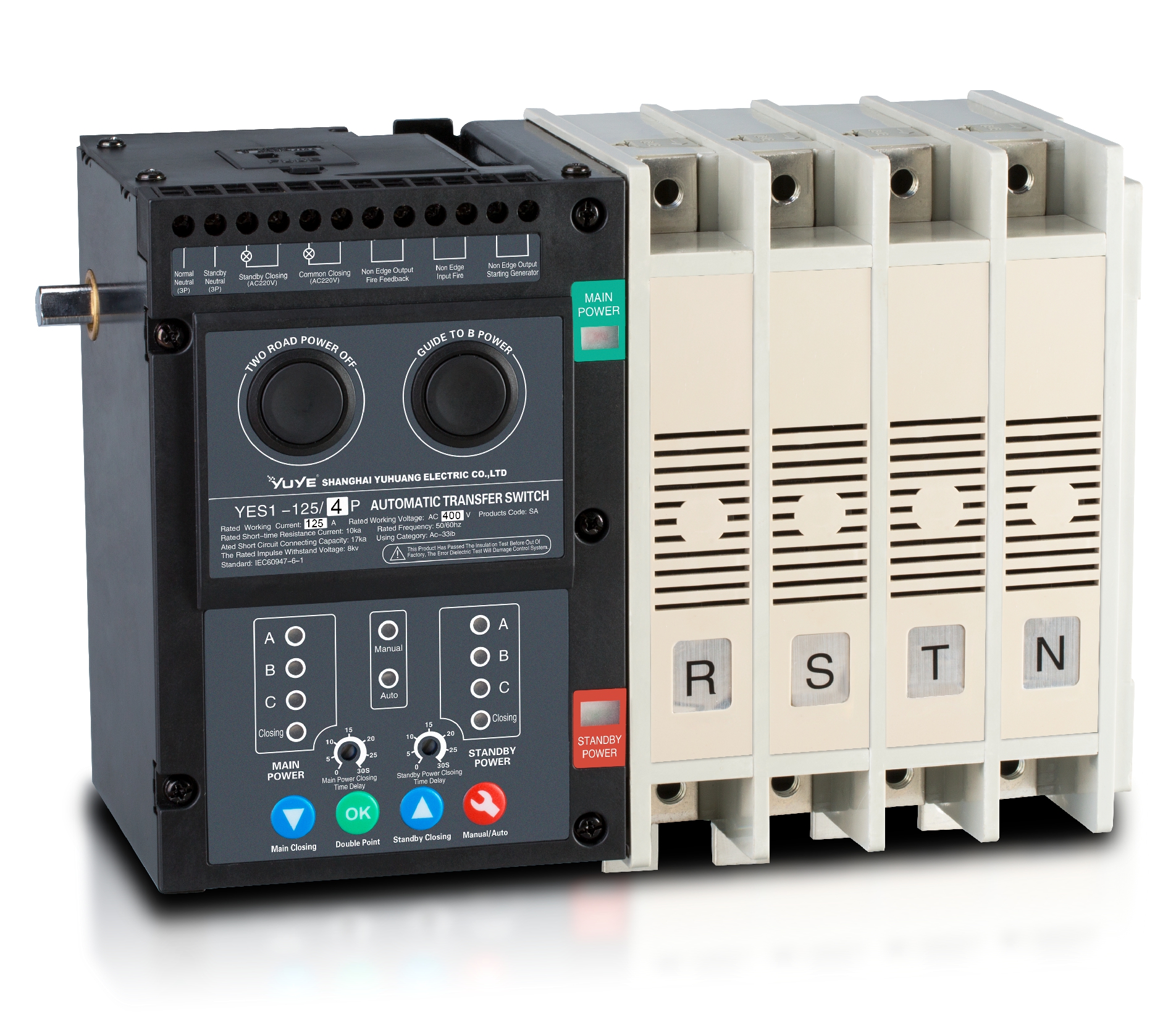 Solenoid-type ATS YES1-63~630SA
 Solenoid-type ATS YES1-63~630L/LA
 Solenoid-type ATS YES1-63~630LA3
 Solenoid-type ATS YES1-63MA
 PC ATS YES1-630~1600M
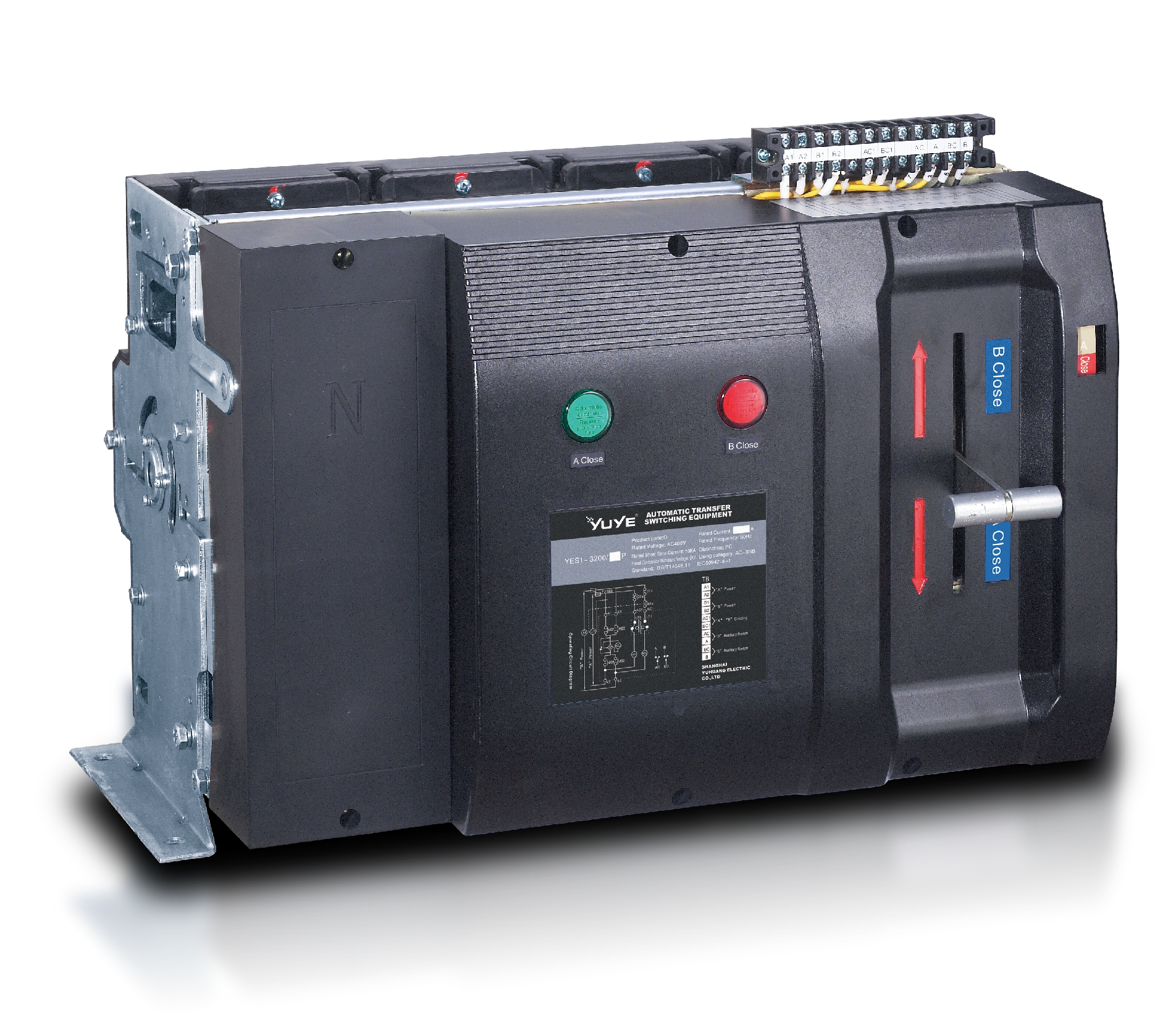 PC ATS YES1-3200Q
 Solenoid-type ATS YES1-4000~6300Q
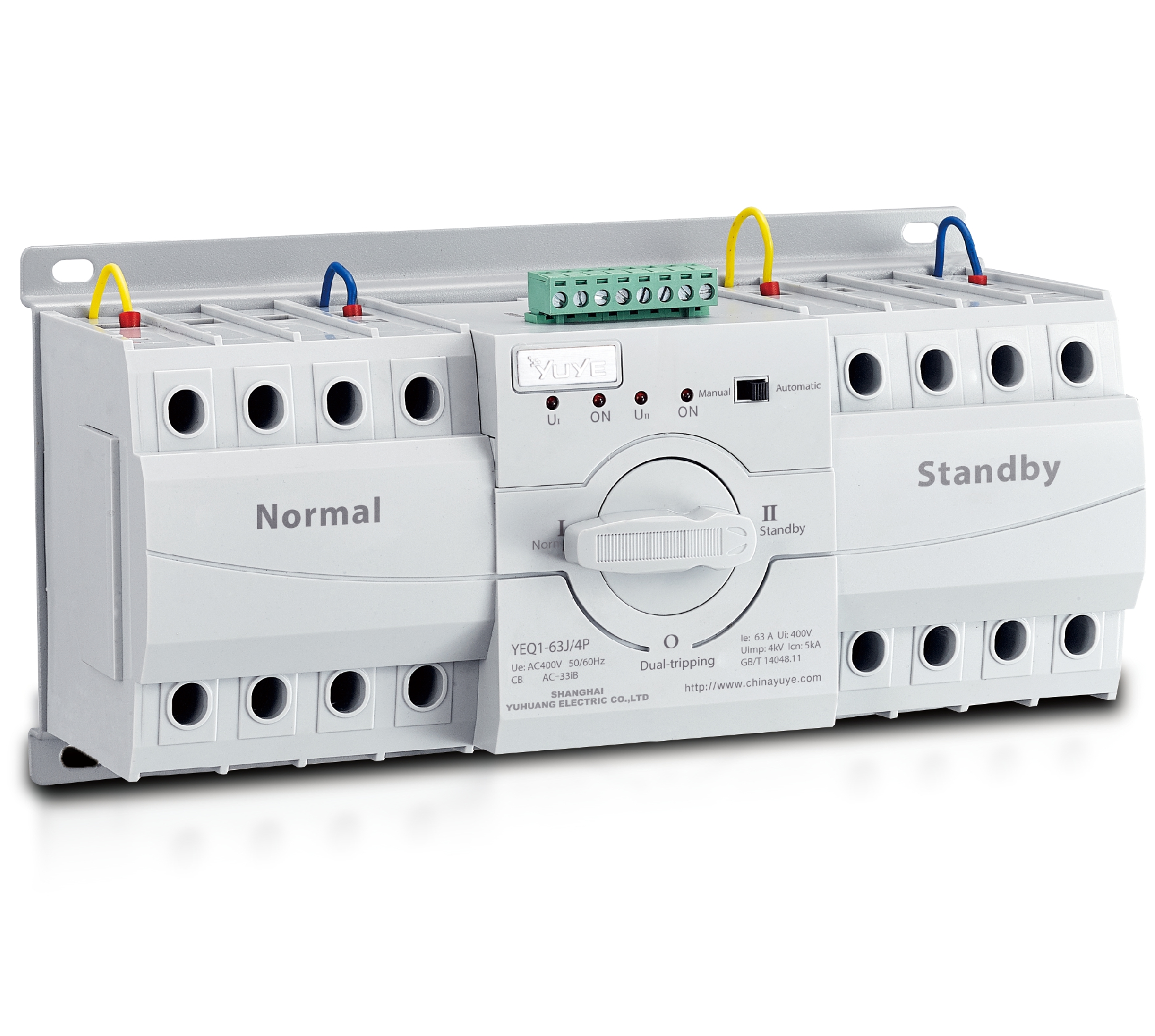 CB ATS YEQ1-63J
 CB ATS YEQ2Y-63
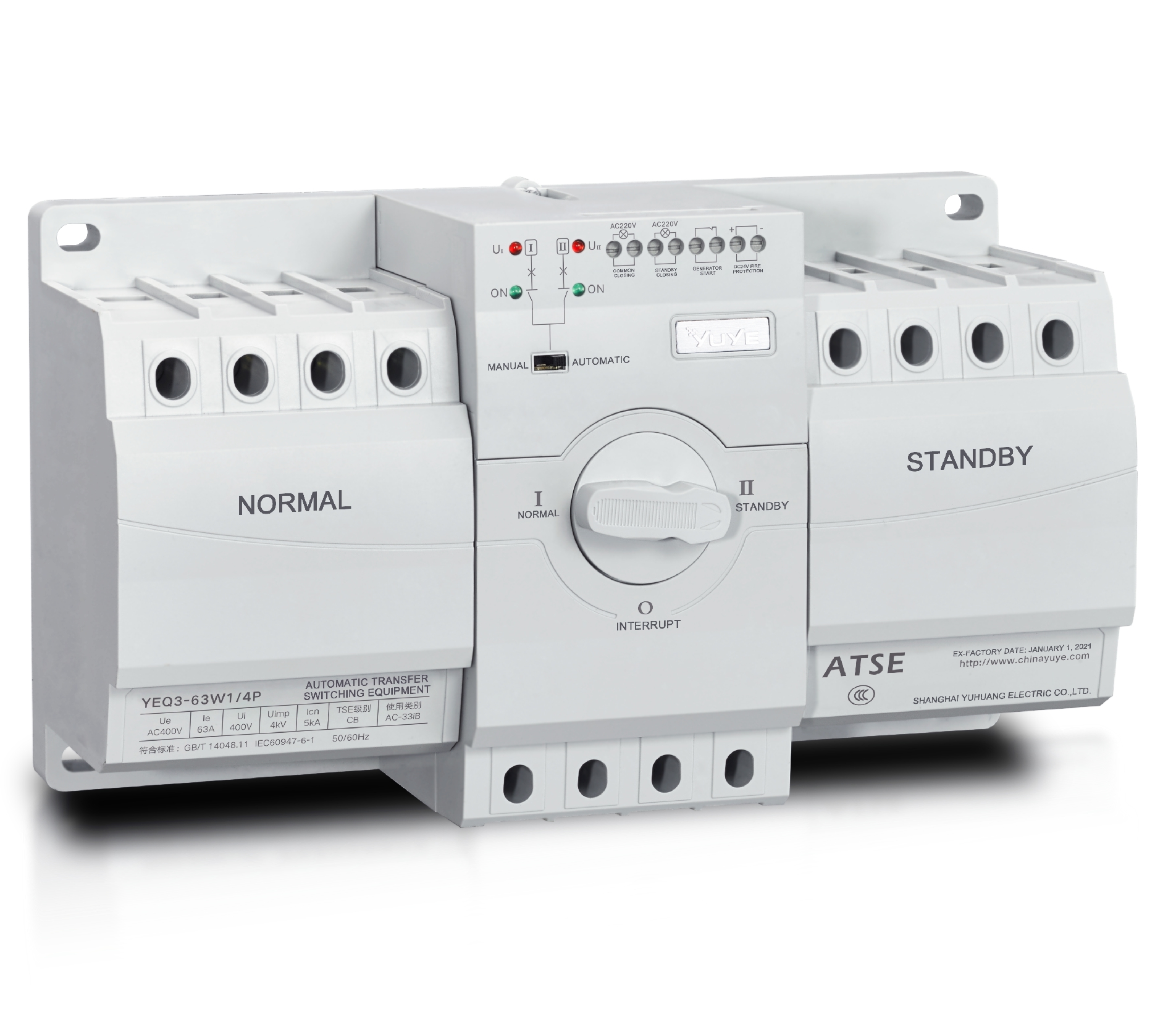 CB ATS YEQ3-63W1
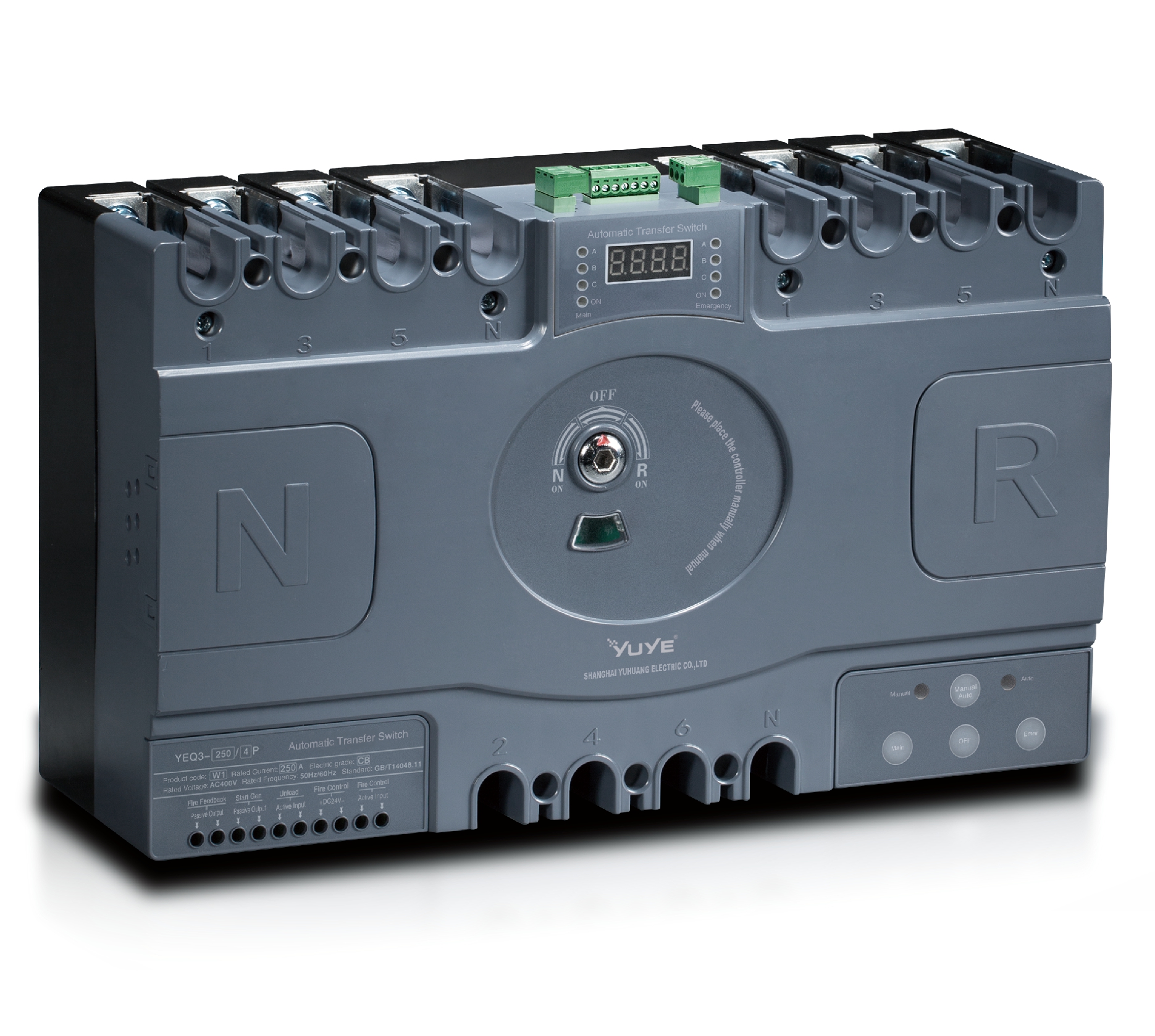 CB ATS YEQ3-125~630W1
 ATS controller Y-700
 ATS Controller Y-700N
 ATS Controller Y-701B
 ATS Controller Y-703N
 ATS Controller Y-800
 ATS Controller W2/W3 Series
 ATS switch Cabinet floor-to-ceiling
 ATS switch cabinet
 JXF-225A power Cbinet
 JXF-800A power Cbinet
 YEM3-125~800 Plastic Shell Type MCCB
 YEM3L-125~630 Leakage Type MCCB
 YEM3Z-125~800 Adjustable Type MCCB
 YEM1-63~1250 Plastic Shell Type MCCB
 YEM1E-100~800 Electronic Type MCCB
 YEM1L-100~630 Leakage Type MCCB
 Miniature circuit breaker YEMA2-6~100
 Miniature circuit breaker YEB1-3~63
 Miniature circuit breaker YEB1LE-3~63
 Miniature circuit breaker YEPN-3~32
 Miniature circuit breaker YEPNLE-3~32
 Miniature circuit breaker YENC-63~125
 Air Circuit Breaker YEW1-2000~6300
 Air Circuit Breaker YEW3-1600
 Load isolation switch YGL-63~3150
 Load Isolation Switch YGL2-63~3150
 DC relay YDC-P20
 DC relay YDC-P250
 DC relay YDC-P400
 DC relay MDC-300M
 DC relay YDC-M400
 DC Isolation Switch YEGL3D-630
 YECPS2-45~125 LCD
 YECPS-45~125 Digital
 CNC Milling/Turning-OEM
As a core device for continuous power supply, ATS (Automatic Transfer Switch) is critical in industrial production, key facilities and commercial buildings, switching to backup power quickly when the main power fails. With rising demand for high-capacity ATS, ATS 400A stands out as an industrial-grade intelligent transfer switch for high-load scenarios due to its excellent performance.
ATS 400A is positioned as an industrial-grade intelligent transfer switch focusing on high-load adaptation, intelligent control and stability. Compatible with AC 50Hz, 400V three-phase four-wire system, it meets power supply needs of factories, data centers and hospitals, integrating PC-level switching with intelligent protection.
This article disassembles ATS 400A from specifications, performance, configuration to operation, providing references and FAQs for users.
1. Detailed Specifications: Rated Parameters, Installation Requirements and Applicable Environment Specifications of ATS 400A
1.1 Core Rated Parameters (Consistent with Manual Standards)
Rated Current: 400A (long-term safe current), complying with GB/T 14048.11 and IEC 60947-6-1, suitable for inductive, capacitive and resistive high-load equipment.
Voltage Specifications: Rated 400V, withstand voltage 1000V, suitable for three-phase four-wire grid, compatible with single-phase scenarios and voltage fluctuations.
Other Key Specifications: Breaking capacity 100kA, automatic transfer time ≤80ms, 24-hour long-term working system.
1.2 Installation Requirements and Specifications
Environment Requirements: Working temperature -25℃~+70℃, relative humidity ≤95% (no condensation), IP54 protection, suitable for indoor and outdoor use.
Installation Space and Wiring: Reserve ventilation space (≥10cm both sides, ≥20cm top/bottom); clear phase/neutral line distinction, grounding resistance ≤4Ω, vertical installation (tilt ≤15°).
Matching Accessories: 400A fuses and circuit breakers; use professional tools for firm wiring.
1.3 Applicable Scenarios and Limitations
Suitable for high-load industrial scenarios and key facilities. Not for extreme environments or loads over 400A; explosion-proof devices required in flammable areas.
2. Performance Analysis: Switching Speed, Load Adaptation and Stability Test of ATS 400A
2.1 Core Switching Performance Indicators
Switching Speed: Automatic response ≤80ms; manual switching ≤5 seconds for backup when automatic mode fails.
Switching Reliability: Arc-free technology and double interlock protection to avoid arc damage and short circuit.
2.2 Load Adaptation Capacity
Max load 400A, compatible with various load types, with overload and short-circuit protection to prevent equipment damage.
2.3 Stability Test and Verification
24-hour continuous operation, no-fault time over 10,000 hours; stable under extreme conditions. Mechanical life ≥10,000 times, electrical life ≥5,000 times, vulnerable parts replacement every 2-3 years.

3. Core Configuration: Intelligent Control Module and Circuit Protection System of ATS 400A
3.1 Core Functions of Intelligent Control Module
Real-time monitoring of main/backup power with sound-light alarm; supports automatic, manual and remote control; HD display for parameter setting and fault code interpretation.
3.2 Circuit Protection System
Overload, short-circuit, under-voltage/over-voltage protection; 400A fast fuses and molded case circuit breakers, with fault isolation and manual reset.
3.3 Auxiliary Configuration and Expansion Functions
Built-in RS485 for remote monitoring; dedicated backup power interface compatible with generators/UPS, supporting automatic startup linkage.
4. Operation Guide: Commissioning, Daily Maintenance and Fault Troubleshooting of ATS 400A
4.1 Pre-commissioning Process
Check equipment and wiring; ensure safe operation (power off, protective gear). Conduct step-by-step commissioning until qualified.
4.2 Daily Maintenance Specifications
Daily/weekly/monthly inspections; regular cleaning and wiring fastening; timely replacement of vulnerable parts. Power off during maintenance, no unauthorized modification.
4.3 Common Fault Troubleshooting
Common faults: switching failure, abnormal alarm, failure to start. Troubleshoot by power/wiring/control module; interpret fault codes (E01-E04); contact after-sales for complex issues.
5. Performance Comparison: Core Differences and Selection Suggestions of ATS 400A
5.1 Comparison with Same-Spec Products
ATS 400A has faster switching speed, better stability, stronger load adaptation and more comprehensive configuration, with higher long-term cost performance.
5.2 Core Competitive Advantages
Advantages in performance (high load, stability), configuration (intelligent control, full protection) and scenario adaptability (multi-industry, key scenarios).
5.3 Selection Guidelines
Select based on load, scenario and budget; prioritize stability for key scenarios; avoid blind low-price pursuit and insufficient load estimation.
Conclusion
ATS 400A is an industrial-grade high-load intelligent transfer switch with excellent specifications, performance and configuration, suitable for high-load and key scenarios. It has broad prospects with industrial intelligence upgrading, providing one-year warranty and professional technical support.
References
1. How to Solve Common Faults of Dual Power Automatic Transfer Switches, 2019.
2. Dual Power Automatic Transfer Switch: NH40SZ ATSE Selection and Configuration, 2025.
3. ABB Dual Power Automatic Transfer Switch DPT-400A/800A/3P4P.
4. 5 Key Steps for ATS Maintenance, 2021.
5. ATS Dual Power Automatic Transfer Switch (for National Class I Loads).
FAQ
Q1: Can ATS 400A adapt to loads less than 400A? A1: Yes, adjust parameters for loads ≤400A.
Q2: Is additional equipment needed for remote control? A2: No, built-in RS485 for direct monitoring system connection.
Q3: Can its switching time (≤80ms) meet key scenario needs? A3: Yes, far below the ≤300ms industry requirement.
Q4: What is the maintenance cycle? A4: Daily/weekly/monthly inspections; vulnerable parts replacement every 2-3 years.
Q5: How to troubleshoot fault codes? A5: Interpret codes, self-check simple faults, or contact after-sales for complex ones.
