
 PC ATS YECT1-2000G
 PC ATS YES2-63~250GN1
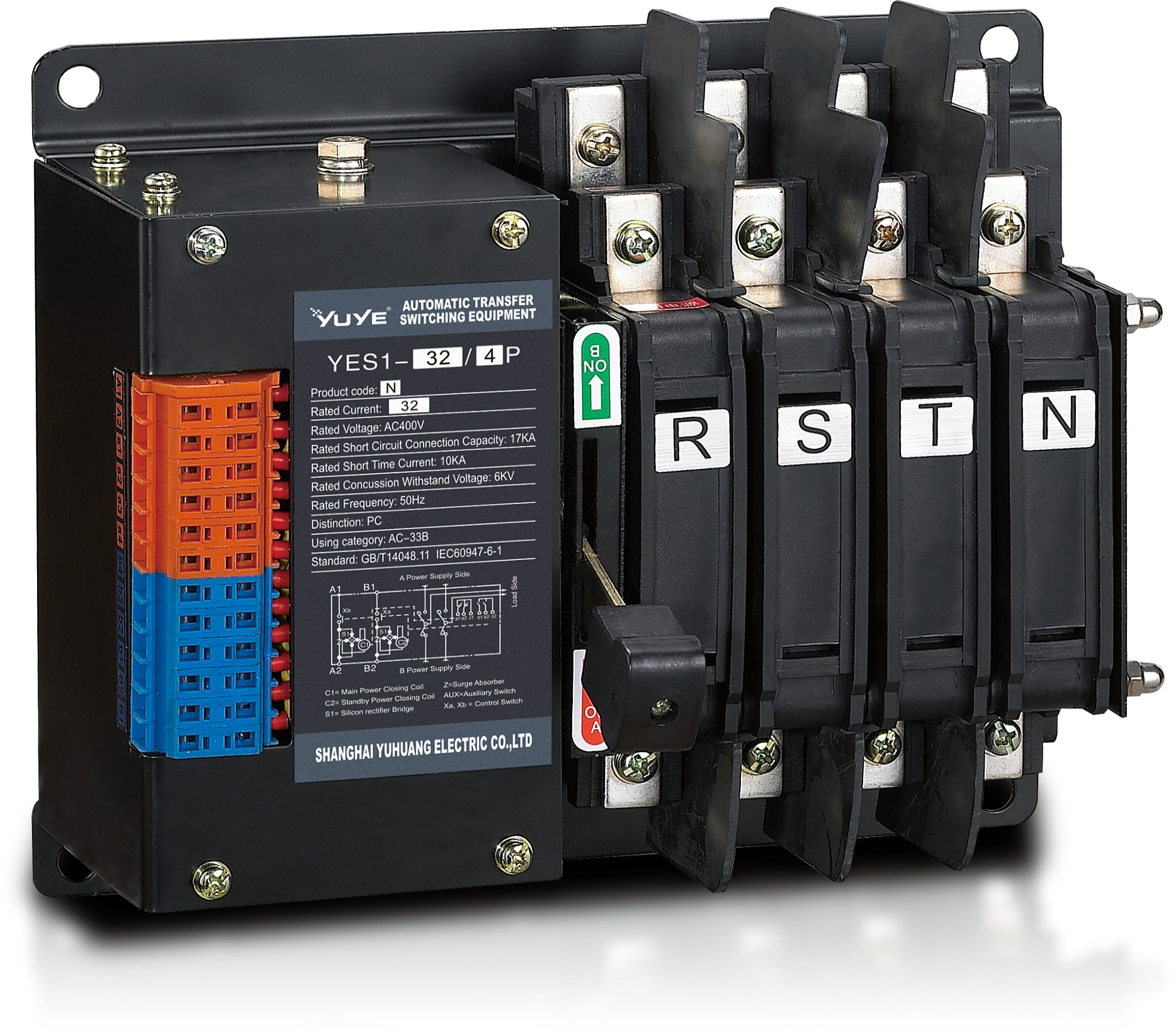 Solenoid-type ATS YES1-32~125N
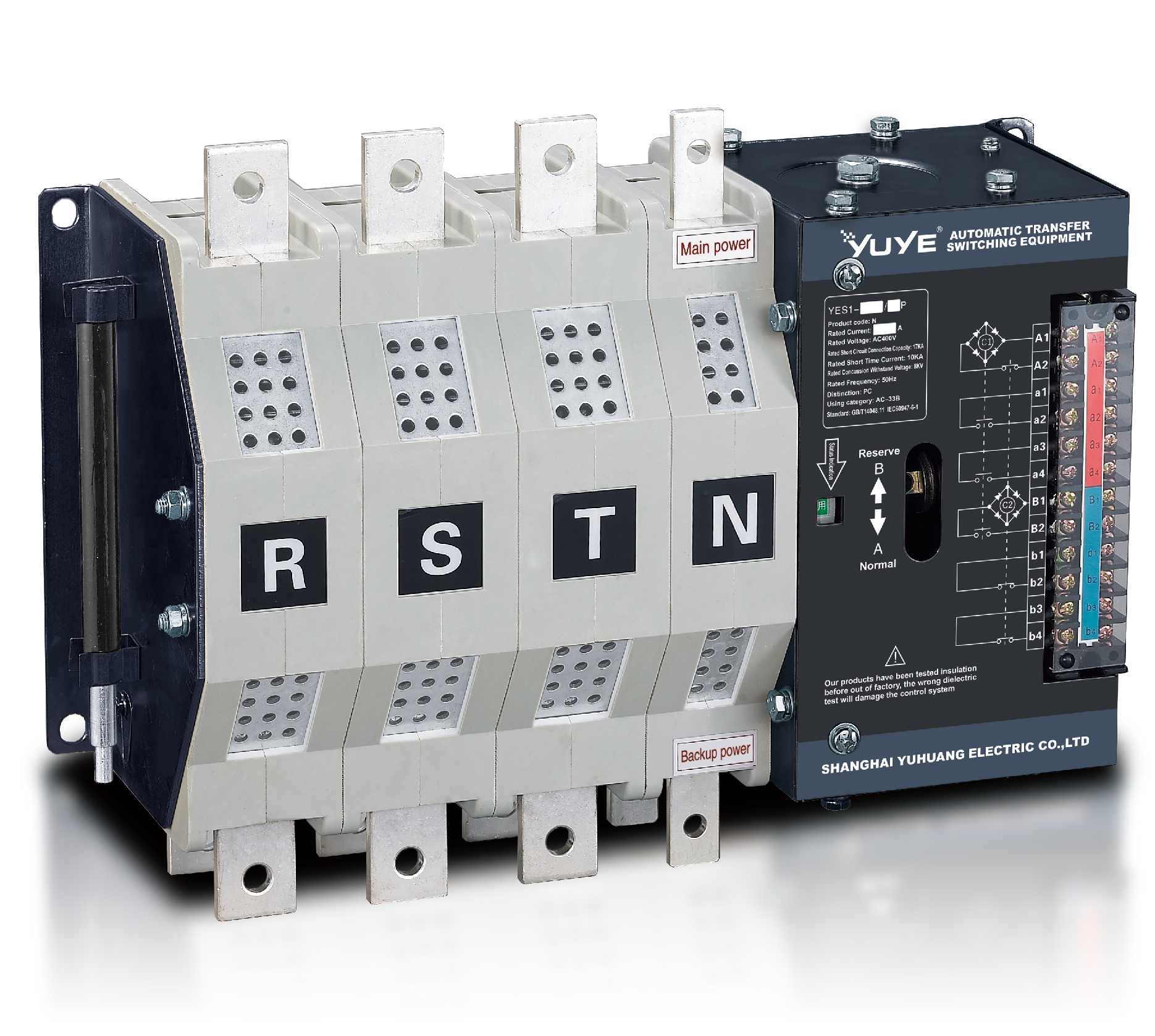 Solenoid-type ATS YES1-250~630N/NT
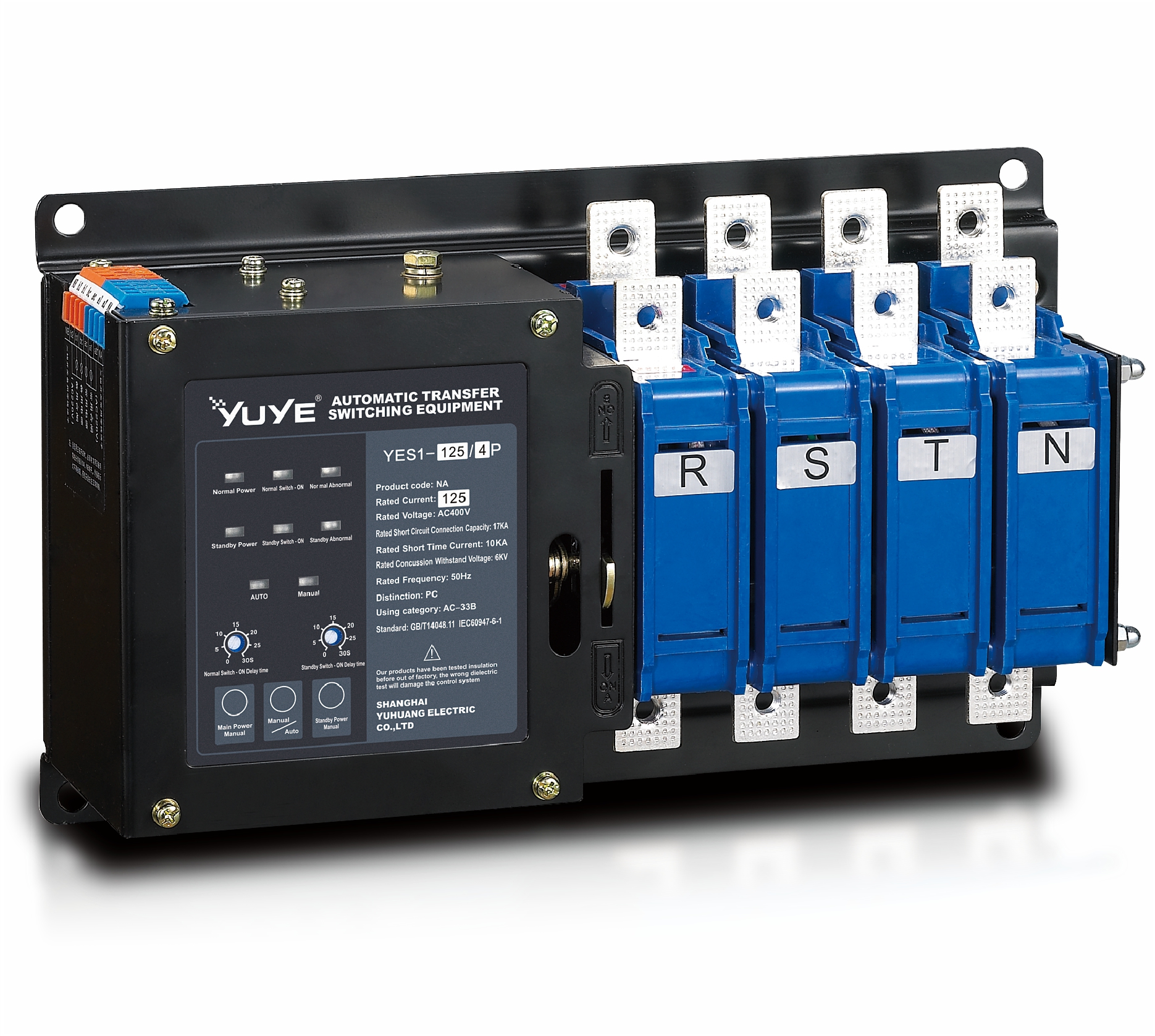 Solenoid-type ATS YES1-32~125NA
 Solenoid-type ATS YES1-63~630SN
 Solenoid-type ATS YES1-1250~4000SN
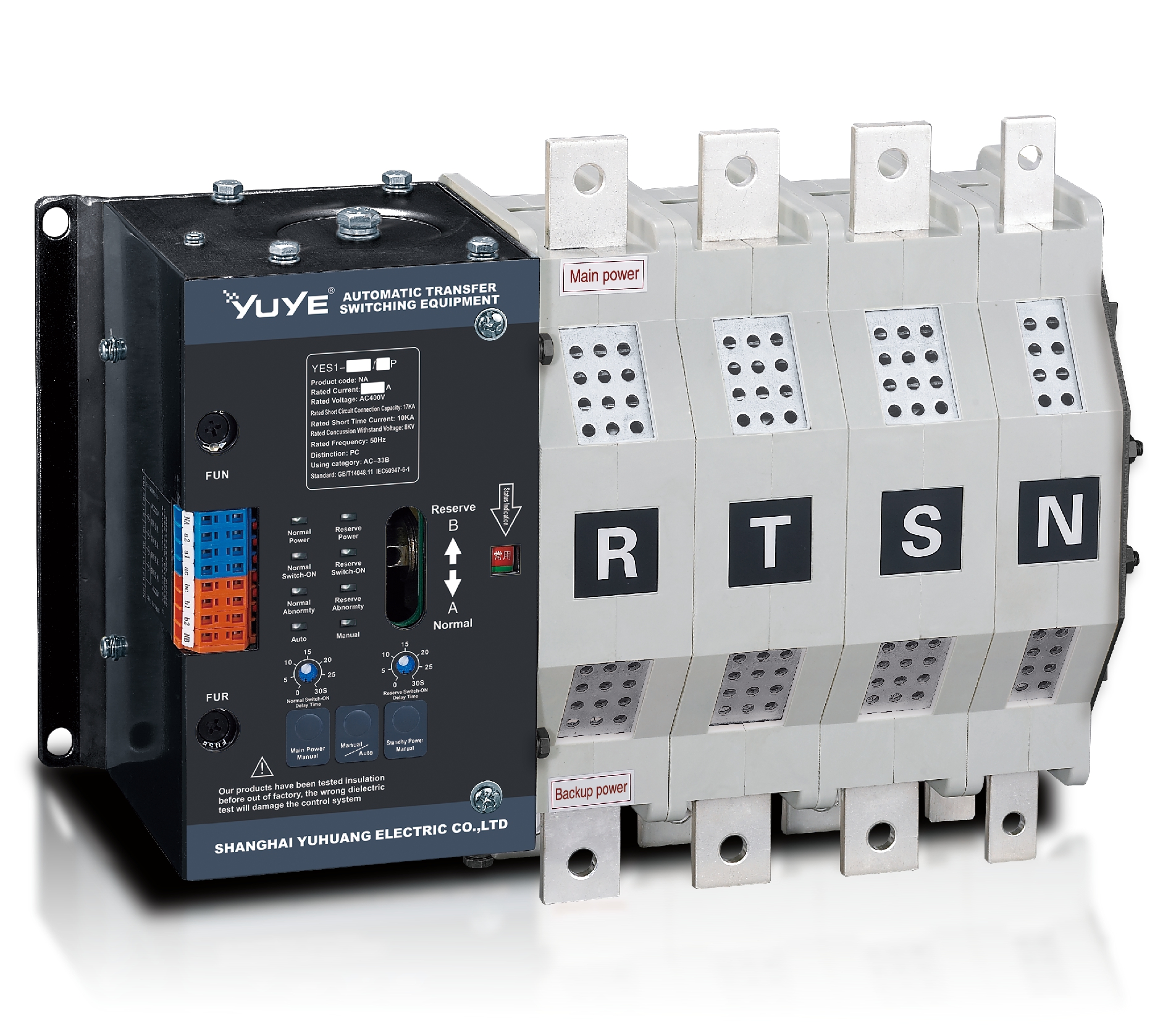 Solenoid-type ATS YES1-250~630NA/NAT
 Solenoid-type ATS YES1-63NJT
 PC ATS YES1-100~1600GN1/GN/GNF
 PC ATS YES1-2000~3200GN/GNF
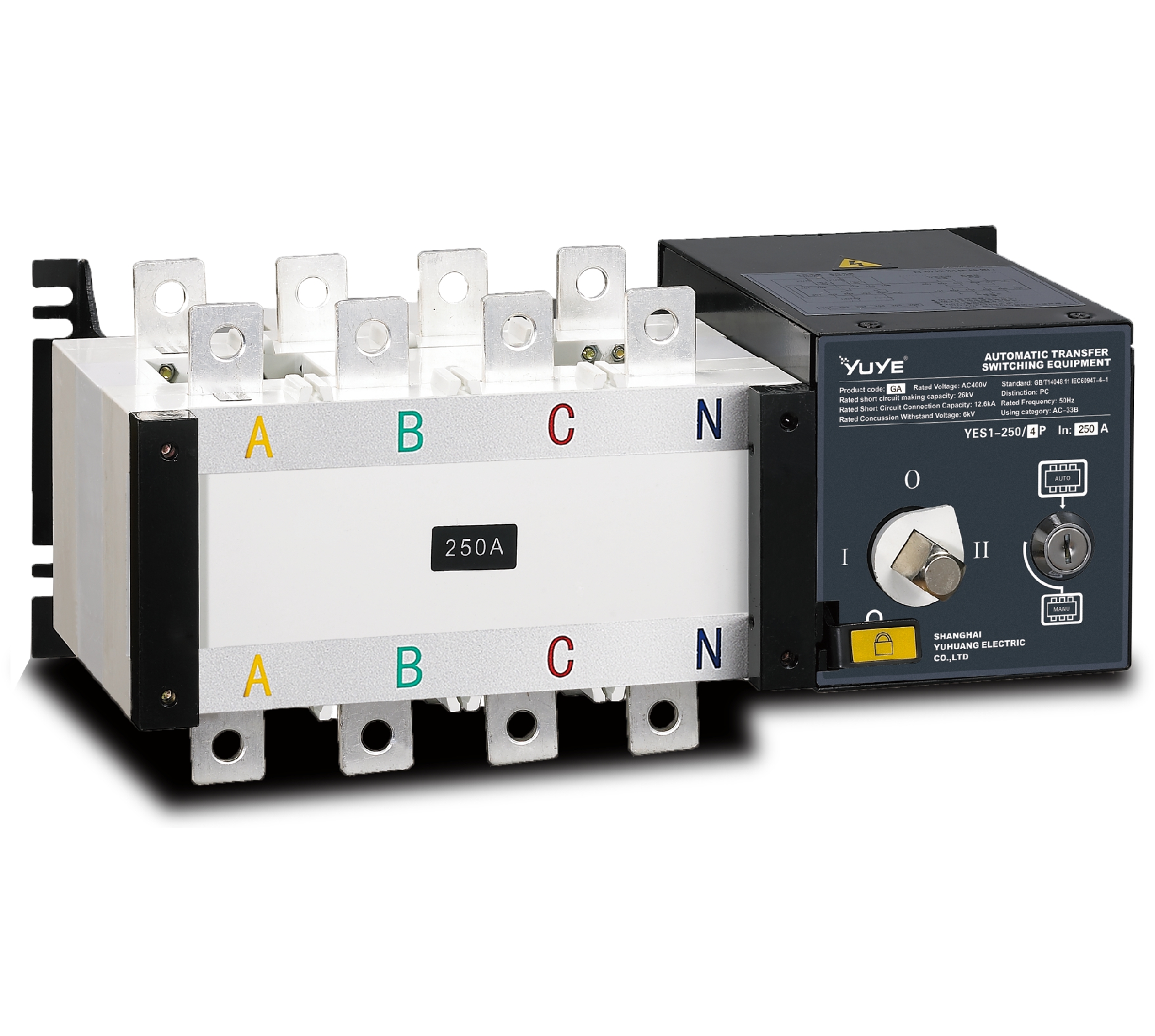 PC ATS YES1-100~3200GA1/GA
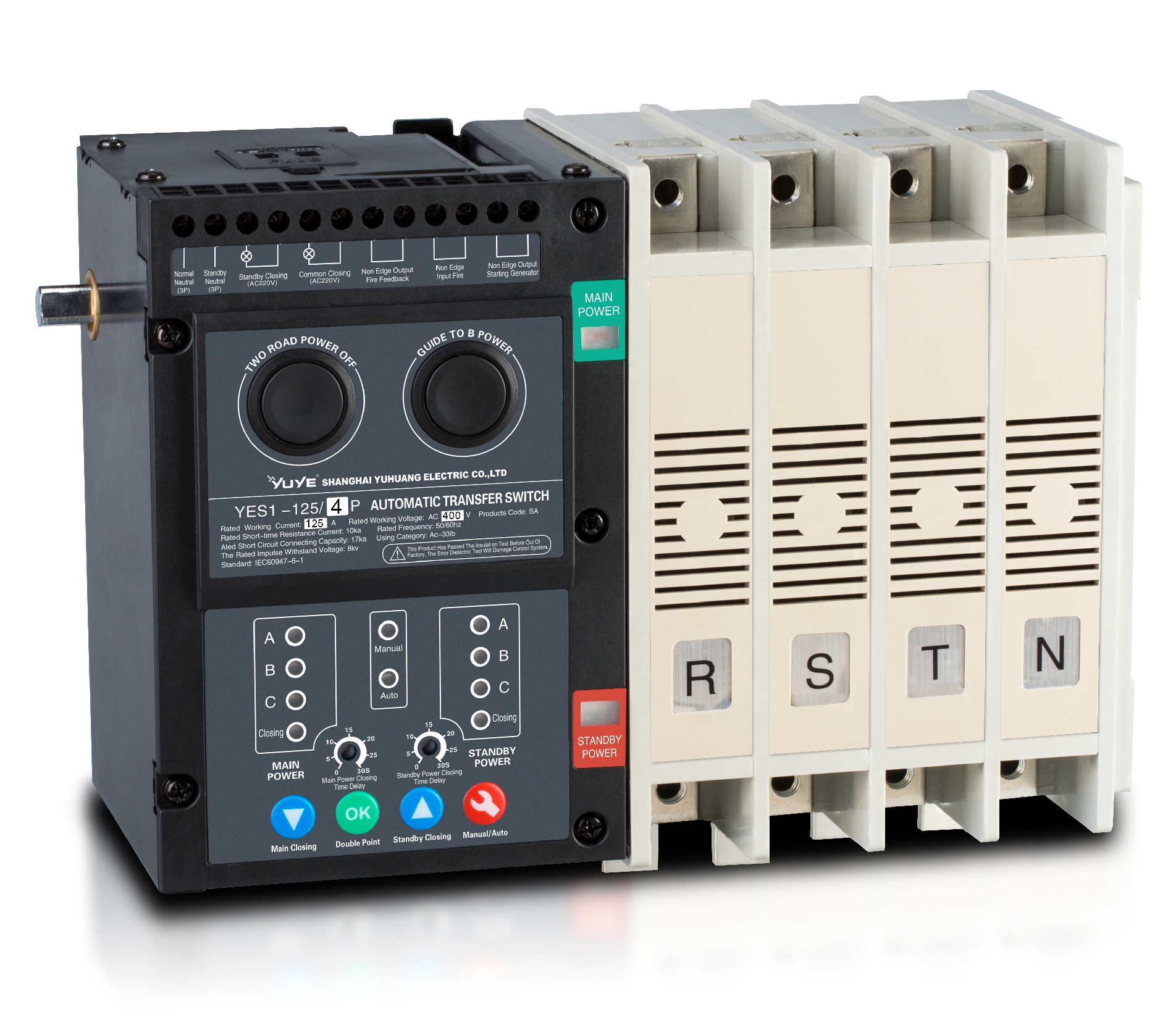 Solenoid-type ATS YES1-63~630SA
 Solenoid-type ATS YES1-63~630L/LA
 Solenoid-type ATS YES1-63~630LA3
 Solenoid-type ATS YES1-63MA
 PC ATS YES1-630~1600M
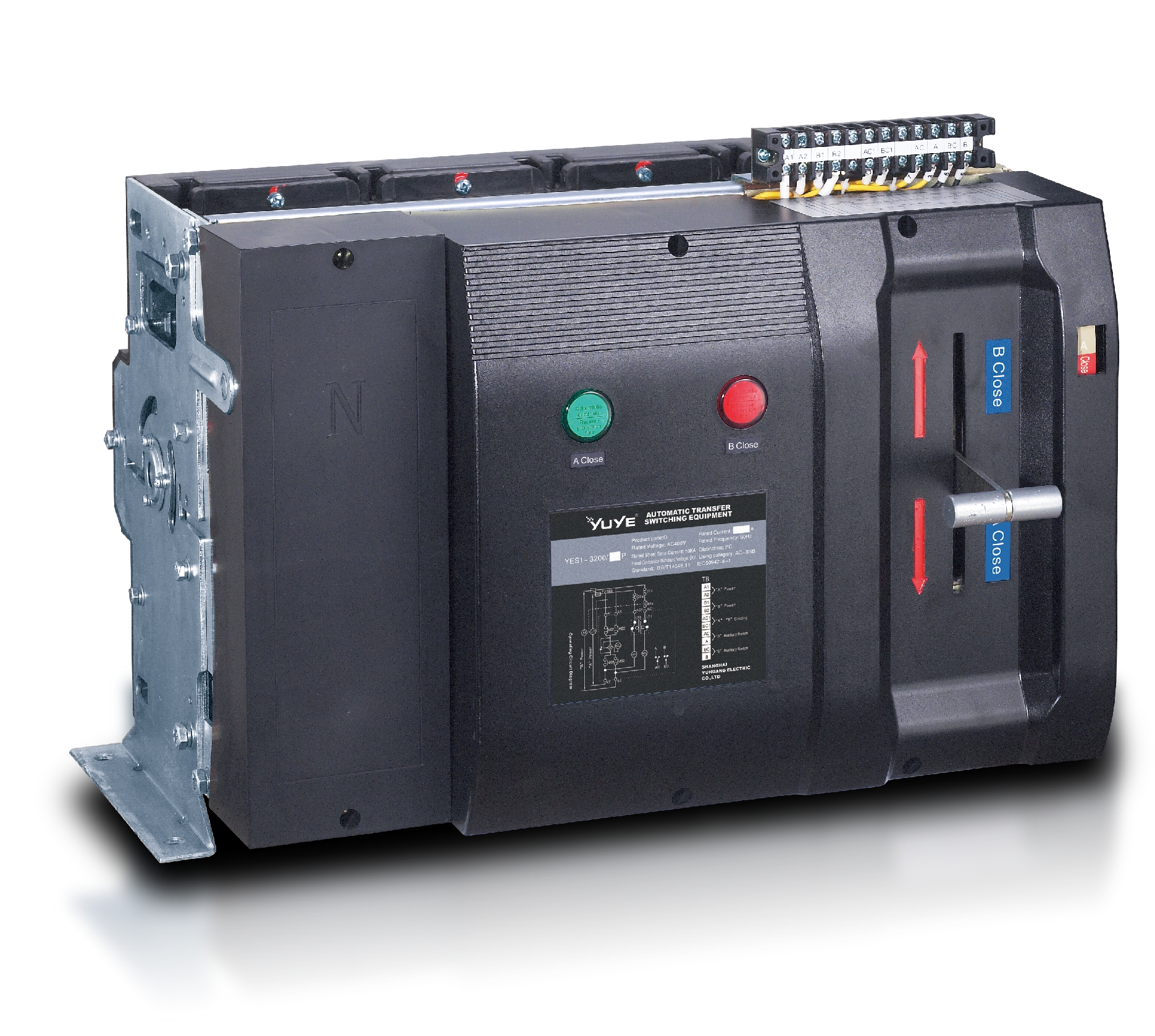 PC ATS YES1-3200Q
 Solenoid-type ATS YES1-4000~6300Q
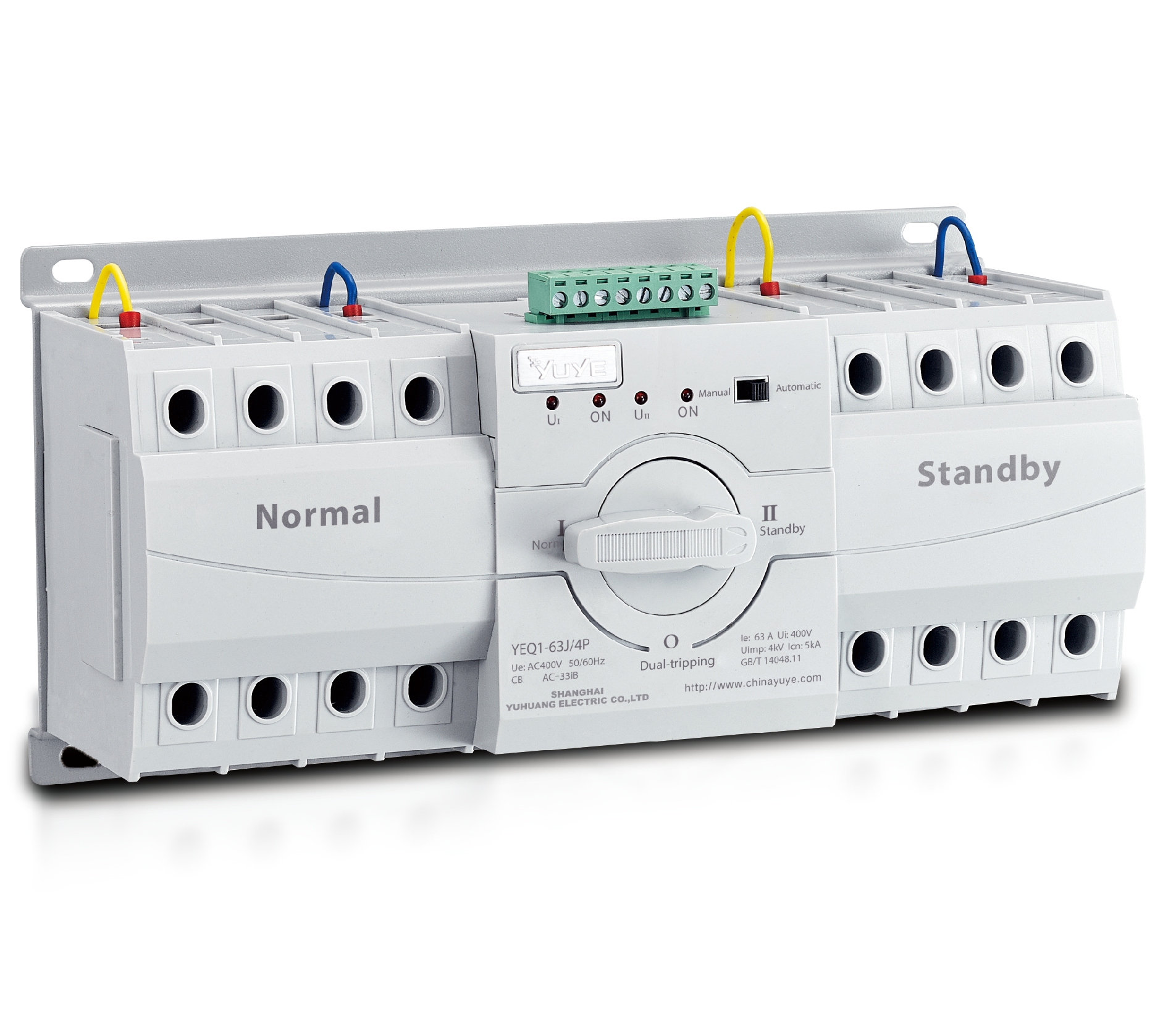 CB ATS YEQ1-63J
 CB ATS YEQ2Y-63
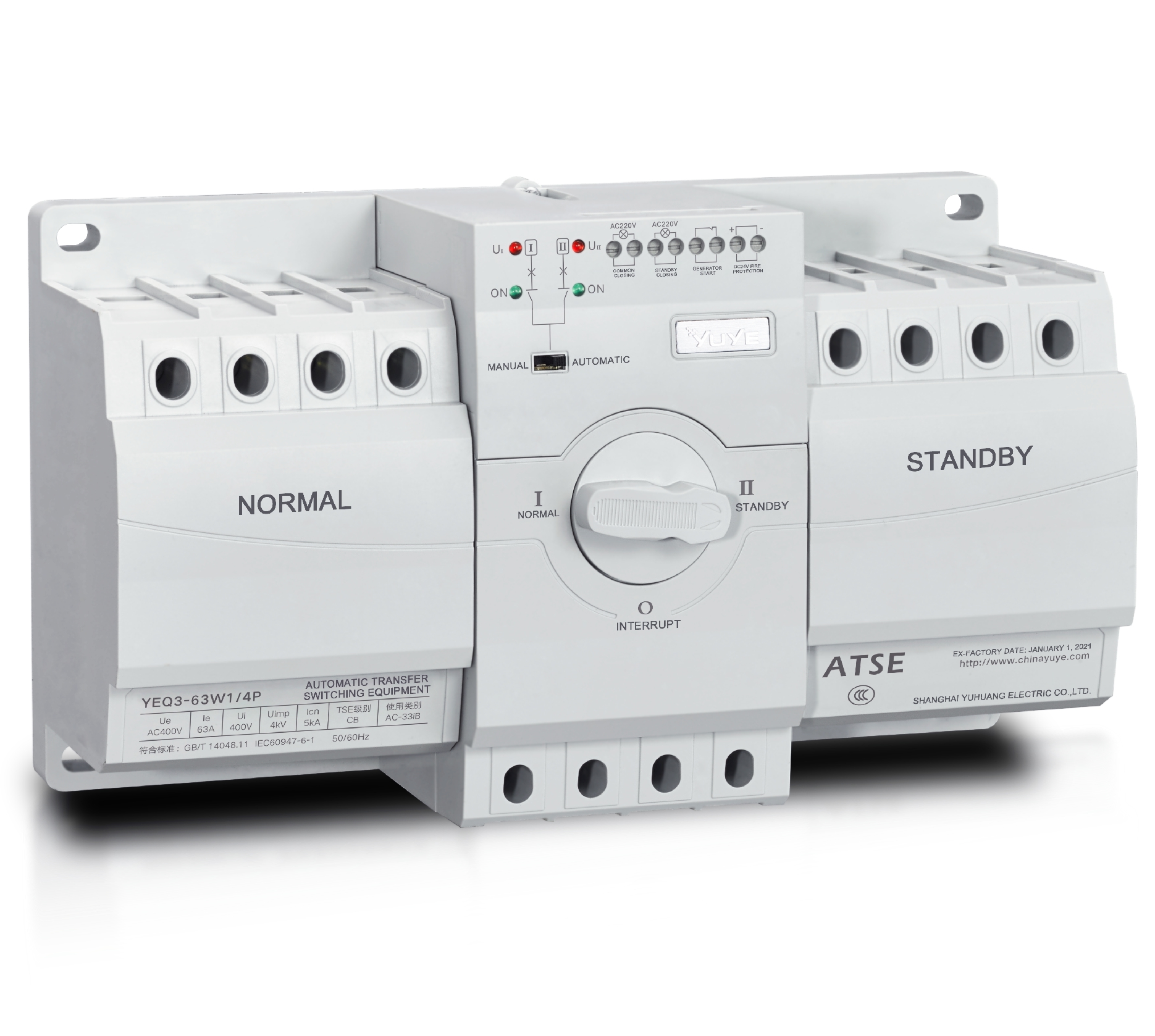 CB ATS YEQ3-63W1
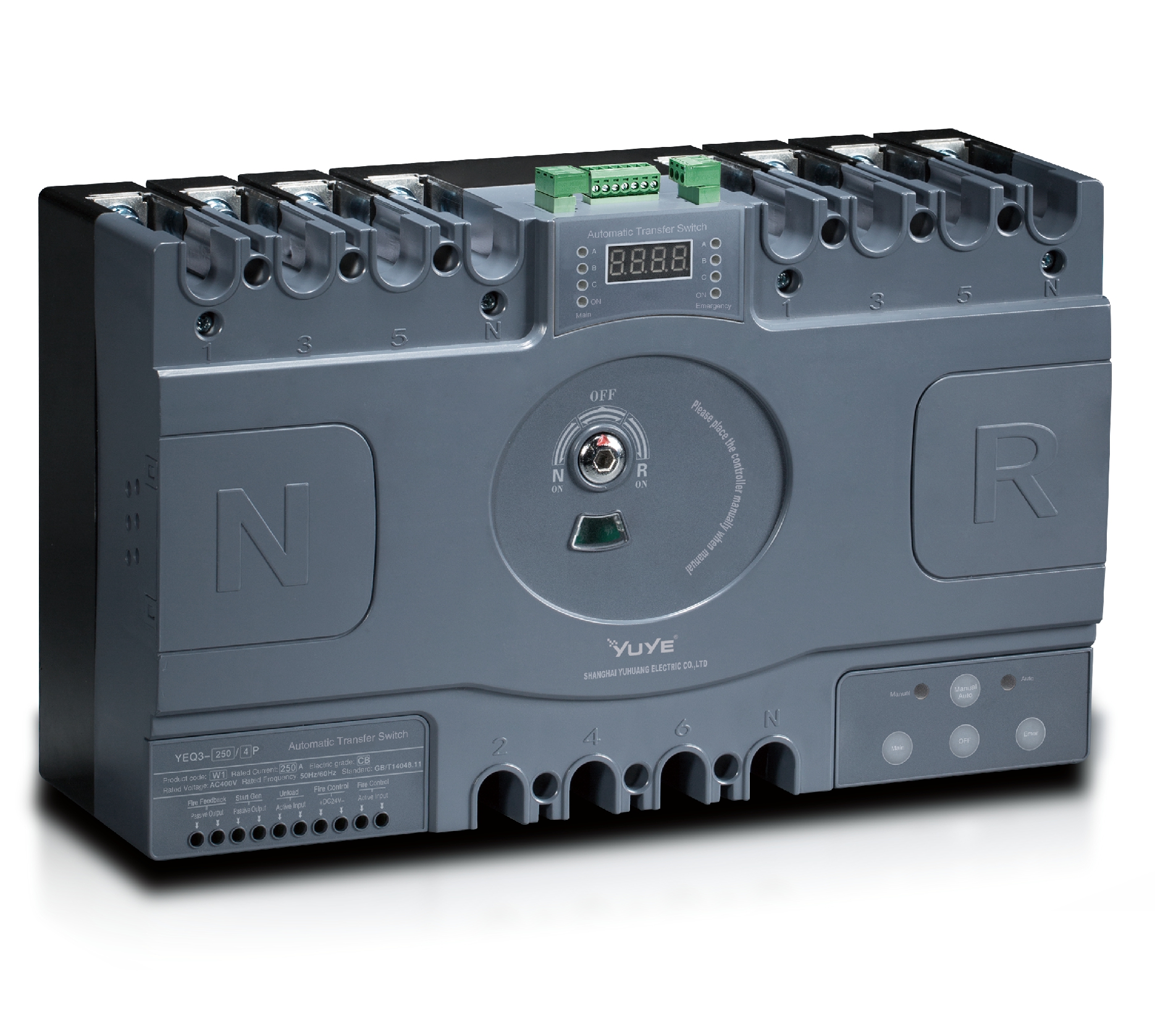 CB ATS YEQ3-125~630W1
 ATS controller Y-700
 ATS Controller Y-700N
 ATS Controller Y-701B
 ATS Controller Y-703N
 ATS Controller Y-800
 ATS Controller W2/W3 Series
 ATS switch Cabinet floor-to-ceiling
 ATS switch cabinet
 JXF-225A power Cbinet
 JXF-800A power Cbinet
 YEM3-125~800 Plastic Shell Type MCCB
 YEM3L-125~630 Leakage Type MCCB
 YEM3Z-125~800 Adjustable Type MCCB
 YEM1-63~1250 Plastic Shell Type MCCB
 YEM1E-100~800 Electronic Type MCCB
 YEM1L-100~630 Leakage Type MCCB
 Air Circuit Breaker YEW1-2000~6300
 Air Circuit Breaker YEW3-1600
 Miniature circuit breaker YEMA2-6~100
 Miniature circuit breaker YEB1-3~63
 Miniature circuit breaker YEB1LE-3~63
 Miniature circuit breaker YEPN-3~32
 Miniature circuit breaker YEPNLE-3~32
 Miniature circuit breaker YENC-63~125
 Load isolation switch YGL-63~3150
 Load Isolation Switch YGL2-63~3150
 DC relay YDC-P20
 DC relay YDC-P250
 DC relay YDC-P400
 DC relay MDC-300M
 DC relay YDC-M400
 DC Isolation Switch YEGL3D-630
 YECPS2-45~125 LCD
 YECPS-45~125 Digital
 CNC Milling/Turning-OEM
1. What Is an ATS Generator and Its Core Working Principle
An ATS Generator combines an automatic transfer switch with a standby generator to deliver hands‑free backup power. It serves as the brain of a backup power system, constantly monitoring the utility power supply.
At its core, the system judges the quality of incoming mains power in real time. When it detects a blackout, voltage drop or unstable power, it sends a signal to start the generator and shift the load away from the grid. Once utility power returns to normal, the unit transfers the load back and shuts down the generator automatically.
This is the biggest difference from manual transfer switches. Manual models require on‑site staff to operate switches, which causes inevitable downtime and human error. An ATS Generator removes manual operation from the backup power workflow.
2. The Automatic Power Switching Process During Outages
The whole switching sequence follows a preset logic to avoid false triggering and equipment damage.
First, the monitoring module picks up a power failure and waits for a short programmed delay. This delay skips brief power blinks and prevents unnecessary generator starts. Next, it triggers the generator to crank up and reach stable voltage and frequency. After the generator is ready, the ATS disconnects the utility side and closes the generator circuit to carry the load.
When mains power comes back and stays stable for a set period, the ATS reverses the action. It transfers the load back to the grid, then runs a cool‑down cycle before stopping the generator. Proper timing control protects motors, servers and other sensitive equipment from shock during transition.
3. Key Components That Support Uninterrupted Power Supply
Several core parts work together to complete reliable automatic switching.
The ATS controller is the command center. It reads voltage and frequency signals, runs logic programs and sends start/stop commands to the generator. Switching actuators such as contactors or molded case circuit breakers physically change the power path and carry the load current.
Voltage and frequency sensors feed real‑time power data back to the controller. The communication interface links the ATS panel and the generator controller, so both devices can share status signals. Every component must match in rating and coordination; mismatched parts will lead to failed switching or overheating faults.

4. Critical Benefits of ATS Generator for Residential & Commercial Use
Installing an ATS Generator brings clear advantages for different users.
The most obvious advantage is no human intervention during outages. Home appliances, refrigeration units, office servers and security systems stay powered even when no one is on site. It lowers the risk of data loss, spoiled goods and safety hazards caused by sudden power loss.
For businesses, reduced downtime directly cuts revenue losses. It also suits remote sites, telecom stations and medical facilities where stable power is mandatory. Compared with manual backup solutions, the automatic setup improves safety, as operators do not need to handle high‑voltage switching during emergencies.
5. Common Maintenance Tips to Ensure Stable Automatic Operation
Regular maintenance keeps the automatic system ready to respond when power fails.
Schedule periodic simulated outage tests to verify the full switching cycle: generator startup, load transfer and retransfer back to mains. Inspect internal wiring, terminals and contact surfaces for oxidation, looseness or burn marks. Check starting batteries for sufficient voltage, because weak batteries are a top cause of generator startup failure.
Keep the cabinet dry and clean to avoid dust buildup and moisture corrosion. Record each test result and maintenance action. Follow the manufacturer’s recommended service interval for deep inspections. A well‑maintained system can perform reliably for years and activate instantly during unexpected blackouts.
FAQ
Q: Does ATS generator work instantly after power loss? A: It has a short delay to filter transient power faults, then starts the generator and completes switching.
Q: Can I use ATS generator for both home and shop? A: Yes, you just need to select the current and power rating matching your total load.
Q: What will stop the ATS from switching automatically? A: Common reasons include dead starting batteries, loose wiring, damaged sensors or incorrect parameter settings.
