
 PC ATS YECT1-2000G
 PC ATS YES2-63~250GN1
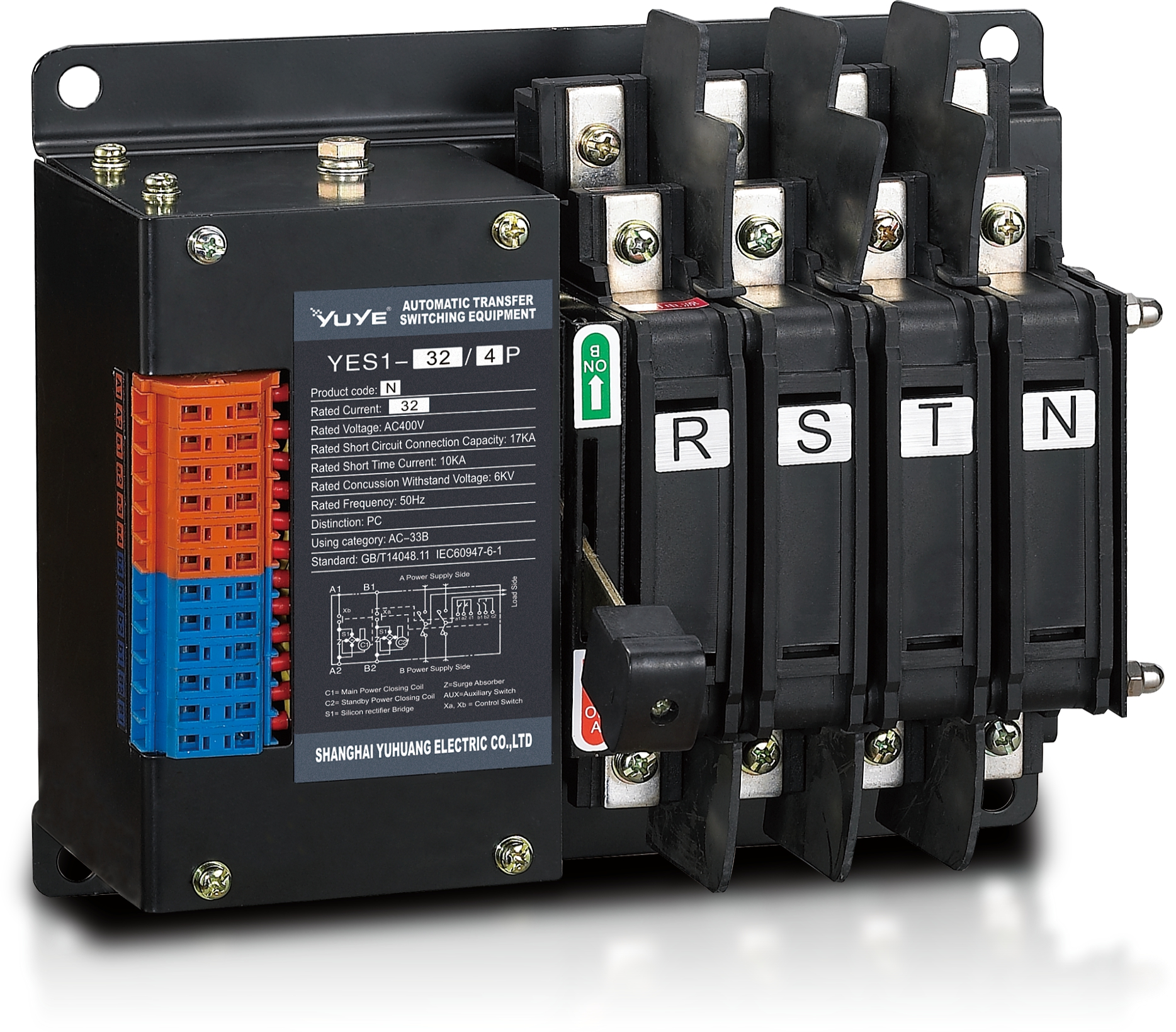 Solenoid-type ATS YES1-32~125N
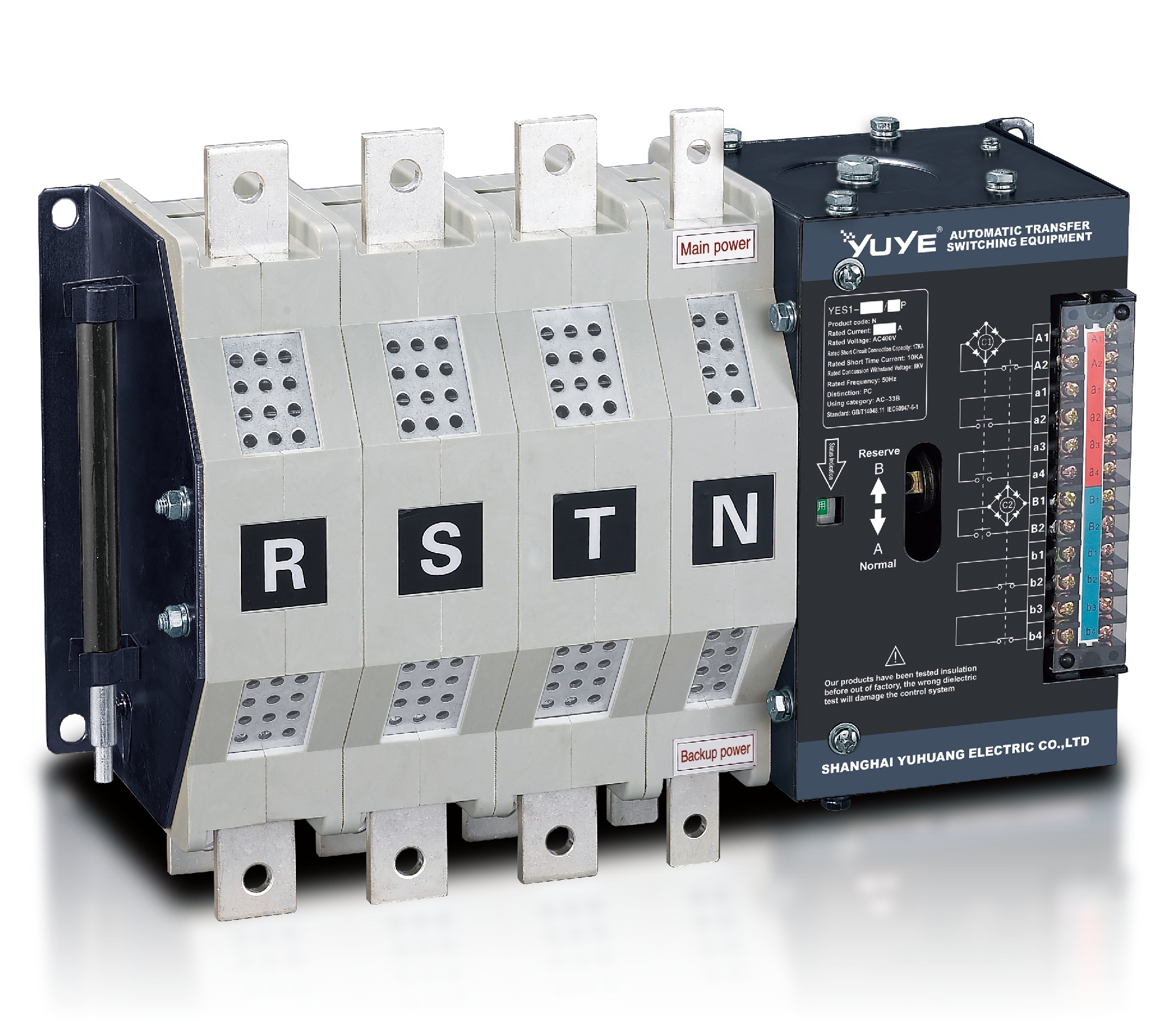 Solenoid-type ATS YES1-250~630N/NT
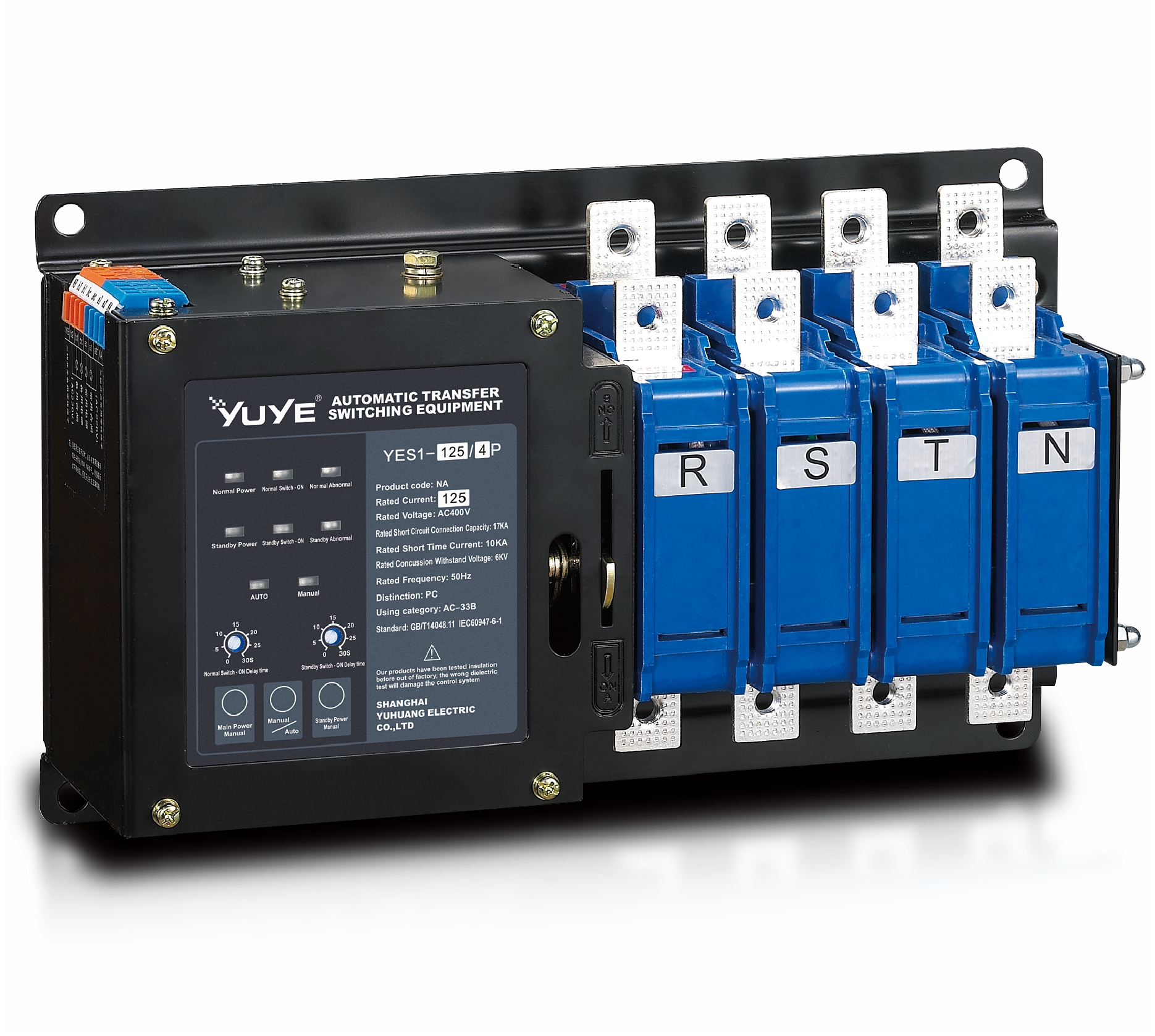 Solenoid-type ATS YES1-32~125NA
 Solenoid-type ATS YES1-63~630SN
 Solenoid-type ATS YES1-1250~4000SN
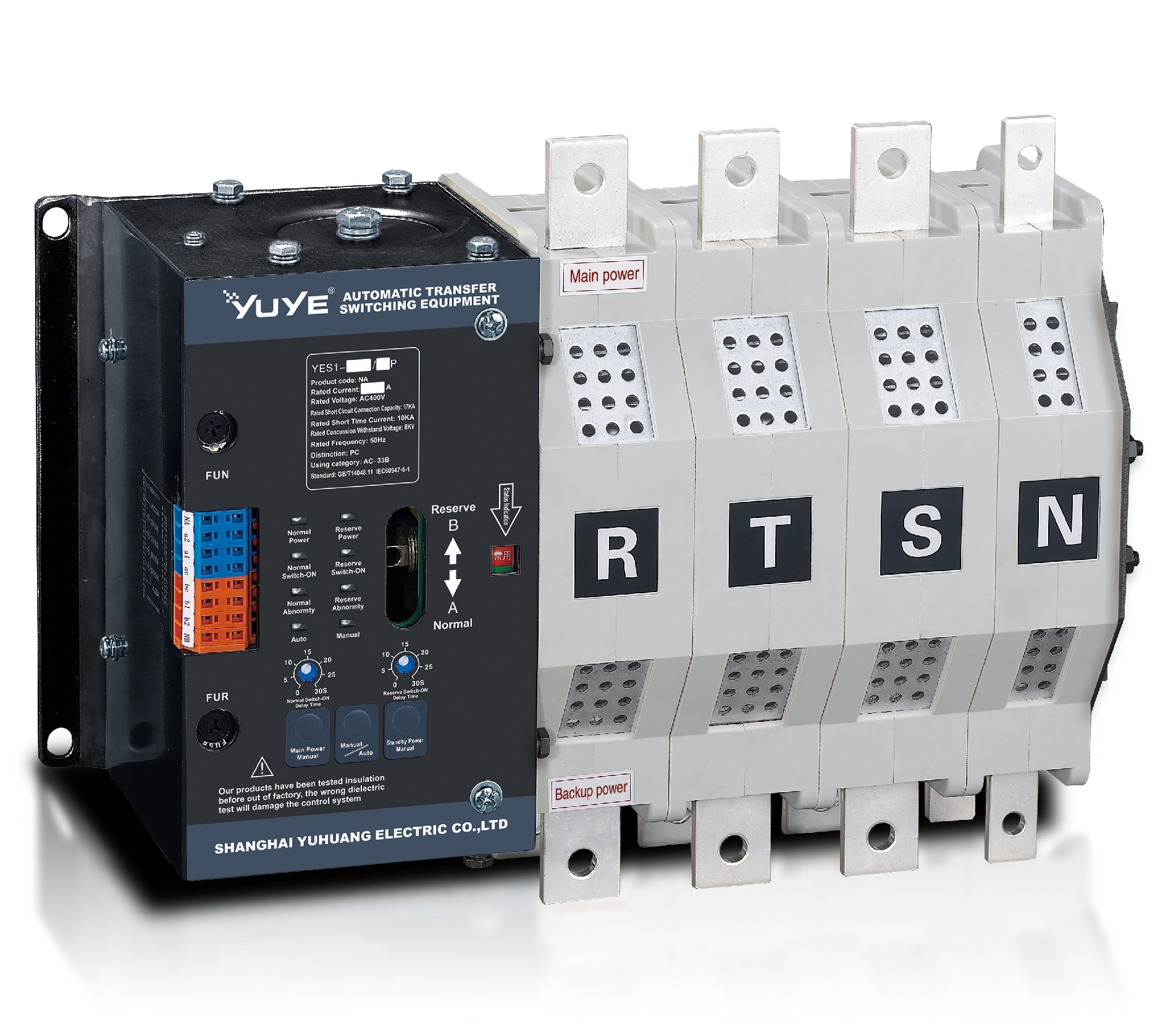 Solenoid-type ATS YES1-250~630NA/NAT
 Solenoid-type ATS YES1-63NJT
 PC ATS YES1-100~1600GN1/GN/GNF
 PC ATS YES1-2000~3200GN/GNF
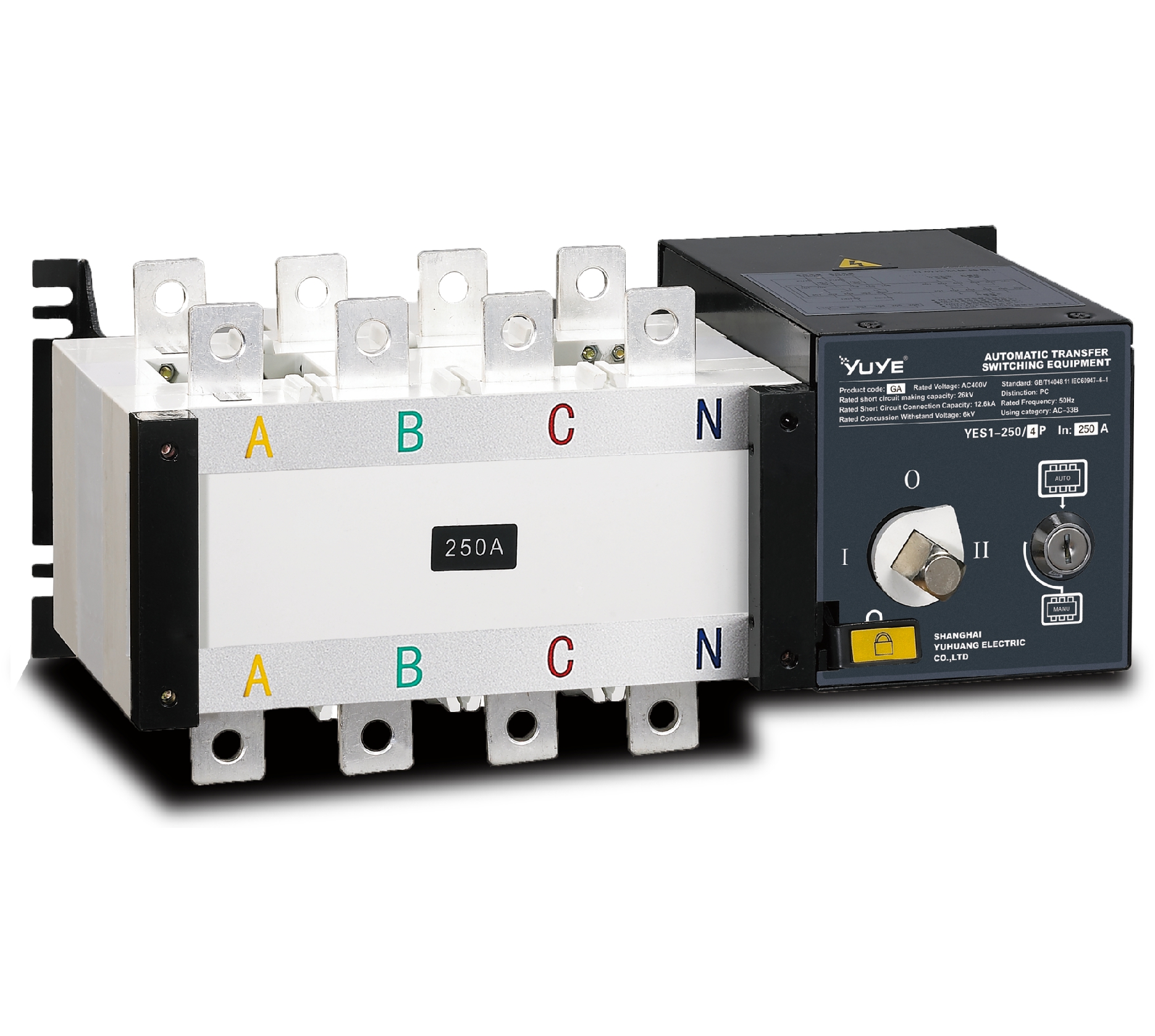 PC ATS YES1-100~3200GA1/GA
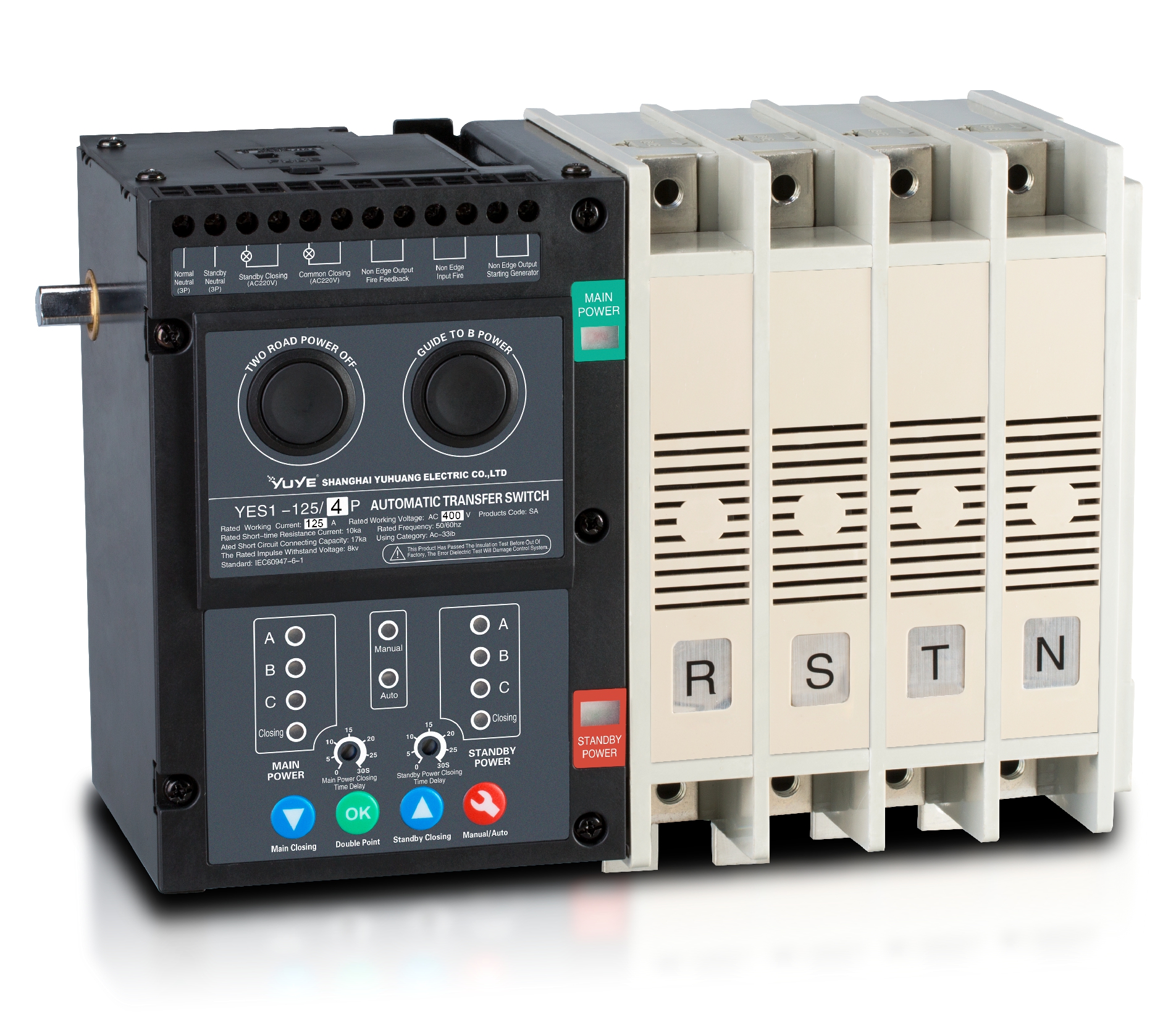 Solenoid-type ATS YES1-63~630SA
 Solenoid-type ATS YES1-63~630L/LA
 Solenoid-type ATS YES1-63~630LA3
 Solenoid-type ATS YES1-63MA
 PC ATS YES1-630~1600M
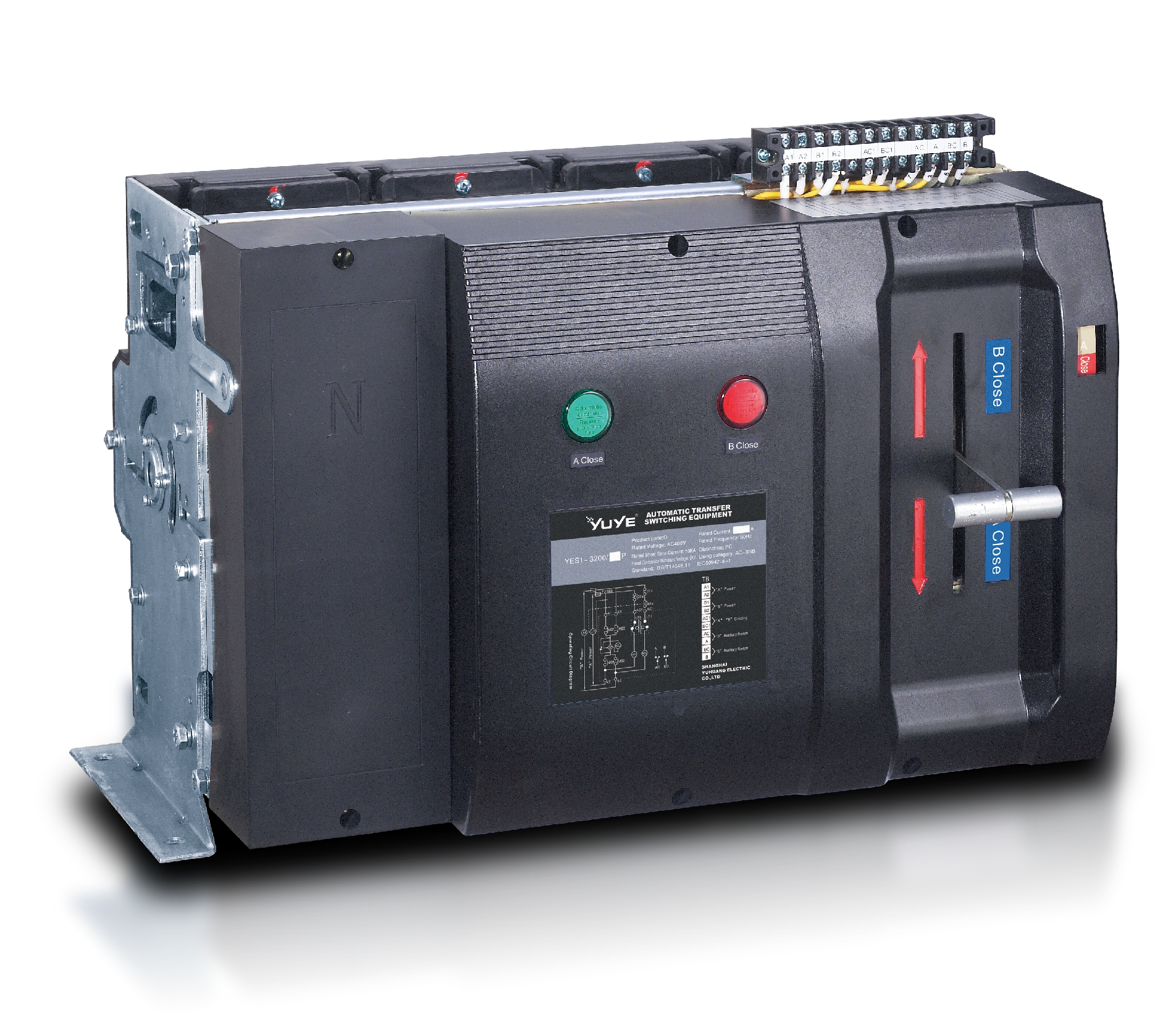 PC ATS YES1-3200Q
 Solenoid-type ATS YES1-4000~6300Q
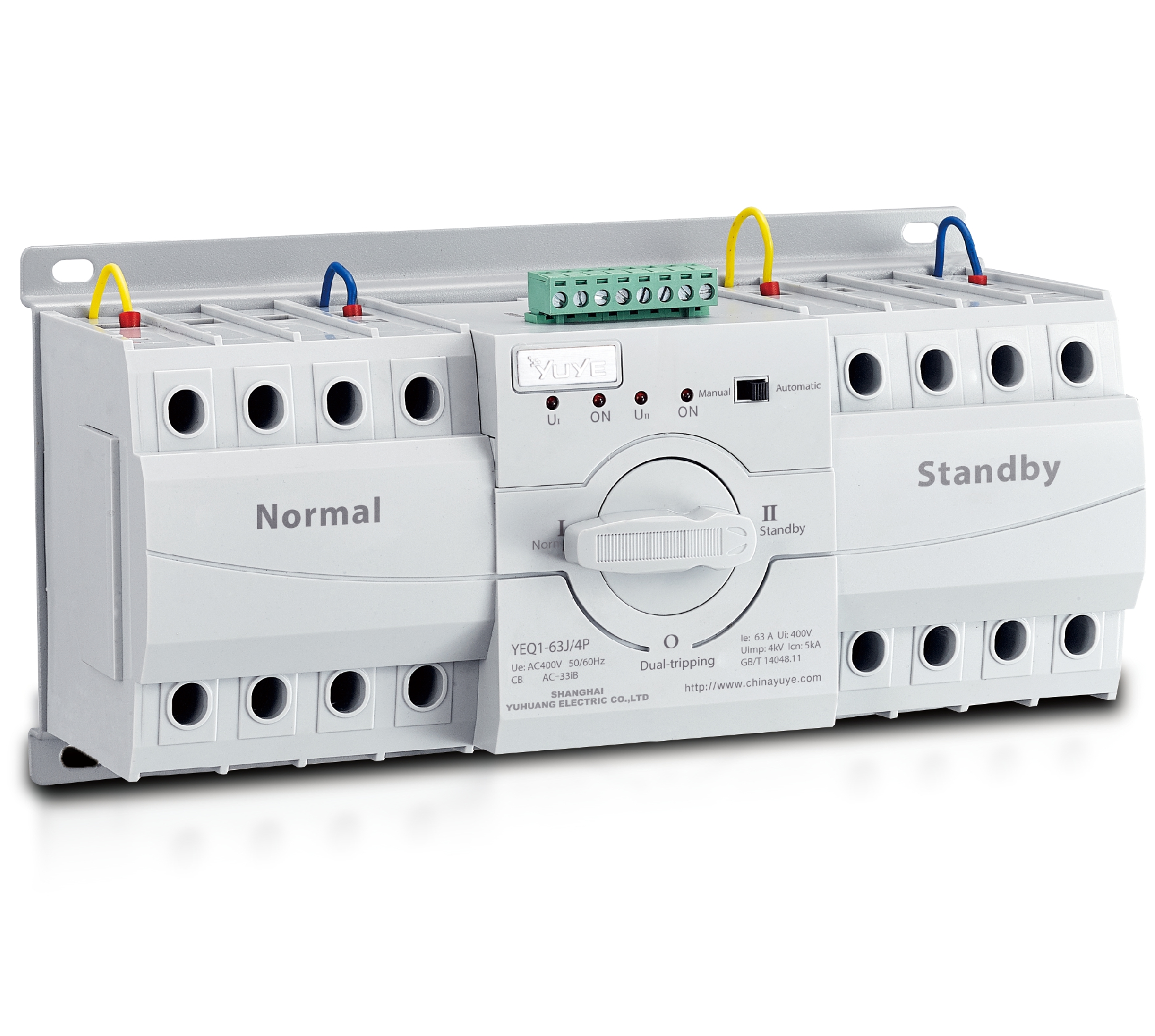 CB ATS YEQ1-63J
 CB ATS YEQ2Y-63
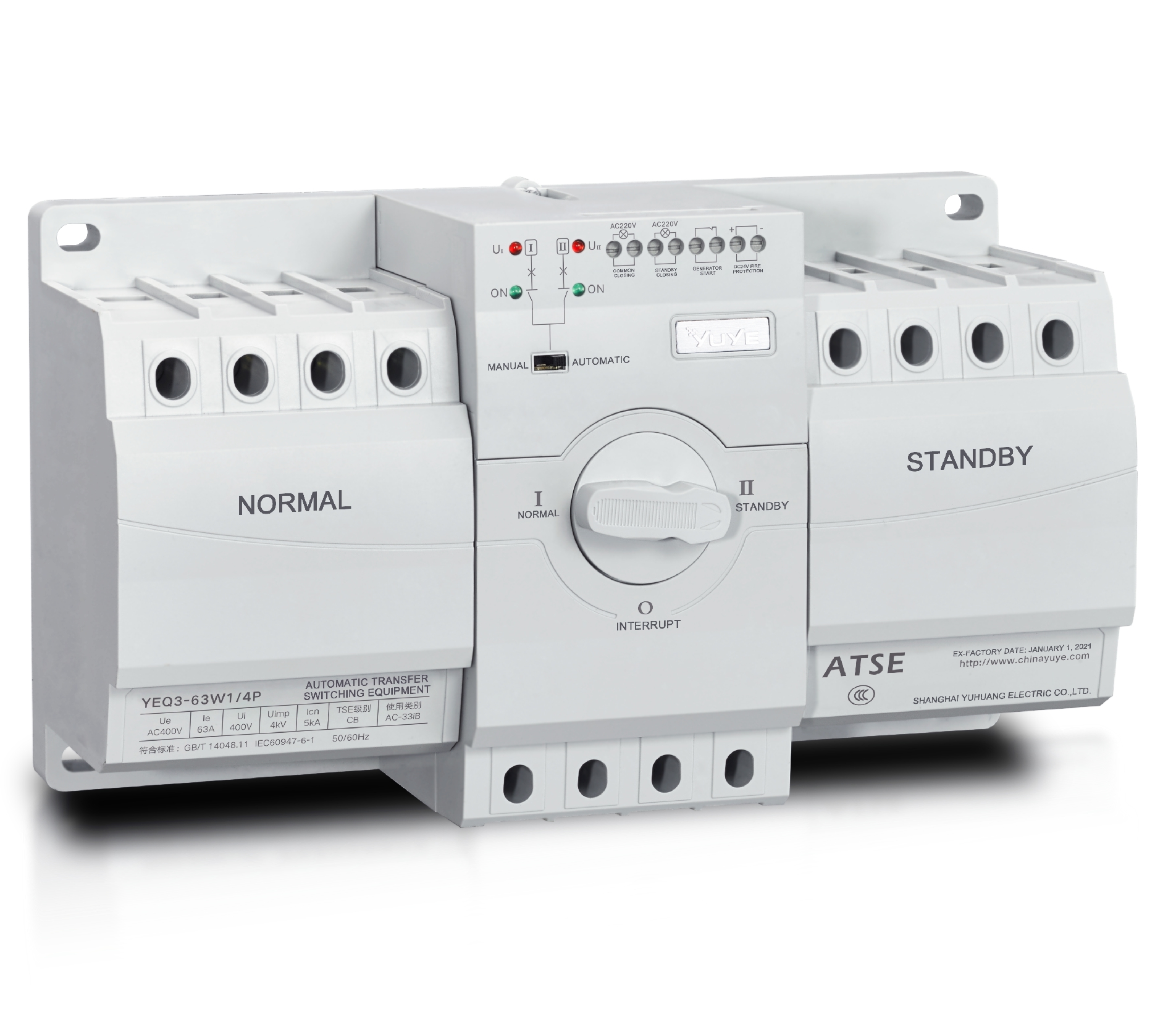 CB ATS YEQ3-63W1
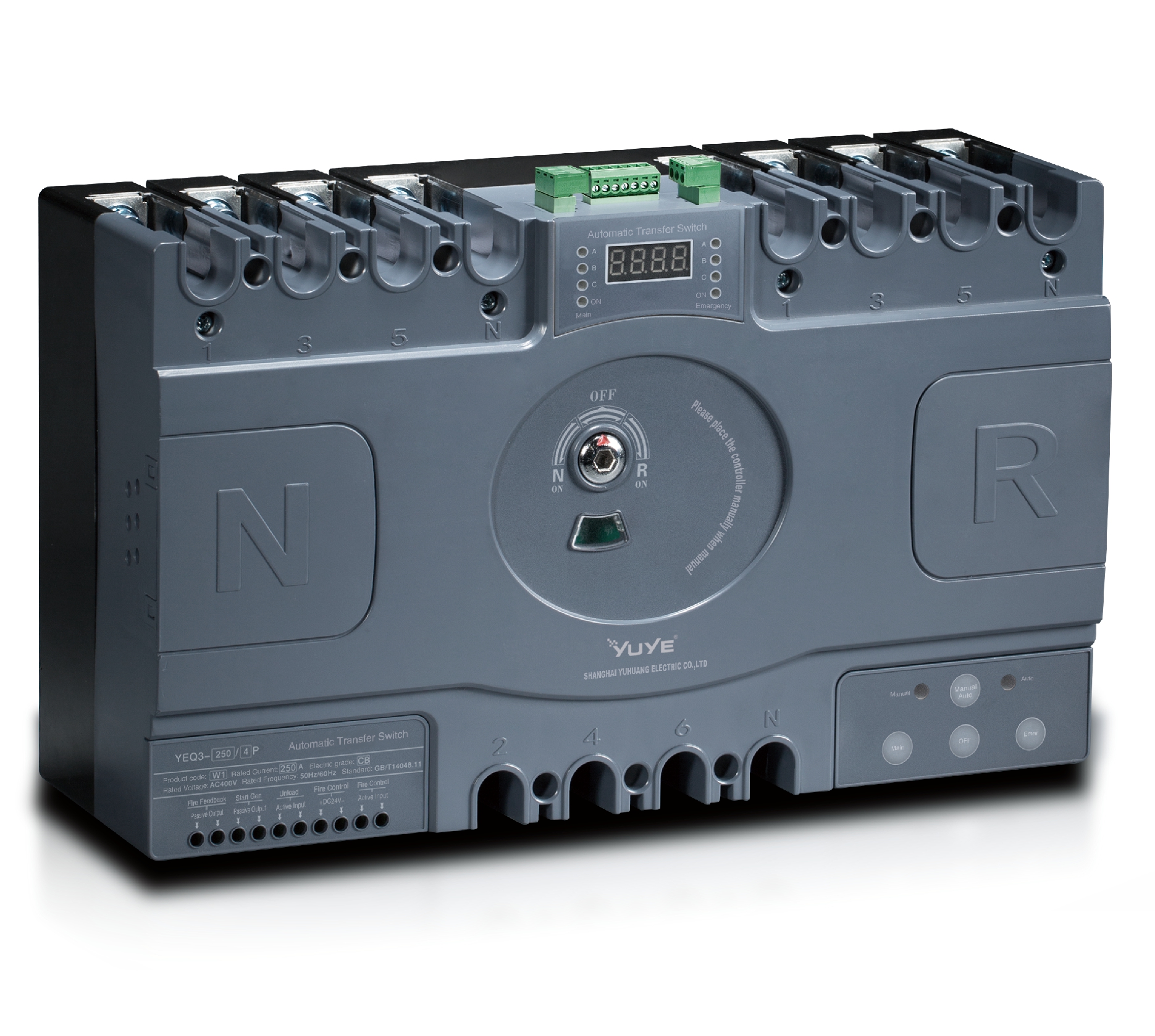 CB ATS YEQ3-125~630W1
 ATS controller Y-700
 ATS Controller Y-700N
 ATS Controller Y-701B
 ATS Controller Y-703N
 ATS Controller Y-800
 ATS Controller W2/W3 Series
 ATS switch Cabinet floor-to-ceiling
 ATS switch cabinet
 JXF-225A power Cbinet
 JXF-800A power Cbinet
 YEM3-125~800 Plastic Shell Type MCCB
 YEM3L-125~630 Leakage Type MCCB
 YEM3Z-125~800 Adjustable Type MCCB
 YEM1-63~1250 Plastic Shell Type MCCB
 YEM1E-100~800 Electronic Type MCCB
 YEM1L-100~630 Leakage Type MCCB
 Air Circuit Breaker YEW1-2000~6300
 Air Circuit Breaker YEW3-1600
 Miniature circuit breaker YEMA2-6~100
 Miniature circuit breaker YEB1-3~63
 Miniature circuit breaker YEB1LE-3~63
 Miniature circuit breaker YEPN-3~32
 Miniature circuit breaker YEPNLE-3~32
 Miniature circuit breaker YENC-63~125
 Load isolation switch YGL-63~3150
 Load Isolation Switch YGL2-63~3150
 DC relay YDC-P20
 DC relay YDC-P250
 DC relay YDC-P400
 DC relay MDC-300M
 DC relay YDC-M400
 DC Isolation Switch YEGL3D-630
 YECPS2-45~125 LCD
 YECPS-45~125 Digital
 CNC Milling/Turning-OEM
In modern society, the continuity of power supply directly determines the normal operation of critical fields. Scenarios like hospitals and data centers have extremely high requirements for power stability—even a millisecond-level interruption may cause irreversible losses. As a core device for switching between main and backup power supplies, the Automatic Transfer Switch (ATS) is a key line of defense for uninterrupted power supply. Among them, the Solenoid Type ATS has become the preferred solution for critical scenarios due to its millisecond switching capability, providing solid support for high-reliability power supply needs.
1. Introduction: Core Demand for Uninterrupted Power Supply in Critical Scenarios
For critical scenarios such as hospitals and data centers, the continuity of power supply is crucial. Power outages may threaten patients’ lives in hospitals and cause data loss or business paralysis in data centers. According to Frost & Sullivan’s 2018 Business and Industrial Power Reliability Report, the average loss caused by power outages in critical scenarios exceeds $100,000 per hour. The Solenoid Type ATS addresses this issue by compressing power interruption time to a negligible range, effectively avoiding related risks.
2. Technical Core: Realization Logic of Millisecond Switching
The Solenoid Type ATS is mainly composed of an electromagnetic drive module, a switching actuator, and a detection control unit. Unlike traditional mechanical ATS that relies on motor and gear drive, it uses electromagnetic induction to drive the switching mechanism, fundamentally improving switching speed and accuracy. Its switching speed can be as low as 80-150ms, meeting the IEC 60947-6-1 standard (≤200ms for critical scenarios), with a rated current ranging from 63A to 6300A for both residential and industrial applications. Some high-end models are equipped with an RS-485 interface for remote monitoring.

3. Critical Scenario Adaptation: Uninterrupted Power Supply Solutions
Hospitals require switching time
4. Stability Guarantee: Design to Avoid Power Fluctuations
Power fluctuations during switching are caused by mechanism delay, unreasonable circuit design, and inaccurate detection. The Solenoid Type ATS solves this through hardware (high-quality electromagnetic components, voltage buffer modules) and software (precision detection algorithms, fault self-diagnosis) optimization, complying with IEC 60947-6-1 and IEC 60364-5-56 standards.
5. Advantage Comparison with Traditional ATS
Compared with traditional mechanical ATS (switching speed >500ms), the Solenoid Type ATS achieves 80ms switching. It consumes power only during switching (almost zero standby energy consumption), has less wear, lower maintenance costs (1/3 of traditional ATS), and a longer service life (10-15 years vs. 5-8 years).
6. Practical Cases
A Grade A hospital replaced traditional ATS with Solenoid Type ATS, reducing switching speed to 120ms and achieving zero interruption for 1 year. A Tianjin cloud computing center used it to handle 2 power failures with switching time <100ms, maintaining PUE ≤1.3 and reducing operational costs.
7. References
1. Elmeasure. Solenoid-Based Automatic Transfer Switch[EB/OL].
2. Anonymous. What is ATS?[EB/OL].
3. KJCLUB. ATS Using Electromagnet[EB/OL].
4. ABB. How to Select an Automatic Transfer Switch[R].
5. Lvma Electric. Solenoid Type ATS[EB/OL]. https://lvma-ele.com/solenoid-type-ats-630a/.
6. Anonymous. Schneider ATS Design and Application Guide[EB/OL].
8. FAQ
Q1: How does Solenoid Type ATS achieve millisecond switching?
A1: Electromagnetic drive reduces delay, achieving 80-150ms switching.
Q2: Which scenarios is it suitable for?
A2: Hospitals, data centers, industrial manufacturing, etc.
Q3: What maintenance advantages does it have?
A3: Lower frequency, 1/3 maintenance cost, and longer service life.
Q4: How to avoid power fluctuations?
A4: Dual optimization of hardware and software.
Q5: What standards must it comply with?
A5: IEC 60947-6-1, IEC 60364-5-56, and GB 51039-2014 (for hospitals).
