
 PC ATS YECT1-2000G
 PC ATS YES2-63~250GN1
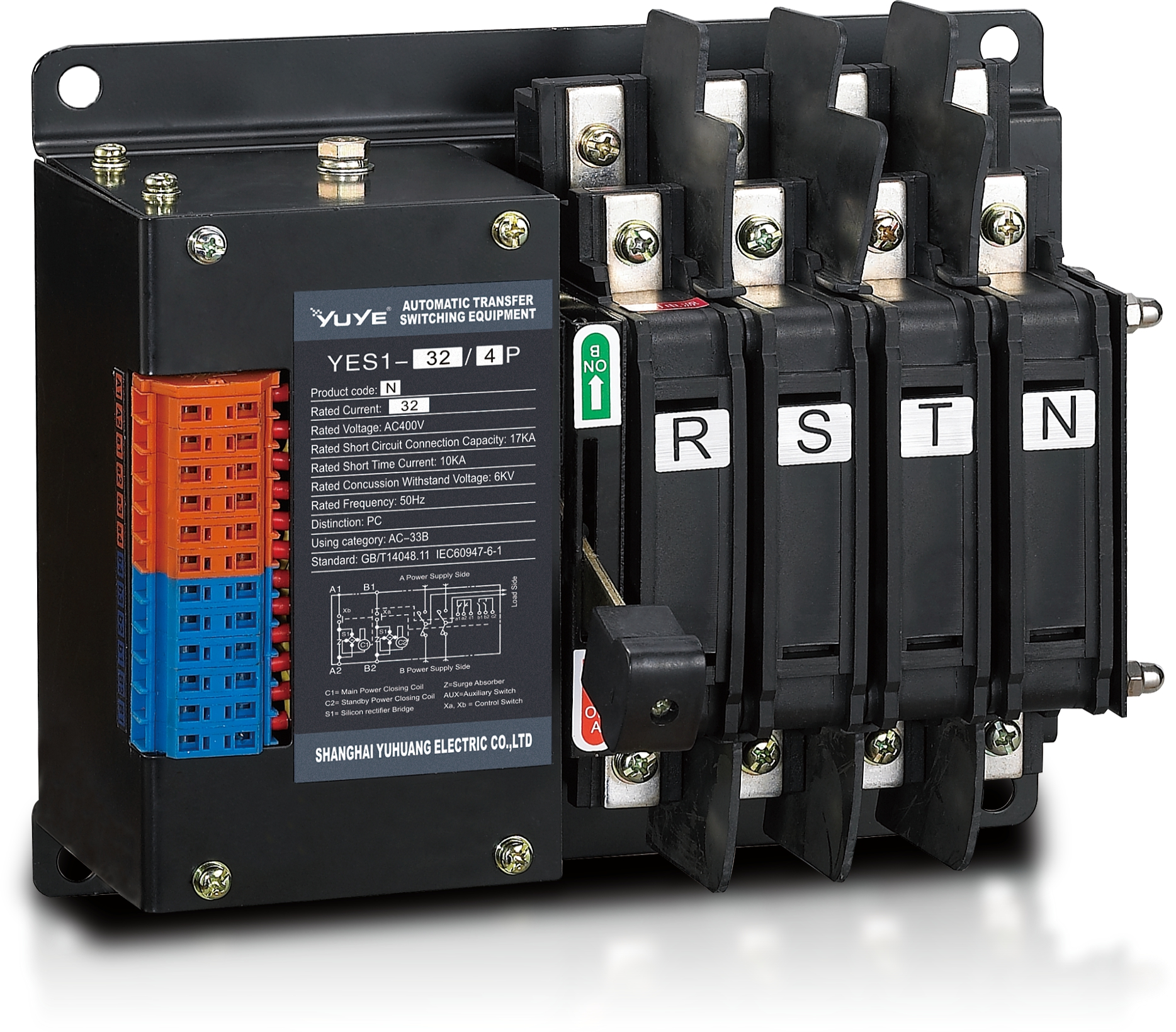 Solenoid-type ATS YES1-32~125N
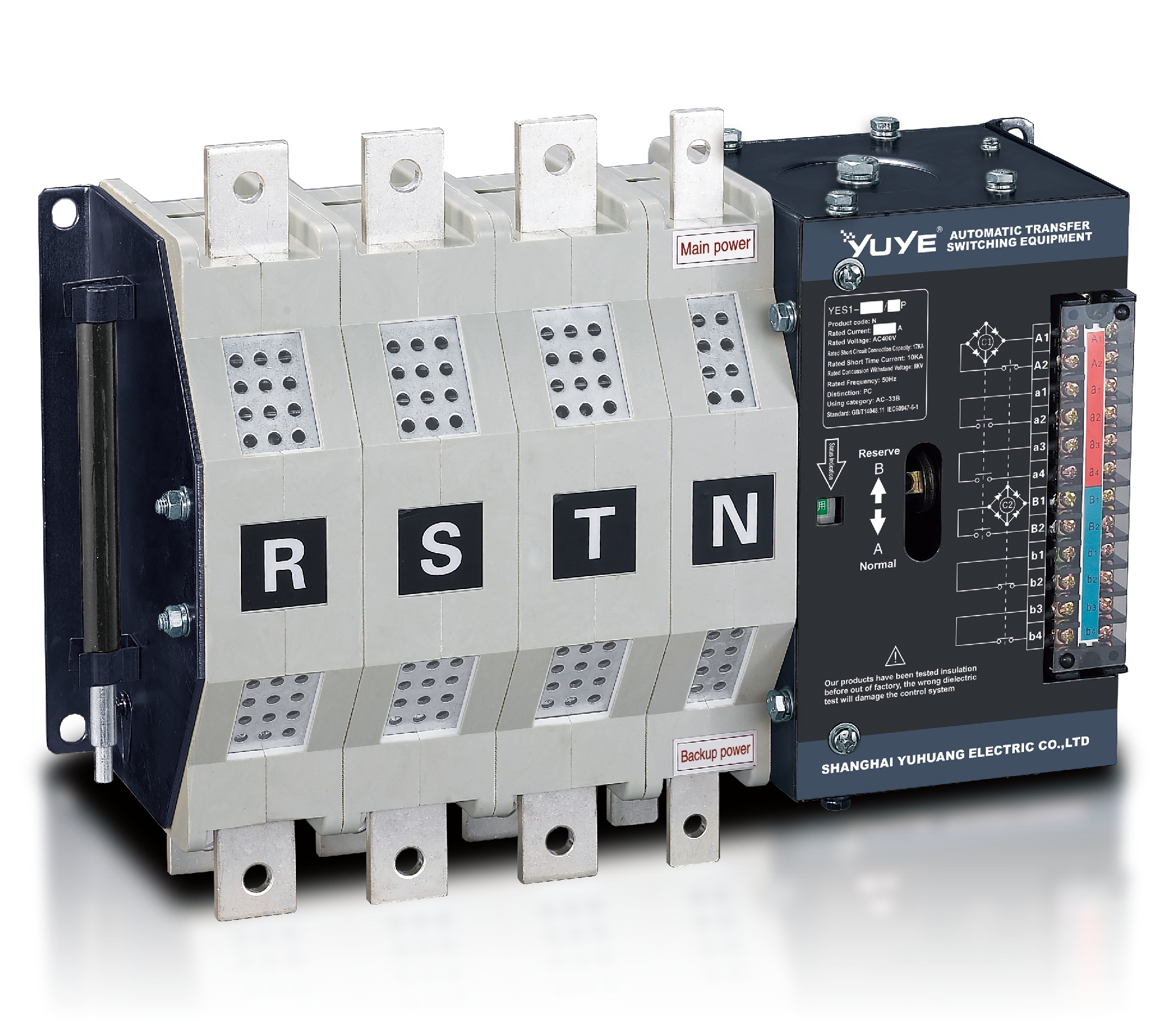 Solenoid-type ATS YES1-250~630N/NT
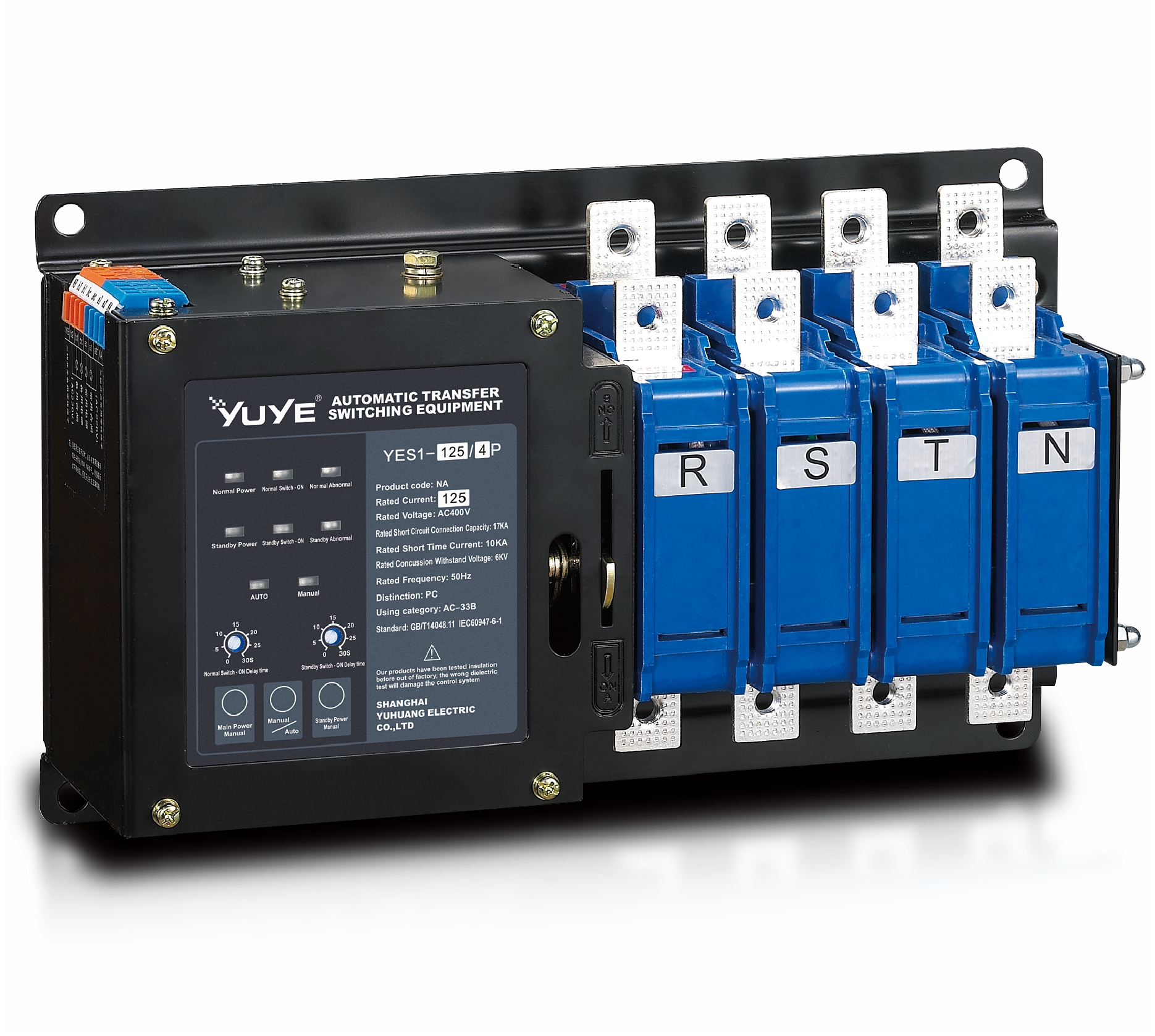 Solenoid-type ATS YES1-32~125NA
 Solenoid-type ATS YES1-63~630SN
 Solenoid-type ATS YES1-1250~4000SN
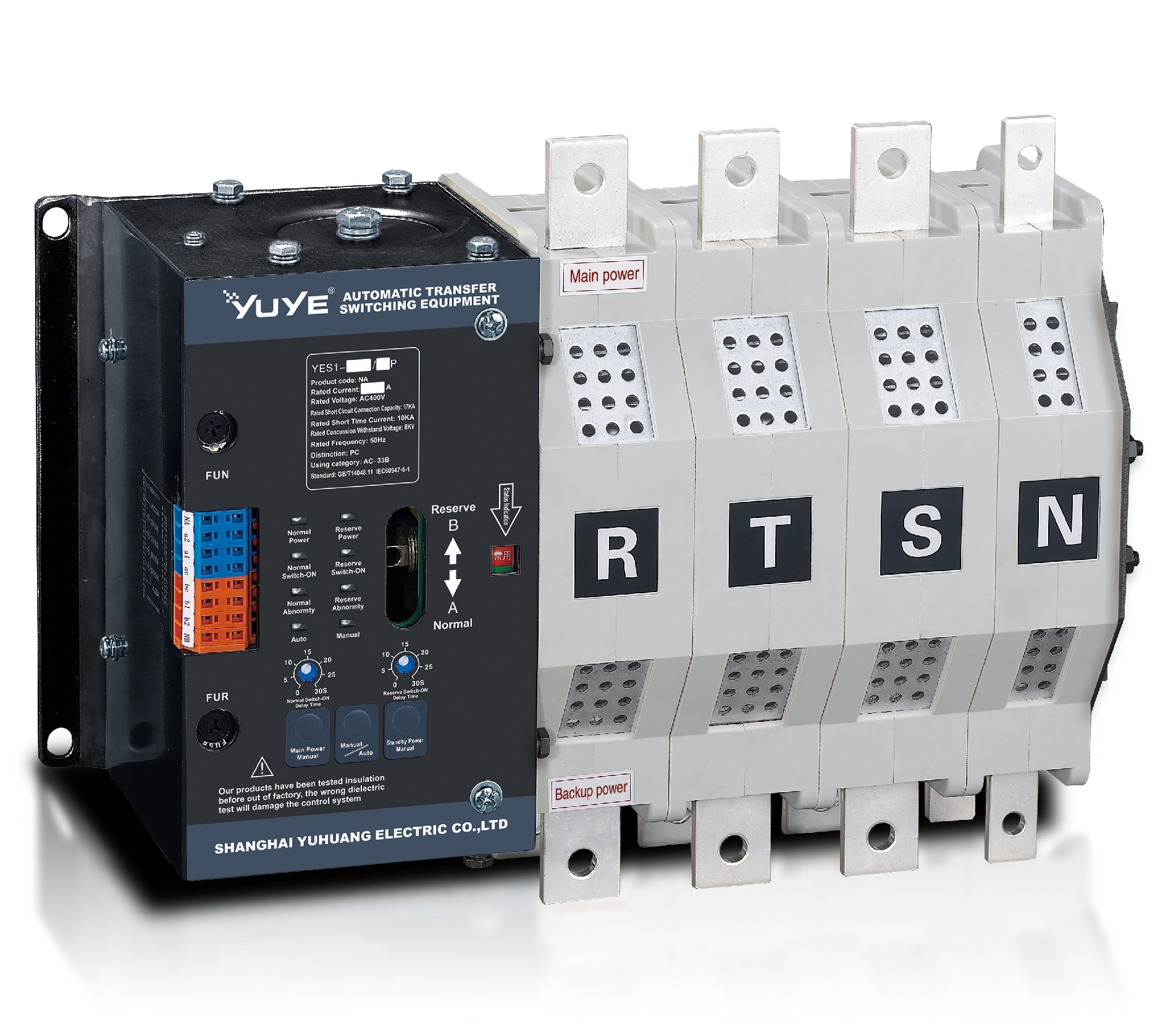 Solenoid-type ATS YES1-250~630NA/NAT
 Solenoid-type ATS YES1-63NJT
 PC ATS YES1-100~1600GN1/GN/GNF
 PC ATS YES1-2000~3200GN/GNF
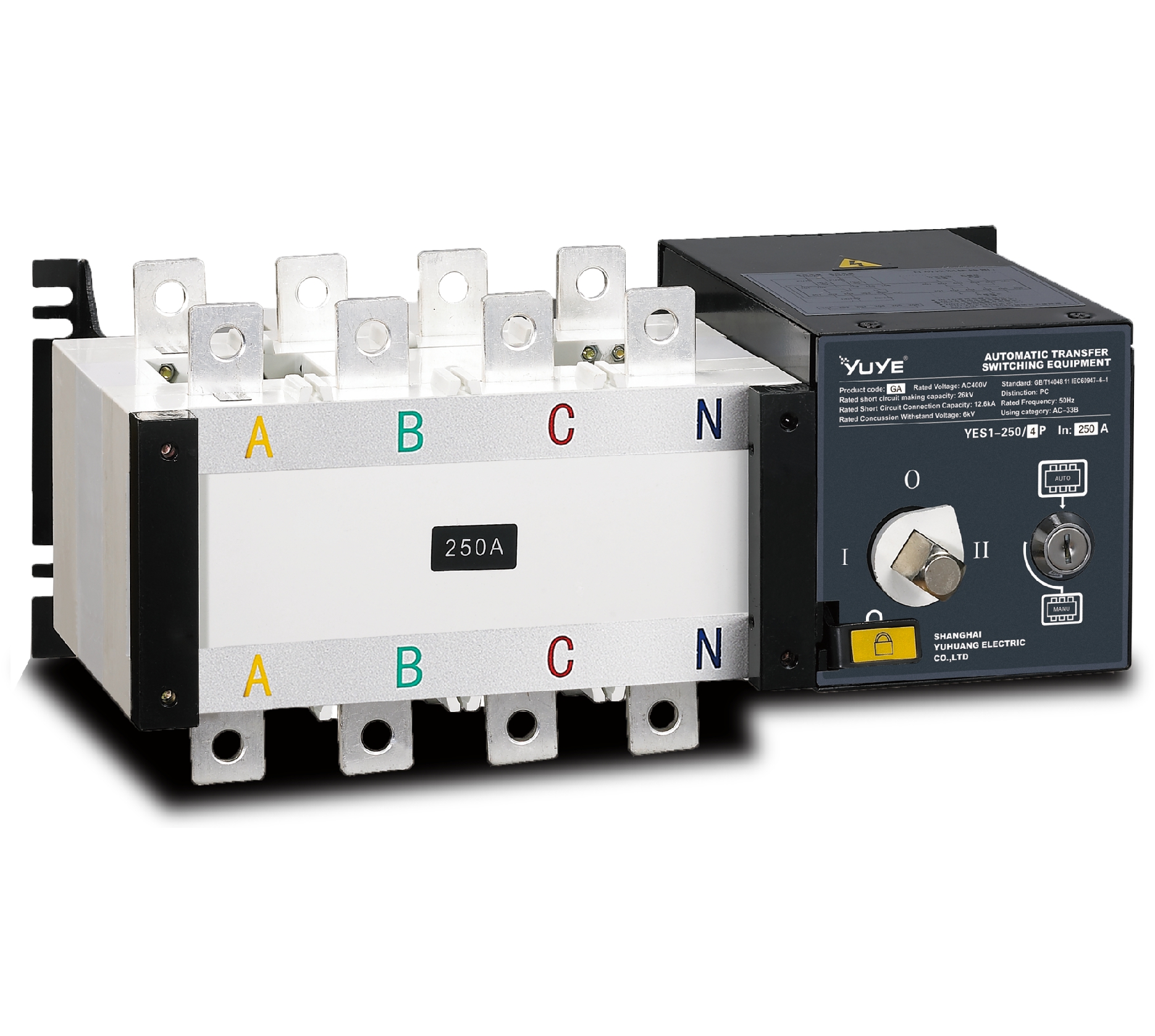 PC ATS YES1-100~3200GA1/GA
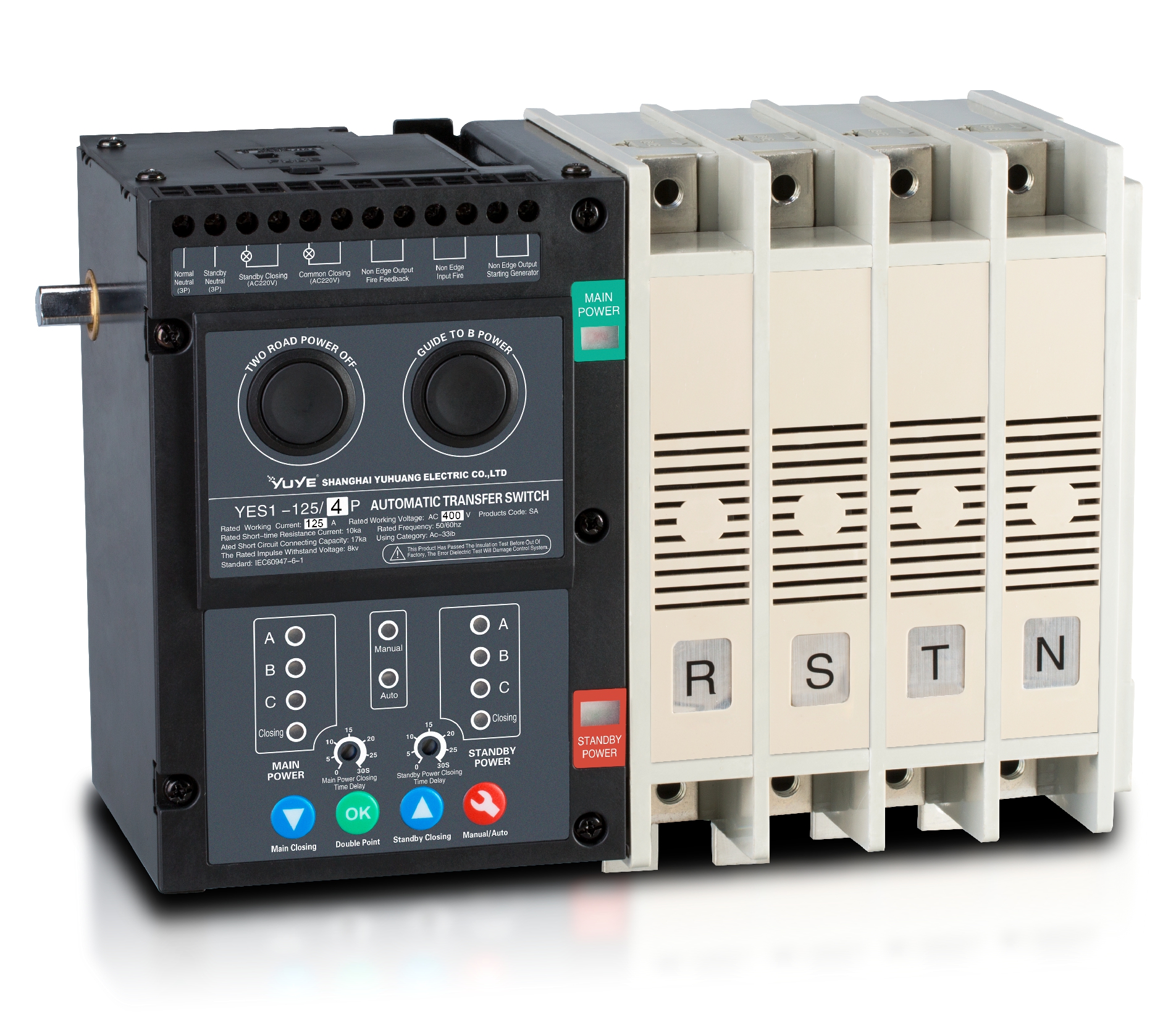 Solenoid-type ATS YES1-63~630SA
 Solenoid-type ATS YES1-63~630L/LA
 Solenoid-type ATS YES1-63~630LA3
 Solenoid-type ATS YES1-63MA
 PC ATS YES1-630~1600M
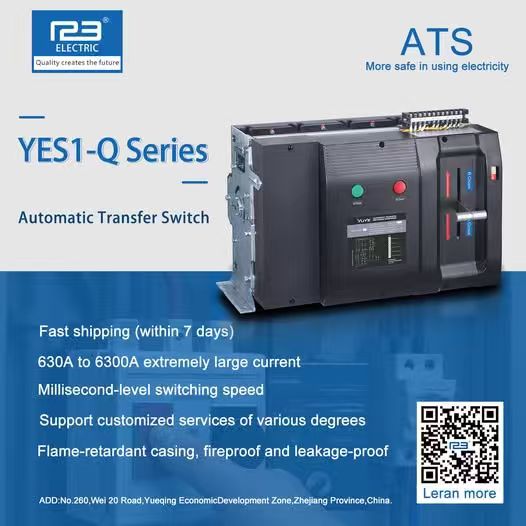
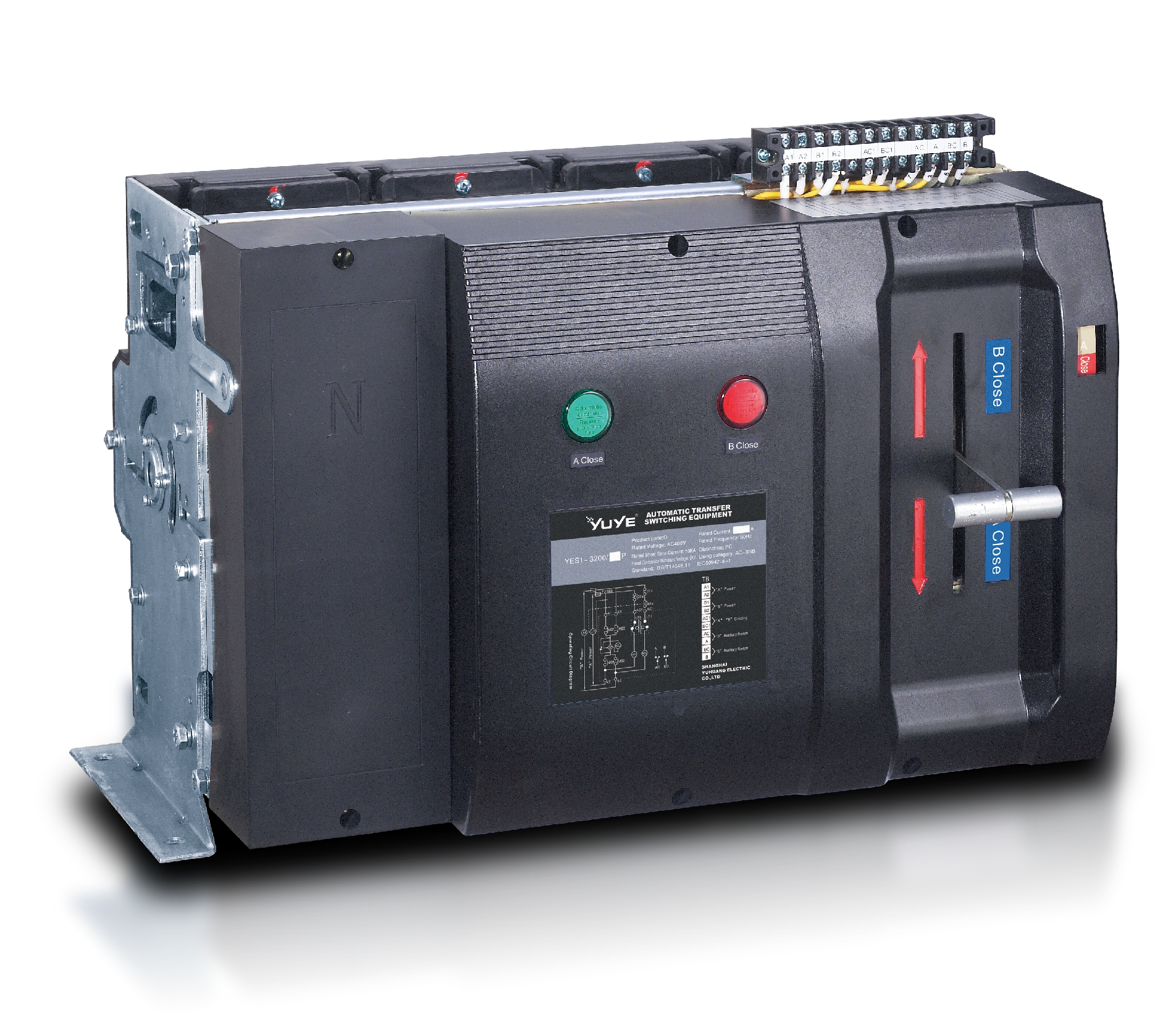 PC ATS YES1-3200Q
 Solenoid-type ATS YES1-4000~6300Q
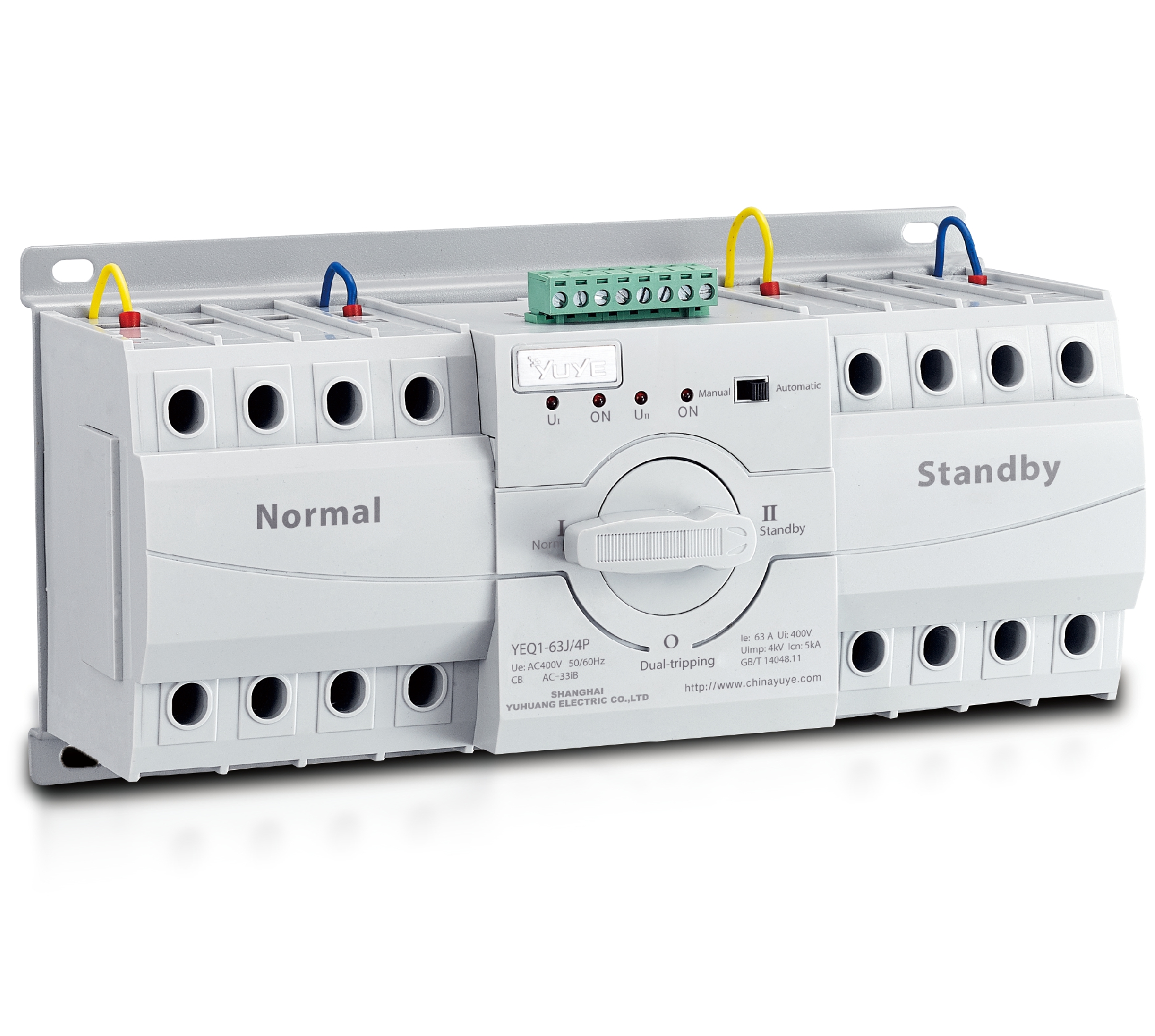 CB ATS YEQ1-63J
 CB ATS YEQ2Y-63
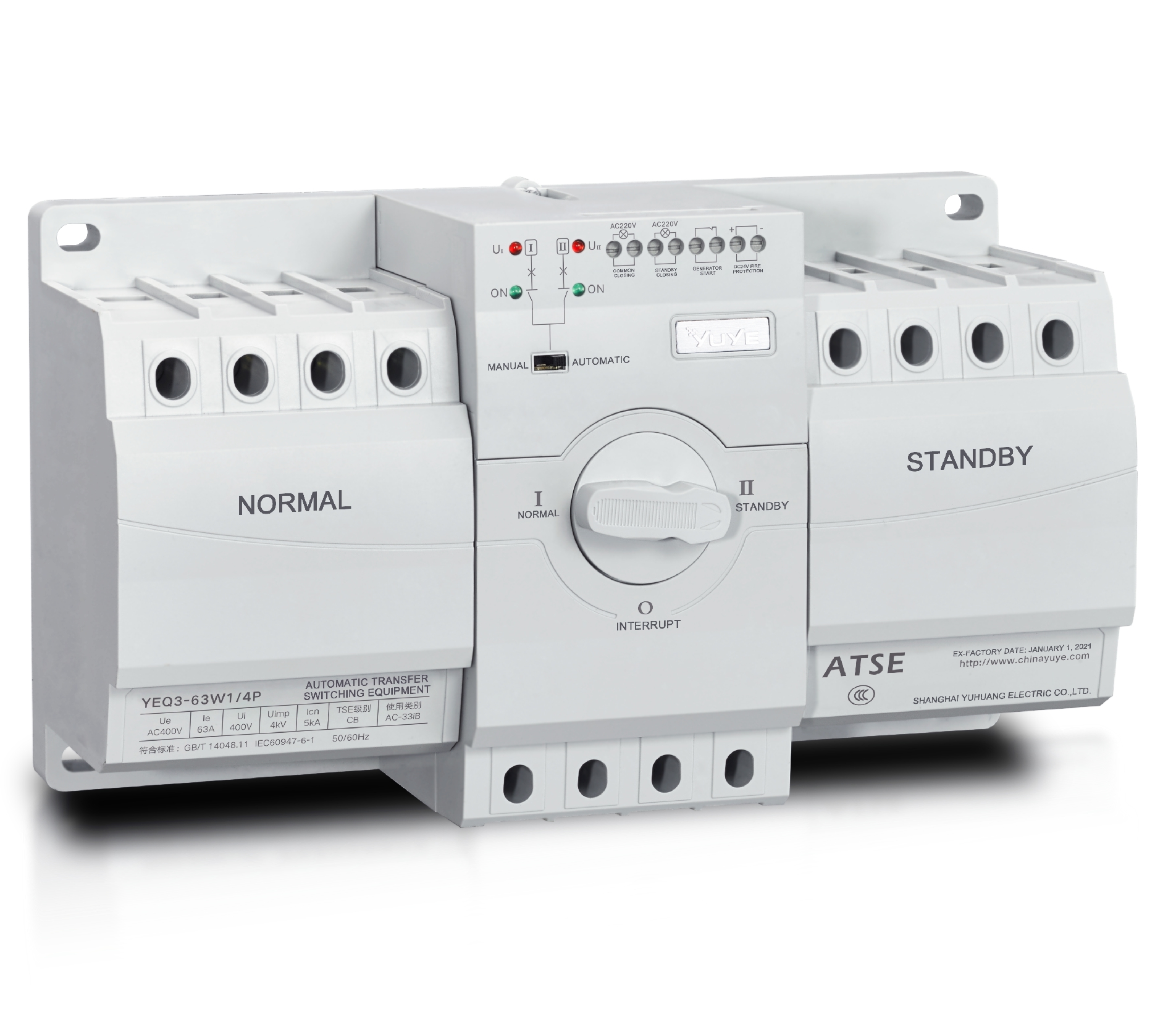 CB ATS YEQ3-63W1
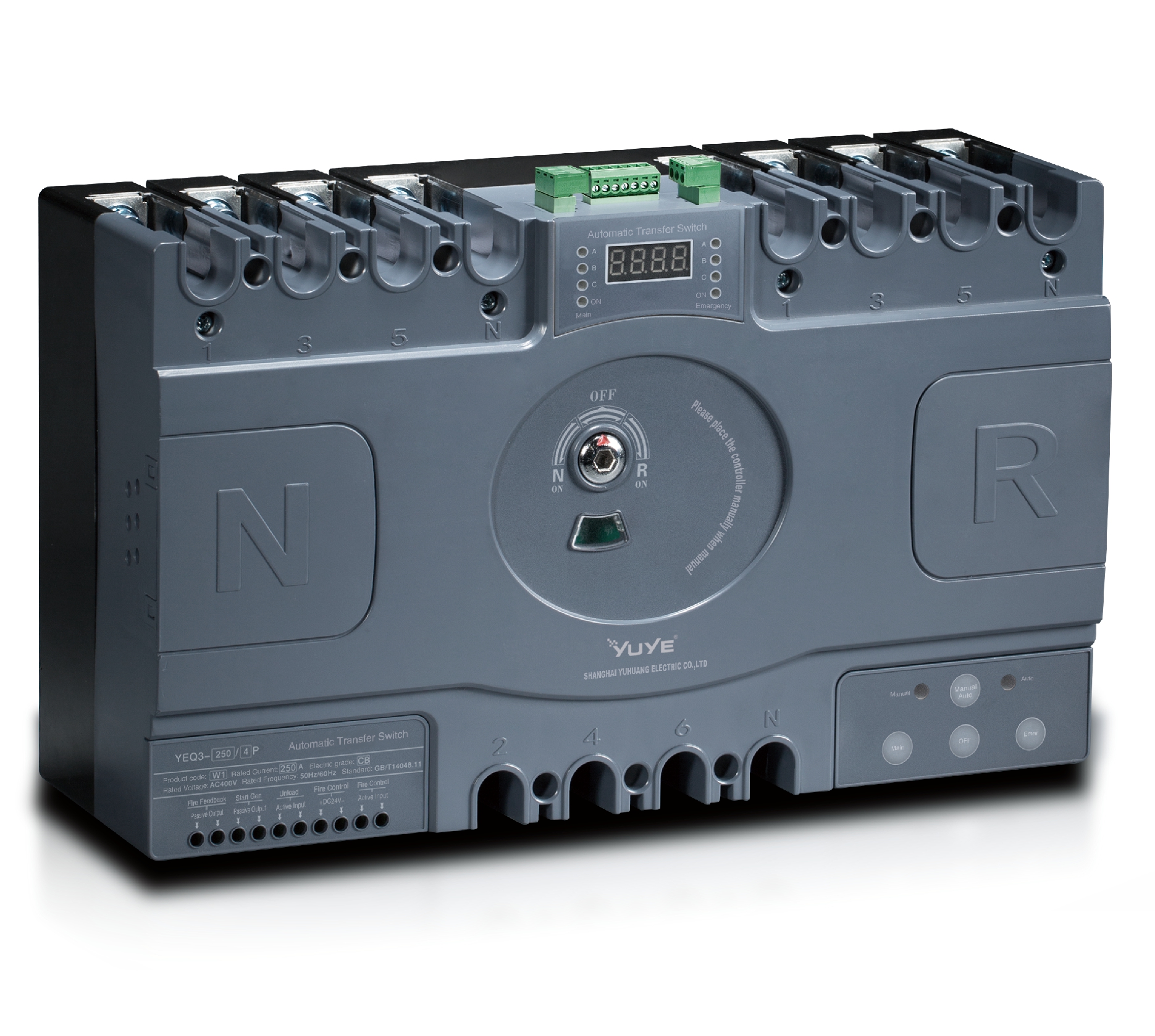 CB ATS YEQ3-125~630W1
 ATS controller Y-700
 ATS Controller Y-700N
 ATS Controller Y-701B
 ATS Controller Y-703N
 ATS Controller Y-800
 ATS Controller W2/W3 Series
 ATS switch Cabinet floor-to-ceiling
 ATS switch cabinet
 JXF-225A power Cbinet
 JXF-800A power Cbinet
 YEM3-125~800 Plastic Shell Type MCCB
 YEM3L-125~630 Leakage Type MCCB
 YEM3Z-125~800 Adjustable Type MCCB
 YEM1-63~1250 Plastic Shell Type MCCB
 YEM1E-100~800 Electronic Type MCCB
 YEM1L-100~630 Leakage Type MCCB
 Air Circuit Breaker YEW1-2000~6300
 Air Circuit Breaker YEW3-1600
 Miniature circuit breaker YEMA2-6~100
 Miniature circuit breaker YEB1-3~63
 Miniature circuit breaker YEB1LE-3~63
 Miniature circuit breaker YEPN-3~32
 Miniature circuit breaker YEPNLE-3~32
 Miniature circuit breaker YENC-63~125
 Load isolation switch YGL-63~3150
 Load Isolation Switch YGL2-63~3150
 DC relay YDC-P20
 DC relay YDC-P250
 DC relay YDC-P400
 DC relay MDC-300M
 DC relay YDC-M400
 DC Isolation Switch YEGL3D-630
 YECPS2-45~125 LCD
 YECPS-45~125 Digital
 CNC Milling/Turning-OEM
Abstract
Photovoltaic and wind power have become core renewable energy sources, yet their inherent intermittency and volatility cause frequent power switching failures and low energy utilization in hybrid power systems. Conventional switching devices struggle to adapt to fluctuating new energy output, threatening power supply stability. This paper summarizes the power switching pain points of wind-solar hybrid systems, illustrates the working principles and practical advantages of intelligent switching equipment, and verifies its application value in stabilizing system operation and boosting energy efficiency. The findings provide reliable references for the safe grid connection and efficient operation of modern renewable energy power systems.
1. Power Switching Pain Points of Wind-Solar Hybrid Systems
Renewable energy output is highly affected by weather conditions, presenting random fluctuations and intermittent power supply. This requires frequent switching between new energy generation and municipal standby power, which far exceeds the adaptation range of traditional fixed-logic switching devices. Conventional ATS relies on simple electromagnetic induction and mechanical switching, lacking intelligent identification capabilities. It often triggers false switching under transient power fluctuations, causing circuit current shocks, system harmonic interference and unnecessary power loss. Long-term misoperation accelerates equipment aging, reduces power supply stability, and leads to serious wind and solar energy abandonment, restricting the economic and operational efficiency of new energy power stations.
2. Working Principle of Motorized ATS for Fluctuating New Energy Supply
Motorized ATS is a motor-driven intelligent dual-power transfer switch integrating signal monitoring, intelligent judgment and automatic execution. Different from traditional electromagnetic ATS, it features stable motor transmission and low mechanical impact, perfectly adapting to unstable new energy output.
Equipped with high-precision sampling modules and optimized digital filtering algorithms, the equipment real-timely monitors grid voltage, current and frequency, accurately distinguishing effective power failures from transient fluctuations to avoid mis-switching. It supports flexible adjustment of switching thresholds and delay parameters, adapting to the output characteristics of photovoltaic, wind power and hybrid systems. In actual operation, it preferentially uses renewable energy power and automatically switches to municipal standby power when new energy output is insufficient, and switches back intelligently after power recovery, realizing unattended and cyclic stable switching.
3. Core Advantages of Motorized ATS in New Energy Grid Connection
First, it supports ultra-fast seamless dual-power switching, eliminating power supply interruption and voltage drop risks during switching, and guaranteeing continuous operation of terminal equipment. Second, it boasts wide operational compatibility, adapting to off-grid and grid-connected photovoltaic, wind power and wind-solar complementary systems of various scales. Third, built-in overload, short circuit and overvoltage self-protection functions isolate faulty circuits in real time, reduce system failure rates and extend equipment service life. Fourth, the optimized mechanical and electrical structure greatly reduces operation loss, effectively improving the power transmission efficiency of renewable energy systems.
4. Practical Application Cases in New Energy Systems
In industrial distributed photovoltaic projects, traditional switching equipment frequently malfunctions due to light-dependent power fluctuations. After applyingMotorized ATS, the system switching failure rate drops by 92%, and photovoltaic energy utilization increases by 8.7%, realizing stable matching between photovoltaic power generation and municipal power grids.
In small and medium-sized wind power and wind-solar complementary stations, the equipment effectively identifies random wind power fluctuations and avoids invalid switching. One-year operational data shows that the wind and solar abandonment rate is reduced by over 8%, significantly improving the overall operational efficiency and grid connection stability of hybrid new energy systems. Field cases fully verify its excellent adaptability and practical value in diverse renewable energy scenarios.
5. System Stability and Energy Utilization Improvement Mechanism
By filtering transient power interference and avoiding frequent mis-switching, the equipment eliminates circuit distortion and harmonic risks, greatly enhancing the overall stability of renewable energy power systems. Its adjustable switching parameters make full use of fluctuating new energy output, reducing clean energy waste and abandonment. Stable and accurate switching also avoids frequent current impact damage to power generation and distribution equipment, lowering station operation and maintenance costs. In addition, it complies with modern grid connection standards, standardizing the safe and efficient grid-connected operation of large-scale wind and solar power projects.
6. Conclusion
Wind-solar hybrid renewable energy systems face prominent switching defects caused by power volatility and backward traditional equipment. As an intelligent power switching device, Motorized ATS can perfectly adapt to fluctuating new energy output, realize high-precision and seamless dual-power switching, and effectively improve system stability and energy utilization rate. With the large-scale development of global renewable energy, intelligent motor-driven switching equipment will become a key supporting facility for smart new energy power stations, with broad engineering application and market promotion value.
References
[1] Recent Applications of Power Electronics & Drives in Renewable Power Generation[J]. IET Renewable Power Generation, 2025.
[2] Seamless Switching Method Between Grid-Following and Grid-Forming Control for Renewable Energy Conversion Systems[J]. IEEE Access, 2024.
[3] Stateflow-based hybrid PV/WT system with techno-economic assessment for off-grid electrification[J]. Energy Reports, 2026.
[4] Three phase bidirectional DC-DC converters based neural network controller for renewable energy sources[J]. Frontiers in Energy Research, 2024.
[5] Review of Coordinated Control Strategies for Renewable Energy Station with Grid-following and Grid-forming Inverters[J]. High Voltage Engineering, 2025.
FAQ
Q1: Why are traditional ATS unsuitable for renewable energy systems?
A1: Traditional ATS adopts fixed switching logic and single signal identification mode, which cannot distinguish transient power fluctuations from real power failures of wind and solar systems. It easily causes frequent false switching, leading to system instability and clean energy waste, and cannot adapt to the intermittent operation characteristics of renewable energy.
Q2: What core functions adapt it to wind-solar hybrid systems?
A2: It has three core adaptive functions: high-precision signal identification to filter power fluctuation interference, flexible adjustable switching parameters for diverse new energy scenarios, and motor-driven seamless switching to ensure uninterrupted power supply, fully matching the operational demands of wind-solar hybrid systems.
Q3: What benefits does it bring to new energy power stations?
A3: It reduces system switching failure rate, improves power supply stability, lowers wind and solar abandonment rate, enhances clean energy utilization efficiency, extends the service life of power distribution equipment, and cuts daily operation and maintenance costs.
Q4: What renewable energy scenarios is it applicable to?
A4: It features strong compatibility, covering distributed photovoltaic, small and medium-sized wind power, wind-solar complementary hybrid power stations, and supports both off-grid and grid-connected new energy operation modes.
